The index
Entities
Angels, demons and the gods they descend from. The score on each card is an attestation weight: how many independent texts name the entity, weighted so that early sources count for more than late compendia.
Alignment
- Disputed159
- Infernal112
- Celestial34
- Fallen23
Kind of being
- Deity148
- Demonic119
- Angelic47
- Mortal8
- Hybrid3
- Realm3
Breadth of source base
- Deep49
- Well sourced97
- Narrow86
- Single lineage96
Entities per tradition
Alignment
Kind
Class the source uses
Tradition
328 of 328
Every entity in the corpus
Artemis
Mistress of Animals · Greek
Huntress and protector of the young, whose Ephesian cult statue looks nothing like her and whose temple gave the ancient world one of its most durable protective formulas.
Asmoday
King · Goetic Spirit
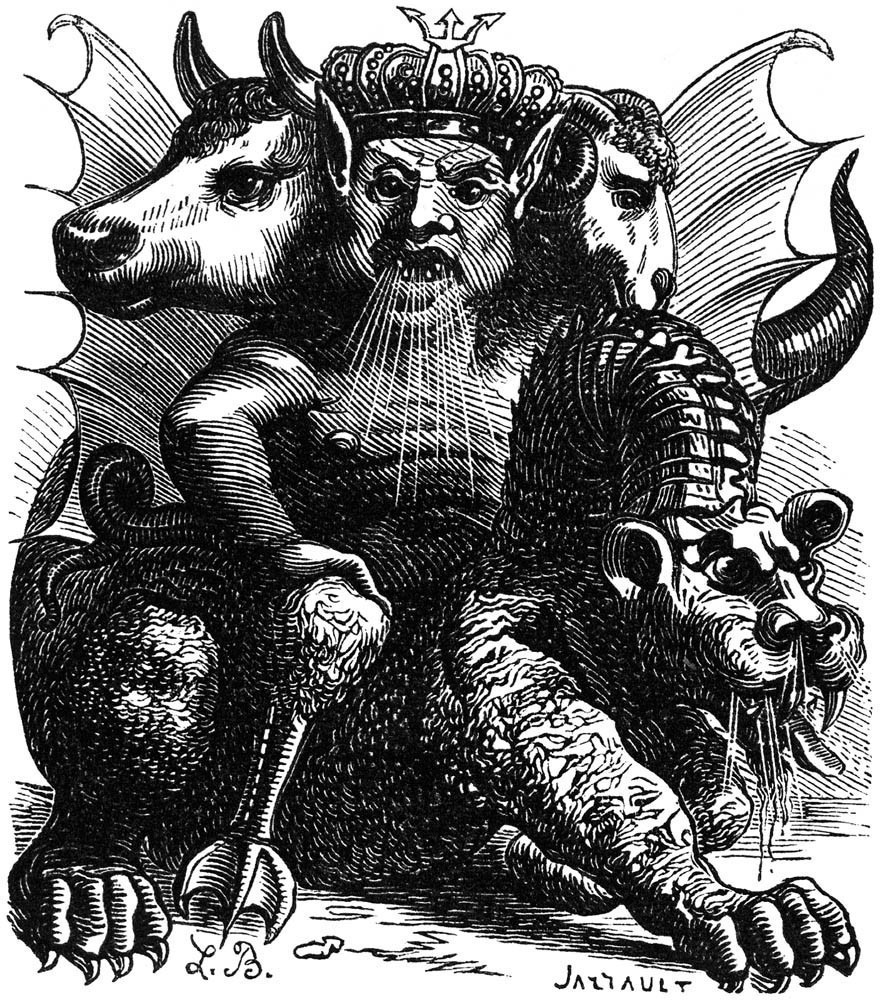
Commands seventy-two legions, one for every spirit in the book. He is the Asmodeus of Tobit, who killed Sarah's seven husbands and was driven into Upper Egypt by Raphael, and behind that the Avestan Aeshma-daeva, the demon of wrath — one of very few Goetic spirits with an ancestry that can be traced.
Astaroth
Duke · Goetic Spirit
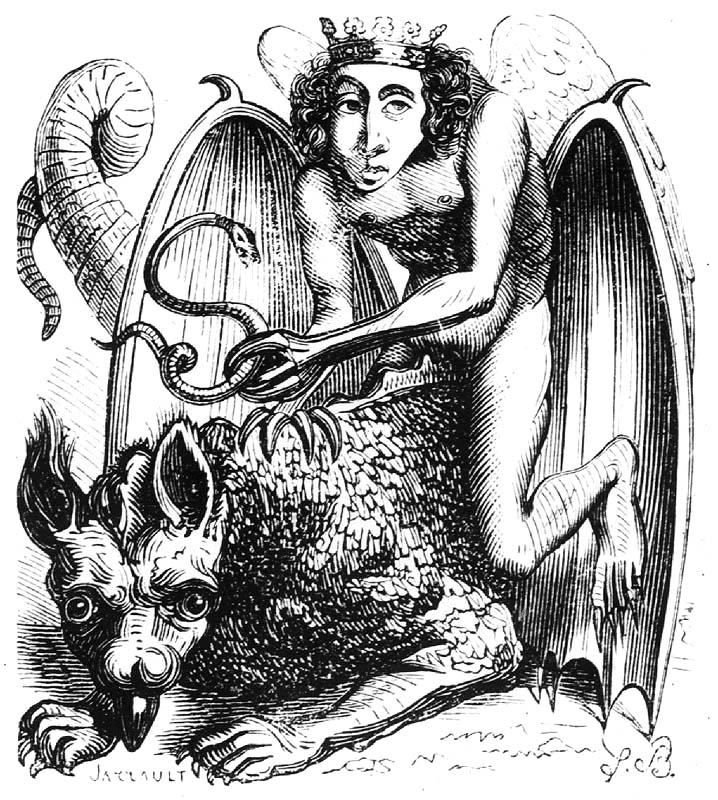
The Canaanite goddess Astarte, three thousand years on, made a male duke of hell with her name intact. The Goetia has him discourse willingly on the fall of the spirits, and warns the operator to hold a ring to his face against the stench of his breath.
Beelzebub
Prince · Infernal Court
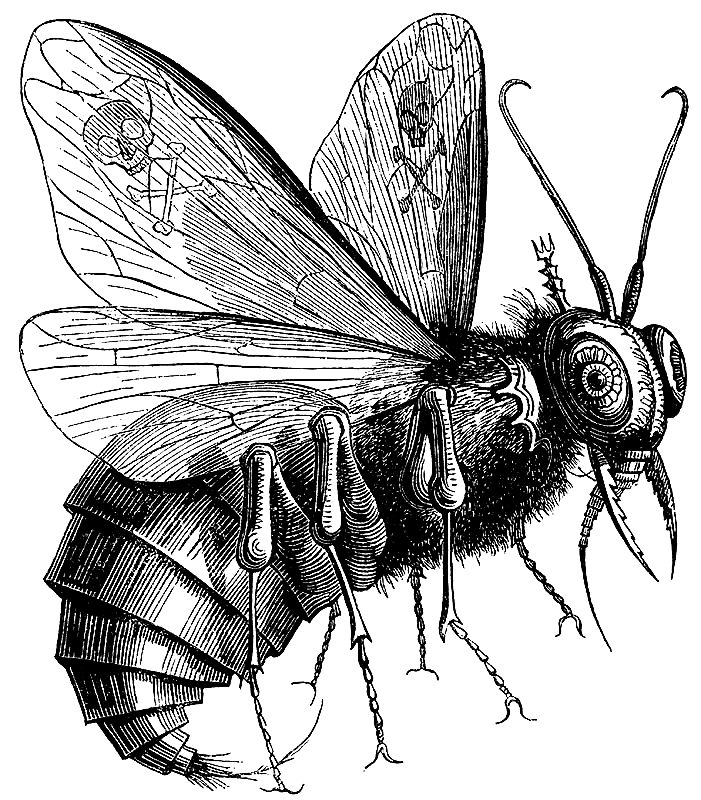
'Lord of the Flies' — a Philistine god of Ekron whose name was almost certainly deformed as a Hebrew insult, then inherited by Christian demonology as the second power of hell.

Belial
King · Goetic Spirit
In the Hebrew Bible beliya'al is not a name but a word meaning worthlessness; by 2 Corinthians it is a person, and by the Goetia a king in a chariot of fire handing out senatorships. The text says he was created next after Lucifer and fell among the first, and will not answer truly without gifts.
Cherubim
Second Choir · First Sphere
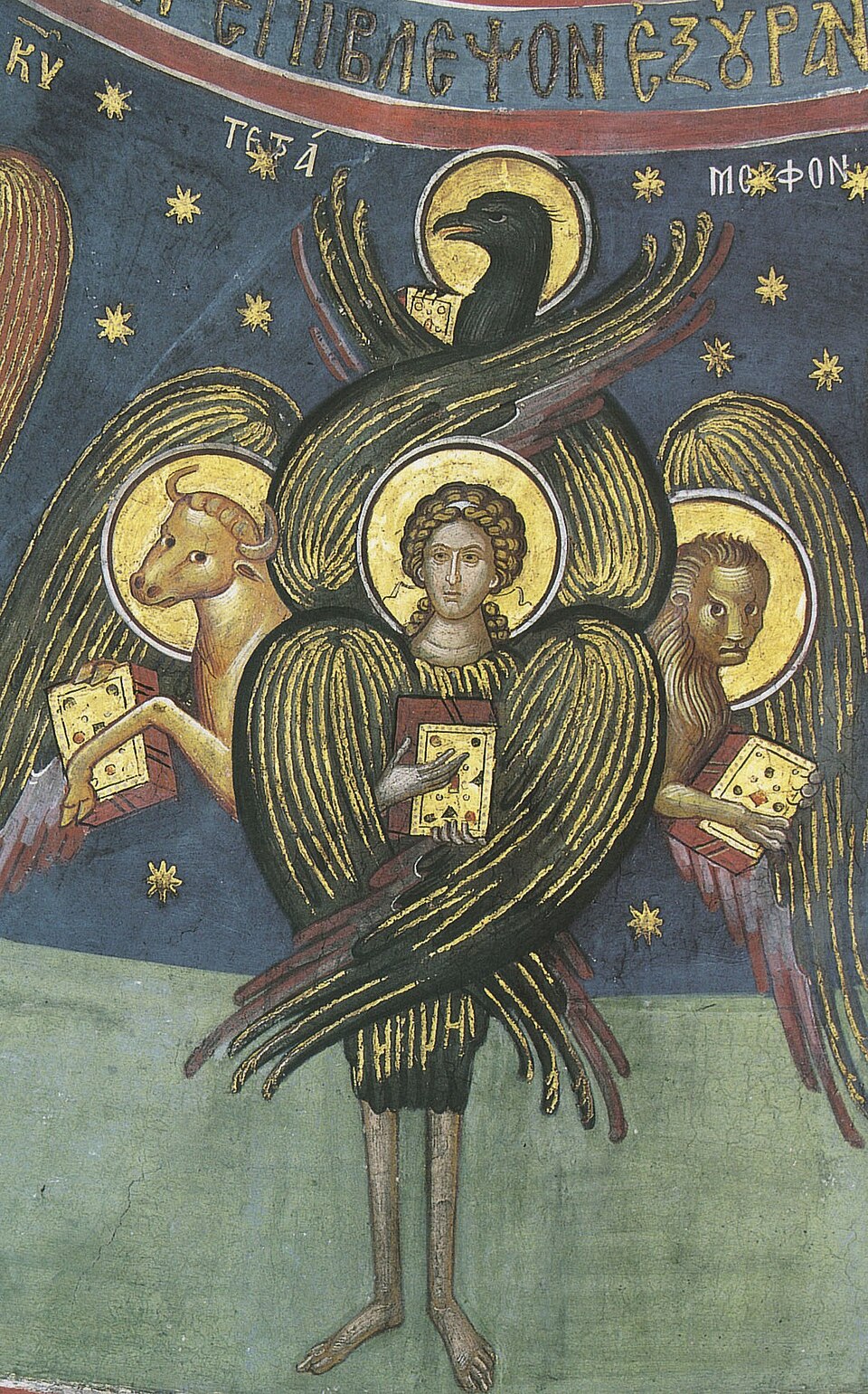
Guardians of thresholds and bearers of the throne — four-faced in Ezekiel, flanking the mercy seat in Exodus, and nothing at all like the winged infants of later art.
Dominions
Fourth Choir · Second Sphere
The administrative choir: they regulate the duties of lower angels and never act directly on the created world.
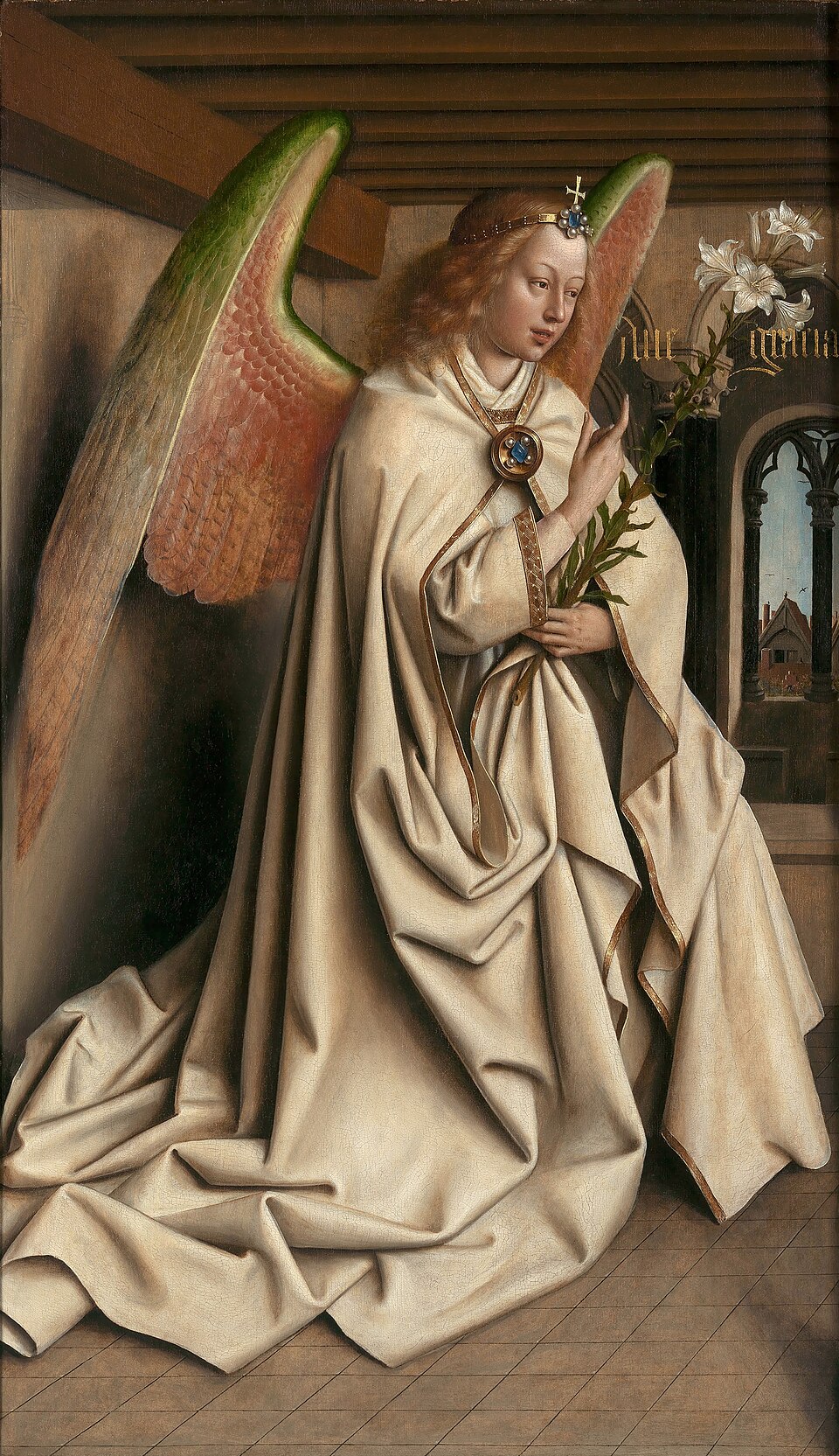
Gabriel
Archangel · Archangels / Chief Princes
The messenger. The angel who explains Daniel's visions, announces two births in Luke, and in Islam delivers the entire Qur'an.
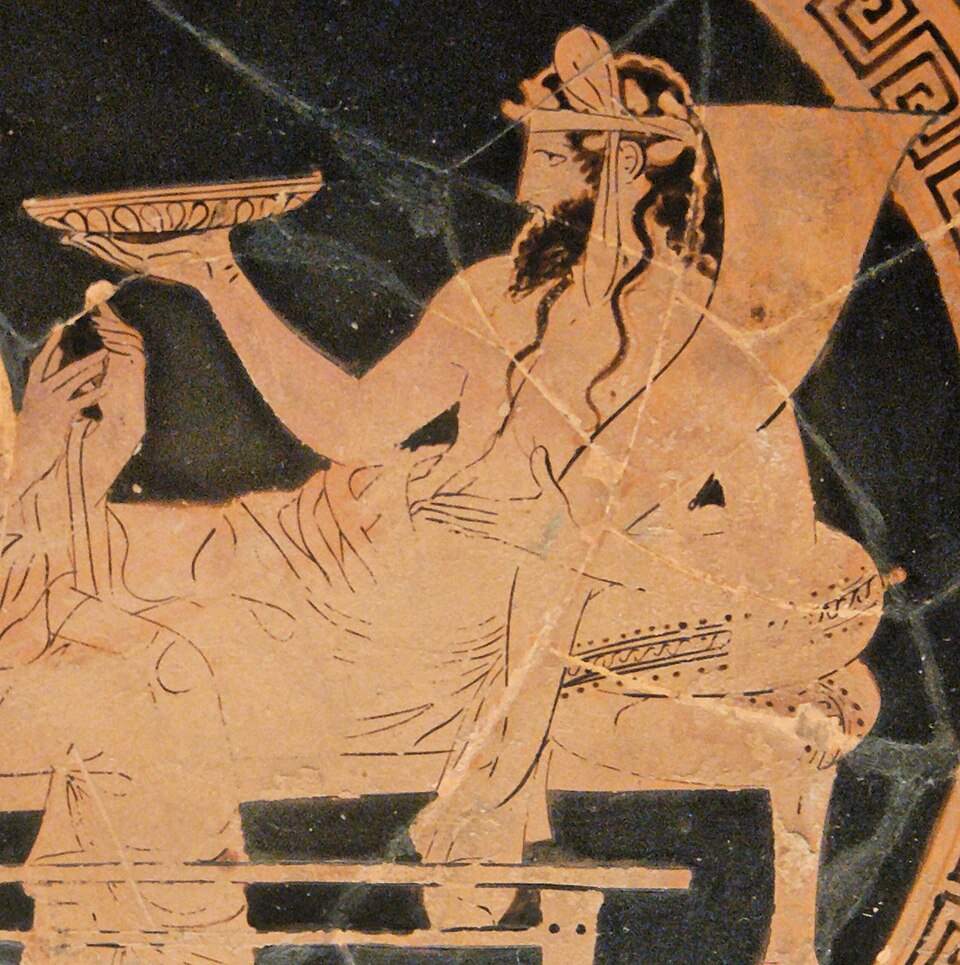
Hades
Lord of the Underworld · Greek
Ruler of the dead by lot rather than by punishment — a god of the underworld who is not evil, a distinction Christian cosmology cannot express.
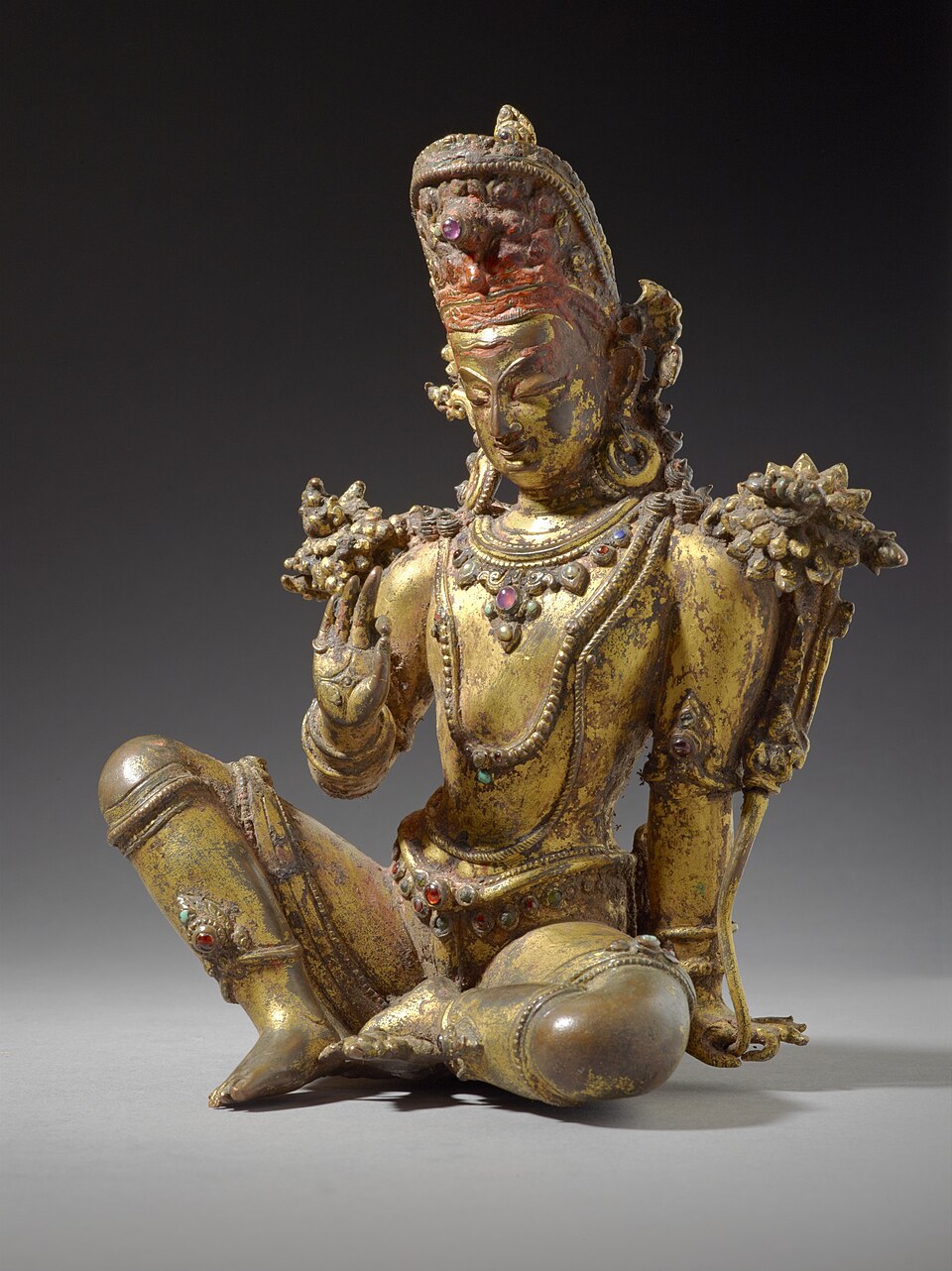
Indra
King of the Devas · Vedic
The thunderbolt-wielding king of the gods, who slays the serpent Vritra and releases the pent waters. It is the Indo-European form of the same combat myth as Baal against Yam.
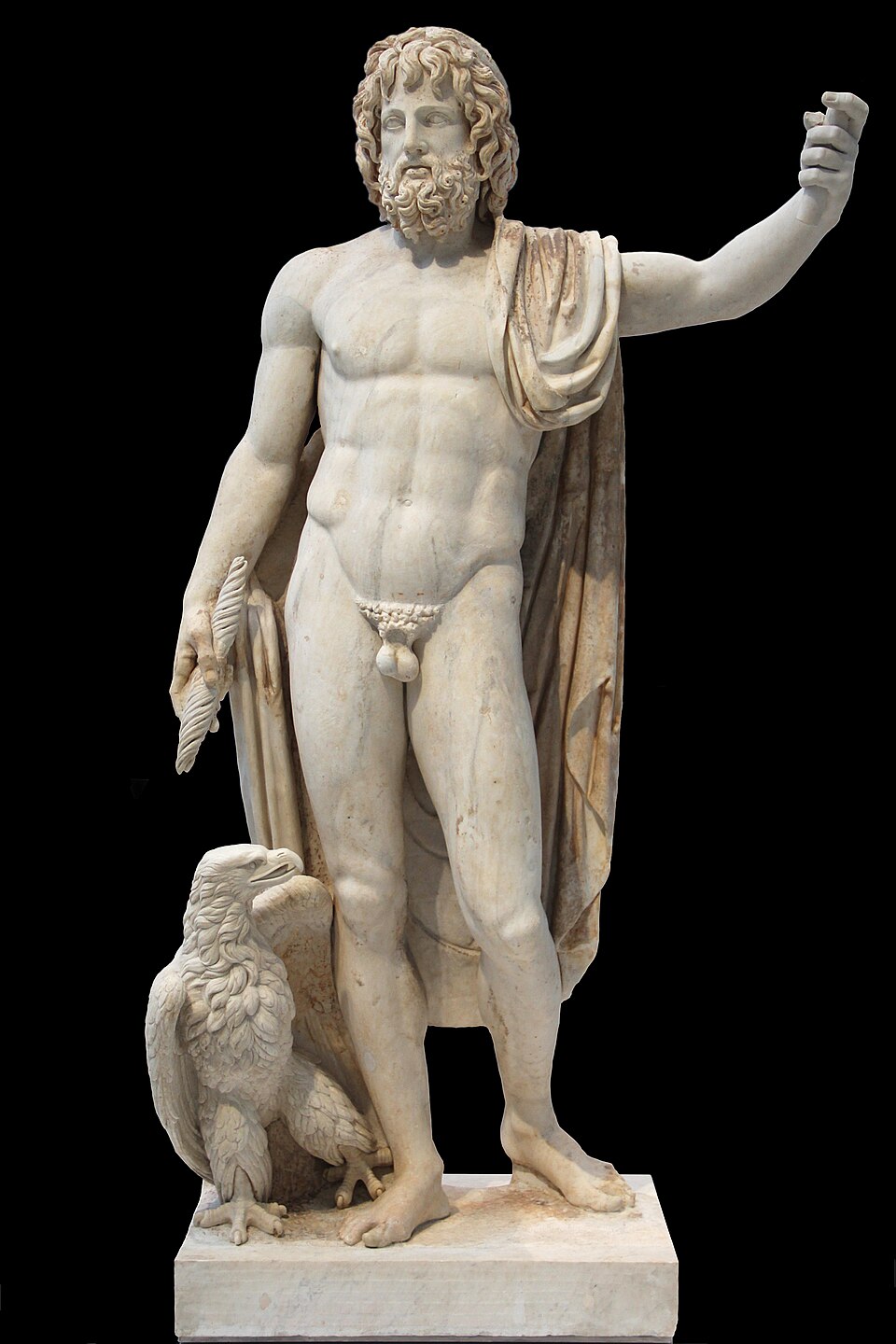
Jupiter
King of the Gods · Roman
Sky-father and state god of Rome, identified with Zeus by the *interpretatio romana* — the ancient world's official policy of treating foreign gods as one's own under different names.
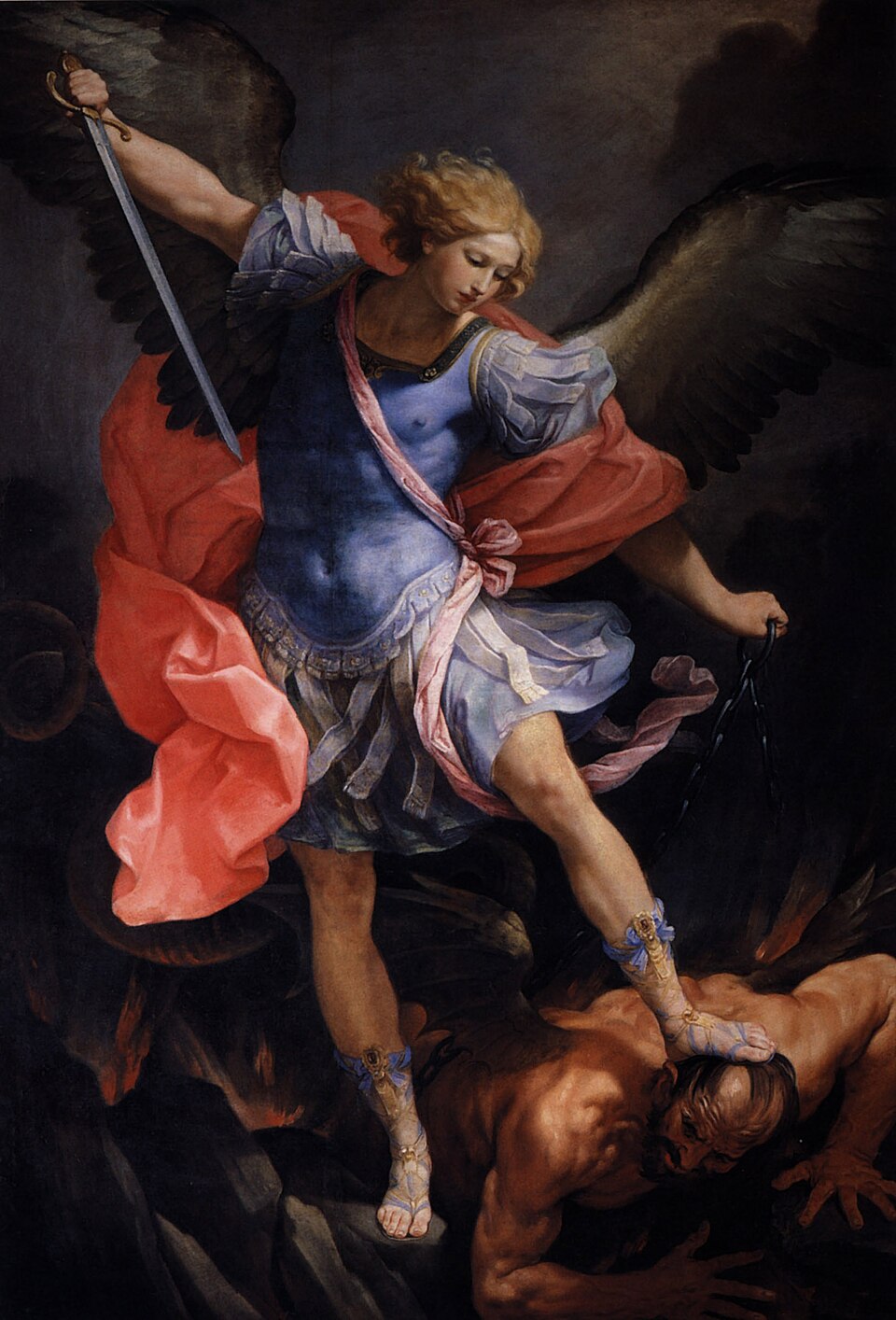
Michael
Archangel · Archangels / Chief Princes
The warring archangel: prince of Israel in Daniel, captain of the host in Revelation, and the only angel the New Testament calls an archangel outright.
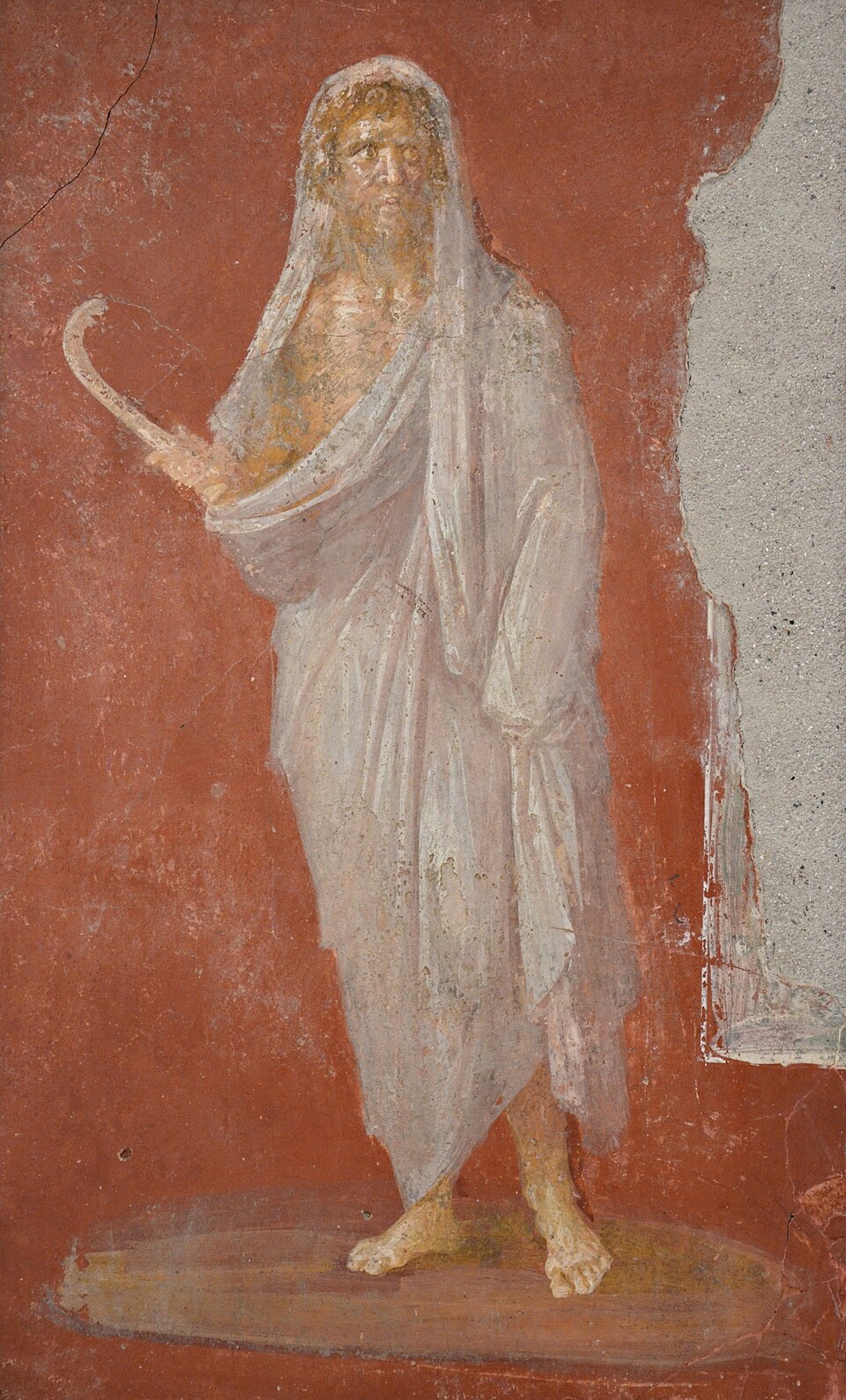
Saturn
God of the Golden Age · Roman
Deposed father of Jupiter. His December festival inverted the social order for a week, and his planet later became the astrological signature of melancholy and malice.
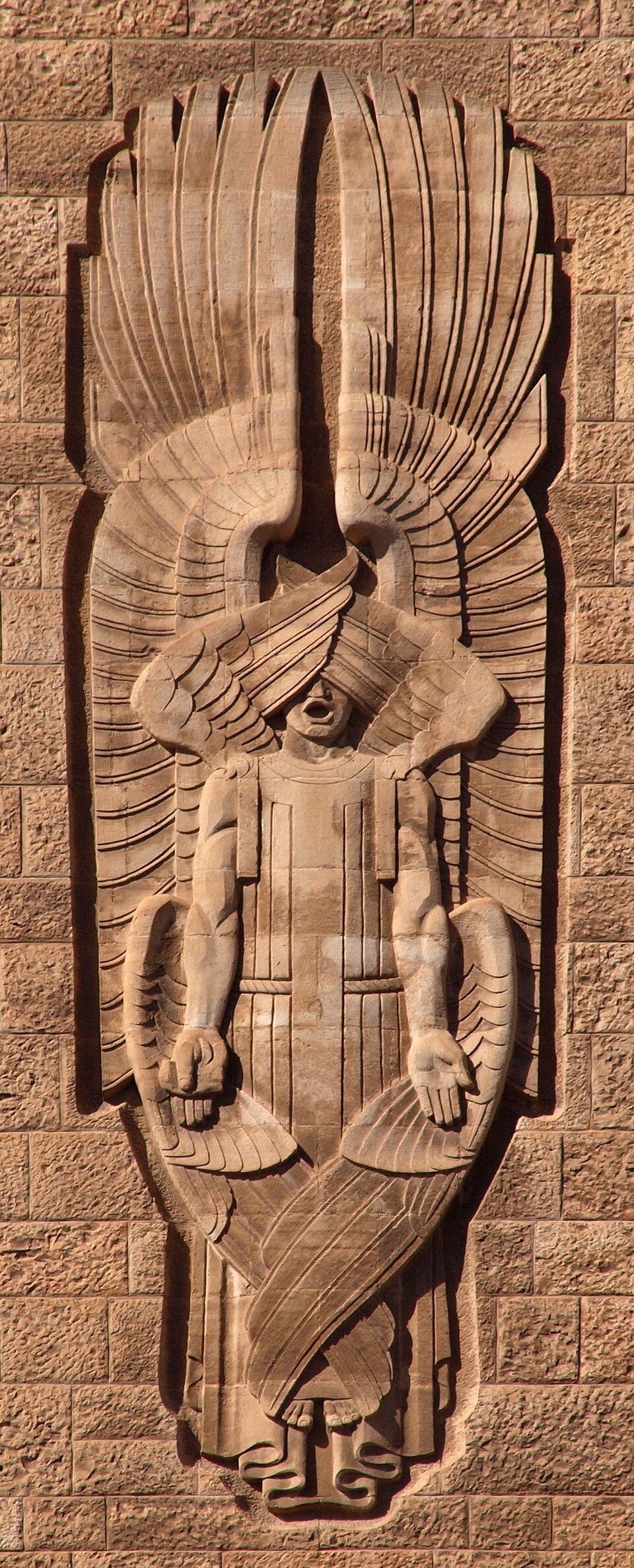
Seraphim
First Choir · First Sphere
Six-winged and burning, they attend the throne directly and sing the trisagion. Their name is the Hebrew verb 'to burn'.
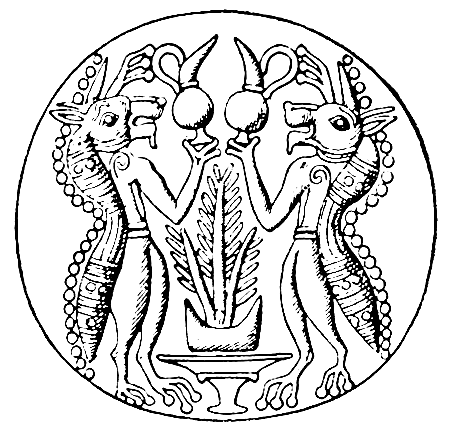
The Daimones
Class of Spirits · Greek
Guardian spirits — Socrates had one that advised him — whose name the Greek scriptures borrowed for evil spirits, permanently poisoning the word.
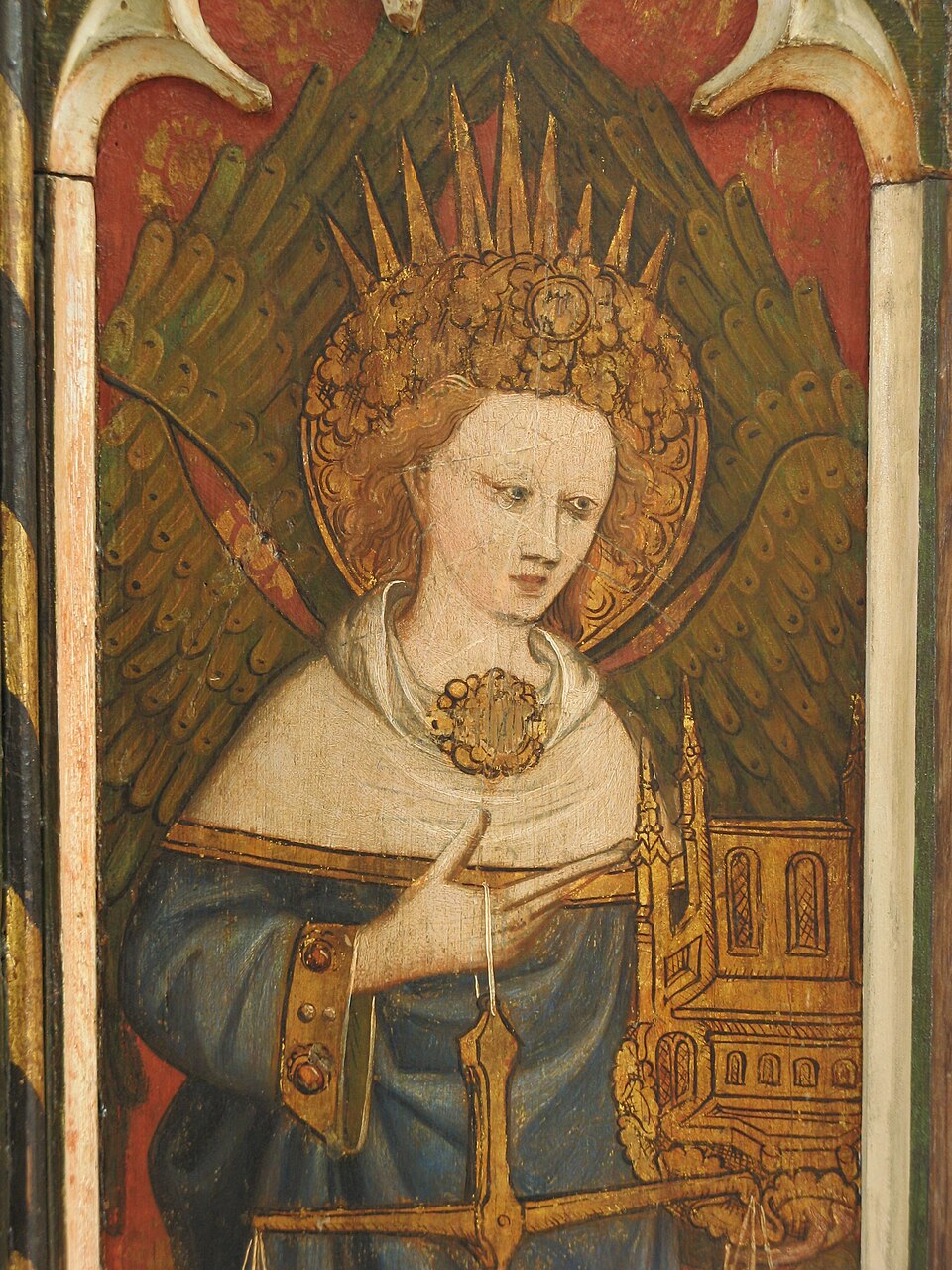
Thrones
Third Choir · First Sphere
The wheels of the chariot — rings of fire studded with eyes, on which divine justice is said to be seated.
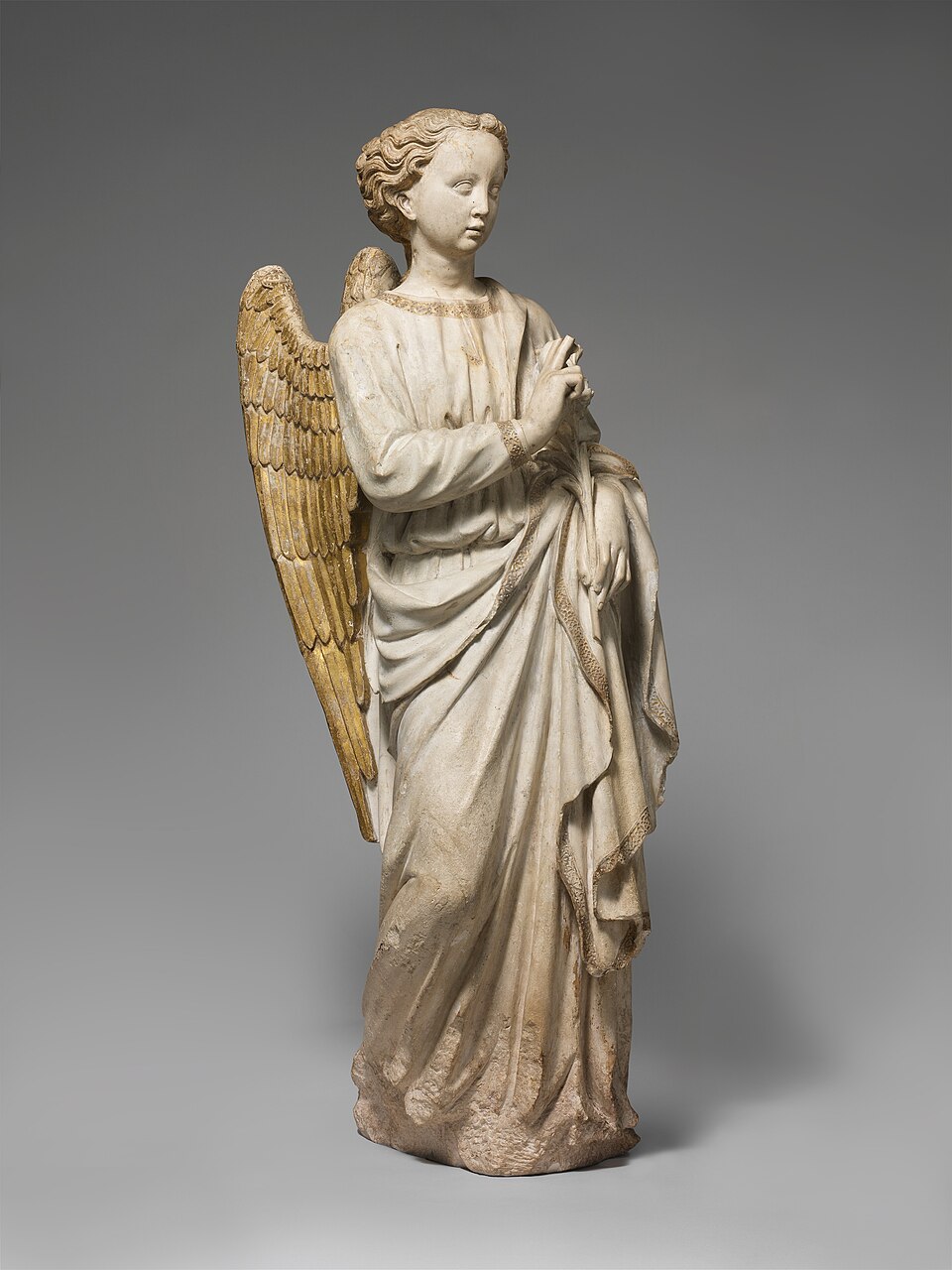
Angels
Ninth Choir · Third Sphere
The ninth and closest of the angelic choirs: the ordinary messengers who deal with individual people, and the only rank most human accounts ever describe meeting.
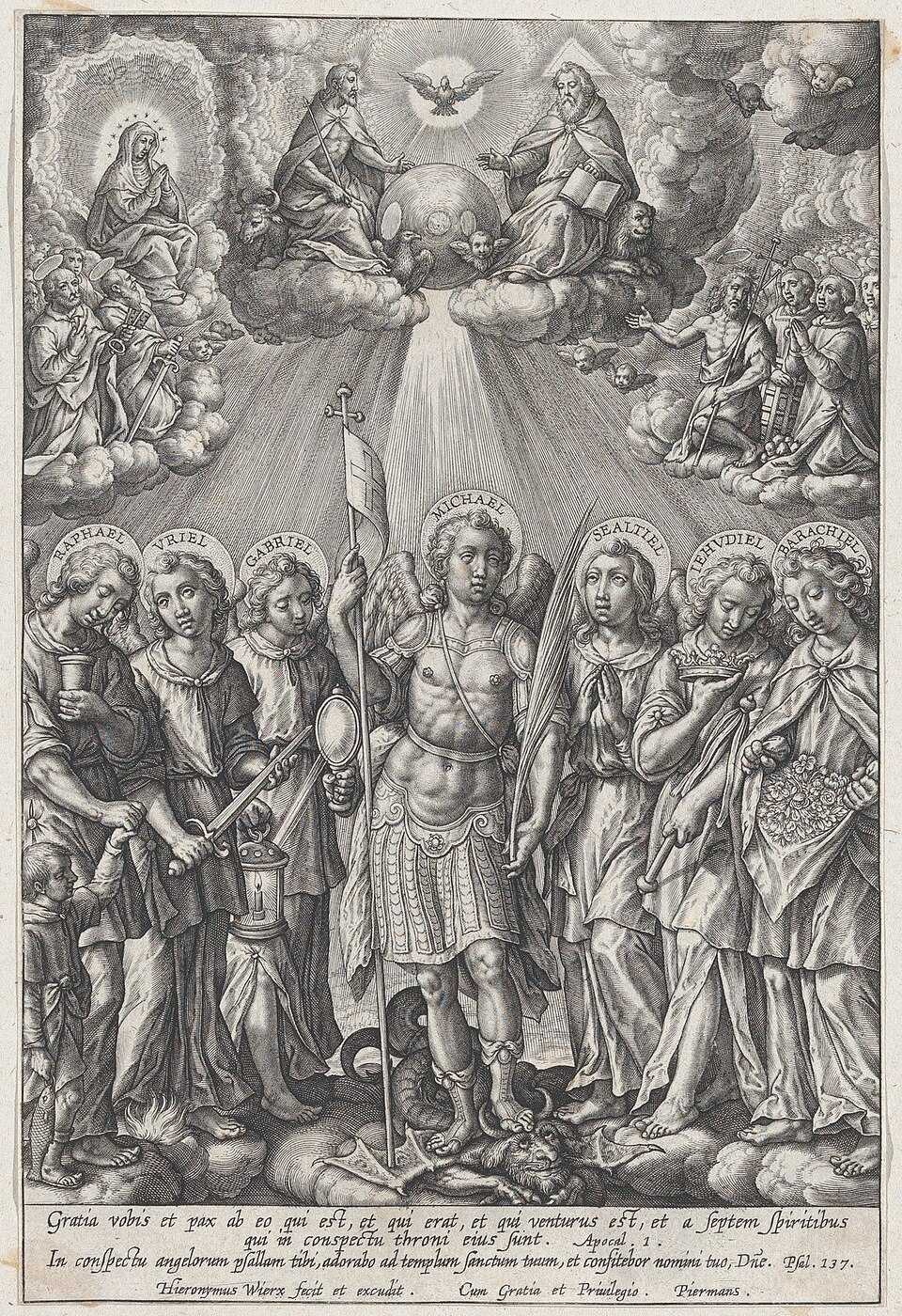
Principalities
Seventh Choir · Third Sphere
Guardians of nations, cities and institutions — an angelic choir that operates at the scale of peoples rather than persons.
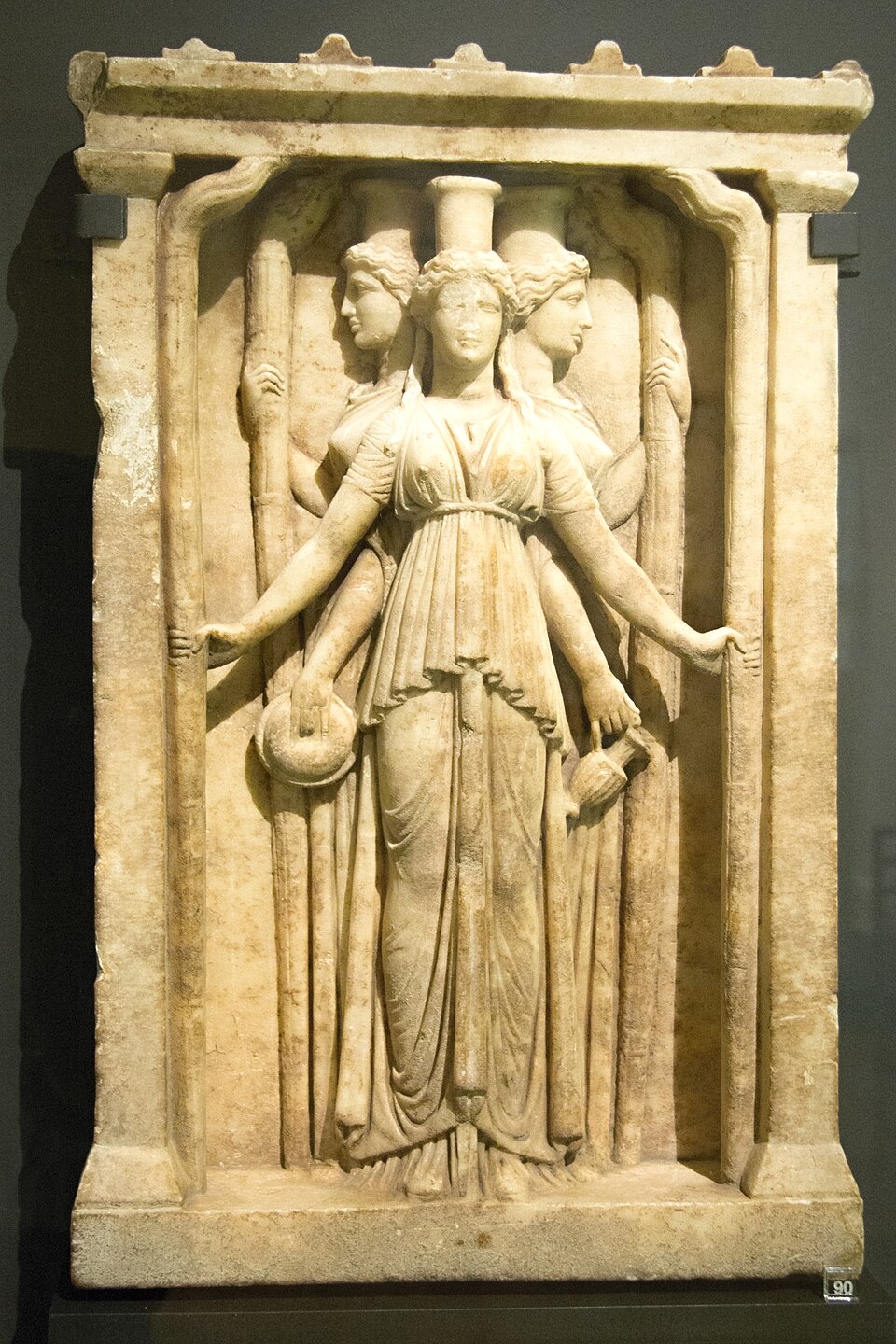
Hecate
Goddess of Crossroads · Greek
Hesiod has Zeus honour her above all others. By the medieval period she presides over witchcraft instead, a demotion with no wrongdoing attached to it anywhere.
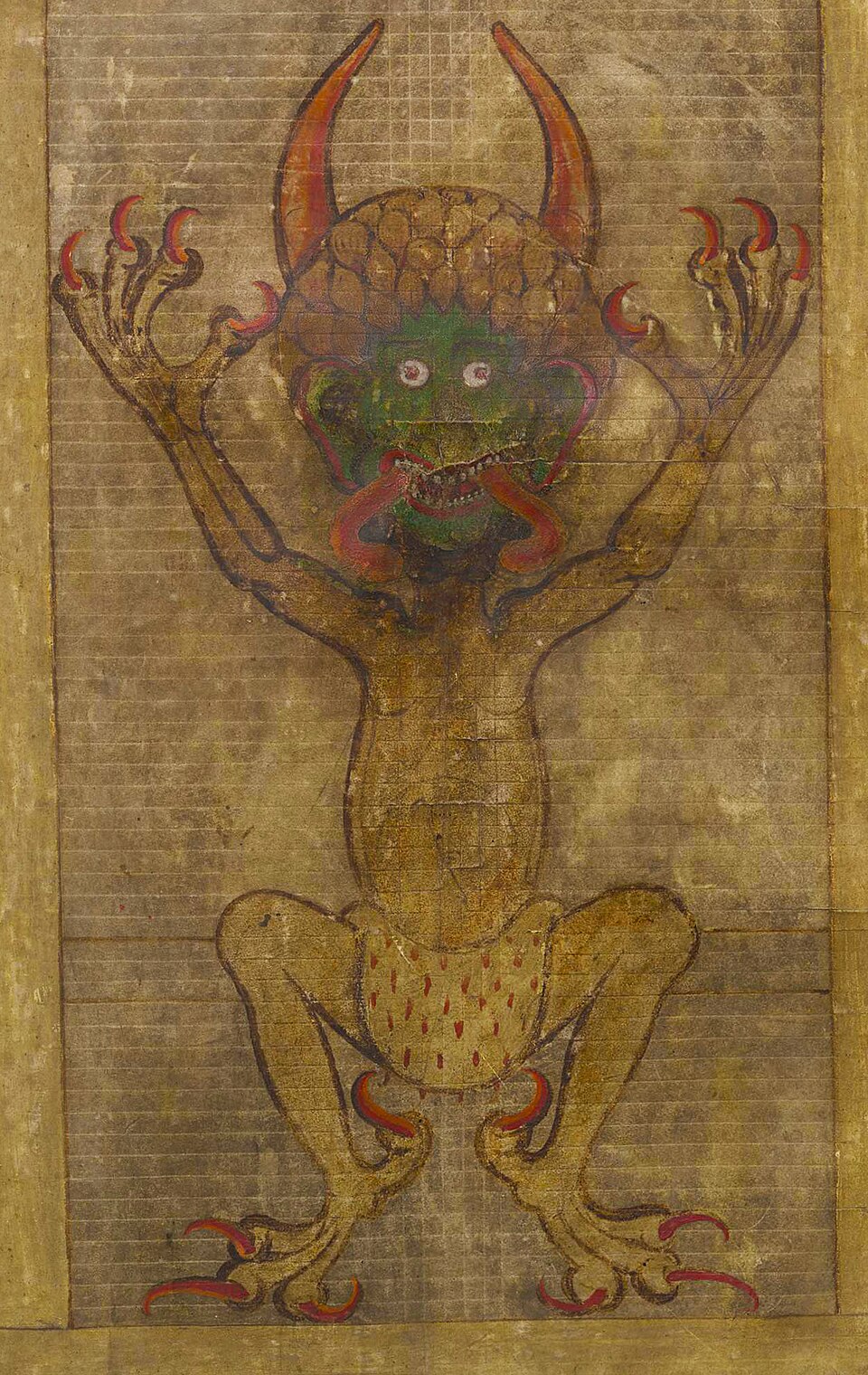
Satan
Adversary · Infernal Court
Not originally a name but an office — 'the accuser'. In Job he is a member of the divine court doing his job; only later does he become the enemy.
Powers
Sixth Choir · Second Sphere
The border guard: the choir charged with restraining demonic incursion and keeping the boundary between the spheres.
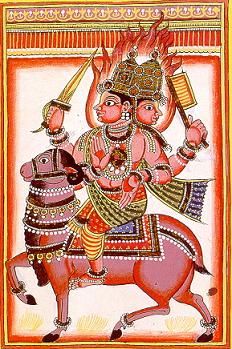
Agni
God of Fire · Vedic
Fire as the mouth of the gods — the one who carries offerings upward, and so the messenger of the Vedic system.
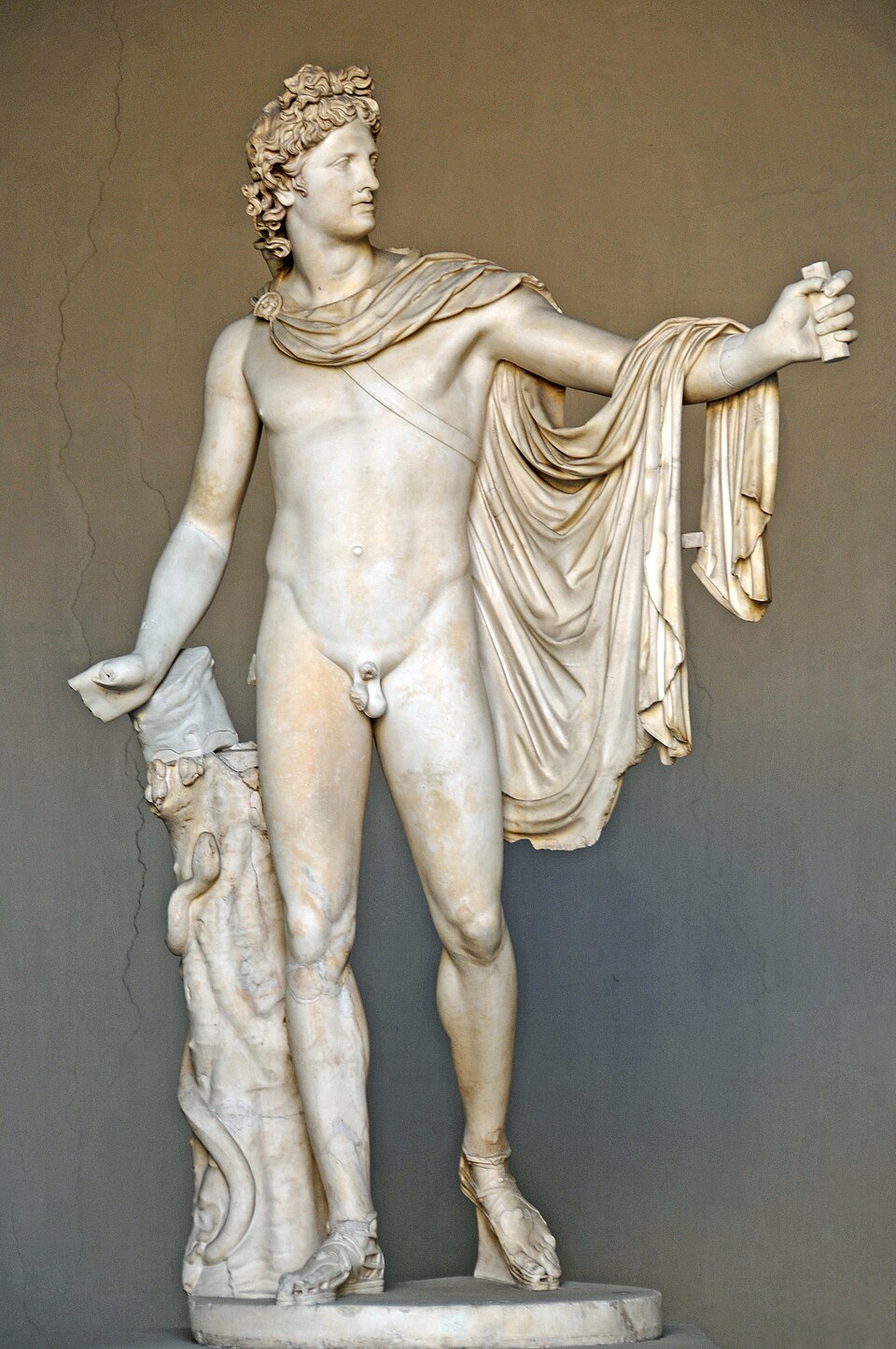
Apollo
God of Prophecy · Greek
Oracle-giver at Delphi, and the god who both sends plague and lifts it. Later traditions split that duality between an angel and a demon; Greece kept it in one figure.
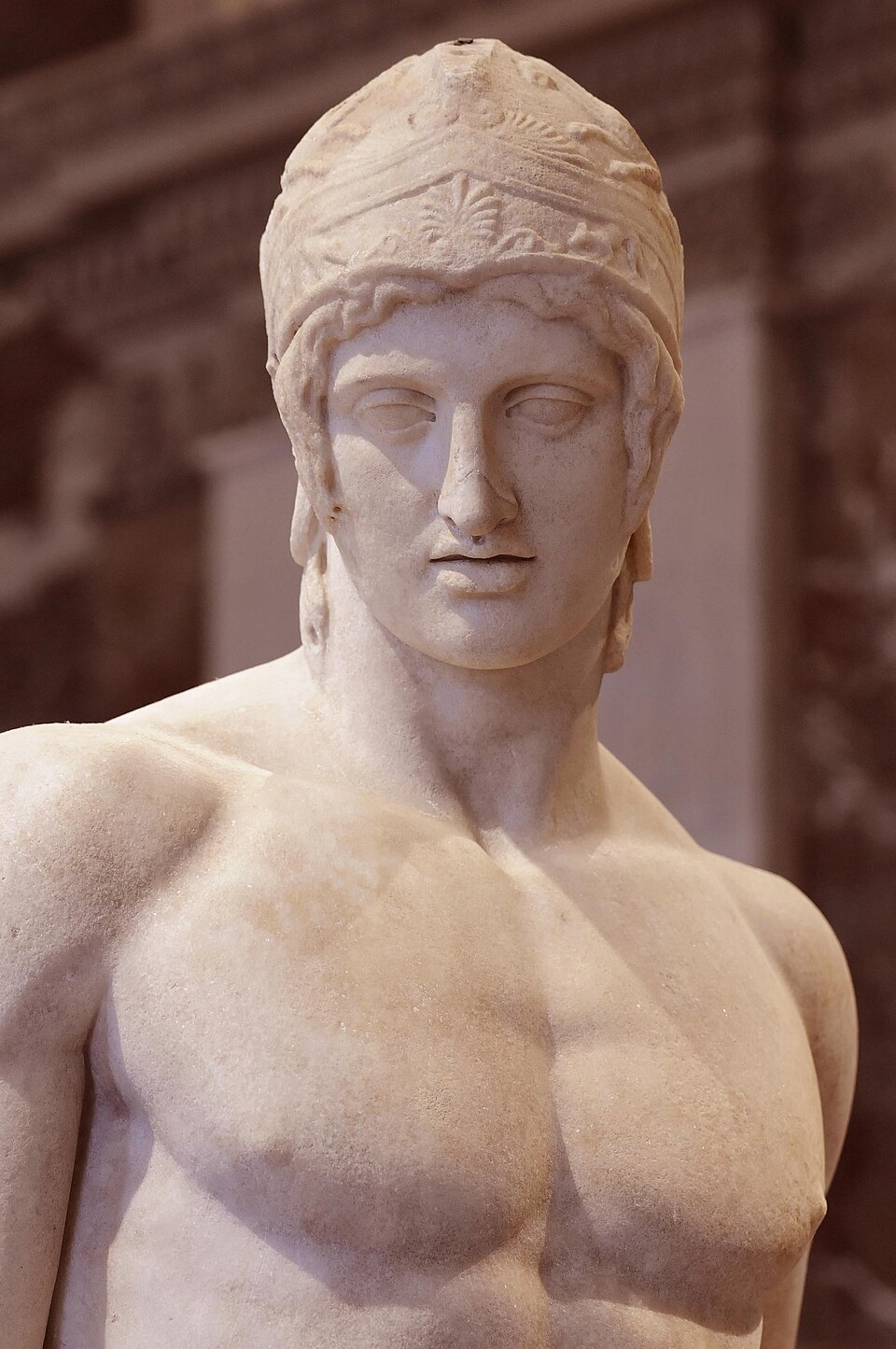
Ares
God of War · Greek
War as slaughter rather than strategy — disliked by the Greeks who worshipped him, and rehabilitated entirely by the Romans as Mars.
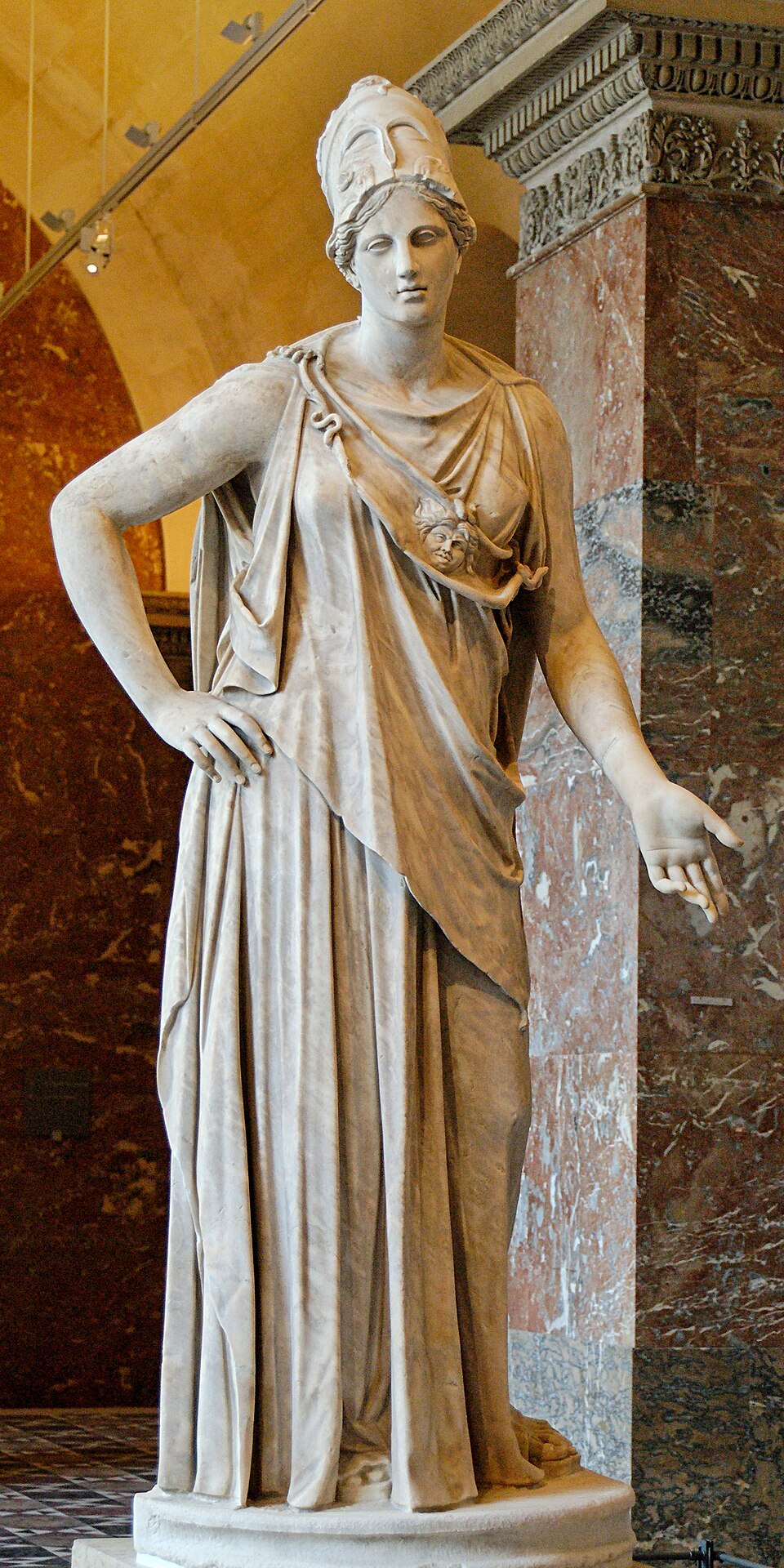
Athena
Goddess of Wisdom and War · Greek
Born from the head of Zeus, and the only Olympian to hold both war and craft. Where Ares is violence, she is strategy.
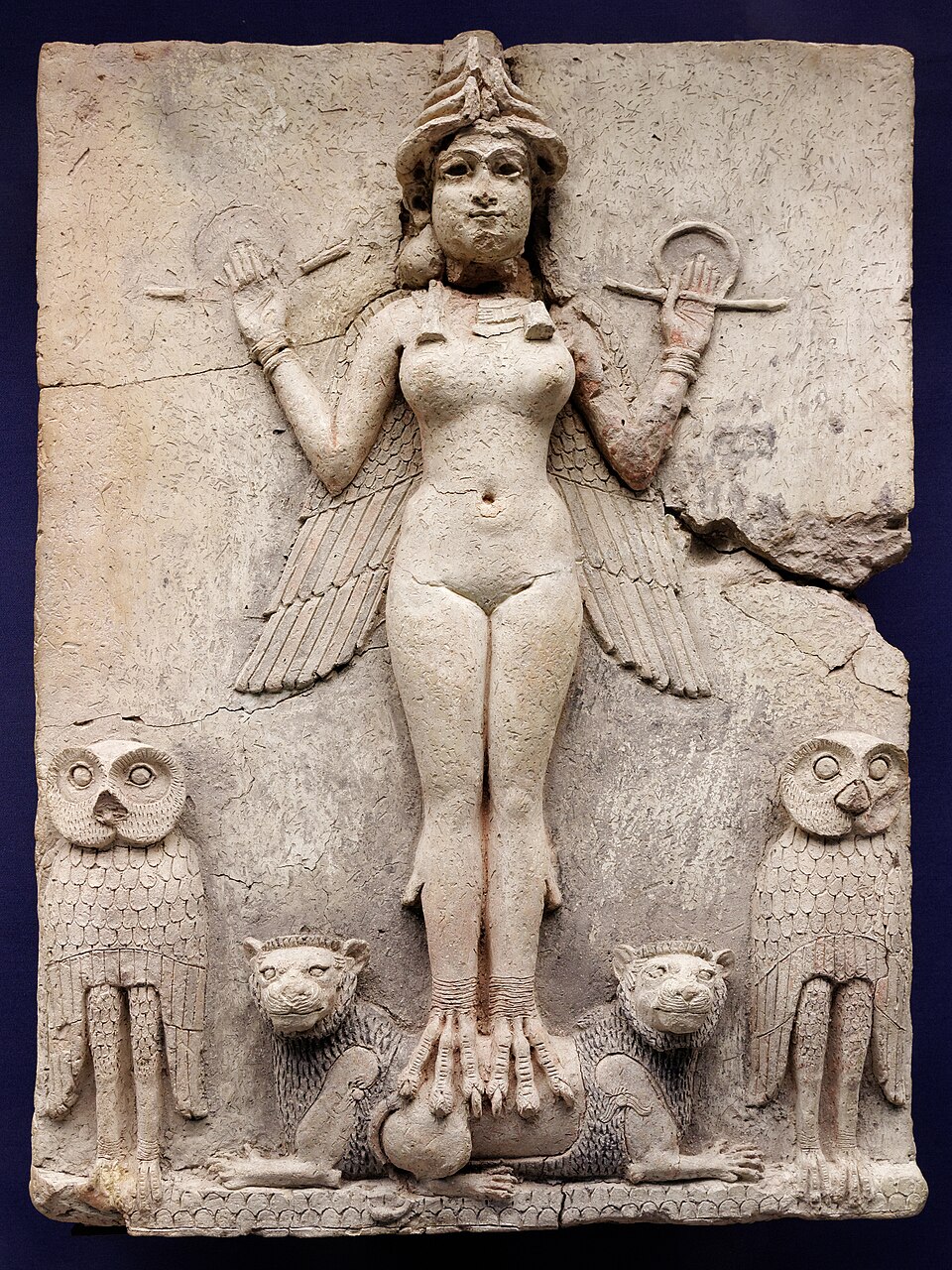
Ereshkigal
Queen of the Great Below · Mesopotamian
Sovereign of the underworld who strips Ishtar of a garment at each of the seven gates and hangs her on a hook.
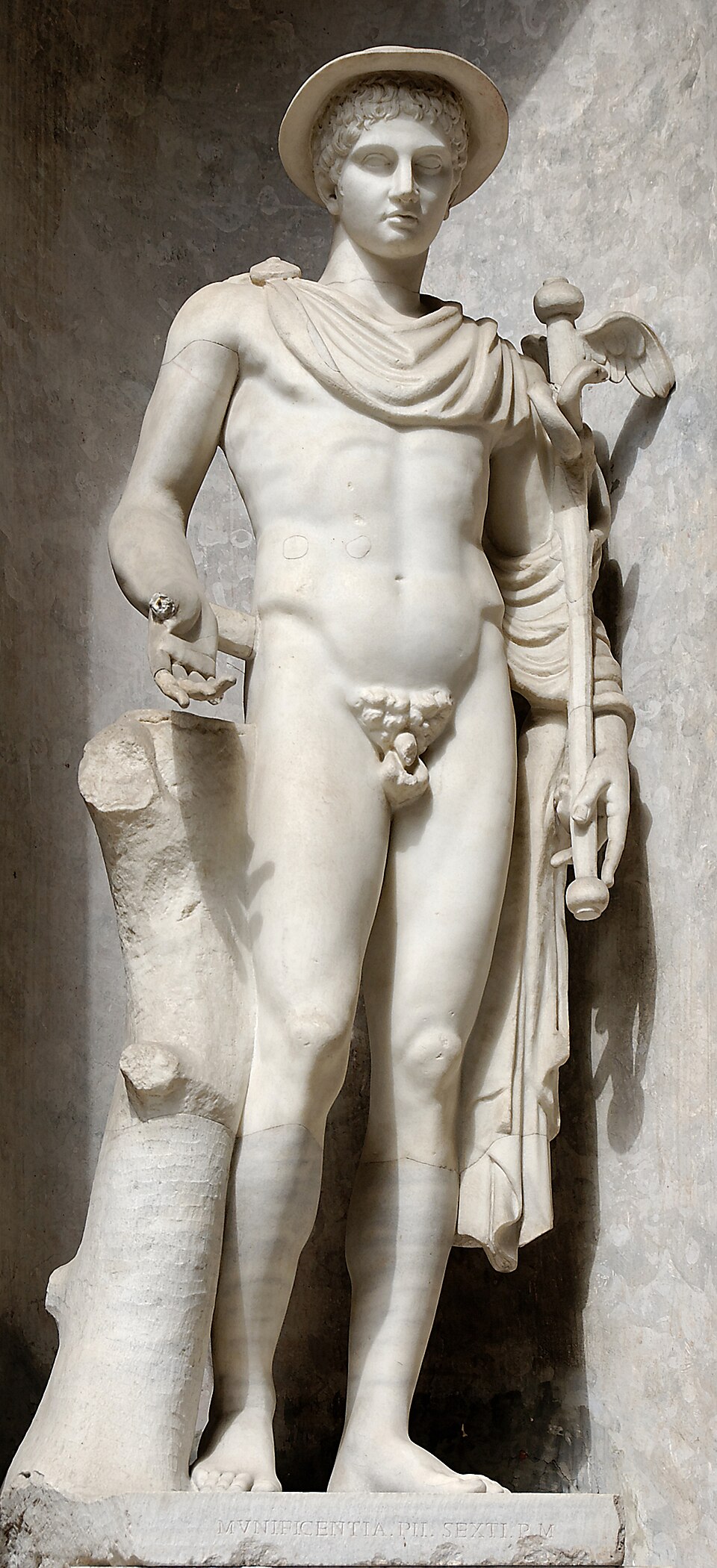
Hermes
Messenger of the Gods · Greek
Herald, psychopomp, patron of boundaries and of thieves — the exact functional counterpart of Gabriel, plus everything Gabriel is not allowed to be.
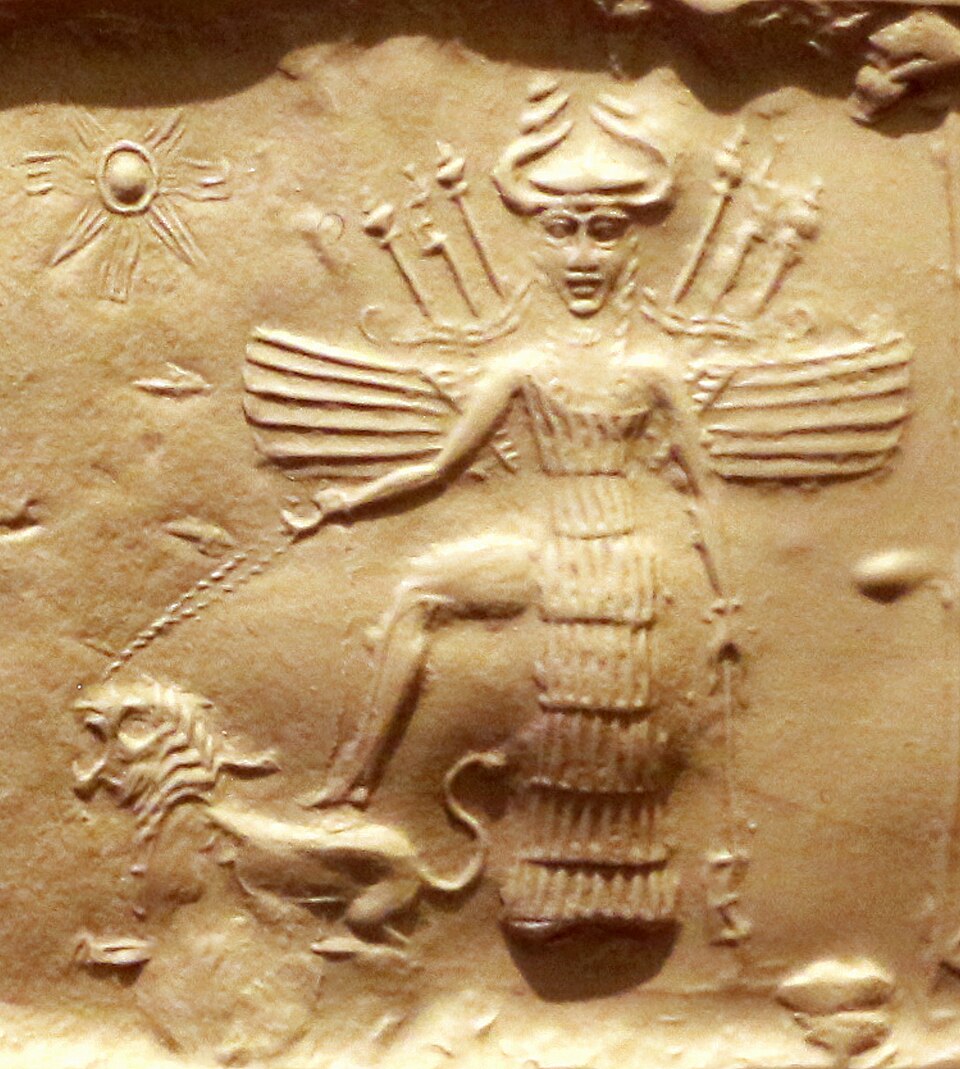
Ishtar
Queen of Heaven · Mesopotamian
Goddess of love, war and the planet Venus, whose descent into the underworld is among the oldest recorded narratives.
Khepri
The Morning Sun · Egyptian
The sun at dawn, in the form of a scarab beetle rolling it up over the horizon — one of the three daily aspects of the sun, and a pun on the word for coming into being.
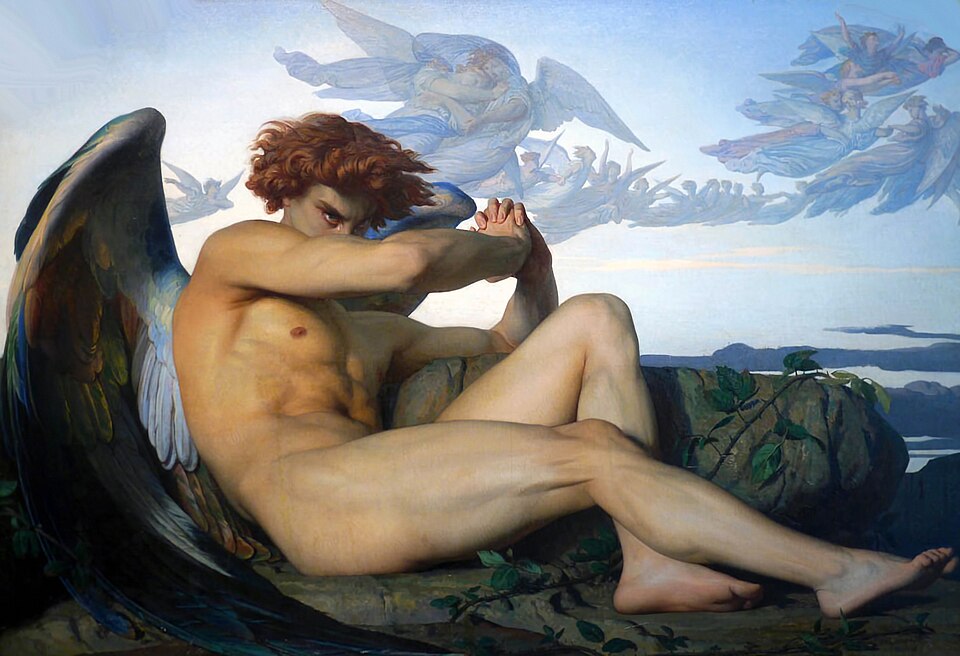
Lucifer
Emperor · Infernal Court
The morning star of Isaiah 14. Christian tradition reads the phrase as the devil's own name; the passage itself makes no such claim.
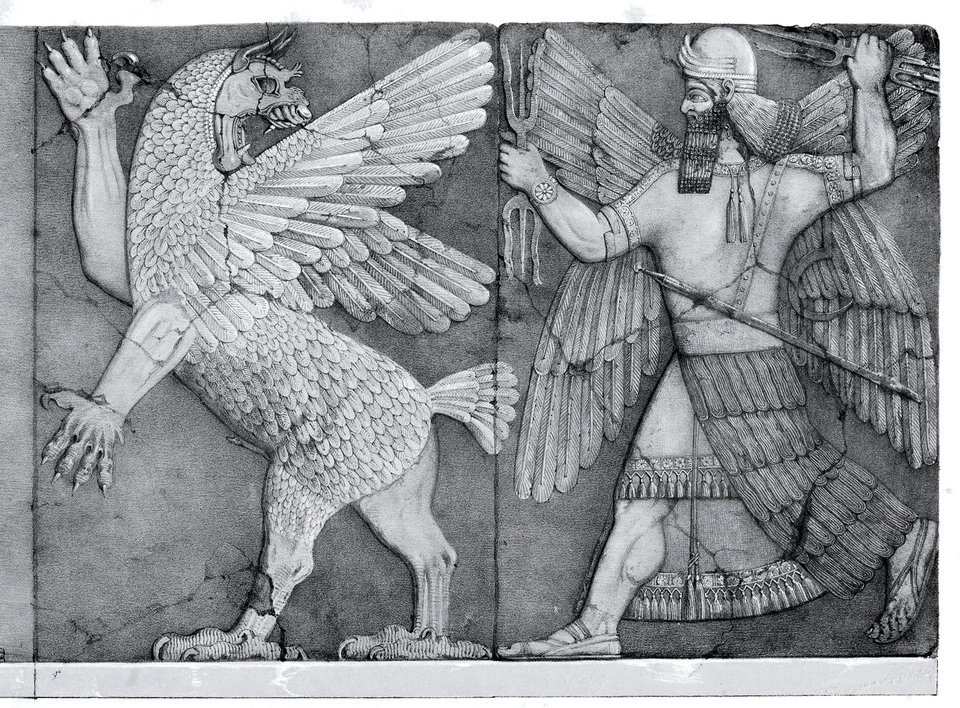
Marduk
King of the Gods · Mesopotamian
Splits Tiamat and builds the world from her body, and is voted fifty names and supreme authority for doing it.
Poseidon
Lord of the Sea · Greek
God of the sea and of earthquakes — 'earth-shaker' — who receives the waters in the same three-way division that gives Hades the underworld.
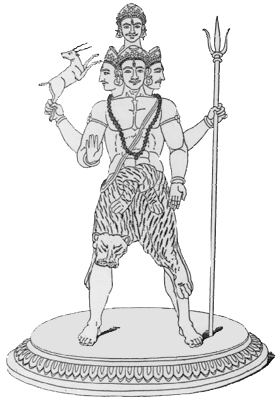
Rudra
The Howler · Vedic
The fierce archer who sends disease and withholds it — addressed in the Rigveda with open fear, and later absorbed into Shiva.
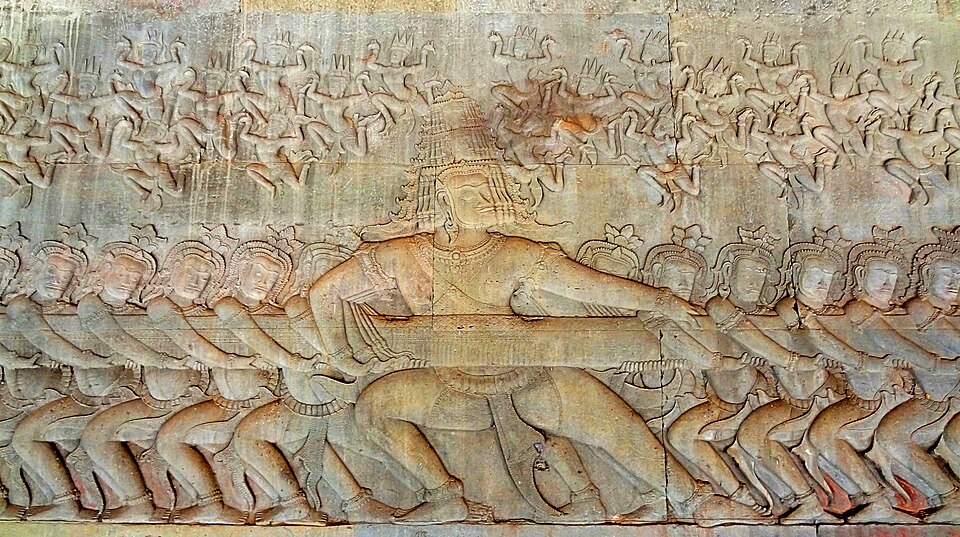
The Asuras
Class of Beings · Vedic
In the earliest Rigveda a title of honour for the highest gods; by the later Vedic period, the demonic opponents of the devas. The same word, inverted within one tradition.
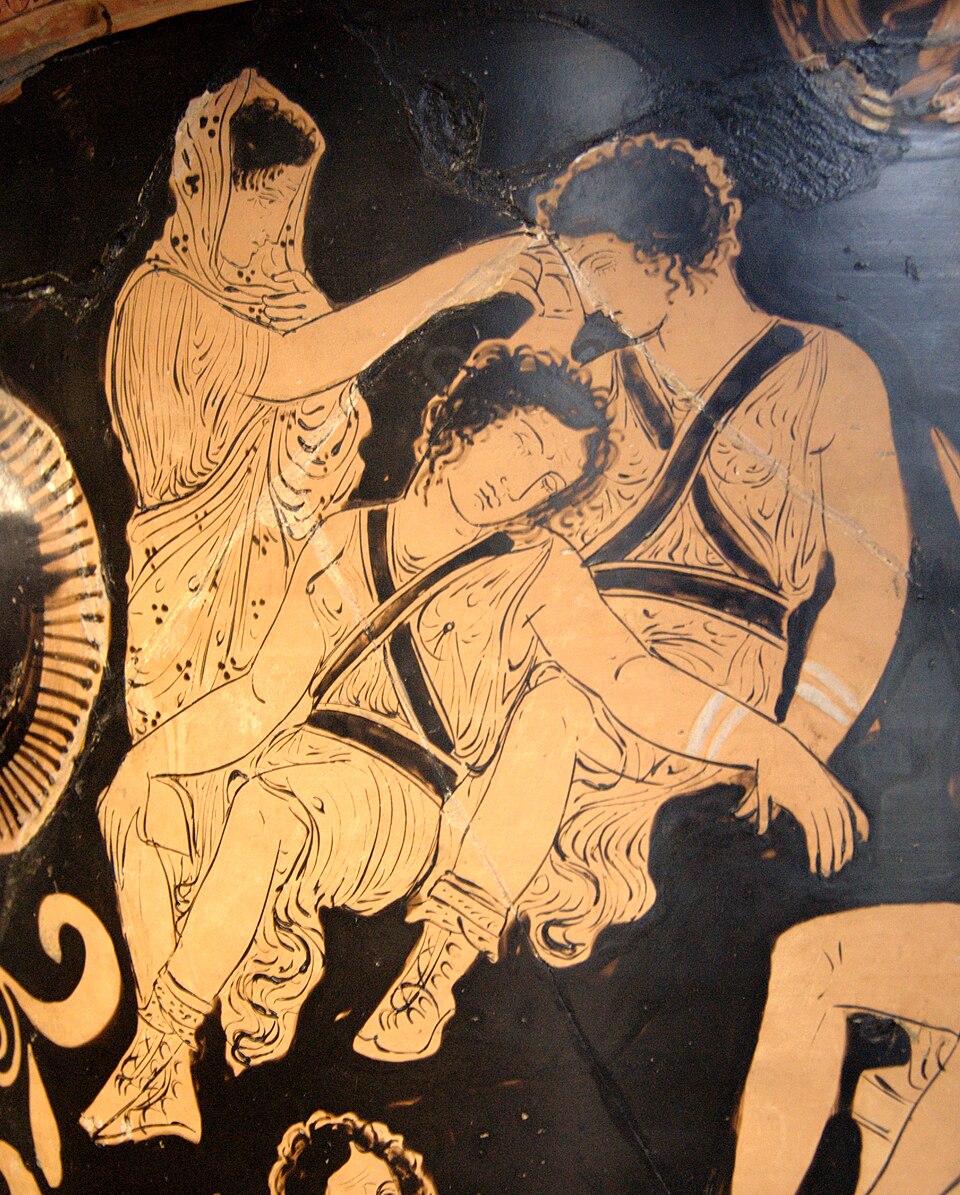
The Erinyes
Avenging Spirits · Greek
Born from the blood of the castrated Ouranos, they pursue kin-murderers without appeal. Christian tradition later hands that office to demons; in Greece it belongs to the gods.
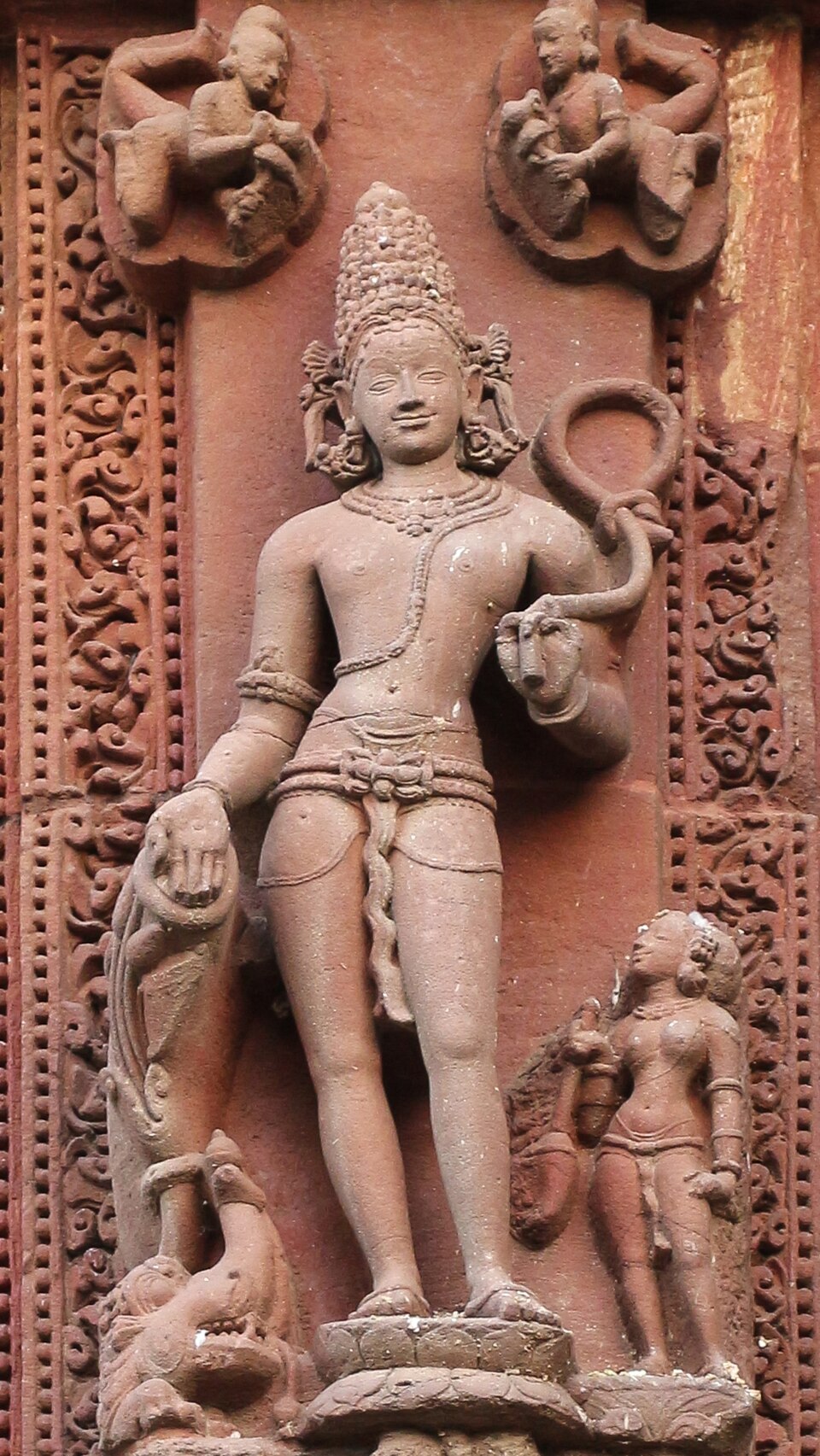
Varuna
Keeper of Cosmic Order · Vedic
Binder of the oath-breaker with his noose. The earliest hymns call him *asura*, using the word as an honorific, long before it turned demonic.
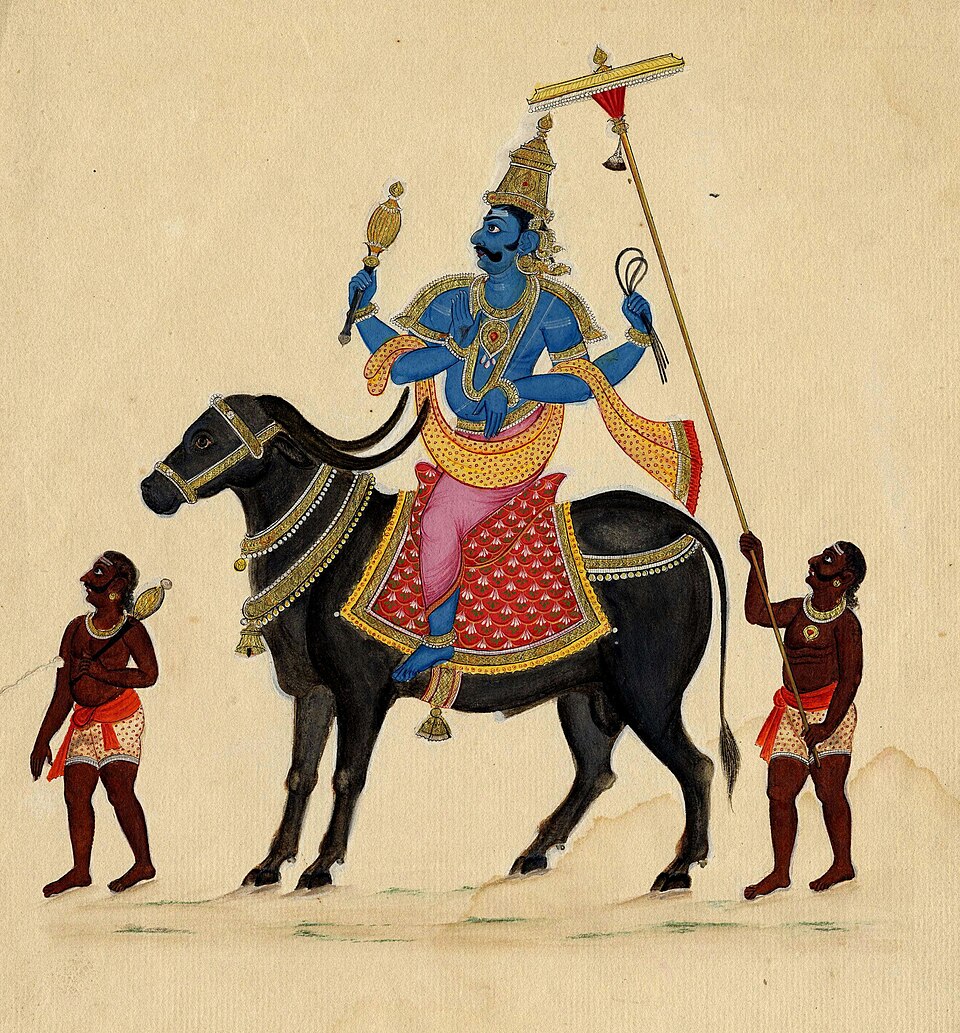
Yama
Lord of Death · Vedic
The first mortal to die, and so the king of the dead who judges those who follow. Azrael and Anubis hold the same office under other names.
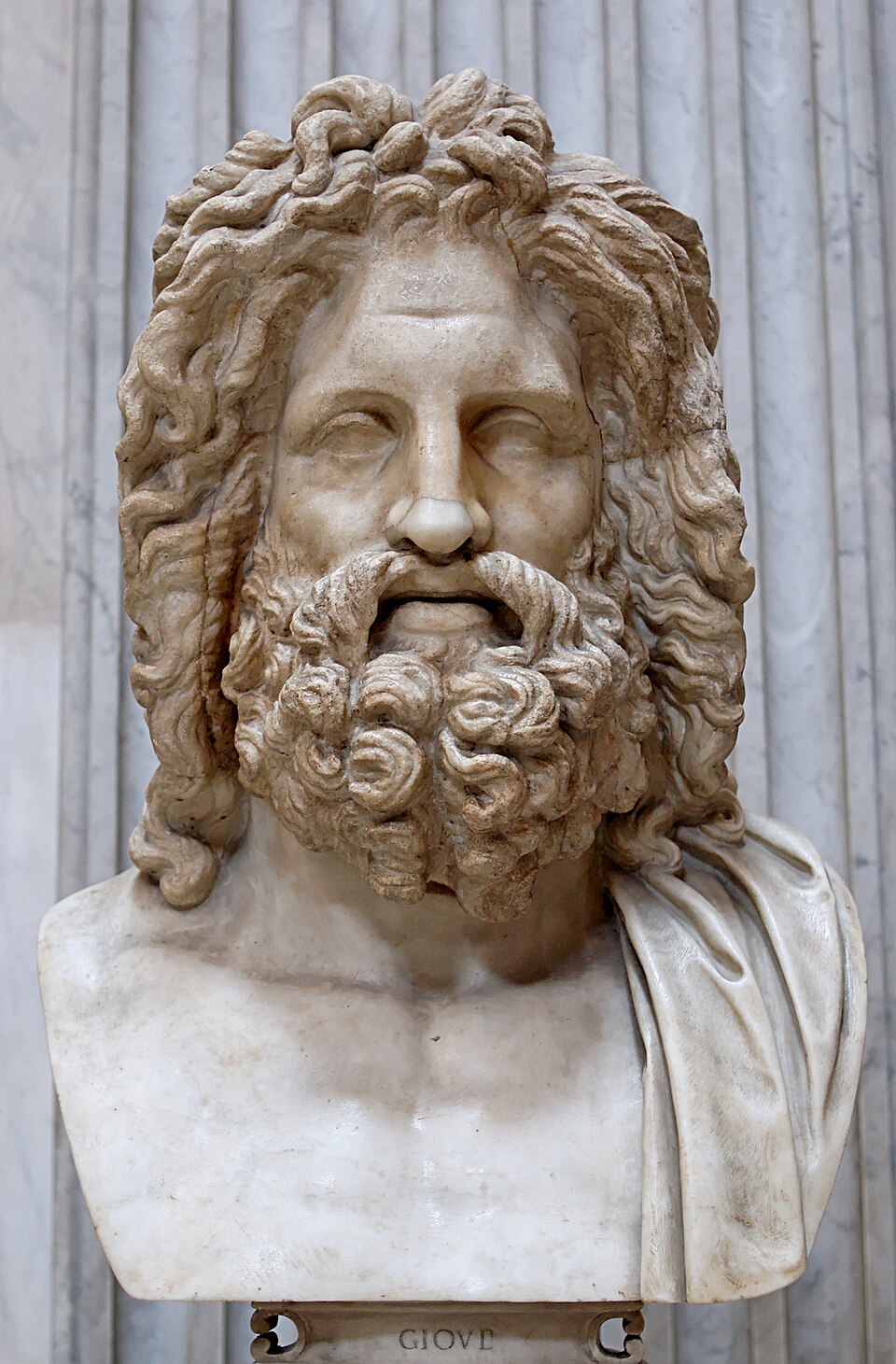
Zeus
King of the Gods · Greek
Sky-father and enforcer of oaths, whose name descends from the same Indo-European root as Jupiter and Dyaus.
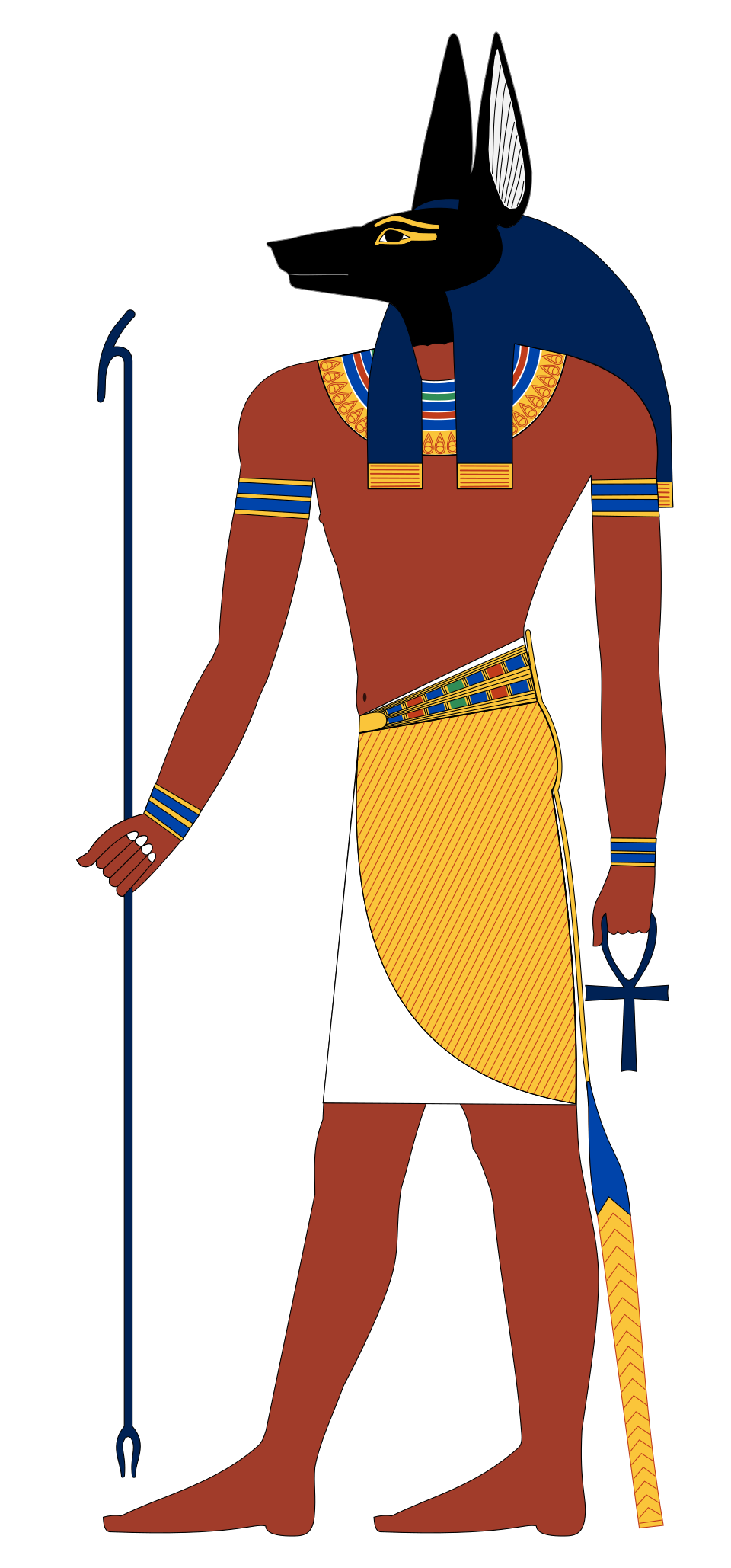
Anubis
Guide of the Dead · Egyptian
Embalmer and psychopomp, who leads the dead to the scales — the office Western tradition eventually gives to Michael and to Azrael.
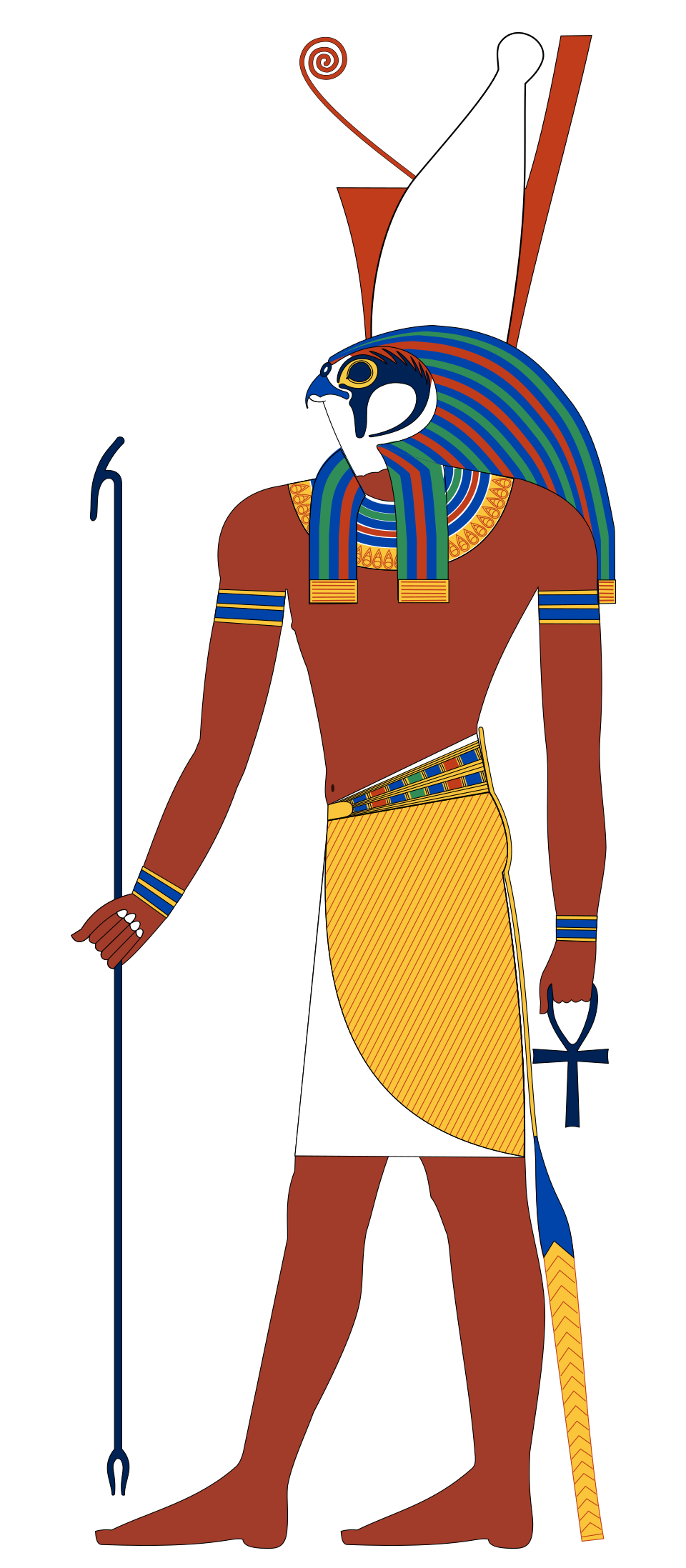
Horus
Falcon King · Egyptian
Son of Osiris, who contends eighty years with Set for the throne. Every living pharaoh was understood to be his incarnation.
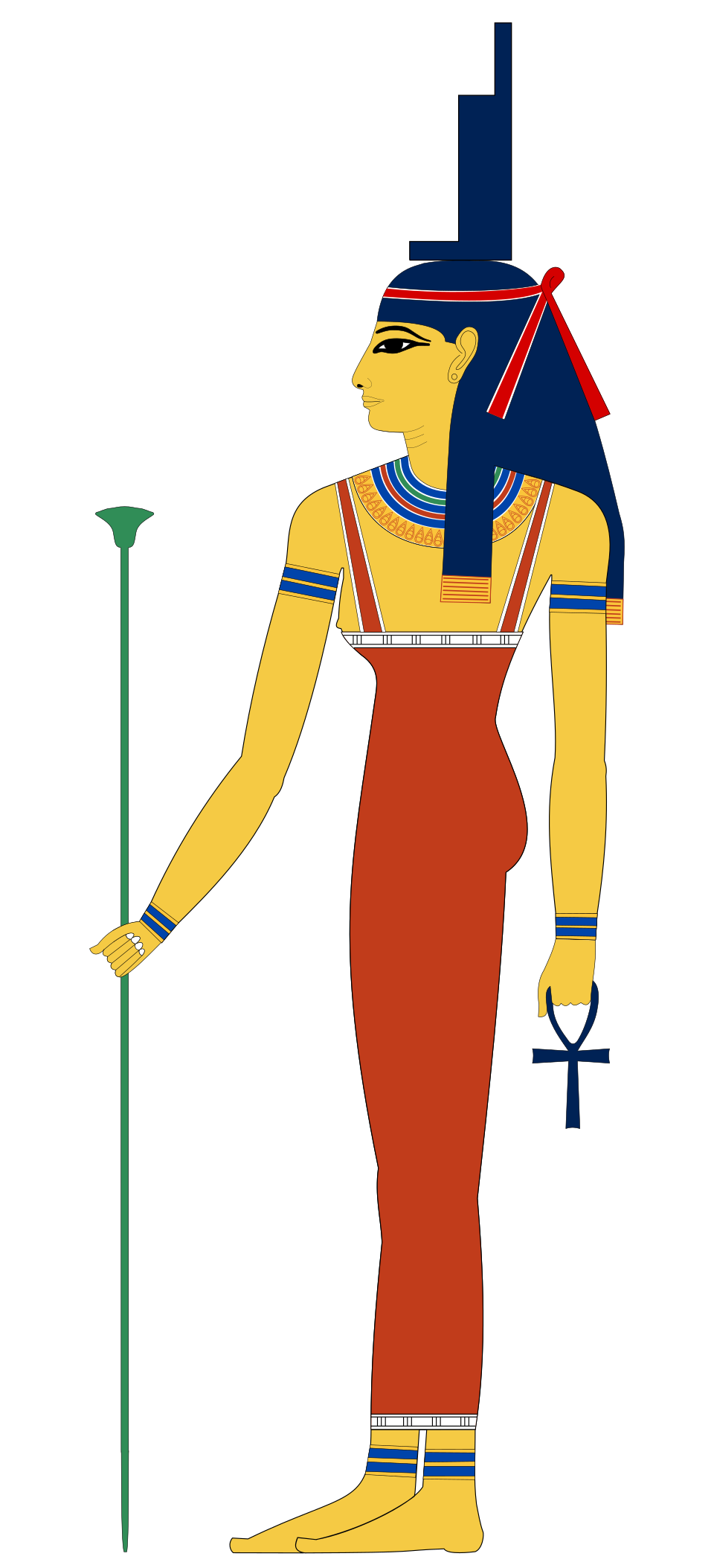
Isis
Great of Magic · Egyptian
The great magician who reassembles Osiris and tricks Ra into surrendering his secret name. Her cult eventually reached as far as Roman Britain.
Nephthys
Lady of the House · Egyptian
Set's wife who sides with her sister Isis against him, and mourns Osiris at the head of the bier.
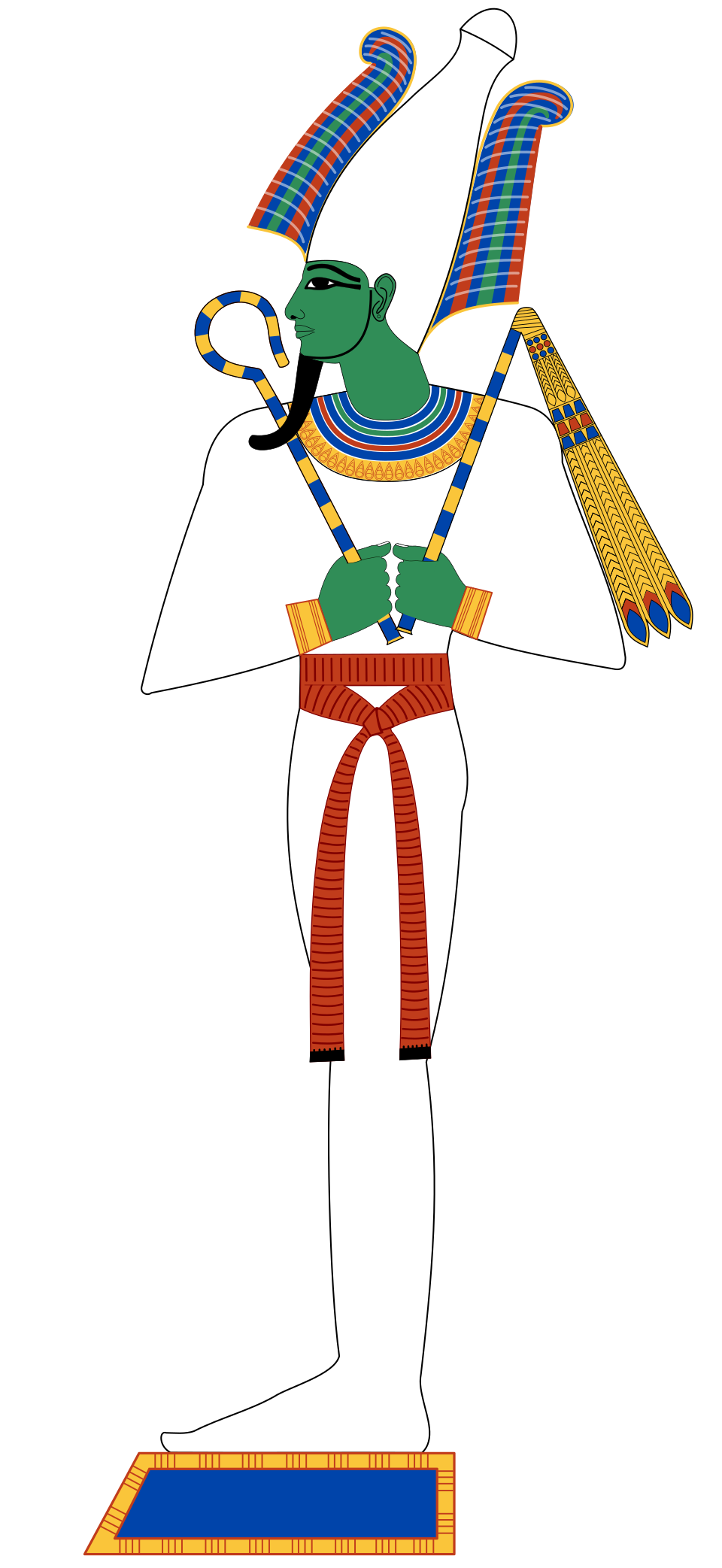
Osiris
Lord of the Dead · Egyptian
Murdered by Set, reassembled by Isis, and installed as judge of the dead. He is the earliest fully developed dying-and-rising sovereign we have.
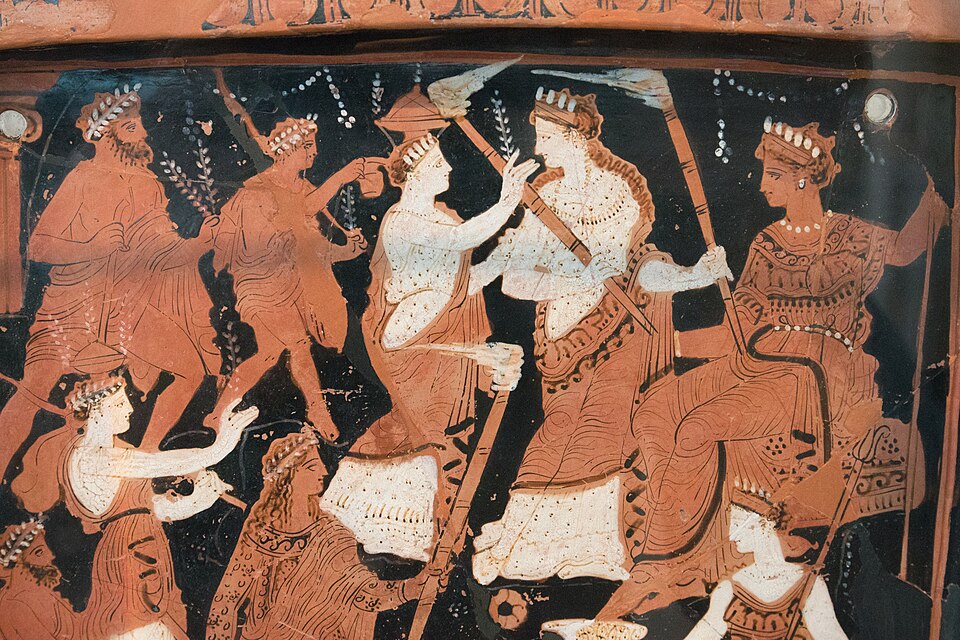
Persephone
Queen of the Underworld · Greek
Carried below and bound to return each year by six pomegranate seeds. She is sovereign of the dead and the returning grain at once.
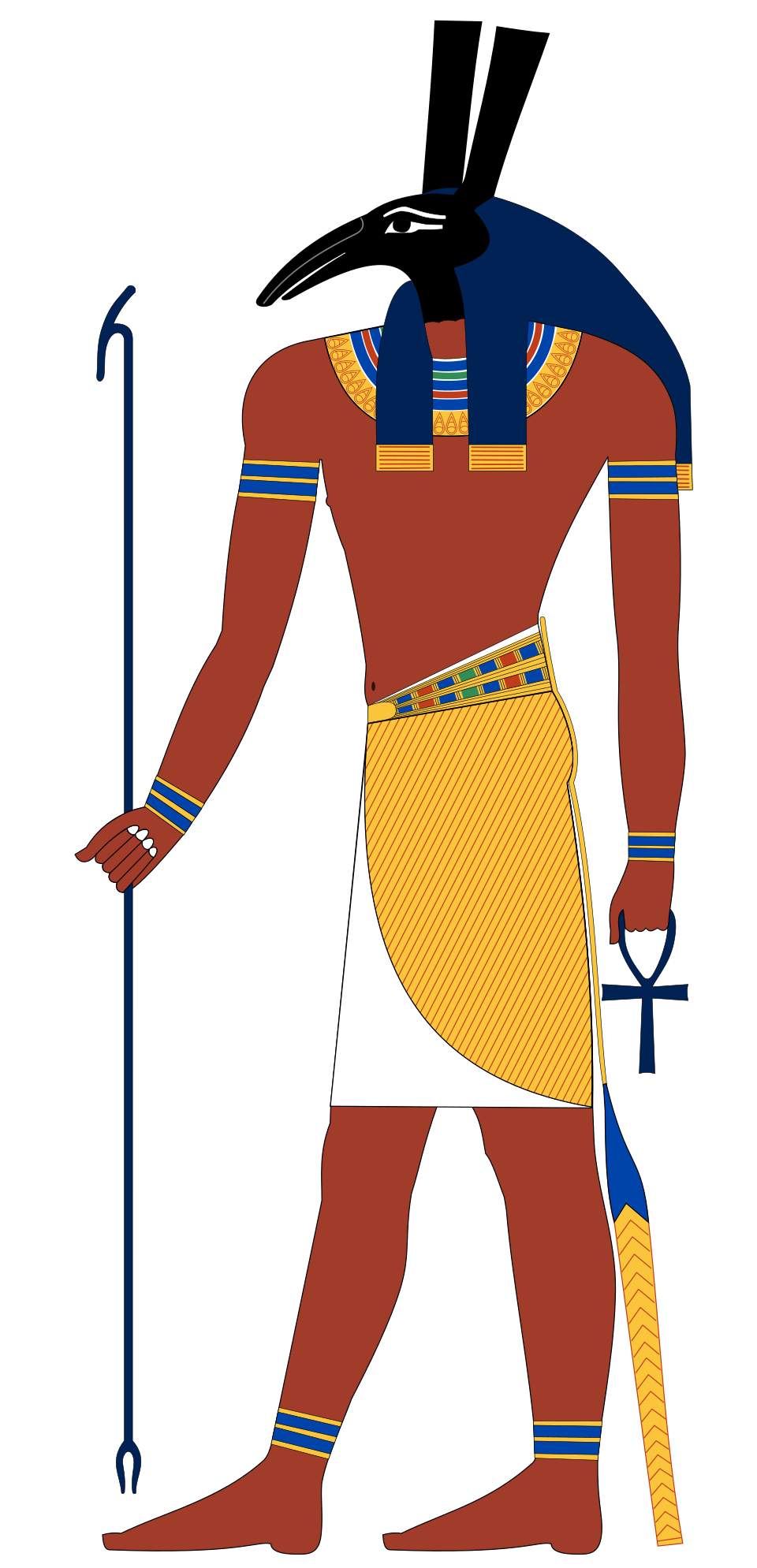
Set
God of Storms and Disorder · Egyptian
Murderer of Osiris and defender of the sun-barque — a god who was worshipped as a royal patron for two millennia before being recast as the enemy.
The Nephilim
Offspring of the Sons of God
The offspring of the sons of God and the daughters of men, given two verses in Genesis and a full history in 1 Enoch — the corpus's clearest case of a silence in scripture being filled in elsewhere.
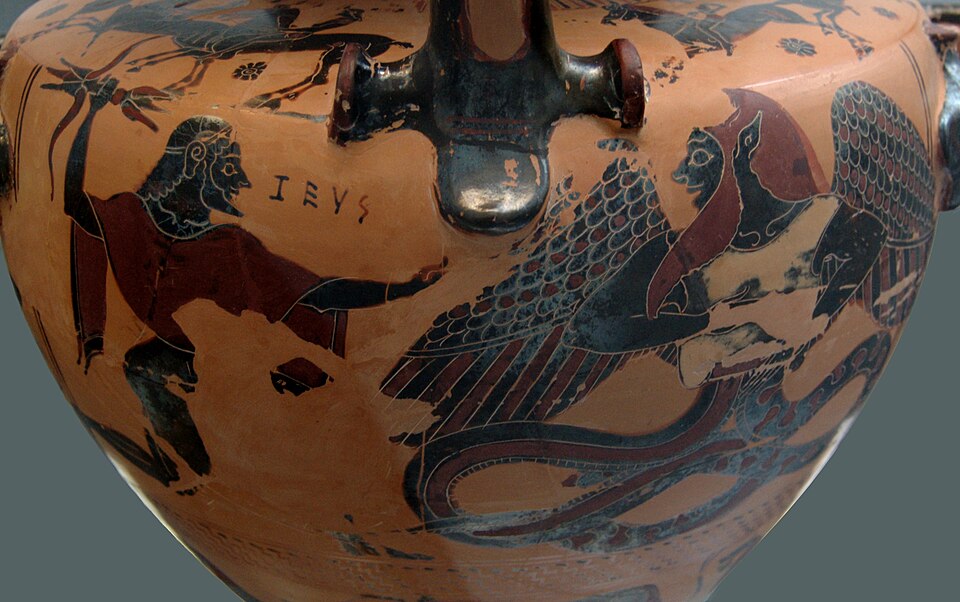
Typhon
Titan of Storms · Greek
The hundred-headed monster who nearly unseats Zeus, identified by the Greeks with Set and echoed in Revelation's dragon.
Mars
God of War and the Fields · Roman
Father of Romulus and second only to Jupiter in the state cult — an agricultural god as much as a martial one, and not simply the Greek Ares renamed.
The Gigantes
Earth-born Adversaries of the Olympians · Greek
Born from the earth and the blood of a castrated sky, they fight the Olympians and lose — and the English word giant descends from them rather than from anything in Genesis.
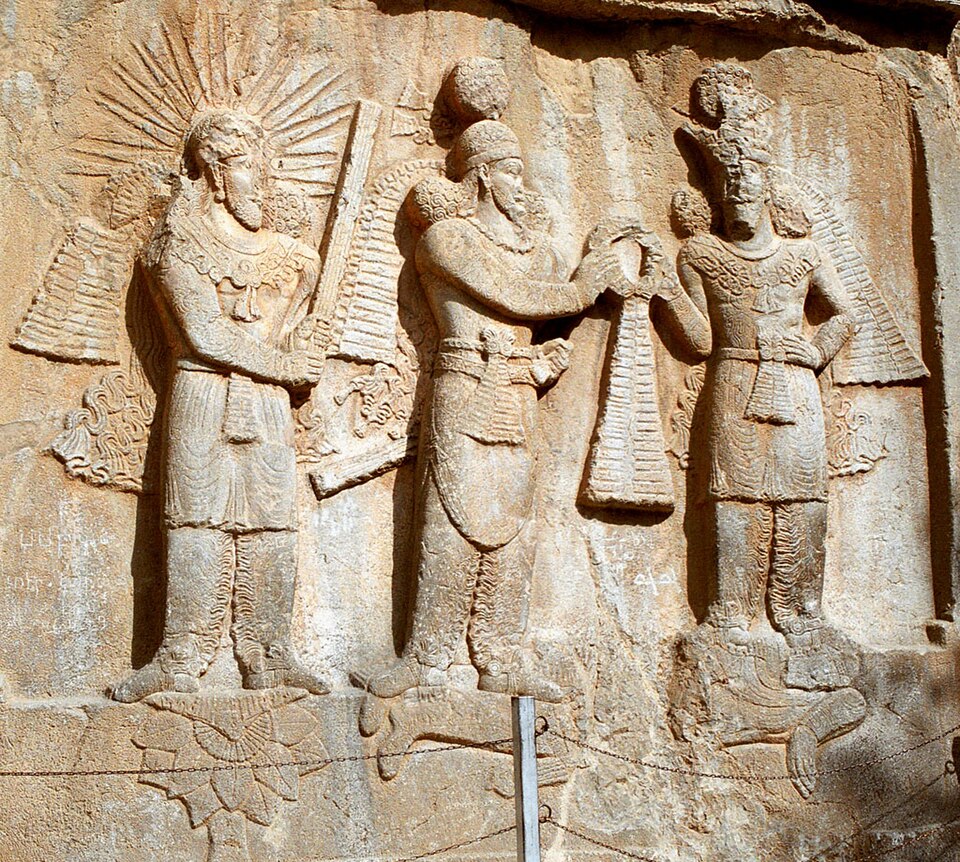
Mithra
Lord of Covenant · Persian
God of the binding contract, worshipped from India to Roman Britain. No other deity in this compendium can be traced across three civilisations so cleanly.
Asherah
Mother of the Gods · Deliverance tradition
Consort of El at Ugarit and mother of the gods, whose cult objects stood in the Jerusalem temple itself for long stretches — and who disappears from English Bibles behind the word 'grove'.
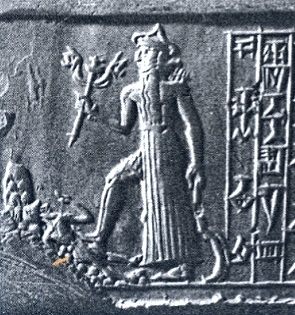
Nergal
God of the Underworld · Mesopotamian
God of plague, war and the underworld, consort of Ereshkigal — and one of the few Mesopotamian gods the Bible names directly.
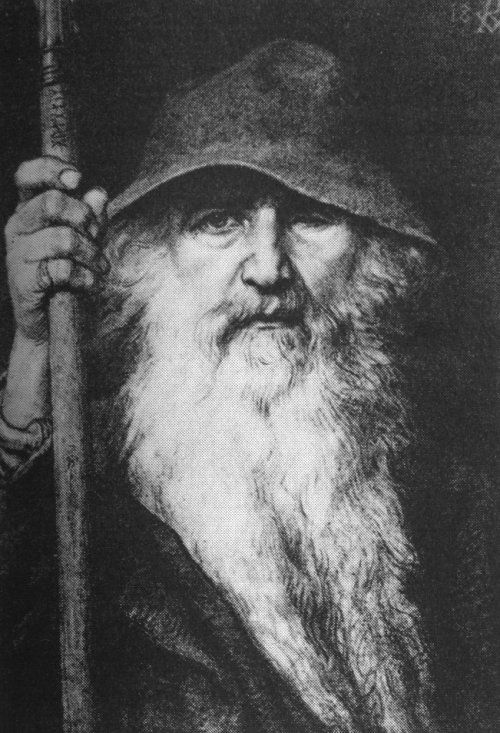
Odin
Allfather · Norse
Hangs himself on the world tree for nine nights to win the runes — a sovereign god who is also a liar, a sorcerer and a chooser of the slain.
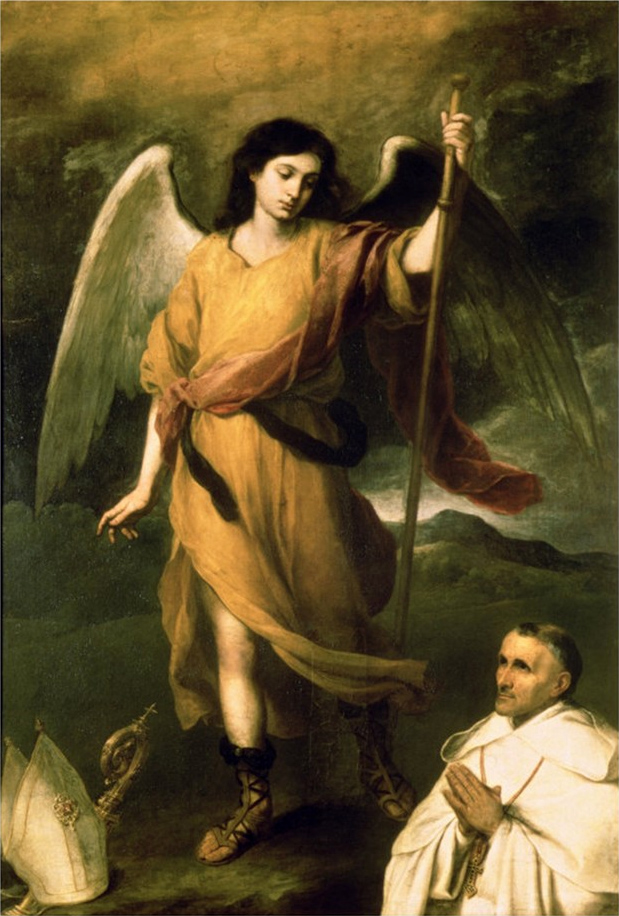
Raphael
Archangel · Archangels / Chief Princes
The healer, whose name means 'God heals'. He spends the Book of Tobit disguised as a human travelling companion, which makes it the longest sustained portrait of an angel anywhere in the biblical corpus.
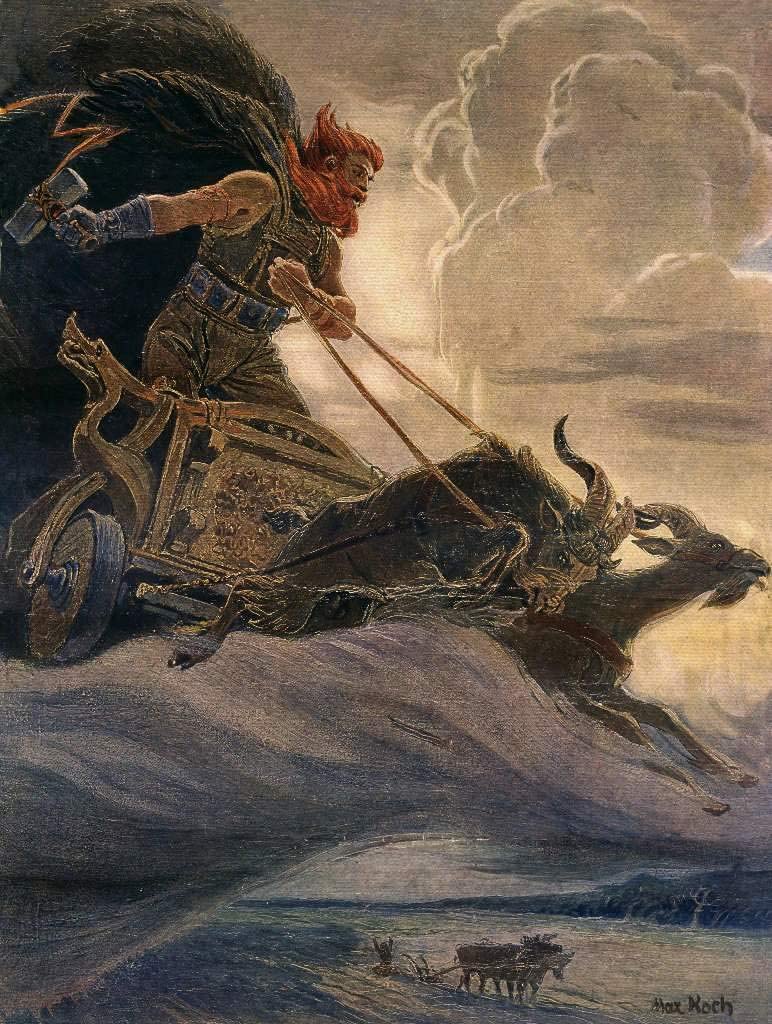
Thor
Thunderer · Norse
The defender who kills giants and will meet Jormungandr at Ragnarok. Whatever the poems give Odin, Thor was by far the more widely worshipped.
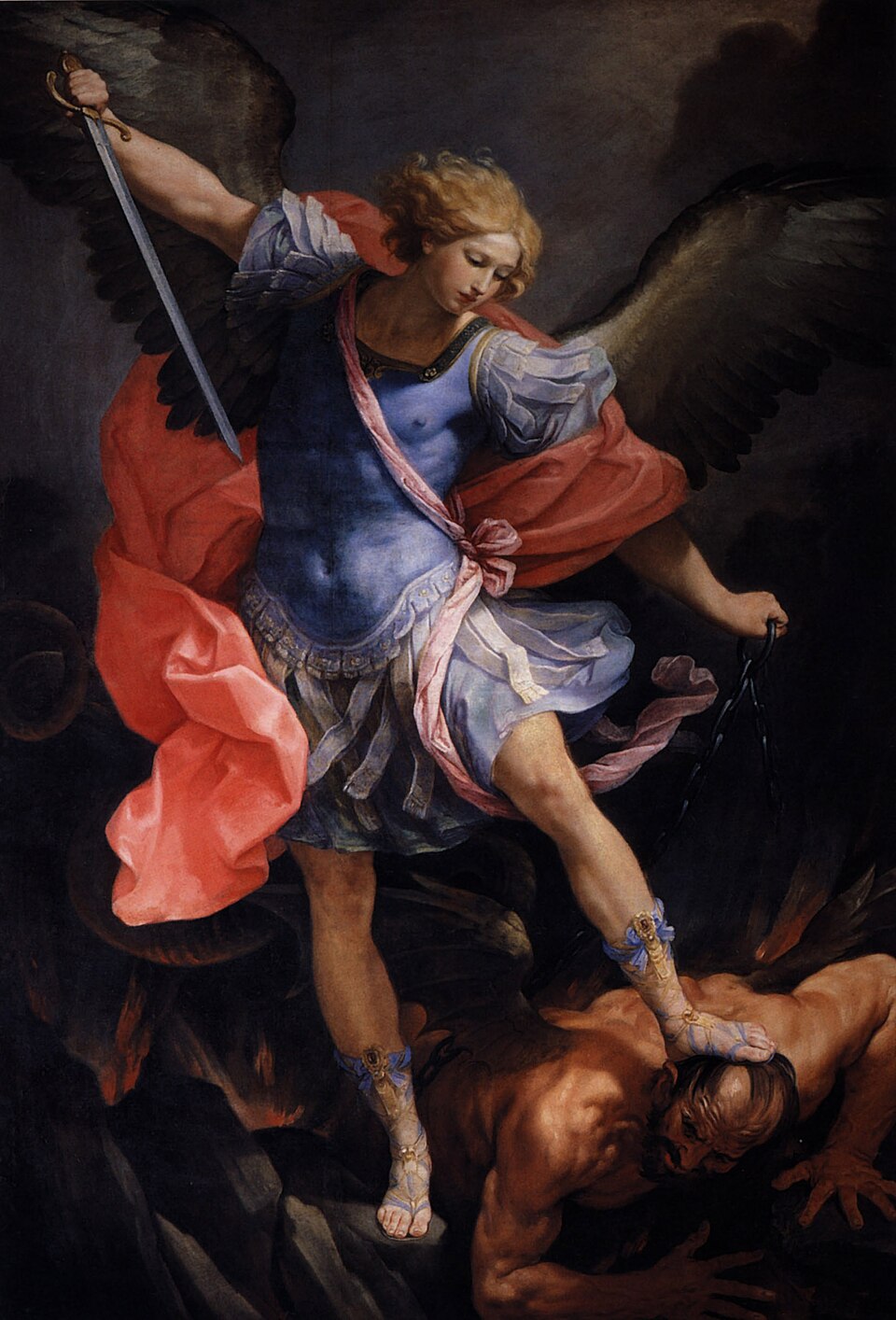
Archangels
Eighth Choir · Third Sphere
The eighth choir — which produces the tradition's sharpest inconsistency, since Michael is called an archangel yet commands the entire host.
Virtues
Fifth Choir · Second Sphere
The choir of miracles and of the movement of the heavens; traditionally the angels present at the Ascension.
The Spirits of Affliction
Group of Named Spirits · Deliverance tradition
The remaining 'spirit of X' phrases, grouped because the tradition's whole method stands or falls on how they are read.

Bael
King · Goetic Spirit
First of the seventy-two and, by the Goetia's own account, chief among them — a three-headed thing on spider's legs, ruling in the east and granting invisibility. The name is the Canaanite storm god Baal, three thousand years and one demotion later.
Moloch
Prince · Infernal Court
The deity of the Tophet child sacrifices in Kings and Jeremiah — or, on a long-running scholarly reading, the name of the sacrifice itself rather than a god.
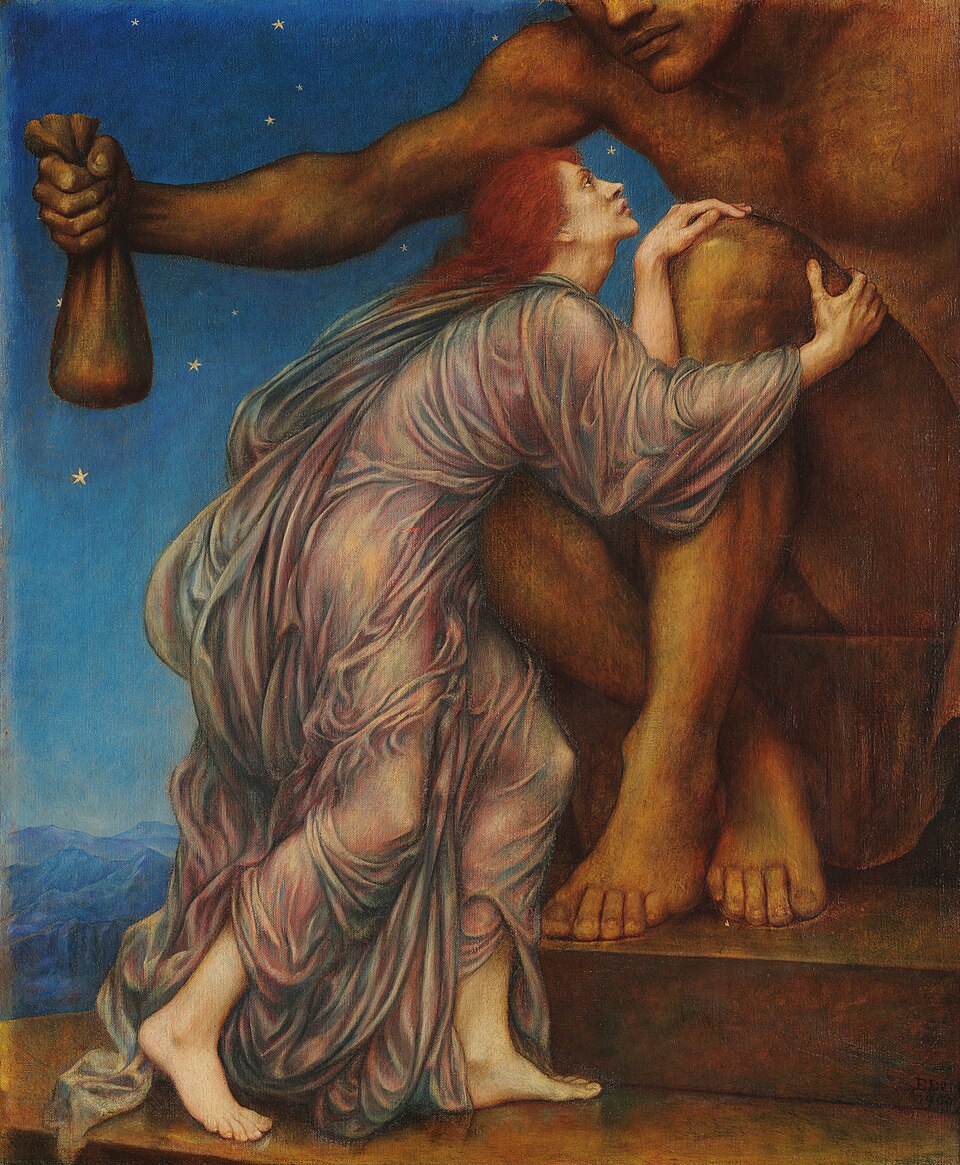
Mammon
Prince · Infernal Court
Wealth personified. The gospels use the word for money itself; demonology turned the metaphor into an officer of hell.
Aker
Guardian of the Horizon · Egyptian
Two Egyptian lions facing opposite ways — yesterday and tomorrow — with the sun passing between them each night.
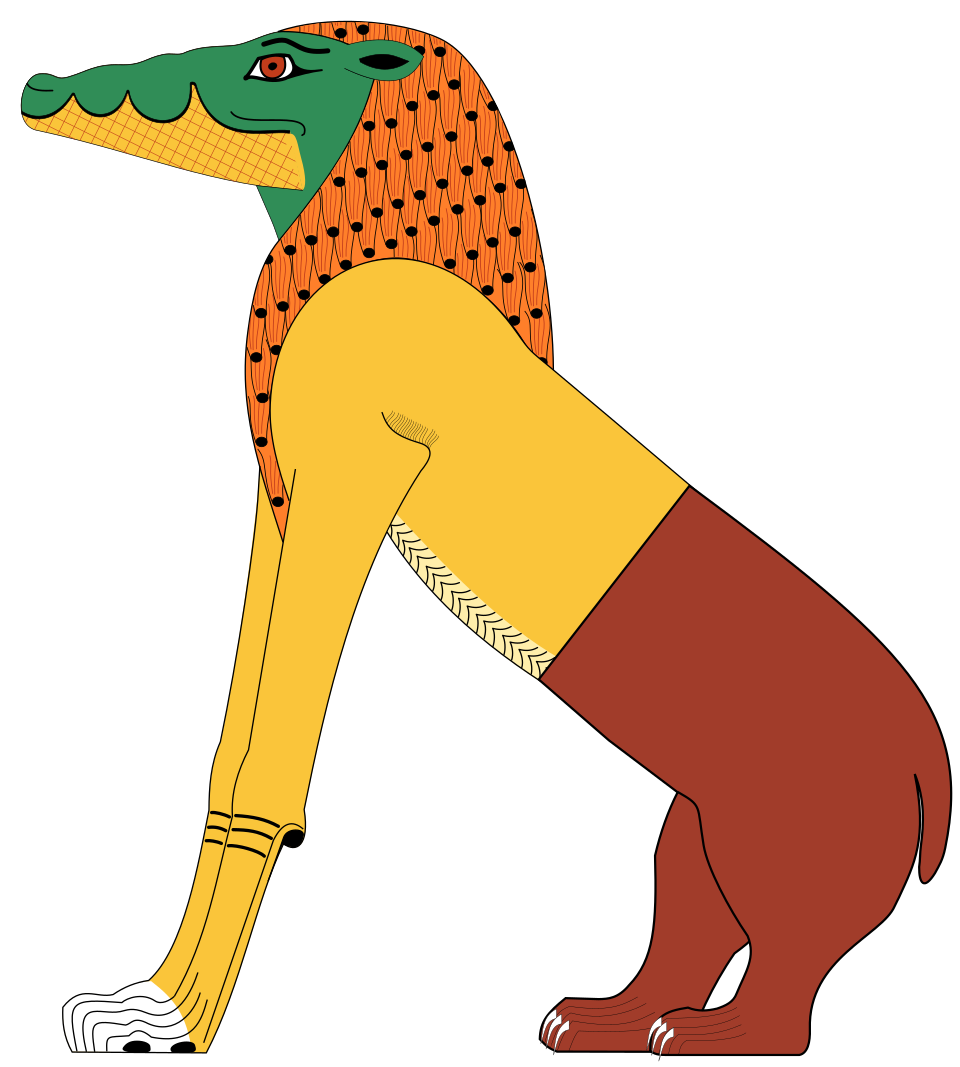
Ammit
Devourer · Egyptian
Waits beside the scales in the Egyptian judgment to eat the hearts that fail the weighing — annihilation rather than torment, which is not the same as hell.
Amun
The Hidden One · Egyptian
His name means 'the hidden' — a god defined by being concealed, who nonetheless became the supreme state deity of the New Kingdom.
Anat
Warrior Goddess · Canaanite
Baal's sister and avenger. She grinds Death himself to pieces and sows him in a field, which makes her the most violent figure in the Ugaritic corpus.
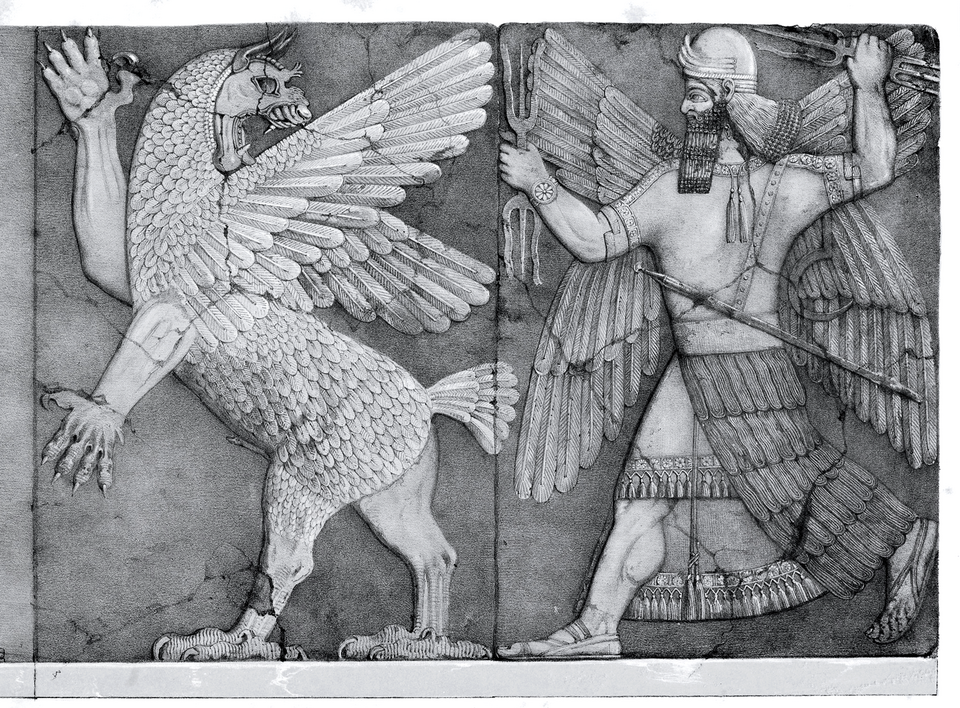
Anzu
Storm Bird · Mesopotamian
The lion-headed eagle who steals the Tablet of Destinies and is shot down for it — a rebellion against divine order predating any biblical account by a millennium.

Apep
Serpent of Chaos · Egyptian
The Egyptian chaos-serpent, who attacks the solar barque every night and every night has to be driven off again. Chaos here is a permanent condition, not a defeated enemy.
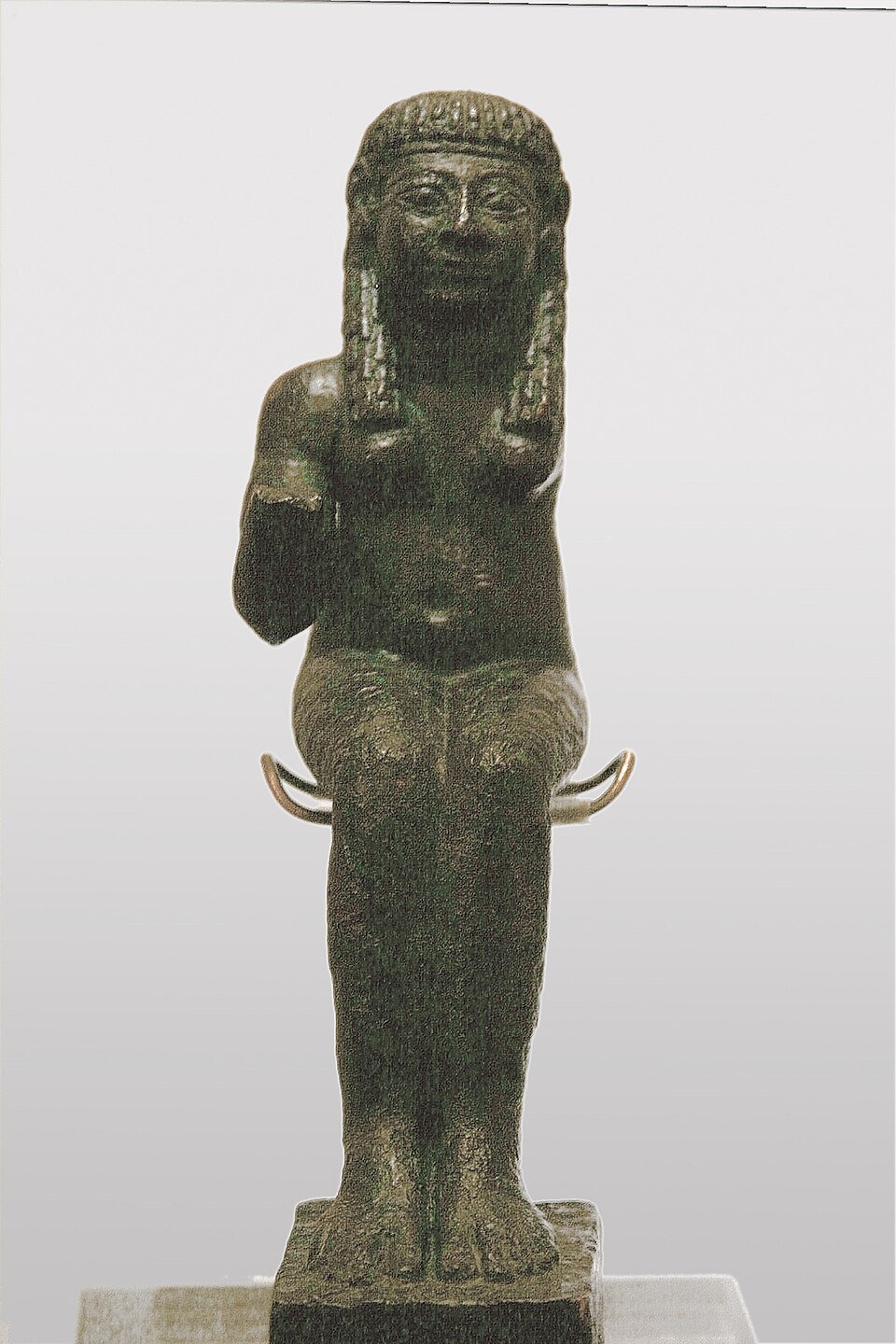
Astarte
Goddess of Love and War · Canaanite
The West Semitic goddess of love and war, cognate with Ishtar — and the direct ancestor of the Goetic duke Astaroth, who kept the name and lost the gender.
Atum
The Complete One · Egyptian
The god who made himself out of the waters and then sneezed and spat the next two gods into being.
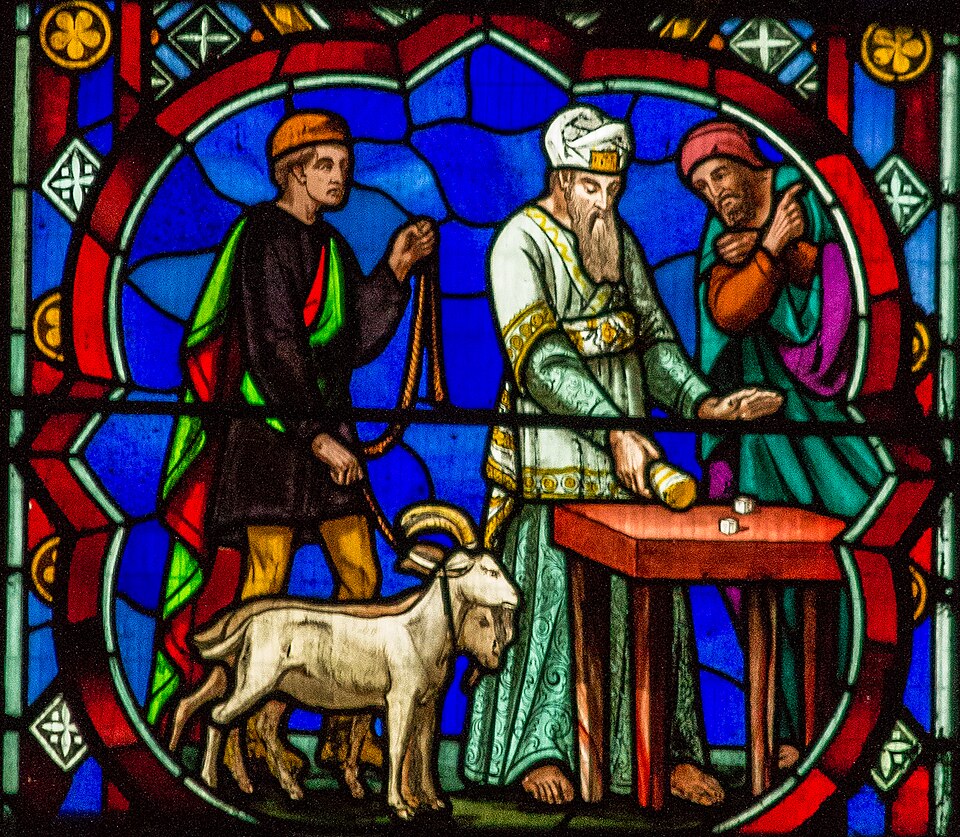
Azazel
Chief Watcher · The Watchers
The scapegoat's destination in Leviticus, and the Watcher who taught weapons and cosmetics in 1 Enoch. Translators cannot even agree whether the word is a name, a place or an abstraction.
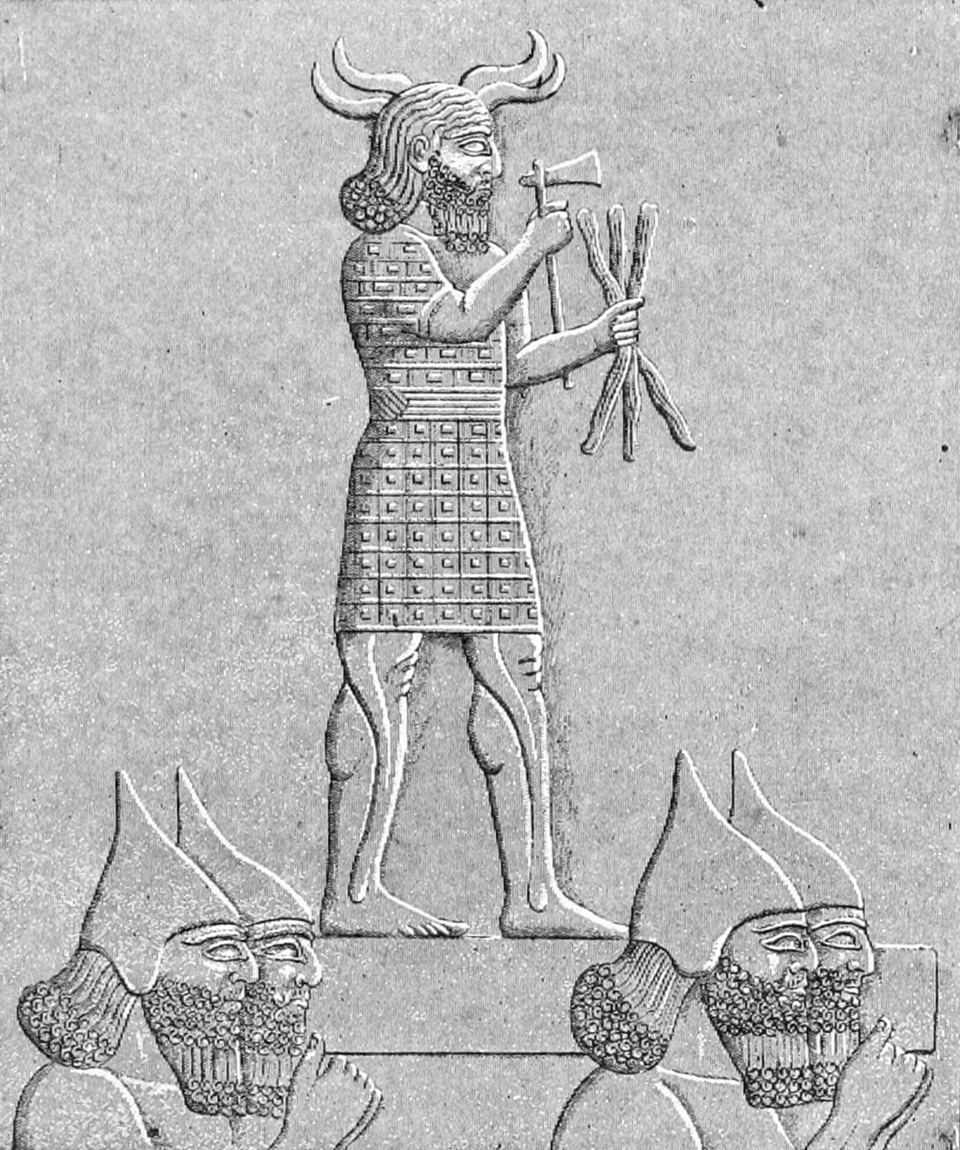
Baal Hadad
Storm God · Canaanite
The Canaanite storm and fertility god who defeats Sea and Death — and whose title, *baal* ('lord'), the Hebrew Bible turns into a generic term for false gods.
Bastet
Lady of Bubastis · Egyptian
The gentler face of the lioness — Sekhmet's rage domesticated into a household guardian, and the object of the rowdiest festival in Egypt.
Bes
Household Protector · Egyptian
A grotesque dwarf god who guards bedrooms and births by pulling faces and making noise — shown facing the viewer, which Egyptian art almost never does.
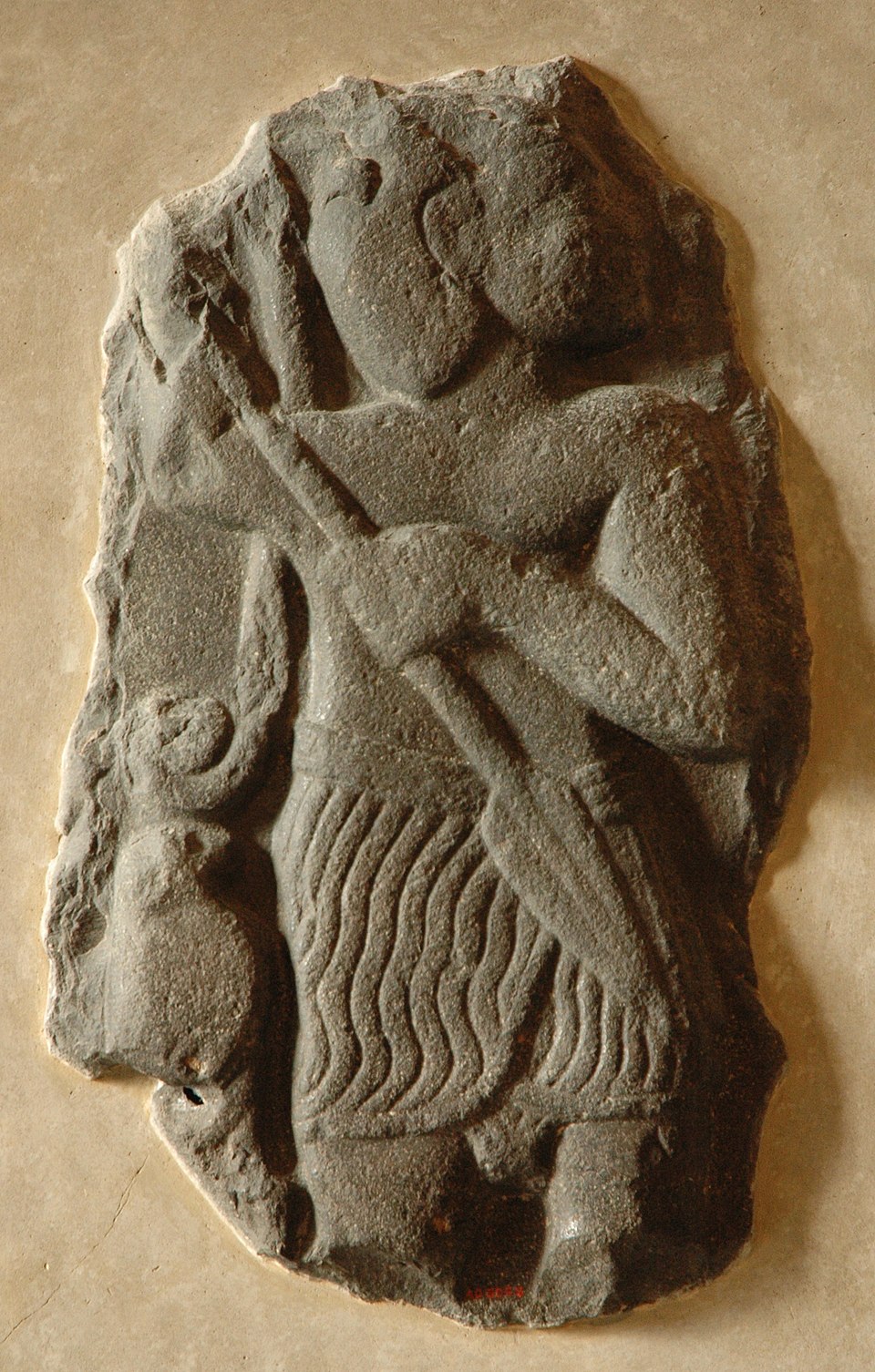
Chemosh
God of Moab · Canaanite
National god of Moab, known from the Bible and from the Mesha Stele — where a Moabite king describes his own history in language almost identical to Israel's.
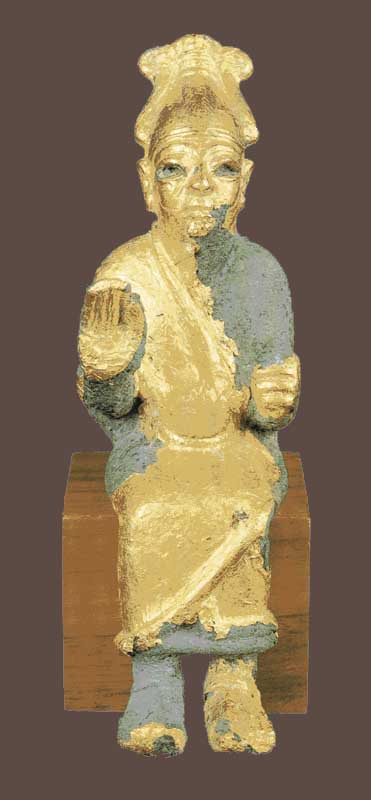
El
Father of the Gods · Canaanite
The aged high god who presides over the assembly at Ugarit — and whose name is one of the Hebrew Bible's own words for God.
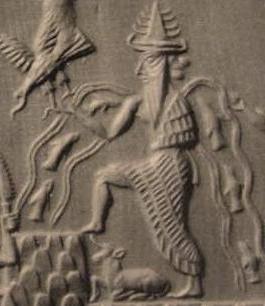
Enki
Lord of the Sweet Waters · Mesopotamian
God of the abzu and of cunning, who repeatedly saves humanity by finding the loophole in another god's decree.
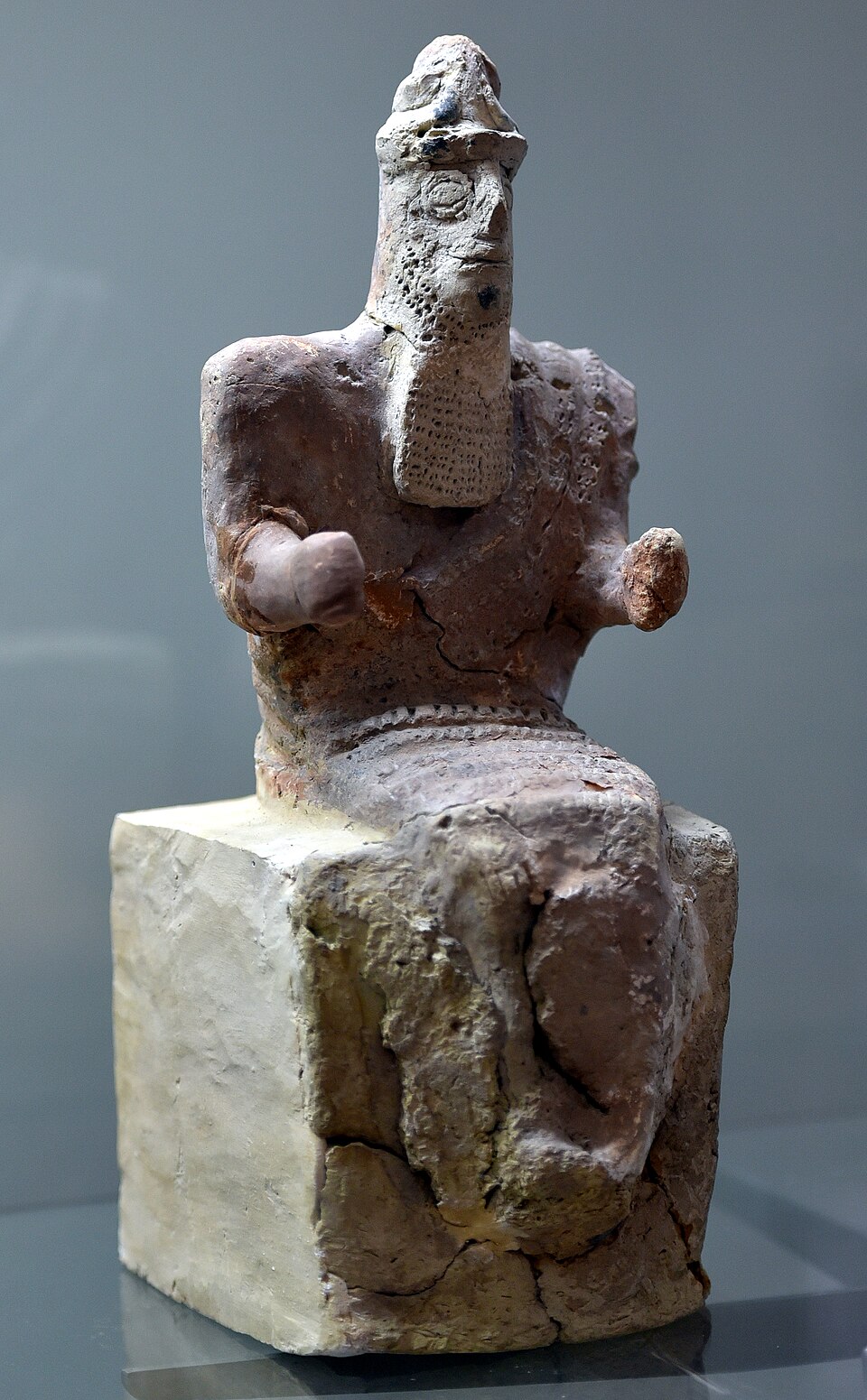
Enlil
Lord of the Air · Mesopotamian
Holder of the Tablet of Destinies, and the god who decrees the flood. He was supreme until Marduk's Babylonian promotion displaced him.
Geb
The Earth · Egyptian
The earth as a male god lying on his back — an inversion of the usual arrangement, since in Egypt the sky is female and the ground is not.
Gilgamesh
King of Uruk · Mesopotamian
Two-thirds god and one-third man, king of Uruk in the Sumerian King List and the subject of the longest narrative surviving from the ancient Near East — a story about failing to escape death.
Gonggong
The Water Lord · Chinese
The Chinese water god who loses a fight and knocks down the pillar holding up the sky — which is why the heavens tilt one way, the rivers run the other, and Nüwa has repairs to make.
Hapi
The Inundation · Egyptian
The annual Nile inundation as a god: a fat, breasted figure who is neither male nor female because he is not a person but a season that fed a country.
Hathor
Lady of the Sycamore · Egyptian
Goddess of love and music who is also the one who meets the dead at the desert edge — and who, in the Sekhmet story, is the same goddess pacified.
Heka
Magic Personified · Egyptian
Magic itself as a god — the power that makes the gods effective, present at creation before anything was made.
Heqet
Goddess of Birth · Egyptian
The frog-headed goddess of childbirth, whose amulets were worn by pregnant women and whose animal multiplied across Egypt every year as the water went down.
Khnum
The Potter · Egyptian
The Egyptian god who shapes each child and its ka on a potter's wheel before birth — creation as a manual trade rather than a word or an act of will.
Khonsu
The Traveller · Egyptian
Moon god of the Theban triad, sent abroad in one famous text to drive a spirit out of a foreign princess.
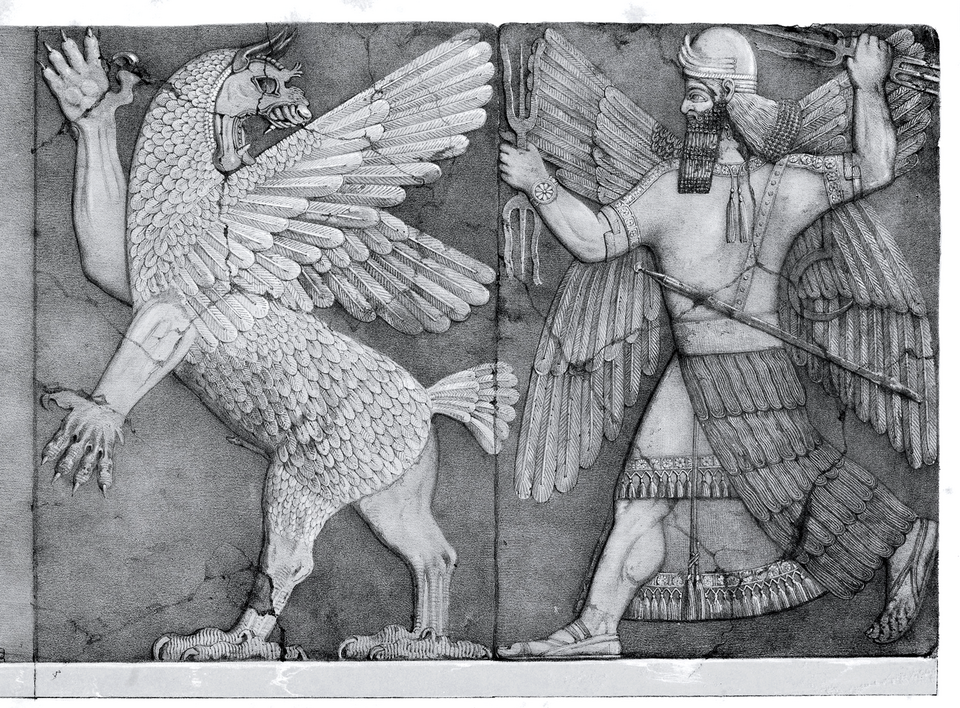
Lamashtu
Demoness · Mesopotamian
A daughter of the sky god who preys on pregnant women and newborns. She is the closest parallel to Lilith, and most likely the actual ancestor.
Lamassu
Guardian Spirit · Mesopotamian
The protective spirit set at a palace gate, and the standing counter-example to the assumption that a Mesopotamian spirit is something to be warded off.
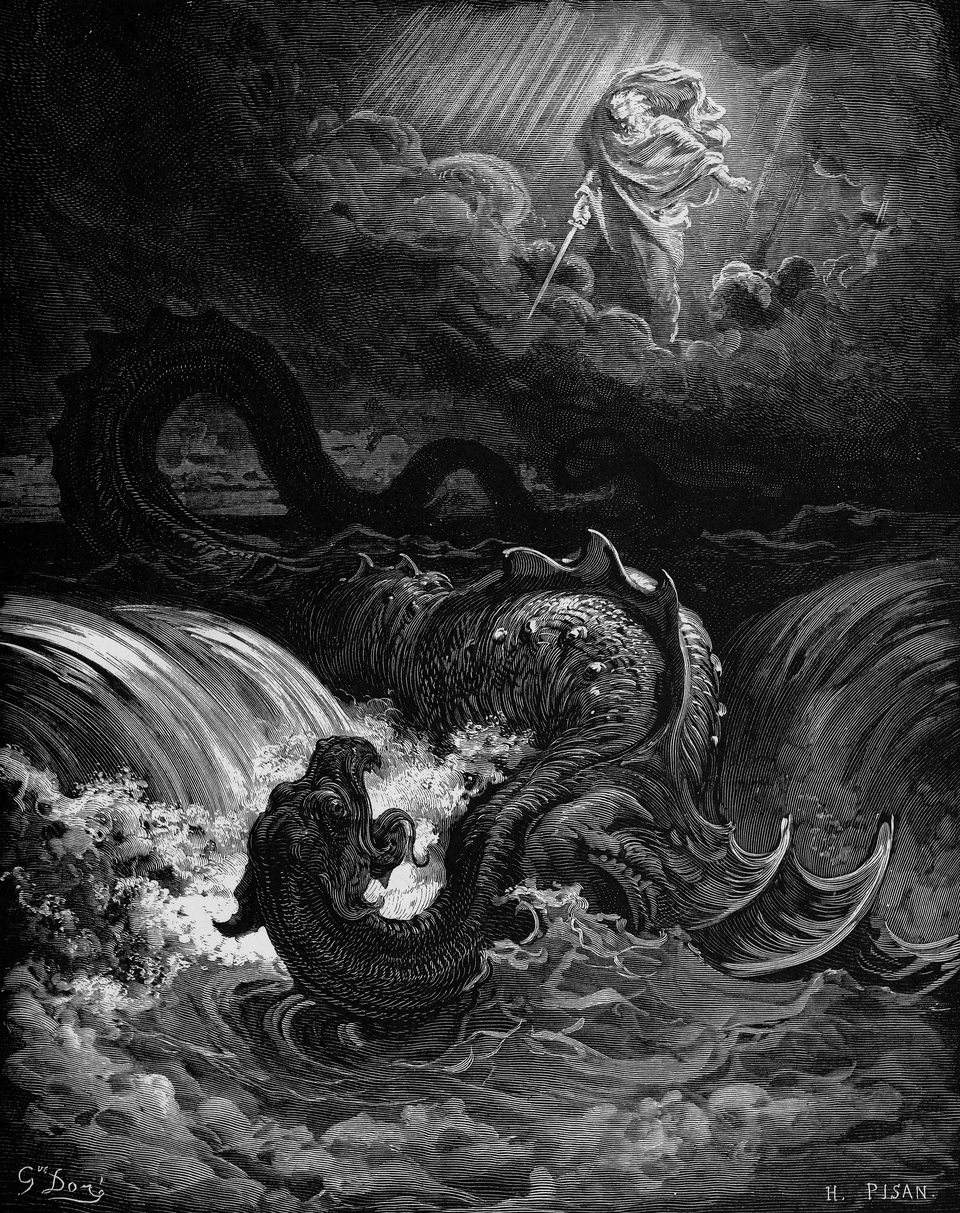
Lotan
Chaos Serpent · Canaanite
The seven-headed sea-serpent slain in the Baal Cycle, described in language Isaiah reuses almost verbatim for Leviathan.
Ma'at
Truth and Order · Egyptian
Both a goddess and the principle of order itself — the feather against which every heart is weighed.
Min
Lord of the Eastern Desert · Egyptian
One of the oldest gods in Egypt, patron of fertility and of the desert roads out of Coptos, whose festival opened the harvest with the king cutting the first sheaf.
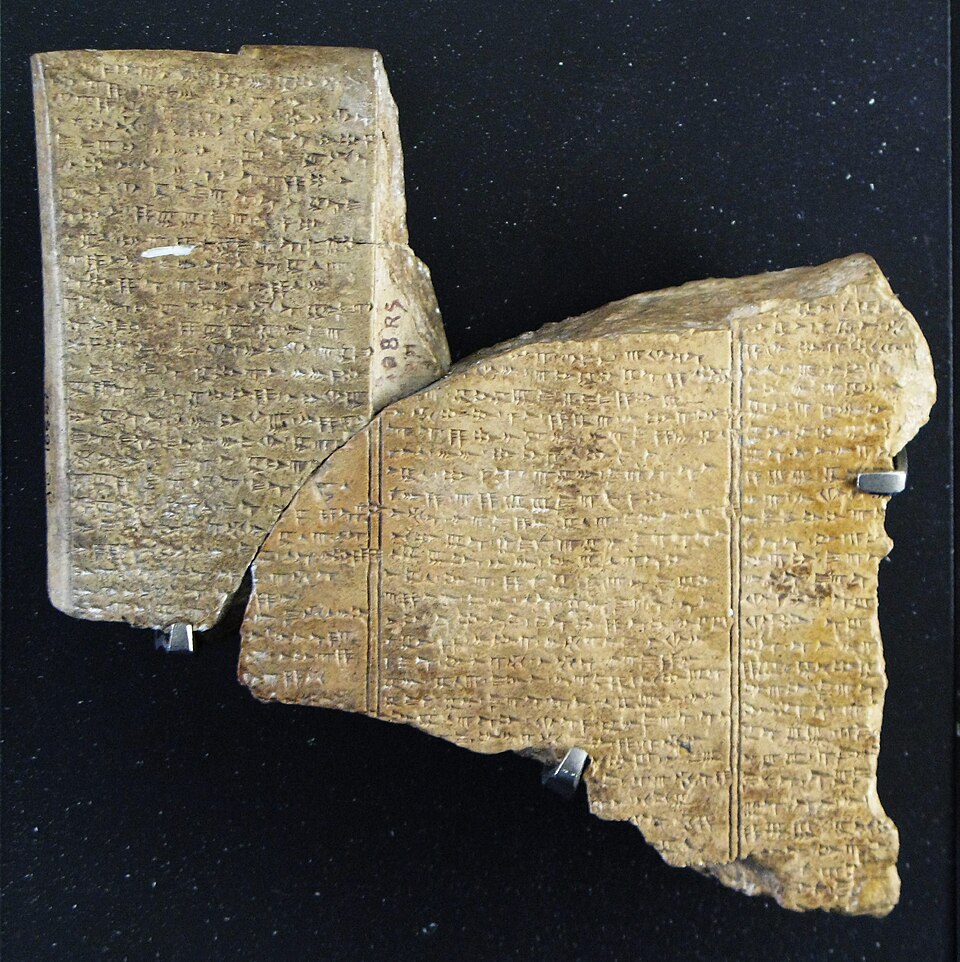
Mot
God of Death · Canaanite
Death itself as a god, with a throat wide enough to swallow Baal. The later mouth-of-hell is this image, several cultures downstream.
Neith
Lady of Sais · Egyptian
One of the oldest deities attested in Egypt, a weaver and a warrior who is called on to arbitrate when the gods themselves cannot agree.
Ninurta
Champion of the Gods · Mesopotamian
The god sent against what the other gods will not face — the Asag, and the Anzu bird that stole the Tablet of Destinies — and the one who reorganises the world afterwards.
Nun
The Primeval Waters · Egyptian
The featureless water that was there before anything, still lying outside the created world and underneath it.
Nut
The Sky · Egyptian
The Egyptian sky-goddess, who swallows the sun each evening and gives birth to it each dawn, so the inside of her body is the night sky the dead travel through.

Nüwa
Creator Goddess · Chinese
She makes people from yellow earth and patches the broken sky with five-coloured stones. A creator whose defining act is repair.
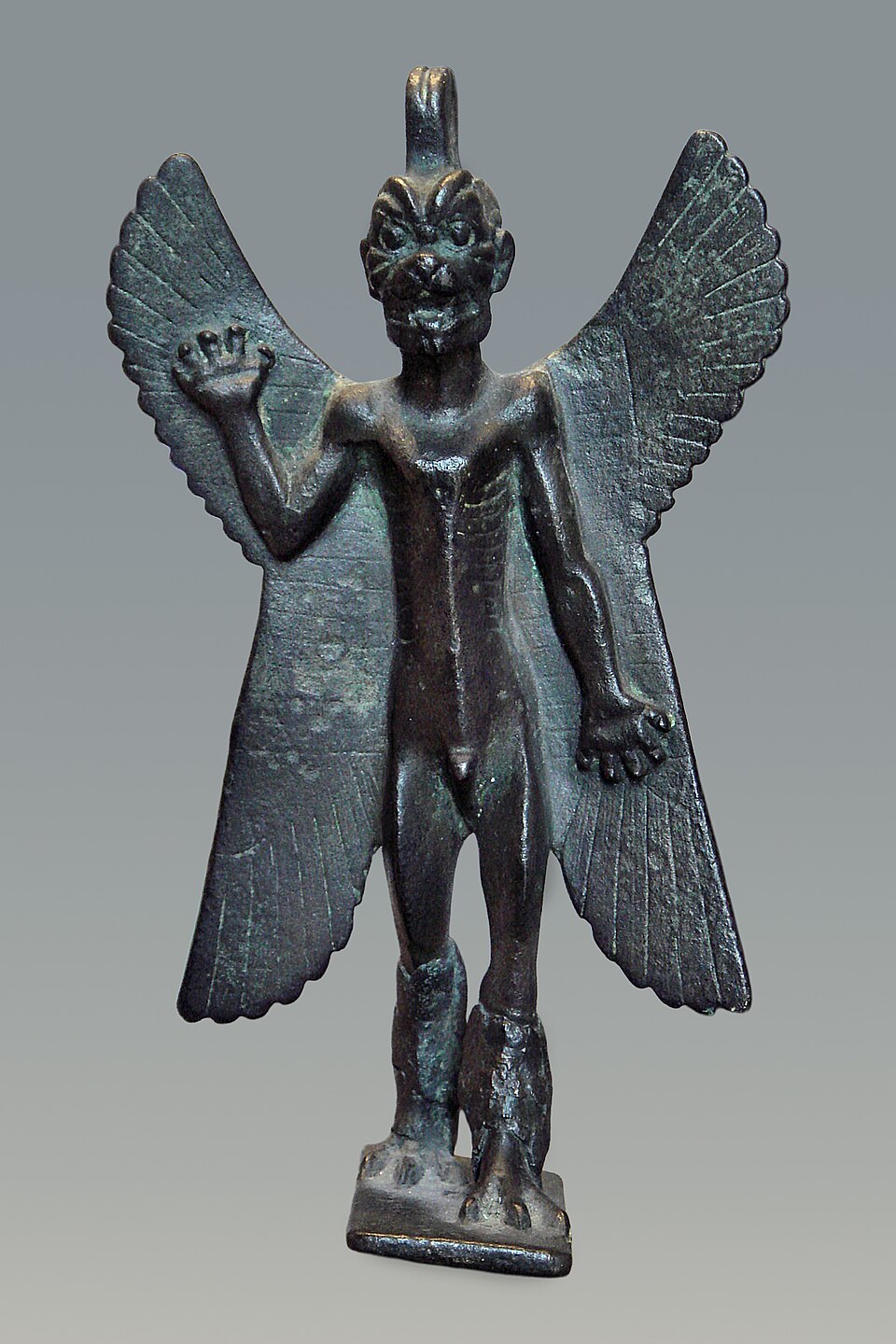
Pazuzu
Demon King of the Wind · Mesopotamian
A wind demon of the first millennium BCE, worn as an amulet. He was invoked *against* Lamashtu, which makes him that rare thing: a protective evil.
Ptah
Creator of Memphis · Egyptian
Creates by thinking a thing and then speaking its name — a theology of creation by word that predates Genesis by a long way.
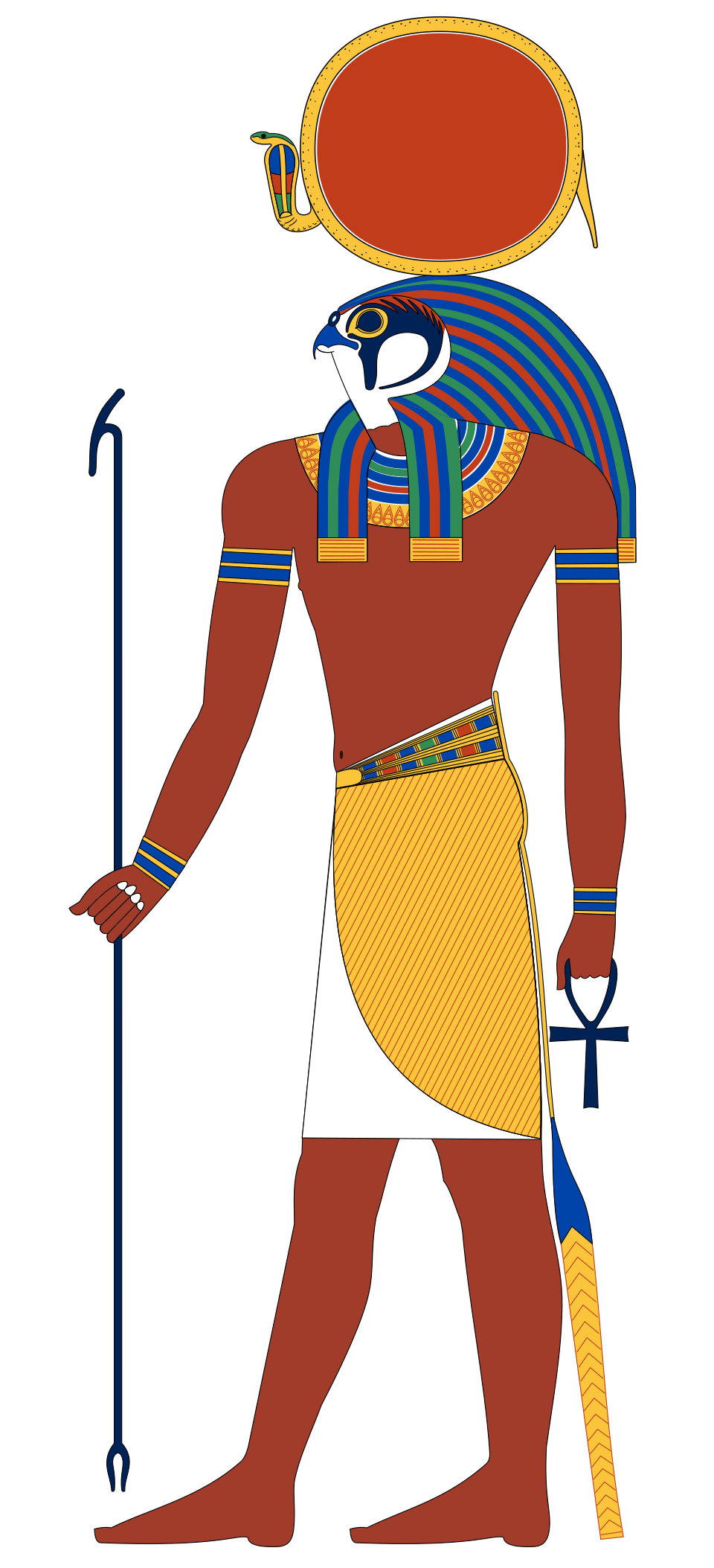
Ra
Sun God · Egyptian
The sun, who sails the sky by day and the underworld by night, fighting off Apep at every crossing.
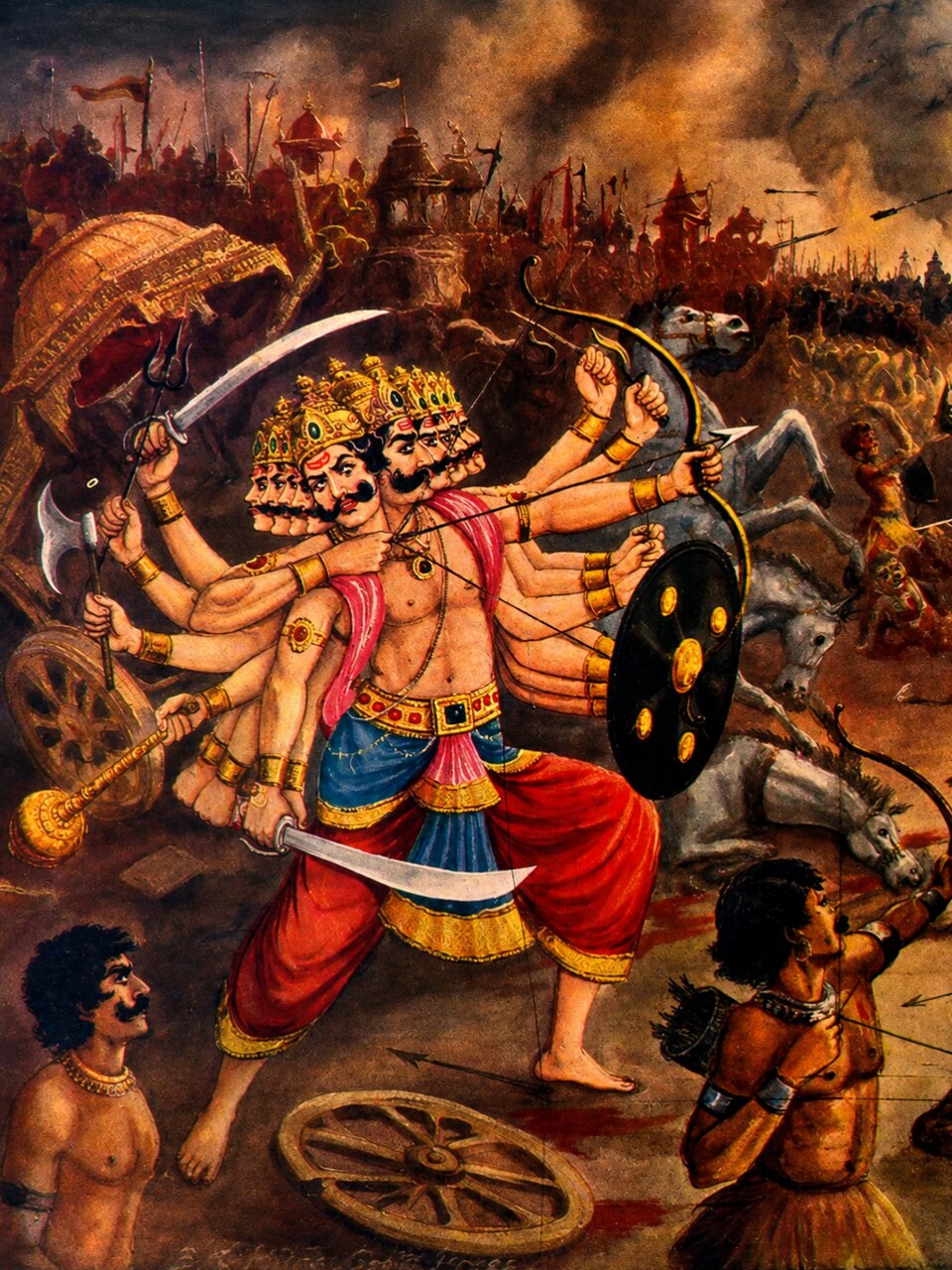
Ravana
Rakshasa King · Vedic
The ten-headed antagonist of the Ramayana — a devout scholar, musician and ascetic whose downfall is a single act of pride.
Resheph
God of Plague · Canaanite
Plague-god of the Levant, whose name survives in the Hebrew Bible as a common noun for pestilence and burning fever.
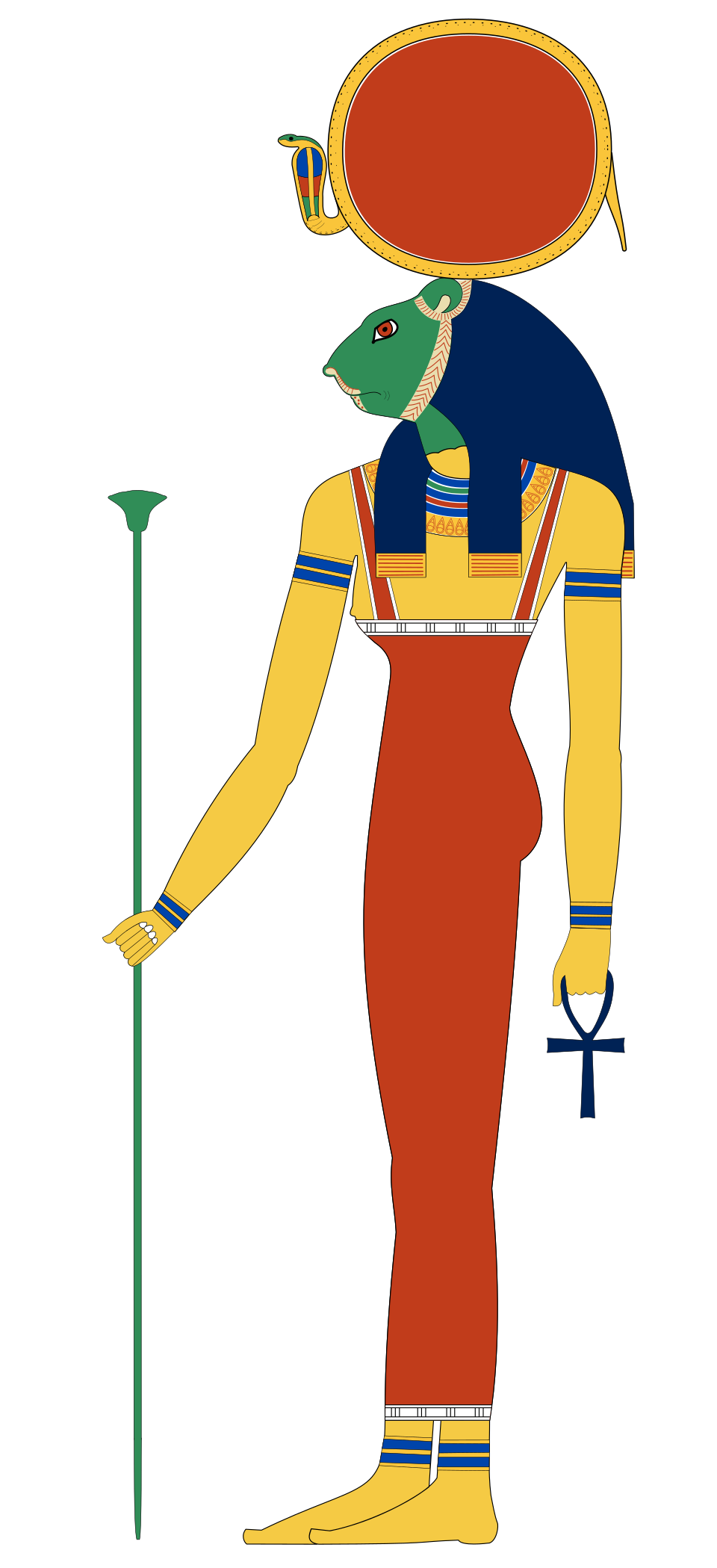
Sekhmet
The Powerful One · Egyptian
Sent by the Egyptian sun-god to destroy humanity, and stopped only by being tricked into drinking beer dyed red. Her priests were physicians: she sends pestilence and she lifts it.
Serqet
Lady of the Scorpion · Egyptian
Goddess of venom and therefore of its cure — her priests were the physicians who treated stings and bites.
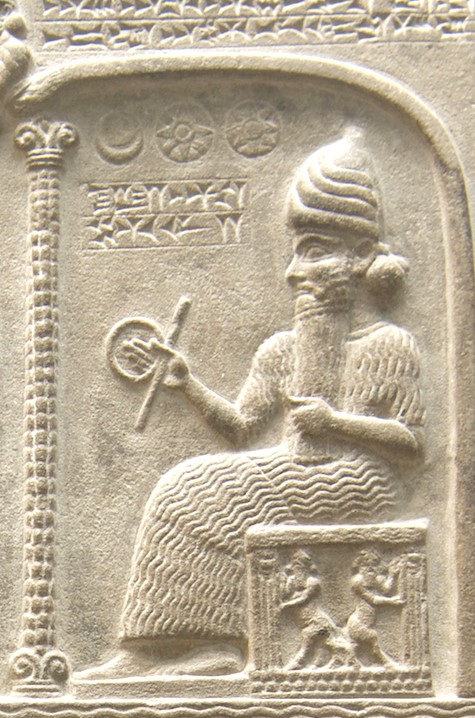
Shamash
Sun and Judge · Mesopotamian
The sun sees everything, so the sun is the god of judges. Hammurabi's law code is carved beneath an image of the king receiving it from him.
Shu
God of Air · Egyptian
The Egyptian god of air, who holds Nut off Geb with his own body — the reason there is a gap between sky and earth at all.
Sobek
Lord of the Waters · Egyptian
The crocodile as a god — feared as a killer and honoured as the power of the river that made Egypt possible.
Tammuz
Dying God · Deliverance tradition
Ezekiel is shown women weeping for Tammuz at the north gate of the temple — a Sumerian god still being mourned in Jerusalem two thousand years after his cult began.
Tefnut
Goddess of Moisture · Egyptian
Shu's twin and counterpart in the Egyptian ennead, moisture to his air. When she left Egypt in a rage the land dried out until she was coaxed home.
The Ardat Lili
Night Spirit · Mesopotamian
A Mesopotamian night spirit: a young woman who died before marriage, returning to the sleeping — and the earliest end of a report that later runs under the names incubus, mara and Old Hag.
The Asag
Demon of Sickness and Stone · Mesopotamian
A demon that fathers an army out of the mountain stones and makes fish boil in the rivers — and whose name becomes the ordinary Akkadian word for a class of illness.
The Etemmu
The Dead Who Return · Mesopotamian
The Mesopotamian ghost of a person, and a problem of neglect rather than of malice: the etemmu that troubles the living is usually a spirit nobody buried and nobody remembers.
The Forty-Two Assessors
Tribunal of the Duat · Egyptian
Forty-two Egyptian judges of the dead, each responsible for exactly one offence, addressed by name and told 'I have not done it'.
The Four Sons of Horus
Guardians of the Viscera · Egyptian
Four gods, four jars, four organs: liver, lungs, stomach and intestines, each with its own guardian and its own compass direction.
The Gallu
Enforcers of the Netherworld · Mesopotamian
Bailiffs of the Mesopotamian netherworld, who take a person below because the law of that place requires a substitute — the corpus's clearest case of harm done by officials rather than by monsters.
The Rephaim
A People, and the Dead
One word doing two jobs: a people east of the Jordan, and the shades of the dead — a double sense the Ugaritic texts already carry centuries before the Hebrew ones.
The Sons of God
The Assembly · The Divine Council
The plural divine beings who make up God's council in the Hebrew Bible — present at creation, attending audiences, allotted the nations, and in one psalm sentenced to death for judging unjustly.
The Utukku
A Class of Harmful Spirit · Mesopotamian
The class the largest surviving body of Mesopotamian protective material is named for, and a spirit defined almost entirely by what it does rather than by who it is.
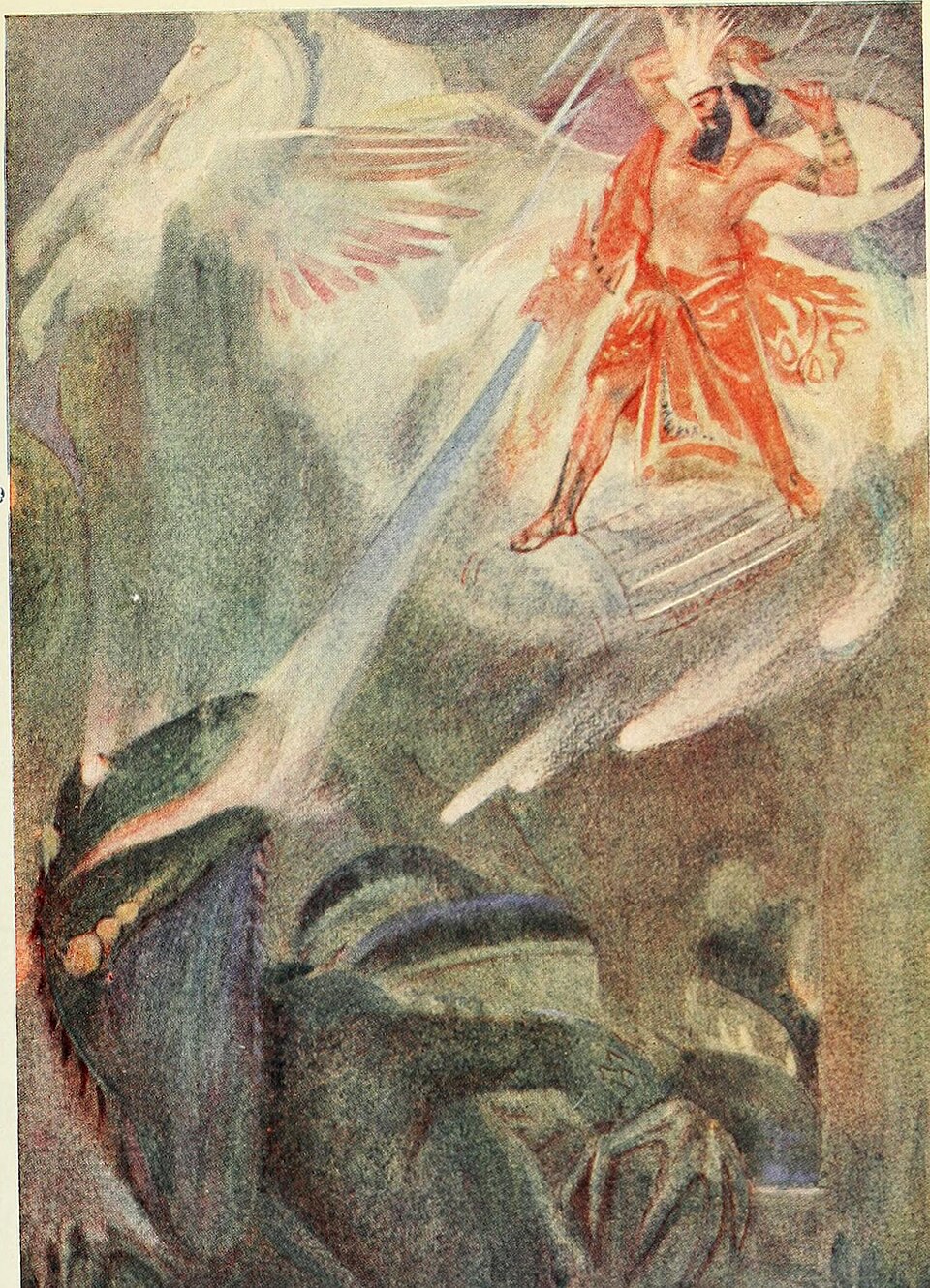
Tiamat
Primordial Sea · Mesopotamian
The saltwater ocean personified as the mother of the gods, split in two by Marduk to make heaven and earth.
Wadjet
Lady of Lower Egypt · Egyptian
The cobra goddess of Lower Egypt, worn on the king's forehead as the uraeus that spits fire at his enemies, and half of the pairing that made a king ruler of both lands.
Wepwawet
Opener of the Ways · Egyptian
'Opener of the ways' — goes ahead of the army and ahead of the dead, clearing the road before either has to walk it.
Xiwangmu
Queen Mother of the West · Chinese
The Chinese goddess who begins as a tiger-toothed sender of plagues in the Classic of Mountains and Seas and ends as the serene keeper of the peaches of immortality — a demotion running backwards.
Yam
The Sea · Canaanite
The Sea as a rival claimant to kingship, put down by Baal with two named clubs. It is the Ugaritic version of Marduk against Tiamat.
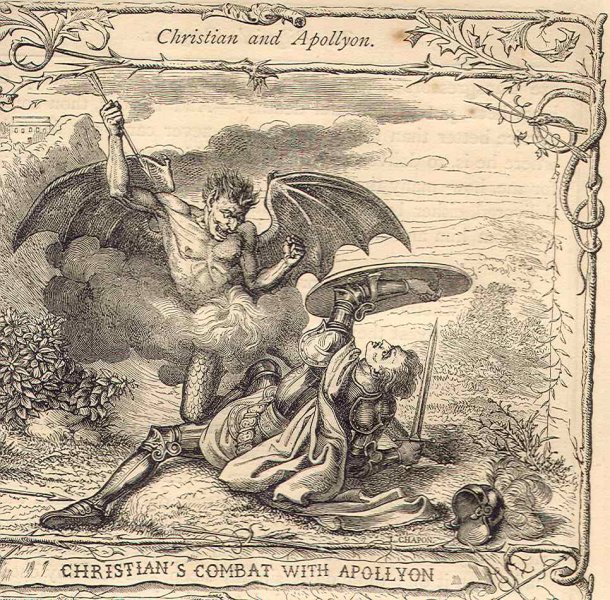
Abaddon
Angel of the Abyss · Infernal Court
A place-name in the Hebrew Bible — 'destruction', a synonym for the grave — that Revelation personifies as the king of the locusts of the pit.
Apis
The Living Bull · Egyptian
A single living bull, identified by its markings, kept at Memphis as the visible body of Ptah and buried in a granite sarcophagus with royal honours when it died.
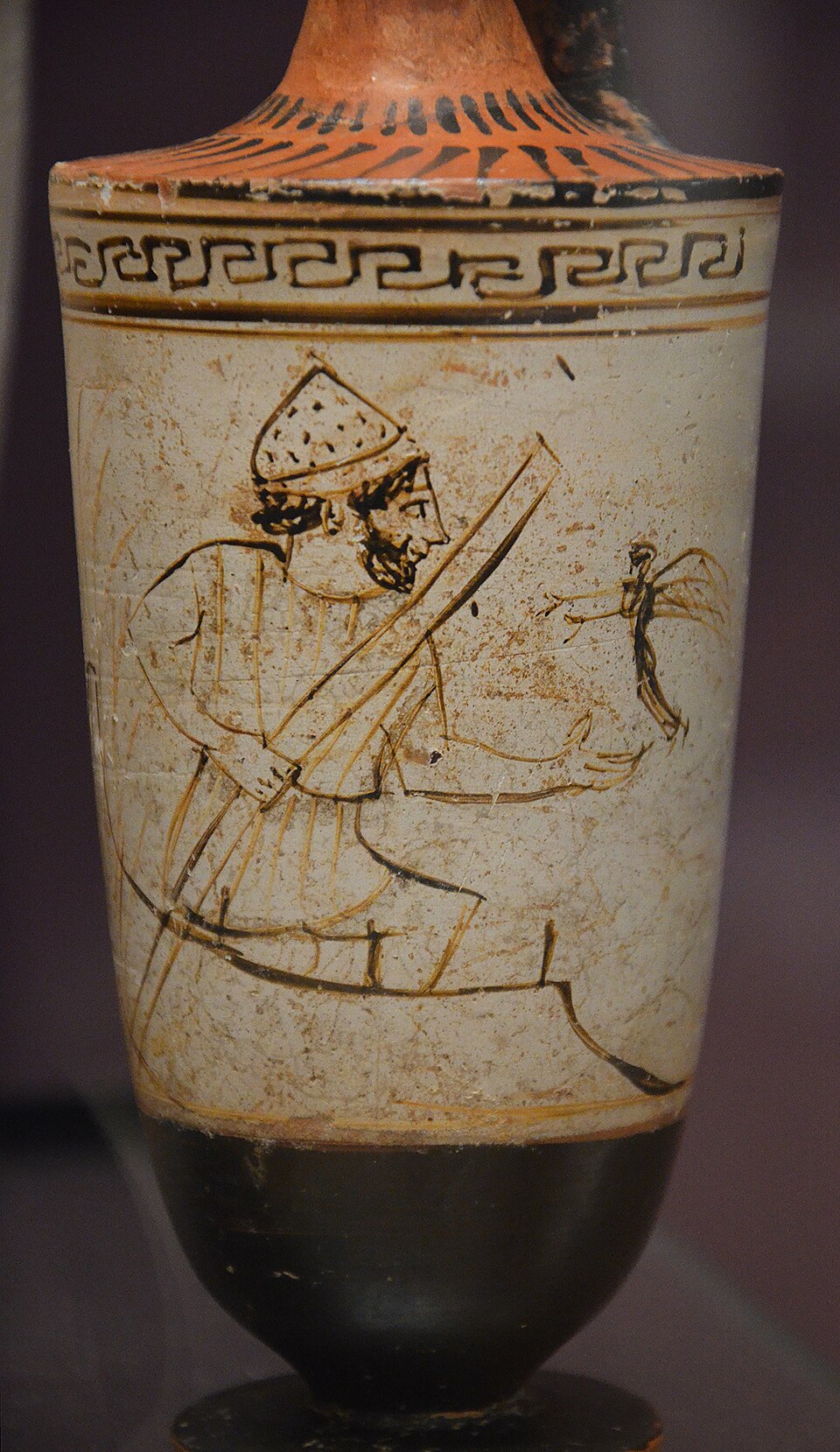
Charon
Ferryman of the Dead · Greek
The ferryman of the Greek underworld, who takes the dead across and takes payment for it. The coin placed in a corpse's mouth was his fare.
Gehenna
The Valley Outside the Walls · Hebrew and Christian cosmology
A real valley outside Jerusalem, remembered as the site of child sacrifice and deliberately defiled, whose name became the New Testament's word for final ruin.
Goliath
Champion of Gath
The Philistine champion of 1 Samuel 17, and the best-known giant in any of these texts — whose height the manuscripts do not agree on, and whose death the Hebrew Bible reports twice with two different killers.
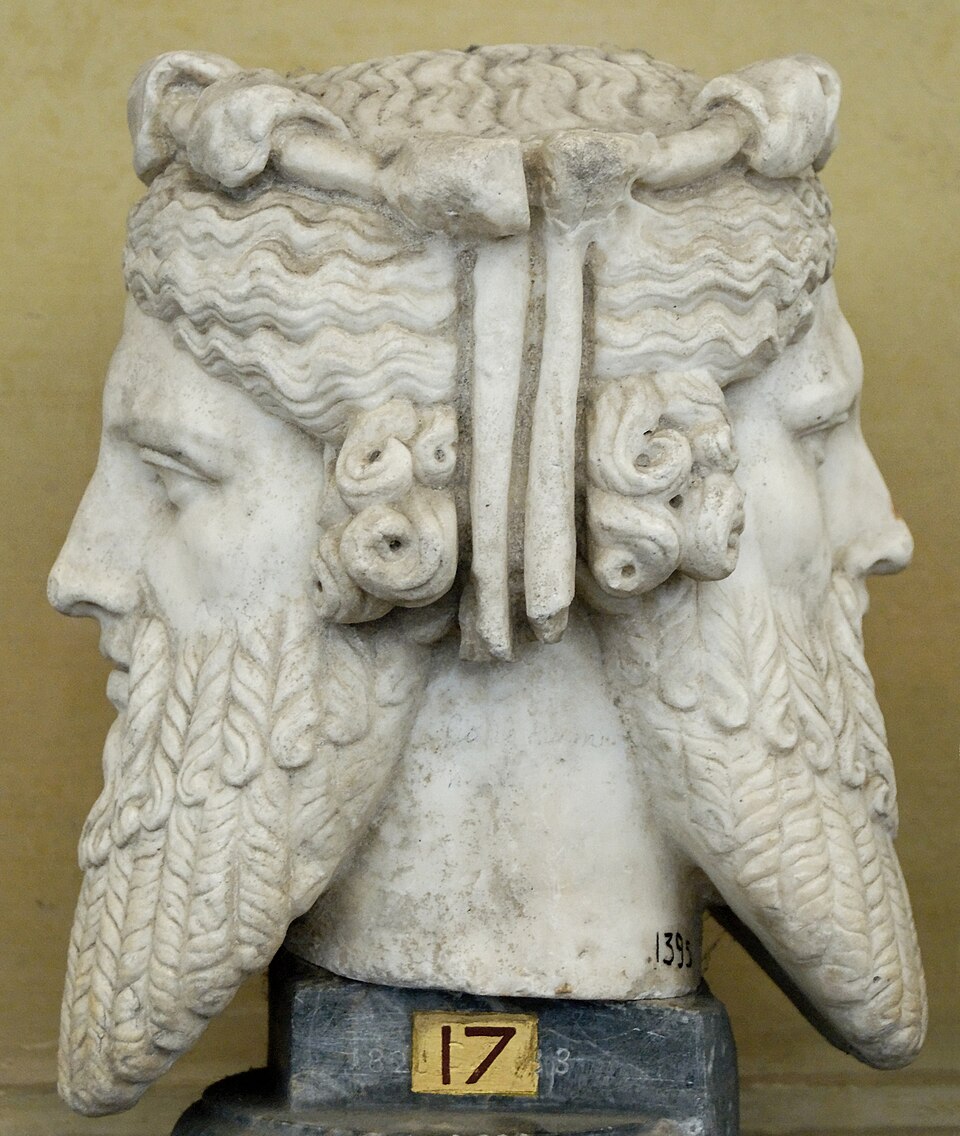
Janus
God of Doorways · Roman
God of thresholds with no Greek equivalent — the doors of his temple stood open in war and shut in peace, and they were almost never shut.
Jezebel
Queen of Israel · Canaanite
A Phoenician princess married to Ahab, who backed Baal and Asherah against the prophets of Israel. Revelation later borrows her name for a rival teacher, and it has been a label rather than a person ever since.
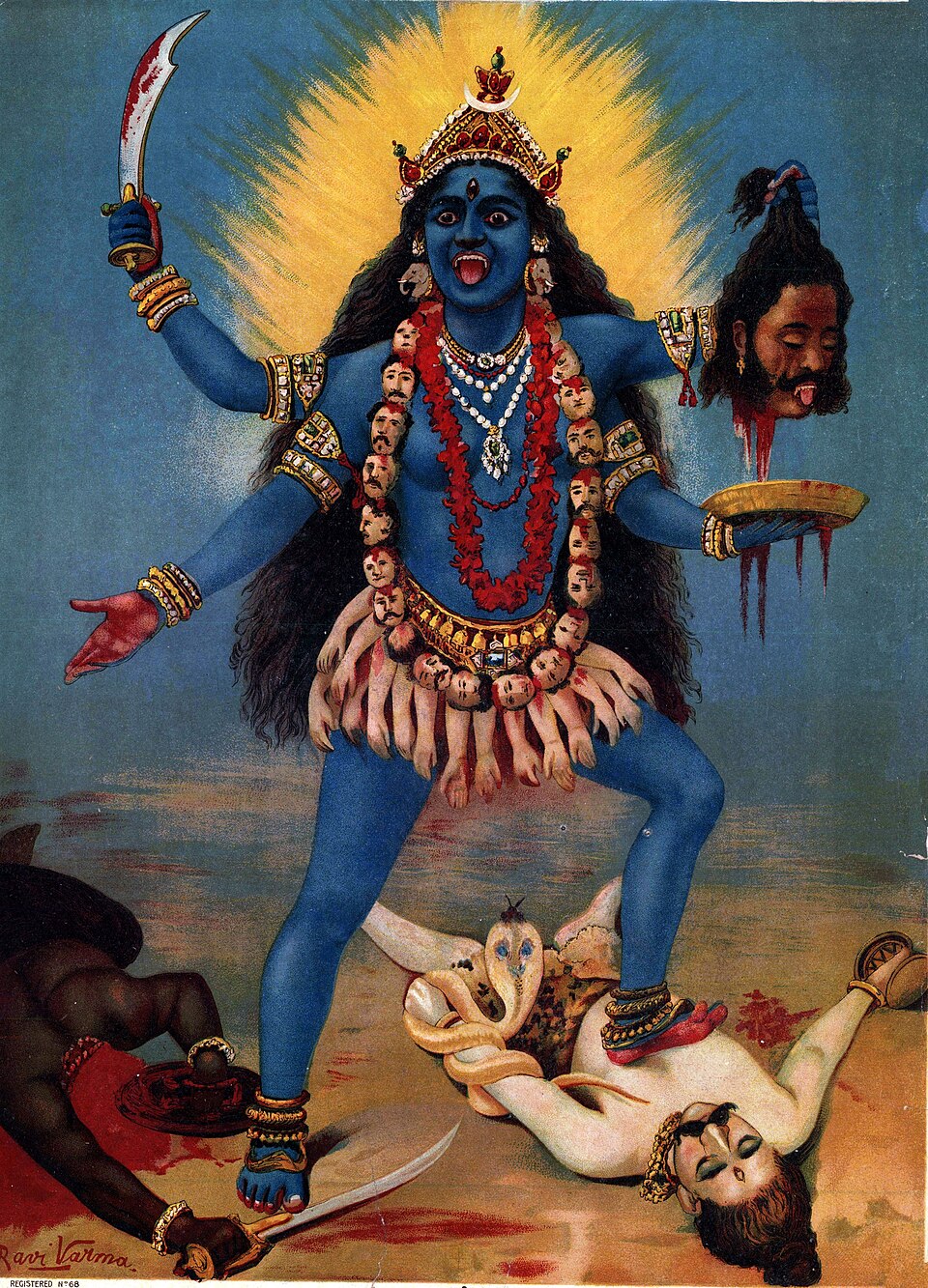
Kali
The Black One · Vedic
Terrifying and maternal at once — a goddess whose iconography reads as demonic to outsiders and as protective to those who worship her.
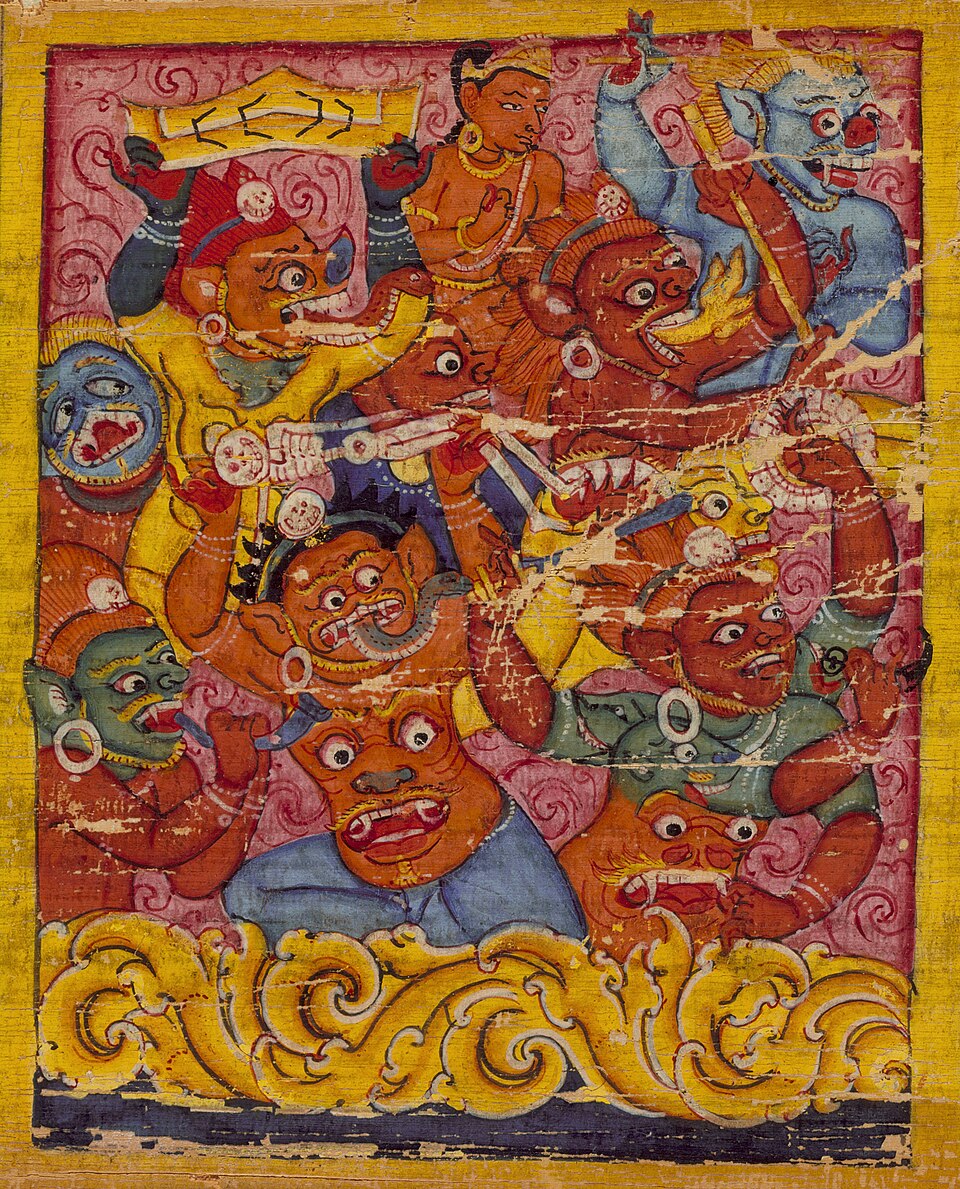
Mara
The Tempter · Buddhist
He assaults the Buddha under the Bodhi tree, first with armies and then with his daughters. The canon keeps glossing him as craving itself rather than as a being.
Nimrod
The First Mighty One
The first man the Bible calls mighty on the earth, founder of Babel, Erech and Akkad — a king in Genesis and nothing worse, who becomes a tyrant everywhere afterwards.
Og of Bashan
The Last of the Rephaim
A king east of the Jordan, described as the last remnant of the Rephaim, and evidenced in his own text by a piece of furniture — an iron bedstead nine cubits long, on display at Rabbah.
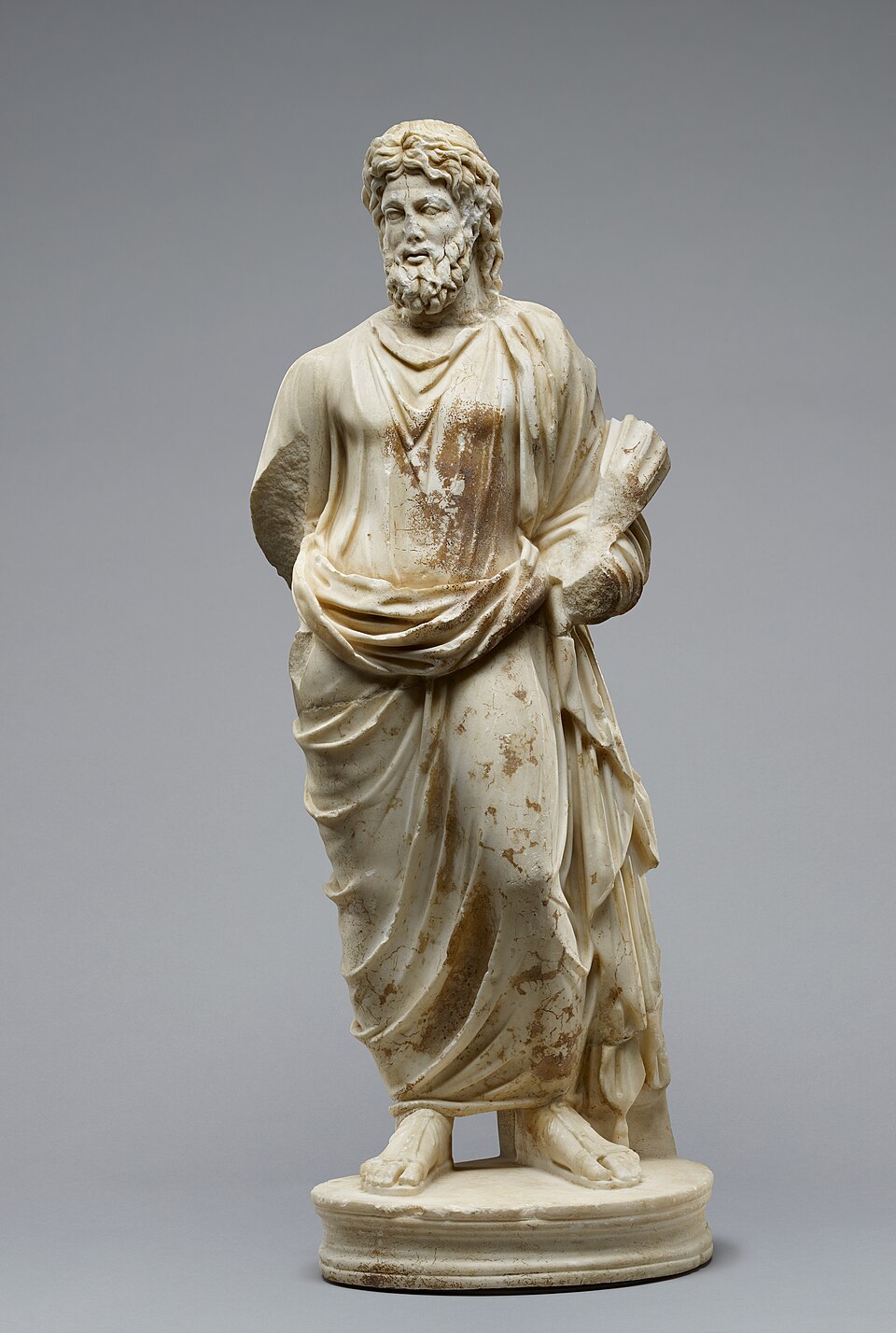
Pluto
Lord of the Underworld · Roman
The Roman Hades, whose alternative name Orcus survives in 'ogre' — and whose realm supplied Christian writers much of their imagery for hell.
Tartarus
The Deep Below the Dead · Greek cosmology
The Greek pit below Hades, built to hold defeated gods rather than dead people, and borrowed once by the New Testament to say where the sinning angels went.
The Korah Spirit
Named Spirit · Deliverance tradition
Deliverance teaching names this spirit for the Levite who told Moses the whole congregation was holy, so why did he exalt himself — and was swallowed by the ground.
The Naga
Serpent Powers · Buddhist
The serpent powers of the Buddhist material — rain-bringers and treasure-keepers who shelter the Buddha under their hoods rather than opposing him, which is what a dragon does almost nowhere else in this corpus.
The Seven Who Stand
The Seven · Archangels / Chief Princes
The seven who present the prayers of the saints — a group named as a body in Tobit and Revelation before any list of individual names settled.
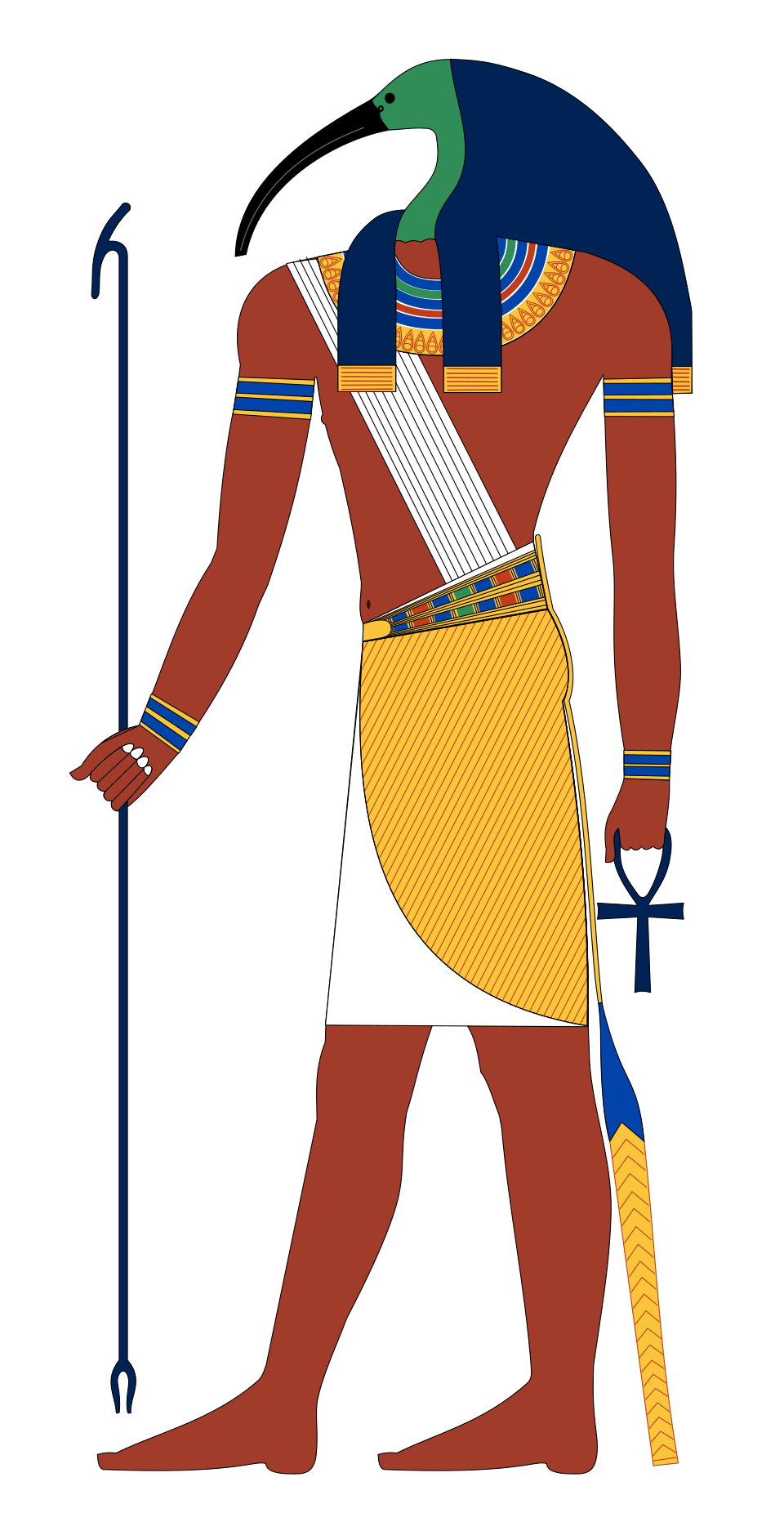
Thoth
God of Writing and Judgment · Egyptian
Scribe of the gods, who records the weighing of the heart — an office matching Metatron's almost exactly, and the seed of the whole Hermetic tradition.
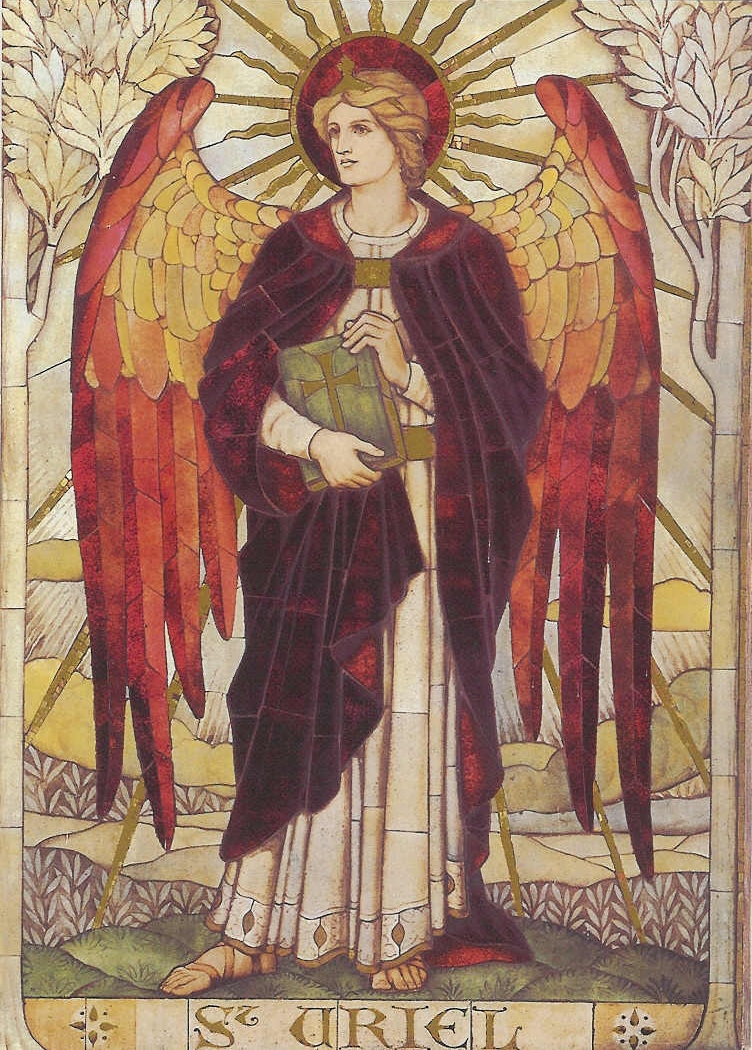
Uriel
Archangel · Archangels / Chief Princes
'Fire of God' — the archangel of the fourth seat, never named in the canonical Bible, and formally struck from the approved list by a Roman synod in 745.
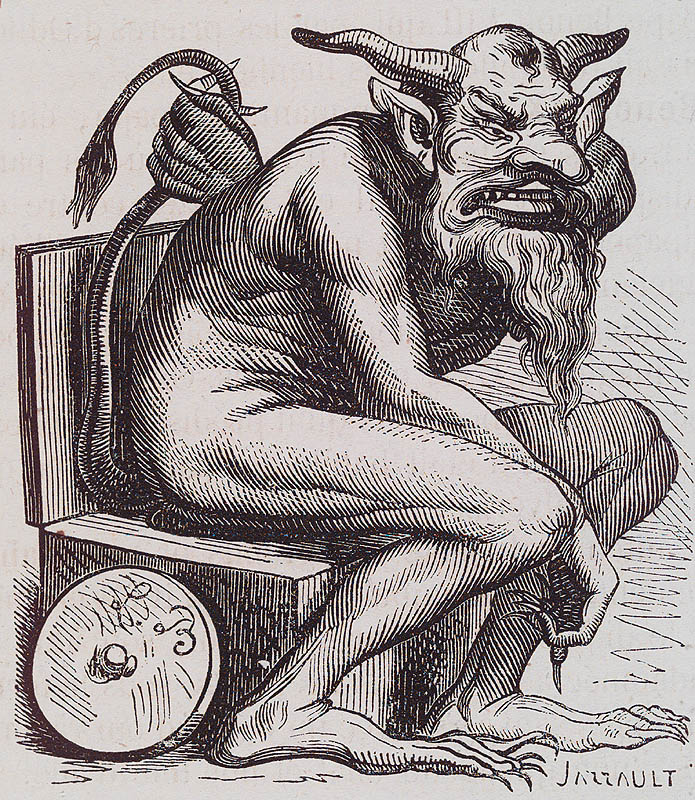
Belphegor
Prince · Infernal Court
The Moabite Baal of Peor, reassigned by demonology as the demon of sloth and of ingenious inventions. A god turned into a joke about laziness.
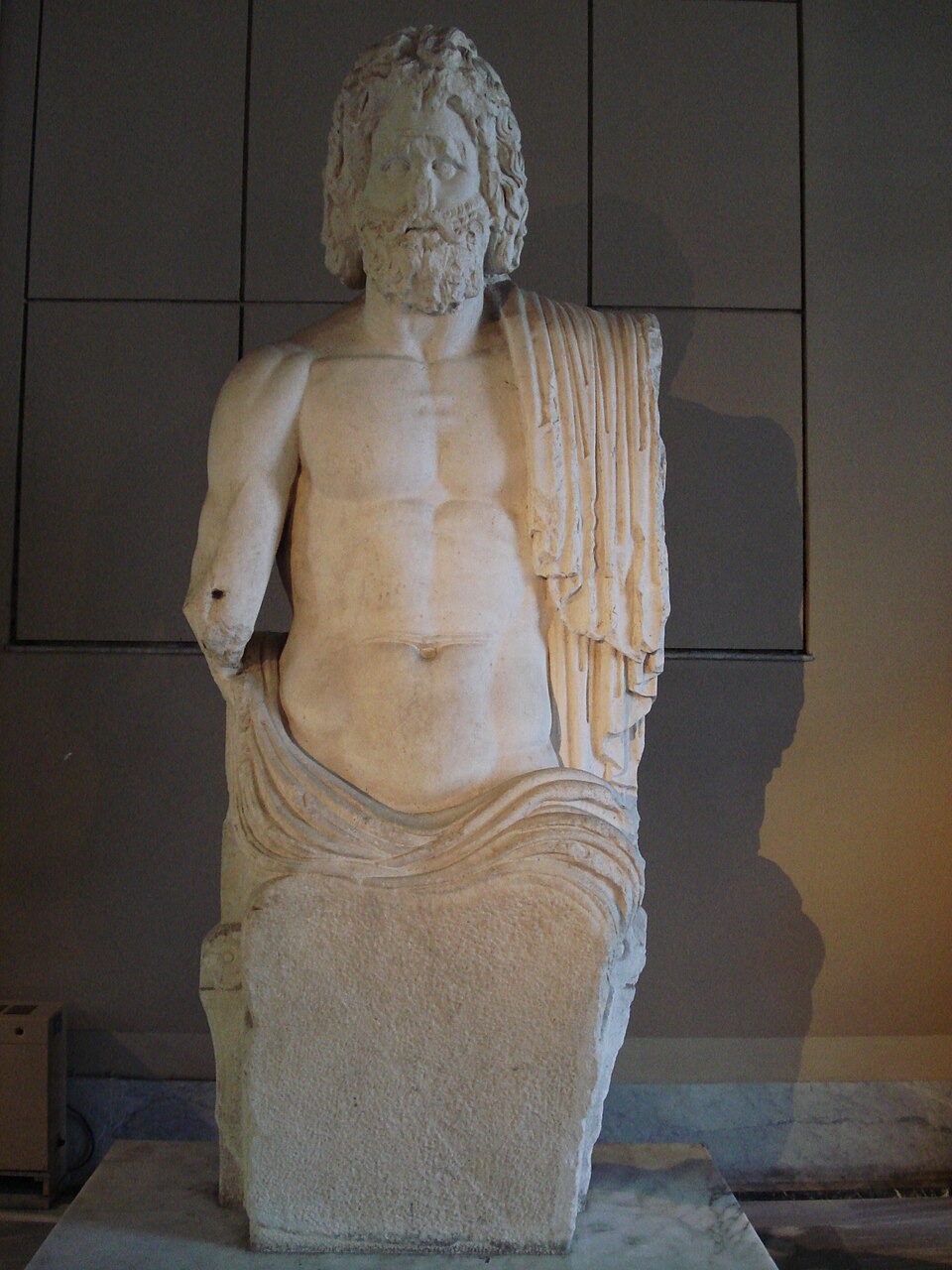
Dagon
Grain God · Canaanite
A major grain deity of Syria and Philistia. A Hebrew pun on *dag*, 'fish', turned him into a fish-god in medieval illustration, and de Plancy finished the job by making him a demon.
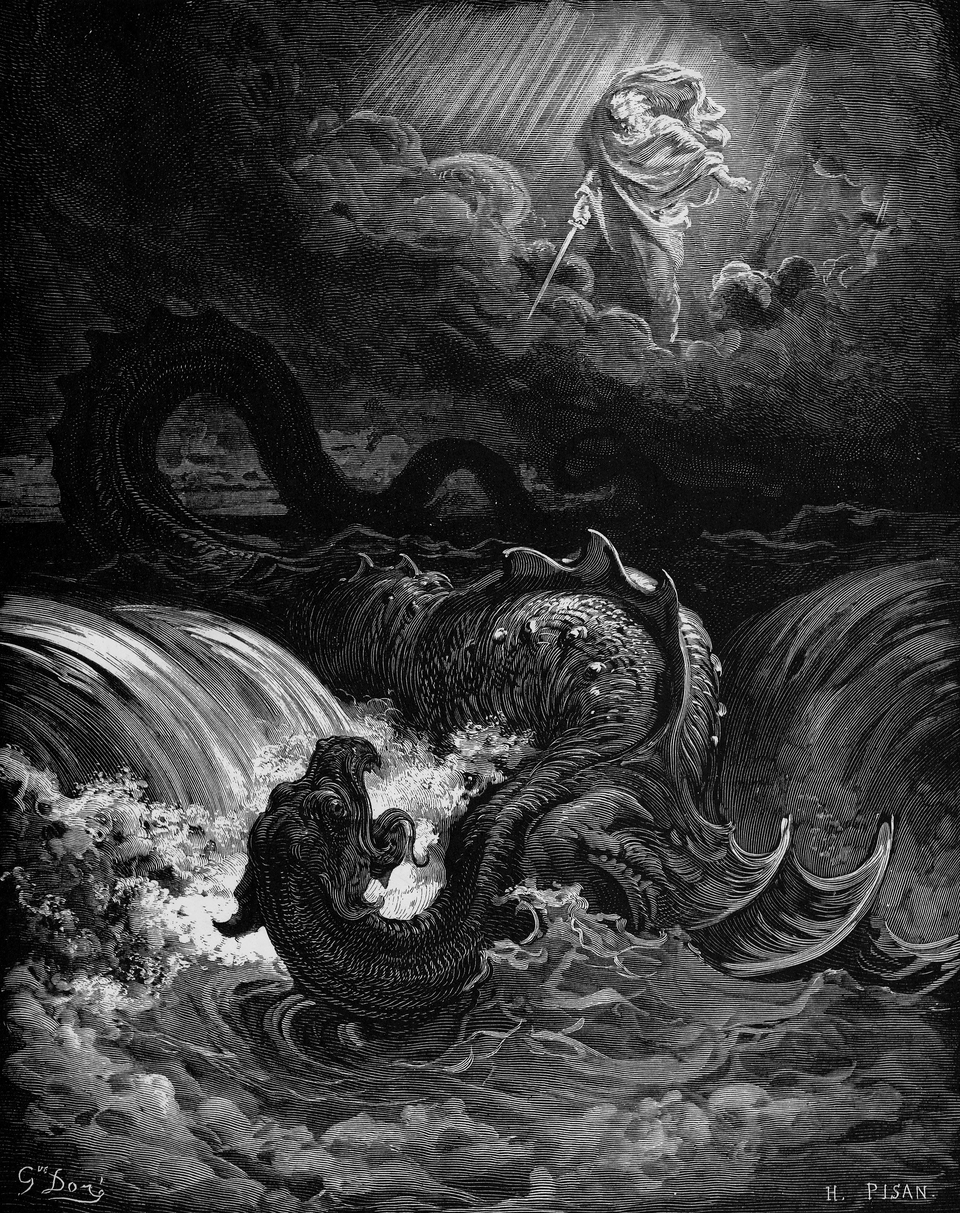
Leviathan
Grand Admiral · Infernal Court
The sea-dragon of Job and Isaiah, drawn from Canaanite chaos myth, and later assigned the sin of envy and the office of admiral of hell.
Loki
Trickster · Norse
Companion of the Aesir and their eventual destroyer — a figure whose slide toward the demonic is visible within the surviving texts themselves.
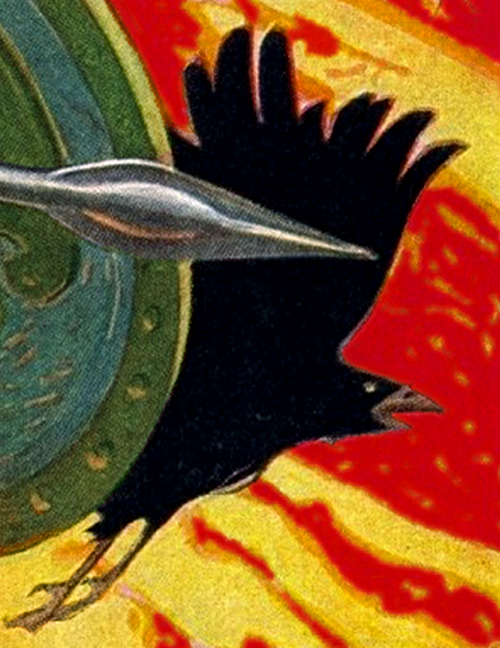
The Morrígan
Phantom Queen · Celtic
War-goddess who appears as a crow over battlefields and foretells the deaths below. Sovereignty and slaughter, held in one figure.
The Jezebel Spirit
Named Spirit · Deliverance tradition
The most discussed figure in modern deliverance teaching, and a category rather than a being — built from a queen in Kings and a rival teacher in Revelation.
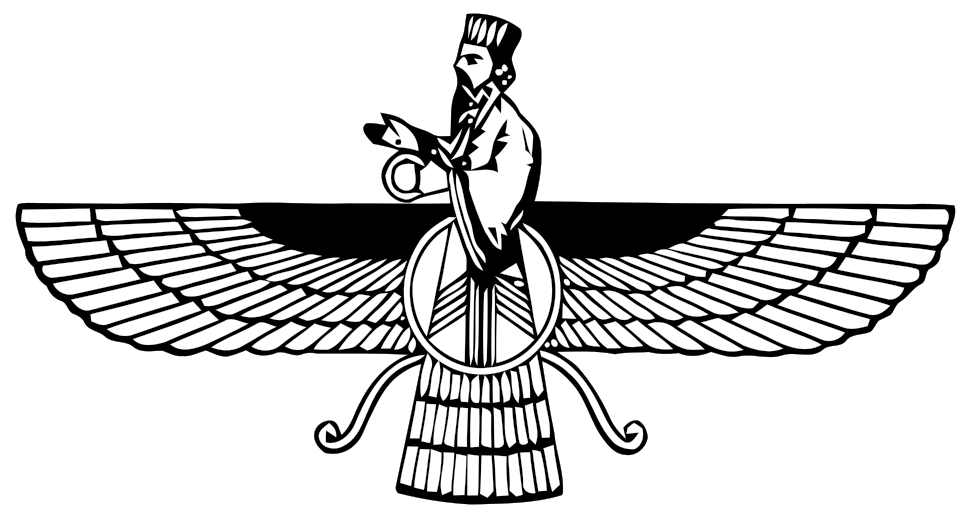
Aeshma
Daeva of Wrath · Persian
The demon of wrath and of the bloody club. He also supplies the most defensible etymology for Asmodeus: *Aeshma-daeva* to *Ashmedai* to *Asmodeus*.
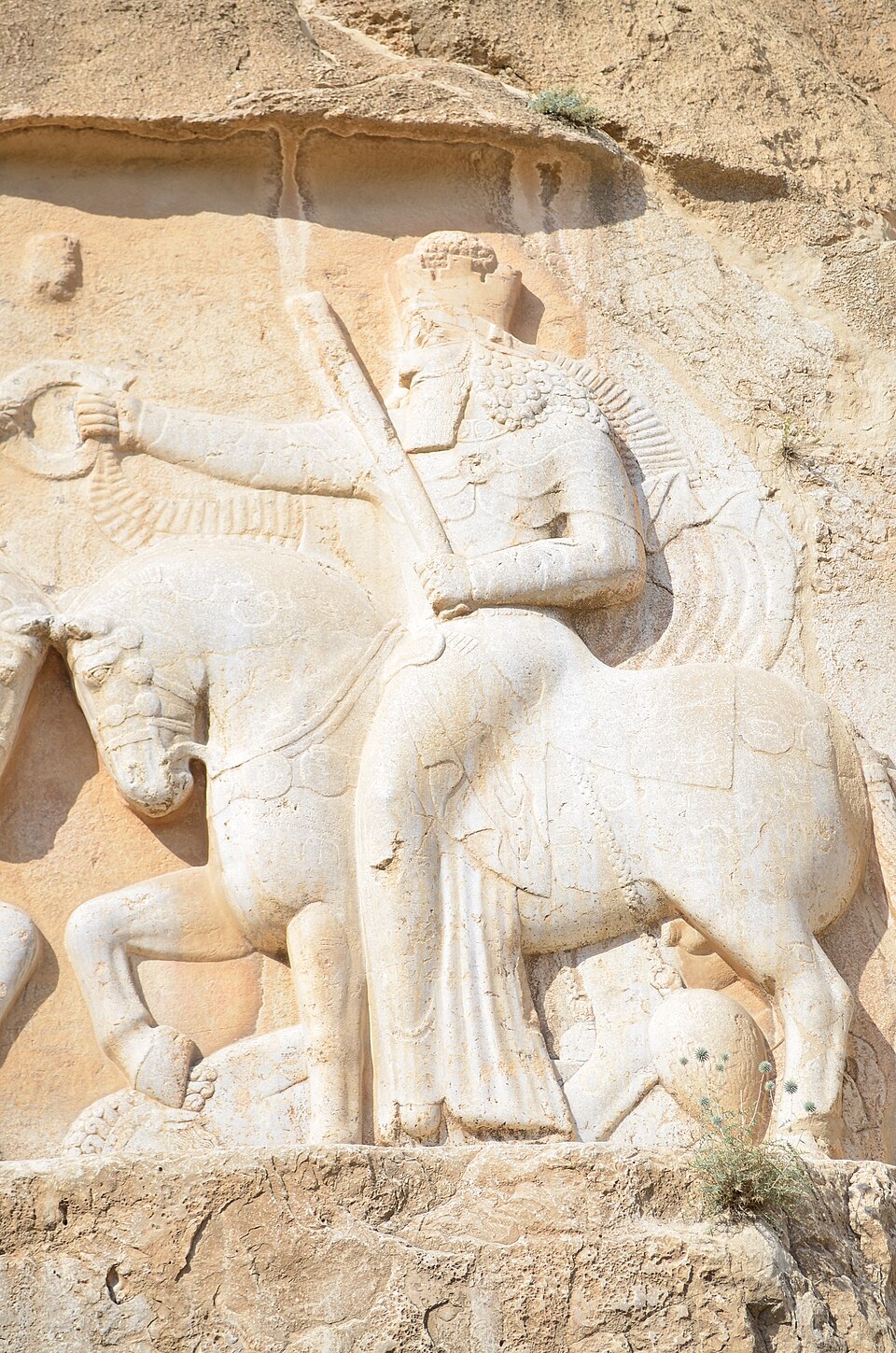
Ahura Mazda
The Wise Lord · Persian
The uncreated god of Zoroastrianism, opposed by Angra Mainyu — the pairing that probably gave Judaism and Christianity their two-sided cosmos.
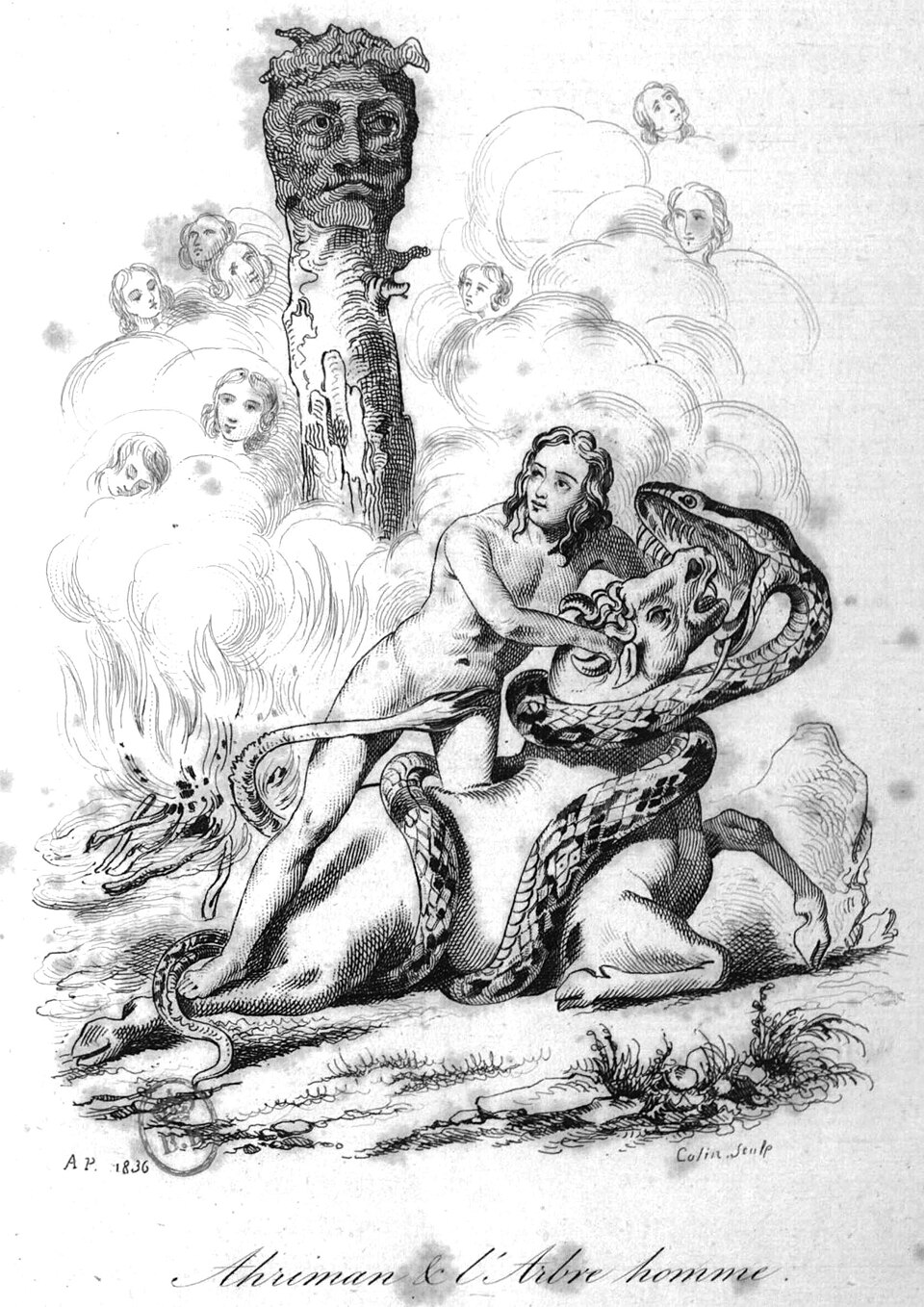
Angra Mainyu
The Destructive Spirit · Persian
The hostile principle, with his own army of daevas — the first fully developed adversary in the record, and the likely structural template for Satan.
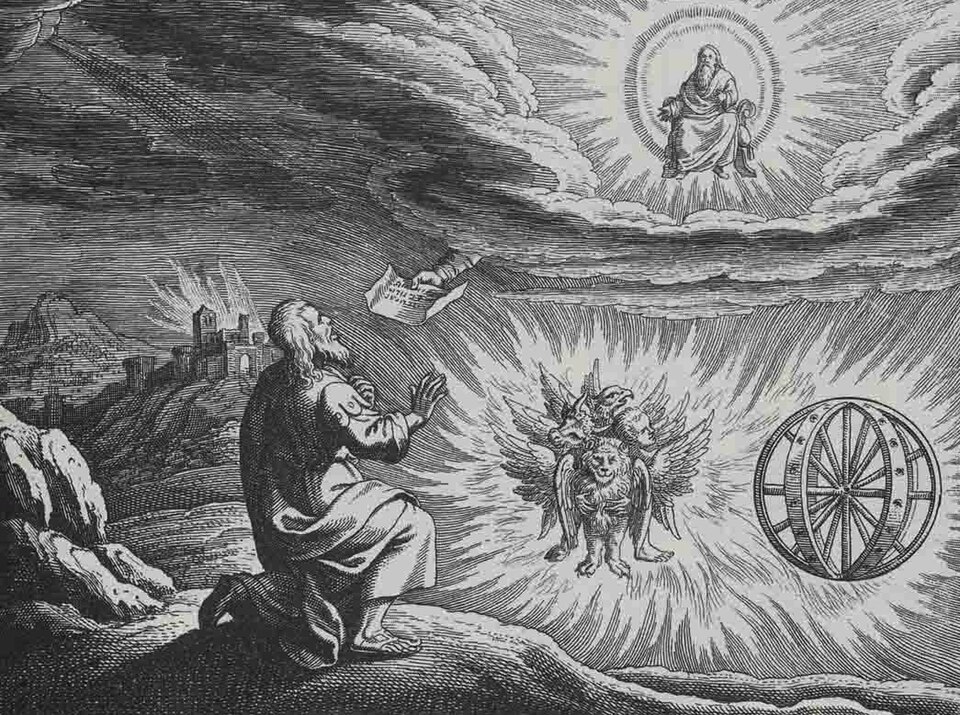
Chayot ha-Kodesh
First Rank (Maimonidean) · Maimonidean orders
The highest rank in Maimonides' ten-fold scheme — the living creatures of Ezekiel's chariot, placed where the Dionysian system puts the seraphim.
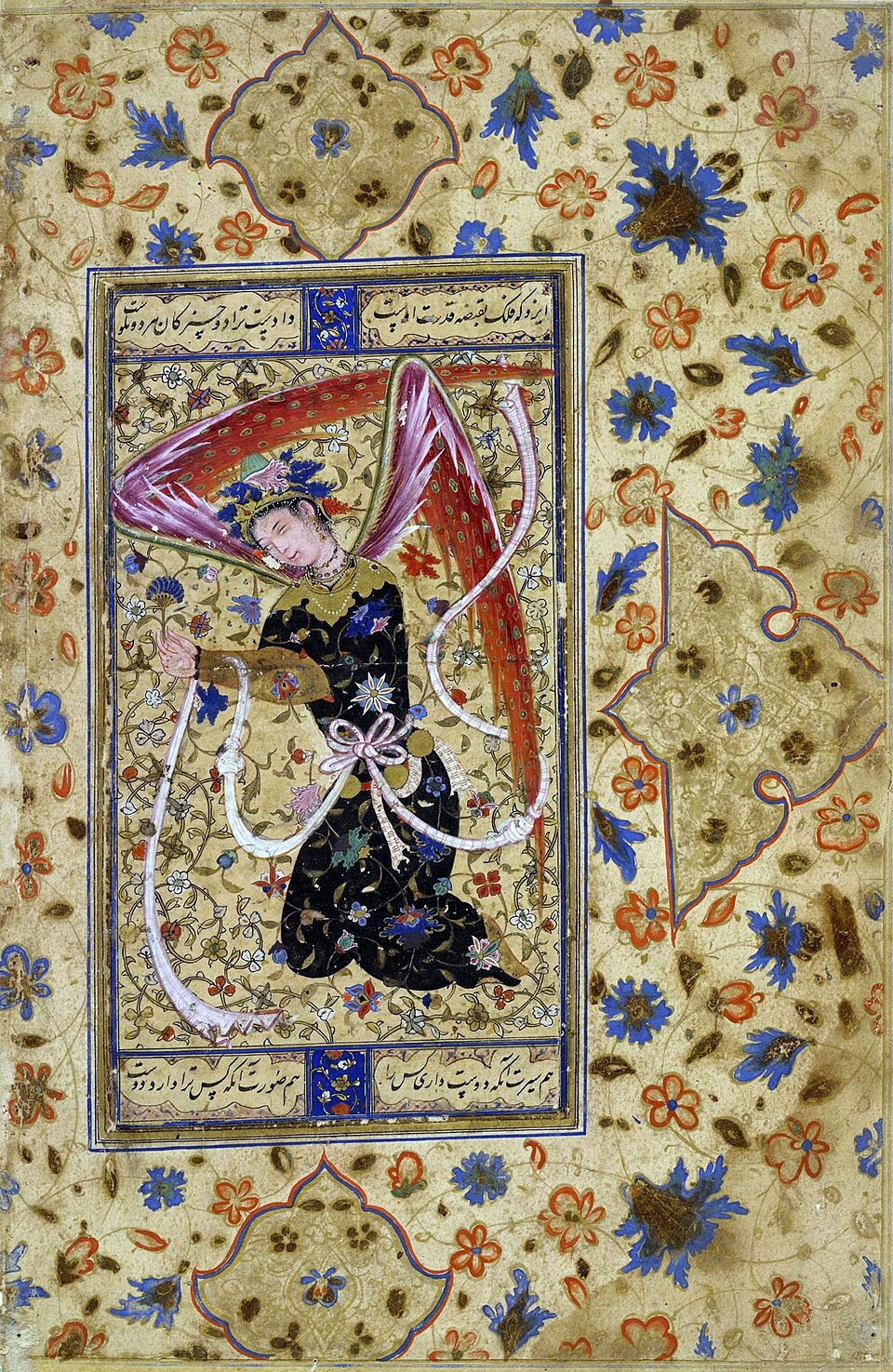
Sraosha
Yazata of Obedience · Persian
He guards the soul for three nights after death and stands directly opposed to Aeshma. It is an angel's job description, written before there were angels.
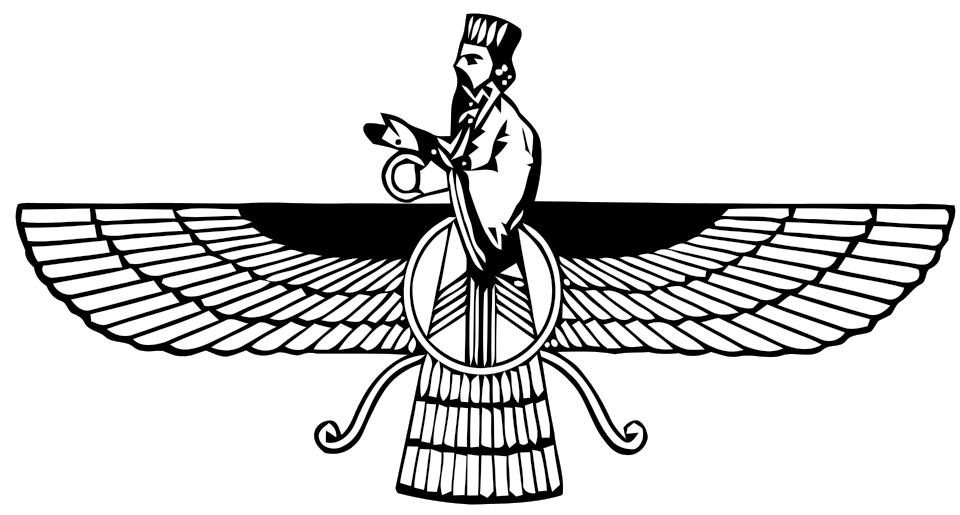
The Amesha Spentas
Six Great Emanations · Persian
Six emanations of Ahura Mazda, each paired against a specific demon — the earliest ranked, functionally-paired hierarchy of spirits anywhere.
The Preta
Class of Beings · Buddhist
Beings with enormous stomachs and throats too narrow to swallow. Not a species of demon: a condition you can be reborn into, and eventually leave.
The Yakkha
Class of Spirits · Buddhist
A Buddhist class of spirits that are neither good nor evil by nature — tree-dwellers and gate-keepers who can eat travellers or take refuge in the Buddha, and frequently do the second after threatening the first.
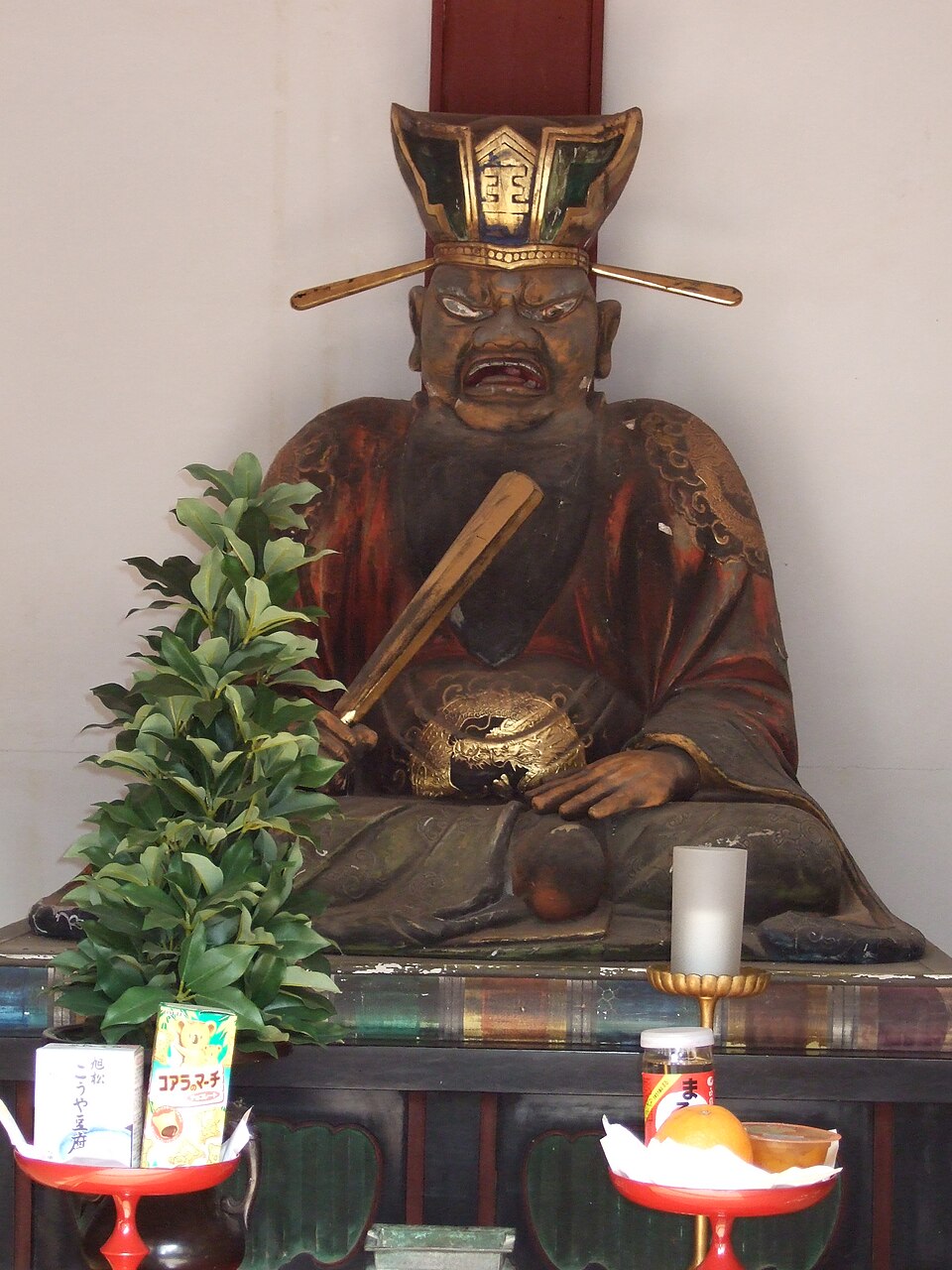
Yanluo Wang
Judge of the Dead · Chinese
Chief judge of the Chinese underworld — a civil servant with a ledger, in a hell organised as a court system rather than a torture chamber.
Zahhak
The Serpent King · Persian
The three-headed serpent of the Avesta, who becomes in the Shahnameh a tyrant with snakes on his shoulders fed on human brains, chained beneath a mountain until the end.
The Incubus
Class of Spirits · Night-oppression
The Latin class term for a spirit that lies on a sleeper, mentioned in passing by Augustine as a common report and turned by the Malleus Maleficarum, a thousand years later, into a doctrine with a procedure attached.
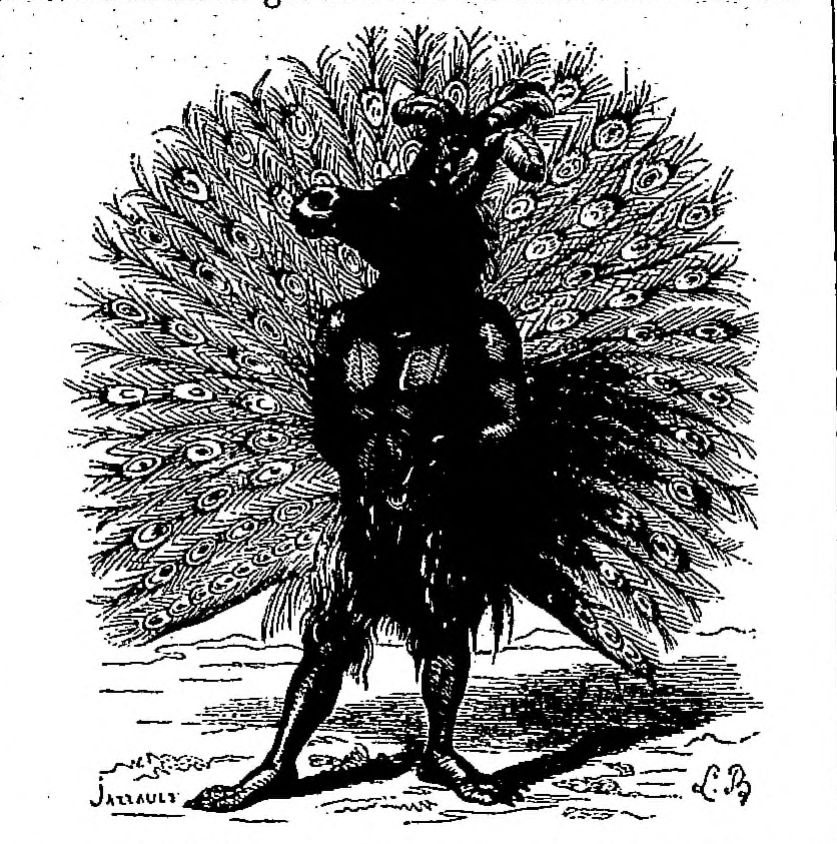
Adramelech
Chancellor · Infernal Court
A god of Sepharvaim who received child sacrifice, promoted by early-modern demonology to chancellor of hell.
Alastor
Executioner · Infernal Court
A Greek word for the avenging spirit of a household's blood-guilt, taken up by demonologists as hell's executioner.
Baalberith
Secretary of Hell · Infernal Court
'Lord of the covenant', a god of Shechem — reassigned by demonologists as the notary who countersigns infernal pacts.
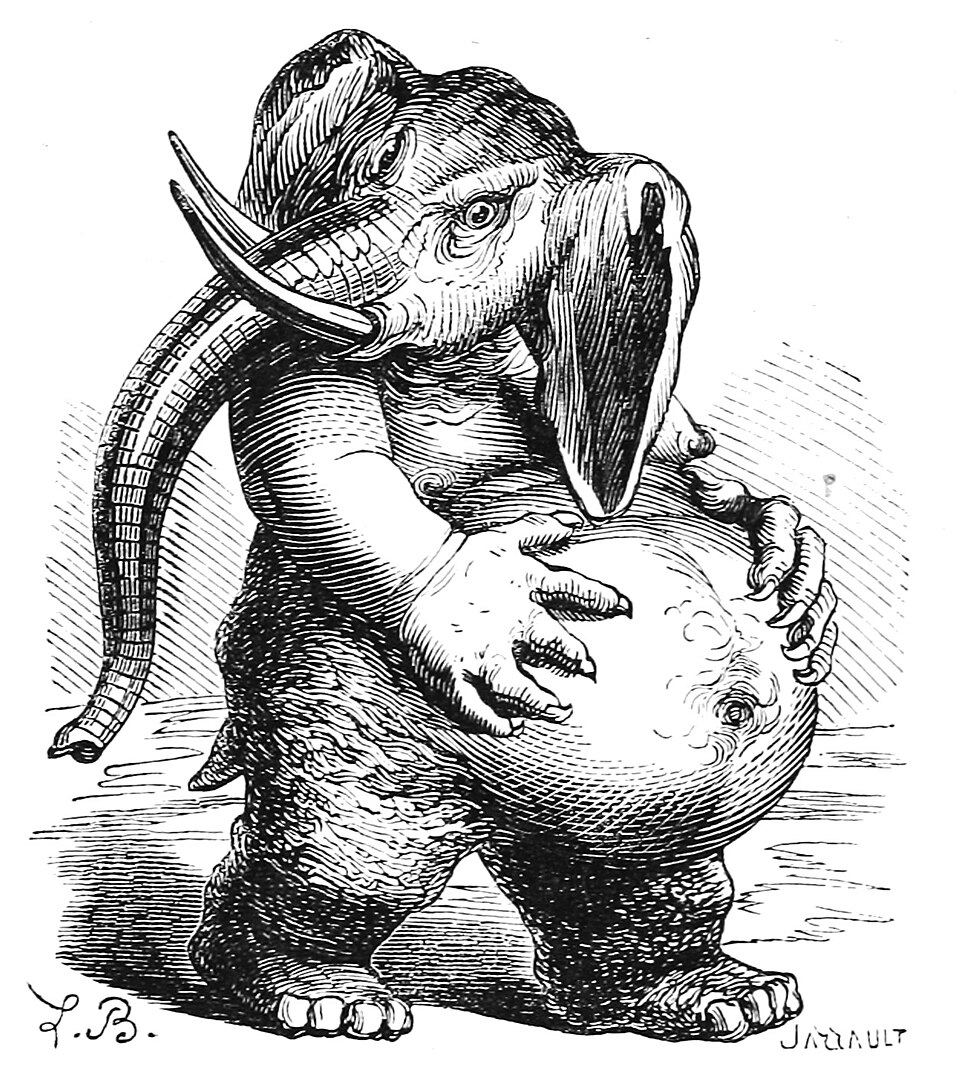
Behemoth
Beast of the Land · Infernal Court
Job's land-beast, paired with Leviathan — presented there as a creature of God, not an enemy of him.
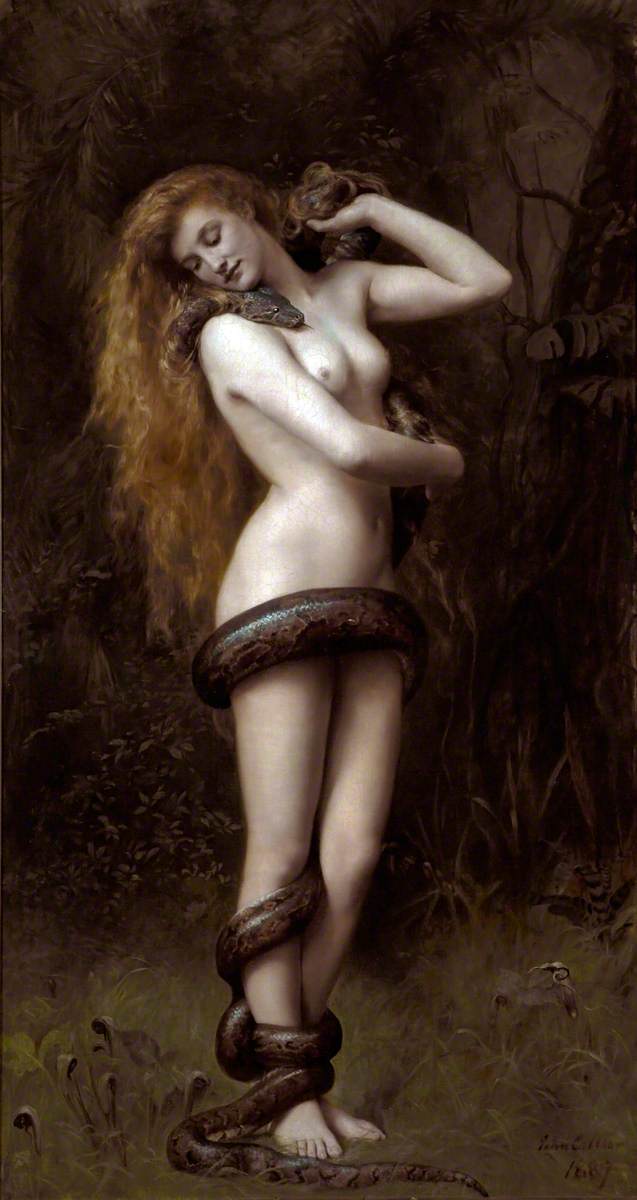
Lilith
Queen · Infernal Court
A night-demon of Mesopotamian ancestry. The famous story that she was Adam's first wife comes from a satirical medieval text and has no basis in Genesis at all.
Rimmon
Ambassador to Russia · Infernal Court
The Aramean storm god Naaman bowed to in 2 Kings, given a diplomatic posting by nineteenth-century demonology.
The Absalom Spirit
Named Spirit · Deliverance tradition
Named in deliverance teaching for the son who stood at the gate, listened sympathetically to everyone with a grievance, and stole the hearts of Israel.
The Ahab Spirit
Named Spirit · Deliverance tradition
The passive half of the pair — named for the king who let his queen act and then took the vineyard she obtained for him.
The Familiar Spirit
Named Spirit · Deliverance tradition
The biblical term for a medium's attending spirit — and at Endor, the one occasion where the practice is depicted as working.
The Leviathan Spirit
Named Spirit · Deliverance tradition
Job's sea-beast read as a spirit of pride, and specifically of the twisting of words between people who are trying to understand each other.
The Lying Spirit
Named Spirit · Deliverance tradition
A spirit that volunteers to deceive, is asked how, explains, and is authorised — by God, in open council.
The Queen of Heaven
Named Spirit · Deliverance tradition
A goddess the people of Judah tell Jeremiah, to his face, that they will keep worshipping — because things went better when they did.
Legion
Named Spirit · Deliverance tradition
The only spirit in the gospels that answers when asked its name — and answers with a military unit.
The Prince of the Power of the Air
Named Spirit · Deliverance tradition
A single phrase in Ephesians that supplies the whole idea of spirits holding territory in the air above a place.
The Python Spirit
Named Spirit · Deliverance tradition
The one figure in this tradition whose name is genuinely in the Greek text — and invisible in English, where the KJV renders it 'a spirit of divination'.
The Spirit of Infirmity
Named Spirit · Deliverance tradition
A woman bent double for eighteen years, described by Luke as having a spirit of infirmity and by Jesus as bound by Satan.
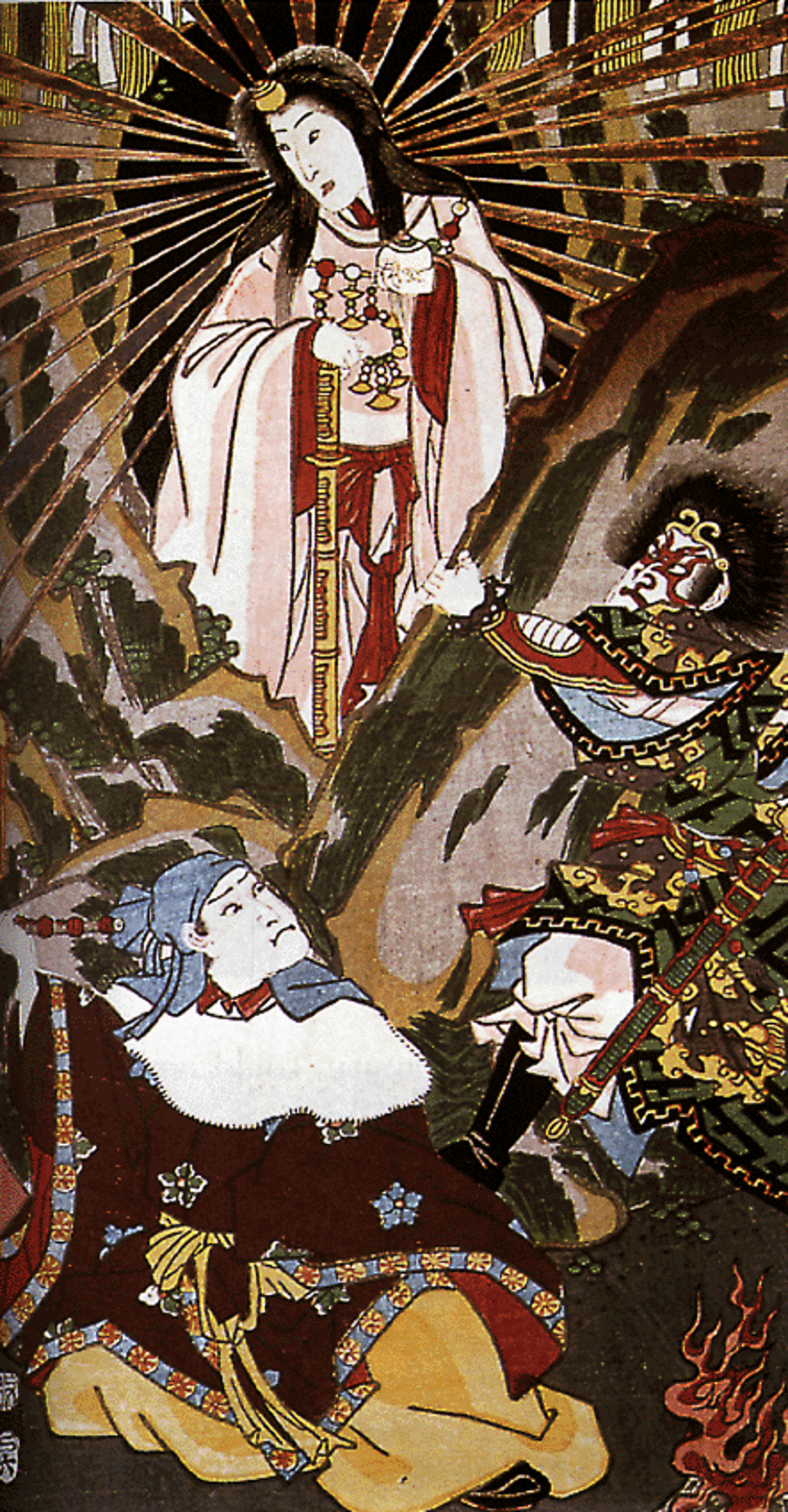
Amaterasu
Sun Goddess · Japanese
Sun goddess who hides in a cave and must be lured out — and from whom the Japanese imperial house claimed descent until 1946.
Balor
King of the Fomorians · Celtic
Fomorian king of Irish myth whose single eye destroys whatever it looks at. He was killed by his own grandson, exactly as the prophecy he tried to prevent had said.
Brigid
Goddess of Poets and Smiths · Celtic
The Irish goddess of poetry, smithing and healing who invents keening over her son's body at Mag Tuired — and whose name, feast and attributes are carried straight over to a Christian saint.
Dazhbog
The Giving God · Slavic
The Slavic sun god of Vladimir's pantheon at Kiev, whose people are still calling themselves his grandsons in a poem written two centuries after they were baptised.
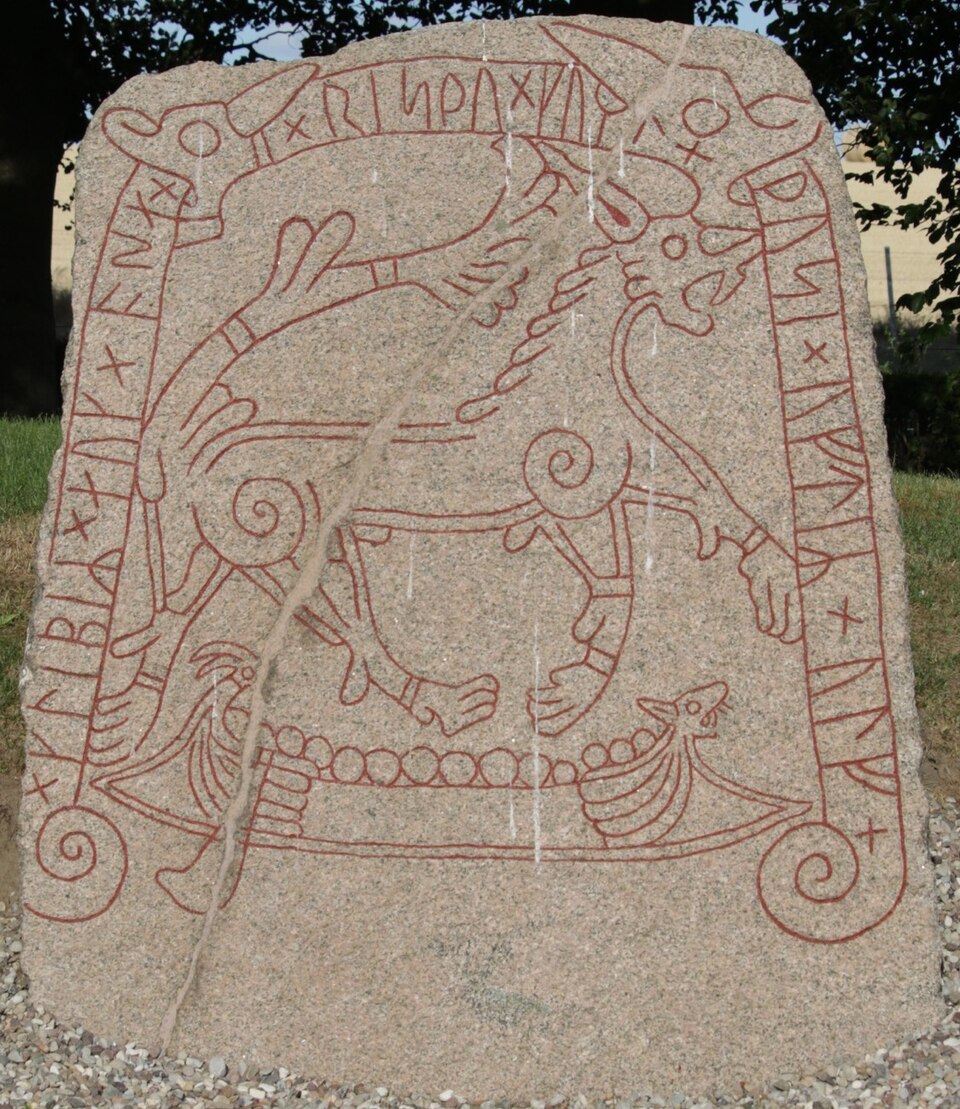
Fenrir
The Bound Wolf · Norse
Loki's son, bound by a fetter made of impossible things at the cost of Tyr's hand, and fated to kill Odin when the binding fails.
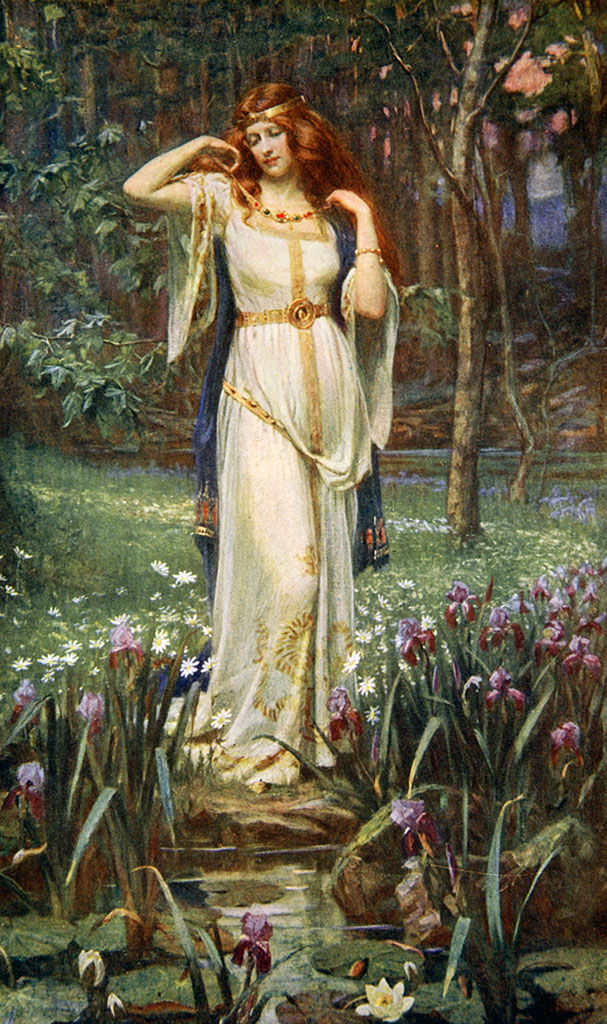
Freyja
Lady of the Vanir · Norse
Goddess of love and of sorcery who takes half the slain — the other half, not Odin's, which is rarely remembered.
Hel
Ruler of the Dead · Norse
Daughter of Loki, and ruler of the realm that gave English the word 'hell'. Hers is cold, and nobody in it is being punished.
Izanagi
He Who Invites · Japanese
The Japanese god who stirs the sea into land with a spear, goes into Yomi after his wife and looks at her against her word, and washes afterwards — producing Amaterasu and Susanoo from the washing.
Izanami
She Who Invites · Japanese
The Japanese goddess who makes the islands with her husband, dies giving birth to fire, and becomes the ruler of Yomi — where she promises to kill a thousand people a day for the insult of being seen.
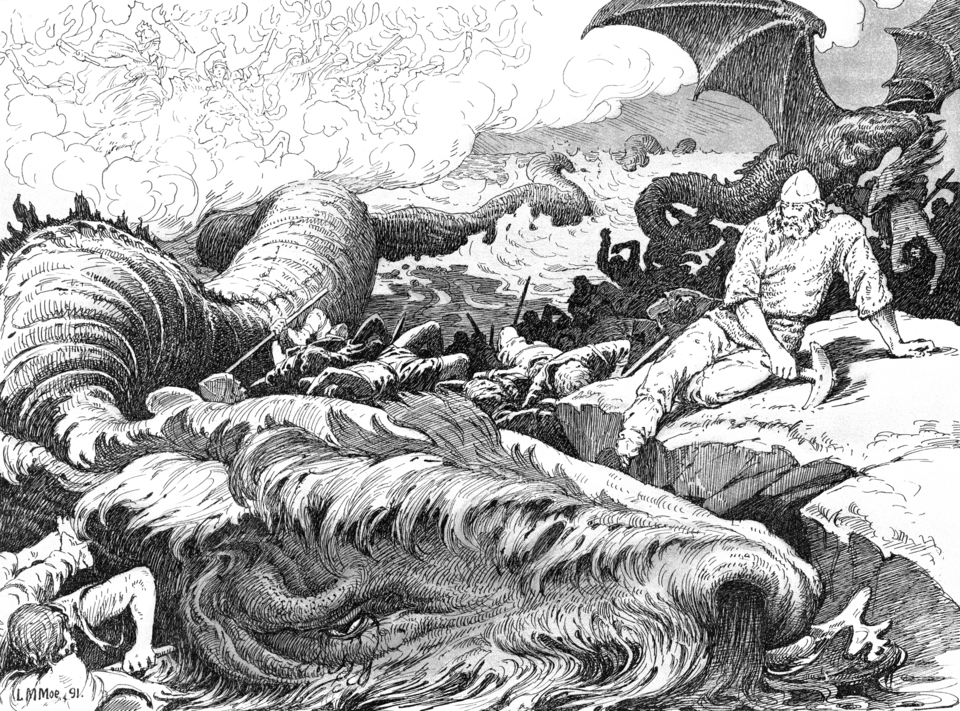
Jormungandr
World Serpent · Norse
The serpent that rings the world and bites its own tail — the Norse entry in the chaos-serpent pattern that runs from Tiamat to Leviathan.
Lugh
The Many-Skilled · Celtic
The Irish god who gets into Tara by being master of every art at once, and who kills his own grandfather Balor with a sling — the Tuatha Dé Danann's answer to the Fomoire.
Nuada
King of the Tuatha Dé Danann · Celtic
The Irish king who loses his hand in battle and with it his kingship, because the Tuatha Dé Danann will not be ruled by a blemished man — and gets both back when a silver arm is made for him.
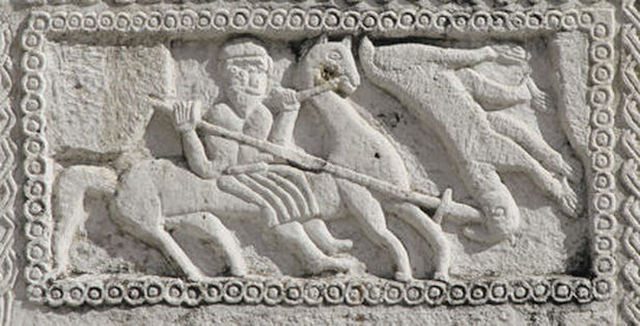
Perun
Thunder God · Slavic
Chief god of Vladimir's pantheon at Kiev, whose idol was thrown into the Dnieper at the conversion in 988.
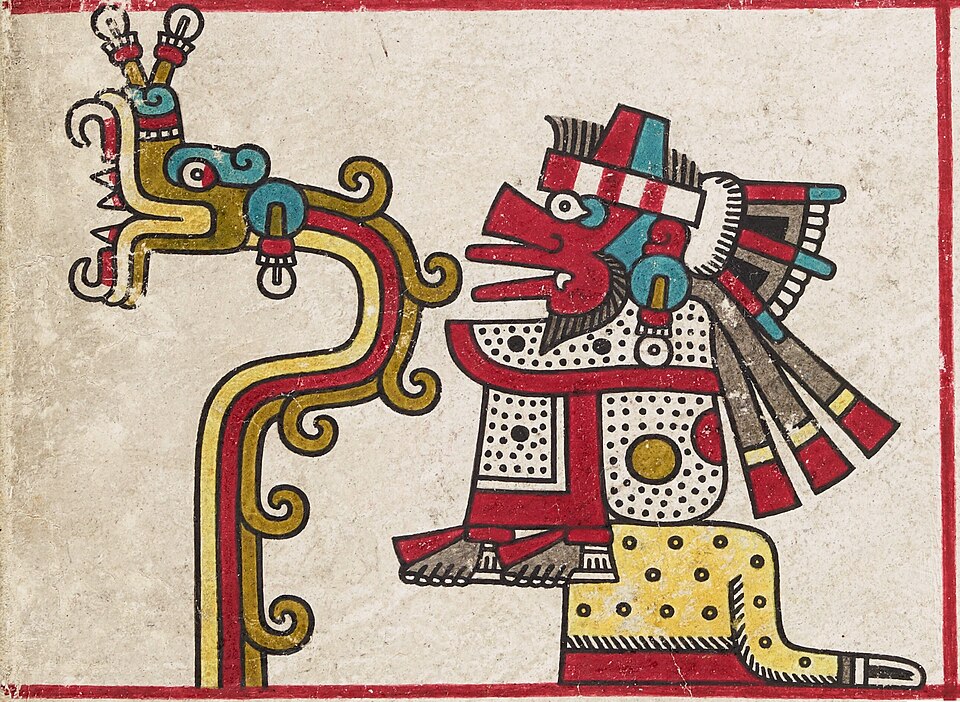
Quetzalcoatl
Feathered Serpent · Mesoamerican
The feathered serpent who goes down into the underworld to recover the bones of humanity. Here, for once, the serpent is not the monster.
Stribog
Lord of the Winds · Slavic
The Slavic wind god of Vladimir's pantheon, whose grandsons in the Tale of Igor are the winds themselves, blowing arrows across the steppe at an army.
Susanoo
Storm Kami · Japanese
Expelled from heaven for wrecking his sister's rice fields, and then immediately kills the eight-headed serpent and becomes a hero.
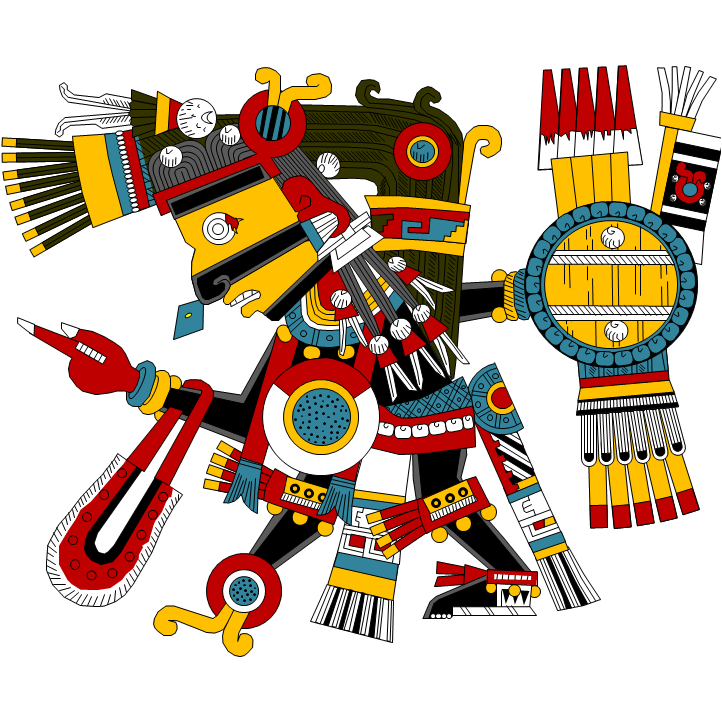
Tezcatlipoca
Lord of the Near and the Nigh · Mesoamerican
God of the night sky, sorcery and arbitrary fate — Quetzalcoatl's rival, and impossible to place on a good/evil axis.
The Dagda
The Good God · Celtic
'The good god' — good at everything rather than morally good — with a club that kills at one end and restores at the other.
The Fomoire
The Adversary Host · Celtic
The enemies of every group that settles Ireland in the Lebor Gabála, and the clearest case in this corpus of a monastic redactor turning a defeated people into demons.
The Ten Kings
Court of the Dead · Chinese
The Chinese court of the dead — ten magistrates who each hear a case at a fixed interval after death, with clerks, registers and a right of appeal, and Yanluo Wang sitting fifth.
Tsukuyomi
The Moon Reckoner · Japanese
The Japanese moon god, born from Izanagi's washing beside Amaterasu — and the reason the sun and moon are never in the sky together, having killed the food goddess at dinner and been refused his sister's company ever since.

Veles
God of Cattle and the Underworld · Slavic
Perun's opponent, god of herds, wealth and the world below — and one of the clearest cases of a god converted directly into a devil.
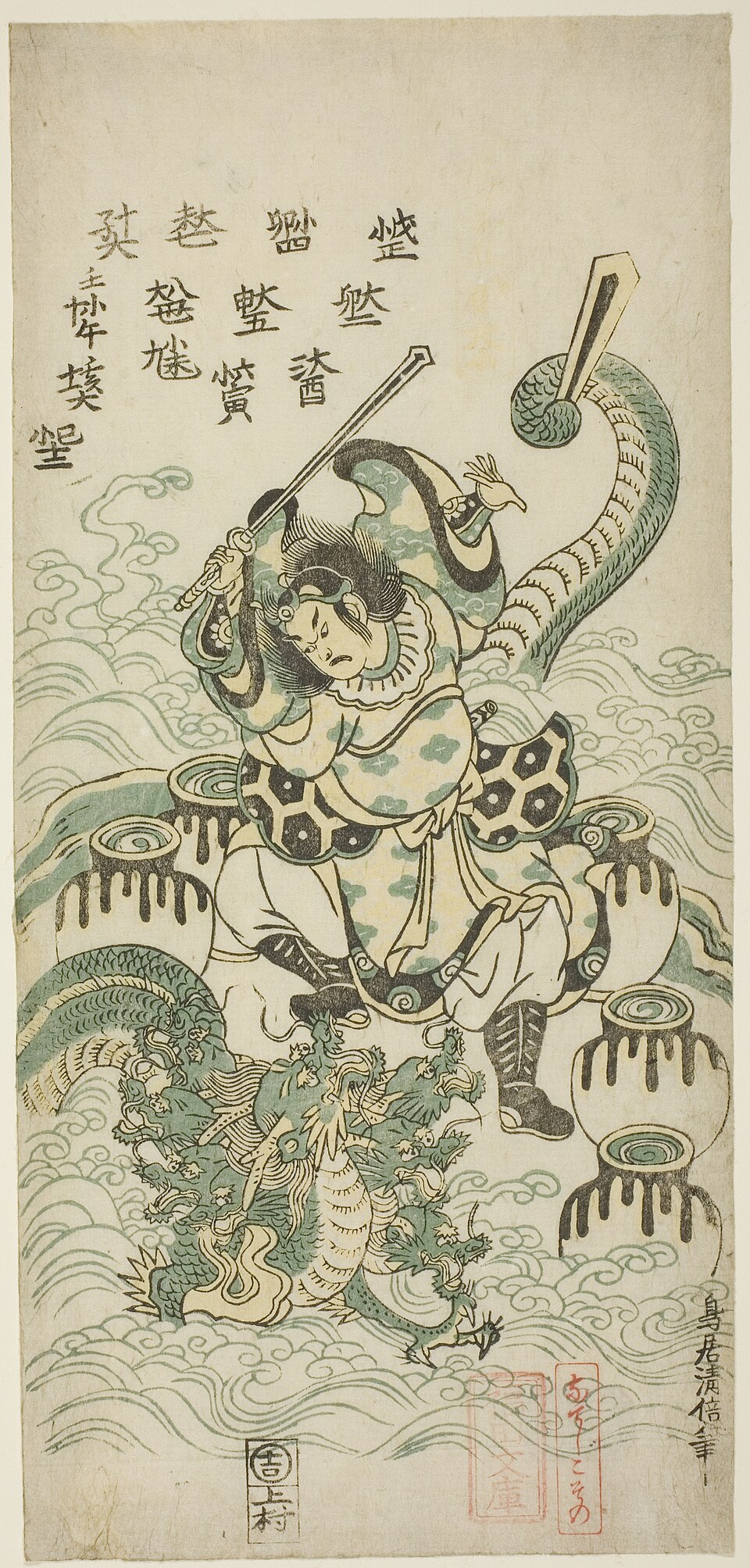
Yamata-no-Orochi
Eight-Forked Serpent · Japanese
The eight-headed serpent given a daughter to eat each year, until Susanoo made it drunk and cut it apart. Japan's branch of the serpent-slaying pattern.
Ananel
Chief of Ten · The Watchers
Of the thirteen chiefs of tens, his is the only name that reaches English in a single form — the rest arrive with two spellings or three. What does not arrive at all is any account of what he did after the descent.
Arakiba
Chief of Ten · The Watchers
Stands second among the leaders, immediately after Semjaza, and the text never returns to him. His name travels worse than any other Watcher's: Arâkîba where Charles translates the Ethiopic, Urakabarameel in the witnesses behind the Greek — barely recognisable as the same word.
Araqiel
Watcher · The Watchers
One of the two hundred Watchers who descended in 1 Enoch. He taught the signs of the earth, which is to say geomancy.
Armaros
Chief of Ten · The Watchers
Taught how to break enchantments — the counter-spell to Semjaza's spell, and the only Watcher whose art is purely defensive.
Aten
The Disc · Egyptian
The sun-disc of Akhenaten's reform: for about twenty years the only god Egypt was permitted, worshipped without an image, and erased almost completely afterwards.
Baraqiel
Watcher · The Watchers
Taught astrology; his name means 'lightning of God'.
Batarel
Chief of Ten · The Watchers
Batârêl in Charles, Batraal in the lists that reached English through Greek. Under either spelling he swears the oath on Hermon and does nothing further that the text records.
Danel
Chief of Ten · The Watchers
Three unrelated figures carry this name — a Ugaritic king, the biblical prophet, and this Watcher — and only the coincidence connects them. 1 Enoch records his oath and nothing he taught.
Enkidu
The Wild Man · Mesopotamian
Formed from clay to be Gilgamesh's match and made human by a week with a woman, he is the corpus's clearest statement that civilisation is a loss as well as a gain.
Ezeqeel
Chief of Ten · The Watchers
Meteorology is on the charge sheet. He taught men to read the clouds, and 1 Enoch files that beside metalwork and astrology as one of the crimes that brought the flood.
Gadreel
Watcher · The Watchers
1 Enoch names him rather than the serpent as the one who led Eve astray, and credits him with inventing weapons besides.
Jomjael
Chief of Ten · The Watchers
His entire biography as a Watcher is one act: binding himself by the oath on Hermon in 1 Enoch alongside the other chiefs. Yomiel is what the name becomes once the diacritics are dropped, and it is no better attested than the original.
Kasdeja
Watcher · The Watchers
Taught the smitings of the spirits and the demons, and the striking of the embryo in the womb.
Kokabiel
Watcher · The Watchers
Taught the constellations — astrology as one of the forbidden arts brought down at the descent.
Mut
Mother of Thebes · Egyptian
Consort of Amun and mother of Khonsu, completing the triad that ruled Thebes at the height of Egyptian power.
Nehushtan
Cult Object · Deliverance tradition
The bronze serpent of the Hebrew Bible: Moses was told to make it, Israel kept it for centuries and burned incense to it, and Hezekiah finally broke it up with the dismissive name 'bronze thing'.
Penemue
Watcher · The Watchers
Taught humanity to write — which 1 Enoch treats as one of the gravest of the transmitted sins.
Raguel
Archangel · Archangels / Chief Princes
The archangel who takes vengeance on the world of the lights — and one of those condemned by name at the Roman synod of 745.
Rameel
Chief of Ten · The Watchers
Shares a name with Remiel, one of the holy archangels — a collision 1 Enoch keeps apart and later lists do not, which is how the same figure ends up filed on both sides of the rebellion.
Remiel
Archangel · Archangels / Chief Princes
Set over those who rise — the archangel of the resurrection and of true visions.
Renenutet
Lady of the Harvest · Egyptian
The cobra goddess of the harvest, honoured at the threshing floor and the granary, who also gives a newborn its name and its share of fortune.
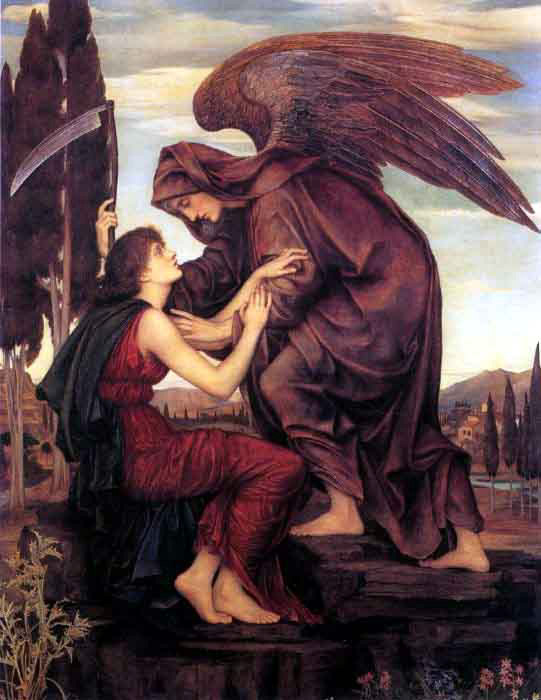
Samael
Prince of Accusers · Chief Princes
Both an archangel and an adversary. Jewish tradition makes him the accusing angel, the angel of death and the guardian prince of Rome; all three are offices he was assigned, not verdicts on his character.
Samsapeel
Chief of Ten · The Watchers
Holds the sun's share of a three-way division of the sky, with Sariel on the moon and Kokabel on the stars. What 1 Enoch condemns is not what the signs foretold but that he explained them at all.
Sariel
Archangel · Archangels / Chief Princes
One of the seven archangels of 1 Enoch, set over the spirits who sin against the spirit. Canonical scripture never names him.
Satarel
Chief of Ten · The Watchers
Only nine of the leaders named in 1 Enoch 6:7 are given a teaching in chapter 8, and he is not among the nine. He is recorded as Satarêl and as Sartael, and silent under both.
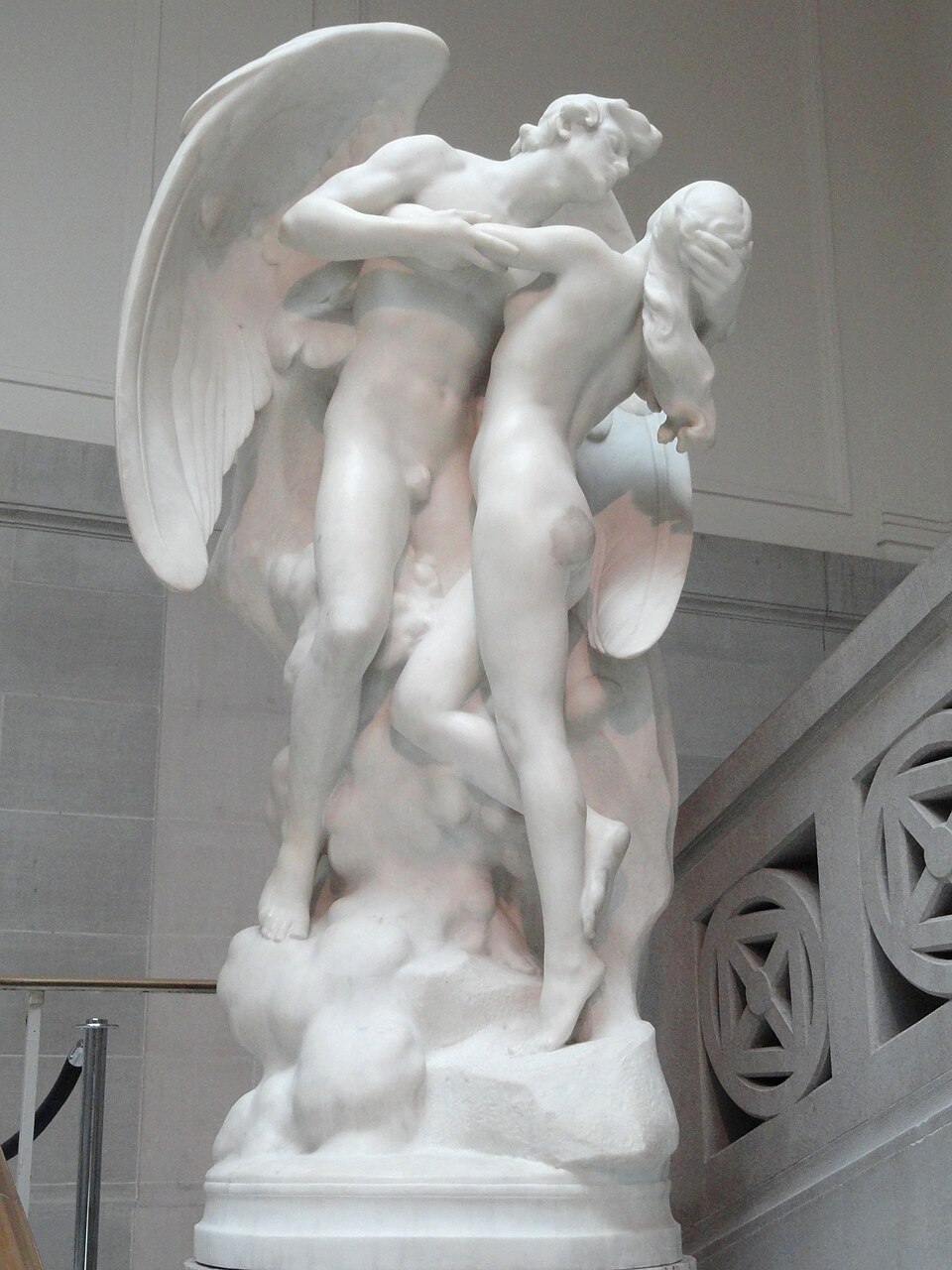
Semjaza
Leader of the Watchers · The Watchers
The Watcher who proposed the descent and bound the other two hundred to it by mutual oath on Mount Hermon.
Sheol
The Grave · Hebrew cosmology
The Hebrew underworld: a silent, dusty place where everybody goes, righteous and wicked alike, and where nobody praises God. Not hell, and not a punishment.
Tamiel
Chief of Ten · The Watchers
Later tradition made him a teacher of astronomy. 1 Enoch does not: it gives him an oath, a rank over ten of the two hundred, and no art at all. The astronomy is an inheritance from somewhere else.
Taweret
The Great One · Egyptian
A composite of the three most dangerous animals in Egypt, arranged to frighten off whatever threatens a woman in labour.
The Anakim
A People of Great Stature
A people of Hebron whom the scouts of the Hebrew Bible report as impossibly tall and identify with the Nephilim — inside the very report the text goes on to call false.
The Sons of Rapha
Four Champions of Gath
Four Philistine champions the Hebrew Bible says were born to the rapha in Gath — the giant's household, killed one by one in a short appendix at the end of 2 Samuel.
Turel
Chief of Ten · The Watchers
No teaching, no punishment, no later appearance: of the Watchers named in 1 Enoch he is among the emptiest entries. He binds himself by the oath and leaves the narrative there — the fate of most of the twenty, and of none of the ones anybody remembers.
Vritra
Serpent of Drought · Vedic
The serpent who encloses the waters, slain by Indra — the Indo-European cousin of Lotan, Leviathan, Tiamat and Apep.
Zaqiel
Chief of Ten · The Watchers
The two forms his name reaches English in, Zaqîêl and Sathiel, have almost nothing in common but the ending — the -el that marks him as one of God's, and that survives in these names long after everything else about them has been lost. Neither form is given a teaching.
The Spirit of Antichrist
Named Spirit · Deliverance tradition
Defined in the epistle by one specific test — denying that Christ came in the flesh — and stretched considerably since by deliverance teaching.

Agares
Duke · Goetic Spirit
An old man riding a crocodile with a goshawk on his fist, credited with teaching every language and with hauling back anyone who has fled. The same entry has him causing earthquakes and stripping men of office, temporal and spiritual alike.
Aim
Duke · Goetic Spirit
The book's arsonist: cities, castles and great houses set alight, by a three-headed spirit carrying a firebrand and riding a viper. The same entry has him making men clever and answering truly on private matters.

Allocer
Duke · Goetic Spirit
Speaks loudly and hoarsely from a great horse, red-faced and flaming-eyed like a lion — an alarming delivery for a spirit whose subjects are astronomy and the liberal sciences.
Amdusias
Duke · Goetic Spirit
Preceded by trumpets and every kind of instrument playing with nobody visible to play them — one of the more theatrical entrances in the Ars Goetia. He makes music heard where he goes, bends trees to the operator's will, and gives excellent familiars.
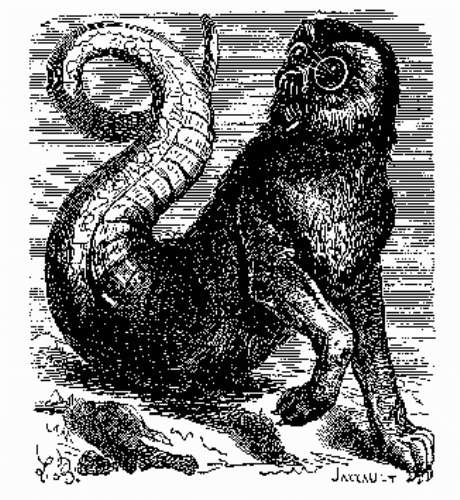
Amon
Marquis · Goetic Spirit
This marquis of the Ars Goetia procures feuds between friends and then reconciles the quarrels he started, which is the whole of his office and runs in both directions at once. He comes as a flame-vomiting wolf with a serpent's tail, or else as a man with a raven's head.
Amy
President · Goetic Spirit
Recovers the particular class of treasure that other spirits are guarding, which is a narrower promise than the plain treasure-finding around it. He arrives as a flaming fire before taking human shape.
Andras
Marquis · Goetic Spirit
Marked in the Goetia as dangerous to the operator himself, which almost nothing else in the book is: handle him carelessly, the text says, and he will kill the man who called him along with his assistants. He arrives raven-headed on a black wolf with a drawn sword.
Andrealphus
Marquis · Goetic Spirit
Teaches geometry and every kind of measurement exactly, makes men subtle in astronomy, and turns them into birds. He announces himself as a peacock making a great deal of noise, and is ranked marquis in the Ars Goetia.
Balam
King · Goetic Spirit
For all the apparatus — three heads, flaming eyes, a bear to ride and a goshawk on the fist — his offices are modest: true answers on past and future, invisibility, and quickness of wit.
Barbatos
Duke · Goetic Spirit
Comes only while the Sun stands in Sagittarius, and comes with four kings and their companies behind him. What he gives is comprehension: the song of birds, the voices of other creatures, and treasure hidden by enchantment rather than by hand.
Bathin
Duke · Goetic Spirit
Moves people bodily from one country to another without warning, and knows the virtues of herbs and precious stones. He rides a pale horse in the shape of a strong man with a serpent's tail.

Beleth
King · Goetic Spirit
The Goetia's instructions here are unusually anxious: hold a hazel wand, and be courteous. He arrives in a fury on a pale horse with every kind of music sounding ahead of him, and he causes all the love that may be until the operator's desire is met.
Berith
Duke · Goetic Spirit
Turns any metal into gold, and is in the same breath called a great liar unless the operator compels him with the ring. He rides a red horse as a soldier in red crowned in gold, and is ranked duke in the Ars Goetia.
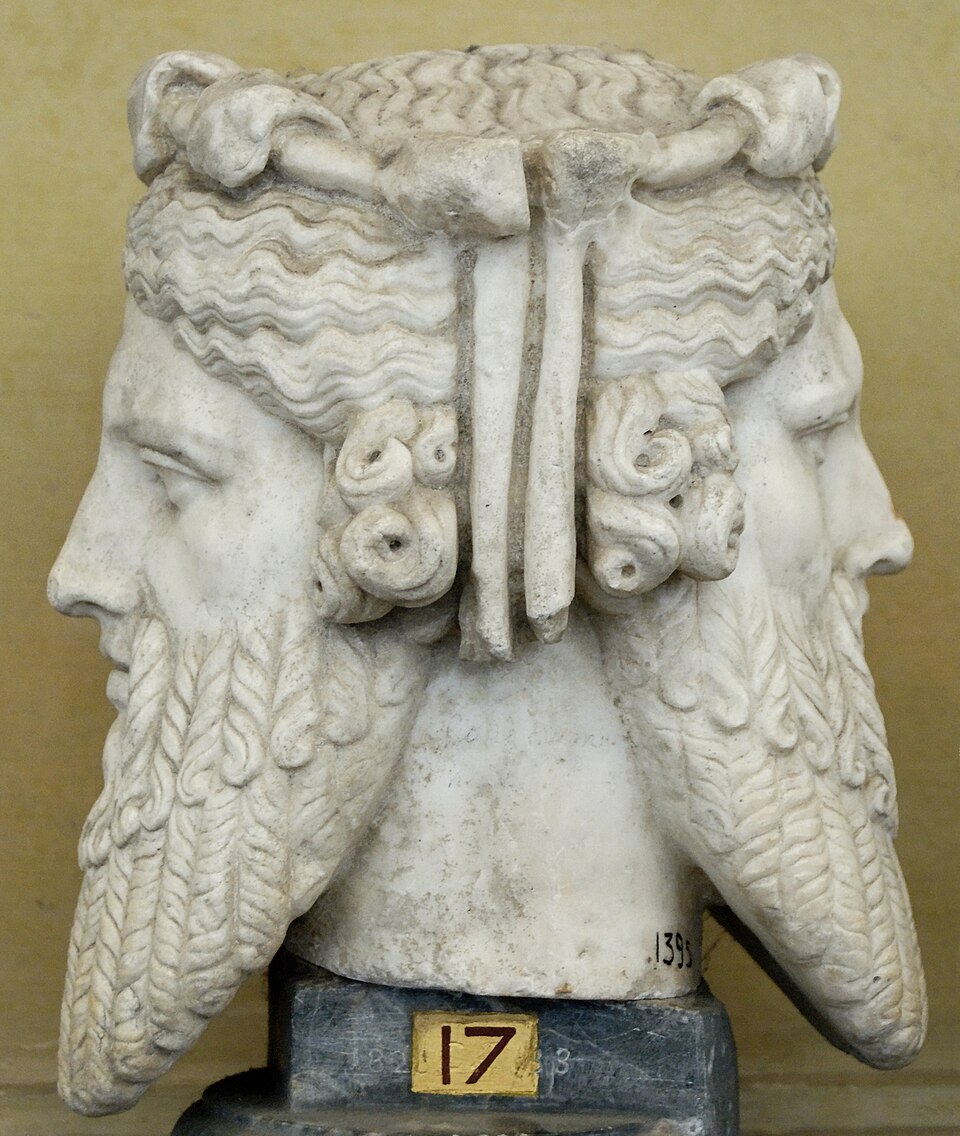
Bifrons
Earl · Goetic Spirit
Commands six legions, fewer than any other spirit in the seventy-two. What the entry is remembered for is not the astrology or the geometry but the graveyard work: he shifts corpses between plots and sets what look like candles burning on the graves.

Botis
President and Earl · Goetic Spirit
The arrival is fearsome — an ugly viper, then a horned man with great teeth and a drawn sword — for a spirit whose actual work is telling the past and the future and making peace between enemies.
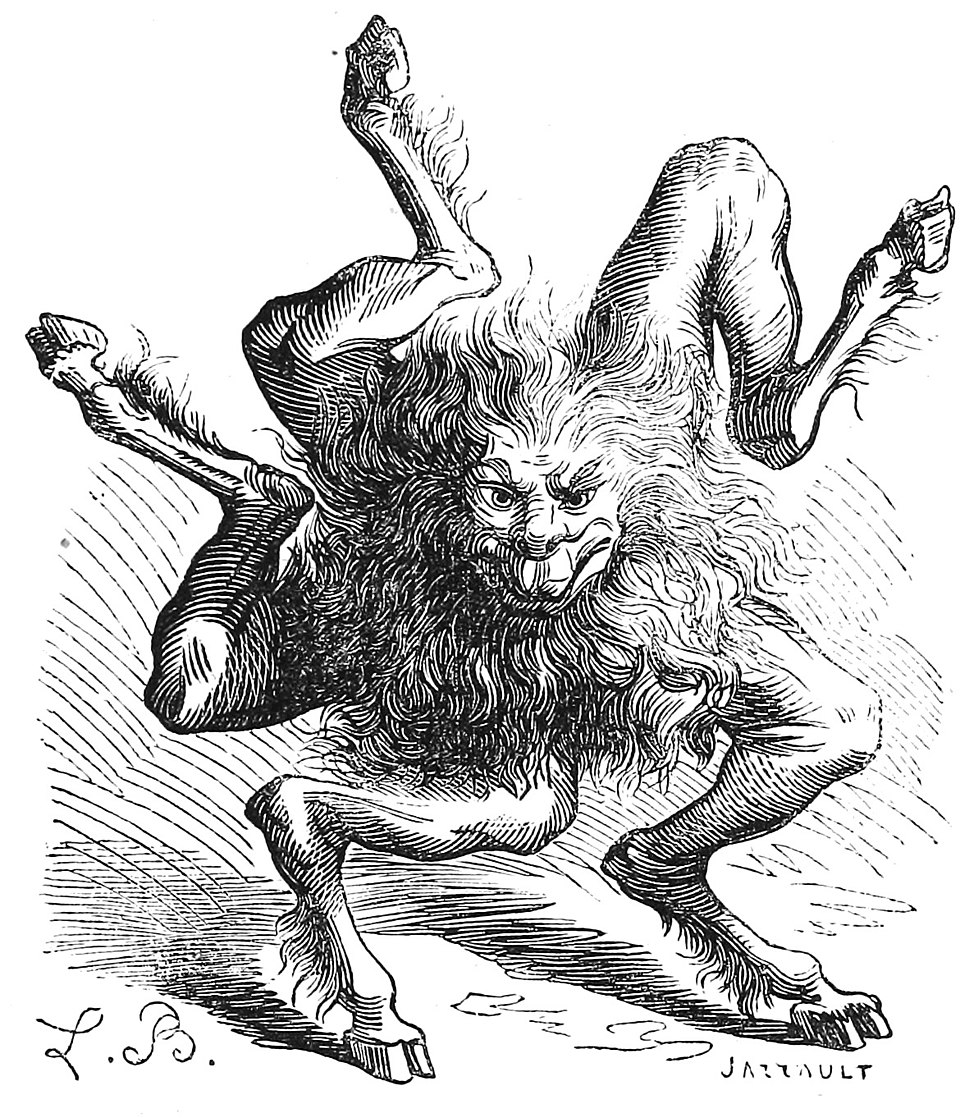
Buer
President · Goetic Spirit
Appears under Sagittarius as a lion's head with five legs radiating from it like the spokes of a wheel. His teaching is medical: moral and natural philosophy, the virtues of every herb and plant, and the cure of all distempers.
Bune
Duke · Goetic Spirit
A spirit of the graveyard: he moves the dead from where they lie and gathers other spirits onto their tombs. He speaks with a high and comely voice from three heads — dog, griffin and man — on a dragon's body, and gives riches and eloquence.
Camio
President · Goetic Spirit
Answers out of burning ashes or coals rather than speaking directly, which is unusual even among the seventy-two demons of the Ars Goetia. What he gives is comprehension of things that do not speak: the voices of birds, oxen and dogs, and the sound of running water.

Cimejes
Marquis · Goetic Spirit
Given a territory rather than a subject: the Goetia has him ruling every spirit in Africa. He also teaches grammar, logic and rhetoric, finds lost and hidden treasure, and makes men valiant in war.
Crocell
Duke · Goetic Spirit
Makes a great noise like the rushing of many waters, and speaks darkly of hidden things in the shape of an angel. His oddest credited power is domestic: he warms water, and finds baths.
Decarabia
Marquis · Goetic Spirit
Appears first as a star inside a pentacle. His office is birds — their virtues and those of precious stones, and the trick of making them fly before the operator and stay, singing and drinking exactly as real ones do.
Eligos
Duke · Goetic Spirit
Consulted chiefly about war — the Goetia credits him with knowing how a conflict will end before it does. He appears as a goodly knight with lance, ensign and serpent, and secures the goodwill of lords and knights.
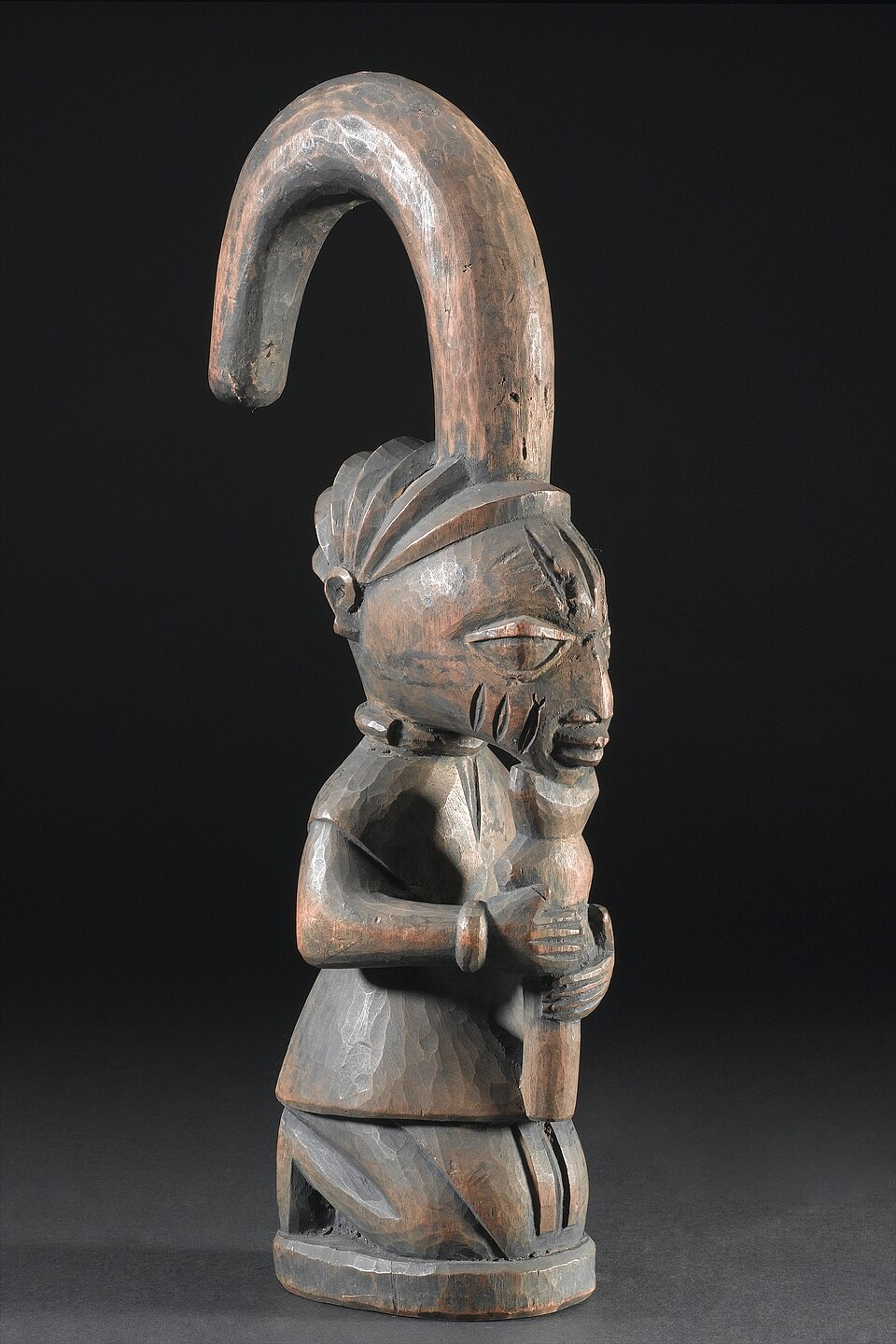
Eshu
Divine Messenger · Yoruba
Messenger between humanity and the orisha, addressed first in any rite. Missionaries met a trickster at a crossroads and called him Satan, and the mistake has proved very hard to undo.
Focalor
Duke · Goetic Spirit
Has power over the winds and the sea, drowns men and overturns ships of war — and will harm nobody at all, the Goetia adds, if he is commanded otherwise. He appears as a man with a griffin's wings.
Foras
President · Goetic Spirit
One of the most broadly credited entries in the book — herbs and stones, logic and ethics, invisibility, lost property, hidden treasure, and, alone among the seventy-two, long life. He arrives in plain human shape, which is itself unusual here.

Forneus
Marquis · Goetic Spirit
His gifts are entirely social: languages, rhetoric, a good reputation, and the affection of enemies as readily as friends. The Ars Goetia makes this marquis a great sea-monster, which fits none of it.

Furcas
Knight · Goetic Spirit
The only spirit in the seventy-two ranked as a Knight. He appears as a cruel old man with a long beard and hoary hair, armed on a pale horse, and teaches philosophy, astrology, rhetoric and logic alongside palmistry and divination by fire.

Furfur
Earl · Goetic Spirit
Lies unless he is confined to the triangle. Held there, he raises thunder, lightning and great tempestuous winds, settles love between husband and wife, and answers on divine and secret things; he appears as a hart with a burning tail.

Gaap
President and Prince · Goetic Spirit
His powers run in opposed pairs: love and hatred, philosophy and induced ignorance. He comes with four great kings before him while the Sun stands in the southern signs, and carries men between kingdoms.
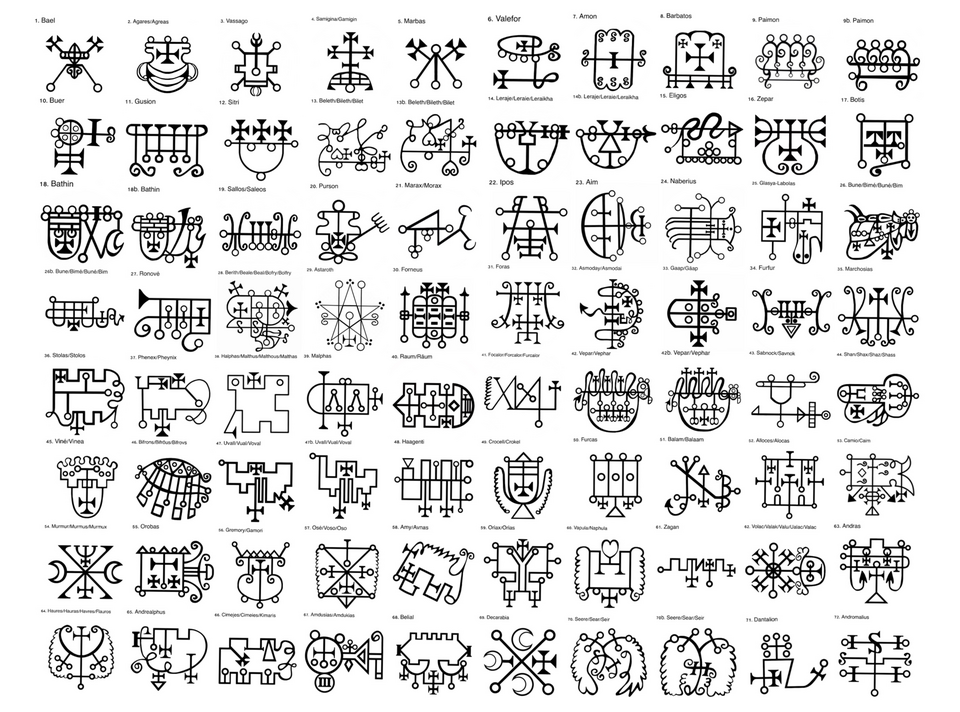
Glasya-Labolas
President and Earl · Goetic Spirit
Teaches every art and science in an instant, and is named in the same entry as the author of bloodshed and manslaughter. The Goetia sets that beside causing love and conferring invisibility without appearing to notice the company it keeps.
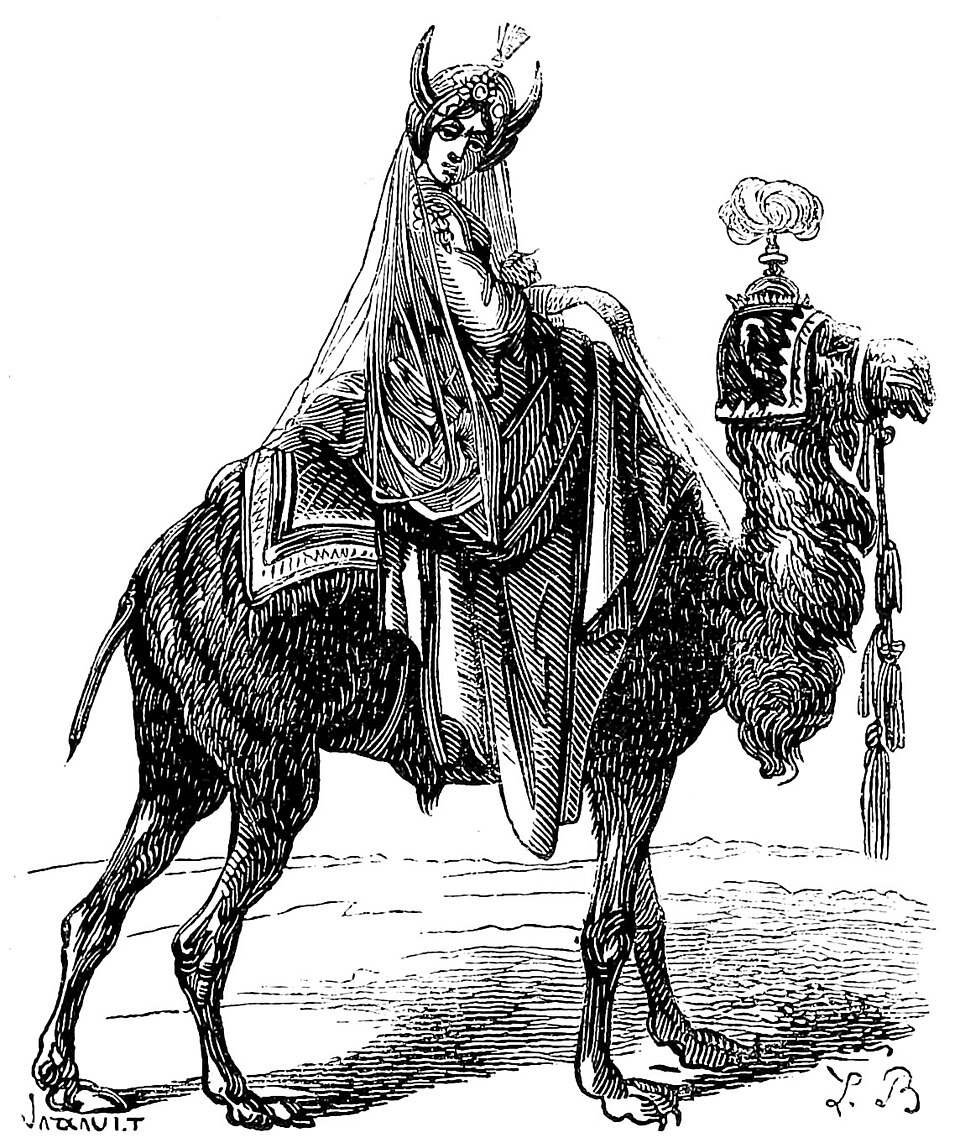
Gremory
Duke · Goetic Spirit
A beautiful woman in a duchess's crown riding a great camel, and among the very few female forms in the seventy-two. She tells past and future, finds hidden treasure, and procures the love of women young and old.
Gusion
Duke · Goetic Spirit
Asked a question, he explains what the question means — the Goetia credits him with showing the sense of whatever is put to him, which is a stranger gift than mere foreknowledge. He takes the shape the text calls a xenopilus, a creature of strange face.
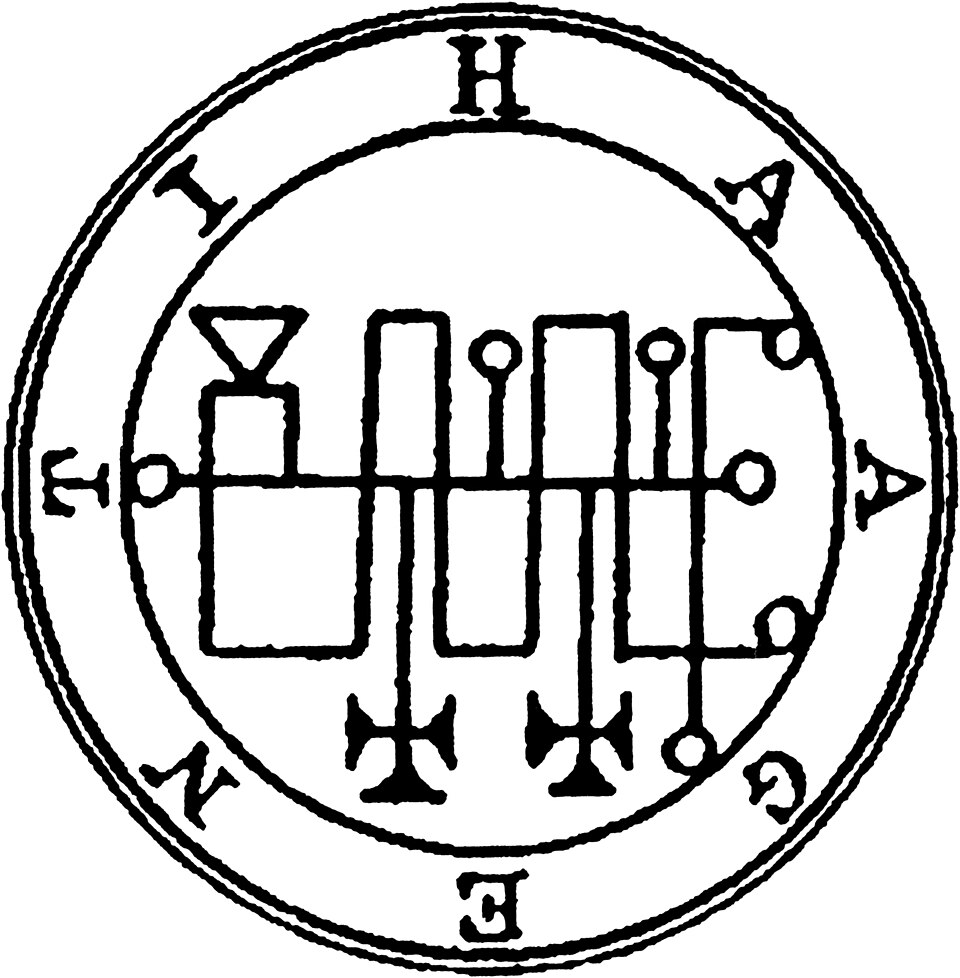
Haagenti
President · Goetic Spirit
Turns every metal into gold and water into wine, and the wine back into water. The Goetia adds, without elaborating, that he also makes men wise; he appears as a winged bull, then as a man.
Halphas
Earl · Goetic Spirit
Entirely military logistics: he raises towers, stocks them with ammunition and weapons, and sends men of war where they are ordered. The Ars Goetia has this earl deliver all of it as a hoarse-voiced stock-dove.
Haures
Duke · Goetic Spirit
Lies about everything until he is commanded into the triangle, which is the Ars Goetia's standard remedy for a demon that will not answer. Compelled, he gives true answers on past and future, burns and destroys the operator's enemies, and discusses the creation of the world and his own fall.
Huitzilopochtli
The War God of the Mexica · Mesoamerican
The Mexica war god, born fully armed to defend his mother from his four hundred siblings — a tribal patron who became the state god of an empire and the sun that had to be fed.
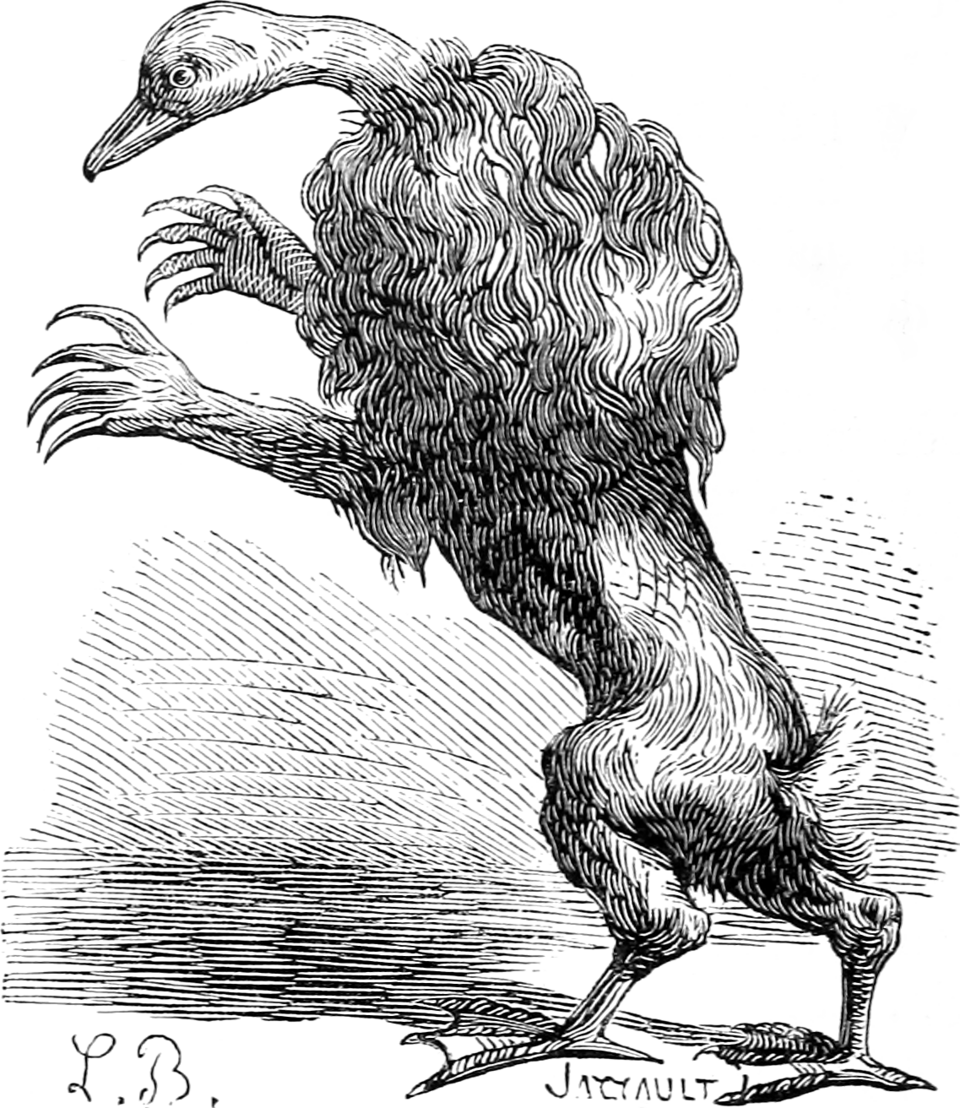
Ipos
Earl and Prince · Goetic Spirit
What he confers is nerve. The Goetia says he makes men witty and bold, and gives them knowledge of what has been and will be; he appears as an angel assembled from a lion's head, a goose's foot and a hare's tail.
Leraje
Marquis · Goetic Spirit
An archer dressed in green with bow and quiver, ranked marquis among the demons of the Ars Goetia, who starts battles and contests. He is also given one precise and nasty speciality: making wounds from arrows go septic.
Malphas
President · Goetic Spirit
Builds houses and high towers and gathers the craftsmen to do it, then dismantles an enemy's desires and thoughts before they can be acted on. A president among the seventy-two demons of the Ars Goetia, he is a crow until he becomes a man, and speaks hoarsely either way.
Marax
Earl and President · Goetic Spirit
A great bull with a human face, and among the book's better-equipped teachers: astronomy, the liberal sciences, and the virtues of herbs and precious stones, with a good familiar supplied alongside.
Marbas
President · Goetic Spirit
Inflicts disease and cures it — a pairing almost nothing else in the seventy-two is given, and one that makes his entry read less like a demonology than a physician's. A lion until he chooses to be a man, he also teaches the mechanical arts and changes men's shapes.

Marchosias
Marquis · Goetic Spirit
The Goetia records something of him that it records of nobody else: he told Solomon he hoped to return to the seventh throne after twelve hundred years. Otherwise he is a fire-breathing wolf turned man, a strong fighter, and a truthful answerer.
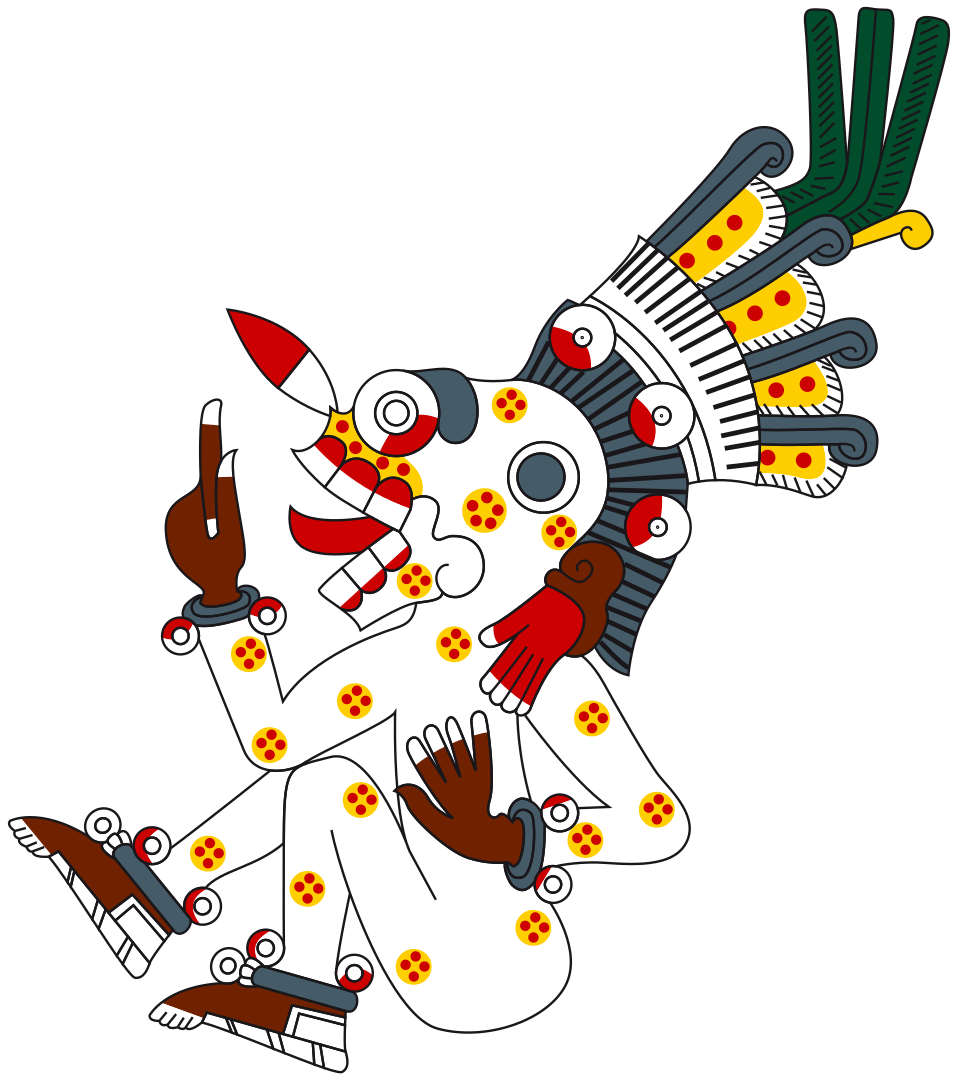
Mictlantecuhtli
Lord of Mictlan · Mesoamerican
The Aztec god who rules the ninth and lowest underworld, where the ordinary dead arrive after a four-year journey. Nothing is punished there.
Murmur
Duke and Earl · Goetic Spirit
Compels the souls of the dead to appear and answer, which few demons in the Ars Goetia are given outright, and teaches philosophy perfectly besides. He rides a griffin in a ducal crown behind trumpeters.

Naberius
Marquis · Goetic Spirit
His work is the restoration of standing — he makes men eloquent and gives back the honours and offices a man has lost. Among the demons of the Ars Goetia he is one of the least alarming to look at: a black crane fluttering about the circle, speaking hoarsely.
Obatala
King of the White Cloth · Yoruba
The Yoruba orisha who moulds human bodies before birth, and who made the disabled ones while drunk on palm wine — which is why he is owed to them and why his worship forbids the drink.
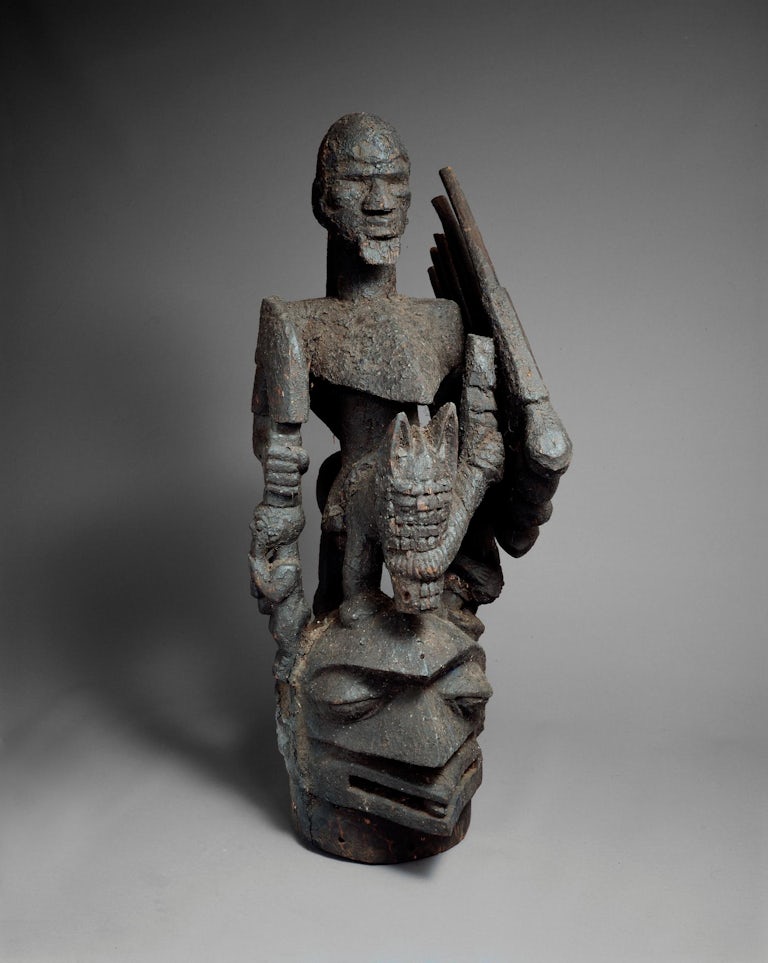
Ogun
Orisha of Iron · Yoruba
Orisha of iron and of the tools made from it — patron of smiths, surgeons and soldiers alike, since all three cut.
Olodumare
The Supreme Being · Yoruba
The Yoruba supreme being, who has no images, no temples and no priests of his own — the orisha are the ones addressed, and the corpus's clearest example of a high god who is not worshipped directly.

Oriax
Marquis · Goetic Spirit
Teaches the virtues of the stars and the mansions of the planets — the most explicitly astrological brief in the seventy-two. He rides with a great hissing serpent in each hand, lion-shaped with a serpent's tail.
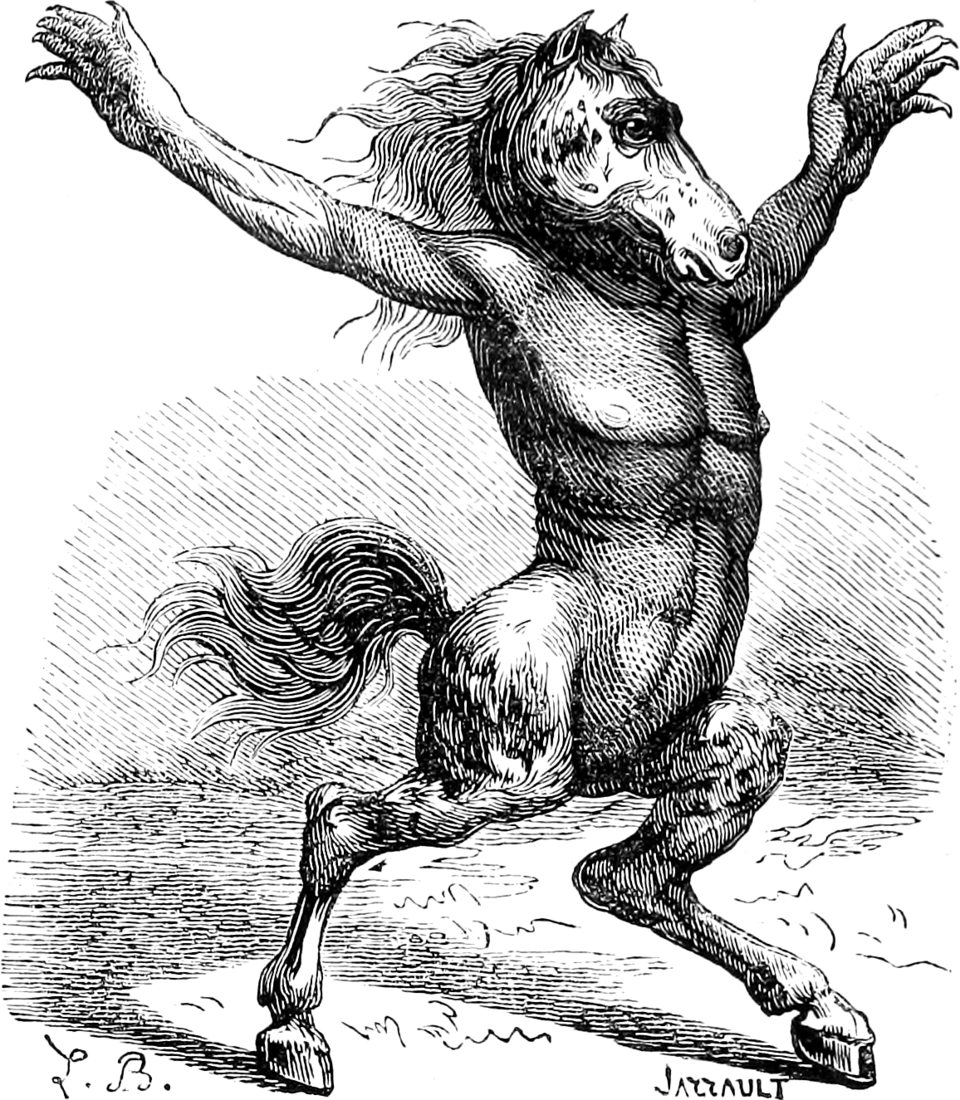
Orobas
Prince · Goetic Spirit
Singled out in the Goetia as faithful and honest — he does not tempt or deceive, and he defends the operator against the other spirits, which no other entry promises. He discourses on divinity and the creation of the world.
Orunmila
Witness to Destiny · Yoruba
The Yoruba orisha of divination, who was present when each person chose their destiny and is consulted to find out what was chosen — the figure the whole Ifá corpus belongs to.
Ose
President · Goetic Spirit
He changes a man into any shape, and the man believes he is that thing — the most unsettling transformation in the Ars Goetia, and the only one that alters the subject's mind along with his body. He arrives as a leopard, then takes human form.
Oya
Owner of the Wind · Yoruba
The Yoruba orisha of wind and storm, wife of Shango and keeper of the gate between the living and the dead — the one who goes ahead of the thunder.
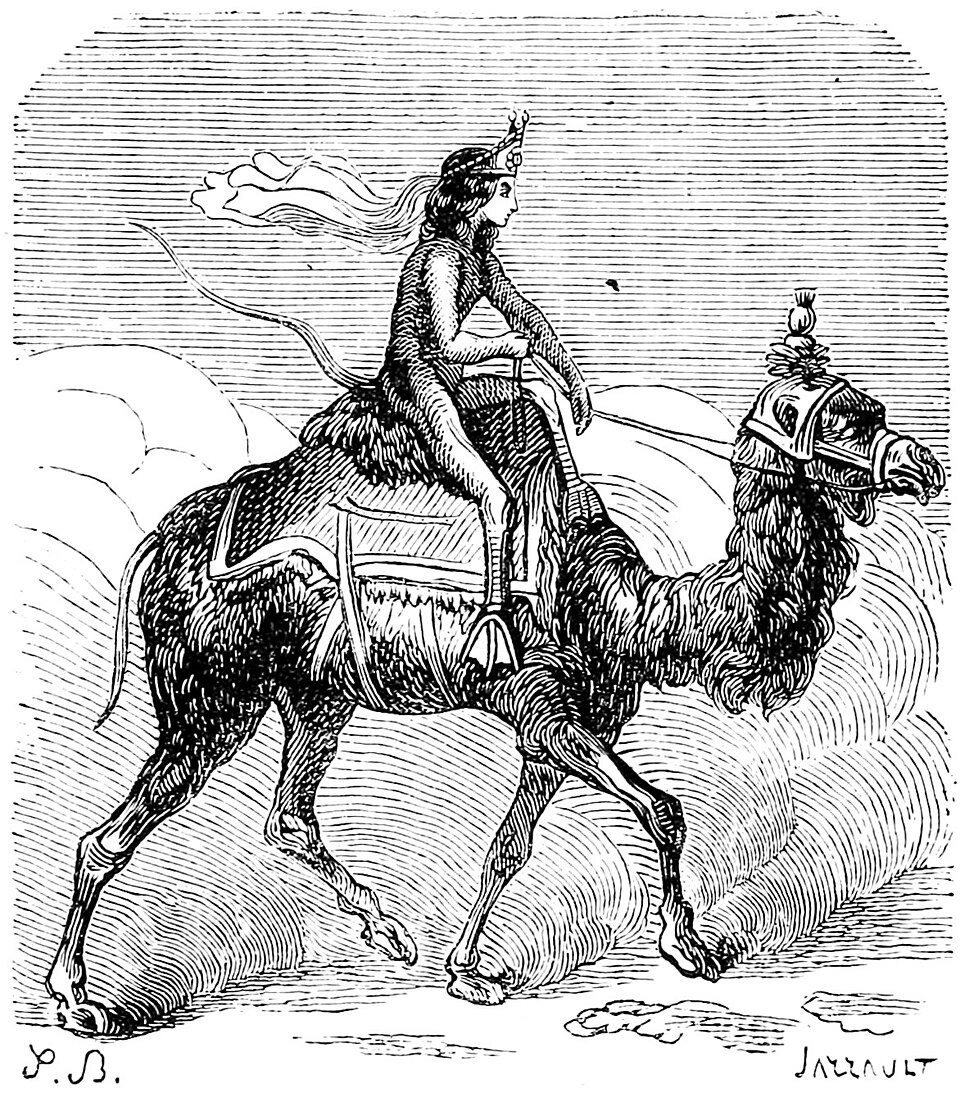
Paimon
King · Goetic Spirit
Commands two hundred legions, more than any other spirit in the book, and arrives crowned on a dromedary ahead of a host with trumpets and cymbals. The Goetia names him one of the four kings of the cardinal points, and the most obedient of them to Lucifer.
Phenex
Marquis · Goetic Spirit
Arrives as a phoenix singing sweetly in a child's voice, which the Ars Goetia expressly warns the operator not to heed. Past the singing he is a marvellous poet, willing in obedience, and sound on every science.
Purson
King · Goetic Spirit
A finder — of hidden things, of buried treasure, and of what has happened and what is coming. A king of the Ars Goetia, he arrives lion-faced on a bear with a viper in his hand and trumpets sounding before him.
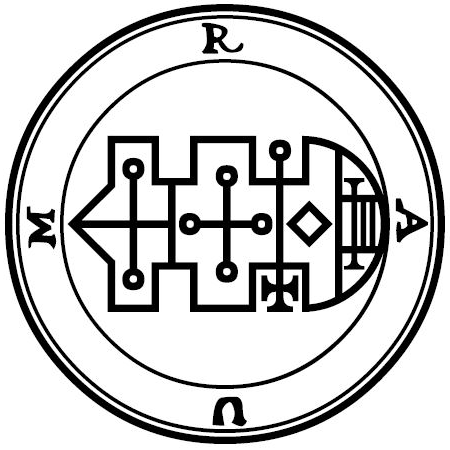
Raum
Earl · Goetic Spirit
Robs royal houses and carries what he takes wherever he is told, levels cities, and strips men of rank — and then, in the same entry, causes love between friends and foes. He appears as a crow, then as a man.

Ronove
Marquis and Earl · Goetic Spirit
Teaches rhetoric well, in the Goetia's phrase — faint praise beside the extravagant claims made either side of him. He appears simply as a monster holding a staff, and supplies servants and the knowledge of tongues.
Sabnock
Marquis · Goetic Spirit
Fortifies what Vepar sinks — high towers, castles and cities, furnished with armour — and inflicts the same worm-filled sores, over days rather than in three. He rides a pale horse as an armed soldier with a lion's head.
Sallos
Duke · Goetic Spirit
His brief is the shortest of the seventy-two: he causes love between men and women, and the entry stops there. He is a crowned soldier riding a crocodile, and the Goetia describes him as peaceable.
Samigina
Marquis · Goetic Spirit
Asked about the souls of those who died in sin, he gives an account of them — an office no other spirit in the seventy-two is given. He arrives as a small horse or donkey, and becomes a man if the operator asks.
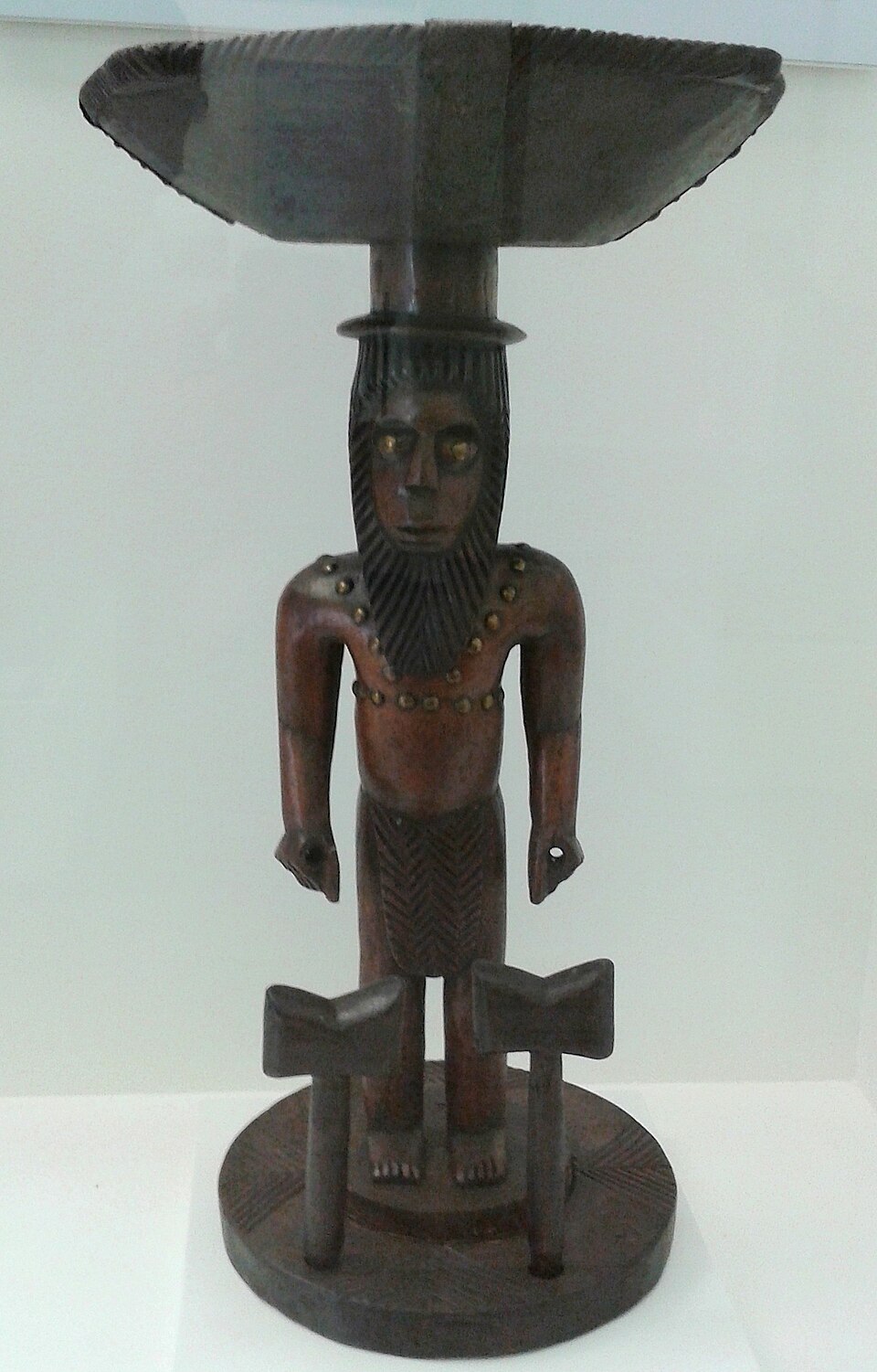
Shango
Orisha of Thunder · Yoruba
Thunder-orisha and a remembered king of Oyo — a historical ruler who became a god, which is euhemerism running the other way.
Shax
Marquis · Goetic Spirit
Strips sight, hearing and understanding from whoever he is set upon. The Goetia calls him a great deceiver who lies outside the triangle, and gives him one of its strangest promises: money taken from a king's house comes back after twelve hundred years.
Sitri
Prince · Goetic Spirit
A griffin-winged leopard's head that resolves into a very beautiful man. His single office is compulsion in desire, running in both directions, and the Goetia is explicit that it extends to making its objects strip.
Stolas
Prince · Goetic Spirit
His teaching is narrow and exact — astronomy, and the properties of herbs and precious stones — with none of the wars, treasures or transformations that crowd the entries around him. He comes as a mighty raven, then a man.
Tlaloc
He Who Makes Things Sprout · Mesoamerican
The Nahua rain god, who takes the drowned and the lightning-struck into a paradise of his own — and whose rites, as the Spanish friars recorded with horror, were performed on children.
Uvall
Duke · Goetic Spirit
Speaks Egyptian, and speaks it imperfectly — a detail the Goetia thought worth recording about a spirit whose offices are otherwise love, foreknowledge and reconciliation. He is a mighty dromedary before he is a man.
Valefor
Duke · Goetic Spirit
Offered as a good familiar with an unusual condition attached: he keeps company with the operator until he has tempted him into theft, and then until the theft is discovered. The Ars Goetia gives this duke the form of a lion with a braying ass's head.
Vapula
Duke · Goetic Spirit
His whole office is competence: every handicraft, every profession, and philosophy and the sciences besides, with nothing of war, love or treasure attached — unusual among the Goetic demons. He appears as a lion with griffin's wings.
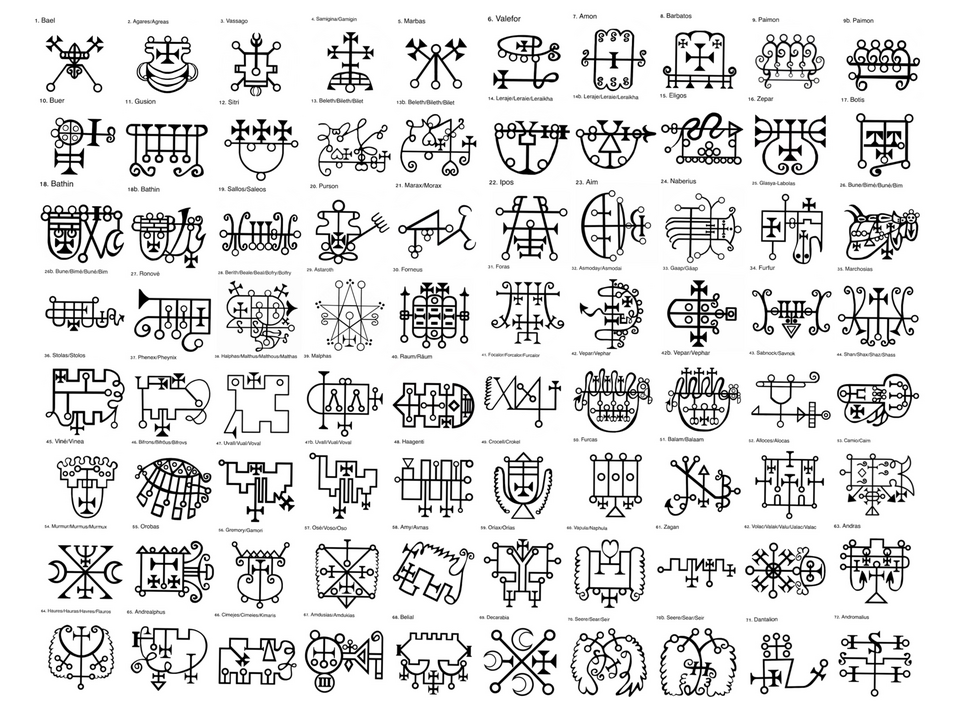
Vepar
Duke · Goetic Spirit
Guides armed ships, or roughens the sea until they founder. Her other office is precise and grim: wounds that putrefy with worms and kill within three days. She appears as a mermaid.
Vine
King and Earl · Goetic Spirit
Holds two ranks at once, and builds and demolishes with equal ease — towers raised, stone walls thrown down, the sea roughened at will. He is also the spirit the Goetia sets to finding witches and wizards.

Volac
President · Goetic Spirit
Knows where serpents are, and delivers them to the operator without strength or force being needed — a gift no other entry offers. He appears as a child with angel's wings riding a two-headed dragon.
Zagan
King and President · Goetic Spirit
Runs liquids through every transformation the text can think of — wine to water, water to wine, blood to wine — and turns metal into coin. He also, the Goetia says flatly, makes fools wise.
Zepar
Duke · Goetic Spirit
His two offices sit badly together: he brings women to love men and brings the two together, and he also makes them barren. A duke of the Ars Goetia in the form of a soldier in red apparel and armour, and the text offers no reconciliation of the pair.
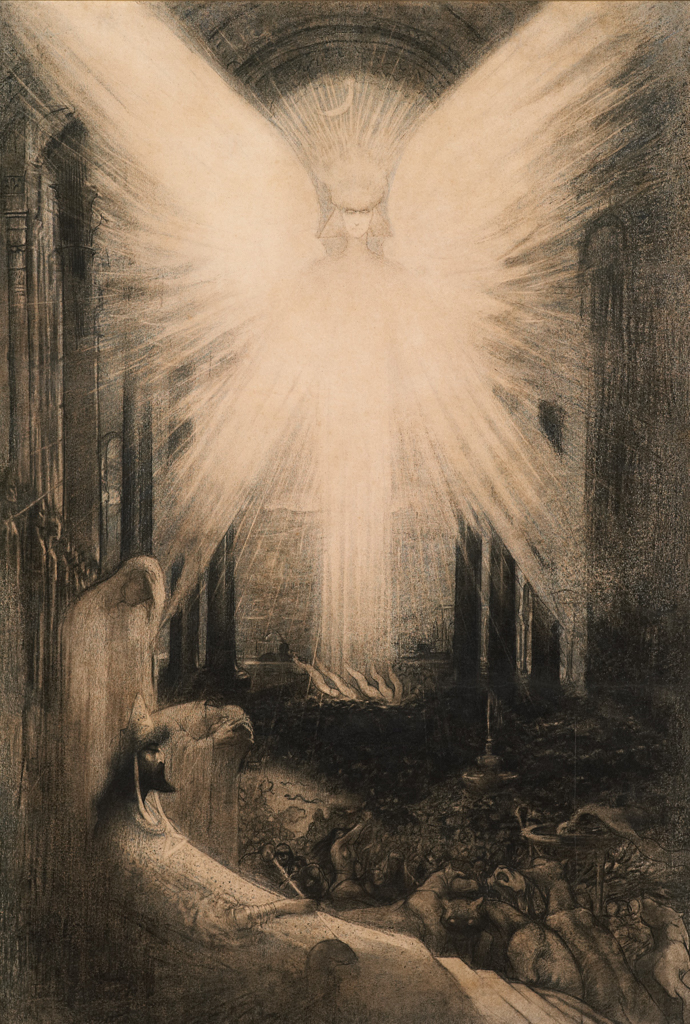
Azrael
Archangel · Archangels
The angel of death, who separates the soul from the body. Named as an office in the Qur'an and by personal name only in later tradition.
Chernobog
The Black God · Slavic
The Slavic black god, known from one sentence in one hostile German chronicle — and the foundation of everything later written about Slavic dualism, which is more than one sentence can hold.
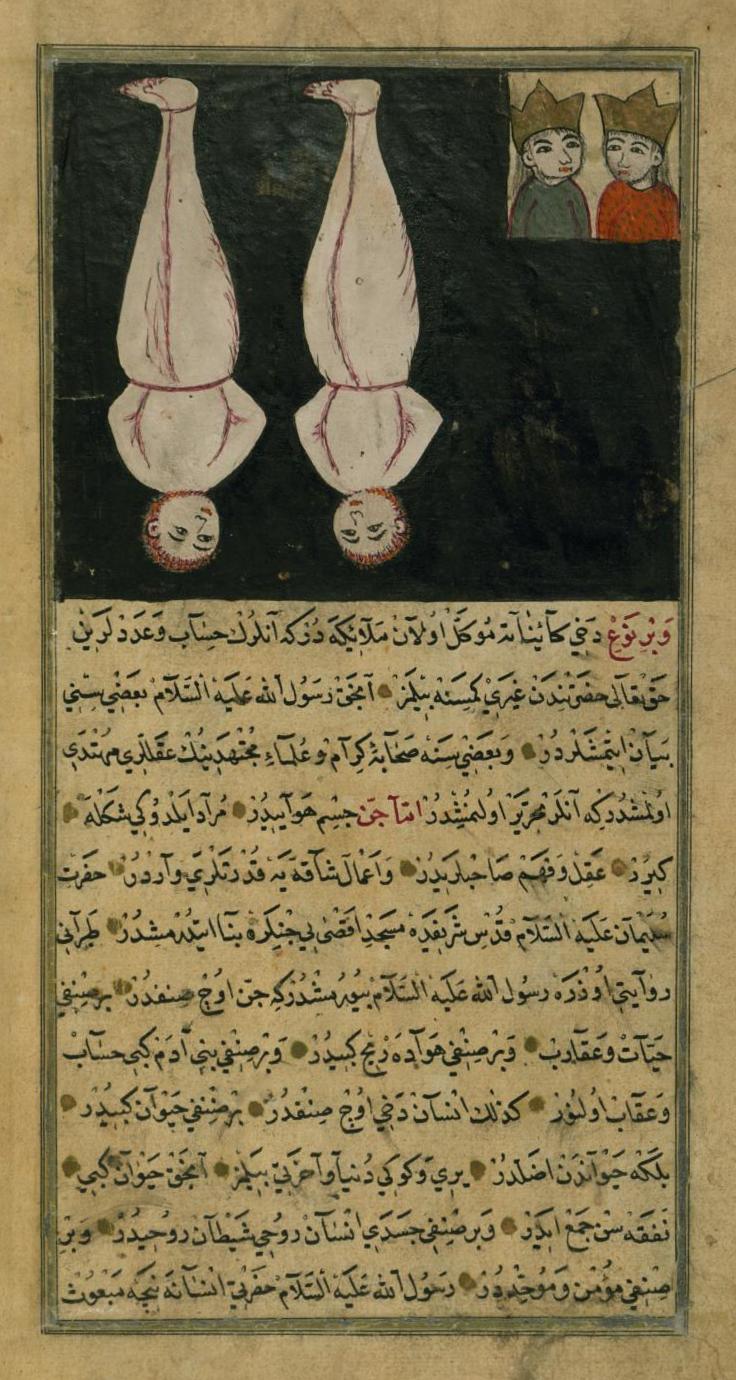
Harut and Marut
Angels of Babylon · Islamic angels
Two angels sent to Babylon, who teach magic and warn as they do it that they are a trial. Angels who cause harm take some accommodating in Islamic theology.
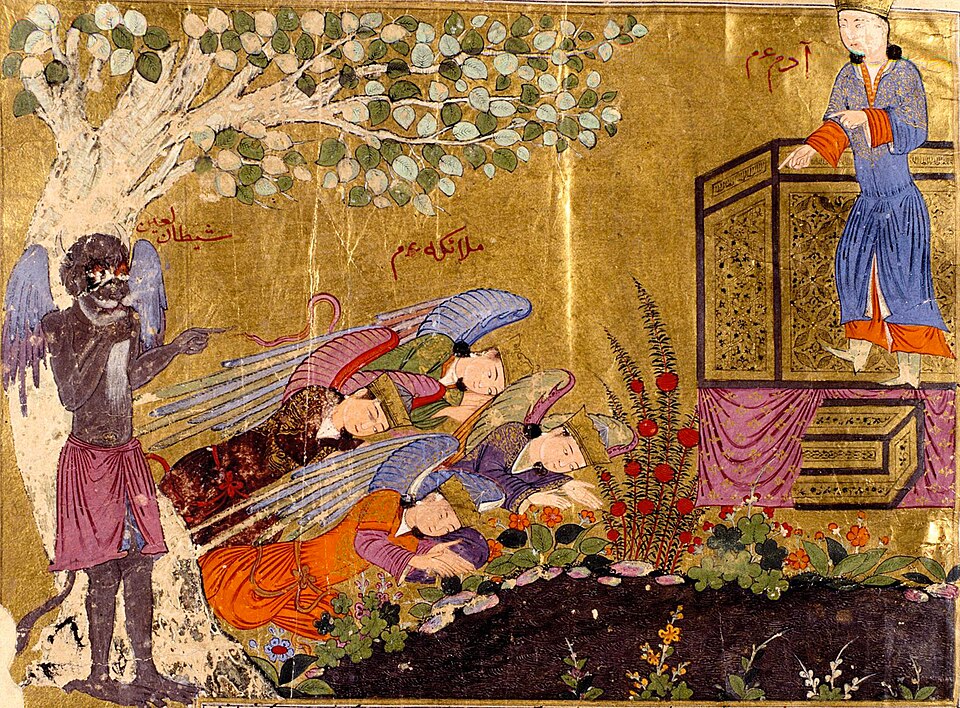
Iblis
Chief of the Shayatin · Jinn
The one who refused to bow to Adam. The Qur'an is specific that he was of the jinn rather than the angels, a distinction Western retellings almost always erase.
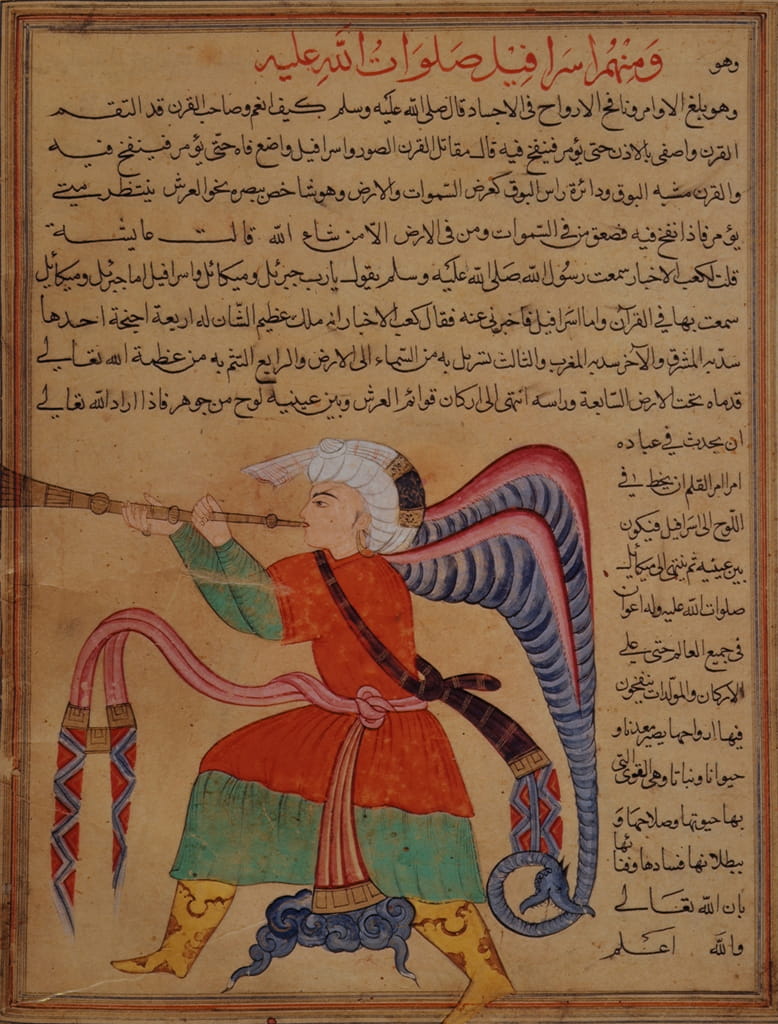
Israfil
Archangel · Archangels
The angel of the trumpet, who will sound the blast that ends the world and the second that raises the dead.
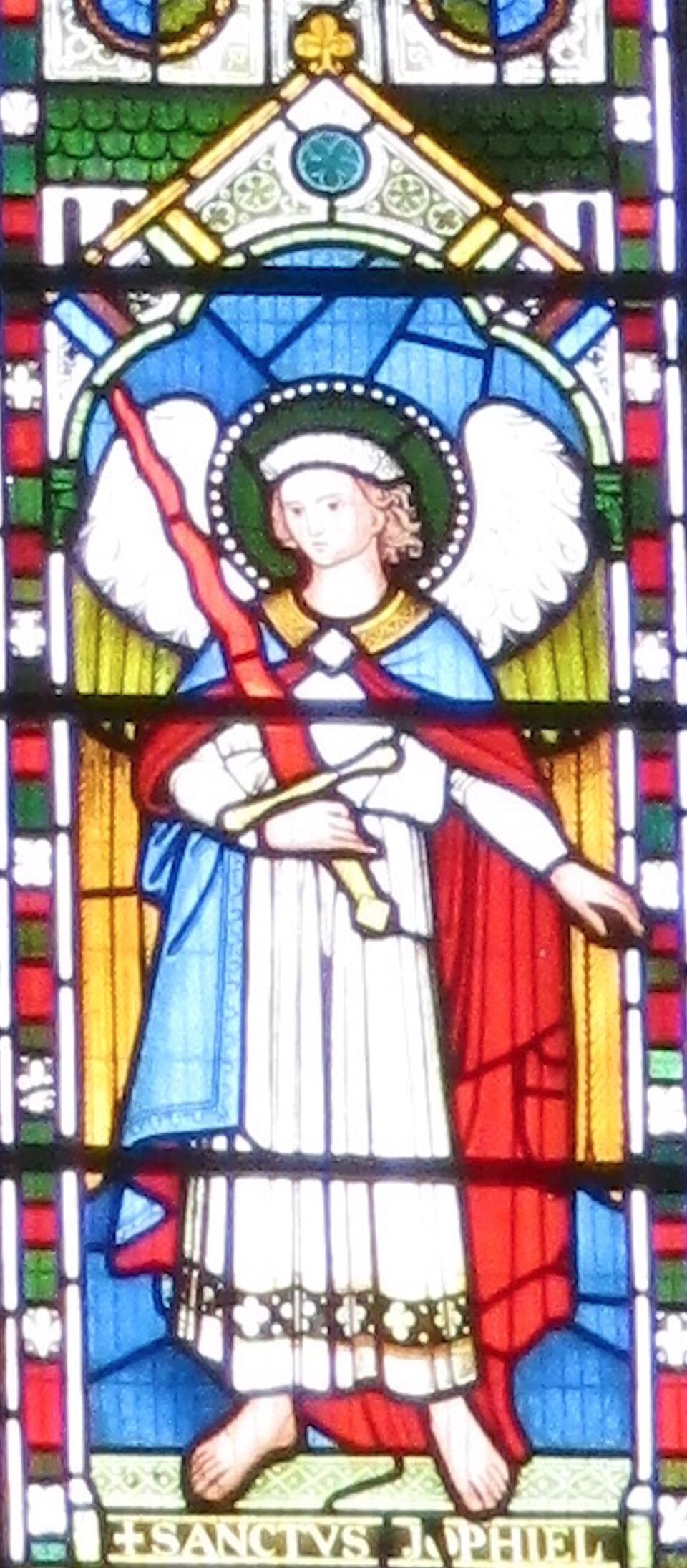
Jophiel
Archangel · Later Christian tradition
Named in later Christian devotion rather than in scripture — traditionally the angel with the flaming sword at the gate of Eden.
Kiraman Katibin
Recording Angels · Islamic angels
Two angels of Islamic tradition, one at each shoulder, writing down everything a person does. Theirs is the register produced at judgment.
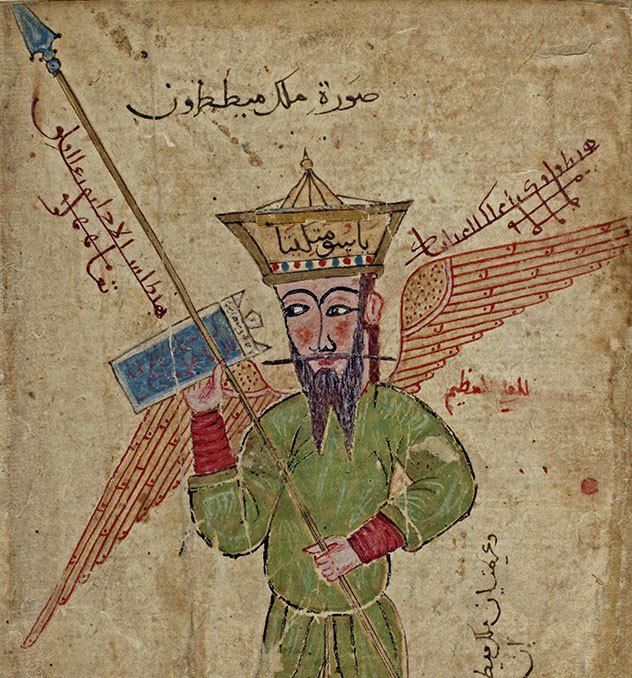
Metatron
Prince of the Presence · Above the choirs
The scribe-angel of the merkavah texts. 3 Enoch identifies him as Enoch himself, taken up and remade: the one being in the tradition promoted from human to highest angel.
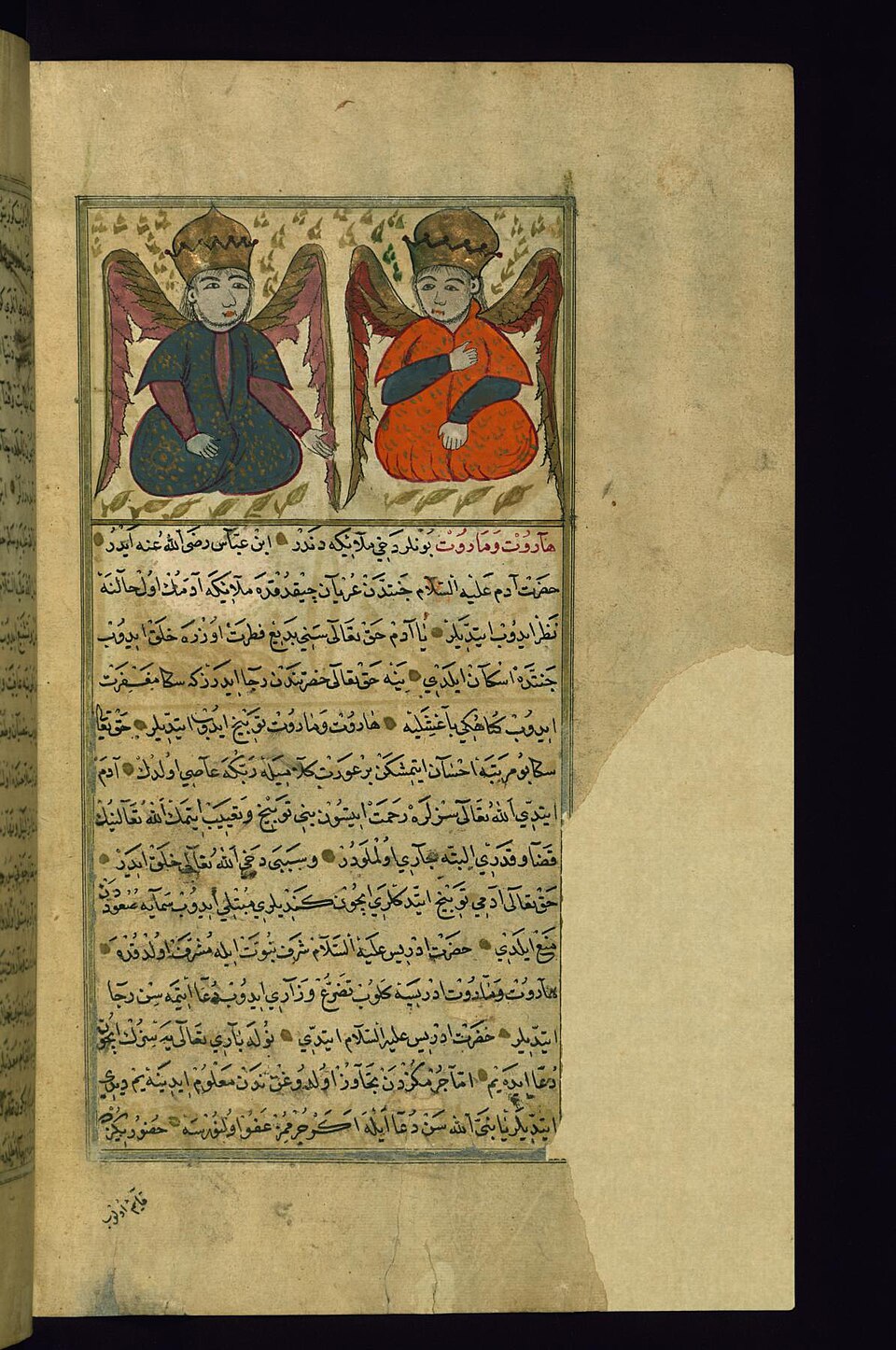
Munkar and Nakir
Questioners of the Grave · Islamic angels
The two who question the newly buried on their faith — the whole of judgment compressed into three questions in the grave.
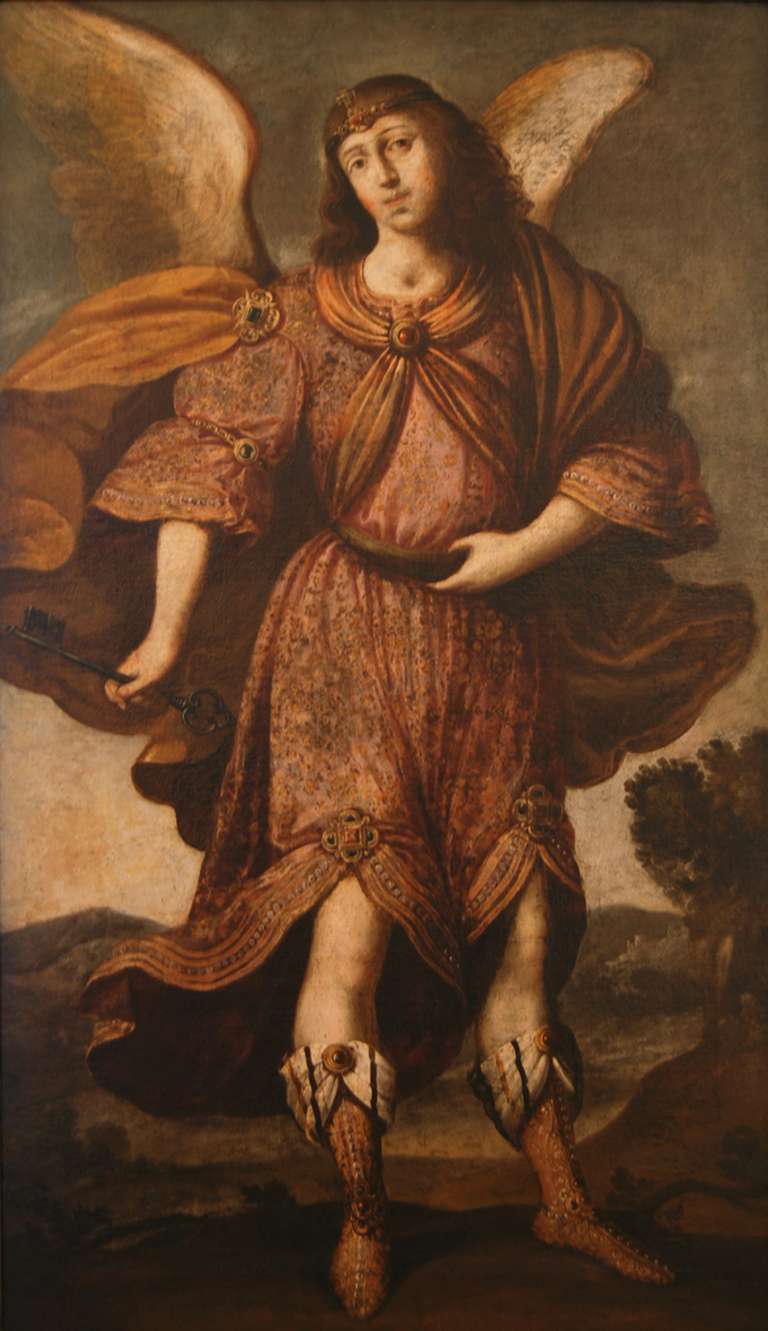
Raziel
Archangel · Above the choirs
Keeper of divine secrets. The book of all knowledge he is said to have given Adam is the archetype every later grimoire is imitating.
The Ghul
Class of Jinn · Jinn
Desert jinn that lure travellers off the road and prey on the dead. English took the word 'ghoul' from them.
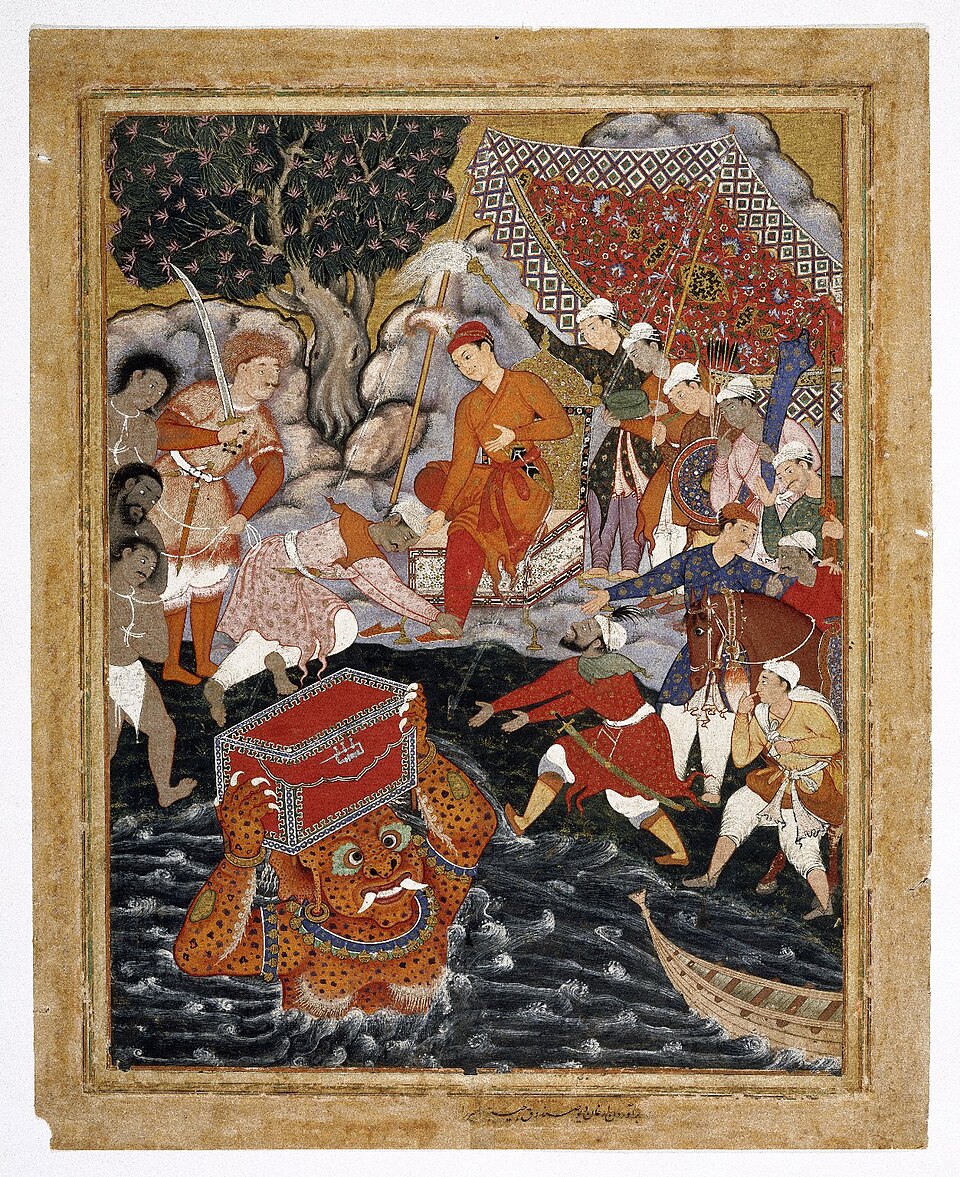
The Ifrit
Class of Jinn · Jinn
A powerful class of jinn — and jinn, crucially, have free will, so an ifrit may be Muslim, hostile, or neither.
The Qarin
Companion Spirit · Night-oppression
The Arabic companion-spirit assigned to every person, named in the Qur'an as the associate who prompts and who at the judgment disowns the one it prompted — and the one figure in this cluster that never leaves.
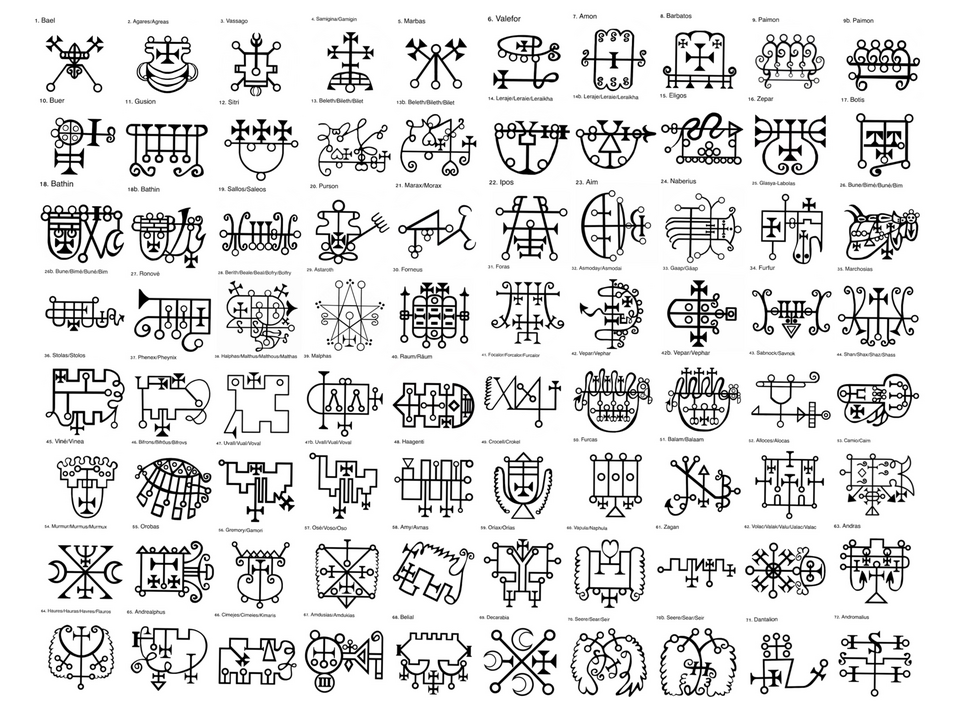
Andromalius
Earl · Goetic Spirit
Last of the seventy-two demons of the Ars Goetia, and the one set against dishonesty: he returns the thief along with what was taken, exposes underhand dealing, and punishes it. He appears as a man holding a great serpent.
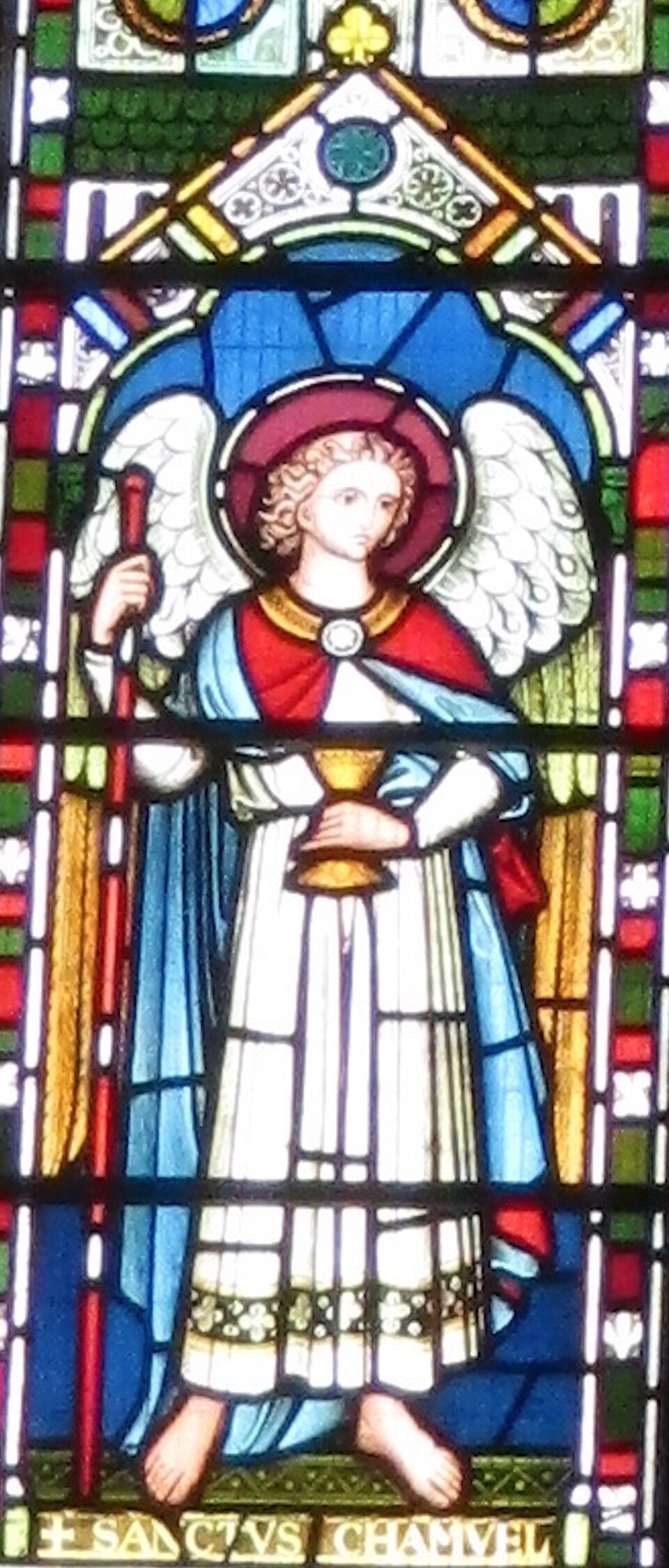
Camael
Archangel · Kabbalistic orders
Angel of the sefirah of severity, whose name is close enough to Samael's that the two are repeatedly confused in the sources.
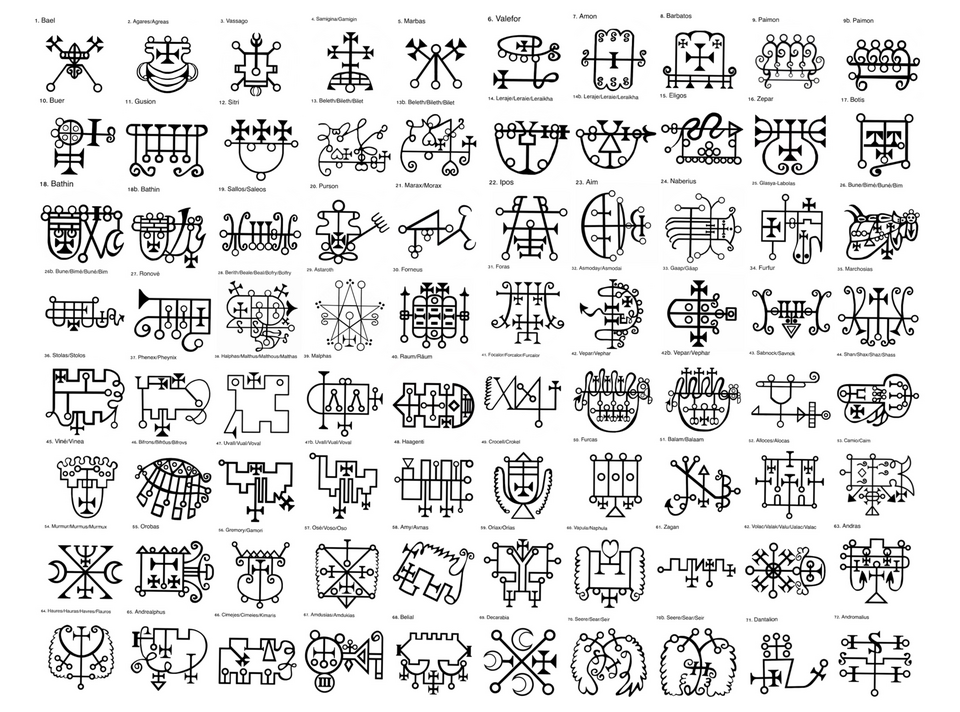
Dantalion
Duke · Goetic Spirit
Wears the faces of every man and woman at once and carries a book. The Goetia gives him the broadest claim of the seventy-two — he knows the thoughts of everyone alive, and can change them.
Seere
Prince · Goetic Spirit
Among the most obliging spirits in the book: he comes and goes in the twinkling of an eye, brings abundance of all things, carries goods wherever he is sent, and is described as willing to do what he is asked. A beautiful man on a winged horse, and absent from Weyer.
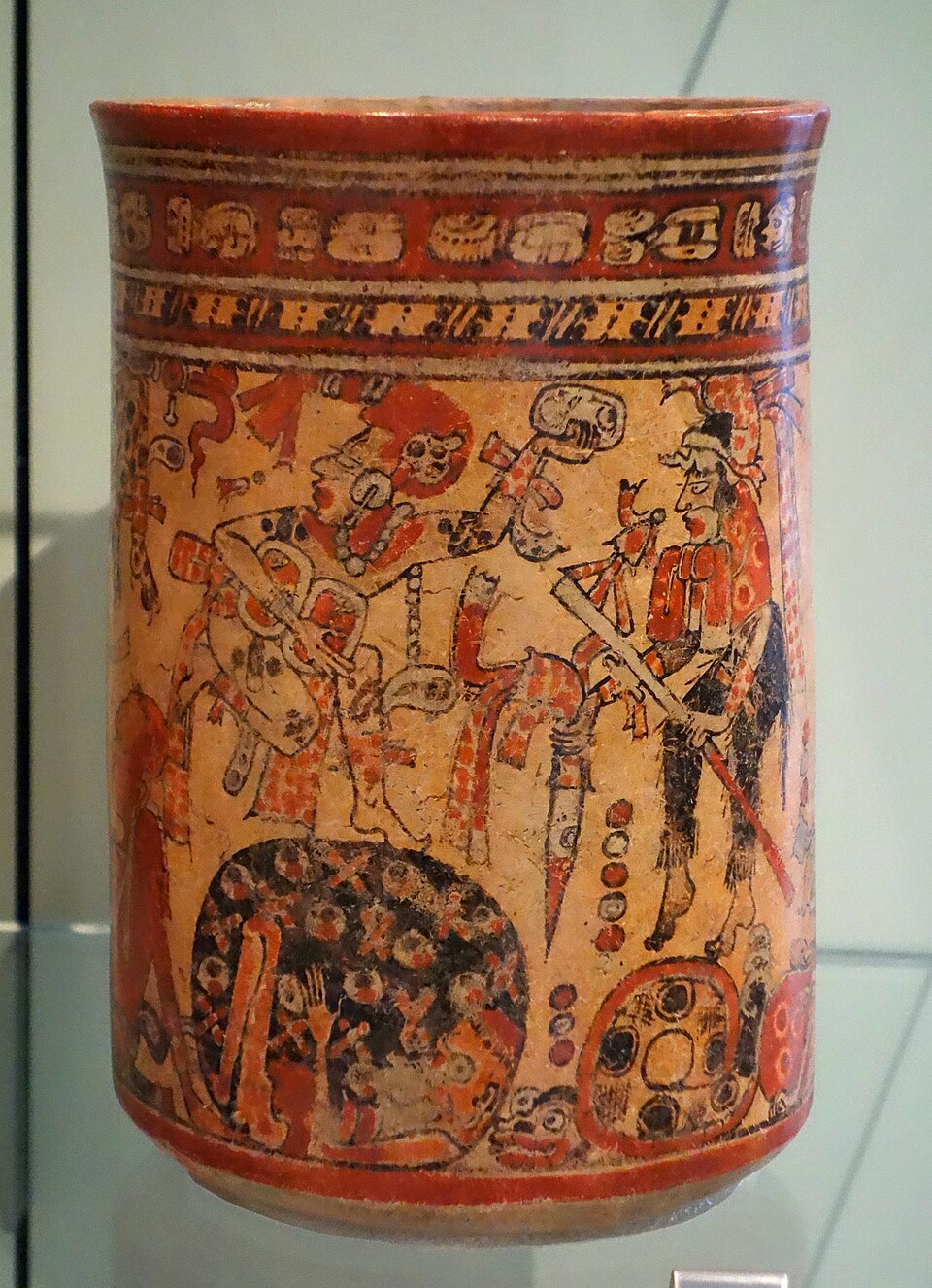
The Lords of Xibalba
Underworld Lords · Mesoamerican
Twelve Maya lords of the underworld, each named for the sickness he inflicts, who trap visitors in a sequence of houses of ordeal. The Hero Twins outwit them.
The Qliphoth
Ten Shells · Kabbalistic orders
Ten 'shells' mirroring the ten sefirot — a demonology built as the exact structural negative of the divine order.
The Religious Spirit
Named Spirit · Deliverance tradition
A deliverance category with no proof text at all — assembled from the gospel confrontations and directed, pointedly, at religious people rather than at outsiders.
Vassago
Prince · Goetic Spirit
One of four spirits the Ars Goetia adds to Weyer's older list, and among the handful it calls good-natured. His work is retrieval: what has already happened, what is coming, and whatever has been hidden or lost.

Xaphan
Stoker of the Furnaces · Infernal Court
A rebel angel who proposed setting heaven on fire and now tends the furnaces below. No source before the nineteenth century has heard of him.