Deity · Norse · c. 1270 CE
Fenrir
Also called Fenrisúlfr · also recorded as Hróðvitnir, Vánagandr, Fenrisulfr, Vanagandr (per Wikidata)
Loki's son, bound by a fetter made of impossible things at the cost of Tyr's hand, and fated to kill Odin when the binding fails.
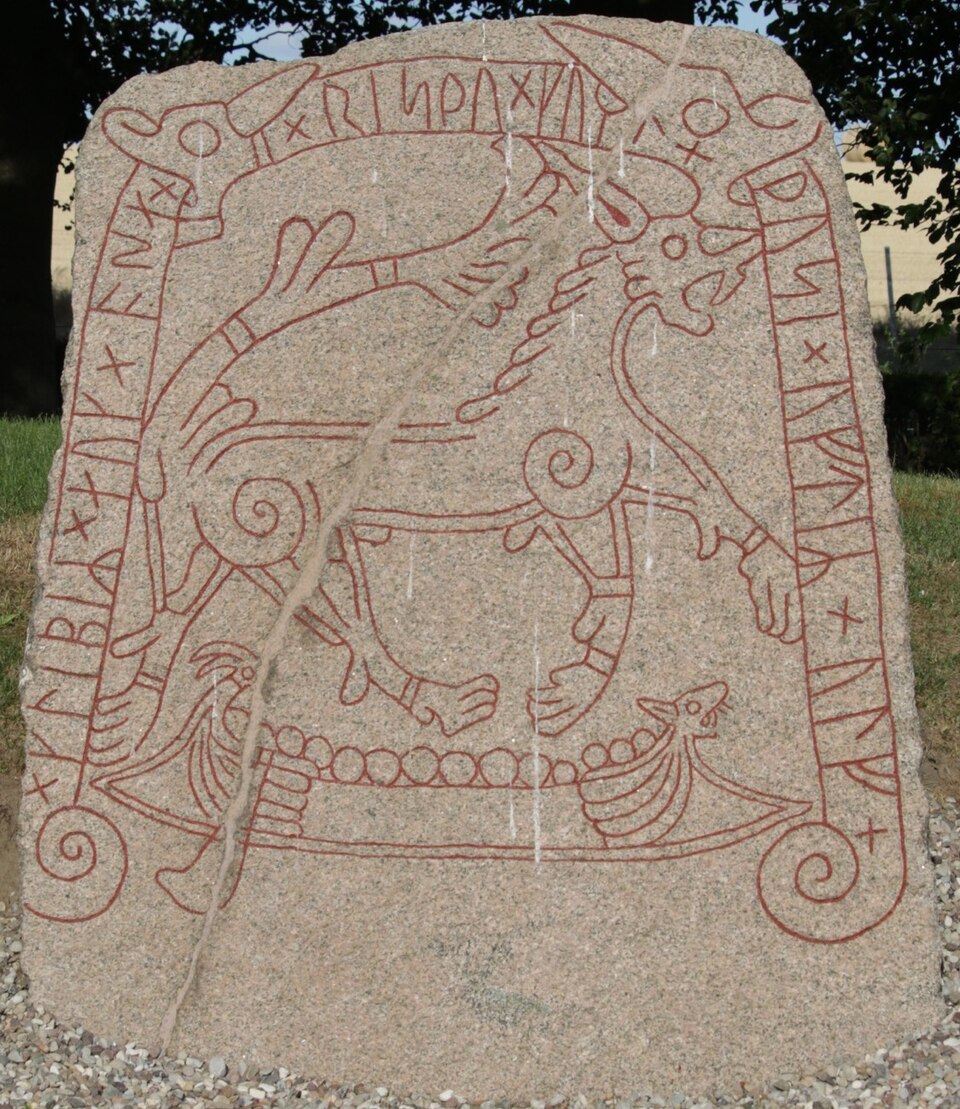
Narrow source base
The binding is the story, and it is not creditable to anyone. Two chains are put on him and he breaks both for the pleasure of it; the third is made of impossible things, and he will only allow it if a god puts a hand in his mouth as surety that there is no trick. There is a trick. Tyr gives the hand and loses it, and the wolf stays bound until Ragnarok, when he kills Odin. Snorri softens none of it: the gods secure the world by perjury, and the text says which of them paid. Set against the other bound adversaries here — Azi Dahaka in his mountain, the Watchers under the hills, the dragon in the pit — this is the only one where the binding is presented as a breach of faith by the side that did the binding.
Identity
Where does the name come from?
Where it was actually worshipped
None. Bound, not served.
A figure with temples and a figure that only ever existed on a page are different kinds of thing, and the difference is easy to lose once both are entries in a list.
At a glance
Vitals
Vitals
Also known as
- First attested
- The Prose Edda · c. 1220
- Rank
- The Bound Wolf
- Pantheon
- Norse
- Order
- Norse pantheon
- Base of operations
- None. Bound, not served.
- Era
- c. 1270 CE
- Traditions
- Norse
- Placed in
- The Nine Worlds
Traits
- Domain
- The bound destroyer, the devouring of the sun and of Odin
- Traditional form
- A monstrous wolf
2 attributed
What is it said to do?
Where these powers cluster
The 2 offices attributed to Fenrir, grouped by kind. Segment width is the share of powers falling in each category.
A bar dominated by one colour means a specialist; an even spread means a figure the sources credit with almost anything.
- martial1
- malefic1
1 mark
Which marks is it attached to?
A mark a figure carries and a mark used against a figure are opposite claims, so each link says which it is.
2 texts
Which texts say so?
When these texts were written
Each dot is one of the 2 texts that names Fenrir, placed at that text's approximate date.
A wide spread means the figure was carried across many centuries and traditions; a tight cluster means a single period produced the whole record.
2 texts, all inside a single century
The binding, in full and only here: the two chains he breaks for the pleasure of breaking them, the third made of impossible things, and Tyr's hand in his mouth as the pledge that the gods are dealing honestly, which they are not. The gods bind the wolf by perjury, and Snorri does not soften it.
Bound by Gleipnir; breaks free at Ragnarok and swallows Odin.
Connections
What is it connected to?
Placement
Where does it sit in the hierarchies?
Afterwards
What did later readers make of it?
The Norse revival and the fantasy genre have both taken him, and the second usually reduces him to a large wolf. What that loses is the part the text spends its length on — the perjury, the surety, the hand given knowing it will be taken — since a monster needs no such apparatus. He appears under his own name in modern fiction as a byword for a bound thing that will get loose, and the werewolf in the Harry Potter books carries the name for exactly that association.
Kept in its own section on purpose. Everything above is what the cited texts say; this is what was built on top of them afterwards, and blending the two is how most popular demonology goes wrong.
Answered from the sources
Common questions
Which texts mention Fenrir?
Is Fenrir the same as Balor?
What rank is Fenrir?
How else is Fenrir spelled?
What is Fenrir said to do?
How old is Fenrir?
Nearest in the corpus
If Fenrir is what you came for, these are next
Chosen by proximity rather than by popularity: the same pantheon first, then the same rank, then the same kind of figure.
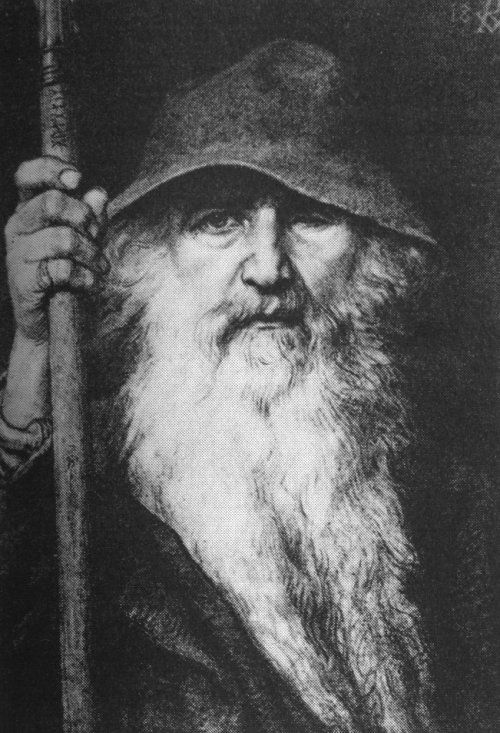
Odin
Allfather · Norse
Hangs himself on the world tree for nine nights to win the runes — a sovereign god who is also a liar, a sorcerer and a chooser of the slain.
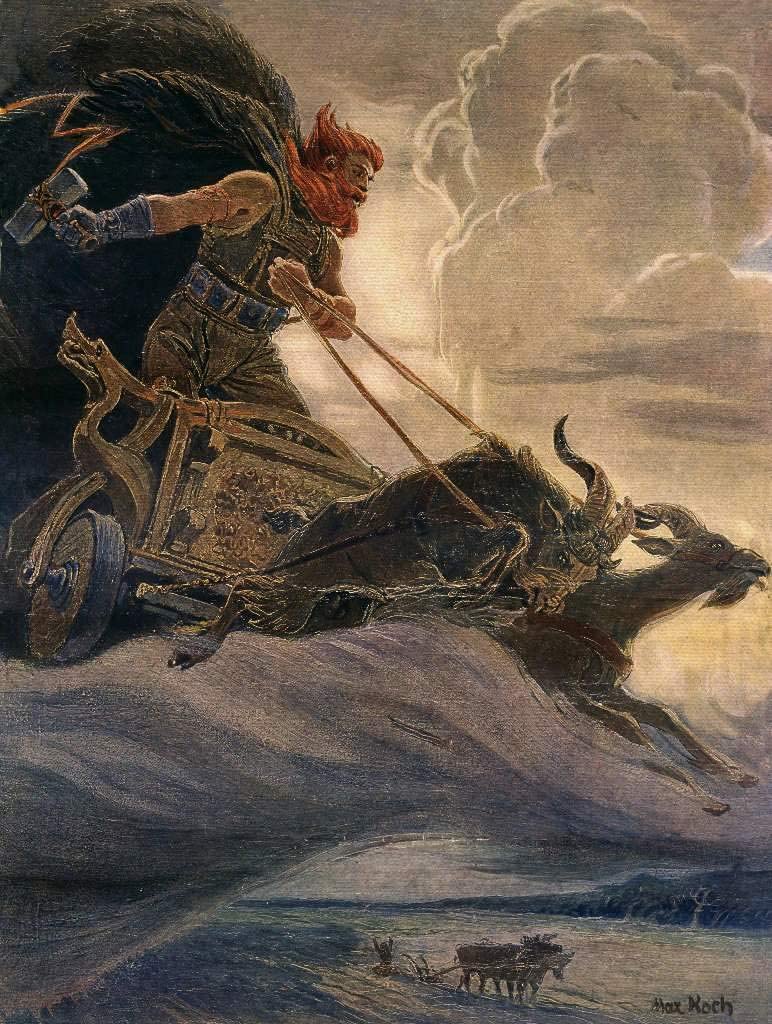
Thor
Thunderer · Norse
The defender who kills giants and will meet Jormungandr at Ragnarok. Whatever the poems give Odin, Thor was by far the more widely worshipped.
Loki
Trickster · Norse
Companion of the Aesir and their eventual destroyer — a figure whose slide toward the demonic is visible within the surviving texts themselves.
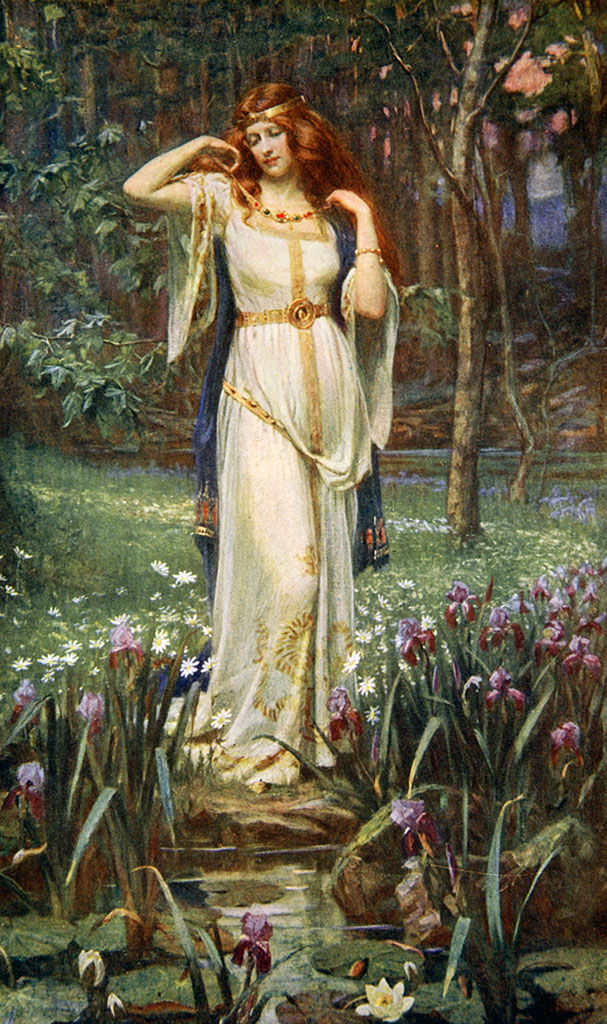
Freyja
Lady of the Vanir · Norse
Goddess of love and of sorcery who takes half the slain — the other half, not Odin's, which is rarely remembered.
Hel
Ruler of the Dead · Norse
Daughter of Loki, and ruler of the realm that gave English the word 'hell'. Hers is cold, and nobody in it is being punished.
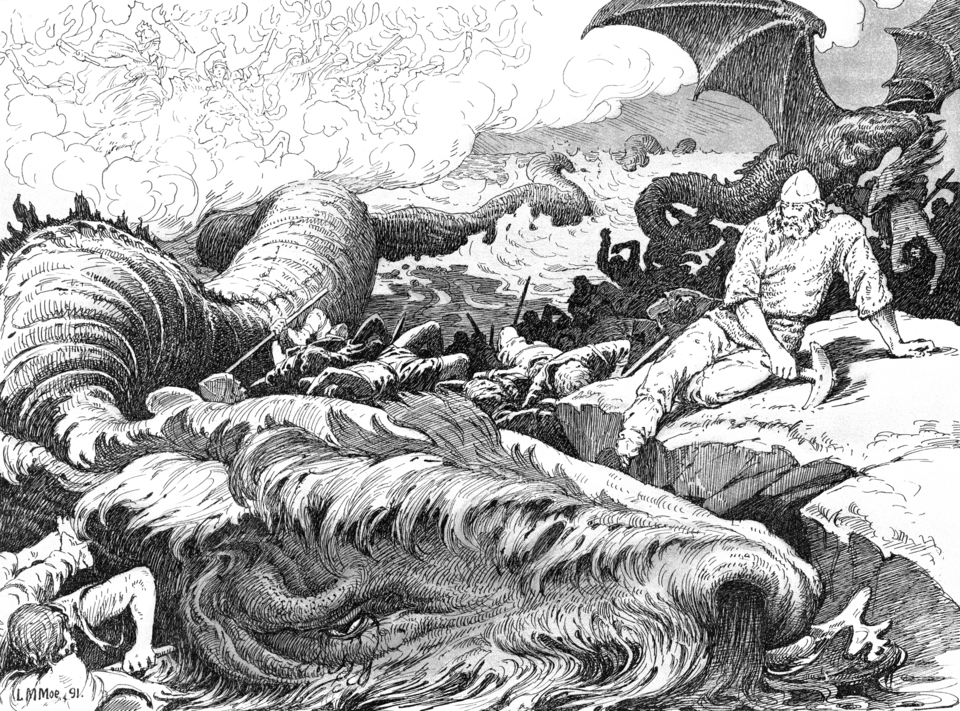
Jormungandr
World Serpent · Norse
The serpent that rings the world and bites its own tail — the Norse entry in the chaos-serpent pattern that runs from Tiamat to Leviathan.
The books behind Fenrir
Every claim on this profile is attributed to one of these. They are public domain, listed oldest first, and each links to a full text where one is freely available.
The Prose Edda
Snorri Sturluson; tr. Arthur Gilchrist Brodeur · c. 1220 · Old Norse
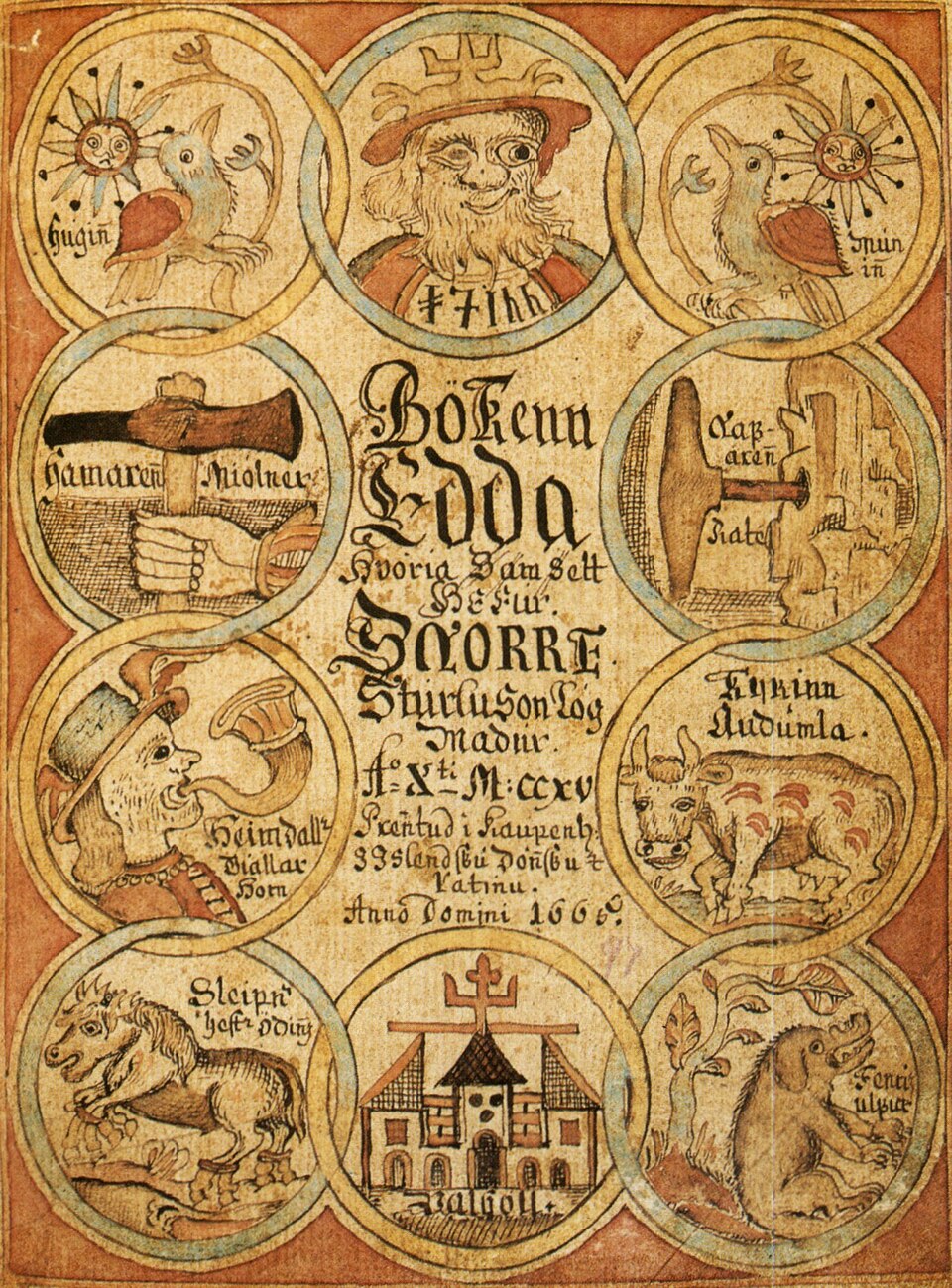
Read The Prose Edda in full ↗Cover: Public domain · Unknown author · Wikimedia file page
The Poetic Edda
Anonymous; compiled in Iceland · 13th c., from older oral material · Old Norse
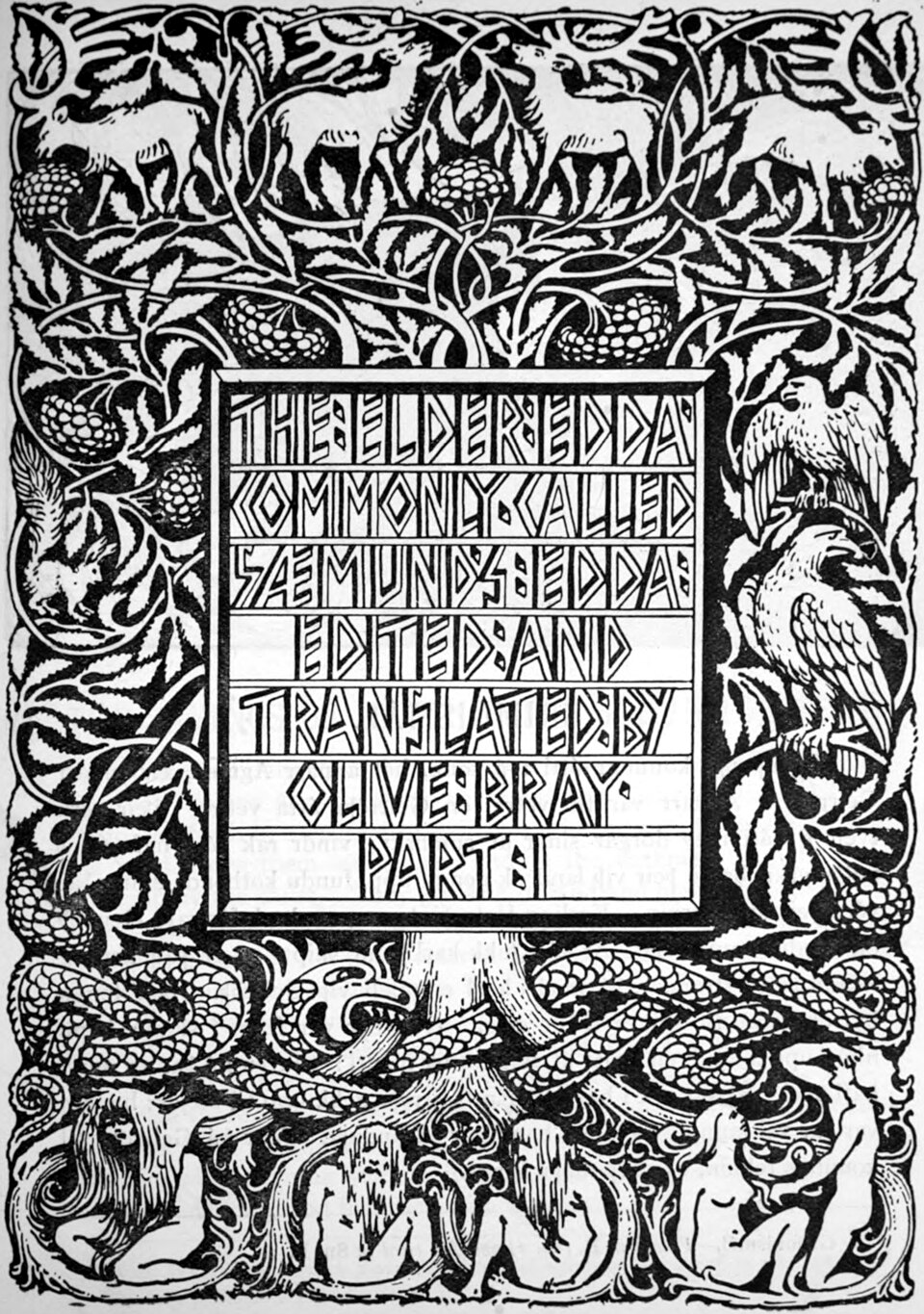
Read The Poetic Edda in full ↗Cover: Public domain · The Elder or Poetic Edda; commonly known as Sæmund's Edda. Edited and translated with… · Wikimedia file page
Corpus last revised 29 August 2026. A reference site’s credibility rests on being maintained, so this is the date the sourced records last changed — not the date the page was rebuilt.