Where the material comes from
Traditions
Every entity and every source text in ColossiansOne is filed under at least one tradition. Reading across them is where the argument of the site lives: the same figure appears as a god in one column, a demon in the next, and an allegory in the one after that — usually because the people writing the second column were describing the religion of the people who wrote the first.
Buddhist
Mara the tempter, the wrathful protectors, and the hell-realms — a tradition that treats demons as psychological states with unusual explicitness.
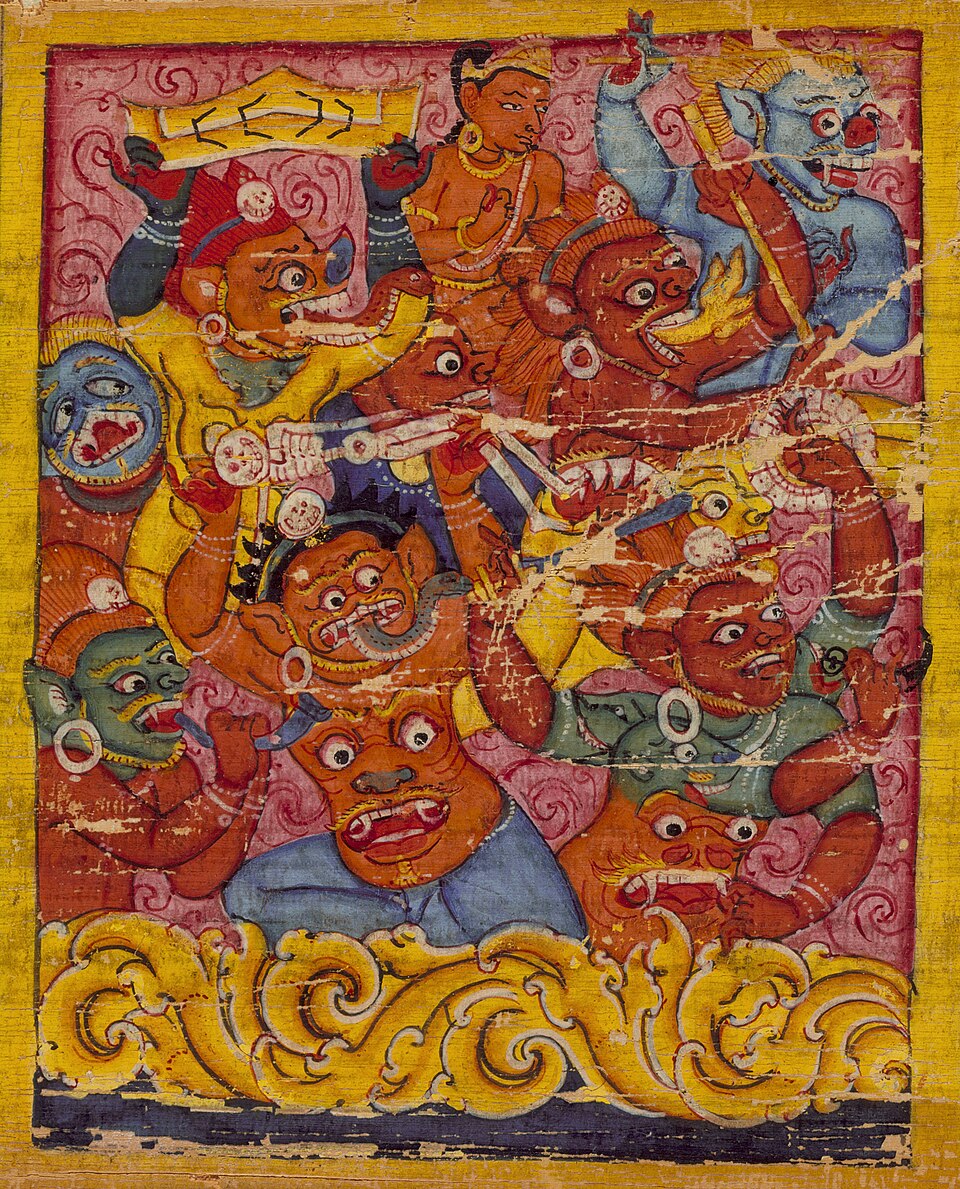
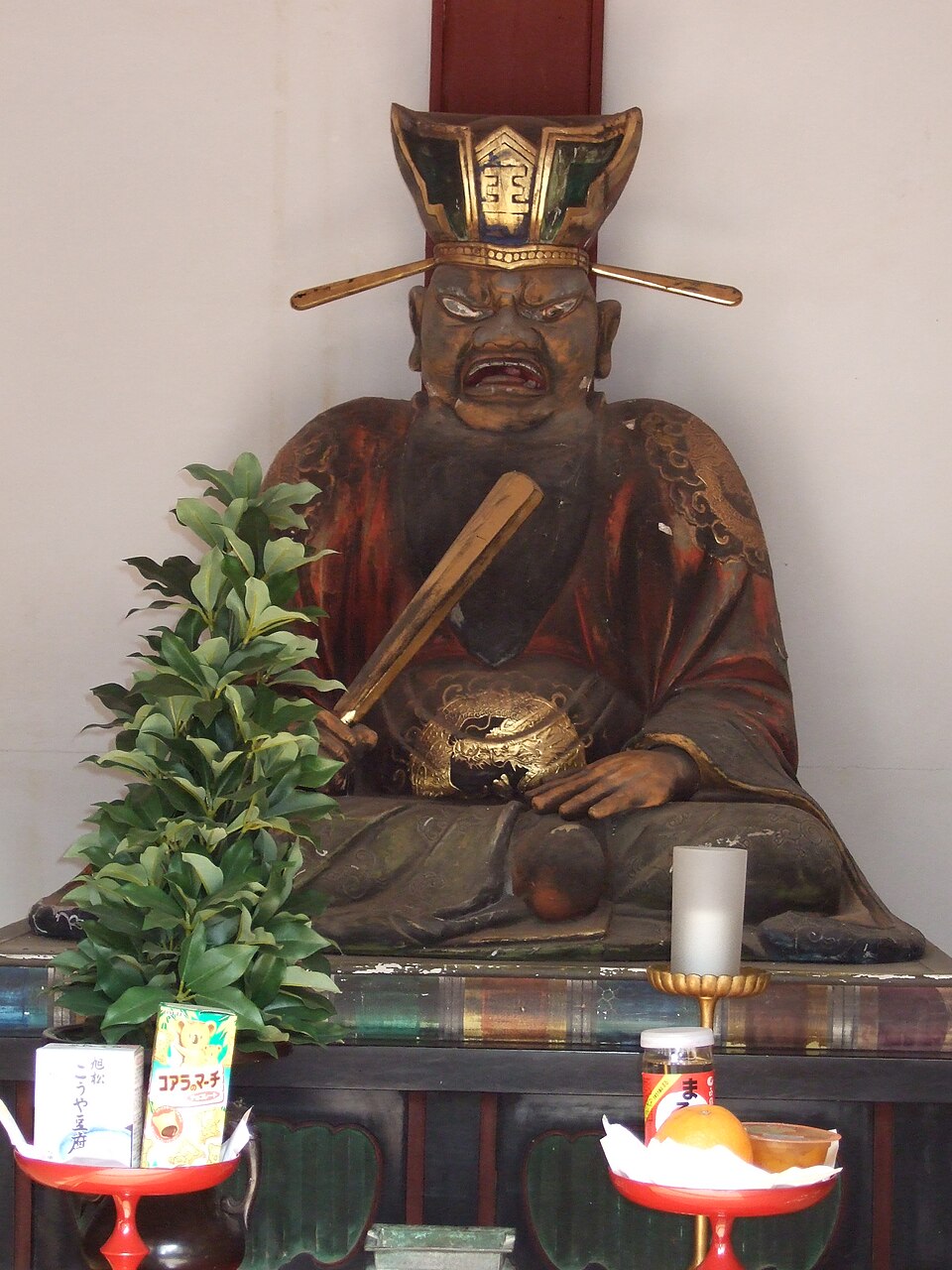
6 entities · 3 sources · 5 marks
Canaanite & Ugaritic
The West Semitic pantheon — El, Baal, Anat, Athtart — from which the Hebrew Bible's polemic borrows most of its demon-names.
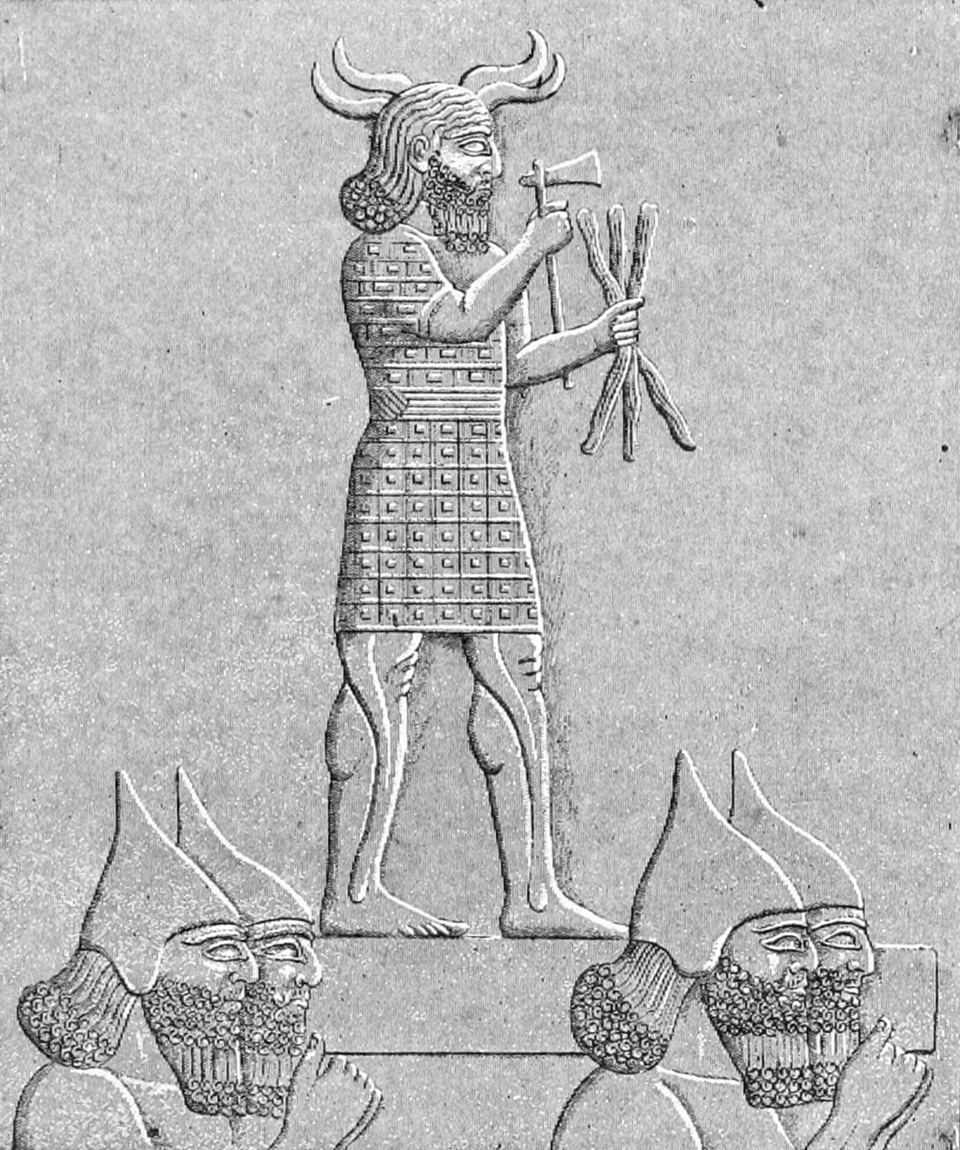
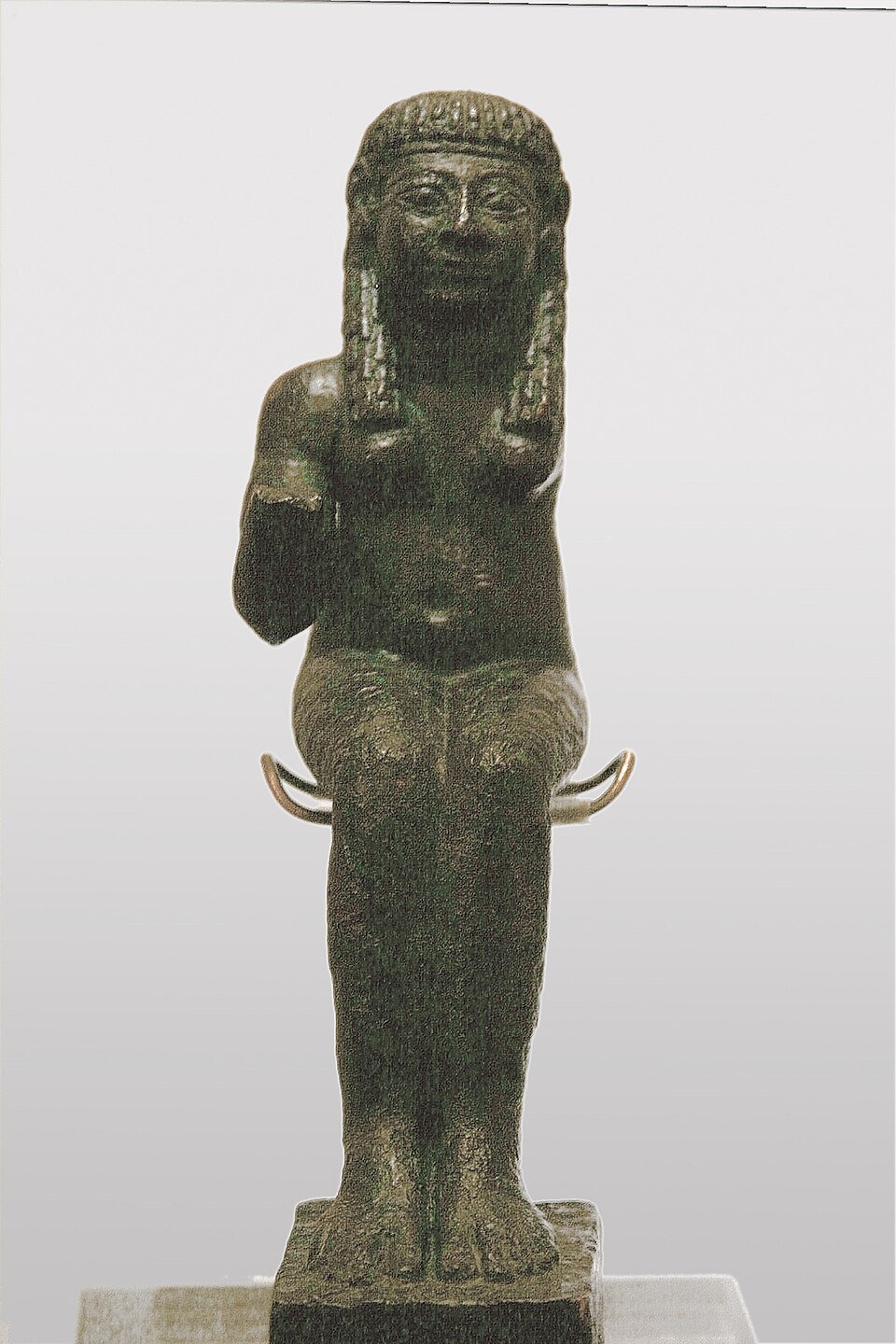
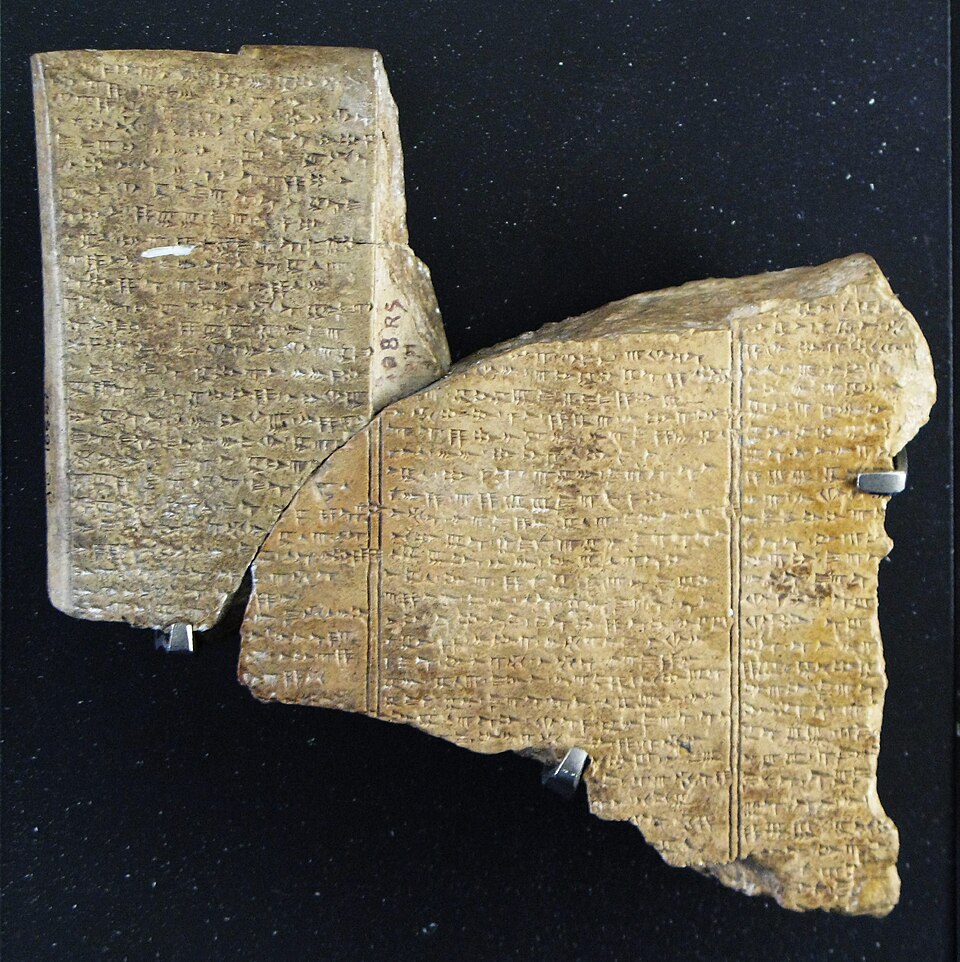
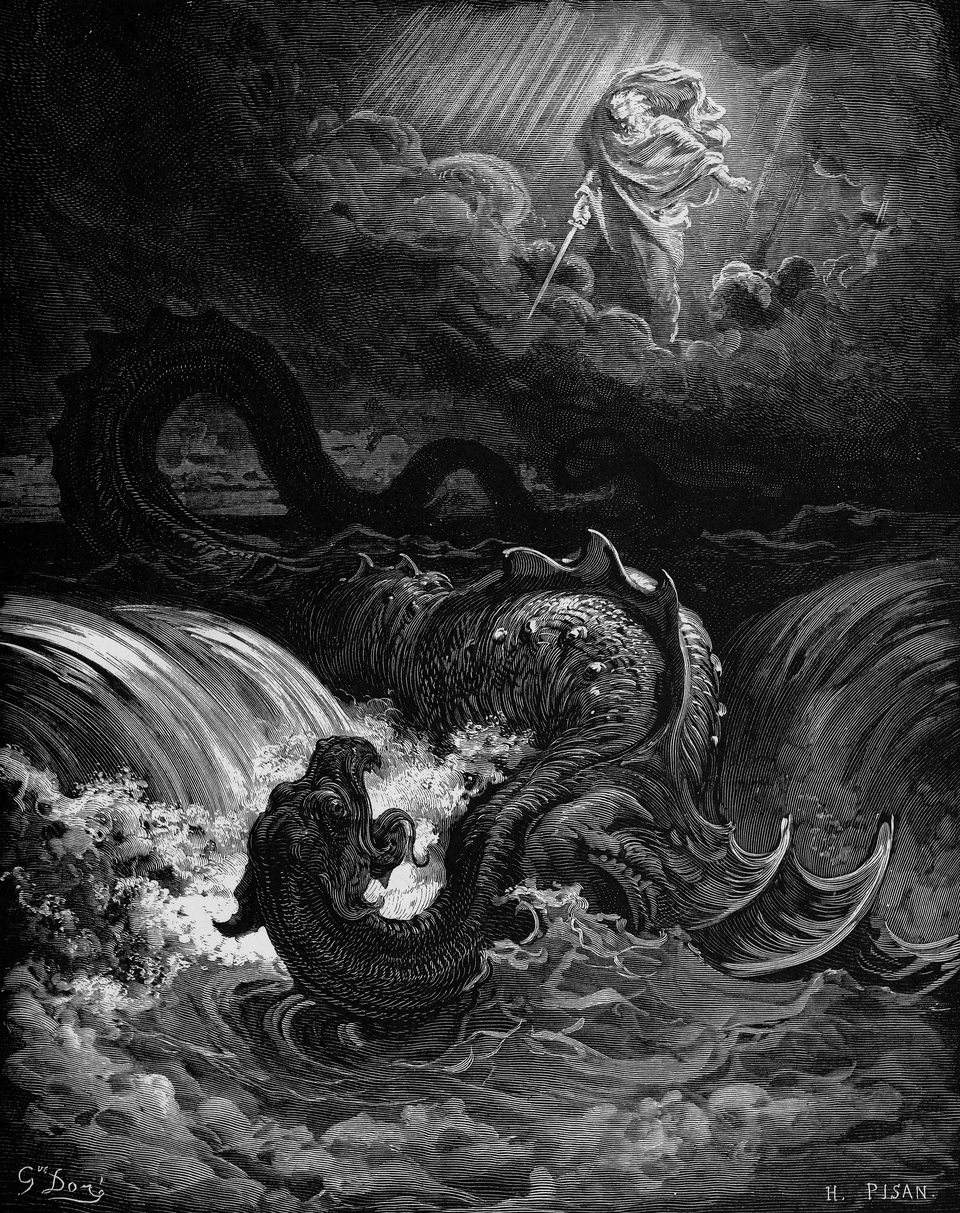
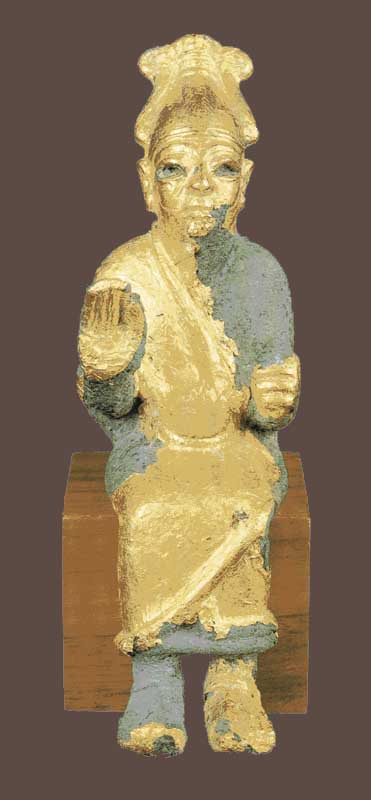
16 entities · 2 sources · 4 marks
Celtic
Irish and Welsh mythological cycles, recorded by Christian monks who euhemerised the gods into ancestral kings.
7 entities · 3 sources · 3 marks
Chinese
The celestial bureaucracy — a heaven organised as an imperial civil service, with the underworld as its judiciary.

5 entities · 4 sources · 3 marks
Christian
Scriptural and patristic angelology, and the demonology that grew alongside it.
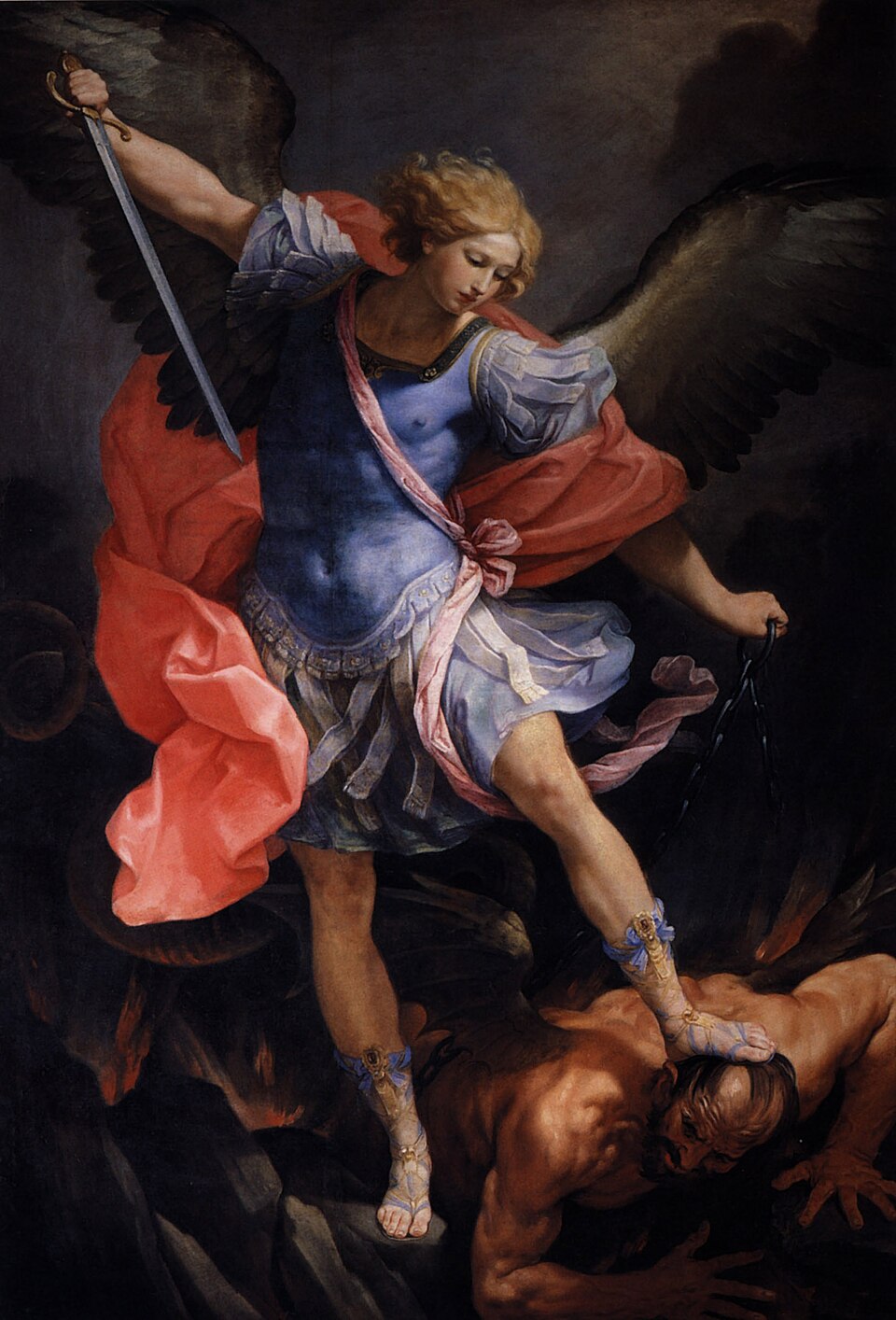
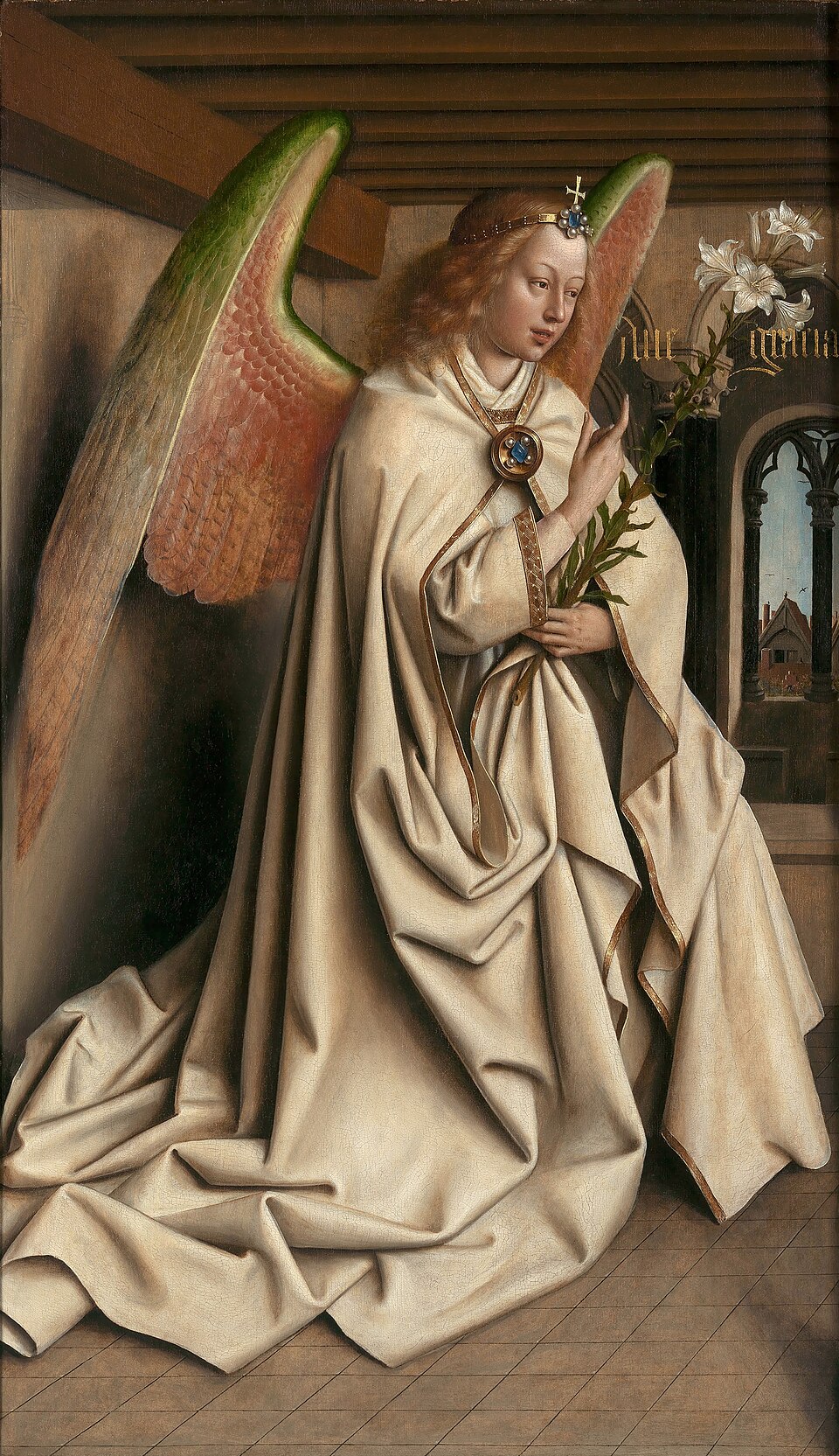
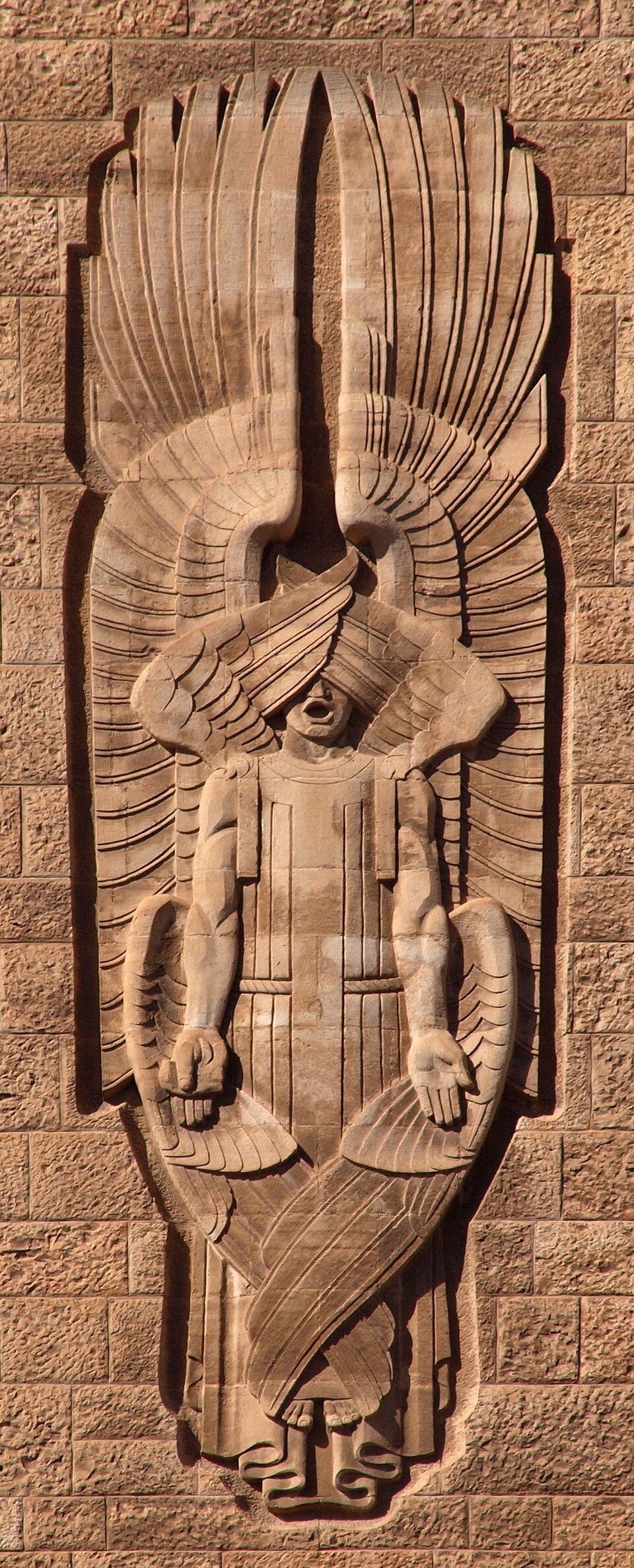
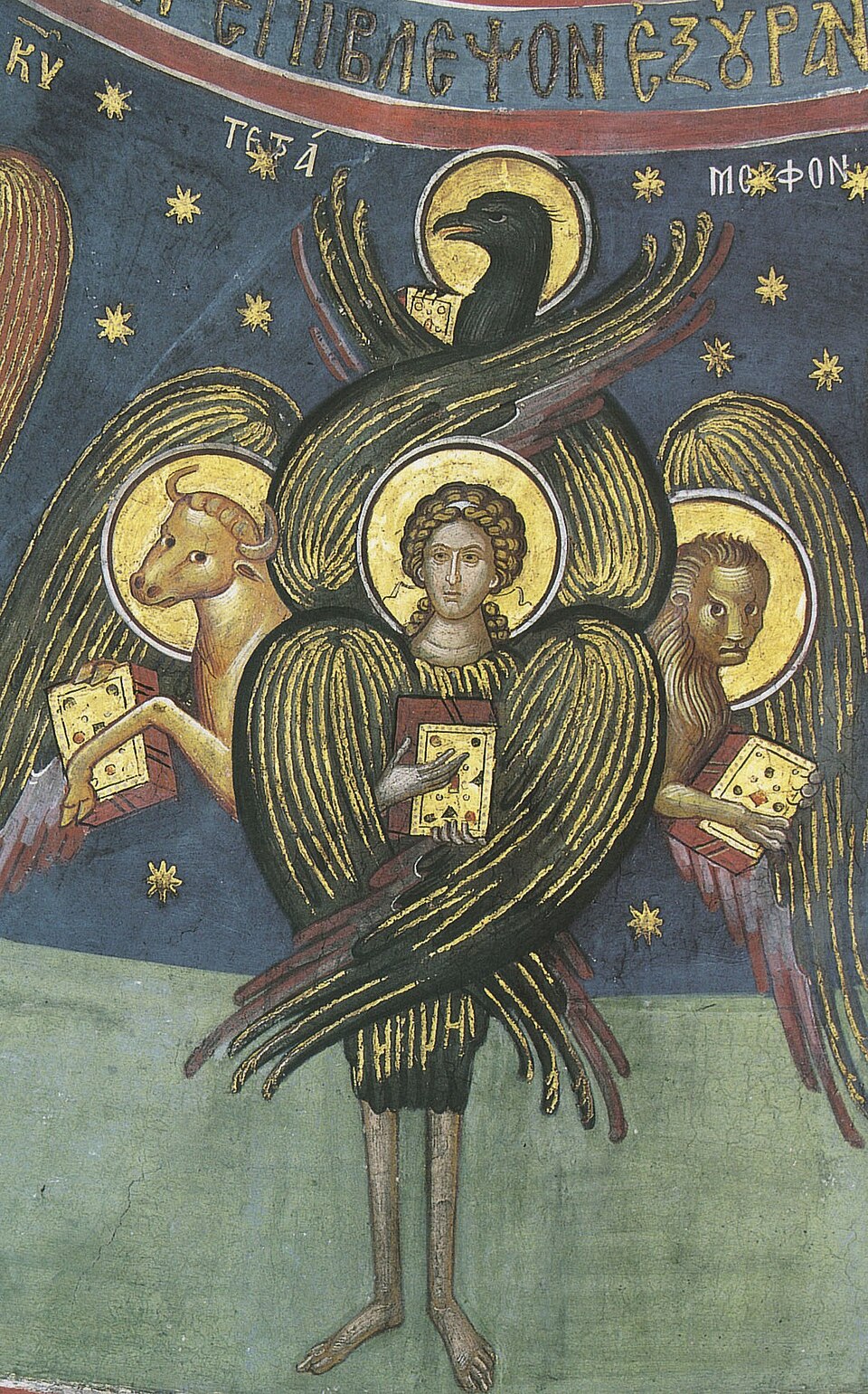
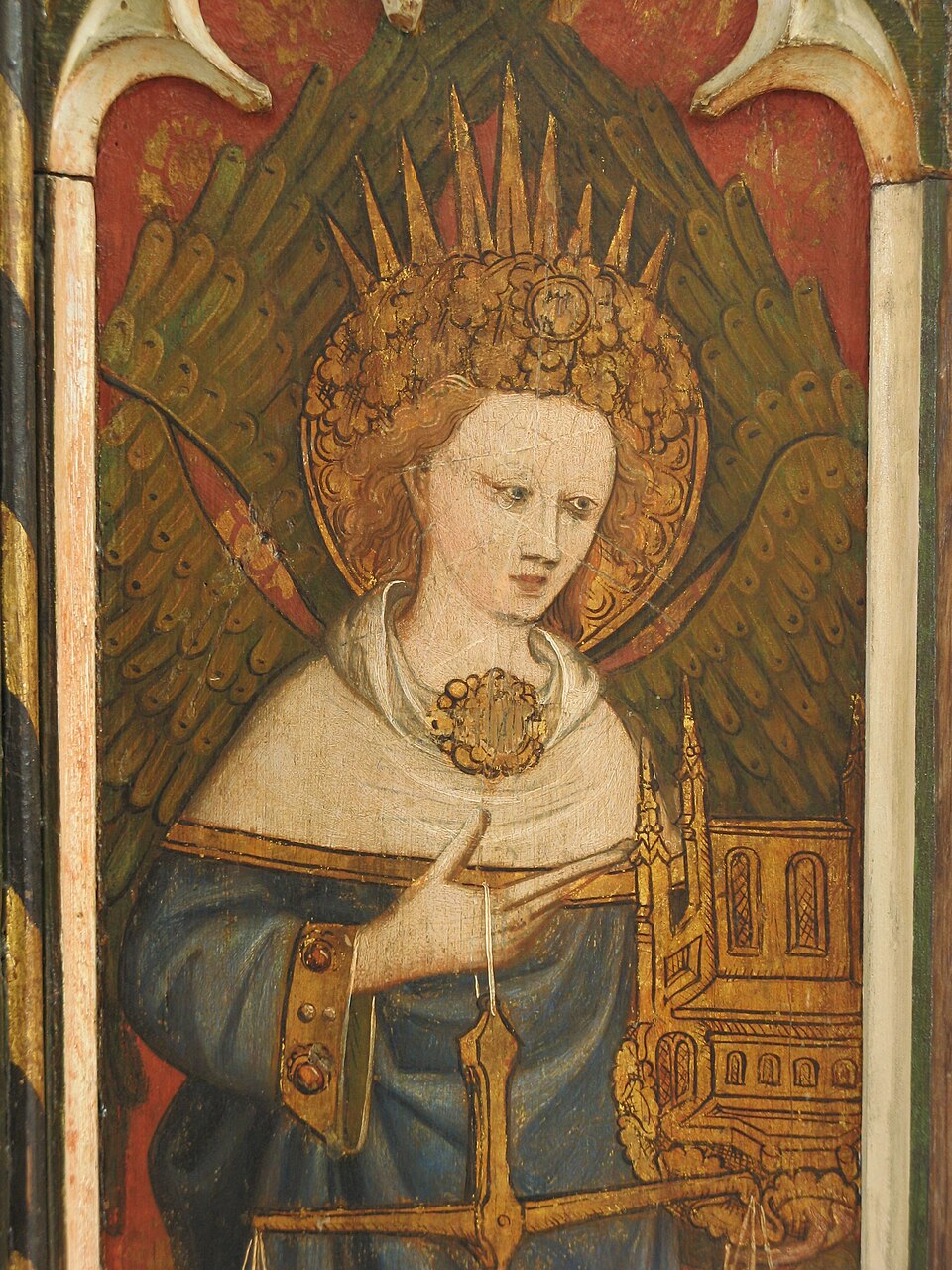
51 entities · 23 sources · 22 marks
Deliverance & Spiritual Warfare
Pentecostal and charismatic teaching from the 1970s onward that treats the Bible's 'spirit of X' phrases as named entities with characteristic methods. The most widely read demonology alive, and contested within Christianity as much as outside it.
18 entities · 7 sources · 1 marks
Egyptian
The Egyptian pantheon and its chaos-serpent Apep, a direct parallel to the Semitic sea-dragon.
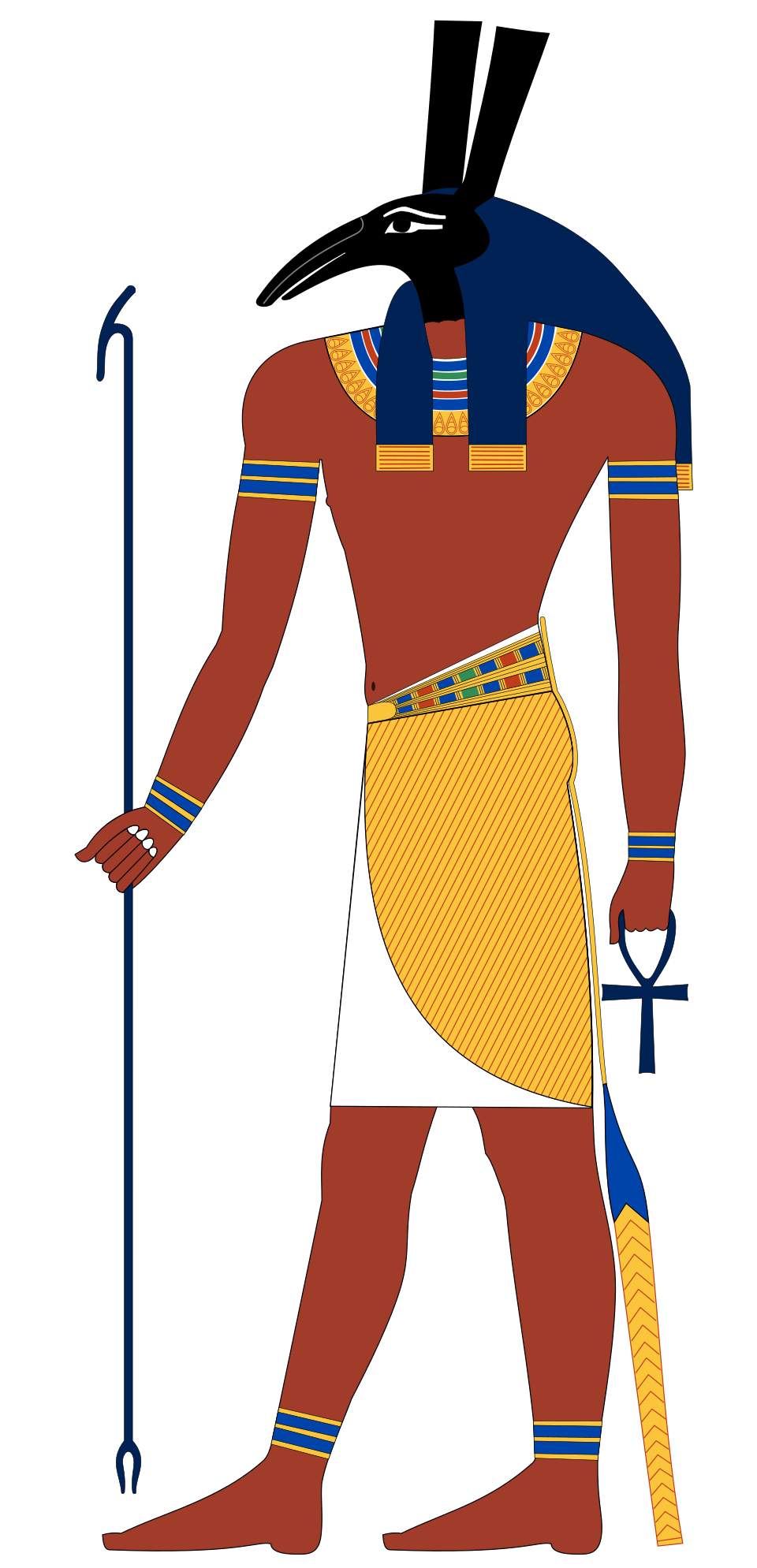
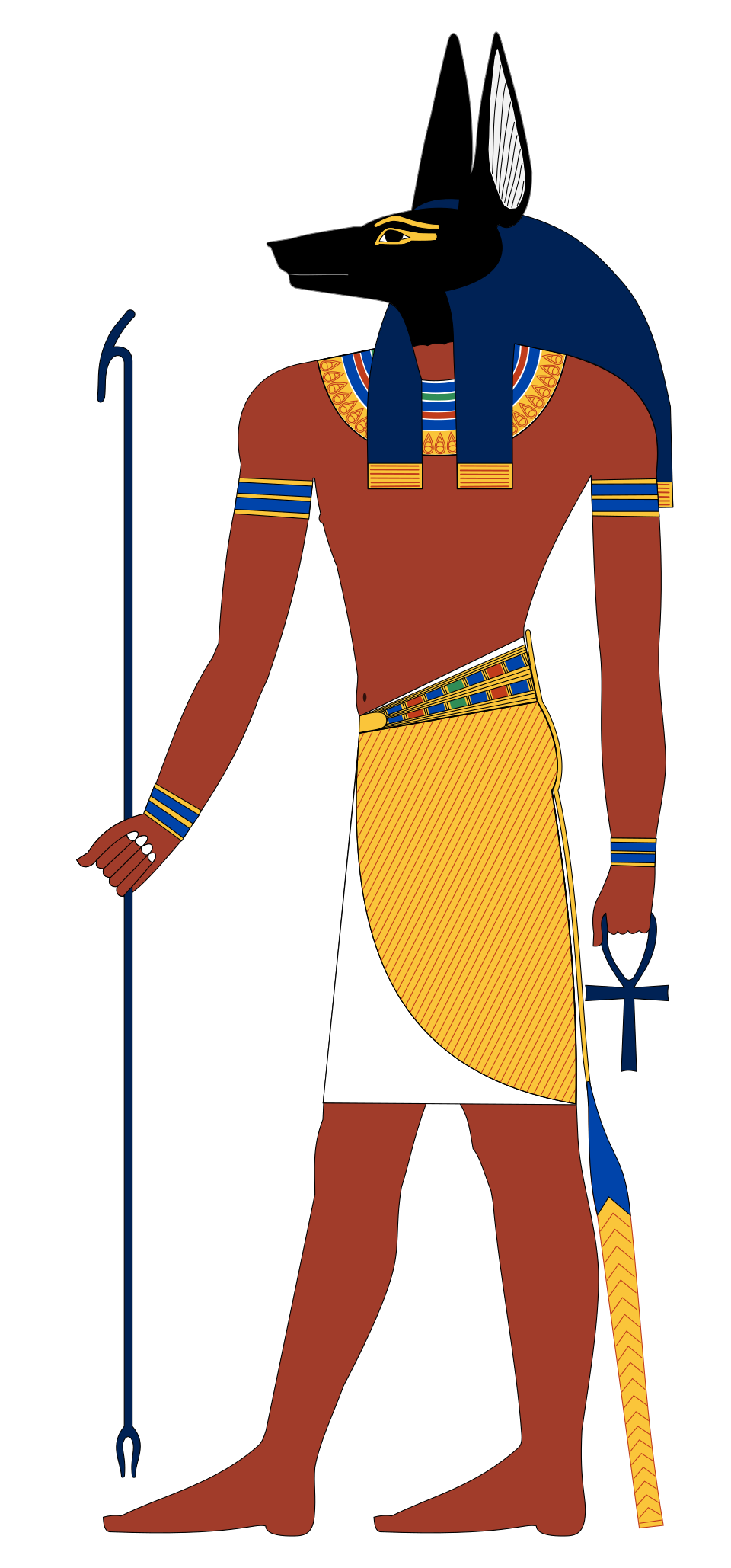
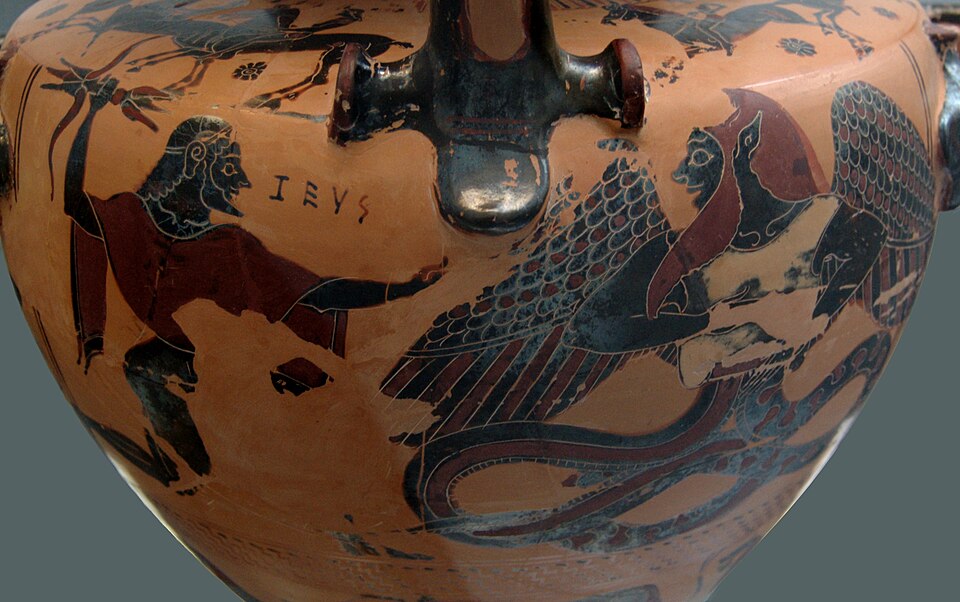
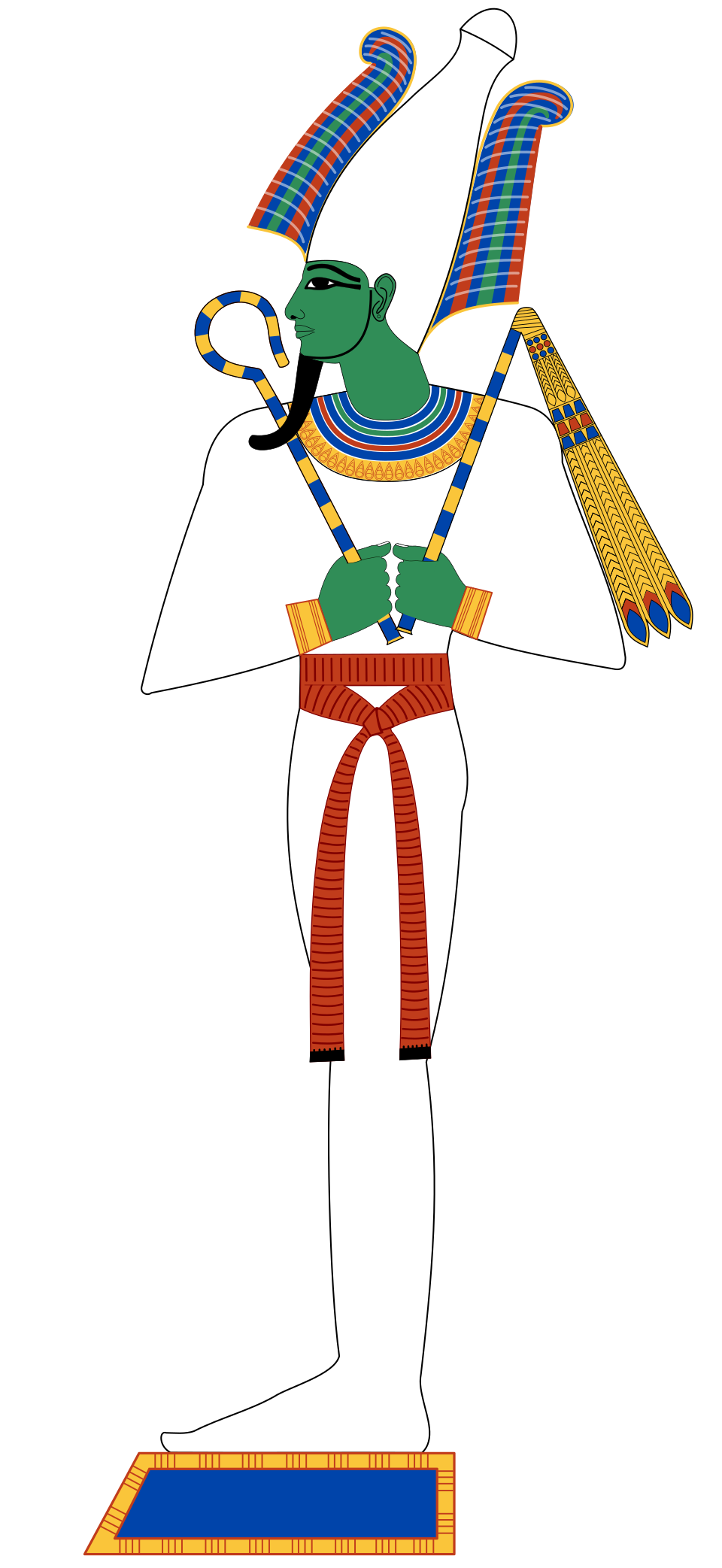
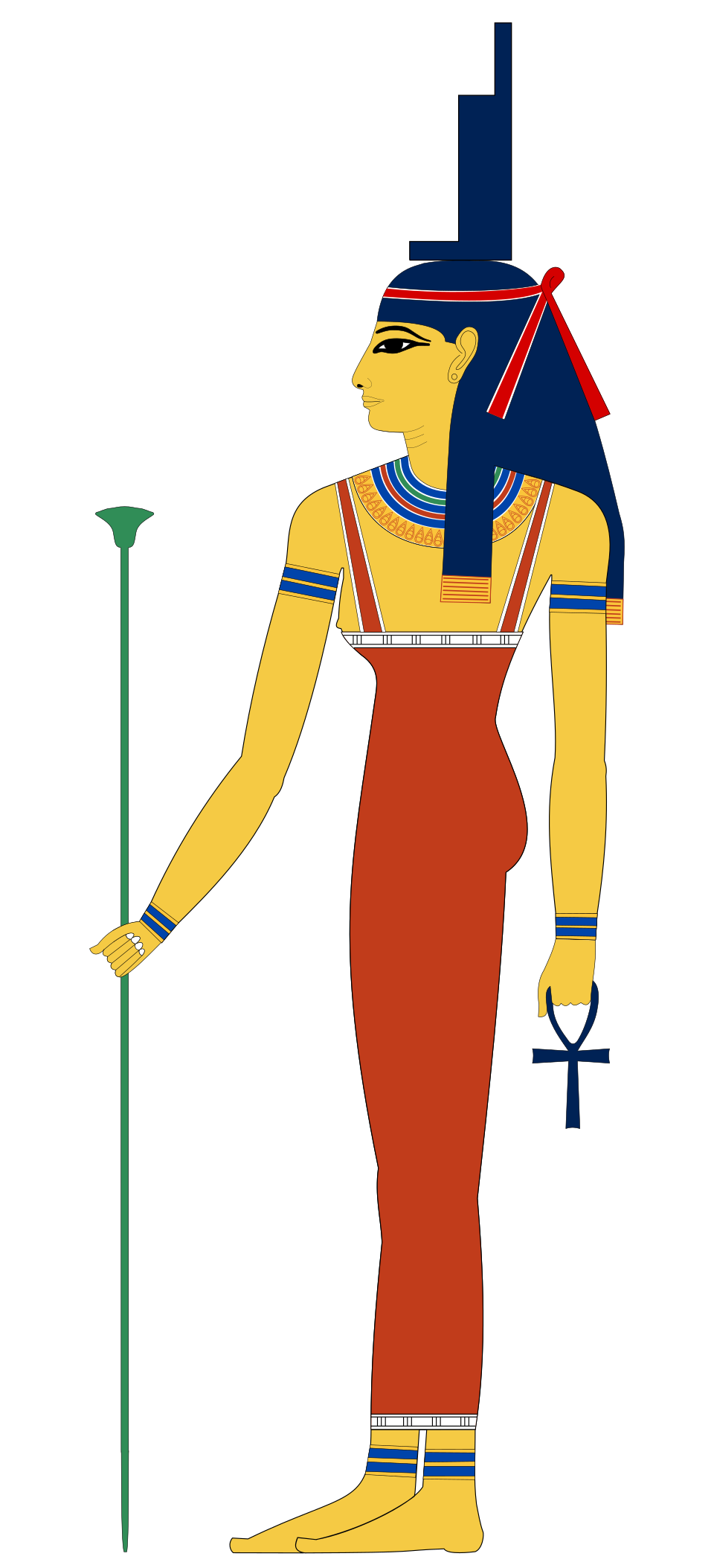
44 entities · 9 sources · 13 marks
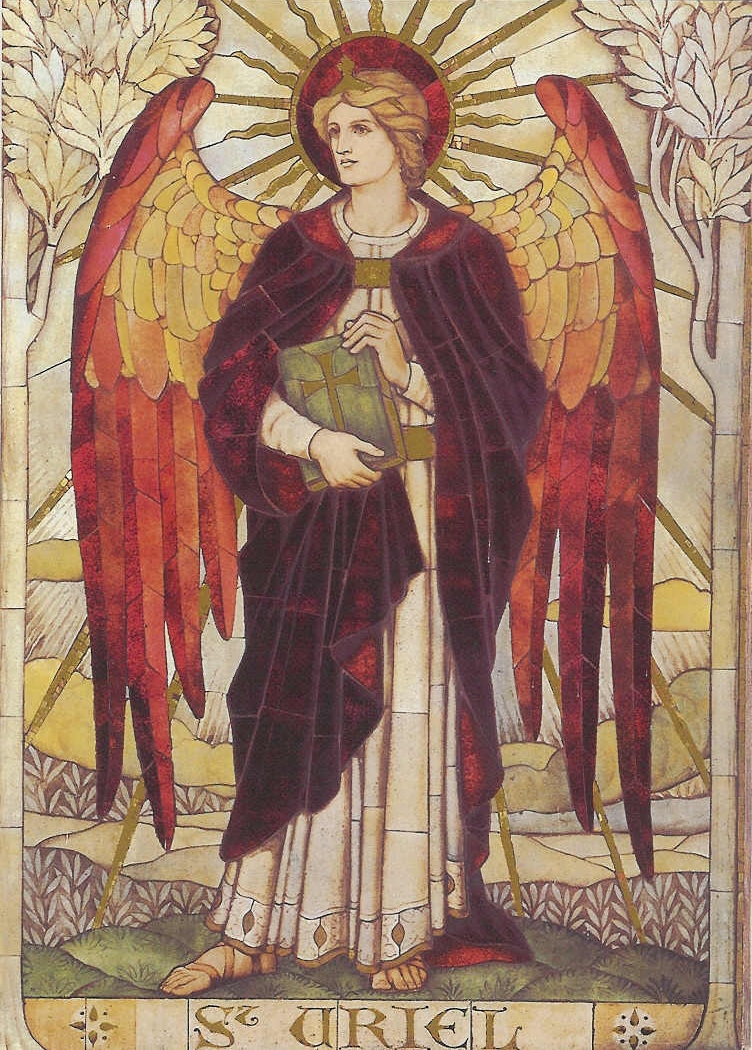
Enochian
The Watchers, their descent, and the archangels of 1 Enoch.
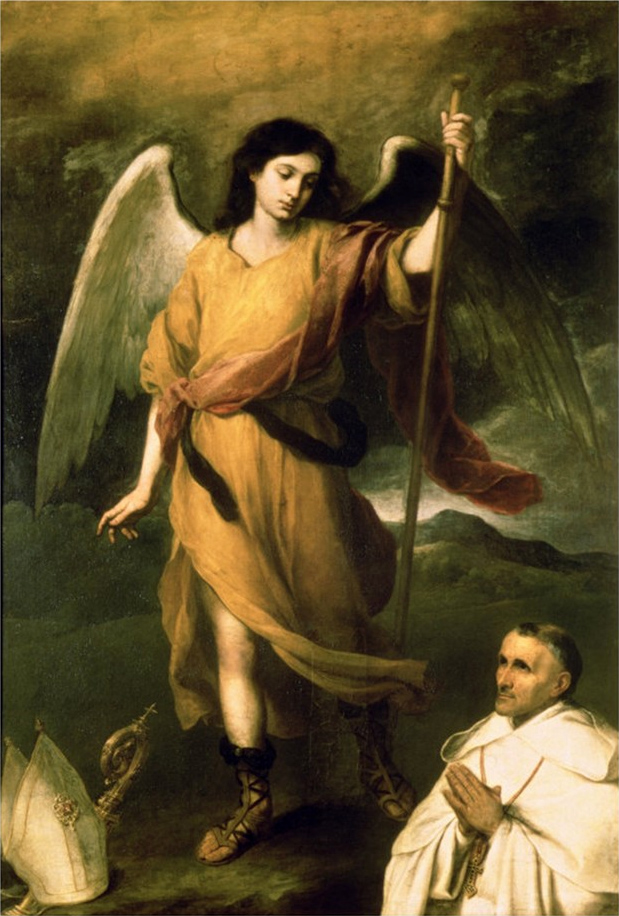
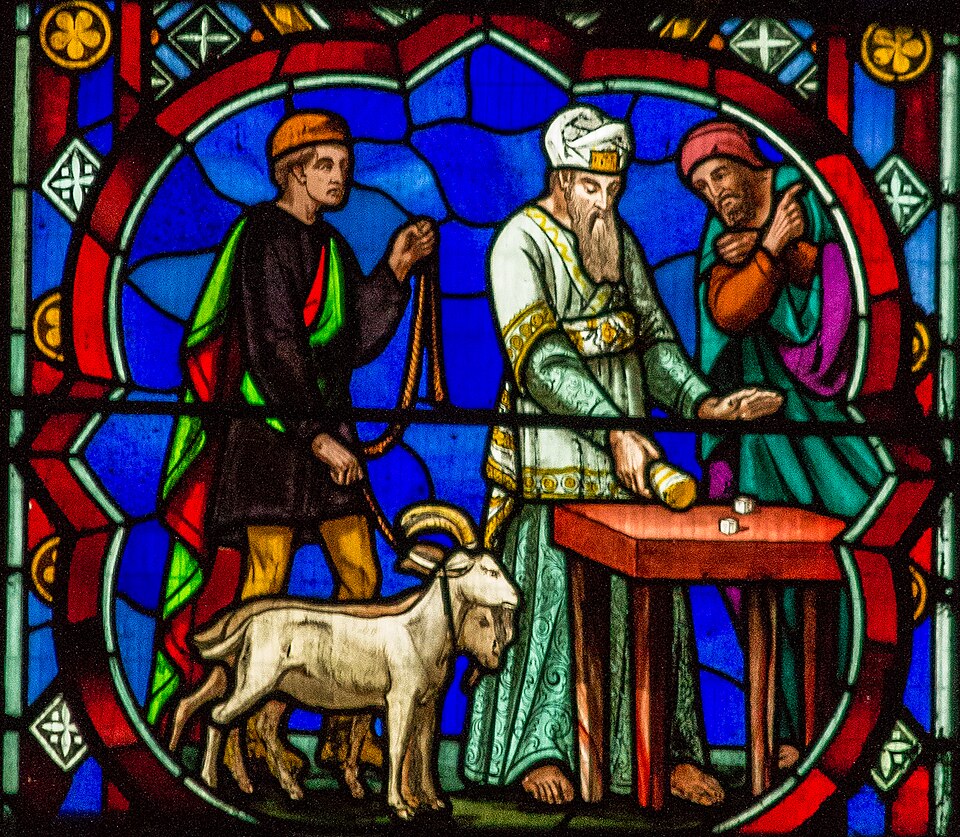
30 entities · 1 source · 4 marks
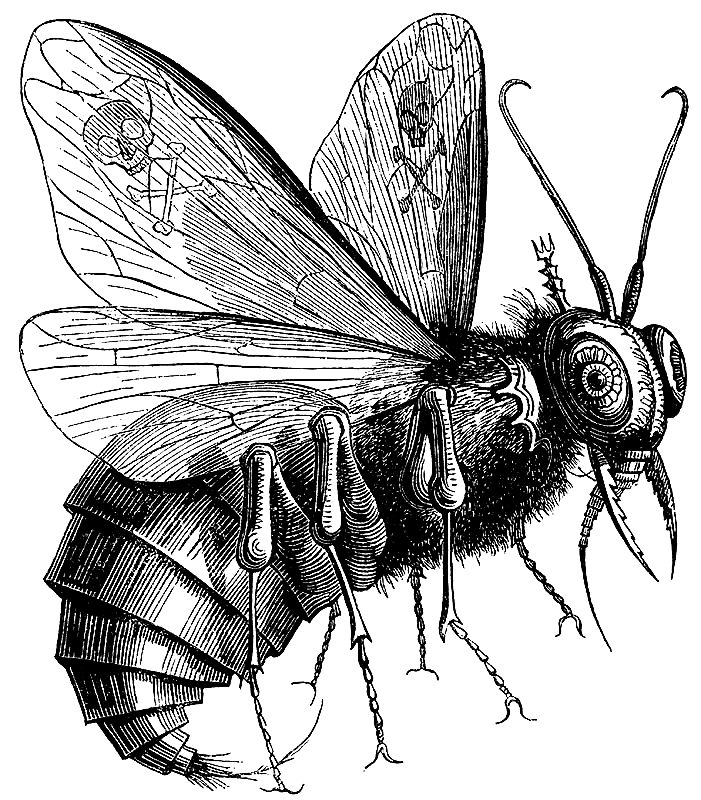
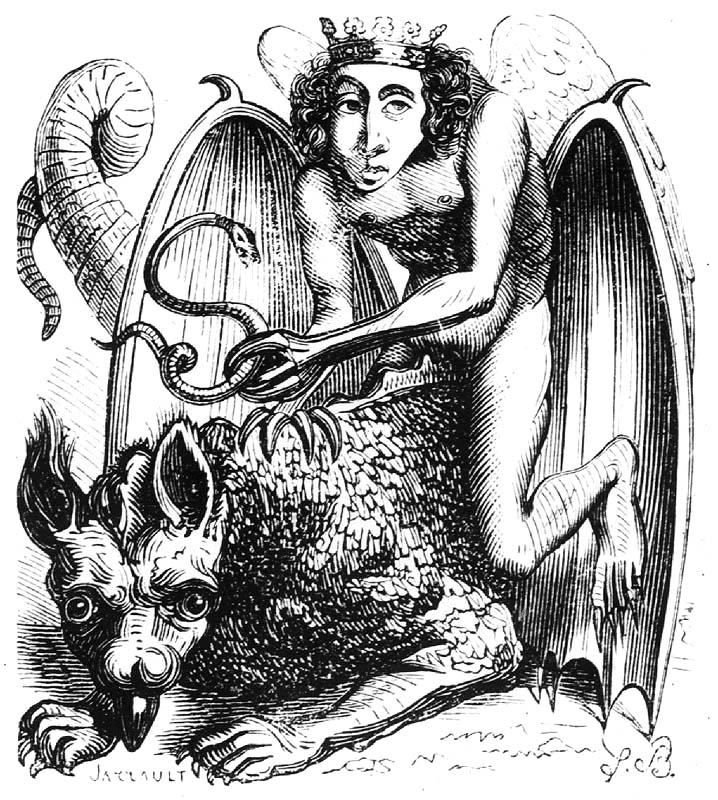
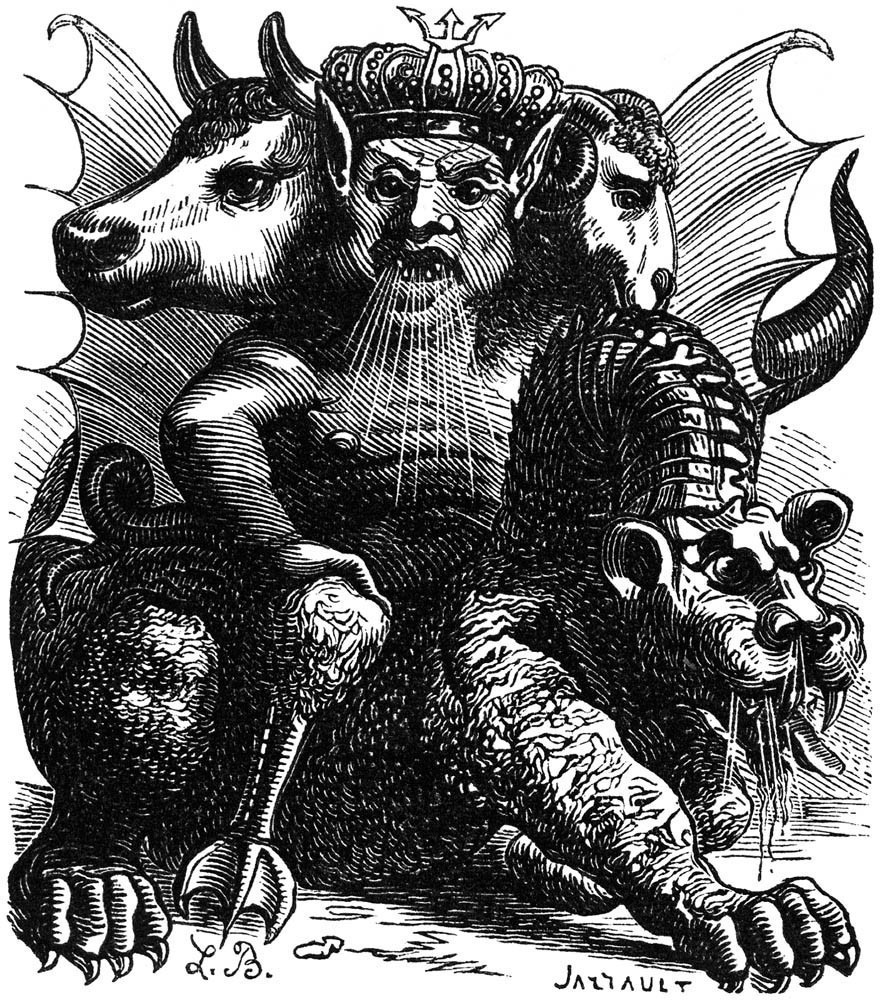
Folk & Demonological
Early-modern demonology, witch-trial manuals and popular compendia.

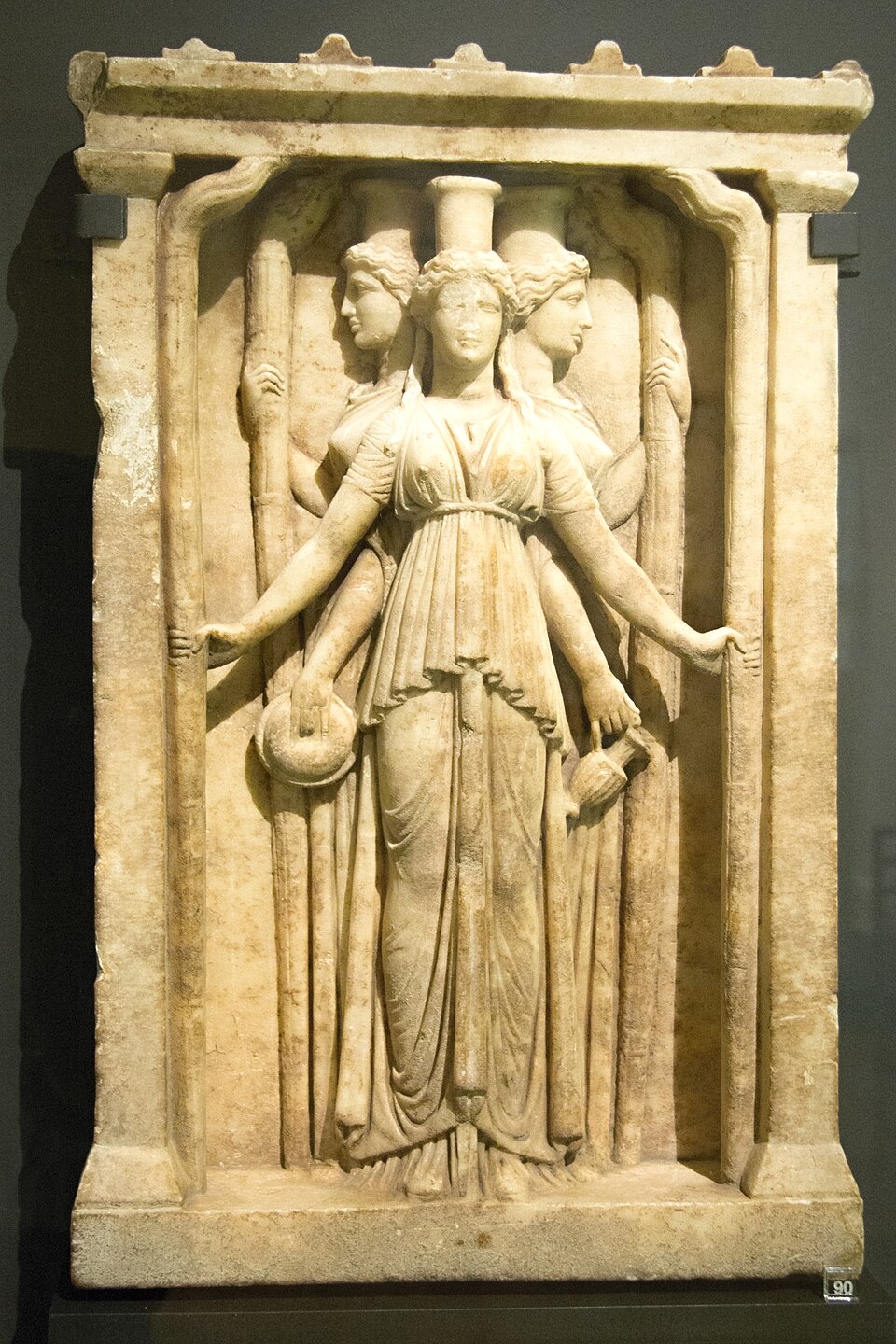
91 entities · 7 sources · 20 marks
Greek
The Olympians and the chthonic powers, and the daimon — a word that meant 'spirit' long before it meant 'demon'.
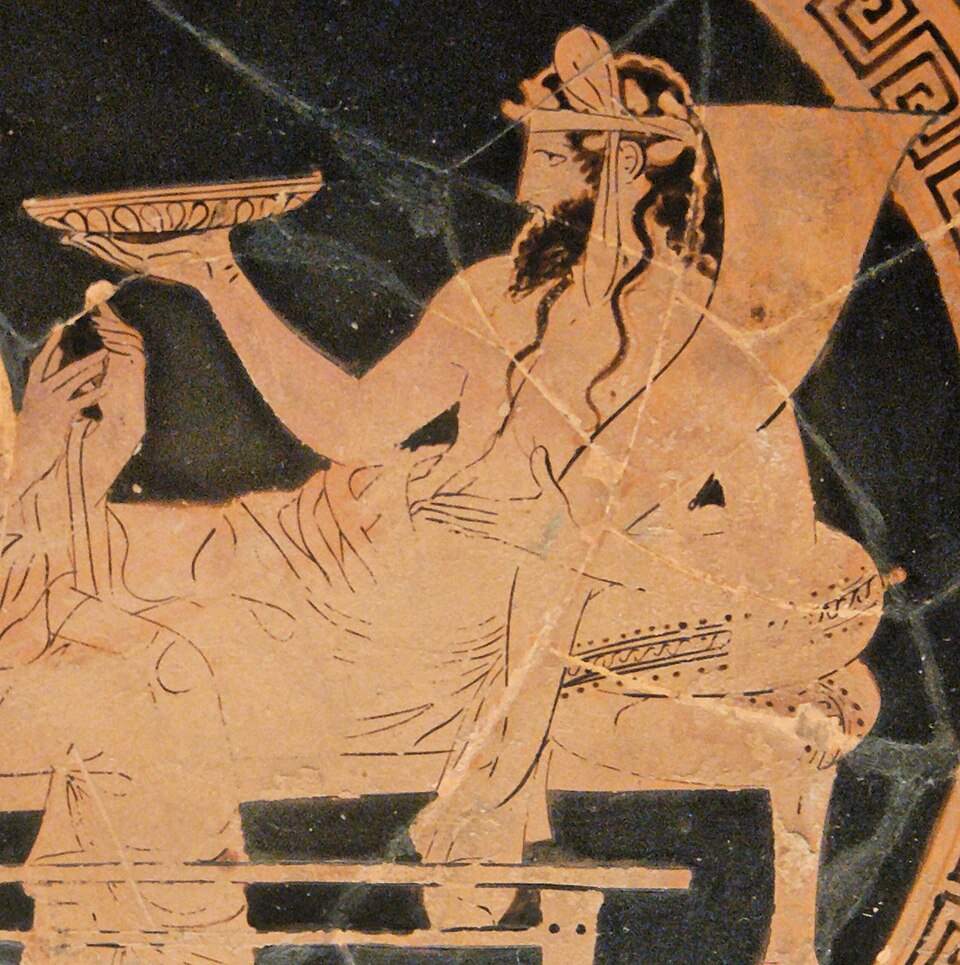
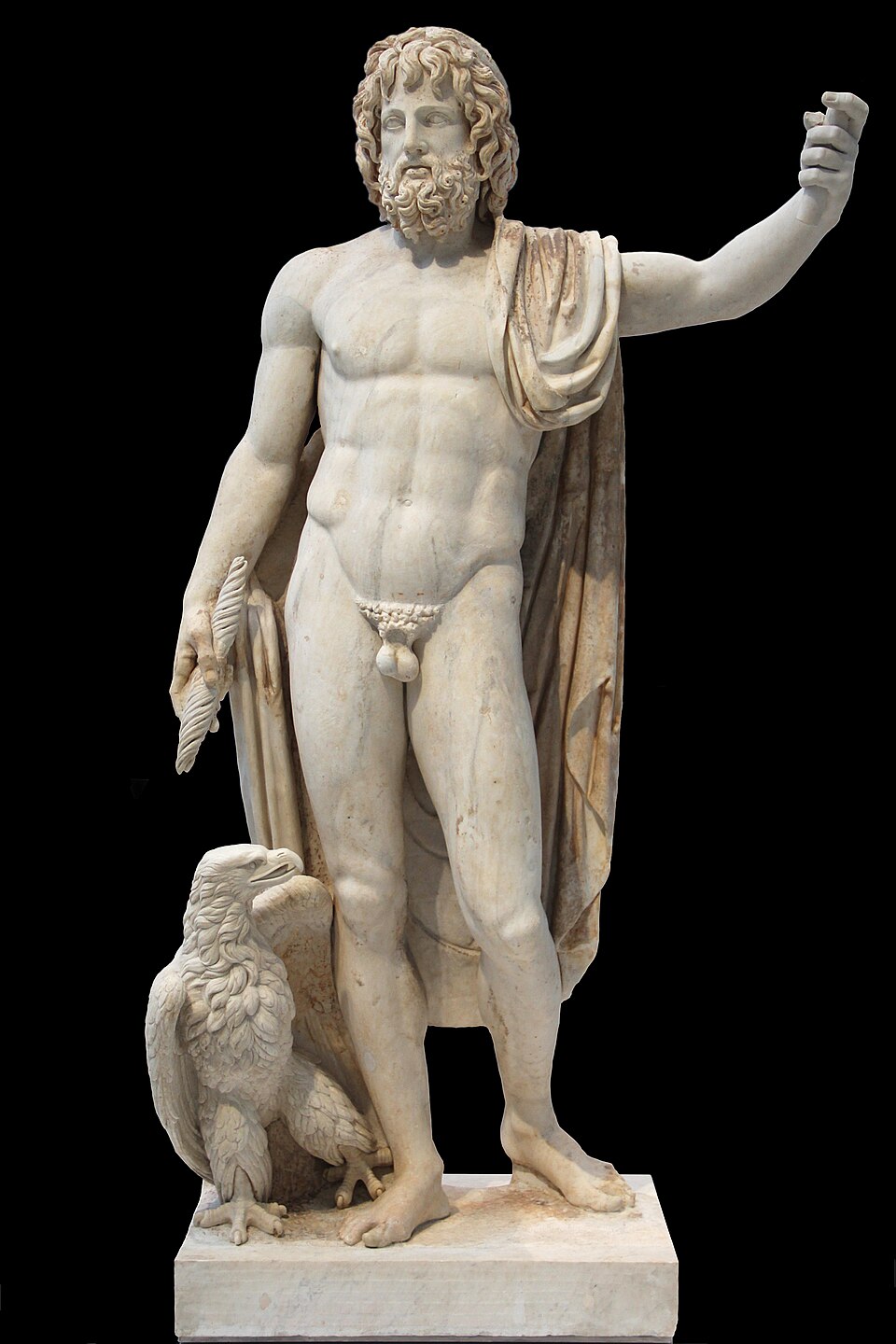
22 entities · 6 sources · 18 marks
Islamic
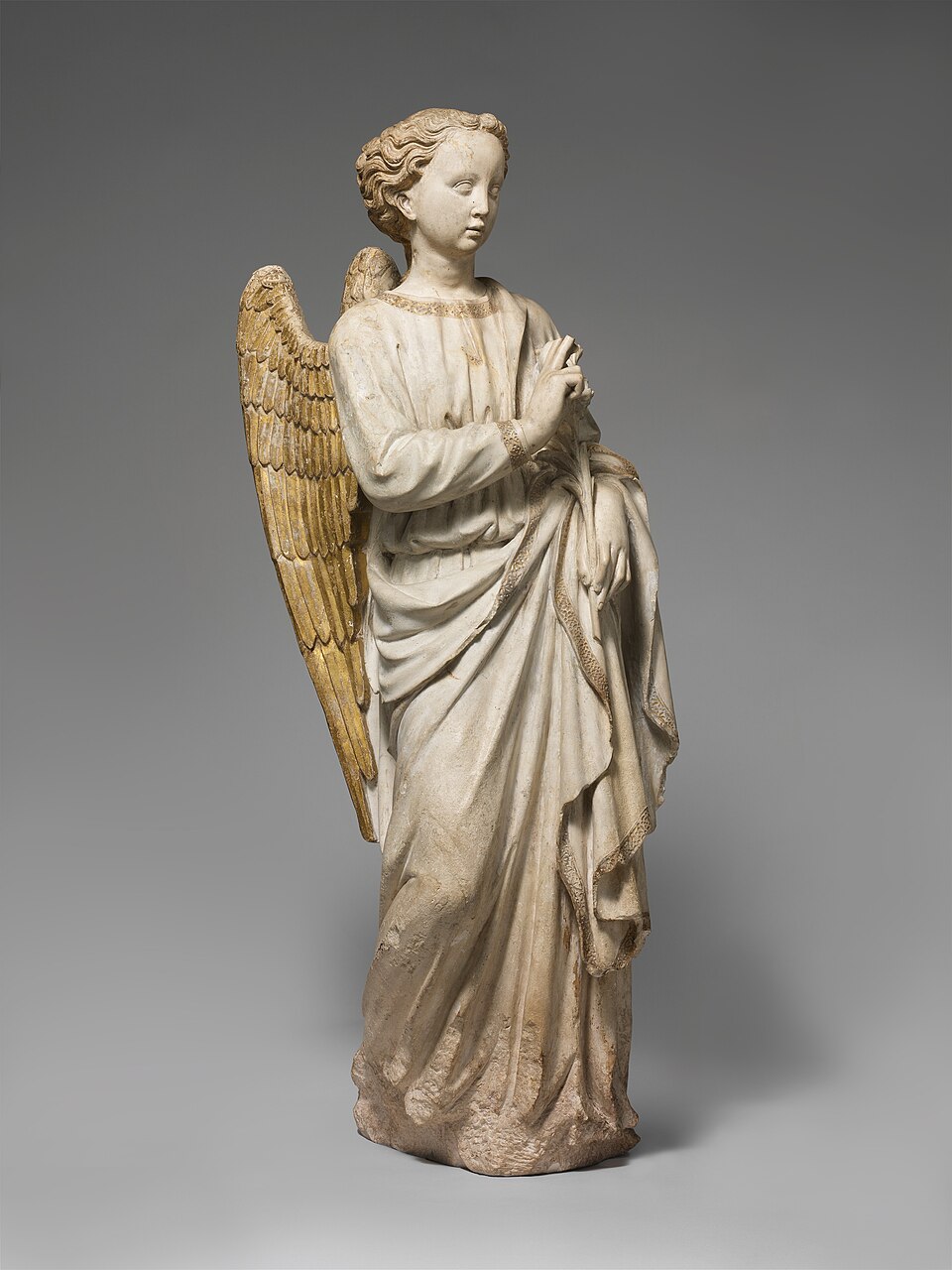
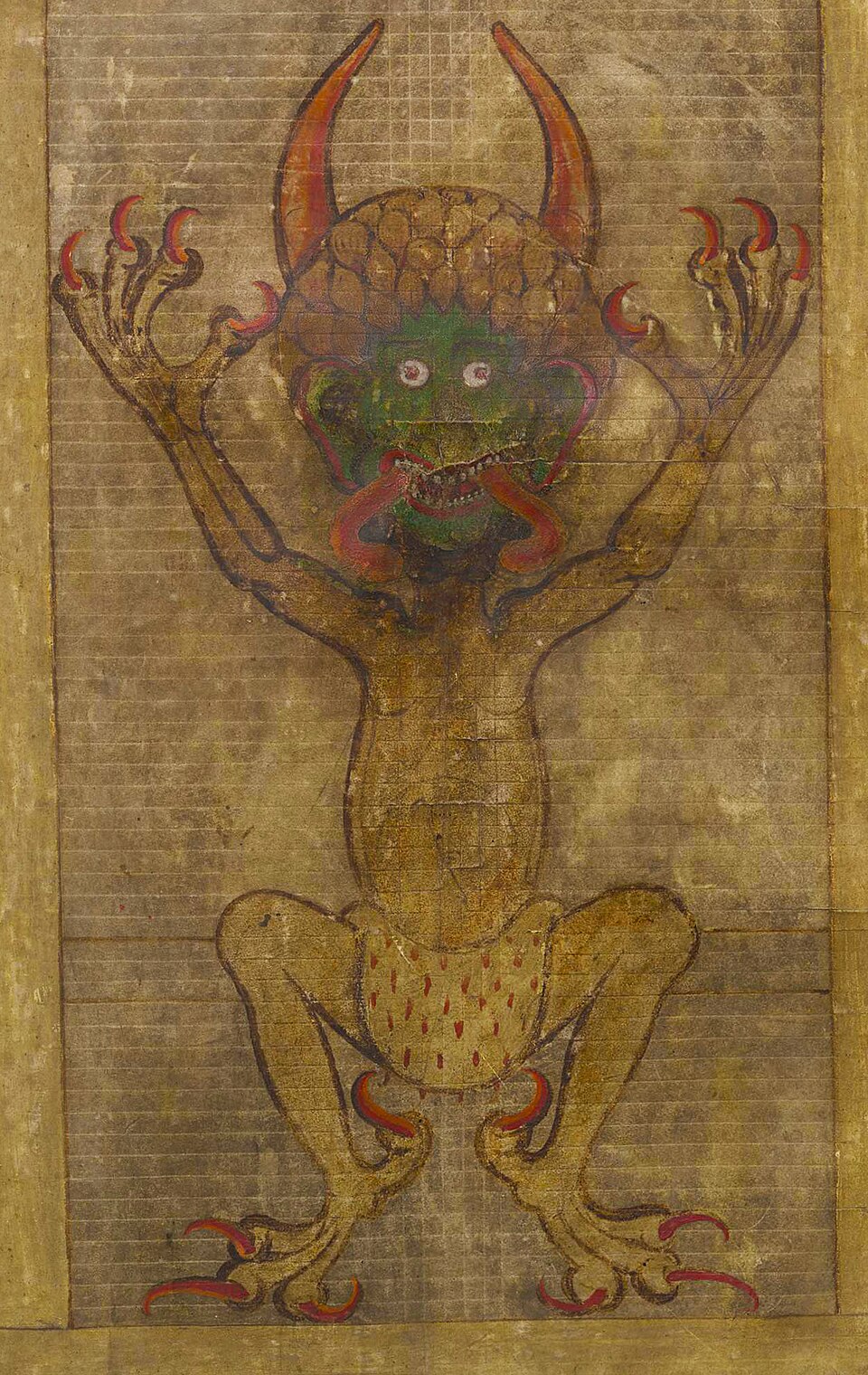
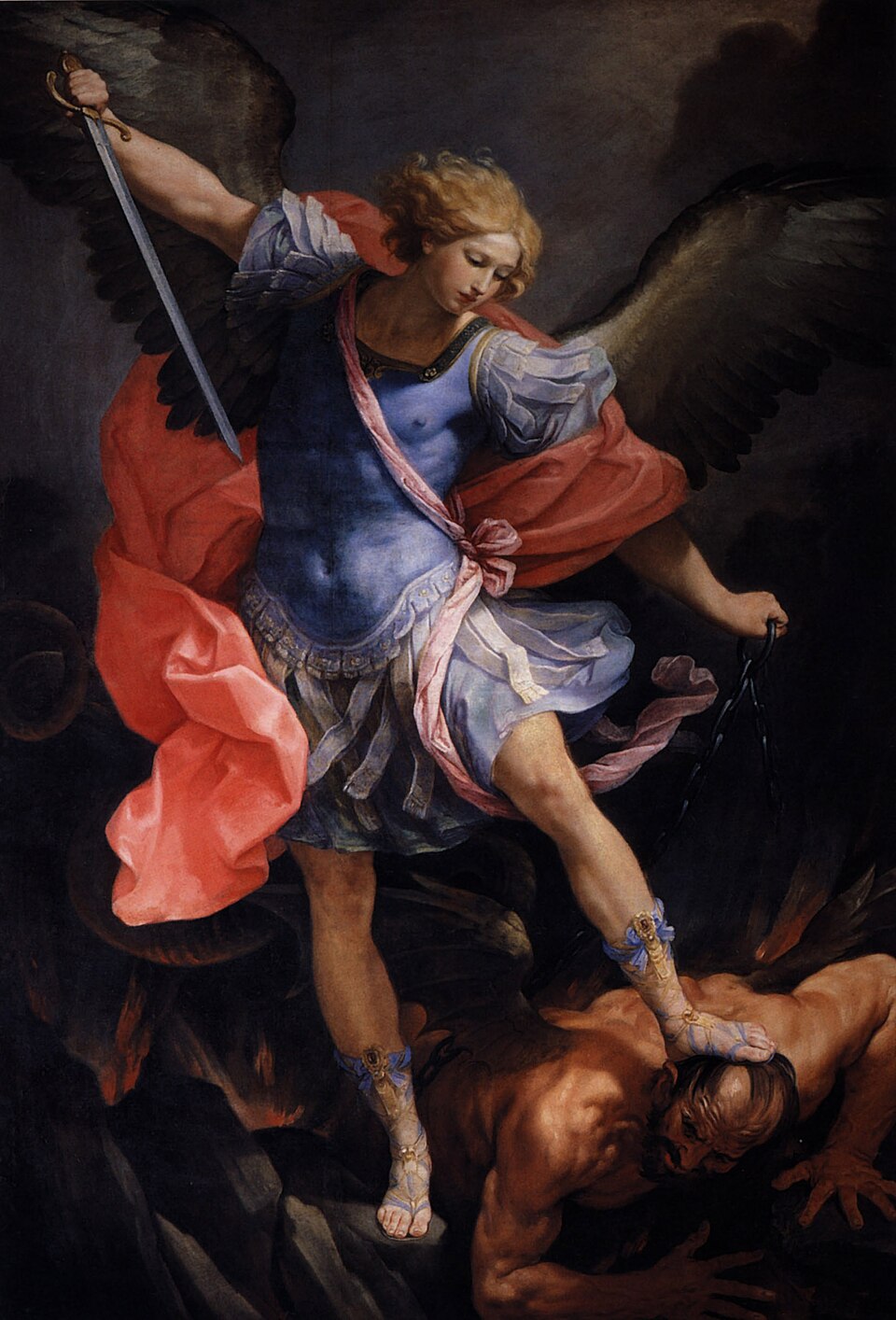
Qur'anic and hadith accounts of the mala'ika and the jinn.
15 entities · 1 source · 7 marks
Jewish
Tanakh, Talmudic and merkavah material, and the Kabbalistic orders.
58 entities · 7 sources · 21 marks
Mesoamerican
Aztec and Maya deities, recorded largely through colonial sources with all the distortion that implies.
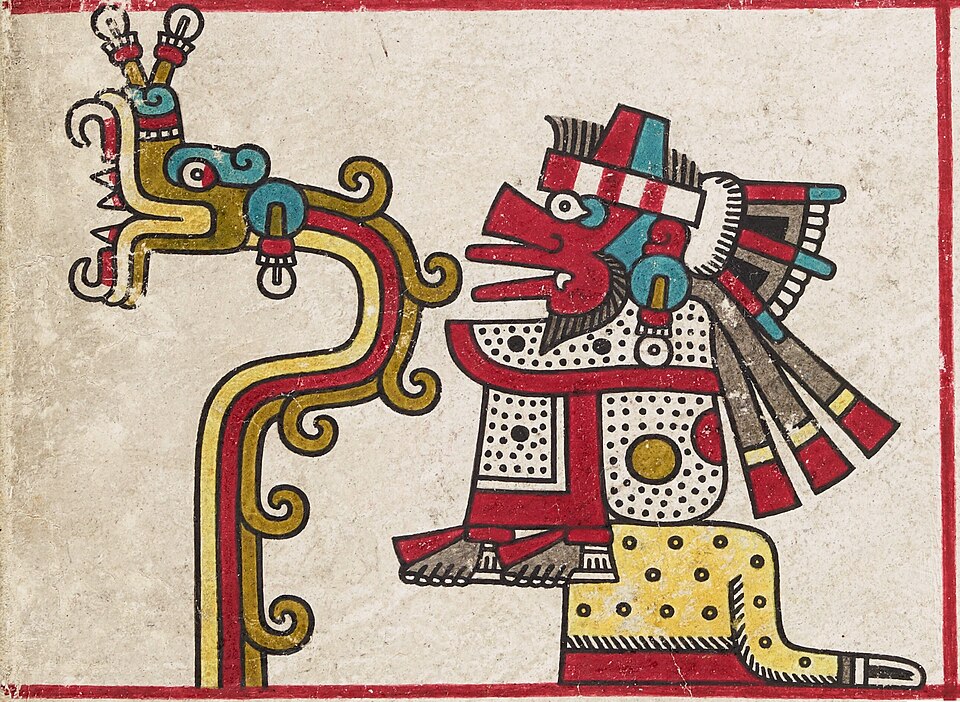
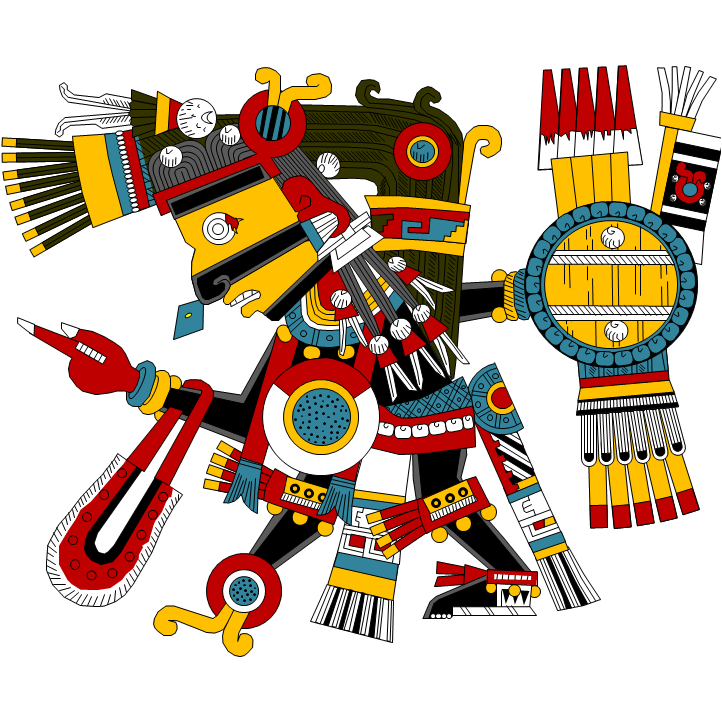
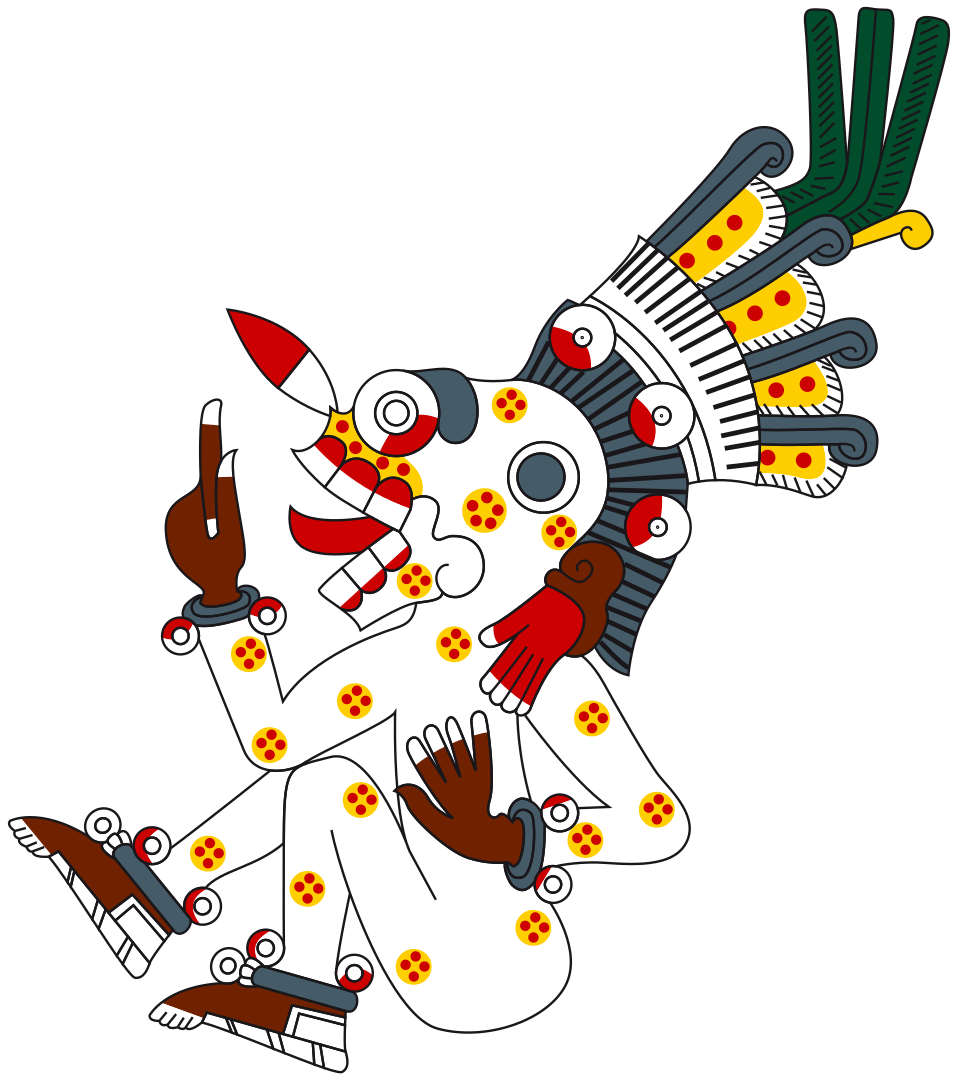
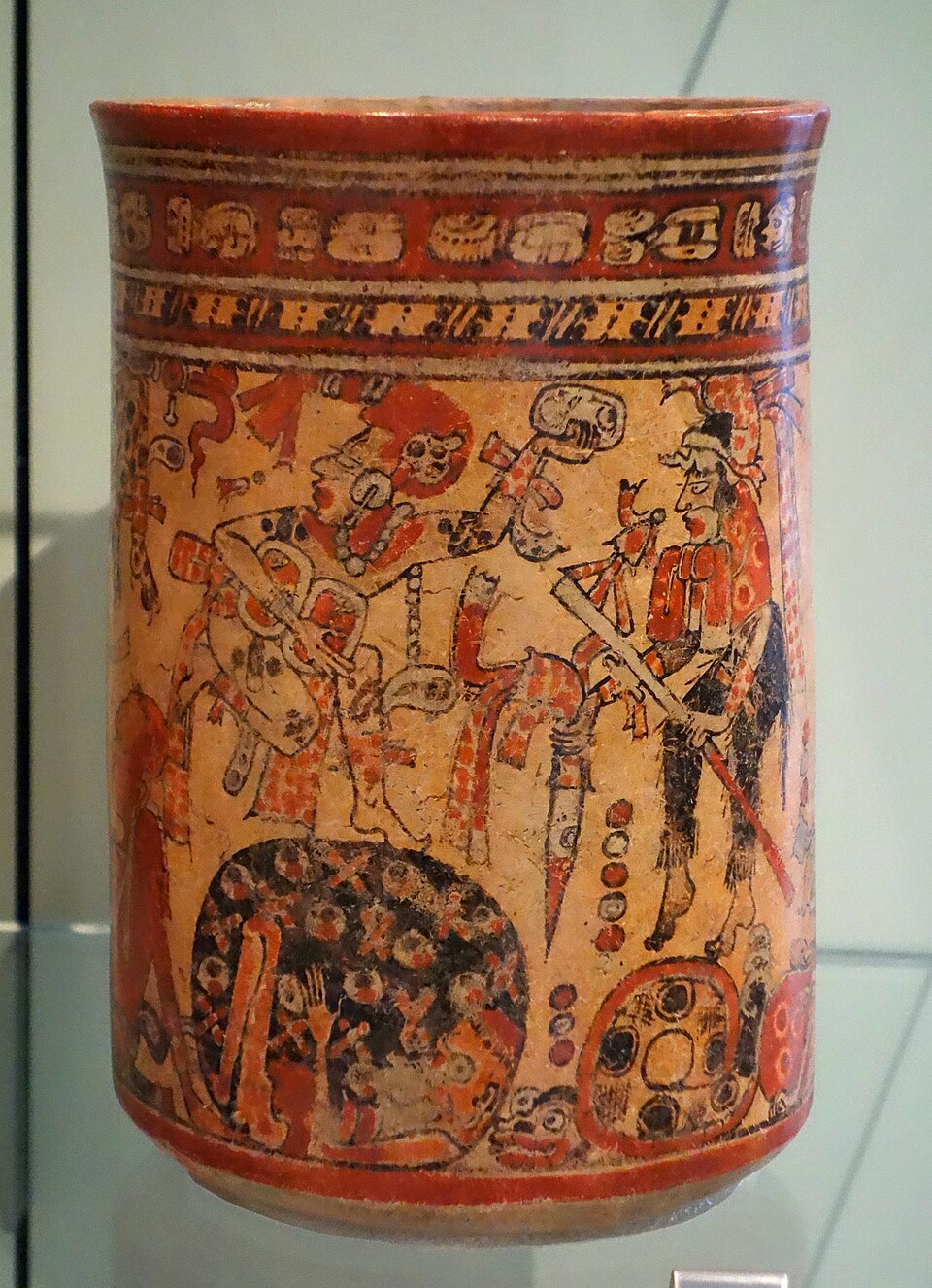
6 entities · 4 sources · 2 marks
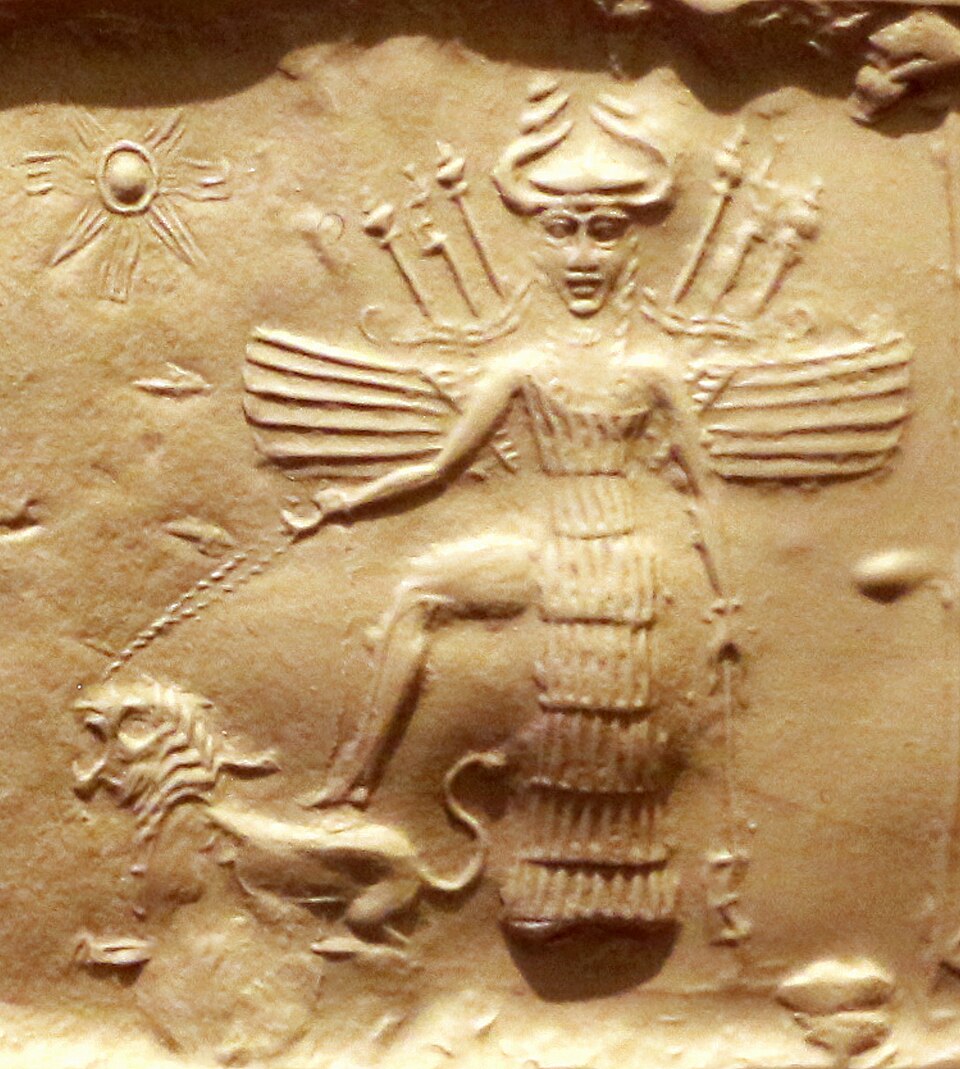
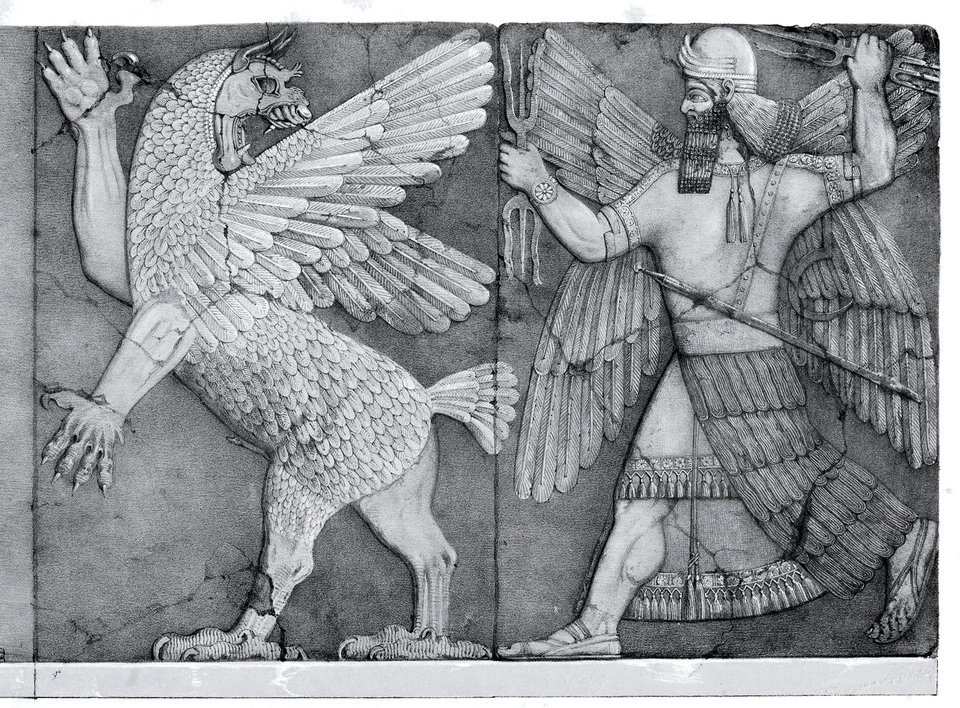
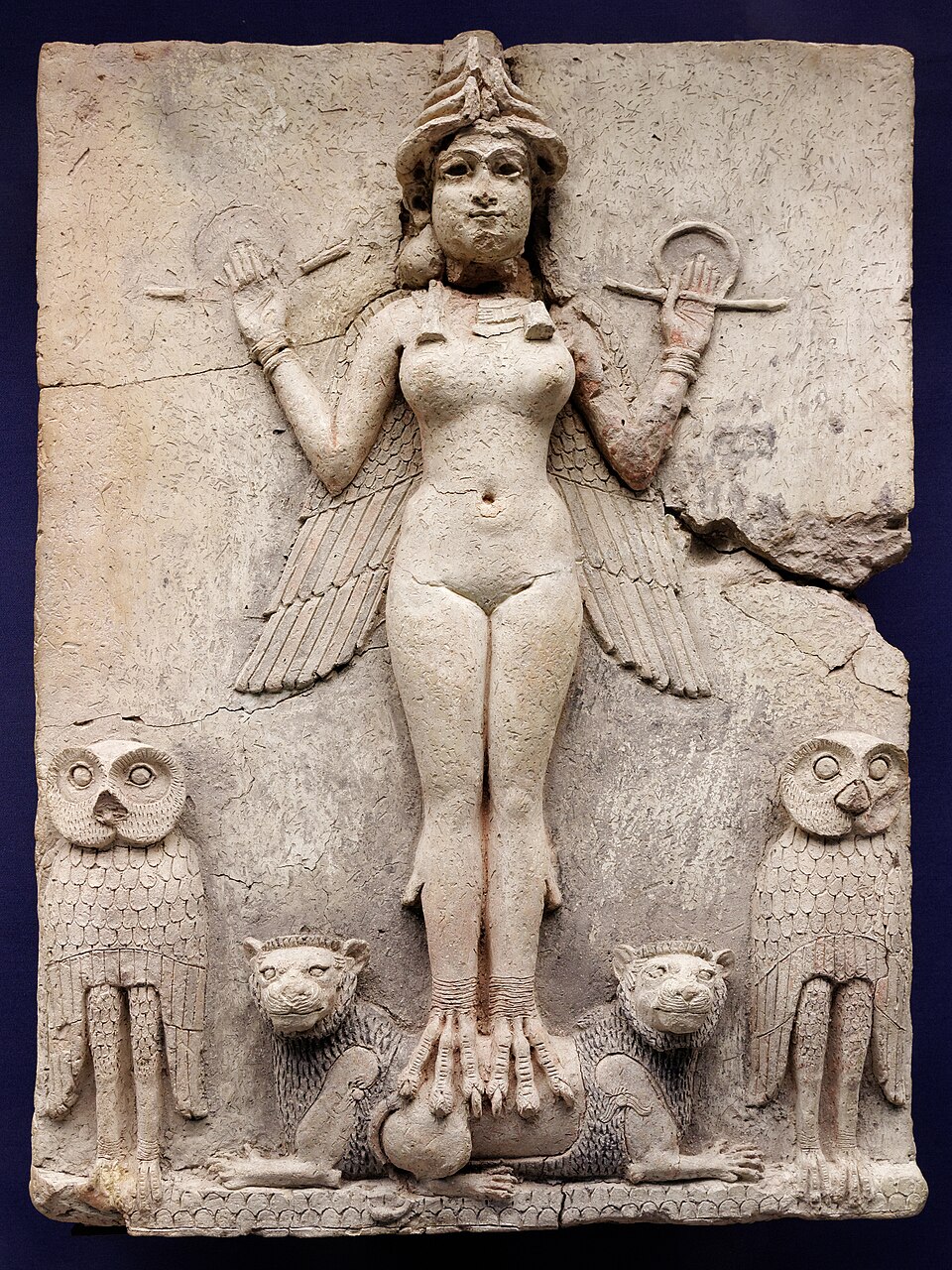
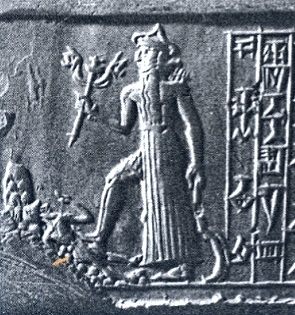
Mesopotamian
Sumerian, Akkadian and Babylonian gods and demons: Tiamat, Ishtar, Nergal, Pazuzu, Lamashtu.
21 entities · 15 sources · 8 marks
Norse
The Aesir, the Jotnar, and Loki, whose gradual demonisation under Christian redaction parallels Satan's.
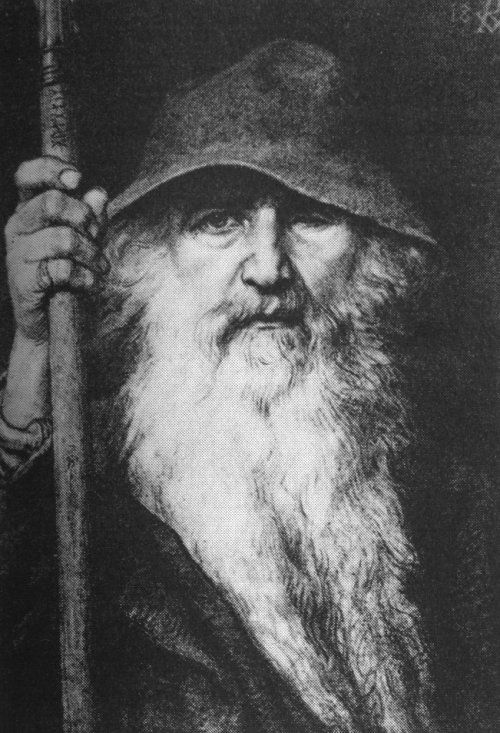
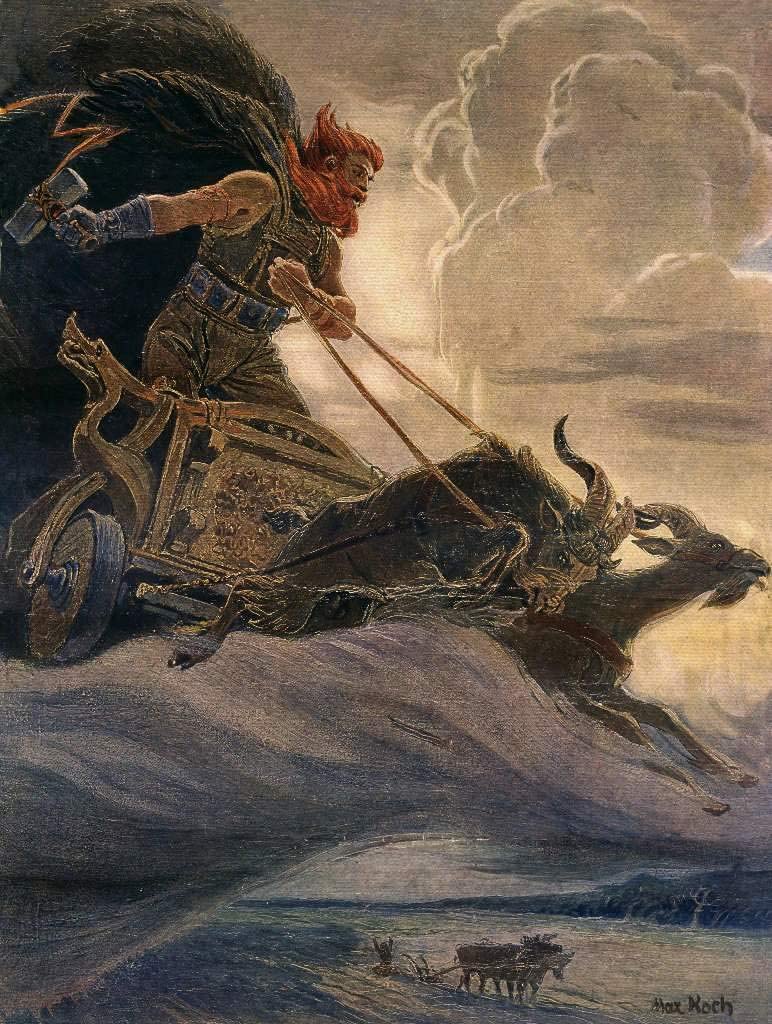
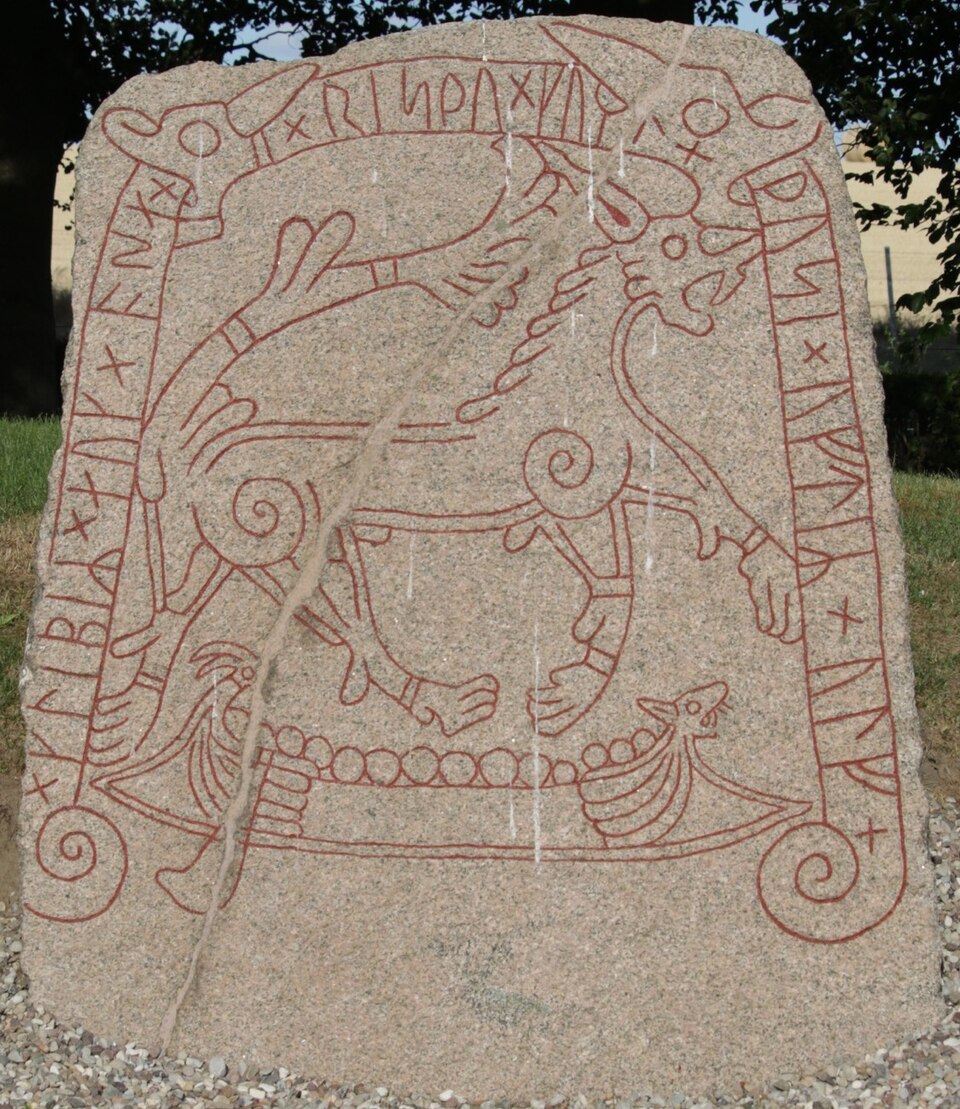
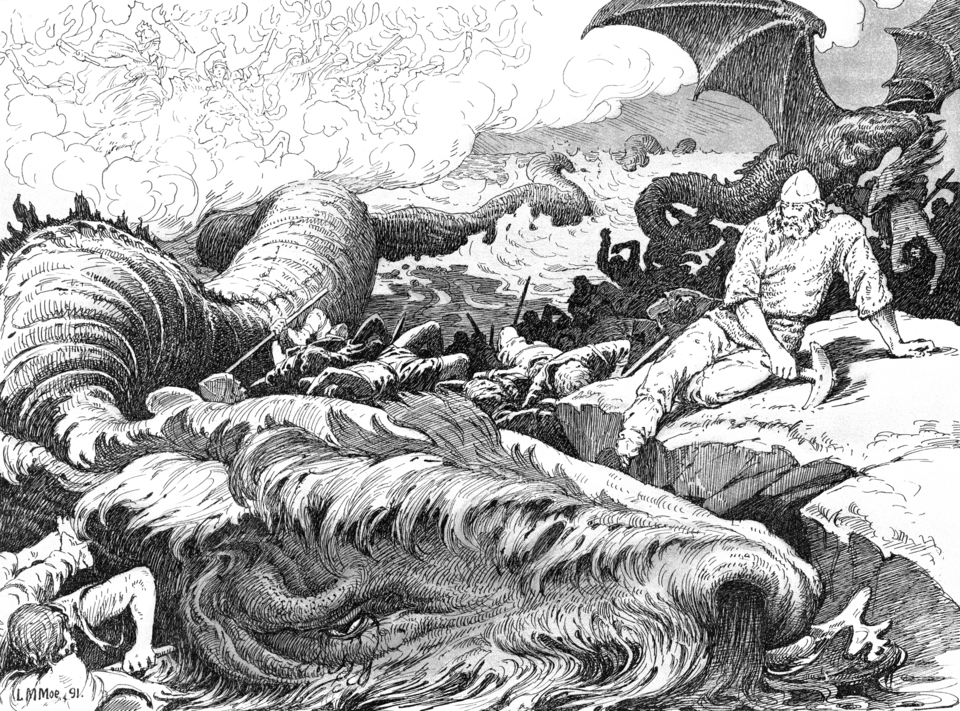
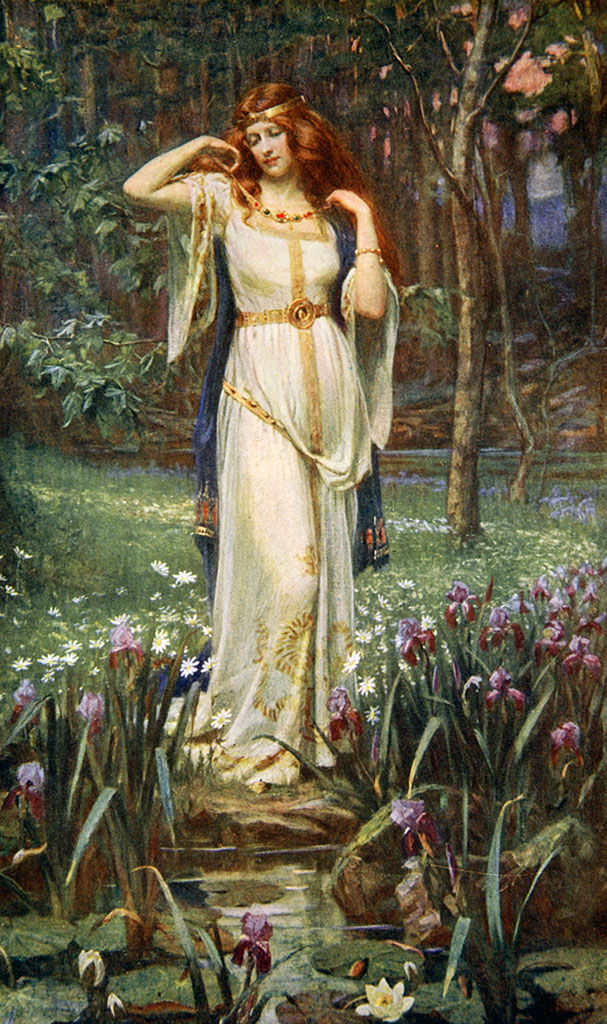
7 entities · 4 sources · 5 marks
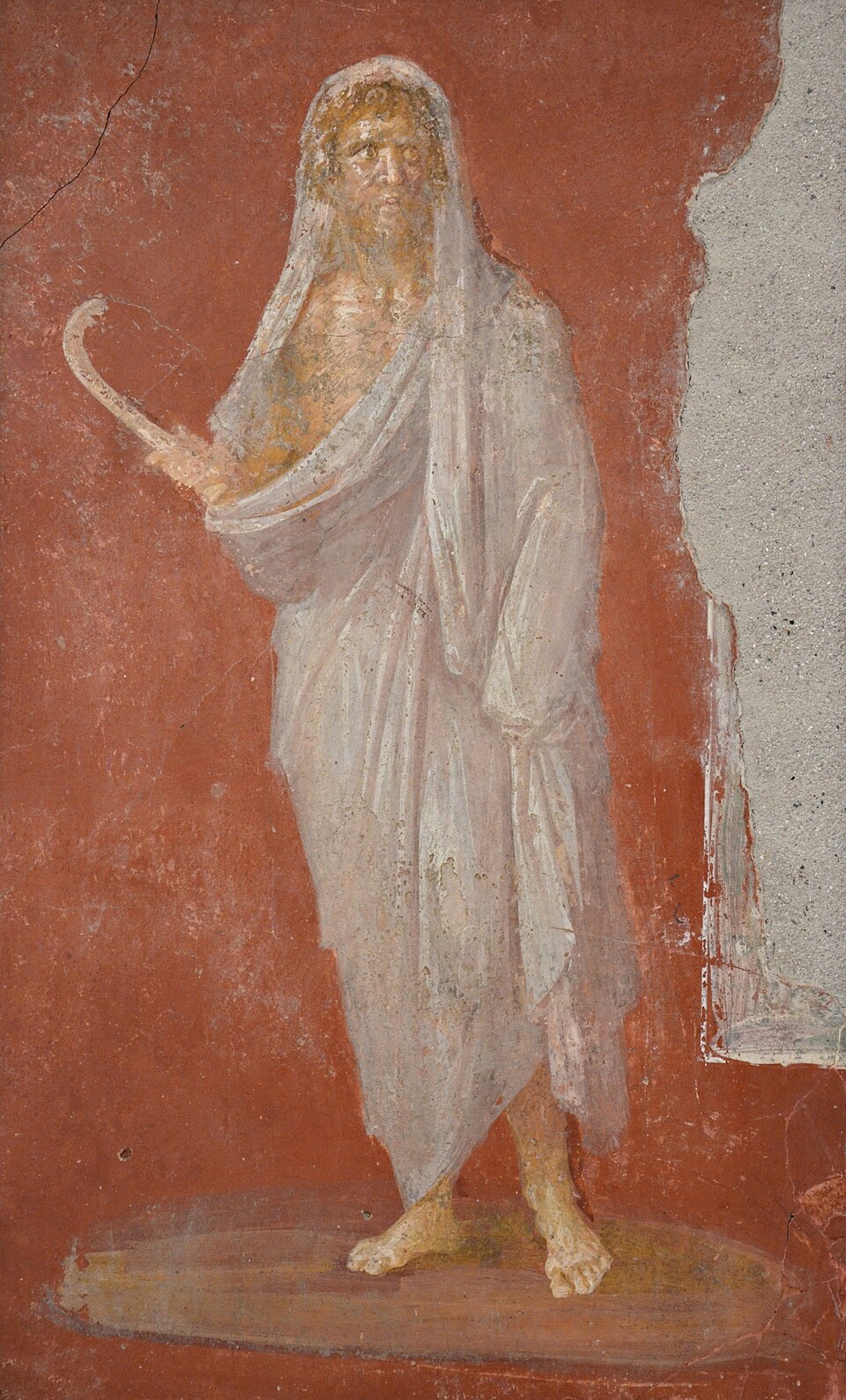
Roman
The Roman pantheon, largely a re-identification of the Greek one — the clearest worked example of syncretism in the record.
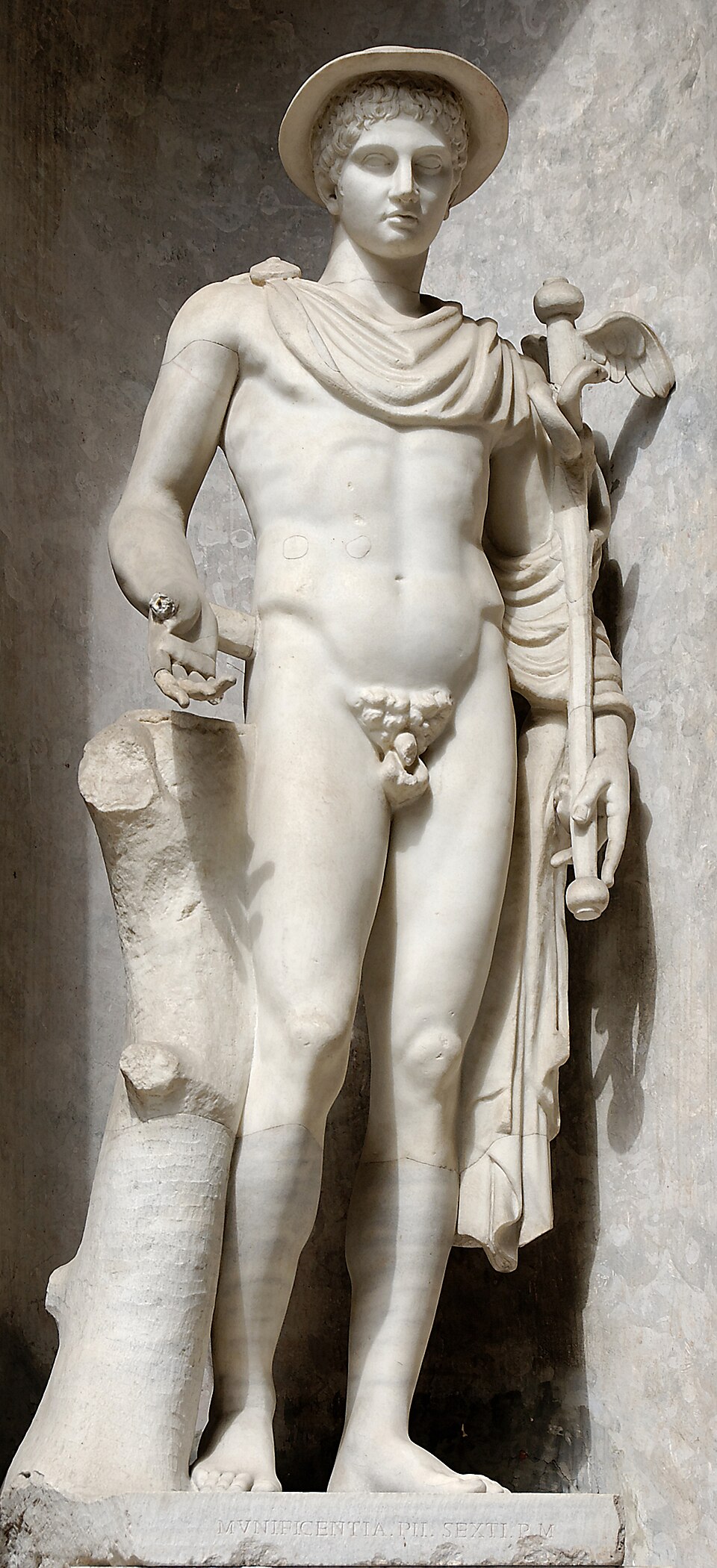
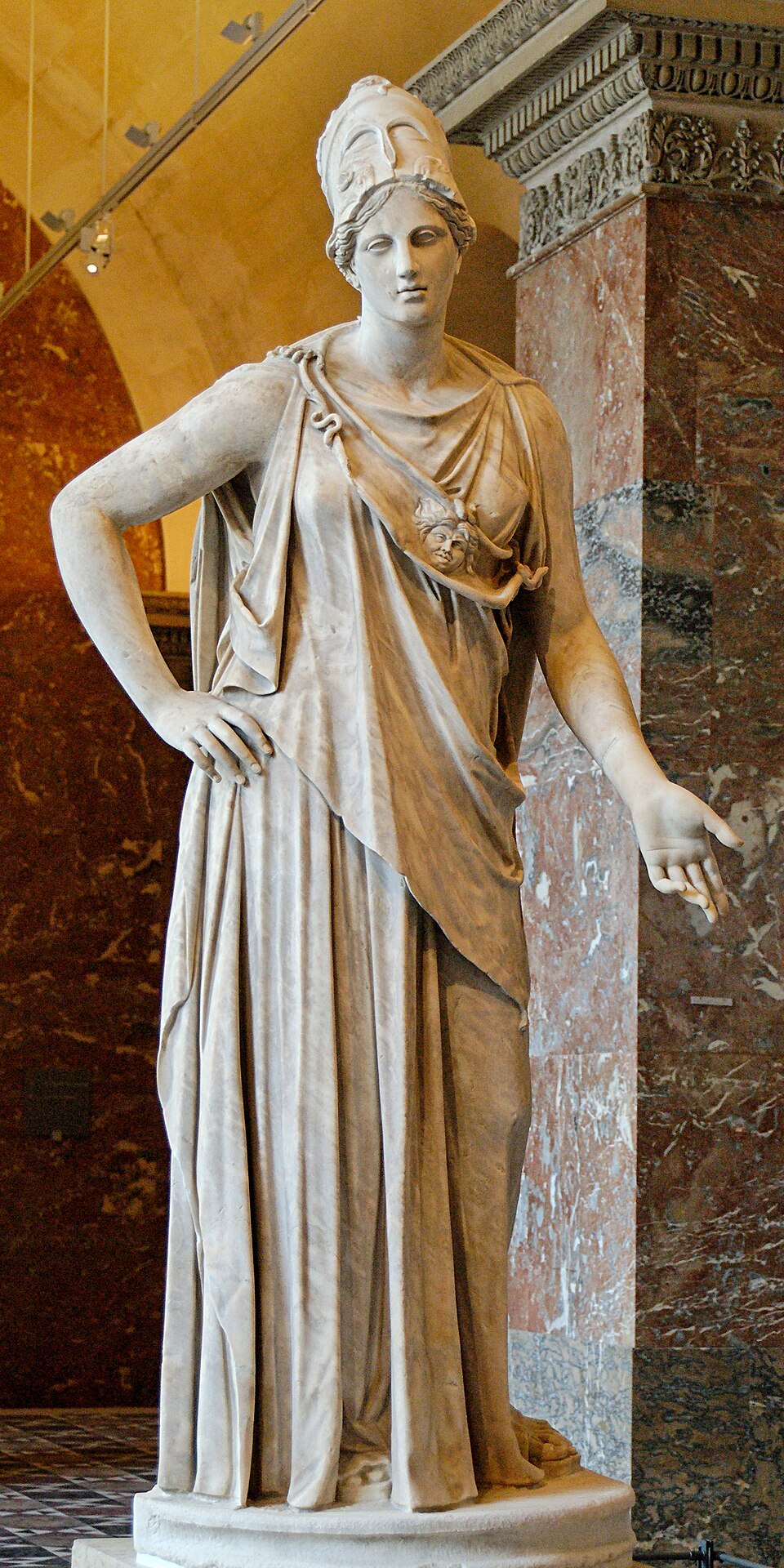
17 entities · 3 sources · 11 marks
Shinto & Japanese
The kami of the Kojiki and Nihon Shoki, and the yokai and oni of later folk tradition.
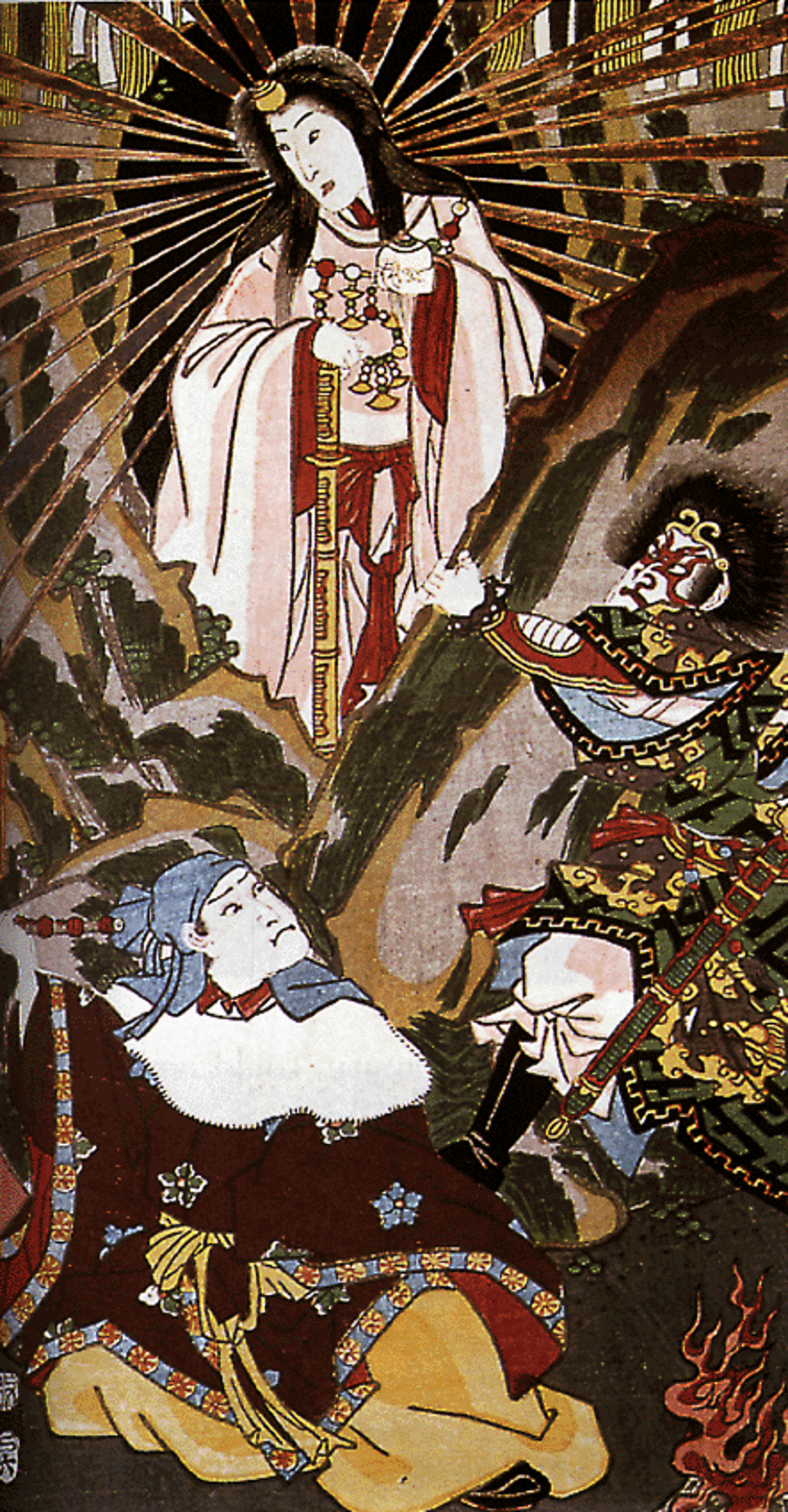
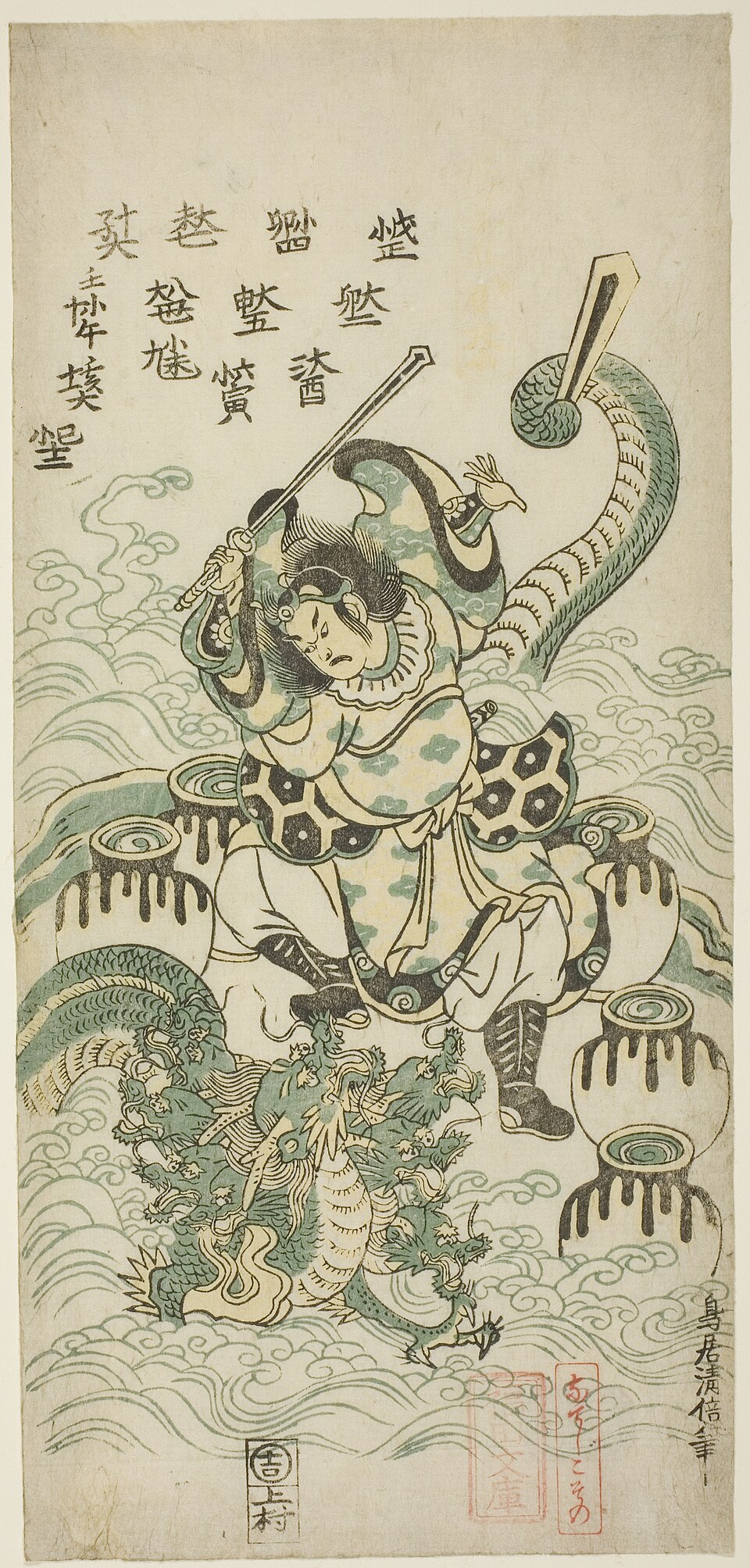
6 entities · 2 sources · 3 marks
Slavic
Pre-Christian Slavic religion, known mostly through chronicles written by its opponents and through surviving folk practice.
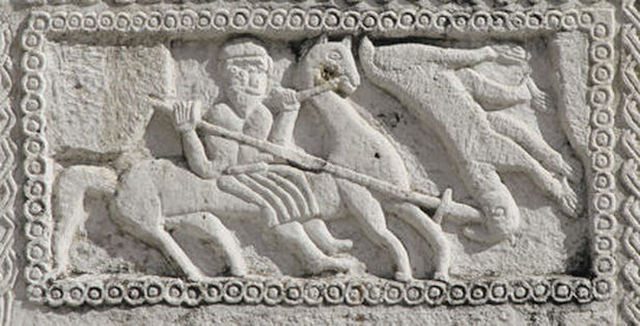

5 entities · 4 sources · 1 marks
Solomonic
The grimoire tradition attributed to Solomon: catalogues of spirits, seals and conjurations.

73 entities · 6 sources · 25 marks
Vedic & Hindu
The devas and asuras, whose names are cognate with the Iranian daevas and ahuras — with the moral polarity exactly reversed.
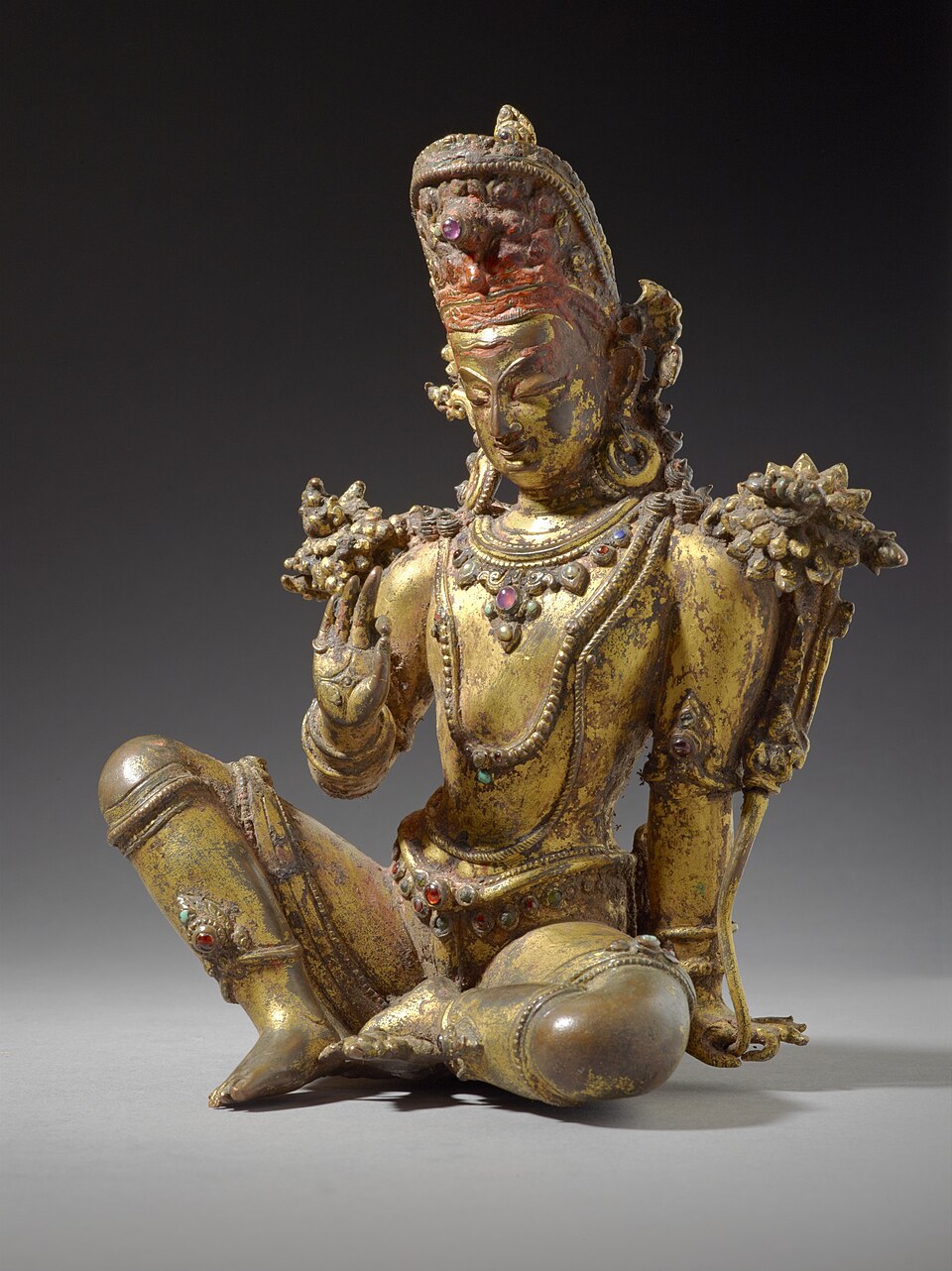
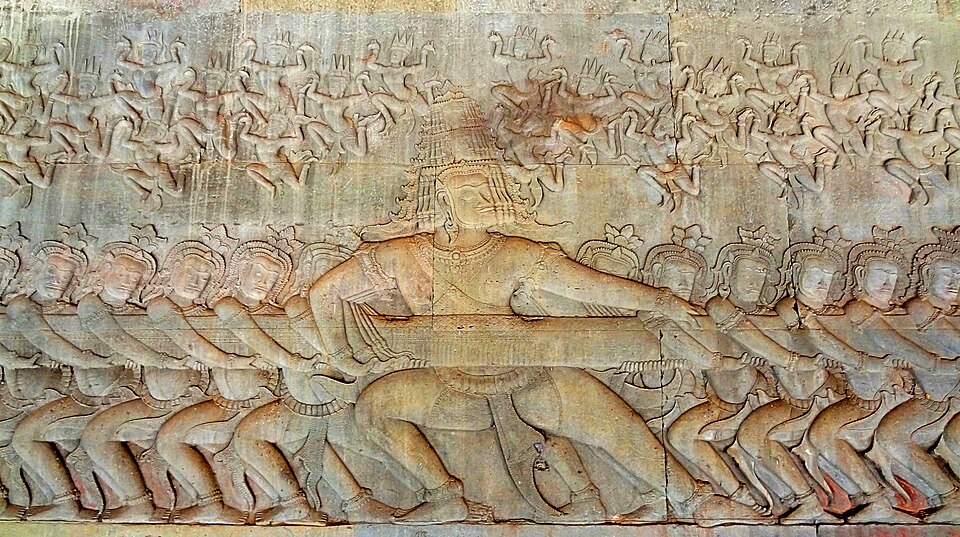
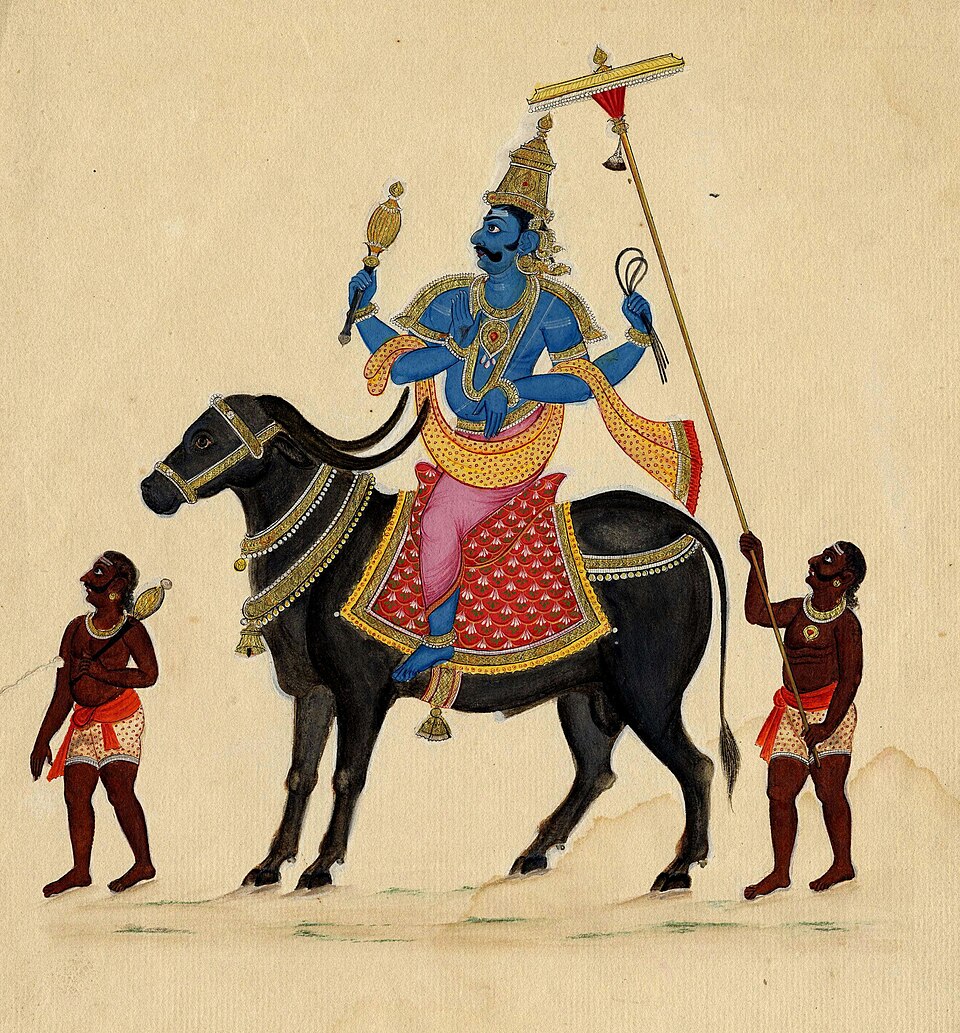
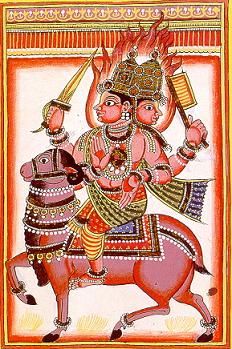
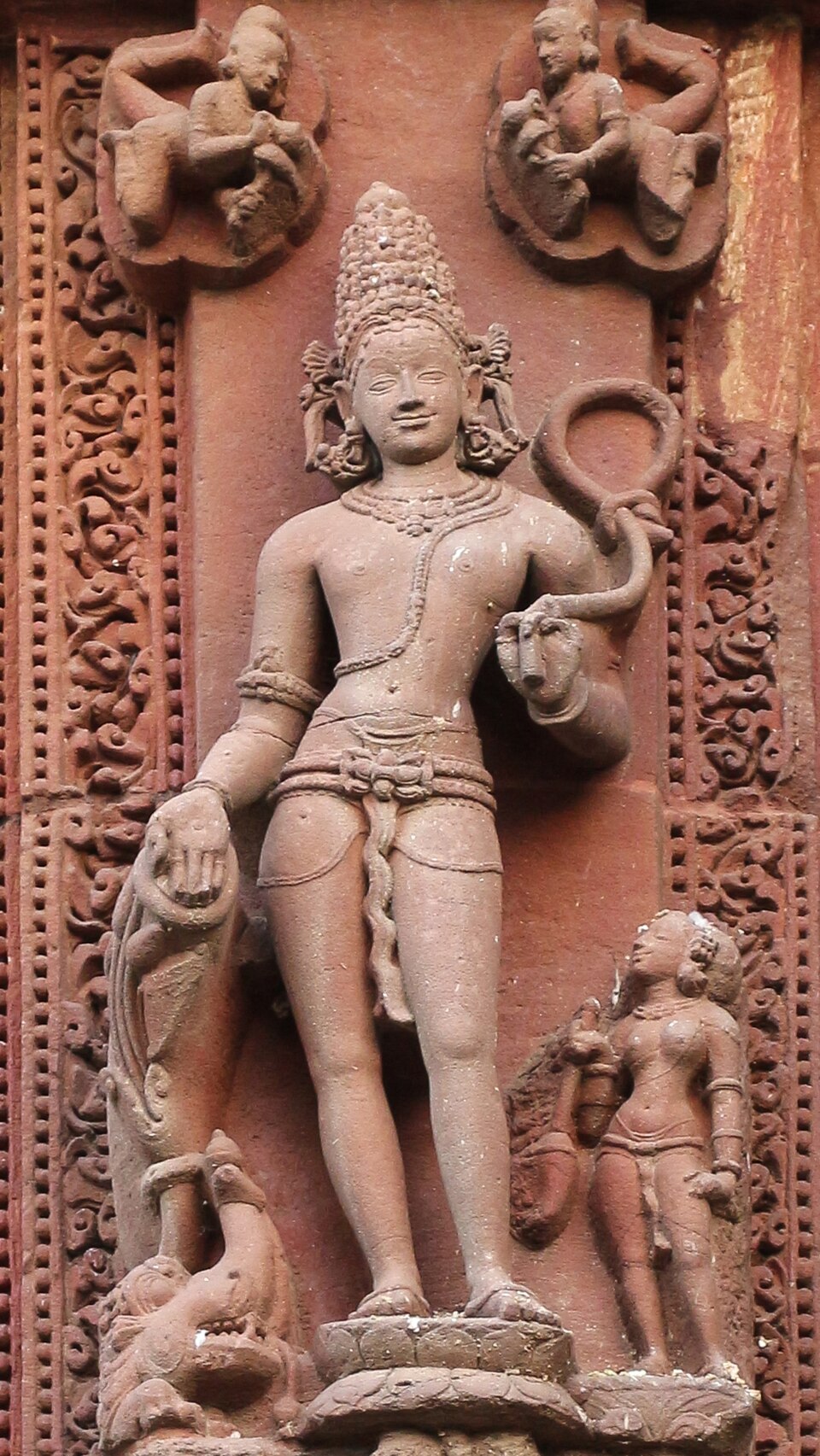
10 entities · 6 sources · 4 marks
Yoruba & Diaspora
The orisha, and the syncretism with Catholic saints that preserved them across the Atlantic.
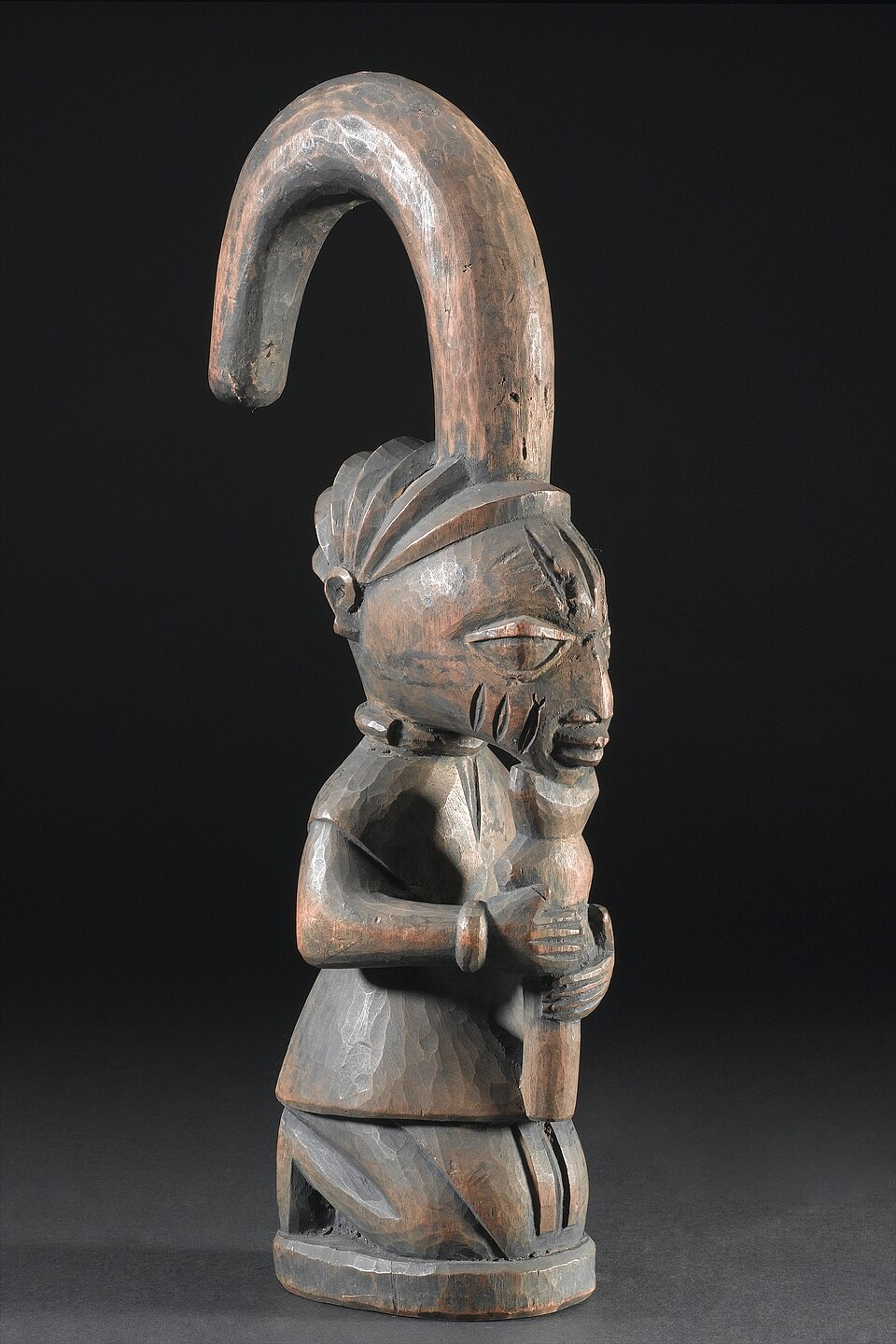
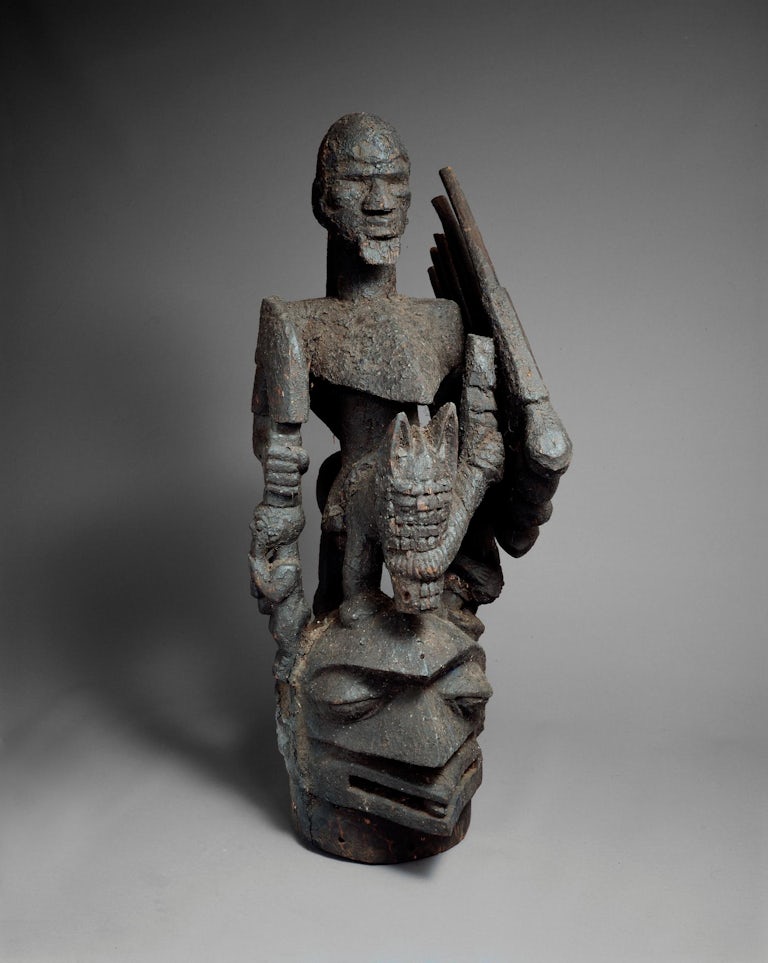
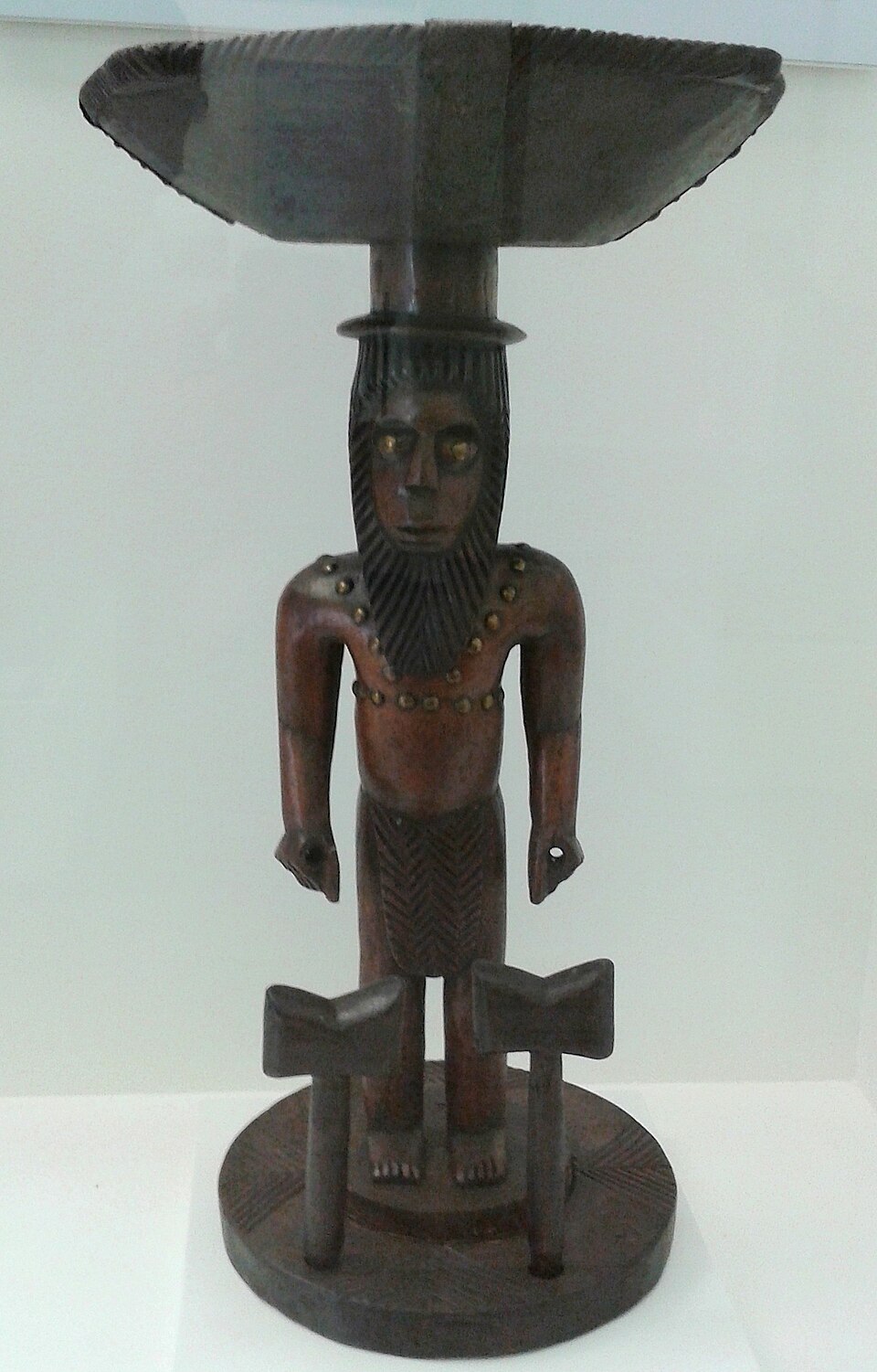
7 entities · 2 sources · 3 marks
Zoroastrian
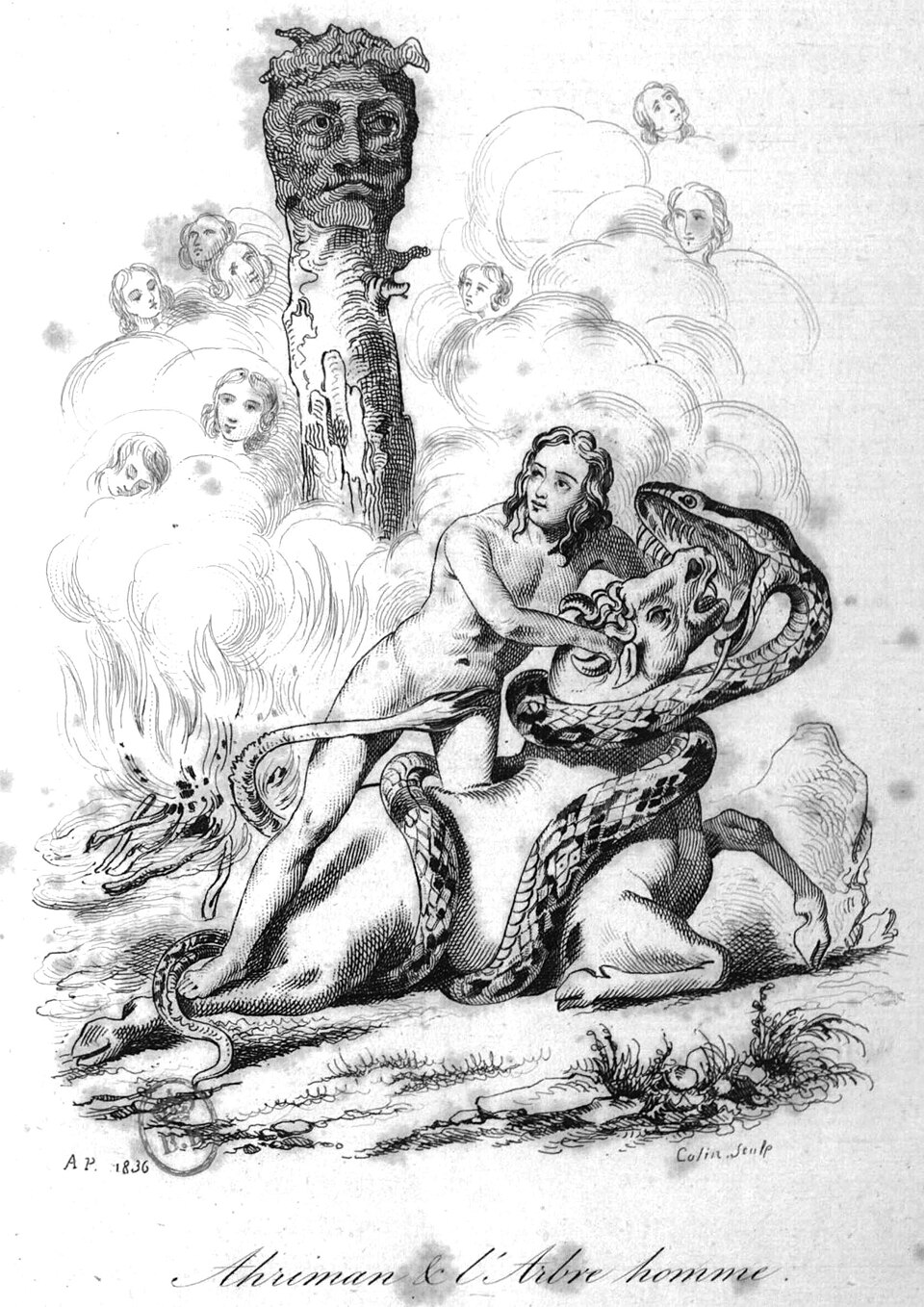
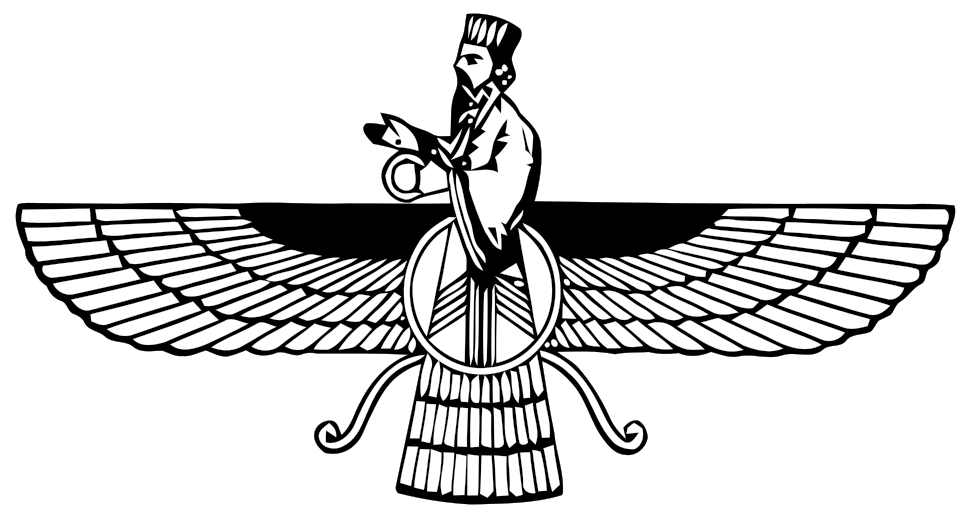
Amesha Spentas and daevas, an early source of dualist structure.
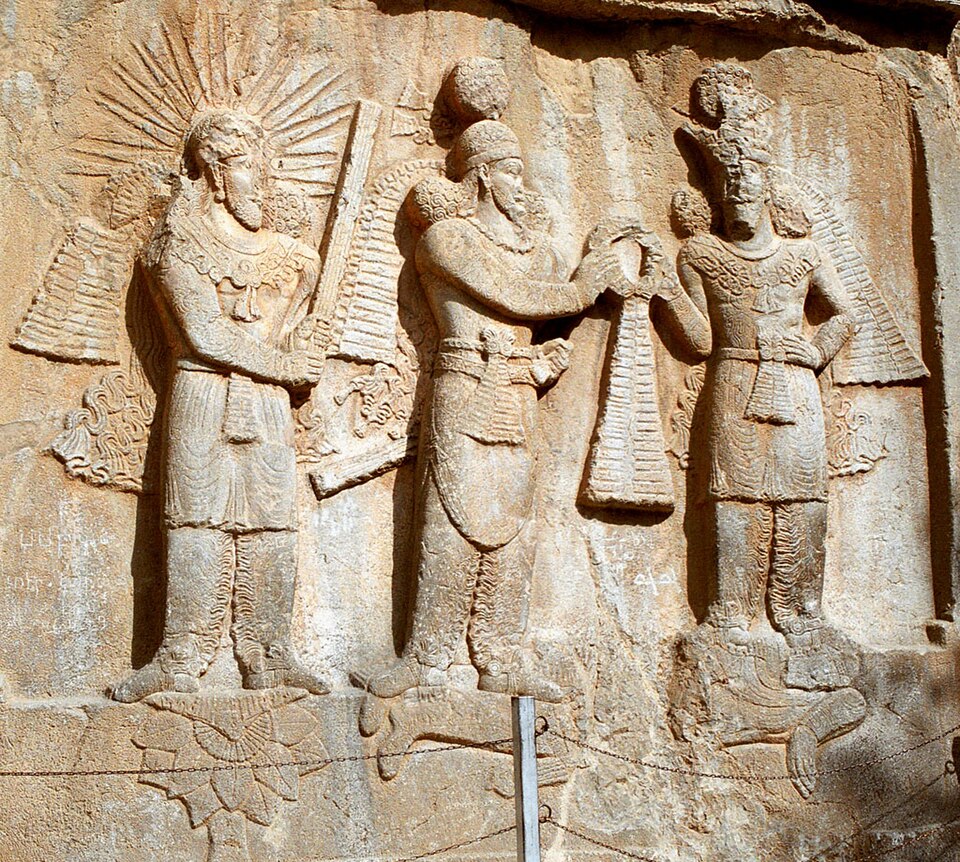
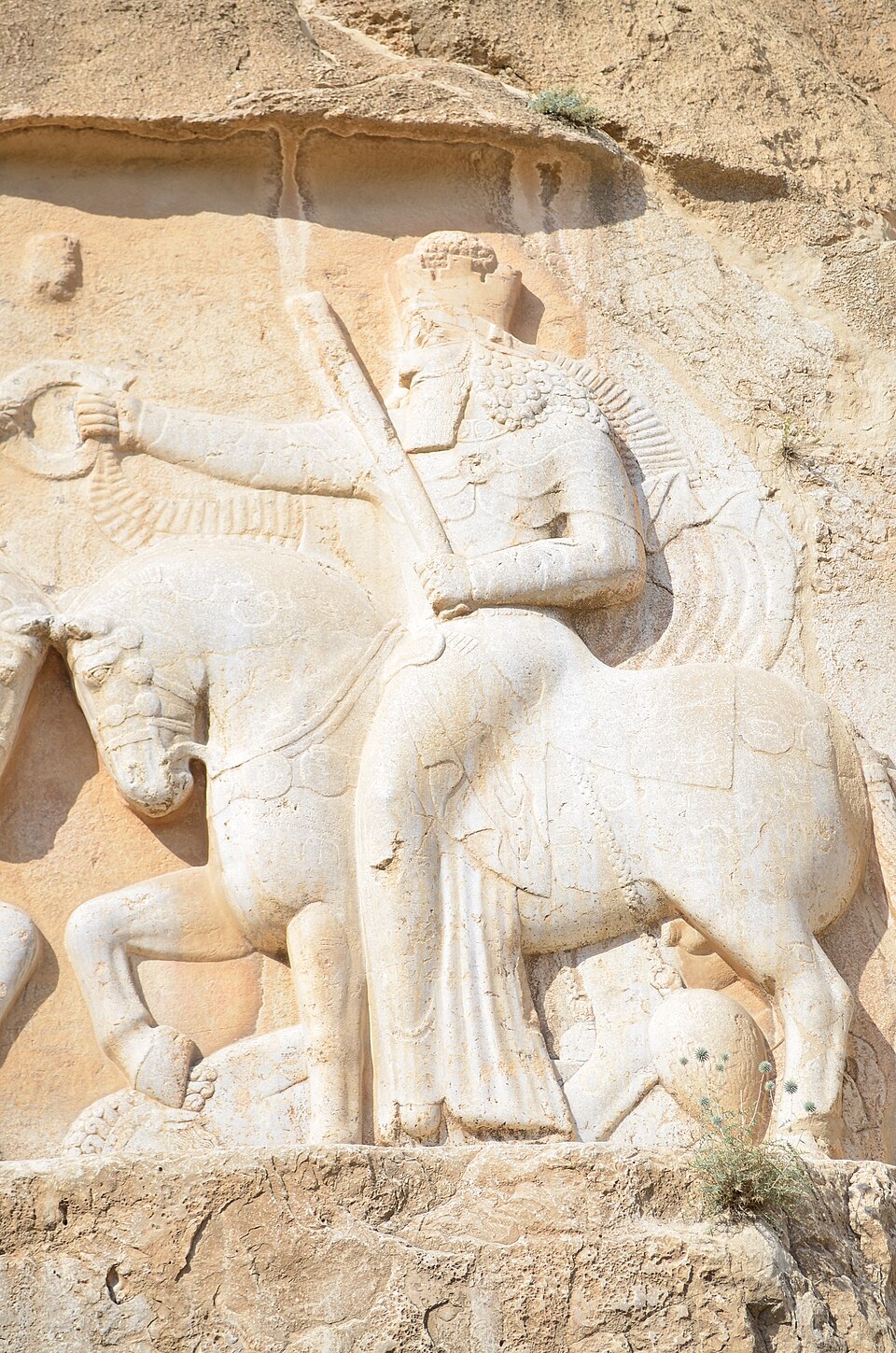
8 entities · 2 sources · 4 marks