Tradition
Roman
The Roman pantheon, largely a re-identification of the Greek one — the clearest worked example of syncretism in the record.
What is the Roman tradition?
Roman religion is the clearest worked example of syncretism in the entire record, and it is useful here mainly for that. The identification of Jupiter with Zeus, Mars with Ares, Venus with Aphrodite was explicit, deliberate and documented — nobody had to reconstruct it centuries later, because Roman writers said plainly that these were the same gods under different names.
That matters for reading the rest of this site. When a claim is made that some demon descends from some earlier god, the Roman case is the standard of evidence to hold it against: a stated identification, made by people in a position to know, with the reasoning visible.
The interpretatio romana was also applied outward, to Gaulish, Germanic and Egyptian gods, and much of what survives of those religions survives only through it. That is a mixed inheritance: the record exists, and it exists in the shape a Roman observer imposed on it.
Which texts does this tradition rest on?
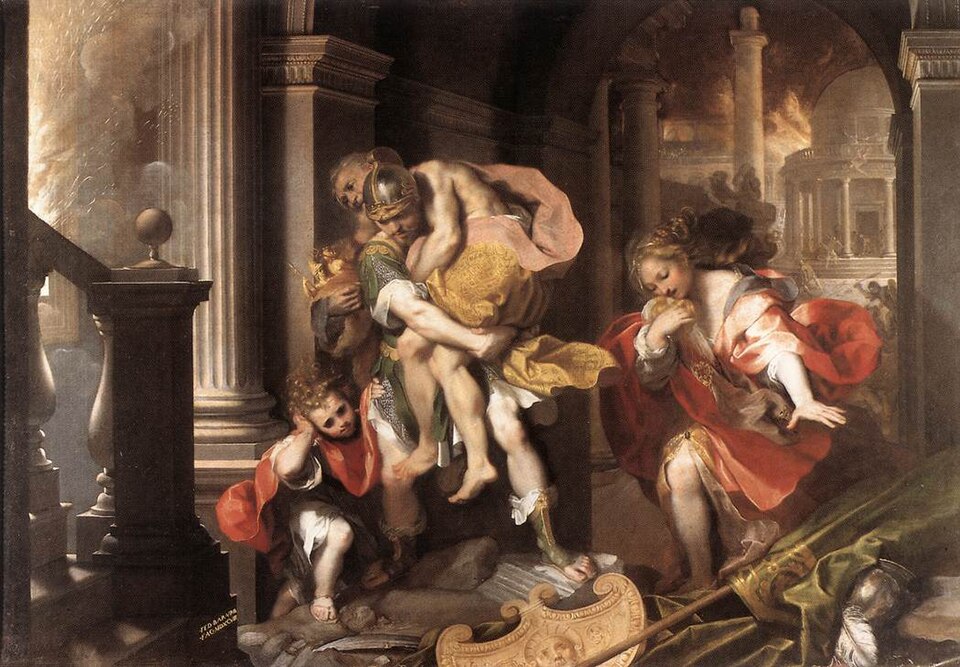
The Aeneid
Virgil; tr. John Dryden · c. 19 BCE
Book VI takes Aeneas down into the underworld past Charon, the unburied dead and the judgment of Rhadamanthus. It is the fullest classical description of the realm below, and much of the Christian imagery of hell is downstream of it.
6 entries contributed
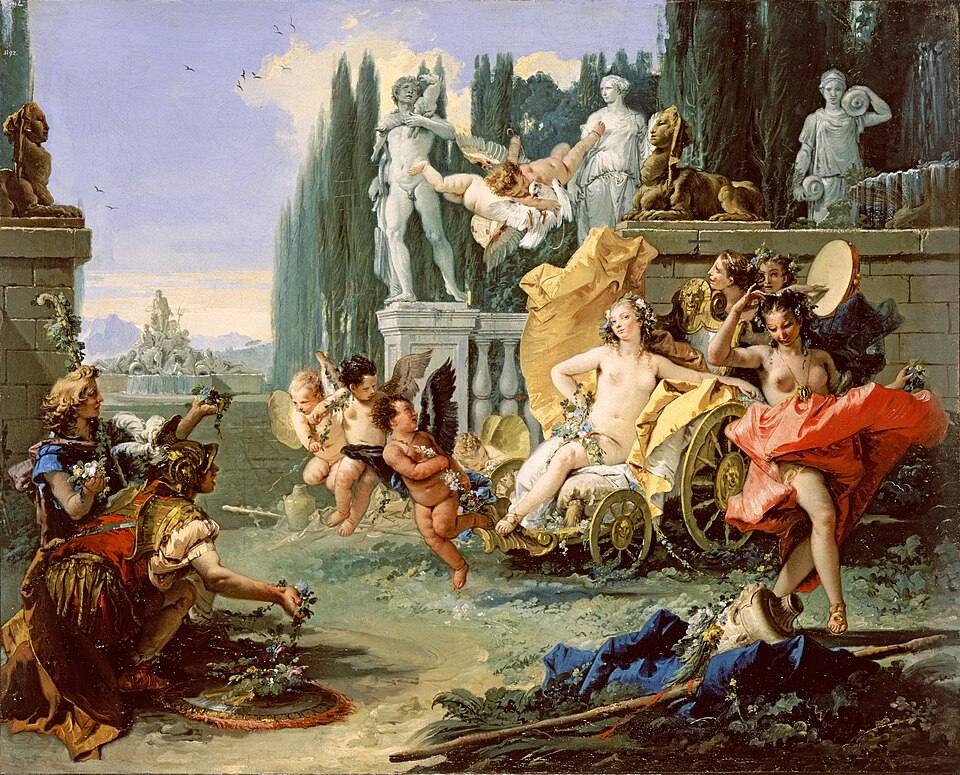
Fasti
Ovid · c. 8 CE
A verse almanac of the Roman religious calendar, month by month. Ovid opens by interviewing Janus in person, and the poem is the best single source for Roman cult practice as distinct from the Greek myths Rome borrowed.
3 entries contributed
The Metamorphoses
Ovid; tr. Brookes More · c. 8 CE
Two hundred and fifty stories of shape-change strung from the creation to Ovid's own century, and the single most important channel by which Greek and Roman myth reached medieval and Renaissance Europe. It matters here for a specific reason: the gods appear throughout under their Latin names, so this is where the identification of Zeus with Jupiter and Hades with Pluto becomes automatic — and an automatic identification is exactly what later demonologies inherit and stop examining.
10 entries contributed
Which marks belong to it?
Oldest first. A mark used by several traditions appears on each of their pages — which is the point: the shapes crossed these boundaries far more easily than the names did.
The Gorgoneion
from c. 700 BCE
A severed monster's face on a shield, a roof tile, an oven and a coin — the most-produced apotropaic image of the ancient Mediterranean.
The Caduceus
from c. 700 BCE
Two snakes twined on a winged staff — the badge of a herald under safe conduct, and, through a filing error, the emblem of American military medicine.
The Ephesia Grammata
attested from c. 400 BCE
Six meaningless Greek words, said to have been written on the statue of Artemis at Ephesus, and spoken or worn as protection for a thousand years.
The Hand of Sabazios
c. 100–300 CE
A bronze right hand raised in blessing, crowded with small figures — a pine cone, a snake, a frog, a lizard — mounted on a pole and carried in the rites of a Thracian god at Rome.
Saturn
current forms c. 6th–11th century CE
The scythe. Slowest planet, heaviest metal, and the authority a grimoire invokes for work involving binding, decay and the dead.
Jupiter
current forms c. 6th–11th century CE
A stylised Greek zeta for Zeus. The sign of increase, favour and judgment in one's favour — the grimoires' preferred authority for asking.
Mars
current forms c. 6th–11th century CE
Shield and spear, iron, Tuesday — and, since Linnaeus, the biological sign for male, which is a much later and quite separate job.
The Sun
current forms c. 6th–11th century CE
A circle with a point at its centre — the oldest form in the set, and the one the alchemists used for gold without further explanation.
Venus
current forms c. 6th–11th century CE
Copper, Friday, and every operation to do with love and favour — the counterpart to Mars in the grimoires long before it was in biology.
Mercury
current forms c. 6th–11th century CE
A caduceus drawn as a glyph — the one sign in the set that names a metal, a planet and a god that all behave the same way.
The Moon
current forms c. 6th–11th century CE
A crescent, silver, Monday — the planetary authority for anything involving dreams, water, change and things done at night.
Who is filed under Roman?
Ordered by attestation score — how early and how independent the texts that name each figure are, rather than how famous the figure has since become.
Artemis
Mistress of Animals · Greek
Huntress and protector of the young, whose Ephesian cult statue looks nothing like her and whose temple gave the ancient world one of its most durable protective formulas.
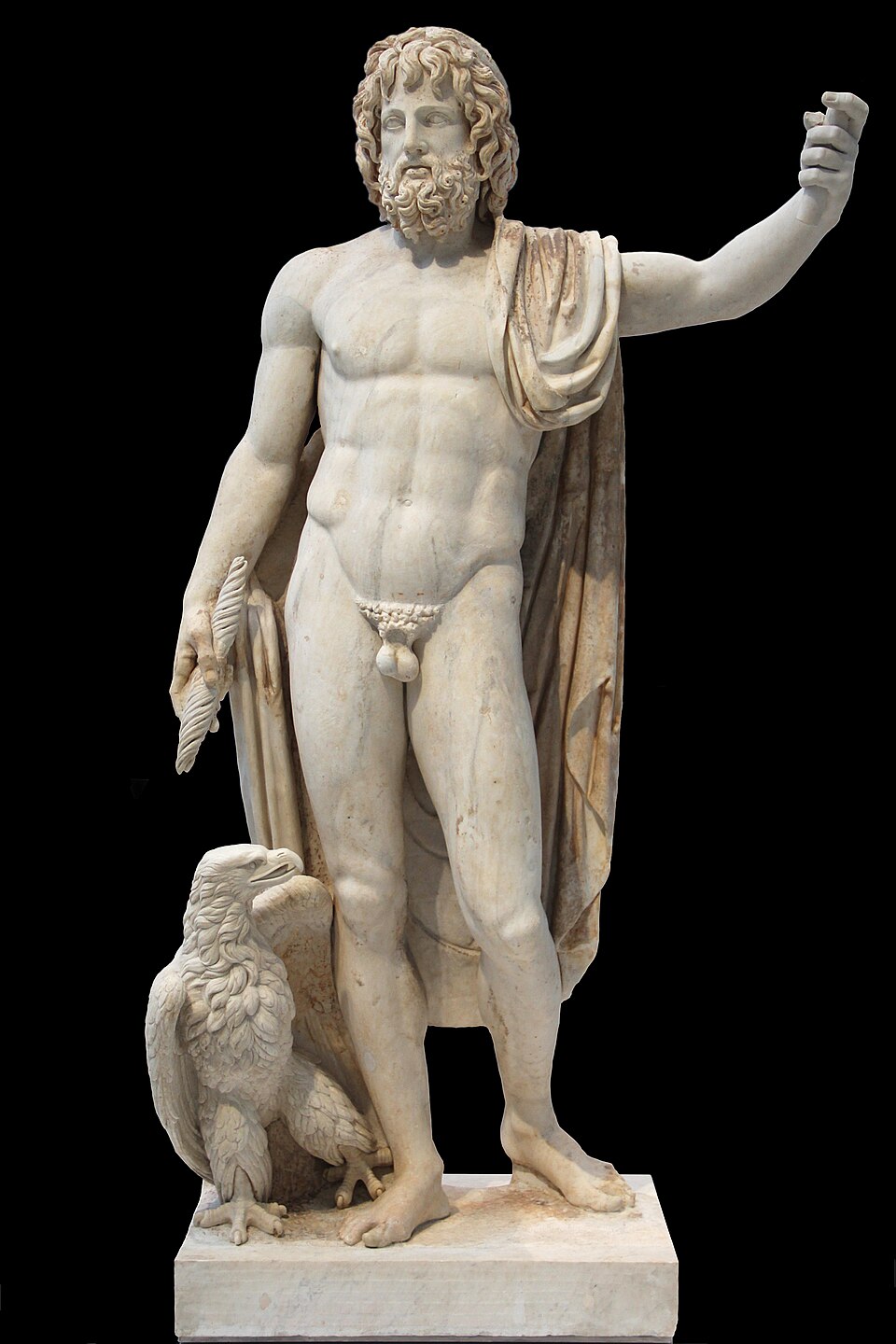
Jupiter
King of the Gods · Roman
Sky-father and state god of Rome, identified with Zeus by the *interpretatio romana* — the ancient world's official policy of treating foreign gods as one's own under different names.
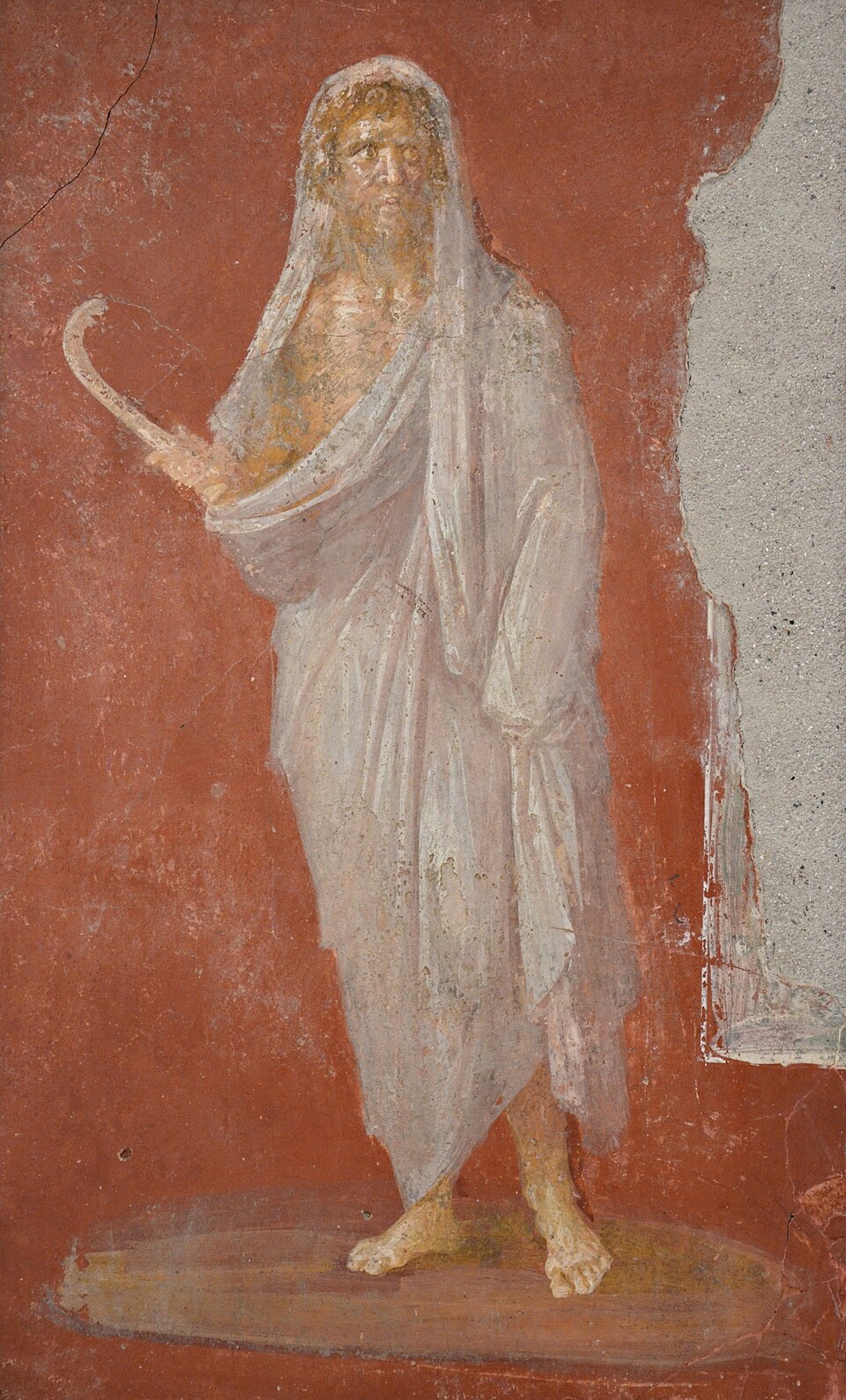
Saturn
God of the Golden Age · Roman
Deposed father of Jupiter. His December festival inverted the social order for a week, and his planet later became the astrological signature of melancholy and malice.
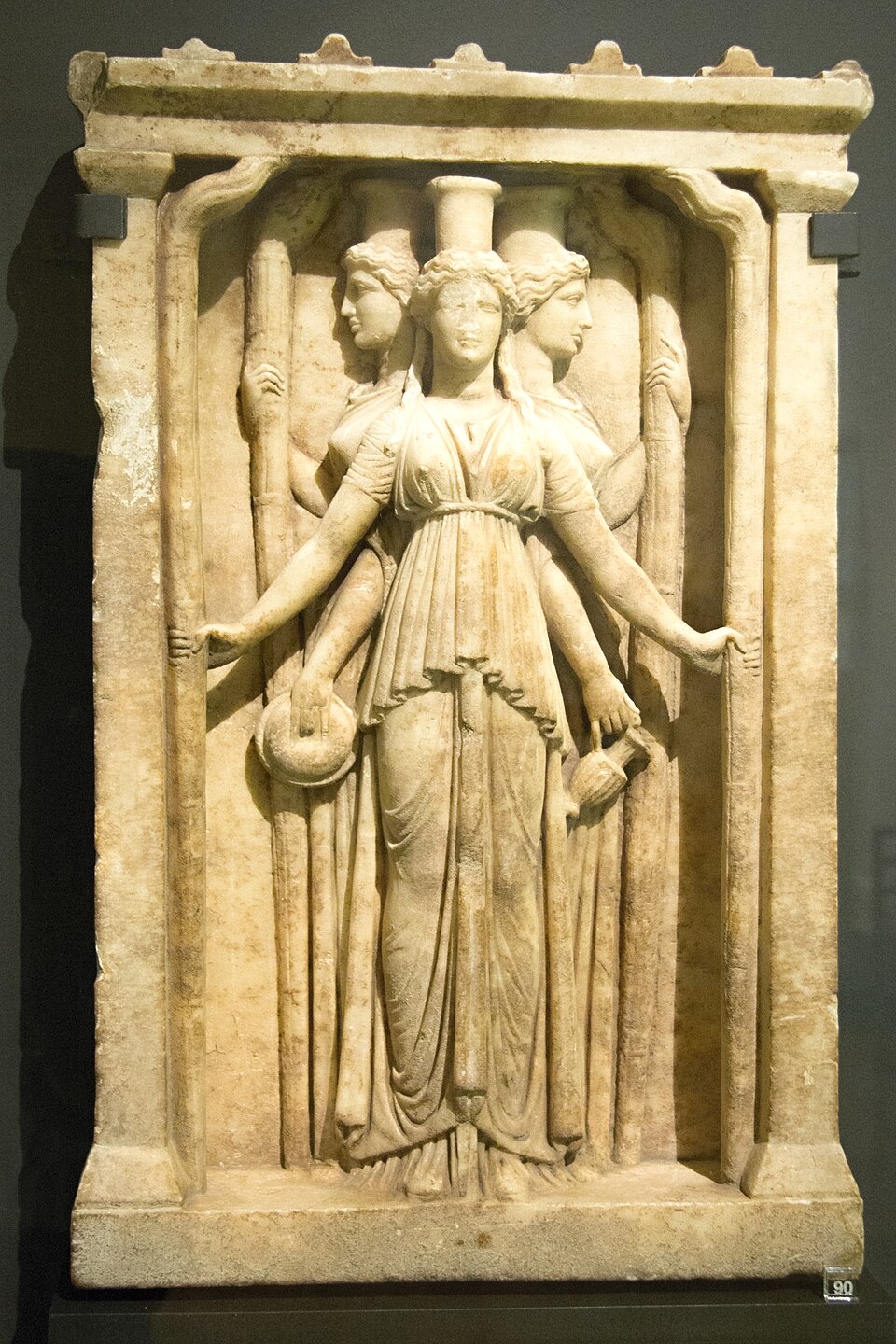
Hecate
Goddess of Crossroads · Greek
Hesiod has Zeus honour her above all others. By the medieval period she presides over witchcraft instead, a demotion with no wrongdoing attached to it anywhere.
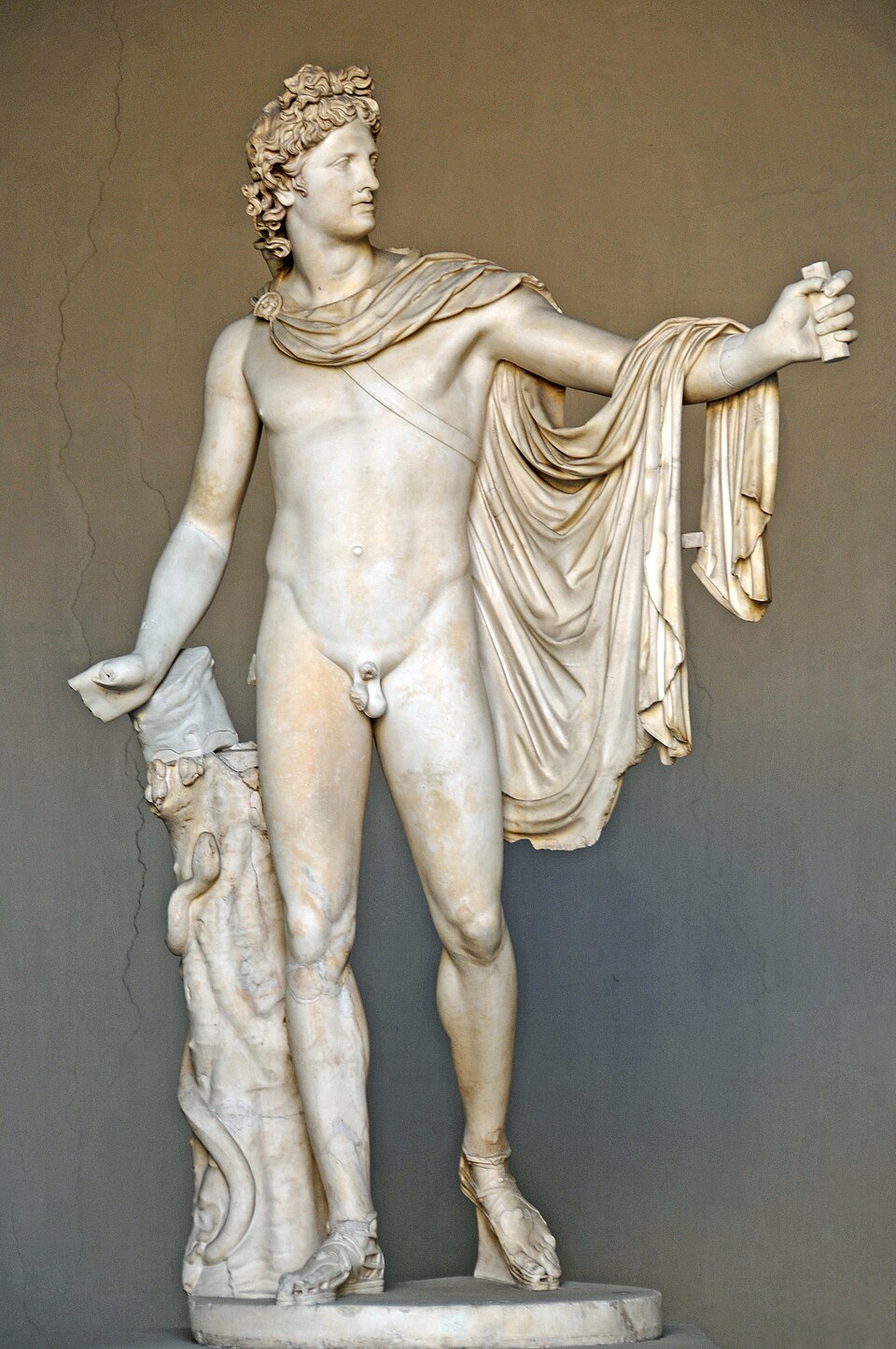
Apollo
God of Prophecy · Greek
Oracle-giver at Delphi, and the god who both sends plague and lifts it. Later traditions split that duality between an angel and a demon; Greece kept it in one figure.
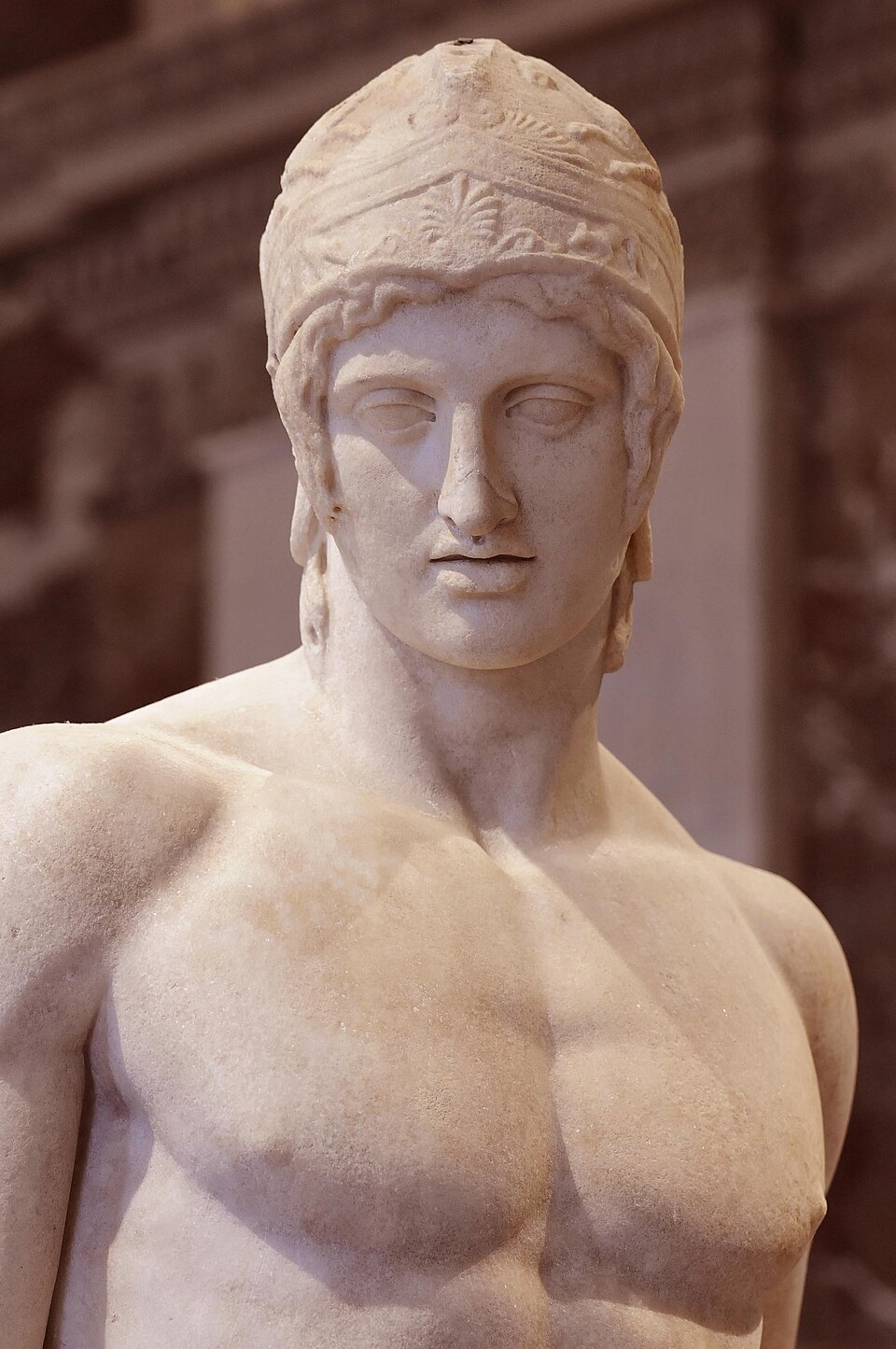
Ares
God of War · Greek
War as slaughter rather than strategy — disliked by the Greeks who worshipped him, and rehabilitated entirely by the Romans as Mars.
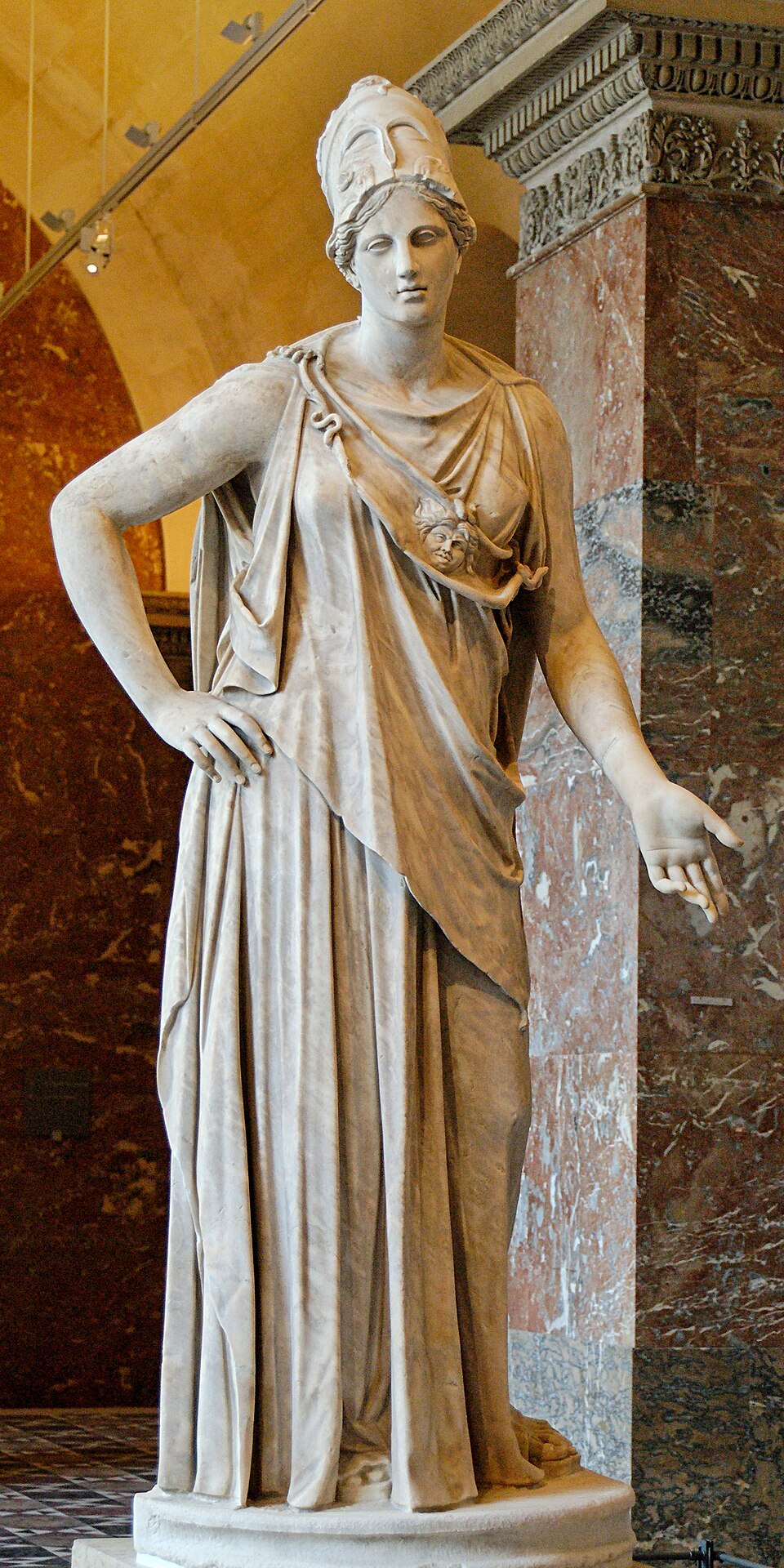
Athena
Goddess of Wisdom and War · Greek
Born from the head of Zeus, and the only Olympian to hold both war and craft. Where Ares is violence, she is strategy.
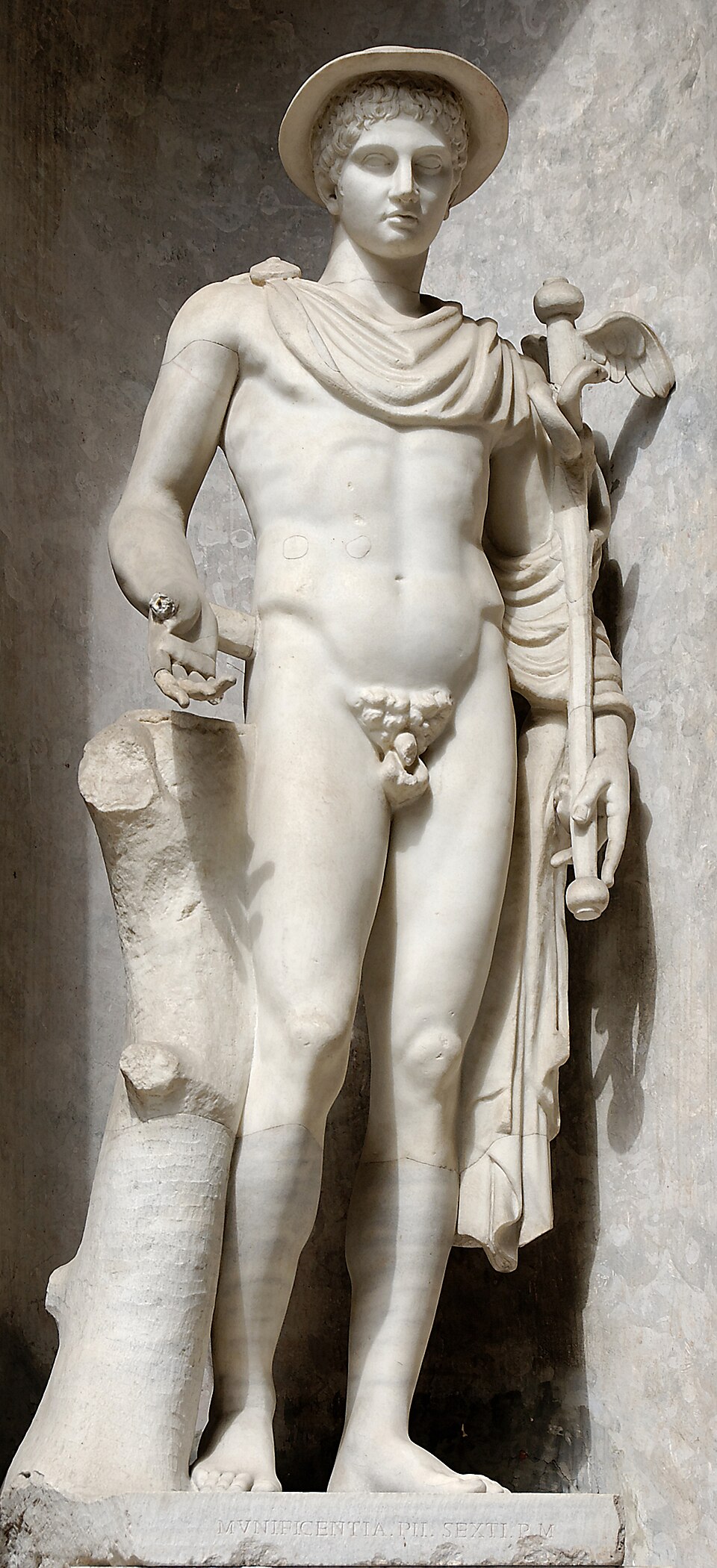
Hermes
Messenger of the Gods · Greek
Herald, psychopomp, patron of boundaries and of thieves — the exact functional counterpart of Gabriel, plus everything Gabriel is not allowed to be.
Poseidon
Lord of the Sea · Greek
God of the sea and of earthquakes — 'earth-shaker' — who receives the waters in the same three-way division that gives Hades the underworld.
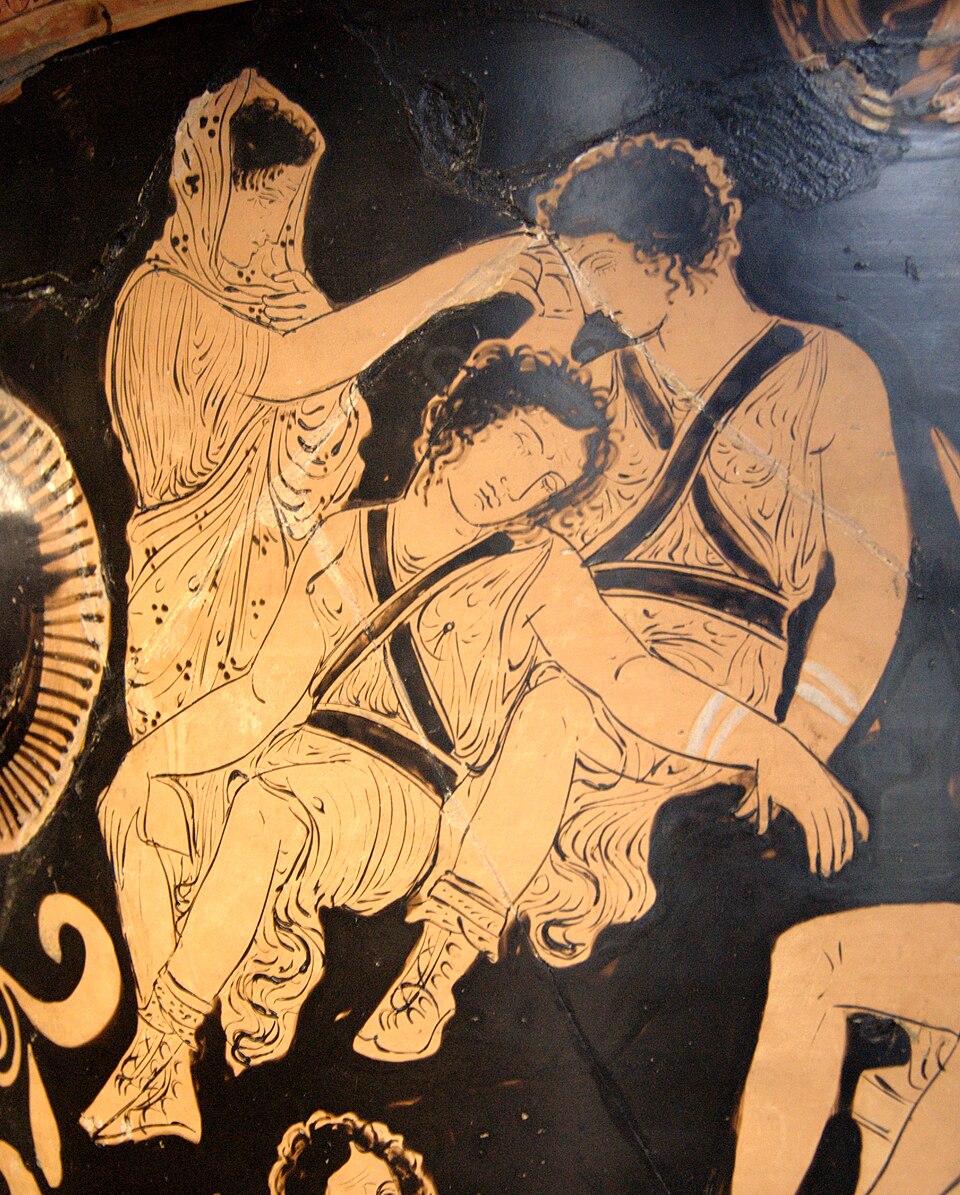
The Erinyes
Avenging Spirits · Greek
Born from the blood of the castrated Ouranos, they pursue kin-murderers without appeal. Christian tradition later hands that office to demons; in Greece it belongs to the gods.
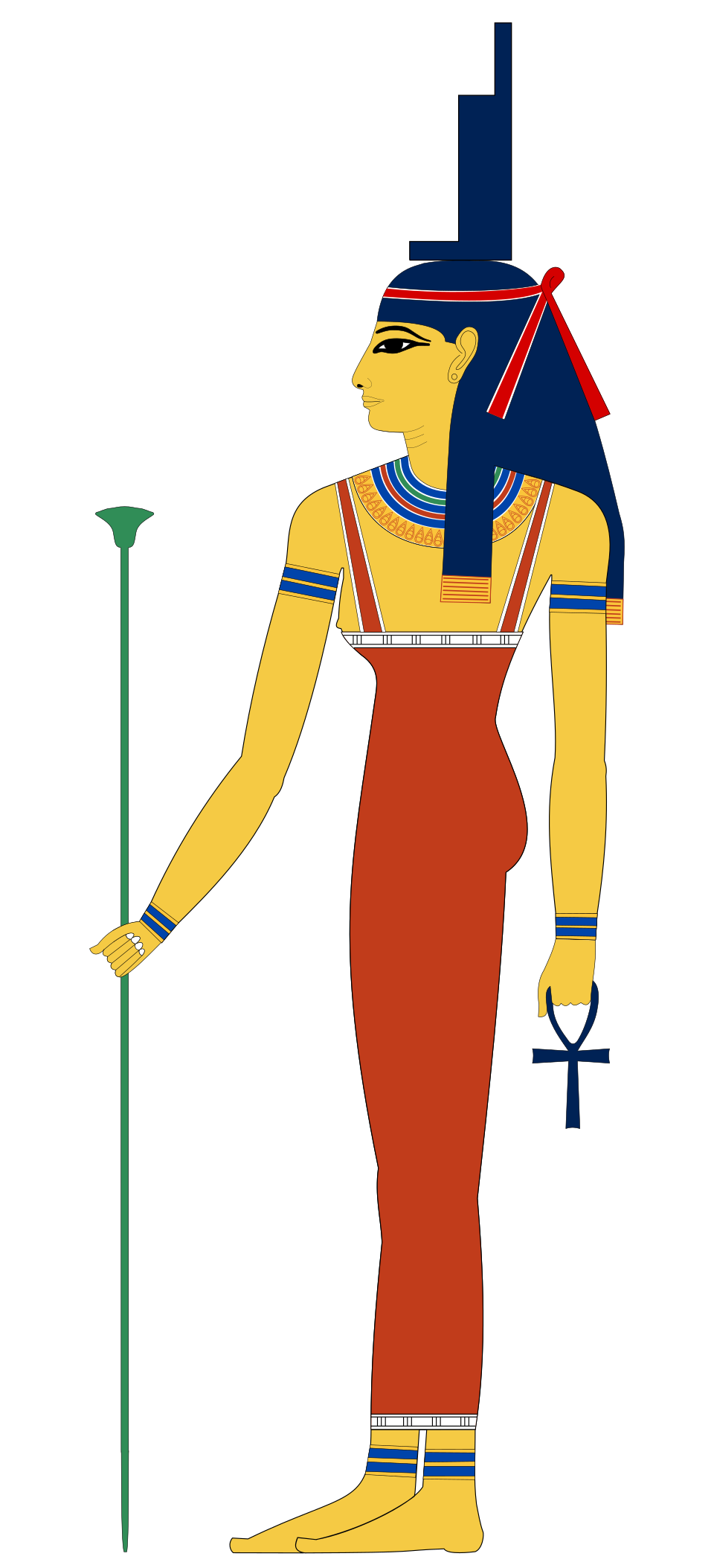
Isis
Great of Magic · Egyptian
The great magician who reassembles Osiris and tricks Ra into surrendering his secret name. Her cult eventually reached as far as Roman Britain.
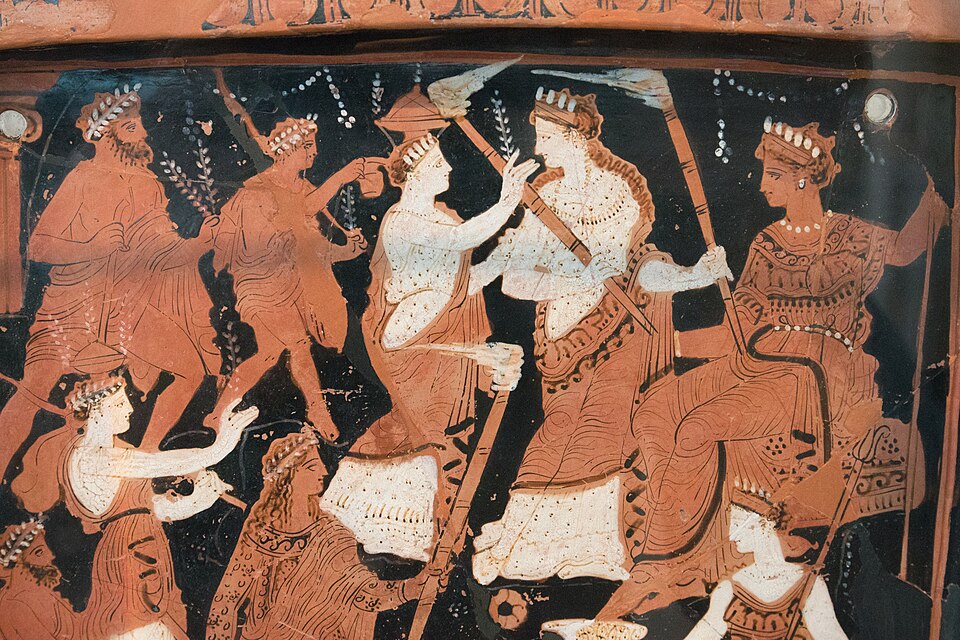
Persephone
Queen of the Underworld · Greek
Carried below and bound to return each year by six pomegranate seeds. She is sovereign of the dead and the returning grain at once.
Mars
God of War and the Fields · Roman
Father of Romulus and second only to Jupiter in the state cult — an agricultural god as much as a martial one, and not simply the Greek Ares renamed.
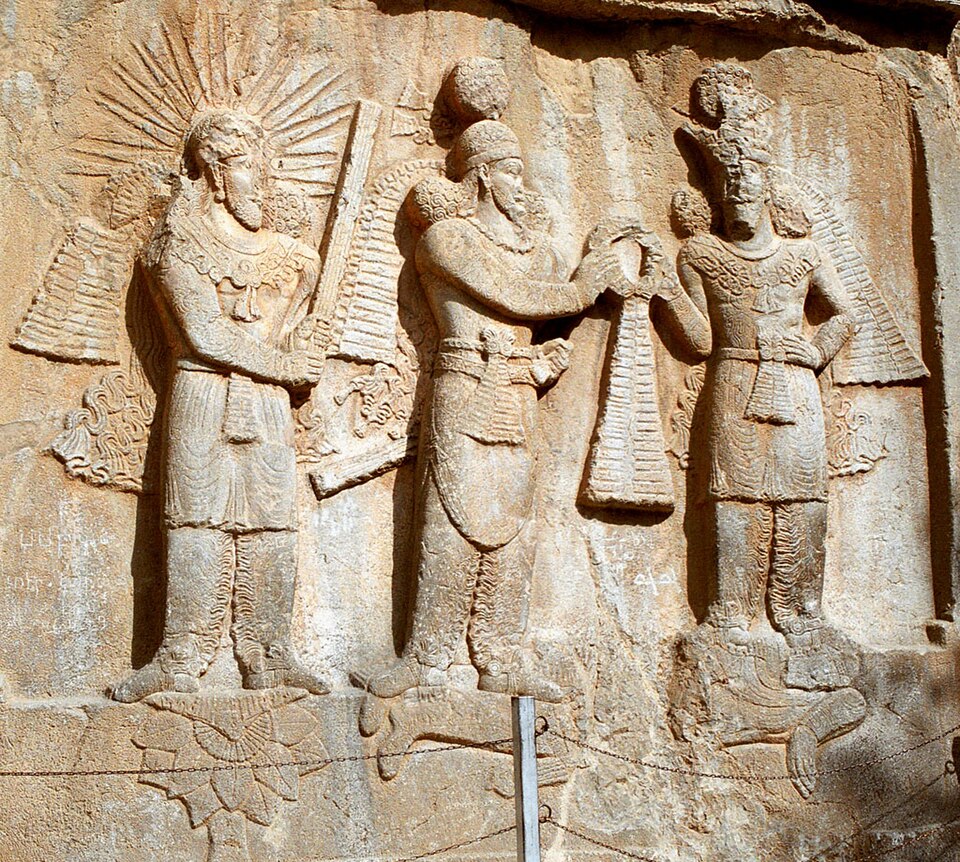
Mithra
Lord of Covenant · Persian
God of the binding contract, worshipped from India to Roman Britain. No other deity in this compendium can be traced across three civilisations so cleanly.
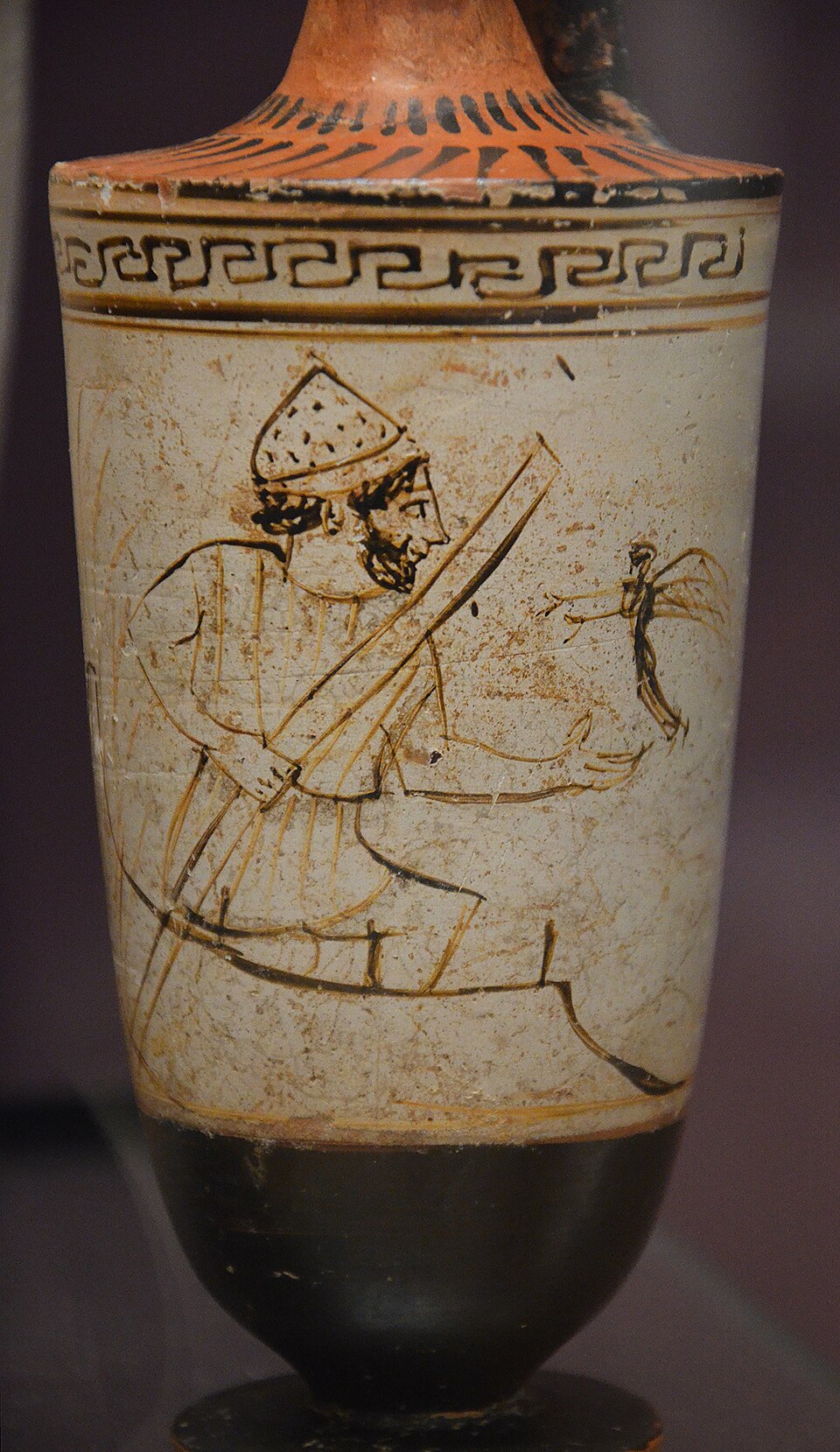
Charon
Ferryman of the Dead · Greek
The ferryman of the Greek underworld, who takes the dead across and takes payment for it. The coin placed in a corpse's mouth was his fare.
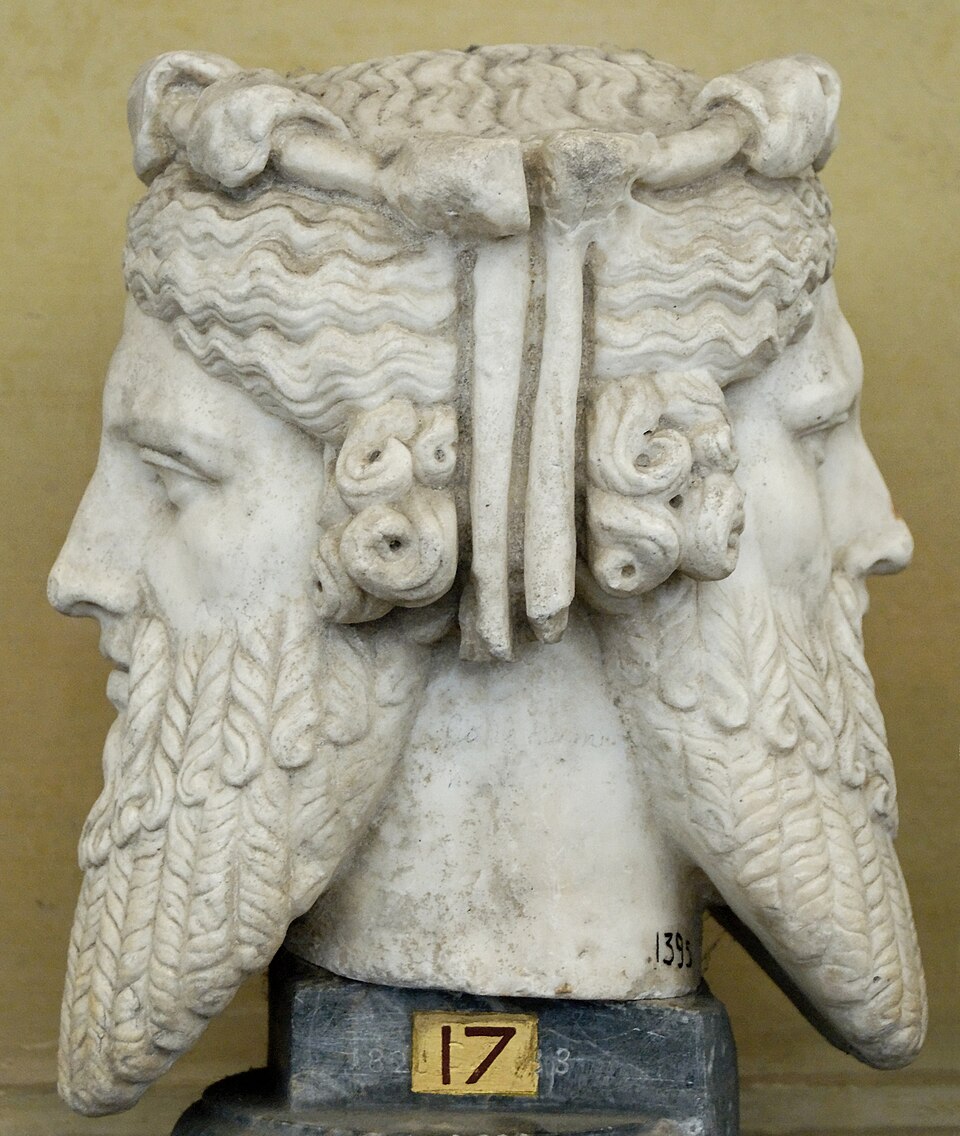
Janus
God of Doorways · Roman
God of thresholds with no Greek equivalent — the doors of his temple stood open in war and shut in peace, and they were almost never shut.
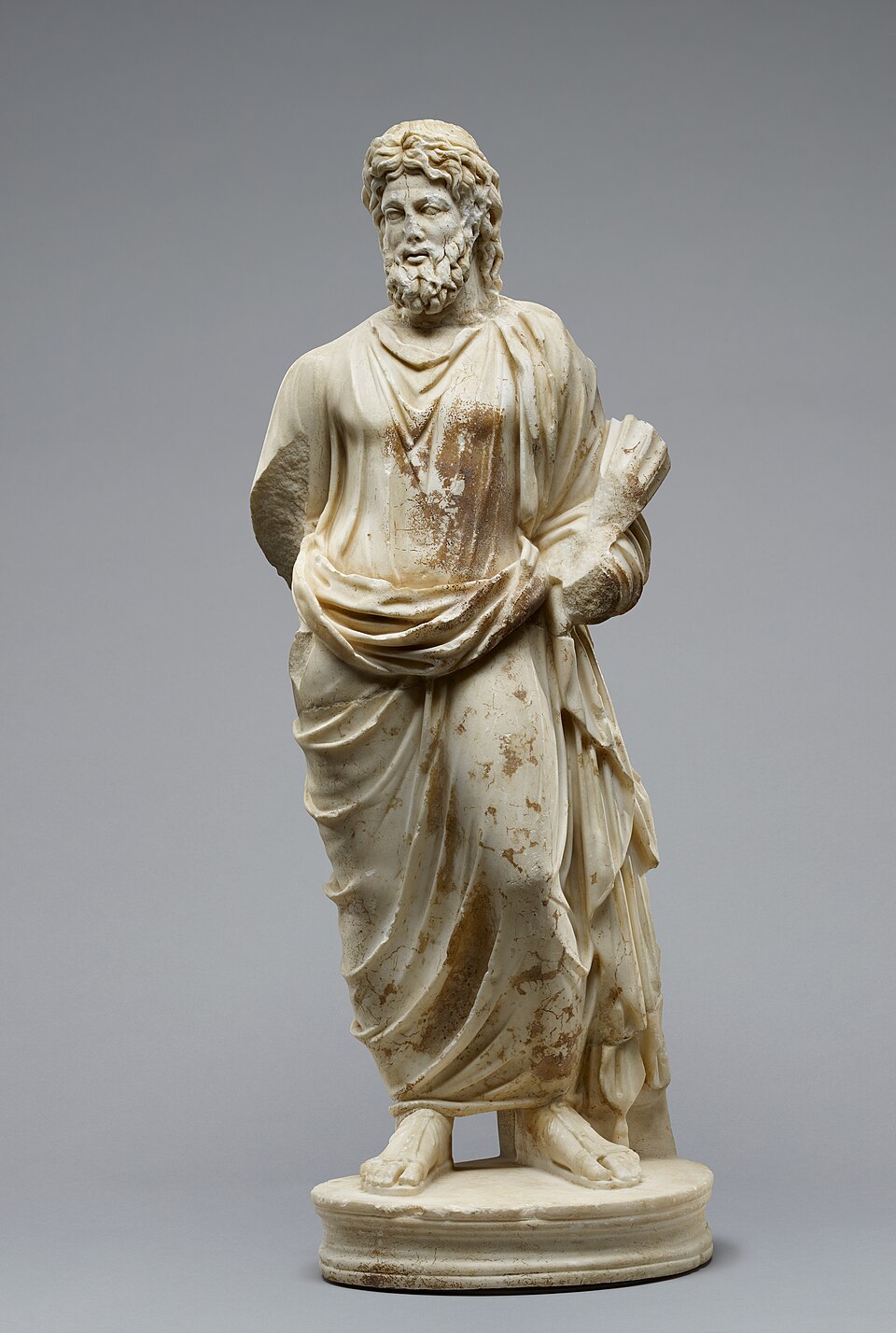
Pluto
Lord of the Underworld · Roman
The Roman Hades, whose alternative name Orcus survives in 'ogre' — and whose realm supplied Christian writers much of their imagery for hell.