Deity · Greek · c. 700 BCE
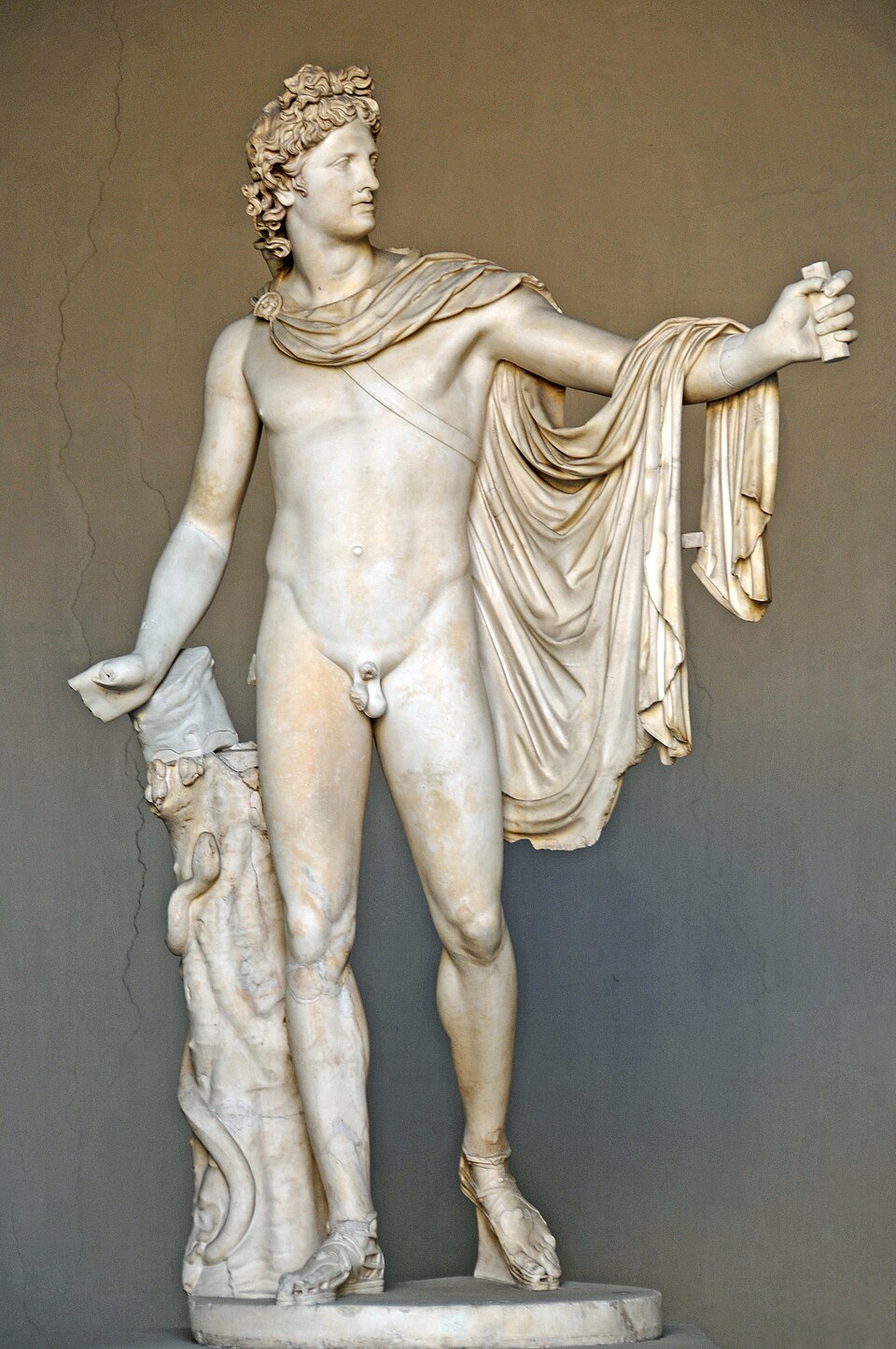
Apollo
Also called Phoebus, Apollōn, Apellōn, Apeilōn, Aploun, Apollon (per Wikidata)
Oracle-giver at Delphi, and the god who both sends plague and lifts it. Later traditions split that duality between an angel and a demon; Greece kept it in one figure.
Deep source base
Apollo holds together what later traditions insist on separating: the god who sends plague and the god who lifts it, the same archer either way. The first book of the Iliad opens with his arrows falling on the Greek camp, and he is also the healer and the father of Asclepius. The Delphic oracle is his, taken from the serpent Python he killed there, which is the detail that leaks furthest — the Acts of the Apostles describes a slave girl with a spirit of python, and that phrase becomes a named demon in modern deliverance teaching this corpus carries. Revelation names the angel of the abyss Apollyon, the destroyer; whether the resemblance to Apollo's name is deliberate has been argued for centuries and is not settled.
Identity
Where does the name come from?
Where it was actually worshipped
Delphi, where the Pythia answered from the adyton and the Greek world came to ask; and Delos, held to be his birthplace and kept ritually pure by forbidding anyone to be born or to die on it.
A figure with temples and a figure that only ever existed on a page are different kinds of thing, and the difference is easy to lose once both are entries in a list.
At a glance
Vitals
Vitals
Also known as
- First attested
- The Iliad · c. 750 BCE
- Rank
- God of Prophecy
- Pantheon
- Greek
- Order
- Greek pantheon
- Base of operations
- Delphi, where the Pythia answered from the adyton and the Greek world came to ask; and Delos, held to be his birthplace and kept ritually pure by forbidding anyone to be born or to die on it.
- Era
- c. 700 BCE
- Traditions
- Greek, Roman
- Placed in
- The Greek Succession
Traits
- Domain
- Prophecy, plague and healing, music, light
- Traditional form
- A beardless youth with lyre and bow
- Metal of its planet (Agrippa, 1533)
- Gold — “Amongst Metals, Gold by reason of its splendor, and its receiving that from the Sun which makes it cordiall.” (I.23)
- Planet
- Sun
2 sites
Where was it worshipped?
Attested cult sites, located against the Pleiades gazetteer of the ancient world where it reaches and against Wikidata everywhere else. An absence here is not evidence that no cult existed: a good number of figures never had one, and the entry above says so where that is the case.
now Delphi, formerly Pytho
Where the Pythia answered from the adyton, and which the Greeks called the navel of the world.
38.482, 22.501 · Pleiades 540726
Apollo's birthplace, kept ritually pure: nobody was permitted to be born or to die on the island, and the existing graves were dug up and moved.
Held to be his birthplace.
37.392, 25.270 · Pleiades 599588
4 attributed
What is it said to do?
Where these powers cluster
The 4 offices attributed to Apollo, grouped by kind. Segment width is the share of powers falling in each category.
A bar dominated by one colour means a specialist; an even spread means a figure the sources credit with almost anything.
- knowledge1
- divination1
- malefic1
- material1
1 mark
Which marks is it attached to?
A mark a figure carries and a mark used against a figure are opposite claims, so each link says which it is.
3 texts
Which texts say so, and where do they disagree?
When these texts were written
Each dot is one of the 3 texts that names Apollo, placed at that text's approximate date.
A wide spread means the figure was carried across many centuries and traditions; a tight cluster means a single period produced the whole record.
3 texts spanning roughly 150 years
Where the texts differ
- Name: given as Apollo, Phoebus Apollo
The plague at the opening of the poem, sent because a priest of his was refused — nine days of arrows into the camp before anyone asks why. The corpus's other Apollo attestations are oracular; this is the god as an epidemic with a grievance, and it is the aspect the later demonologies remember.
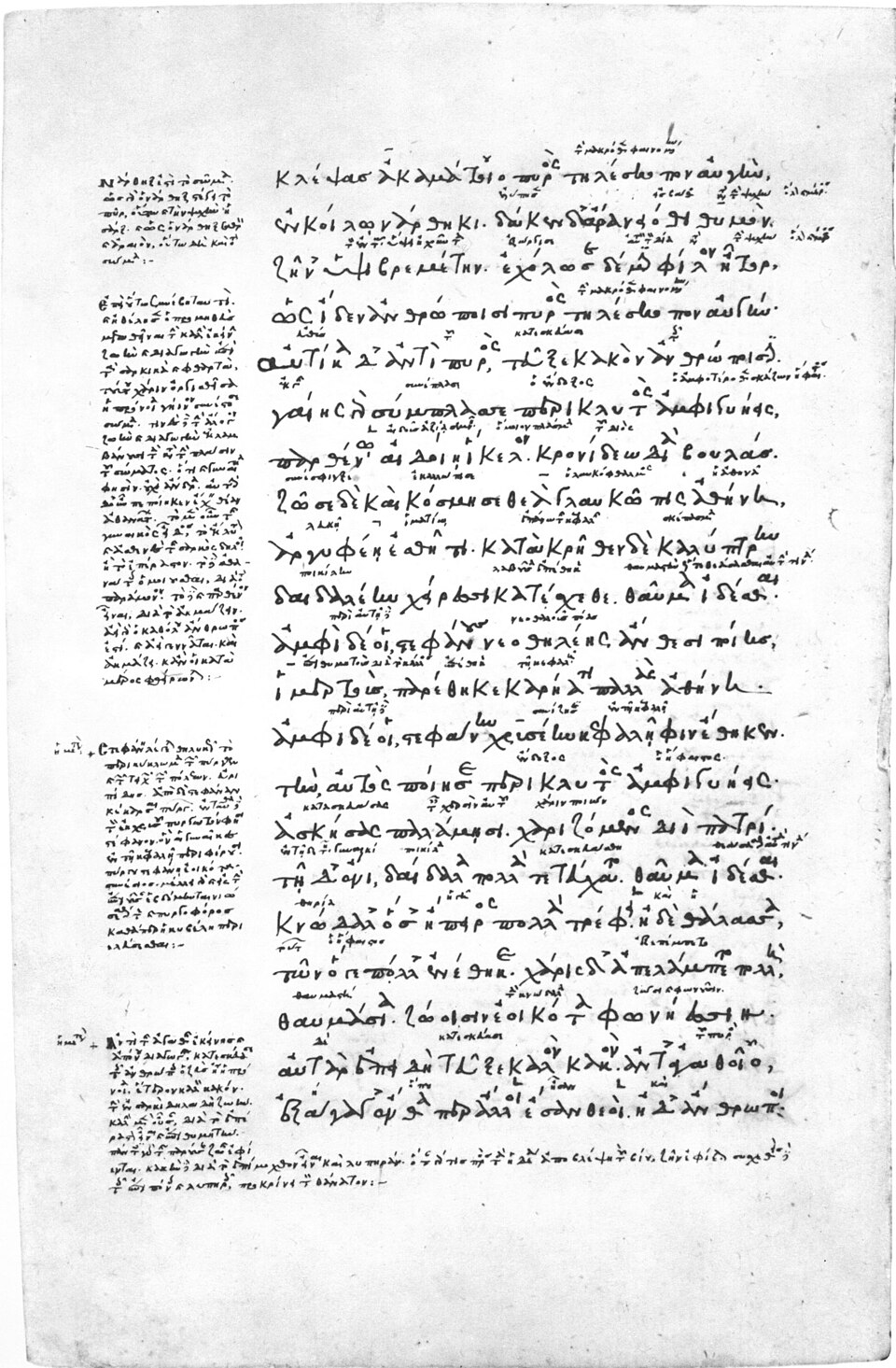
Son of Leto; lord of the bow and of prophecy.
The founding of the oracle: the god walks the mainland looking for a site, kills the she-dragon at the spring, and press-gangs a shipload of Cretans into serving his temple. The hymn is the corpus's best account of how a Greek cult explained its own origin, and the dragon under the sanctuary is the same arrangement Christian legend later gives to churches built on serpent ground.
“I will remember and not be unmindful of Apollo who shoots afar. As he goes through the house of Zeus, the gods tremble before him and all spring up from their seats when he draws near, as he bends his bright bow.”
Connections
What is it connected to?
Placement
Where does it sit in the hierarchies?
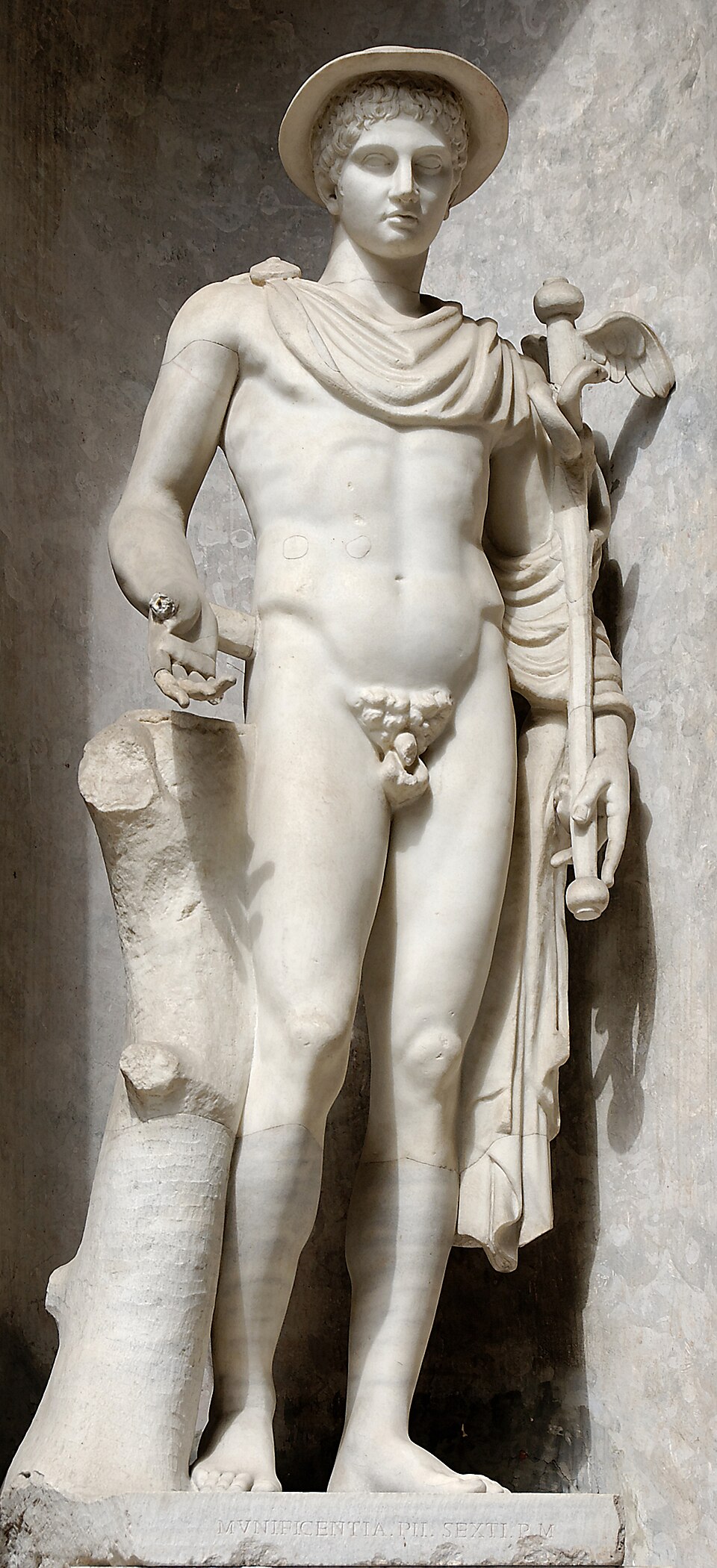
Answered from the sources
Common questions
Which texts mention Apollo?
Is Apollo the same as Resheph?
What rank is Apollo?
How else is Apollo spelled?
What is Apollo said to do?
How old is Apollo?
Nearest in the corpus
If Apollo is what you came for, these are next
Chosen by proximity rather than by popularity: the same pantheon first, then the same rank, then the same kind of figure.
Artemis
Mistress of Animals · Greek
Huntress and protector of the young, whose Ephesian cult statue looks nothing like her and whose temple gave the ancient world one of its most durable protective formulas.
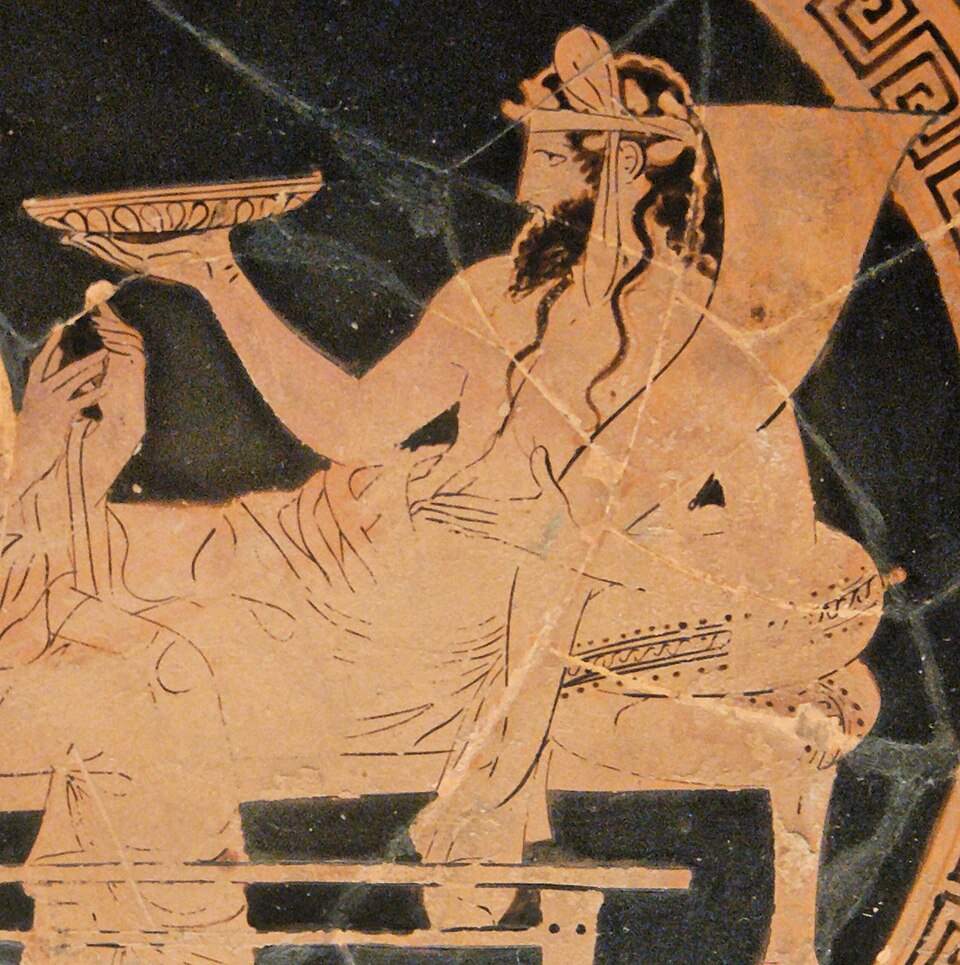
Hades
Lord of the Underworld · Greek
Ruler of the dead by lot rather than by punishment — a god of the underworld who is not evil, a distinction Christian cosmology cannot express.
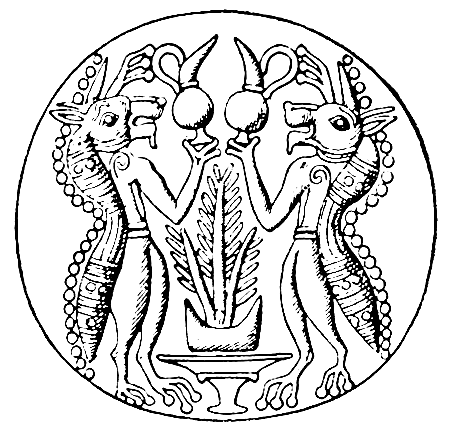
The Daimones
Class of Spirits · Greek
Guardian spirits — Socrates had one that advised him — whose name the Greek scriptures borrowed for evil spirits, permanently poisoning the word.
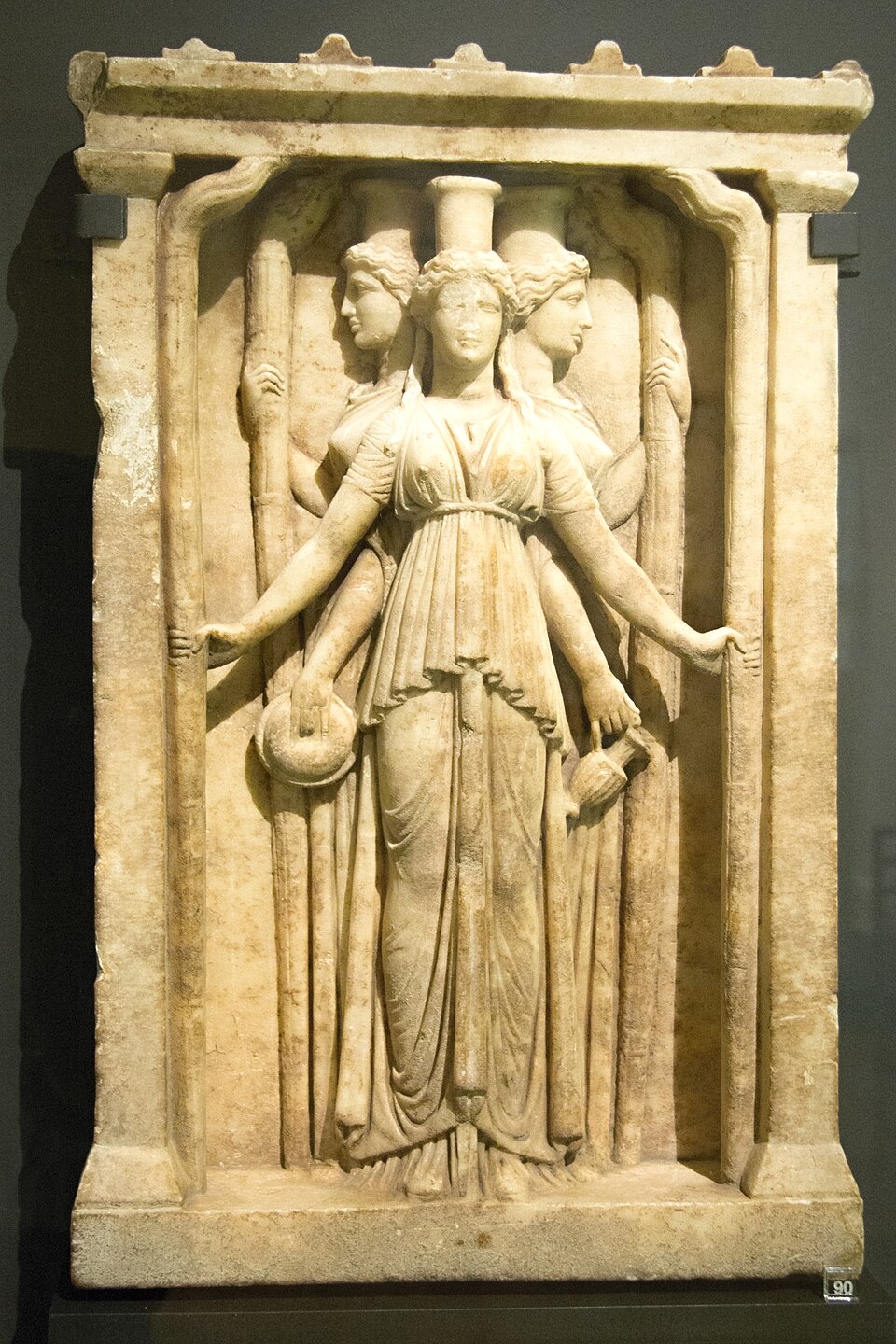
Hecate
Goddess of Crossroads · Greek
Hesiod has Zeus honour her above all others. By the medieval period she presides over witchcraft instead, a demotion with no wrongdoing attached to it anywhere.
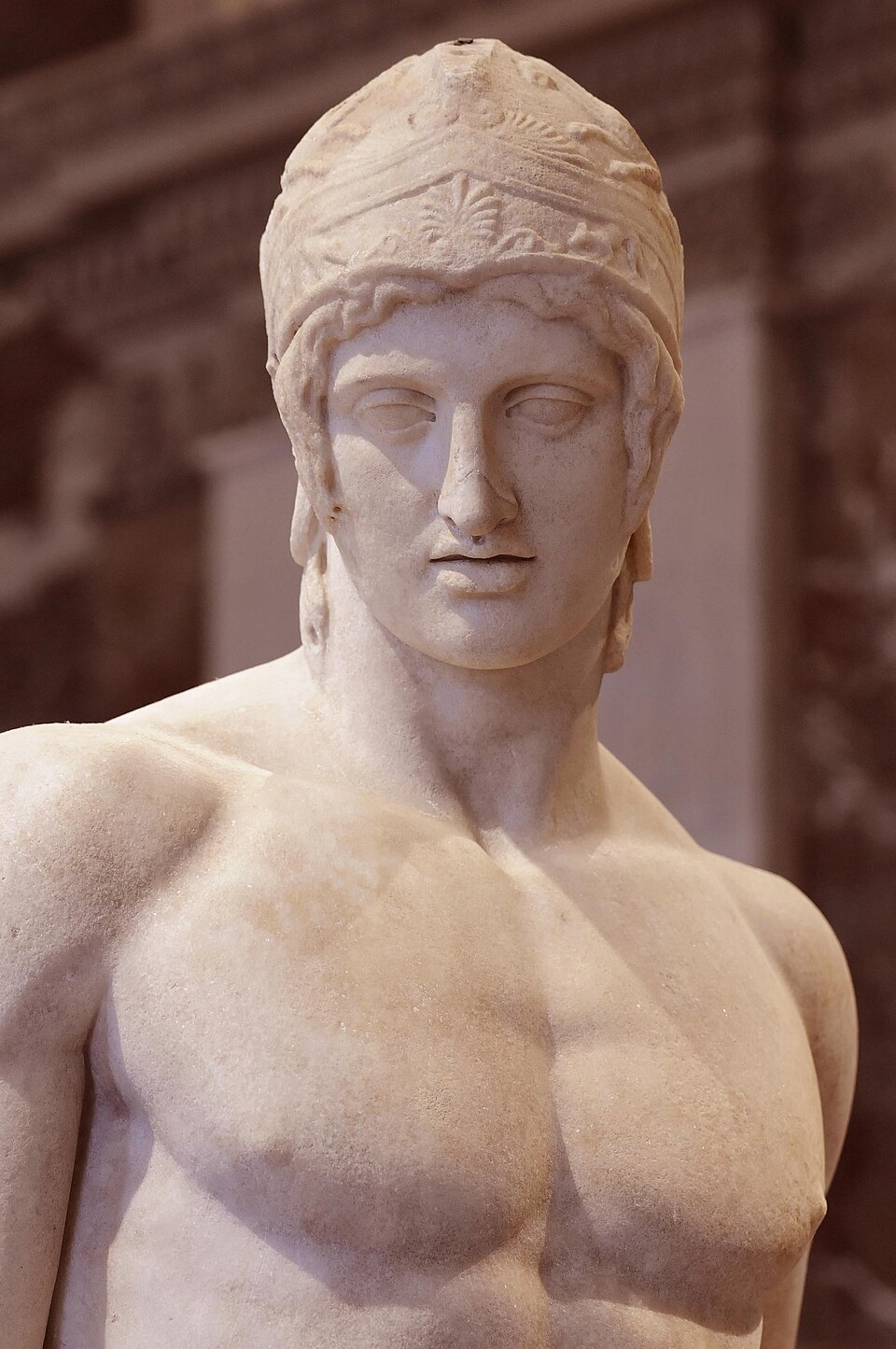
Ares
God of War · Greek
War as slaughter rather than strategy — disliked by the Greeks who worshipped him, and rehabilitated entirely by the Romans as Mars.
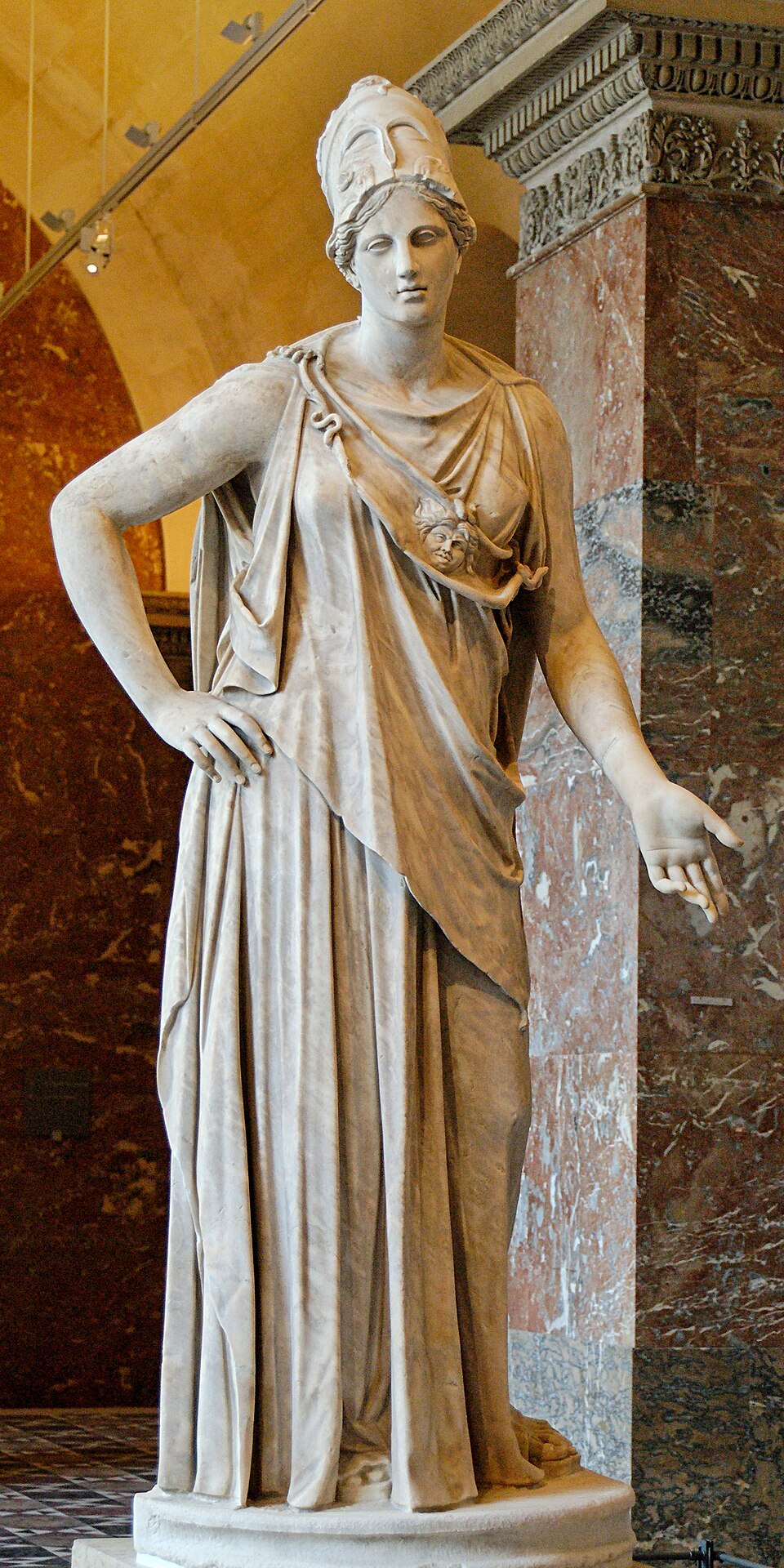
Athena
Goddess of Wisdom and War · Greek
Born from the head of Zeus, and the only Olympian to hold both war and craft. Where Ares is violence, she is strategy.
The books behind Apollo
Every claim on this profile is attributed to one of these. They are public domain, listed oldest first, and each links to a full text where one is freely available.
Theogony & Works and Days
Hesiod · c. 700 BCE · Ancient Greek
Read Theogony & Works and Days in full ↗Cover: Public domain · Hesiod · Wikimedia file page
The Homeric Hymns
Anonymous; attributed in antiquity to Homer; tr. Hugh G. Evelyn-White · c. 700–500 BCE · Ancient Greek
Read The Homeric Hymns in full ↗
Corpus last revised 29 August 2026. A reference site’s credibility rests on being maintained, so this is the date the sourced records last changed — not the date the page was rebuilt.