Greek · Ancient Greek · c. 700–500 BCE
The Homeric Hymns
Anonymous; attributed in antiquity to Homer; tr. Hugh G. Evelyn-White
Thirty-three poems addressed to individual gods, each setting out what that god presides over and how the honour was won. They are the best evidence in this corpus for Greek religion as practised rather than as arranged: the hymn to Demeter tells the abduction of Persephone and ends by founding the rites at Eleusis, and the hymn to Hermes has a god establish his own claim to a share of the sacrifices by theft and by argument.
Read The Homeric Hymns in full at the linked edition →What this text attests · 10
| Name here | Rank given | # | Powers described |
|---|---|---|---|
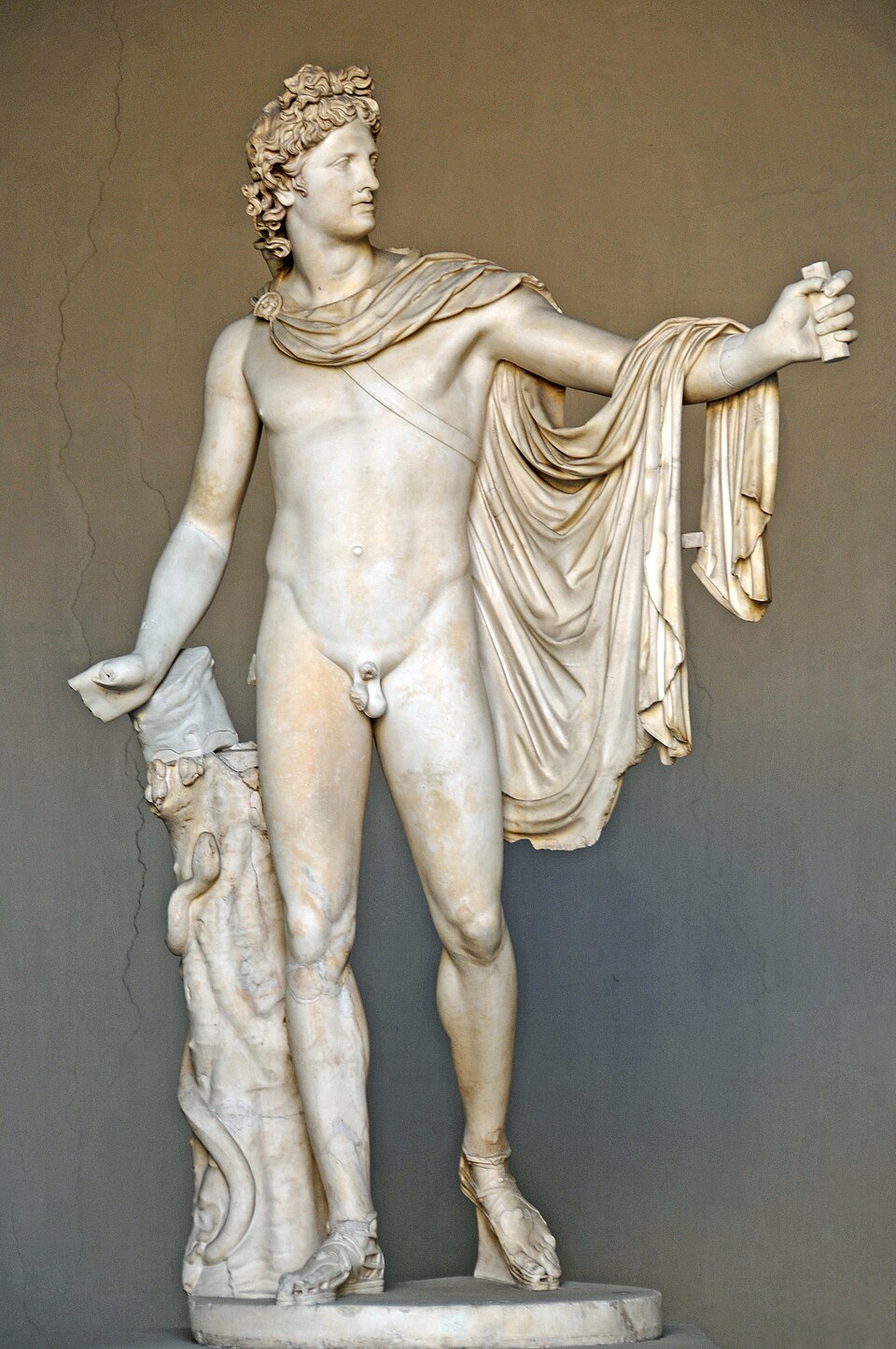
| — | — | The founding of the oracle: the god walks the mainland looking for a site, kills the she-dragon at the spring, and press-gangs a shipload of Cretans into serving his temple. The hymn is the corpus's best account of how a Greek cult explained its own origin, and the dragon under the sanctuary is the same arrangement Christian legend later gives to churches built on serpent ground. | |
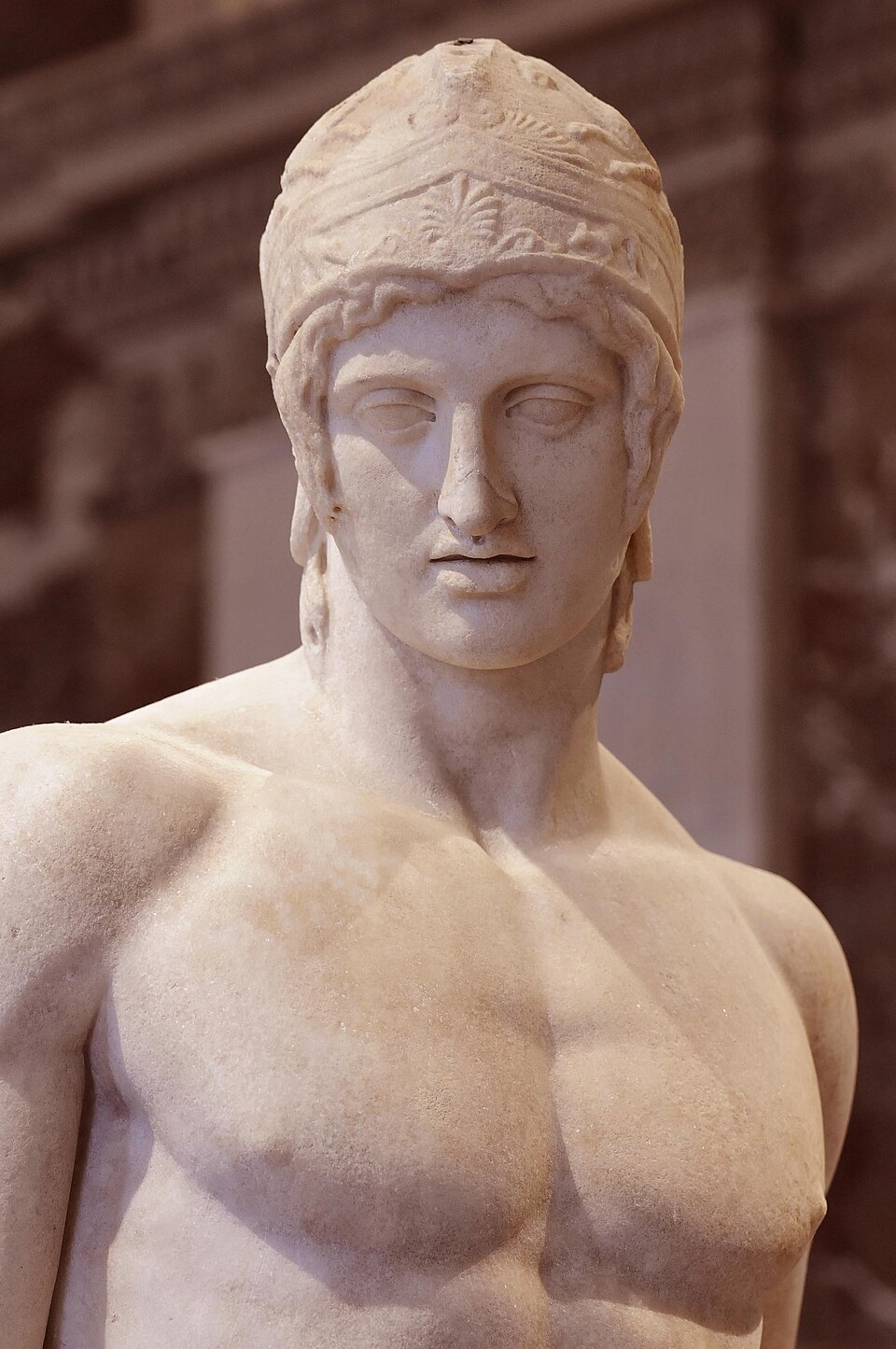
| — | — | Addressed as a planet and a virtue as much as a god — courage, the sceptre of right, help against cowardice — which is the late, allegorised Ares that the astrological tradition takes up. The corpus keeps it beside the Iliad's Ares deliberately: same god, two centuries and one act of rehabilitation apart. | |
| — | — | The huntress in the mountains, drawing her golden bow and then leading the dance at her brother's house — the two halves of her that later reception keeps splitting apart. This corpus carries her chiefly for the Ephesian cult the New Testament collides with, and the hymns show what the Greek figure was before that collision. | |
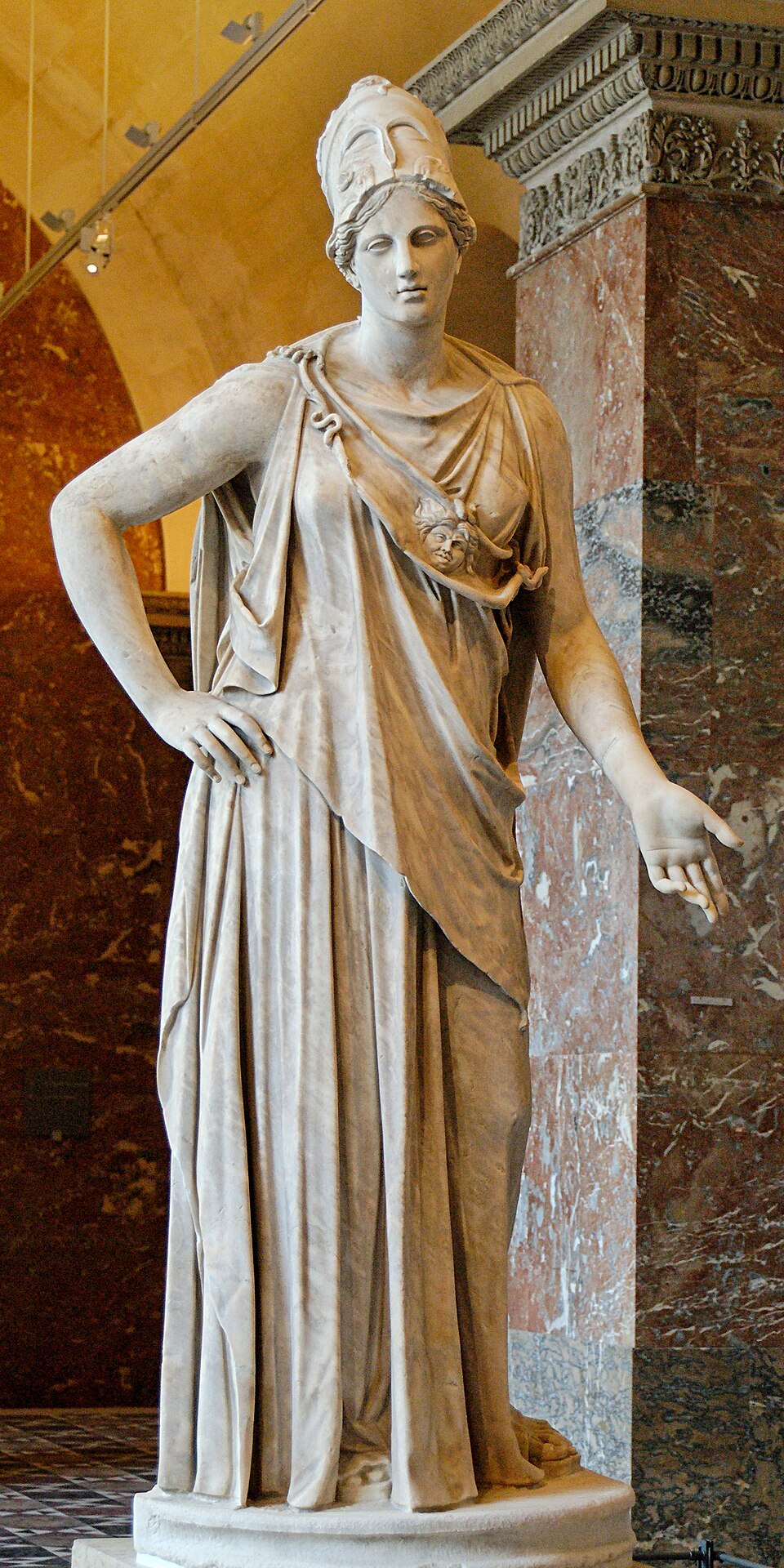
| — | — | Born from the head of Zeus in armour, with the sky and sea disturbed at the moment. What the hymns add to the genealogy is the emphasis on skill rather than on war — the crafts, the works of bronze — which is the half of her the Roman Minerva keeps and the medieval allegorists find they can use. | |
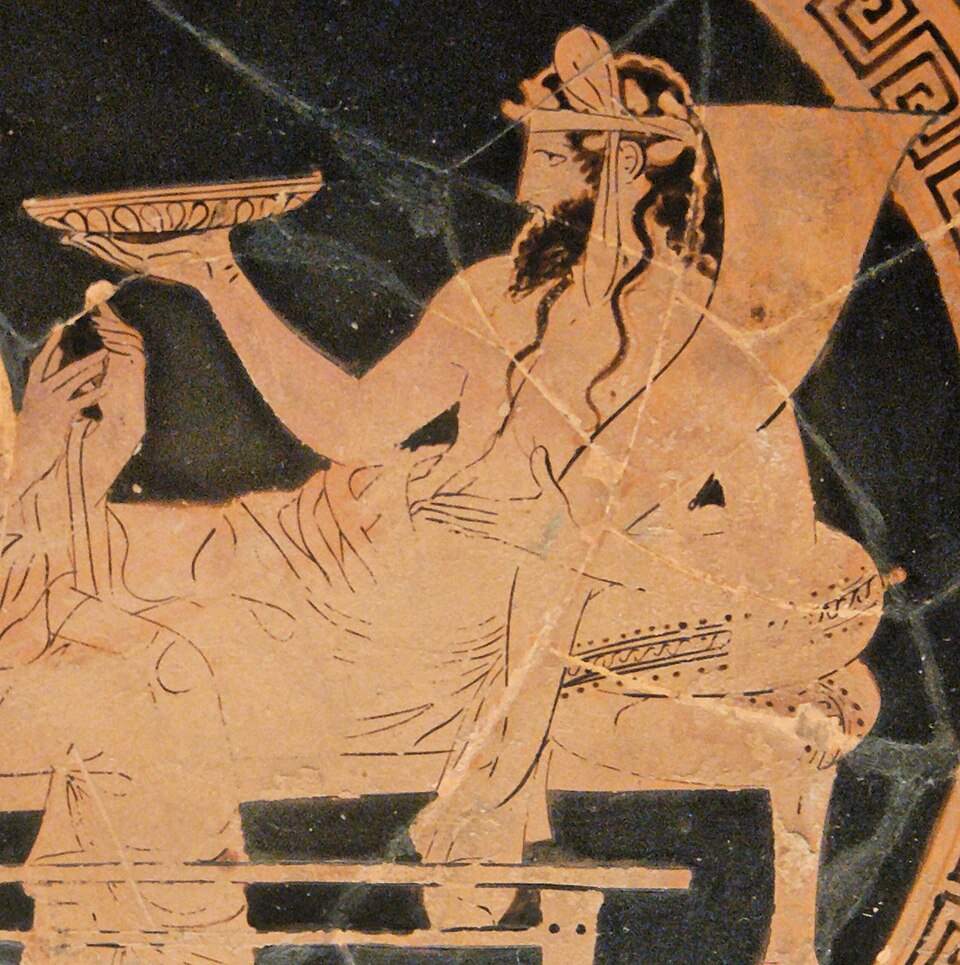 Hades (Aidoneus) = Hades | — | — | The abductor, acting with the consent of Zeus and complying with the recall when it comes — the seed is a technicality, not a defiance. He is a magistrate of a fixed jurisdiction rather than an adversary, and the whole later Christian collapse of Hades into the devil is a misreading of exactly this text's tone. |
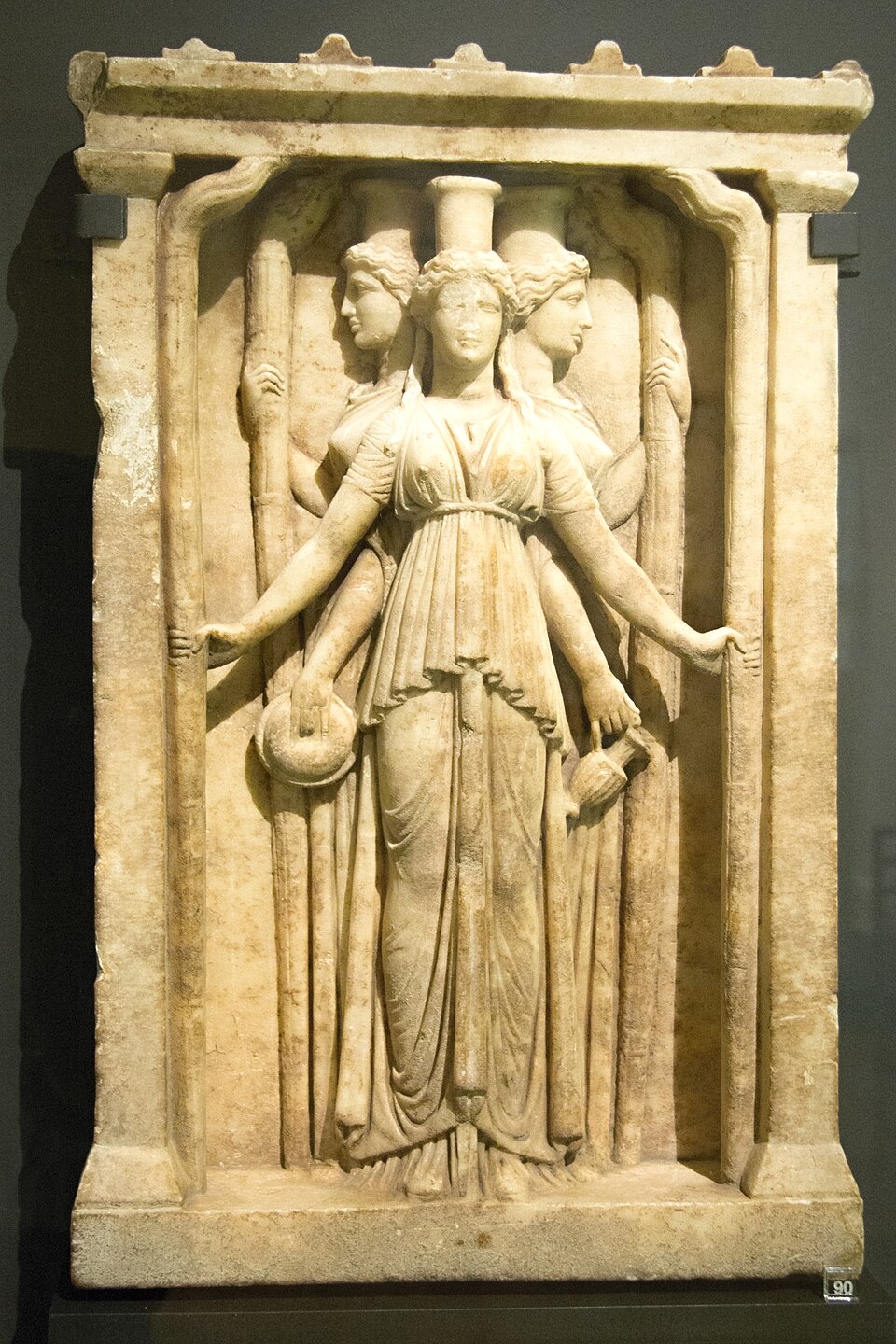
| — | — | The only one who hears the girl cry out, and afterwards her attendant. That is the figure at her earliest: a goddess honoured for hearing what others miss, holding torches at the edge of a story about someone else. Set against the Dictionnaire Infernal's entry for her, this corpus can show queen of the witches as a demotion with a date rather than as a character trait. | |
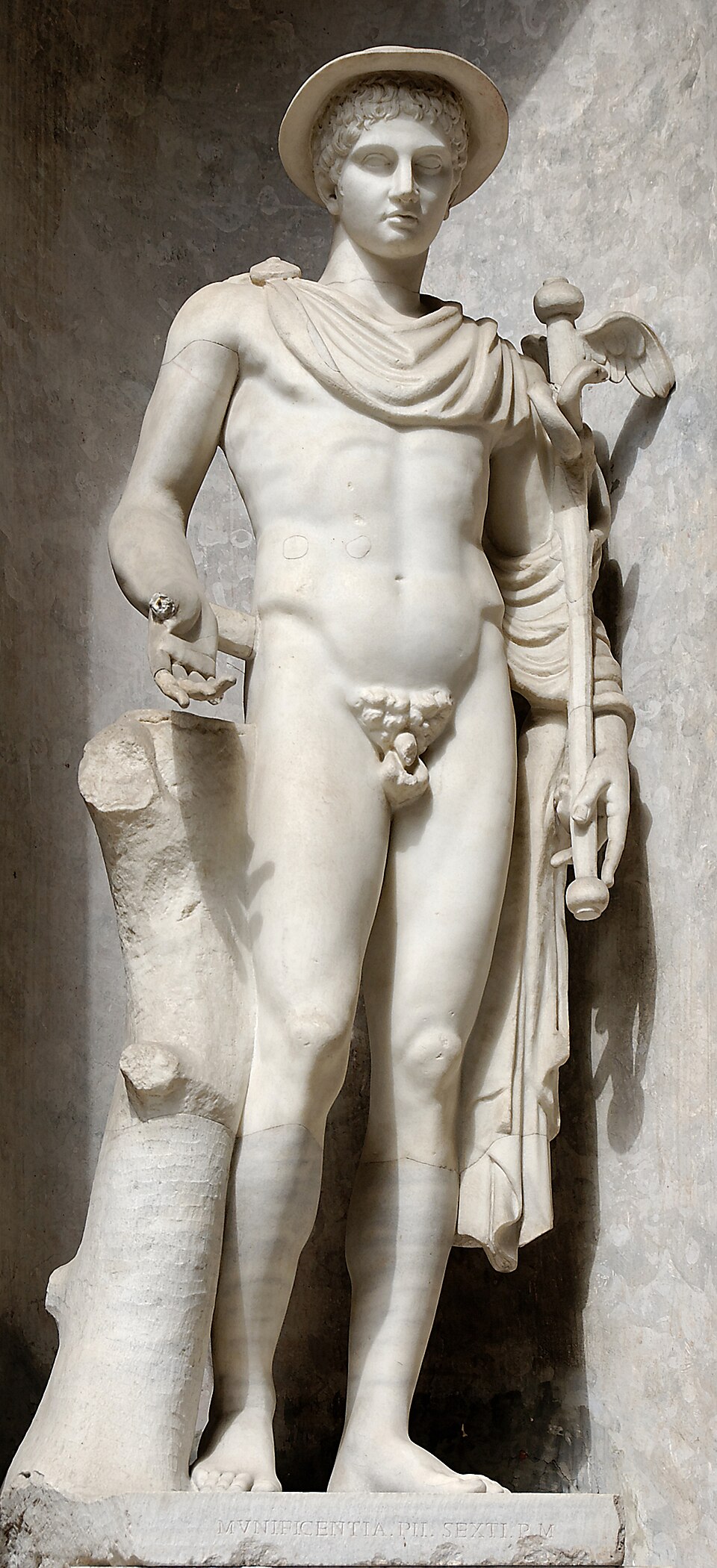
| — | — | A god establishing his own claim by theft and then by argument: born in the morning, he steals Apollo's cattle by evening, invents the lyre from a tortoise, lies under oath to his father and negotiates his way to a permanent share of the honours. The corpus needs it because this is the charter of the Greek trickster as an office rather than a temperament. | |
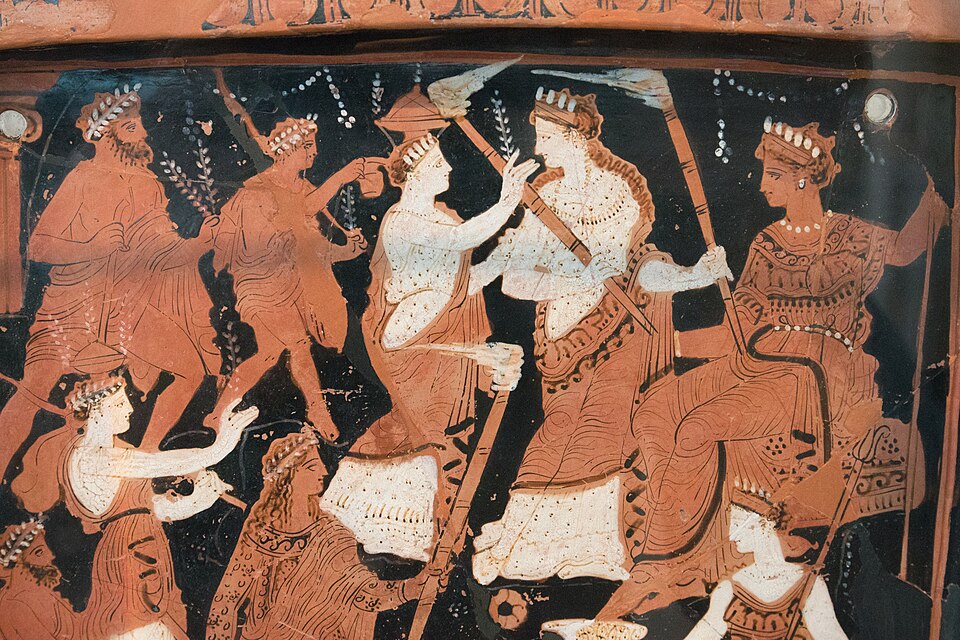
| — | — | The abduction, at length and from her mother's side: the narcissus planted as a snare, the ground opening, and the pomegranate seed that makes the return partial. The hymn ends by founding the rites at Eleusis, so the corpus holds a myth and the cult it authorises in one document — the clearest instance of that pairing on the site. | |
| — | — | Named as the mover of the earth and of the barren sea, given the two domains together — the earthquake and the water — which the later reception mostly forgets in favour of the trident. A god of the ground that shifts is a different proposition from a god of the sea. | |
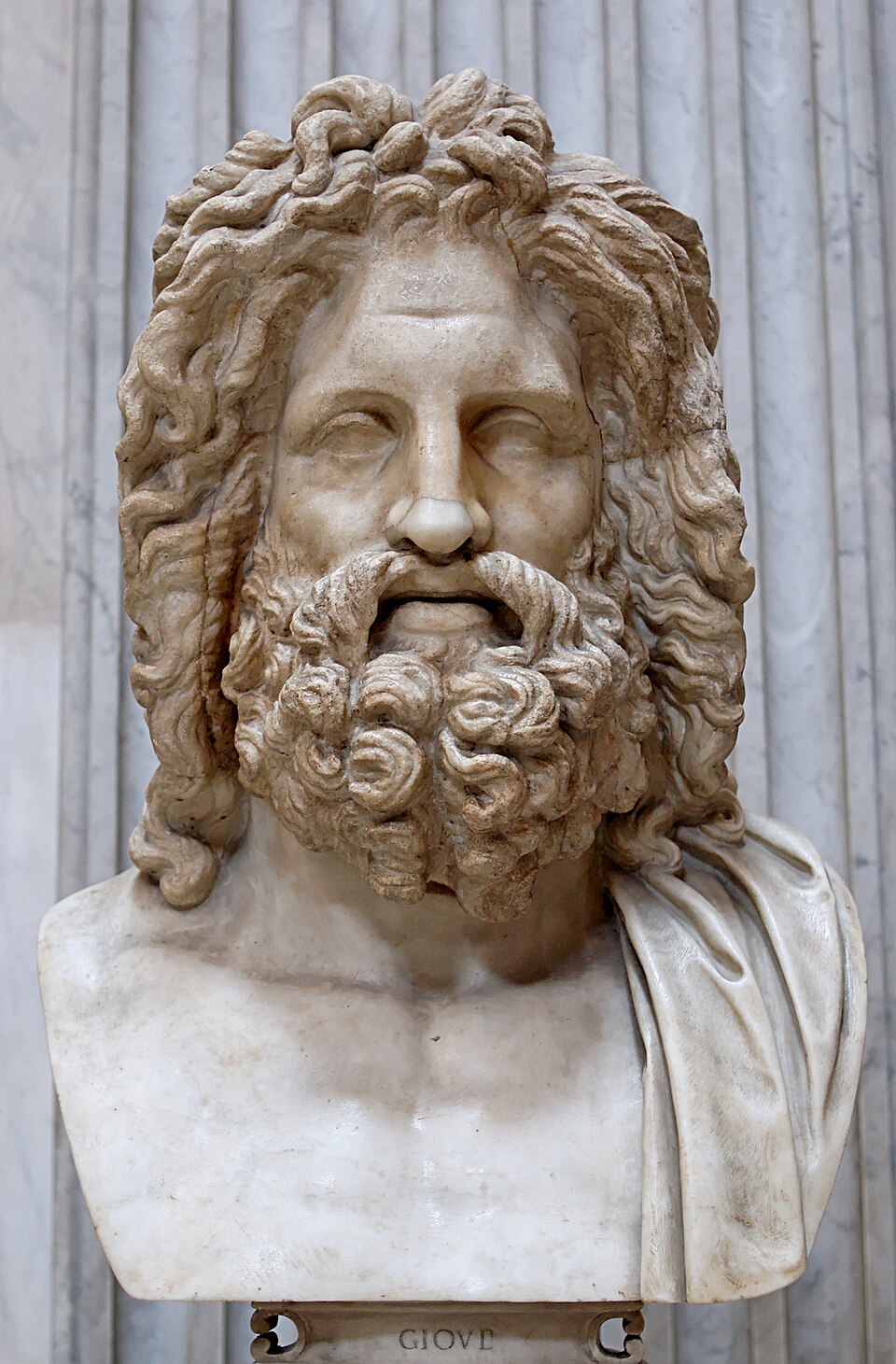
| — | — | Addressed in his own right as the god who governs and distributes, and present throughout the longer hymns as the authority the other gods appeal to. The Theogony gives him a lineage and a war; the hymns give him a jurisdiction, which is the part that survives into the Latin Jupiter and from there into every later scheme that needs a top of the hierarchy. |
What does it actually say?
The passages themselves, as this text gives them. Read them against what the other texts here say about the same figures — that comparison is the point.
“I will remember and not be unmindful of Apollo who shoots afar. As he goes through the house of Zeus, the gods tremble before him and all spring up from their seats when he draws near, as he bends his bright bow.”
“Ares, exceeding in strength, chariot-rider, golden-helmed, doughty in heart, shield-bearer, Saviour of cities, harnessed in bronze, strong of arm, unwearying, mighty with the spear, O defence of Olympus, father of warlike Victory, ally of Themis, stern governor of the rebellious, leader of righteous men, sceptred King of manliness, who whirl your fiery sphere among the planets in their sevenfold courses through the aether wherein your blazing steeds ever bear you above the third firmament of heaven; hear me, helper of men, giver of dauntless youth!”
“I sing of Artemis, whose shafts are of gold, who cheers on the hounds, the pure maiden, shooter of stags, who delights in archery, own sister to Apollo with the golden sword.”
“I begin to sing of Pallas Athene, the glorious goddess, bright-eyed, inventive, unbending of heart, pure virgin, saviour of cities, courageous, Tritogeneia.”
“Muse, sing of Hermes, the son of Zeus and Maia, lord of Cyllene and Arcadia rich in flocks, the luck-bringing messenger of the immortals whom Maia bare, the rich-tressed nymph, when she was joined in love with Zeus,—a shy goddess, for she avoided the company of the blessed gods, and lived within a deep, shady cave.”
“I begin to sing about Poseidon, the great god, mover of the earth and fruitless sea, god of the deep who is also lord of Helicon and wide Aegae.”
“I will sing of Zeus, chiefest among the gods and greatest, all-seeing, the lord of all, the fulfiller who whispers words of wisdom to Themis as she sits leaning towards him.”