Deity · Greek · c. 700 BCE
Hecate
Also called Hekate, Trivia (Roman) · also recorded as Hecat, Εκάτη (per Wikidata)
Hesiod has Zeus honour her above all others. By the medieval period she presides over witchcraft instead, a demotion with no wrongdoing attached to it anywhere.
Deep source base
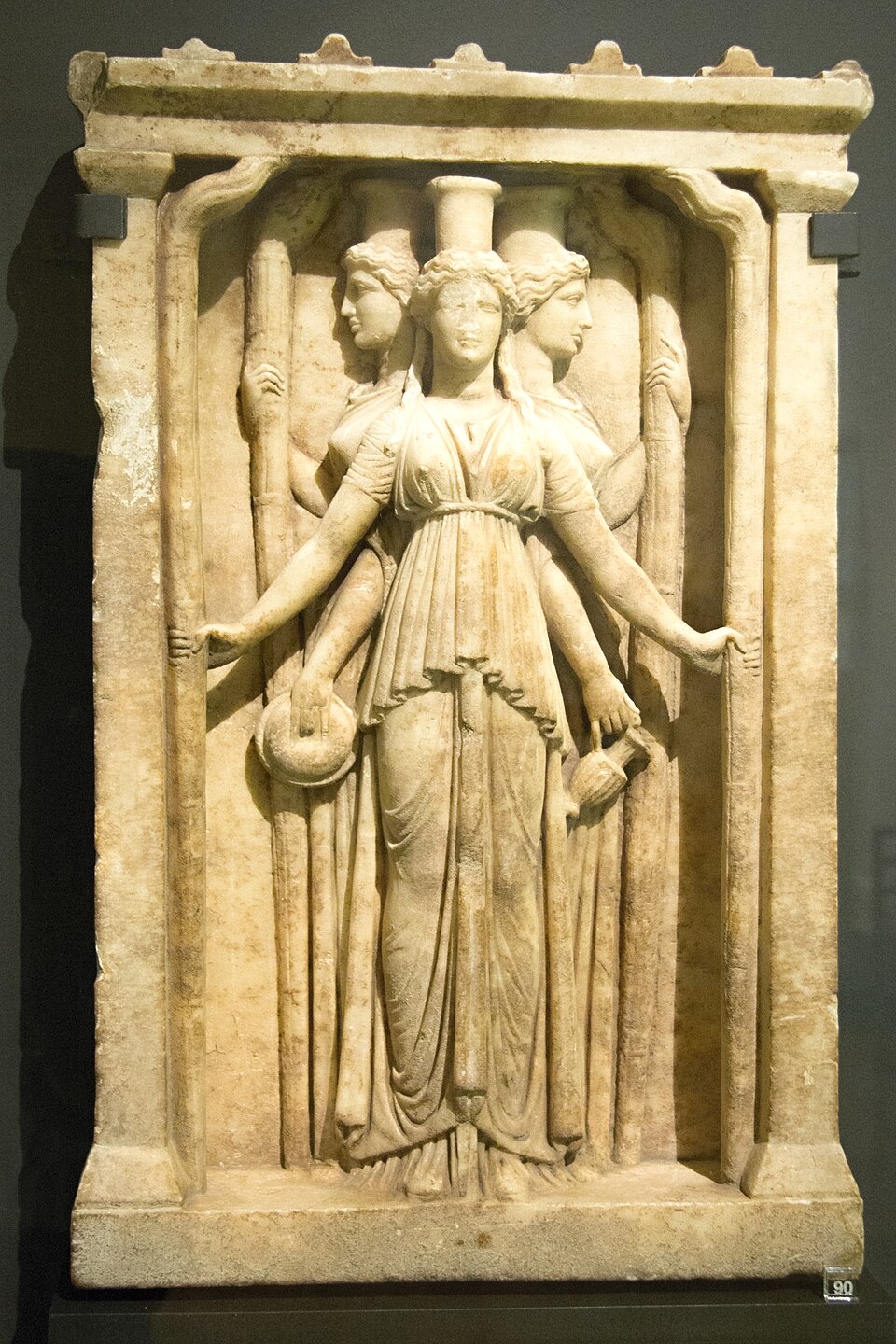
Hecate is the clearest demotion in the corpus that carries no accusation with it. In Hesiod she is honoured by Zeus above all others, given a share of earth, sea and sky, and invoked for success in council, war, athletics, fishing and the raising of children — a broadly benevolent goddess with an unusually wide portfolio. Nothing in the record convicts her of anything. What changes is the company she keeps: torches, crossroads, the dead, and dogs make her the obvious patron once magic becomes a category to be prosecuted rather than practised, and by the medieval period she presides over witchcraft. De Plancy files her among the demons without feeling any need to explain the journey.
Identity
Where does the name come from?
Where it was actually worshipped
Lagina in Caria, her one great temple, where a procession carried the key; and the crossroads everywhere else, where the offering was left on the ground and not looked back at.
A figure with temples and a figure that only ever existed on a page are different kinds of thing, and the difference is easy to lose once both are entries in a list.
At a glance
Vitals
Vitals
Also known as
- First attested
- Theogony & Works and Days · c. 700 BCE
- Named there as
- Hekate
- Rank
- Goddess of Crossroads
- Pantheon
- Greek
- Order
- Greek chthonic powers
- Base of operations
- Lagina in Caria, her one great temple, where a procession carried the key; and the crossroads everywhere else, where the offering was left on the ground and not looked back at.
- Era
- c. 700 BCE
- Traditions
- Folk & Demonological, Greek, Roman
- Placed in
- The Greek Succession
Traits
- Domain
- Crossroads, thresholds, ghosts, witchcraft, the moon
- Traditional form
- Triple-bodied, torch-bearing, with dogs
Stats
Known connections
Identified with
1 site
Where was it worshipped?
Attested cult sites, located against the Pleiades gazetteer of the ancient world where it reaches and against Wikidata everywhere else. An absence here is not evidence that no cult existed: a good number of figures never had one, and the entry above says so where that is the case.
now Turgut
Hecate's one great temple, in Caria, where a procession carried the key.
37.378, 28.039 · Pleiades 599747
4 attributed
What is it said to do?
Where these powers cluster
The 4 offices attributed to Hecate, grouped by kind. Segment width is the share of powers falling in each category.
A bar dominated by one colour means a specialist; an even spread means a figure the sources credit with almost anything.
- divination1
- martial2
- transformation1
divination
- Reveals Past, Present & Futureno text cited
martial
- Guards & Wardsno text cited
- Binds Spiritsno text cited
transformation
- Conducts Soulsno text cited
4 texts
Which texts say so, and where do they disagree?
When these texts were written
Each dot is one of the 4 texts that names Hecate, placed at that text's approximate date.
A wide spread means the figure was carried across many centuries and traditions; a tight cluster means a single period produced the whole record.
4 texts spanning roughly 2,563 years
Where the texts differ
- Name: given as Hekate, Hecate, Hécate
- Rank: given as Honoured above all; Queen of the witches
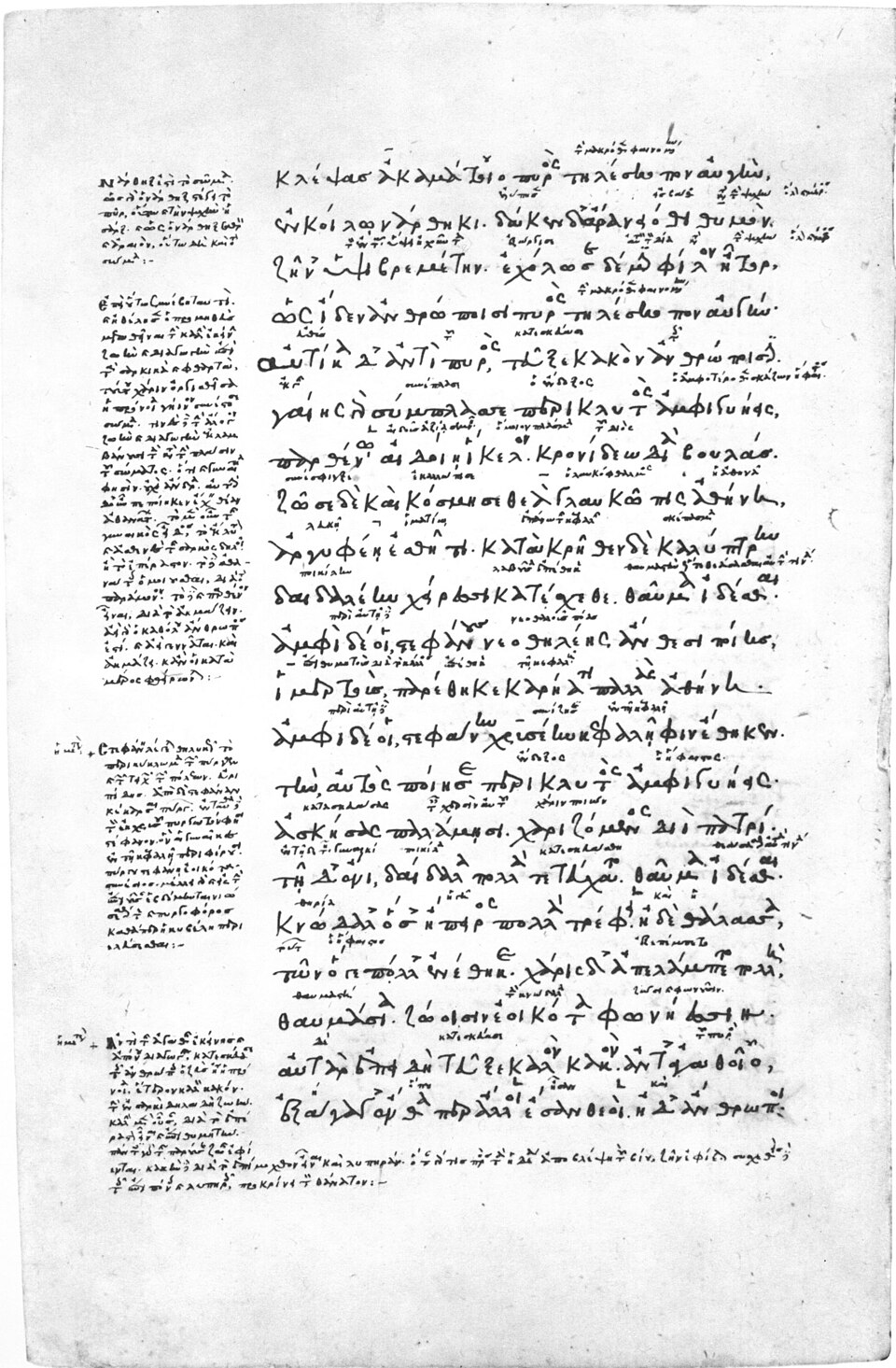
Holds a portion of earth, sea and starry heaven; Zeus takes nothing from her.
The only one who hears the girl cry out, and afterwards her attendant. That is the figure at her earliest: a goddess honoured for hearing what others miss, holding torches at the edge of a story about someone else. Set against the Dictionnaire Infernal's entry for her, this corpus can show queen of the witches as a demotion with a date rather than as a character trait.
The goddess Medea calls on, and the point at which the corpus can watch the demotion happen: a figure honoured in the Homeric hymn as the one who hears is here the patron of a sorceress working at night with herbs. The later witch-queen of the demonologies is already fully formed in Latin poetry, eight centuries before any grimoire.
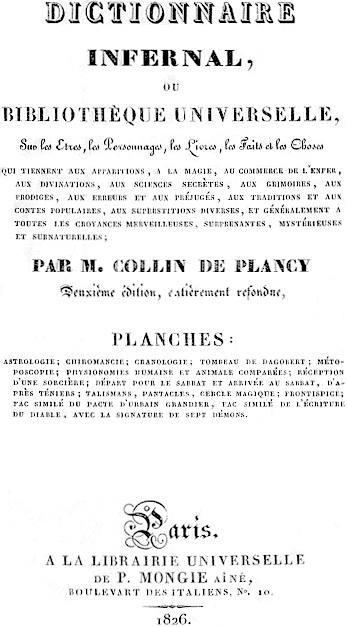
Recast as the presiding power of the sabbath.
“Hécate, diablesse qui préside aux rues et aux carrefours. Elle est chargée, aux enfers, de la police des chemins et de la voie publique.”Hecate, a she-devil who presides over streets and crossroads. She is charged, in the underworld, with the policing of the roads and the public way. — translated for ColossiansOne
Connections
What is it connected to?
Placement
Where does it sit in the hierarchies?
Afterwards
What did later readers make of it?
Shakespeare's Macbeth gives her the witches to preside over, in scenes generally attributed to Middleton rather than to Shakespeare, and that is the form in which most English readers meet her: not the goddess who hears Persephone cry but the chief of a coven. Twentieth-century revival ran the other way. She is central to modern Neopagan practice, usually as a triple goddess of the crossroads, and the offerings left at three-way junctions have been resumed by people working from the classical descriptions. Both receptions are downstream of the same demotion, and this corpus can date it.
Kept in its own section on purpose. Everything above is what the cited texts say; this is what was built on top of them afterwards, and blending the two is how most popular demonology goes wrong.
Answered from the sources
Common questions
Which texts mention Hecate?
Is Hecate the same as Lilith?
What rank is Hecate?
How else is Hecate spelled?
What is Hecate said to do?
How old is Hecate?
Nearest in the corpus
If Hecate is what you came for, these are next
Chosen by proximity rather than by popularity: the same pantheon first, then the same rank, then the same kind of figure.
Artemis
Mistress of Animals · Greek
Huntress and protector of the young, whose Ephesian cult statue looks nothing like her and whose temple gave the ancient world one of its most durable protective formulas.
Hades
Lord of the Underworld · Greek
Ruler of the dead by lot rather than by punishment — a god of the underworld who is not evil, a distinction Christian cosmology cannot express.
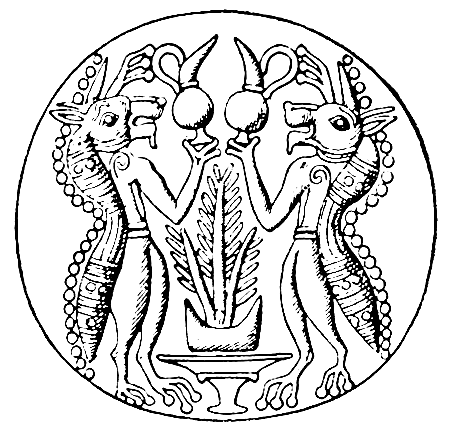
The Daimones
Class of Spirits · Greek
Guardian spirits — Socrates had one that advised him — whose name the Greek scriptures borrowed for evil spirits, permanently poisoning the word.
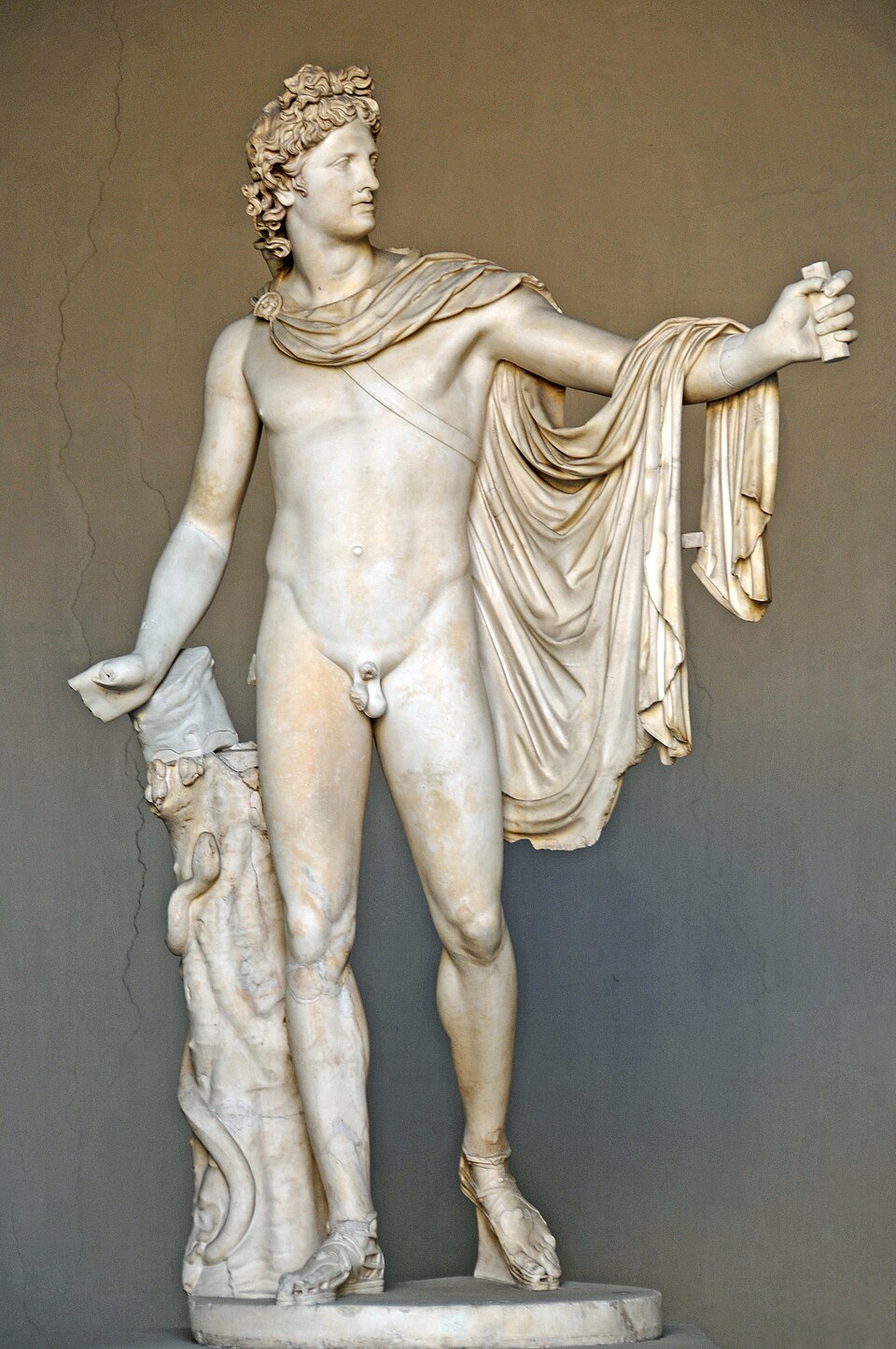
Apollo
God of Prophecy · Greek
Oracle-giver at Delphi, and the god who both sends plague and lifts it. Later traditions split that duality between an angel and a demon; Greece kept it in one figure.
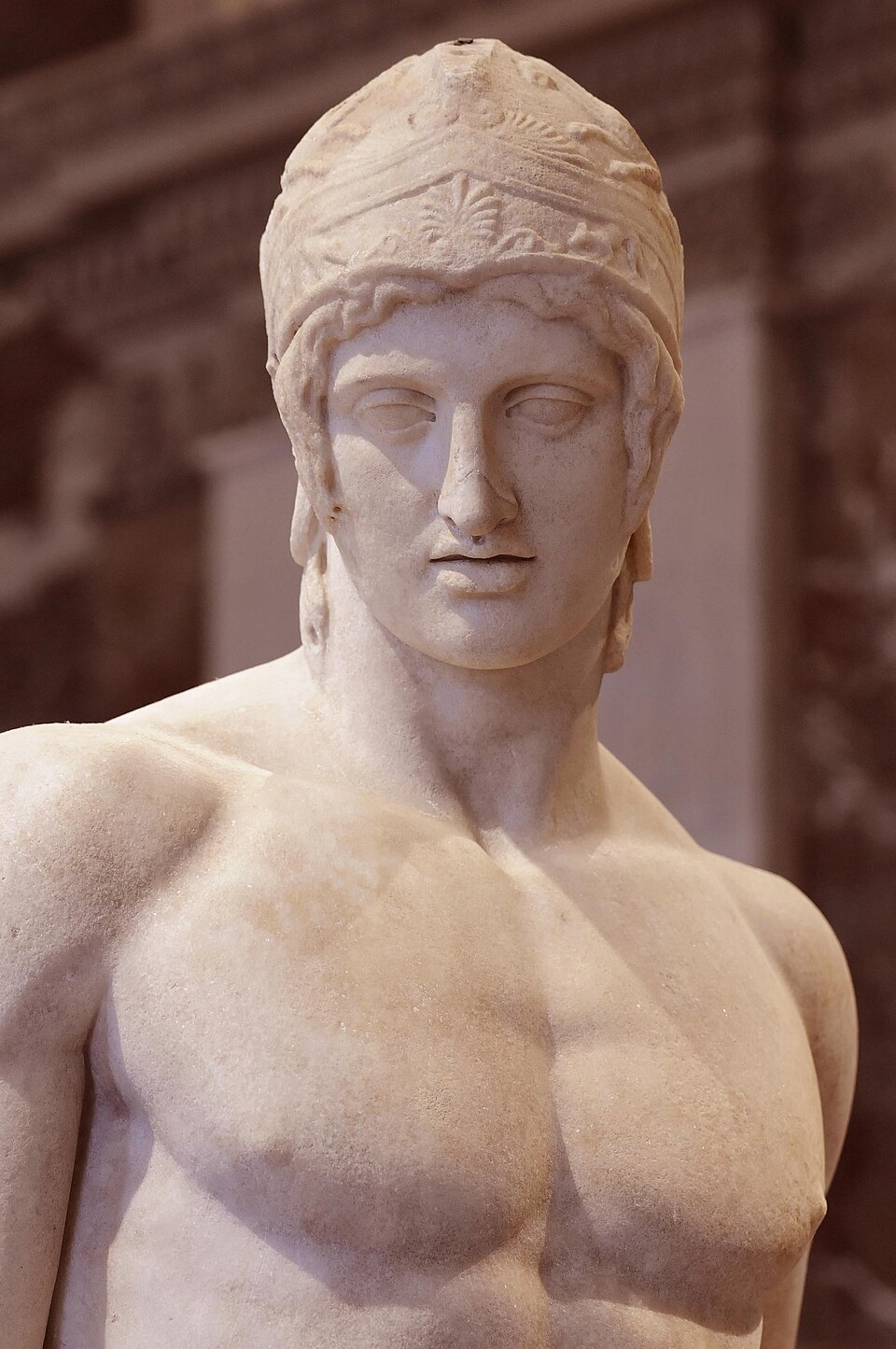
Ares
God of War · Greek
War as slaughter rather than strategy — disliked by the Greeks who worshipped him, and rehabilitated entirely by the Romans as Mars.
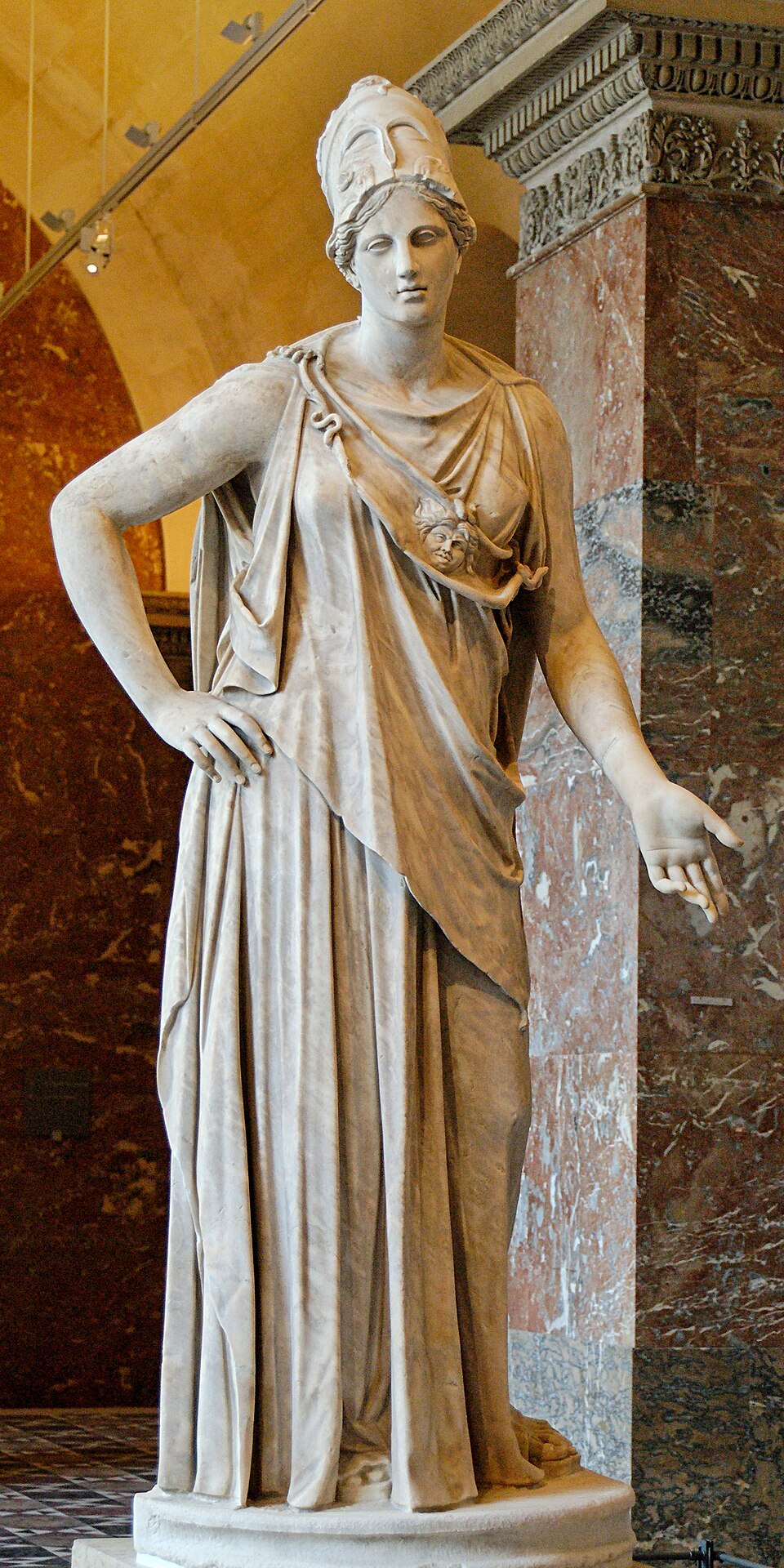
Athena
Goddess of Wisdom and War · Greek
Born from the head of Zeus, and the only Olympian to hold both war and craft. Where Ares is violence, she is strategy.
The books behind Hecate
Every claim on this profile is attributed to one of these. They are public domain, listed oldest first, and each links to a full text where one is freely available.
Theogony & Works and Days
Hesiod · c. 700 BCE · Ancient Greek
Read Theogony & Works and Days in full ↗Cover: Public domain · Hesiod · Wikimedia file page
The Homeric Hymns
Anonymous; attributed in antiquity to Homer; tr. Hugh G. Evelyn-White · c. 700–500 BCE · Ancient Greek
Read The Homeric Hymns in full ↗Dictionnaire Infernal
Jacques Collin de Plancy · 1818; illustrated ed. 1863 · French
Read Dictionnaire Infernal in full ↗Cover: Public domain · Collin de Plancy · Wikimedia file page
Corpus last revised 29 August 2026. A reference site’s credibility rests on being maintained, so this is the date the sourced records last changed — not the date the page was rebuilt.