Tradition
Greek
The Olympians and the chthonic powers, and the daimon — a word that meant 'spirit' long before it meant 'demon'.
What is the Greek tradition?
The Greek contribution is above all a word. Daimon meant an intermediate spirit, morally neutral and often benign — Socrates had one, and it advised him. Early Christian writers translated it into Latin as daemon and applied it to the gods of everyone else, and the word arrived in English carrying a judgement it had never originally had.
Beyond the vocabulary, Greek religion supplies the chthonic material: a structured underworld, a goddess of crossroads and witchcraft, and a set of hybrid monsters that later demonology reuses as forms. Hecate in particular becomes a template — a goddess with genuine cult who is progressively refigured as a witch-queen.
The philosophical layer matters too. Middle Platonism gave the later tradition a graded cosmos of intermediate beings between the divine and the material, which is the framework the ranked angelic hierarchies are eventually poured into.
Which texts does this tradition rest on?
The Iliad
Homer; tr. Samuel Butler · c. 750 BCE
The oldest Greek poem of any length, and the one that decided what a god was allowed to be in this literature: partisan, woundable, capable of being deceived by another god and of sulking about it. Ares is stabbed by a mortal with Athena guiding the spear and goes home to complain to his father, who tells him he is the most hateful of the gods. Nothing in the corpus does more to explain why later moralists found this pantheon so easy to condemn.
11 entries contributed
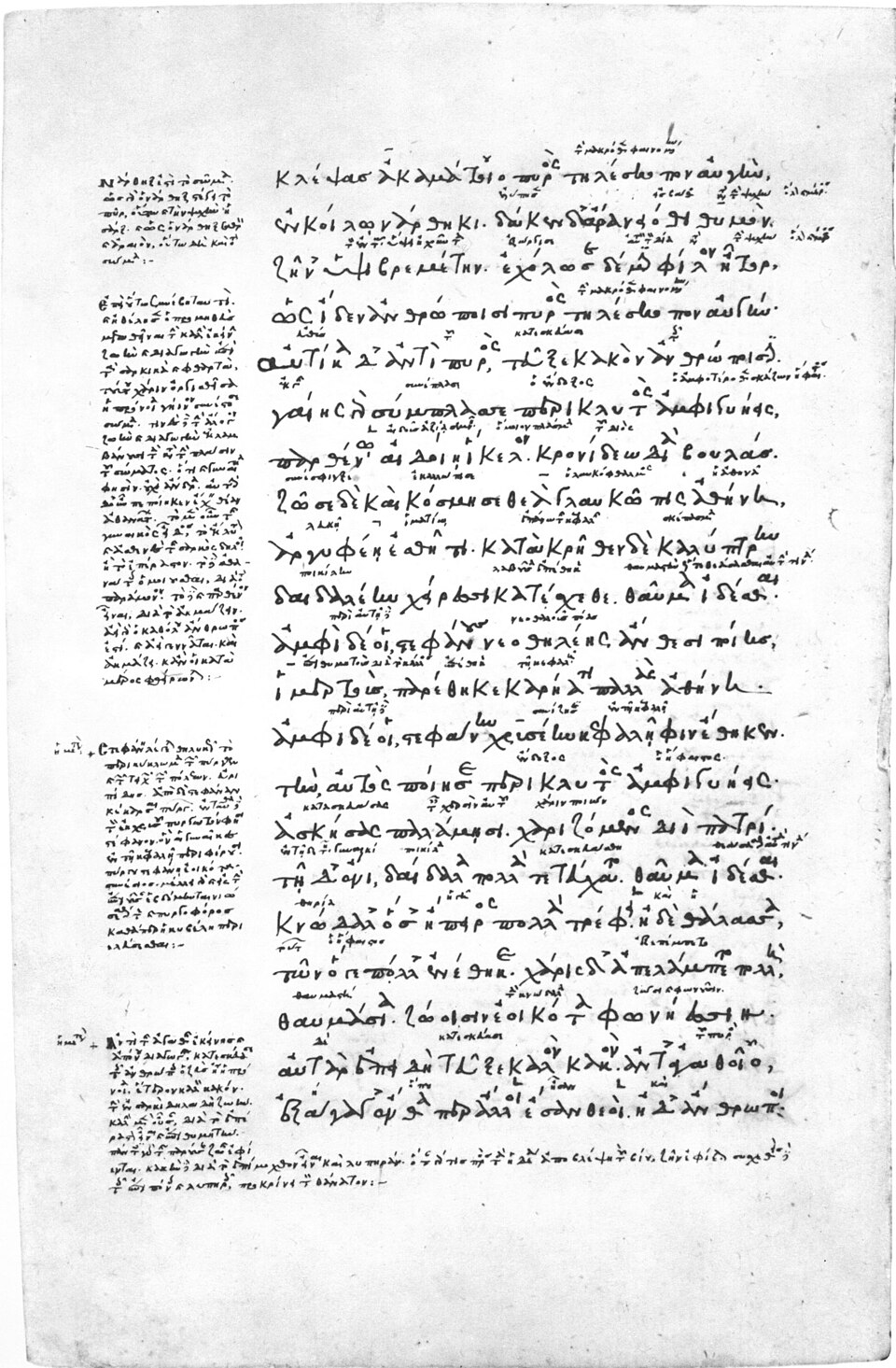
Theogony & Works and Days
Hesiod · c. 700 BCE
The Greek succession myth and the Titanomachy. Hesiod's daimones are benign spirits of the golden race — the semantic drift from that to 'demon' happens entirely in Jewish and Christian Greek.
17 entries contributed
The Homeric Hymns
Anonymous; attributed in antiquity to Homer; tr. Hugh G. Evelyn-White · c. 700–500 BCE
Thirty-three poems addressed to individual gods, each setting out what that god presides over and how the honour was won. They are the best evidence in this corpus for Greek religion as practised rather than as arranged: the hymn to Demeter tells the abduction of Persephone and ends by founding the rites at Eleusis, and the hymn to Hermes has a god establish his own claim to a share of the sacrifices by theft and by argument.
10 entries contributed
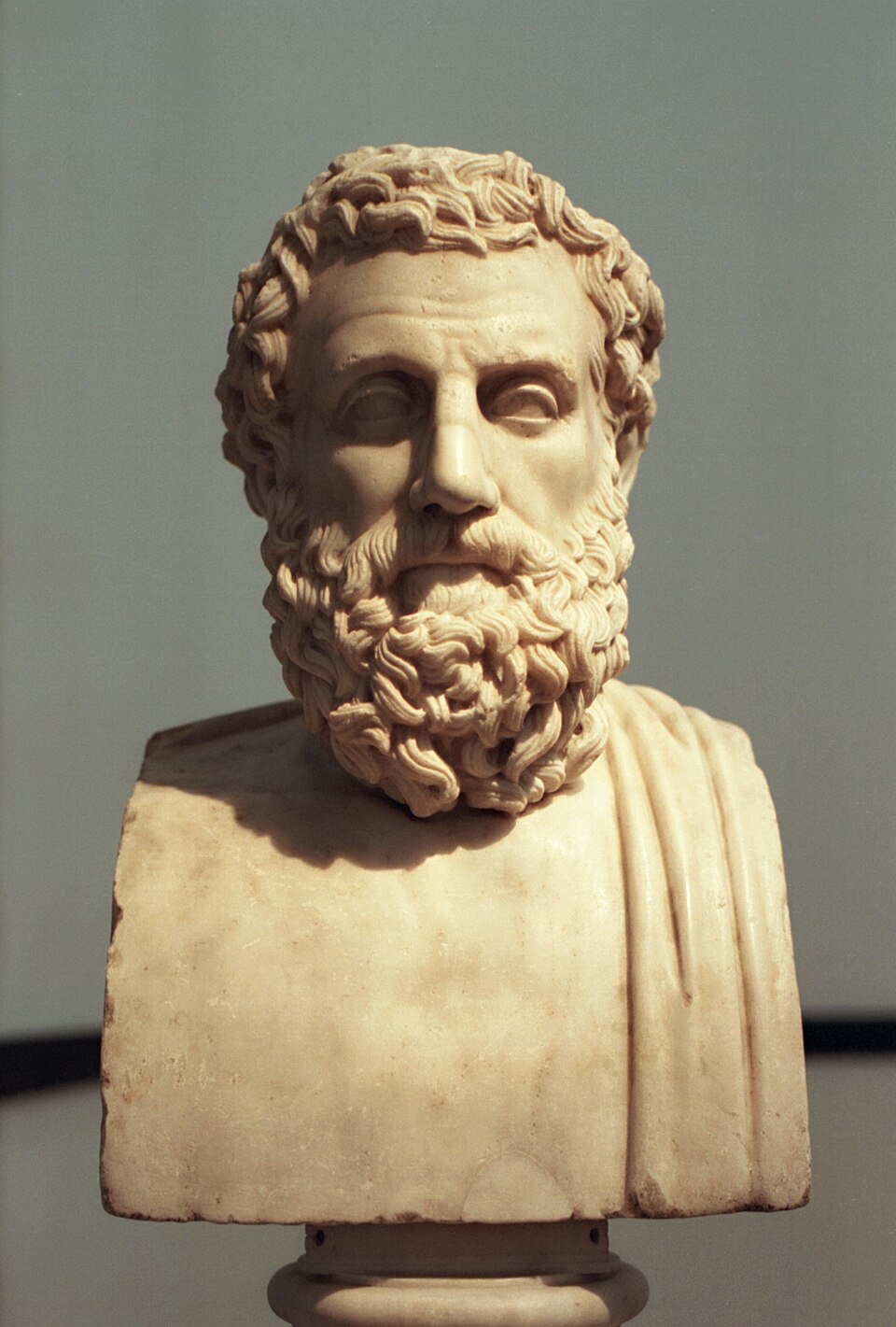
The Oresteia
Aeschylus; tr. E. D. A. Morshead · 458 BCE
The trilogy that puts the Erinyes on stage pursuing Orestes and then, in the Eumenides, argues them into becoming guarantors of Athenian justice. A tradition incorporating its avenging spirits rather than expelling them.
2 entries contributed
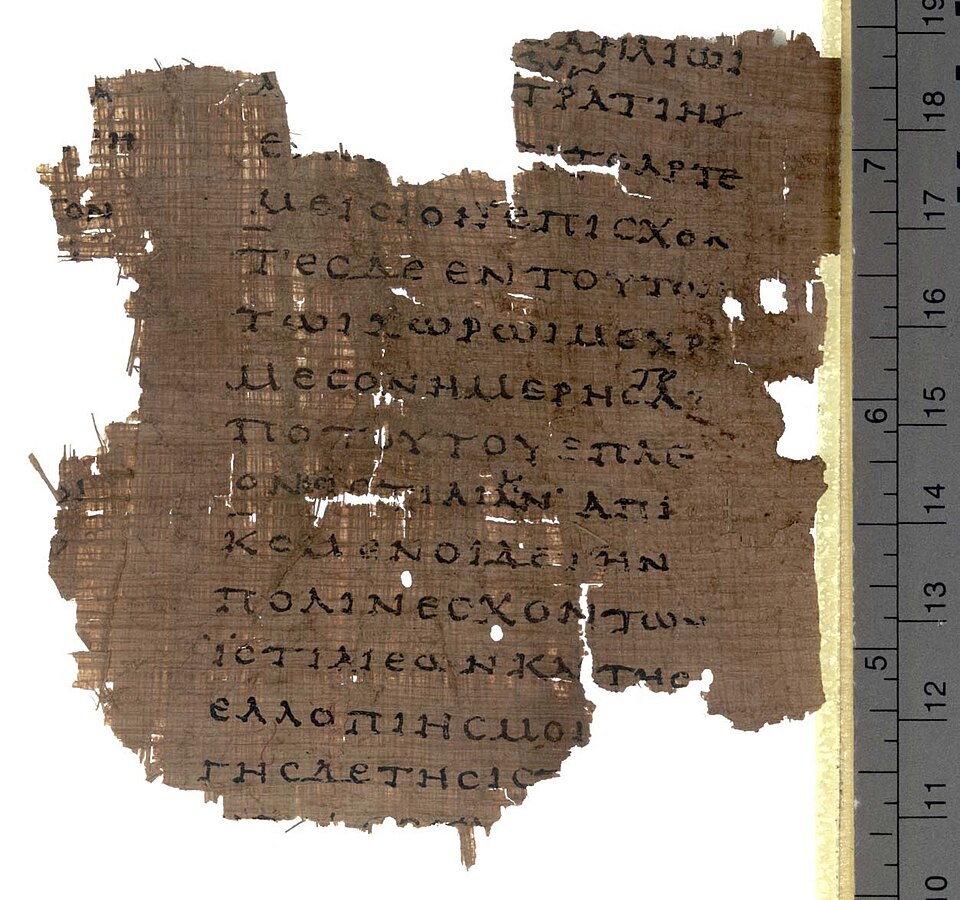
The Histories, Book II
Herodotus; tr. G. C. Macaulay · c. 430 BCE
A Greek tourist's account of Egyptian religion, written when the temples were still working. Credulous in places and invaluable in others; his description of the festival at Bubastis is the only surviving eyewitness report of it.
5 entries contributed
Greek Magical Papyri IV.3007-86: the Spell of Pibechis
Anonymous · c. 300 CE (papyrus); older material
A Greco-Egyptian exorcism that adjures the spirit by the god of the Hebrews and by Jesus, centuries before any Christian rite was standardised. The bridge exhibit between the grimoire tradition and the liturgical one: the same four moves, in the same order, with none of the institutional framing.
0 entries contributed
Which marks belong to it?
Oldest first. A mark used by several traditions appears on each of their pages — which is the point: the shapes crossed these boundaries far more easily than the names did.
The Pentagram
from c. 3000 BCE
A five-pointed star drawn in one unbroken line — an accounting mark, a Pythagorean password, a Christian emblem of the five wounds, and only recently a sign of evil.
The Swastika
from c. 2500 BCE
An auspicious mark used continuously for four and a half thousand years across most of the world, and destroyed as a public sign in the West by twelve years of one European party's use of it.
The Ouroboros
from c. 1600 BCE
A serpent swallowing its own tail, first drawn around the sun god in an Egyptian tomb and still in use three thousand years later as a diagram of a closed system.
The Nazar
glass form from c. 1500 BCE
Blue glass with a white and black eye at its centre, worn on the theory that a look can be sent back.
The Gorgoneion
from c. 700 BCE
A severed monster's face on a shield, a roof tile, an oven and a coin — the most-produced apotropaic image of the ancient Mediterranean.
The Caduceus
from c. 700 BCE
Two snakes twined on a winged staff — the badge of a herald under safe conduct, and, through a filing error, the emblem of American military medicine.
The Delphic Tripod
c. 800 BCE – 390 CE
A three-legged bronze stand and the seat of the Pythia — the piece of furniture that authorised more Greek political decisions than any assembly.
The Ephesia Grammata
attested from c. 400 BCE
Six meaningless Greek words, said to have been written on the statue of Artemis at Ephesus, and spoken or worn as protection for a thousand years.
The Hand of Sabazios
c. 100–300 CE
A bronze right hand raised in blessing, crowded with small figures — a pine cone, a snake, a frog, a lizard — mounted on a pole and carried in the rites of a Thracian god at Rome.
The Abraxas Gem
2nd–4th century CE
A rooster-headed figure with snakes for legs, cut into jasper by the thousand, and the numerological reason a magic word means 365.
Saturn
current forms c. 6th–11th century CE
The scythe. Slowest planet, heaviest metal, and the authority a grimoire invokes for work involving binding, decay and the dead.
Jupiter
current forms c. 6th–11th century CE
A stylised Greek zeta for Zeus. The sign of increase, favour and judgment in one's favour — the grimoires' preferred authority for asking.
Mars
current forms c. 6th–11th century CE
Shield and spear, iron, Tuesday — and, since Linnaeus, the biological sign for male, which is a much later and quite separate job.
The Sun
current forms c. 6th–11th century CE
A circle with a point at its centre — the oldest form in the set, and the one the alchemists used for gold without further explanation.
Venus
current forms c. 6th–11th century CE
Copper, Friday, and every operation to do with love and favour — the counterpart to Mars in the grimoires long before it was in biology.
Mercury
current forms c. 6th–11th century CE
A caduceus drawn as a glyph — the one sign in the set that names a metal, a planet and a god that all behave the same way.
The Moon
current forms c. 6th–11th century CE
A crescent, silver, Monday — the planetary authority for anything involving dreams, water, change and things done at night.
The Elemental Triangles
standard from the 17th century
Four triangles, two pointing up and two down, two barred and two not — the whole classical element scheme in a single notation.
Who is filed under Greek?
Ordered by attestation score — how early and how independent the texts that name each figure are, rather than how famous the figure has since become.
Artemis
Mistress of Animals · Greek
Huntress and protector of the young, whose Ephesian cult statue looks nothing like her and whose temple gave the ancient world one of its most durable protective formulas.
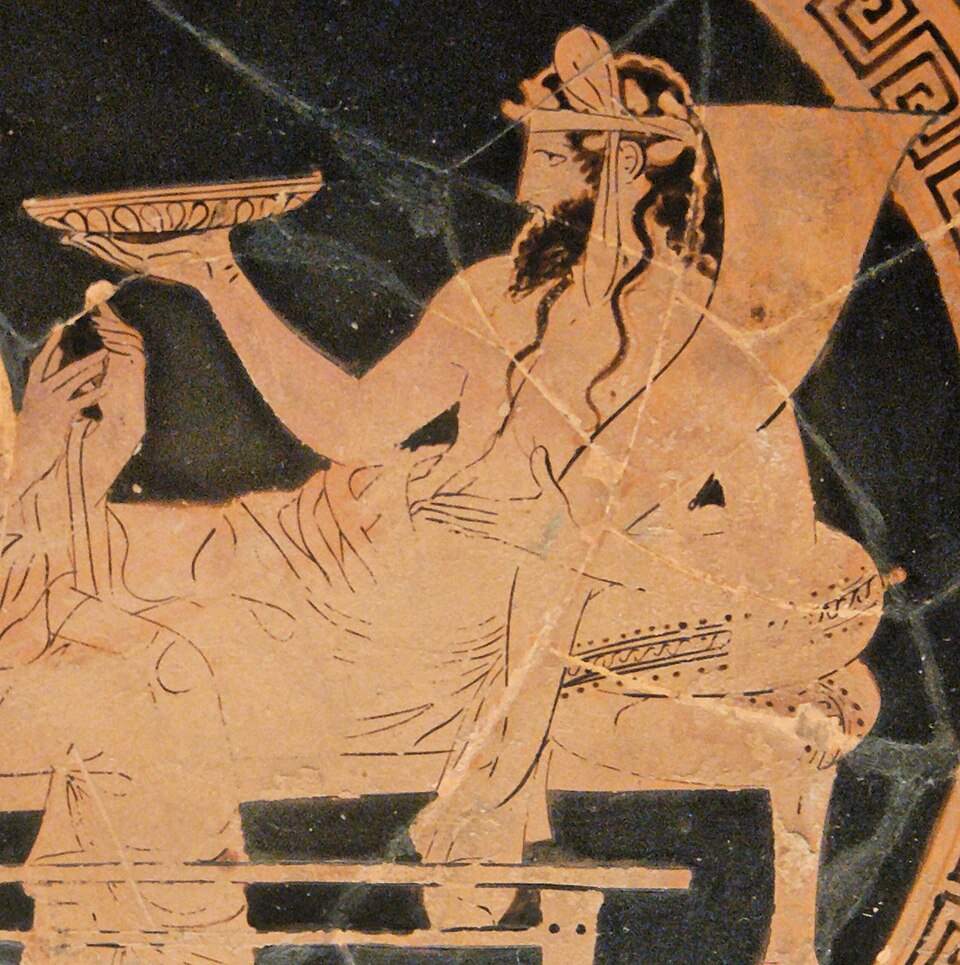
Hades
Lord of the Underworld · Greek
Ruler of the dead by lot rather than by punishment — a god of the underworld who is not evil, a distinction Christian cosmology cannot express.
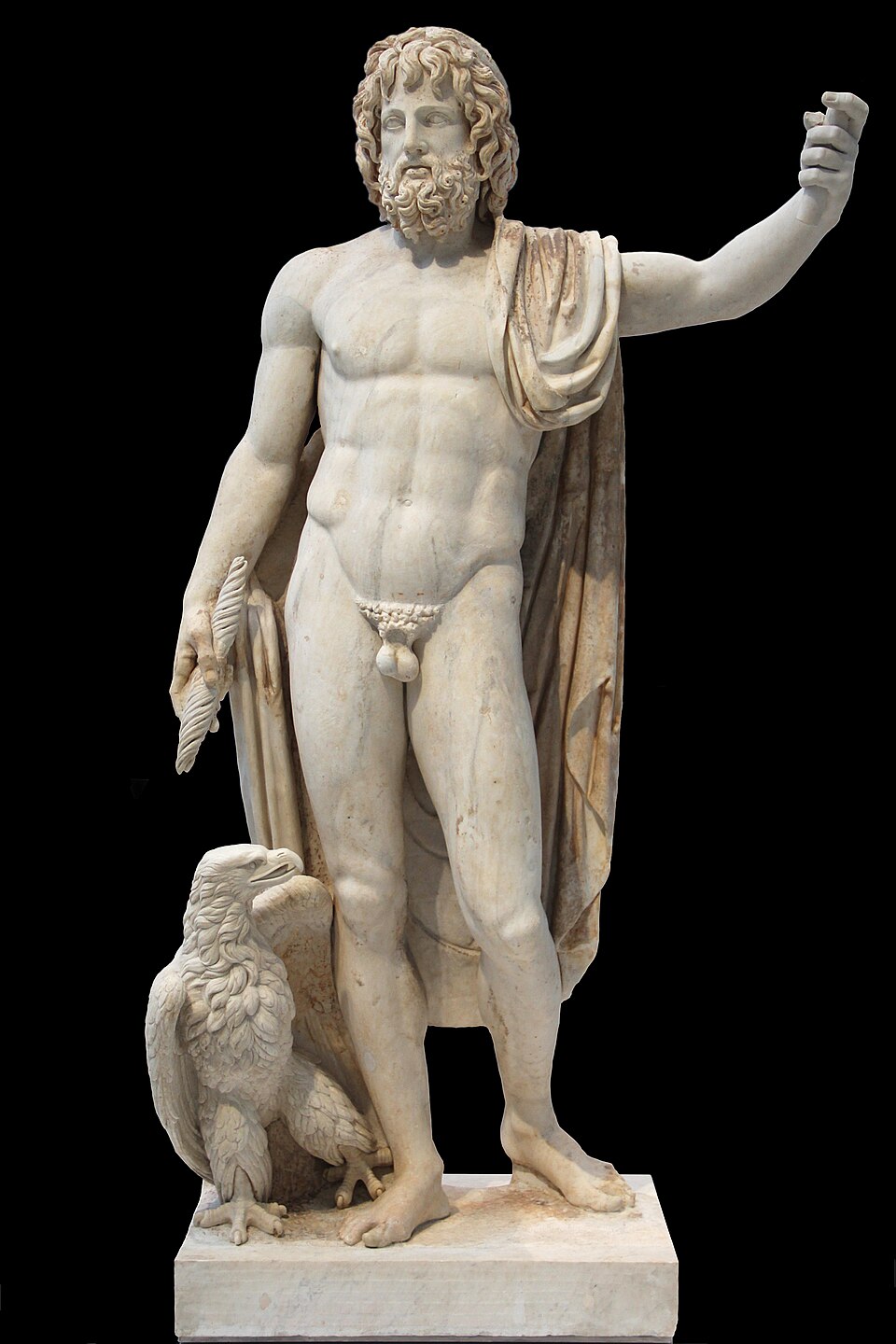
Jupiter
King of the Gods · Roman
Sky-father and state god of Rome, identified with Zeus by the *interpretatio romana* — the ancient world's official policy of treating foreign gods as one's own under different names.
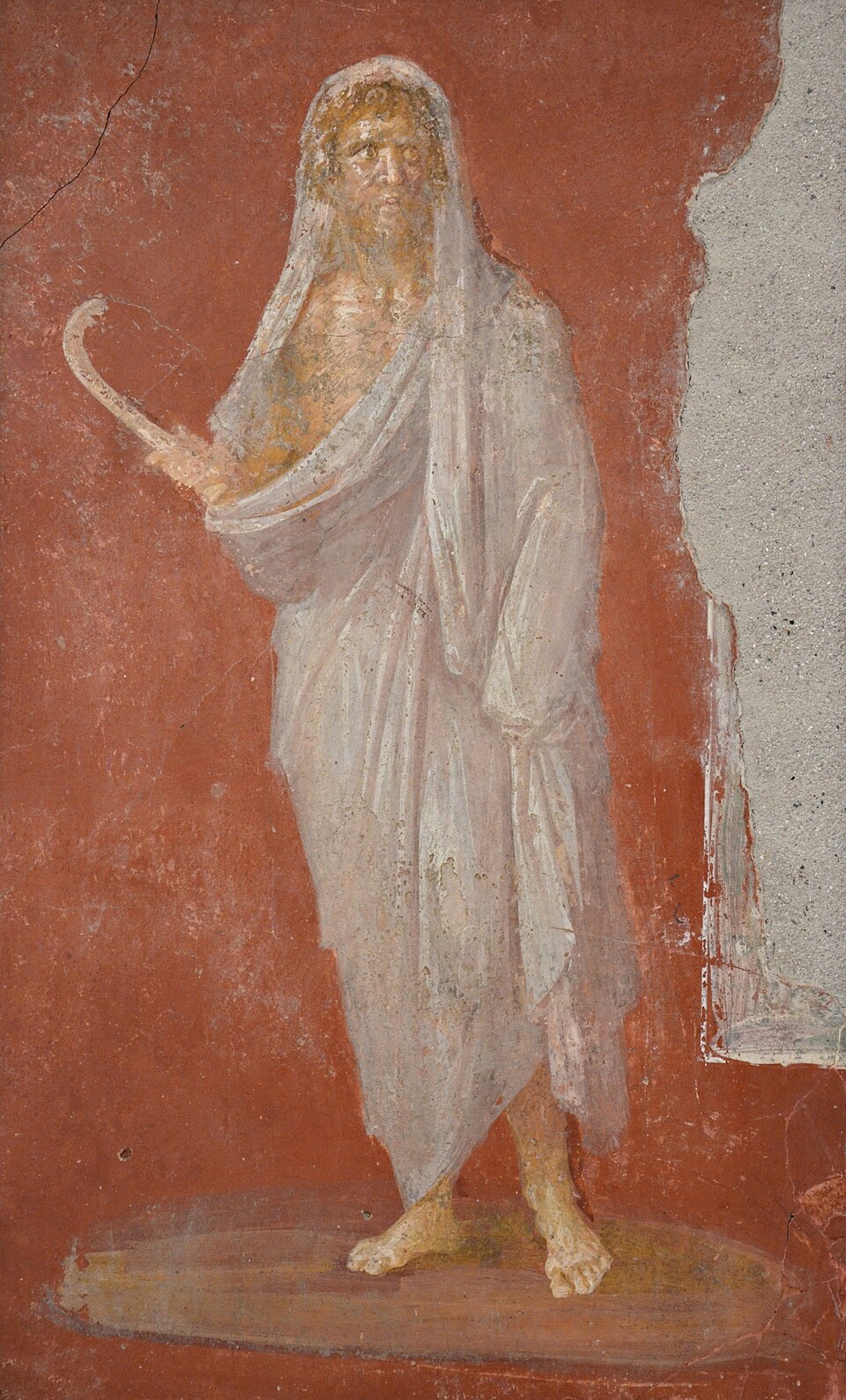
Saturn
God of the Golden Age · Roman
Deposed father of Jupiter. His December festival inverted the social order for a week, and his planet later became the astrological signature of melancholy and malice.
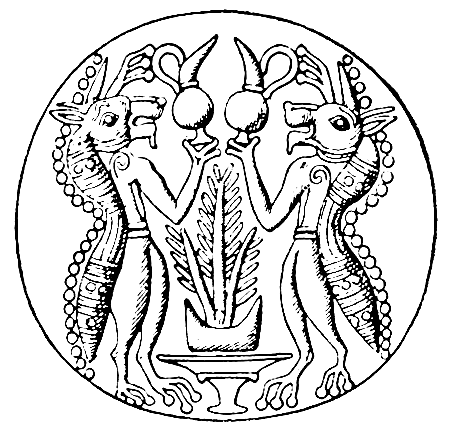
The Daimones
Class of Spirits · Greek
Guardian spirits — Socrates had one that advised him — whose name the Greek scriptures borrowed for evil spirits, permanently poisoning the word.
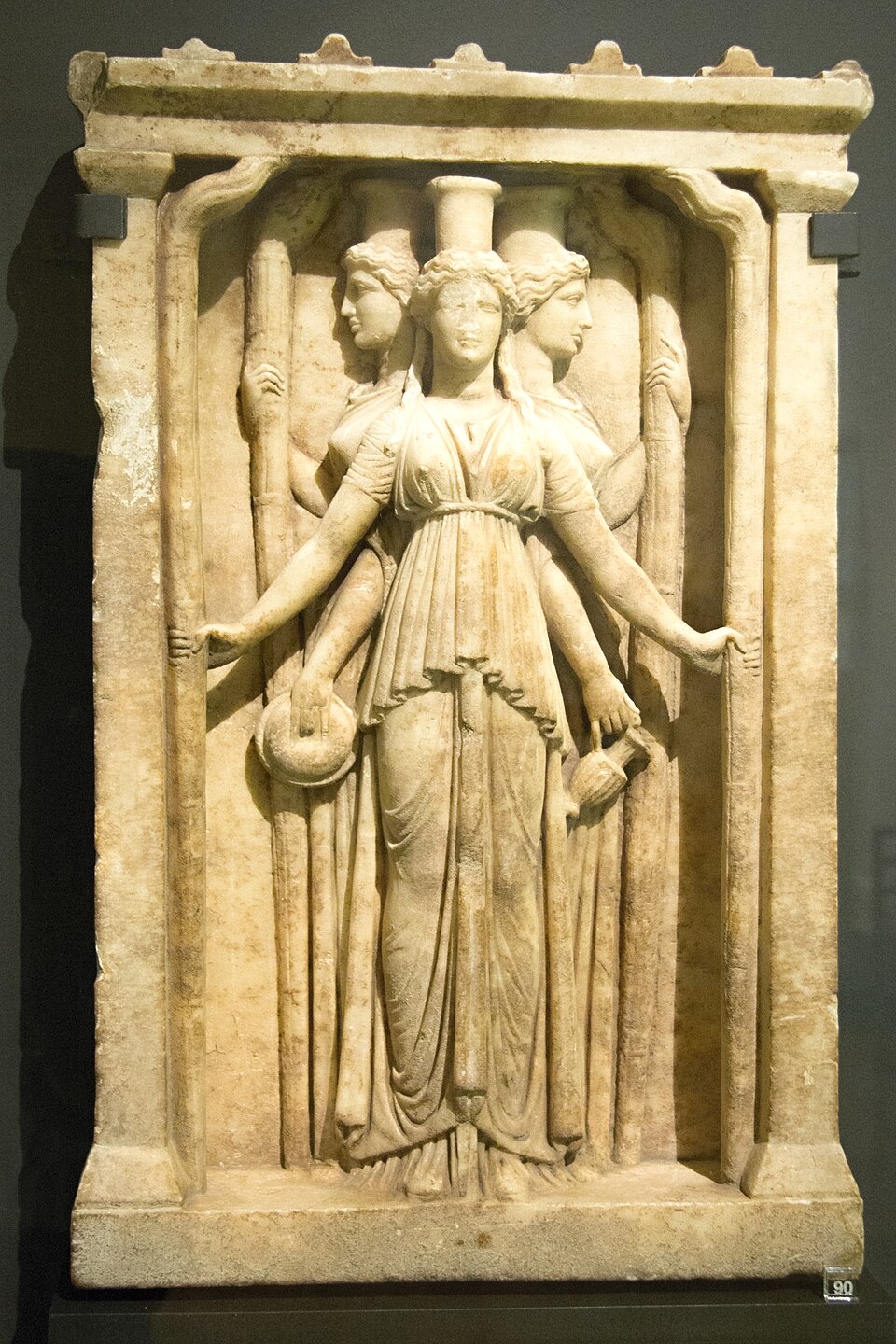
Hecate
Goddess of Crossroads · Greek
Hesiod has Zeus honour her above all others. By the medieval period she presides over witchcraft instead, a demotion with no wrongdoing attached to it anywhere.
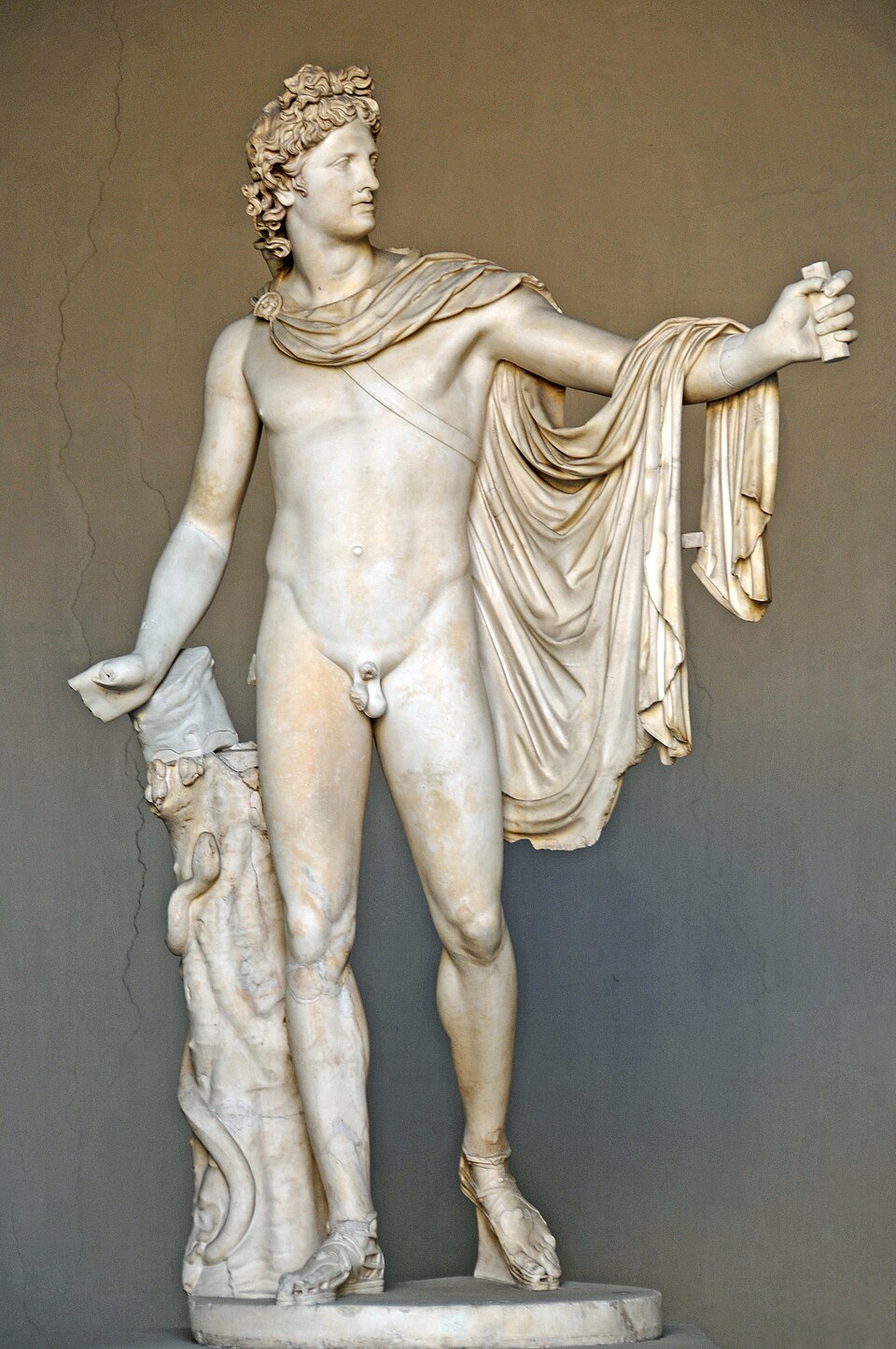
Apollo
God of Prophecy · Greek
Oracle-giver at Delphi, and the god who both sends plague and lifts it. Later traditions split that duality between an angel and a demon; Greece kept it in one figure.
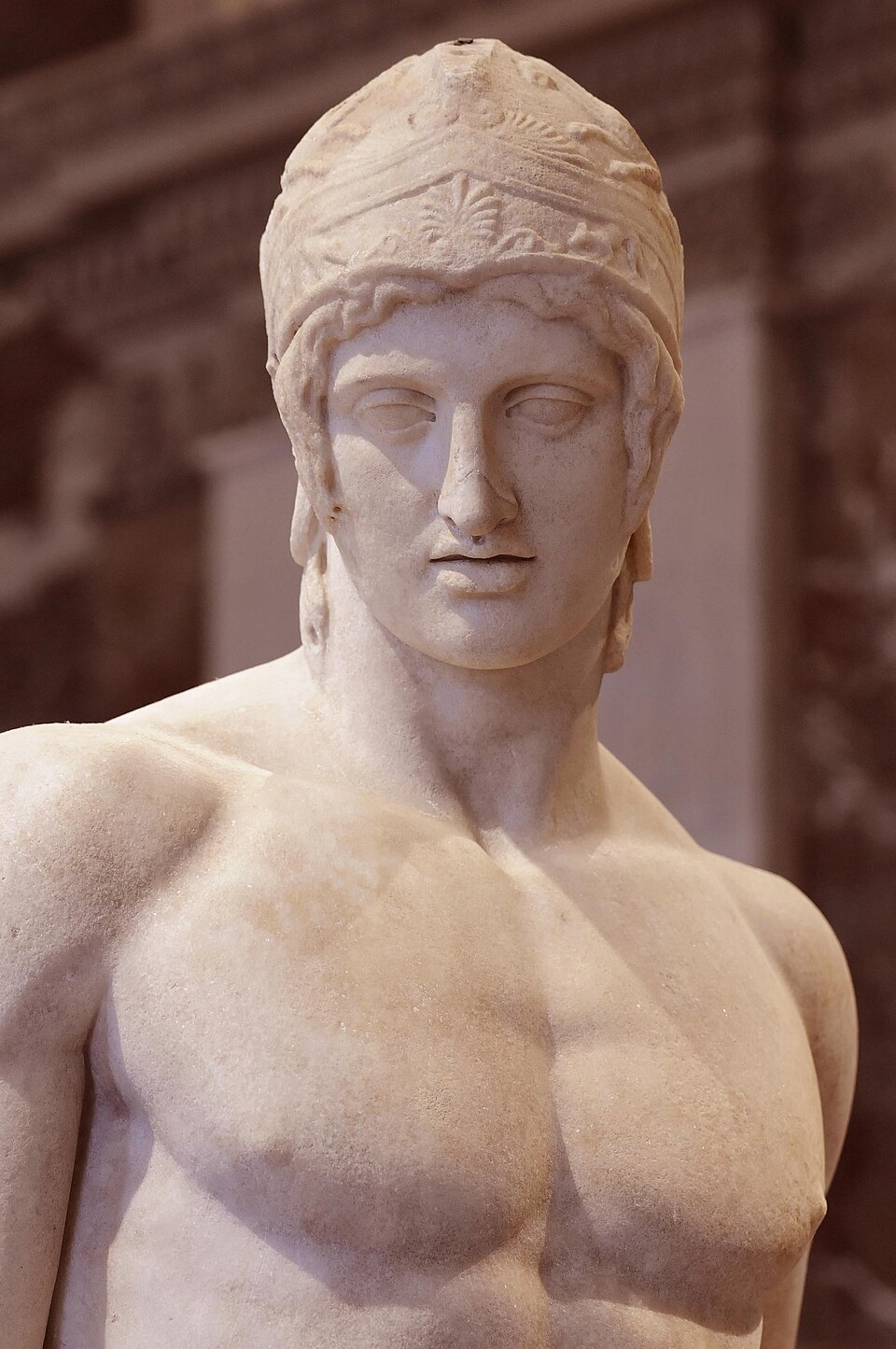
Ares
God of War · Greek
War as slaughter rather than strategy — disliked by the Greeks who worshipped him, and rehabilitated entirely by the Romans as Mars.
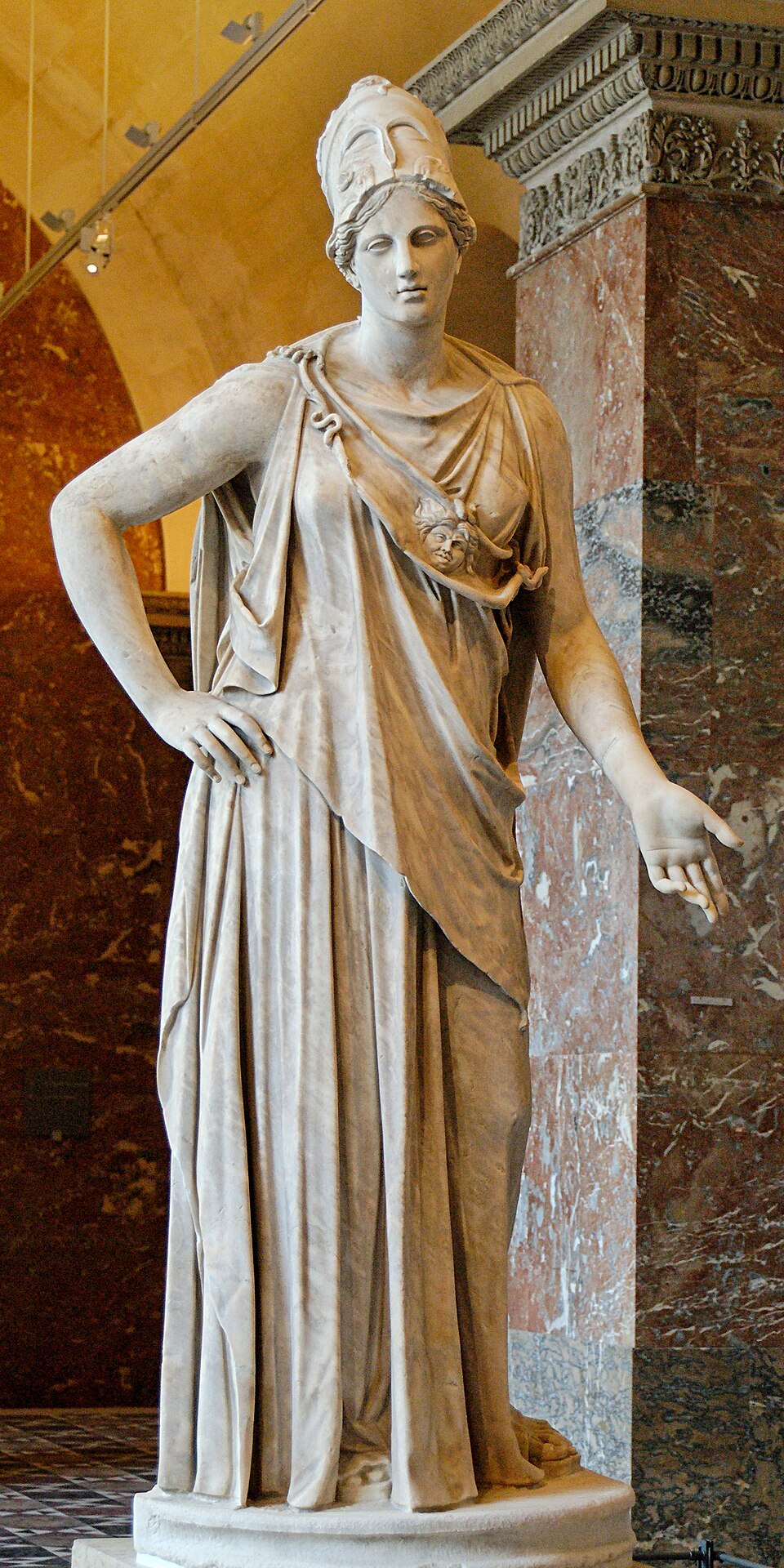
Athena
Goddess of Wisdom and War · Greek
Born from the head of Zeus, and the only Olympian to hold both war and craft. Where Ares is violence, she is strategy.
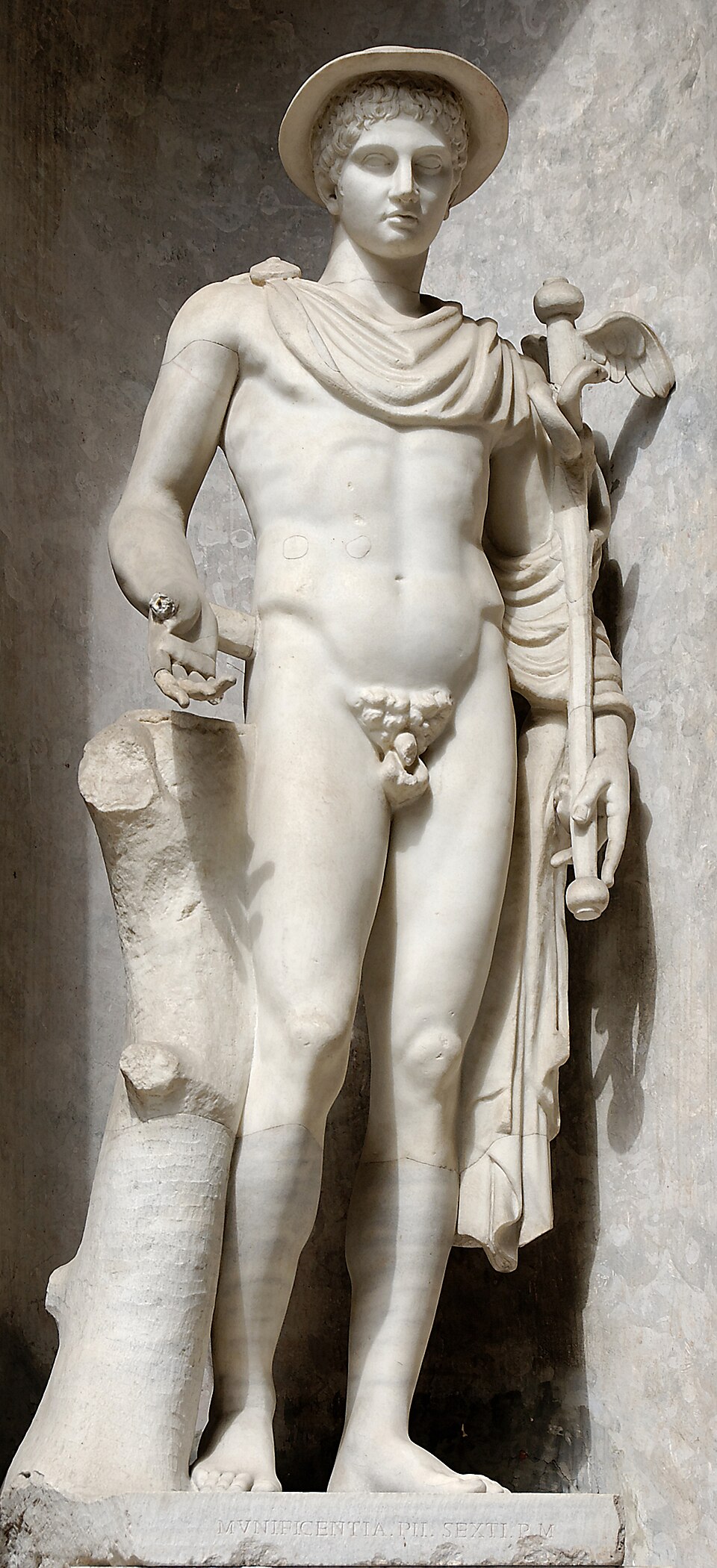
Hermes
Messenger of the Gods · Greek
Herald, psychopomp, patron of boundaries and of thieves — the exact functional counterpart of Gabriel, plus everything Gabriel is not allowed to be.
Poseidon
Lord of the Sea · Greek
God of the sea and of earthquakes — 'earth-shaker' — who receives the waters in the same three-way division that gives Hades the underworld.
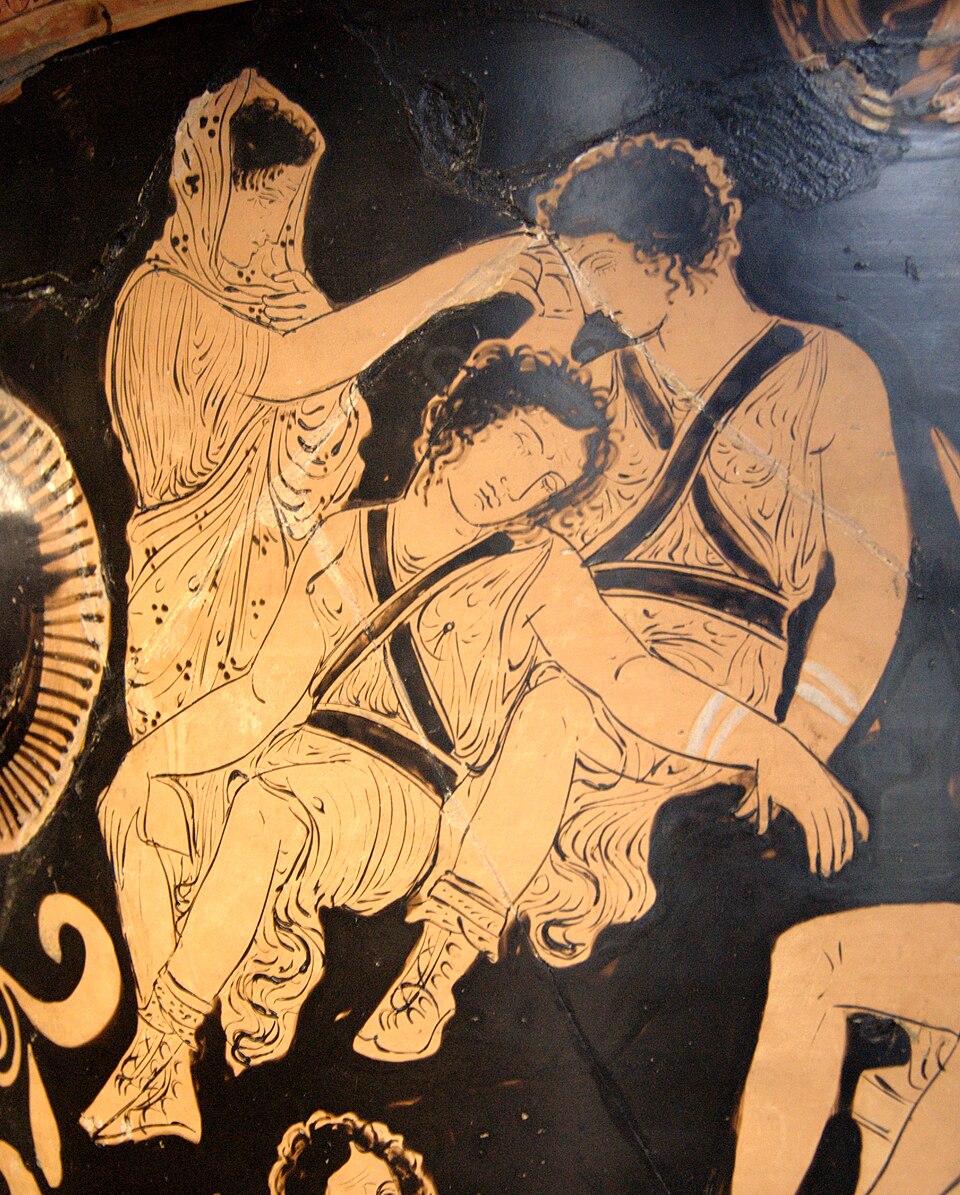
The Erinyes
Avenging Spirits · Greek
Born from the blood of the castrated Ouranos, they pursue kin-murderers without appeal. Christian tradition later hands that office to demons; in Greece it belongs to the gods.
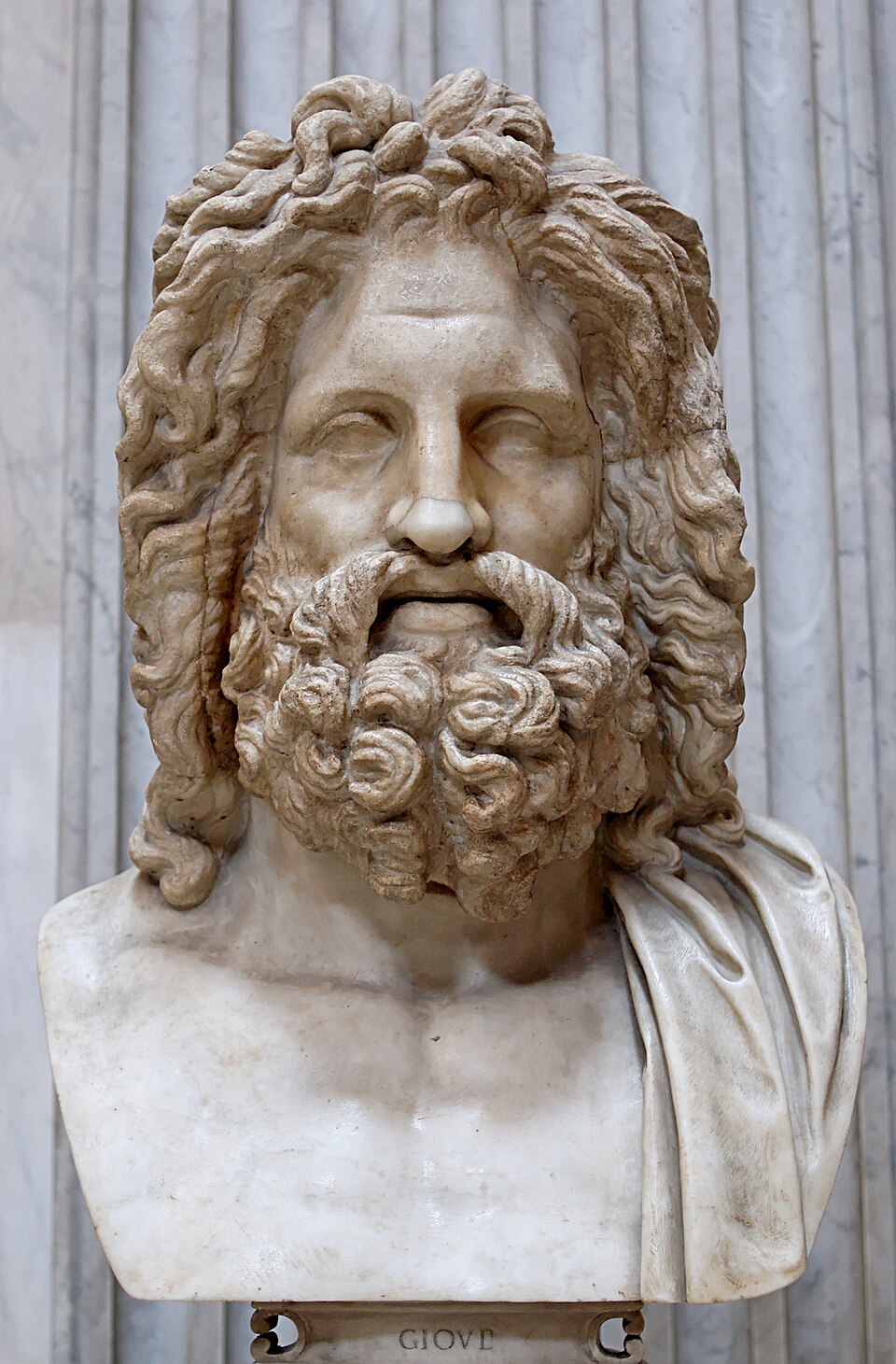
Zeus
King of the Gods · Greek
Sky-father and enforcer of oaths, whose name descends from the same Indo-European root as Jupiter and Dyaus.
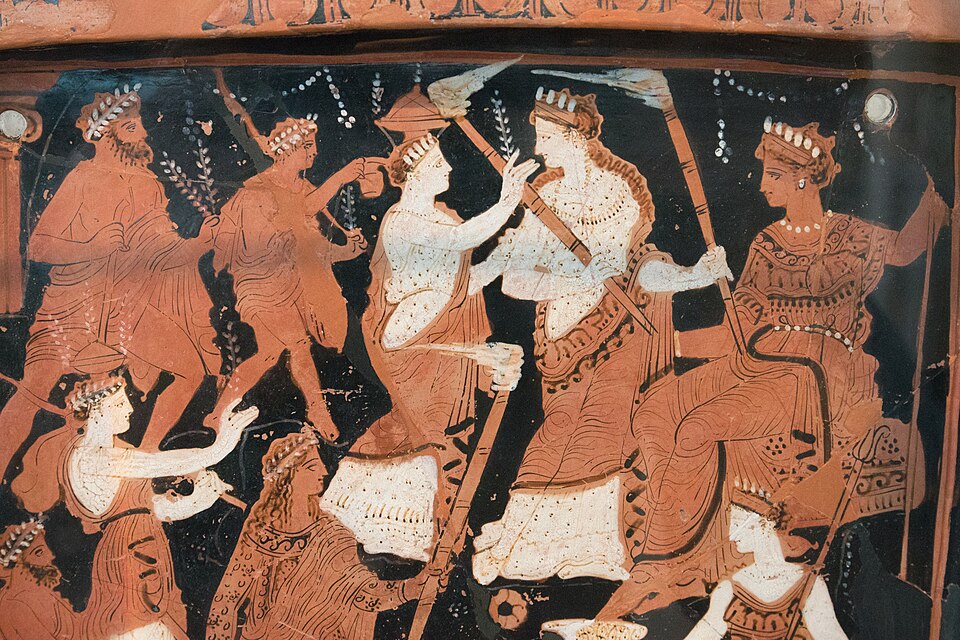
Persephone
Queen of the Underworld · Greek
Carried below and bound to return each year by six pomegranate seeds. She is sovereign of the dead and the returning grain at once.
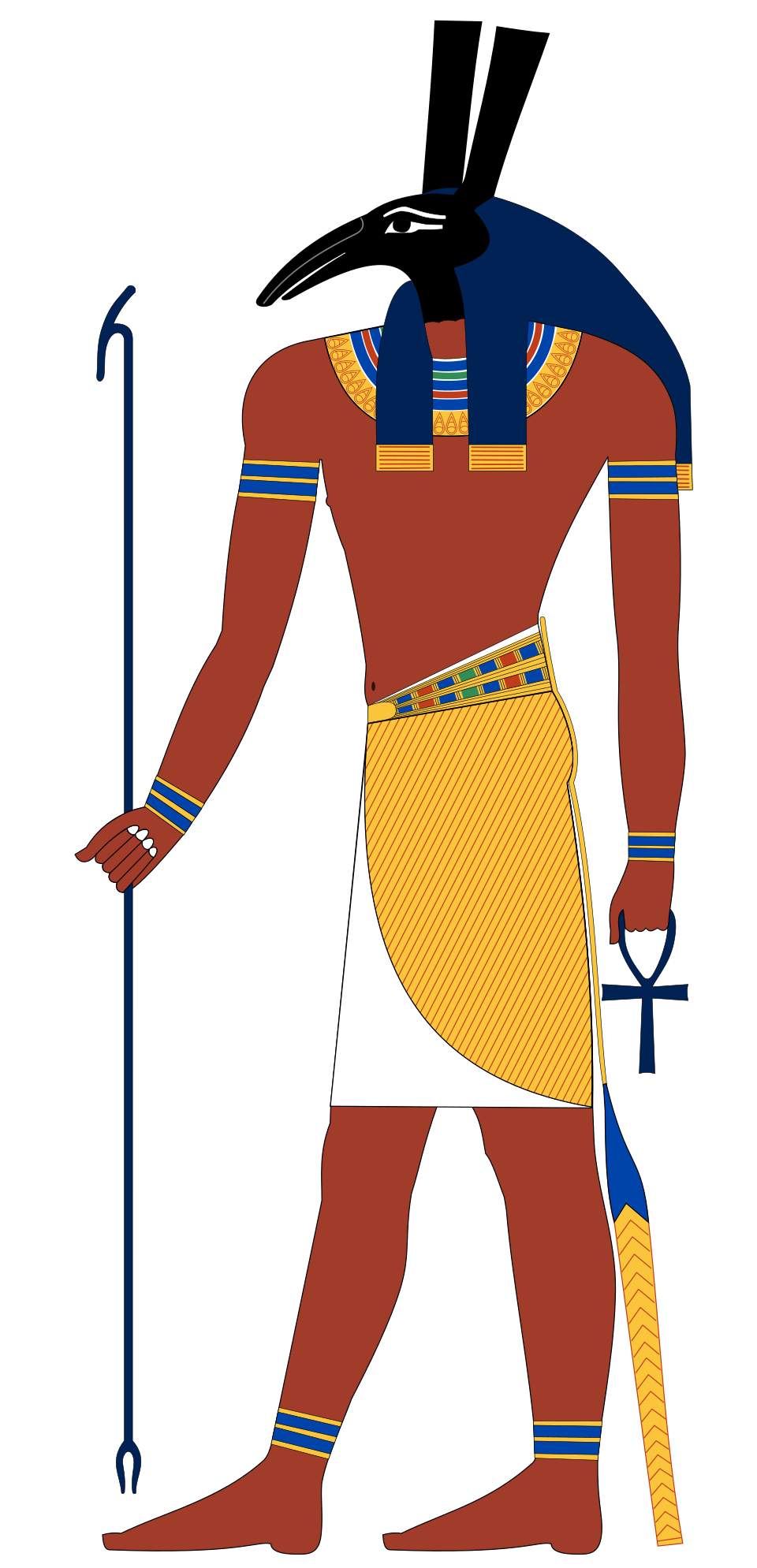
Set
God of Storms and Disorder · Egyptian
Murderer of Osiris and defender of the sun-barque — a god who was worshipped as a royal patron for two millennia before being recast as the enemy.
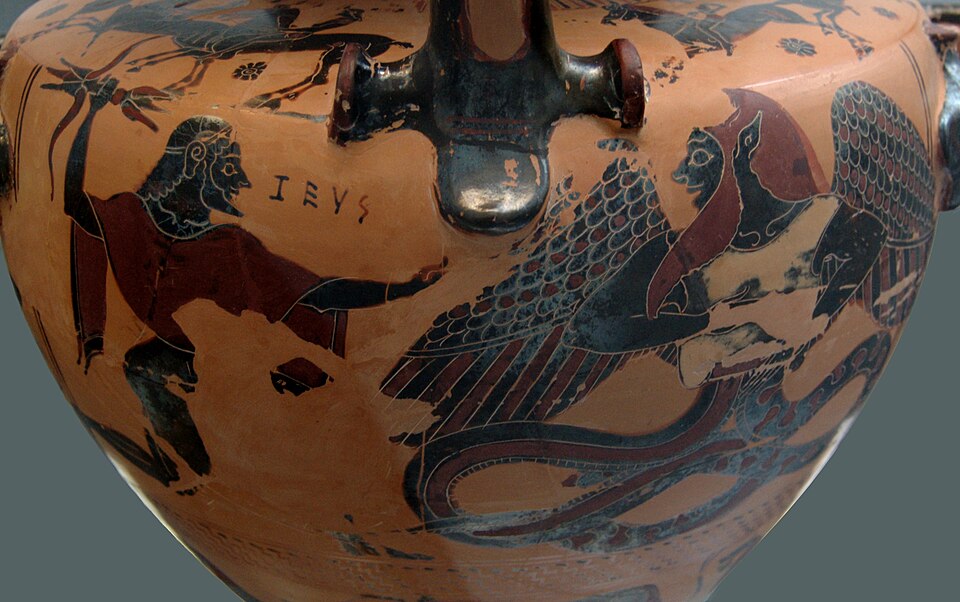
Typhon
Titan of Storms · Greek
The hundred-headed monster who nearly unseats Zeus, identified by the Greeks with Set and echoed in Revelation's dragon.
The Gigantes
Earth-born Adversaries of the Olympians · Greek
Born from the earth and the blood of a castrated sky, they fight the Olympians and lose — and the English word giant descends from them rather than from anything in Genesis.
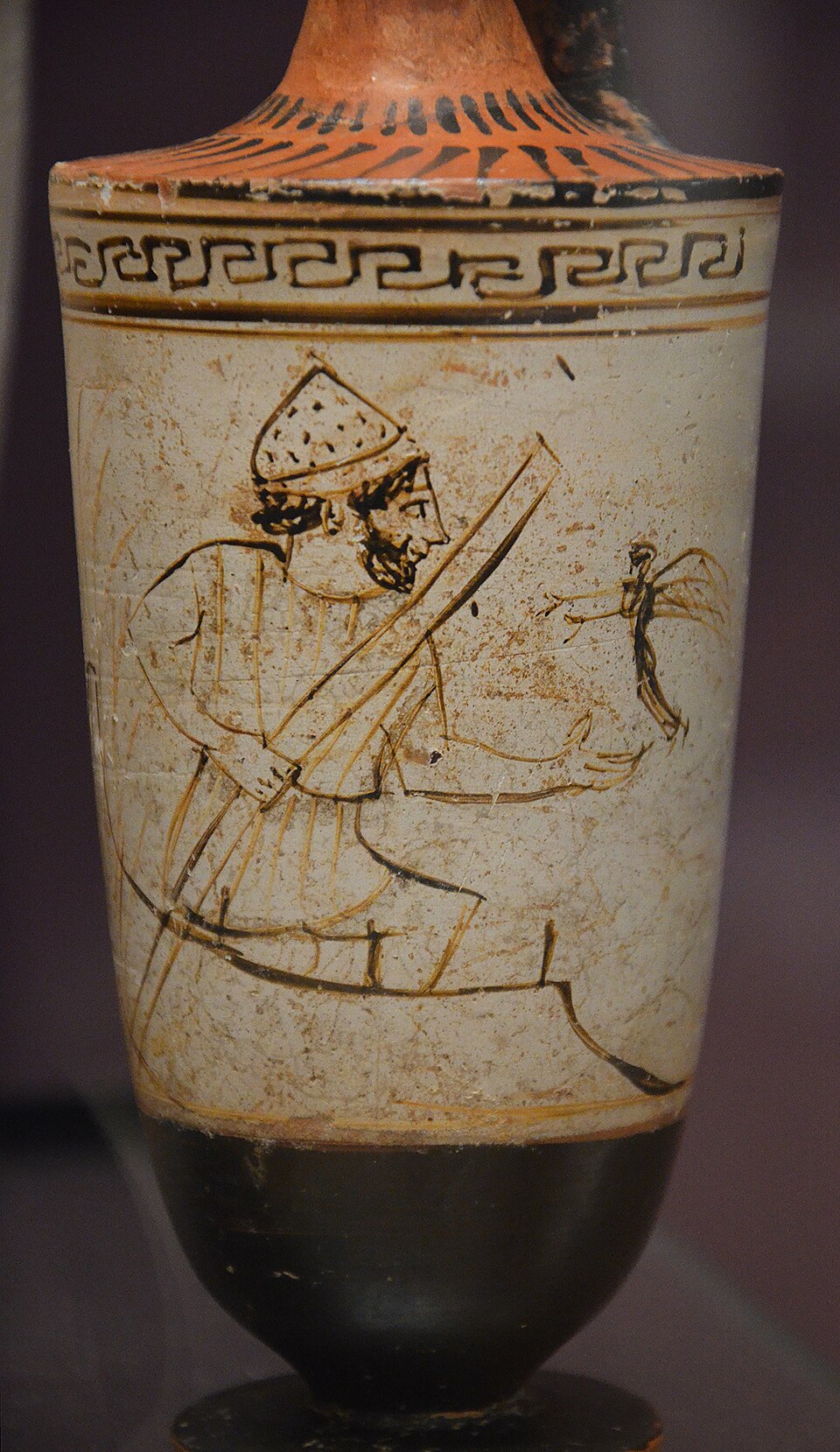
Charon
Ferryman of the Dead · Greek
The ferryman of the Greek underworld, who takes the dead across and takes payment for it. The coin placed in a corpse's mouth was his fare.
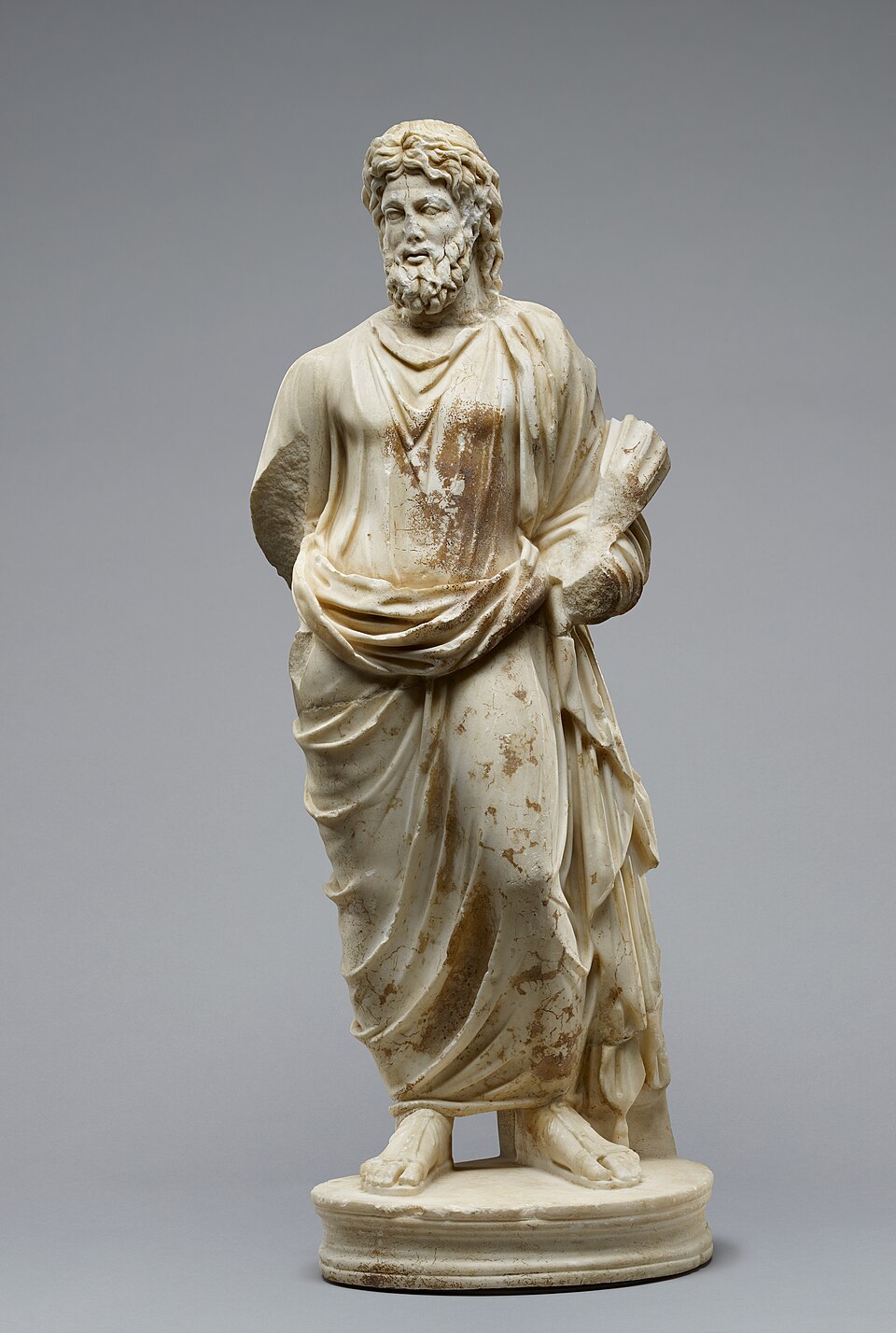
Pluto
Lord of the Underworld · Roman
The Roman Hades, whose alternative name Orcus survives in 'ogre' — and whose realm supplied Christian writers much of their imagery for hell.
Tartarus
The Deep Below the Dead · Greek cosmology
The Greek pit below Hades, built to hold defeated gods rather than dead people, and borrowed once by the New Testament to say where the sinning angels went.
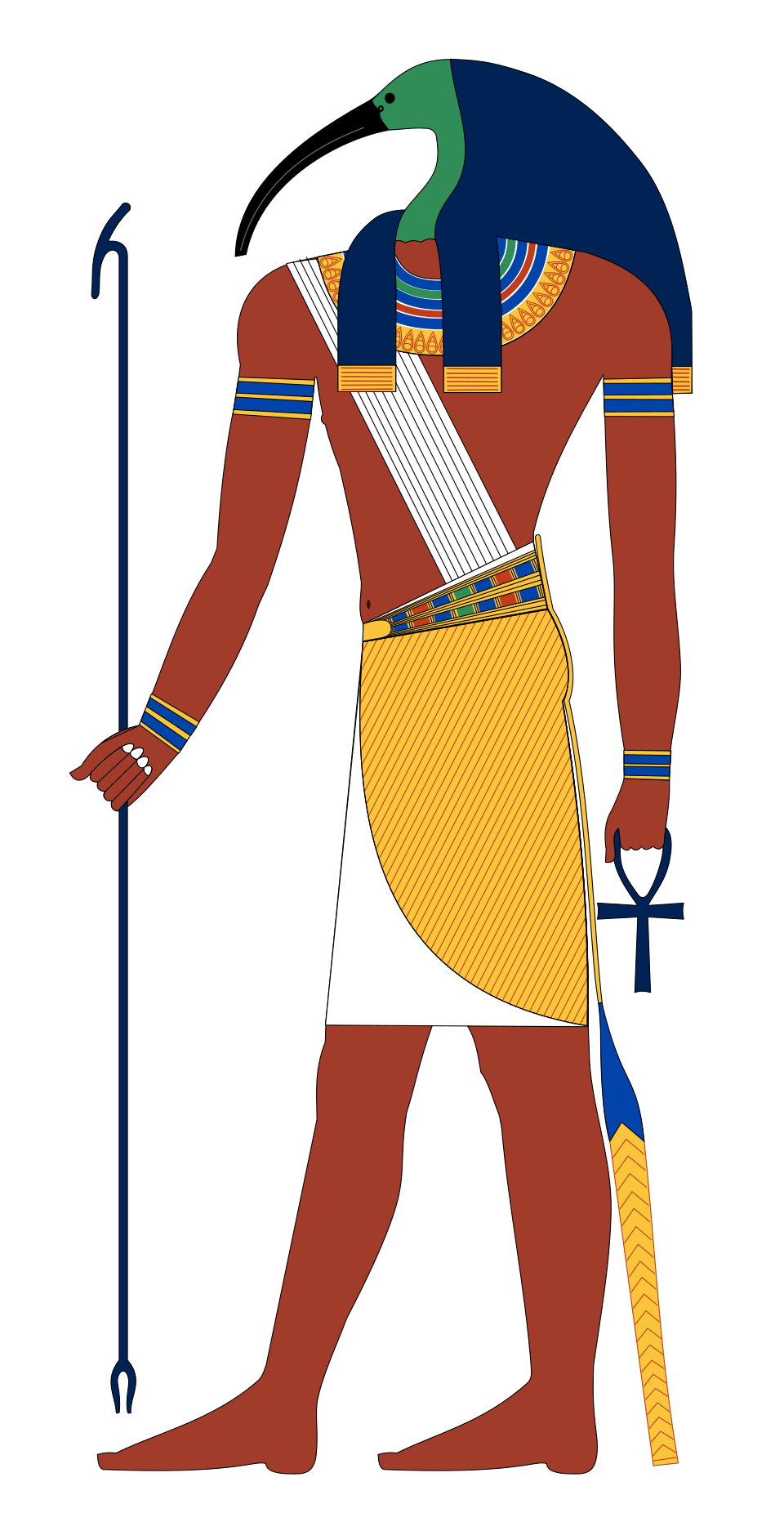
Thoth
God of Writing and Judgment · Egyptian
Scribe of the gods, who records the weighing of the heart — an office matching Metatron's almost exactly, and the seed of the whole Hermetic tradition.
Alastor
Executioner · Infernal Court
A Greek word for the avenging spirit of a household's blood-guilt, taken up by demonologists as hell's executioner.