Deity · Greek · c. 700 BCE
Hermes
Also called Mercury (Roman)
Herald, psychopomp, patron of boundaries and of thieves — the exact functional counterpart of Gabriel, plus everything Gabriel is not allowed to be.
Deep source base
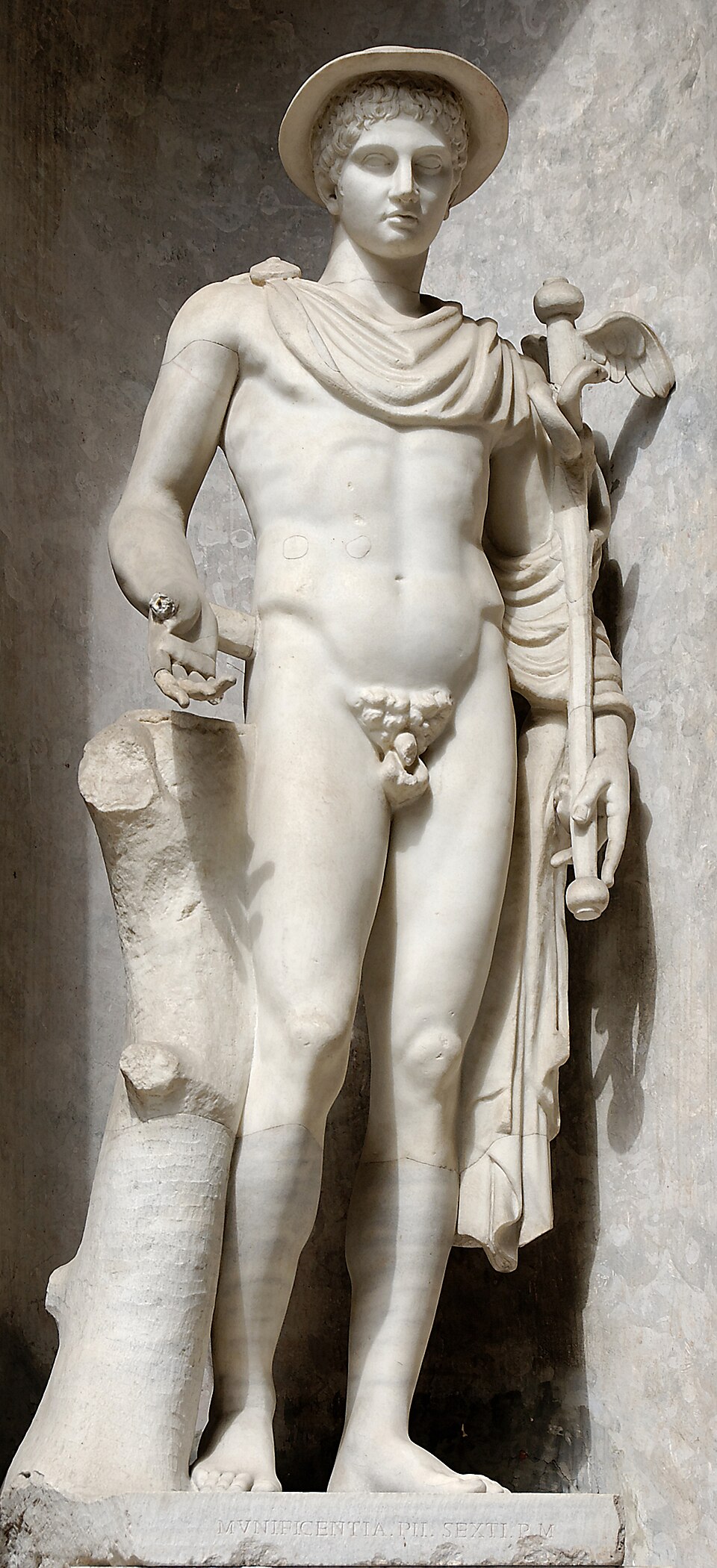
Hermes is the functional counterpart of Gabriel and then some. He carries messages between the divine and human worlds, conducts the dead to the underworld as psychopomp, and patronises boundaries, travellers, merchants and thieves — a combination no angel is permitted, because the same skill set read from the other side is deceit. His afterlife is the largest of any figure on this list and runs outside religion entirely: fused with Thoth in Roman Egypt, he becomes Hermes Trismegistus, the supposed author of a body of philosophical and alchemical writing that the Renaissance took for pre-Mosaic revelation. Much of the Western occult tradition this corpus documents descends from that misdating.
Identity
Where does the name come from?
Where it was actually worshipped
No single centre, and that is the shape of his cult: a herm stood at every doorway and boundary in Attica, which spreads him across the whole landscape instead of housing him in one place.
A figure with temples and a figure that only ever existed on a page are different kinds of thing, and the difference is easy to lose once both are entries in a list.
At a glance
Vitals
Vitals
Also known as
- First attested
- The Iliad · c. 750 BCE
- Rank
- Messenger of the Gods
- Pantheon
- Greek
- Order
- Olympian
- Base of operations
- No single centre, and that is the shape of his cult: a herm stood at every doorway and boundary in Attica, which spreads him across the whole landscape instead of housing him in one place.
- Era
- c. 700 BCE
- Traditions
- Greek, Roman
- Placed in
- The Greek Succession
Traits
- Domain
- Messages, boundaries, trade, theft, the passage of souls
- Traditional form
- Winged sandals and cap, bearing the caduceus
- Metal of its planet (Agrippa, 1533)
- Quicksilver — “Things under Mercury are these; amongst Elements, Water… amongst Metals, Quick-silver.” (I.29)
- Planet
- Mercury
5 attributed
What is it said to do?
Where these powers cluster
The 5 offices attributed to Hermes, grouped by kind. Segment width is the share of powers falling in each category.
A bar dominated by one colour means a specialist; an even spread means a figure the sources credit with almost anything.
- knowledge2
- divination1
- transformation2
knowledge
divination
- Declares Theftsno text cited
transformation
- Transports Swiftlyno text cited
- Conducts Soulsno text cited
3 marks
Which marks is it attached to?
A mark a figure carries and a mark used against a figure are opposite claims, so each link says which it is.
Mercury
Carried as an emblem
The Greek god behind the Roman Mercury the metal and planet are named for.
The Bronze Serpent
Used against it
Not a source connection: the caduceus is a separate emblem the bronze serpent is regularly confused with.
The Caduceus
Carried as an emblem
His staff; the god of passage carries the sign of passage.
3 texts
Which texts say so?
When these texts were written
Each dot is one of the 3 texts that names Hermes, placed at that text's approximate date.
A wide spread means the figure was carried across many centuries and traditions; a tight cluster means a single period produced the whole record.
3 texts spanning roughly 150 years
The escort: he takes Priam through the Greek camp past the sentries to ransom his son's body and brings him out again before dawn. Conducting a living man safely through hostile ground at night is the same office he holds for the dead, and the poem treats the two as one job.
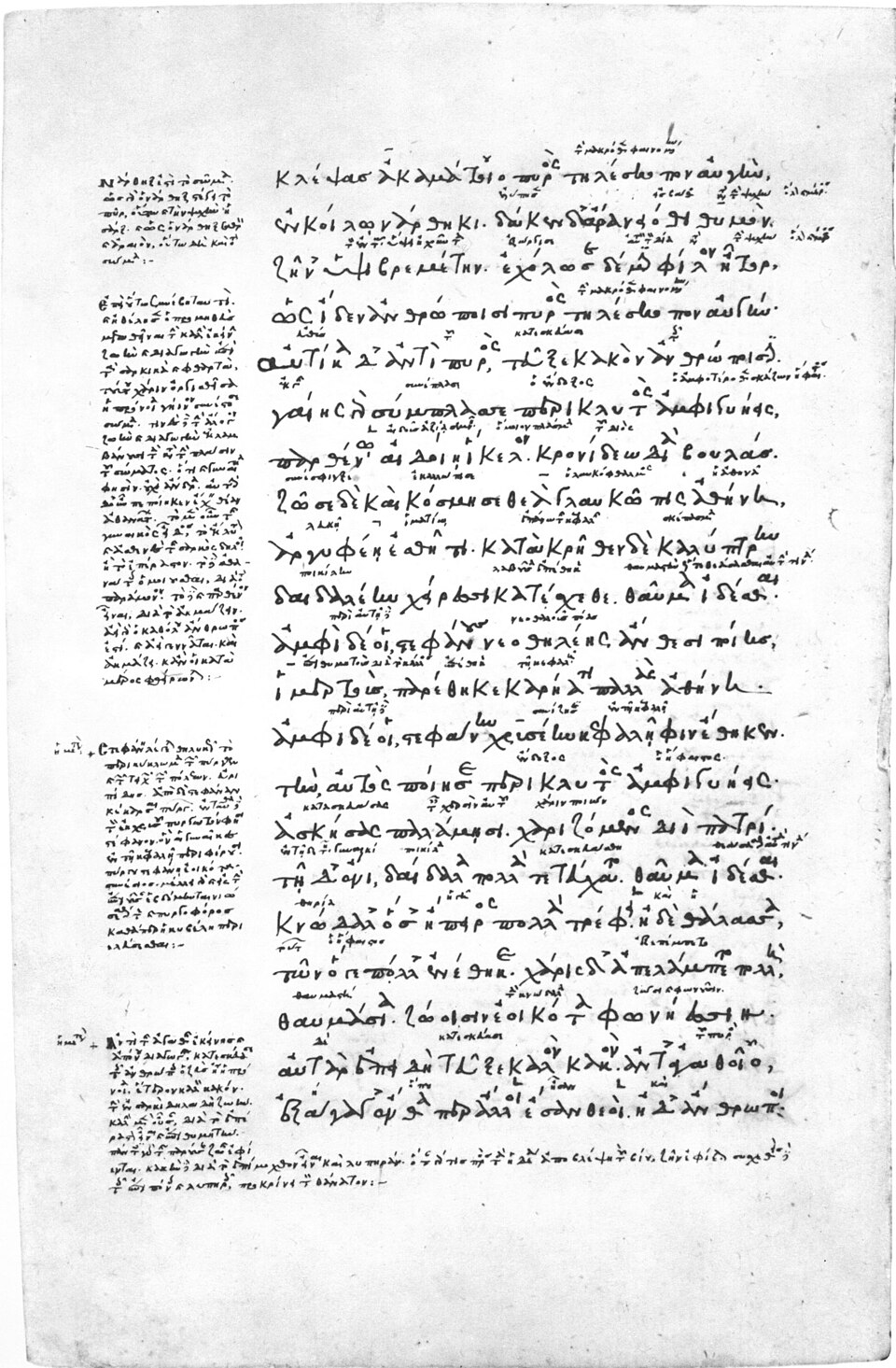
Carries the messages of Zeus and leads the dead to the house of Hades.
A god establishing his own claim by theft and then by argument: born in the morning, he steals Apollo's cattle by evening, invents the lyre from a tortoise, lies under oath to his father and negotiates his way to a permanent share of the honours. The corpus needs it because this is the charter of the Greek trickster as an office rather than a temperament.
“Muse, sing of Hermes, the son of Zeus and Maia, lord of Cyllene and Arcadia rich in flocks, the luck-bringing messenger of the immortals whom Maia bare, the rich-tressed nymph, when she was joined in love with Zeus,—a shy goddess, for she avoided the company of the blessed gods, and lived within a deep, shady cave.”
Connections
What is it connected to?
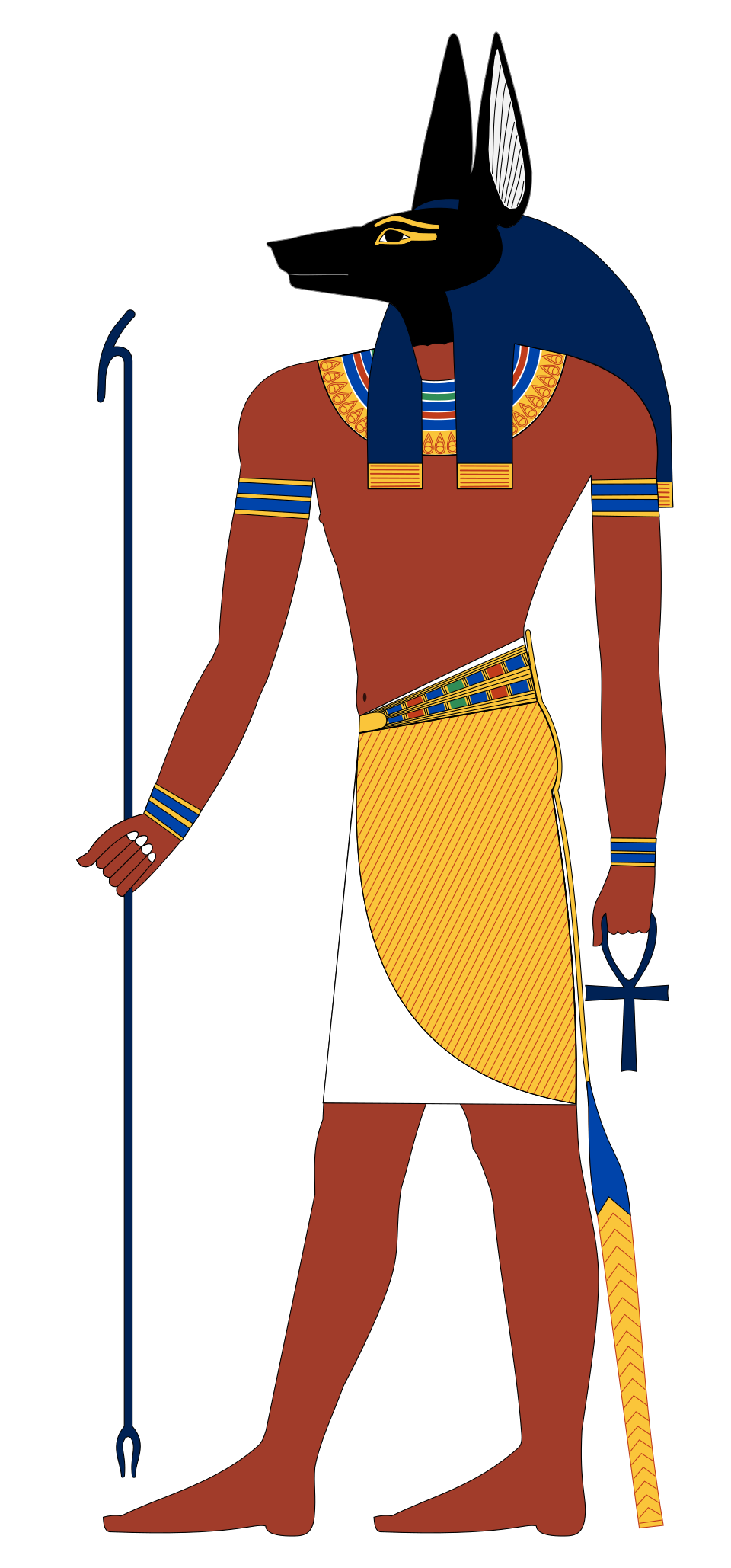
Identified with Anubis
Fused outright in Roman Egypt as Hermanubis.
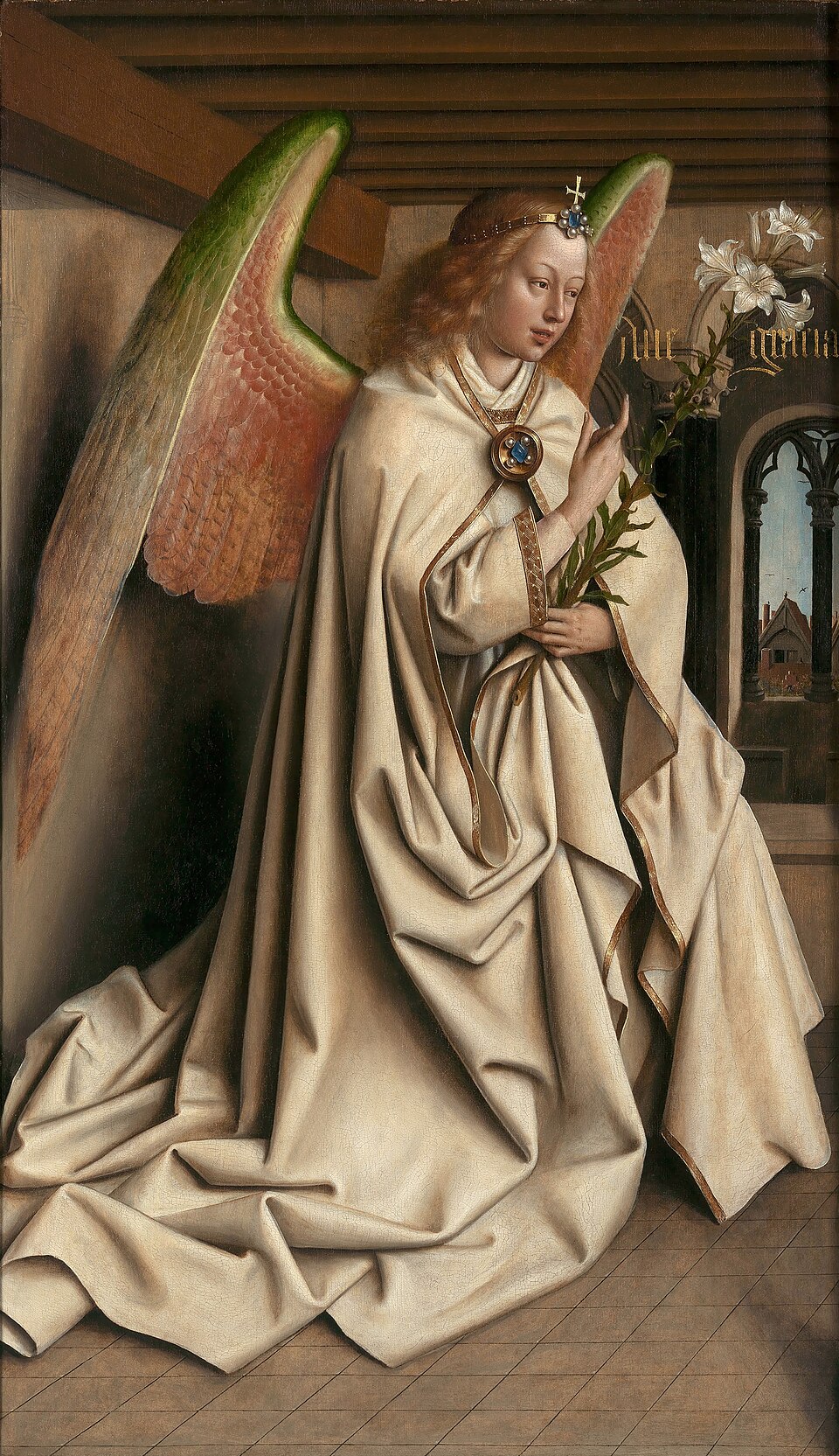
Identified with Gabriel
The messenger office, with Hermes also carrying the thief and boundary functions Gabriel cannot.
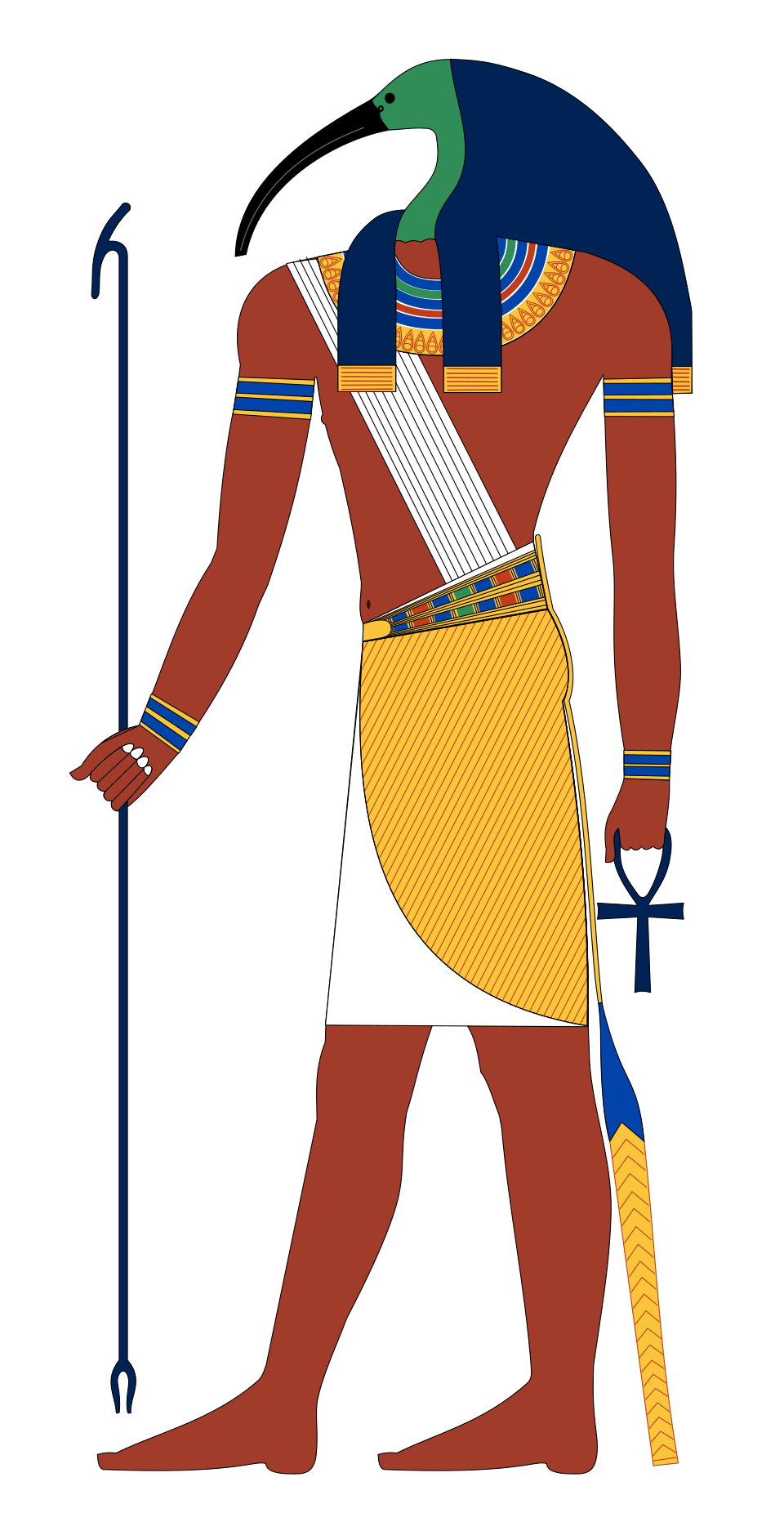
Identified with Thoth
Merged as Hermes Trismegistus, the founding fiction of the Hermetic corpus.
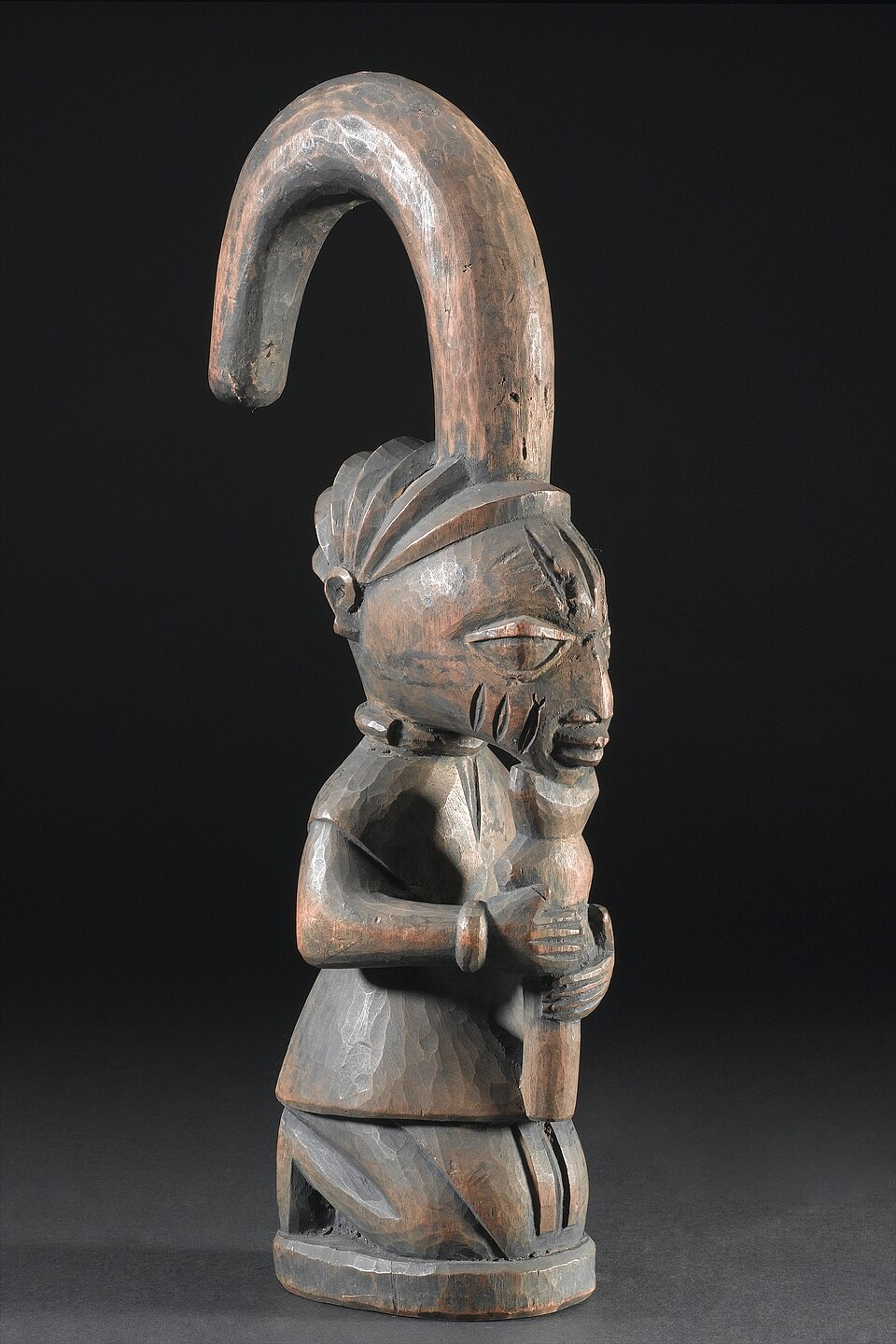
Identified with Eshu
Messenger, trickster and lord of the crossroads — a genuine functional parallel, though missionaries wrongly pushed the equation on to Satan instead.
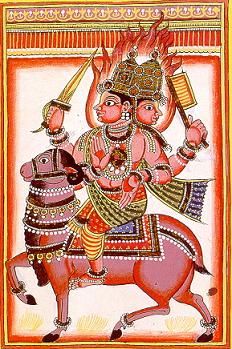
Identified with Agni
The carrier of offerings between humanity and the gods.
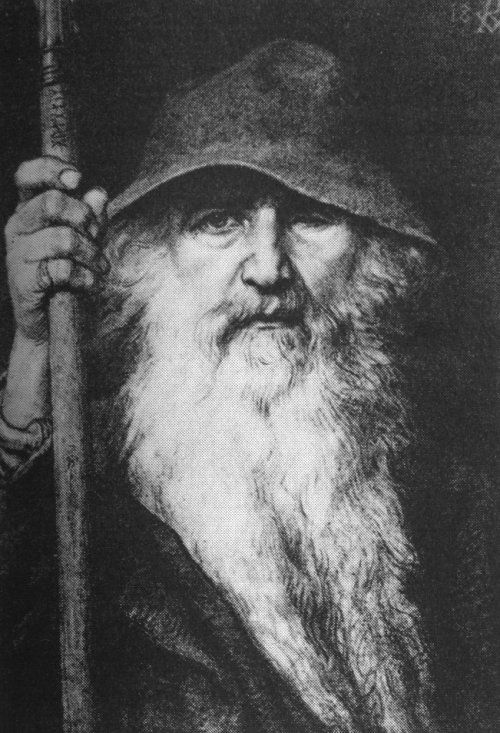
Identified with Odin
Tacitus identified the Germanic Wodan with Mercury, not with Jupiter — a Roman reading of the psychopomp and trickster role.
Placement
Where does it sit in the hierarchies?
Answered from the sources
Common questions
Which texts mention Hermes?
Is Hermes the same as Anubis?
What rank is Hermes?
How else is Hermes spelled?
What is Hermes said to do?
How old is Hermes?
Nearest in the corpus
If Hermes is what you came for, these are next
Chosen by proximity rather than by popularity: the same pantheon first, then the same rank, then the same kind of figure.
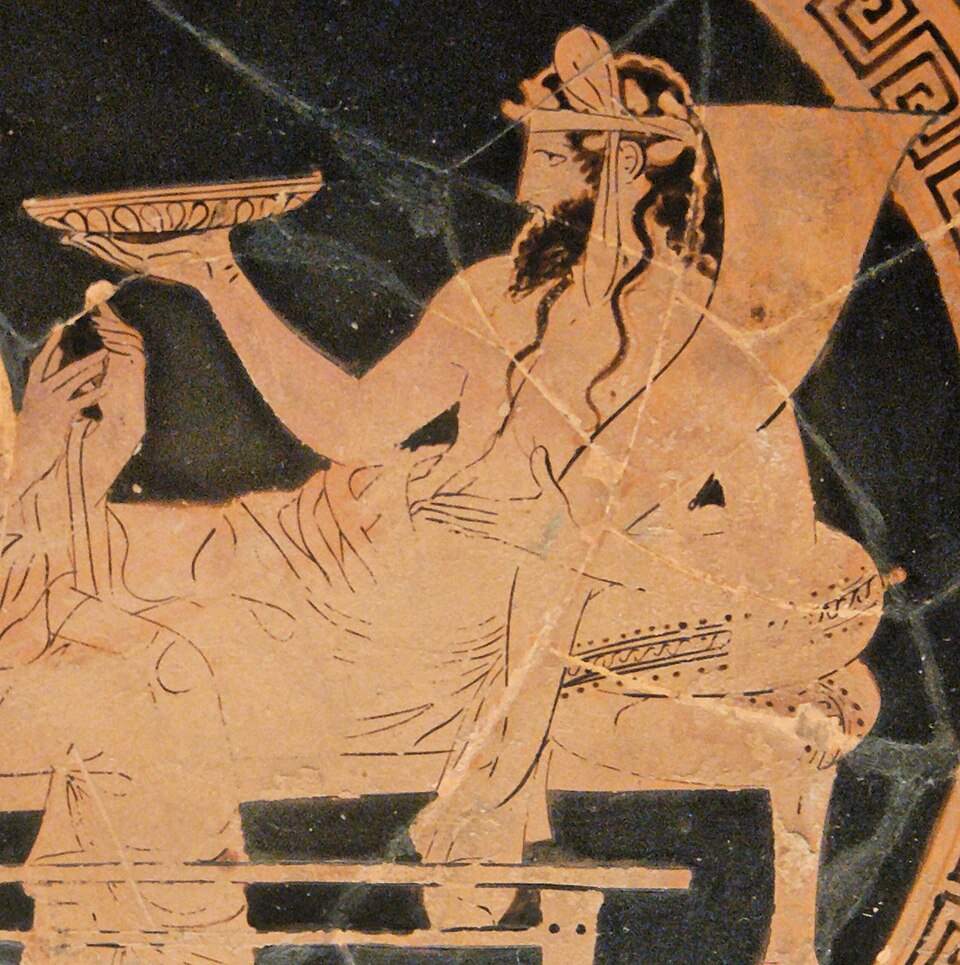
Artemis
Mistress of Animals · Greek
Huntress and protector of the young, whose Ephesian cult statue looks nothing like her and whose temple gave the ancient world one of its most durable protective formulas.
Hades
Lord of the Underworld · Greek
Ruler of the dead by lot rather than by punishment — a god of the underworld who is not evil, a distinction Christian cosmology cannot express.
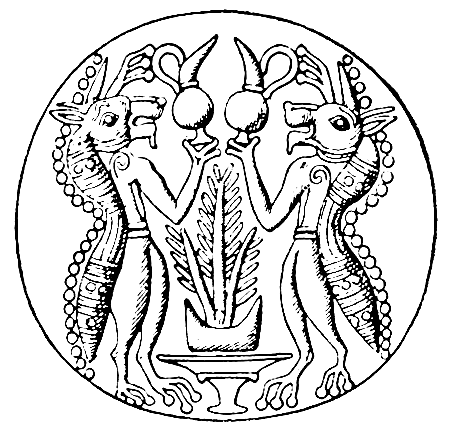
The Daimones
Class of Spirits · Greek
Guardian spirits — Socrates had one that advised him — whose name the Greek scriptures borrowed for evil spirits, permanently poisoning the word.
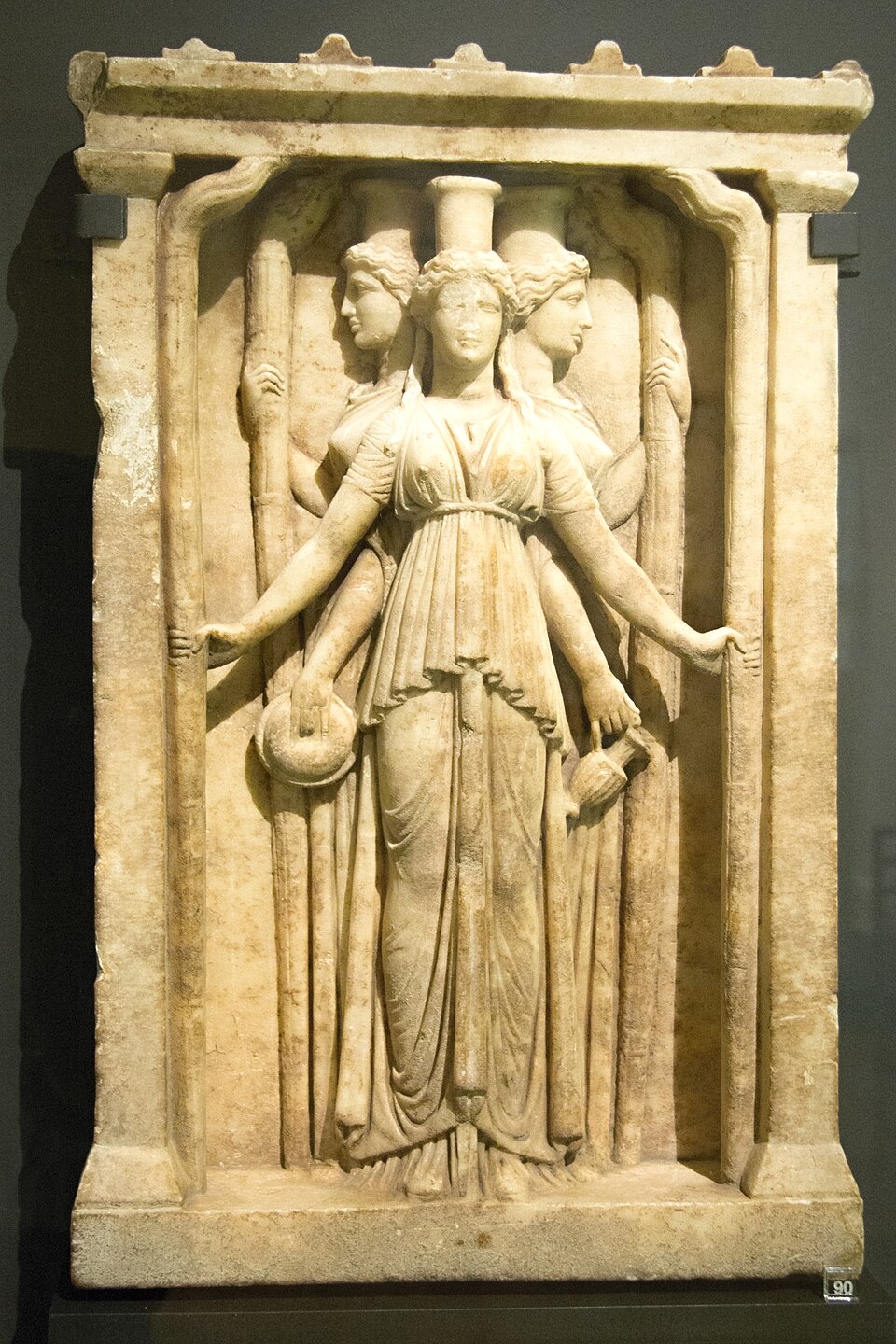
Hecate
Goddess of Crossroads · Greek
Hesiod has Zeus honour her above all others. By the medieval period she presides over witchcraft instead, a demotion with no wrongdoing attached to it anywhere.
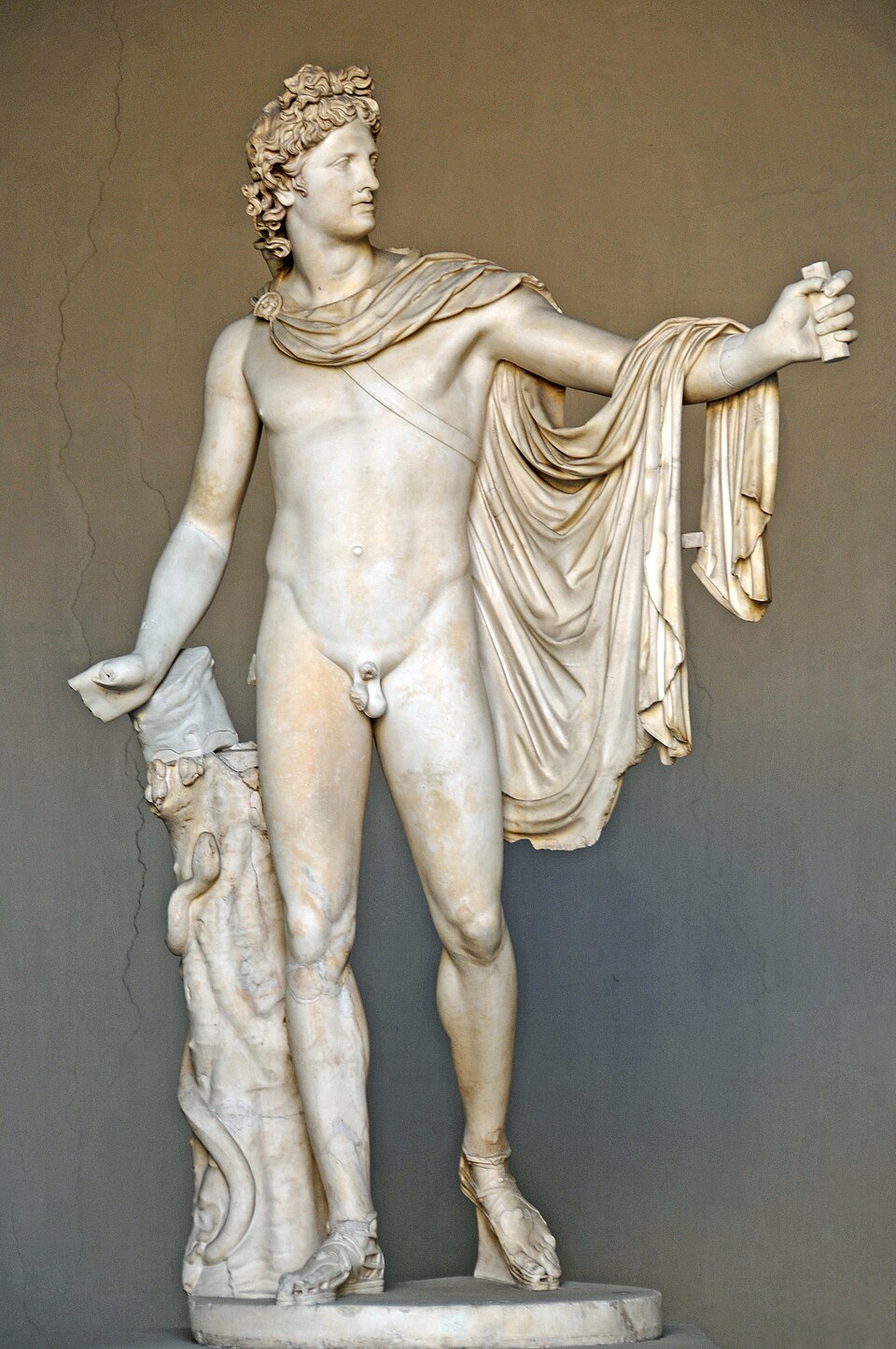
Apollo
God of Prophecy · Greek
Oracle-giver at Delphi, and the god who both sends plague and lifts it. Later traditions split that duality between an angel and a demon; Greece kept it in one figure.
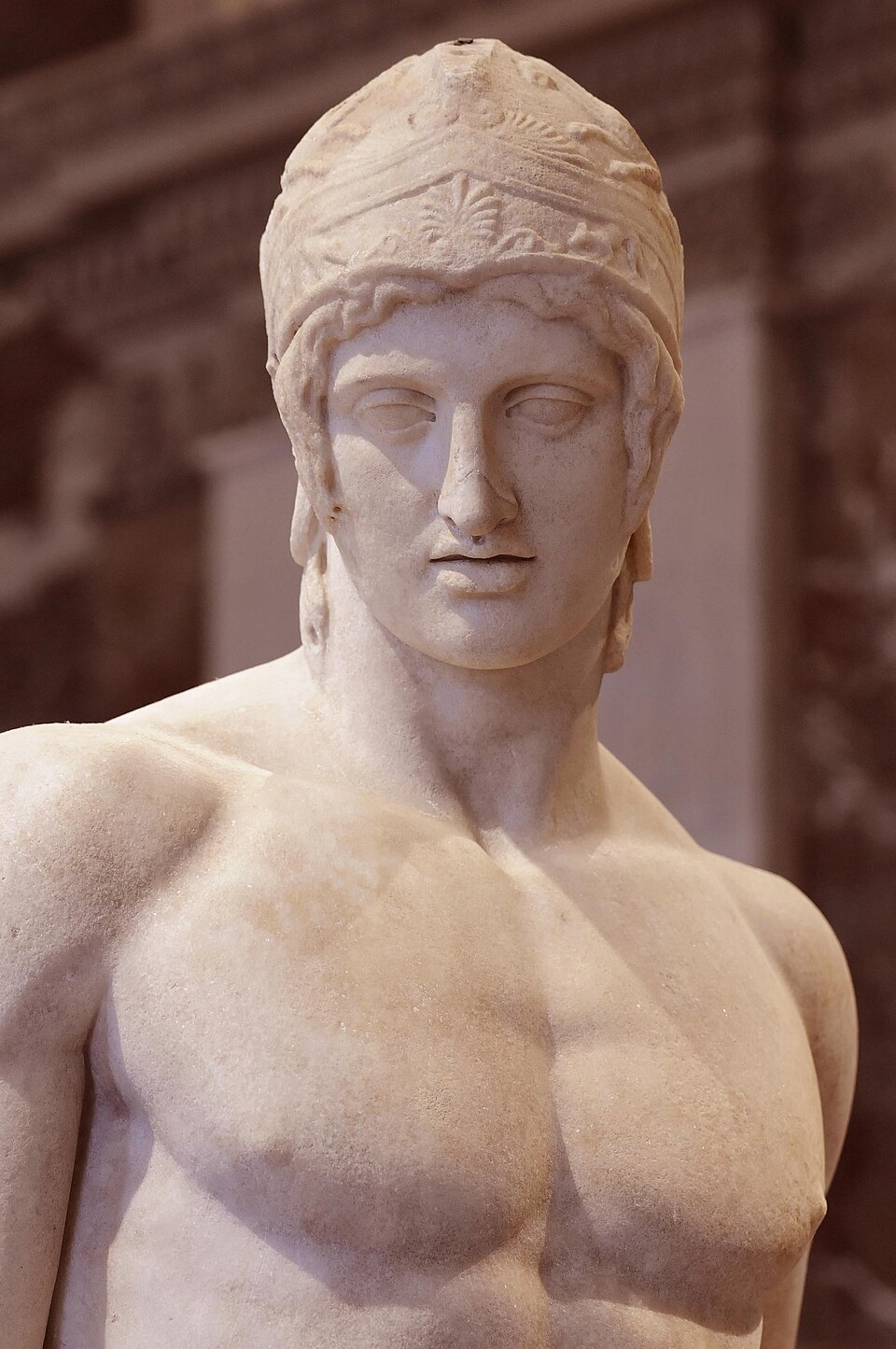
Ares
God of War · Greek
War as slaughter rather than strategy — disliked by the Greeks who worshipped him, and rehabilitated entirely by the Romans as Mars.
The books behind Hermes
Every claim on this profile is attributed to one of these. They are public domain, listed oldest first, and each links to a full text where one is freely available.
Theogony & Works and Days
Hesiod · c. 700 BCE · Ancient Greek
Read Theogony & Works and Days in full ↗Cover: Public domain · Hesiod · Wikimedia file page
The Homeric Hymns
Anonymous; attributed in antiquity to Homer; tr. Hugh G. Evelyn-White · c. 700–500 BCE · Ancient Greek
Read The Homeric Hymns in full ↗
Corpus last revised 29 August 2026. A reference site’s credibility rests on being maintained, so this is the date the sourced records last changed — not the date the page was rebuilt.