Deity · Greek · c. 700 BCE
Artemis
Also called Artemis Ephesia, Diana (Roman)
Huntress and protector of the young, whose Ephesian cult statue looks nothing like her and whose temple gave the ancient world one of its most durable protective formulas.
Deep source base
Artemis is in this corpus for what happened at Ephesus rather than for the hunt. The goddess worshipped there was Greek only by identification: an older Anatolian mother-figure whose cult image, hung with rows of ovoid objects that ancient and modern writers have read as breasts, eggs and bulls' testicles in turn, bears no resemblance to the huntress of the myths. Her temple was one of the largest buildings in the Greek world and one of its seven wonders.
What travels from it is a formula. Six words said to have been inscribed on the statue — the Ephesia Grammata — were spoken and worn as protection for something like a thousand years, by people who could not construe them and did not need to. That is the pattern this site keeps meeting: a name detaches from the figure it belonged to and goes on working as a sound. Acts records the silversmiths' riot at Ephesus over trade in her shrines, which is the same cult seen from the outside by a movement that would eventually absorb its site.
At a glance
Vitals
Vitals
Also known as
- First attested
- The Iliad · c. 750 BCE
- Rank
- Mistress of Animals
- Pantheon
- Greek
- Order
- Greek pantheon
- Era
- c. 700 BCE
- Traditions
- Greek, Roman
Traits
- Domain
- The hunt, wild country, childbirth, the young of every creature
- Traditional form
- A huntress with bow and quiver; at Ephesus, a many-breasted cult statue quite unlike her
Stats
4 attributed
What is it said to do?
Where these powers cluster
The 4 offices attributed to Artemis, grouped by kind. Segment width is the share of powers falling in each category.
A bar dominated by one colour means a specialist; an even spread means a figure the sources credit with almost anything.
- martial2
- material2
1 mark
Which marks is it attached to?
A mark a figure carries and a mark used against a figure are opposite claims, so each link says which it is.
4 texts
Which texts say so, and where do they disagree?
When these texts were written
Each dot is one of the 4 texts that names Artemis, placed at that text's approximate date.
A wide spread means the figure was carried across many centuries and traditions; a tight cluster means a single period produced the whole record.
4 texts spanning roughly 830 years
Where the texts differ
- Name: given as Artemis, Artemis (Diana of the Ephesians)
- Rank: given as Daughter of Leto; Goddess of the Ephesians
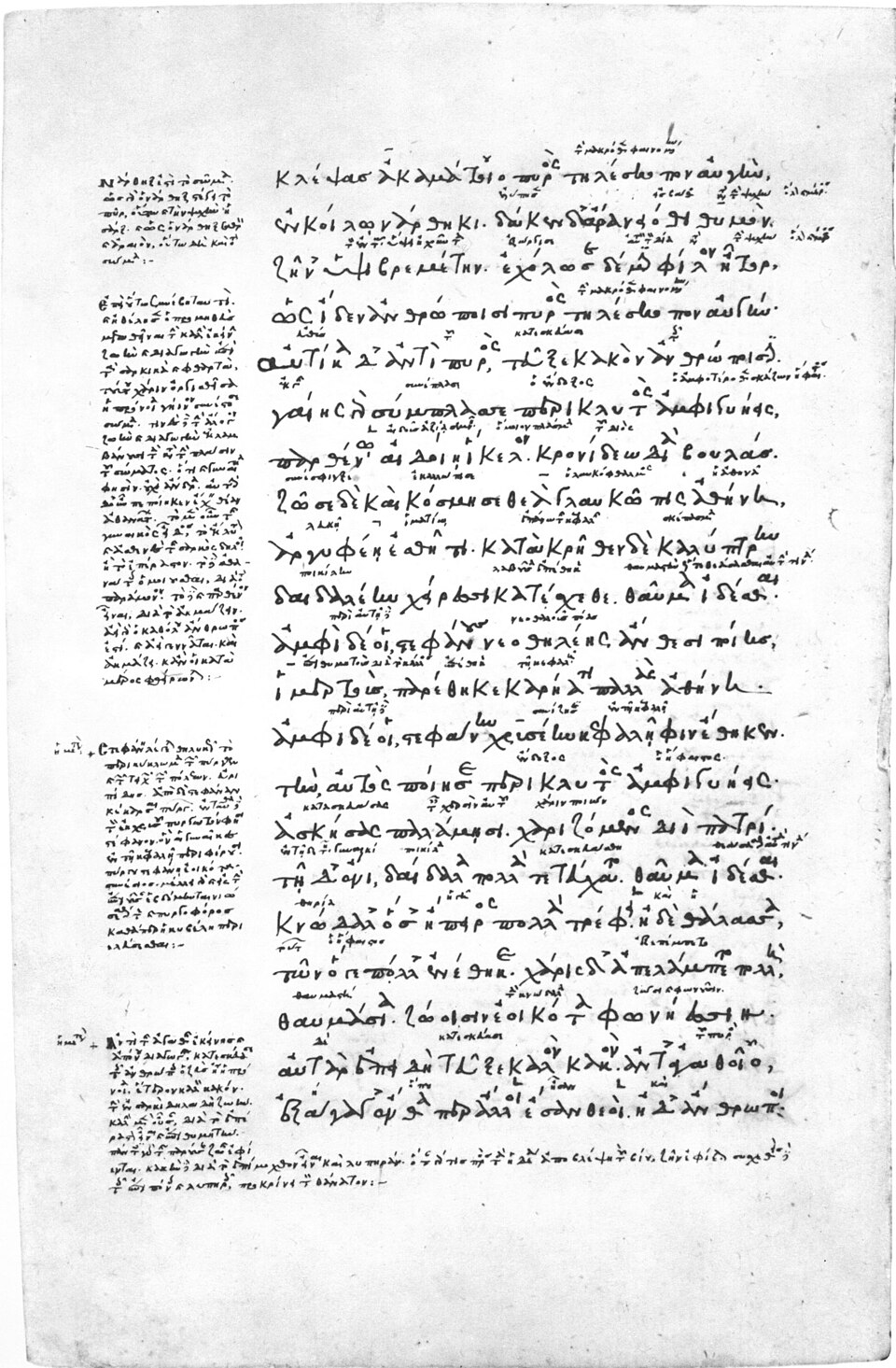
Boxed on the ears by Hera, who takes her own bow off her and beats her with it until she flees crying to her father. The scene is worth citing for what it says about rank inside the pantheon rather than about her: these are gods who can be humiliated by other gods, in front of an audience.
Born to Leto by Zeus, sister of Apollo, and counted among the Olympian generation.
The huntress in the mountains, drawing her golden bow and then leading the dance at her brother's house — the two halves of her that later reception keeps splitting apart. This corpus carries her chiefly for the Ephesian cult the New Testament collides with, and the hymns show what the Greek figure was before that collision.
“I sing of Artemis, whose shafts are of gold, who cheers on the hounds, the pure maiden, shooter of stags, who delights in archery, own sister to Apollo with the golden sword.”
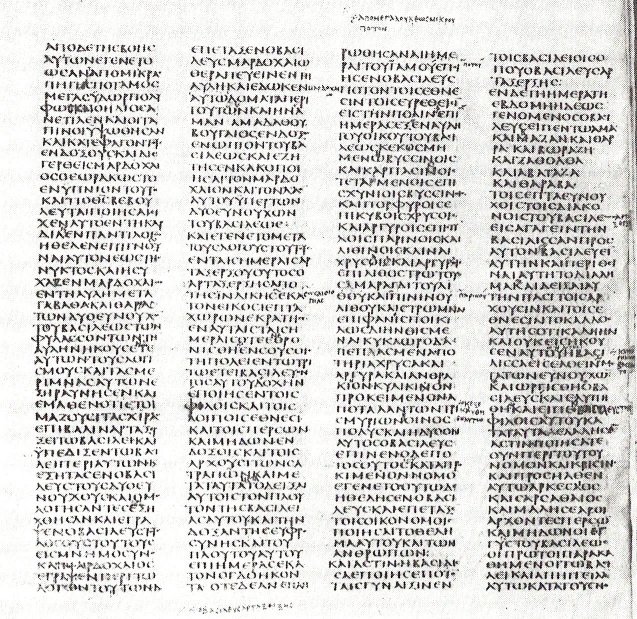
The riot at Ephesus is raised by silversmiths whose trade in shrines is threatened; the crowd shouts her name for two hours.
Connections
What is it connected to?
No relationship to another figure in this corpus is recorded in the texts cited above. Where an edge exists here it is because a source states it, so an empty section means the sources are silent rather than that the connection is unknown.
Answered from the sources
Common questions
Which texts mention Artemis?
What rank is Artemis?
How else is Artemis spelled?
What is Artemis said to do?
How old is Artemis?
Nearest in the corpus
If Artemis is what you came for, these are next
Chosen by proximity rather than by popularity: the same pantheon first, then the same rank, then the same kind of figure.
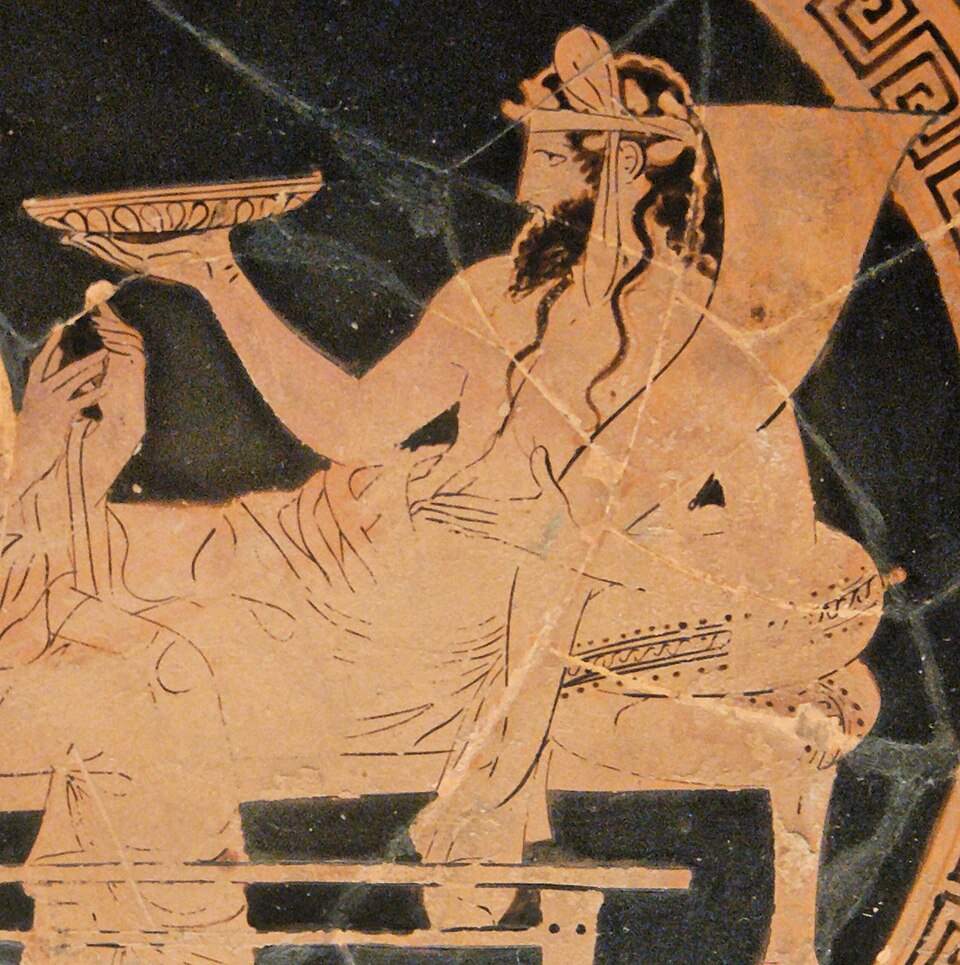
Hades
Lord of the Underworld · Greek
Ruler of the dead by lot rather than by punishment — a god of the underworld who is not evil, a distinction Christian cosmology cannot express.
The Daimones
Class of Spirits · Greek
Guardian spirits — Socrates had one that advised him — whose name the Greek scriptures borrowed for evil spirits, permanently poisoning the word.
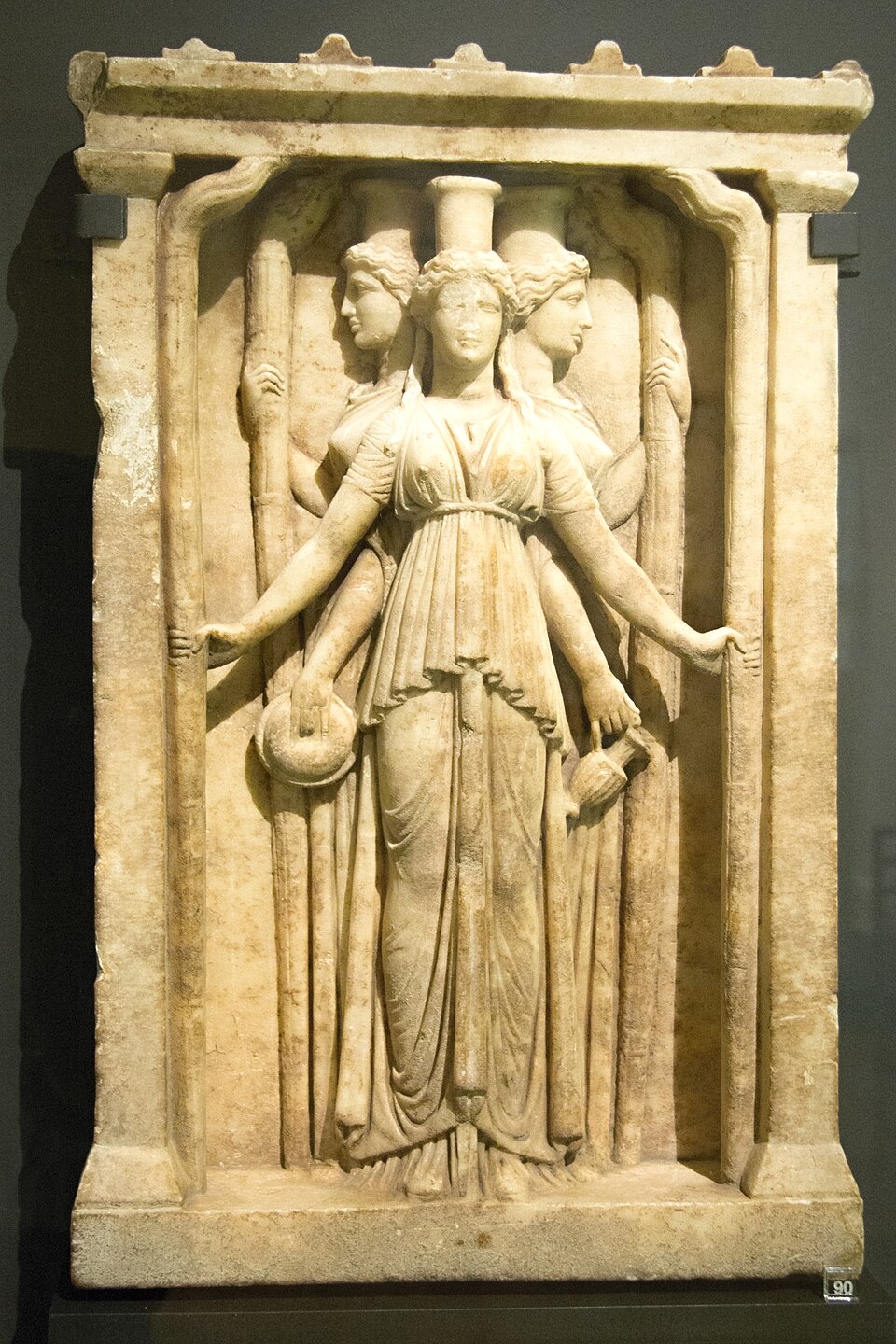
Hecate
Goddess of Crossroads · Greek
Hesiod has Zeus honour her above all others. By the medieval period she presides over witchcraft instead, a demotion with no wrongdoing attached to it anywhere.
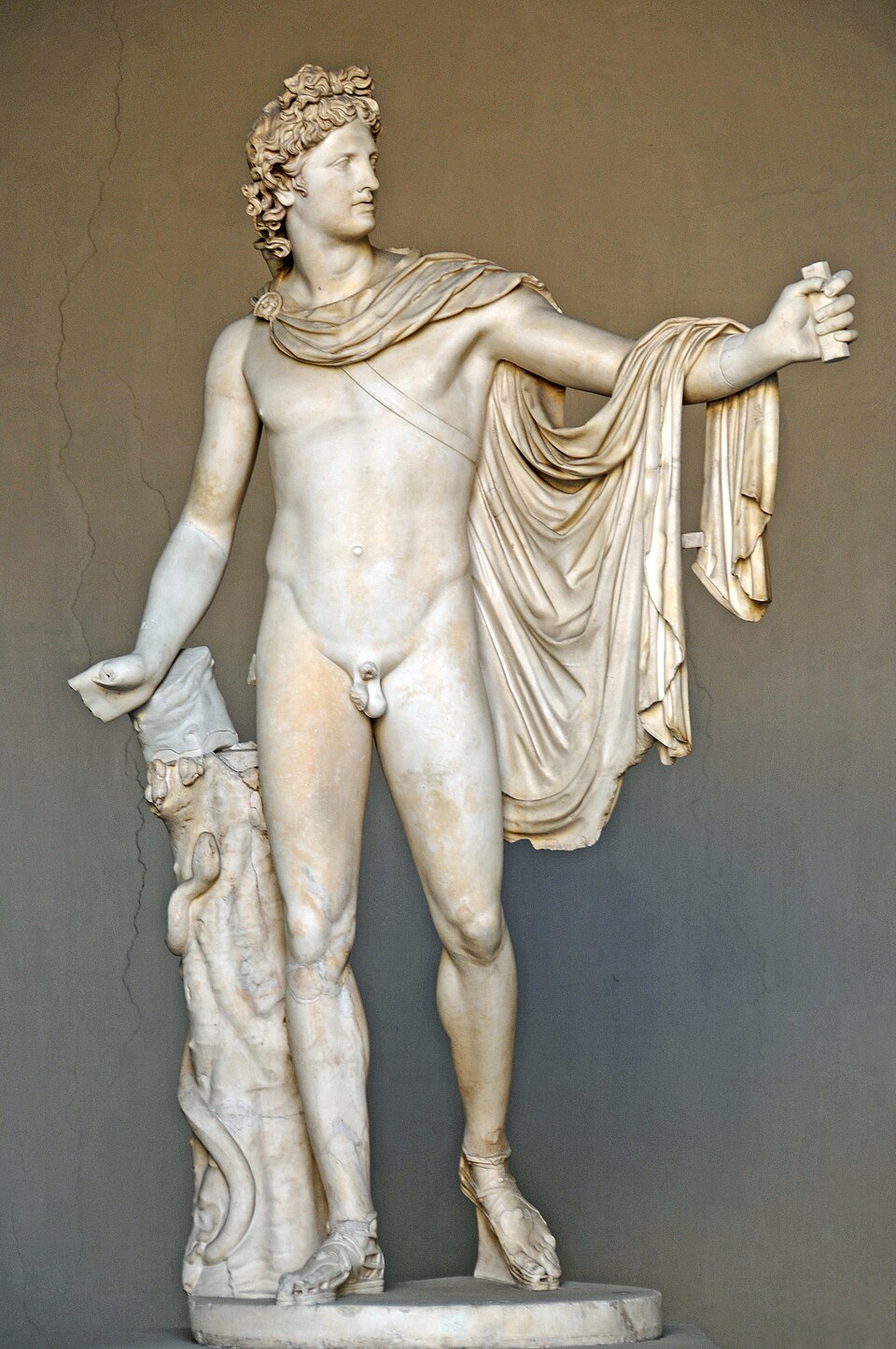
Apollo
God of Prophecy · Greek
Oracle-giver at Delphi, and the god who both sends plague and lifts it. Later traditions split that duality between an angel and a demon; Greece kept it in one figure.
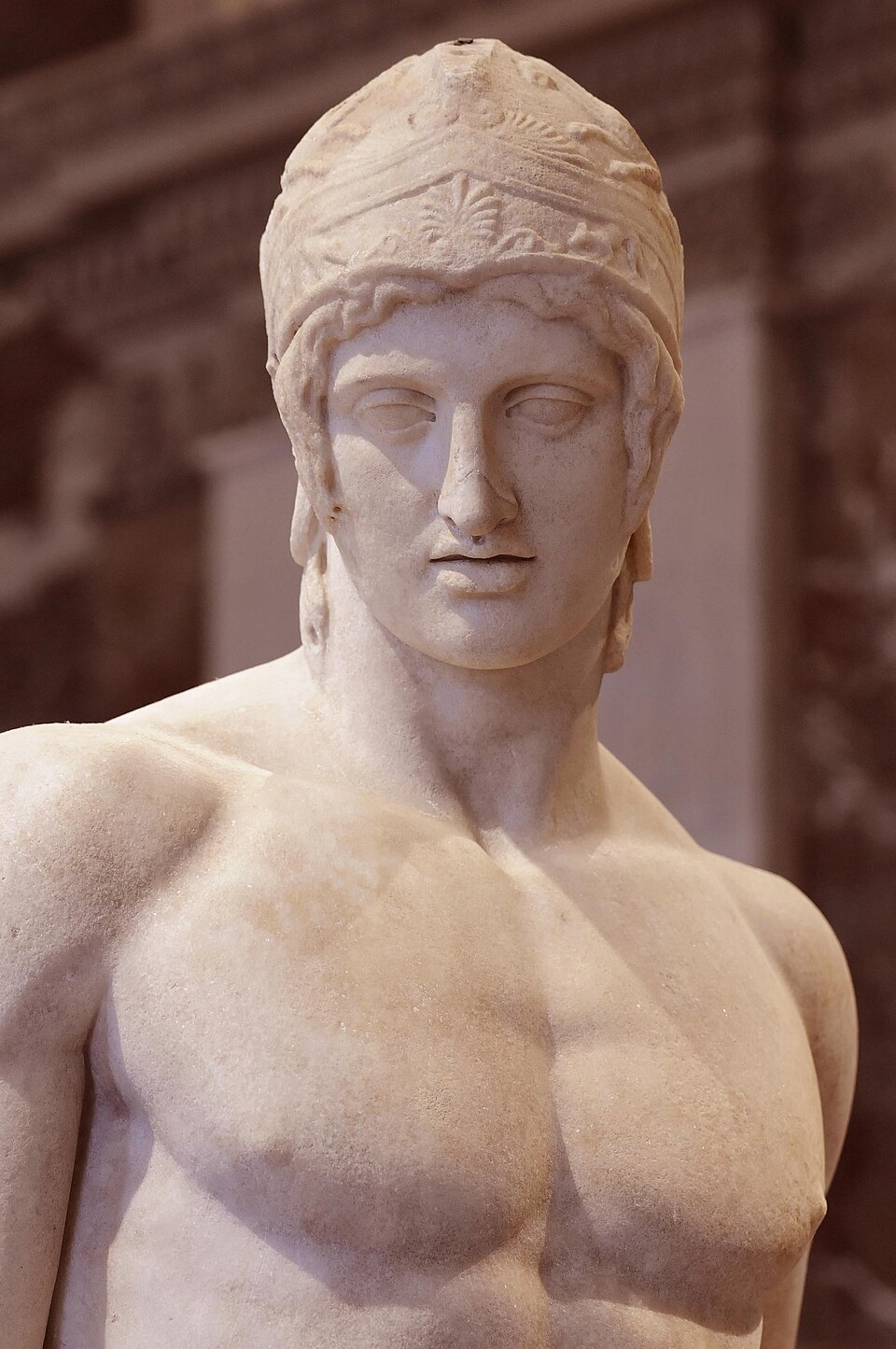
Ares
God of War · Greek
War as slaughter rather than strategy — disliked by the Greeks who worshipped him, and rehabilitated entirely by the Romans as Mars.
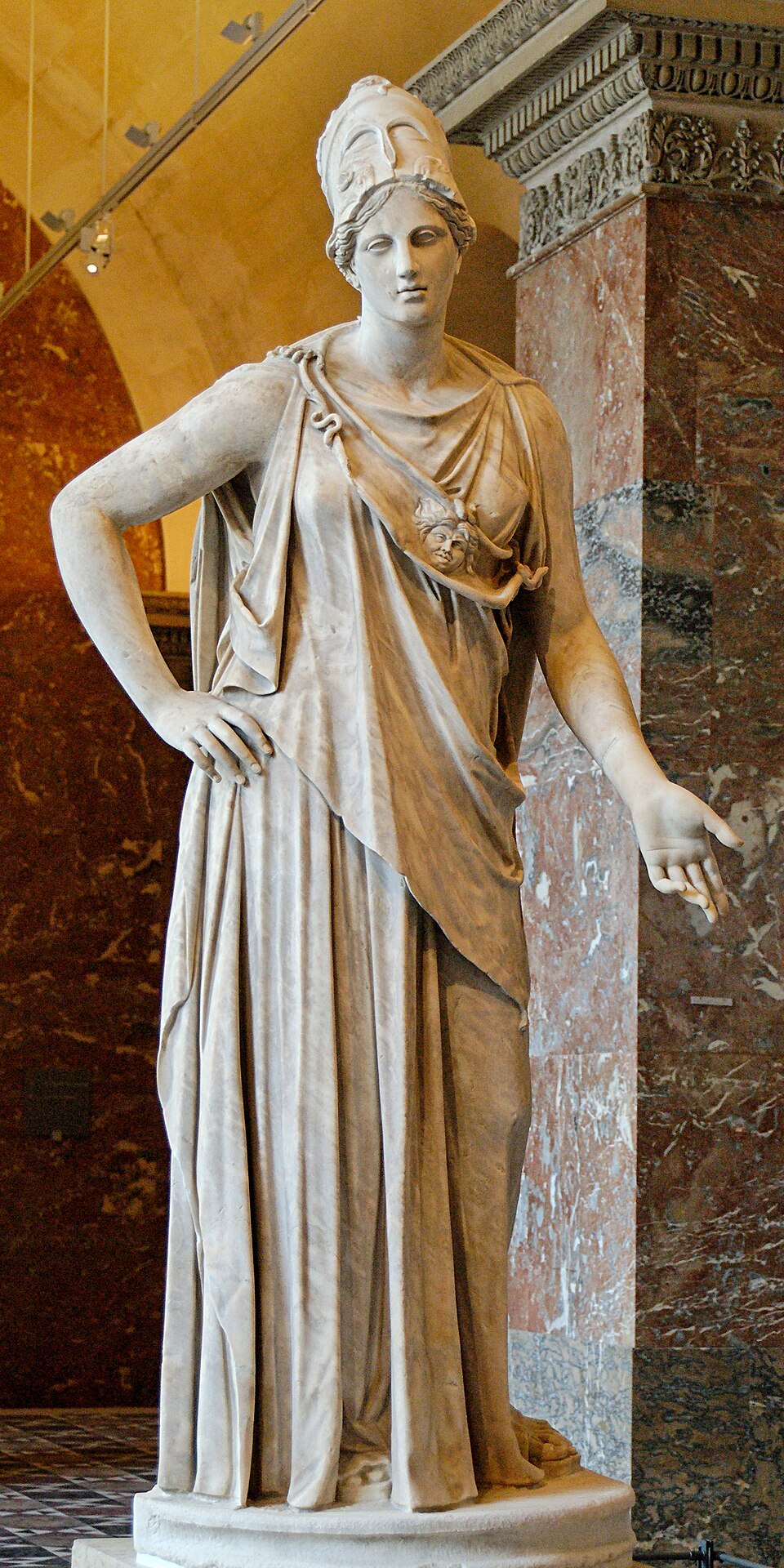
Athena
Goddess of Wisdom and War · Greek
Born from the head of Zeus, and the only Olympian to hold both war and craft. Where Ares is violence, she is strategy.
The books behind Artemis
Every claim on this profile is attributed to one of these. They are public domain, listed oldest first, and each links to a full text where one is freely available.
Theogony & Works and Days
Hesiod · c. 700 BCE · Ancient Greek
Read Theogony & Works and Days in full ↗Cover: Public domain · Hesiod · Wikimedia file page
The Homeric Hymns
Anonymous; attributed in antiquity to Homer; tr. Hugh G. Evelyn-White · c. 700–500 BCE · Ancient Greek
Read The Homeric Hymns in full ↗New Testament
Various · c. 50–110 CE · Koine Greek
Read New Testament in full ↗Cover: Public domain · Wikimedia file page
Corpus last revised 29 August 2026. A reference site’s credibility rests on being maintained, so this is the date the sourced records last changed — not the date the page was rebuilt.