Christian · Koine Greek · c. 50–110 CE
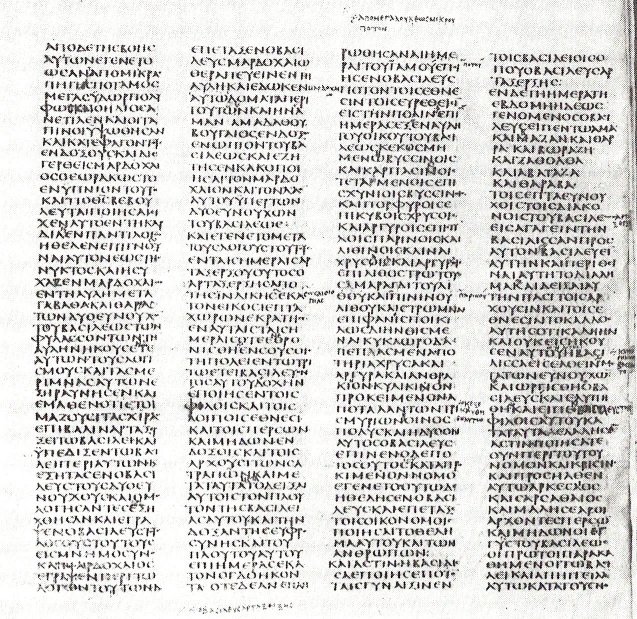
New Testament
Various
Supplies the vocabulary Pseudo-Dionysius later systematises — thrones, dominions, principalities, powers — and Revelation's war in heaven.
Read New Testament in full at the linked edition →What this text attests · 24
| Name here | Rank given | # | Powers described |
|---|---|---|---|
A spirit of infirmity = The Spirit of Infirmity | Affliction | — | Holds a woman bent double for eighteen years. Jesus looses her on the sabbath and describes her as one whom Satan had bound. |
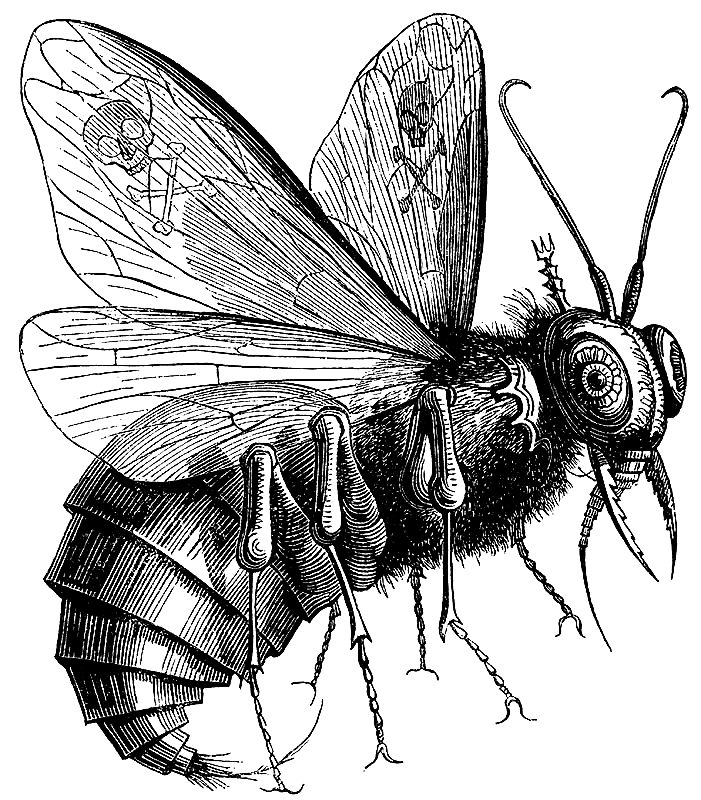
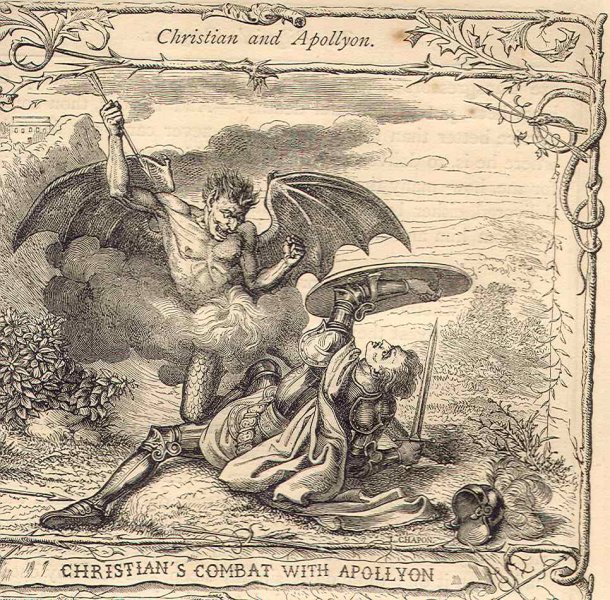 Abaddon / Apollyon = Abaddon | Angel of the bottomless pit | — | King over the locusts loosed at the fifth trumpet, who torment for five months. |
Artemis (Diana of the Ephesians) = Artemis | Goddess of the Ephesians | — | The riot at Ephesus is raised by silversmiths whose trade in shrines is threatened; the crowd shouts her name for two hours. |
| Prince of the devils | — | Named by the Pharisees as the authority by which exorcisms are performed. | |
 Beliar = Belial | Personified adversary | — | By 2 Corinthians the abstraction has become a person: 'what concord hath Christ with Belial?' |
Core = The Korah Spirit | Used as a type | — | Jude speaks of those who perished in the gainsaying of Core, applying the name to a contemporary group. |
| Created power | — | ||
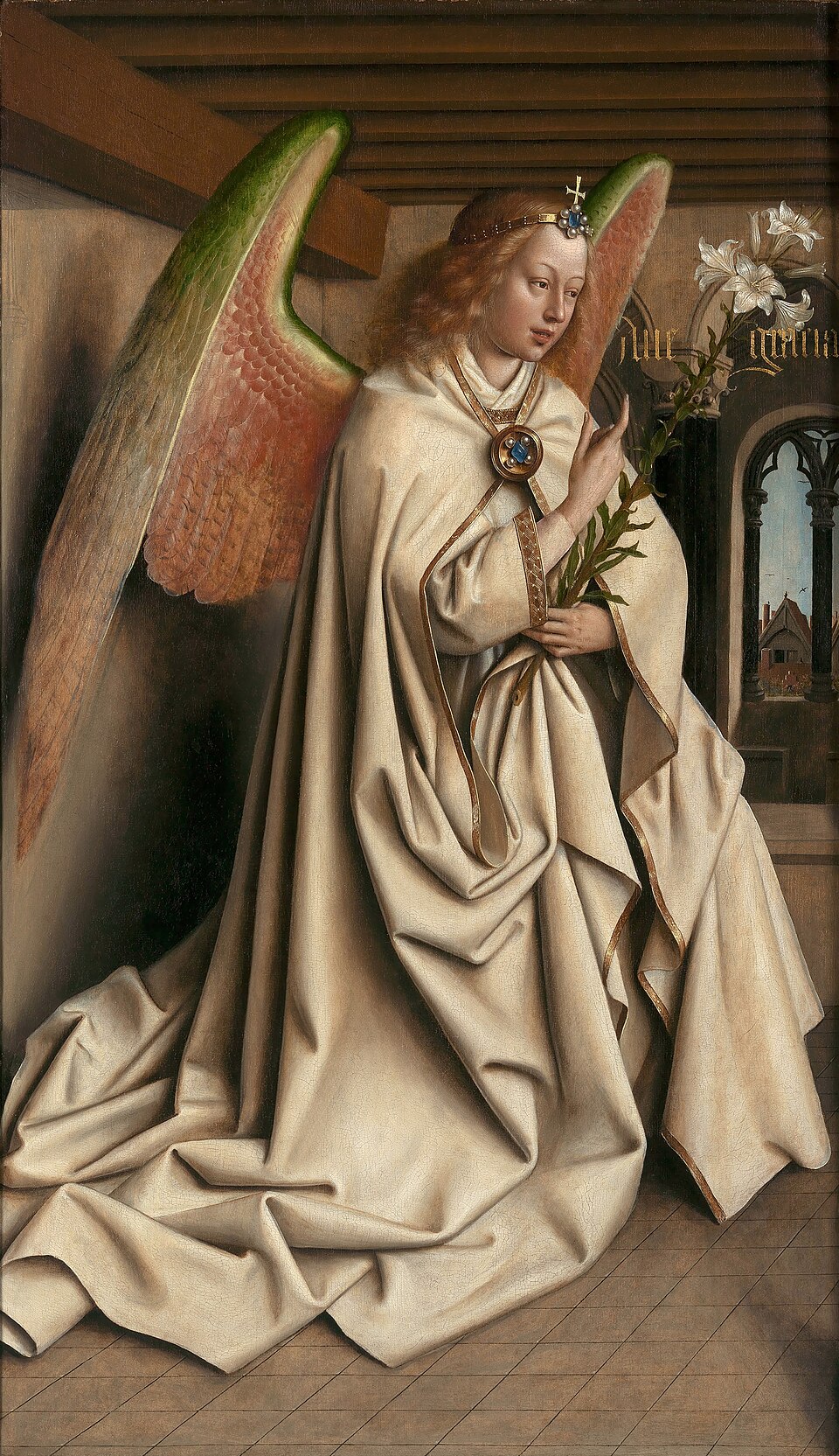
| Angel who stands in the presence of God | — | Announces the birth of John to Zechariah and of Jesus to Mary. | |
| The fire | — | Used as the image of final destruction — fire, the undying worm, a body thrown away rather than a soul imprisoned. Always a fate that may be avoided, never a common destination. | |
| A name used as a type | — | Revelation rebukes the church at Thyatira for tolerating a teacher it calls Jezebel. The queen had been dead some eight centuries; the name is being used as a label for a contemporary, which is the point at which it stops being a person. | |
Jezebel = The Jezebel Spirit | A name used as a label | — | Revelation rebukes the church at Thyatira for tolerating a teacher it calls Jezebel. A living contemporary is given a dead queen's name; the text describes a person, not a spirit. |
| Unclean spirit | — | Possesses the Gerasene man among the tombs; he cannot be bound, and cuts himself with stones. Asked its name, it answers Legion, because they are many. It begs not to be sent out of the country and enters a herd of swine, which drown. | |
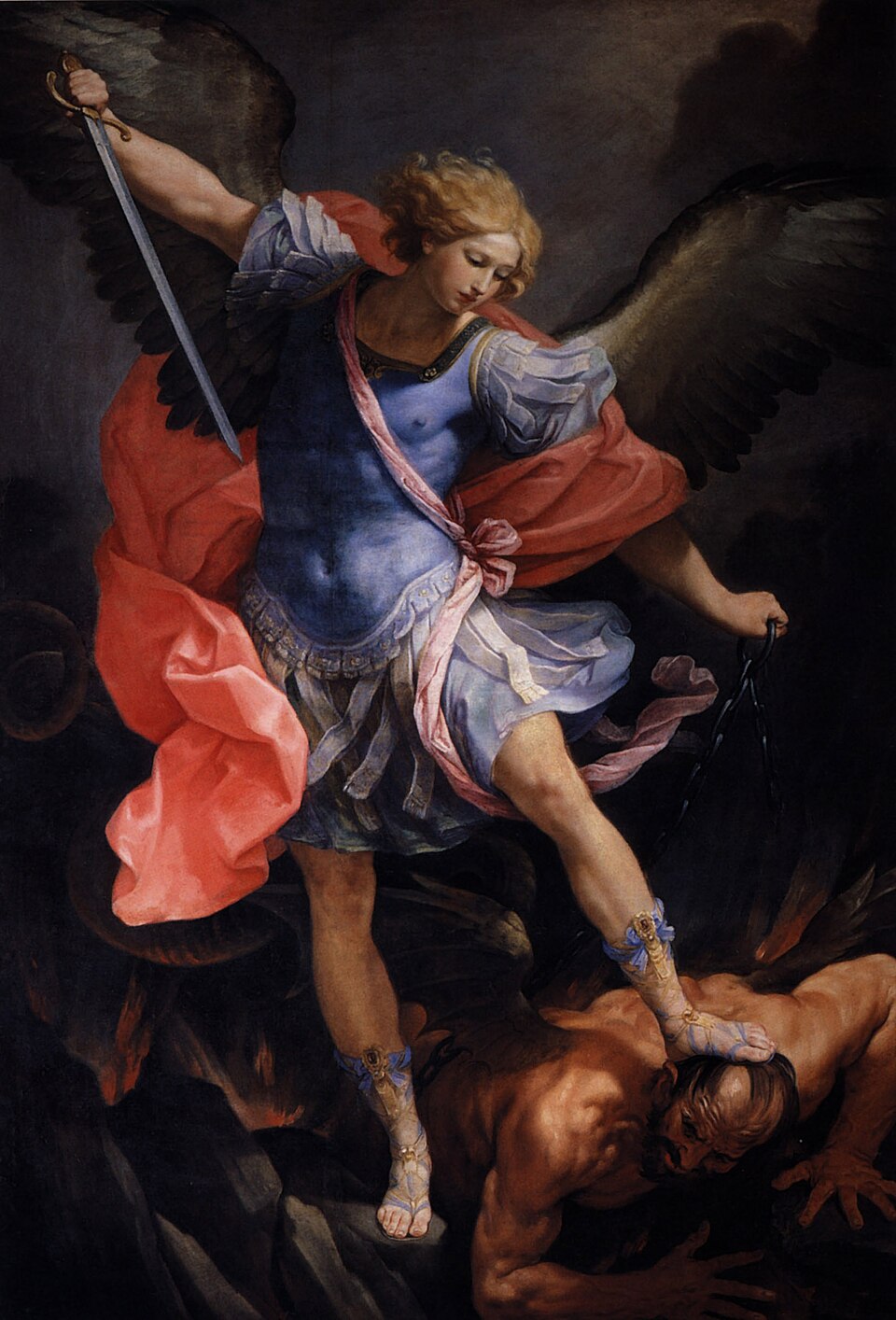
| Archangel | — | Leads his angels in war against the dragon; disputes with the devil over the body of Moses. | |
| Created power | — | Named both as created good and, in Ephesians, as ranks the faithful wrestle against. | |
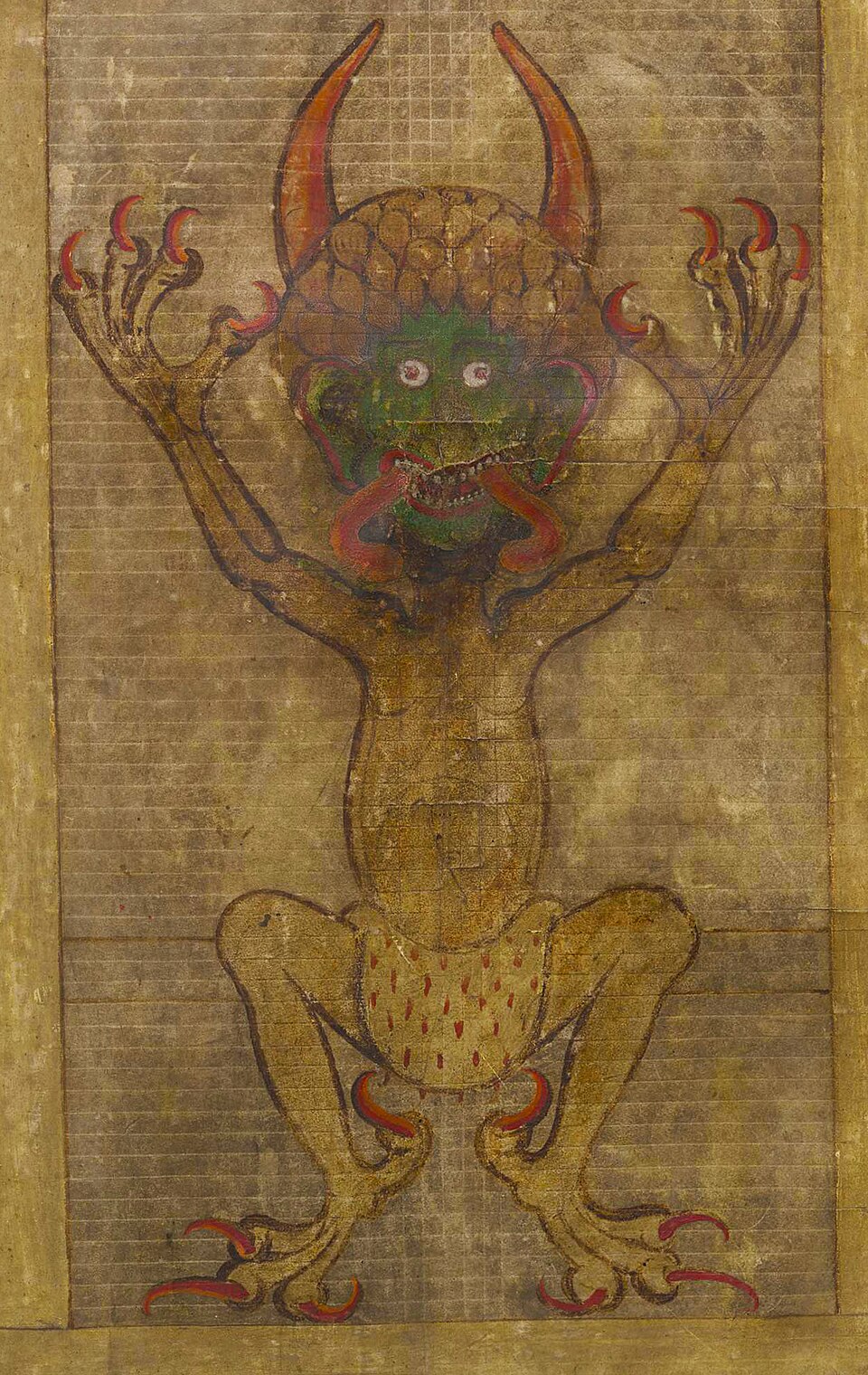
| Prince of this world | — | Tempts in the wilderness, is cast down as lightning, and is bound in Revelation. | |
The prince of the power of the air = The Prince of the Power of the Air | Ruler of the aerial realm | — | Named as the power according to which the readers formerly walked, working in the children of disobedience. |
The seven spirits = The Seven Who Stand | Before the throne | — | Revelation opens with grace from the seven spirits before God's throne, without naming them. |
The spirit of antichrist = The Spirit of Antichrist | A spirit failing a doctrinal test | — | Identified by refusal to confess that Jesus Christ is come in the flesh; described as already in the world at the time of writing. |
The spirit of fear = The Spirits of Affliction | Disposition or entity — the disputed point | — | God hath not given us the spirit of fear, but of power, and of love, and of a sound mind. |
| Created power | — | Listed among the invisible powers created through Christ. | |
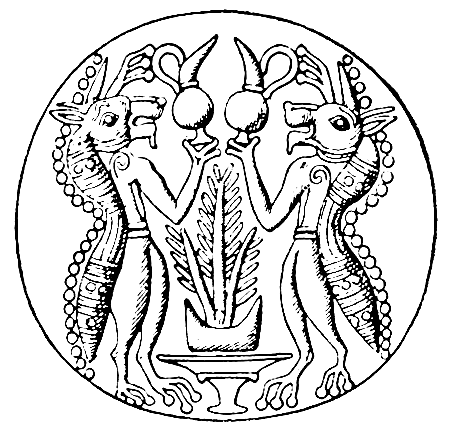 daimonion (KJV 'devils') = The Daimones | Unclean spirit | — | The Greek keeps Hesiod's word while reversing its sense; English versions render it 'devils', so the continuity is invisible in translation. |
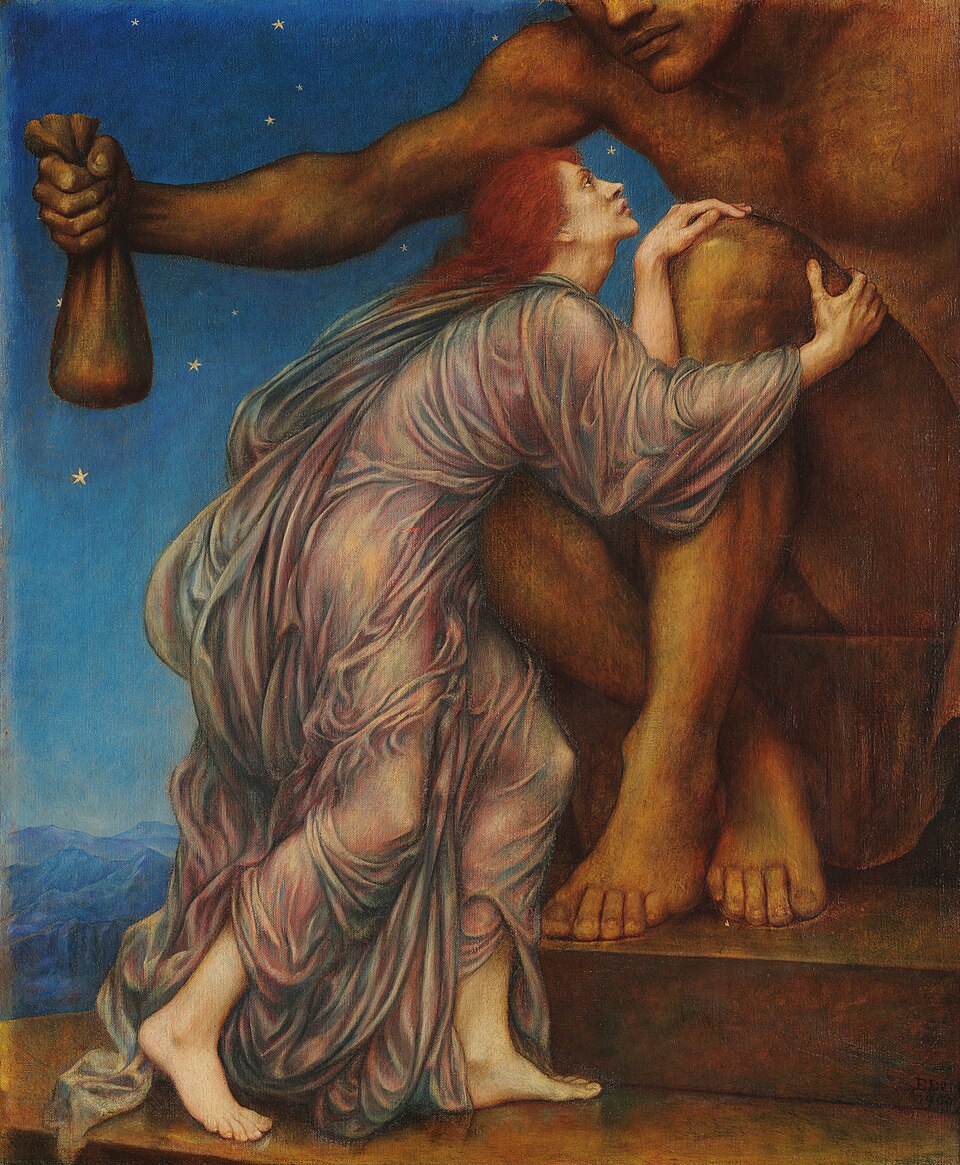 mammon = Mammon | Not an entity — a word for wealth | — | Used as the rival master to God in a saying about divided service. |
pneuma pythōna (KJV 'a spirit of divination') = The Python Spirit | An oracular spirit | — | Possesses a slave girl at Philippi who brings her owners much gain by soothsaying, and follows Paul proclaiming him a servant of the Most High God until he casts it out. The Greek names it a python spirit; every major English version translates rather than transliterates, so the name disappears. |
tartaroo = Tartarus | A verb, used once | — | In 2 Peter, what God did to the angels that sinned: consigned them to chains of darkness until judgment. Used of rebel powers, never of human dead. |
What does it actually say?
The passages themselves, as this text gives them. Read them against what the other texts here say about the same figures — that comparison is the point.
A spirit of infirmityAffliction
“There was a woman which had a spirit of infirmity eighteen years, and was bowed together.”
“They had a king over them, which is the angel of the bottomless pit.”
JezebelA name used as a type
“Thou sufferest that woman Jezebel, which calleth herself a prophetess.”
JezebelA name used as a label
“Thou sufferest that woman Jezebel, which calleth herself a prophetess.”
LegionUnclean spirit
“My name is Legion: for we are many.”
The prince of the power of the airRuler of the aerial realm
“According to the prince of the power of the air, the spirit that now worketh in the children of disobedience.”
The spirit of antichristA spirit failing a doctrinal test
“Every spirit that confesseth not that Jesus Christ is come in the flesh is not of God.”
The spirit of fearDisposition or entity — the disputed point
“For God hath not given us the spirit of fear; but of power, and of love, and of a sound mind.”
“Ye cannot serve God and mammon.”
pneuma pythōna (KJV 'a spirit of divination')An oracular spirit
“A certain damsel possessed with a spirit of divination met us.”