Angelic · Archangels / Chief Princes · c. 400 BCE
Michael
Also called Mikha'el, Mika'il, Michael the Archangel, St Michael · also recorded as Mikael, St. Michael, Saint Michael the Archangel, St Michael the Archangel, The Archangel Michael, Saint Michael, St. Michael the Archangel, Archangel Michael, the Right Hand of God, Right Hand of God (per Wikidata)
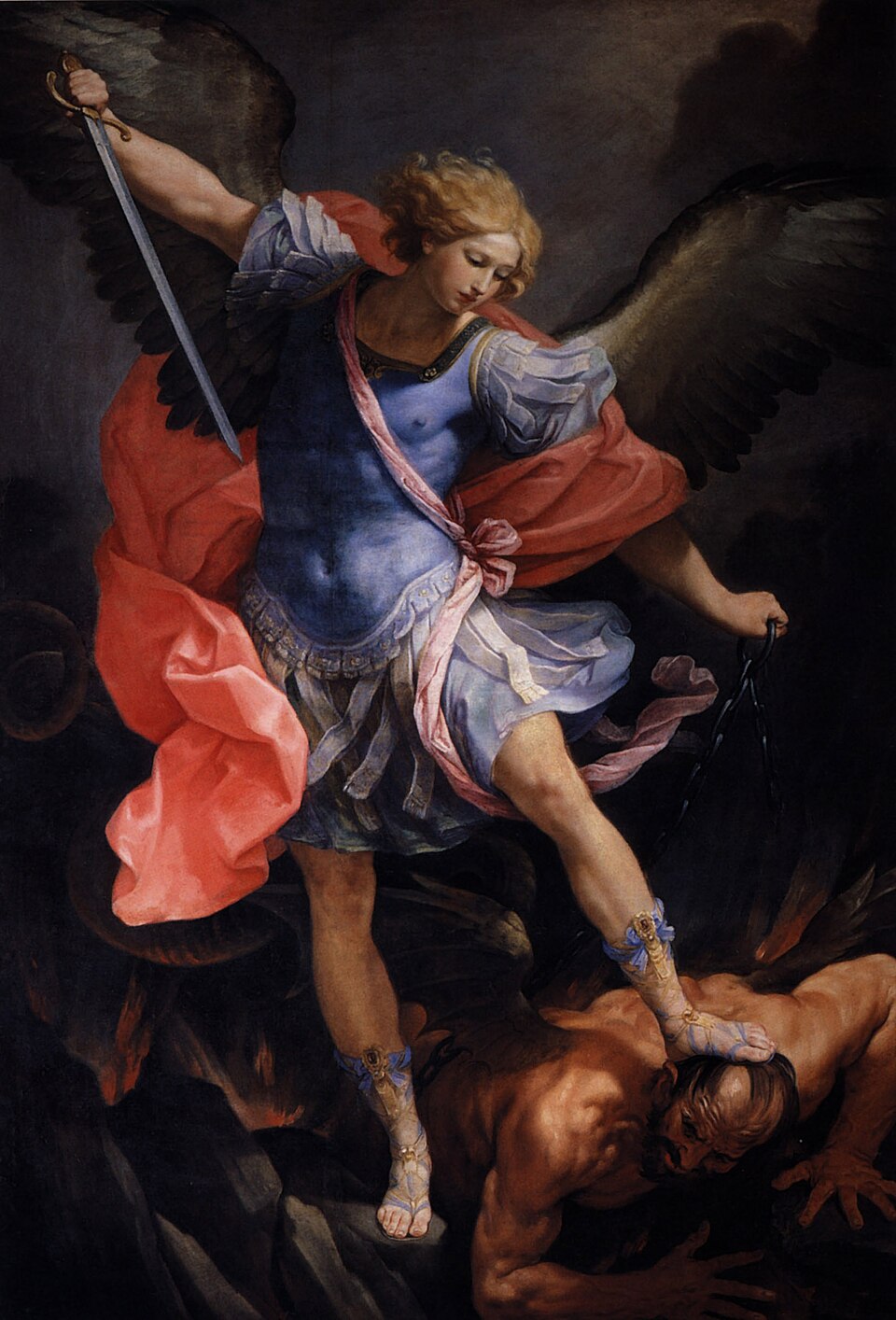
The warring archangel: prince of Israel in Daniel, captain of the host in Revelation, and the only angel the New Testament calls an archangel outright.
Deep source base
Michael's rank rises steadily the further you get from the earliest texts. Daniel calls him 'one of the chief princes' and the guardian of a nation, a peer among several. Revelation puts him at the head of the army that casts out the dragon. By the medieval period he is commander of the entire celestial host and the psychopomp who weighs souls — offices no early text gives him. His name is a rhetorical question, 'Who is like God?', which later writers read as the battle cry answering Lucifer's pride.
Identity
Where does the name come from?
What the name means
Hebrew *mi-ka-el*, 'Who is like God?' — a question rather than a statement. BDB (1906) sets it beside the Assyrian personal names Mannu-ki-Ramman, 'Who is like Ramman?', and Mannu-ki-ilu-rabu, 'Who is like the great God?', which makes it a standard Semitic way of building a name rather than a unique theological claim. It is also somebody's ordinary name long before it is an archangel's: BDB enumerates ten men called Michael, in Numbers, Chronicles and Ezra, and only then the prince who stands for Israel in Daniel. Later writers hear the question as a battle cry answering Lucifer's pride, which is a reading of the name and not its sense.
Where it was actually worshipped
Chonae in Phrygia, Monte Sant'Angelo in Apulia, Mont-Saint-Michel — all hilltop sites, following a pattern of high places.
A figure with temples and a figure that only ever existed on a page are different kinds of thing, and the difference is easy to lose once both are entries in a list.
At a glance
Vitals
Vitals
Also known as
- First attested
- Hebrew Bible & Deuterocanon · c. 900–100 BCE
- Rank
- Archangel
- Order
- Archangels / Chief Princes
- Base of operations
- Chonae in Phrygia, Monte Sant'Angelo in Apulia, Mont-Saint-Michel — all hilltop sites, following a pattern of high places.
- Era
- c. 400 BCE
- Traditions
- Christian, Jewish, Islamic, Enochian
Traits
- Direction
- South
- Domain
- War, judgment, protection of Israel and of the Church
- Element
- Fire
- Traditional form
- Armoured warrior with sword or spear, treading a dragon
- Metal of its planet (Agrippa, 1533)
- Gold — “Amongst Metals, Gold by reason of its splendor, and its receiving that from the Sun which makes it cordiall.” (I.23)
- Planet
- Sun
Stats
Known connections
Chain of command
Identified with
6 attributed
What is it said to do?
Where these powers cluster
The 6 offices attributed to Michael, grouped by kind. Segment width is the share of powers falling in each category.
A bar dominated by one colour means a specialist; an even spread means a figure the sources credit with almost anything.
- martial4
- social1
- transformation1
martial
social
transformation
- Conducts SoulsNew Testament
Later tradition; Jude has him disputing over Moses' body.
2 marks
Which marks is it attached to?
A mark a figure carries and a mark used against a figure are opposite claims, so each link says which it is.
6 texts
Which texts say so, and where do they disagree?
When these texts were written
Each dot is one of the 6 texts that names Michael, placed at that text's approximate date.
A wide spread means the figure was carried across many centuries and traditions; a tight cluster means a single period produced the whole record.
6 texts spanning roughly 2,313 years
Where the texts differ
- Name: given as Michael, Mika'il, St. Michael the Archangel
- Rank: given as One of the chief princes; One of the holy angels; Archangel; Angel
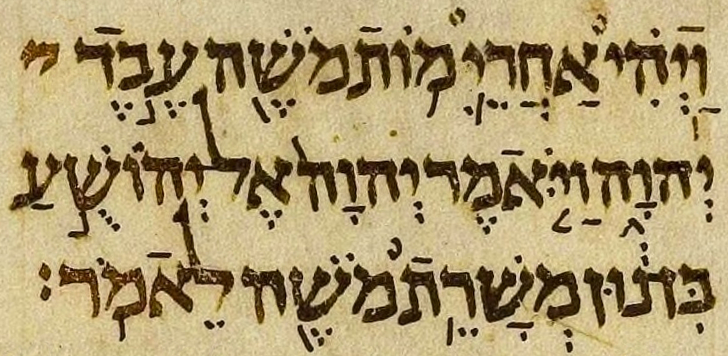
Guardian prince of Israel; contends with the princes of Persia and Greece.
“Michael, one of the chief princes, came to help me.”
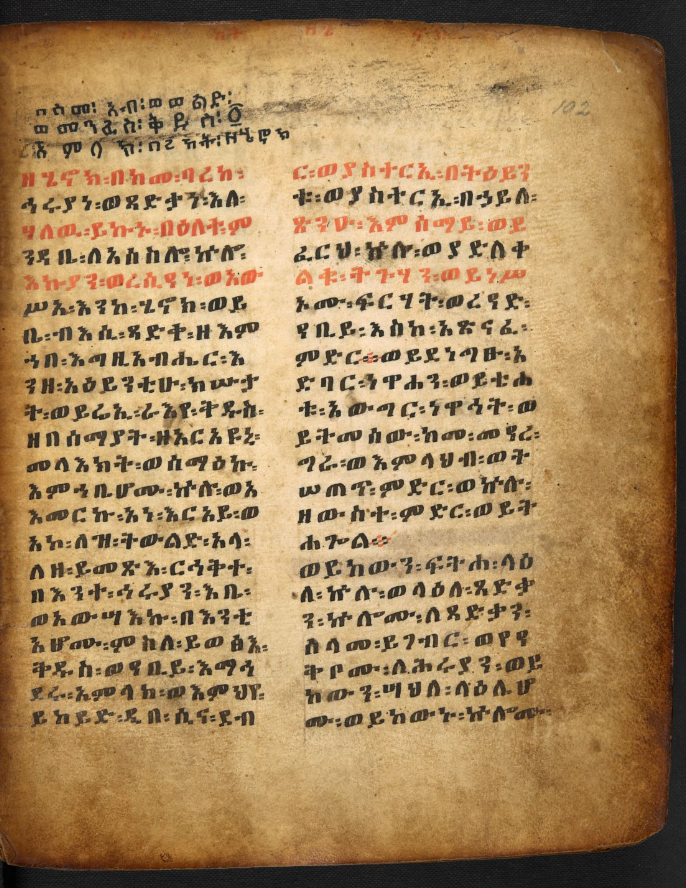
Set over the best part of mankind; commanded to bind Semjaza and his associates.
“Michael, one of the holy angels, to wit, he that is set over the best part of mankind ⌈⌈and⌉⌉ over chaos.”
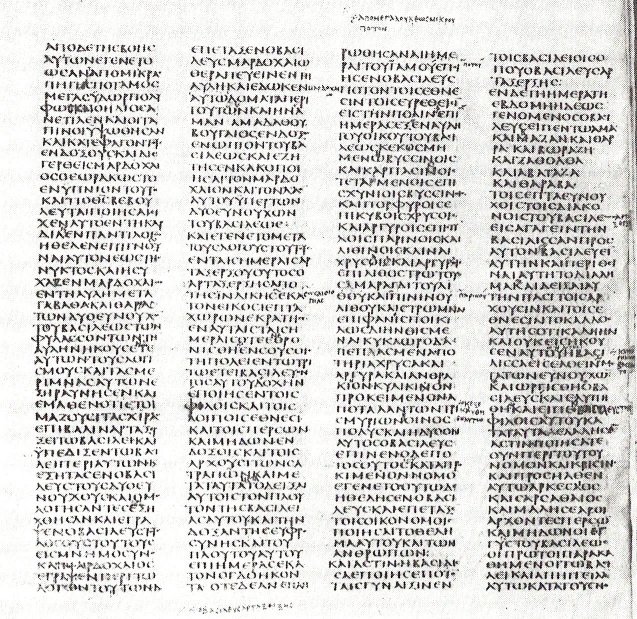
Leads his angels in war against the dragon; disputes with the devil over the body of Moses.
Named alongside Jibril as an angel whose enemies are God's enemies; associated with provision and rain.
Leads the loyal host on the first day of battle and later expels Adam and Eve from Eden.
“St. Michael is one of the principal angels; his name was the war-cry of the good angels in the battle fought in heaven against the enemy and his followers.”
Connections
What is it connected to?
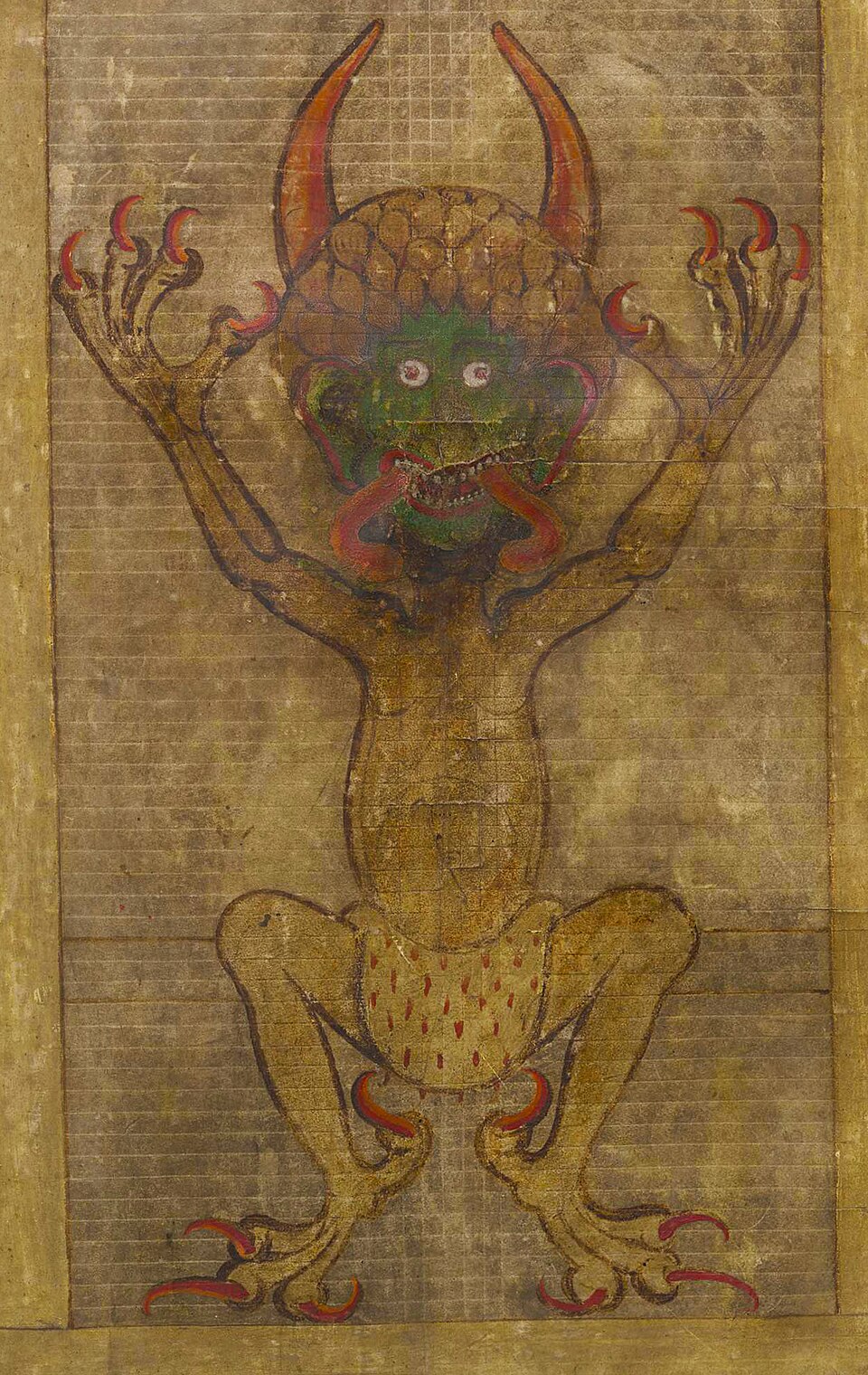
Thwarts Satan
Revelation 12: Michael and his angels fight the dragon. Jude has him dispute with the devil over the body of Moses without daring a railing accusation.
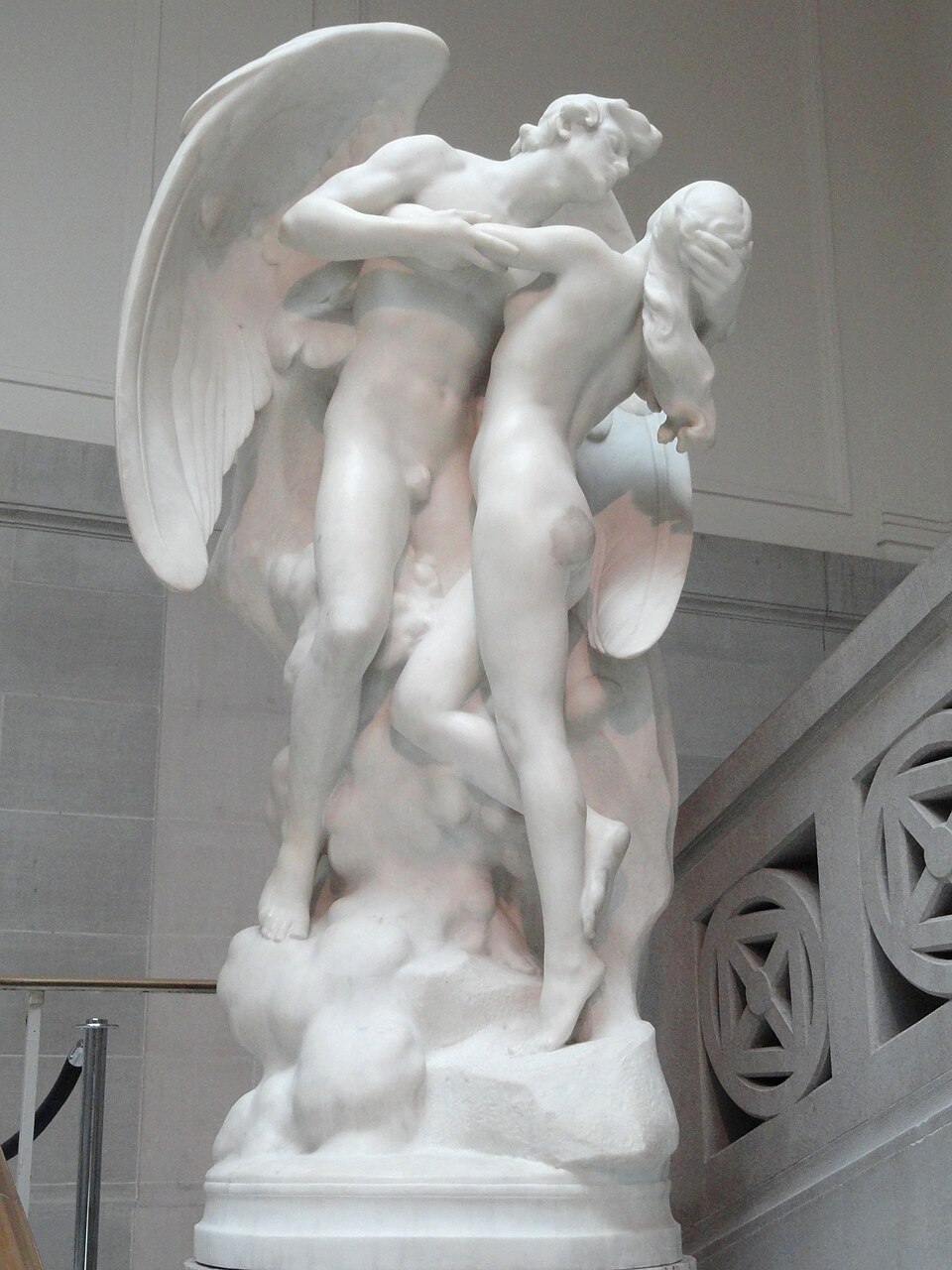
Thwarts Semjaza
1 Enoch 10: Michael is sent to bind Semjaza and his associates for seventy generations.
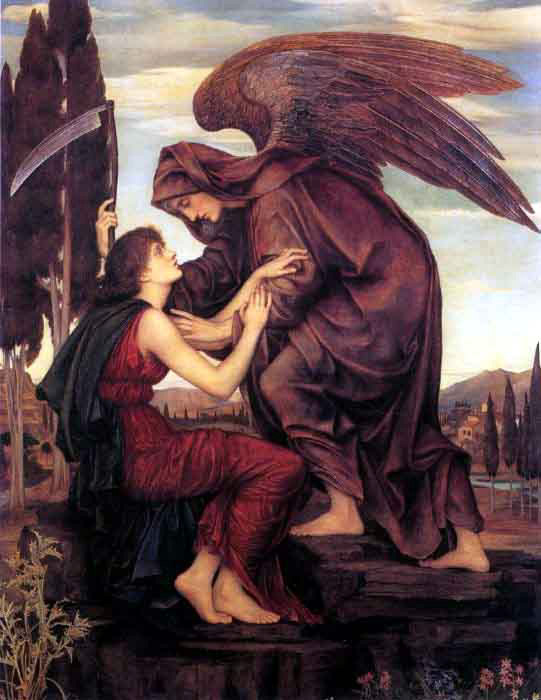
Thwarts Samael
Later Jewish tradition sets Michael as Israel's advocate against Samael as its accuser — a courtroom pairing rather than a battlefield one.
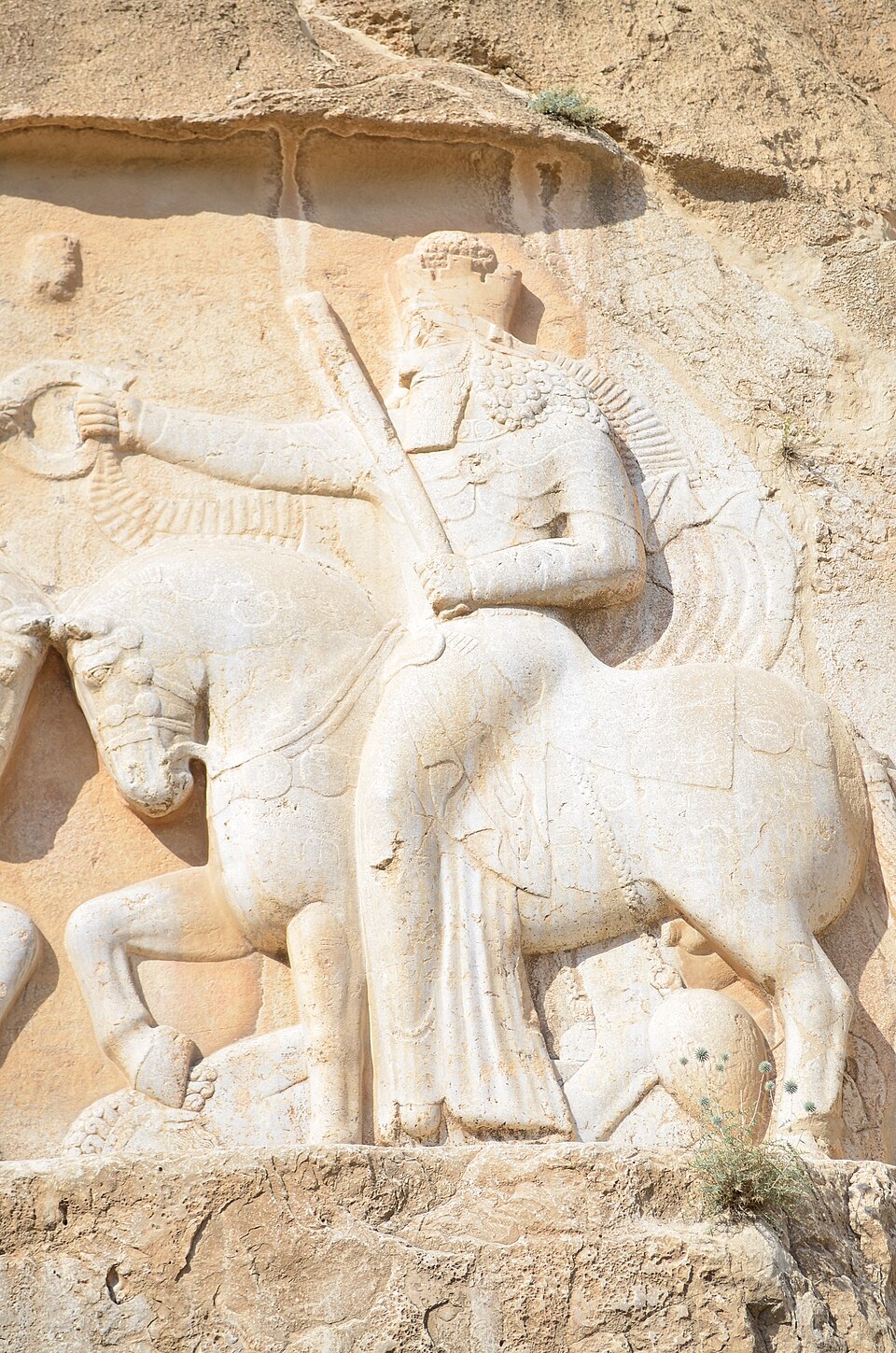
Identified with Ahura Mazda
Not a derivation — but the Amesha Spentas supply the model of ranked spirits under one lord.
Serves The Seven Who Stand
Named among the seven holy angels at 1 Enoch 20.
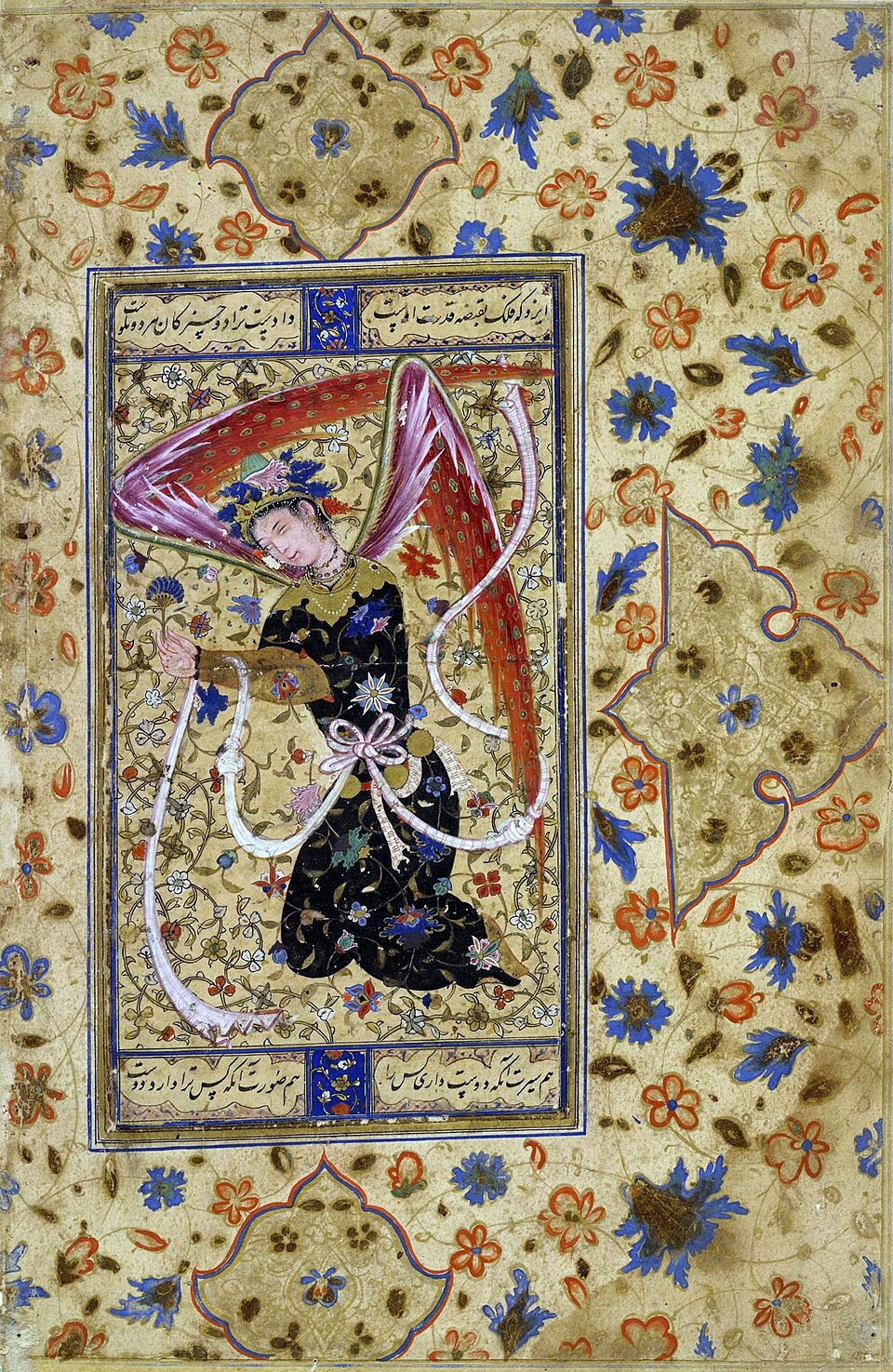
Identified with Sraosha
Guardian of souls and adversary of a named demon.
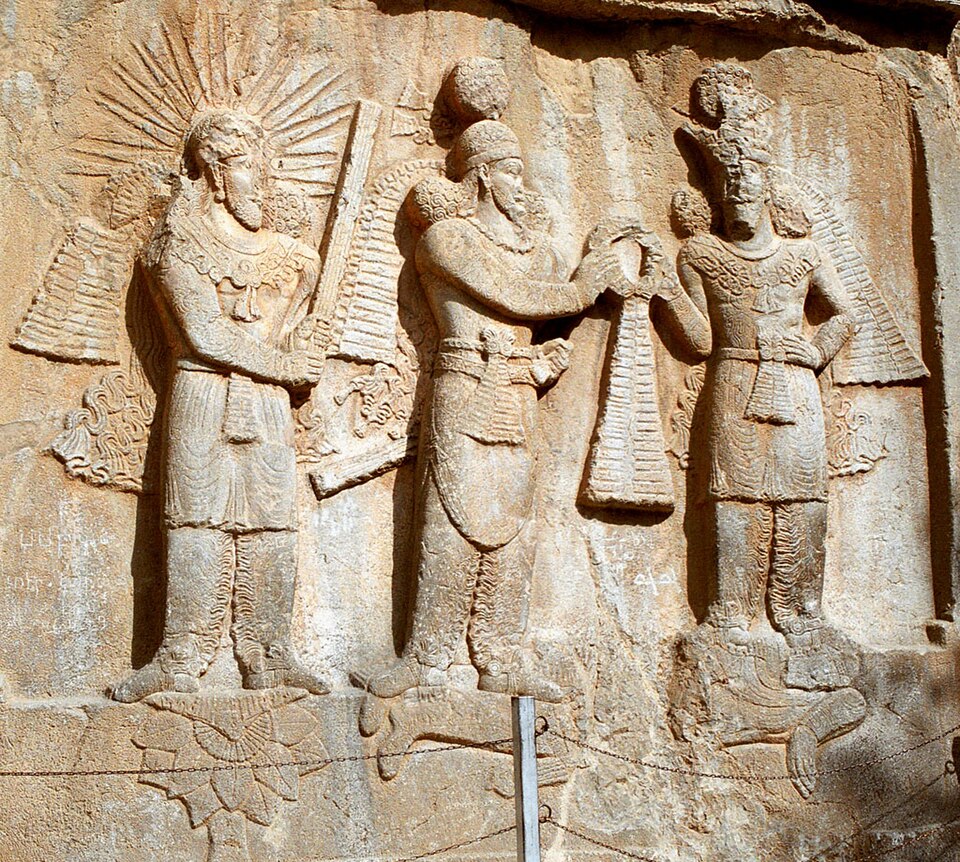
Identified with Mithra
Enforcers of covenant with a thousand eyes; Mithra's contract-keeping is Michael's guardianship of a people.
Served by Sariel
Among the seven archangels of 1 Enoch.
Served by Raguel
Served by Remiel
Placement
Where does it sit in the hierarchies?
Afterwards
What did later readers make of it?
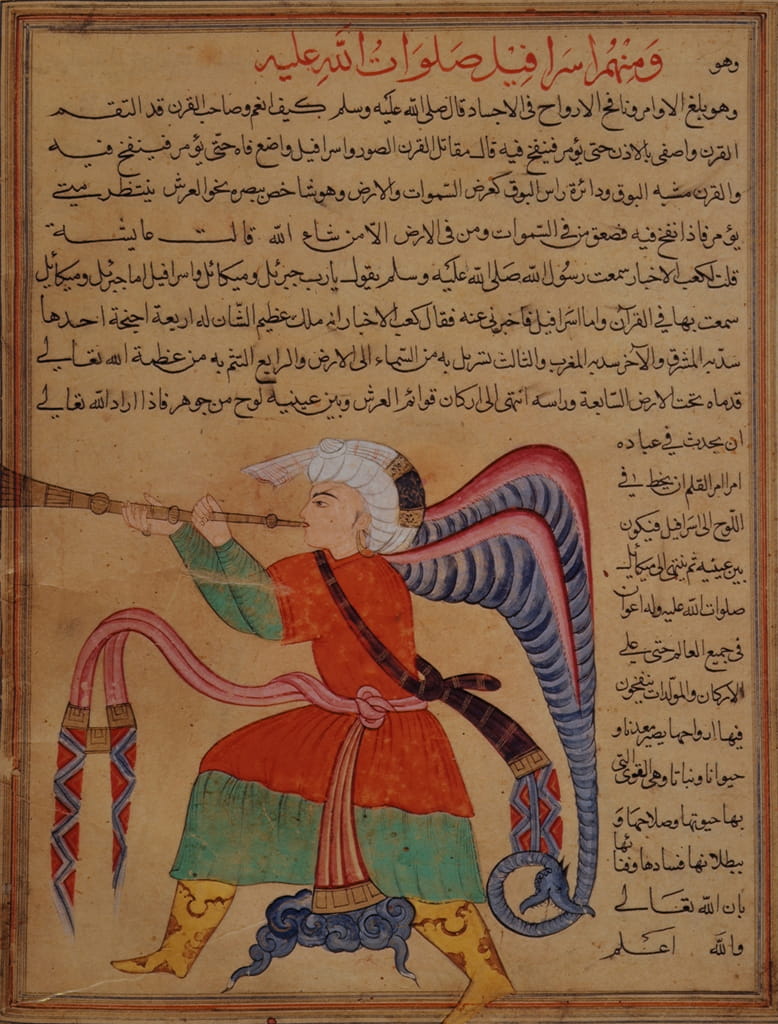
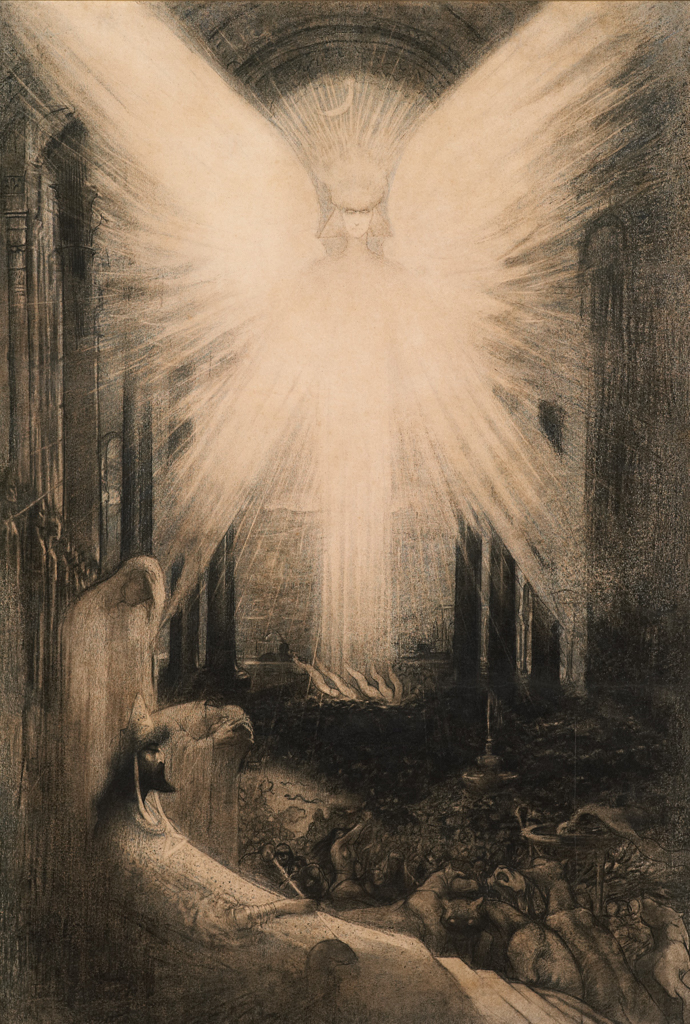
Patron of soldiers, police and paratroopers; weigher of souls in medieval doom paintings, an office no early text gives him. The Leonine prayer to St Michael, composed in 1886, was said after Low Mass across the Catholic world until 1964 and has been widely revived since.
Kept in its own section on purpose. Everything above is what the cited texts say; this is what was built on top of them afterwards, and blending the two is how most popular demonology goes wrong.
Answered from the sources
Common questions
Which texts mention Michael?
Is Michael the same as Ahura Mazda?
What rank is Michael?
How else is Michael spelled?
What is Michael said to do?
How old is Michael?
Nearest in the corpus
If Michael is what you came for, these are next
Chosen by proximity rather than by popularity: the same pantheon first, then the same rank, then the same kind of figure.
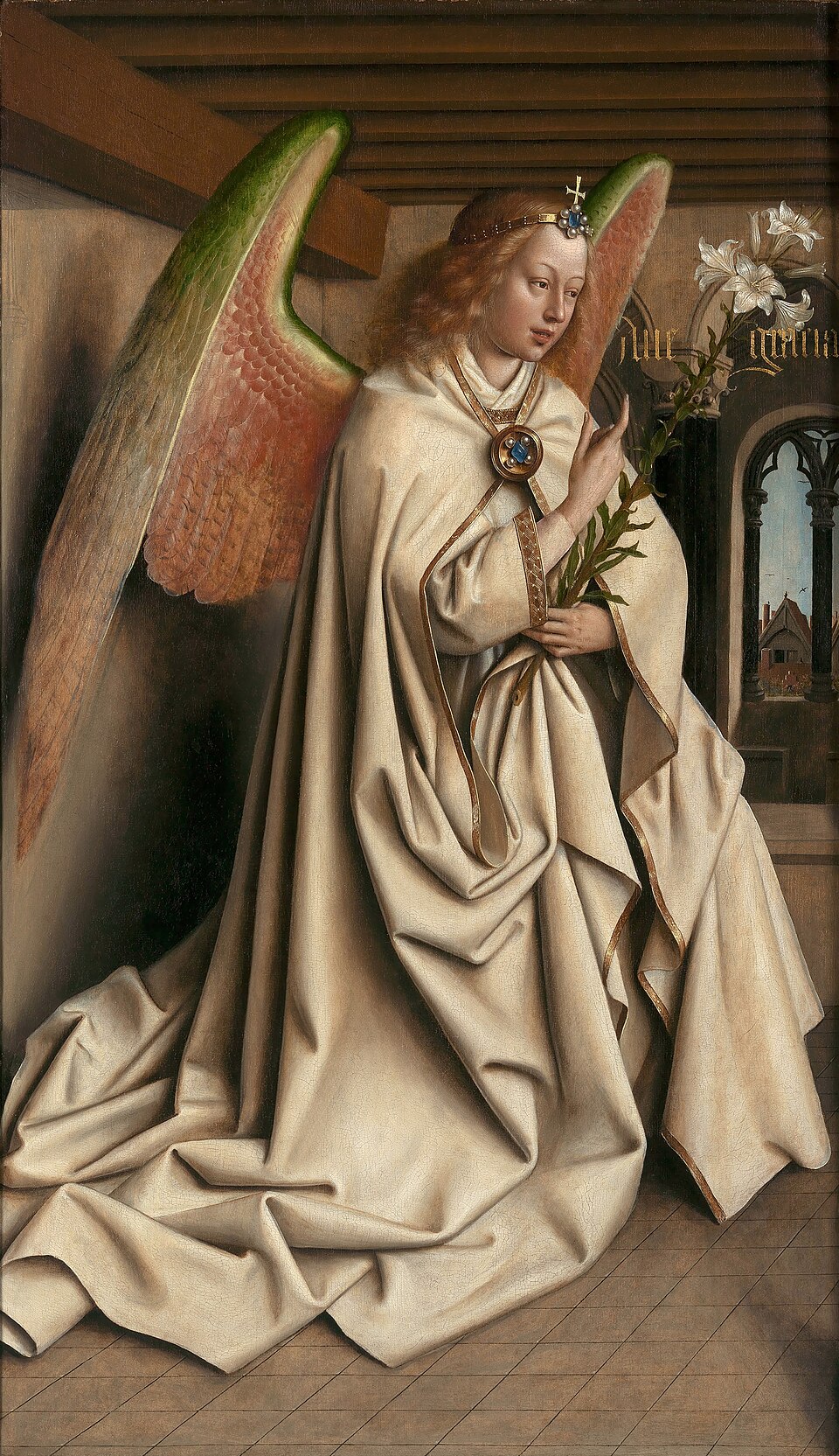
Gabriel
Archangel · Archangels / Chief Princes
The messenger. The angel who explains Daniel's visions, announces two births in Luke, and in Islam delivers the entire Qur'an.
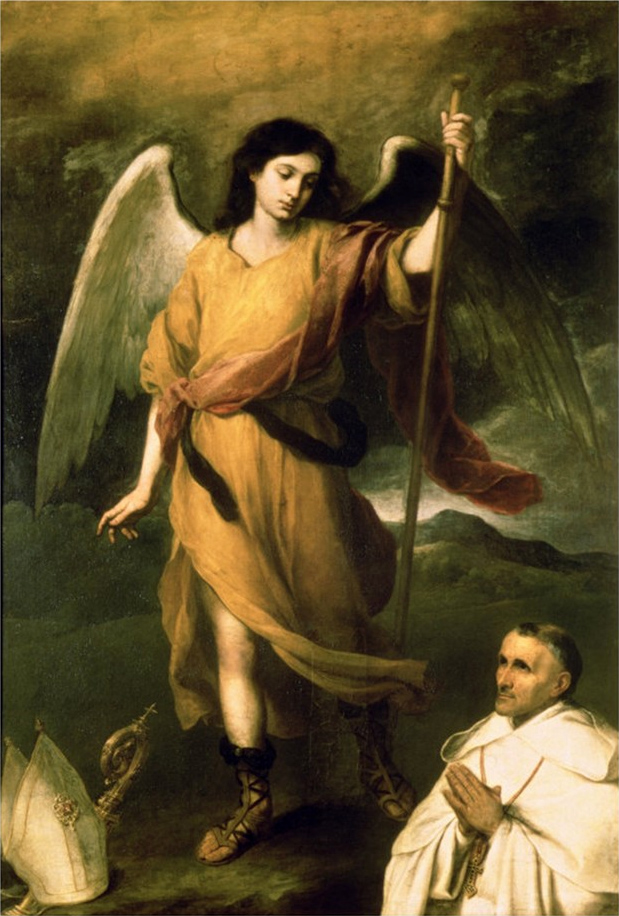
Raphael
Archangel · Archangels / Chief Princes
The healer, whose name means 'God heals'. He spends the Book of Tobit disguised as a human travelling companion, which makes it the longest sustained portrait of an angel anywhere in the biblical corpus.
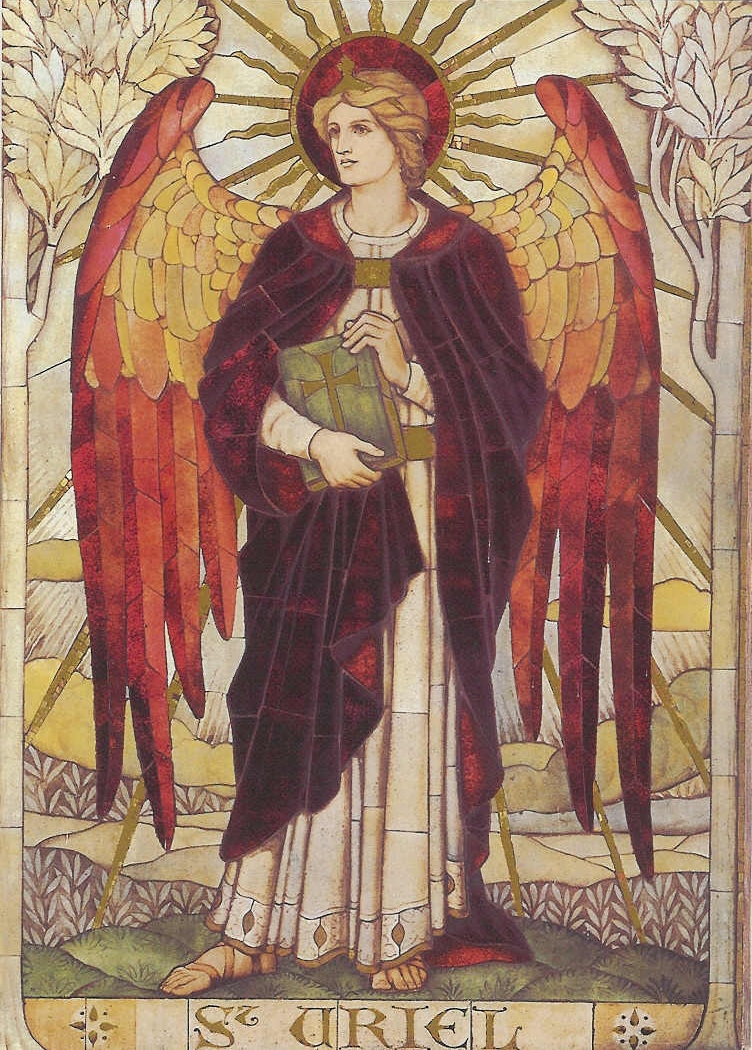
Uriel
Archangel · Archangels / Chief Princes
'Fire of God' — the archangel of the fourth seat, never named in the canonical Bible, and formally struck from the approved list by a Roman synod in 745.
Raguel
Archangel · Archangels / Chief Princes
The archangel who takes vengeance on the world of the lights — and one of those condemned by name at the Roman synod of 745.
Remiel
Archangel · Archangels / Chief Princes
Set over those who rise — the archangel of the resurrection and of true visions.
Sariel
Archangel · Archangels / Chief Princes
One of the seven archangels of 1 Enoch, set over the spirits who sin against the spirit. Canonical scripture never names him.
The books behind Michael
Every claim on this profile is attributed to one of these. They are public domain, listed oldest first, and each links to a full text where one is freely available.
Hebrew Bible & Deuterocanon
Various · c. 900–100 BCE · Hebrew, Aramaic, Greek
Read Hebrew Bible & Deuterocanon in full ↗Cover: Public domain · see en:Aleppo Codex; scanned by · Wikimedia file page
1 Enoch (The Book of Enoch)
Anonymous; tr. R. H. Charles · c. 300–100 BCE · Ge'ez (from Aramaic)
Read 1 Enoch (The Book of Enoch) in full ↗Cover: Public domain · Wikimedia file page
New Testament
Various · c. 50–110 CE · Koine Greek
Read New Testament in full ↗Cover: Public domain · Wikimedia file page
Qur'an & Hadith
Various · 7th c. CE onward · Arabic
Read Qur'an & Hadith in full ↗Cover: Public domain · AnonymousUnknown author · Wikimedia file page
Paradise Lost
John Milton · 1667 · English
Read Paradise Lost in full ↗Cover: Public domain · John Milton · Wikimedia file page
The Catholic Encyclopedia (1913)
Various; ed. Charles Herbermann · 1913 · English
Read The Catholic Encyclopedia (1913) in full ↗Cover: Public domain · Herbermann, Charles George, 1840-1916 · Wikimedia file page
Corpus last revised 29 August 2026. A reference site’s credibility rests on being maintained, so this is the date the sourced records last changed — not the date the page was rebuilt.