Deity · Persian · c. 1000 BCE
Mithra
Also called Mithras, Mitra · also recorded as Mithras Petrogenes, Mithras Petrogene, Mithras Rockborn, Mithras Rock-Born (per Wikidata)
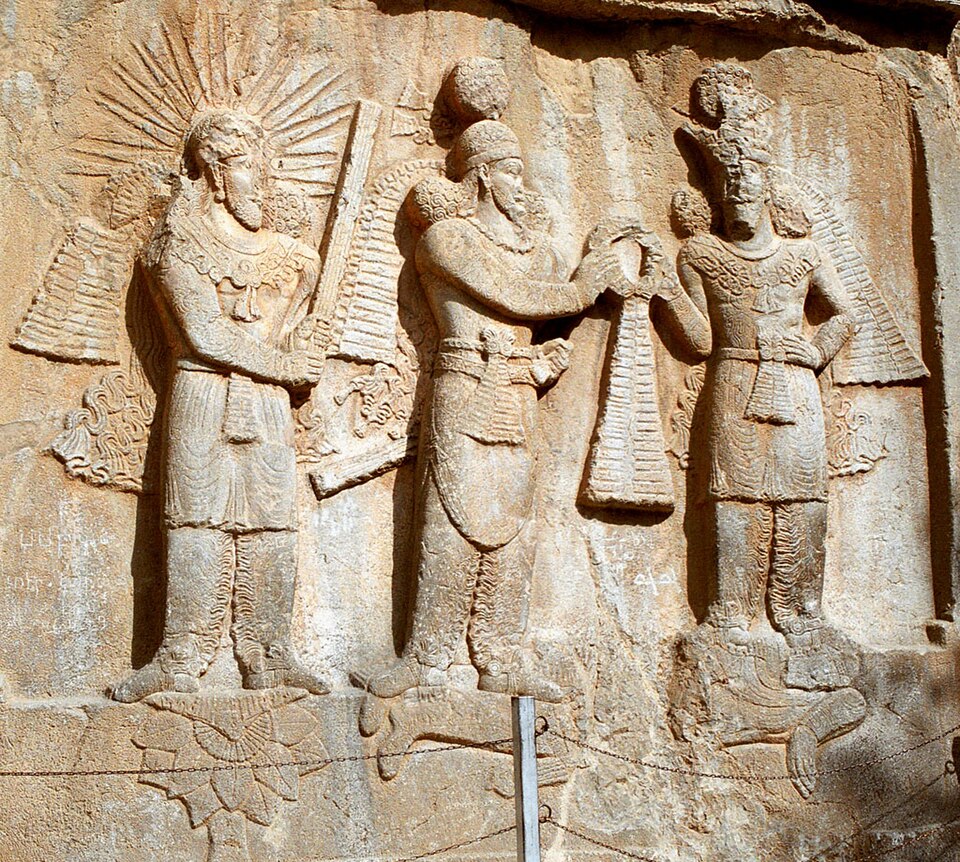
God of the binding contract, worshipped from India to Roman Britain. No other deity in this compendium can be traced across three civilisations so cleanly.
Well sourced
A god of the contract before he is a god of anything else: the word means covenant, and his business is that agreements hold. His Indian cousin Mitra holds the same office in the Rigveda, which makes the pair one of the clearest Indo-Iranian inheritances in this corpus — the same figure, split by the schism that turned *asura* and *ahura* into opposites, and left intact on both sides of it. The Roman mystery cult that took his name in the second century is a separate problem. It has a bull, a cave, seven grades and a membership drawn from the army, none of which is Iranian, and whether anything beyond the name travelled is still argued. The corpus keeps the Persian god and the Roman cult apart rather than assuming the answer.
Identity
Where does the name come from?
Where it was actually worshipped
The widest spread of anything on this list. Mithraea run from Dura-Europos on the Euphrates to the Walbrook in London — small windowless rooms, always the same bull-killing relief, and no two of them more than a day's march from a garrison.
A figure with temples and a figure that only ever existed on a page are different kinds of thing, and the difference is easy to lose once both are entries in a list.
At a glance
Vitals
Vitals
Also known as
- First attested
- Rigveda · c. 1500-1200 BCE
- Named there as
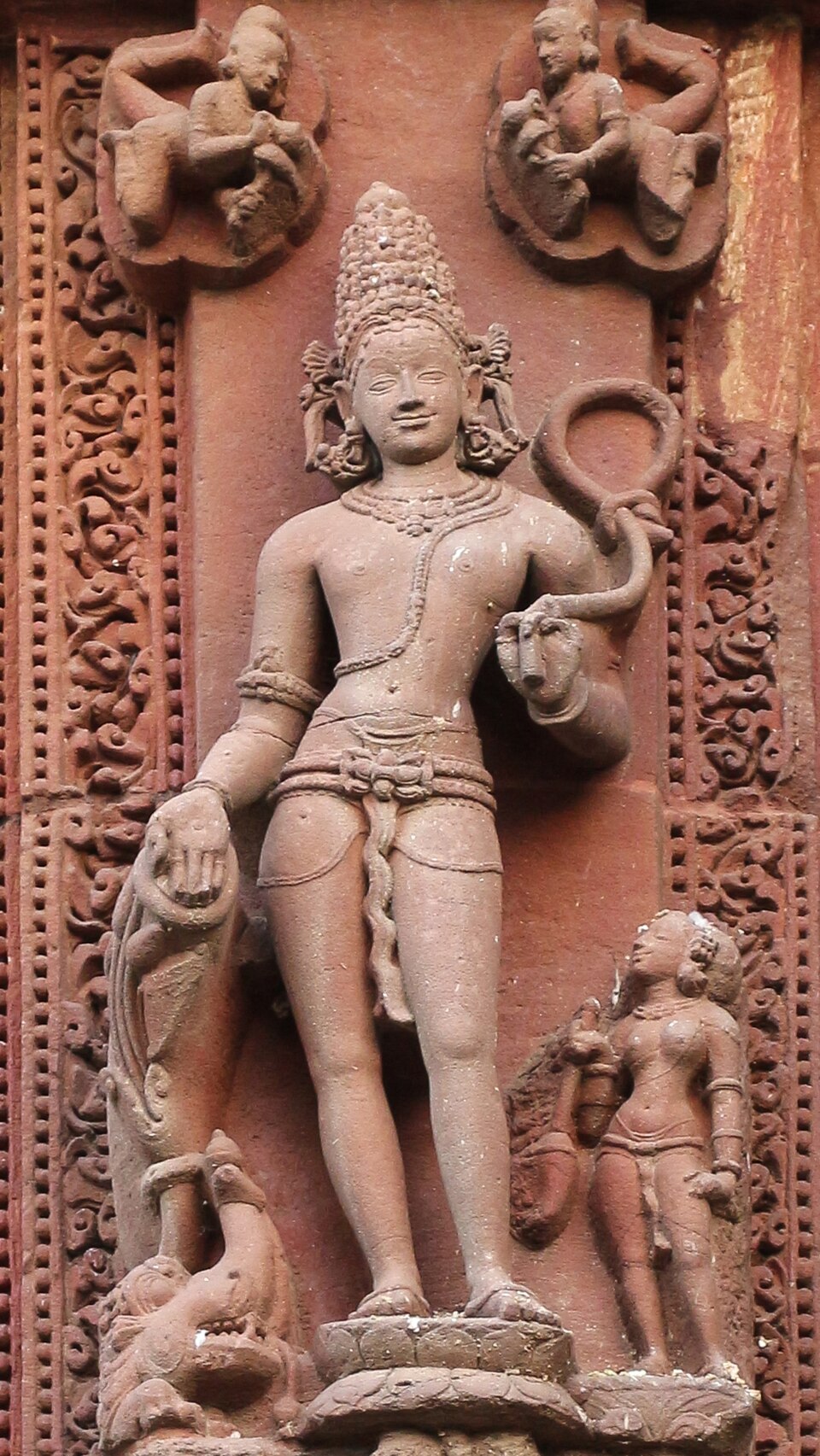
- Mitra
- Rank
- Lord of Covenant
- Pantheon
- Persian
- Order
- Persian pantheon
- Base of operations
- The widest spread of anything on this list. Mithraea run from Dura-Europos on the Euphrates to the Walbrook in London — small windowless rooms, always the same bull-killing relief, and no two of them more than a day's march from a garrison.
- Era
- c. 1000 BCE
- Traditions
- Zoroastrian, Roman, Vedic & Hindu
- Placed in
- The Paired Orders
Traits
- Domain
- Contracts, oaths, the light before dawn, cattle
- Traditional form
- Charioted; in the Roman cult, slaying a bull
2 sites
Where was it worshipped?
Attested cult sites, located against the Pleiades gazetteer of the ancient world where it reaches and against Wikidata everywhere else. An absence here is not evidence that no cult existed: a good number of figures never had one, and the entry above says so where that is the case.
On the Walbrook, and the far northwest end of a cult that reached from here to the Euphrates.
51.513, -0.092 · Wikidata Q1408799
The other end of the same cult, on the Euphrates — a mithraeum, a synagogue and a house church within a few streets.
The opposite end of the same cult, two thousand miles away.
34.747, 40.730 · Wikidata Q464266
4 attributed
What is it said to do?
Where these powers cluster
The 4 offices attributed to Mithra, grouped by kind. Segment width is the share of powers falling in each category.
A bar dominated by one colour means a specialist; an even spread means a figure the sources credit with almost anything.
- martial3
- knowledge1
3 texts
Which texts say so, and where do they disagree?
When these texts were written
Each dot is one of the 3 texts that names Mithra, placed at that text's approximate date.
A wide spread means the figure was carried across many centuries and traditions; a tight cluster means a single period produced the whole record.
3 texts spanning roughly 2,250 years
Where the texts differ
- Name: given as Mitra, Mithra, Mihr
- Rank: given as Asura; Yazata of covenant
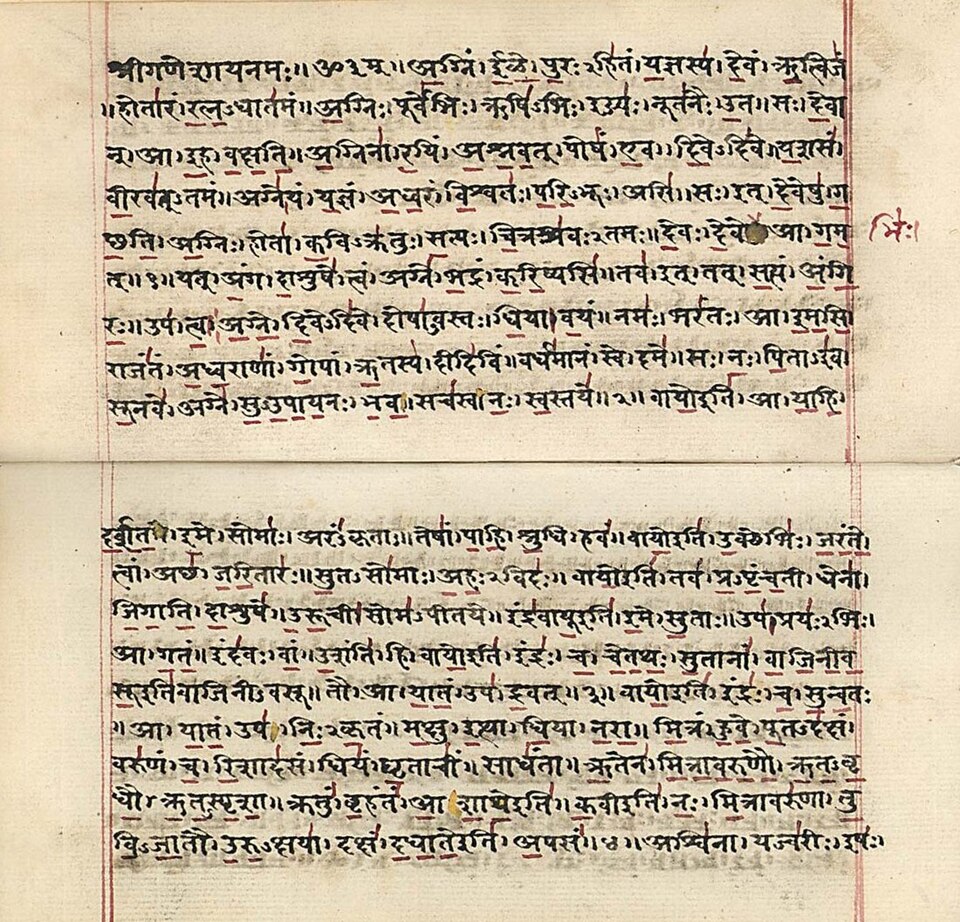
Watches over contracts with a thousand ears and ten thousand eyes; punishes the oath-breaker.
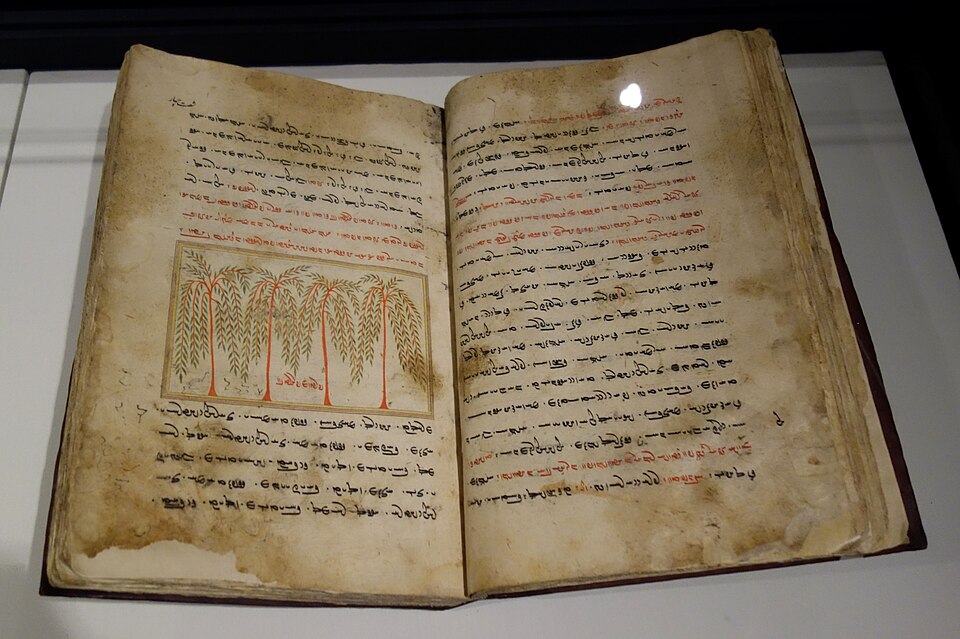
Kept in the good order with his old contract-keeping function intact, which is worth recording because his Indian cousin drifts and his Roman namesake becomes something else entirely. The corpus holds all three ends: the Rigvedic Mitra, this, and the mystery cult that borrowed the name.
Connections
What is it connected to?
Placement
Where does it sit in the hierarchies?
Answered from the sources
Common questions
Which texts mention Mithra?
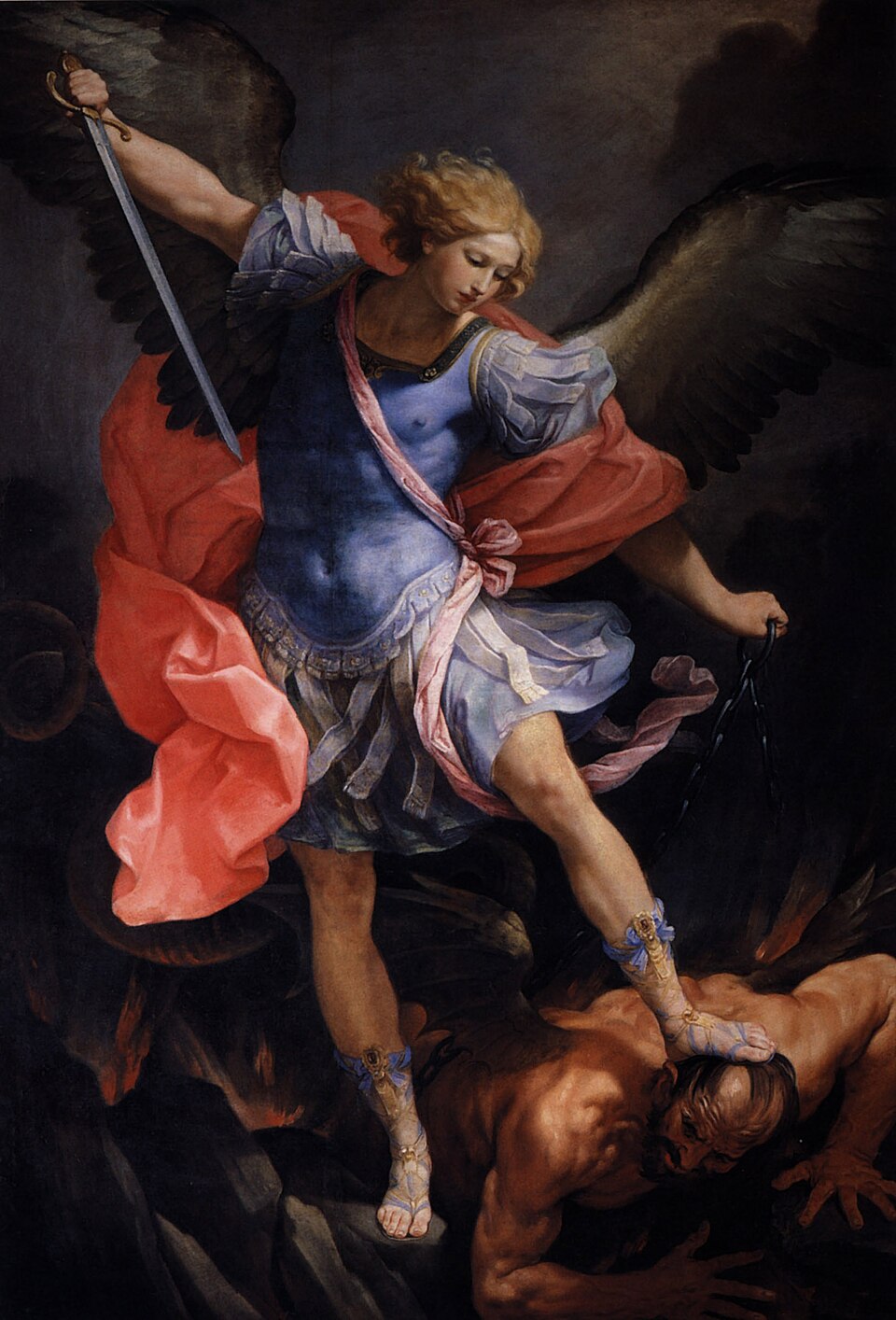
Is Mithra the same as Michael?
What rank is Mithra?
How else is Mithra spelled?
What is Mithra said to do?
How old is Mithra?
Nearest in the corpus
If Mithra is what you came for, these are next
Chosen by proximity rather than by popularity: the same pantheon first, then the same rank, then the same kind of figure.
Aeshma
Daeva of Wrath · Persian
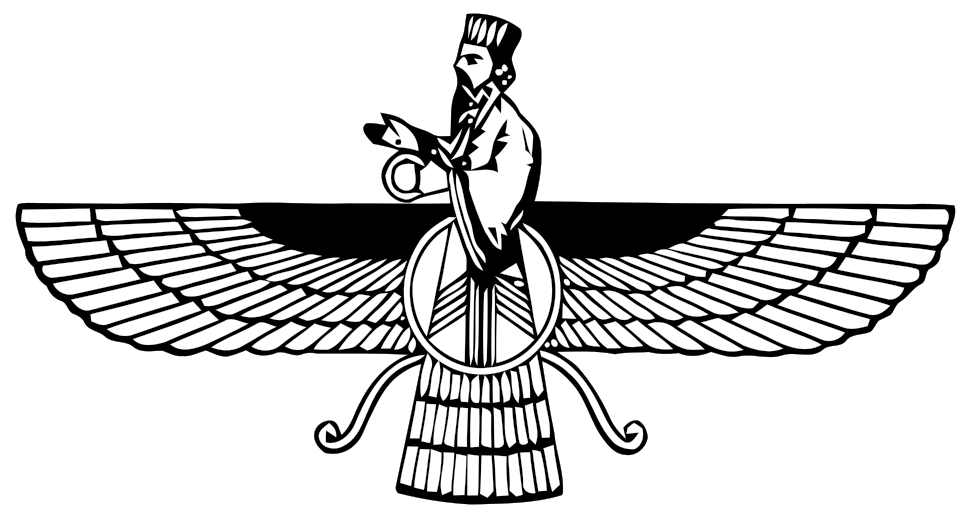
The demon of wrath and of the bloody club. He also supplies the most defensible etymology for Asmodeus: *Aeshma-daeva* to *Ashmedai* to *Asmodeus*.
Ahura Mazda
The Wise Lord · Persian
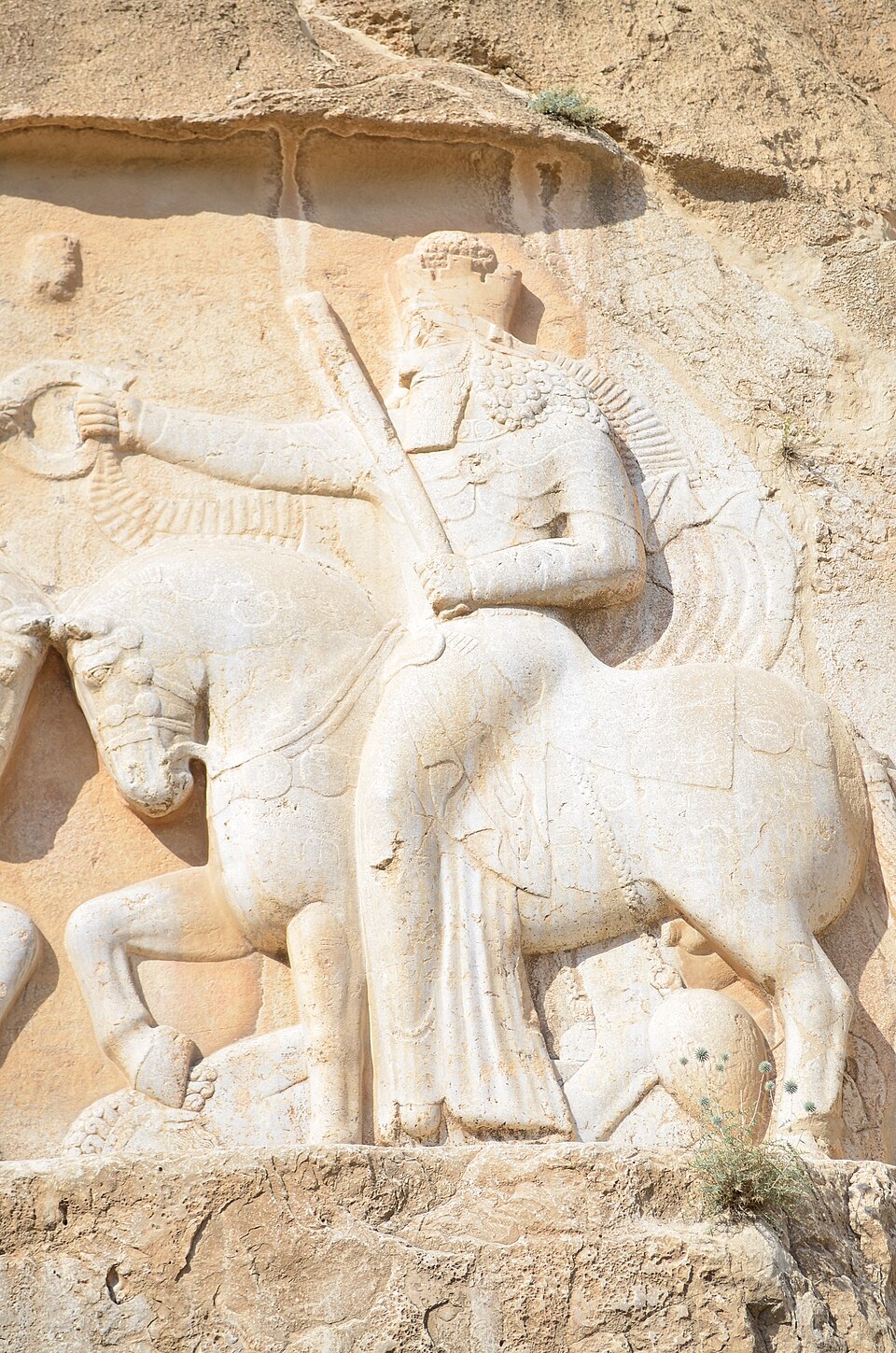
The uncreated god of Zoroastrianism, opposed by Angra Mainyu — the pairing that probably gave Judaism and Christianity their two-sided cosmos.
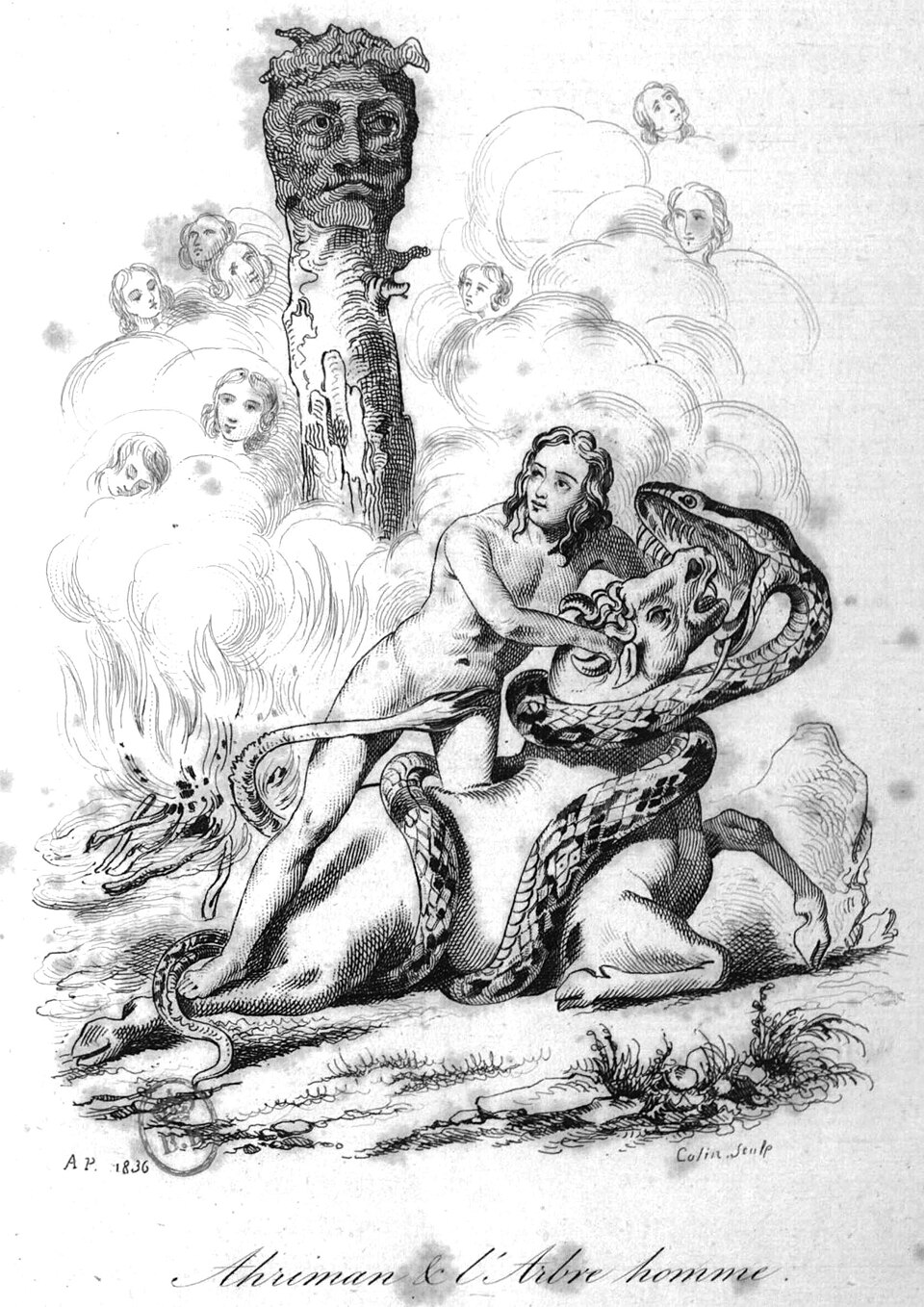
Angra Mainyu
The Destructive Spirit · Persian
The hostile principle, with his own army of daevas — the first fully developed adversary in the record, and the likely structural template for Satan.
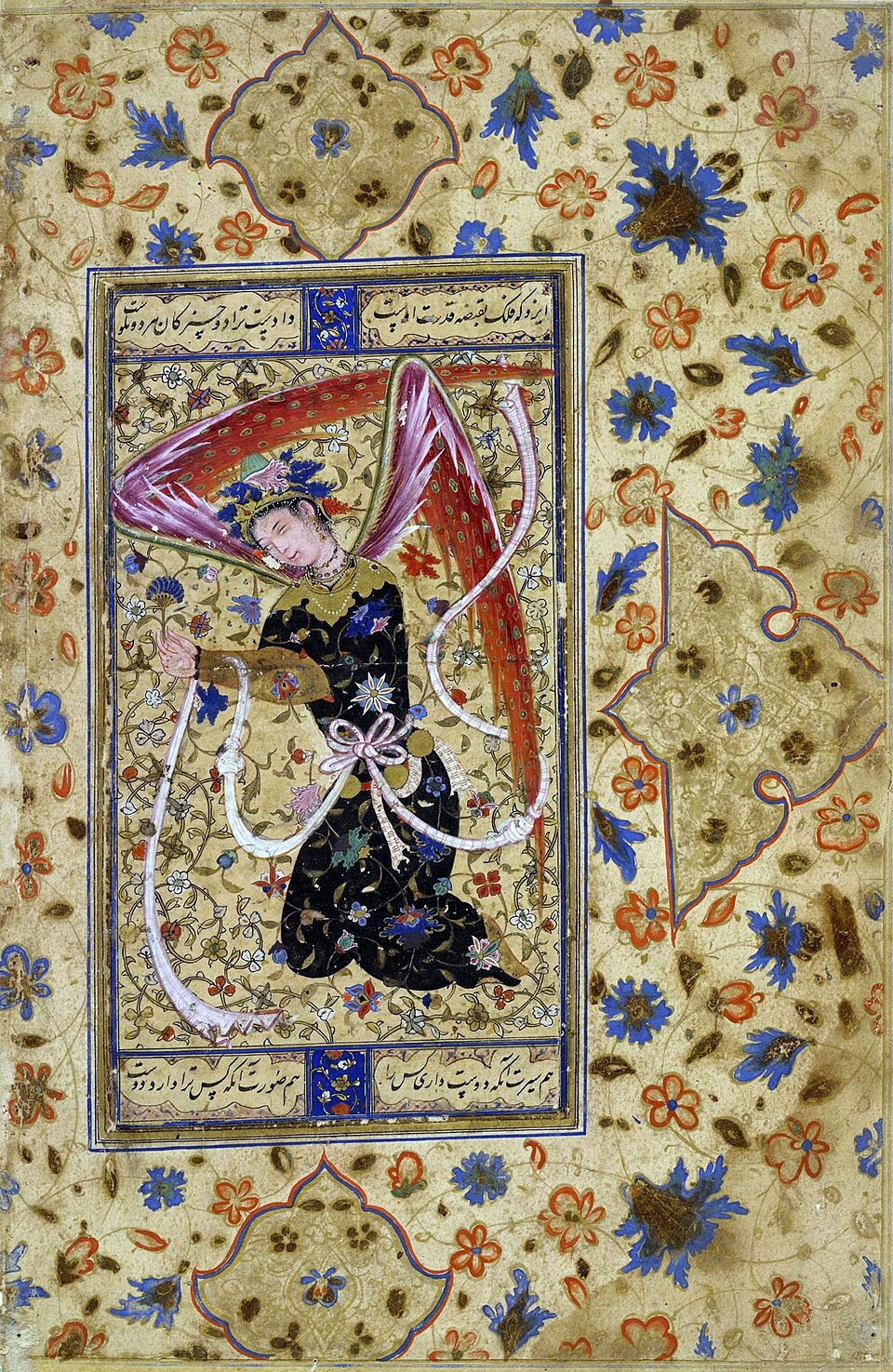
Sraosha
Yazata of Obedience · Persian
He guards the soul for three nights after death and stands directly opposed to Aeshma. It is an angel's job description, written before there were angels.
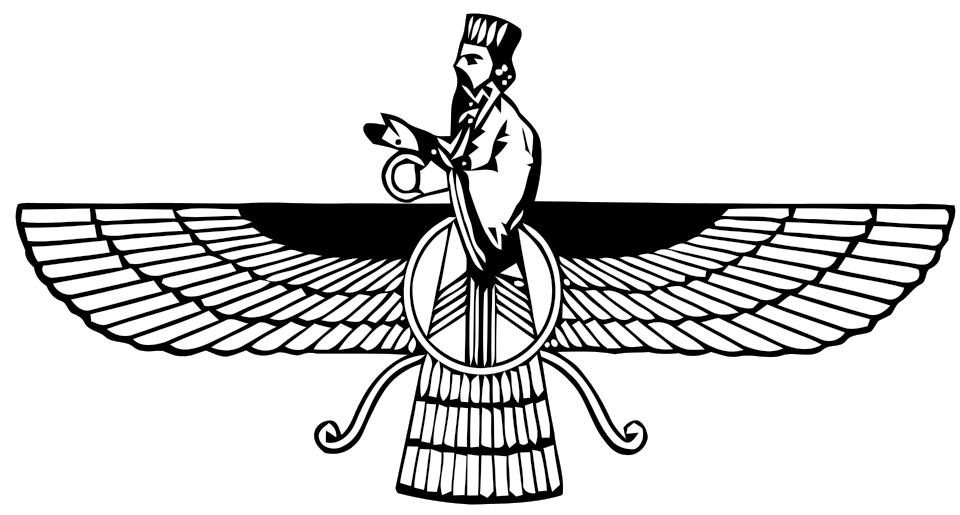
The Amesha Spentas
Six Great Emanations · Persian
Six emanations of Ahura Mazda, each paired against a specific demon — the earliest ranked, functionally-paired hierarchy of spirits anywhere.
Zahhak
The Serpent King · Persian
The three-headed serpent of the Avesta, who becomes in the Shahnameh a tyrant with snakes on his shoulders fed on human brains, chained beneath a mountain until the end.
The books behind Mithra
Every claim on this profile is attributed to one of these. They are public domain, listed oldest first, and each links to a full text where one is freely available.
Rigveda
Anonymous; multiple rishi families · c. 1500-1200 BCE · Vedic Sanskrit
Read Rigveda in full ↗Cover: Public domain · Unknown author · Wikimedia file page
The Avesta
Attributed to Zarathustra and later priests · c. 1000-400 BCE · Avestan
Read The Avesta in full ↗Cover: CC0 · Daderot · Wikimedia file page
Bundahishn
Anonymous Zoroastrian; tr. E. W. West · 9th c. CE, from older material · Middle Persian
Read Bundahishn in full ↗Cover: CC BY-SA 3.0 · The original uploader was Ploxhoi at English Wikipedia · Wikimedia file page
Corpus last revised 29 August 2026. A reference site’s credibility rests on being maintained, so this is the date the sourced records last changed — not the date the page was rebuilt.