Deity · Vedic · c. 1400 BCE
Varuna
Also called Baruna (per Wikidata)
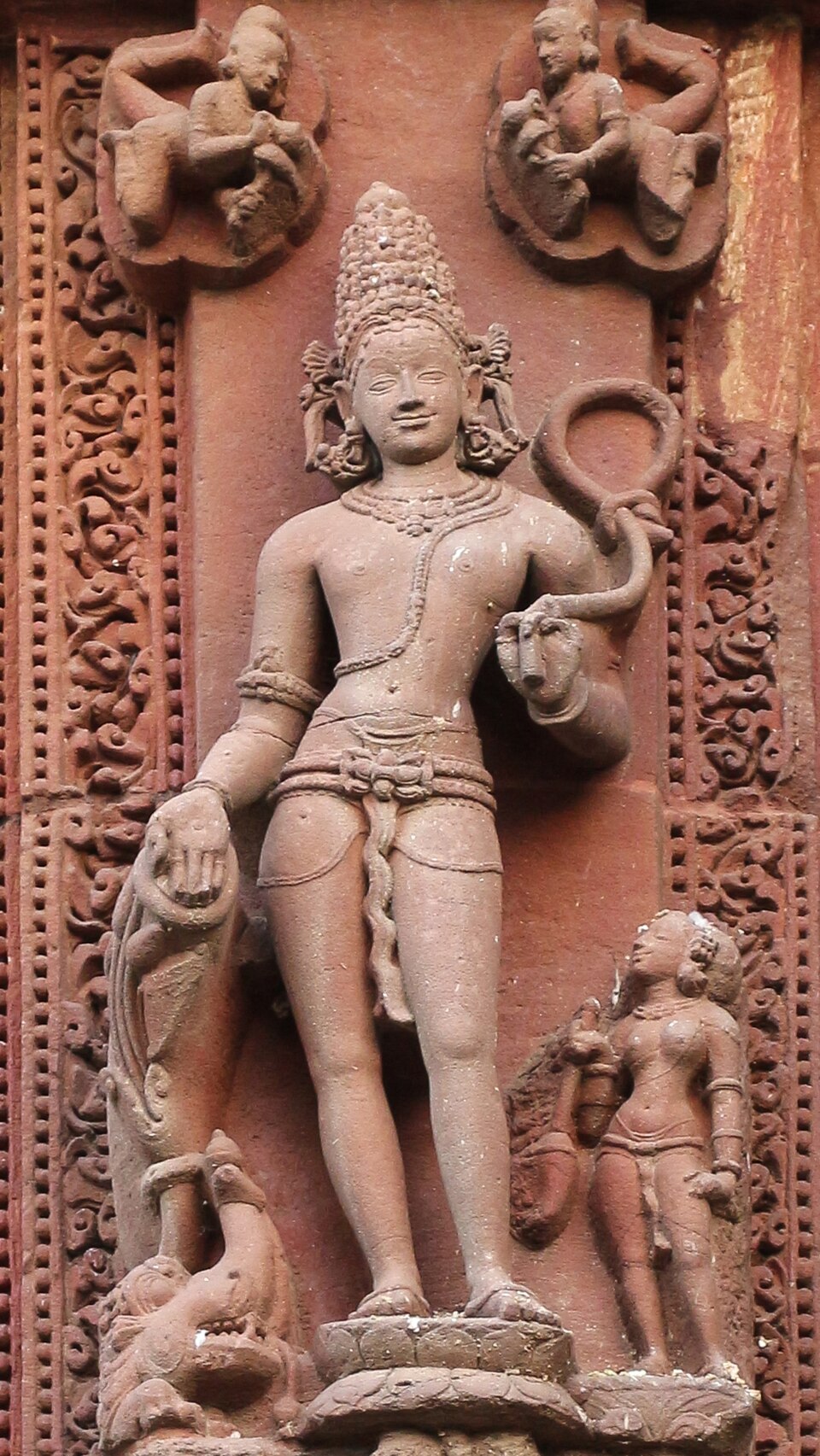
Binder of the oath-breaker with his noose. The earliest hymns call him *asura*, using the word as an honorific, long before it turned demonic.
Deep source base
The Rigveda calls him *asura* as an honorific, which is the most useful single fact this corpus holds about that word: the term that later means the enemies of the gods is here a title of the god who upholds order. His instrument is the noose and his characteristic act is watching — his spies stand in the world and nothing said in secret escapes them, a moral surveillance no other Vedic god exercises. Then he loses it. By the Brahmanas he is a hazard to be settled with rather than a sovereign, and by the later material a god of water with a jurisdiction the size of a lake. Nobody deposes him and no text argues against him; the office simply moves, which is the quietest demotion recorded here.
Identity
Where does the name come from?
Where it was actually worshipped
Almost nothing. He is displaced by Indra in the Vedic period itself and later reduced to a sea god, which is a demotion visible in the absence of shrines.
A figure with temples and a figure that only ever existed on a page are different kinds of thing, and the difference is easy to lose once both are entries in a list.
At a glance
Vitals
Vitals
Also known as
- First attested
- Rigveda · c. 1500-1200 BCE
- Rank
- Keeper of Cosmic Order
- Pantheon
- Vedic
- Order
- Vedic pantheon
- Base of operations
- Almost nothing. He is displaced by Indra in the Vedic period itself and later reduced to a sea god, which is a demotion visible in the absence of shrines.
- Era
- c. 1400 BCE
- Traditions
- Vedic & Hindu
- Placed in
- Devas and Asuras
Traits
- Domain
- The waters, oaths, rita (cosmic order), the night sky
- Traditional form
- Riding the makara, holding a noose
Stats
Known connections
Identified with
4 attributed
What is it said to do?
Where these powers cluster
The 4 offices attributed to Varuna, grouped by kind. Segment width is the share of powers falling in each category.
A bar dominated by one colour means a specialist; an even spread means a figure the sources credit with almost anything.
- divination1
- martial2
- material1
divination
martial
material
3 texts
Which texts say so?
When these texts were written
Each dot is one of the 3 texts that names Varuna, placed at that text's approximate date.
A wide spread means the figure was carried across many centuries and traditions; a tight cluster means a single period produced the whole record.
3 texts spanning roughly 700 years
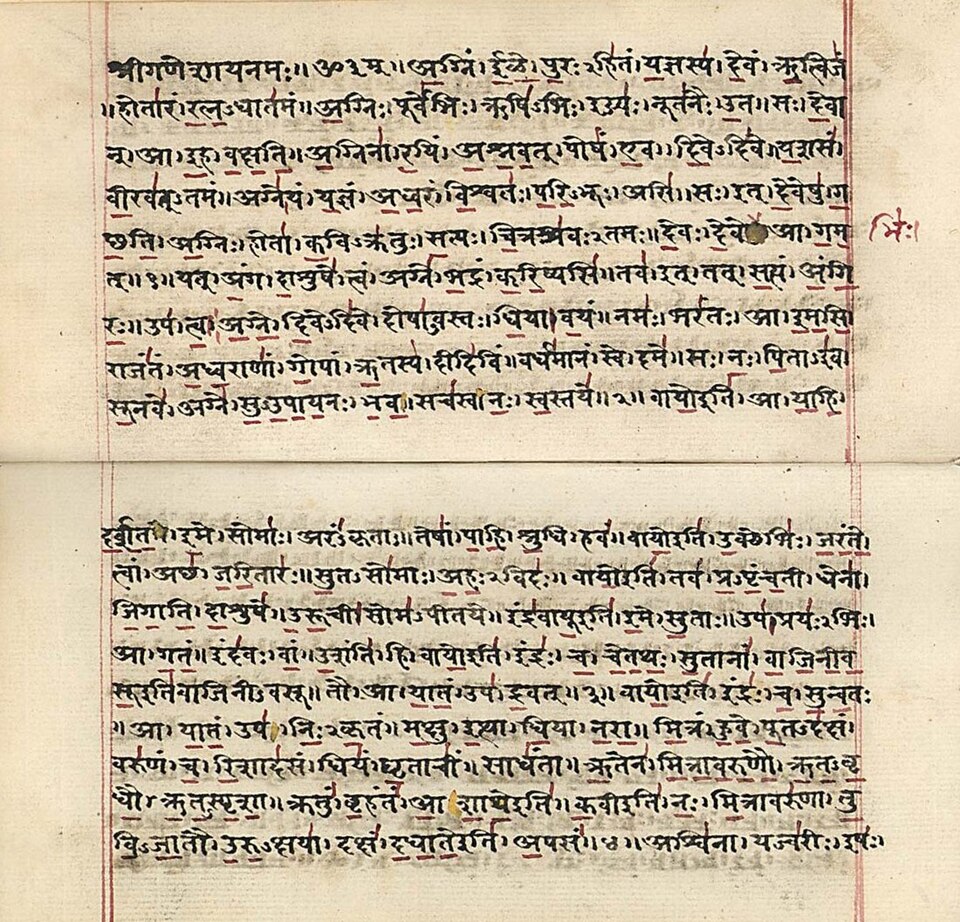
Sees all deceit; binds the guilty with his noose. The honorific asura applied to him predates the word's demonic sense.
The god of the binding oath, and of what happens when it is broken: his noose is a punishment, and the dropsy it causes is treated as his. His spies are described as standing in the world and watching, and nothing said in secret escapes them — a moral surveillance no other Vedic god exercises, and the reason his demotion to a water deity is such a strange fate.
Handled as a liability to be managed. The rite in his name exists to release the household from the nooses it has incurred, and the text explains the procedure as a settling of accounts with a god who is owed. Sovereignty has already become jurisdiction over a specific hazard, a stage between the Rigvedic sovereign and the later lord of waters.
Connections
What is it connected to?
Placement
Where does it sit in the hierarchies?
Answered from the sources
Common questions
Which texts mention Varuna?
Is Varuna the same as Ahura Mazda?
What rank is Varuna?
How else is Varuna spelled?
What is Varuna said to do?
How old is Varuna?
Nearest in the corpus
If Varuna is what you came for, these are next
Chosen by proximity rather than by popularity: the same pantheon first, then the same rank, then the same kind of figure.
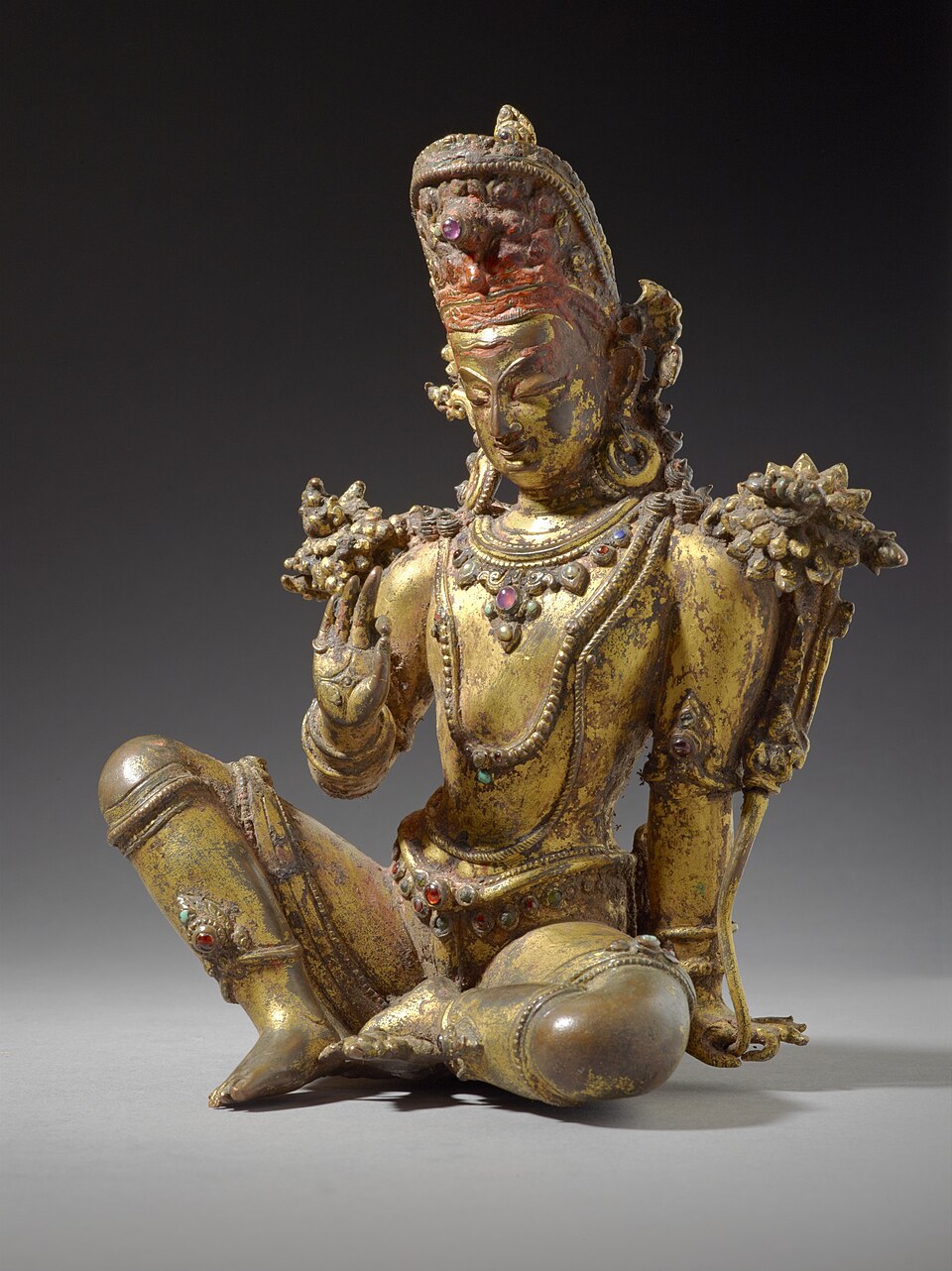
Indra
King of the Devas · Vedic
The thunderbolt-wielding king of the gods, who slays the serpent Vritra and releases the pent waters. It is the Indo-European form of the same combat myth as Baal against Yam.
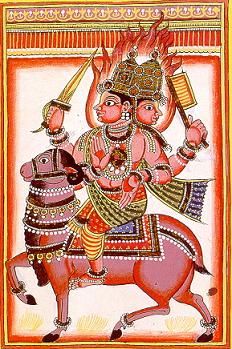
Agni
God of Fire · Vedic
Fire as the mouth of the gods — the one who carries offerings upward, and so the messenger of the Vedic system.
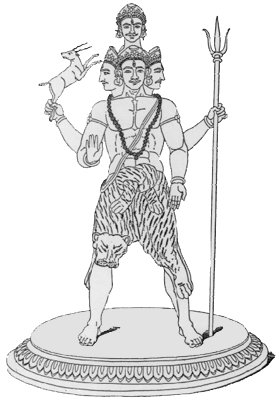
Rudra
The Howler · Vedic
The fierce archer who sends disease and withholds it — addressed in the Rigveda with open fear, and later absorbed into Shiva.
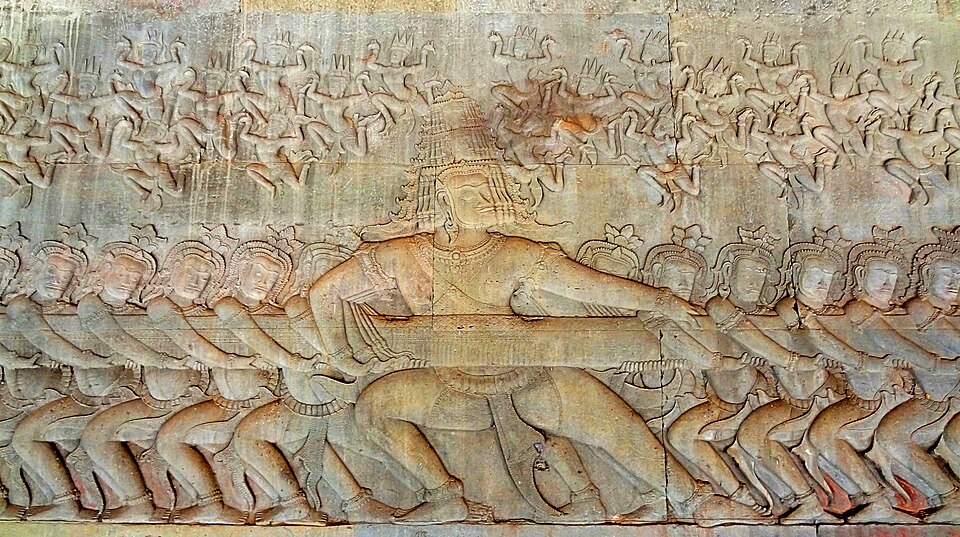
The Asuras
Class of Beings · Vedic
In the earliest Rigveda a title of honour for the highest gods; by the later Vedic period, the demonic opponents of the devas. The same word, inverted within one tradition.
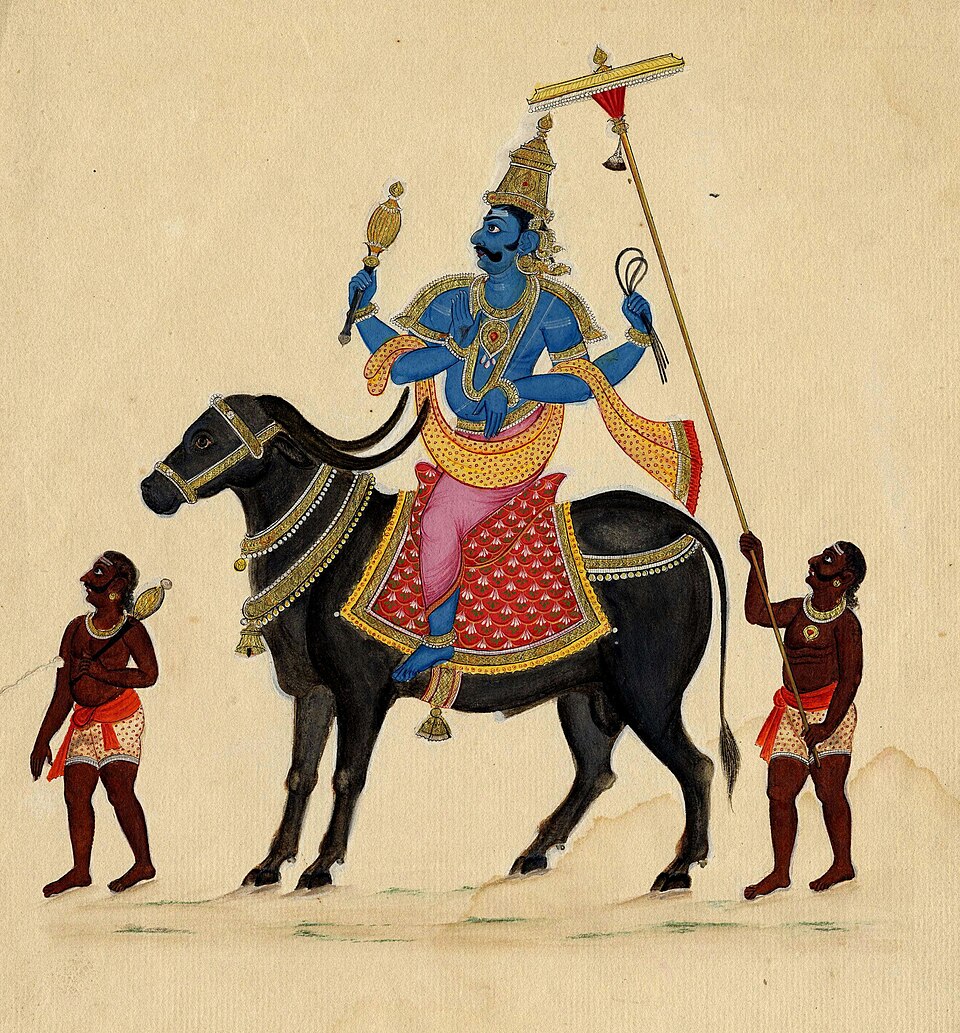
Yama
Lord of Death · Vedic
The first mortal to die, and so the king of the dead who judges those who follow. Azrael and Anubis hold the same office under other names.
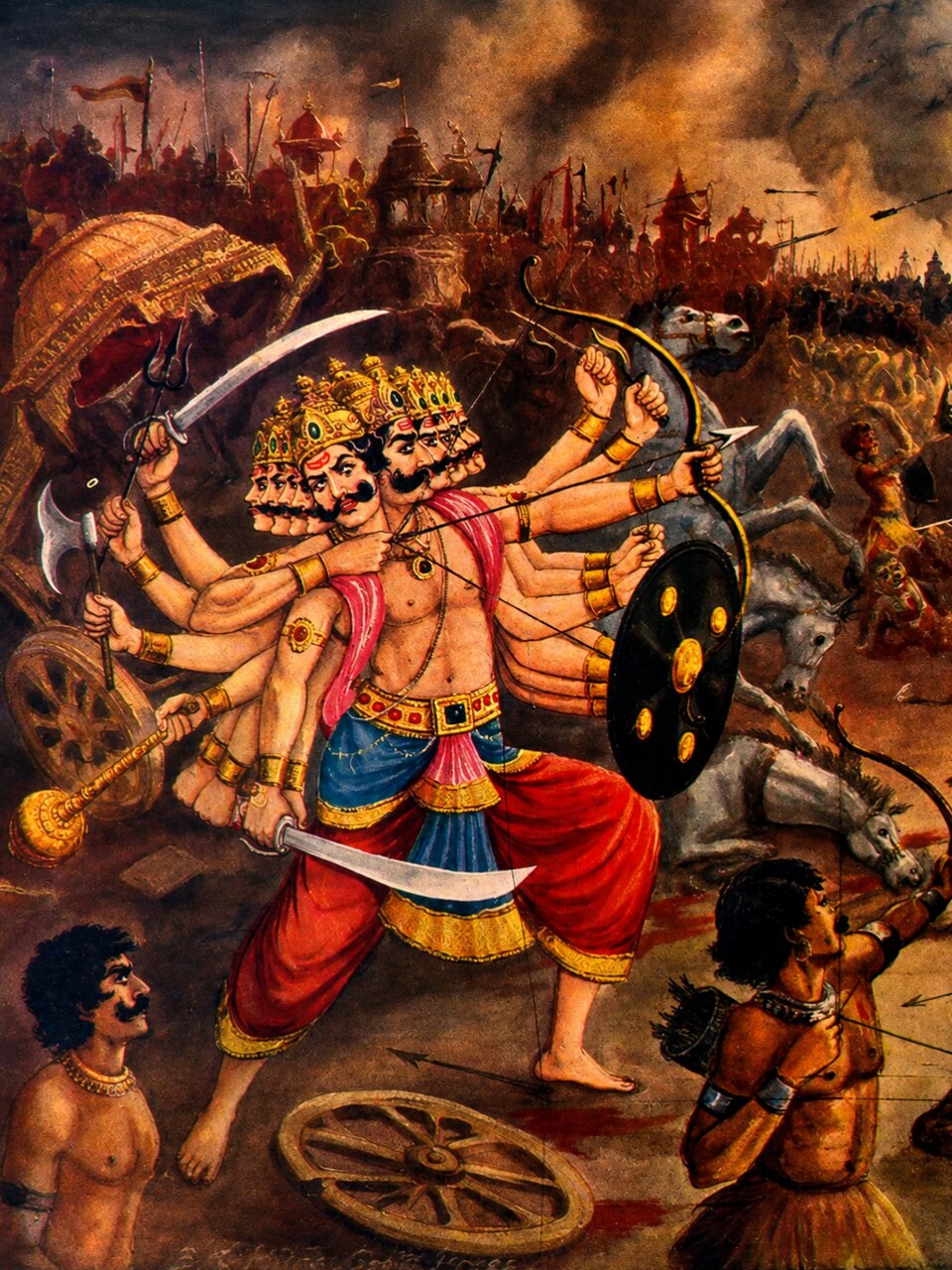
Ravana
Rakshasa King · Vedic
The ten-headed antagonist of the Ramayana — a devout scholar, musician and ascetic whose downfall is a single act of pride.
The books behind Varuna
Every claim on this profile is attributed to one of these. They are public domain, listed oldest first, and each links to a full text where one is freely available.
Rigveda
Anonymous; multiple rishi families · c. 1500-1200 BCE · Vedic Sanskrit
Read Rigveda in full ↗Cover: Public domain · Unknown author · Wikimedia file page
The Atharvaveda
Anonymous; attributed to the seers Atharvan and Angiras · c. 1000 BCE · Vedic Sanskrit
Read The Atharvaveda in full ↗The Shatapatha Brahmana
Anonymous; tr. Julius Eggeling · c. 800–600 BCE · Vedic Sanskrit
Read The Shatapatha Brahmana in full ↗
Corpus last revised 29 August 2026. A reference site’s credibility rests on being maintained, so this is the date the sourced records last changed — not the date the page was rebuilt.