Deity · Vedic · c. 1400 BCE
Yama
Also called Yamarāja, Dharmaraja · also recorded as Enma (per Wikidata)
The first mortal to die, and so the king of the dead who judges those who follow. Azrael and Anubis hold the same office under other names.
Deep source base
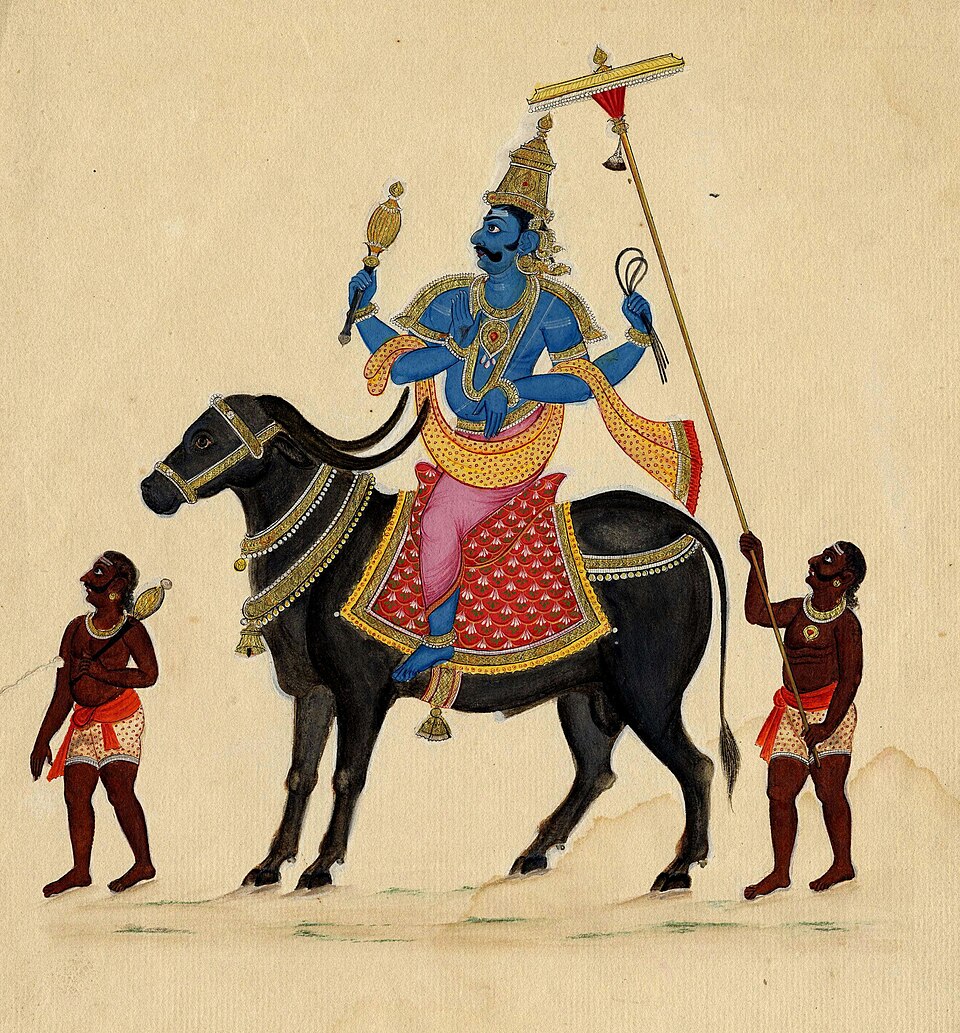
The first man to die, and therefore the one who found the road — the oldest Vedic conception has him as a predecessor rather than a judge, with the dead sent along a path he opened, past his two four-eyed dogs. The office hardens later: by the epics he is Dharmaraja, lord of the law, and in the Savitri episode he takes a soul and is argued into giving it back, talked round by persistence and by his own principles. Then he travels. Buddhism carries him to China as Yanluo Wang, where he becomes a magistrate in a bureaucracy of ten courts, and to Japan as Enma. A death god who can be reasoned with, and is then filed as a civil servant, is one of the longest careers this compendium records.
Identity
Where does the name come from?
Where it was actually worshipped
No great temple. Dharmarāja shrines in the Tamil south, and the Yamarāj images of the Kathmandu valley, which is thin for a judge of the dead.
A figure with temples and a figure that only ever existed on a page are different kinds of thing, and the difference is easy to lose once both are entries in a list.
At a glance
Vitals
Vitals
Also known as
- First attested
- Rigveda · c. 1500-1200 BCE
- Rank
- Lord of Death
- Pantheon
- Vedic
- Order
- Vedic
- Base of operations
- No great temple. Dharmarāja shrines in the Tamil south, and the Yamarāj images of the Kathmandu valley, which is thin for a judge of the dead.
- Era
- c. 1400 BCE
- Traditions
- Vedic & Hindu
- Placed in
- Devas and Asuras
Traits
- Direction
- South
- Domain
- Death, judgment, dharma
- Traditional form
- Green or dark-skinned, on a buffalo, with noose and mace
Stats
Known connections
Identified with
3 attributed
What is it said to do?
Where these powers cluster
The 3 offices attributed to Yama, grouped by kind. Segment width is the share of powers falling in each category.
A bar dominated by one colour means a specialist; an even spread means a figure the sources credit with almost anything.
- martial1
- knowledge1
- transformation1
1 mark
Which marks is it attached to?
A mark a figure carries and a mark used against a figure are opposite claims, so each link says which it is.
3 texts
Which texts say so, and where do they disagree?
When these texts were written
Each dot is one of the 3 texts that names Yama, placed at that text's approximate date.
A wide spread means the figure was carried across many centuries and traditions; a tight cluster means a single period produced the whole record.
3 texts spanning roughly 1,300 years
Where the texts differ
- Name: given as Yama, Yama (Dharmaraja)
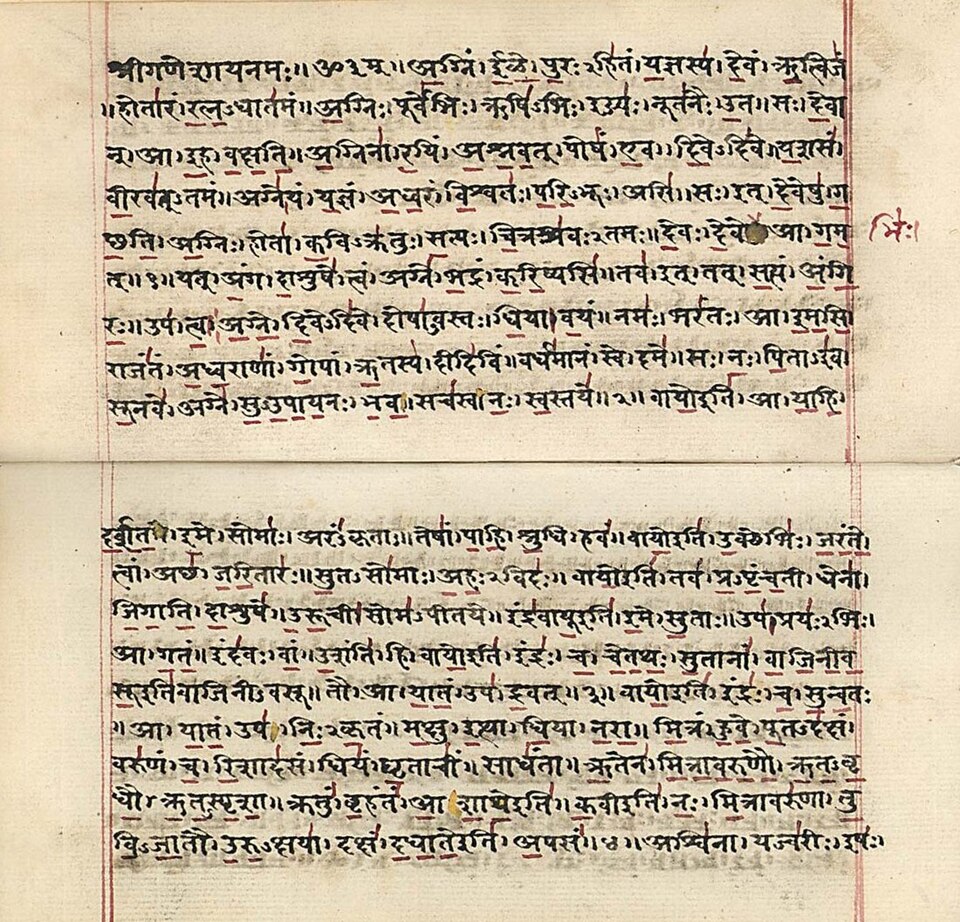
The first to find the path to the other world, and so the one who receives the dead.
The first man to die and therefore the one who found the road, addressed in the funeral material with the dead sent along a path he opened. His two four-eyed dogs guard it. The Vedic death god is a predecessor rather than a judge here, which is the older conception and the one later material replaces.
Now the judge and the lord of law rather than the first of the dead, and, in the Savitri episode, a god who takes a soul away and is argued into giving it back — talked out of it by a woman's persistence and by his own principles. A death god who can be reasoned with is a specifically Indian idea and this is its best-known statement.
Connections
What is it connected to?
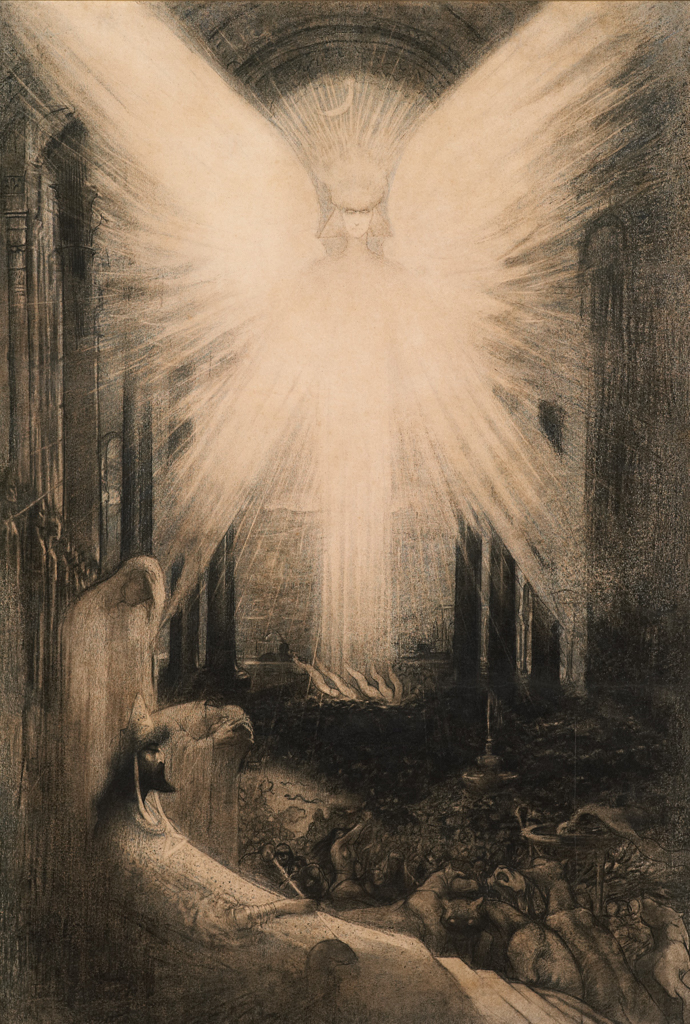
Identified with Azrael
The same office: the one who receives the dead and judges them.
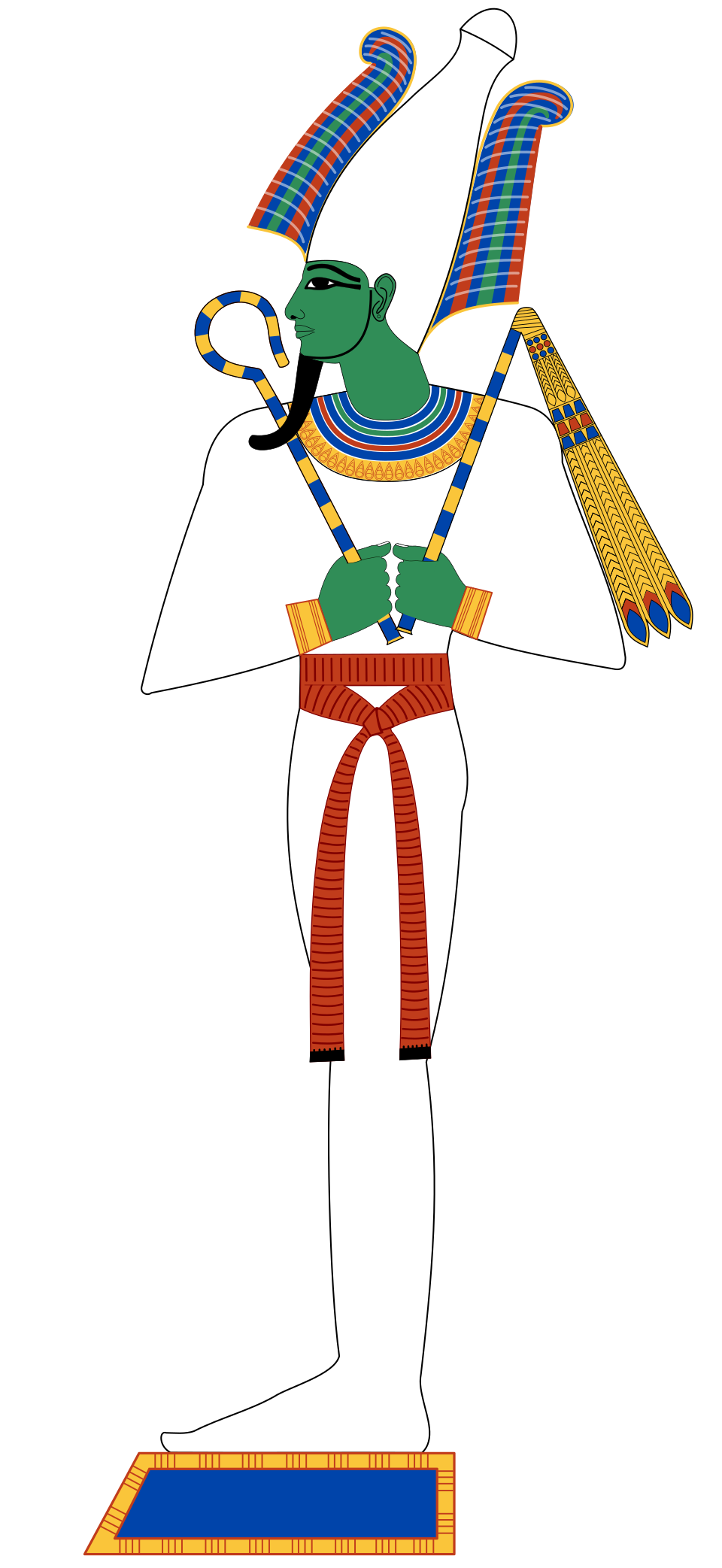
Identified with Osiris
Both are the first to die and so become the sovereign judge of the dead.
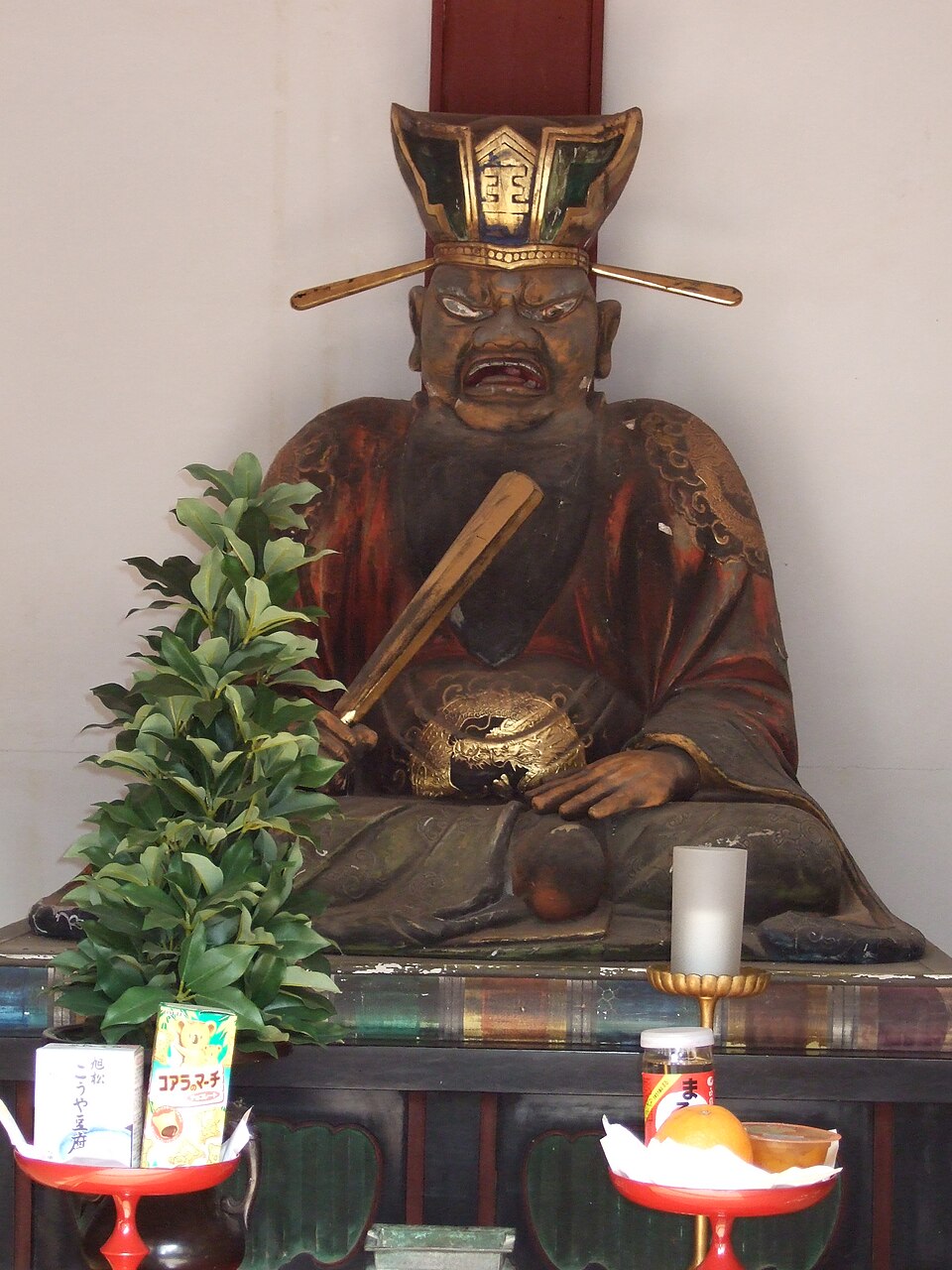
Ancestor of Yanluo Wang
The Indian Yama entered China with Buddhism and was reorganised as a magistrate of the celestial bureaucracy.
Ancestor of The Ten Kings
The Chinese court of the dead is built out of the Indian Yama, reorganised into a bureaucracy with intervals, clerks and an appeal.
Placement
Where does it sit in the hierarchies?
Answered from the sources
Common questions
Which texts mention Yama?
Is Yama the same as Azrael?
What rank is Yama?
How else is Yama spelled?
What is Yama said to do?
How old is Yama?
Nearest in the corpus
If Yama is what you came for, these are next
Chosen by proximity rather than by popularity: the same pantheon first, then the same rank, then the same kind of figure.
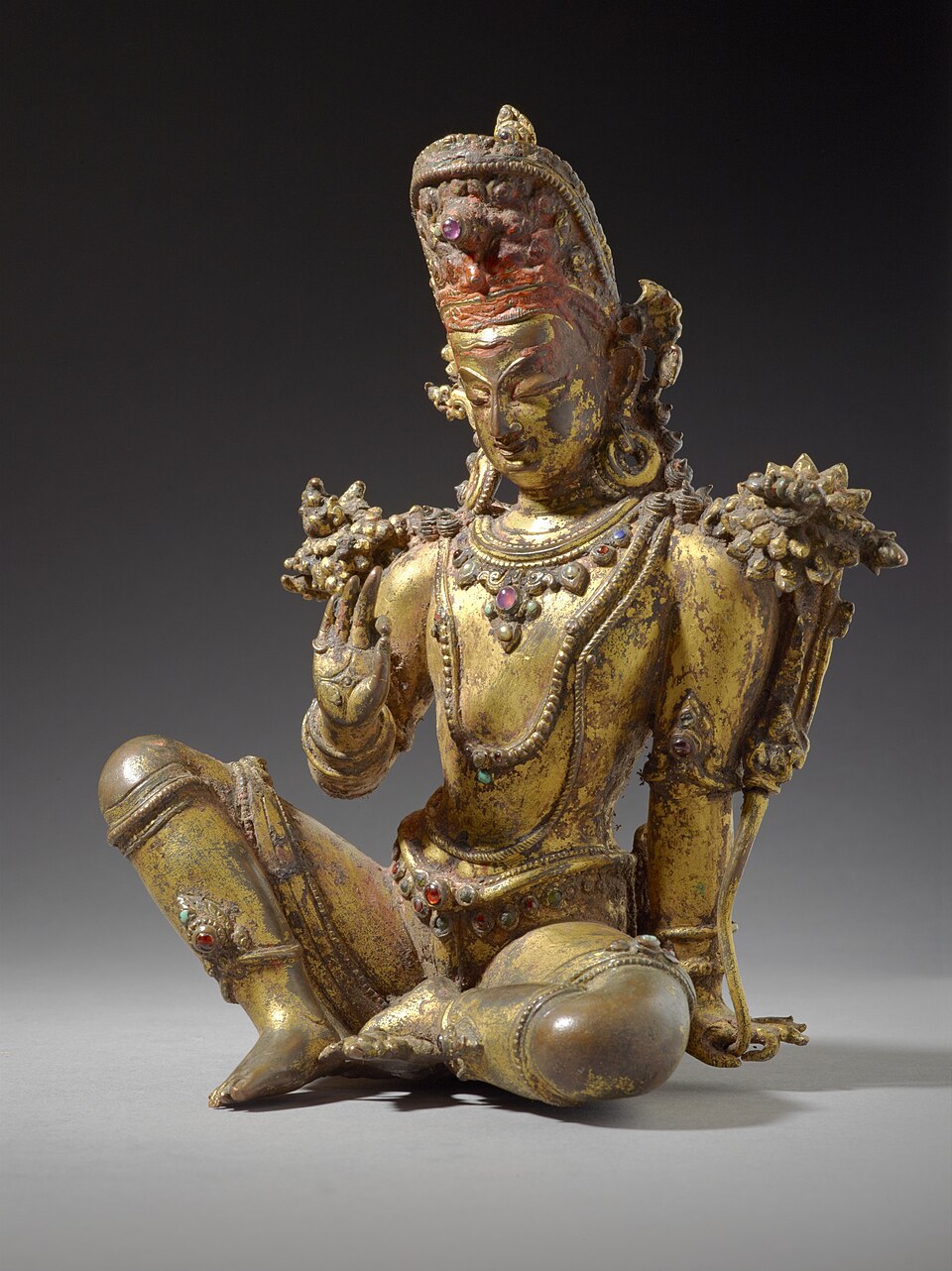
Indra
King of the Devas · Vedic
The thunderbolt-wielding king of the gods, who slays the serpent Vritra and releases the pent waters. It is the Indo-European form of the same combat myth as Baal against Yam.
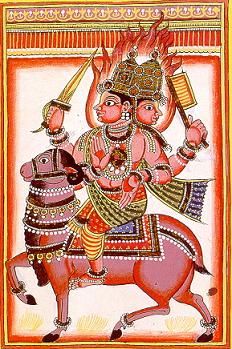
Agni
God of Fire · Vedic
Fire as the mouth of the gods — the one who carries offerings upward, and so the messenger of the Vedic system.
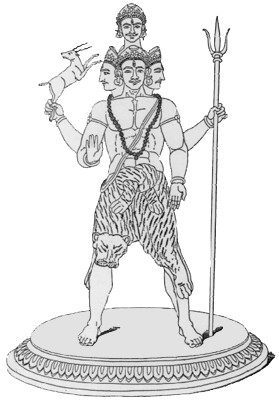
Rudra
The Howler · Vedic
The fierce archer who sends disease and withholds it — addressed in the Rigveda with open fear, and later absorbed into Shiva.
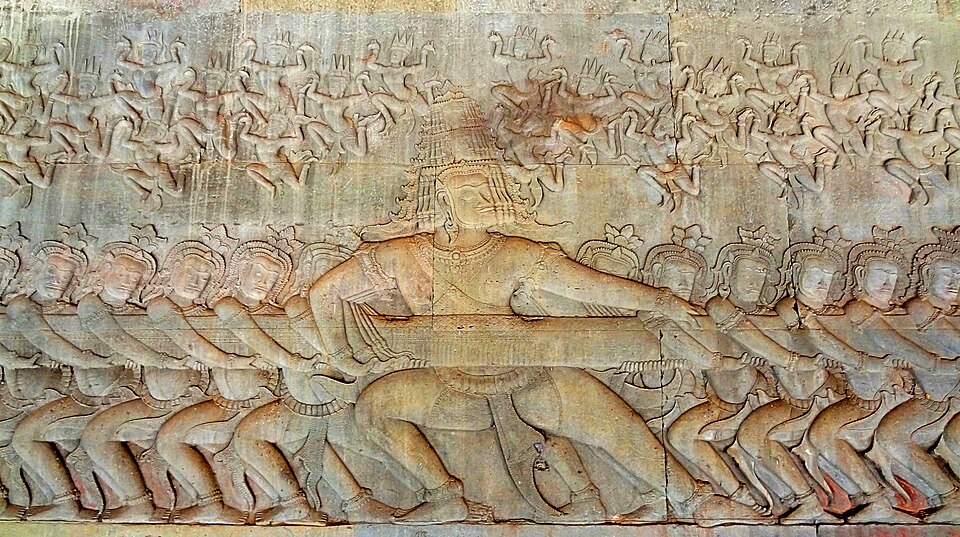
The Asuras
Class of Beings · Vedic
In the earliest Rigveda a title of honour for the highest gods; by the later Vedic period, the demonic opponents of the devas. The same word, inverted within one tradition.
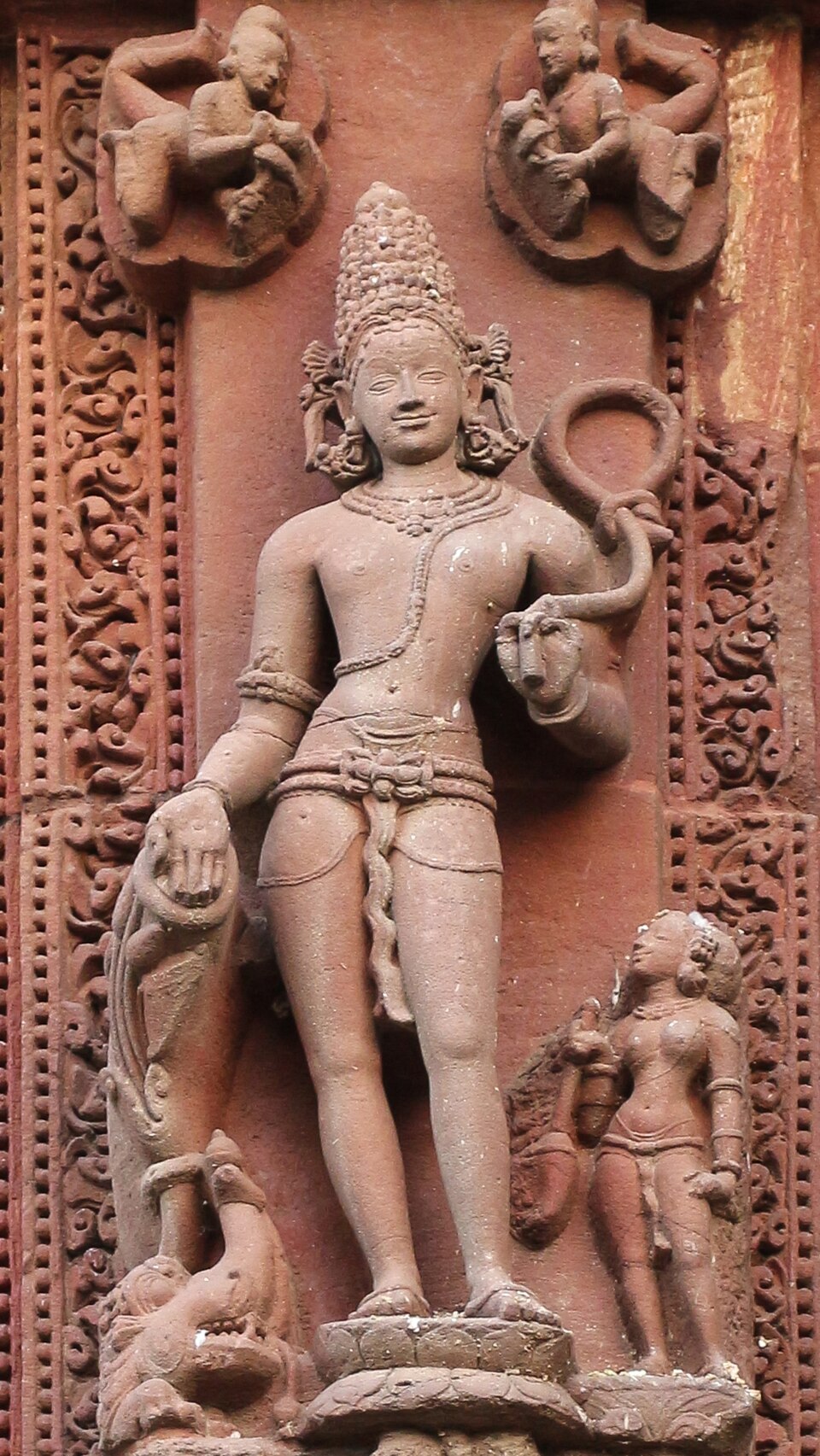
Varuna
Keeper of Cosmic Order · Vedic
Binder of the oath-breaker with his noose. The earliest hymns call him *asura*, using the word as an honorific, long before it turned demonic.
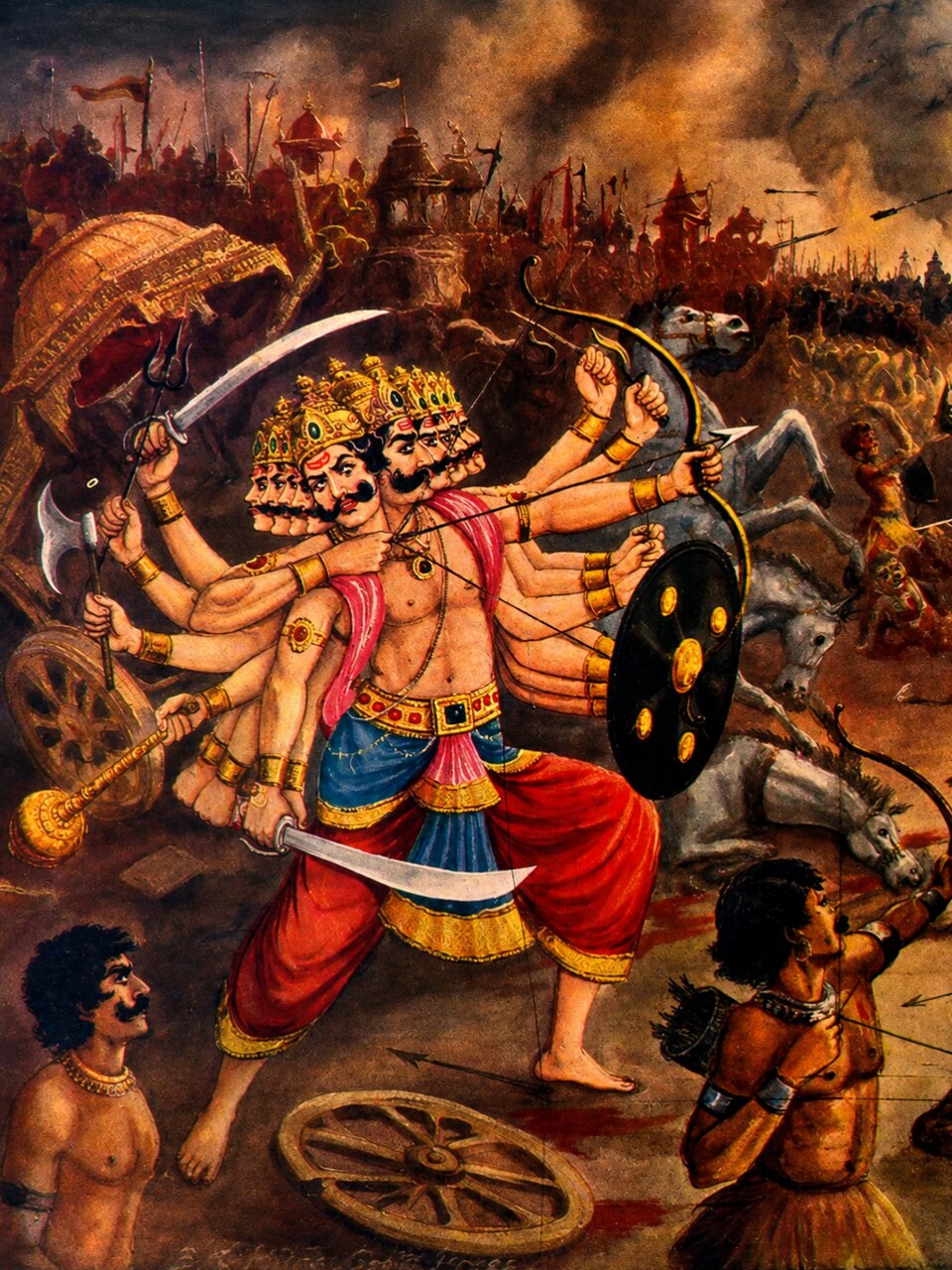
Ravana
Rakshasa King · Vedic
The ten-headed antagonist of the Ramayana — a devout scholar, musician and ascetic whose downfall is a single act of pride.
The books behind Yama
Every claim on this profile is attributed to one of these. They are public domain, listed oldest first, and each links to a full text where one is freely available.
Rigveda
Anonymous; multiple rishi families · c. 1500-1200 BCE · Vedic Sanskrit
Read Rigveda in full ↗Cover: Public domain · Unknown author · Wikimedia file page
The Atharvaveda
Anonymous; attributed to the seers Atharvan and Angiras · c. 1000 BCE · Vedic Sanskrit
Read The Atharvaveda in full ↗The Mahabharata
Attributed to Vyasa; tr. Kisari Mohan Ganguli · c. 400 BCE – 400 CE · Sanskrit
Read The Mahabharata in full ↗
Corpus last revised 29 August 2026. A reference site’s credibility rests on being maintained, so this is the date the sourced records last changed — not the date the page was rebuilt.