Vedic & Hindu · Sanskrit · c. 400 BCE – 400 CE
The Mahabharata
Attributed to Vyasa; tr. Kisari Mohan Ganguli
The longest poem in the world, and for this corpus the record of what the Vedic gods became once they were characters in stories rather than addressees of hymns. Yama argues and loses an argument, Indra schemes and is outmatched, and the old sovereign gods spend much of it subordinate to figures the Rigveda barely mentions. It also carries its own retelling of the Rama story, which makes it an independent witness to Ravana.
Read The Mahabharata in full at the linked edition →What this text attests · 6
| Name here | Rank given | # | Powers described |
|---|---|---|---|
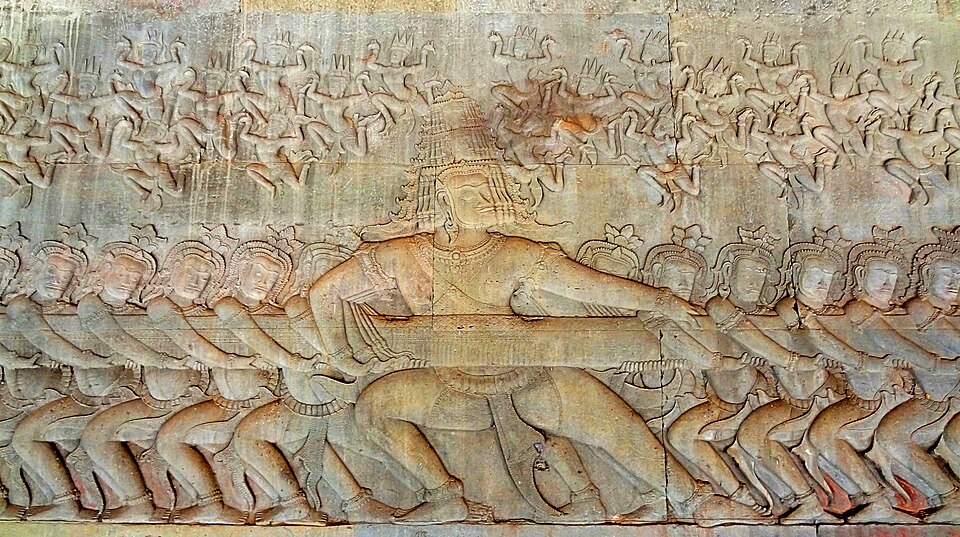 Asuras = The Asuras | — | — | The settled opposition. By the epic the word means the enemies of the gods without qualification — they churn the ocean alongside the devas and are cheated of the nectar at the end of it — and the older sense in which the sovereign gods were themselves asuras is gone. Set against the Avesta in this corpus, the same inherited word has by now become the name of God in one language and a word for the adversary in the other. |
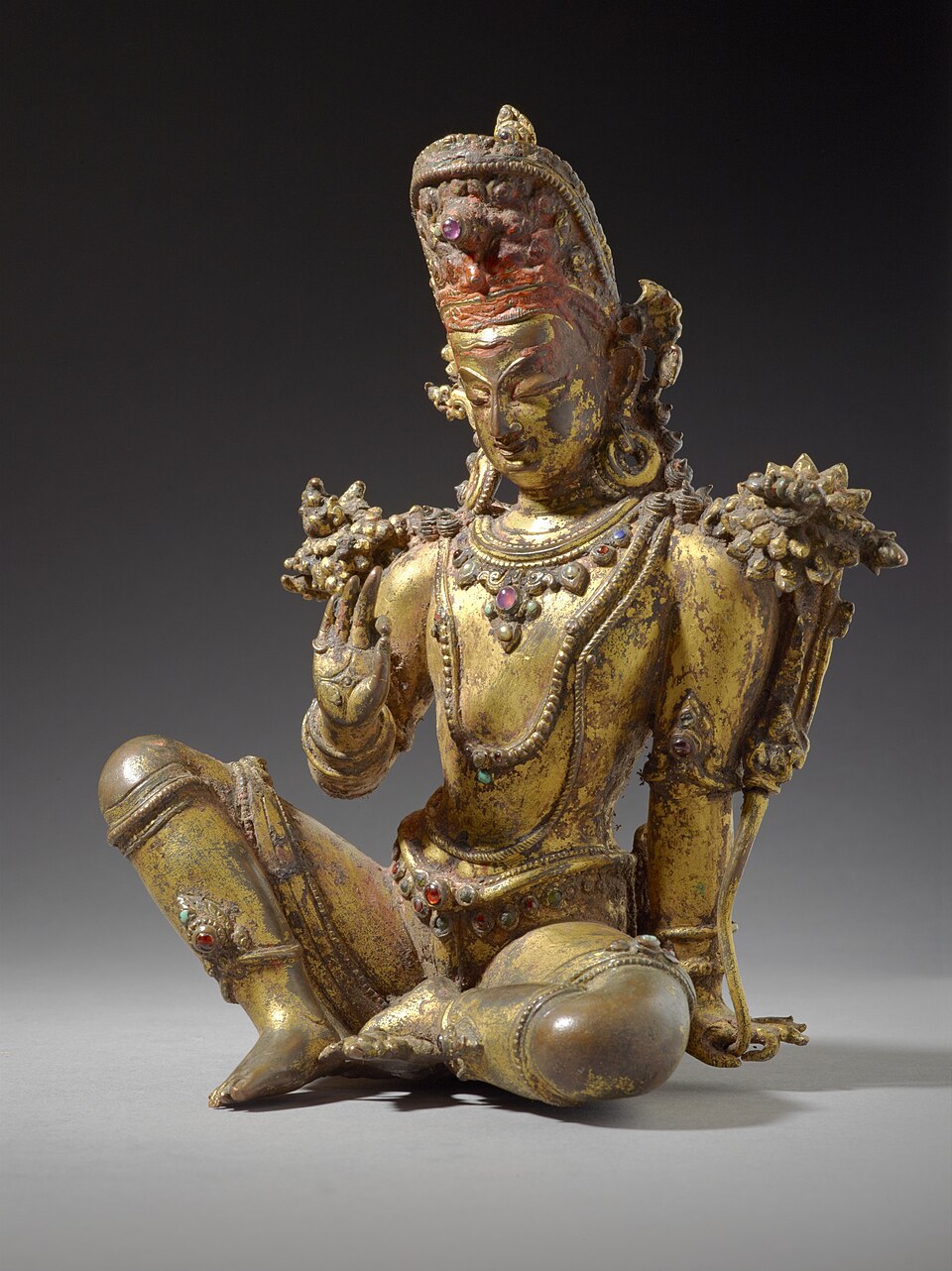
| — | — | The king of the gods as a schemer with limited reach: he begs Karna's armour off him by a trick, fathers Arjuna, and spends much of the poem outmanoeuvred or afraid. The demotion is not stated anywhere — it is simply how he is written, which is the most complete form a demotion can take. | |
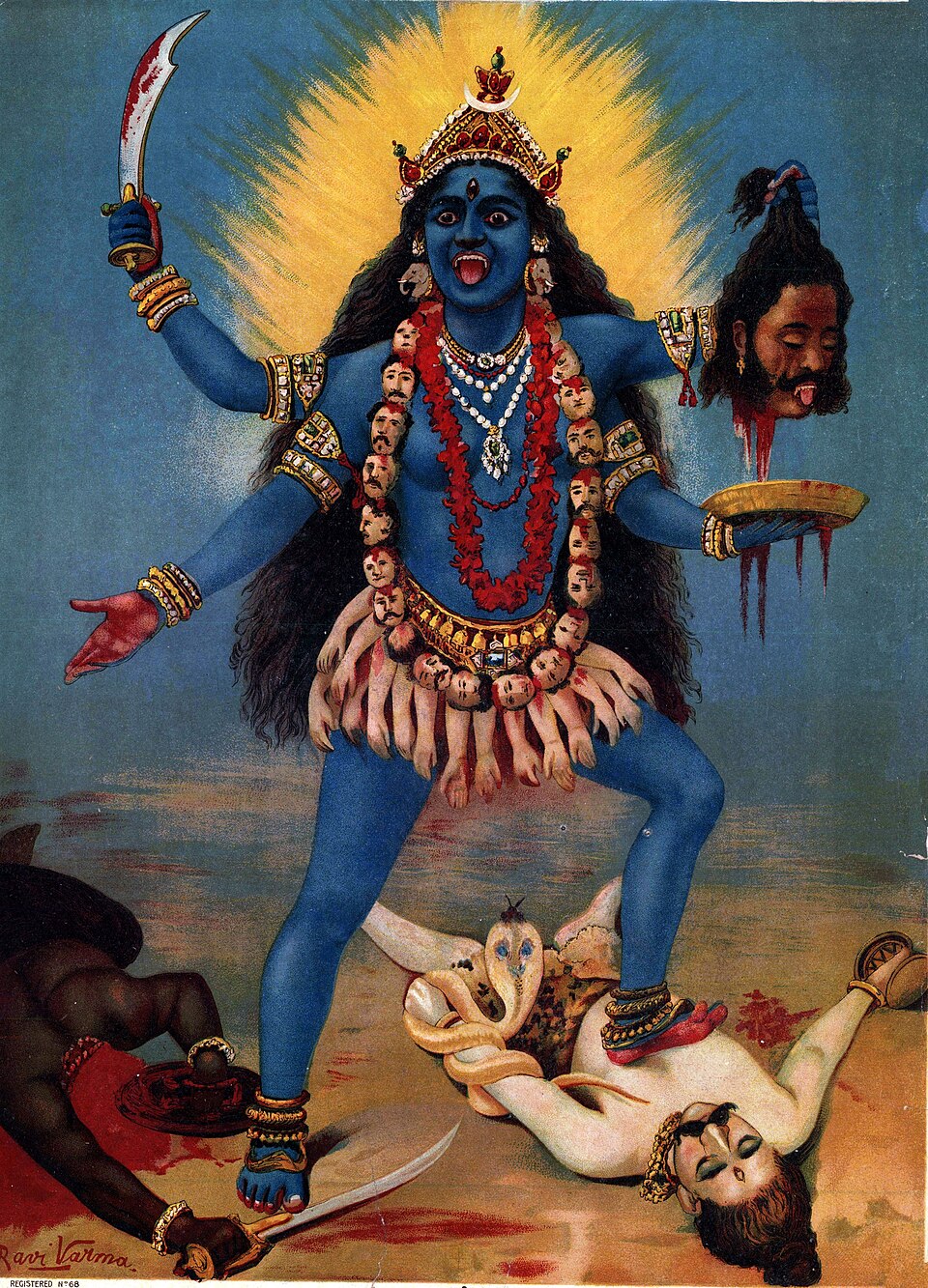 Kalaratri = Kali | — | — | The night-massacre book has a black female figure with a noose walking the camp and taking away the bound dead, seen by the men as they are killed in their sleep. Whether she is the goddess or a personification of that night is disputed, and the corpus records the dispute rather than resolving it; what is not disputed is that the Devi Mahatmya's Kali arrives into a tradition where this image already existed. |
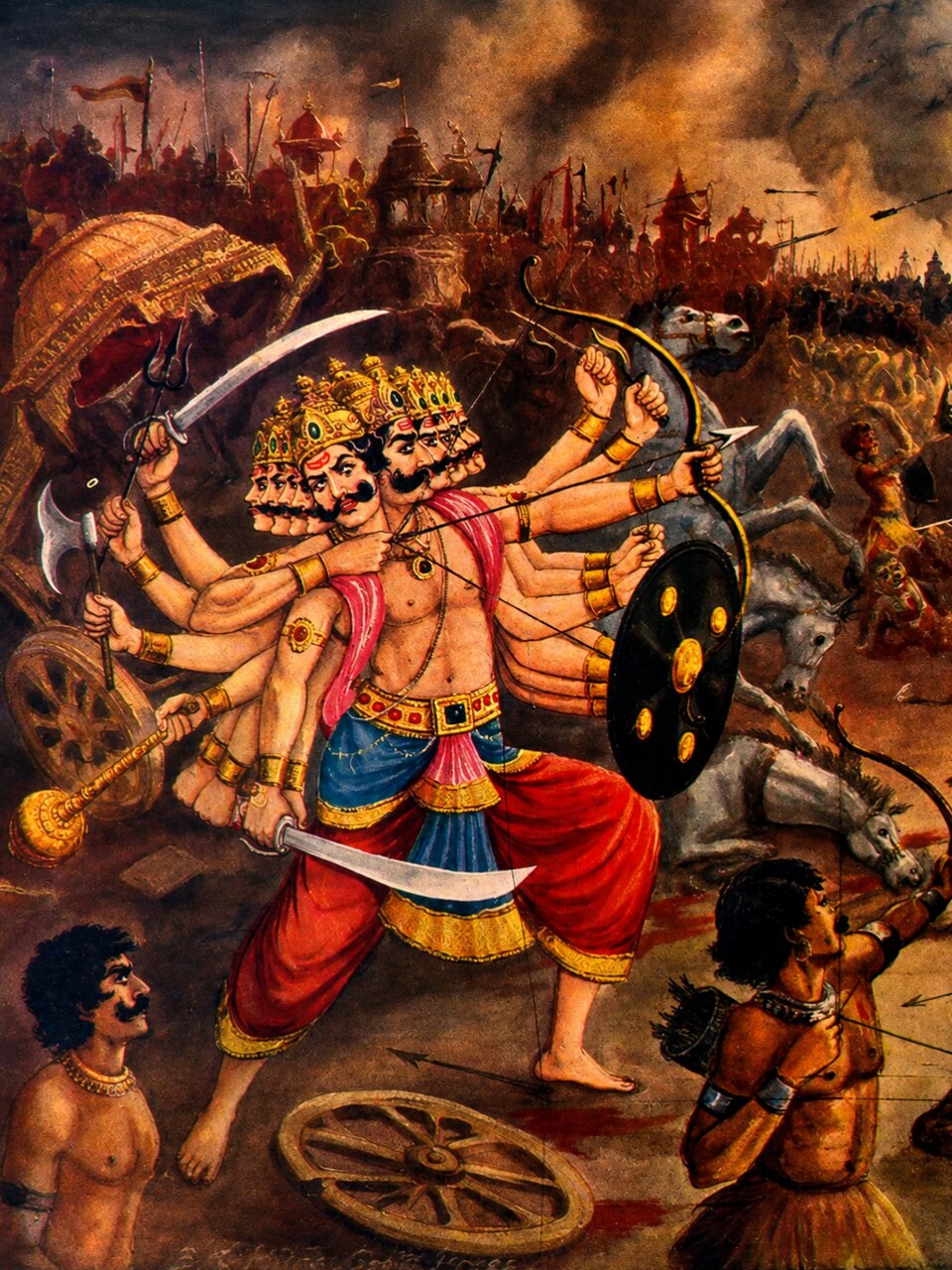
| — | — | An independent witness to the Rama story, retold at length inside the other epic and differing from the Ramayana in its details. A figure that survives in two long poems by different hands is attested in a way a figure known from one is not, whatever either poem is worth as history. | |
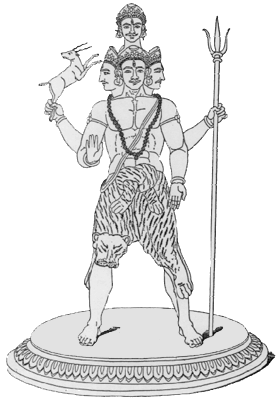 Rudra (Shiva) = Rudra | — | — | The Vedic god of the arrows now a supreme deity, and in the same night-massacre book he enters Ashwatthama and does the killing through him. The corpus holds this against the Rigvedic Rudra deliberately: the distance between a god asked to shoot elsewhere and a god who possesses a man in order to shoot is the whole of the change, and both ends of it are cited. |
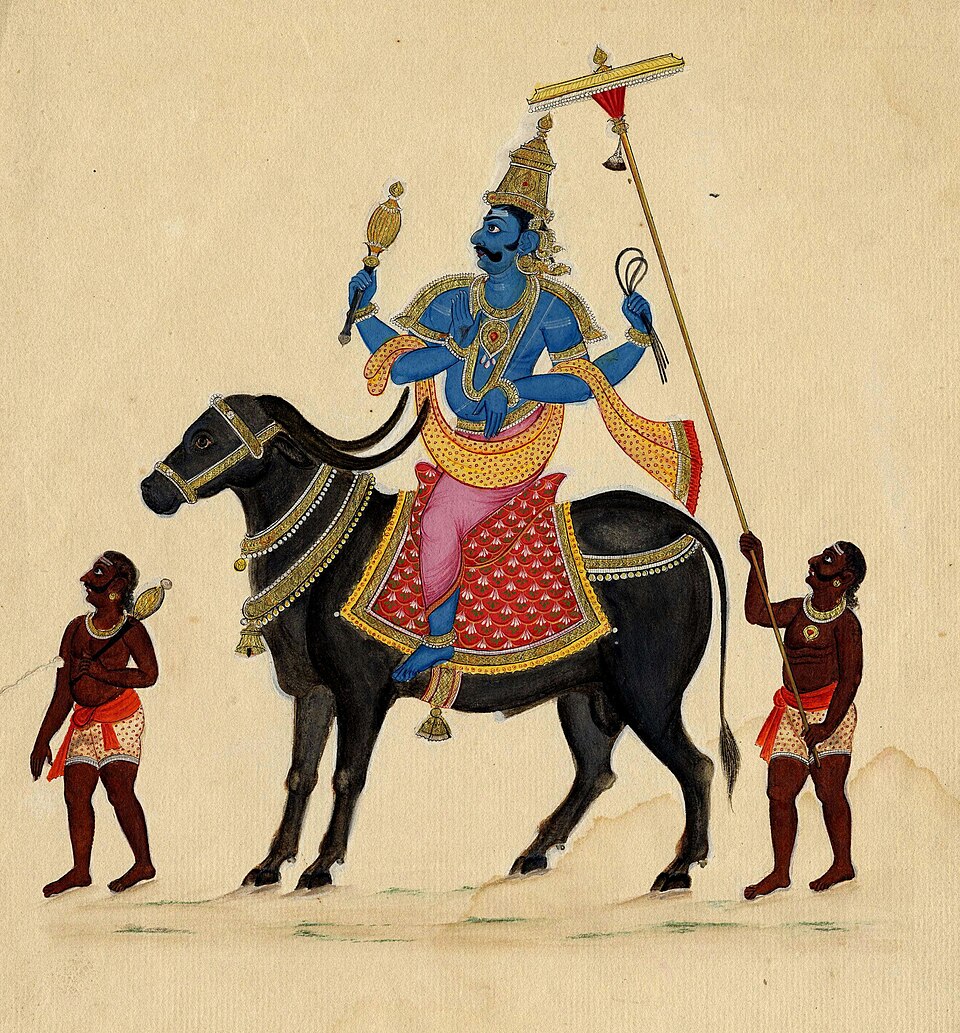 Yama (Dharmaraja) = Yama | — | — | Now the judge and the lord of law rather than the first of the dead, and, in the Savitri episode, a god who takes a soul away and is argued into giving it back — talked out of it by a woman's persistence and by his own principles. A death god who can be reasoned with is a specifically Indian idea and this is its best-known statement. |