The evidence
Source texts
Every claim in ColossiansOne is attributed to one of these, all of them public domain. They are listed oldest first — which is itself informative, since the gap between a figure’s earliest attestation and the text most people know them from is often two thousand years.
Entries contributed by each text
The two Solomonic lists dominate by volume — seventy-two entries each — which is exactly why the attestation score weights early and independent sources more heavily than sheer count.
The Pyramid Texts
c. 2350–2100 BCEAnonymous; carved for the kings and queens of the Fifth and Sixth Dynasties
The oldest religious literature of any length from anywhere, cut into the walls of royal burial chambers at Saqqara and meant for one dead king at a time. Nearly every major figure the later funerary books use is already here, eight centuries before the Book of the Dead, which is the plainest available answer to the suspicion that the Egyptian pantheon is a late tidy-up: the Ennead, the sons of Horus and the opener of the ways are all in place before the Middle Kingdom begins.
EgyptianOld Egyptian23 entriesLugal-e (Ninurta and the Asag)
c. 2100 BCEAnonymous; Sumerian composition
Ninurta kills the demon Asag and its army of stones, then reorganises the world he has wrecked, assigning each kind of stone its fate according to whether it fought for him. A combat myth that ends in administration rather than in kingship.
MesopotamianSumerian3 entriesThe Coffin Texts
c. 2100–1800 BCEAnonymous; painted on the coffins of officials and their families
The middle term between the Pyramid Texts and the Book of the Dead, and the point at which the afterlife stops being a royal privilege: the same apparatus, painted on the coffins of people who were not kings. Around eleven hundred spells survive, including the corpus's earliest sustained account of Heka as a god rather than a force, and the Book of Two Ways, which is the oldest mapped underworld we have.
EgyptianMiddle Egyptian5 entriesThe Sumerian King List
c. 2000 BCEAnonymous; many recensions, the fullest being the Weld-Blundell prism
Kingship descends from heaven, and the reigns before the flood run to tens of thousands of years apiece before collapsing to human lengths afterwards. The list is a political document rather than a chronicle, and it is the closest Mesopotamian parallel to the long-lived patriarchs of Genesis 5.
MesopotamianSumerian1 entriesThe Descent of Inanna to the Netherworld
c. 1900 BCE, from older materialAnonymous; Sumerian composition
The Sumerian recension of the descent, and a substantially different text from the shorter Akkadian one the corpus already carried. It is longer, it names the substitute who takes her place, and the ending — Dumuzi sent below in her stead — has no counterpart in the Akkadian at all.
MesopotamianSumerian2 entries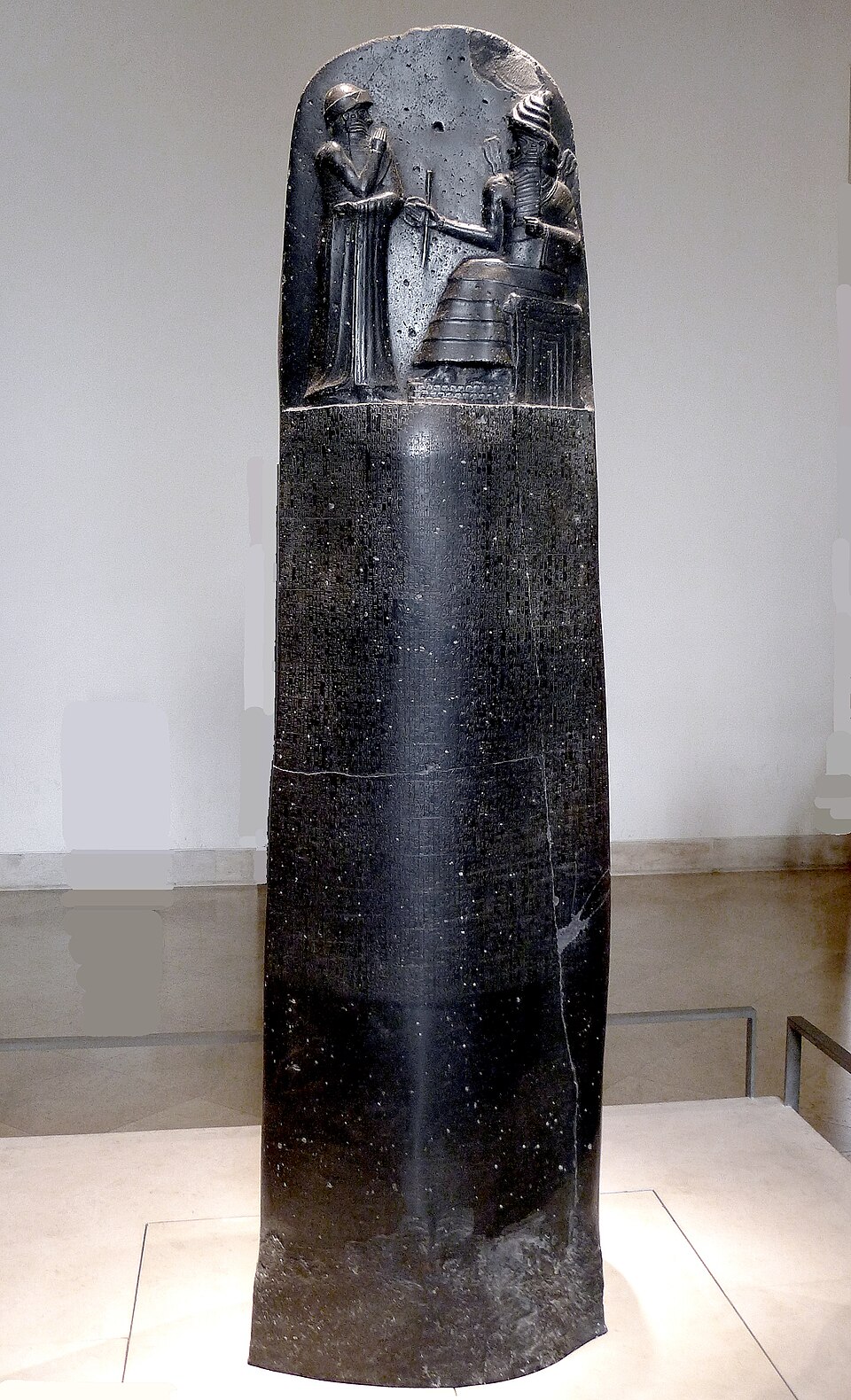
The Code of Hammurabi
c. 1750 BCEHammurabi of Babylon; tr. L. W. King
The stele shows the king receiving the law from an enthroned Shamash, which is the clearest surviving statement of why a sun god is also a god of judges: what sees everything is what can judge fairly.
MesopotamianAkkadian1 entriesThe Atrahasis Epic
c. 1700 BCEAnonymous; the fullest copy written by the scribe Ku-Aya
Why humanity exists and why it was nearly destroyed, in one text: people are made to carry the work the lesser gods refuse, then multiply until their noise keeps Enlil awake, and he sends the flood. Enki cannot countermand the decree and warns his man through a reed wall instead, which is the loophole rather than a breach of the oath.
MesopotamianAkkadian2 entries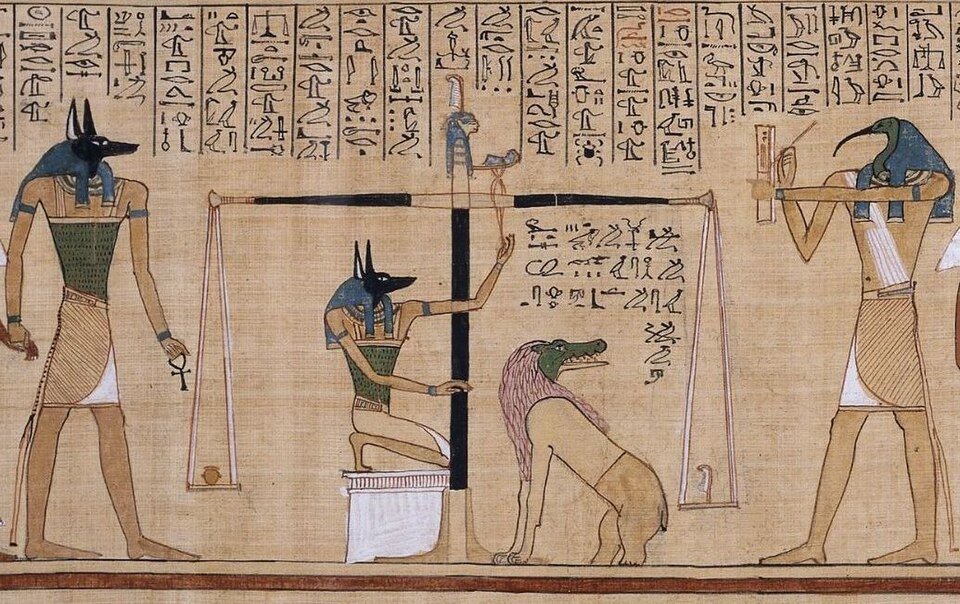
The Egyptian Book of the Dead
c. 1550 BCE onwardAnonymous; tr. E. A. Wallis Budge
Funerary spells for the passage of the dead, including the nightly repulsion of Apep and the weighing of the heart before Osiris.
EgyptianEgyptian30 entries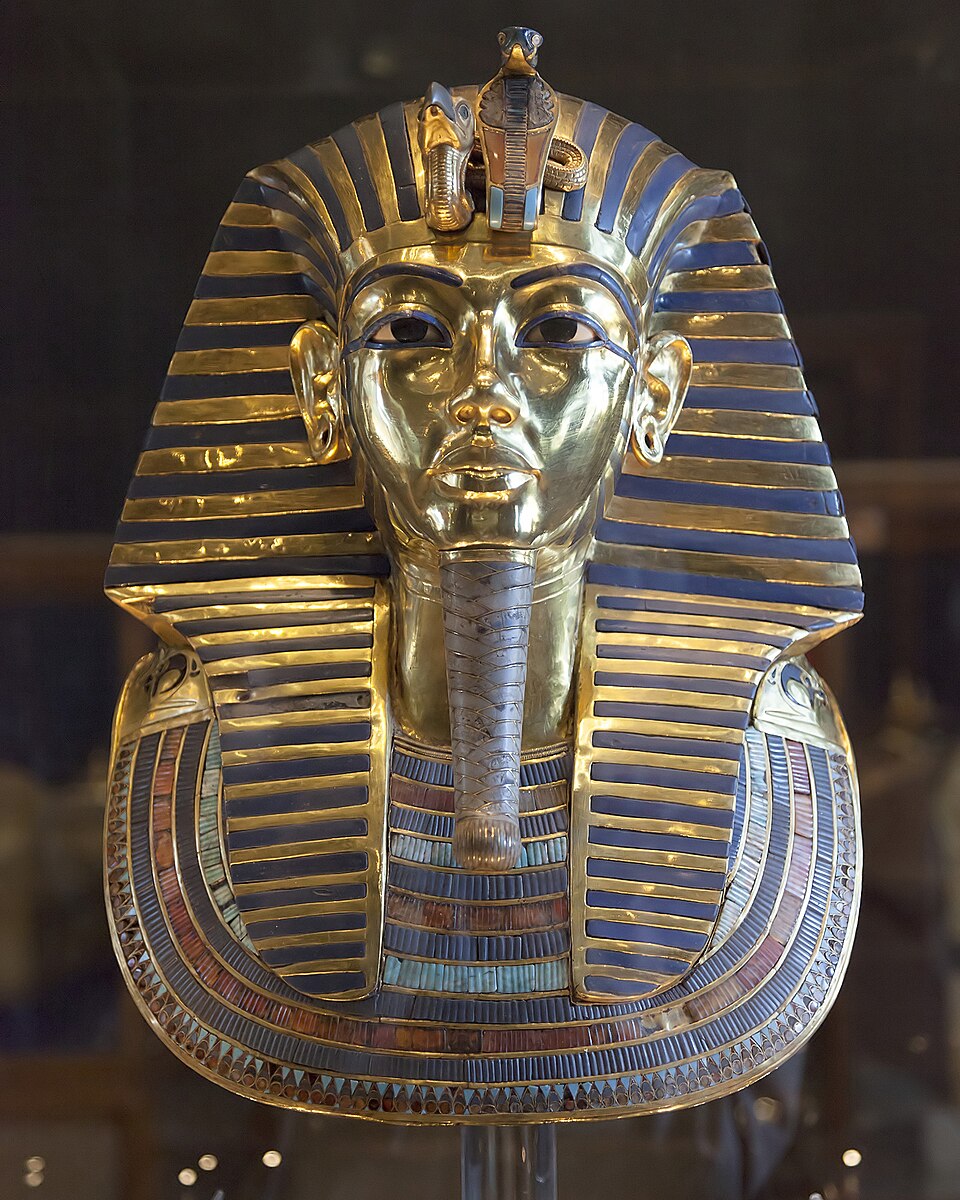
Egyptian Amulets & Domestic Objects
c. 2000 BCE onwardAnonymous; recovered from settlements and burials
Bes and Taweret are barely present in the funerary literature and everywhere in the archaeology of ordinary houses — painted on beds and headrests, worn as pendants. A pantheon reconstructed from temple walls and coffin texts misses the gods people actually lived with.
EgyptianMaterial evidence5 entries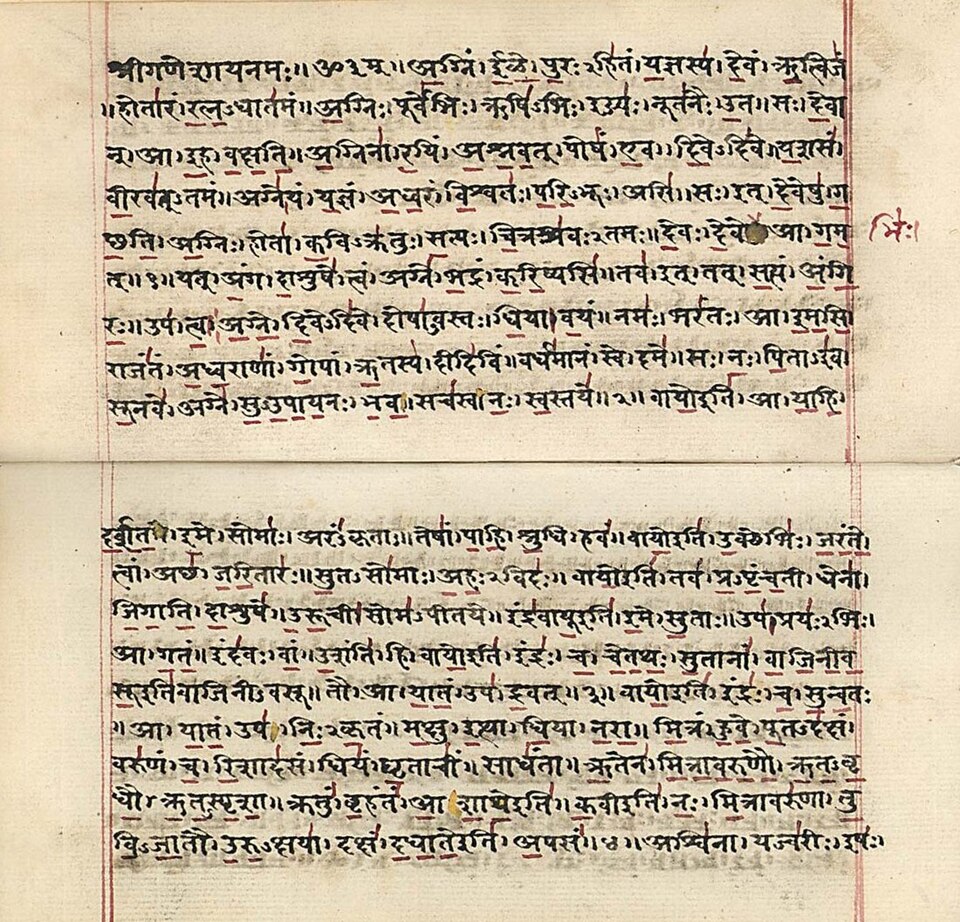
Rigveda
c. 1500-1200 BCEAnonymous; multiple rishi families
The oldest Indo-Aryan text. Its asuras and devas are cognate with the Avestan ahuras and daevas — but with the valuations swapped, which is the single sharpest illustration of how a god becomes a demon.
Vedic & HinduVedic Sanskrit8 entriesThe Book of the Heavenly Cow
c. 1320 BCEAnonymous; from the royal tombs of the Nineteenth and Twentieth Dynasties
Humanity plots against an ageing Ra, and he sends his Eye against them as Hathor; she kills until the killing is its own appetite, and is stopped only by a flooded field of beer dyed red, which she drinks in mistake for blood. The text is the corpus's best evidence that the Egyptian pantheon knew perfectly well what it had made — a protective goddess and a slaughtering one are the same goddess, and the myth exists to explain how she is turned back.
EgyptianEgyptian2 entries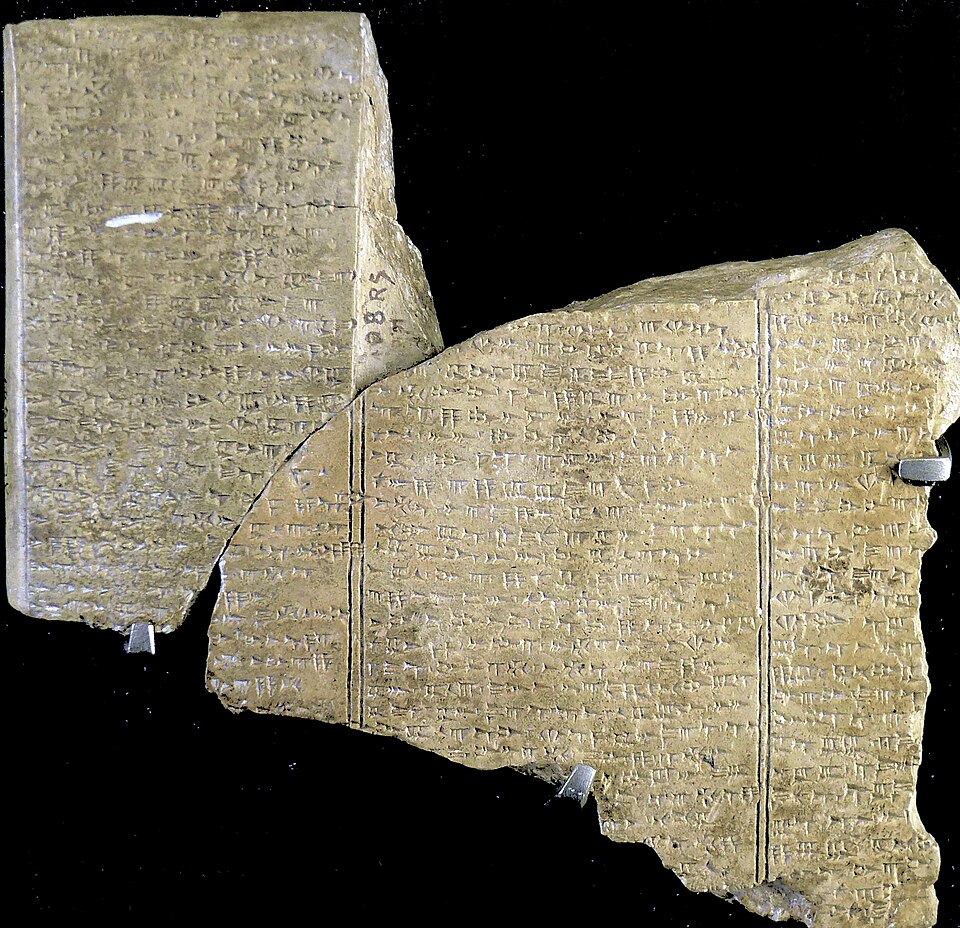
The Baal Cycle (Ugaritic Tablets)
c. 1400-1200 BCEAnonymous; recovered at Ras Shamra
Recovered in 1929, and immediately decisive: it shows that Baal, Athtart, Lotan and Mot were functioning deities of a living religion, not the inventions of biblical polemic. Most of the West's demon-names begin here.
Canaanite & UgariticUgaritic11 entries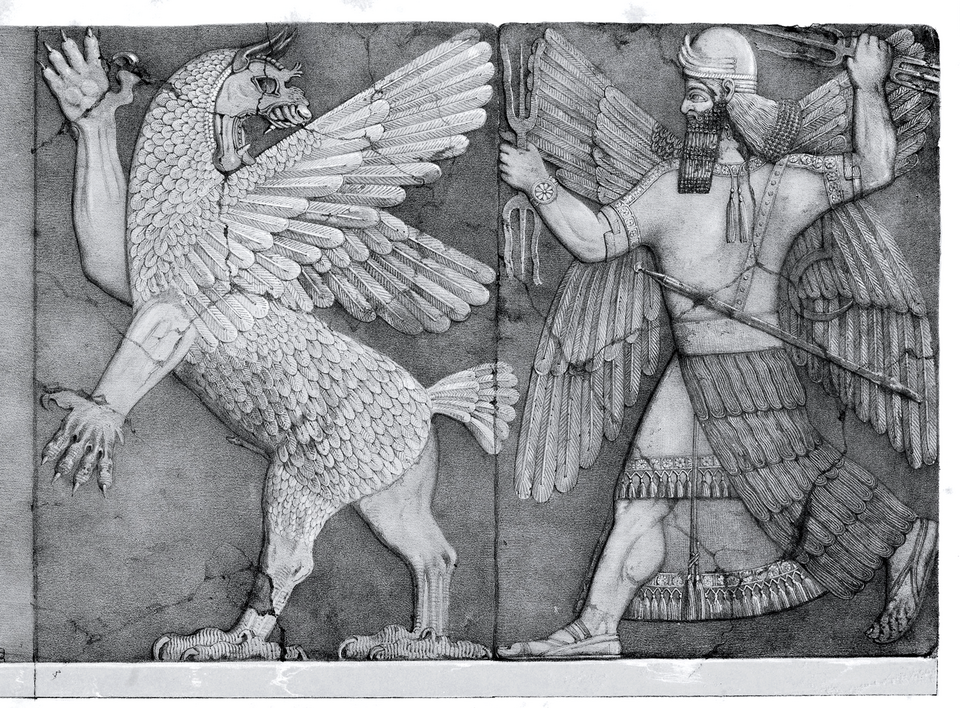
The Myth of Anzu
c. 1500-1000 BCEAnonymous Akkadian
The lion-headed storm bird steals the Tablet of Destinies from Enlil and is hunted down by Ninurta. A rebellion against divine order with a named culprit, more than a thousand years before anything comparable in the biblical material.
MesopotamianAkkadian2 entries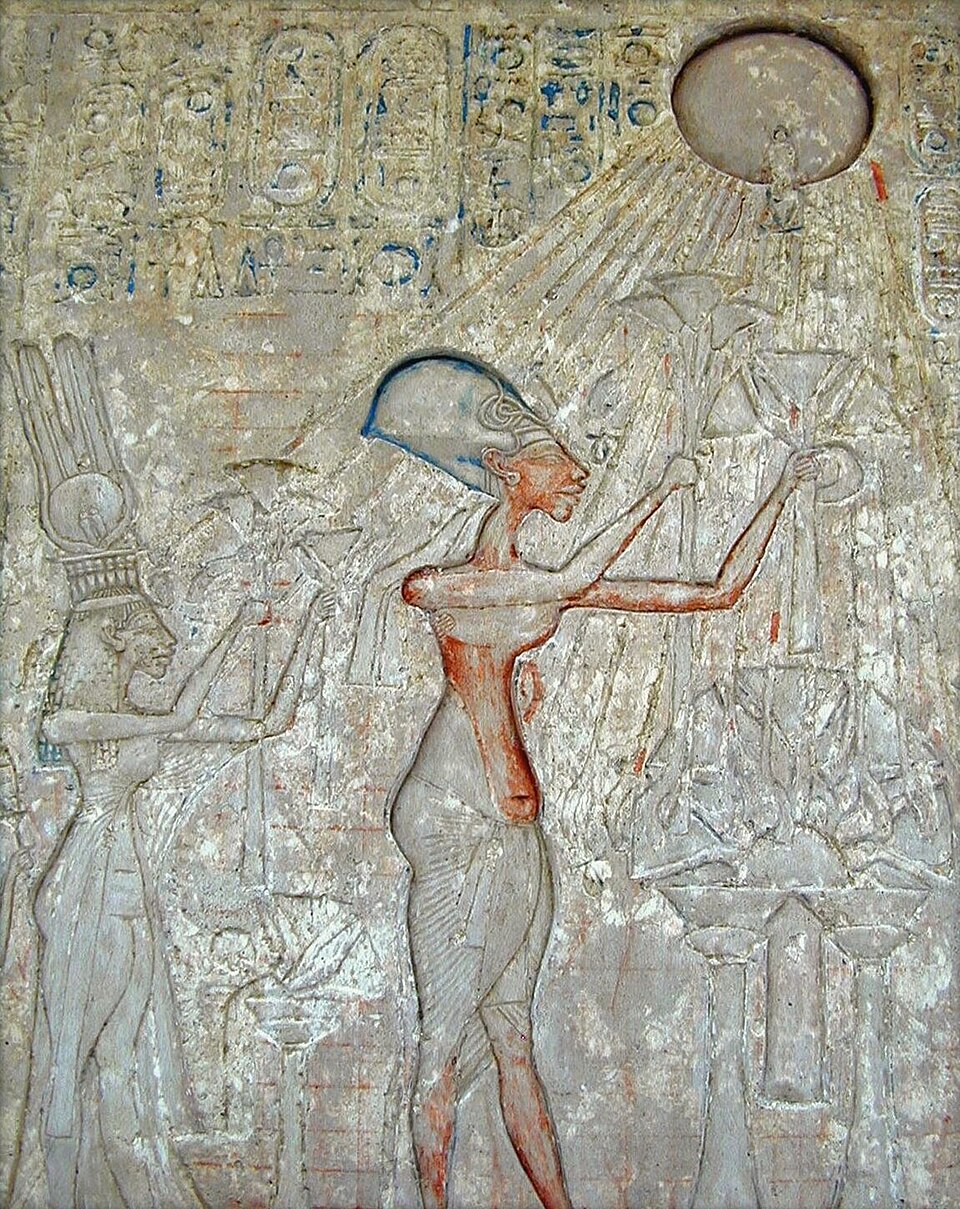
Egyptian Hymns, Stelae & Temple Inscriptions
c. 2000 BCE - 300 BCEVarious; tr. E. A. Wallis Budge and others
Temple hymns, royal stelae and monumental inscriptions — where the Theban triad actually lives. Budge notes in his own edition that Amun, Mut and Khonsu 'have nothing whatever to do with the Book of the Dead', which is a useful reminder that one famous text is not a whole religion.
EgyptianEgyptian10 entriesThe Epic of Gilgamesh
c. 1200 BCE, from older Sumerian materialStandard Babylonian version, attributed to Sin-leqi-unninni
The longest and best preserved narrative from the ancient Near East, and the one that keeps turning up inside other traditions. Its flood account is close enough to the Genesis one that the relationship has been argued over since the tablets were read in 1872.
MesopotamianAkkadian5 entriesUdug-hul (Evil Utukku)
c. 1800–600 BCEAnonymous; canonical series of sixteen tablets
The largest surviving corpus of Mesopotamian material against harmful spirits, running to sixteen tablets in its canonical form and naming the classes of being it is aimed at — the utukku, the alu, the etemmu, the gallu. This project carries it as an object of study and quotes none of it: it is an operative text whose content is the procedure, and the standing rule at the foot of AGENTS.md applies whatever its copyright status. What it is, whom it names and how it is arranged are recorded here; how it is performed is not.
MesopotamianSumerian and Akkadian6 entriesThe Contendings of Horus and Set
c. 1160 BCEAnonymous; Chester Beatty Papyrus I
Eighty years of litigation between Horus and Set, told with a broad comic streak. The tribunal cannot decide, writes to Neith for a ruling, and abides by her answer.
EgyptianEgyptian1 entries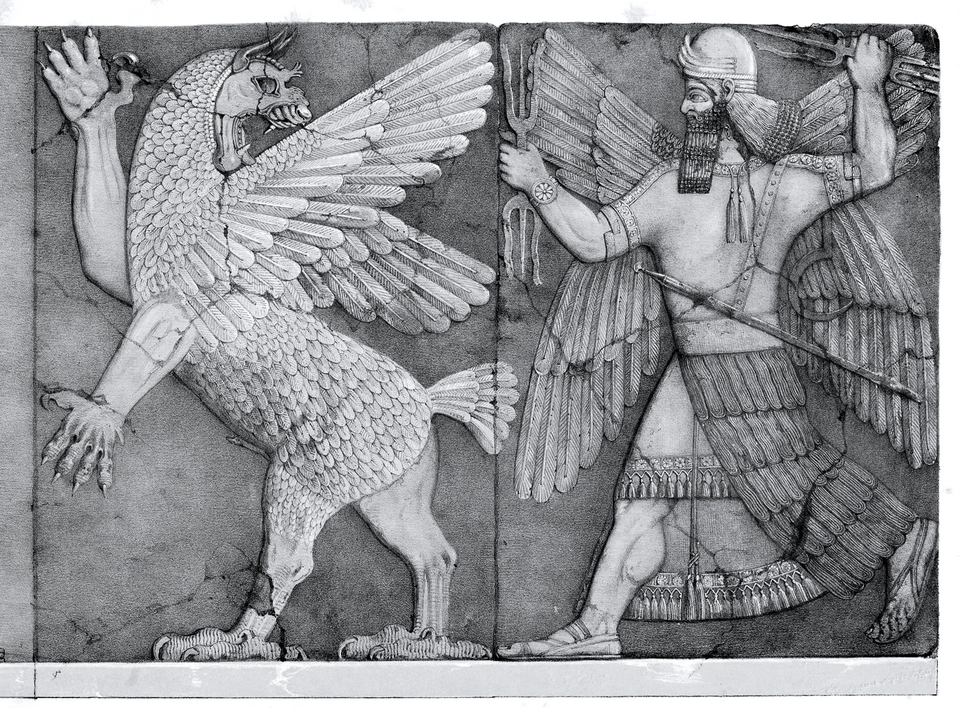
Enuma Elish
c. 1100 BCEAnonymous Babylonian
The Babylonian creation epic, in which Marduk splits the sea-dragon Tiamat and builds the world from her body — the template for every later combat between a sky god and a chaos serpent.
MesopotamianAkkadian4 entriesThe Lamashtu Series
c. 1800–600 BCEAnonymous; canonical series of three tablets
Three tablets directed at a single named spirit, which is itself the finding: no other figure in this corpus has a canonical series of its own devoted to keeping it away from mothers and infants. It also records the counter-figure, since Pazuzu is invoked against her rather than warded off himself. Carried as an object of study and never quoted, on the same footing as Udug-hul and for the same reason.
MesopotamianAkkadian2 entries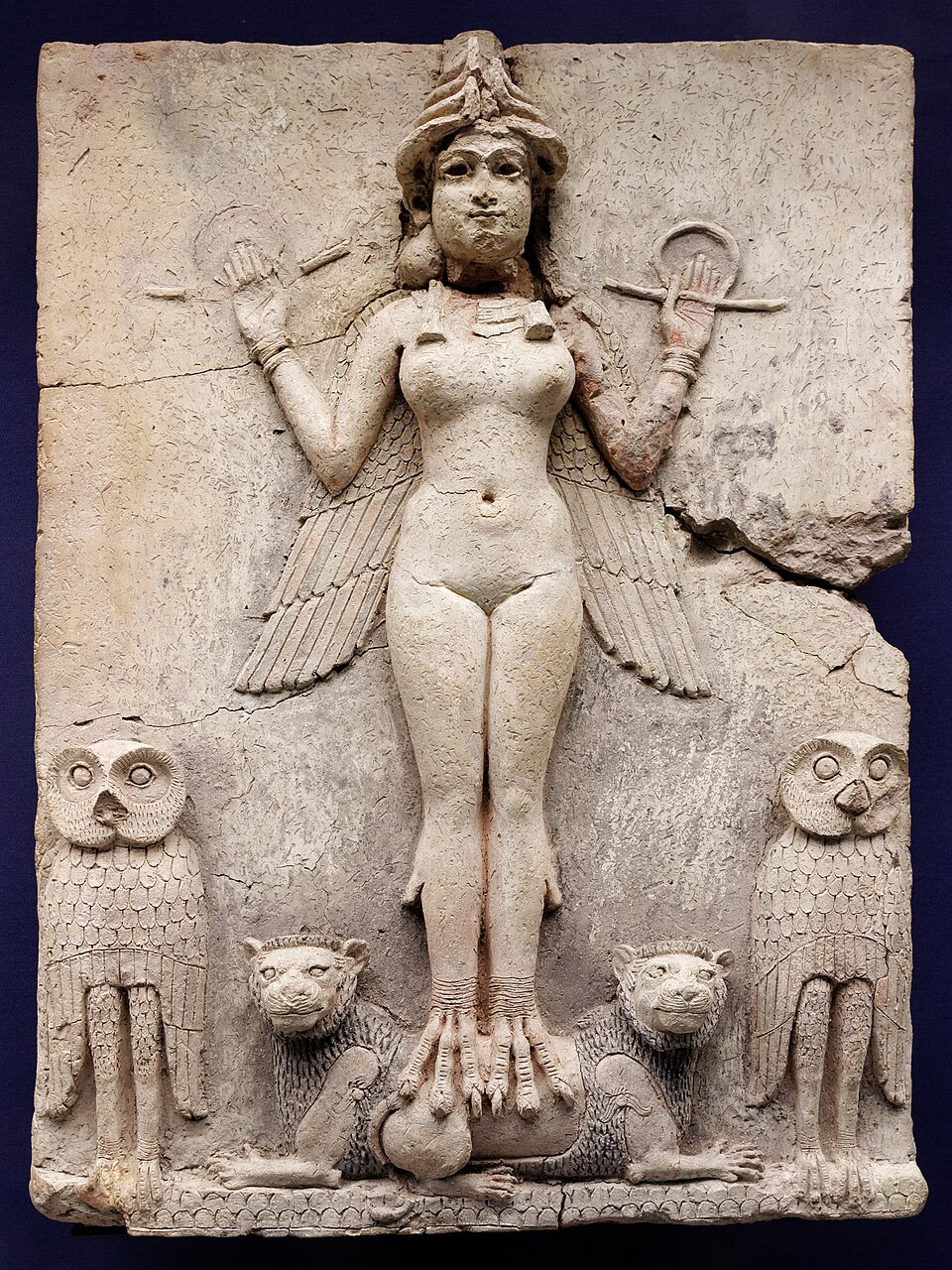
The Descent of Ishtar to the Netherworld
c. 1000 BCE, from older Sumerian materialAnonymous Akkadian; earlier Sumerian recension of Inanna
Ishtar passes the seven gates of the underworld, surrendering a garment at each, and is hung on a hook by her sister Ereshkigal. The world stops breeding while she is below. This, not the Enuma Elish, is where both goddesses are actually described.
MesopotamianAkkadian3 entriesNergal and Ereshkigal
c. 1300–800 BCEAnonymous; Amarna and later Assyrian recensions
How the underworld acquired a king, told as a diplomatic incident that goes wrong. Nergal offends Ereshkigal's messenger, is sent down to answer for it, and does not come back — the marriage is the settlement. It is the corpus's best evidence that Ereshkigal ruled alone first.
MesopotamianAkkadian2 entriesThe Atharvaveda
c. 1000 BCEAnonymous; attributed to the seers Atharvan and Angiras
The fourth Veda, and the one that took longest to be accepted as one. Where the Rigveda is public liturgy addressed to great gods, this is the domestic and medical layer underneath it — fever, snakebite, childbirth, rivals, kings. It is the best evidence in the corpus that the same religion which produced the sovereign hymns also had an everyday apparatus for handling misfortune, and it names the same gods in both registers. Described here and not quoted: it is a book of charms, and the rule that governs the Mesopotamian incantation series governs this too.
Vedic & HinduVedic Sanskrit5 entries
Akkadian Incantation Series & Amulet Inscriptions
c. 1800-600 BCEAnonymous; recovered from Assyrian and Babylonian sites
Not a literary work but a working corpus: spells, bowls, plaques and amulets meant to keep specific demons out of specific houses. Pazuzu and Lamashtu belong to this material rather than to any epic, which is why they read as practical rather than mythological.
MesopotamianAkkadian and Sumerian5 entriesThe Mesha Stele (the Moabite Stone)
c. 840 BCEMesha, king of Moab
A king's own account of a war the Hebrew Bible also records, from the losing side of that account. Chemosh appears throughout as the god who was angry with his land, gave victory, and commanded the slaughter — the same theology of defeat and favour the biblical writers use, in the mouth of the enemy. It carries the earliest mention of the god of Israel outside the Bible.
Canaanite & UgariticMoabite1 entriesErra and Ishum
c. 800 BCEAttributed in its own colophon to Kabti-ilani-Marduk
The plague god talks Marduk into leaving his throne unattended and lays waste to Babylon while it is empty. Unusually, the poem states its own purpose: copies were displayed to ward off plague, so the text is both an account of a catastrophe and an object used against one.
MesopotamianAkkadian1 entriesThe Iliad
c. 750 BCEHomer; tr. Samuel Butler
The oldest Greek poem of any length, and the one that decided what a god was allowed to be in this literature: partisan, woundable, capable of being deceived by another god and of sulking about it. Ares is stabbed by a mortal with Athena guiding the spear and goes home to complain to his father, who tells him he is the most hateful of the gods. Nothing in the corpus does more to explain why later moralists found this pantheon so easy to condemn.
GreekAncient Greek11 entries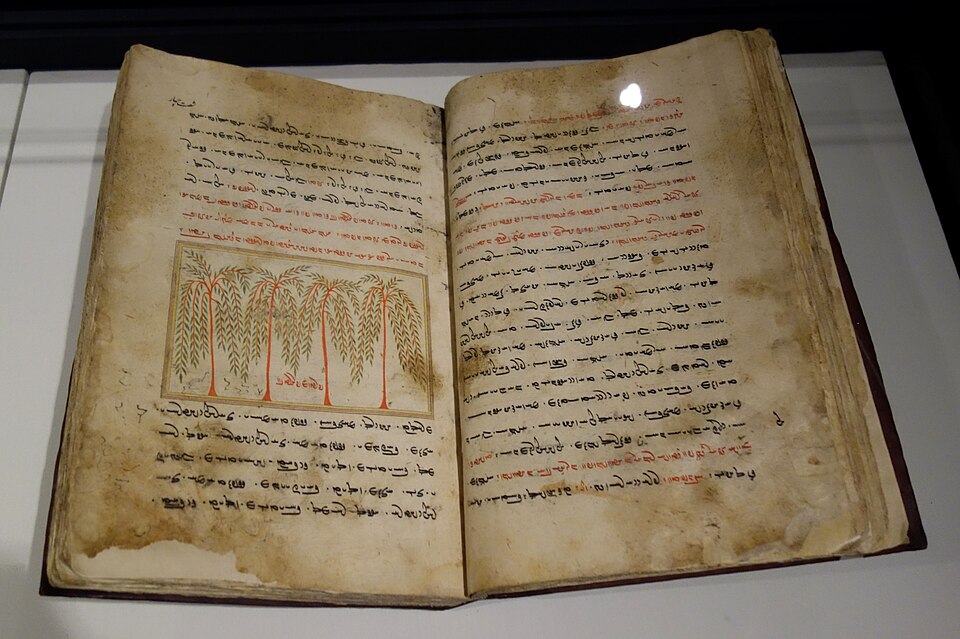
The Avesta
c. 1000-400 BCEAttributed to Zarathustra and later priests
The Zoroastrian scriptures. Their two-principle cosmology — Ahura Mazda against Angra Mainyu, each with an army — is the most likely source of the dualist structure Judaism and Christianity later adopt.
ZoroastrianAvestan9 entries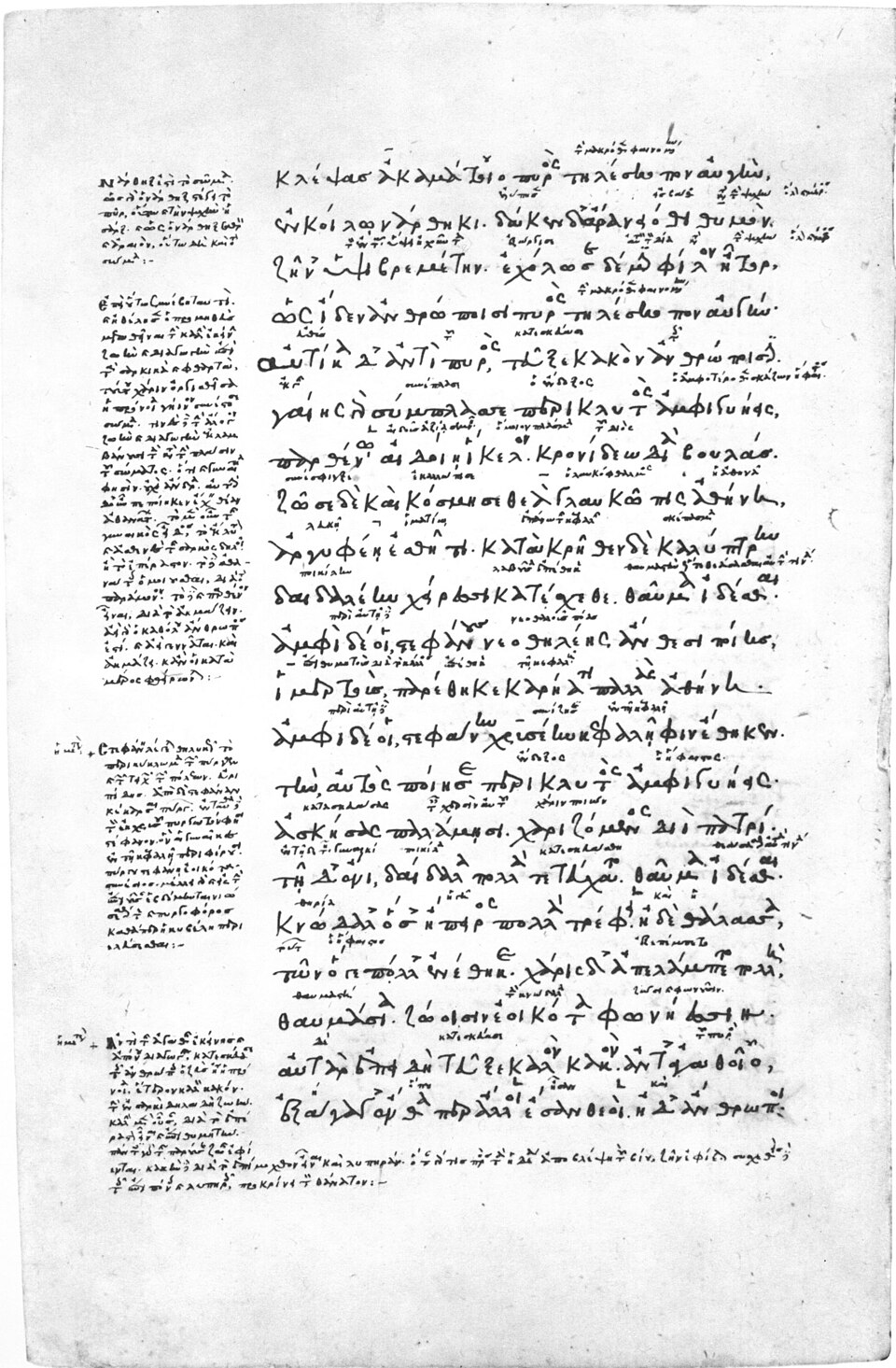
Theogony & Works and Days
c. 700 BCEHesiod
The Greek succession myth and the Titanomachy. Hesiod's daimones are benign spirits of the golden race — the semantic drift from that to 'demon' happens entirely in Jewish and Christian Greek.
GreekAncient Greek17 entries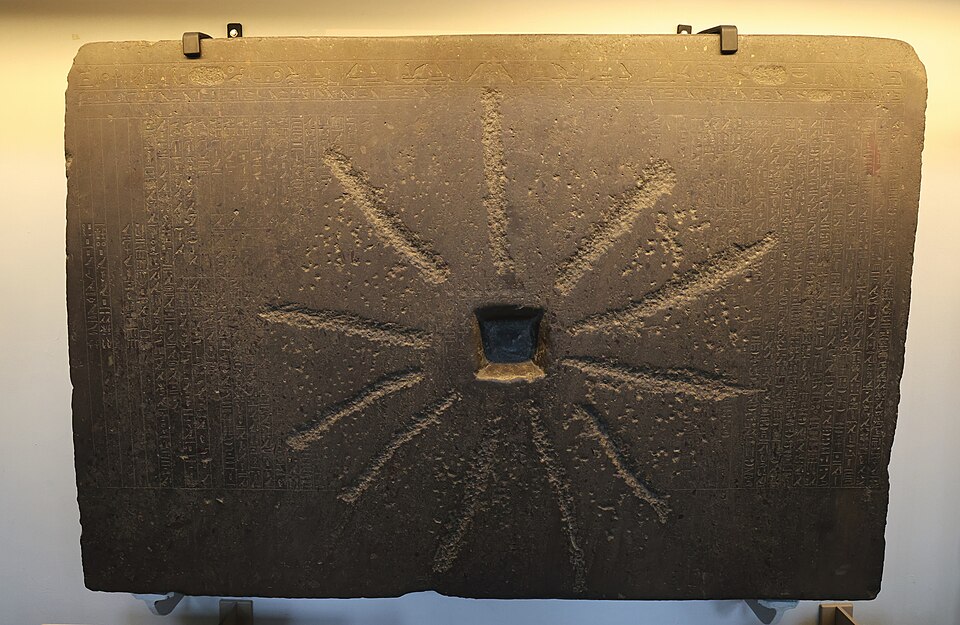
The Shabaka Stone (Memphite Theology)
c. 700 BCE, copying older materialAnonymous; carved for Shabaka
Ptah conceives the world in his heart and brings it into being with his tongue. A theology of creation by naming, carved on a block later reused as a millstone, which is why the middle of the text is destroyed.
EgyptianEgyptian1 entriesThe Shatapatha Brahmana
c. 800–600 BCEAnonymous; tr. Julius Eggeling
The prose commentary on the sacrifice, and the place where Vedic myth is explained rather than sung. Its Indra is the one this corpus wants: the god who kills Visvarupa, the three-headed son of Tvashtri, in a passage that pauses to say he was free from that sin — which is not a sentence anyone writes unless the question has been asked. A hero whose victories have to be defended is a different figure from the one the hymns celebrate, and the change is visible only if both texts are here.
Vedic & HinduVedic Sanskrit3 entriesThe Homeric Hymns
c. 700–500 BCEAnonymous; attributed in antiquity to Homer; tr. Hugh G. Evelyn-White
Thirty-three poems addressed to individual gods, each setting out what that god presides over and how the honour was won. They are the best evidence in this corpus for Greek religion as practised rather than as arranged: the hymn to Demeter tells the abduction of Persephone and ends by founding the rites at Eleusis, and the hymn to Hermes has a god establish his own claim to a share of the sacrifices by theft and by argument.
GreekAncient Greek10 entries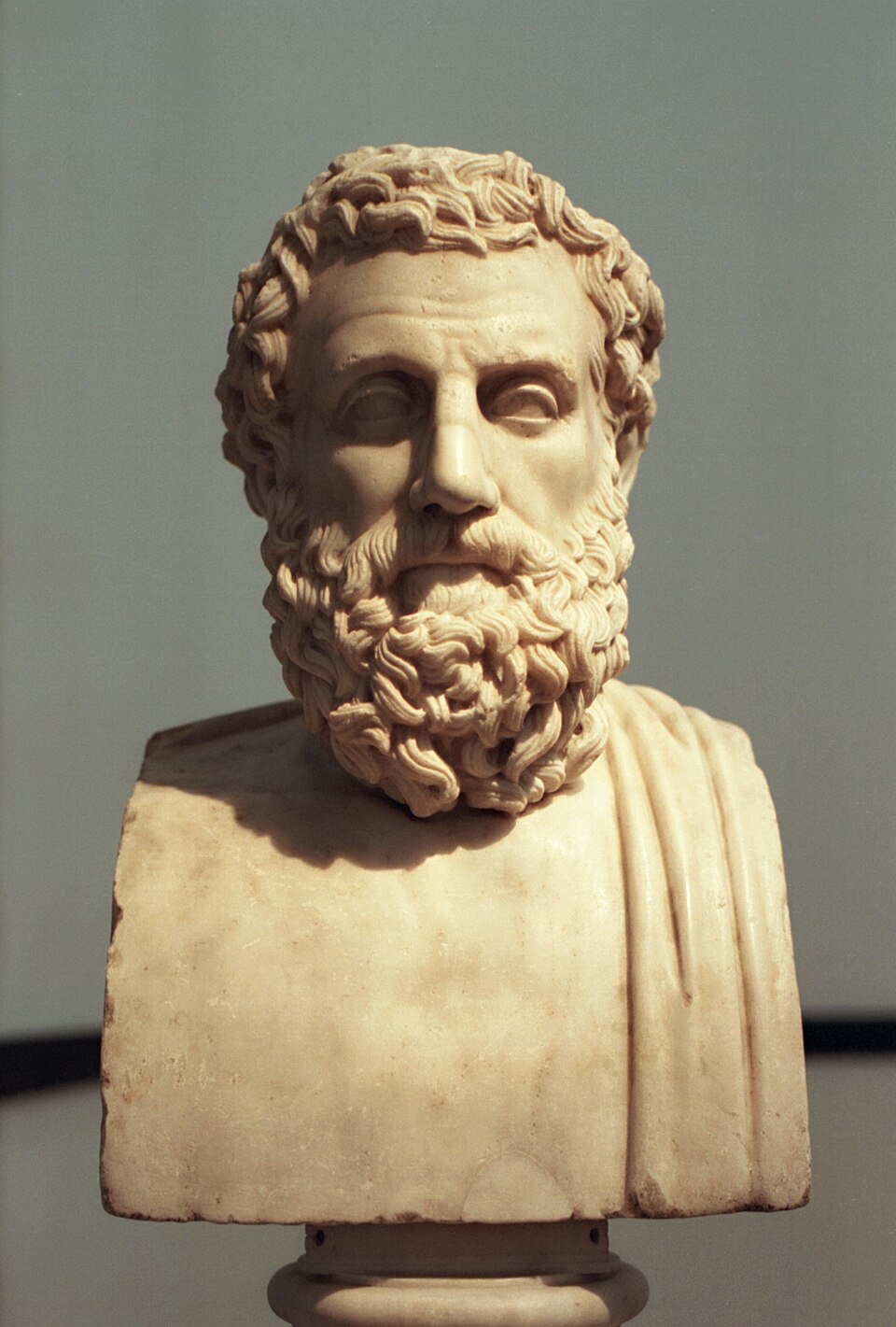
The Oresteia
458 BCEAeschylus; tr. E. D. A. Morshead
The trilogy that puts the Erinyes on stage pursuing Orestes and then, in the Eumenides, argues them into becoming guarantors of Athenian justice. A tradition incorporating its avenging spirits rather than expelling them.
GreekAncient Greek2 entries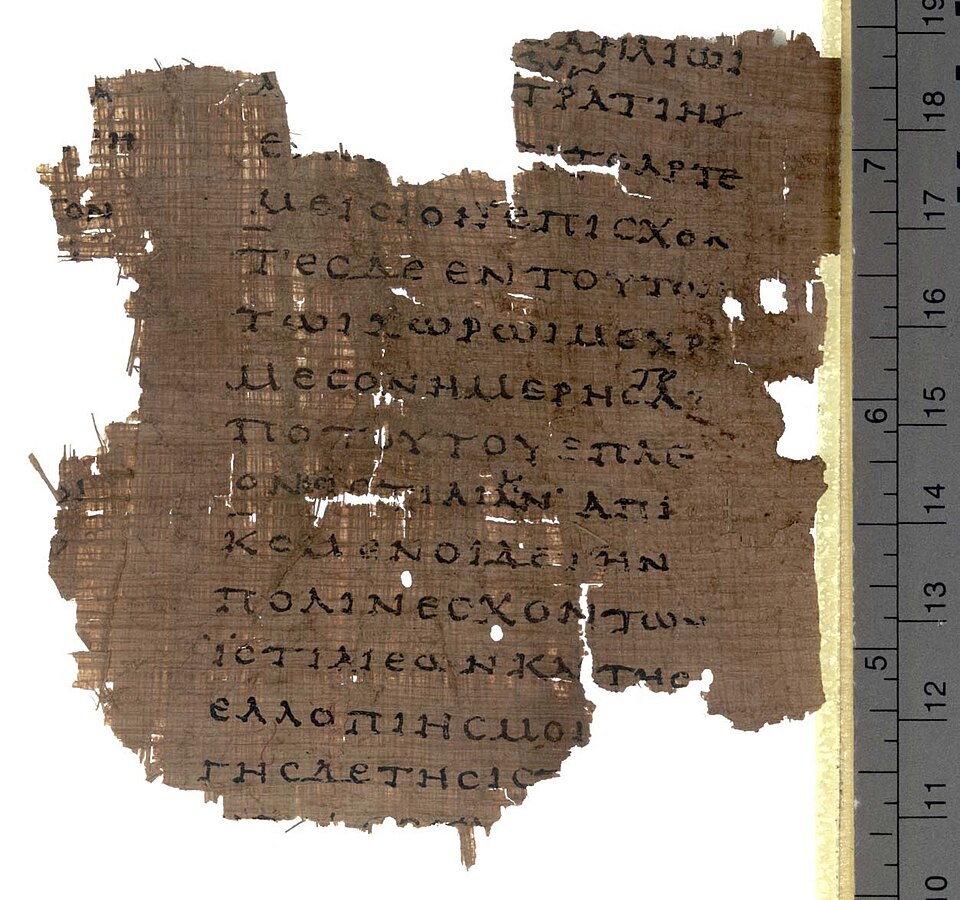
The Histories, Book II
c. 430 BCEHerodotus; tr. G. C. Macaulay
A Greek tourist's account of Egyptian religion, written when the temples were still working. Credulous in places and invaluable in others; his description of the festival at Bubastis is the only surviving eyewitness report of it.
GreekAncient Greek5 entries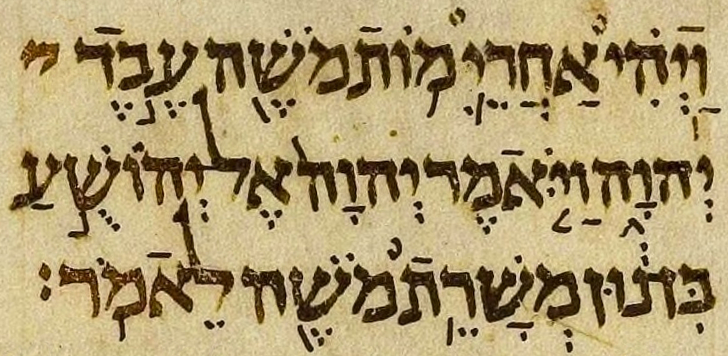
Hebrew Bible & Deuterocanon
c. 900–100 BCEVarious
The base layer: the cherubim of Genesis and Ezekiel, the seraphim of Isaiah, the named messengers of Daniel, and Raphael in Tobit.
JewishHebrew, Aramaic, Greek57 entries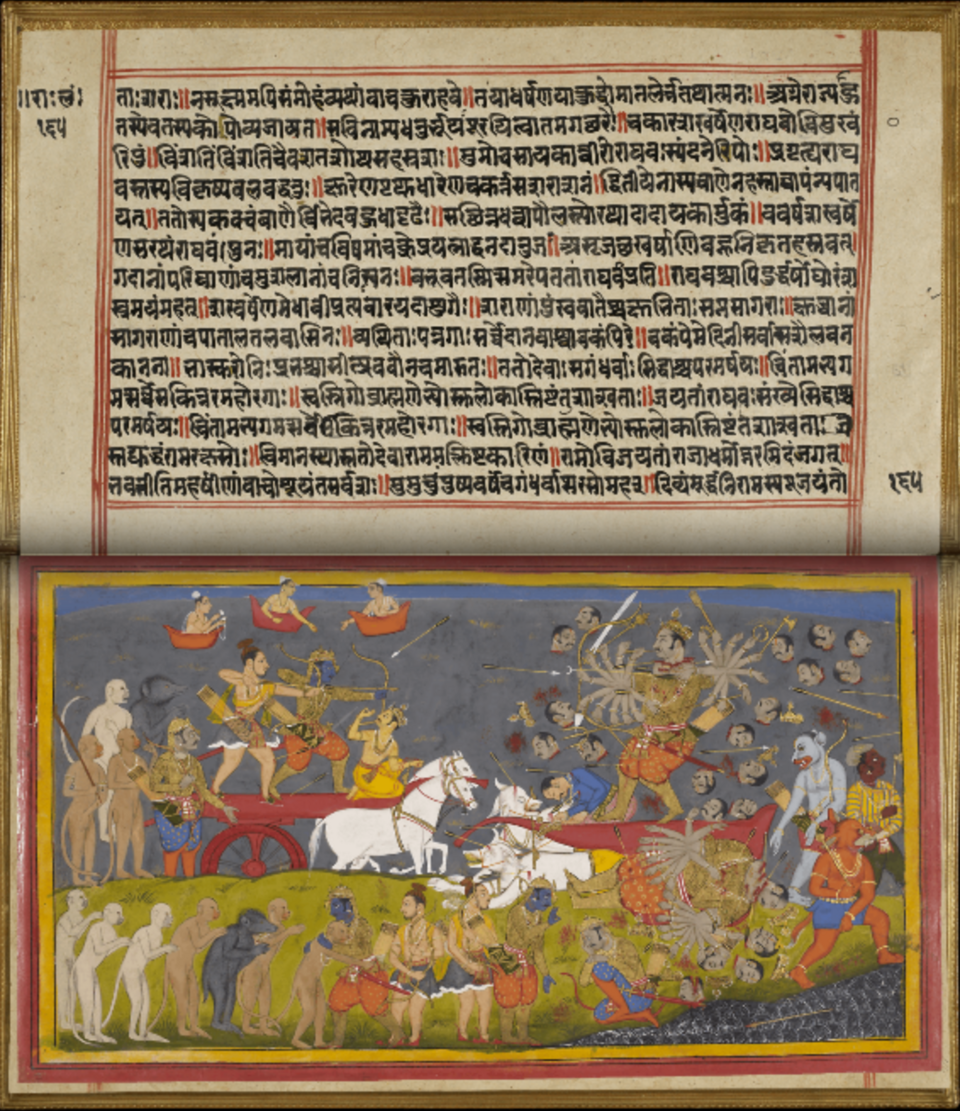
Ramayana
c. 500-100 BCEValmiki; tr. Ralph T. H. Griffith
The epic of Rama's war against Ravana. Ravana belongs here and not to the Rigveda, which is a thousand years older and does not know him.
Vedic & HinduSanskrit1 entriesThe Babyloniaca of Berossus
c. 290 BCEBerossus, priest of Bel; surviving through Eusebius and Syncellus
A Babylonian priest explaining Babylon to Greek readers, and the reason this corpus can cite the same cosmogony twice from two directions. Nothing of it survives directly: what is left are quotations inside later authors quoting each other, which makes it a witness at three removes and still an independent one.
MesopotamianGreek1 entries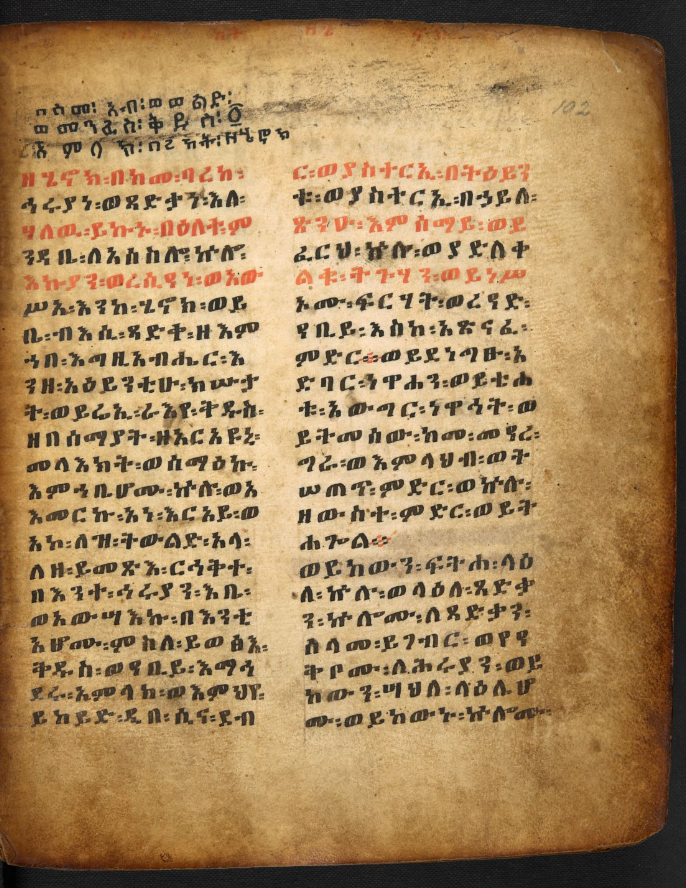
1 Enoch (The Book of Enoch)
c. 300–100 BCEAnonymous; tr. R. H. Charles
The Book of the Watchers: two hundred angels descend, take wives, teach forbidden arts, and are bound. It names both the chief Watchers and the archangels sent against them.
EnochianGe'ez (from Aramaic)30 entries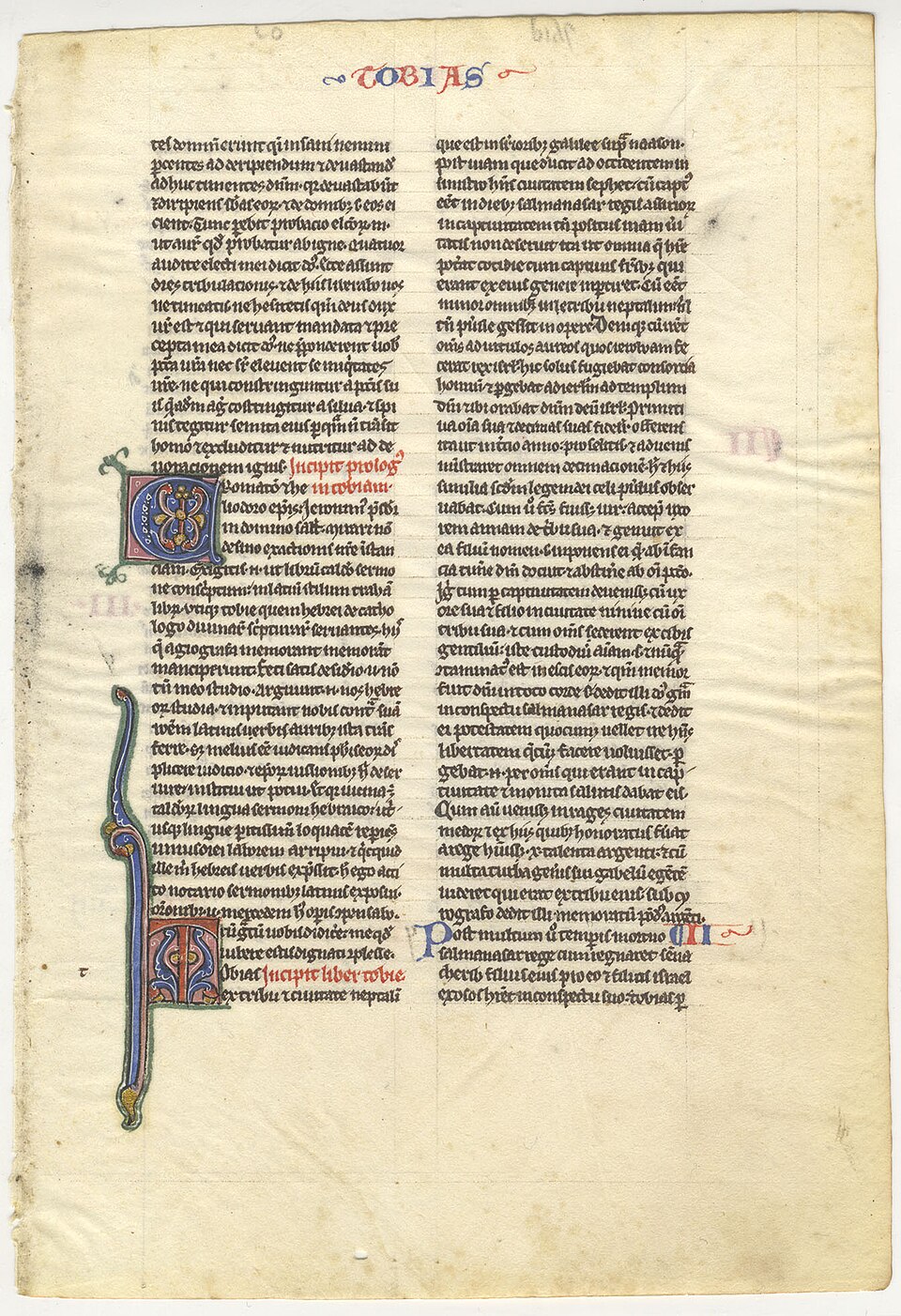
The Book of Tobit
c. 225–175 BCEAnonymous
Deuterocanonical, and the earliest text to give a demon a name, a motive and a documented countermeasure: Asmodeus kills seven husbands, and Raphael tells Tobias exactly which parts of a fish to burn. The direct ancestor of the Testament of Solomon's interrogation format.
JewishAramaic and Greek; transmitted in Latin3 entries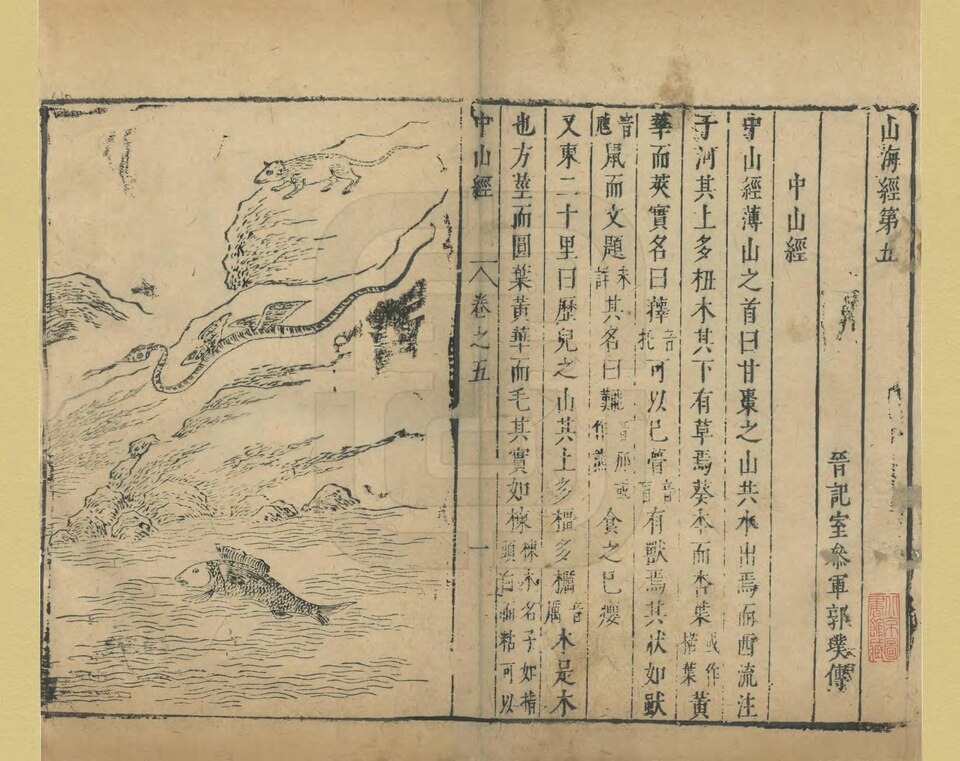
Shanhaijing (Classic of Mountains and Seas)
4th c. BCE - 2nd c. CEAnonymous
A geographic and bestiary compilation cataloguing hundreds of gods and monsters by the mountain they inhabit — closer in form to the Goetia than anything else in the ancient world.
ChineseClassical Chinese3 entriesThe Huainanzi
c. 139 BCECompiled under Liu An, King of Huainan
A Han compendium of philosophy and cosmology presented to the emperor, and the source of the version of the broken sky everyone knows: Nüwa smelting five-coloured stones to patch heaven and cutting the legs off a turtle to prop up its corners after Gonggong knocked the pillar down. The Shanhaijing lists such figures; this explains what they did and why the world is lopsided as a result.
ChineseClassical Chinese3 entries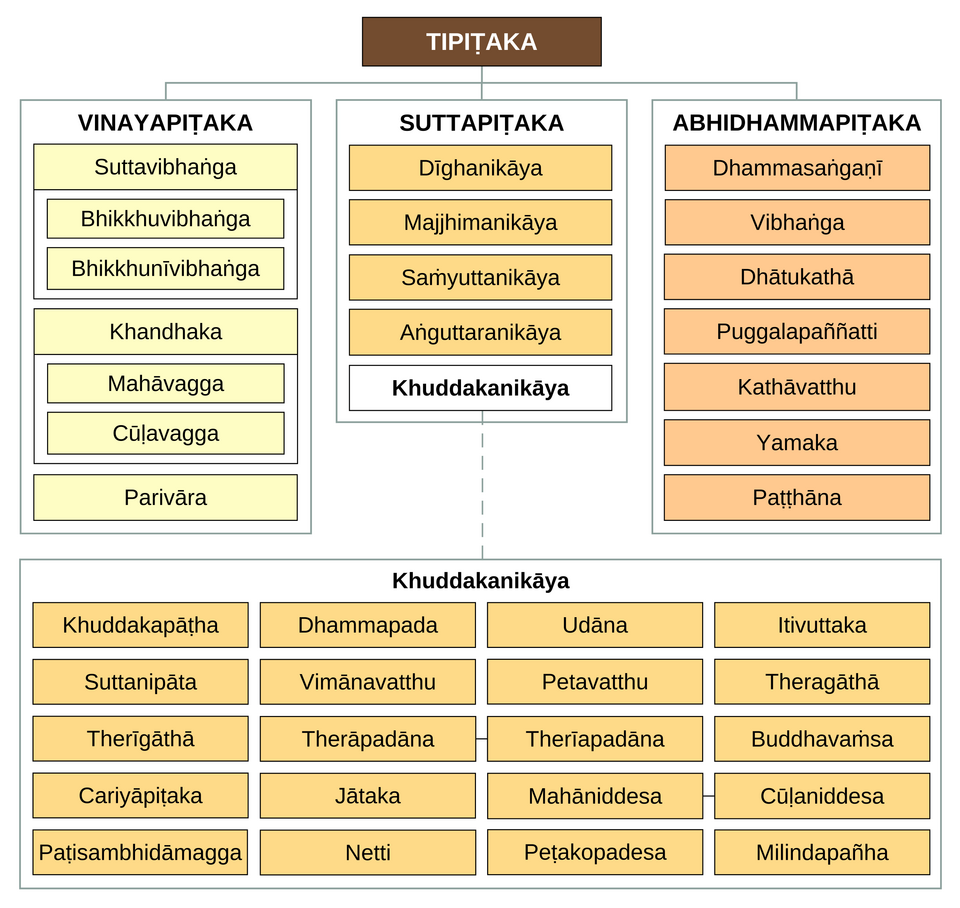
The Pali Canon
c. 100 BCE, from oral traditionAnonymous; attributed to the Buddha and his disciples
Mara appears here as the tempter at the Bodhi tree, but the texts repeatedly gloss him as craving and death rather than as a being — demonology and psychology held together on purpose.
BuddhistPali4 entriesThe Mahabharata
c. 400 BCE – 400 CEAttributed to Vyasa; tr. Kisari Mohan Ganguli
The longest poem in the world, and for this corpus the record of what the Vedic gods became once they were characters in stories rather than addressees of hymns. Yama argues and loses an argument, Indra schemes and is outmatched, and the old sovereign gods spend much of it subordinate to figures the Rigveda barely mentions. It also carries its own retelling of the Rama story, which makes it an independent witness to Ravana.
Vedic & HinduSanskrit6 entries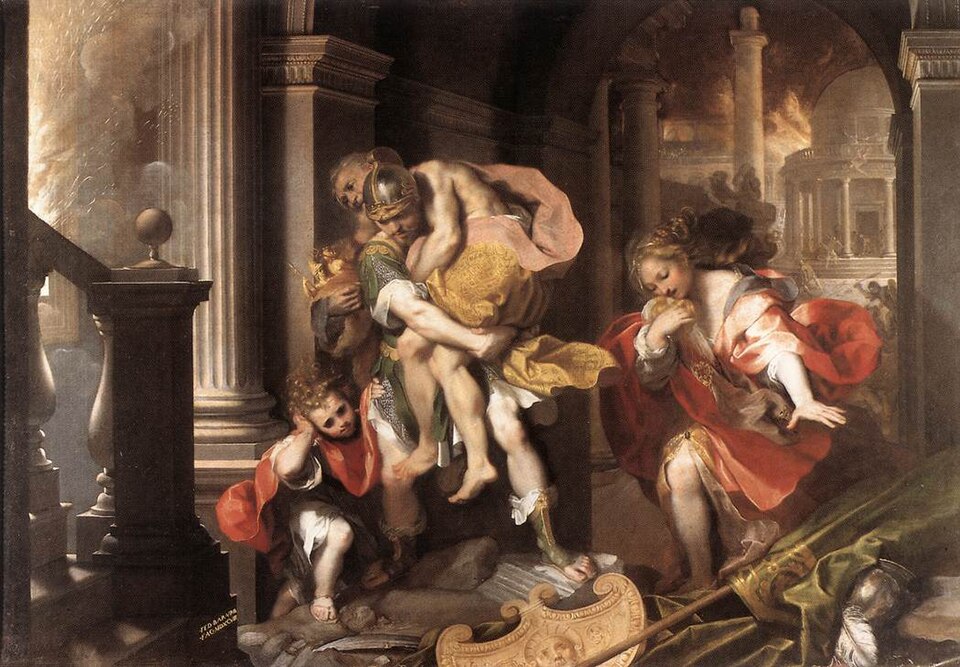
The Aeneid
c. 19 BCEVirgil; tr. John Dryden
Book VI takes Aeneas down into the underworld past Charon, the unburied dead and the judgment of Rhadamanthus. It is the fullest classical description of the realm below, and much of the Christian imagery of hell is downstream of it.
RomanLatin6 entries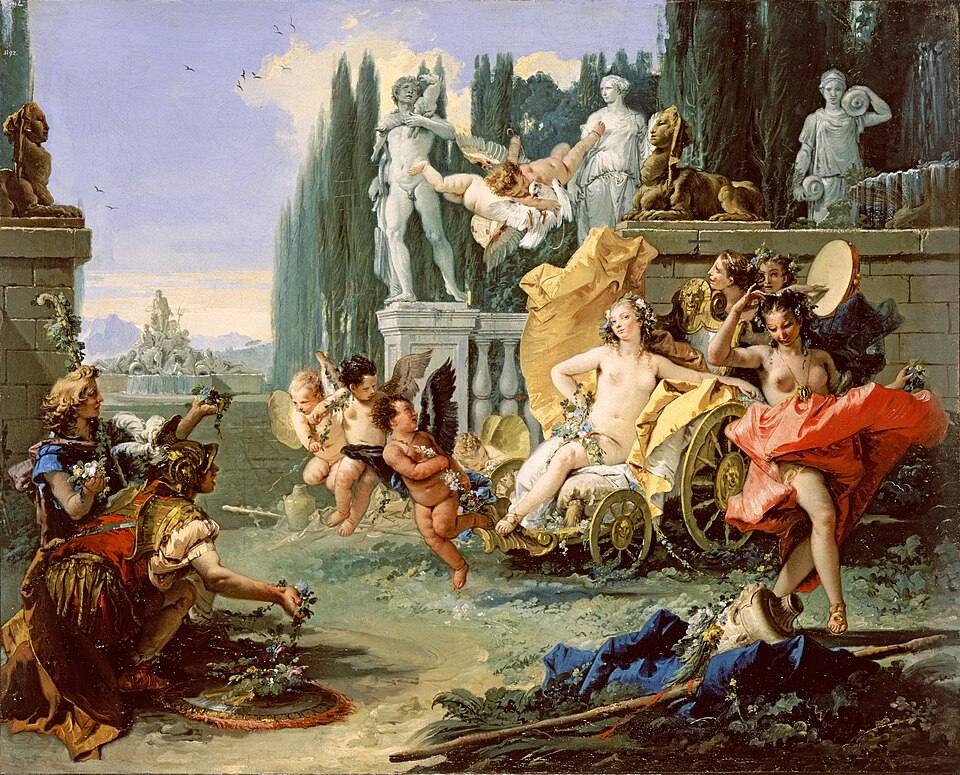
Fasti
c. 8 CEOvid
A verse almanac of the Roman religious calendar, month by month. Ovid opens by interviewing Janus in person, and the poem is the best single source for Roman cult practice as distinct from the Greek myths Rome borrowed.
RomanLatin3 entriesThe Metamorphoses
c. 8 CEOvid; tr. Brookes More
Two hundred and fifty stories of shape-change strung from the creation to Ovid's own century, and the single most important channel by which Greek and Roman myth reached medieval and Renaissance Europe. It matters here for a specific reason: the gods appear throughout under their Latin names, so this is where the identification of Zeus with Jupiter and Hades with Pluto becomes automatic — and an automatic identification is exactly what later demonologies inherit and stop examining.
RomanLatin10 entries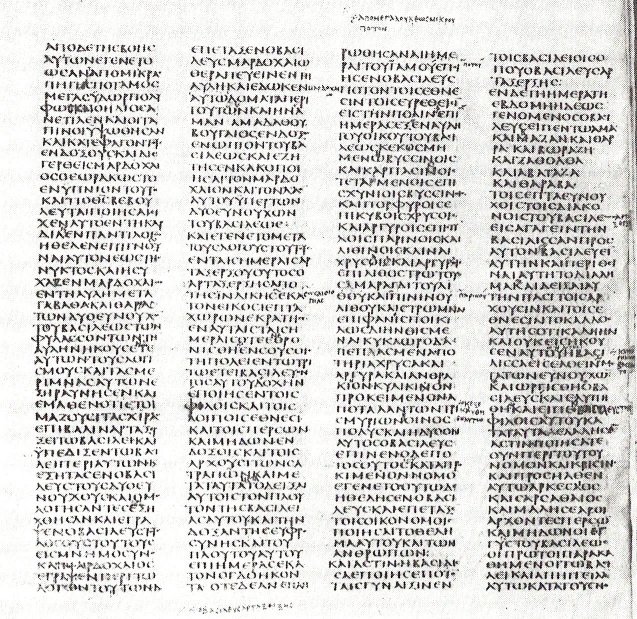
New Testament
c. 50–110 CEVarious
Supplies the vocabulary Pseudo-Dionysius later systematises — thrones, dominions, principalities, powers — and Revelation's war in heaven.
ChristianKoine Greek24 entriesAntiquities of the Jews
c. 93 CEFlavius Josephus; trans. William Whiston, 1737
A Jewish history written for a Roman readership, and the place where several figures acquire the biographies most people think are biblical. Nimrod is the clearest case: Genesis gives him six verses and no crime, and the tyrant who builds the tower in defiance of God is here.
JewishGreek3 entries2 Esdras (4 Ezra)
c. 100 CE, with 2nd-c. additionsAnonymous; the Jewish apocalypse with later Christian additions
Seven visions given to Ezra after the fall of Jerusalem, and an argument rather than a revelation: Ezra presses the question of why the wicked prosper and is answered mostly by being told the question is beyond him. It matters here because the angel who does the answering is Uriel, whose name appears in no book of the Hebrew Bible and in no book Rome or the Reformers received as canonical — the fourth archangel of popular reckoning enters through this door.
JewishLatin, from a lost Greek original1 entriesOn Isis and Osiris (De Iside et Osiride)
c. 100 CEPlutarch of Chaeronea; tr. from the Moralia
A Greek priest of Delphi explaining Egyptian religion to a Greek priestess, and the single most consequential misunderstanding in this corpus's reception history. Plutarch preserves the only continuous ancient narrative of the Osiris myth — the chest, the dismemberment, the search — which no Egyptian text ever tells straight through. He also files Set under the Greek name Typhon and reads him as the principle of evil in a dualist scheme, and that reading, not any Egyptian one, is what Europe inherited and what eventually makes Set available to demonology at all.
EgyptianAncient Greek8 entriesThe Lalitavistara Sutra
c. 200–300 CE, from older materialAnonymous; Mahayana compilation
A life of the Buddha up to the first sermon, and the fullest account of the assault under the tree: Mara arrives with an army, then with his daughters, then with the argument that no one can witness the claim being made, and is answered by the earth. The corpus holds it because the temptation is won by testimony rather than by force, which is a different resolution from every exorcism on this site.
BuddhistSanskrit2 entries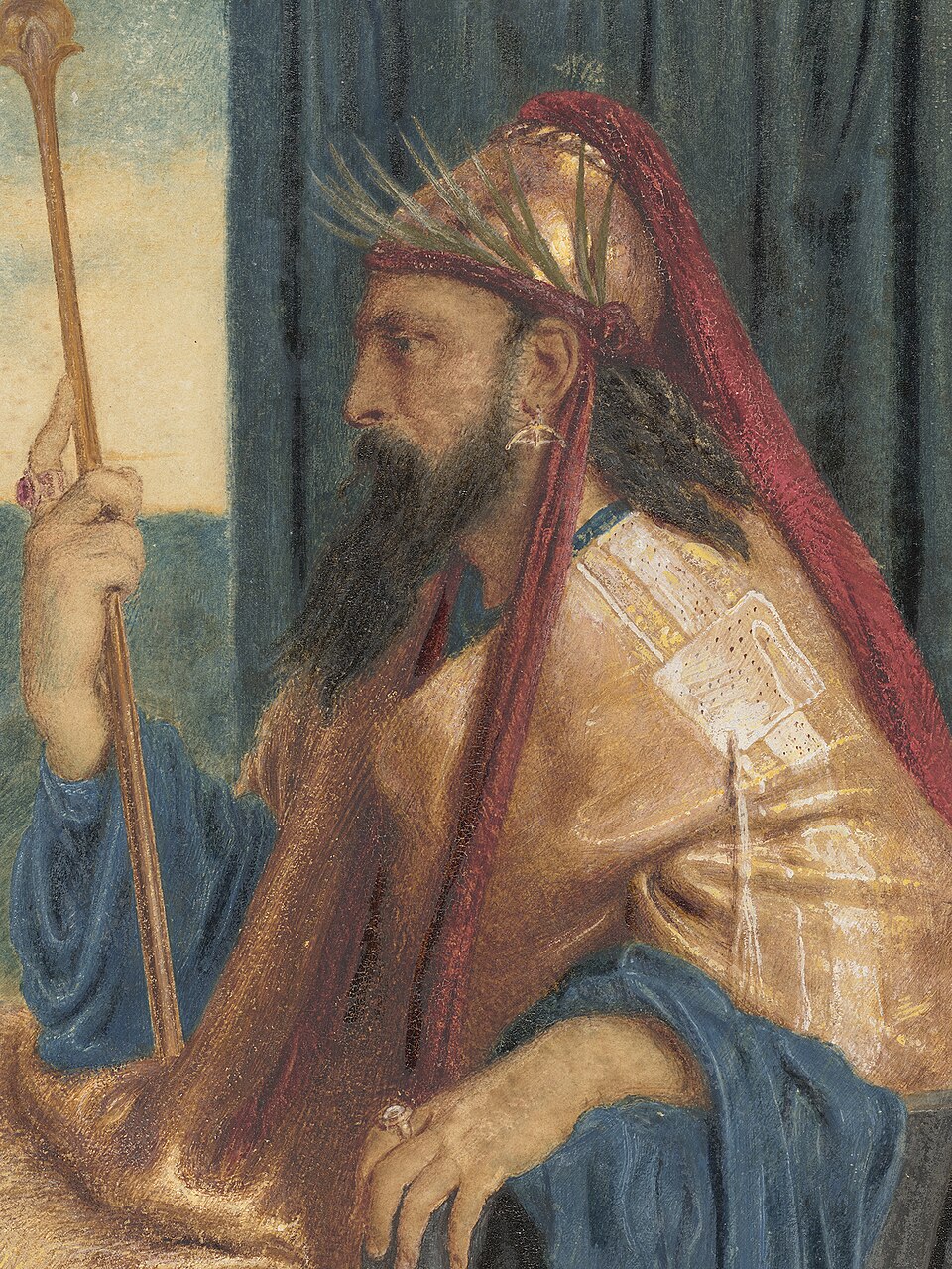
The Testament of Solomon
c. 100–400 CEAnonymous; tr. F. C. Conybeare
The earliest text in which Solomon binds demons with a ring and interrogates each on its powers and the angel that thwarts it. The ancestor of the whole Solomonic catalogue form.
SolomonicGreek2 entriesGreek Magical Papyri IV.3007-86: the Spell of Pibechis
c. 300 CE (papyrus); older materialAnonymous
A Greco-Egyptian exorcism that adjures the spirit by the god of the Hebrews and by Jesus, centuries before any Christian rite was standardised. The bridge exhibit between the grimoire tradition and the liturgical one: the same four moves, in the same order, with none of the institutional framing.
GreekGreek, with Coptic and Hebrew elements0 entriesThe Nicene Creed (Symbolum Nicaeno-Constantinopolitanum)
325; revised 381The Councils of Nicaea and Constantinople
The one text on this list every body here accepts, which is what makes it the baseline the divisions are measured from. The single clause later added to it in the West — that the Spirit proceeds from the Father and the Son — is the doctrinal half of the East–West separation.
ChristianGreek0 entriesEuchologion: the Exorcisms of St Basil and St John Chrysostom
attributed 4th c.; text as transmittedAttributed to Basil of Caesarea and John Chrysostom
The Eastern prayers of exorcism, still in use. Where the Roman rite interrogates and commands, these adjure and narrate salvation history at the spirit, and they are prayers addressed to God far more than commands addressed to a demon. The contrast is the point of carrying them.
ChristianGreek0 entriesThe City of God
413–426 CEAugustine of Hippo; tr. Marcus Dods
Twenty-two books written while the Roman world was arguing about whether abandoning the old gods had cost it the empire, and the single most consequential text in this corpus for the word demon. Augustine takes the philosophers' definition of daemones as aerial beings between gods and men, accepts the physics and rejects the ethics: every one of them is wicked, and the gods of the nations are demons. Everything Latin Christianity later says about spirits is downstream of that argument, including the one thing he mentions almost in passing — the woodland spirits people call incubi.
ChristianLatin6 entriesThe Definition of Chalcedon
451The Council of Chalcedon
Two natures in one person, without confusion or division. The churches that could not accept the formula separated over it and are still separate, which makes this the oldest surviving division in Christianity and the one most often left off the chart.
ChristianGreek0 entries
De Coelesti Hierarchia (The Celestial Hierarchy)
c. 500 CEPseudo-Dionysius the Areopagite
The text that fixed the nine choirs in three spheres. Nearly every later Christian angelology is a gloss on this arrangement.
ChristianGreek9 entries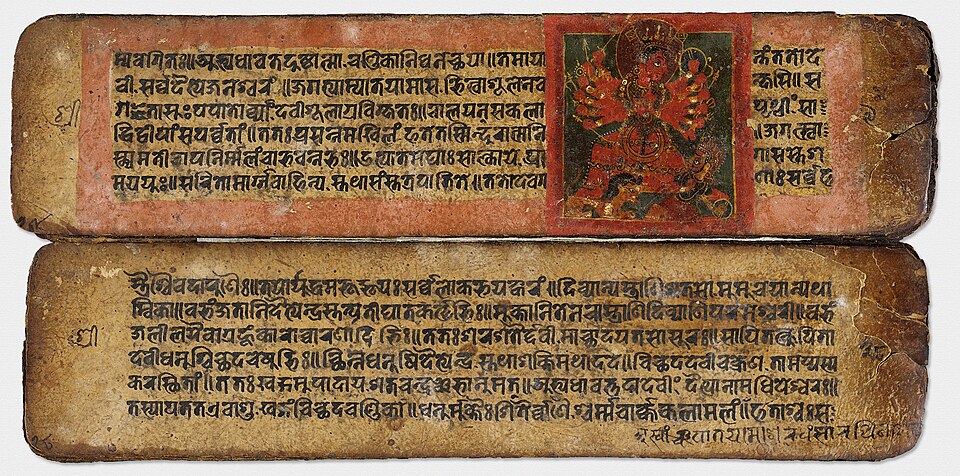
Devi Mahatmya
c. 400-600 CEAnonymous; part of the Markandeya Purana
The text in which the Goddess becomes supreme in her own right, and where Kali steps out of Durga's brow on the battlefield. Kali is not a Vedic figure; she arrives roughly two thousand years after the Rigveda.
Vedic & HinduSanskrit1 entries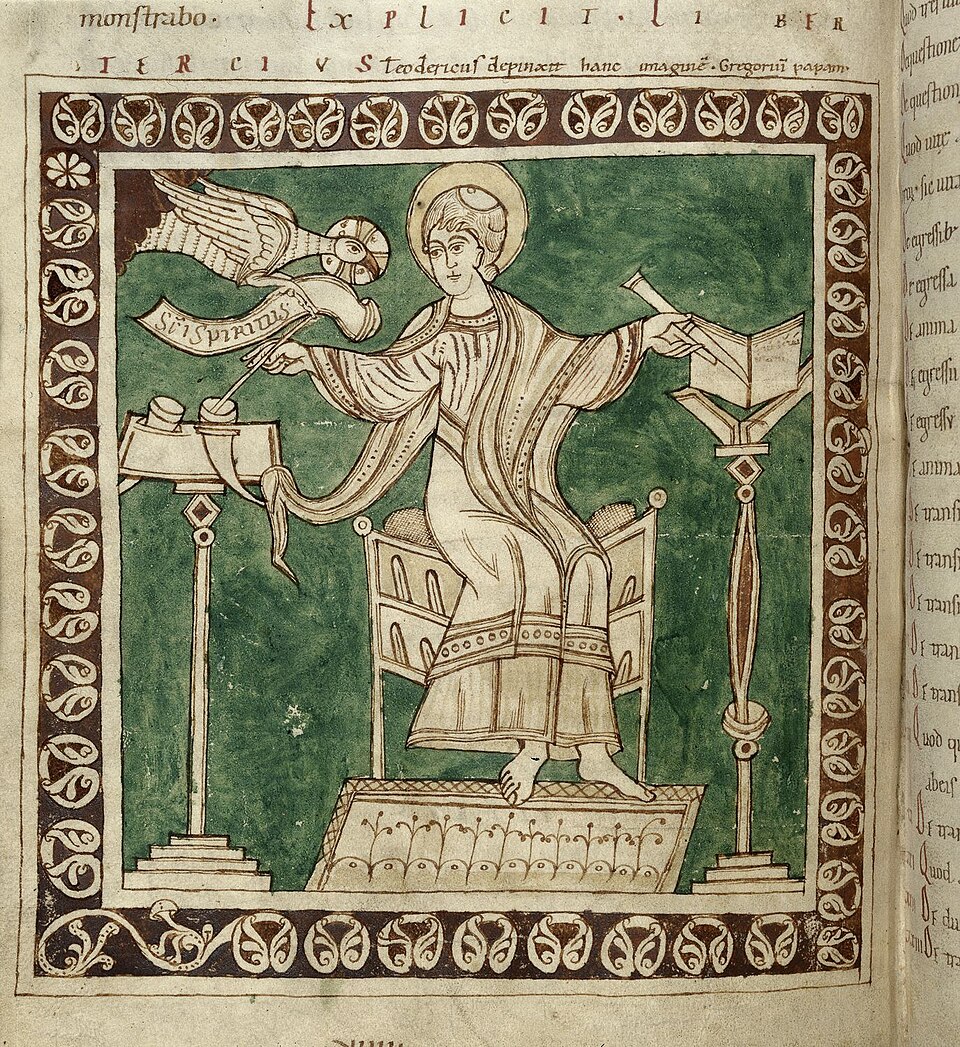
Homilies on the Gospels, Homily 34
c. 590 CEGregory the Great
Gregory's ordering of the nine choirs, which is not Pseudo-Dionysius'. He swaps Principalities and Virtues, and reads the names as descriptions of what each rank does rather than as degrees of contemplation. Quoted at length by Aquinas, which is how most of the West received it.
ChristianLatin9 entries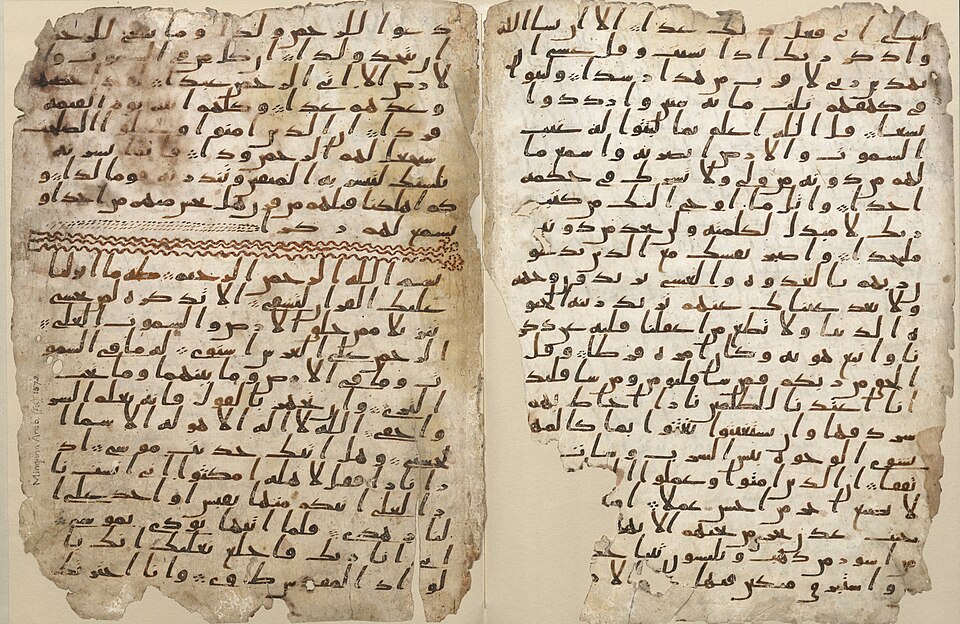
Qur'an & Hadith
7th c. CE onwardVarious
The mala'ika: Jibril the messenger, Mika'il, Israfil of the trumpet, Azra'il of death, and Iblis, who is jinn rather than angel.
IslamicArabic12 entriesThe Sutra of the Great Vows of Ksitigarbha
c. 700 CEAnonymous; known through the Chinese translation attributed to Siksananda
The text that fixed the East Asian picture of the afterlife: a bodhisattva who vows to empty the hells before accepting buddhahood, a survey of those hells and their durations, and a court of kings who assess the dead. It is the bridge between the Indian material and the Chinese one — the hungry ghosts of the Pali suttas and the magistrates of the Ten Kings are in the same book here, addressed by the same vow.
BuddhistChinese, from a Sanskrit original4 entries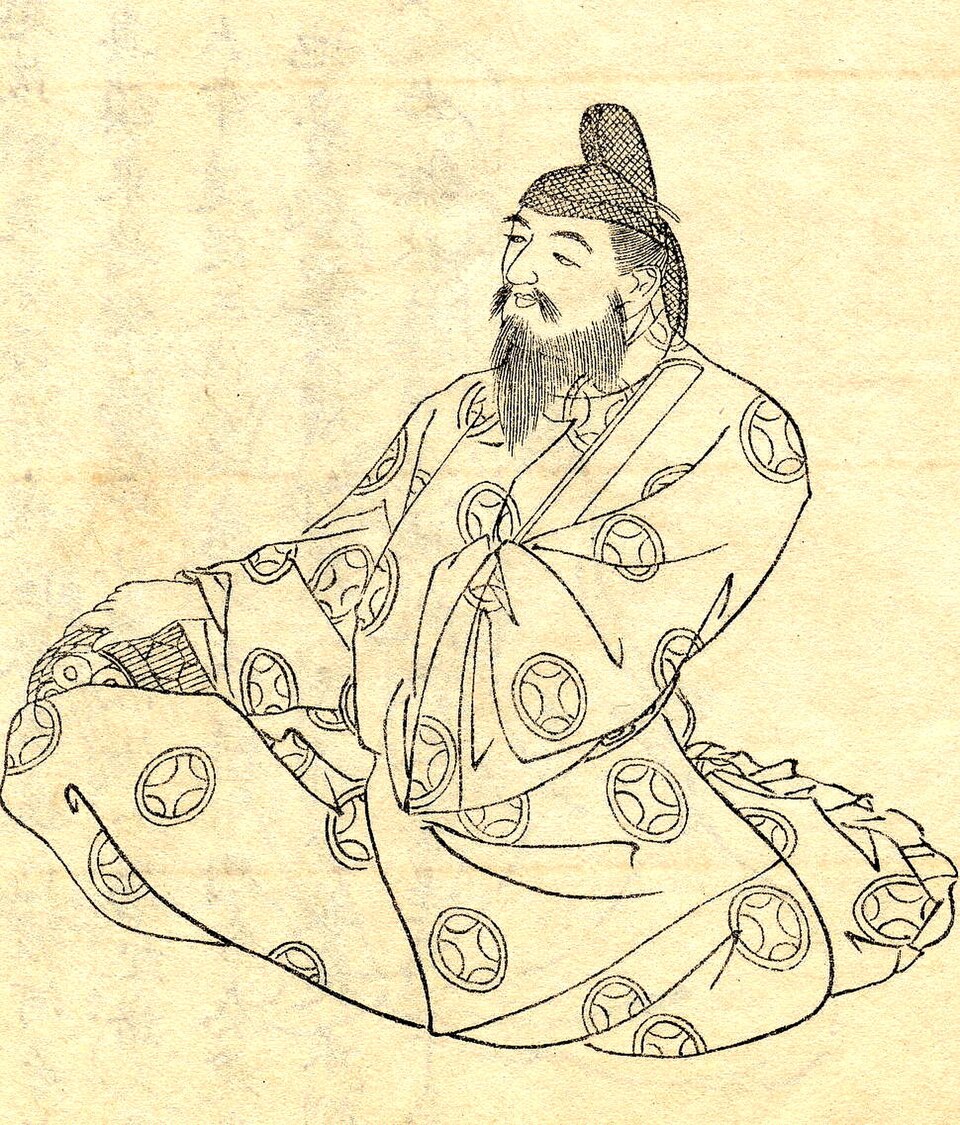
Kojiki (Records of Ancient Matters)
712 CEŌ no Yasumaro
Japan's oldest chronicle, compiled to fix an official genealogy descending from Amaterasu. Its kami are neither good nor evil by nature — a category the Abrahamic scheme has no room for.
Shinto & JapaneseOld Japanese6 entries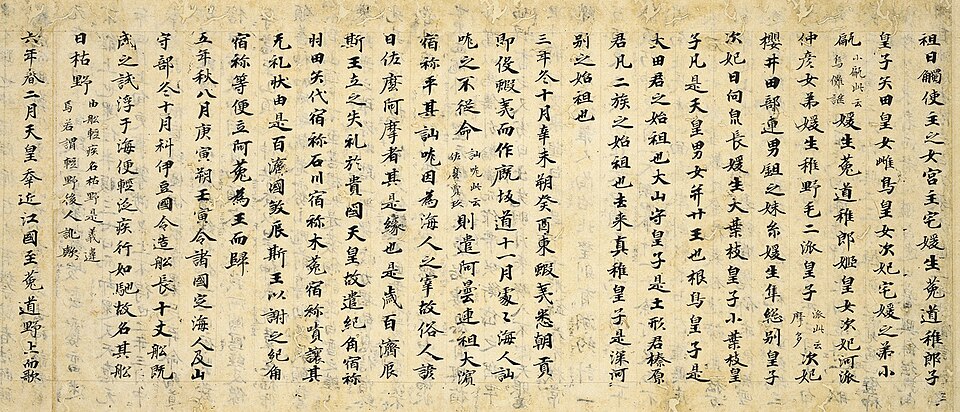
Nihongi (Nihon Shoki)
720 CEPrince Toneri and others; tr. W. G. Aston
The second Japanese chronicle, compiled eight years after the Kojiki and often giving several variant versions of the same episode side by side without choosing between them.
Shinto & JapaneseClassical Japanese6 entries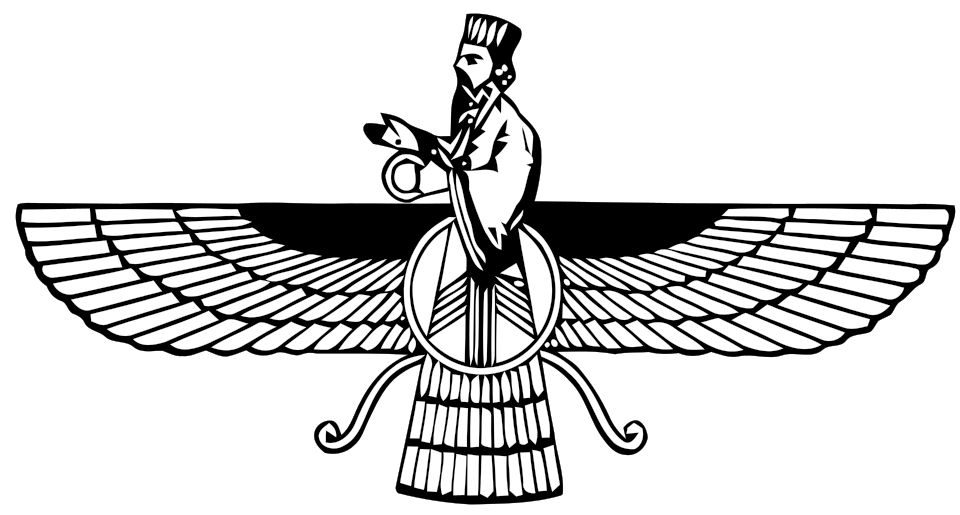
Bundahishn
9th c. CE, from older materialAnonymous Zoroastrian; tr. E. W. West
The Zoroastrian account of creation, the assault of Angra Mainyu and the final renovation. Far more systematic on the demons than the Avesta, and the fullest statement anywhere of a cosmos organised as two matched armies.
ZoroastrianMiddle Persian7 entries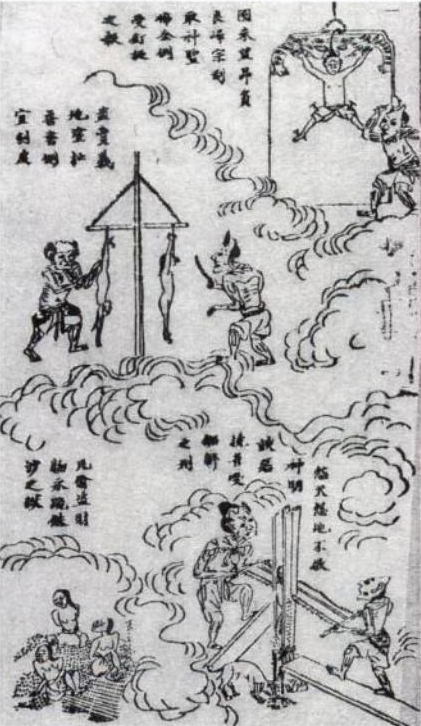
The Scripture of the Ten Kings
9th-10th c. CEAnonymous Chinese Buddhist
The text that organises the Chinese underworld into ten courts with a presiding magistrate for each. Yanluo belongs to this Buddhist-derived material, not to the far older Shanhaijing.
ChineseClassical Chinese2 entries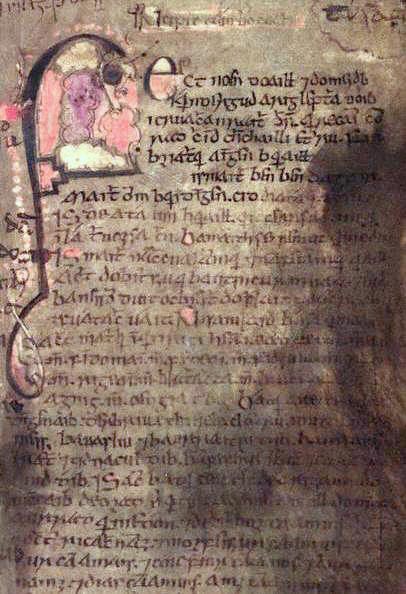
Lebor Gabála Érenn & the Mythological Cycle
11th c., from older oral materialAnonymous Irish monastics
The Irish pseudo-history that turned the Tuatha Dé Danann from gods into an invading race of ancestors — euhemerisation as an explicit editorial policy, visible in the text.
CelticMiddle Irish7 entriesCath Maige Tuired (The Second Battle of Moytura)
c. 11th c., from older materialAnonymous; Irish monastic compilation
The battle between the Tuatha Dé Danann and the Fomoire, and the fullest narrative surviving of any Irish god doing anything. It is where the Dagda eats his porridge from a hole in the ground, where Lugh qualifies for entry to Tara by being the only man who is master of every art at once, and where Balor's eye is put out from behind by his own grandson. Written down by Christian monks who had no stake in defending it, which is the condition of almost everything known about Irish religion.
CelticMiddle Irish7 entriesGesta Hammaburgensis Ecclesiae Pontificum
c. 1075Adam of Bremen
A German cleric's history of the archbishopric of Hamburg-Bremen, and the earliest description anyone has of Norse worship as a going concern rather than as remembered poetry. Its account of the temple at Uppsala — three statues, a nine-yearly festival, sacrifices hung in the grove — is second-hand, hostile and the only contemporary evidence of its kind, which is a combination that has kept archaeologists arguing about it for a century.
NorseLatin2 entriesTáin Bó Cúailnge (The Cattle Raid of Cooley)
c. 1100, from older materialAnonymous; Recension I, Book of the Dun Cow and the Yellow Book of Lecan
The long Ulster epic, and the text in which the Morrígan behaves like a goddess rather than being listed as one: she propositions Cú Chulainn, is refused, and attacks him in the shape of an eel, a wolf and a heifer in turn. A figure the genealogies give a name and a parentage is here a personality with a grudge, which is the difference between a catalogue entry and evidence.
CelticOld and Middle Irish1 entries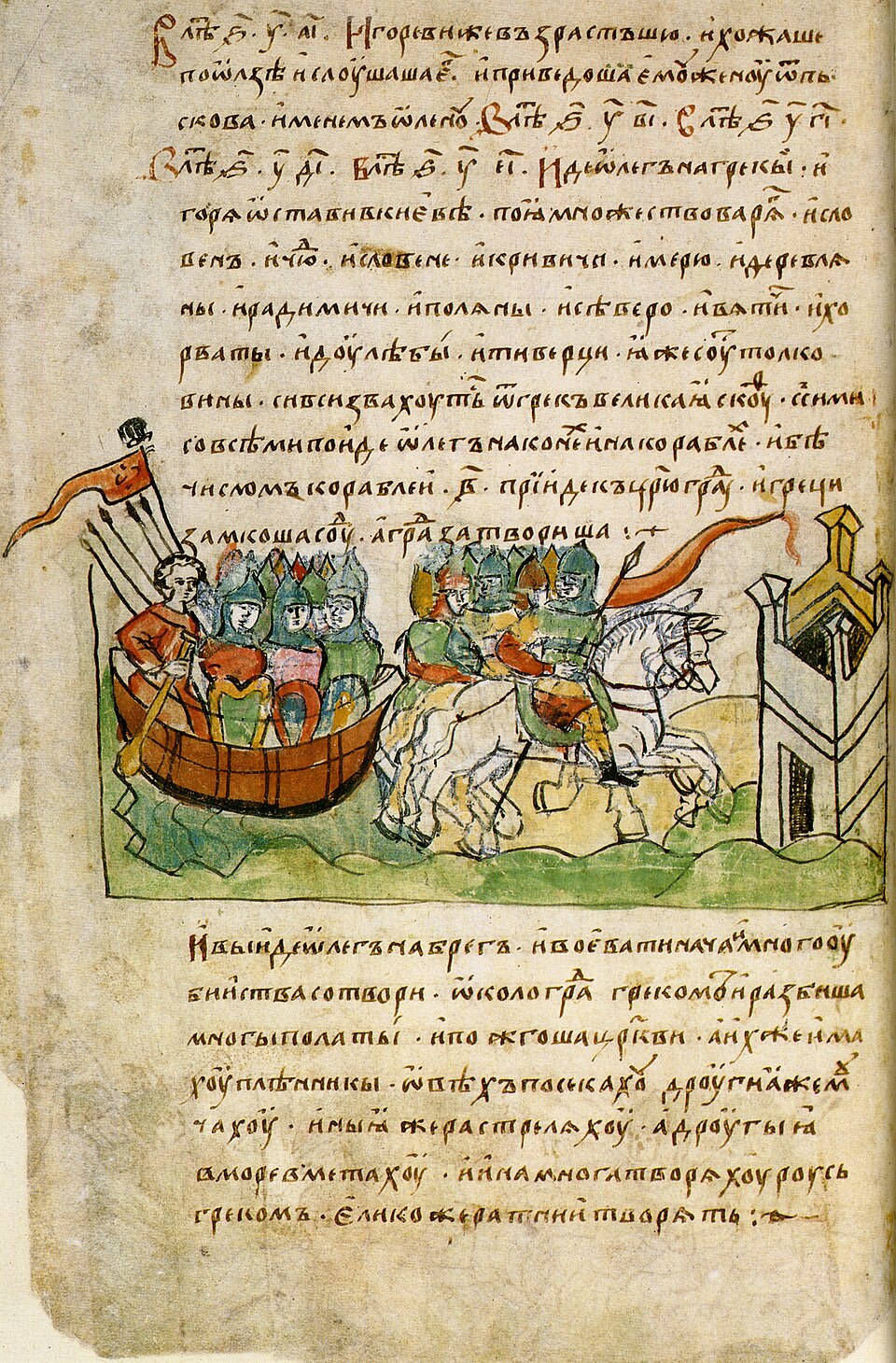
The Primary Chronicle & Slavic Folk Record
c. 1113, describing earlier practiceAttributed to Nestor and later compilers
Records Vladimir's pantheon at Kiev and then its destruction — an account of Slavic religion written by the people who ended it, and almost the only account there is.
SlavicOld East Slavic4 entriesChronica Slavorum
c. 1170Helmold of Bosau
A Saxon priest's history of the conversion of the Wends, and the single most-quoted sentence in the study of Slavic religion: that at their feasts a bowl is passed and words are said over it in the name of a good god and an evil one, whom they call Chernobog, the black god. Everything later written about Slavic dualism rests on that one passage by a hostile observer, and this corpus carries it as what it is — a report, not a system.
SlavicLatin1 entries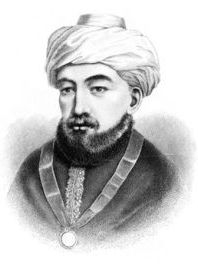
Mishneh Torah, Yesodei ha-Torah
c. 1180Moses Maimonides
Maimonides' ten ranks of angels, headed by the Chayot ha-Kodesh. A deliberately different ordering from the Dionysian one.
JewishHebrew9 entriesThe Tale of Igor's Campaign
c. 1185Anonymous; tr. from the Old East Slavic
A secular Russian poem written two centuries after the official conversion, and still calling its poet the grandson of Veles and its people the grandsons of Dazhbog. The gods are not worshipped in it and are not attacked either; they survive as the vocabulary of praise. That is a specific stage of demotion this corpus can otherwise only assert.
SlavicOld East Slavic3 entriesGesta Danorum
c. 1200Saxo Grammaticus; tr. Oliver Elton
The Danish history, written in Latin at about the moment Snorri was writing in Icelandic and drawing on different material. Saxo's gods are men: magicians who deceived the credulous into worshipping them, and who can be shamed, exiled and replaced. The euhemerism is not a stray remark but the frame of the whole first half, which makes this the corpus's fullest example of a pantheon being disposed of by explanation rather than by condemnation.
NorseLatin3 entries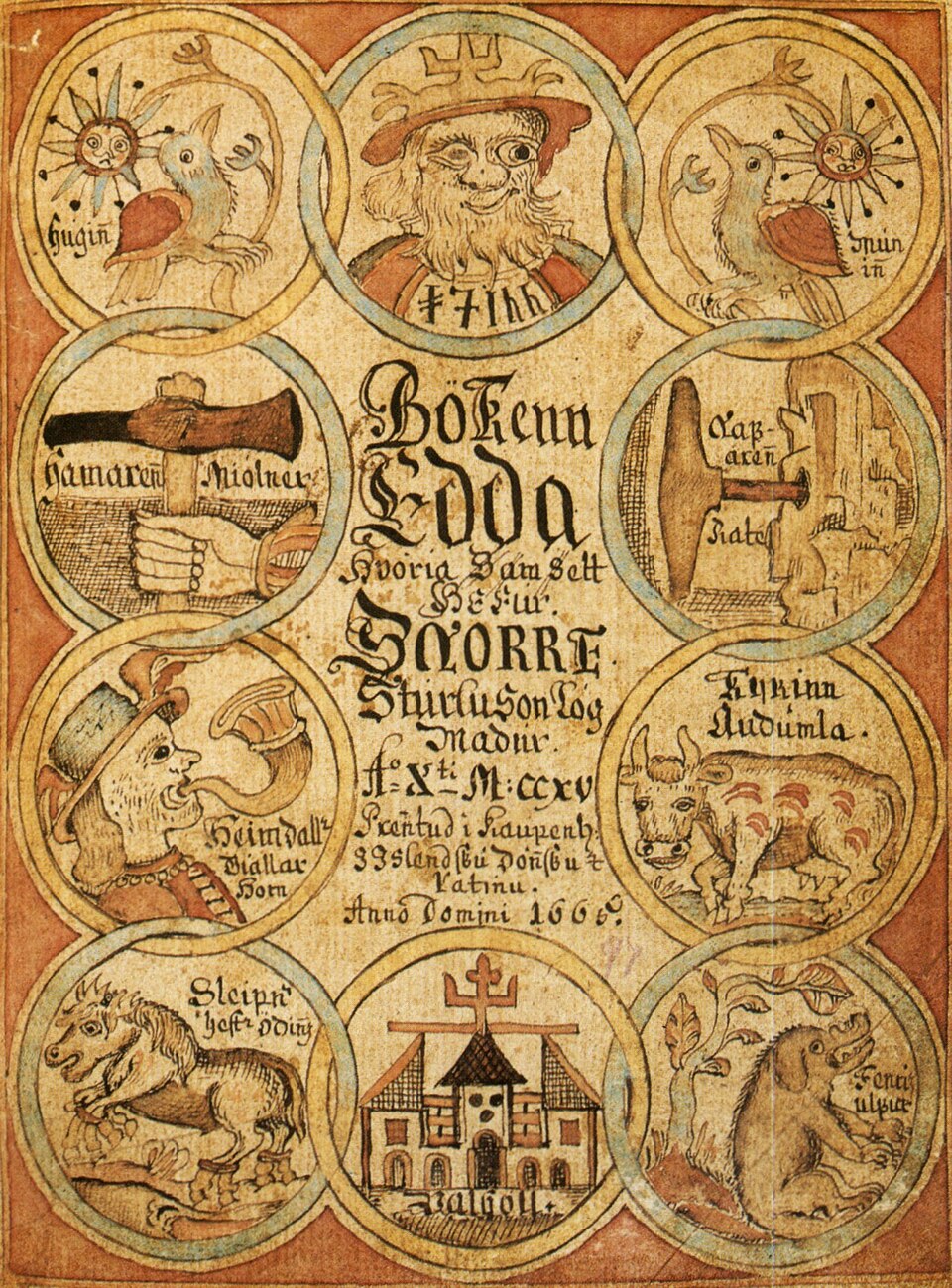
The Prose Edda
c. 1220Snorri Sturluson; tr. Arthur Gilchrist Brodeur
Snorri's handbook for poets, and the most orderly account of Norse cosmology we have — which is also the problem with it. He was a Christian writing two centuries after conversion, and how much of the tidiness is his is an open question.
NorseOld Norse7 entries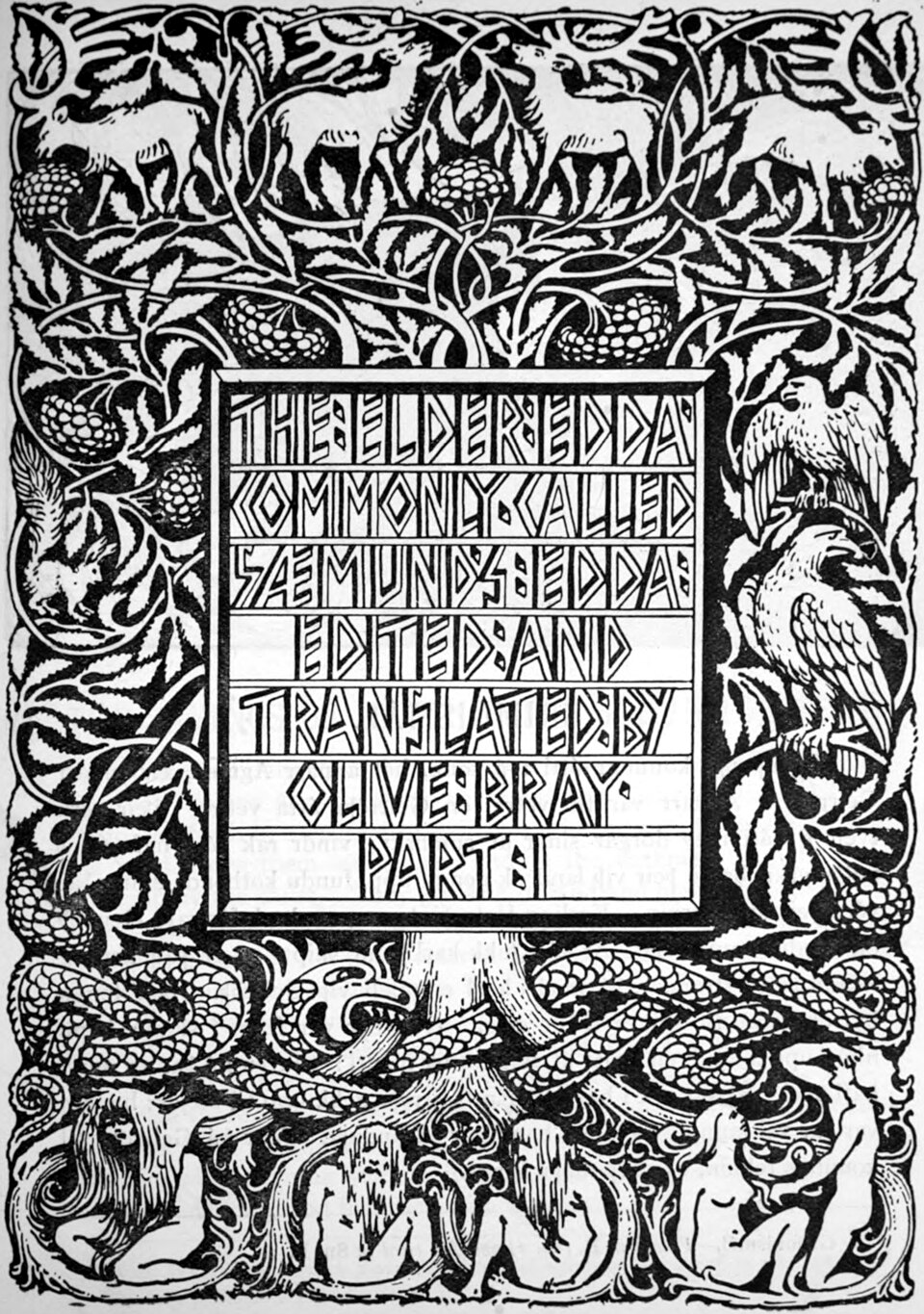
The Poetic Edda
13th c., from older oral materialAnonymous; compiled in Iceland
The Norse mythological poems. Loki's transformation across them — from awkward companion to bound enemy who leads the forces of Ragnarok — is a demonisation caught partly in progress.
NorseOld Norse7 entriesPatristic & Medieval Angelology
6th-13th c.Gregory the Great, Aquinas, and others
The scholastic working-out of the choirs — Gregory's homilies and Aquinas' treatise on the angels, which settled the Western ordering and its reasoning for centuries.
ChristianLatin1 entries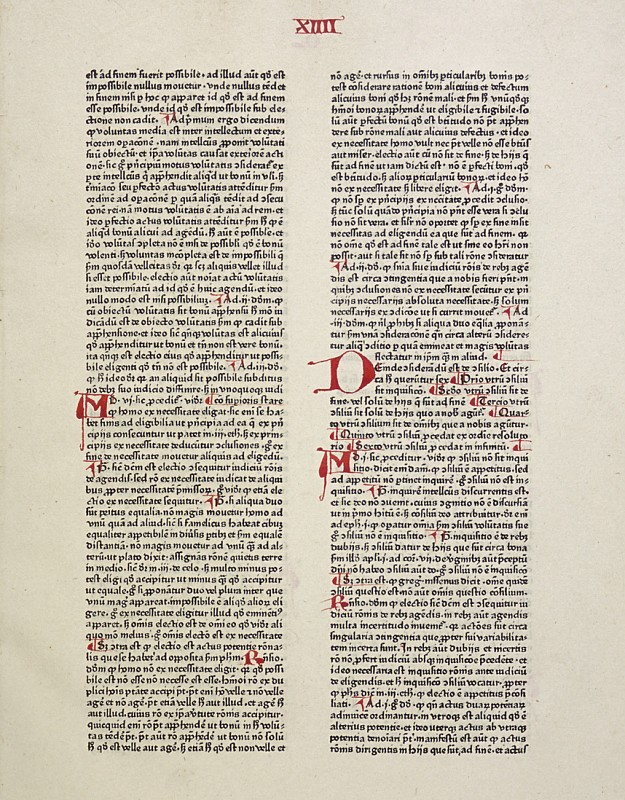
Summa Theologiae, Treatise on the Angels
c. 1265-1274Thomas Aquinas; tr. Fathers of the English Dominican Province
Questions 50-64 on angelic nature and the fall, and 106-114 on the orders, guardianship and demonic assault. The systematic Catholic angelology, and unusual for arguing with itself: Aquinas sets Pseudo-Dionysius against Gregory the Great on the ordering of the choirs and shows his working.
ChristianLatin9 entries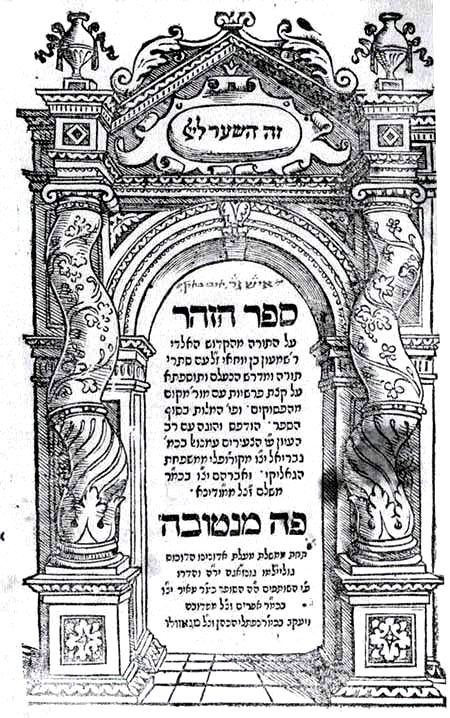
The Zohar & Kabbalistic Literature
c. 1280Attributed to Shimon bar Yochai; likely Moses de León
The central work of Kabbalah, and the source of the qliphoth — the ten 'shells' that mirror the sefirot, giving the Jewish mystical tradition its own structured demonology.
JewishAramaic0 entriesThe Novgorod First Chronicle
13th-14th c., from earlier annalsAnonymous; tr. Robert Michell and Nevill Forbes
The annals of Novgorod, and the corpus's second independent record of the destruction of a Slavic cult. Its account of the conversion has the idol of Perun pulled down, beaten and thrown into the Volkhov, with the god reported as crying out and cursing as he goes downstream. A chronicler who thinks the thing is a block of wood still records that it spoke, which is the sort of detail that survives because nobody thought to remove it.
SlavicOld East Slavic1 entries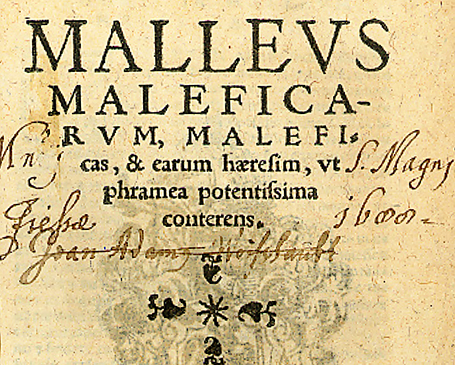
Malleus Maleficarum
1487Heinrich Kramer and Jacob Sprenger
The witch-hunting manual. Included because it is the demonology that actually got people killed, and because its account of what demons can and cannot do is more systematic than anything in the grimoires. Its authority was disputed in its own day and the Inquisition declined to endorse it.
Folk & DemonologicalLatin1 entriesManuale ad Usum Percelebris Ecclesiae Sarisburiensis
medieval use; printed 1506Anonymous; ed. A. Jefferies Collins
The service book of the Use of Sarum, the dominant English rite before the Reformation. Its exorcistic and blessing material predates the Roman standardisation of 1614, and is the clearest surviving witness to what a Western rite looked like before Rome fixed one.
ChristianLatin0 entriesThe Schleitheim Confession (Brotherly Union)
1527Michael Sattler and the Swiss Brethren
The earliest Anabaptist articles, and the one document here written by people the other signatories were executing. Believer's baptism, a congregational ban, and separation from the state church — the radical position that neither Rome nor Wittenberg would hold.
ChristianGerman0 entriesThe Augsburg Confession
1530Philipp Melanchthon
The founding Lutheran statement, and notable for how much it concedes: it was written to show the Emperor that the Lutheran position was catholic. What it does not concede — justification by faith, and the two sacraments — is the shape of the split.
ChristianLatin and German0 entries
Renaissance & Early-Modern Occult Angelology
16th-19th c.Agrippa, Barrett, and their compilers
The tables of correspondence that assign an angel to each sefirah, planet and direction. Much of the angelic roster popularly treated as ancient — Camael and Jophiel among them — first appears in this material rather than in scripture or the Zohar.
Folk & DemonologicalLatin and English1 entries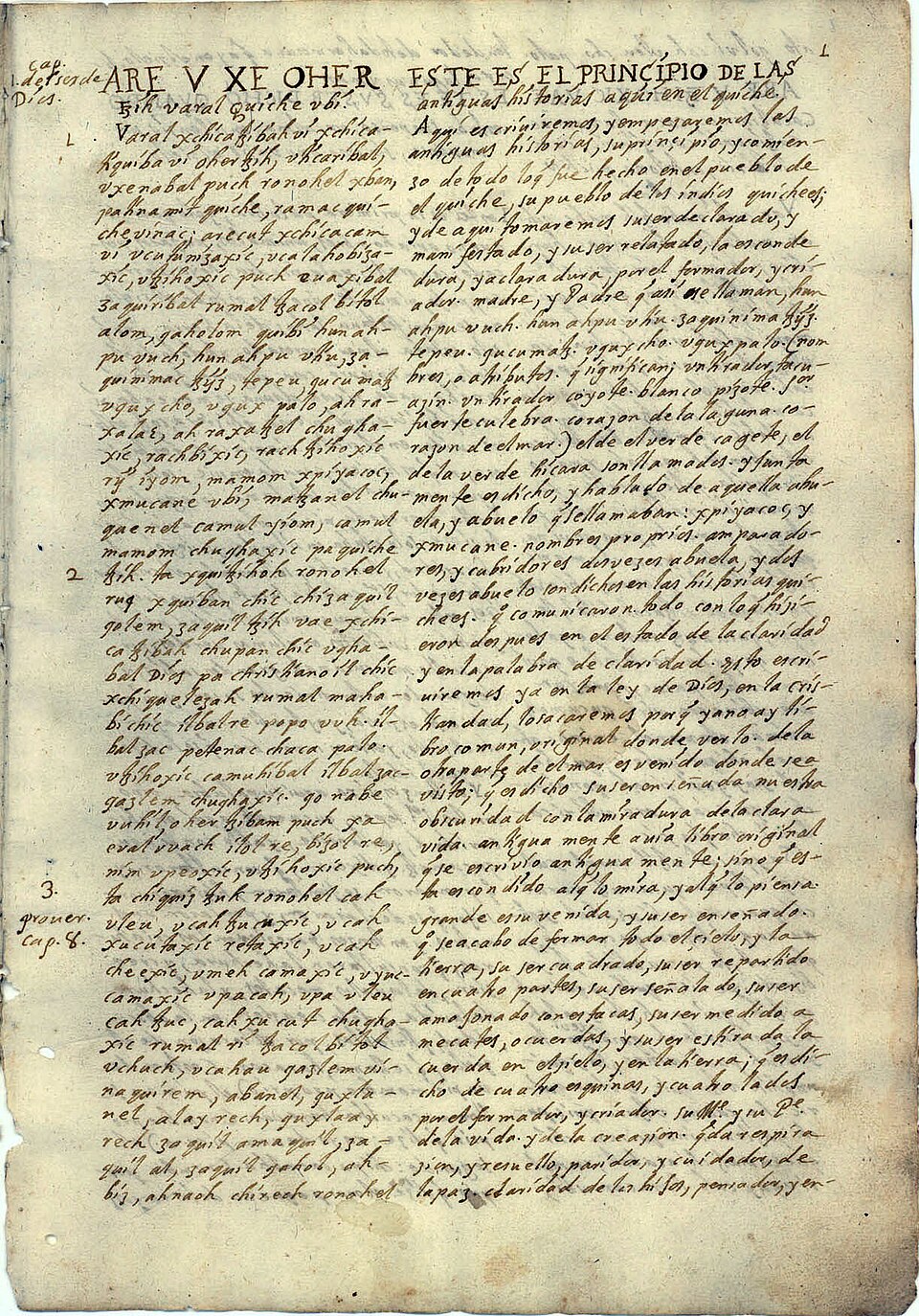
Popol Vuh
16th c., from older materialAnonymous K'iche' Maya
The K'iche' Maya creation account, including the Hero Twins' defeat of the lords of Xibalba. Recorded in the Latin alphabet after the conquest, which is why it survives at all.
MesoamericanK'iche'1 entries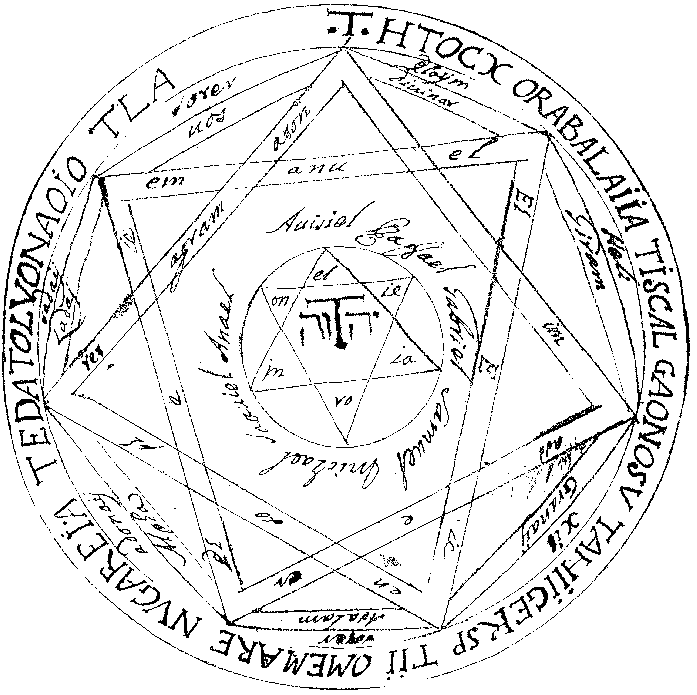
The Key of Solomon (Clavicula Salomonis)
15th-16th c.Anonymous; ed. S. L. MacGregor Mathers
The older and more respectable Solomonic grimoire, concerned with pentacles, purifications and planetary hours rather than with a catalogue of demons. The Lemegeton borrows from it heavily.
SolomonicLatin and Italian0 entriesThe Canons and Decrees of the Council of Trent
1545–1563The Council of Trent; trans. J. Waterworth, 1848
Rome's answer to the Reformation, and the text that made the divisions permanent by attaching an anathema to each one. Its canons on justification, the canon of scripture and the seven sacraments are the sharpest statement of the Catholic position on all three.
ChristianLatin0 entriesThe Heidelberg Catechism
1563Traditionally Zacharias Ursinus and Caspar Olevianus
The most widely used Reformed catechism, written to reconcile Lutheran and Calvinist parties in the Palatinate. Its treatment of the Lord's Supper is the clearest statement of the spiritual-presence position that divides Reformed from Lutheran.
ChristianGerman0 entries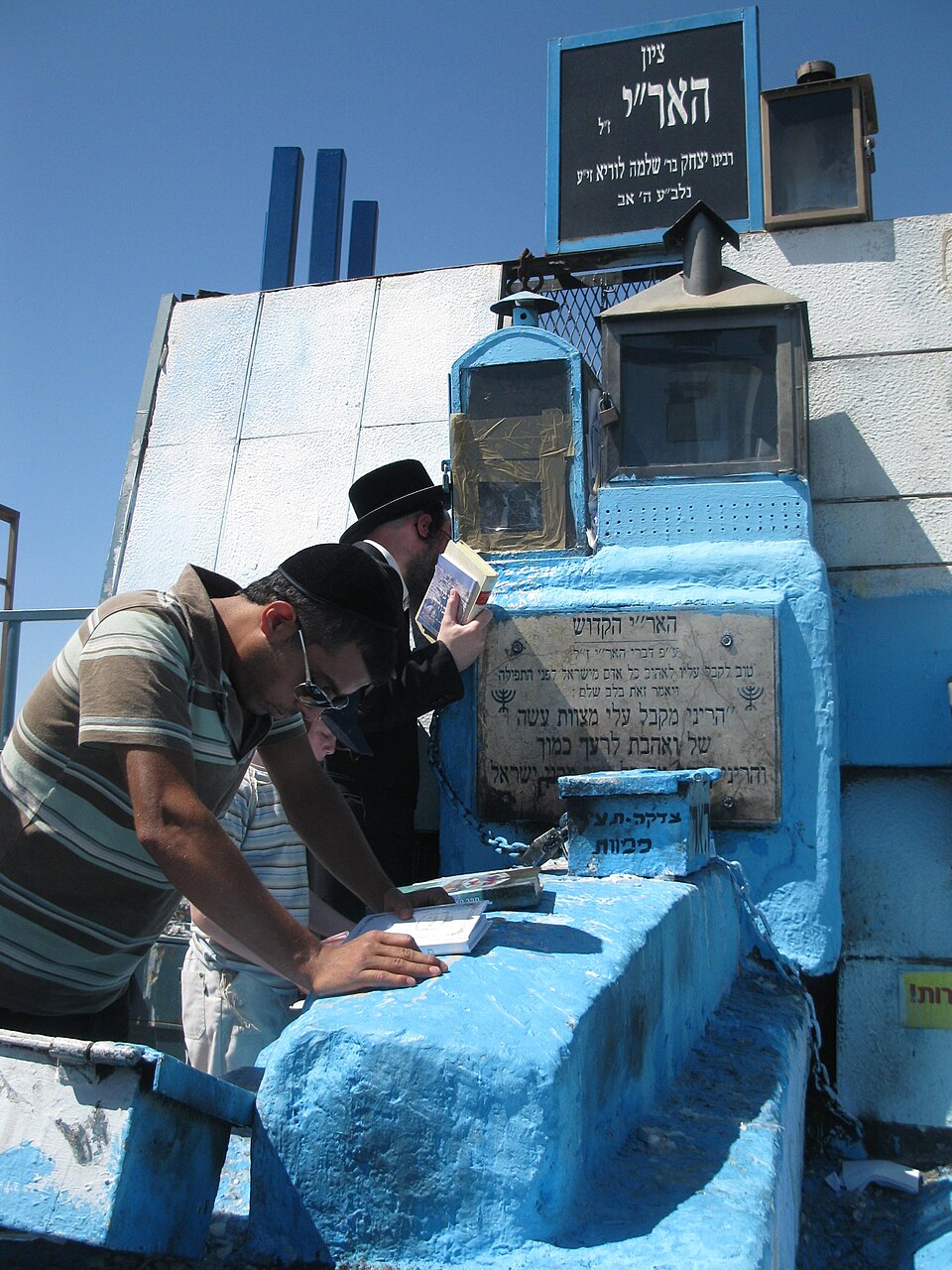
Etz Chaim & Lurianic Kabbalah
16th c.Isaac Luria, recorded by Chaim Vital
Luria's system of the shattering of the vessels and the shells that formed from the fragments. The qliphoth as a ranked structure belong here rather than to the Zohar, which is three centuries earlier and does not set them out this way.
JewishHebrew1 entriesAnnals of Cuauhtitlan and the Legend of the Suns
c. 1570, from pre-conquest materialAnonymous Nahua annalists; the Codex Chimalpopoca
Nahua history written in Nahuatl by Nahua annalists after the conquest, which is a rarer thing than it sounds. It carries the succession of the five suns and the fullest account of Quetzalcoatl at Tollan: the ruler shamed by Tezcatlipoca into drunkenness and flight, who burns himself on the shore and becomes the morning star. A god's disgrace narrated by his own tradition rather than by a friar.
MesoamericanNahuatl3 entriesThe Thirty-Nine Articles of Religion
1563; final form 1571Church of England
The English settlement's doctrinal minimum, and deliberately capable of more than one reading — a document written to be signed by people who disagreed. That ambiguity is itself the Anglican position and is why this row is the hardest on the matrix to fill.
ChristianEnglish and Latin0 entries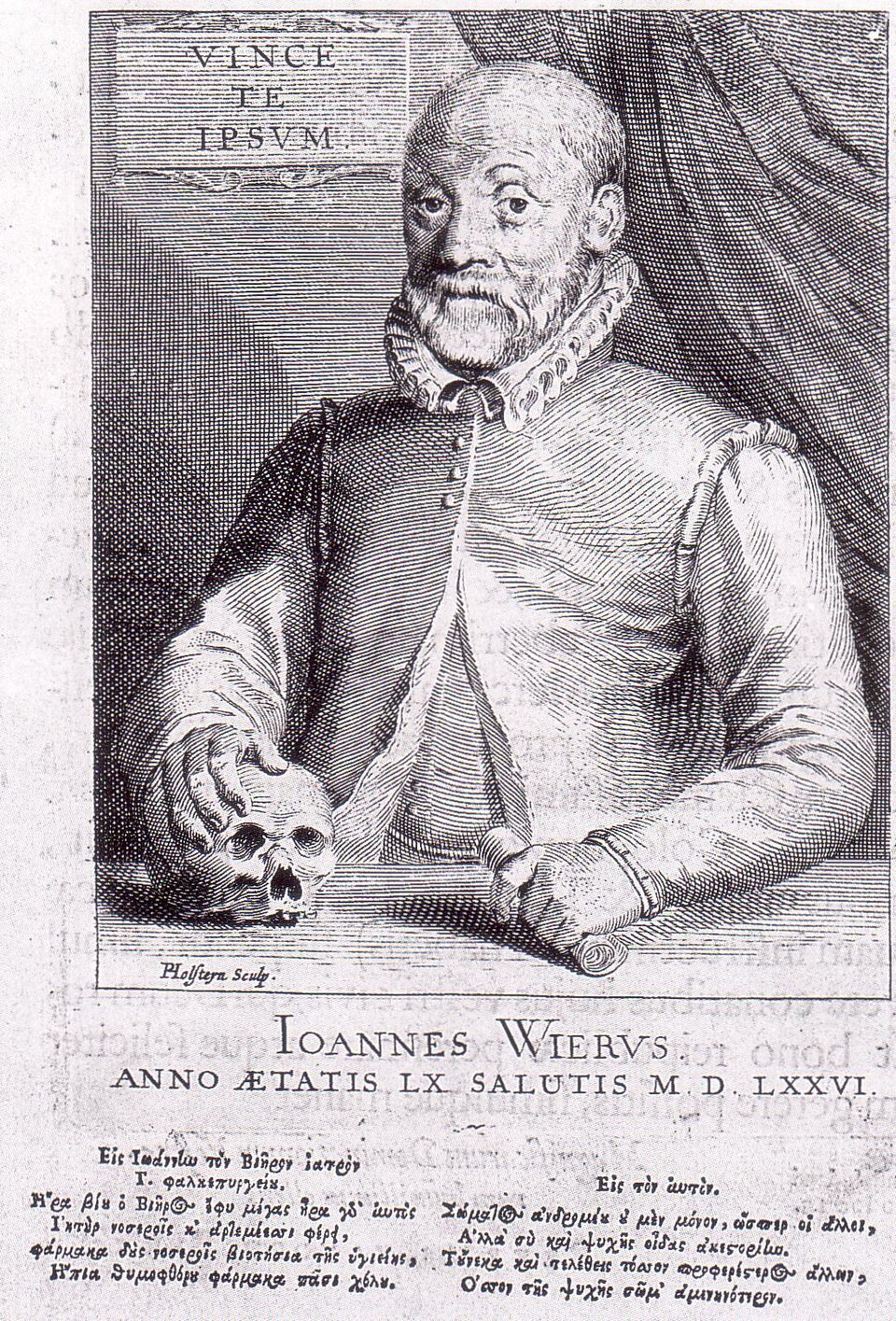
Pseudomonarchia Daemonum
1577Johann Weyer
Weyer's earlier list of sixty-nine spirits, the direct ancestor of the Ars Goetia. It omits several spirits the Goetia later adds, which is why the two disagree on ordinals.
Folk & DemonologicalLatin72 entries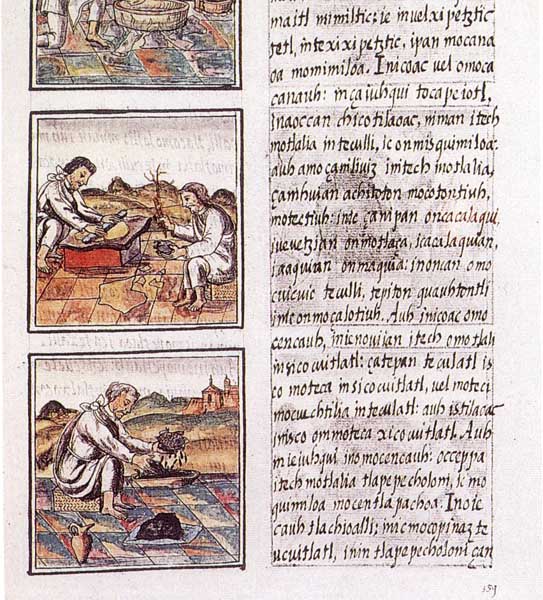
Florentine Codex
1545-1590Bernardino de Sahagún with Nahua informants
A Franciscan's encyclopedia of Aztec religion, compiled from Nahua testimony in order to identify idolatry and suppress it. Indispensable and thoroughly compromised at once.
MesoamericanNahuatl and Spanish5 entriesHistoria de las Indias de Nueva España
c. 1581Fray Diego Durán
A Dominican who grew up speaking Nahuatl, recording the religion he was employed to destroy in more detail than any of his colleagues and arguing throughout that its gods are devils and its rites a diabolical parody of the sacraments. The corpus carries him for both halves at once: the description is first-rate evidence, and the framing is a working example of the recruitment this site tracks — a god is not argued out of existence, it is reassigned.
MesoamericanSpanish4 entries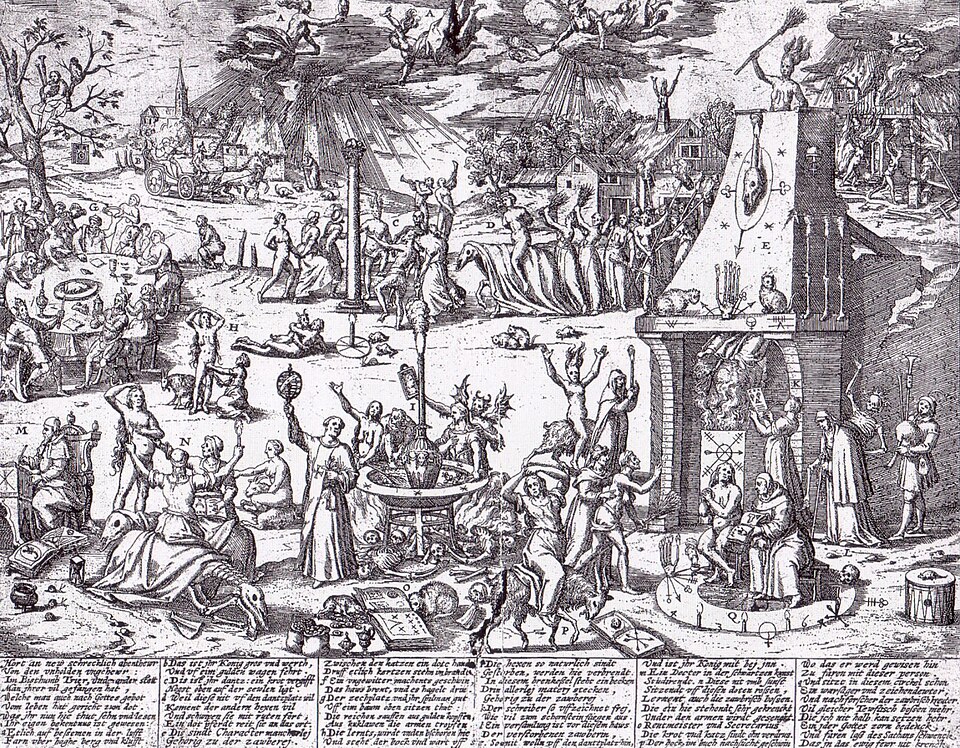
Tractatus de Confessionibus Maleficorum et Sagarum
1589Peter Binsfeld
A treatise on witch confessions by the suffragan bishop of Trier, and the origin of the demon-per-deadly-sin scheme that is now repeated everywhere as though it were ancient. It is one author, in 1589, and his contemporaries assigned the sins differently.
Folk & DemonologicalLatin7 entriesJourney to the West
c. 1592Attributed to Wu Cheng'en
A Ming novel, carried here as reception rather than as doctrine, and the reason the Chinese underworld bureaucracy is familiar to people who have never read a sutra. Its most useful episode for this corpus is the Monkey King dragged before the king of the dead, seizing the register of lives and striking his own name out of it — a comedy about jurisdiction that assumes a reader already knows exactly how that court is supposed to work.
ChineseVernacular Chinese1 entriesThe Admirable History of the Possession and Conversion of a Penitent Woman
1613Sébastien Michaëlis; tr. W. B.
An account of the Aix-en-Provence possession of 1610-11, with a 'Pneumology' appended that sorts demons into three hierarchies against the three Pseudo-Dionysian ones. The classification is presented as testimony: Michaelis says the demon Berith gave it during an exorcism. The case ended with the priest Louis Gaufridy tortured and burned in 1611, which is where this scheme comes from and cannot honestly be separated from it.
Folk & DemonologicalEnglish (from French)0 entriesRituale Romanum, Titulus X: De exorcizandis obsessis a daemonio
1614Pope Paul V (promulgated)
The Roman rite of exorcism as fixed in 1614 and used essentially unchanged for 385 years. Twenty-one opening rubrics of caution, then the rite itself. Its three signs of possession are the most widely cited diagnostic criteria in the Western tradition, and are far shorter than the list popularly attributed to it.
ChristianLatin0 entriesThe Canons of the Synod of Dort
1618–1619The Synod of Dordrecht
The reply to the Arminian Remonstrance, and the origin of the five points later taught as an acronym. The clearest available statement of the predestinarian position, written by the side that won the synod.
ChristianLatin0 entriesThe Westminster Confession of Faith
1646The Westminster Assembly
The most systematic confession of the English-speaking Reformed tradition, and the standard for Presbyterian bodies since. It opens with scripture rather than with God, which is a claim about authority made by the ordering alone.
ChristianEnglish0 entries
The Lesser Key of Solomon, Book II: Ars Theurgia Goetia
17th c.Anonymous; ed. Joseph H. Peterson
Thirty-one chief spirits of the air under four emperors of the cardinal points, with counts of dukes running into the billions. Drawn largely from Trithemius' Steganographia, and a reminder that the Goetia is one book of five, not the whole Lesser Key.
SolomonicEnglish0 entries
The Lesser Key of Solomon, Book III: Ars Paulina
17th c.Anonymous; ed. Joseph H. Peterson
Angels of the twenty-four hours and of the 360 degrees of the zodiac. Where the Goetia binds spirits, the Paulina schedules them: the operator needs a clock and an ephemeris rather than a triangle.
SolomonicEnglish0 entries
The Lesser Key of Solomon, Book IV: Ars Almadel
17th c.Anonymous; ed. Joseph H. Peterson
Four choras or altitudes, each with its own angels, approached through a wax tablet rather than a circle. The gentlest of the five books: its spirits are addressed as angels and asked rather than constrained.
SolomonicEnglish0 entriesThe Book of Common Prayer
1662Church of England
The settlement that fixed English worship for three centuries. It is cited here as much for an absence as a presence: the Sarum rite of exorcism was not carried over, and no replacement was provided.
ChristianEnglish0 entries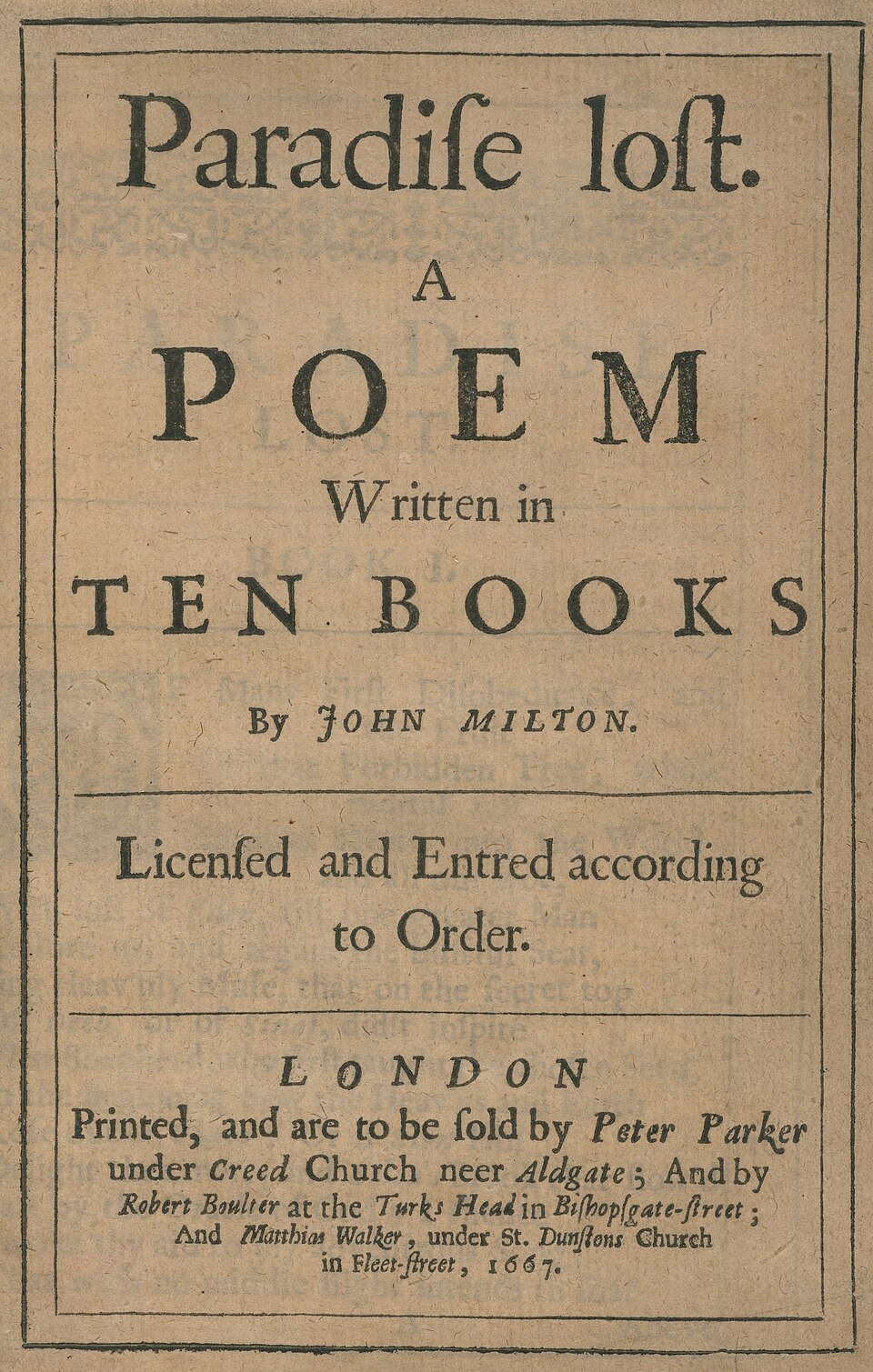
Paradise Lost
1667John Milton
Not a source text but the most consequential reception of one: Milton's council of Pandemonium fixed the popular ranking of the fallen far more firmly than any grimoire.
ChristianEnglish4 entriesThe Confession of Dositheus (Acts of the Synod of Jerusalem)
1672Dositheus II, Patriarch of Jerusalem
The nearest thing Orthodoxy has to a Trent: a synodical reply to Calvinist positions circulating under a patriarch's name. Useful here precisely because the East rarely legislates doctrine this way, and this is the occasion on which it did.
ChristianGreek0 entries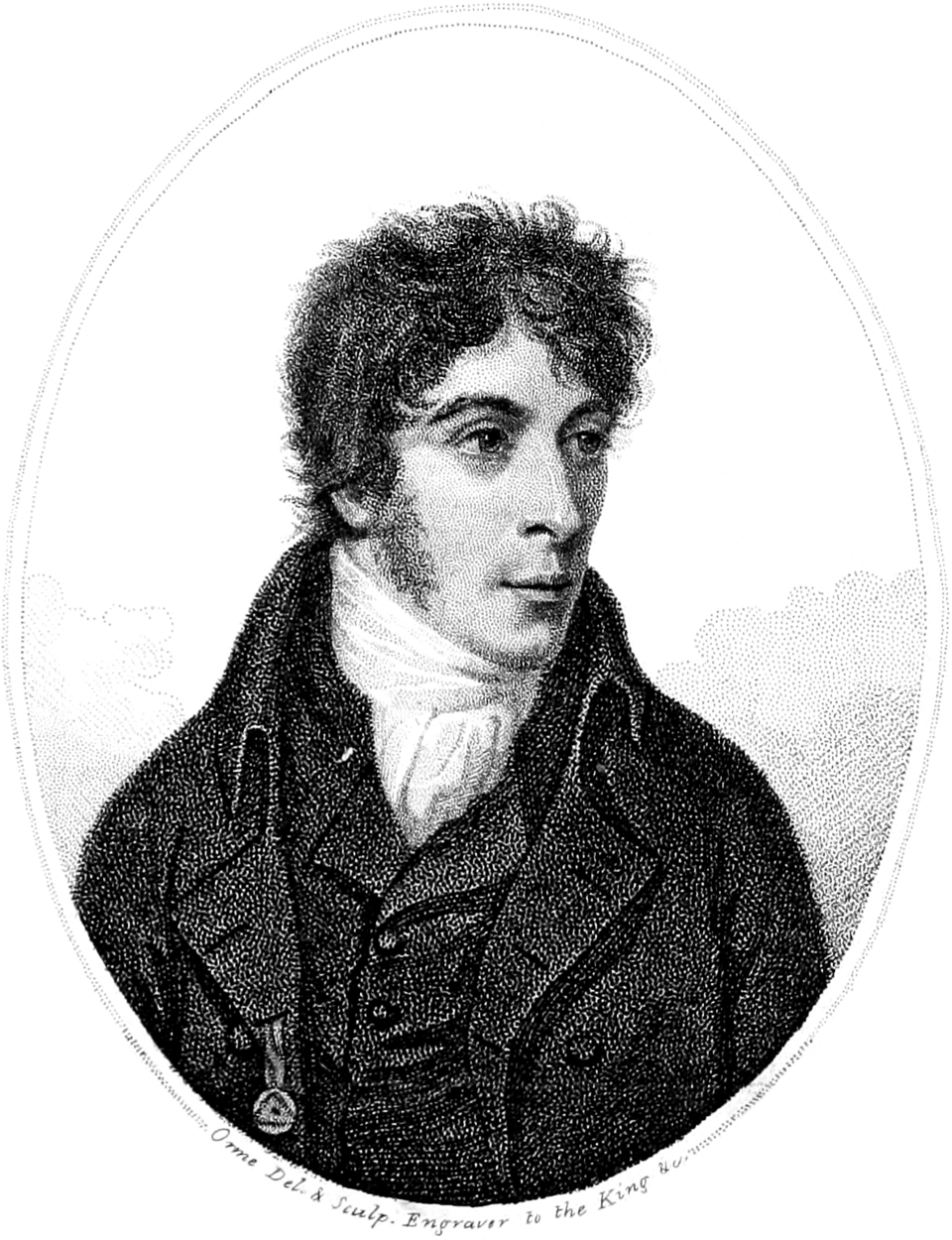
The Magus, or Celestial Intelligencer
1801Francis Barrett
A compilation of earlier occult material that fixed a nine-rank infernal hierarchy mirroring the nine celestial choirs.
Folk & DemonologicalEnglish3 entries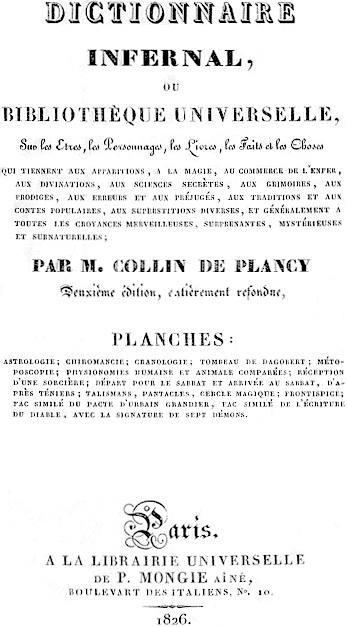
Dictionnaire Infernal
1818; illustrated ed. 1863Jacques Collin de Plancy
An alphabetical encyclopedia of demons, best known for Louis Le Breton's engravings and for popularising the infernal court as a parody of a European monarchy.
Folk & DemonologicalFrench21 entriesThe History of the Yorubas
Written 1897, published 1921Samuel Johnson; edited by O. Johnson
A Yoruba clergyman's history of his own people, written from oral tradition and from the court historians of Oyo. Its treatment of Shango is the reason it is here: Johnson places him in the king-list as the fourth Alaafin of Oyo, a violent ruler who hanged himself and was afterwards declared a god by his followers. Euhemerism performed from inside a tradition, by a Christian who is also a source for it, and a useful check on the assumption that only outsiders explain gods away.
Yoruba & DiasporaEnglish7 entries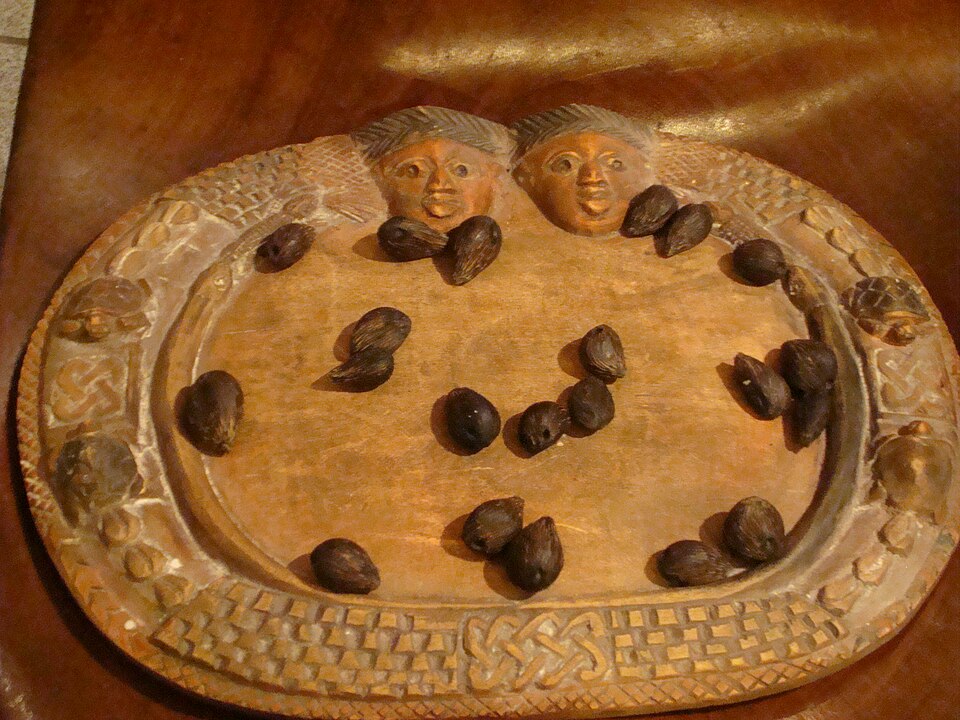
The Odu Ifá
Oral tradition, first transcribed 19th-20th c.Oral; transmitted by babalawo
The Ifá divination corpus, a vast oral literature naming and characterising the orisha. Its transmission is still living, which makes it unlike every other source listed here.
Yoruba & DiasporaYoruba7 entries
The Lesser Key of Solomon, Book I: Ars Goetia
17th c.; ed. 1904Anonymous; ed. S. L. MacGregor Mathers & A. E. Waite
The catalogue of seventy-two spirits, each with a rank, a count of legions, a seal and a list of offices. The single most influential demonological list in the Western tradition.
SolomonicEnglish (from Latin)72 entriesThe Apostolic Faith (Los Angeles)
1906–1908ed. William J. Seymour
The periodical that carried the Azusa Street revival to the world, and the closest thing early Pentecostalism has to a founding document. It is a newspaper rather than a confession, which is itself the point: a movement holding that the gifts continue does not settle its doctrine by synod.
Deliverance & Spiritual WarfareEnglish0 entries
The Catholic Encyclopedia (1913)
1913Various; ed. Charles Herbermann
The scholastic consensus set down just before the modern period, and candid about what is doctrine, what is pious opinion and what the Church has never defined.
ChristianEnglish11 entriesPigs in the Parlor: A Practical Guide to Deliverance
1973Frank and Ida Mae Hammond
The founding handbook of the modern deliverance movement, and the source of its characteristic method: demons grouped into families under a ruling 'strongman', each named for the behaviour it is held to produce. Its list of groupings is the direct ancestor of nearly every deliverance taxonomy since.
Deliverance & Spiritual WarfareEnglish5 entriesThe Three Battlegrounds
1989Francis Frangipane
One of the books that established the 'spirit of Jezebel' as a fixed category in charismatic teaching, characterised by control, manipulation and the usurping of spiritual authority rather than by anything the Book of Kings describes.
Deliverance & Spiritual WarfareEnglish4 entriesTerritorial Spirits & Strategic-Level Spiritual Warfare
1989-1996C. Peter Wagner and the Third Wave writers
Extends the framework from individuals to geography: named spirits are held to hold authority over cities, regions and nations, and are addressed by name in organised prayer. Draws its warrant from Daniel's princes of Persia and Greece. Widely criticised within evangelicalism, including by theologians otherwise sympathetic to the charismatic movement.
Deliverance & Spiritual WarfareEnglish3 entriesThey Shall Expel Demons
1998Derek Prince
The most theologically careful book in the genre, by a Cambridge-trained philosopher turned Pentecostal teacher. Argues the case from the 'spirit of X' phrases directly, and is more cautious than most about what can be claimed from them.
Deliverance & Spiritual WarfareEnglish2 entriesDe exorcismis et supplicationibus quibusdam
1999; emended 2004Congregation for Divine Worship
The revision that replaced the 1614 rite, and the last section of the Roman Ritual to be reformed after the Second Vatican Council. It tightened the diagnostic signs and added an explicit caution against mistaking psychiatric illness for possession. In copyright, so it is described here and not quoted.
ChristianLatin0 entriesUnmasking the Jezebel Spirit
2002John Paul Jackson
A book-length treatment of the single most discussed figure in the tradition. Sets out the profile — control, seduction, false prophecy, the undermining of legitimate authority — that most later writing repeats.
Deliverance & Spiritual WarfareEnglish1 entriesOperating in the Courts of Heaven
2014; revised 2016Robert Henderson
Recasts prayer as litigation rather than combat: God as Judge, Satan as prosecutor citing legal rights from unrepented sin and ancestral iniquity, the believer presenting a case and revoking those rights by repentance. The fastest-spreading model in charismatic prayer teaching since the 2010s, and contested within the movement as much as outside it.
Deliverance & Spiritual WarfareEnglish0 entries