Zoroastrian · Middle Persian · 9th c. CE, from older material
Bundahishn
Anonymous Zoroastrian; tr. E. W. West
The Zoroastrian account of creation, the assault of Angra Mainyu and the final renovation. Far more systematic on the demons than the Avesta, and the fullest statement anywhere of a cosmos organised as two matched armies.
Read Bundahishn in full at the linked edition →What this text attests · 7
| Name here | Rank given | # | Powers described |
|---|---|---|---|
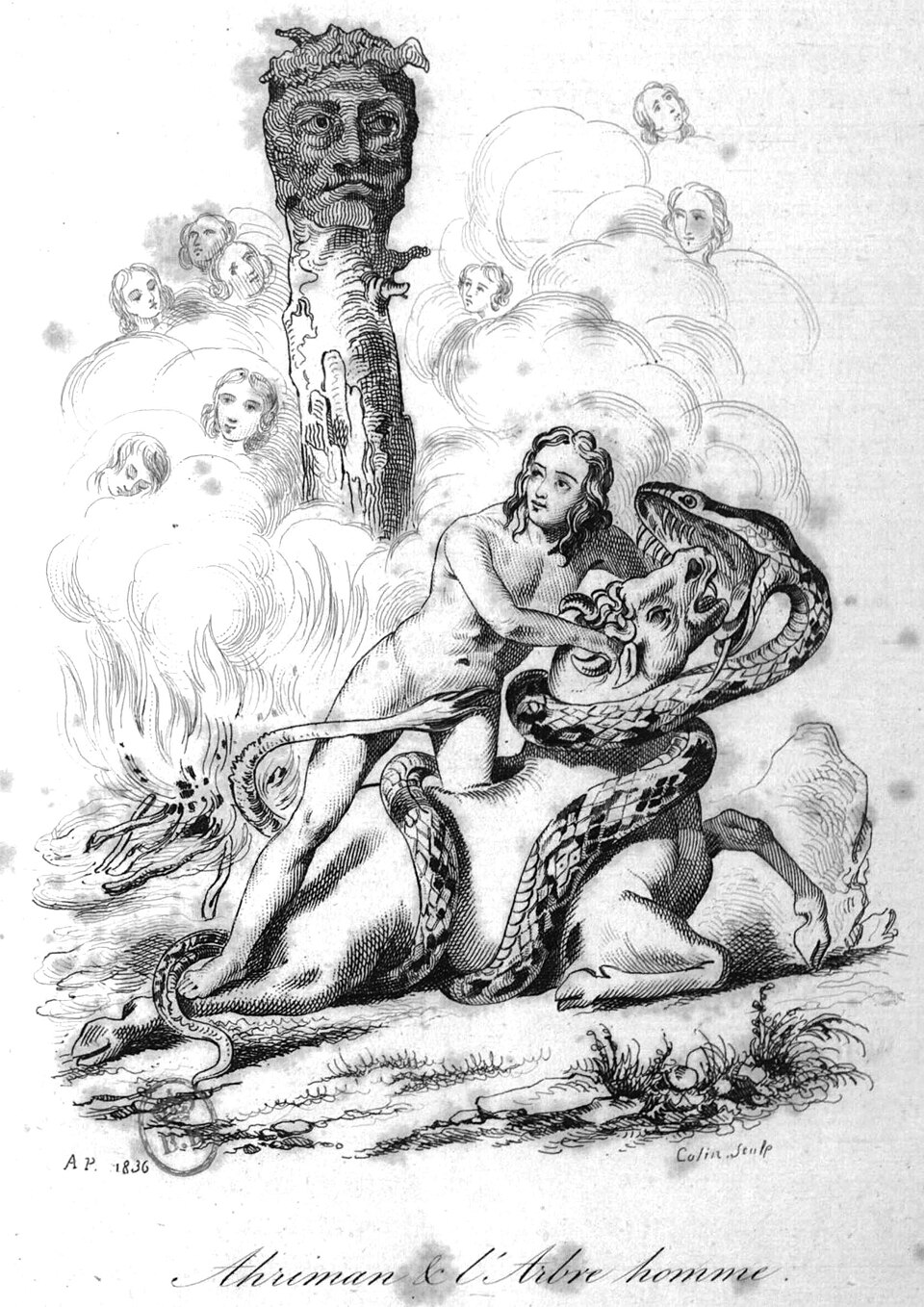 Ahriman = Angra Mainyu | — | — | The assault, in detail: he counters each good creation with a bad one, brings the noxious creatures, and is trapped inside the sky when he tries to withdraw. Nothing he makes is original — every item is a spoiling of something already there, which is a theory of evil as parasite rather than as rival, and one Christian theology later arrives at by a different road. |
Dahag (Azi Dahak) = Zahhak | — | — | The serpent-king given a fixed place in the enemy's order and a fixed future: bound in a mountain by Thraetaona rather than killed, and released at the end to be dealt with then. A monster chained until the last days is the same arrangement the corpus records for Fenrir, for the Watchers in Enoch and for the dragon in Revelation, arrived at independently. |
 Eshm = Aeshma | — | — | Fury given a rank in the enemy order and a counterpart to face on the good side. His placement matters for this corpus more than his acts: this is the demon whose name crosses into Judaism and comes out as Asmodeus, and the Bundahishn is where the tidy demon-hierarchy that made such a transfer easy is fully set out. |
 Mihr = Mithra | — | — | Kept in the good order with his old contract-keeping function intact, which is worth recording because his Indian cousin drifts and his Roman namesake becomes something else entirely. The corpus holds all three ends: the Rigvedic Mitra, this, and the mystery cult that borrowed the name. |
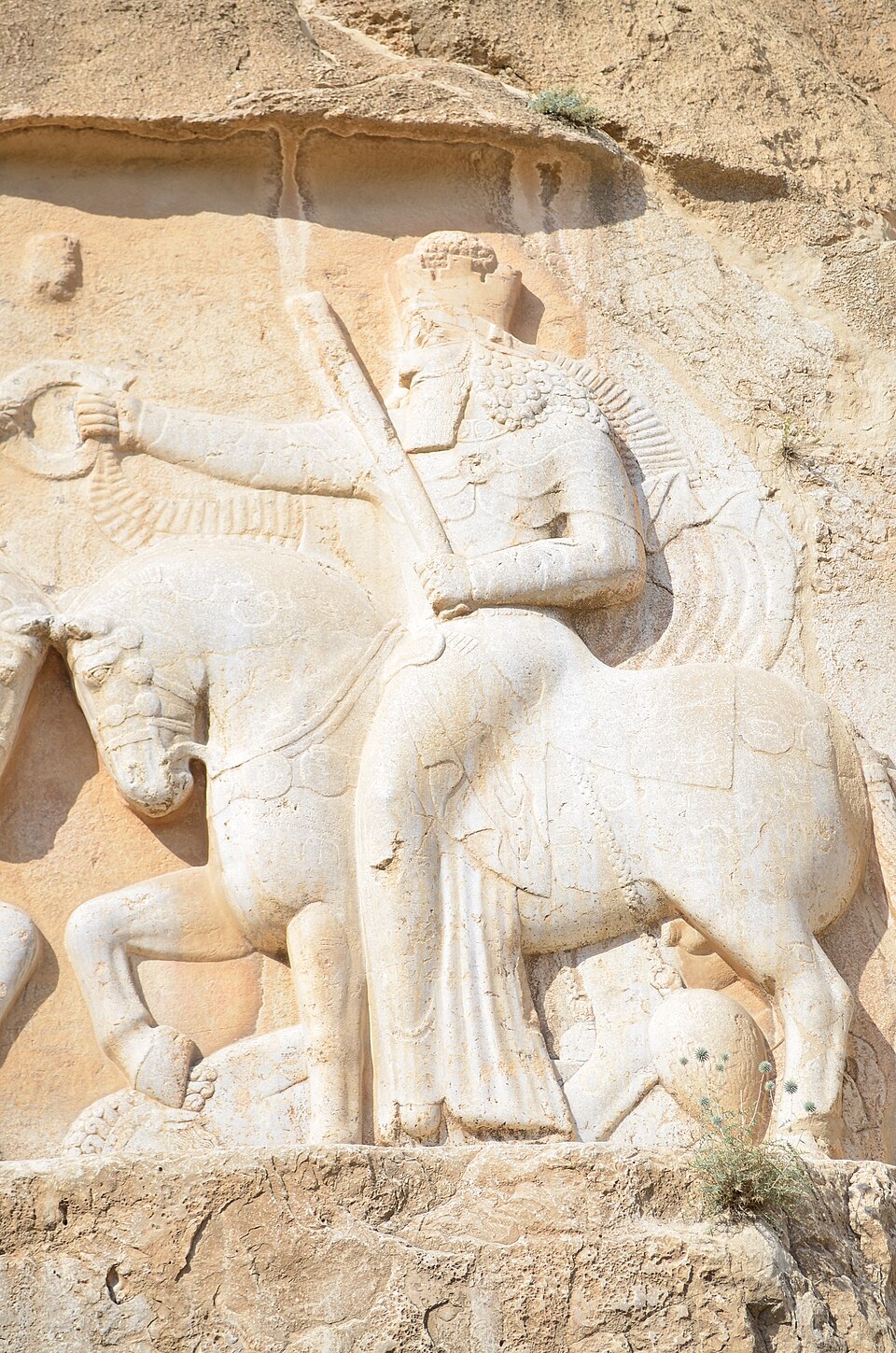 Ohrmazd = Ahura Mazda | — | — | Omniscient and good but not yet omnipotent: the text opens with him and the destructive spirit each in their own region, and the whole of creation is his opening move in a war with a fixed term of nine thousand years. A god who has to win rather than a god who cannot lose is the specific shape of Iranian dualism, and it is the shape later monotheism declined to take. |
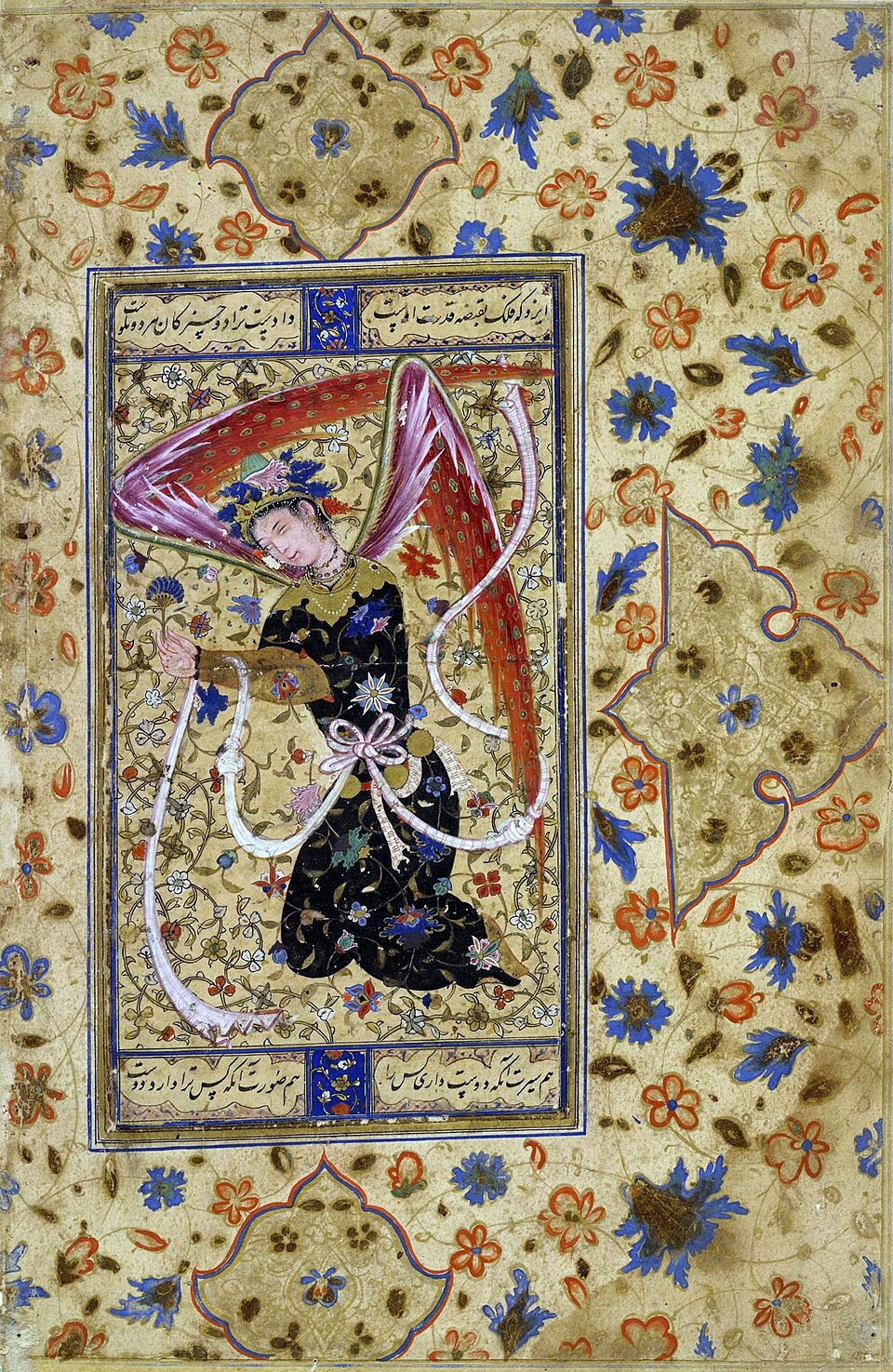 Srosh = Sraosha | — | — | The watchman who does not sleep, set against the demon of wrath and named as the protector of the soul in the nights after death. A guardian defined by an adversary rather than by a domain is the pattern this corpus meets again in every angel assigned against a sin. |
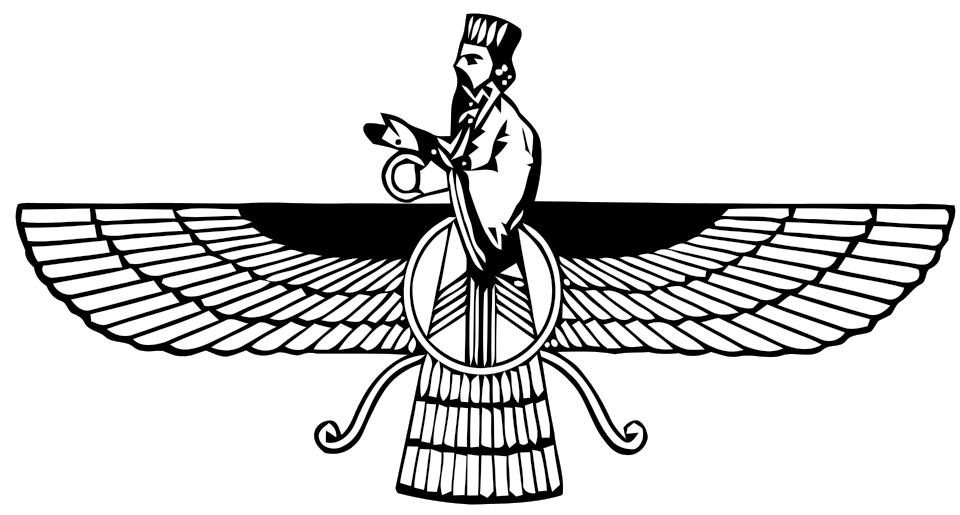 The Amahraspands = The Amesha Spentas | — | — | Each of the six given a portion of creation to hold and an opposing demon assigned against it, so the good order and the evil one are matched item for item. The corpus files them near the angelic choirs deliberately; this text is the clearest statement of what a rank in such a scheme is actually for. |