Deity · Persian · c. 1000 BCE
Zahhak
Also called Azi Dahaka, Dahag · also recorded as Zahhāk, Zahak, Zahāk, Azhi Dahāka, Dahāg, Bēvar Asp, Aži Dahāka, azdahāg, Dahhak (per Wikidata)
The three-headed serpent of the Avesta, who becomes in the Shahnameh a tyrant with snakes on his shoulders fed on human brains, chained beneath a mountain until the end.
Narrow source base
A king rather than a monster, which is the part later retellings keep and the demonologies drop: Azi Dahaka takes a throne, and the serpents that grow from his shoulders have to be fed. The Avesta has him as a three-headed dragon of the enemy creation, and the Bundahishn gives the ending that matters for this corpus — he is not killed but bound in a mountain by Thraetaona, and released at the end of the world to be dealt with then. That is the same arrangement as Fenrir's chain, the Watchers under the hills and the dragon in the pit of Revelation, arrived at independently. The Persian epic tradition later makes him a tyrant of Iran's own history, which is euhemerism running in the usual direction.
Identity
Where does the name come from?
Where it was actually worshipped
None. Mount Damavand is where he is chained until the end, which makes it a prison rather than a shrine.
A figure with temples and a figure that only ever existed on a page are different kinds of thing, and the difference is easy to lose once both are entries in a list.
At a glance
Vitals
Vitals
Also known as
- First attested
- The Avesta · c. 1000-400 BCE
- Named there as
- Azi Dahaka
- Rank
- The Serpent King
- Pantheon
- Persian
- Order
- Persian pantheon
- Base of operations
- None. Mount Damavand is where he is chained until the end, which makes it a prison rather than a shrine.
- Era
- c. 1000 BCE
- Traditions
- Zoroastrian
- Placed in
- The Paired Orders
Traits
- Domain
- Tyranny, the three-headed serpent, drought
- Traditional form
- A three-headed dragon, or a king with serpents growing from his shoulders
Stats
Known connections
Chain of command
Identified with
1 site
Where was it worshipped?
Attested cult sites, located against the Pleiades gazetteer of the ancient world where it reaches and against Wikidata everywhere else. An absence here is not evidence that no cult existed: a good number of figures never had one, and the entry above says so where that is the case.
Where Zahhak is chained until the end of the world — a prison rather than a shrine.
Chained there, which makes it a prison rather than a shrine.
35.955, 52.109 · Wikidata Q40758
4 attributed
What is it said to do?
Where these powers cluster
The 4 offices attributed to Zahhak, grouped by kind. Segment width is the share of powers falling in each category.
A bar dominated by one colour means a specialist; an even spread means a figure the sources credit with almost anything.
- malefic4
2 texts
Which texts say so, and where do they disagree?
When these texts were written
Each dot is one of the 2 texts that names Zahhak, placed at that text's approximate date.
A wide spread means the figure was carried across many centuries and traditions; a tight cluster means a single period produced the whole record.
2 texts spanning roughly 1,550 years
Where the texts differ
- Name: given as Azi Dahaka, Dahag (Azi Dahak)
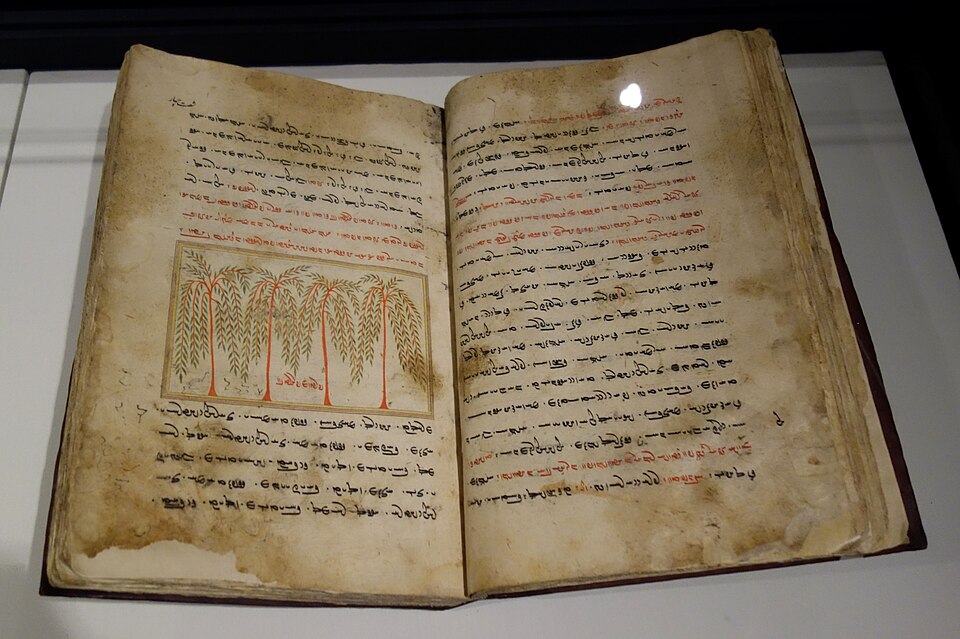
The most destructive of the druj; bound rather than killed, to break loose at the end of time.
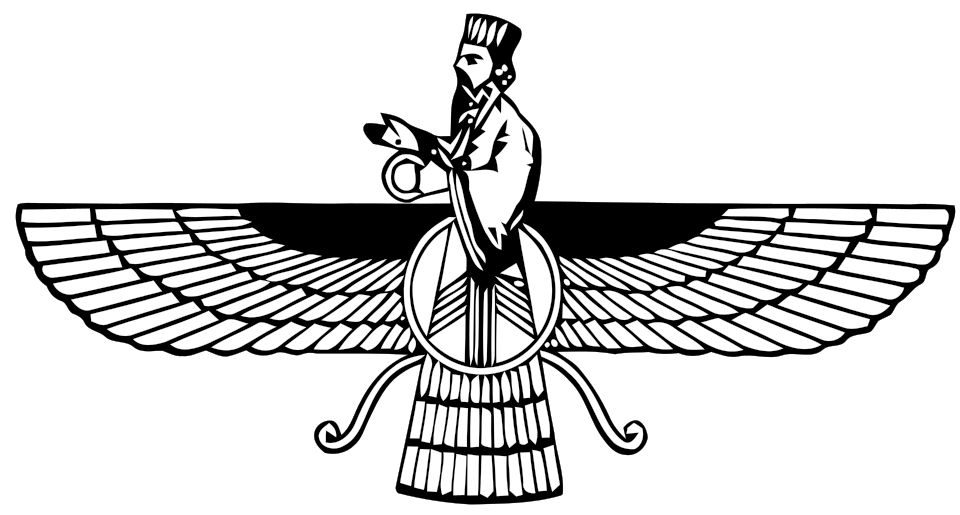
The serpent-king given a fixed place in the enemy's order and a fixed future: bound in a mountain by Thraetaona rather than killed, and released at the end to be dealt with then. A monster chained until the last days is the same arrangement the corpus records for Fenrir, for the Watchers in Enoch and for the dragon in Revelation, arrived at independently.
Connections
What is it connected to?
Placement
Where does it sit in the hierarchies?
Answered from the sources
Common questions
Which texts mention Zahhak?
Is Zahhak the same as Lotan?
What rank is Zahhak?
How else is Zahhak spelled?
What is Zahhak said to do?
How old is Zahhak?
Nearest in the corpus
If Zahhak is what you came for, these are next
Chosen by proximity rather than by popularity: the same pantheon first, then the same rank, then the same kind of figure.
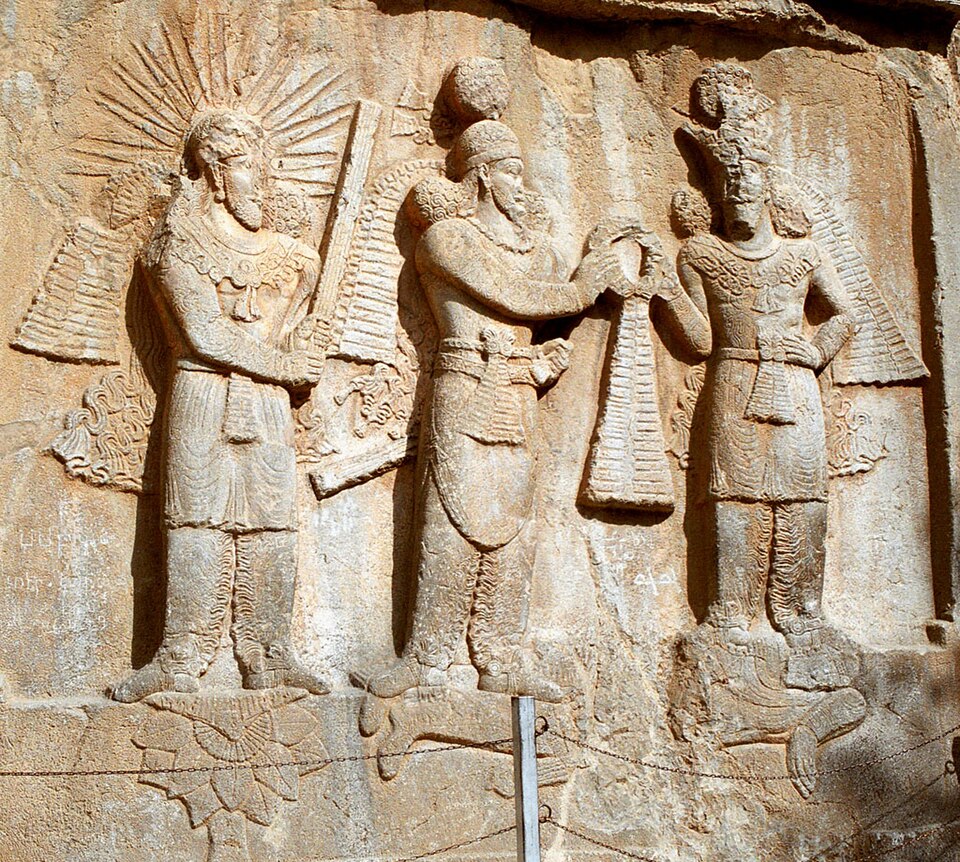
Mithra
Lord of Covenant · Persian
God of the binding contract, worshipped from India to Roman Britain. No other deity in this compendium can be traced across three civilisations so cleanly.
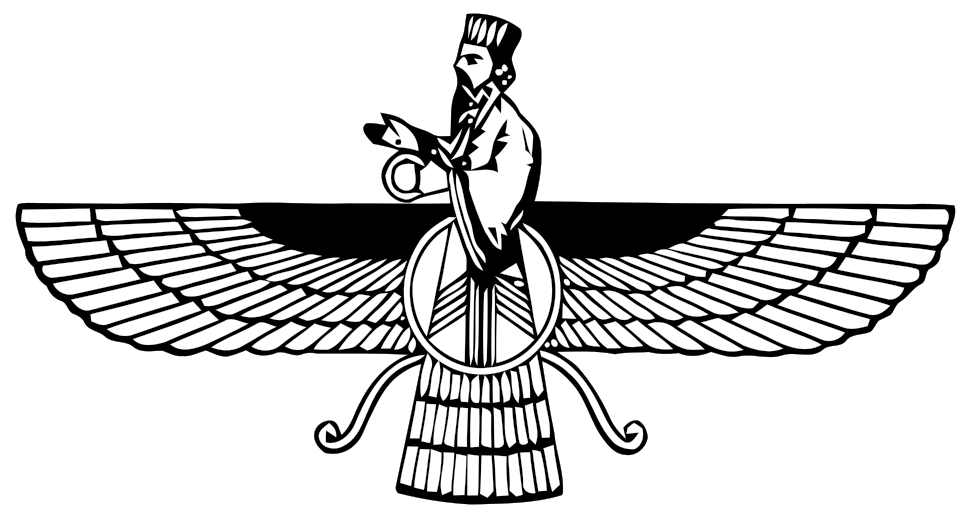
Aeshma
Daeva of Wrath · Persian
The demon of wrath and of the bloody club. He also supplies the most defensible etymology for Asmodeus: *Aeshma-daeva* to *Ashmedai* to *Asmodeus*.
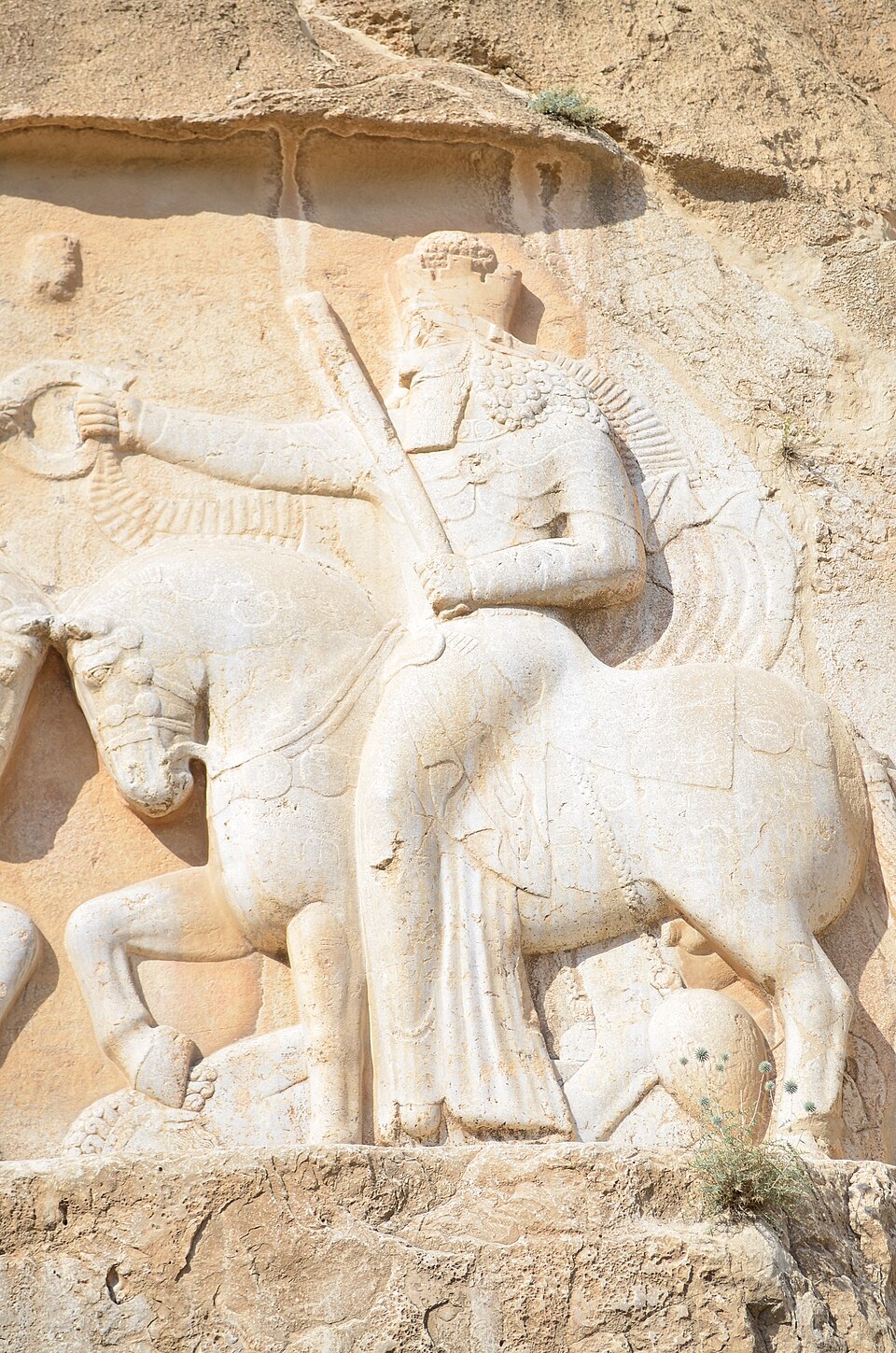
Ahura Mazda
The Wise Lord · Persian
The uncreated god of Zoroastrianism, opposed by Angra Mainyu — the pairing that probably gave Judaism and Christianity their two-sided cosmos.
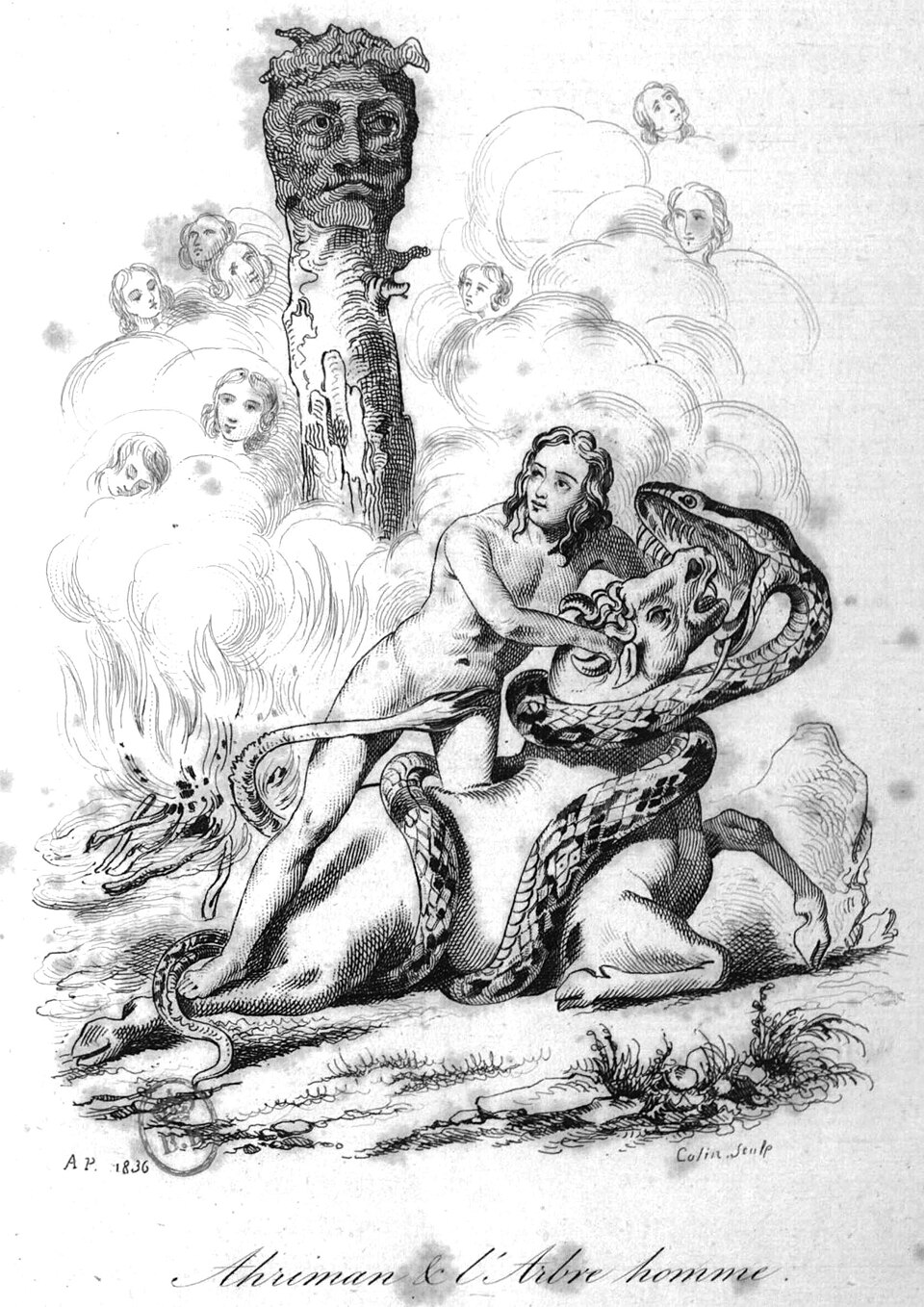
Angra Mainyu
The Destructive Spirit · Persian
The hostile principle, with his own army of daevas — the first fully developed adversary in the record, and the likely structural template for Satan.
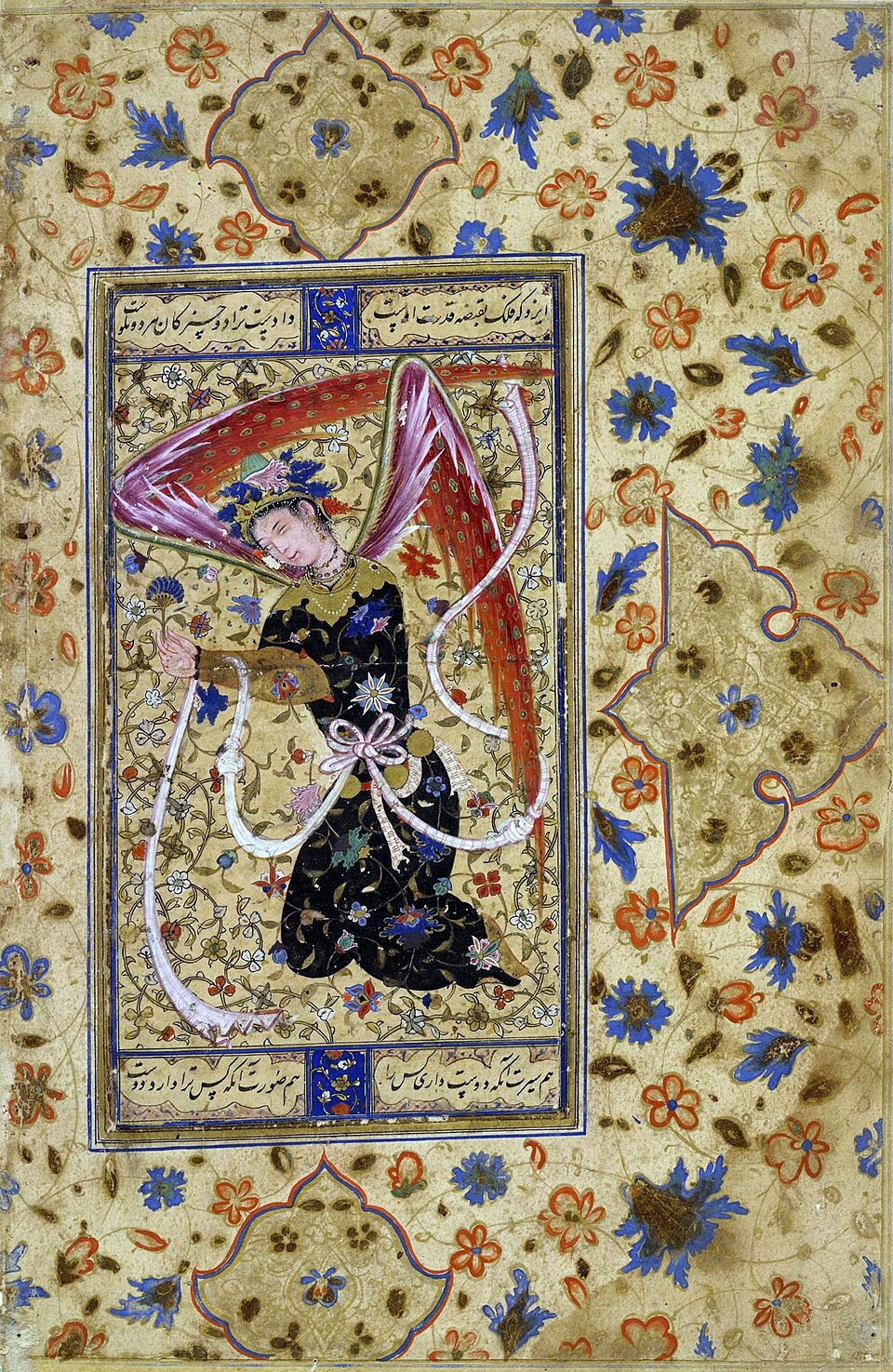
Sraosha
Yazata of Obedience · Persian
He guards the soul for three nights after death and stands directly opposed to Aeshma. It is an angel's job description, written before there were angels.
The Amesha Spentas
Six Great Emanations · Persian
Six emanations of Ahura Mazda, each paired against a specific demon — the earliest ranked, functionally-paired hierarchy of spirits anywhere.
The books behind Zahhak
Every claim on this profile is attributed to one of these. They are public domain, listed oldest first, and each links to a full text where one is freely available.
The Avesta
Attributed to Zarathustra and later priests · c. 1000-400 BCE · Avestan
Read The Avesta in full ↗Cover: CC0 · Daderot · Wikimedia file page
Bundahishn
Anonymous Zoroastrian; tr. E. W. West · 9th c. CE, from older material · Middle Persian
Read Bundahishn in full ↗Cover: CC BY-SA 3.0 · The original uploader was Ploxhoi at English Wikipedia · Wikimedia file page
Corpus last revised 29 August 2026. A reference site’s credibility rests on being maintained, so this is the date the sourced records last changed — not the date the page was rebuilt.