What a spirit is said to do
Afflictions
Every other page here is organised by the spirit. This one is organised by the harm, which is the axis that shows what the traditions actually disagree about. Fever is blamed on a named decan in the Testament of Solomon, on Lamashtu in Akkadian incantation, and on nothing at all in the Ars Goetia — the text most people associate with demons turns out to be almost uninterested in what a demon does to a body.
What this is not
A record of attribution, not of causes. Nothing here says what produces any condition, and several of the strongest entries are texts refusing the attribution — the gospel of John has the question “whose sin caused this blindness” answered with neither. Where a text describes something recognisable, the entry says so and stops there.
Where the claims fall
- The body6
- The mind5
- The household3
- Mother and child1
- Speech4
- Fortune and the dead1
20 afflictions · 41 claims from 14 texts · 20 name a counter · 11 carry a grading · oldest claim 1300 BCE
The body
Fever, head pain, failing sight. For most of recorded history this was one subject with medicine, and the Testament of Solomon organises it the way a physician's table would.
Failing Sight
2 claimsThird of the thirty-six, countered by Uriel — and, in the gospels, the one affliction whose spiritual cause is explicitly denied.
Fever
4 claimsThe commonest affliction in the record, and the one with the longest continuous chain of spirits blamed for it.
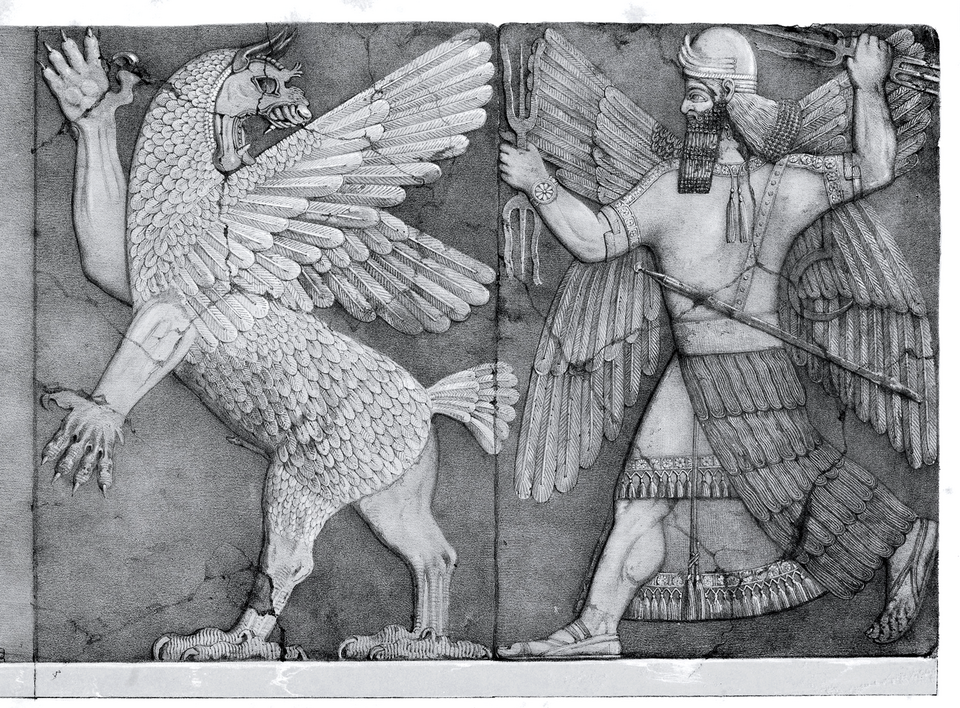
Head Pain
2 claimsThe first affliction in the Testament's list of thirty-six, and the one that shows the whole system in miniature: a named spirit, a named ailment, a named counter.
Plague
3 claimsEpidemic disease as an armed god with a bow — the oldest and most consistent piece of imagery in the corpus.
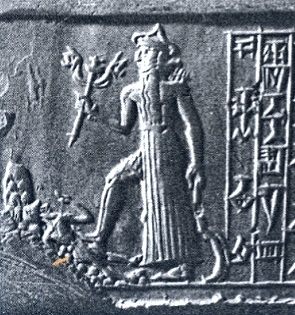
The Bent Body
2 claimsA woman bent double for eighteen years, described by a physician-evangelist as having a spirit and by Jesus as bound by Satan.
The Throat
1 claimFourth of the decans, countered by Raphael — the last of the four whose remedy is an archangel rather than a magical name.
The mind
Madness, rage, night terrors — and the gospels' one detailed clinical description, of a man among the tombs.
Madness
3 claimsThe Gerasene demoniac is the fullest clinical description in the corpus: tombs, broken chains, self-injury, and a name that is a number.
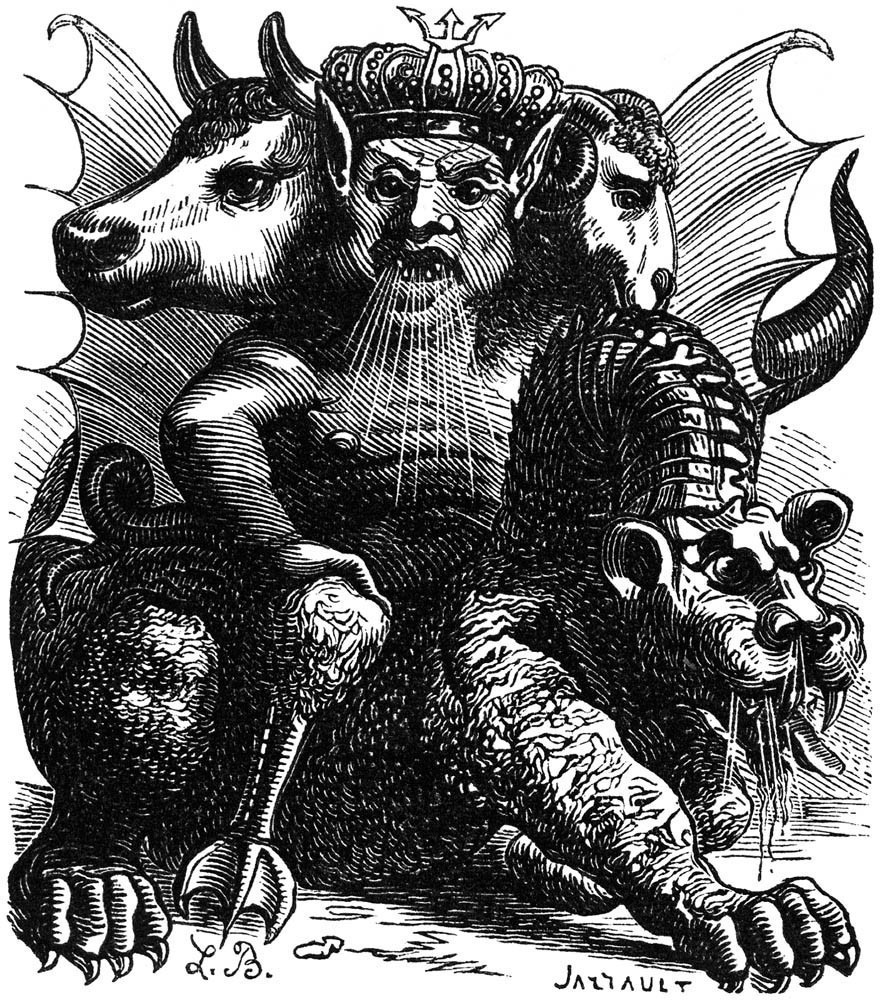
Night Terrors
2 claimsAttacked in sleep by something that sits on the chest — the affliction with the widest independent agreement across cultures that share no texts.
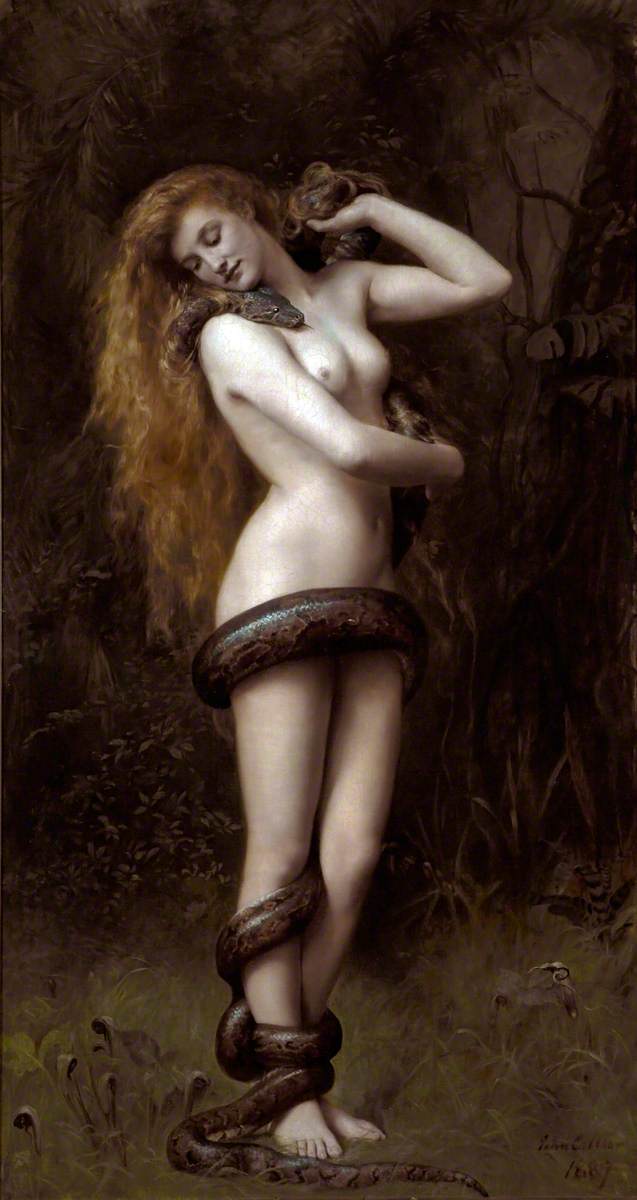
Pride and Twisted Speech
1 claimA modern deliverance category built on Job 41, where the text is describing a large animal.
Religious Oppression
1 claimA named spirit with no proof text at all — the deliverance method running with nothing underneath it.
Uncontrollable Rage
2 claimsZoroastrianism does not treat rage as a symptom of a demon. Rage is the demon, and he has a name and an appointed opponent.
The household
Marriages destroyed, families quarrelling. A great deal of what these texts describe is chronic and domestic rather than dramatic.
Control and Manipulation
3 claimsThe most widely taught named spirit alive today, and the one whose distance from its proof text is greatest.
Marriages Destroyed
2 claimsAsmodeus kills seven husbands on seven wedding nights, and is driven off by a fish — the most procedural exorcism in scripture.
Strife in the House
2 claimsA decan whose whole business is making a household fight, countered by writing a name on laurel leaves.
Mother and child
The most heavily warded harm in the ancient record, and the one that produced the most surviving objects.
Speech
Compelled prophecy, lying prophecy, muteness — spirits that take or twist the voice.
Compelled Divination
2 claimsA slave girl in Acts follows Paul shouting true things, and the thing driven out of her is named after the serpent of Delphi.
Counterfeit Teaching
2 claimsDefined in the epistle by one narrow test, and applied since to almost anything.
Lying Prophecy
2 claimsA spirit volunteers, in open court in heaven, to become a lie in the mouths of four hundred prophets — and is authorised.
Muteness and Convulsions
1 claimThe gospels' most detailed physical description: throwing down, foaming, grinding teeth, and a father who says it began in childhood.
Fortune and the dead
Consulting what should not be consulted, and what the texts say answers.