mind · 2 claims
Night Terrors
Attacked in sleep by something that sits on the chest — the affliction with the widest independent agreement across cultures that share no texts.
A being that comes at night, immobilises the sleeper and presses on the body is named in Mesopotamian incantation, in Jewish amulet practice, in Greek reports of the ephialtes, and in a hundred later folk traditions that had no contact with any of them. It is the clearest case in the corpus of a shared human experience producing convergent demonology, and modern sleep medicine describes the same presentation without the attribution.
Lilith belongs here rather than to the later literature of seduction. The bowls and amulets are practical objects made by frightened households, and what they ask for is a quiet night and a living child.
Oldest first
Who was blamed, and by which text?
Each card is one text making one attribution, in its own framing. Reading down the column is a transmission history rather than a set of independent witnesses — and where a claim carries a grading, that grading is about how well it is grounded in the passage it cites, nothing more.
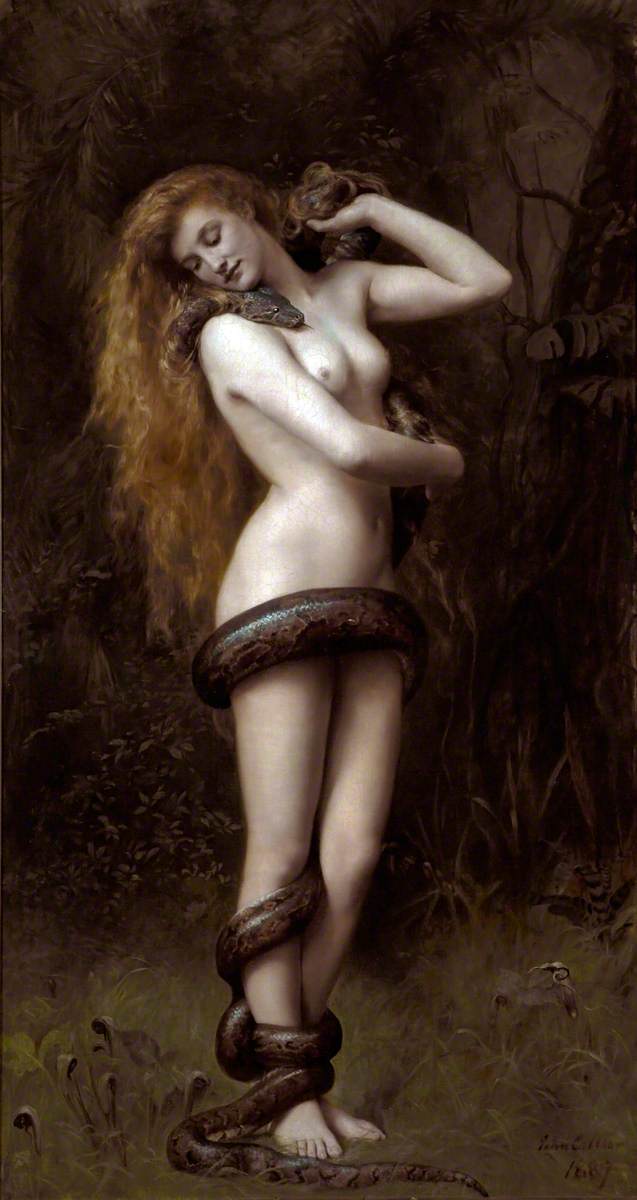
Named in incantation as a night spirit that comes to sleepers, particularly to the unmarried and to women in childbed.
What stops it
Incantation bowls buried inverted under the floor of the house, and amulets naming the three angels.
The terror by night
Hebrew Bible & Deuterocanon · c. 900–100 BCEListed among the things the sheltered are promised they will not fear, alongside the arrow by day and the pestilence that walks in darkness.
Countermeasures
What the texts say stops it
c. 1800-600 BCE
Incantation bowls buried inverted under the floor of the house, and amulets naming the three angels.
Which texts make these claims?
Oldest first. The distance between the earliest and the latest is the thing worth looking at: a claim made in an incantation four thousand years ago and one made in a paperback in 1973 are different kinds of evidence about the same symptom.

Akkadian Incantation Series & Amulet Inscriptions
Anonymous; recovered from Assyrian and Babylonian sites · c. 1800-600 BCE · Akkadian and Sumerian
Named in incantation as a night spirit that comes to sleepers, particularly to the unmarried and to women in childbed.
Read Akkadian Incantation Series & Amulet Inscriptions in full ↗Cover: Public domain · Robert William Rogers (1864–1930) · Wikimedia file page
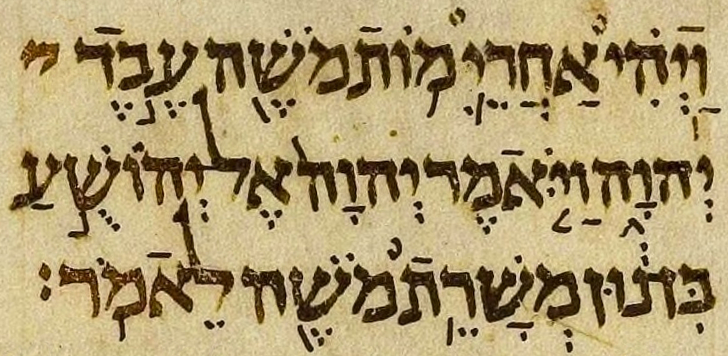
Hebrew Bible & Deuterocanon
Various · c. 900–100 BCE · Hebrew, Aramaic, Greek
Listed among the things the sheltered are promised they will not fear, alongside the arrow by day and the pestilence that walks in darkness.
Read Hebrew Bible & Deuterocanon in full ↗Cover: Public domain · see en:Aleppo Codex; scanned by · Wikimedia file page