Mesopotamian · Akkadian and Sumerian · c. 1800-600 BCE

Akkadian Incantation Series & Amulet Inscriptions
Anonymous; recovered from Assyrian and Babylonian sites
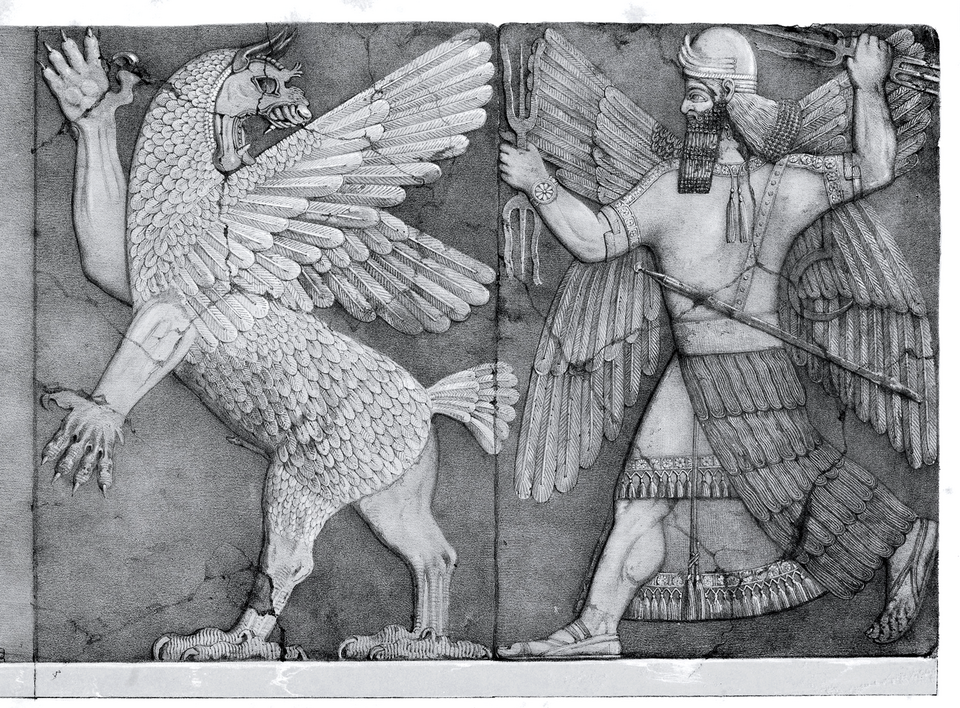
Not a literary work but a working corpus: spells, bowls, plaques and amulets meant to keep specific demons out of specific houses. Pazuzu and Lamashtu belong to this material rather than to any epic, which is why they read as practical rather than mythological.
Read Akkadian Incantation Series & Amulet Inscriptions in full at the linked edition →What this text attests · 5
| Name here | Rank given | # | Powers described |
|---|---|---|---|
| Daughter of Anu | — | The incantation series against her runs to several tablets. She seizes infants from the womb and the breast, and acts on her own authority rather than on orders, which lesser demons do not. | |
| Protective spirit | — | Invoked to stand at a person's side; the paired shedu and lamassu are asked for as a presence rather than driven off. | |
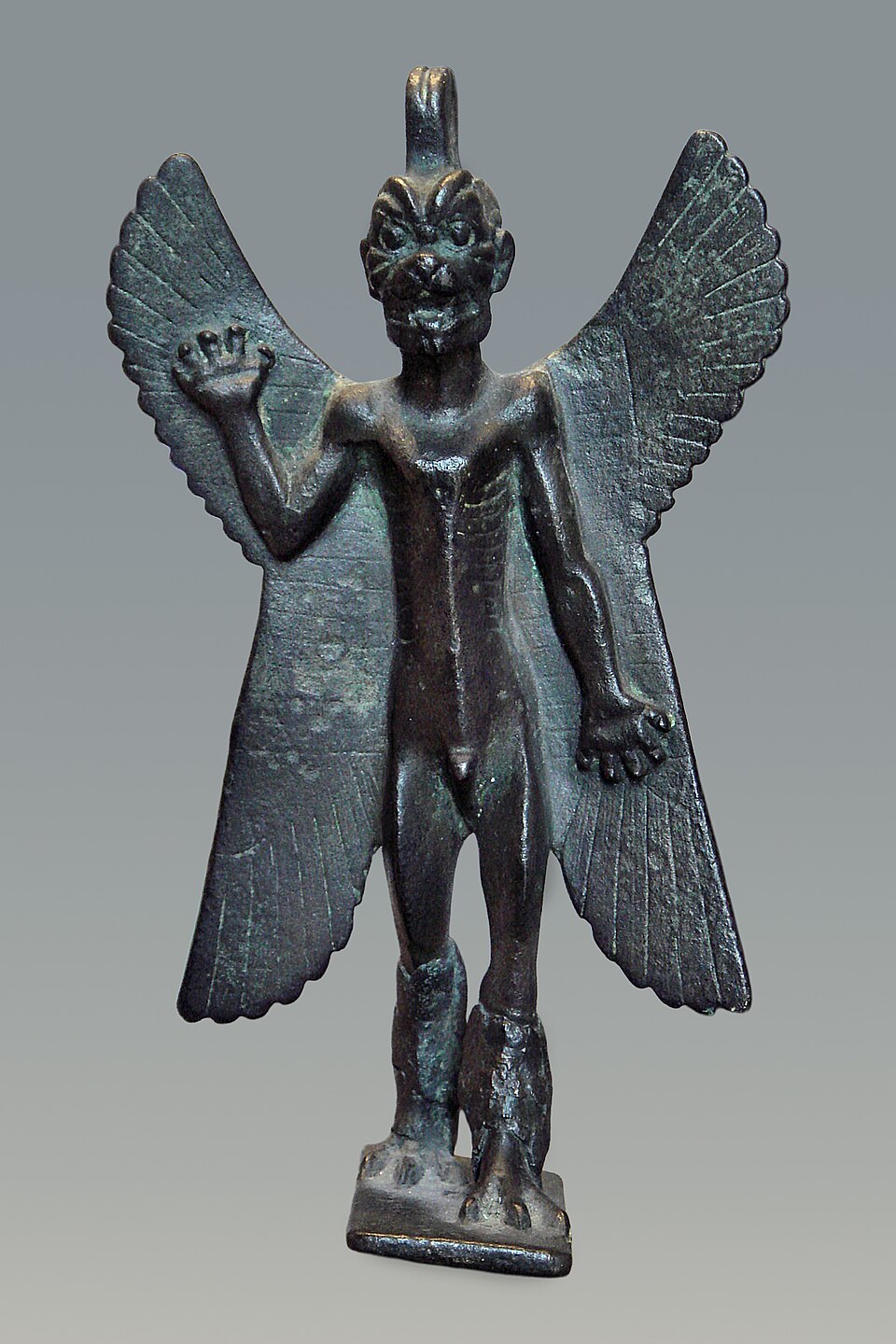
| King of the lilu-demons | — | Known from amulets and plaques rather than from any narrative text. Worn as a pendant or fixed above a door, to drive Lamashtu out. | |
ardat lilî = The Ardat Lili | — | — | Present in the amulet and incantation material alongside Lamashtu and Pazuzu, in the same practical register: a hazard to be kept out of a specific house rather than a figure with a story. Her interest for this corpus is downstream, in the line of transmission that ends at Lilith. |
utukku = The Utukku | — | — | Named in the working material of amulets and spells rather than in the canonical series alone — which is the point about this whole class of being: they are known from what people did about them, not from any narrative in which they appear. |