The marks
Symbols & seals
Names travel between traditions slowly and leave a paper trail. Marks travel fast and leave almost none — the same six-pointed star is ornament in late antiquity, a seal binding spirits in the medieval grimoires, and a national flag by 1948, and nothing in the shape records the change. Every entry here separates what the attesting texts claim for a mark from what happened to it afterwards.
What is in the set
- Wards & amulets44
- Figures10
- Names written down18
- Seals & operative figures19
- Planetary signs7
- Alchemical notation2
100 marks · 90 cited to a text in the corpus · 60 attached to a figure with a profile · 33 taken apart component by component · oldest in continuous use: The Triple Spiral, carved c. 3200 BCE
Where the marks sit in the argument
Why a corpus about spirits has a section about shapes
01 · A name is a handle
Every text in the corpus works by naming: a spirit that can be named can be addressed, and one that can be addressed can be argued with. The oldest wards on this page name their target explicitly.
02 · A written name is equipment
A name too holy to say can still be written, and writing it is what gives an object standing. This is the step that turns theology into hardware.
03 · Equipment makes compulsion claimable
Circle, triangle, lamen, vessel: a system of instruments in which the operator is presenting a warrant rather than issuing an order, and which assumes something real on the other side of the line.
04 · The next tradition inherits the equipment
And not the argument. A shape outlives the claim it was making, and is then explained by whoever has it — which is the single most common error this site exists to correct.
Wards & amulets
Marks made to keep something out. The oldest material here, and the most consistent across cultures — the same problems, at the same doorways, for four thousand years.
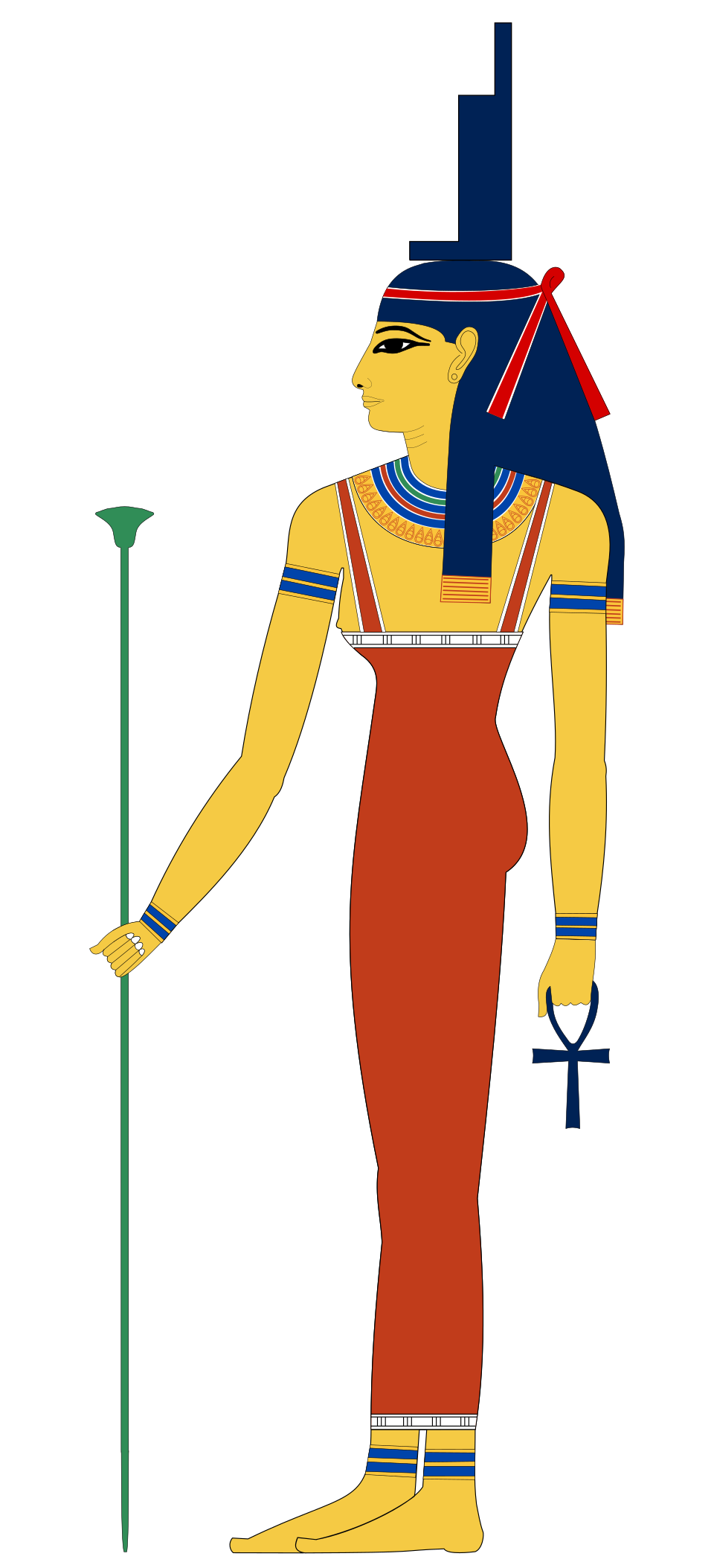
The Ankh
from c. 3000 BCE
The sign for 'life', held to the nose of a king by a god. Not an amulet first — a hieroglyph that got carried into three dimensions.
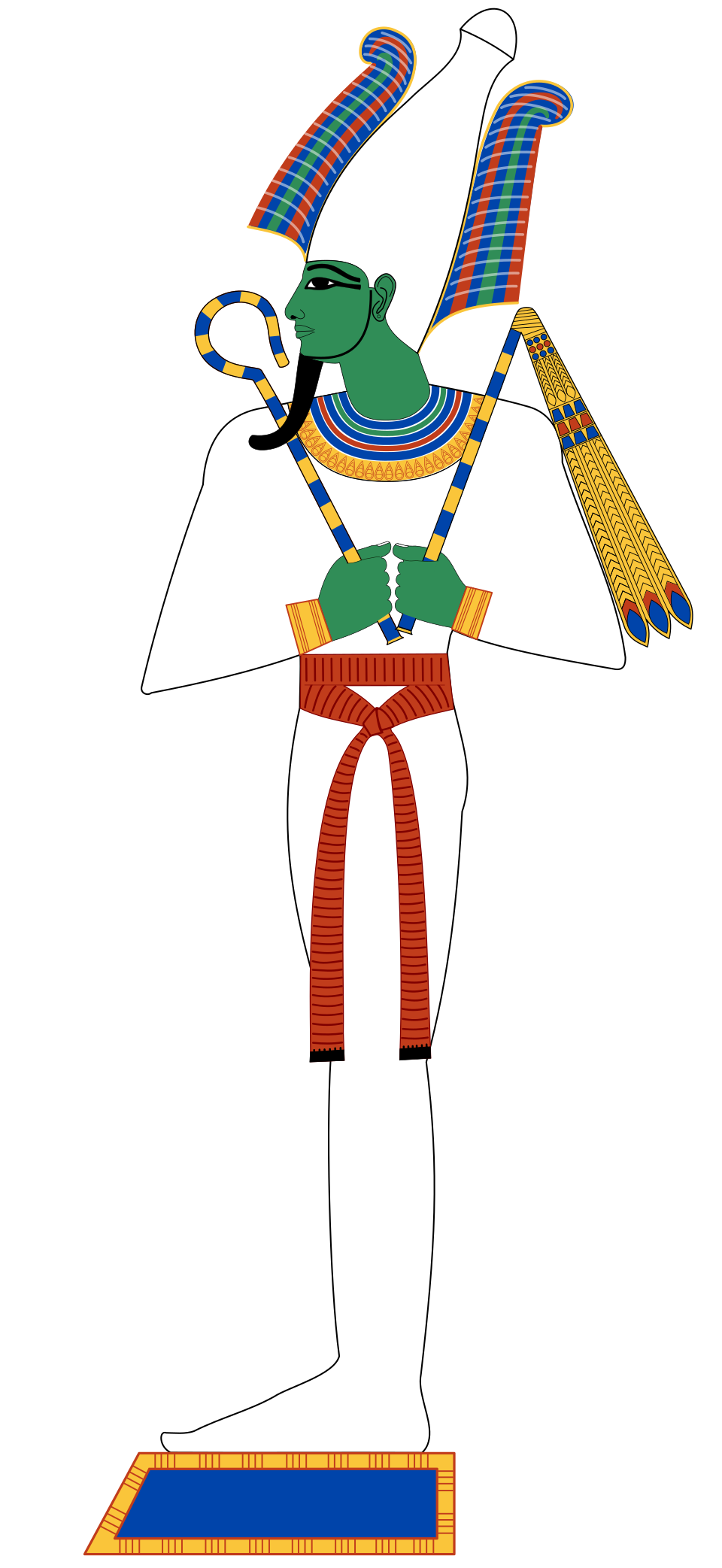
The Djed Pillar
from c. 3000 BCE
A four-tiered column meaning stability, later read as the backbone of Osiris and raised upright at festival as a resurrection.
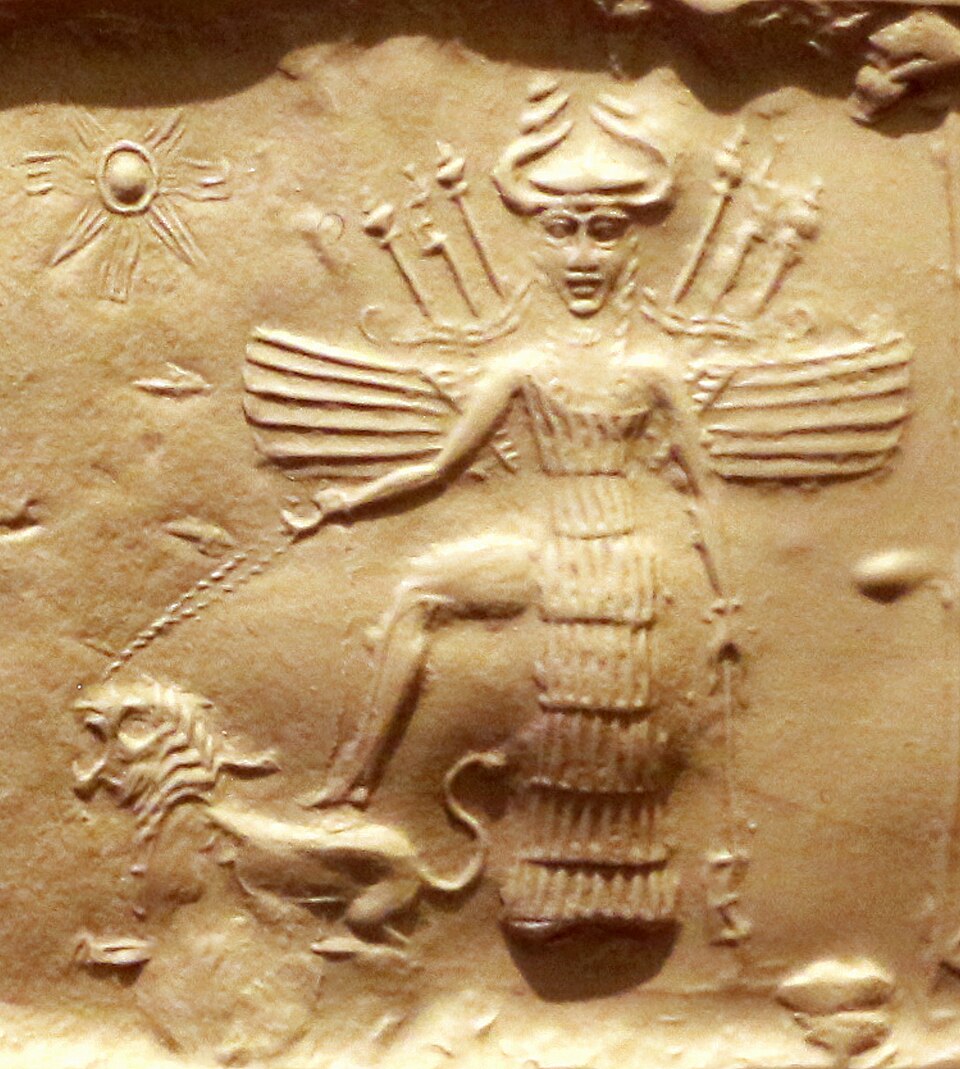
The Star of Ishtar
from c. 3000 BCE
Eight points for the planet Venus, and the standard way of writing a goddess into a scene without drawing her.
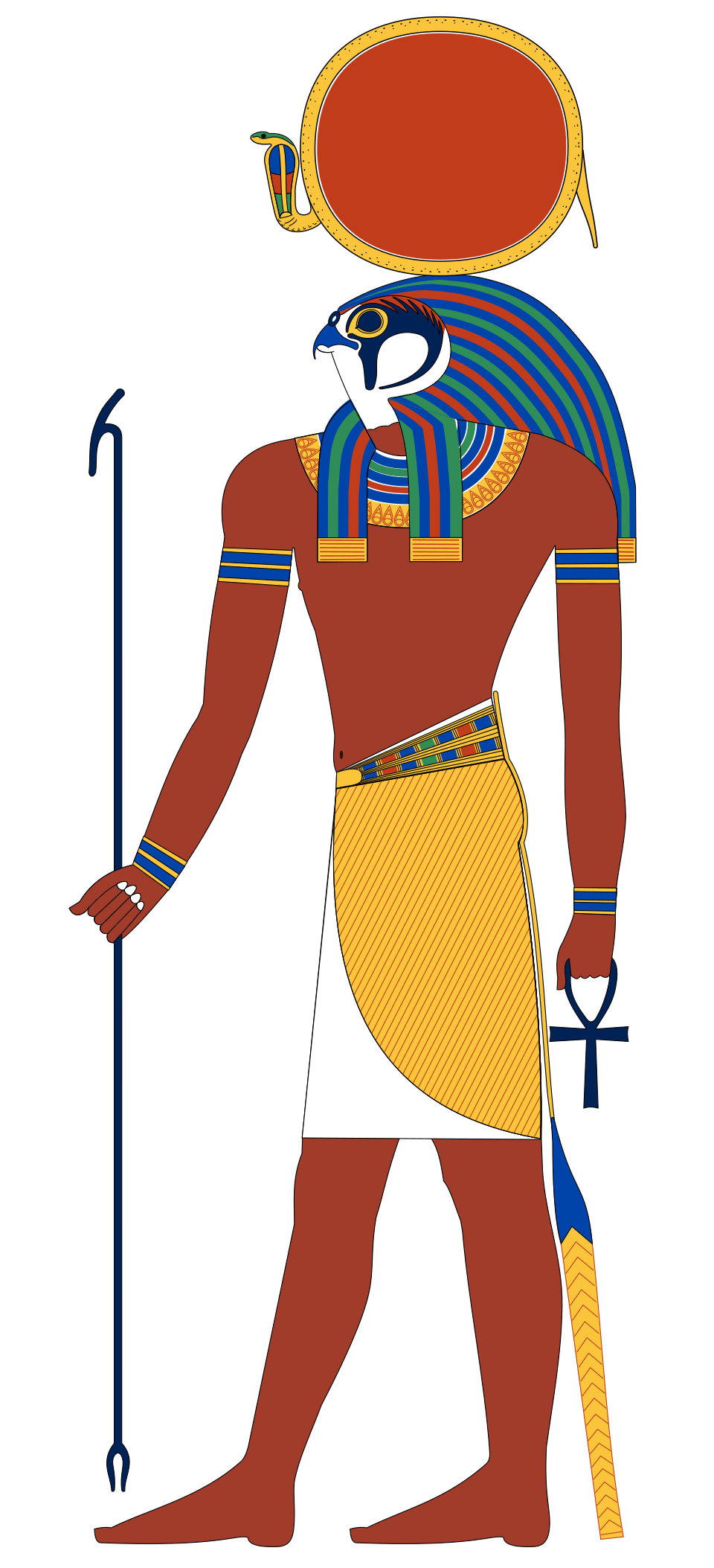
The Uraeus
from c. 3000 BCE
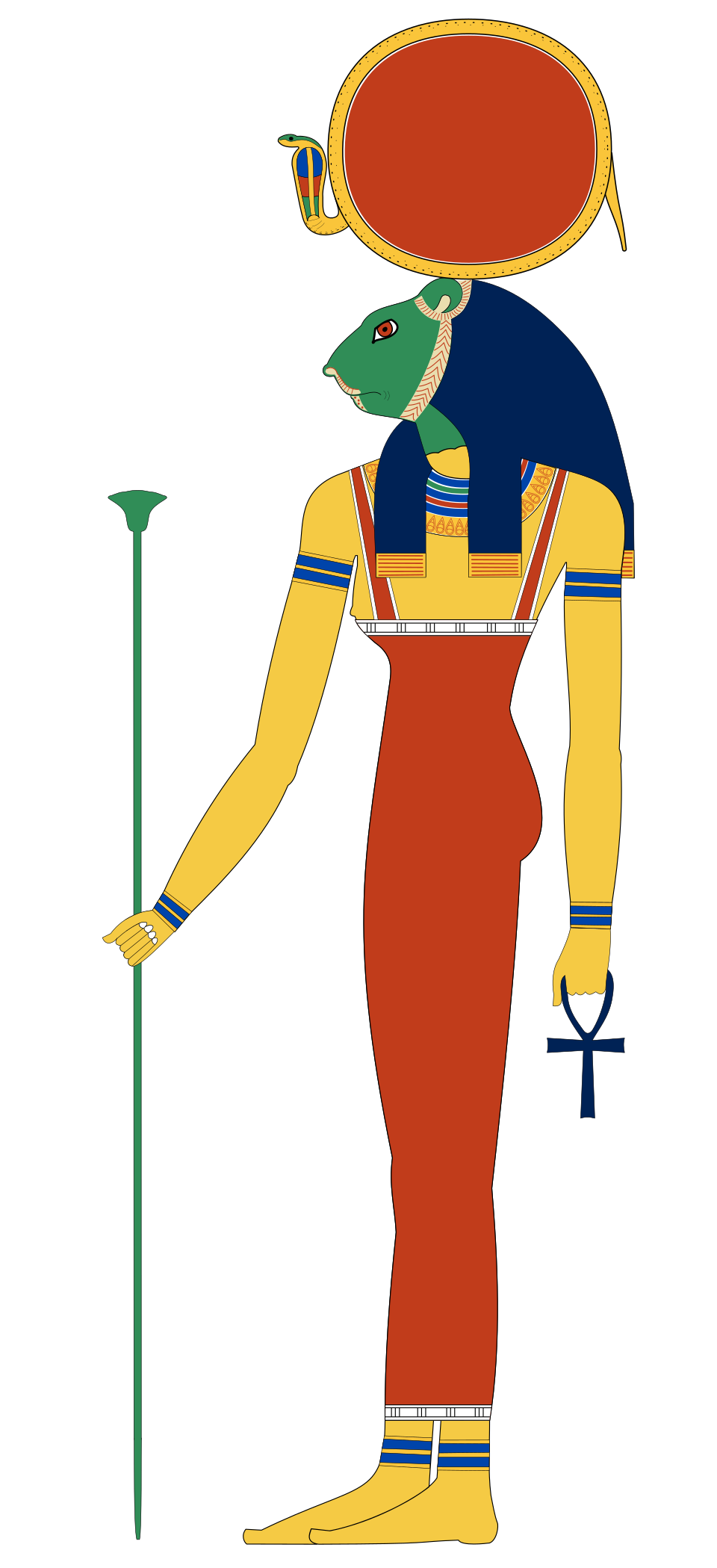
A cobra rearing at the front of a crown, understood as the eye of the sun placed where it can spit at whatever approaches the wearer's face.
The Swastika
from c. 2500 BCE
An auspicious mark used continuously for four and a half thousand years across most of the world, and destroyed as a public sign in the West by twelve years of one European party's use of it.
The Wedjat Eye
from c. 2500 BCE
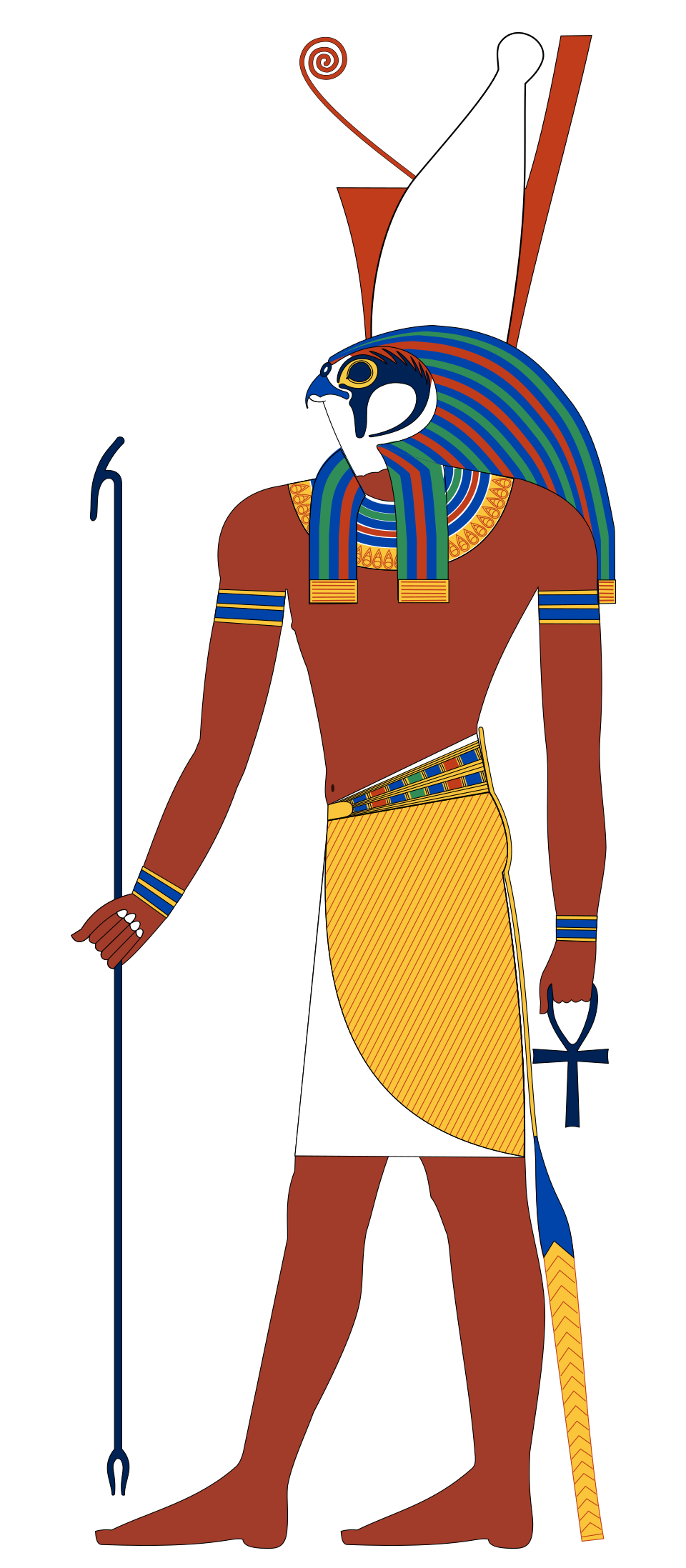
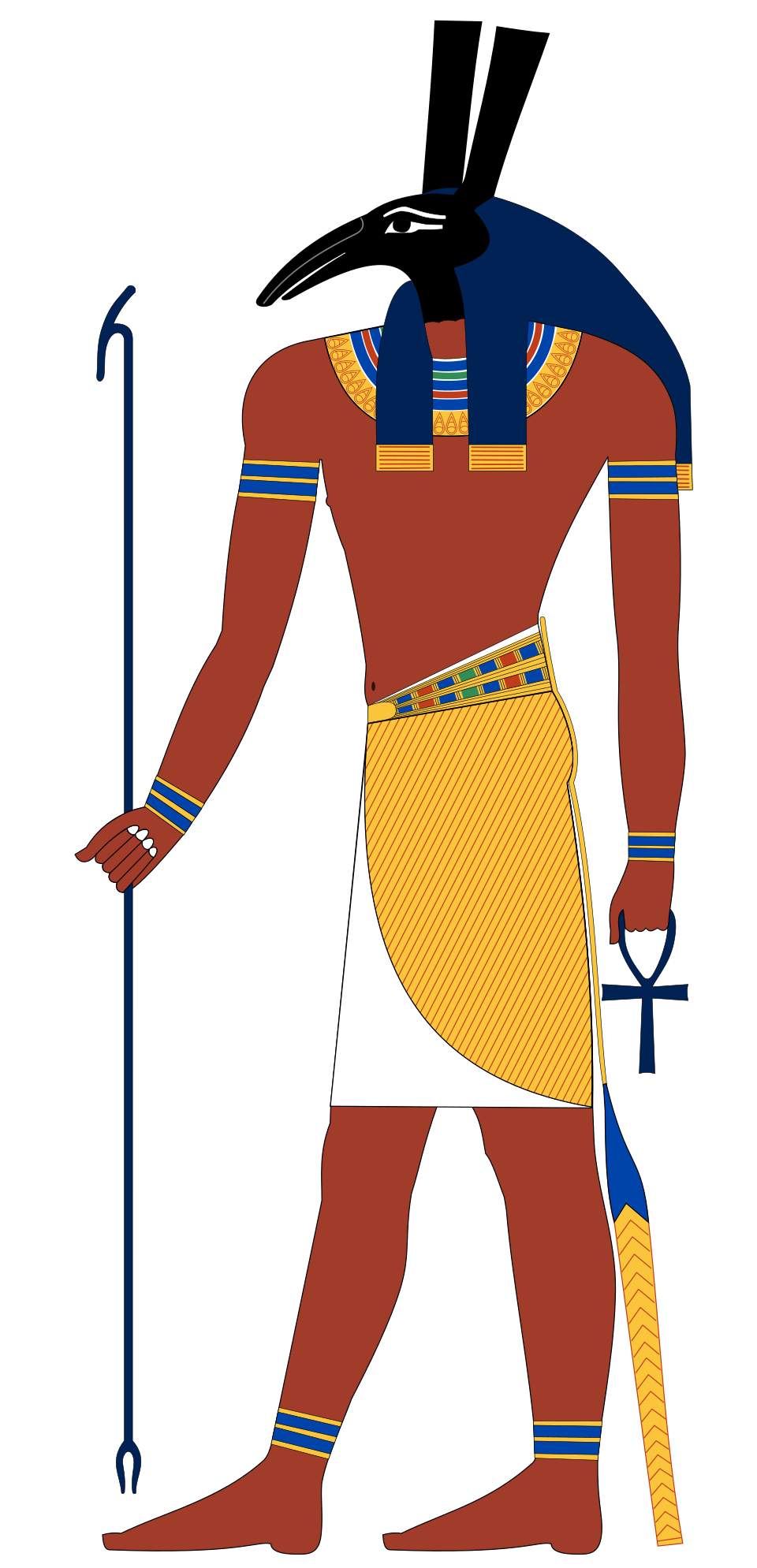
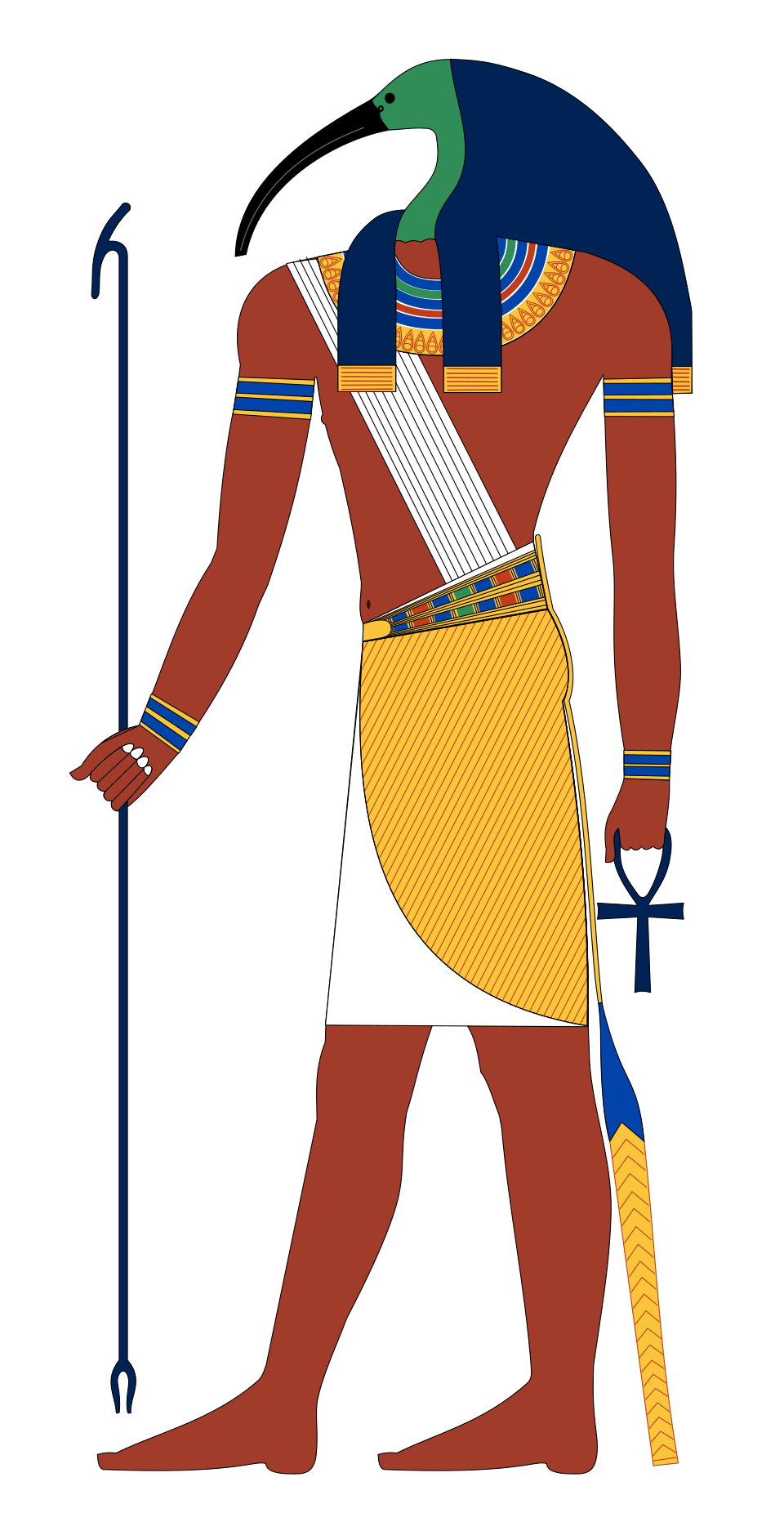
The eye Set tore out and Thoth made whole. Wedjat means 'the sound one' — the amulet is named for the repair, not the injury.
The Winged Disc
from c. 2500 BCE
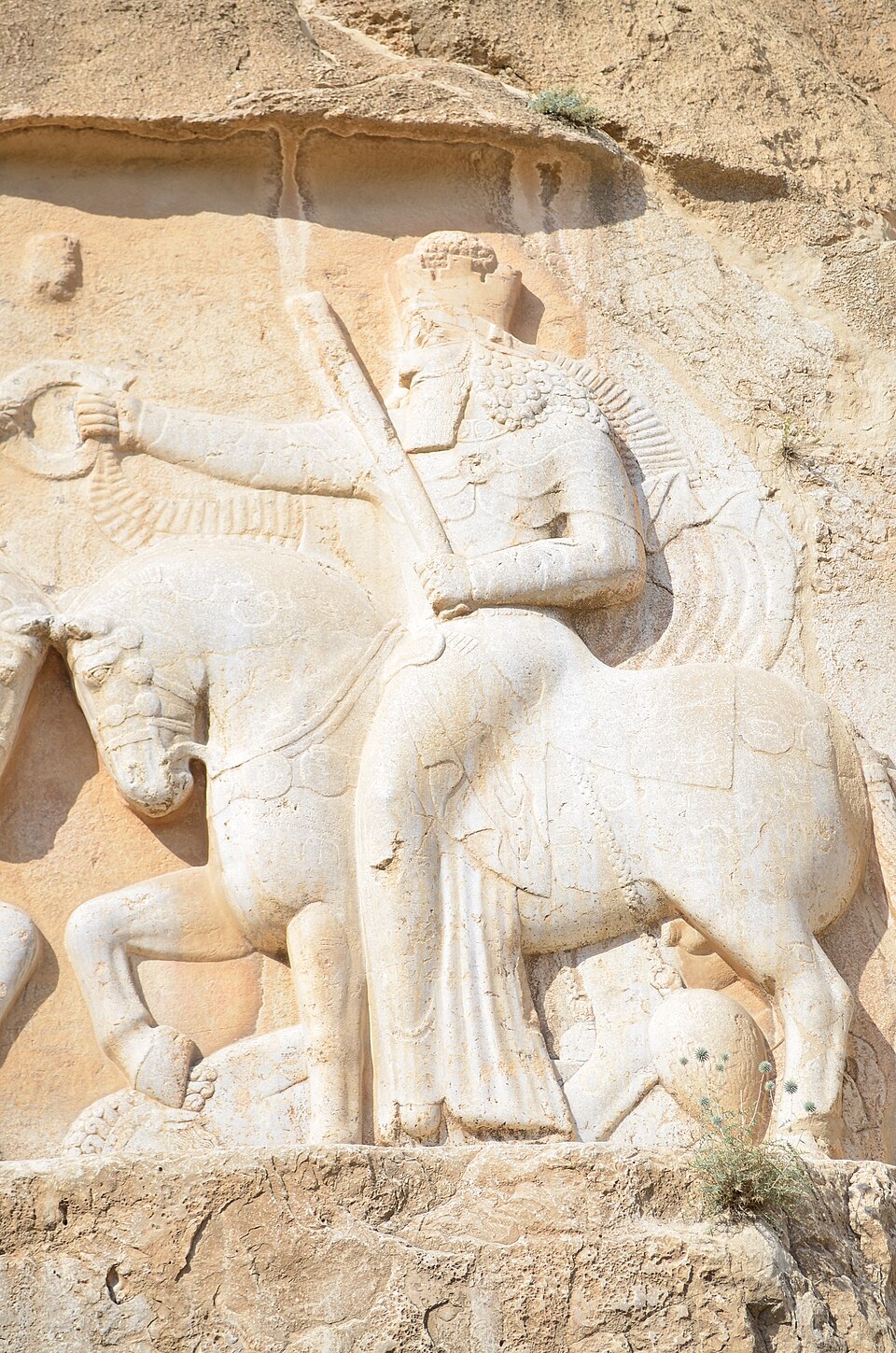
A sun with wings, borrowed by every empire in the region in turn — and the direct ancestor of the Persian faravahar.
The Feather of Ma'at
from c. 2400 BCE
A single ostrich plume — the counterweight the heart is measured against, and the lightest object in the corpus to carry that much weight.
The Bull
from c. 3000 BCE
The standard way of saying a god is strong — and, at Sinai and at Bethel, the standard way of getting it wrong.
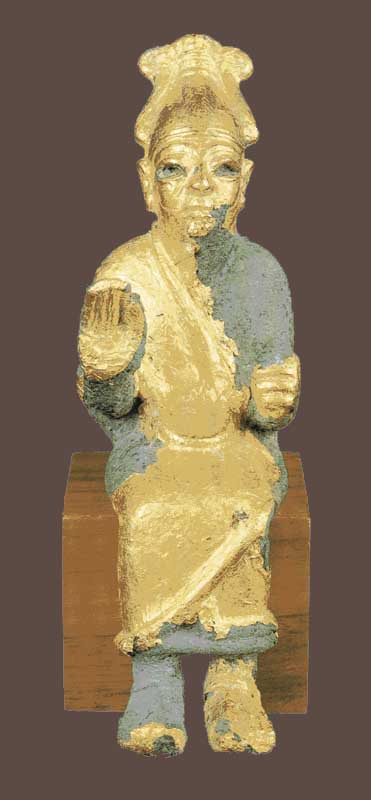
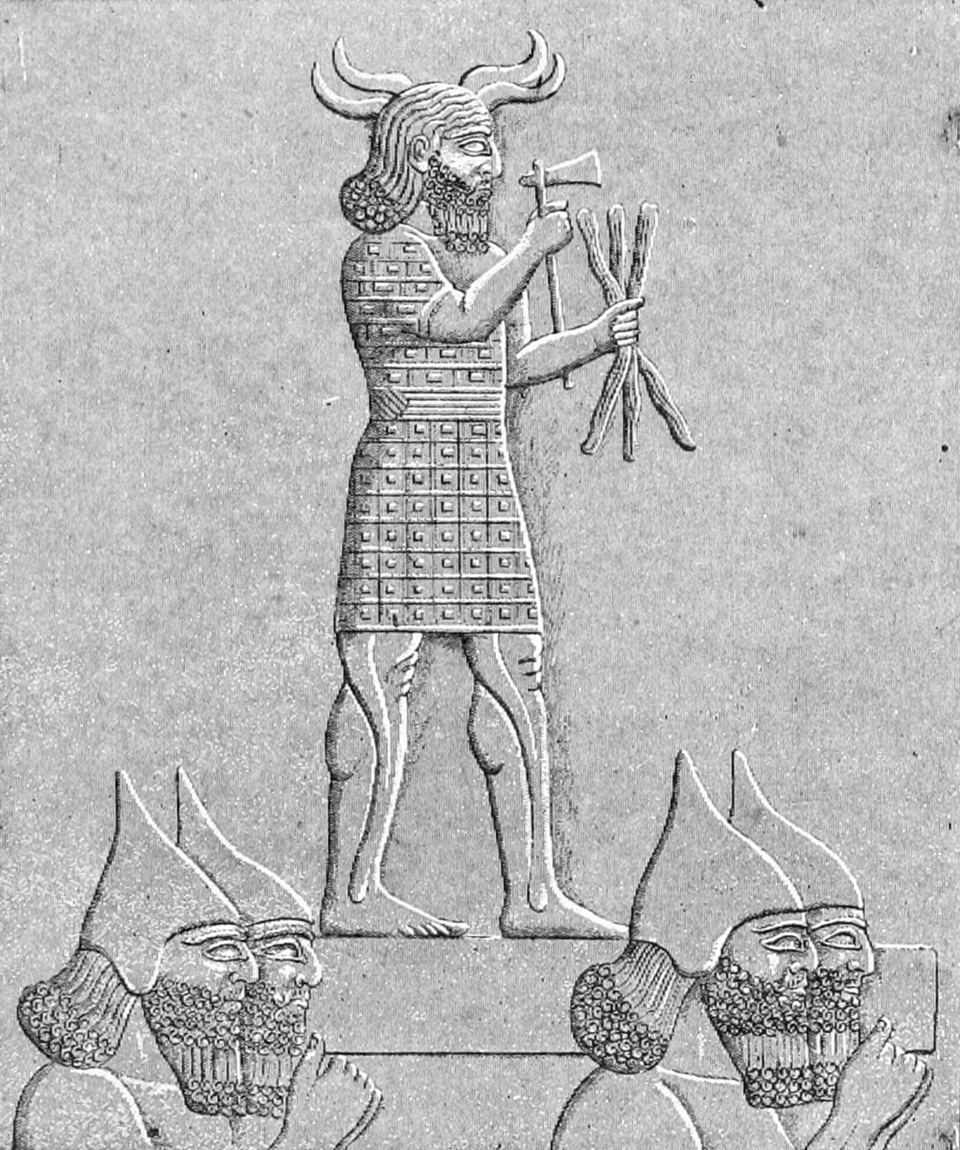
The Standing Stone
from c. 3000 BCE
An upright unworked stone marking a place where something happened — the oldest kind of monument, and one the Bible both erects and forbids.
The Tyet
from c. 2000 BCE
A looped knot cut in red jasper and laid at the throat of the dead, with a spell that puts the protection of Isis around the body.
The Heart Scarab
from c. 1700 BCE
A stone beetle laid over the heart, inscribed with an instruction to that heart: do not testify against me.
The Nazar
glass form from c. 1500 BCE
Blue glass with a white and black eye at its centre, worn on the theory that a look can be sent back.
The Spade of Marduk
from c. 1500 BCE
A builder's tool as a god's signature — Marduk is identified on boundary stones by a spade, not by a weapon.
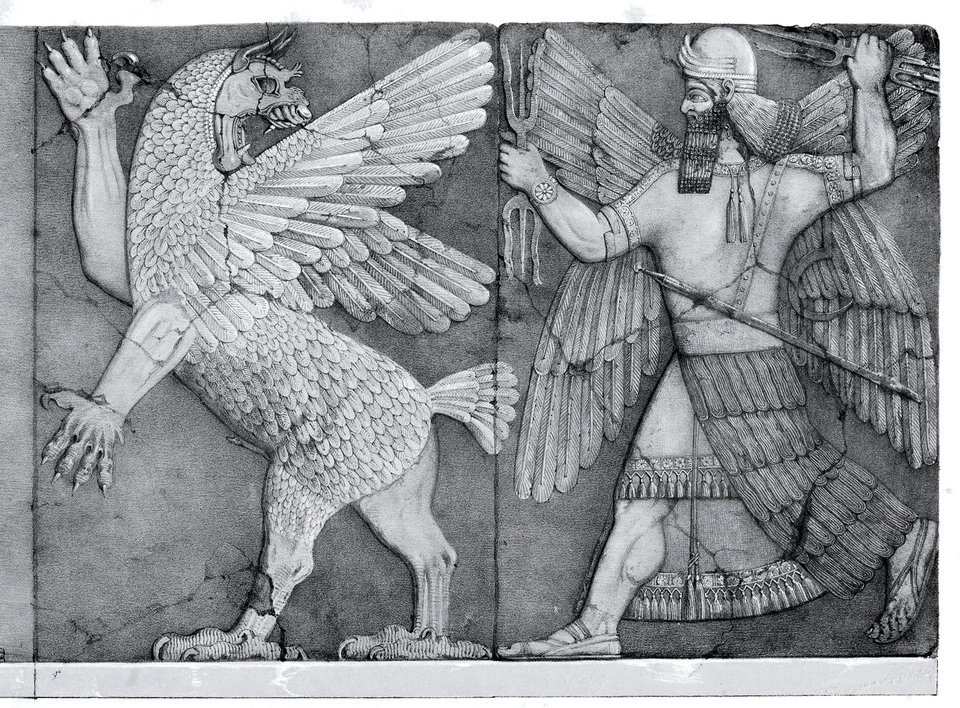
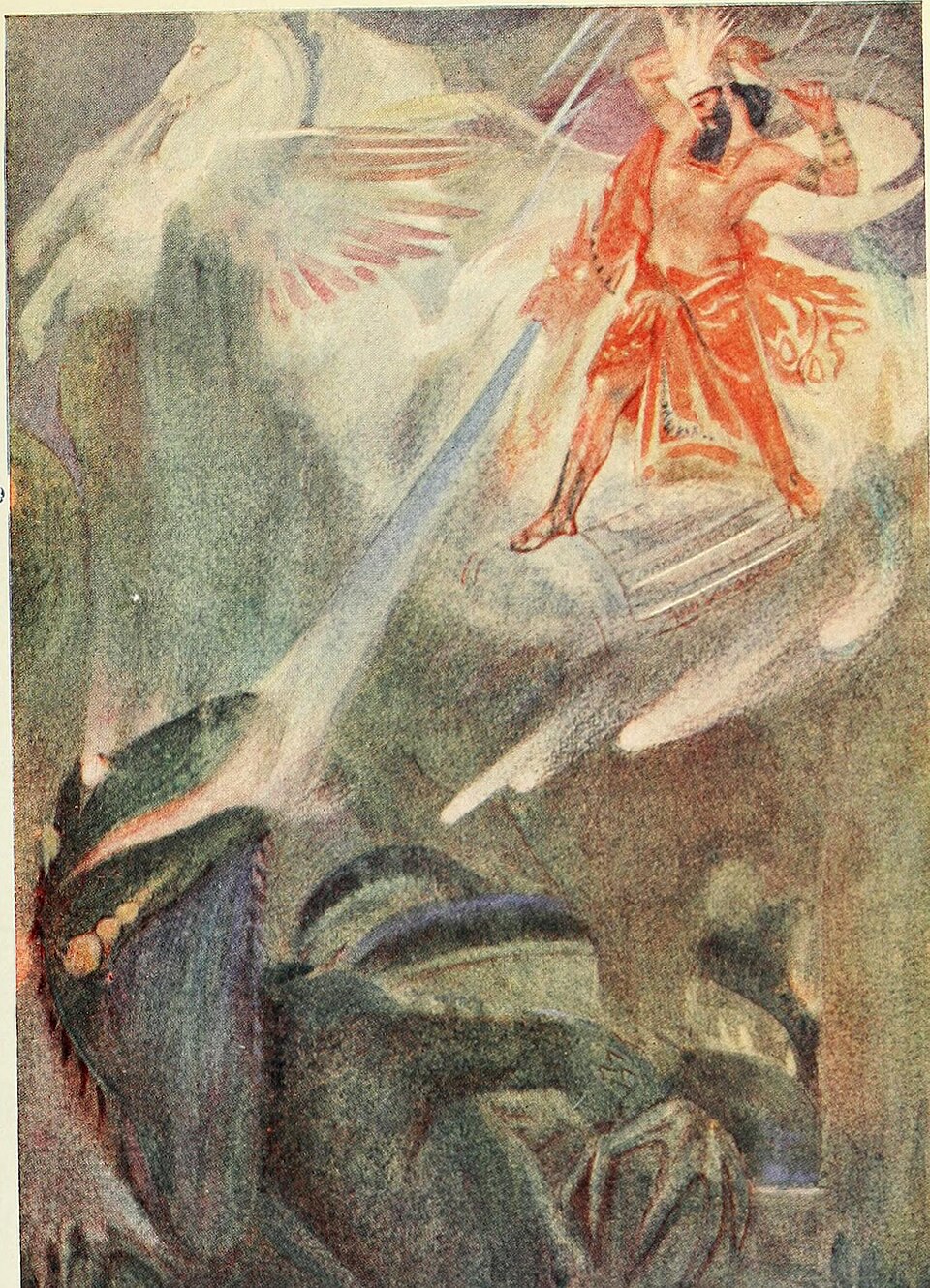
The Vajra
from c. 1200 BCE
Indra's thunderbolt, forged from a sage's bones, and later the ritual sceptre of Tibetan Buddhism — a weapon that changed sides.
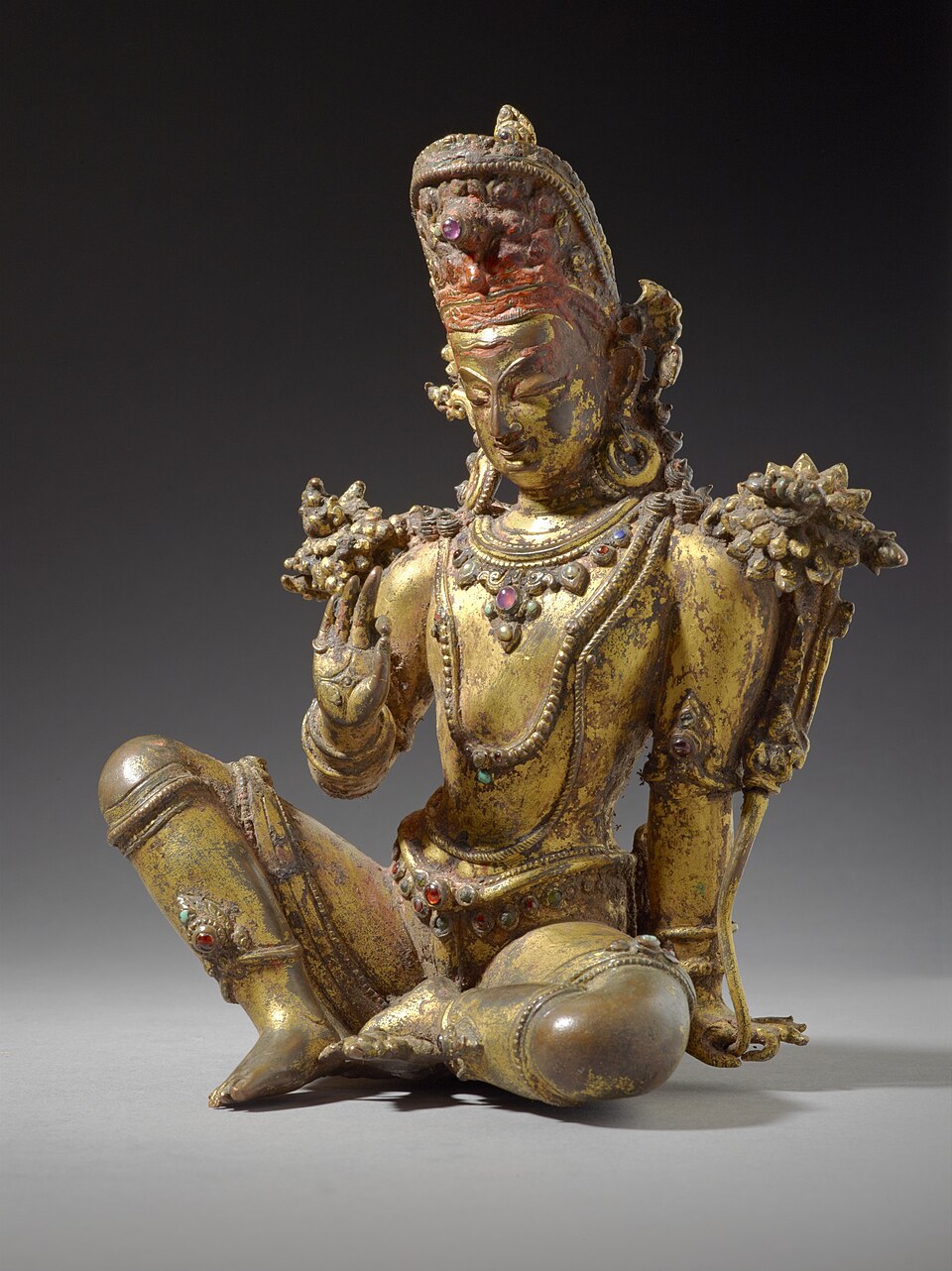
The Asherah Pole
attested c. 1200–600 BCE
A wooden pole or stylised tree beside an altar, mentioned about forty times in the Hebrew Bible and almost always in the course of ordering its destruction.
The Mušḫuššu Dragon
c. 2000–500 BCE
A scaled dragon with a lion's forelegs and an eagle's hind claws, set in glazed brick along the processional way into Babylon.
The Lamassu
c. 900–600 BCE
A human-headed winged bull carved at palace gates, up to five metres high, and given a fifth leg so it reads correctly from two angles.
The Bronze Serpent
Numbers 21; destroyed c. 715 BCE
A healing standard that stood in the Temple for centuries until a reforming king smashed it — the Hebrew Bible's own account of a symbol going wrong.
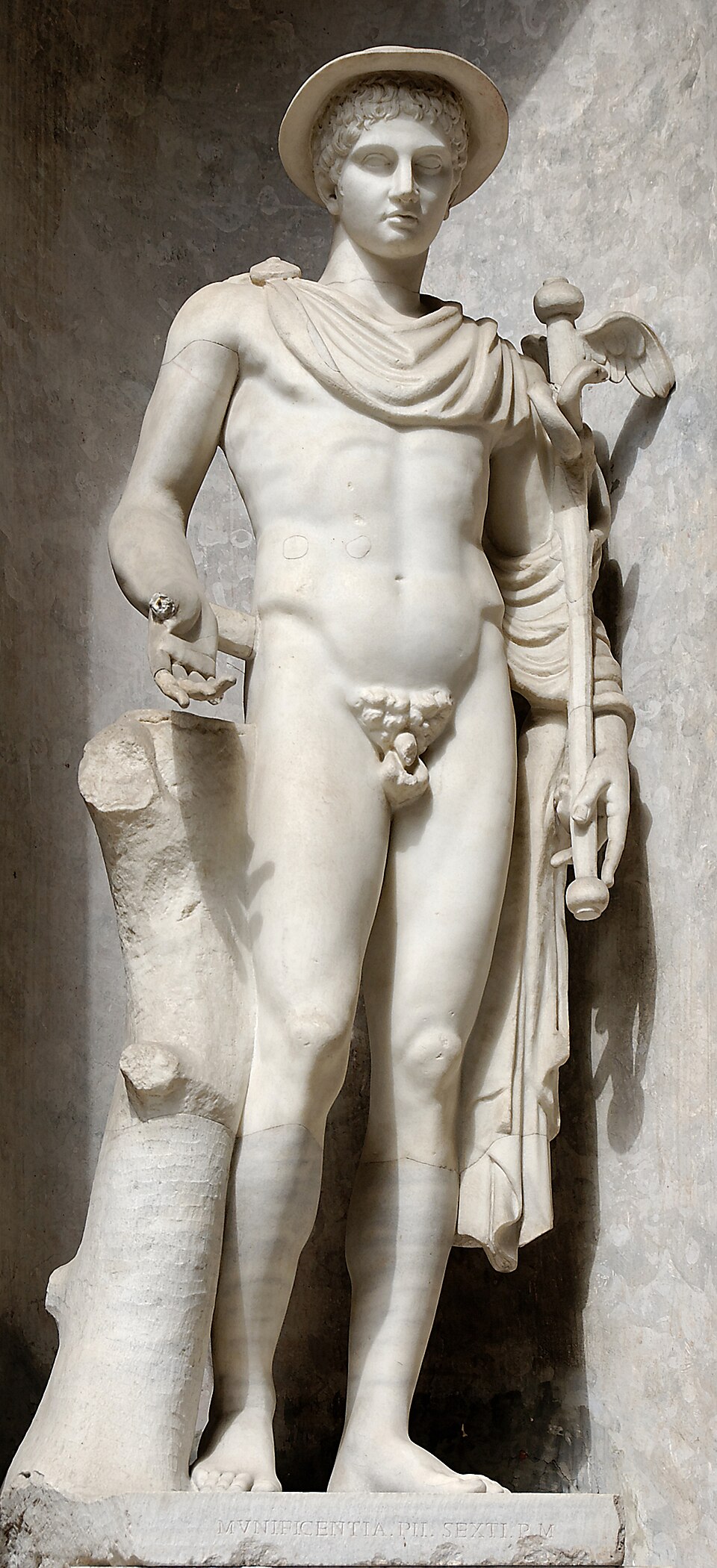
The Caduceus
from c. 700 BCE
Two snakes twined on a winged staff — the badge of a herald under safe conduct, and, through a filing error, the emblem of American military medicine.
The Cippus of Horus
c. 700–100 BCE
A small stela of the child Horus standing on crocodiles, gripping snakes and scorpions, covered front and back in spells — and designed so that water poured over it could be drunk.
The Fire Altar
from c. 1000 BCE
A stepped stone plinth with fire on top — the only image on Sasanian coinage for four centuries, and not an object of worship in Zoroastrian terms.
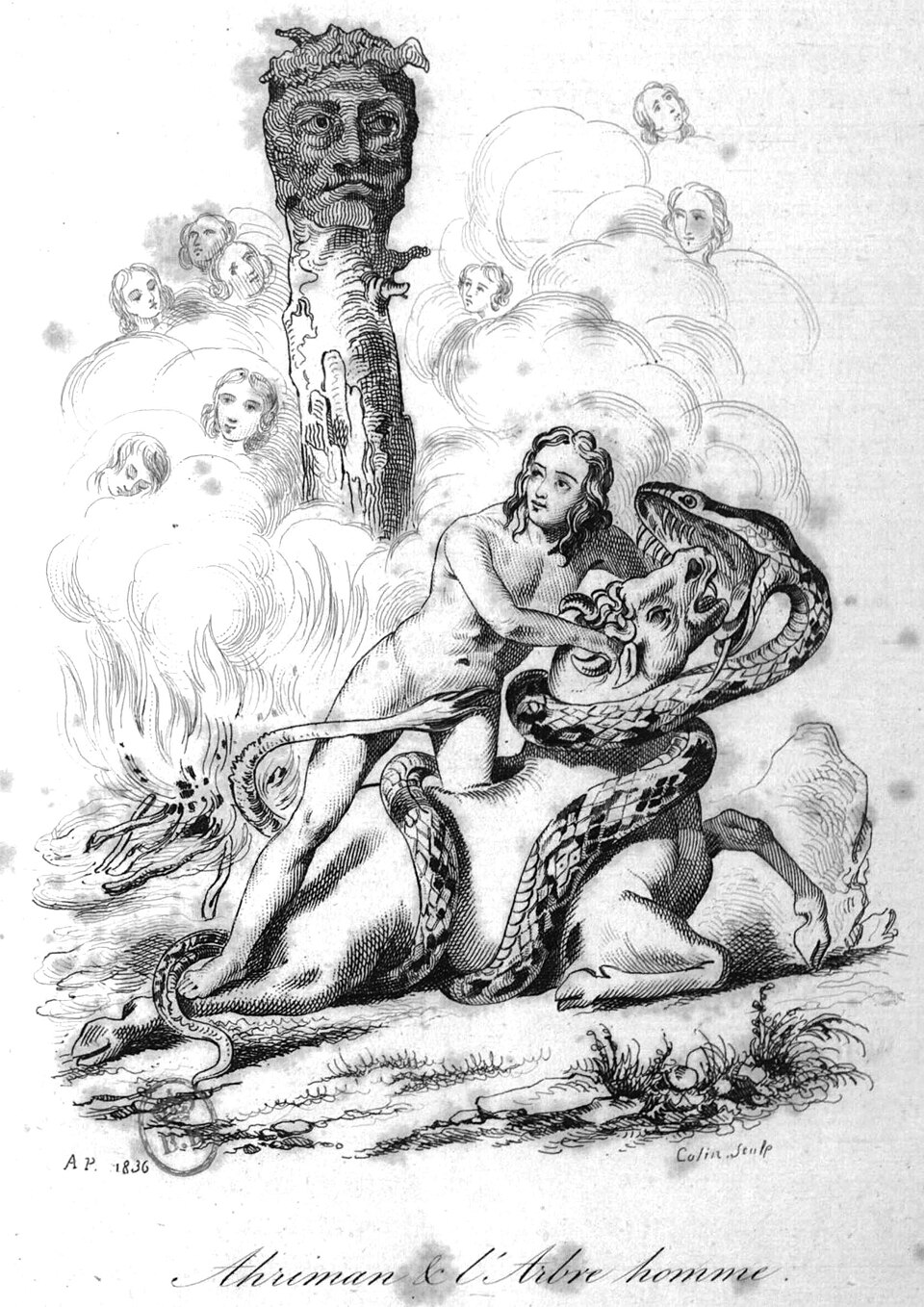
The Gorgoneion
from c. 700 BCE
A severed monster's face on a shield, a roof tile, an oven and a coin — the most-produced apotropaic image of the ancient Mediterranean.
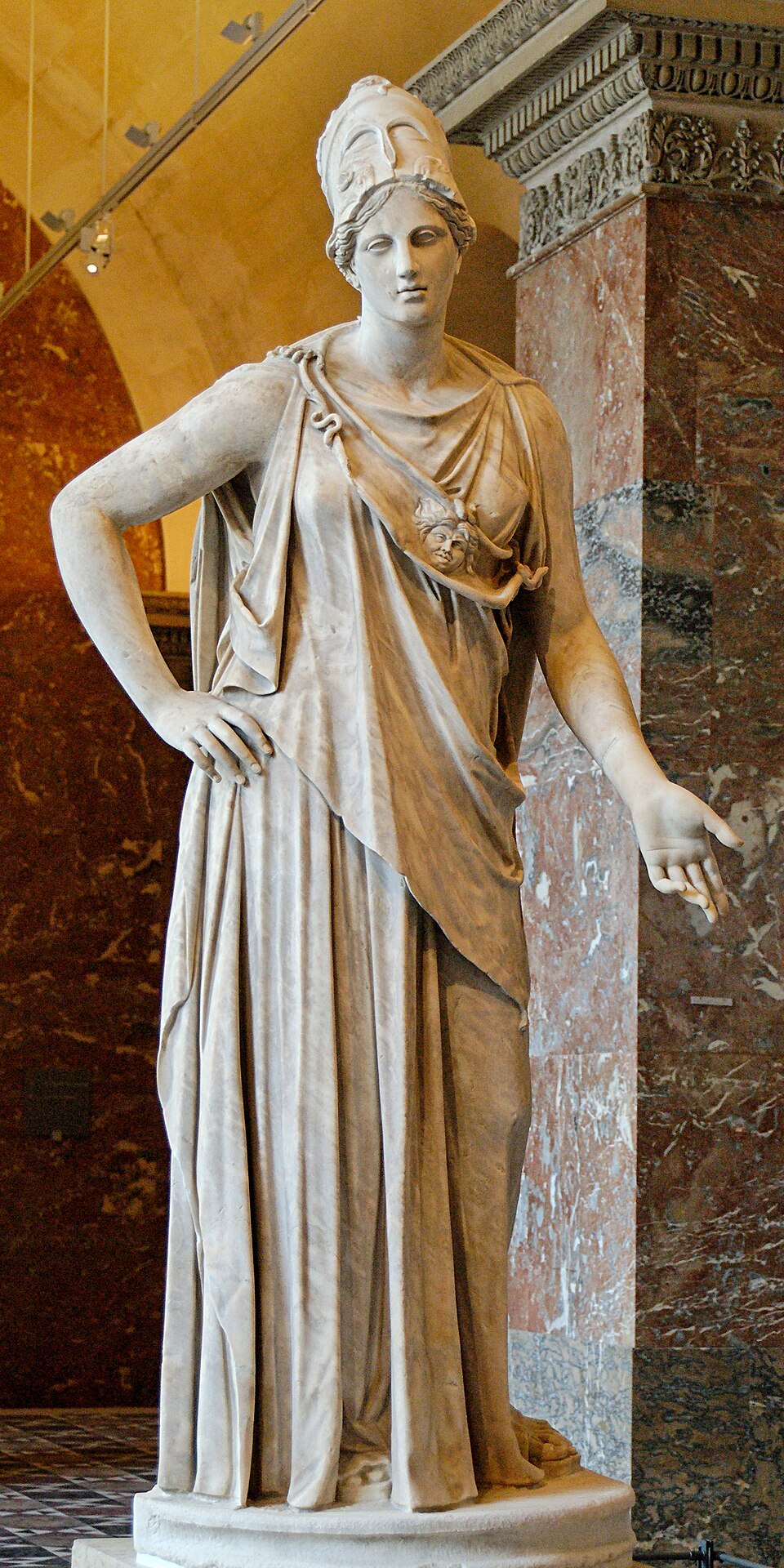
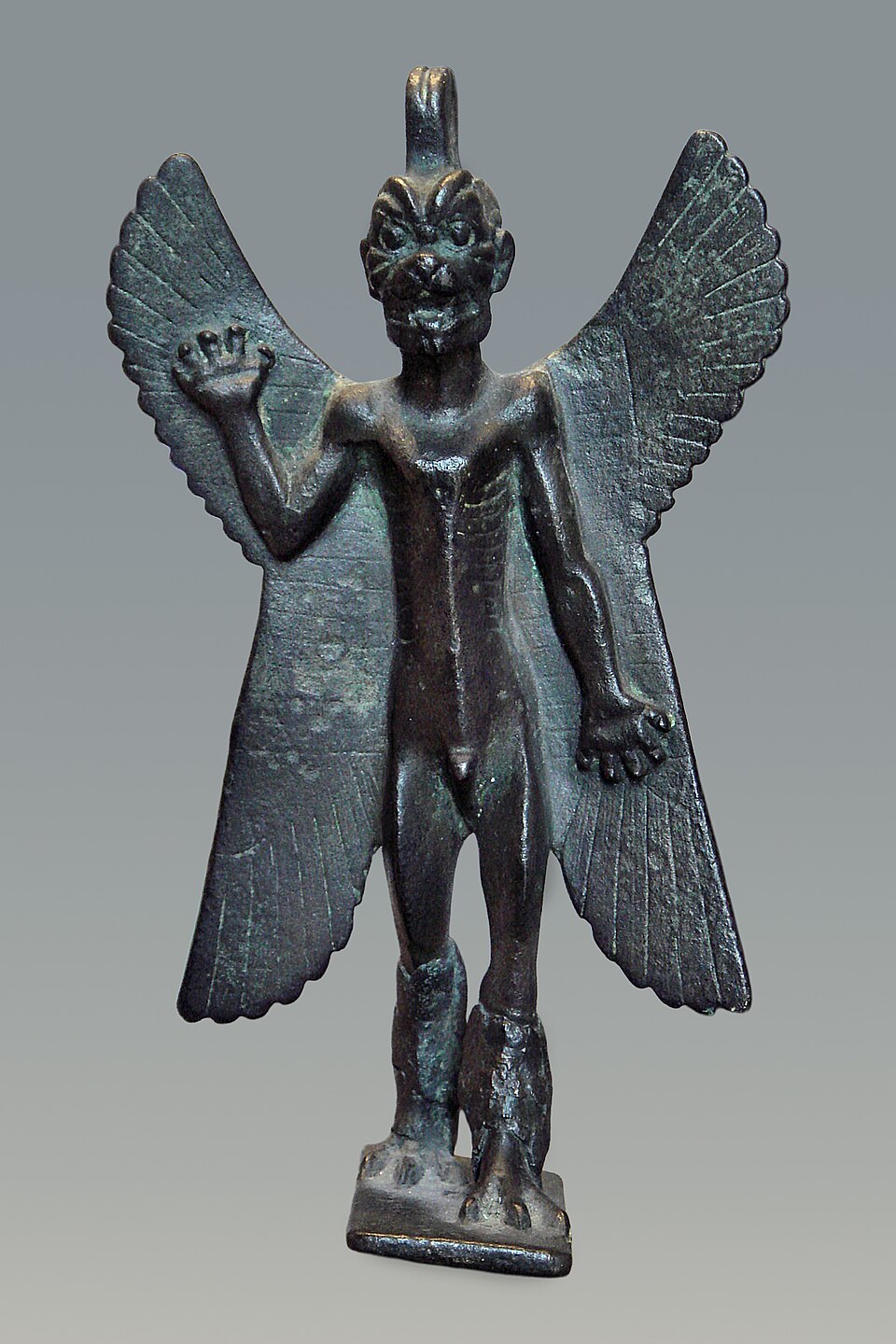
The Pazuzu Head
c. 800–550 BCE
A demon's face worn to keep a demon out — the clearest surviving case of a malevolent spirit hired as a doorman.
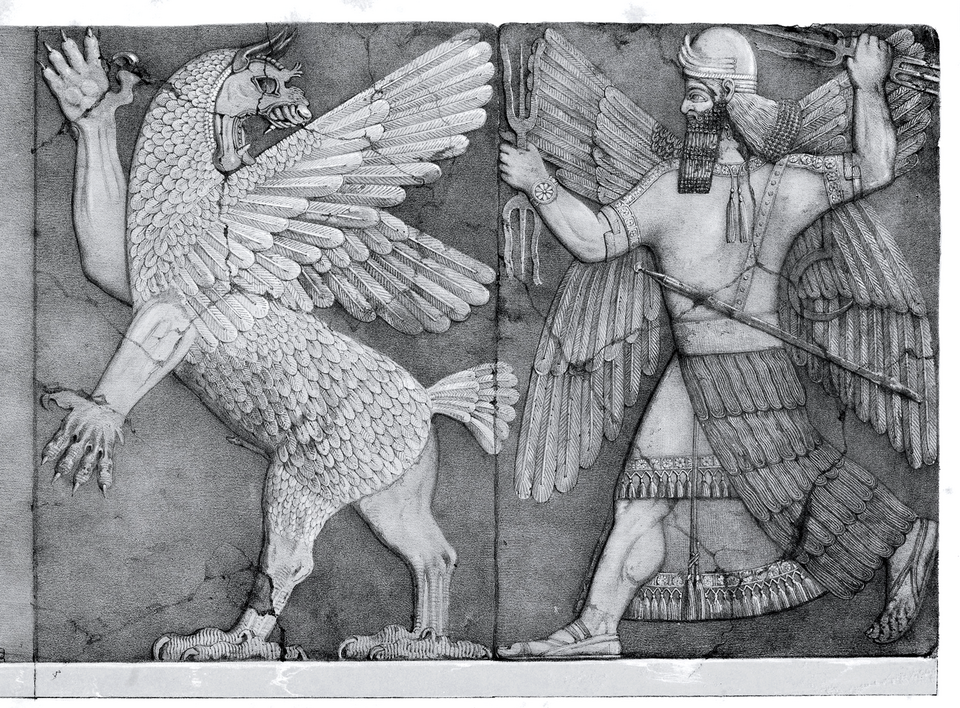
The Faravahar
c. 550–330 BCE
A man in a winged disc, carved above Persian kings and identified as Ahura Mazda by nearly everyone except the inscriptions.
The Menorah
described c. 500 BCE; carved 81 CE
A seven-branched lampstand specified to the almond blossom in Exodus, and carved on a Roman arch as loot.
The Sign of Tanit
c. 500–146 BCE
A triangle, a bar and a disc — a schematic figure with raised arms, cut into thousands of Punic stelae and mosaics across the western Mediterranean.
The Trishula
from c. 200 BCE
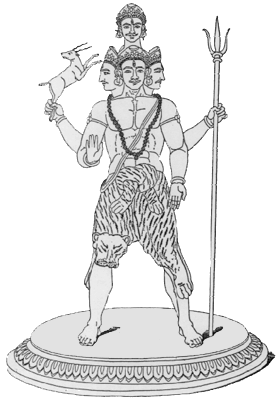
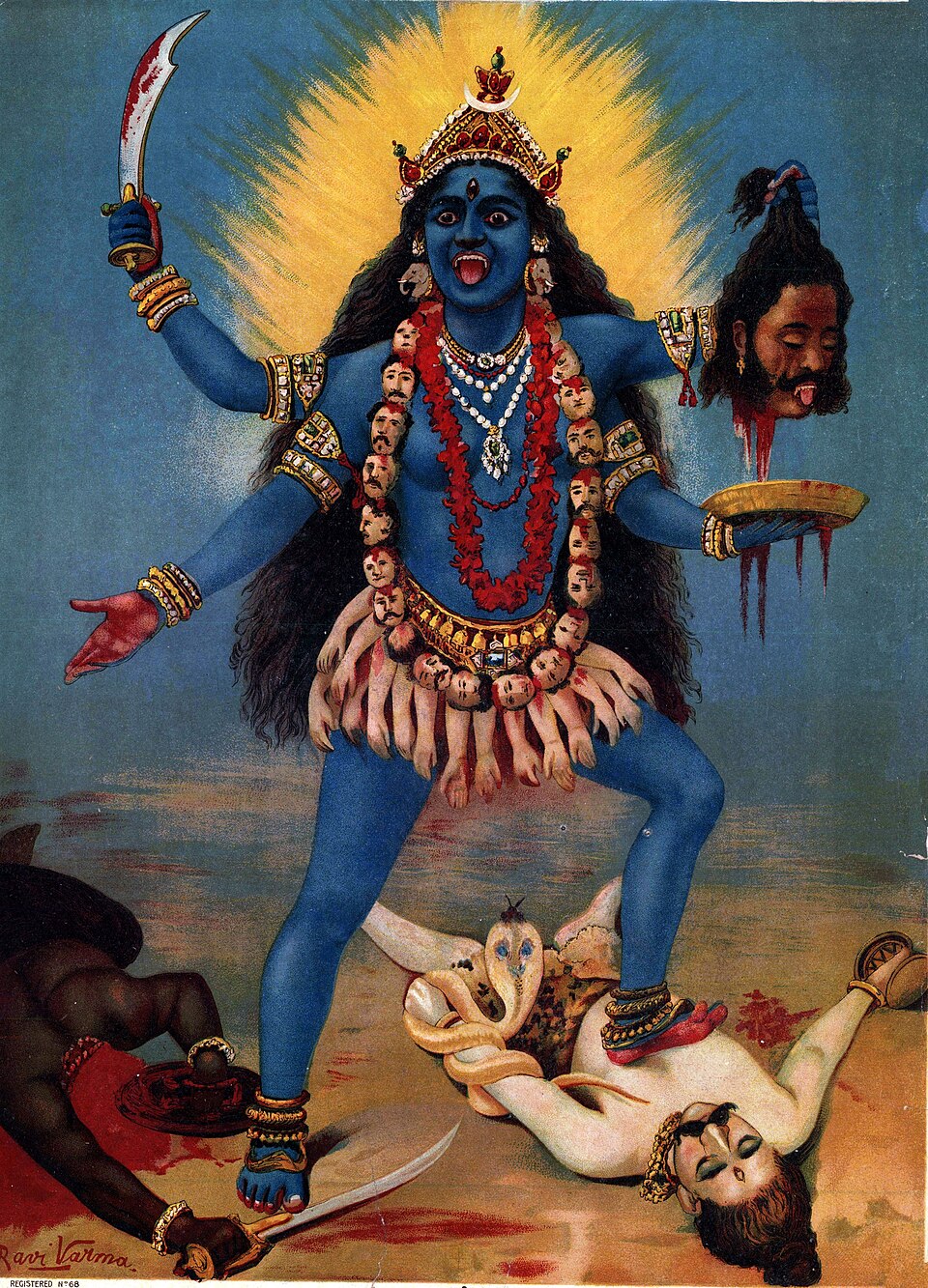
A three-pronged spear carried by Shiva and by the goddess in her killing aspect, with the three points read as everything that comes in threes.
The Mezuzah
attested at Qumran, c. 100 BCE
A rolled parchment in a case on a doorpost, containing the verses that instruct you to put it there.
The Feathered Serpent
from c. 100 CE
A snake with quetzal plumage, carved at Teotihuacan a thousand years before the Aztecs — a symbol that outlasted several of the states that used it.
The Hand of Sabazios
c. 100–300 CE
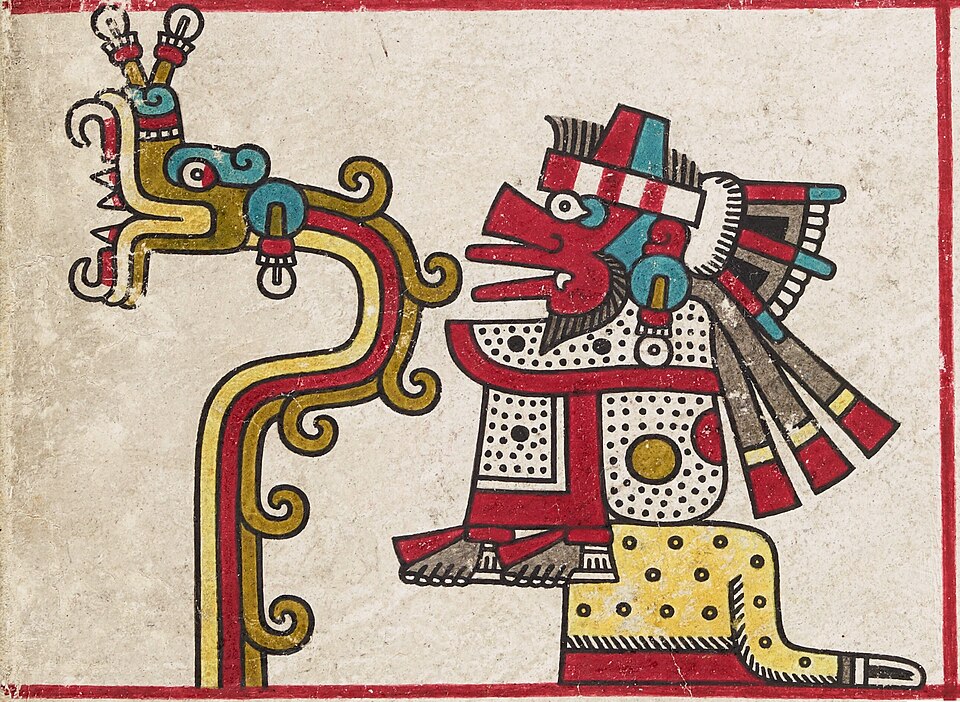
A bronze right hand raised in blessing, crowded with small figures — a pine cone, a snake, a frog, a lizard — mounted on a pole and carried in the rites of a Thracian god at Rome.
The Incantation Bowl
c. 400–700 CE
A plain clay bowl with writing spiralling inward across the inside, buried upside down under the floor of a house. Around two thousand survive, and they name demons by name.
The Lilith Amulet
from c. 500 CE
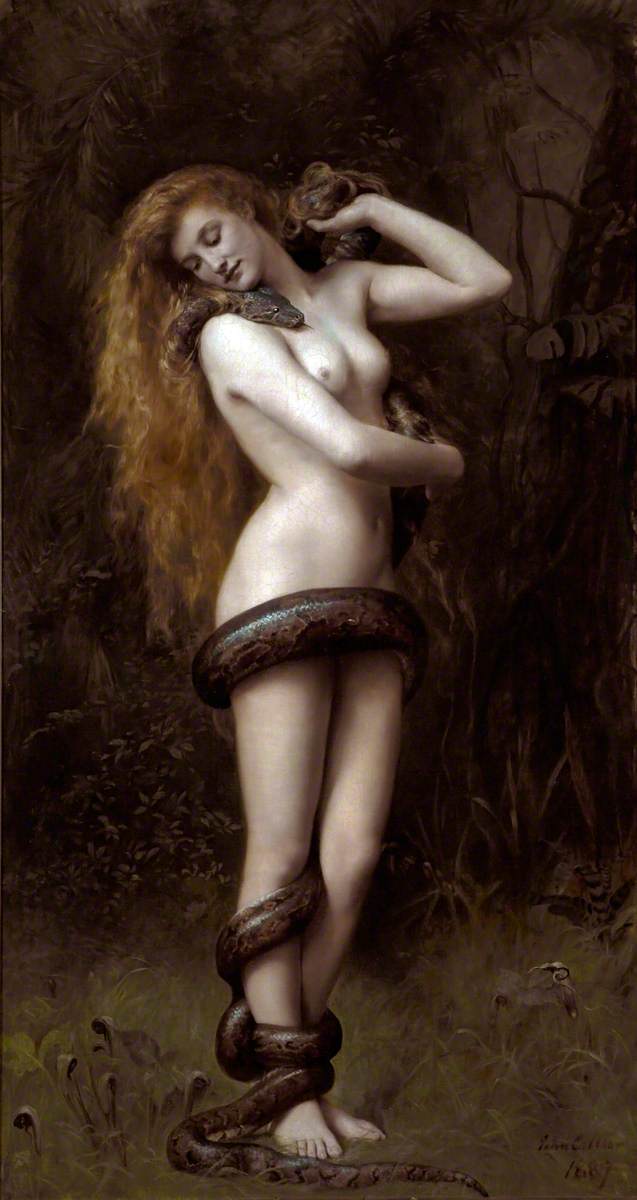
Hung over a birthing bed, naming three angels — a ward that works by holding a demon to something she agreed to.
The Shimenawa
in the chronicles by 712 CE
A twisted rice-straw rope with folded paper streamers, tied around a tree, a rock, a wrestler or a doorway to mark it as not ordinary.
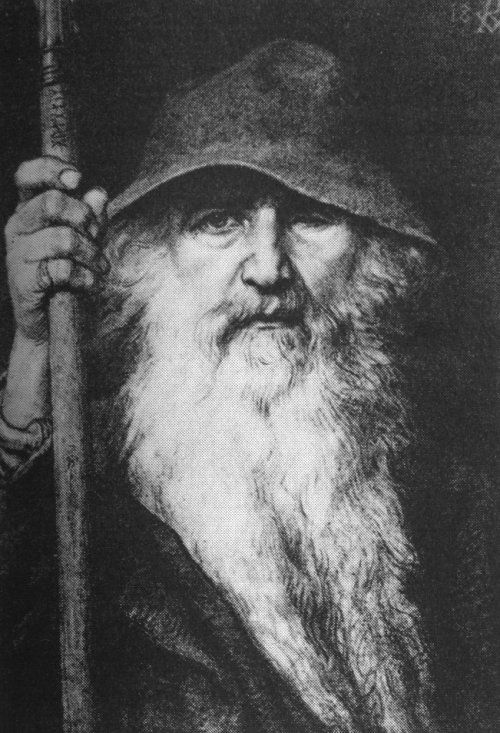
The Valknut
c. 700–1000 CE
Three interlocking triangles on picture stones and ship burials, always near Odin, and never once explained by a surviving text.
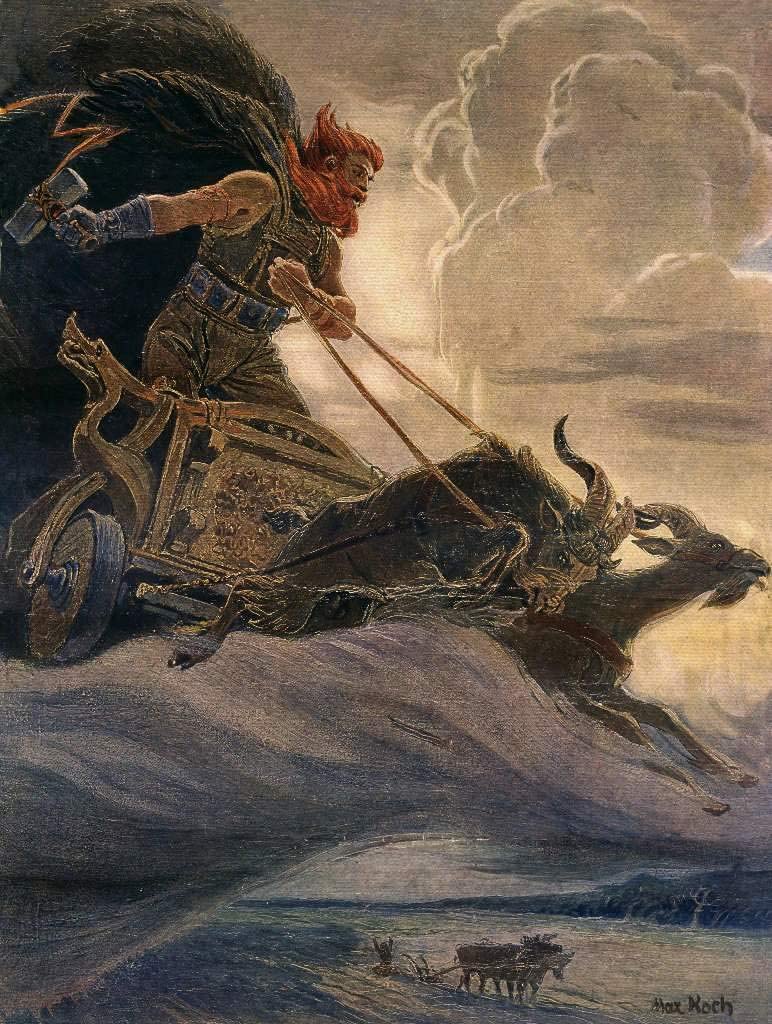
Mjölnir
Viking age; worn from c. 900 CE
The hammer that hallows — worn as silver pendants in exactly the century Christian cross pendants were spreading through the same region.
The Torii
attested from c. 900 CE
Two uprights and two crossbars marking where ordinary ground stops — a gate with no door, no wall and nothing to keep out.
The Thunder Marks
attested in folk use from the medieval period
A six-petalled rosette scratched into roof beams to stop lightning — a compass-and-straightedge figure any carpenter can lay out.
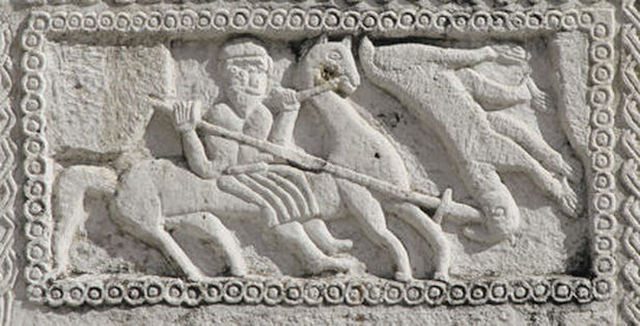

The Hamsa
medieval, on much older roots
An open hand against the evil eye, claimed in nearly identical form by Jewish, Muslim and Christian communities across the same geography.
The Crescent and Star
as an Islamic emblem from c. 1450
Nothing to do with the Qur'an and everything to do with Constantinople — a Byzantine city emblem inherited by the empire that took the city.
Witch Marks
c. 1500–1750
Compass-drawn flowers, interlocking Vs and burn marks scratched into beams beside doors, windows and hearths in ordinary English buildings — protection with no text and no clergy attached.
The Helm of Awe
drawn form from the 17th century
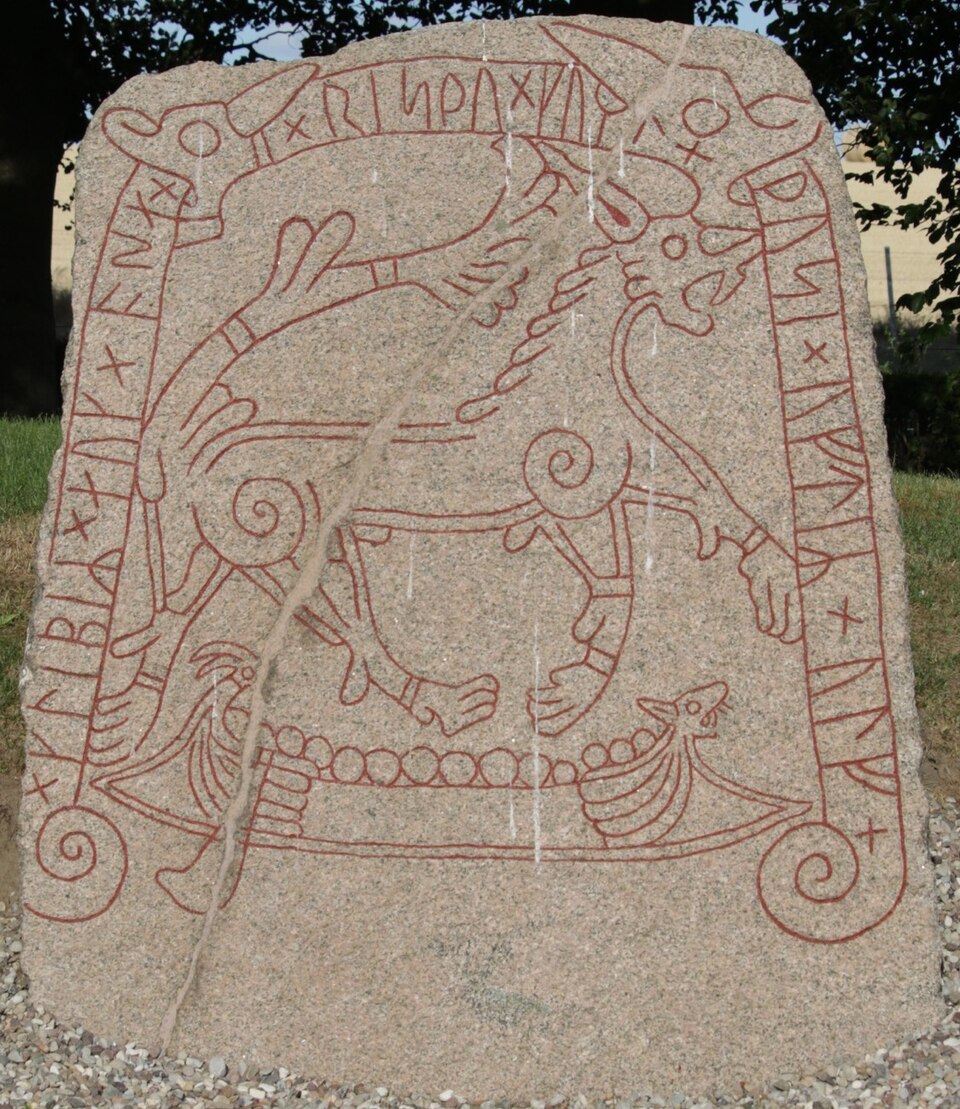
Eight tridents radiating from a point, drawn between the eyebrows before a fight — an Icelandic magical stave with an Eddic name attached to it.
The Iron of Ògún
in continuous use; documented from the 19th century
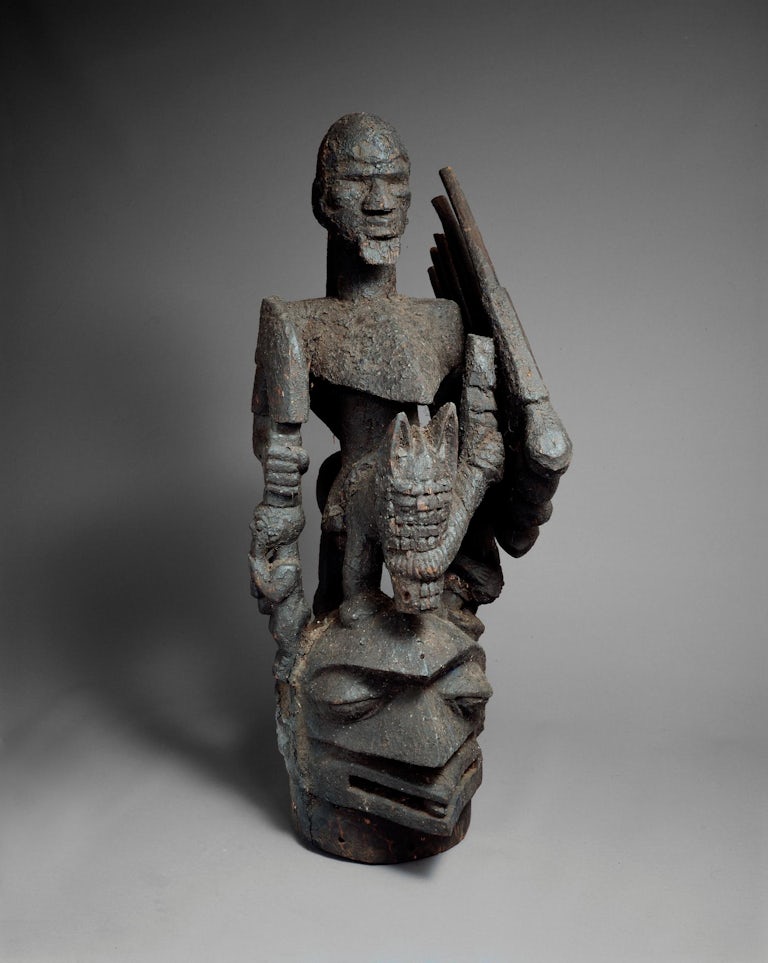
Not an image but a material: worked iron itself — machete, anvil, nails, and now car parts — is Ògún's presence.
The Oṣé Ṣàngó
in continuous use; documented from the 19th century
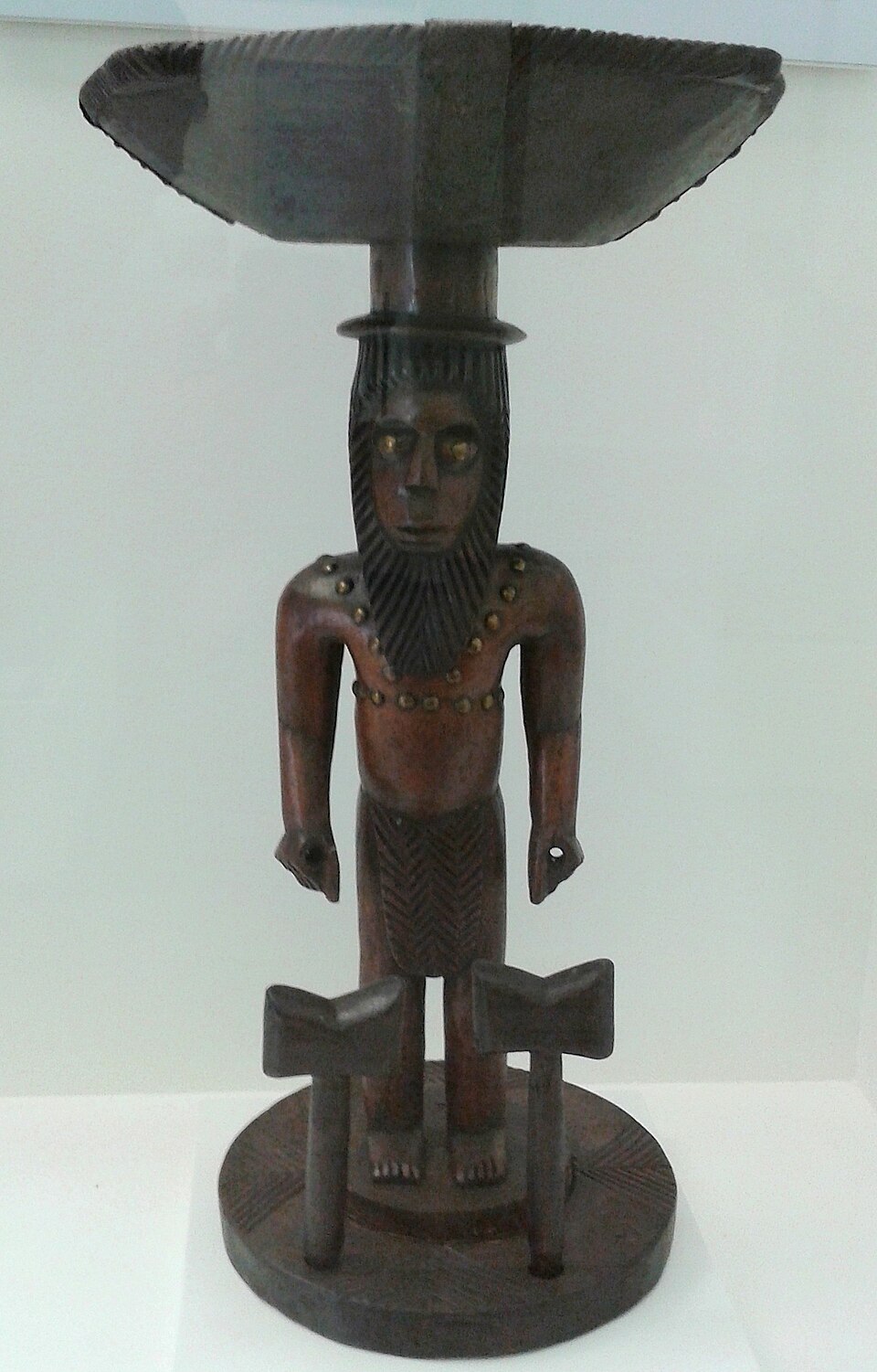
A double-headed axe carried on the head of a dancer — and, in practice, the neolithic stone celts that turn up in fields after a storm.
Figures
Shapes that carry meaning by construction rather than by depiction, and therefore the ones most easily re-read by whoever inherits them.
The Triple Spiral
carved c. 3200 BCE
Three joined spirals cut into a kerbstone at Newgrange five thousand years ago — older than the pyramids, and completely unexplained.
The Pentagram
from c. 3000 BCE
A five-pointed star drawn in one unbroken line — an accounting mark, a Pythagorean password, a Christian emblem of the five wounds, and only recently a sign of evil.
The Ouroboros
from c. 1600 BCE
A serpent swallowing its own tail, first drawn around the sun god in an Egyptian tomb and still in use three thousand years later as a diagram of a closed system.
The Eight Trigrams
from c. 800 BCE
Eight stacks of three broken or unbroken lines — a complete three-bit notation, arranged in a ring and hung over doorways.
The Dharmachakra
from c. 250 BCE
An eight-spoked wheel for an eightfold path — the emblem Buddhism used for its founder for four centuries before it would depict him at all.
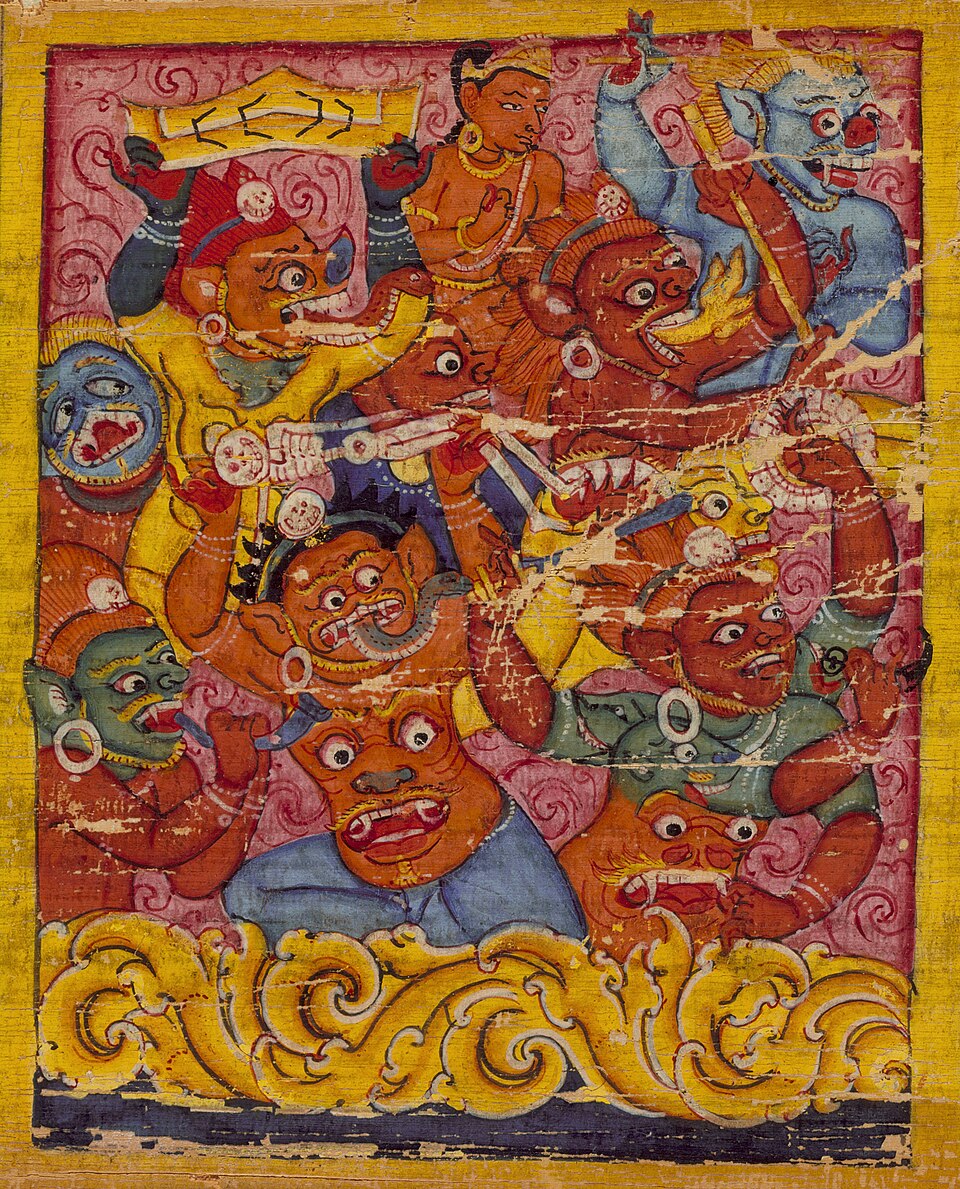
The Wheel of Becoming
from c. 500 CE
Six realms in one circle, held in the jaws of the lord of death — a cosmological diagram painted at monastery entrances so that everyone entering has read it.
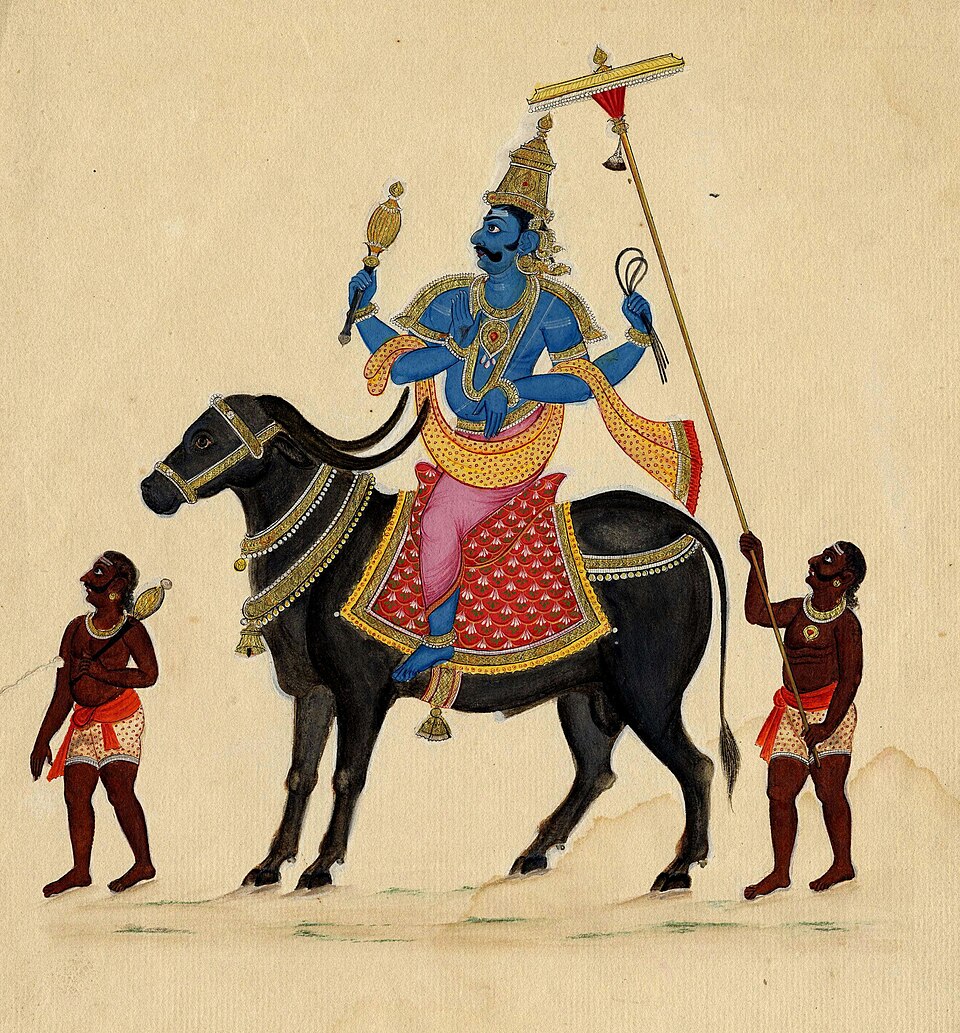
The Triquetra
Christian manuscript use from c. 700 CE
Three interlaced arcs from Insular manuscript art — read as the Trinity by the people who drew it, and as pre-Christian by nearly everyone since.
The Taijitu
current form from c. 1070 CE
Two interlocking halves, each carrying a dot of the other — a Song-dynasty diagram of a much older idea, not an ancient emblem.
The Hexagram
protective use from c. 1200 CE
Two interlocked triangles that were ornament almost everywhere before they were a Jewish emblem anywhere — and a spirit-binding seal in between.
The Tree of Life
diagram form from c. 1500
Ten spheres on twenty-two paths. The doctrine is medieval; the diagram everyone draws is early modern and printed.
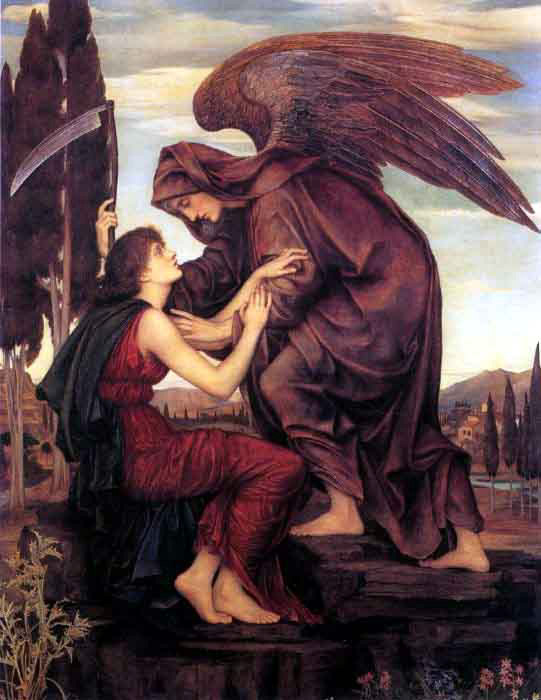
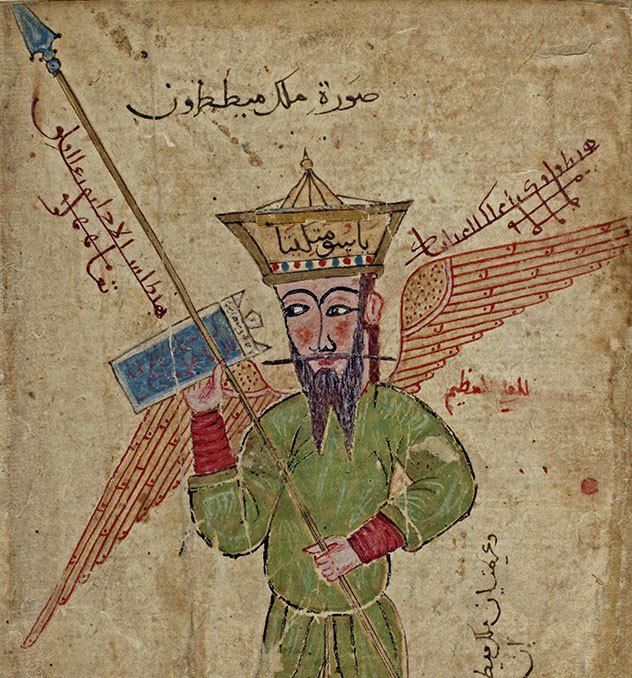
Names written down
Where the mark is a word: a name too holy to say, an acronym, a monogram, an acrostic compressed to two lines.
Om
from c. 1200 BCE
A syllable before it was ever a shape — recited at the opening and close of Vedic utterance, and only much later written as the mark everyone recognises.
The Tetragrammaton
attested from c. 840 BCE
Four letters that stopped being pronounced and became, in consequence, the most powerful thing you could write on a piece of equipment.
The Ephesia Grammata
attested from c. 400 BCE
Six meaningless Greek words, said to have been written on the statue of Artemis at Ephesus, and spoken or worn as protection for a thousand years.
The Sator Square
before 79 CE
Five Latin words in a grid that reads the same in four directions, scratched on a wall at Pompeii and still being cut into churches a thousand years later.
Alpha and Omega
c. 95 CE
First and last letters of the Greek alphabet, used in Revelation as a name — a claim about extent made out of the ordering of a writing system.
The Number of the Beast
c. 95 CE
A number given in Revelation as a puzzle with a stated solution method — 'let him that hath understanding count' — and now the single most recognisable mark in the whole subject.
The Cross
in Christian use from the 2nd century CE
An instrument of public execution adopted as the emblem of the executed — and avoided in Christian art for as long as the punishment was still in use.
The Ichthys
2nd century CE
Two arcs making a fish, standing for an acrostic — ΙΧΘΥΣ, 'Jesus Christ, God's Son, Saviour'. A symbol that is really a sentence.
The Runes
from c. 150 CE
An alphabet that the poems say Odin obtained by hanging himself on a tree for nine nights — writing acquired as an ordeal.
Abracadabra
c. 200 CE
A word written as a shrinking triangle, one letter dropped per line, so that the fever it is written against diminishes with it.
IHS
from c. 300 CE
The first three letters of ΙΗΣΟΥΣ, read for centuries afterwards as the initials of a Latin sentence that was invented to explain them.
The Chi-Rho
from 312 CE
The first two letters of ΧΡΙΣΤΟΣ overlaid, put on a Roman army standard in 312 — the first Christian symbol with state power behind it.
Ogham
c. 350–600 CE
Notches cut across the edge of a standing stone — an alphabet designed to be written on a corner rather than a face.
Āyat al-Kursī
7th century CE
One verse, recited at night and inscribed on doorways and pendants, and named in hadith as what keeps a guard over you until morning.
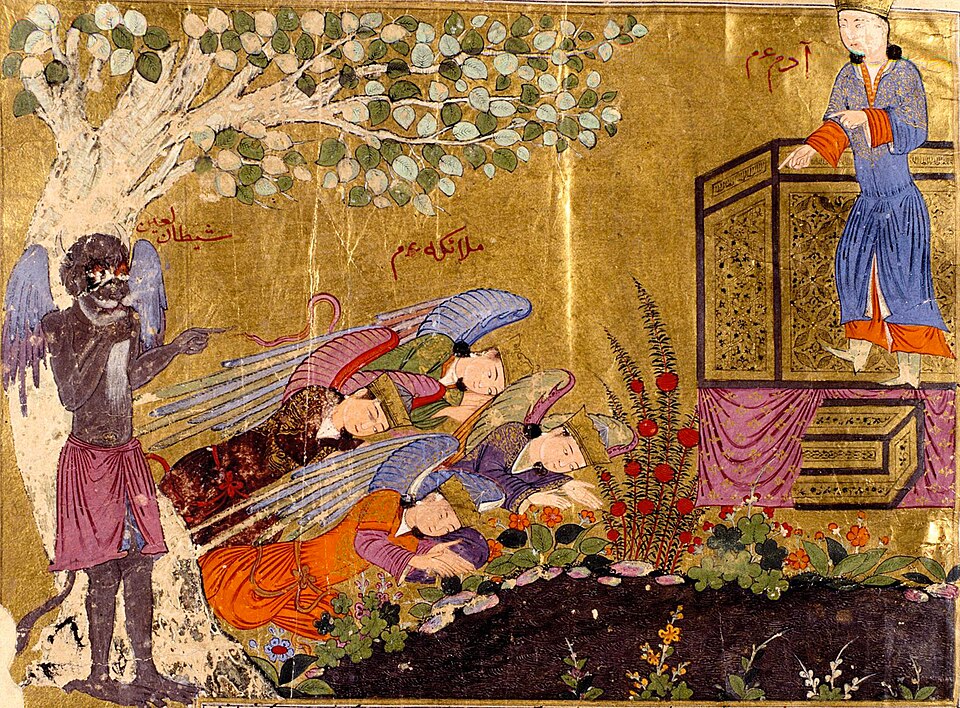
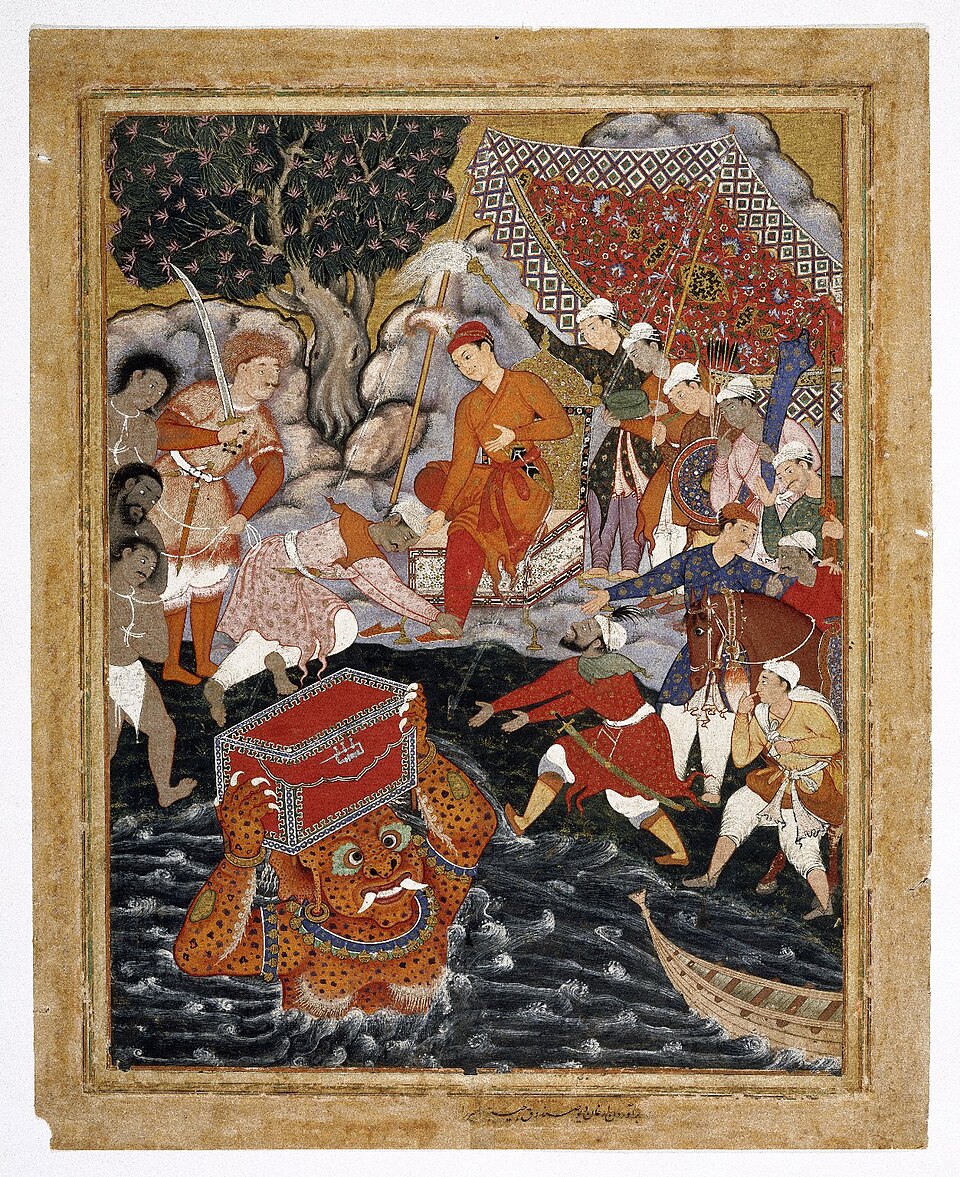
AGLA
from c. 1200
An acronym, not a word: Atah Gibor Le-olam Adonai, 'Thou art mighty forever, Lord', compressed to four letters and written on almost everything.
The Seventy-Two-Letter Name
developed c. 200–1300 CE
Seventy-two three-letter names extracted from three verses of Exodus — and the reason the number seventy-two keeps appearing on both sides of this corpus.
The Celestial Alphabets
printed 1531
Three alphabets Agrippa prints for writing the names of angels — Hebrew letters redrawn with rings at the joints, so that a script becomes a set of sigils.
The Enochian Alphabet
1583–1584
Twenty-one letters dictated square by square from lettered grids, in a script the sessions claimed was the language Adam spoke.
Seals & operative figures
The working equipment of the grimoire tradition — circles, triangles, pentacles and the seals of named spirits.
The Was Sceptre
from c. 3000 BCE
A straight staff with a forked foot and an animal head — and the animal, on the best reading, is Set's.
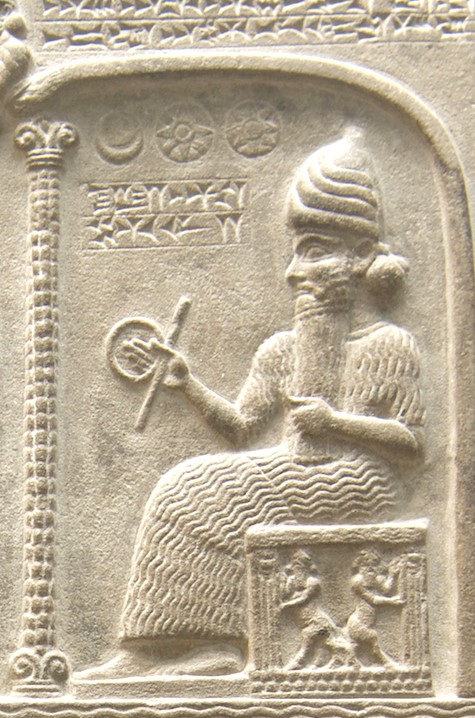
The Rod and Ring
c. 2100–1750 BCE
The objects a seated god hands to a standing king at the top of Hammurabi's stele — most likely a measuring rod and a coiled line.
The Delphic Tripod
c. 800 BCE – 390 CE
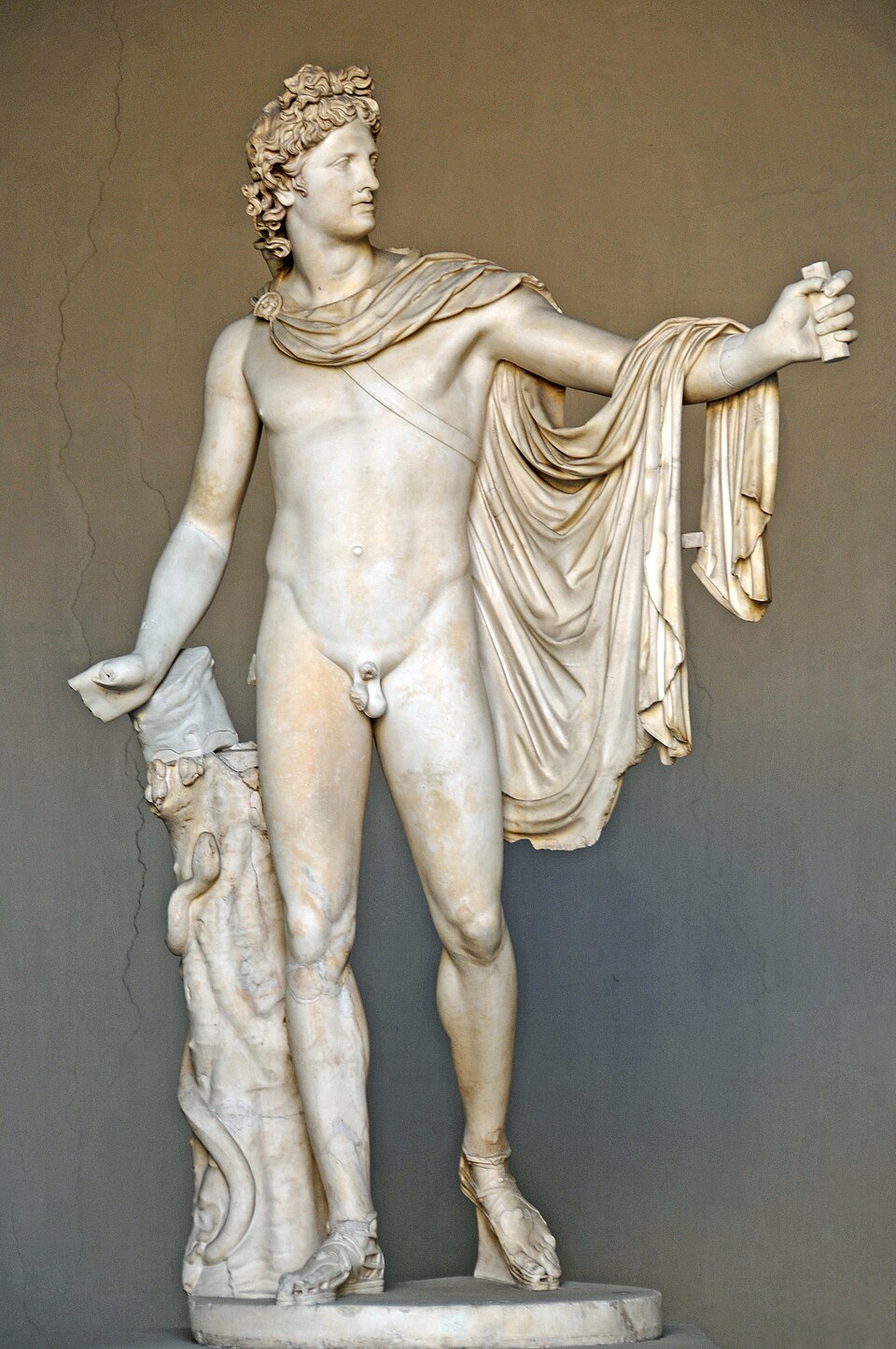
A three-legged bronze stand and the seat of the Pythia — the piece of furniture that authorised more Greek political decisions than any assembly.
The Fu Talisman
from c. 200 CE
A strip of yellow paper carrying characters that are not quite characters — a written order to the spirit bureaucracy, issued under seal.
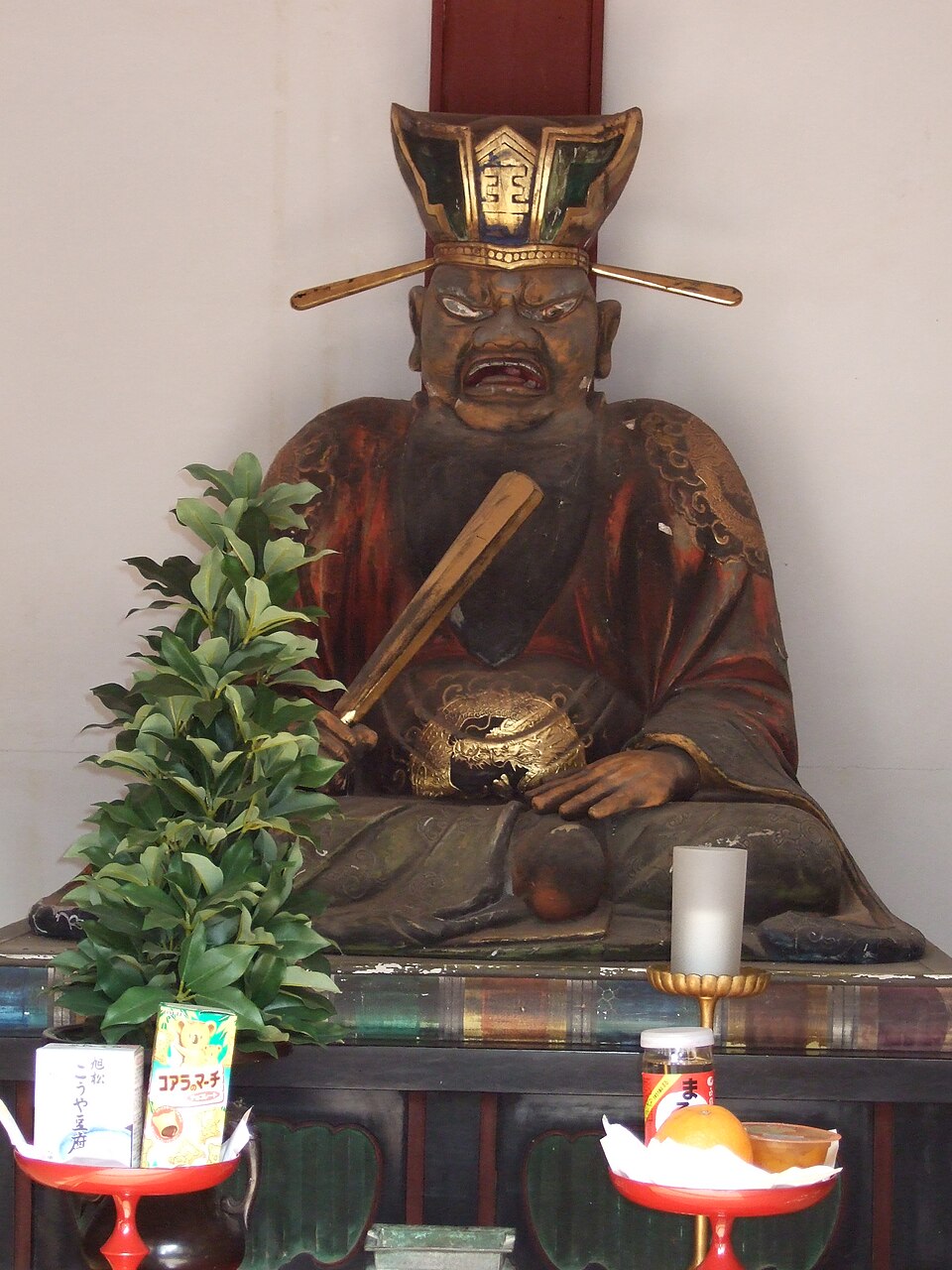
The Seal of Solomon
c. 100–300 CE
A signet ring, not a shape. The Testament of Solomon makes it the instrument by which every demon in the book is compelled to give its name.
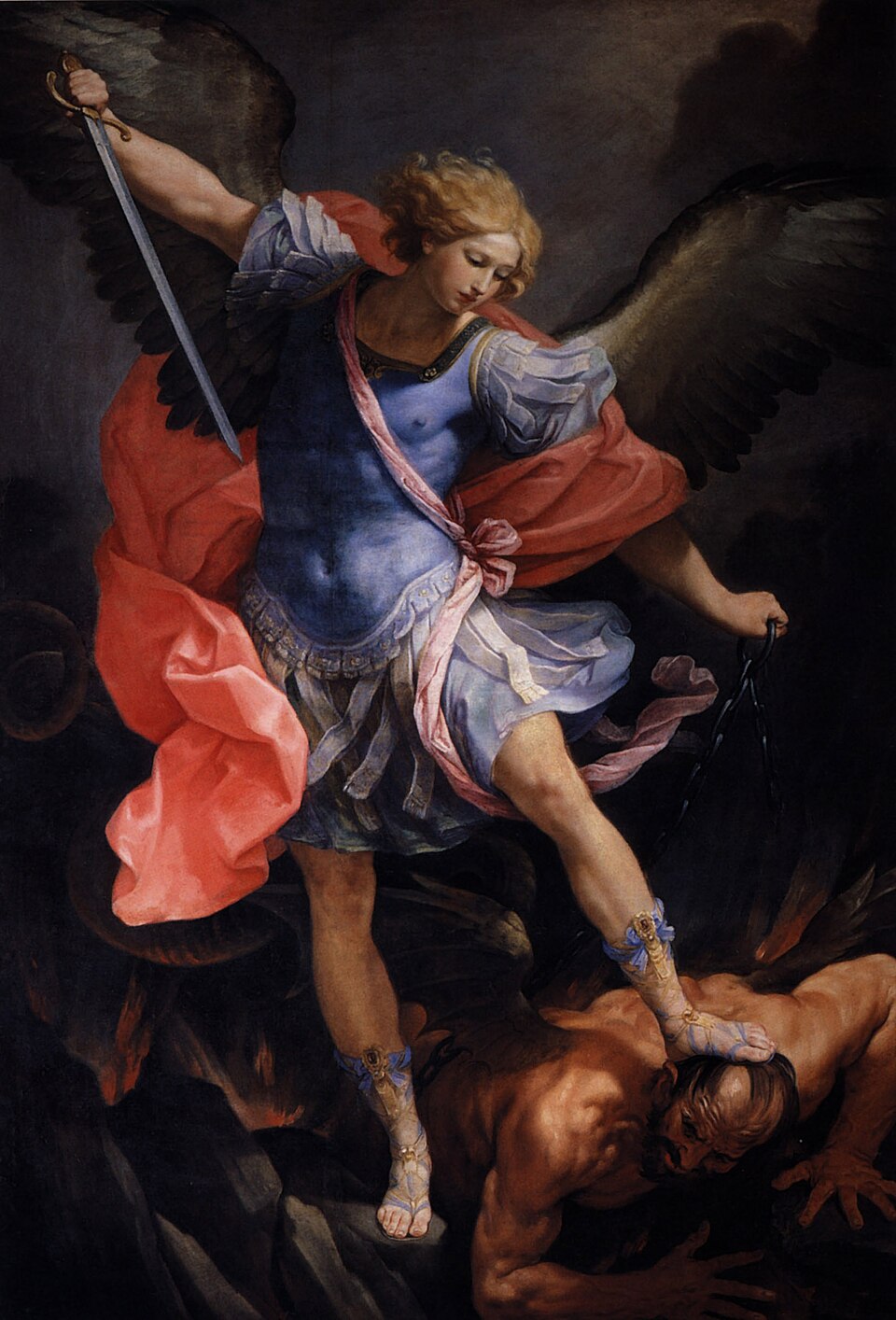
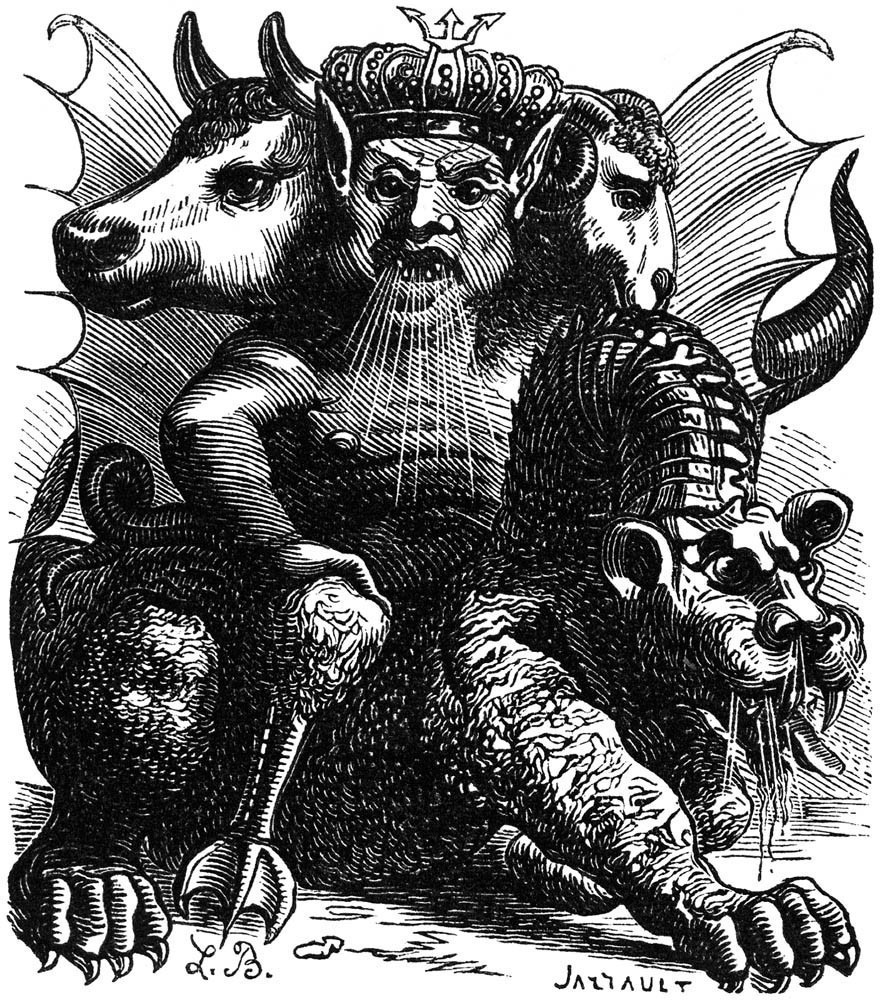
The Abraxas Gem
2nd–4th century CE
A rooster-headed figure with snakes for legs, cut into jasper by the thousand, and the numerological reason a magic word means 365.
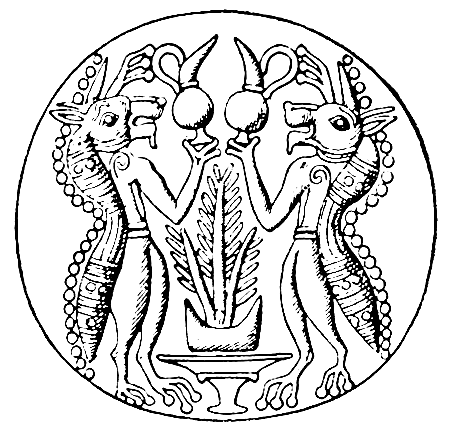
The Brass Vessel
story attested from c. 300 CE
The container the legend says Solomon sealed the spirits into, thrown into a lake and opened by Babylonians who expected treasure. It is where the Ars Goetia says its seventy-two came from.
The Circle
attested from late antiquity
A drawn boundary with names written into it — the oldest continuously used device in the Western operative tradition, and the one that defines everything else on the floor.
The Three Sacred Treasures
in the chronicles by 712 CE
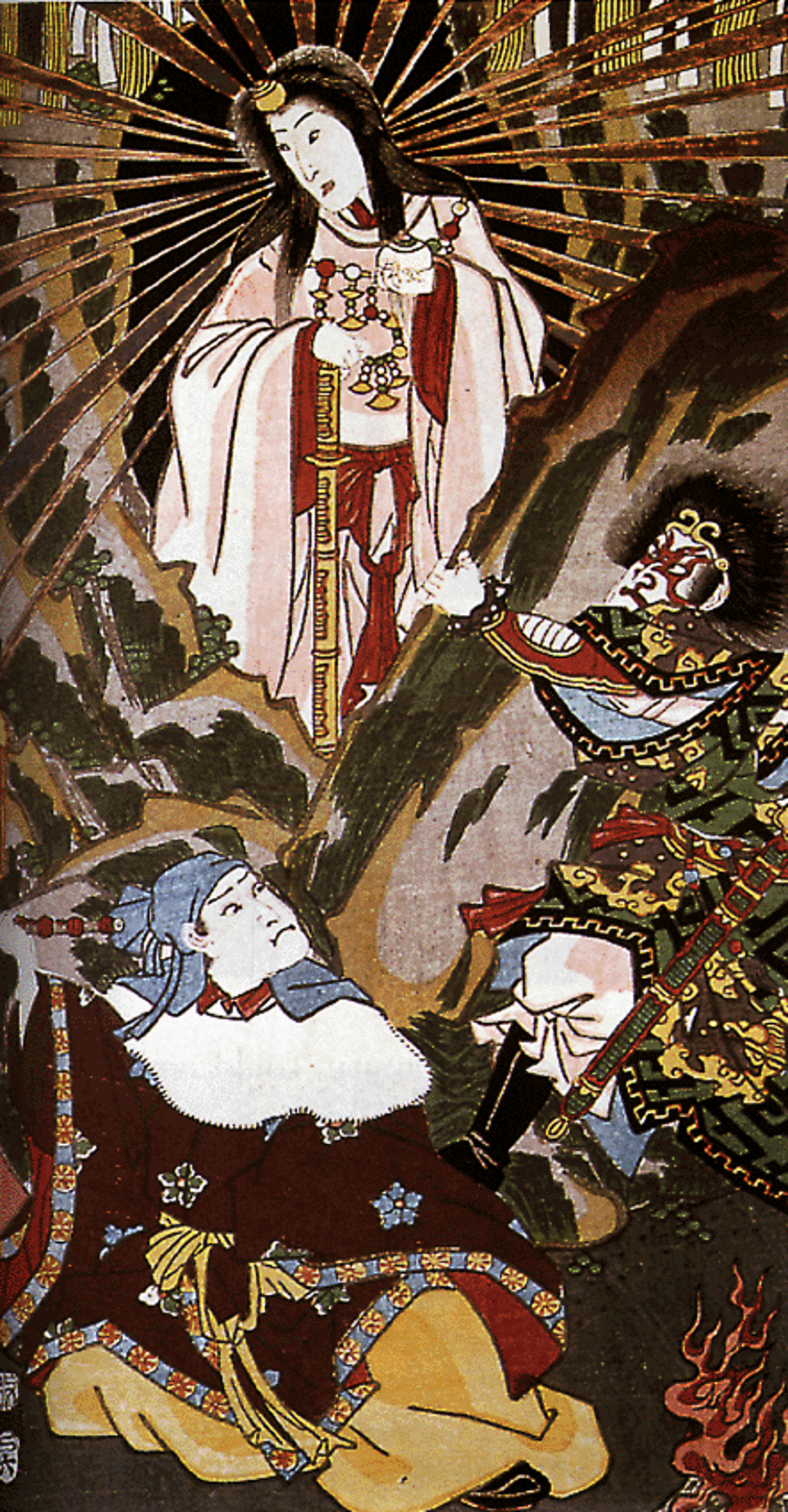
A mirror, a curved jewel and a sword — each one a prop from a specific myth, and together the objects that make an emperor.
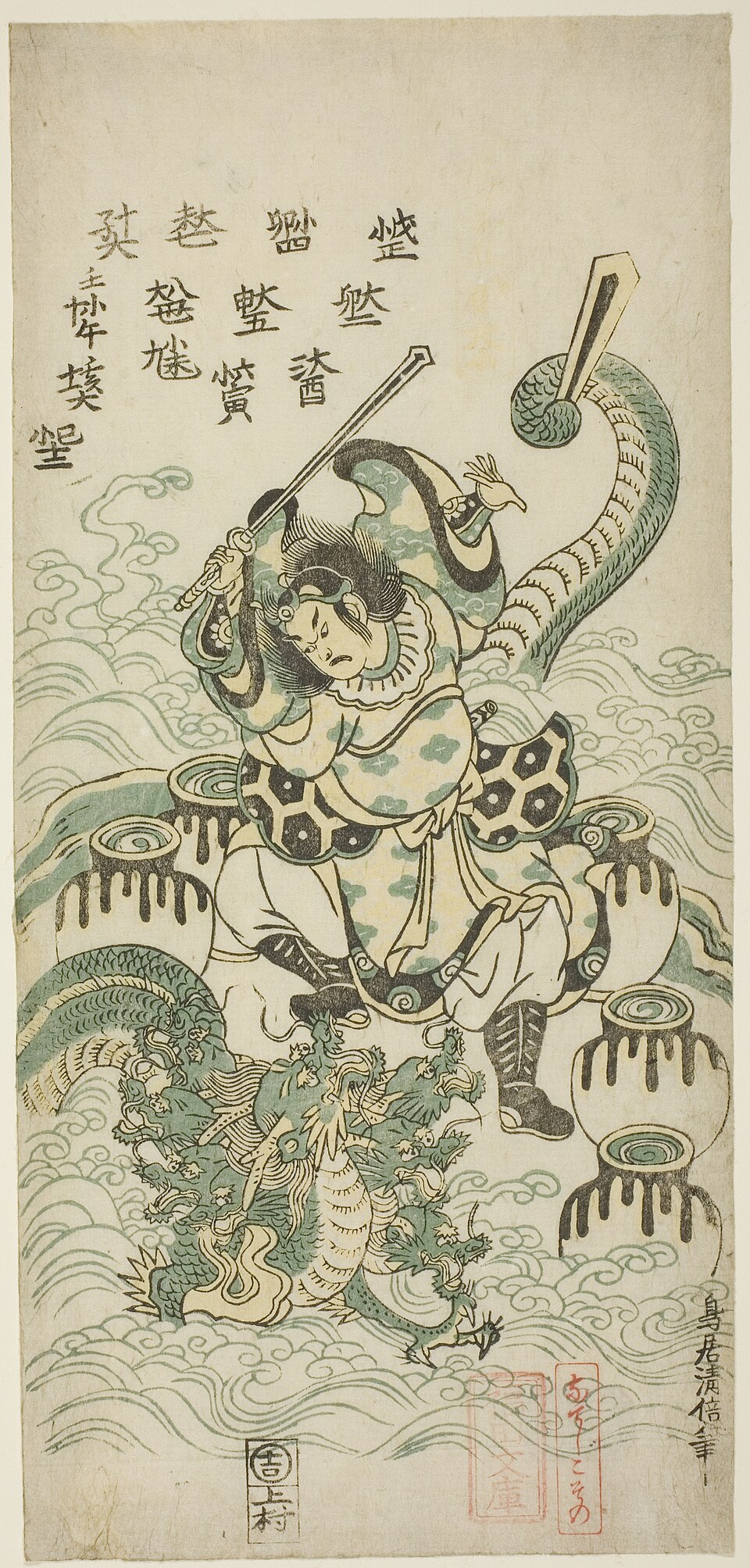
The Smoking Mirror
from c. 1300 CE
A polished obsidian disc that shows smoke as well as a face — a god's name, his missing foot, and a working divination instrument at once.
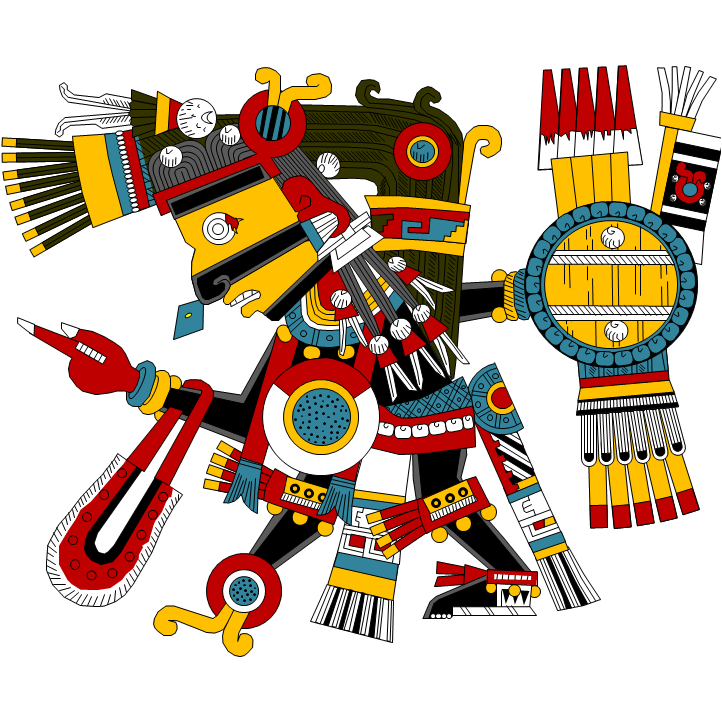
The Lamen
from c. 1400
The one piece of Solomonic equipment worn rather than drawn: a disc at the breast carrying the divine names, and the operator's own credential rather than the spirit's.
Characters Derived from Names
1533
A rule rather than a picture: plot the spirit's name on a numbered grid, and the line you trace is its sigil.
The Planetary Pentacles
c. 1500–1600
Forty-four engraved discs, seven planets, one purpose each — the Key of Solomon's answer to what the Testament left undrawn.
Sigillum Dei Aemeth
1582–1583
A nine-inch wax disc of nested heptagons carrying angel names, made to stand under the legs of a table — the physical foundation of the Enochian sessions.
The Opón Ifá
documented from the 17th century
A carved wooden tray dusted with powder, marked in sixteen possible figures — and with Èṣù's face cut into the rim, watching the border.
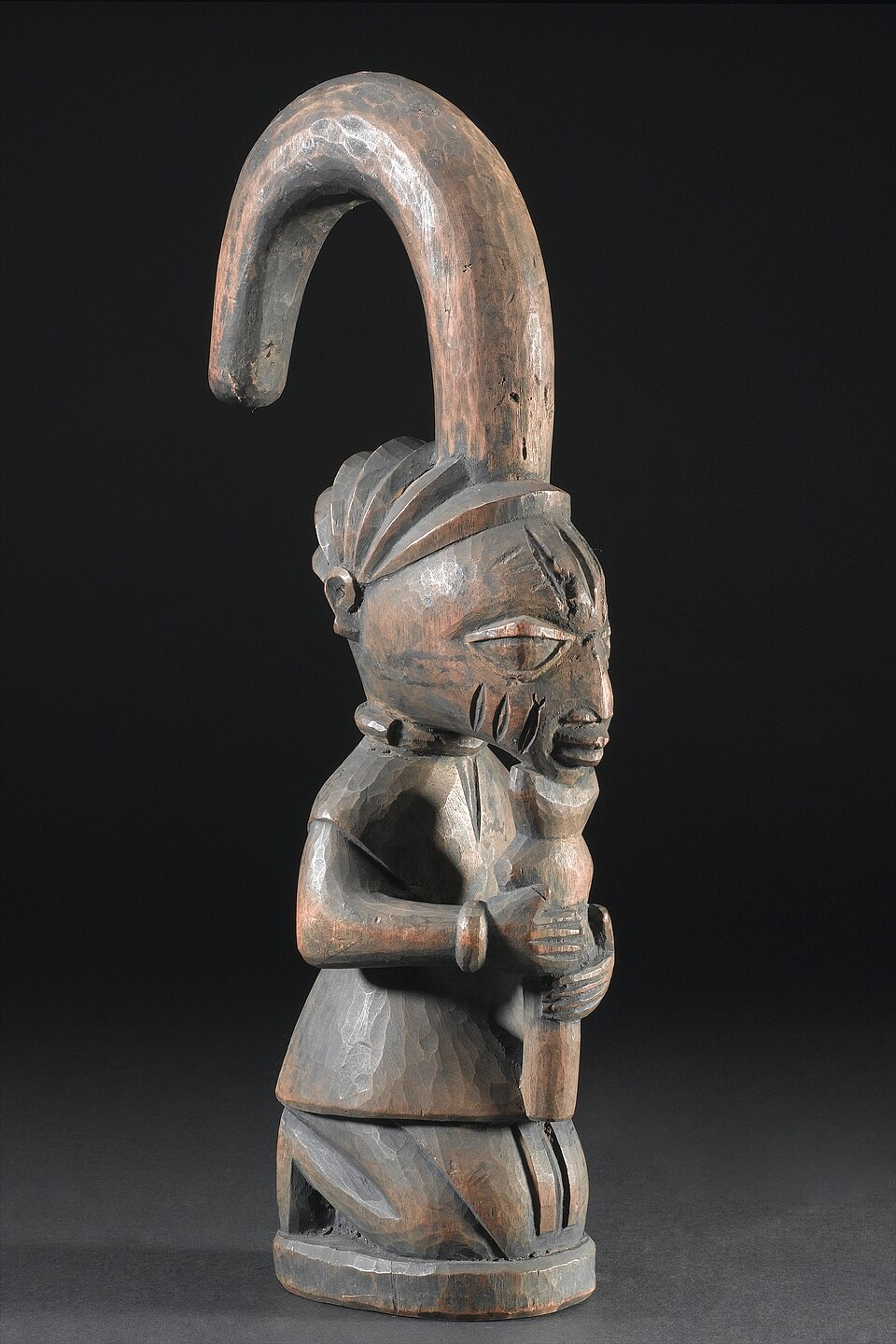
The Seals of the Seventy-Two
17th century
One drawn seal per spirit, and the strongest single piece of evidence that the Goetia's seventy-two are a compiled list rather than an inherited one.

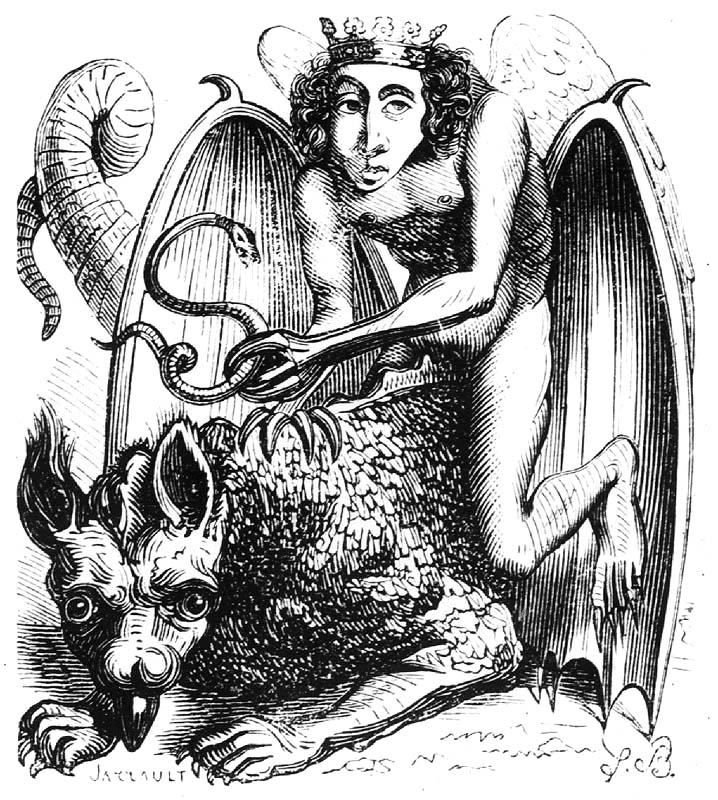

The Triangle of Art
17th century
Drawn two feet outside the circle, and the reason the Goetia's spirits are visible at all: the triangle is where they are required to appear.
The Sigil of Lucifer
c. 1750
A chalice-and-cross figure from the Grimorium Verum, drawn no differently from the dozens of spirit seals beside it, and now reproduced more than any of them.
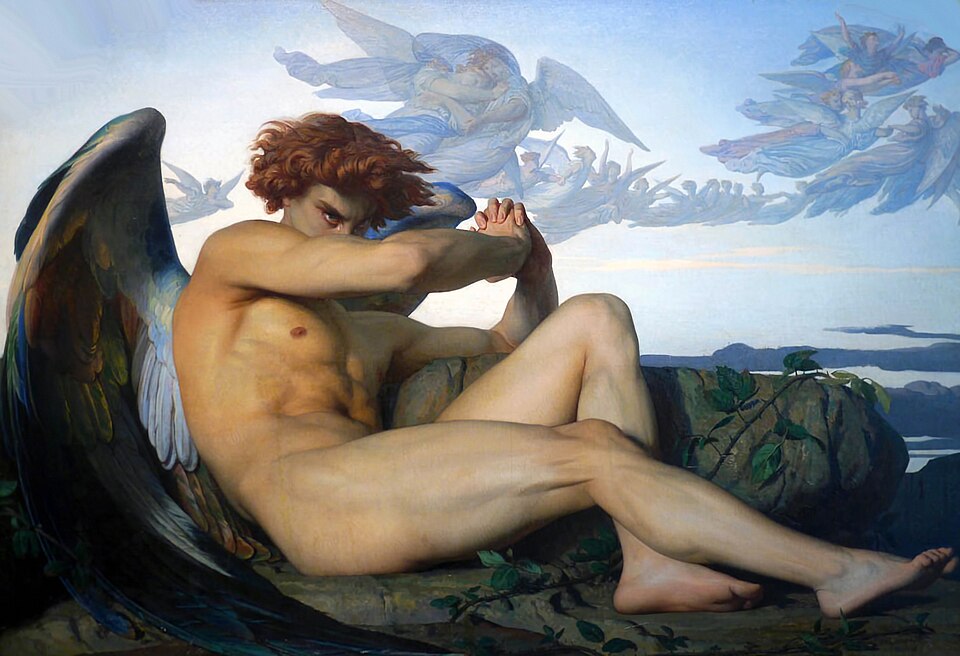
The Sigil of Baphomet
assembled 1897–1969
An inverted pentagram, a goat's head fitted inside it, and the Hebrew letters of Leviathan around the rim — three separate nineteenth- and twentieth-century additions, presented as one ancient mark.
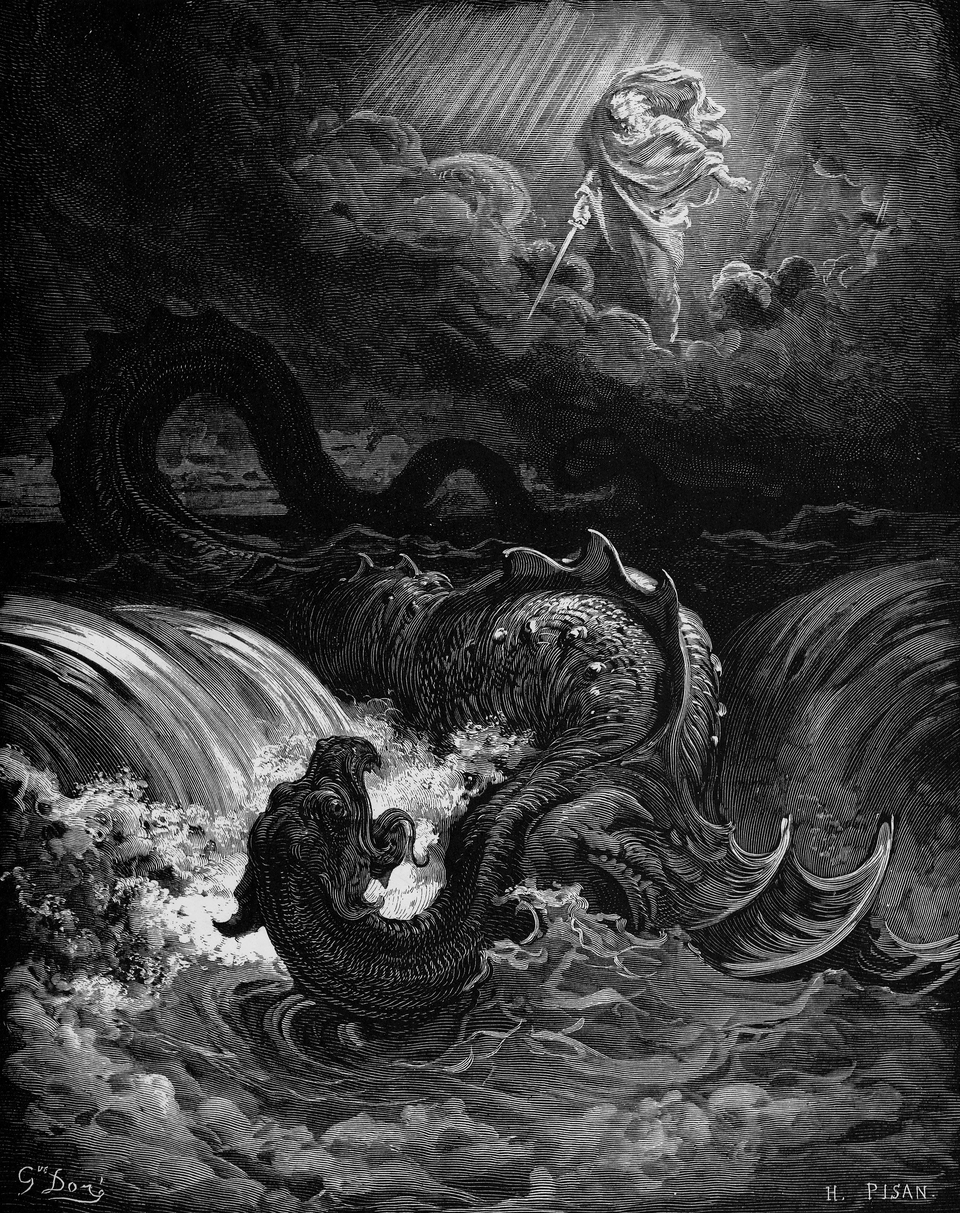
Planetary signs
One sign per planet, and with it a metal, a day and a set of hours. Naming any one of those names all four.
Jupiter
current forms c. 6th–11th century CE
A stylised Greek zeta for Zeus. The sign of increase, favour and judgment in one's favour — the grimoires' preferred authority for asking.
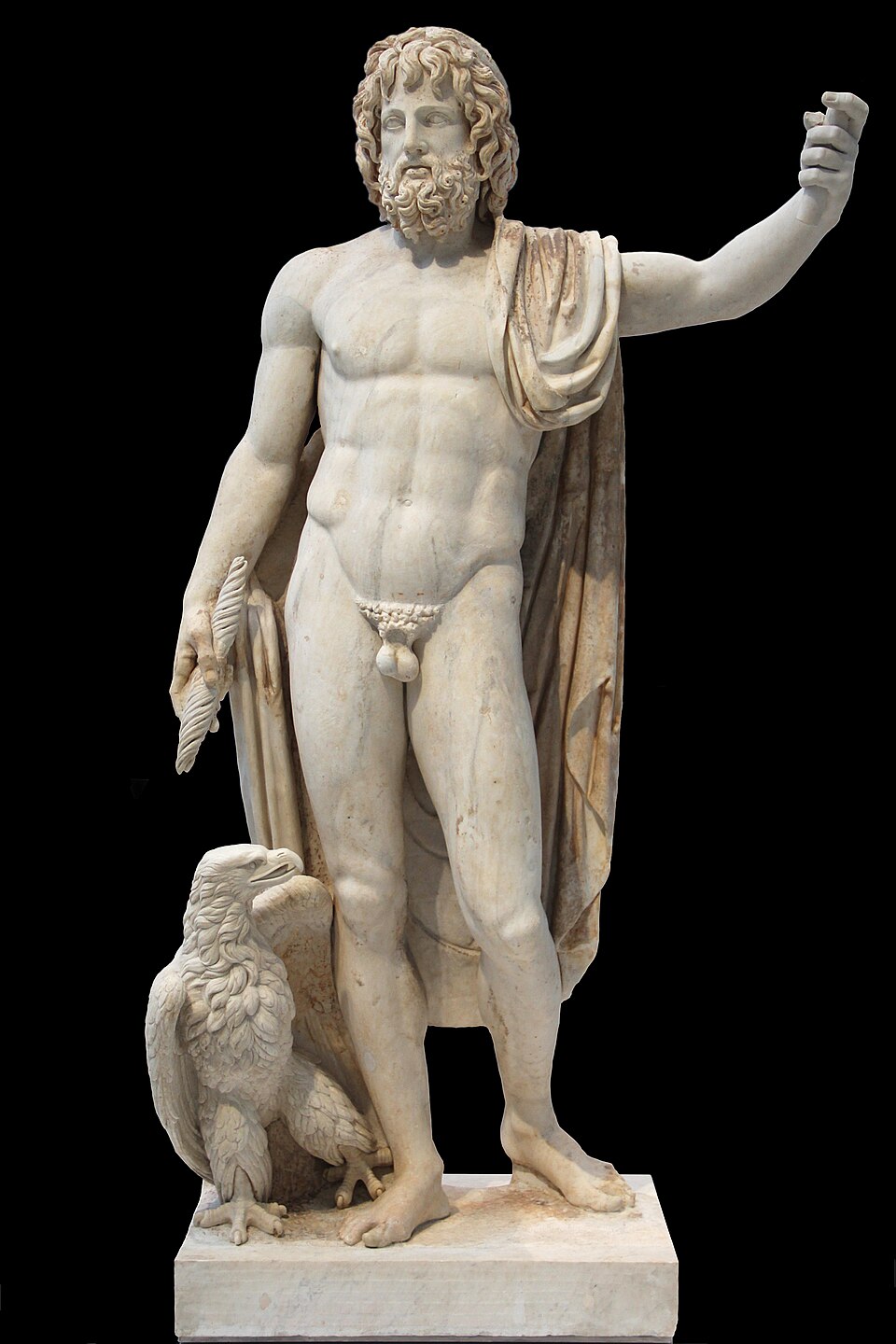
Mars
current forms c. 6th–11th century CE
Shield and spear, iron, Tuesday — and, since Linnaeus, the biological sign for male, which is a much later and quite separate job.
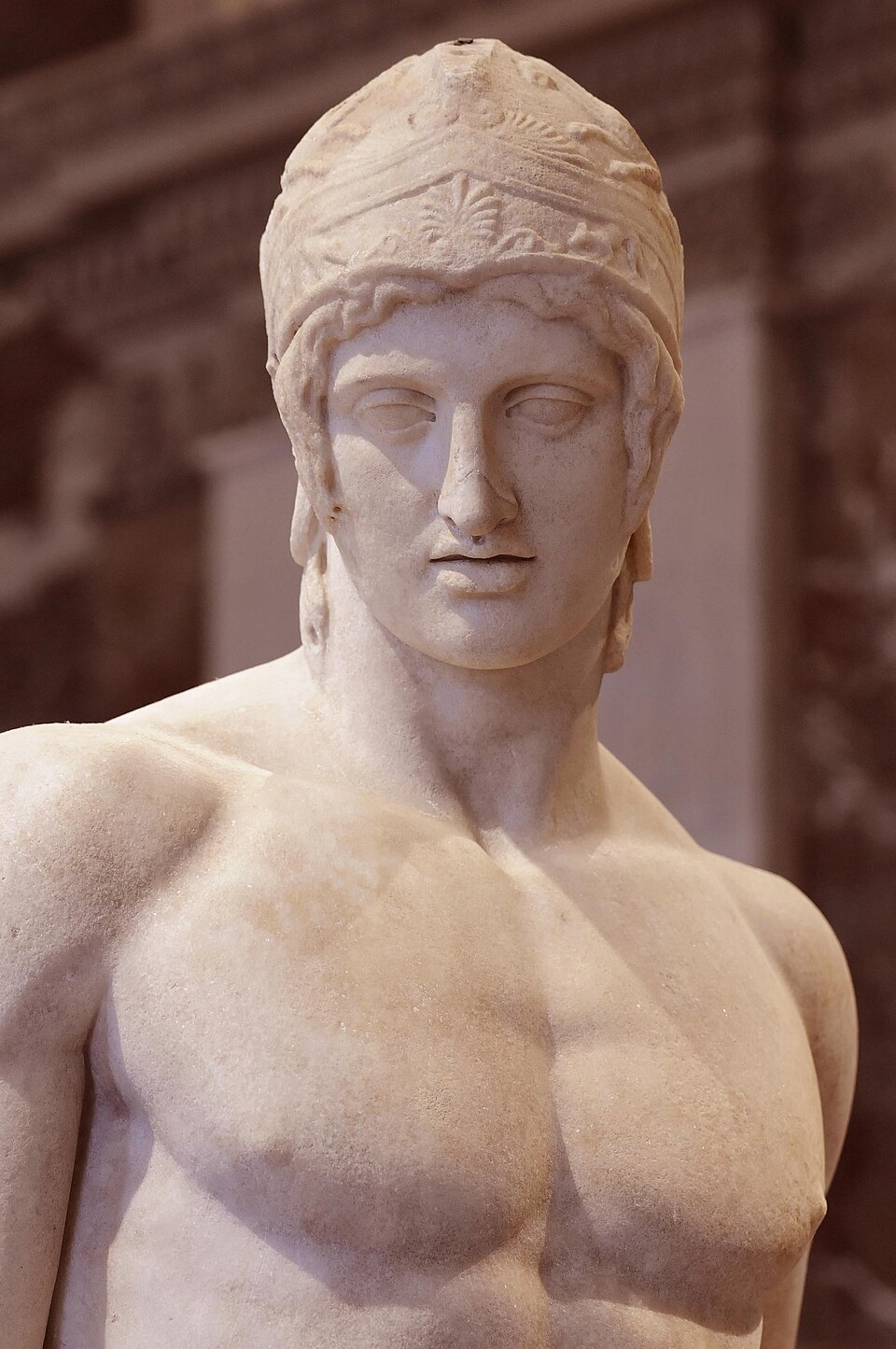
Mercury
current forms c. 6th–11th century CE
A caduceus drawn as a glyph — the one sign in the set that names a metal, a planet and a god that all behave the same way.
Saturn
current forms c. 6th–11th century CE
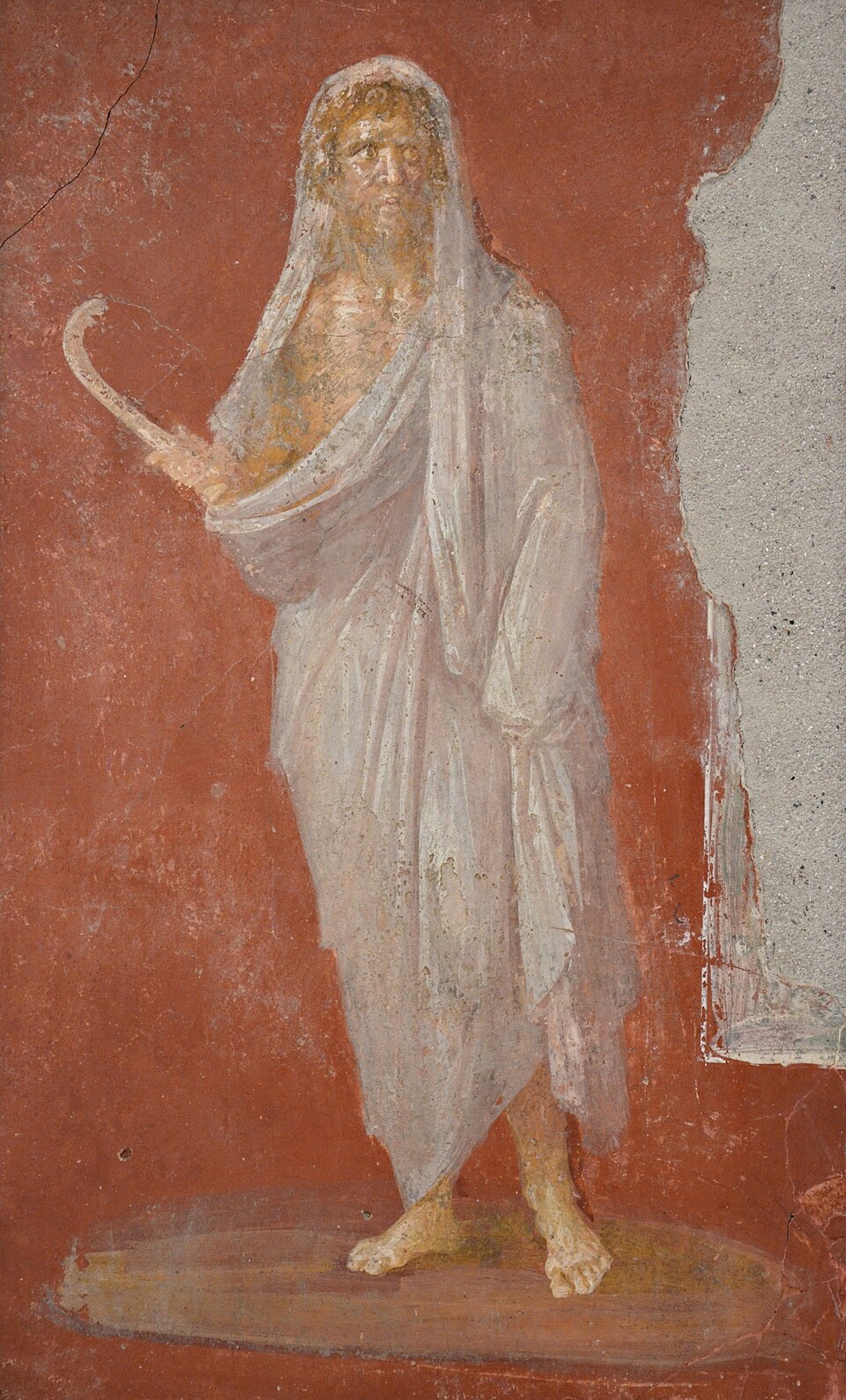
The scythe. Slowest planet, heaviest metal, and the authority a grimoire invokes for work involving binding, decay and the dead.
The Moon
current forms c. 6th–11th century CE
A crescent, silver, Monday — the planetary authority for anything involving dreams, water, change and things done at night.
The Sun
current forms c. 6th–11th century CE
A circle with a point at its centre — the oldest form in the set, and the one the alchemists used for gold without further explanation.
Venus
current forms c. 6th–11th century CE
Copper, Friday, and every operation to do with love and favour — the counterpart to Mars in the grimoires long before it was in biology.
Alchemical notation
Signs used to write about matter rather than to act on spirits.
The Three Principles
from c. 1530
Sulphur, salt and mercury — the three signs Paracelsus put underneath the seven planetary metals as the components everything else is made of.
The Elemental Triangles
standard from the 17th century
Four triangles, two pointing up and two down, two barred and two not — the whole classical element scheme in a single notation.