protective · from c. 2500 BCE
The Winged Disc
A sun with wings, borrowed by every empire in the region in turn — and the direct ancestor of the Persian faravahar.
What the sources claim for it
Solar sovereignty. Whichever god the borrowing state puts at the top, protecting whatever is beneath it.
History
Where does the Winged Disc come from?
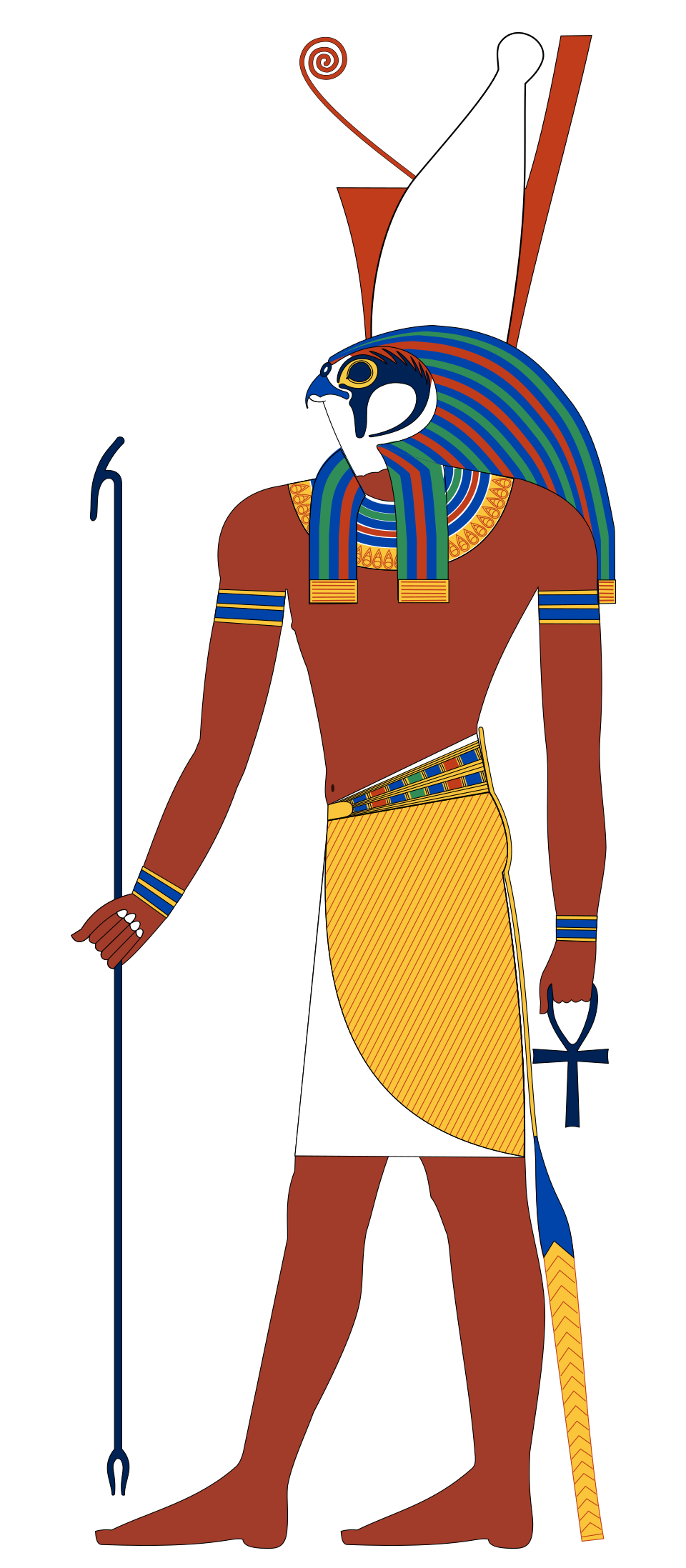
The winged disc begins in Egypt as the emblem of Horus of Behdet, carved above temple doorways. Levantine and Anatolian states take it up, Assyria makes it the sign of Ashur and adds an archer figure inside the ring, and Achaemenid Persia inherits that composite and produces the faravahar.
It is the clearest case in the corpus of a symbol travelling by prestige rather than by doctrine. Each borrower reads its own supreme god into the disc, and nothing in the design forces the change — which is exactly why it was borrowable.
2 figures
Who is it attached to?
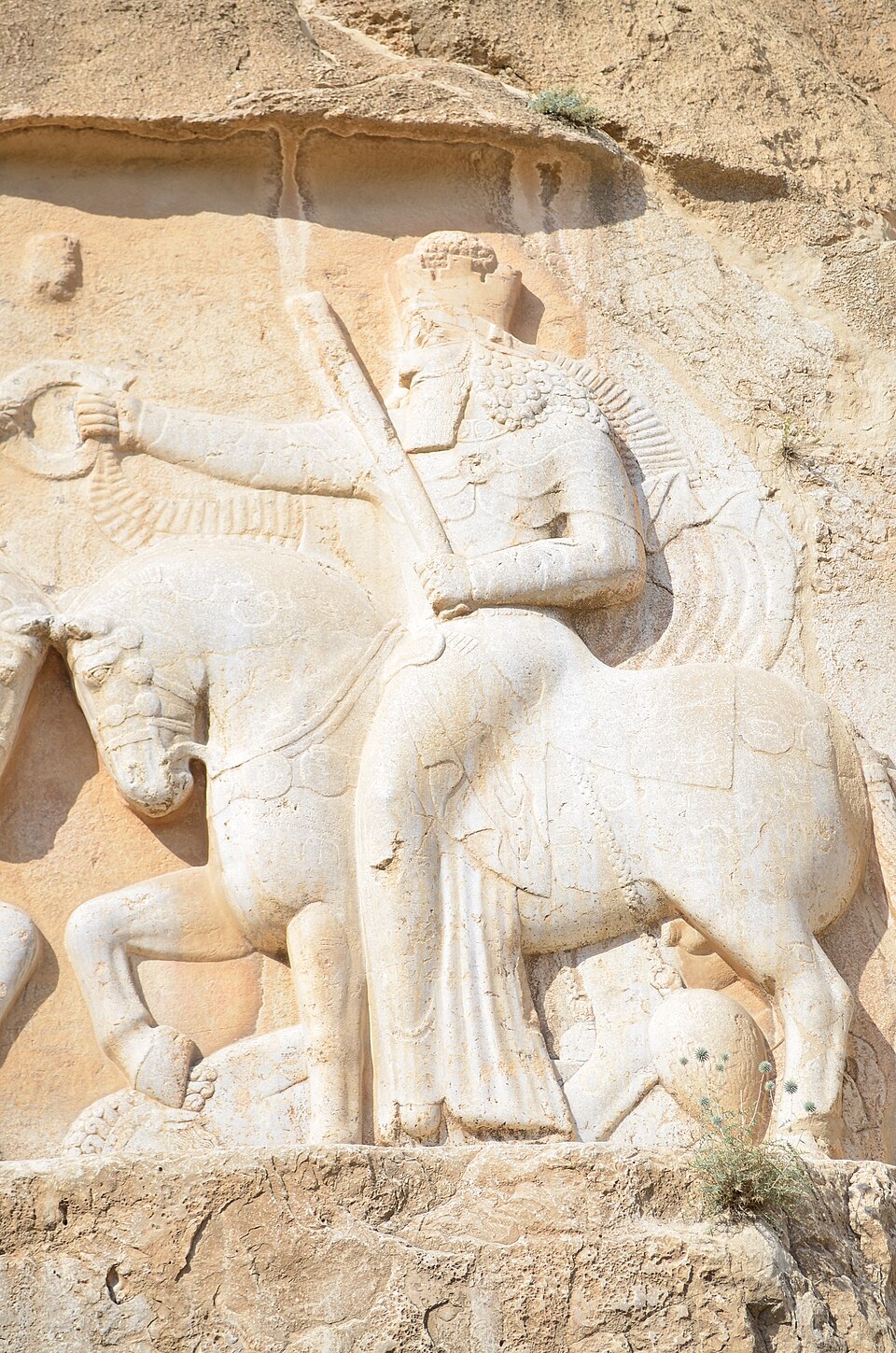
Figures who carry it
An attribute rather than a signature — held, worn or associated in the texts and the images.
Afterwards
What did it turn into?
Adopted by nineteenth-century Egyptology as a decorative motif, and later by Theosophy and by railway and aviation heraldry, where the wings usually mean speed rather than sovereignty.
Which texts describe it?
Oldest first, with what each one does with the mark. A mark described in a Bronze Age incantation and a mark first drawn in a seventeenth-century manuscript are different kinds of claim, whatever the shape has in common.
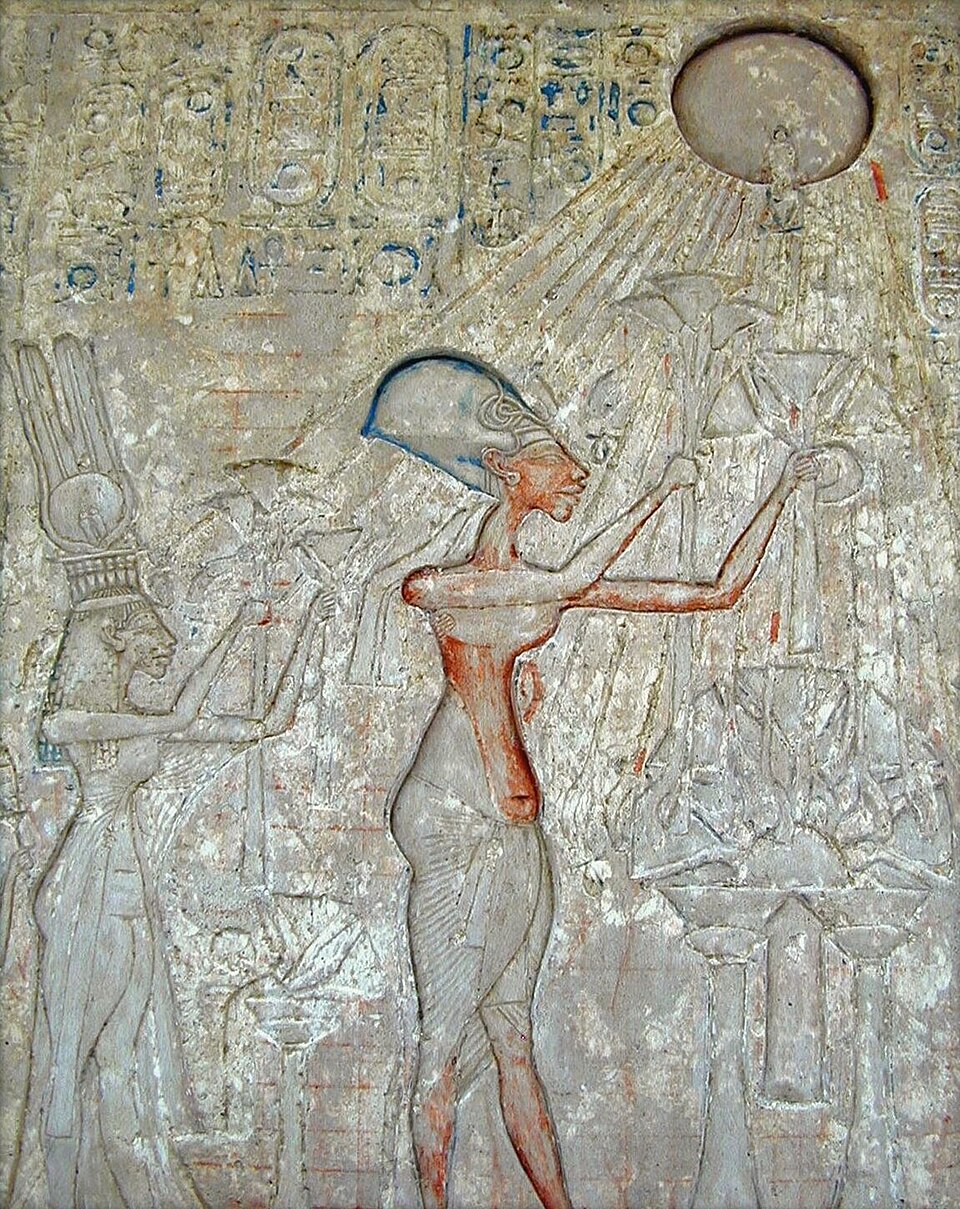
Egyptian Hymns, Stelae & Temple Inscriptions
Various; tr. E. A. Wallis Budge and others · c. 2000 BCE - 300 BCE · Egyptian
The Egyptian solar theology the earliest form belongs to.
Read Egyptian Hymns, Stelae & Temple Inscriptions in full ↗Cover: Public domain · Jean-Pierre Dalbéra from Paris, France · Wikimedia file page
Nearby
Related marks
The Incantation Bowl
A plain clay bowl with writing spiralling inward across the inside, buried upside down under the floor of a house. Around two thousand survive, and they name demons by name.
The Ankh
The sign for 'life', held to the nose of a king by a god. Not an amulet first — a hieroglyph that got carried into three dimensions.
The Djed Pillar
A four-tiered column meaning stability, later read as the backbone of Osiris and raised upright at festival as a resurrection.
The Star of Ishtar
Eight points for the planet Venus, and the standard way of writing a goddess into a scene without drawing her.
The Was Sceptre
A straight staff with a forked foot and an animal head — and the animal, on the best reading, is Set's.
The Uraeus
A cobra rearing at the front of a crown, understood as the eye of the sun placed where it can spit at whatever approaches the wearer's face.