protective · c. 700–100 BCE
The Cippus of Horus
A small stela of the child Horus standing on crocodiles, gripping snakes and scorpions, covered front and back in spells — and designed so that water poured over it could be drunk.
What the sources claim for it
Mastery over venomous things, demonstrated by a child holding them, and made transferable: what the god survived, the patient survives by contact with the account of it.
History
Where does the Cippus of Horus come from?
The figure is fixed: a naked child, side-lock of youth, standing on two crocodiles, holding snakes, scorpions, a lion and an oryx in his fists, with the head of Bes above him. The stone is then inscribed over every available surface with healing spells, chiefly the story of Isis rescuing Horus after a scorpion sting.
The object is designed to be used, not looked at. Water was poured over the inscribed surfaces so that it ran across the spells, collected in a basin at the base, and was given to the patient to drink or applied to the wound — the text transferred into a liquid. The largest examples stood in public places for anyone to use, which makes the cippus one of the few pieces of ancient protective equipment that was explicitly communal.
1 figure
Who is it attached to?
Figures it is used against
The mark is aimed at them. A ward names its target, which makes these the sharpest attributions on the page.
Afterwards
What did it turn into?
The best of them, the Metternich Stela, is among the most complete magical texts to survive from Egypt, and the healing formulae on it run on into the Greek magical papyri and from there into the Latin tradition this site's later material comes out of.
Which texts describe it?
Oldest first, with what each one does with the mark. A mark described in a Bronze Age incantation and a mark first drawn in a seventeenth-century manuscript are different kinds of claim, whatever the shape has in common.
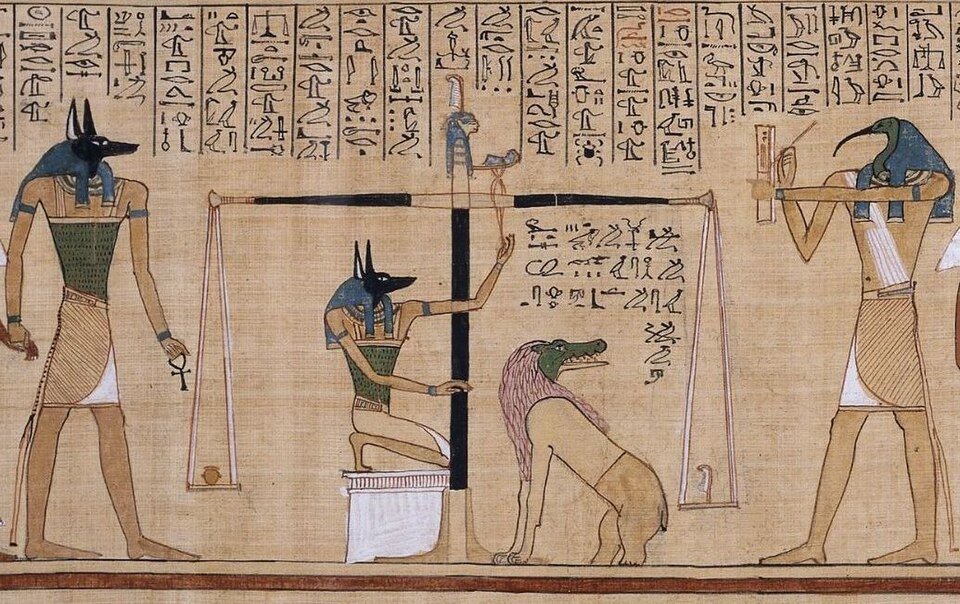
The Egyptian Book of the Dead
Anonymous; tr. E. A. Wallis Budge · c. 1550 BCE onward · Egyptian
The same spell-corpus, deployed for the living rather than the dead.
Read The Egyptian Book of the Dead in full ↗Cover: Public domain · Hunefer · Wikimedia file page
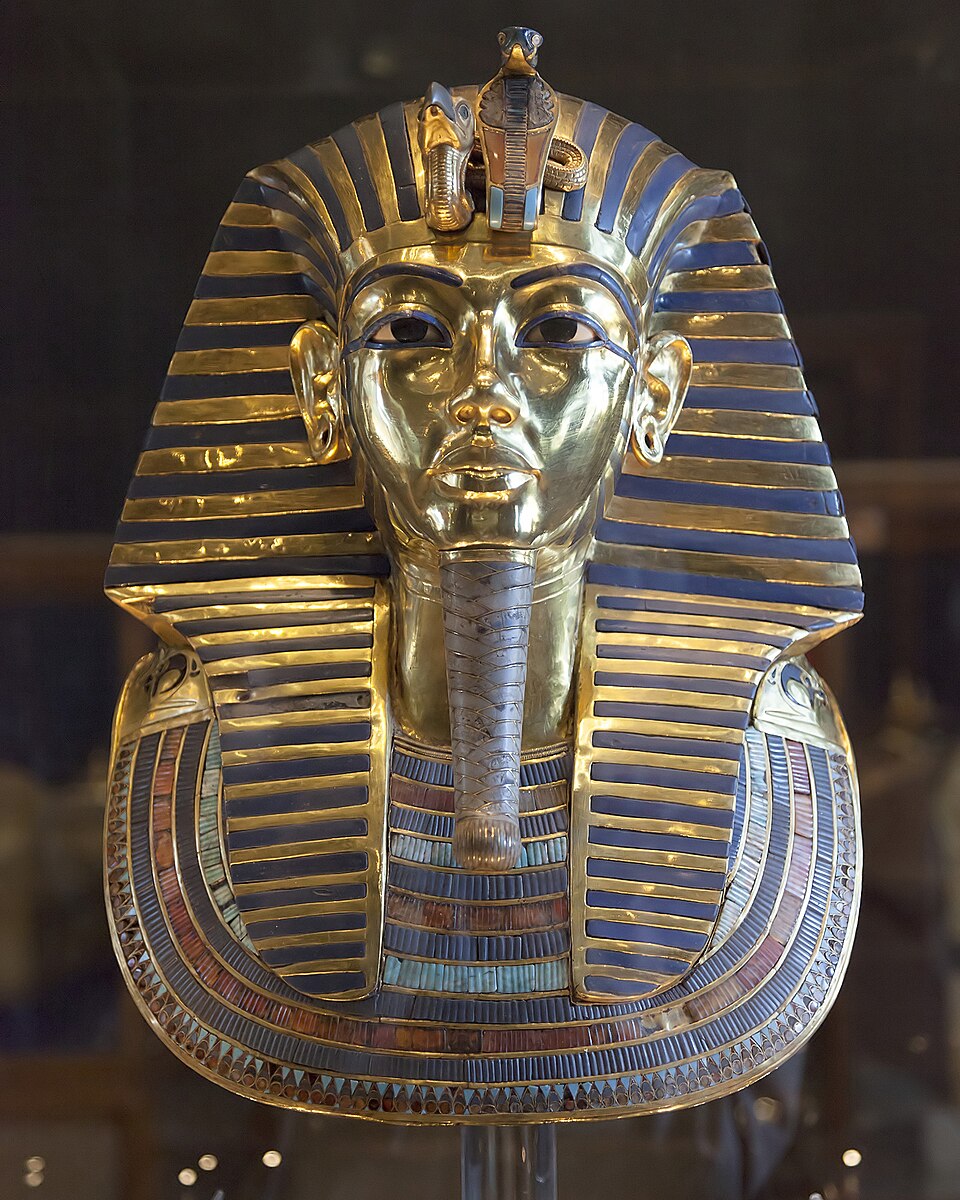
Egyptian Amulets & Domestic Objects
Anonymous; recovered from settlements and burials · c. 2000 BCE onward · Material evidence
The amuletic tradition the cippi are the monumental end of.
Read Egyptian Amulets & Domestic Objects in full ↗Cover: Public domain · Roland Unger · Wikimedia file page
The Contendings of Horus and Set
Anonymous; Chester Beatty Papyrus I · c. 1160 BCE · Egyptian
The mythology of the endangered child the stelae draw their authority from.
Read The Contendings of Horus and Set in full ↗
Nearby
Related marks
The Ankh
The sign for 'life', held to the nose of a king by a god. Not an amulet first — a hieroglyph that got carried into three dimensions.
The Djed Pillar
A four-tiered column meaning stability, later read as the backbone of Osiris and raised upright at festival as a resurrection.
The Was Sceptre
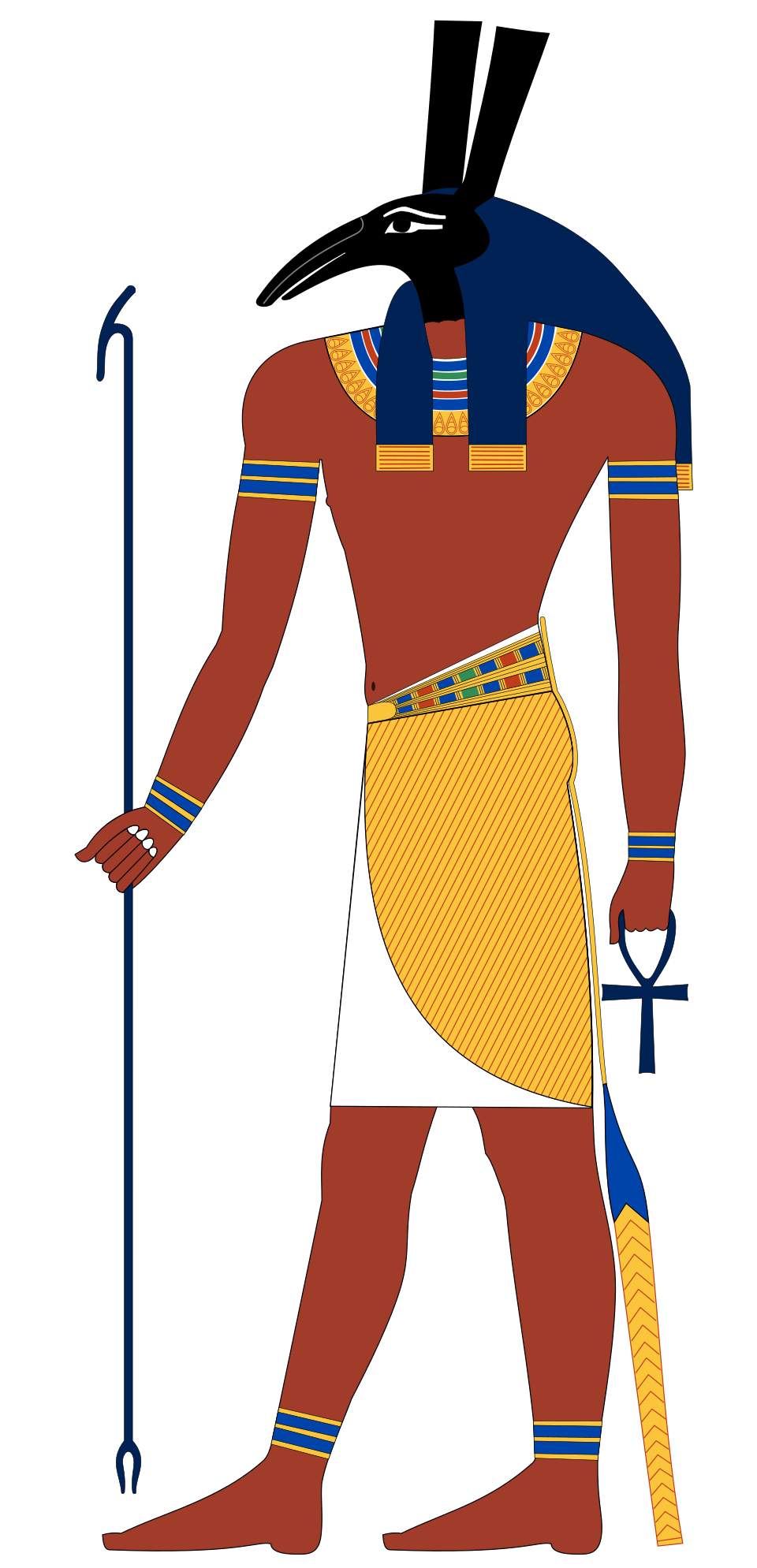
A straight staff with a forked foot and an animal head — and the animal, on the best reading, is Set's.
The Uraeus
A cobra rearing at the front of a crown, understood as the eye of the sun placed where it can spit at whatever approaches the wearer's face.
The Wedjat Eye
The eye Set tore out and Thoth made whole. Wedjat means 'the sound one' — the amulet is named for the repair, not the injury.
The Winged Disc
A sun with wings, borrowed by every empire in the region in turn — and the direct ancestor of the Persian faravahar.