protective · from c. 2500 BCE
The Wedjat Eye
The eye Set tore out and Thoth made whole. Wedjat means 'the sound one' — the amulet is named for the repair, not the injury.
What the sources claim for it
Wholeness restored after violence — and therefore healing, protection, and the making good of what was damaged.
What is it made of?
Six parts, taken from a falcon's eye and the markings beneath it, and used in Middle Kingdom accounting as fractions that deliberately fall short of a whole.
The sclera
The pupil
The eyebrow
The right side
The curled tail
The teardrop
Wedjat Eye
- 01
The sclera — The left side of the eye.
- 02
The pupil — The iris and pupil at the centre.
- 03
The eyebrow — The arch above.
- 04
The right side — The outer corner.
- 05
The curled tail — The spiral below.
- 06
The teardrop — The vertical mark. The six sum to 63/64 — the missing sixty-fourth is the part Thoth restores.
History
Where does the Wedjat Eye come from?
The Contendings of Horus and Set turns on an assault in which Horus loses an eye, and on its restoration; the restored eye becomes an object that can be given, and Horus presents it to his murdered father Osiris. Egyptian amulet production ran with this for three thousand years, in faience, gold, carnelian and glass, at every price point from royal to nearly free.
It is the most common single amulet type Egypt produced, used on the living and the dead without distinction — worn at the neck, laid in mummy wrappings, painted on coffin sides so the occupant could see out. The proportions of its parts were also used as a fraction notation in some scribal contexts, though the tidy claim that the six parts sum to 63/64 is a modern reconstruction rather than an Egyptian statement.
4 figures
Who is it attached to?
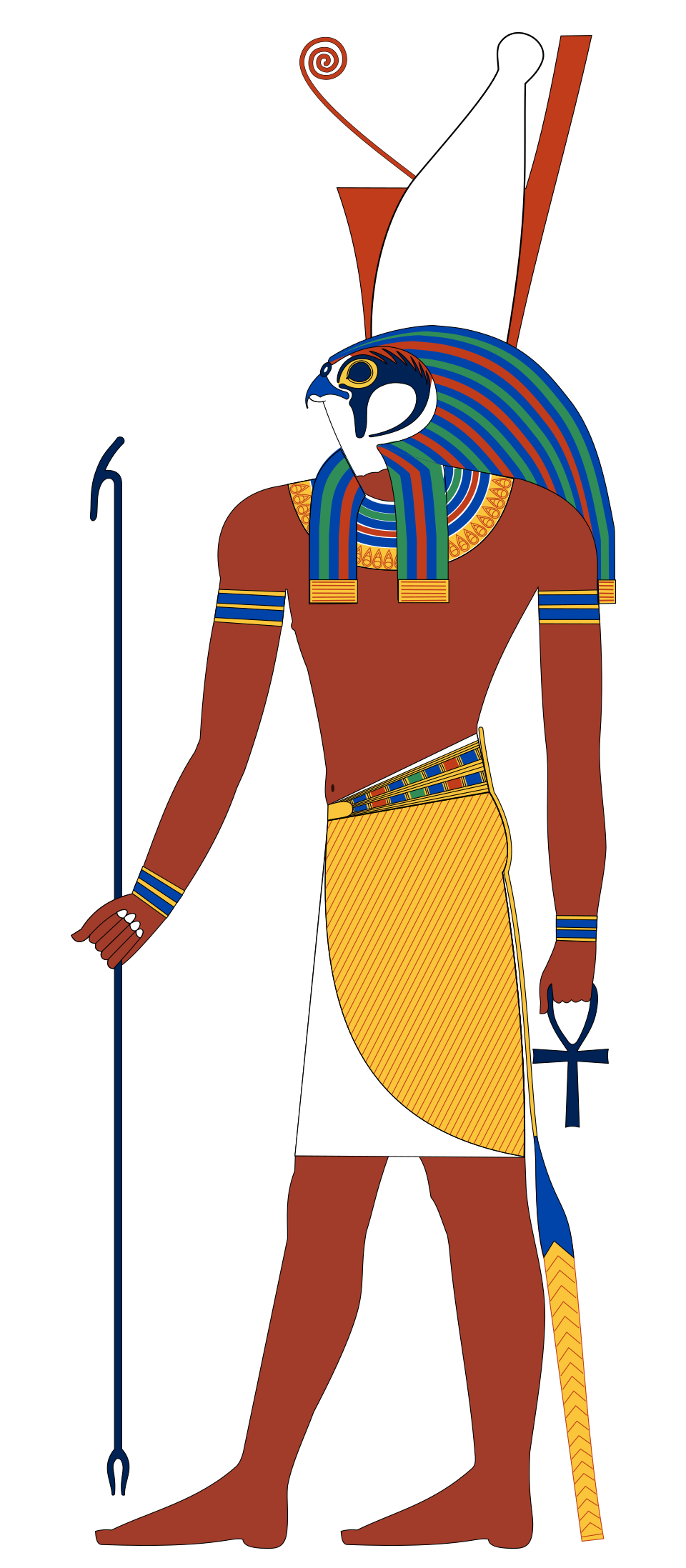
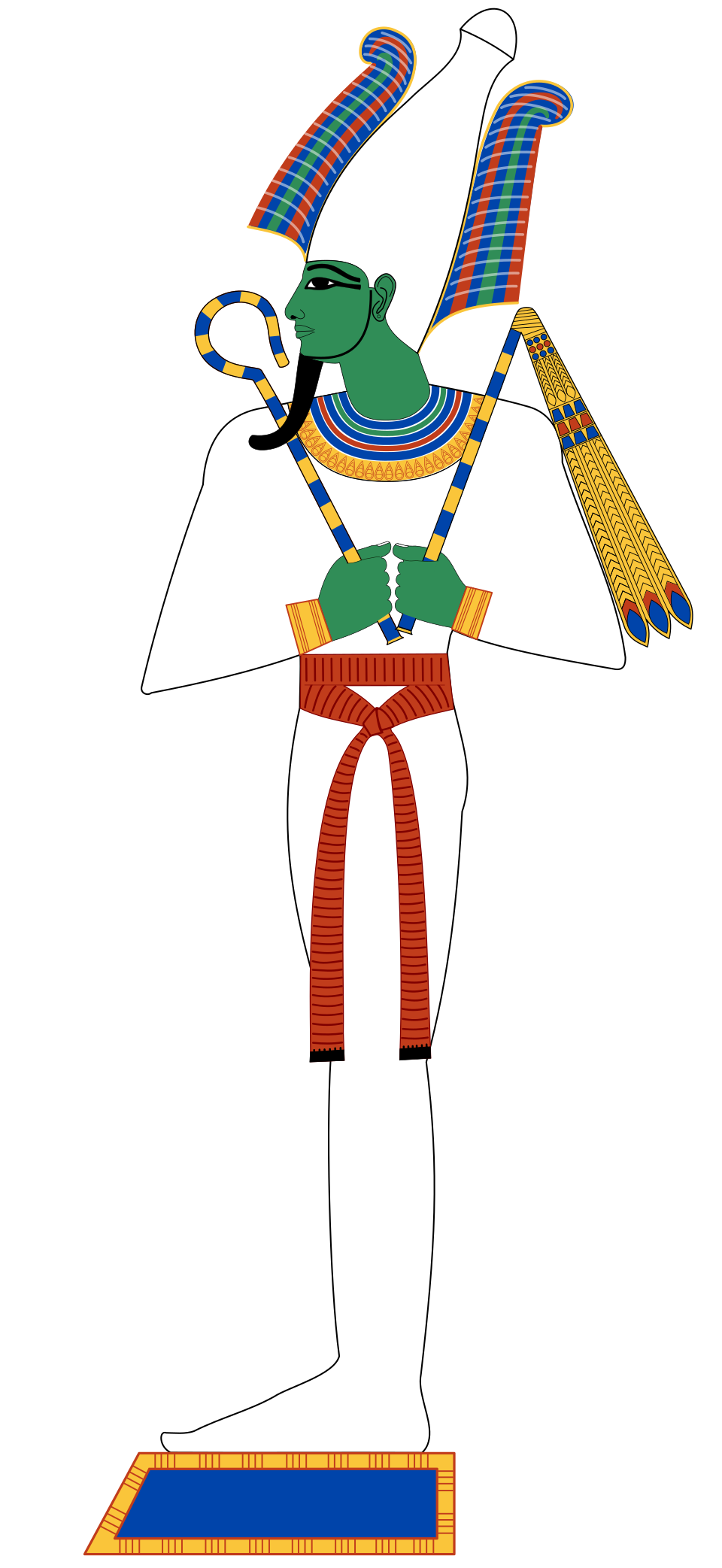
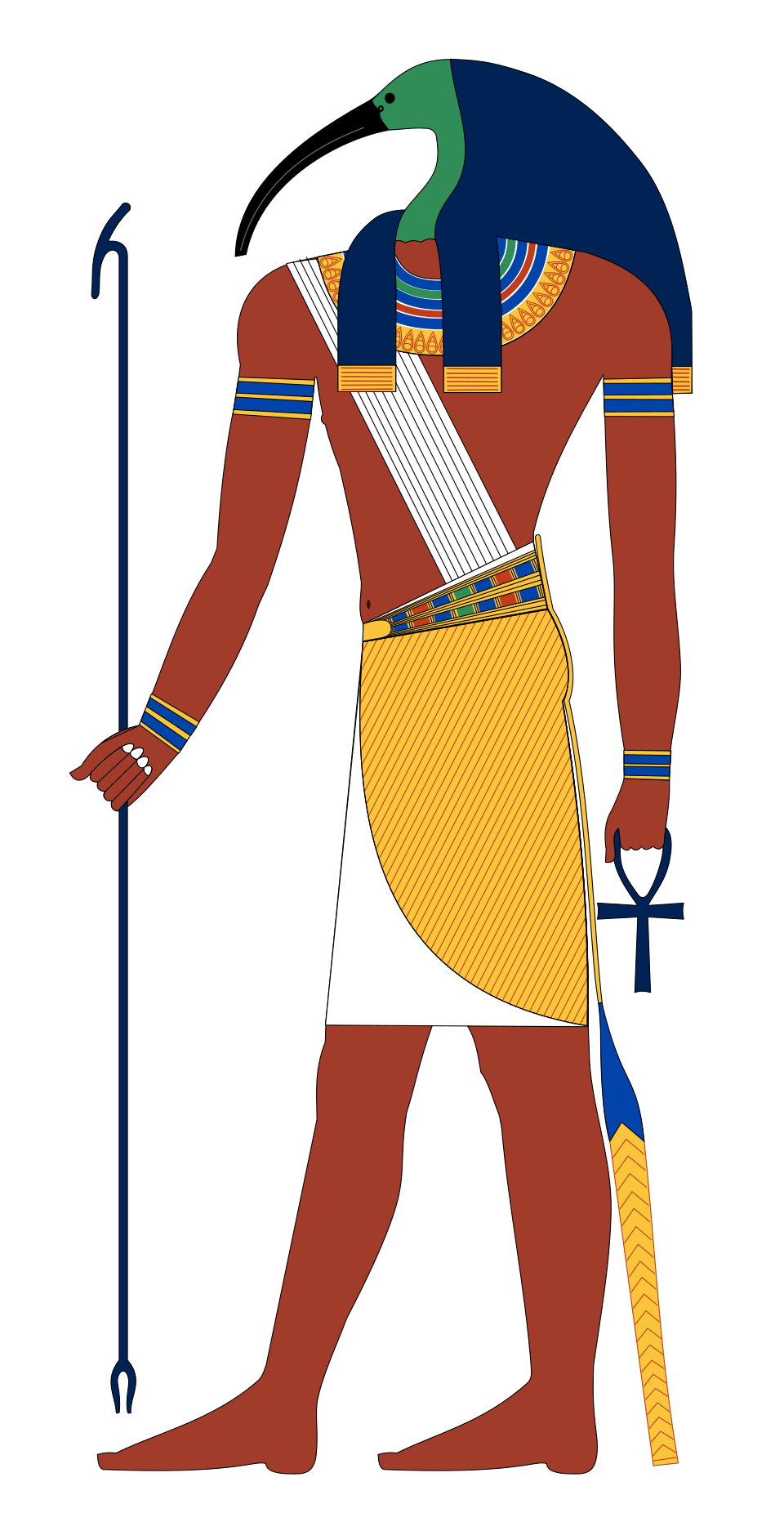
Figures who carry it
An attribute rather than a signature — held, worn or associated in the texts and the images.
Figures it is used against
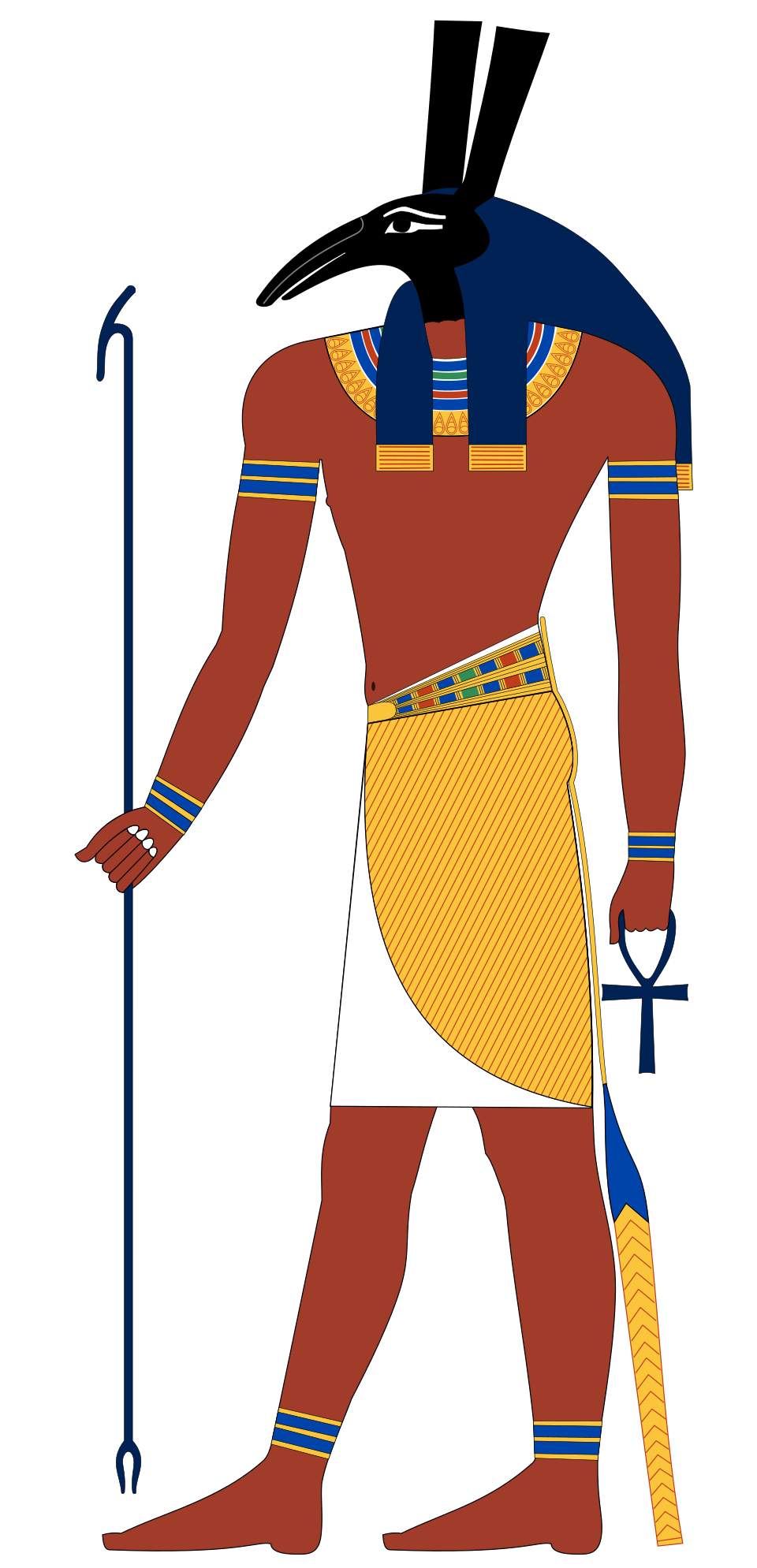
The mark is aimed at them. A ward names its target, which makes these the sharpest attributions on the page.
The larger argument
Why is it in a corpus about spirits?
The wedjat is the healed eye, torn out by Set and made whole again by Thoth, and it is worn as protection on exactly that basis: the mark records a repair rather than an intact state. It stands near the head of the ward section because it is the oldest thing here still doing the same job — and because the Egyptian material feeds directly into the Greek magical papyri that feed the Solomonic tradition.
Afterwards
What did it turn into?
Now read almost everywhere as an occult all-seeing eye, and routinely conflated with the eye in the triangle on the American dollar bill, which comes from Christian iconography of Providence and has no Egyptian ancestry.
Which texts describe it?
Oldest first, with what each one does with the mark. A mark described in a Bronze Age incantation and a mark first drawn in a seventeenth-century manuscript are different kinds of claim, whatever the shape has in common.
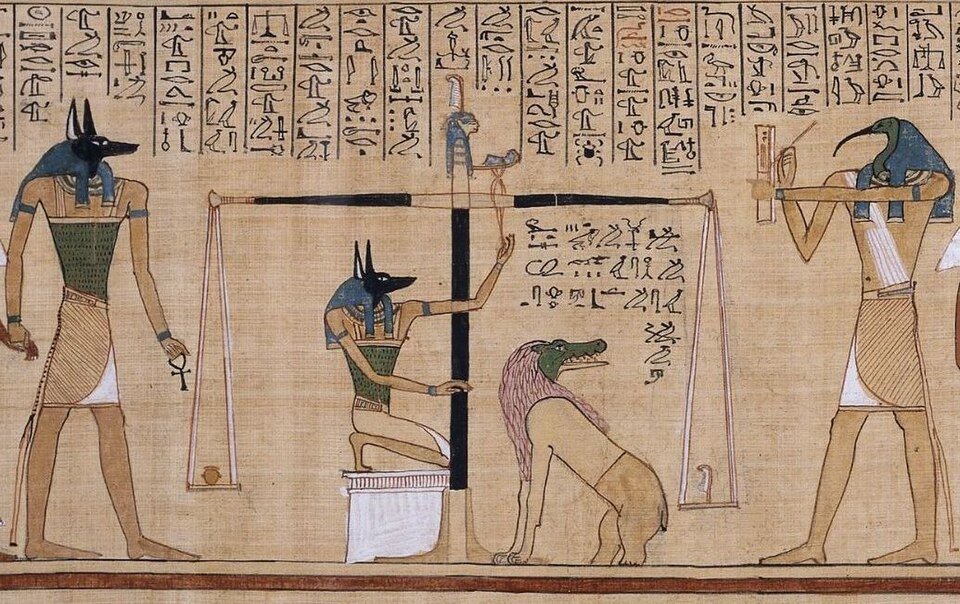
The Egyptian Book of the Dead
Anonymous; tr. E. A. Wallis Budge · c. 1550 BCE onward · Egyptian
Appears among the amulets specified for the wrapped body.
Read The Egyptian Book of the Dead in full ↗Cover: Public domain · Hunefer · Wikimedia file page
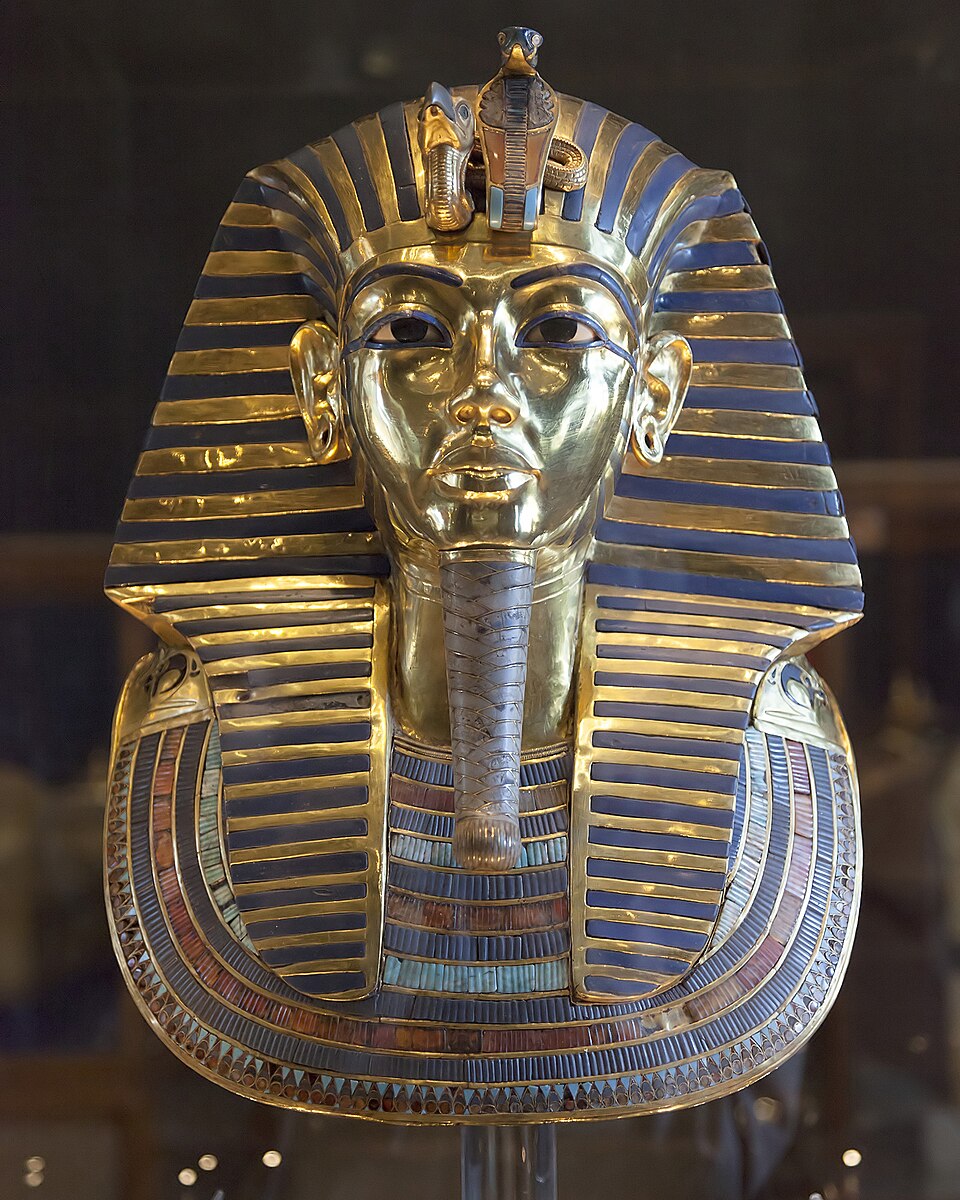
Egyptian Amulets & Domestic Objects
Anonymous; recovered from settlements and burials · c. 2000 BCE onward · Material evidence
The commonest amulet type in the Egyptian record, for the living and the dead alike.
Read Egyptian Amulets & Domestic Objects in full ↗Cover: Public domain · Roland Unger · Wikimedia file page
The Contendings of Horus and Set
Anonymous; Chester Beatty Papyrus I · c. 1160 BCE · Egyptian
The eye is lost and restored in the course of the dispute over the throne.
Read The Contendings of Horus and Set in full ↗
Nearby
Related marks
The Ankh
The sign for 'life', held to the nose of a king by a god. Not an amulet first — a hieroglyph that got carried into three dimensions.
The Djed Pillar
A four-tiered column meaning stability, later read as the backbone of Osiris and raised upright at festival as a resurrection.
The Was Sceptre
A straight staff with a forked foot and an animal head — and the animal, on the best reading, is Set's.
The Uraeus
A cobra rearing at the front of a crown, understood as the eye of the sun placed where it can spit at whatever approaches the wearer's face.
The Winged Disc
A sun with wings, borrowed by every empire in the region in turn — and the direct ancestor of the Persian faravahar.
The Feather of Ma'at
A single ostrich plume — the counterweight the heart is measured against, and the lightest object in the corpus to carry that much weight.