Egyptian · Egyptian · c. 1550 BCE onward
The Egyptian Book of the Dead
Anonymous; tr. E. A. Wallis Budge
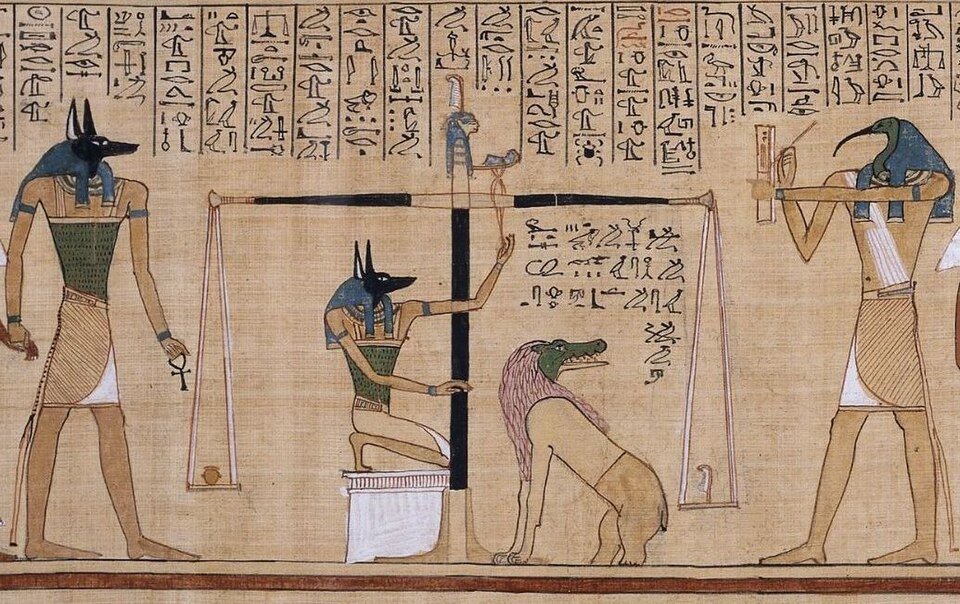
Funerary spells for the passage of the dead, including the nightly repulsion of Apep and the weighing of the heart before Osiris.
Read The Egyptian Book of the Dead in full at the linked edition →Hierarchies from this text
What this text attests · 29
| Name here | Rank given | # | Powers described |
|---|---|---|---|
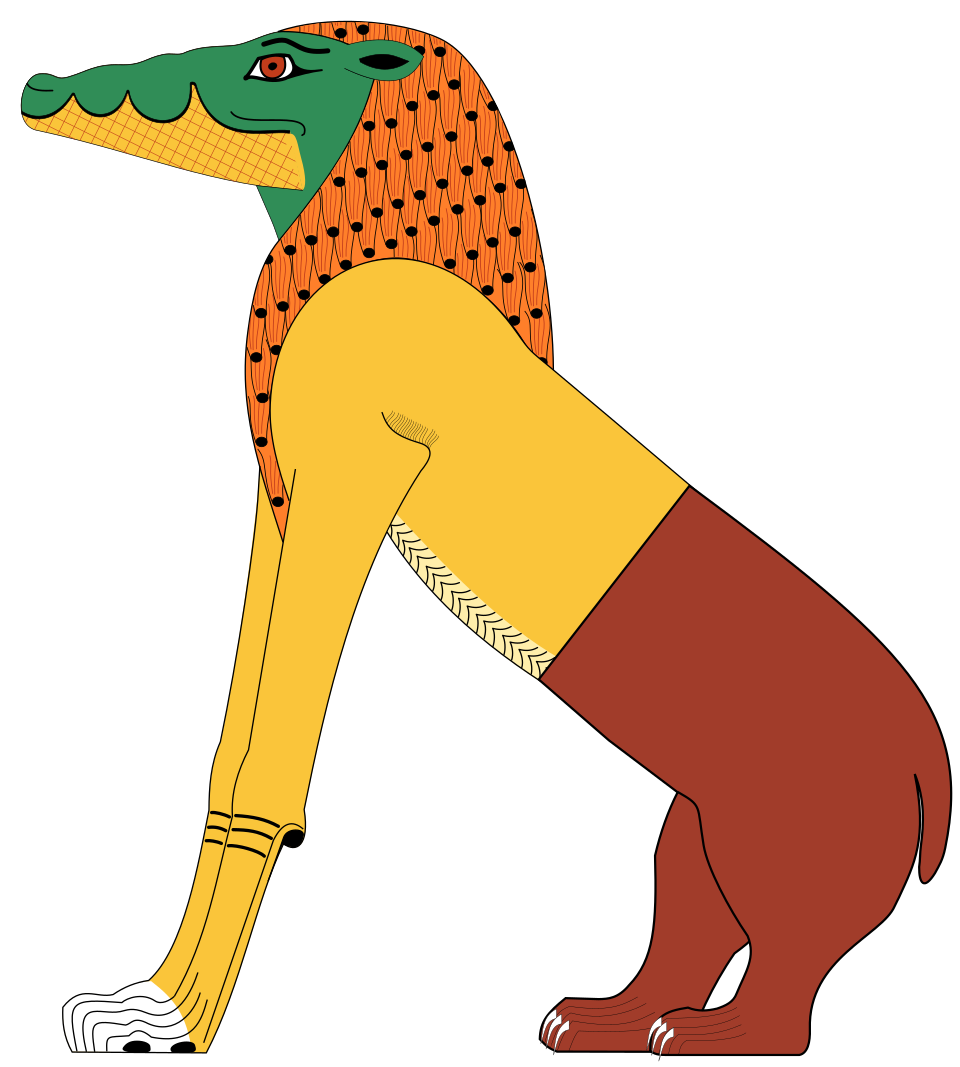
| Devourer of the dead | — | Consumes the heart that weighs heavier than the feather of Ma'at, ending the soul entirely. | |
| He who is upon his mountain | — | Conducts the deceased to judgment and adjusts the balance. | |
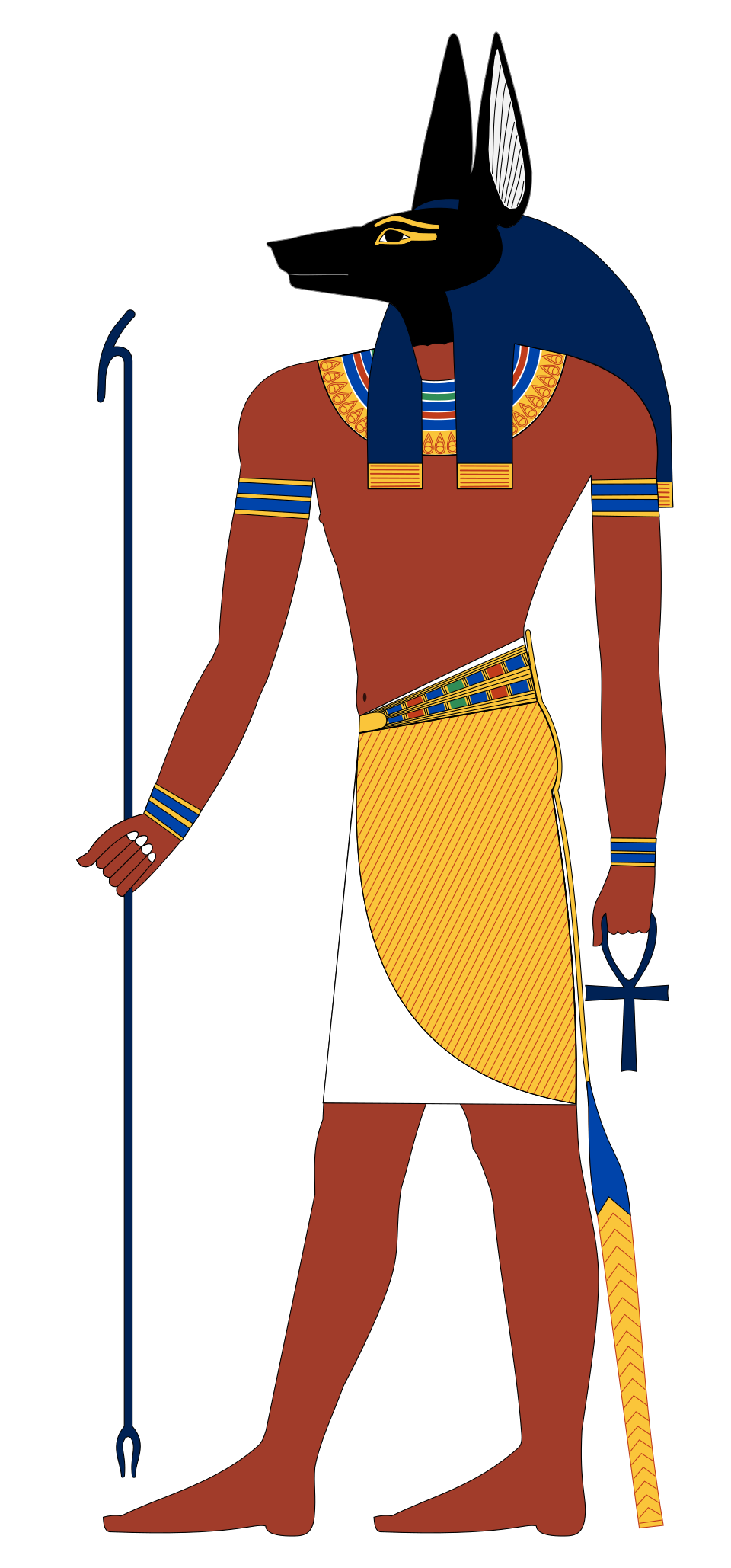
Ap-uat = Wepwawet | Opener of the ways | — | Precedes the king in procession and the dead through the underworld, opening the road ahead of both. Frequently confused with Anubis, who is black where Wepwawet is grey. |
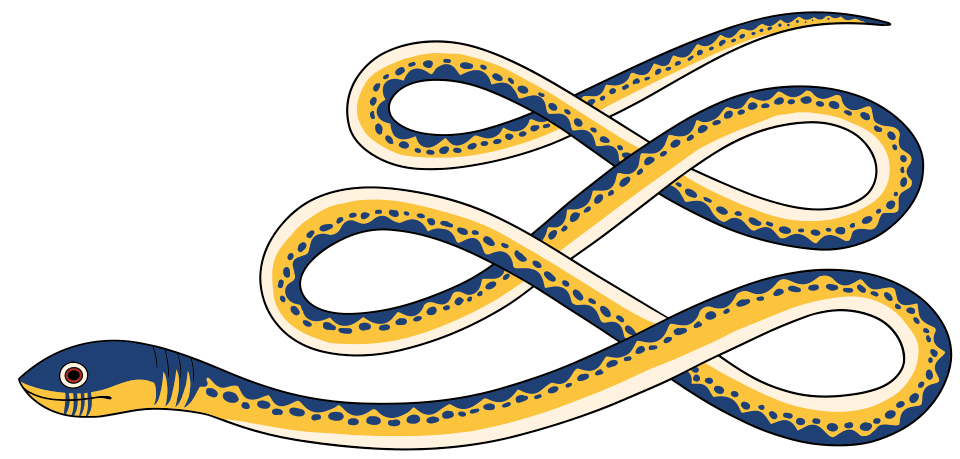
| The enemy | — | Attacks the barque of Ra nightly; repelled by Set and by ritual. | |
| Lady of Amentet | — | Receives the dead at the western mountain; goddess of music, love and intoxication, and in the Heavenly Cow narrative the calmed form of the raging Eye. | |
| The magic power | — | The force by which creation was accomplished and by which spells work; invoked constantly through the funerary texts. | |
| Lord of the sky | — | Avenges Osiris and is awarded the kingship by the tribunal of the gods. | |
| Great of magic | — | Restores Osiris, protects Horus, and knows the true names by which the gods may be compelled. | |
Khepera = Khepri | The becoming one | — | The sun in its morning form, self-produced and rising. The dead identify themselves with him in order to be reborn the same way the sun is, and his scarab is set over the heart. |
Khnemu = Khnum | Lord of the cataract | — | Moulds the bodies of children and their ka on his wheel from Nile clay, then sets them in the womb. |
| Lady of truth | — | Her feather is the standard of the weighing; the negative confession is addressed to her. | |
| Sister of Isis | — | Stands at the head of the bier as Isis stands at the foot; the two of them together are the model for Egyptian mourning. | |
Nu = Nun | Father of the gods | — | The inert waters from which Atum rose. Egypt did not imagine creation as something from nothing, but as order lifted out of an ocean that never went away. |
| Lady of heaven | — | Arches over the earth; swallows the sun at evening and bears it again at dawn. Coffin lids are painted with her so the dead lie inside her body. | |
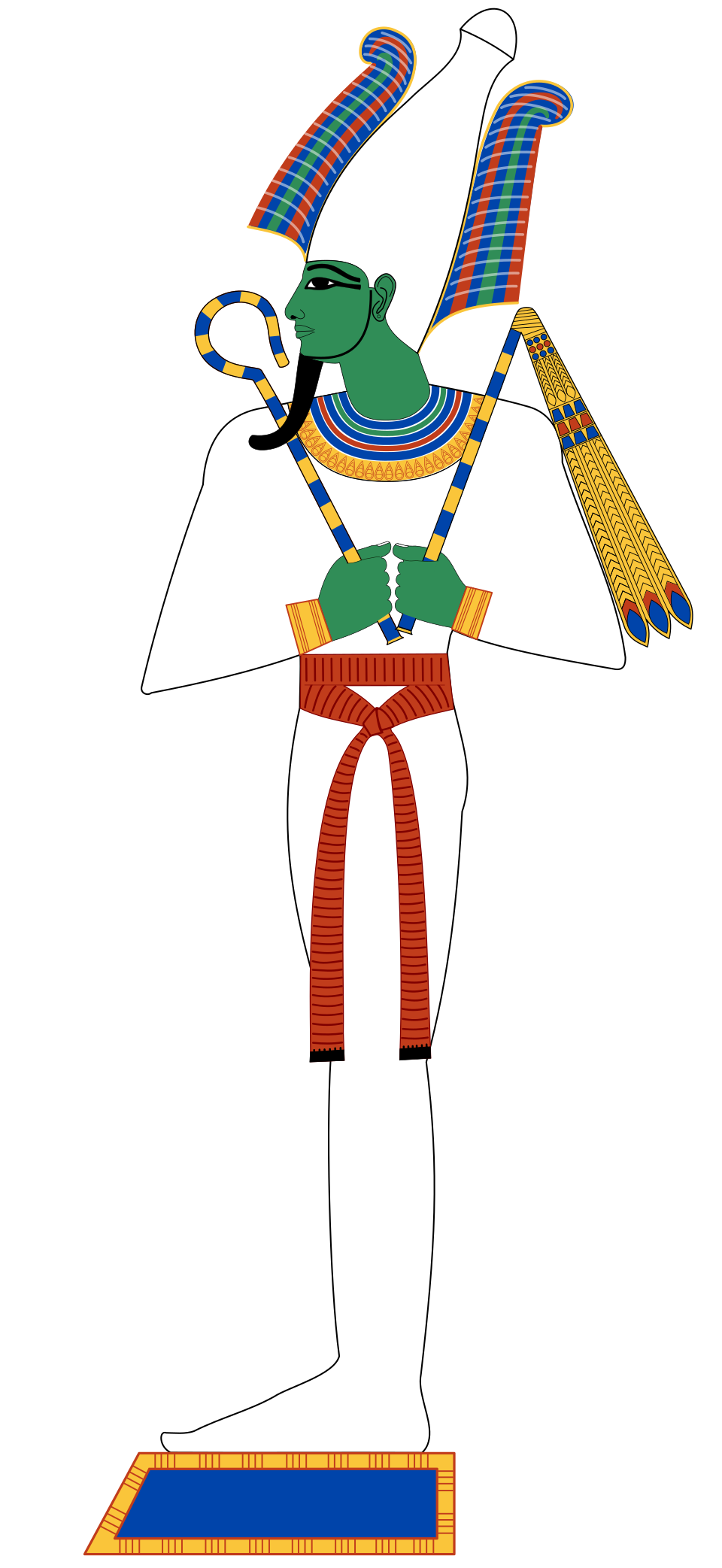
| Lord of eternity | — | Presides over the weighing of the heart in the Hall of Two Truths. | |
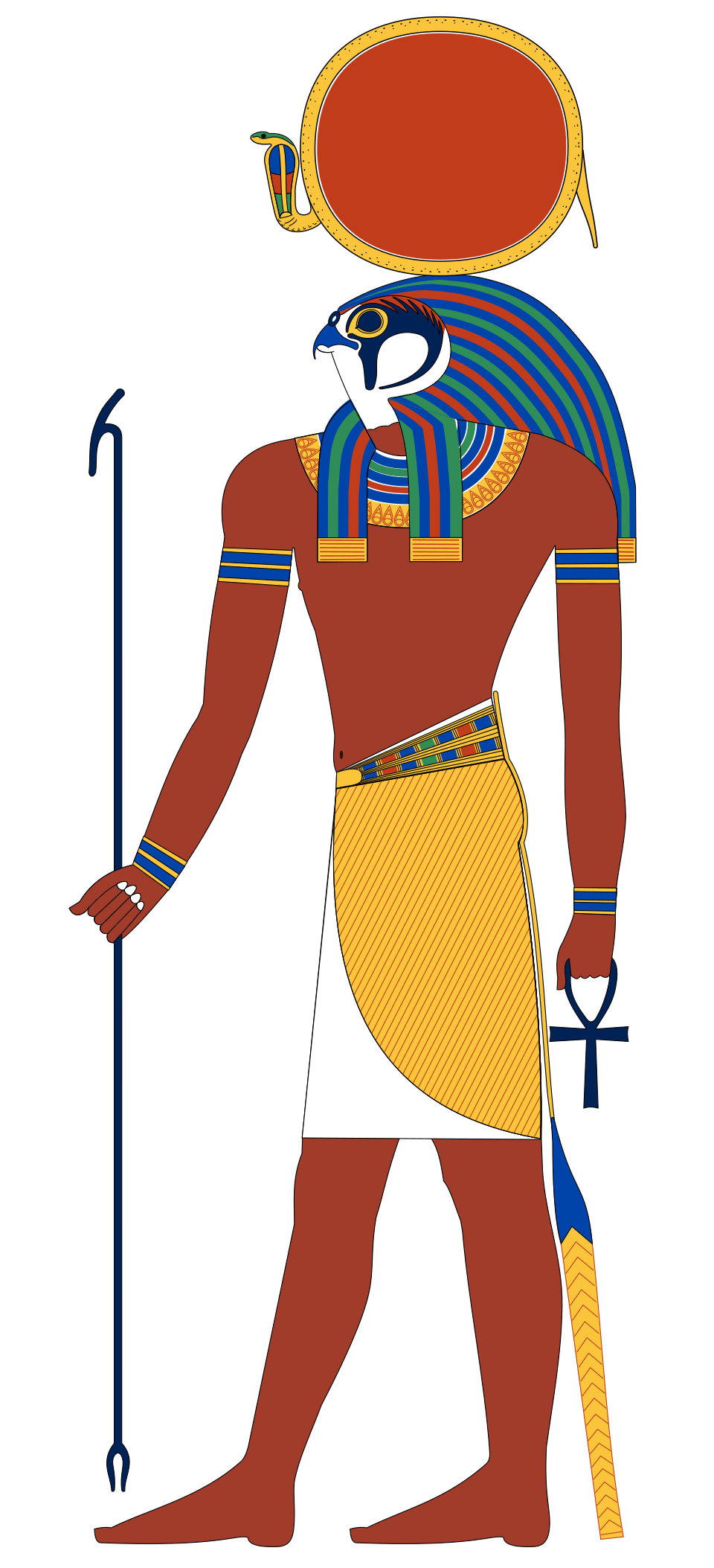
| Lord of the sky | — | Travels in the solar barque; his nightly passage through the underworld requires the repulsion of Apep. | |
Renenet = Renenutet | Lady of the granary | — | Provides and protects the grain, and is invoked for the nourishment of the dead as she is for the living harvest. |
Seb = Geb | Erpat of the gods | — | The earth itself; his laughter is the earthquake, and the dead are held in him. |
Sebek = Sobek | Lord of the marshes | — | Master of the waters and the crocodiles in them; both the danger of the river and its fertility. |
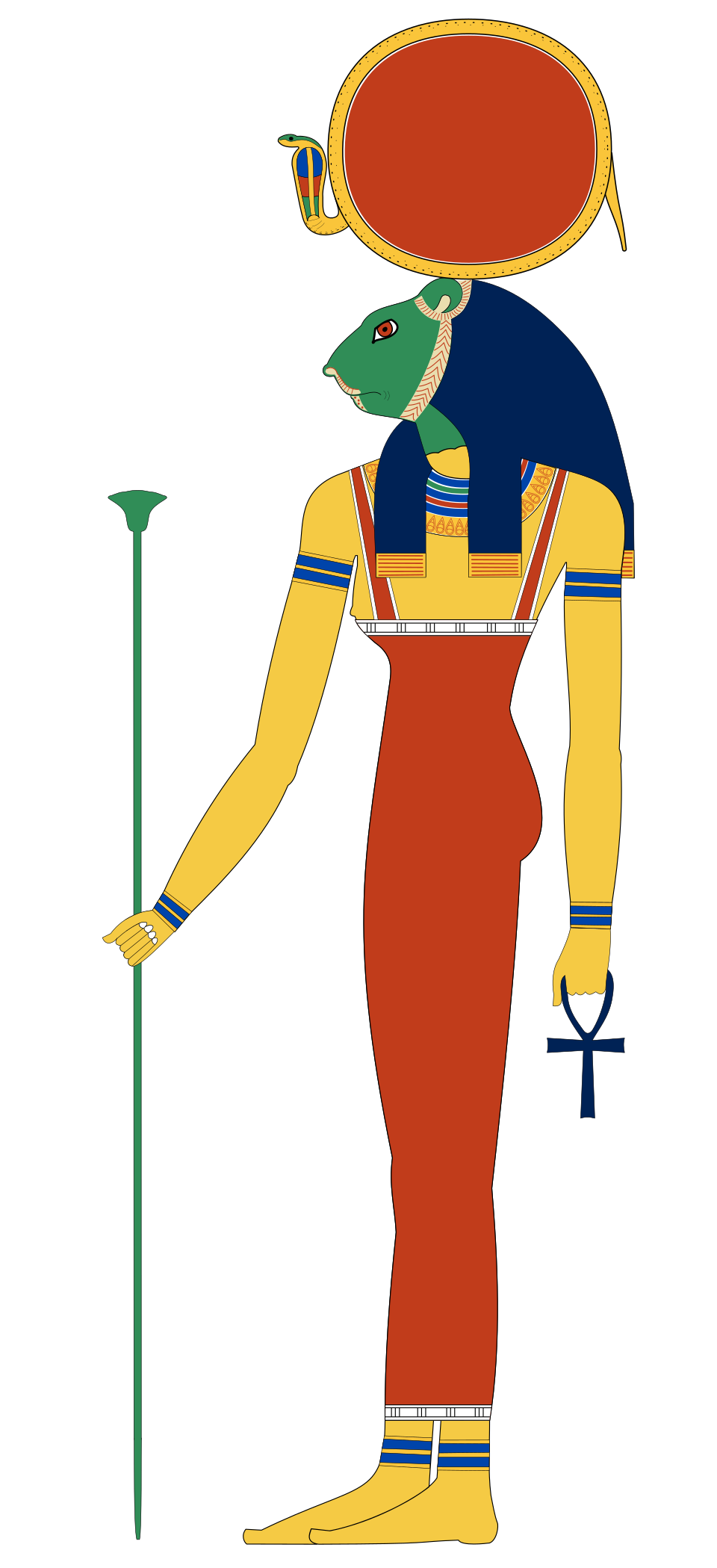
| Eye of Ra | — | The destructive aspect of the solar eye, loosed against the enemies of Ra. | |
| Protectress | — | Guards one of the canopic jars with Qebehsenuef; her priesthood handled scorpion stings and snakebite as a medical speciality. | |
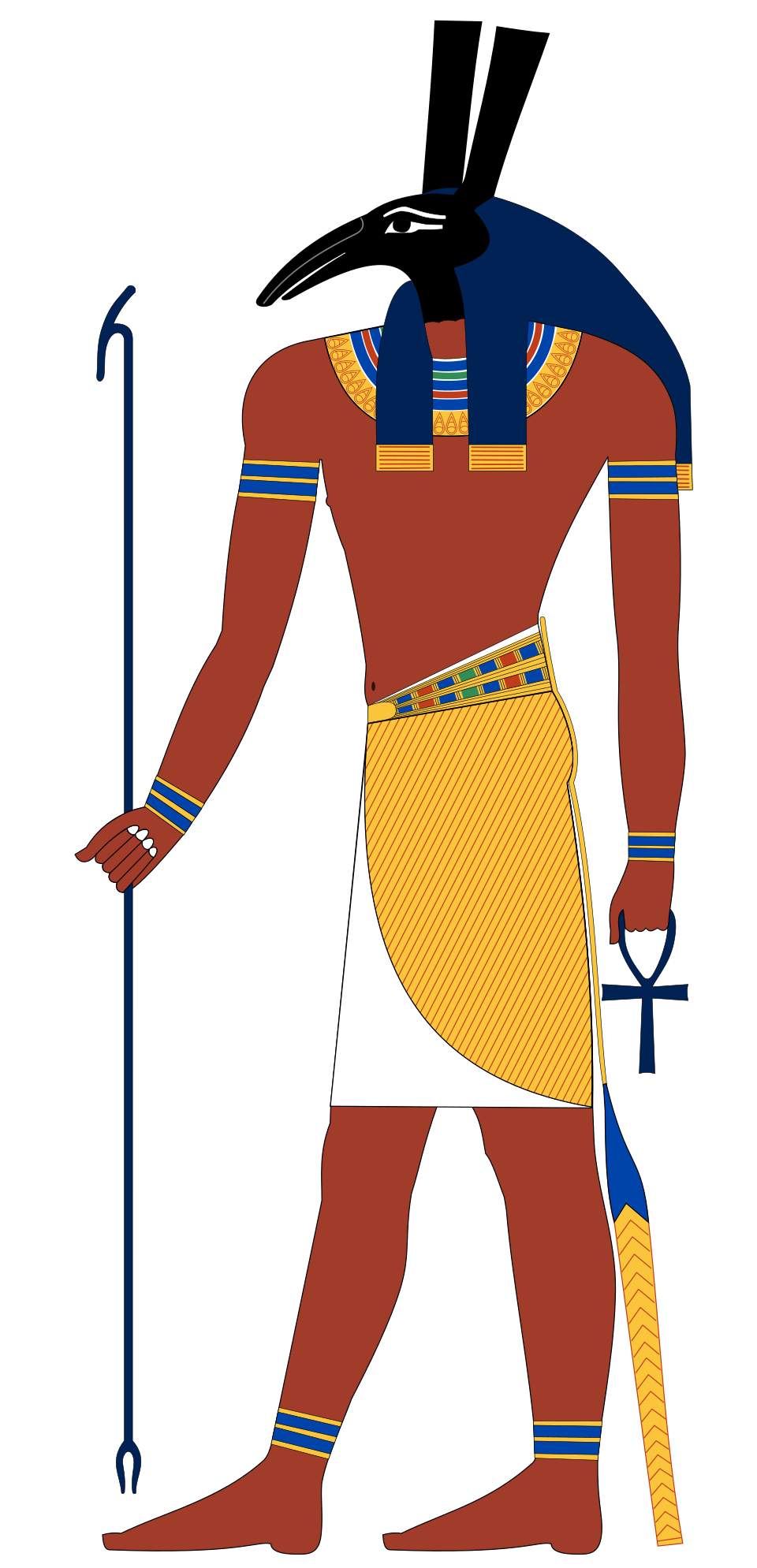
| God | — | Murders and dismembers Osiris; contends with Horus; repels Apep from the barque of Ra. | |
| Son of Tem | — | Separates sky from earth and holds them apart; the air and the light that fill the space. | |
| Daughter of Tem | — | Twin of Shu; the moisture of the world, paired with his air in the first division of creation. | |
Tem = Atum | Lord of Heliopolis | — | The self-created one who rises from Nun on the first mound and brings the Ennead into being. |
The Forty-Two = The Forty-Two Assessors | Assessors in the Hall of Two Truths | — | Each hears the denial of one named offence in the Negative Confession before the heart is weighed. |
The children of Horus = The Four Sons of Horus | Guardians of the four quarters | — | Imsety keeps the liver, Hapi the lungs, Duamutef the stomach and Qebehsenuef the intestines; each is tied to a cardinal direction and a protective goddess. |
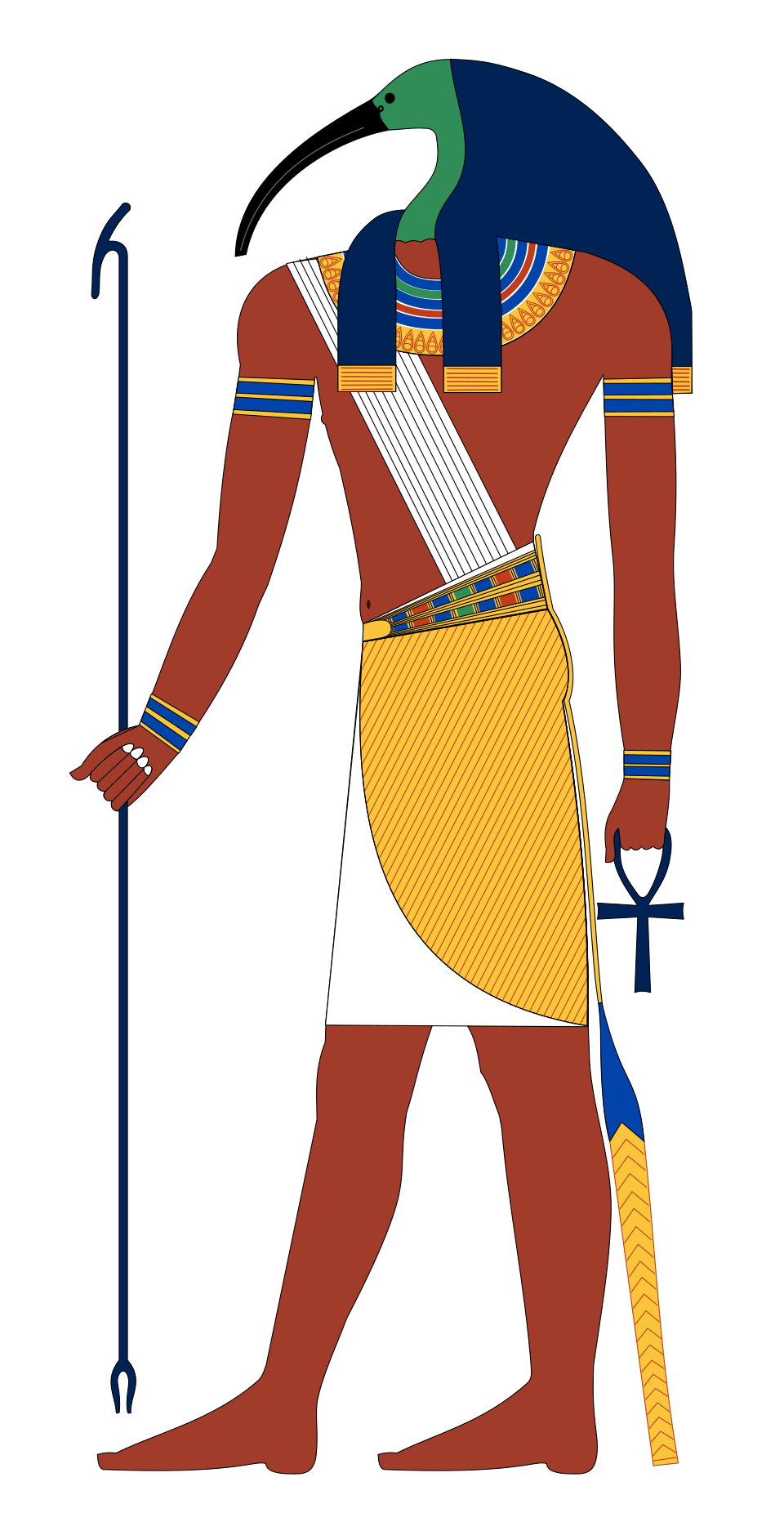
| Scribe of the gods | — | Records the verdict at the weighing of the heart against the feather of Ma'at. | |
Uatchit = Wadjet | Lady of Buto | — | The cobra of the north, protector of the king and of the dead, whose fire is turned on those who approach with hostility. |
Recorded as absent from it · 1
The corpus carries these figures and records that this text does not name them. An absence is evidence, and it is kept beside the text it is an absence from — but it is not an attestation, so it is counted separately and adds nothing to any figure’s attestation score.
- Mut — Recorded as an absence, on the authority of the corpus's own cited edition: Budge states that Amun, Mut and Khonsu have nothing whatever to do with the Book of the Dead. The Theban triad is a state cult of the New Kingdom and the funerary literature is a different institution — so the most famous Egyptian text says nothing about one of Egypt's most powerful goddesses, and that is worth a row rather than a silence.
What does it actually say?
The passages themselves, as this text gives them. Read them against what the other texts here say about the same figures — that comparison is the point.
“Hail to thee, Osiris, lord of eternity, king of the gods.”
The Forty-TwoAssessors in the Hall of Two Truths
“Hail, thou whose strides are long, who comest forth from Annu: I have not done iniquity.”