Deity · Egyptian · c. 2000 BCE
Renenutet
Also called Ernutet, Thermuthis
The cobra goddess of the harvest, honoured at the threshing floor and the granary, who also gives a newborn its name and its share of fortune.
Narrow source base
Renenutet is a working goddess. Her shrines stand where grain is processed and stored, and her festival falls with the harvest; where the state gods are approached through temples, she is approached at the place the food actually is. The cobra form is agricultural rather than royal — snakes in a granary keep the rodents down, and the association is old and practical before it is theological.
The second half of her portfolio is stranger and more interesting. She is involved in naming, and through naming in the fortune that attaches to a person for life. Egyptian thought treats a name as a real component of a person rather than a label, so a goddess who both feeds an infant and names it is doing one job twice.
Identity
Where does the name come from?
What the name means
Connected with rn, 'name', and with nurture — she both feeds a child and gives it the name that fixes its identity.
Where it was actually worshipped
The Faiyum, with shrines at threshing floors and granaries
A figure with temples and a figure that only ever existed on a page are different kinds of thing, and the difference is easy to lose once both are entries in a list.
At a glance
Vitals
Vitals
Also known as
- First attested
- The Egyptian Book of the Dead · c. 1550 BCE onward
- Named there as
- Renenet
- Rank
- Lady of the Harvest
- Pantheon
- Egyptian
- Order
- Egyptian pantheon
- Base of operations
- The Faiyum, with shrines at threshing floors and granaries
- Era
- c. 2000 BCE
- Traditions
- Egyptian
Traits
- Domain
- Harvest, granaries, nourishment, the naming of a child
- Traditional form
- A rearing cobra, or a woman with a cobra's head, often nursing
Stats
Known connections
Identified with
3 attributed
What is it said to do?
Where these powers cluster
The 3 offices attributed to Renenutet, grouped by kind. Segment width is the share of powers falling in each category.
A bar dominated by one colour means a specialist; an even spread means a figure the sources credit with almost anything.
- material2
- martial1
1 texts
Which texts say so?
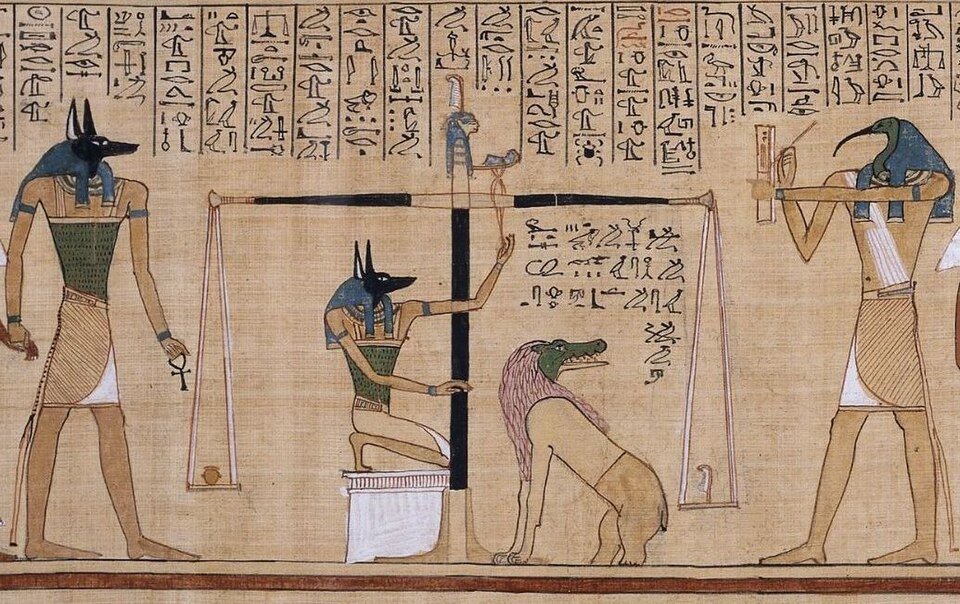
Provides and protects the grain, and is invoked for the nourishment of the dead as she is for the living harvest.
Connections
What is it connected to?
Afterwards
What did later readers make of it?
Named alongside the grain gods for the eighth plague, on the locusts. The corpus grades that pairing D — not because the harvest deities are wrong, but because the version of the table it belongs to also names Senehem, a supposed locust god who is close to unattested outside the tables themselves.
Kept in its own section on purpose. Everything above is what the cited texts say; this is what was built on top of them afterwards, and blending the two is how most popular demonology goes wrong.
Answered from the sources
Common questions
Which texts mention Renenutet?
Is Renenutet the same as Wadjet?
What rank is Renenutet?
How else is Renenutet spelled?
What is Renenutet said to do?
How old is Renenutet?
Nearest in the corpus
If Renenutet is what you came for, these are next
Chosen by proximity rather than by popularity: the same pantheon first, then the same rank, then the same kind of figure.
Khepri
The Morning Sun · Egyptian
The sun at dawn, in the form of a scarab beetle rolling it up over the horizon — one of the three daily aspects of the sun, and a pun on the word for coming into being.
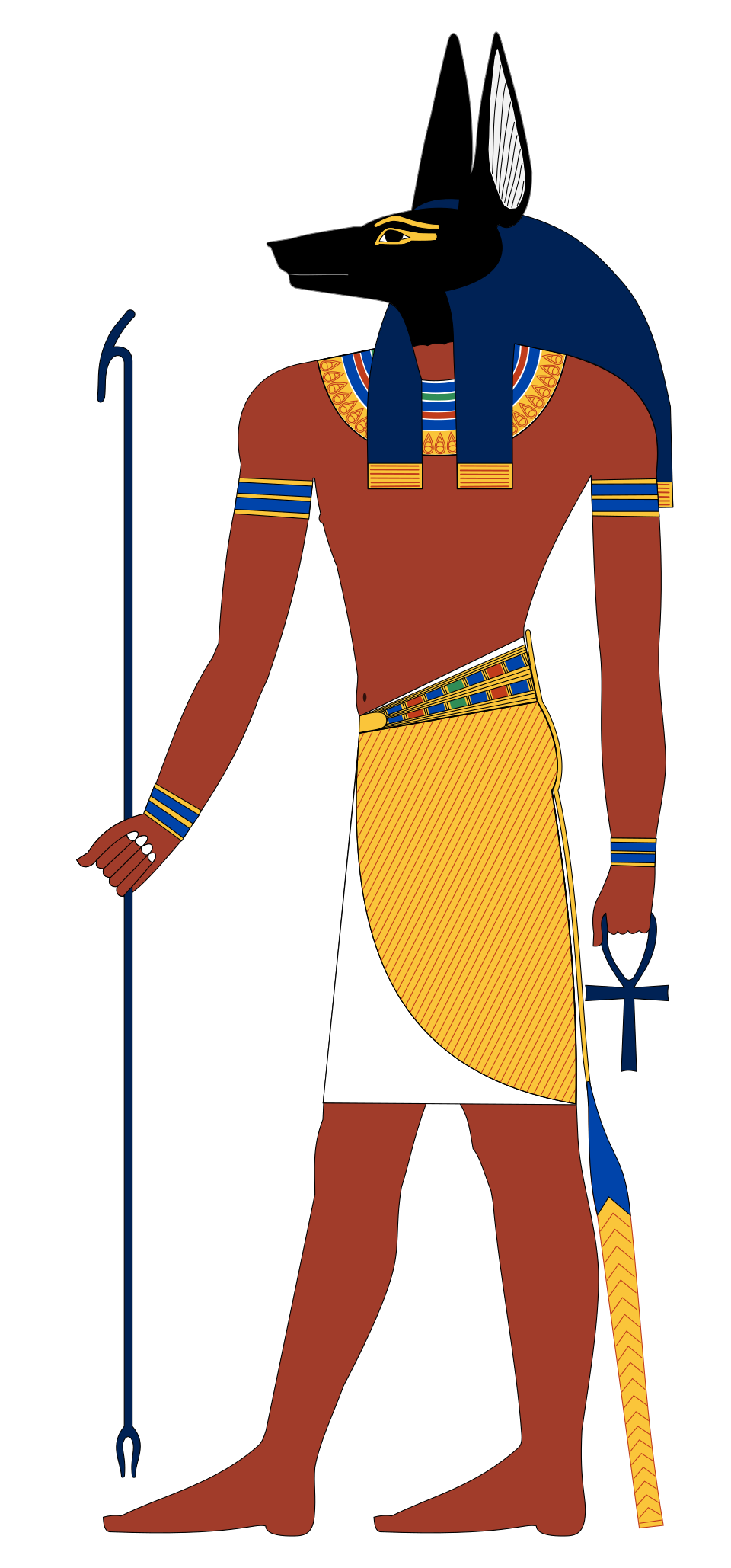
Anubis
Guide of the Dead · Egyptian
Embalmer and psychopomp, who leads the dead to the scales — the office Western tradition eventually gives to Michael and to Azrael.
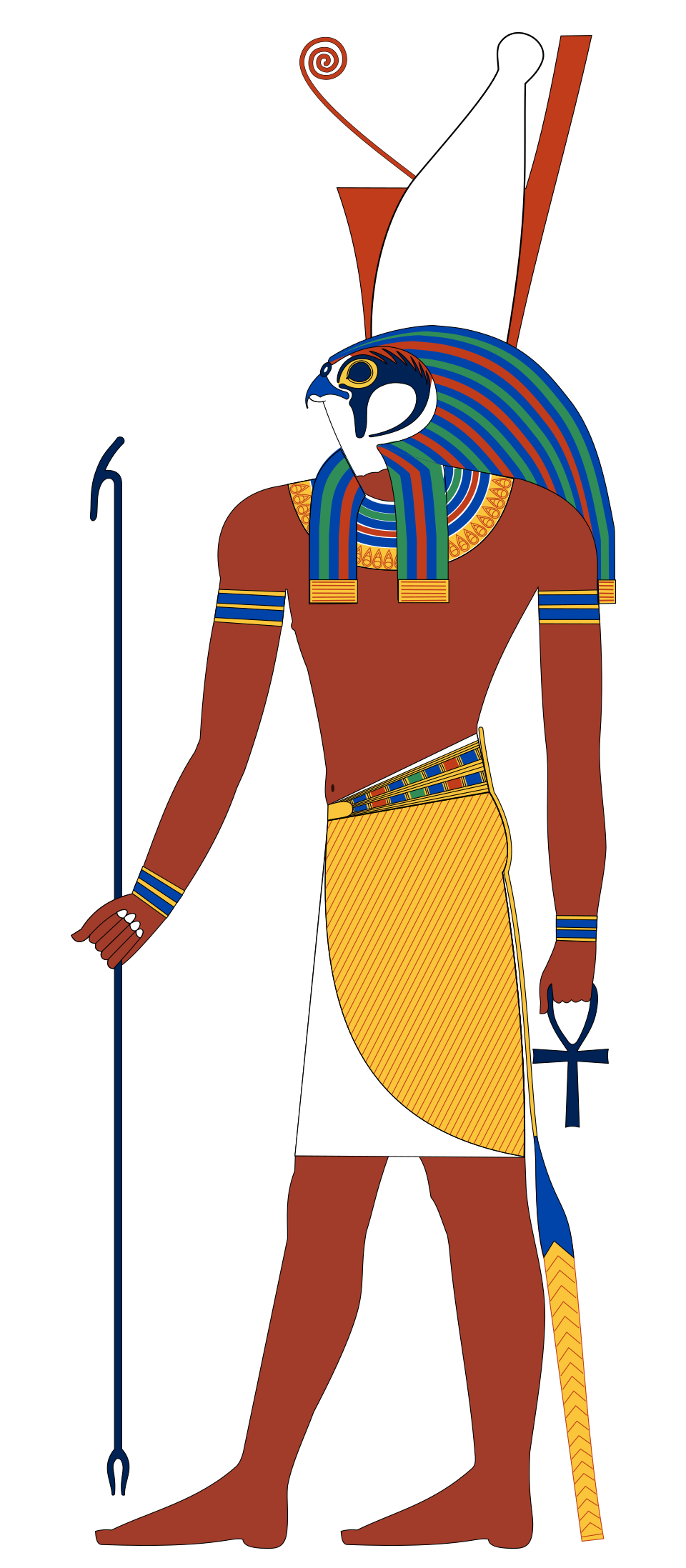
Horus
Falcon King · Egyptian
Son of Osiris, who contends eighty years with Set for the throne. Every living pharaoh was understood to be his incarnation.
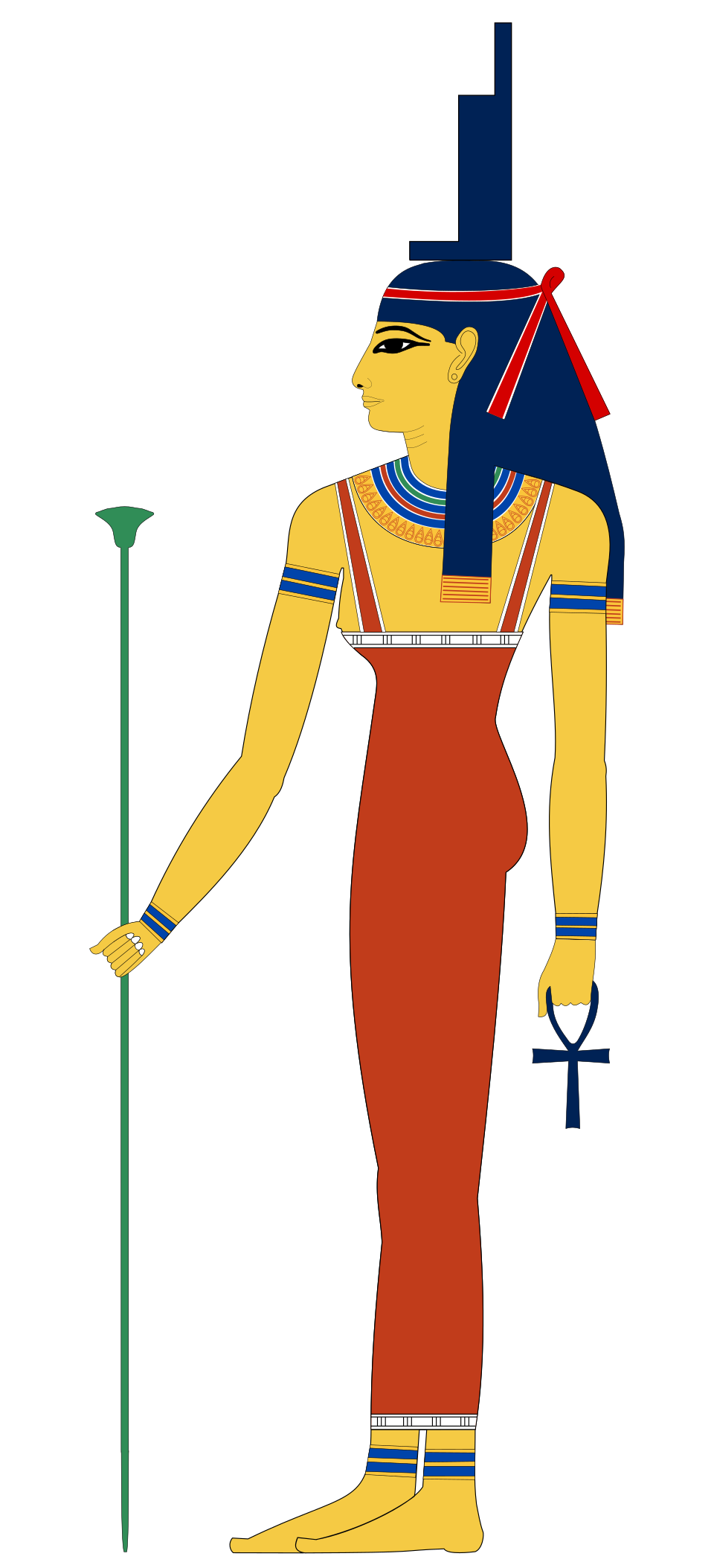
Isis
Great of Magic · Egyptian
The great magician who reassembles Osiris and tricks Ra into surrendering his secret name. Her cult eventually reached as far as Roman Britain.
Nephthys
Lady of the House · Egyptian
Set's wife who sides with her sister Isis against him, and mourns Osiris at the head of the bier.
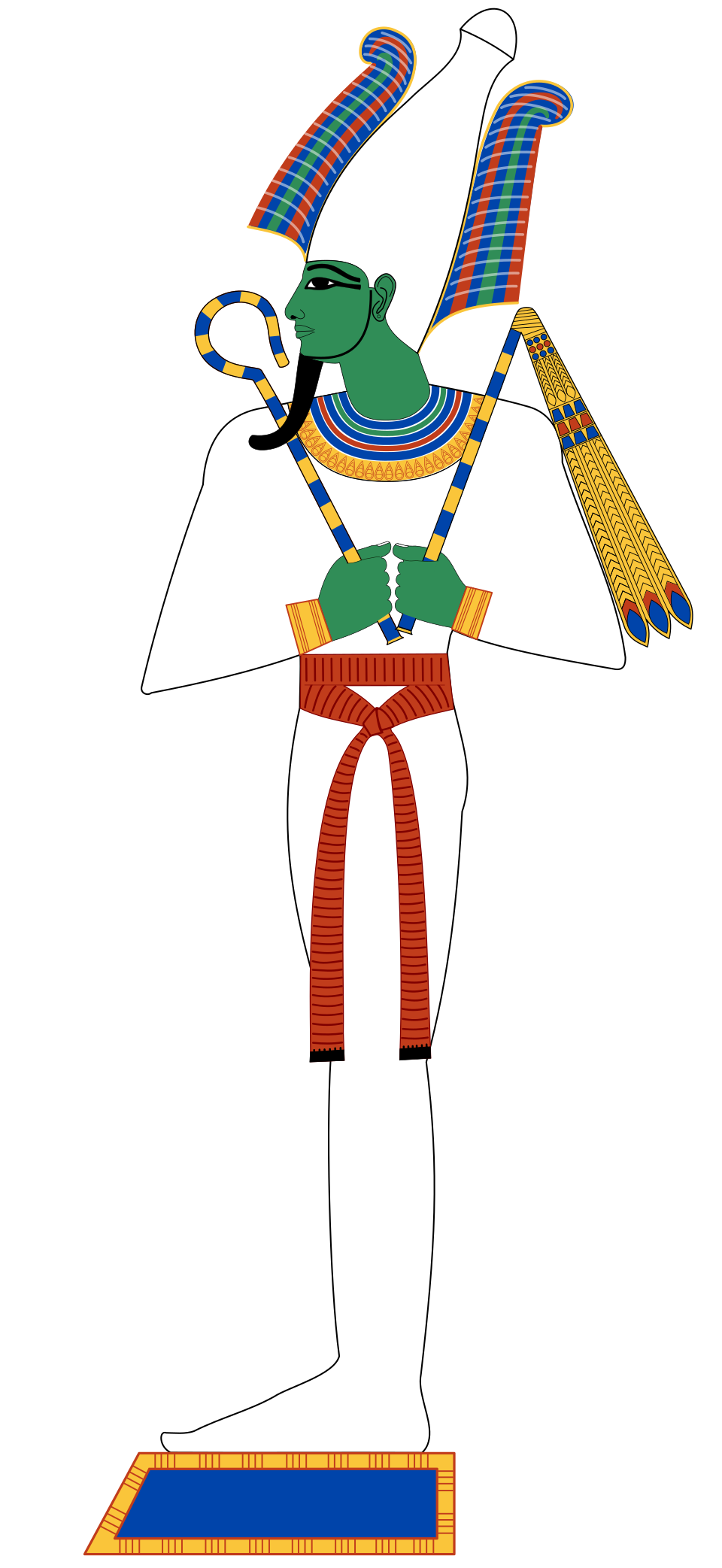
Osiris
Lord of the Dead · Egyptian
Murdered by Set, reassembled by Isis, and installed as judge of the dead. He is the earliest fully developed dying-and-rising sovereign we have.
The book behind Renenutet
Every claim on this profile is attributed to one of these. It is public domain, listed oldest first, and each links to a full text where one is freely available.
The Egyptian Book of the Dead
Anonymous; tr. E. A. Wallis Budge · c. 1550 BCE onward · Egyptian
Read The Egyptian Book of the Dead in full ↗Cover: Public domain · Hunefer · Wikimedia file page
Corpus last revised 29 August 2026. A reference site’s credibility rests on being maintained, so this is the date the sourced records last changed — not the date the page was rebuilt.