Deity · Egyptian · c. 2600 BCE
Osiris
Also called Wesir, Asar
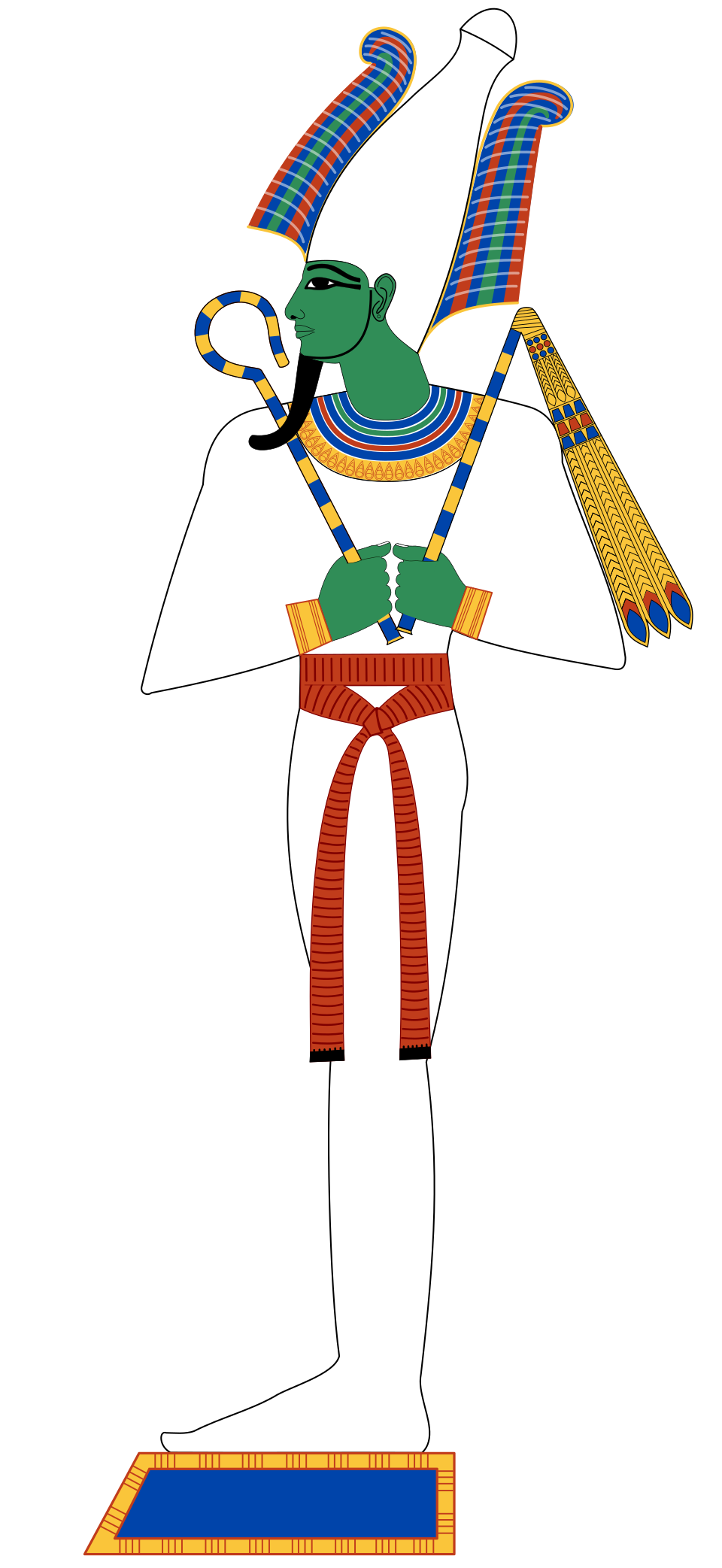
Murdered by Set, reassembled by Isis, and installed as judge of the dead. He is the earliest fully developed dying-and-rising sovereign we have.
Deep source base
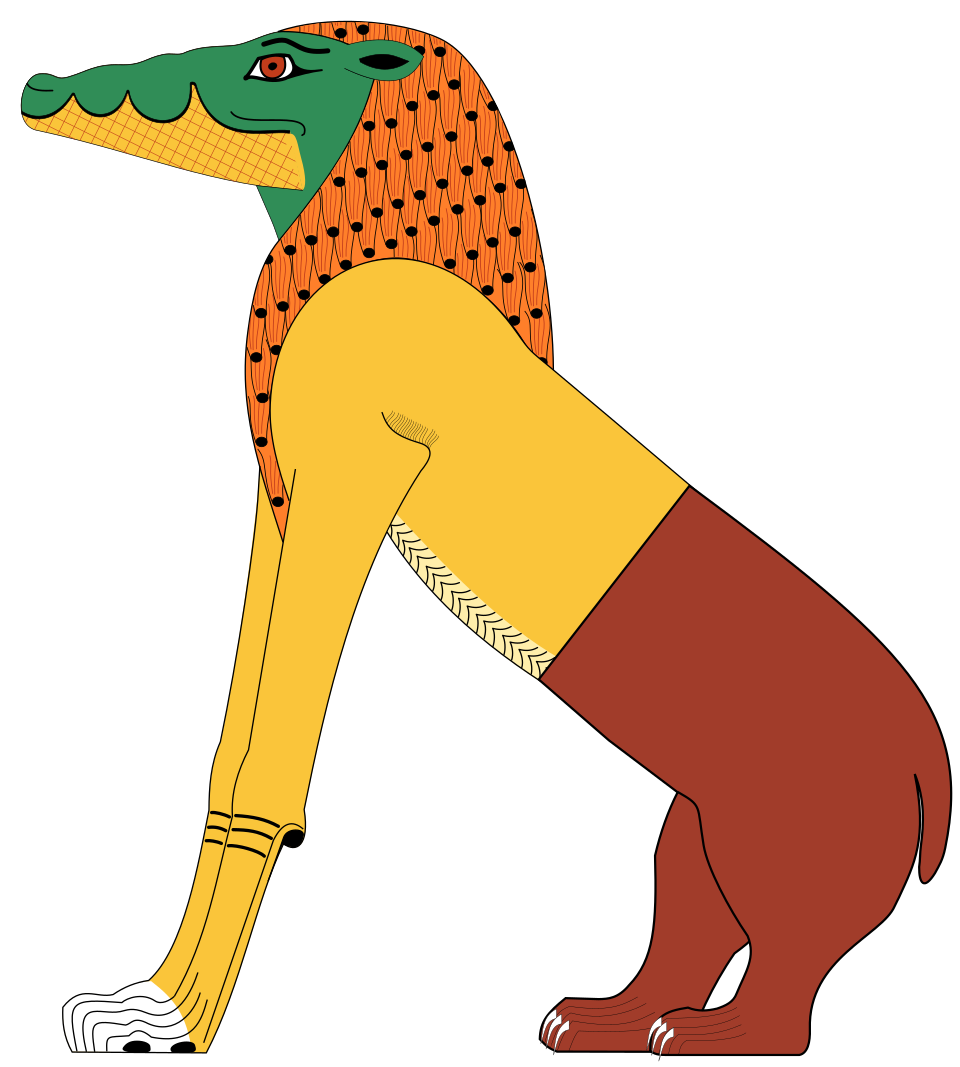
The Osiris myth carries an idea the Near East returns to repeatedly: a god who dies, is mourned by a goddess, and returns in a changed condition, with the agricultural cycle read through that story. What is distinctive in Egypt is the legal outcome. Osiris does not come back to rule the living; he becomes the presiding judge of the dead, and every Egyptian who died hoped to be justified before him and so become an Osiris themselves. The judgment scene — heart against feather, Thoth recording, Ammit waiting — is the oldest detailed account of post-mortem judgment anywhere.
Identity
Where does the name come from?
What the name means
Greek rendering of Egyptian *Wsir*; the meaning is unsettled, with 'seat of the eye' and 'the mighty one' both proposed and neither secure.
Where it was actually worshipped
Abydos, where his tomb was located and where pilgrims left stelae; also Busiris.
A figure with temples and a figure that only ever existed on a page are different kinds of thing, and the difference is easy to lose once both are entries in a list.
At a glance
Vitals
Vitals
Also known as
- First attested
- The Pyramid Texts · c. 2350–2100 BCE
- Rank
- Lord of the Dead
- Pantheon
- Egyptian
- Order
- Egyptian pantheon
- Base of operations
- Abydos, where his tomb was located and where pilgrims left stelae; also Busiris.
- Era
- c. 2600 BCE
- Traditions
- Egyptian
Traits
- Domain
- Death and resurrection, judgment, the fertile flood
- Traditional form
- Mummified, green-skinned, with crook and flail
Stats
Known connections
1 site
Where was it worshipped?
Attested cult sites, located against the Pleiades gazetteer of the ancient world where it reaches and against Wikidata everywhere else. An absence here is not evidence that no cult existed: a good number of figures never had one, and the entry above says so where that is the case.
now el-Araba el-Madfuna
Where Osiris was held to be buried, and where pilgrims left stelae to be near him. Not the Abydos in the Troad.
26.185, 31.918 · Pleiades 756512
4 attributed
What is it said to do?
Where these powers cluster
The 4 offices attributed to Osiris, grouped by kind. Segment width is the share of powers falling in each category.
A bar dominated by one colour means a specialist; an even spread means a figure the sources credit with almost anything.
- martial1
- transformation2
- material1
3 marks
Which marks is it attached to?
A mark a figure carries and a mark used against a figure are opposite claims, so each link says which it is.
The Ankh
Carried as an emblem
The sign for 'life', held to the nose of a king by a god. Not an amulet first — a hieroglyph that got carried into three dimensions.
The Djed Pillar
Carried as an emblem
Read as his backbone; raising the pillar upright enacts his rising.
The Wedjat Eye
Carried as an emblem
Receives the restored eye from his son.
3 texts
Which texts say so?
When these texts were written
Each dot is one of the 3 texts that names Osiris, placed at that text's approximate date.
A wide spread means the figure was carried across many centuries and traditions; a tight cluster means a single period produced the whole record.
3 texts spanning roughly 2,450 years
The oldest surviving evidence of the myth, and it survives sideways: the texts never narrate the murder, they address a king who is now Osiris and speak around it — the body gathered, the son who avenges, the enemy who must not prevail. A story everyone present knew well enough that it never needed telling.
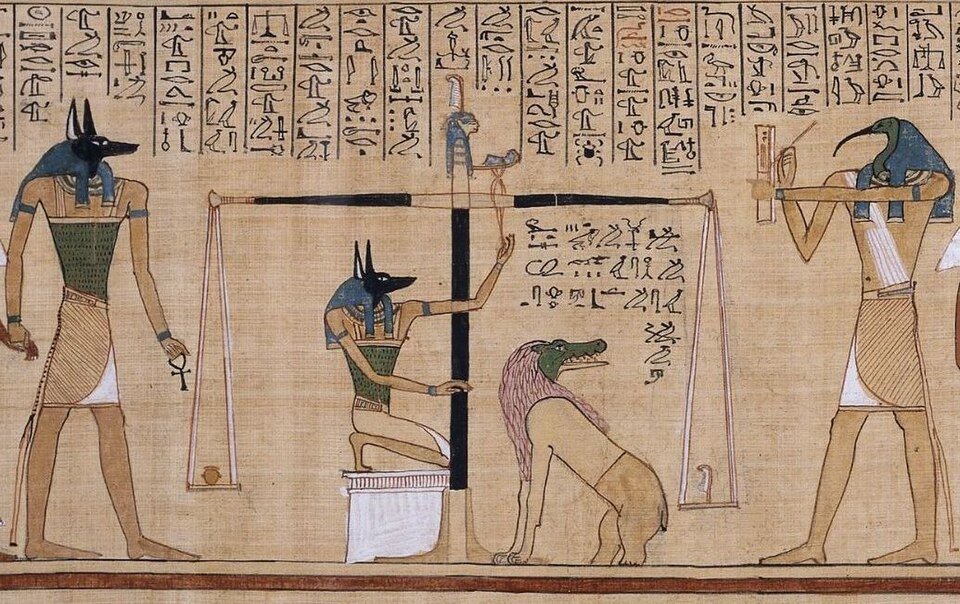
Presides over the weighing of the heart in the Hall of Two Truths.
“Hail to thee, Osiris, lord of eternity, king of the gods.”
The only continuous ancient narrative of the myth in existence: the chest measured to fit him, the sealing, the river, the tree at Byblos, the dismemberment into fourteen parts. No Egyptian text tells it end to end, so everything that reads like the standard story is being read from a Greek treatise written some two thousand years after the Pyramid Texts.
Connections
What is it connected to?
Placement
Where does it sit in the hierarchies?
Afterwards
What did later readers make of it?
Every justified Egyptian dead person becomes 'the Osiris N', taking his name as a title. Later comparative writers pressed him into service as a dying-and-rising god alongside Tammuz and Adonis, a category modern scholarship treats far more cautiously.
Kept in its own section on purpose. Everything above is what the cited texts say; this is what was built on top of them afterwards, and blending the two is how most popular demonology goes wrong.
Answered from the sources
Common questions
Which texts mention Osiris?
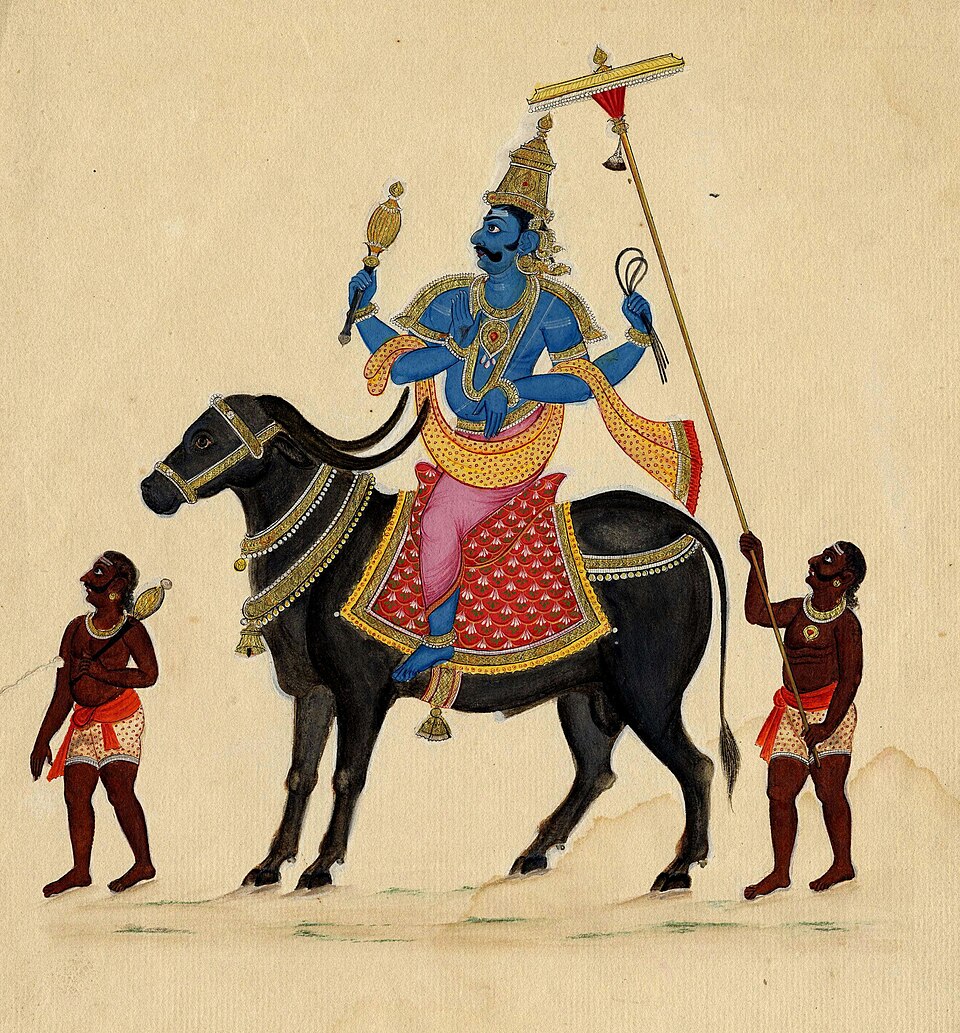
Is Osiris the same as Yama?
What rank is Osiris?
How else is Osiris spelled?
What is Osiris said to do?
How old is Osiris?
Nearest in the corpus
If Osiris is what you came for, these are next
Chosen by proximity rather than by popularity: the same pantheon first, then the same rank, then the same kind of figure.
Khepri
The Morning Sun · Egyptian
The sun at dawn, in the form of a scarab beetle rolling it up over the horizon — one of the three daily aspects of the sun, and a pun on the word for coming into being.
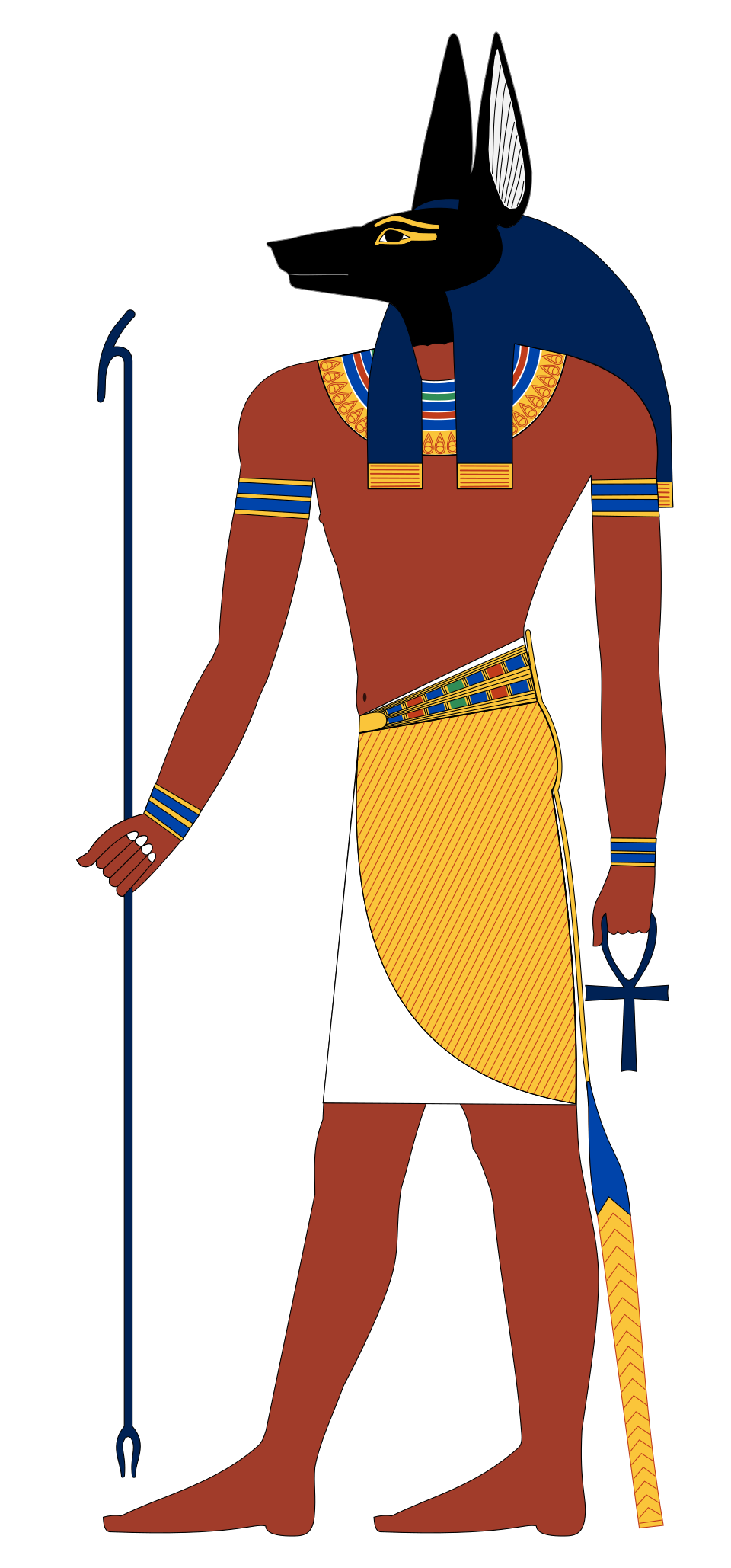
Anubis
Guide of the Dead · Egyptian
Embalmer and psychopomp, who leads the dead to the scales — the office Western tradition eventually gives to Michael and to Azrael.
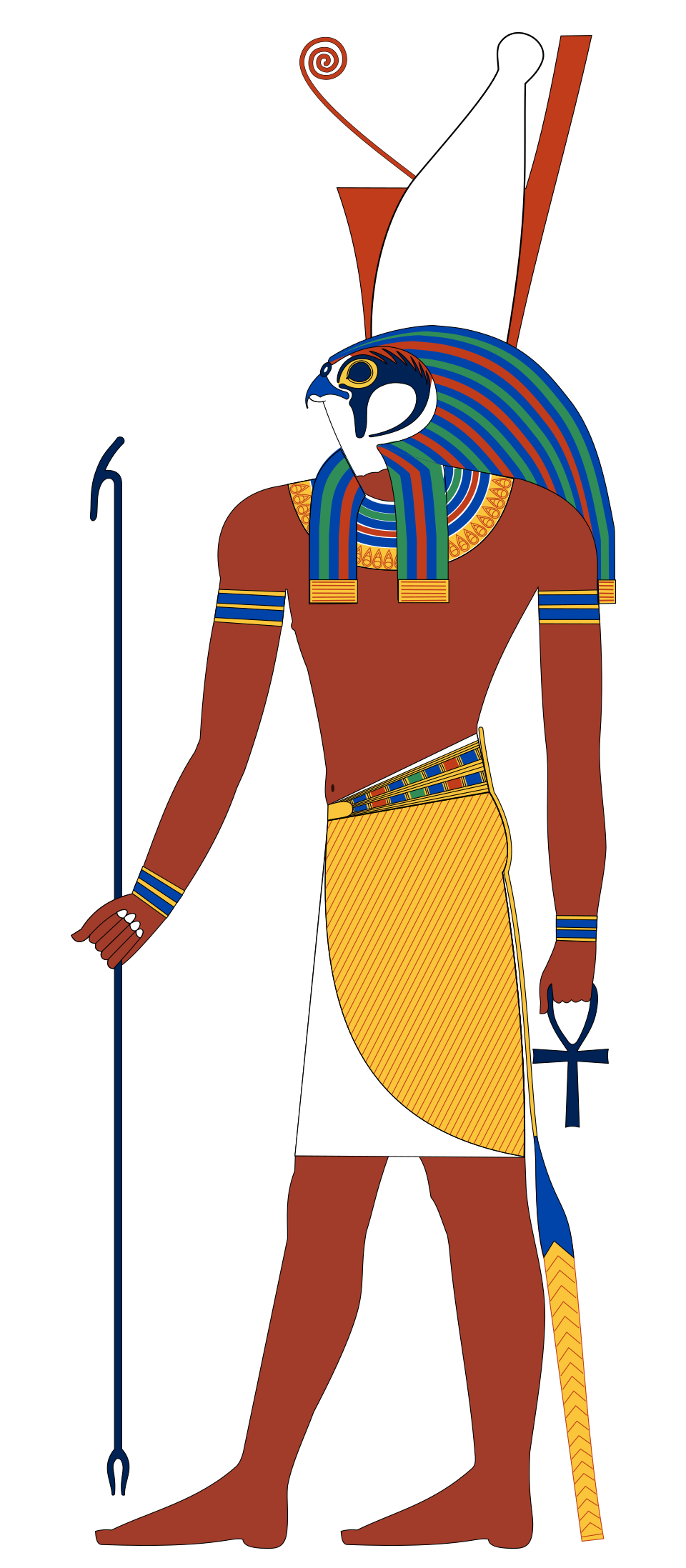
Horus
Falcon King · Egyptian
Son of Osiris, who contends eighty years with Set for the throne. Every living pharaoh was understood to be his incarnation.
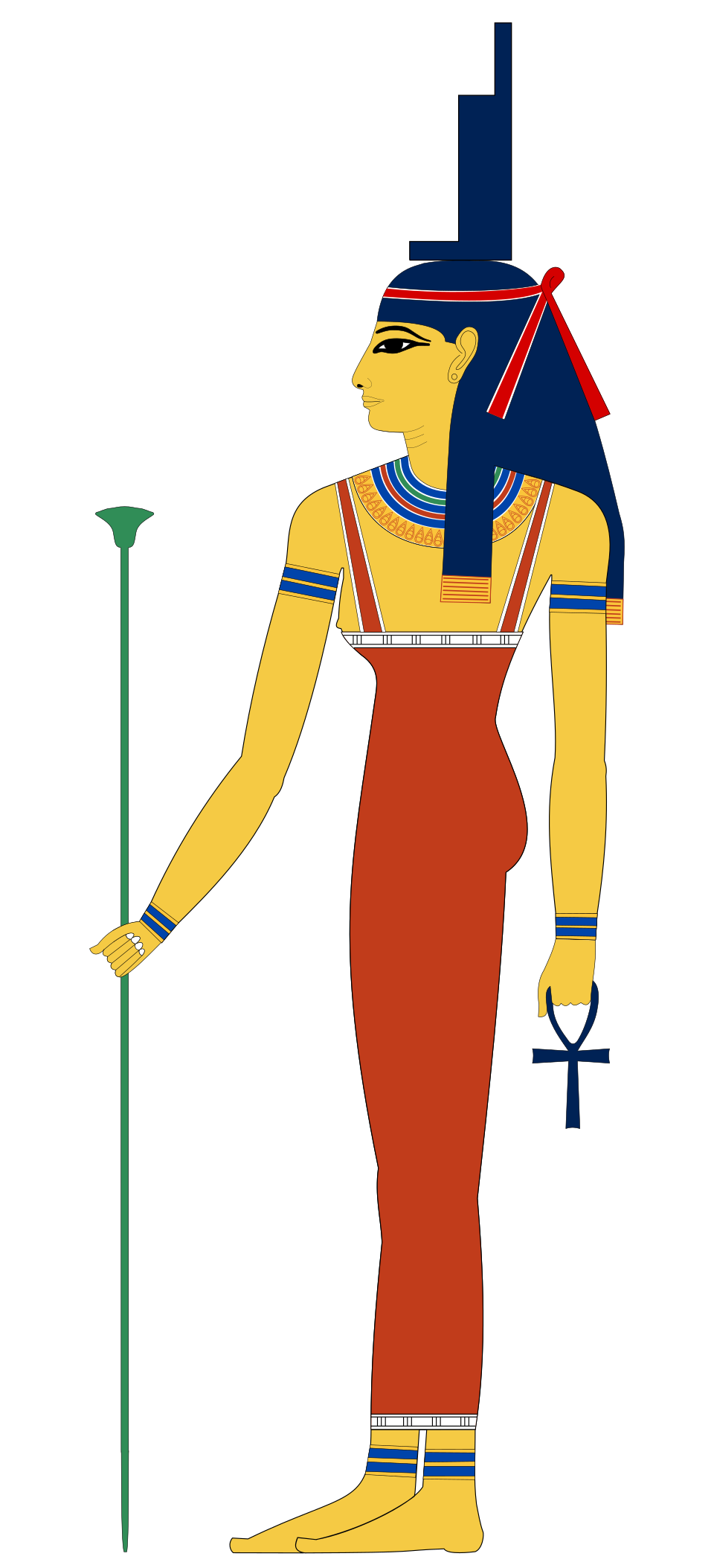
Isis
Great of Magic · Egyptian
The great magician who reassembles Osiris and tricks Ra into surrendering his secret name. Her cult eventually reached as far as Roman Britain.
Nephthys
Lady of the House · Egyptian
Set's wife who sides with her sister Isis against him, and mourns Osiris at the head of the bier.
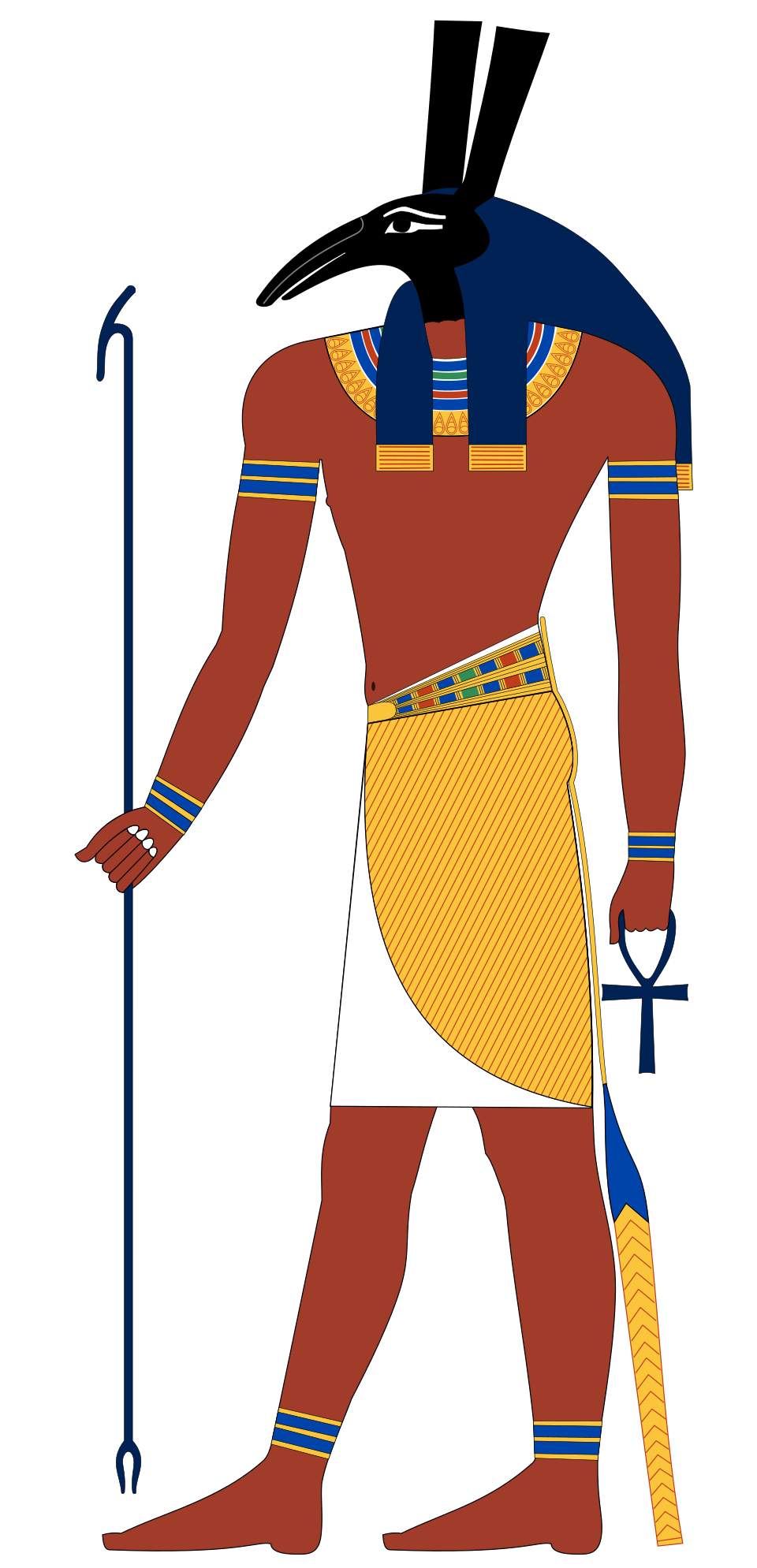
Set
God of Storms and Disorder · Egyptian
Murderer of Osiris and defender of the sun-barque — a god who was worshipped as a royal patron for two millennia before being recast as the enemy.
The books behind Osiris
Every claim on this profile is attributed to one of these. They are public domain, listed oldest first, and each links to a full text where one is freely available.
The Pyramid Texts
Anonymous; carved for the kings and queens of the Fifth and Sixth Dynasties · c. 2350–2100 BCE · Old Egyptian
Read The Pyramid Texts in full ↗The Egyptian Book of the Dead
Anonymous; tr. E. A. Wallis Budge · c. 1550 BCE onward · Egyptian
Read The Egyptian Book of the Dead in full ↗Cover: Public domain · Hunefer · Wikimedia file page
On Isis and Osiris (De Iside et Osiride)
Plutarch of Chaeronea; tr. from the Moralia · c. 100 CE · Ancient Greek
Read On Isis and Osiris (De Iside et Osiride) in full ↗
Corpus last revised 29 August 2026. A reference site’s credibility rests on being maintained, so this is the date the sourced records last changed — not the date the page was rebuilt.