Egyptian · Ancient Greek · c. 100 CE
On Isis and Osiris (De Iside et Osiride)
Plutarch of Chaeronea; tr. from the Moralia
A Greek priest of Delphi explaining Egyptian religion to a Greek priestess, and the single most consequential misunderstanding in this corpus's reception history. Plutarch preserves the only continuous ancient narrative of the Osiris myth — the chest, the dismemberment, the search — which no Egyptian text ever tells straight through. He also files Set under the Greek name Typhon and reads him as the principle of evil in a dualist scheme, and that reading, not any Egyptian one, is what Europe inherited and what eventually makes Set available to demonology at all.
Read On Isis and Osiris (De Iside et Osiride) in full at the linked edition →What this text attests · 8
| Name here | Rank given | # | Powers described |
|---|---|---|---|
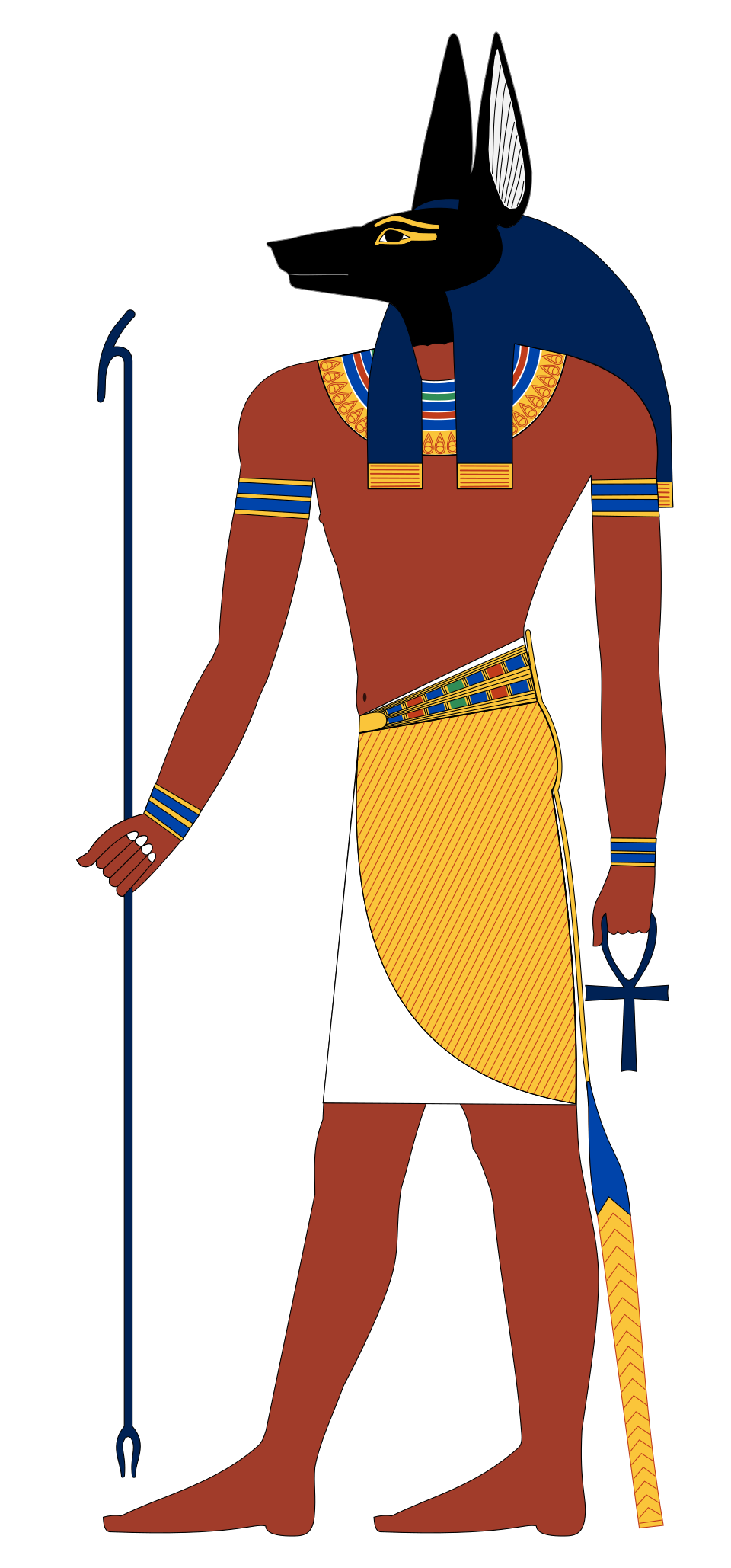
| — | — | The son of Osiris and Nephthys, raised by Isis and made her guide and guard — Plutarch reads the dog as the figure that keeps watch and can see in the dark. The genealogy is his; the association with what escorts the dead is old, and this is the form of it the West kept. | |
| — | — | Interpreted rather than merely reported: Plutarch calls the bull an image of the soul of Osiris and takes the cult as a physical statement about a doctrine. Herodotus, whom this corpus also holds on Apis, describes the animal and the marks that identify it and does not say what it means — two Greeks, five centuries apart, doing visibly different things with one Egyptian practice. | |
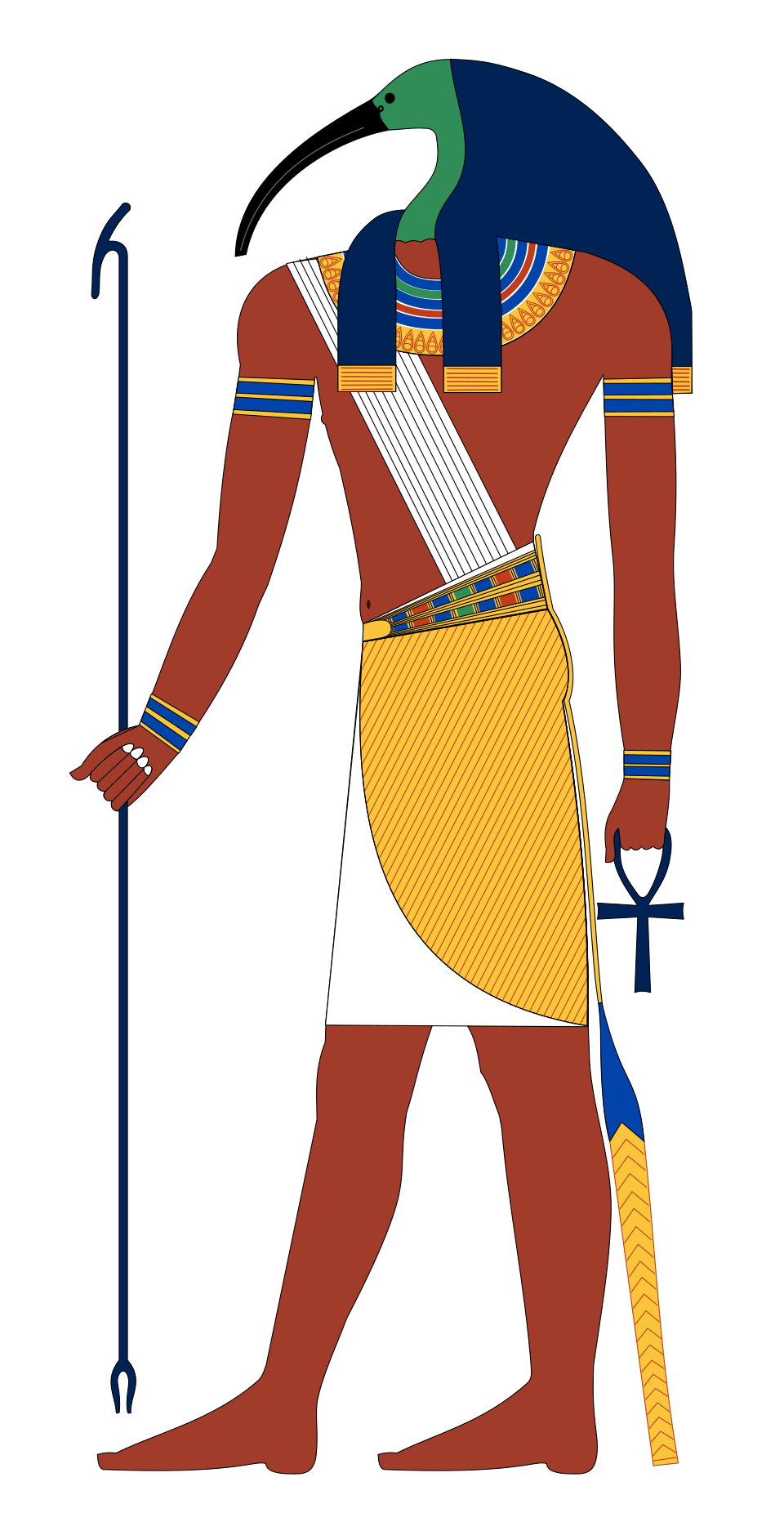 Hermes = Thoth | — | — | Filed under the Greek name throughout, which is where the identification that later produces Hermes Trismegistus becomes routine. Plutarch's Hermes wins the five extra days of the year from the moon at draughts so that Nut can give birth on them, and reckons the calendar afterwards. |
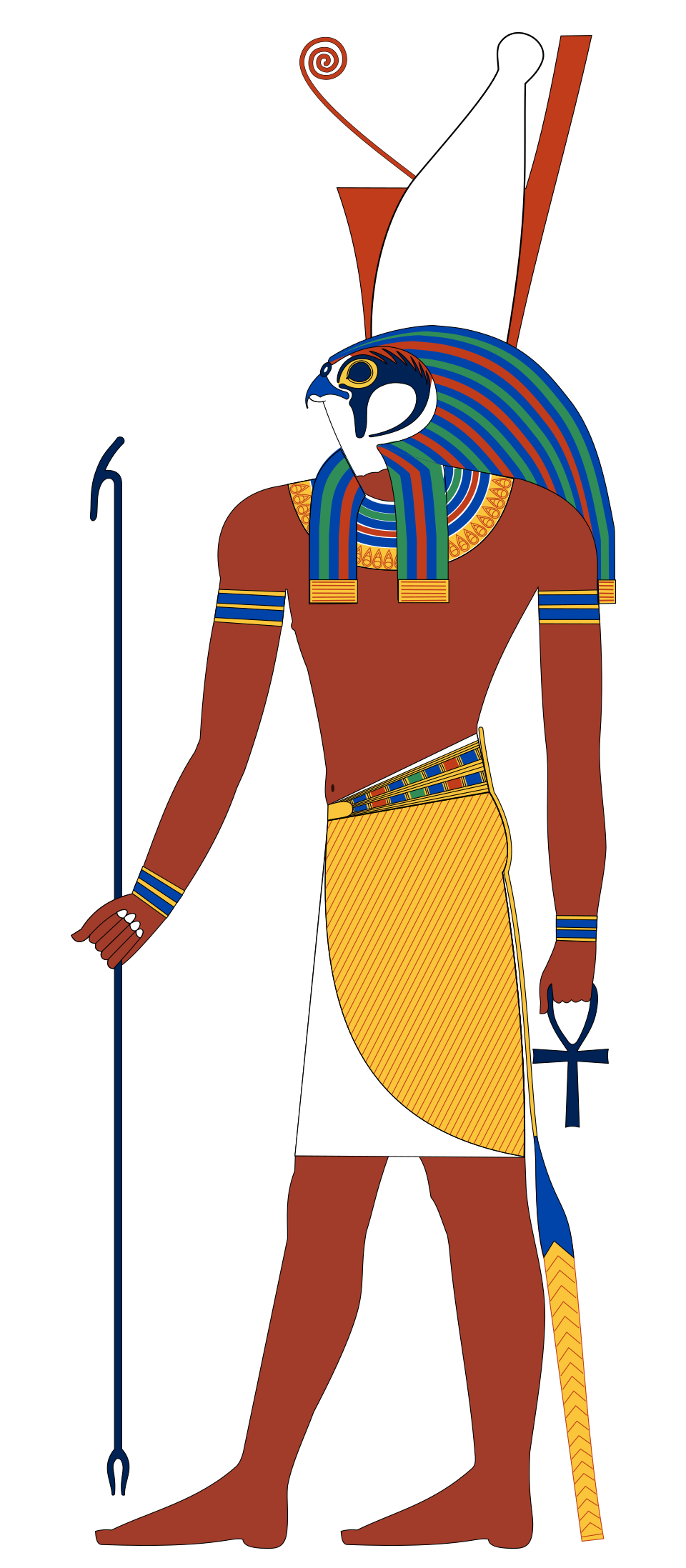
| — | — | The avenger, and the trial afterwards. Plutarch reports that Horus defeats Typhon but that Isis releases him, and that Horus strikes the crown from his mother's head for it — a piece of the quarrel that has an Egyptian source behind it and reaches modern readers through the Greek. | |
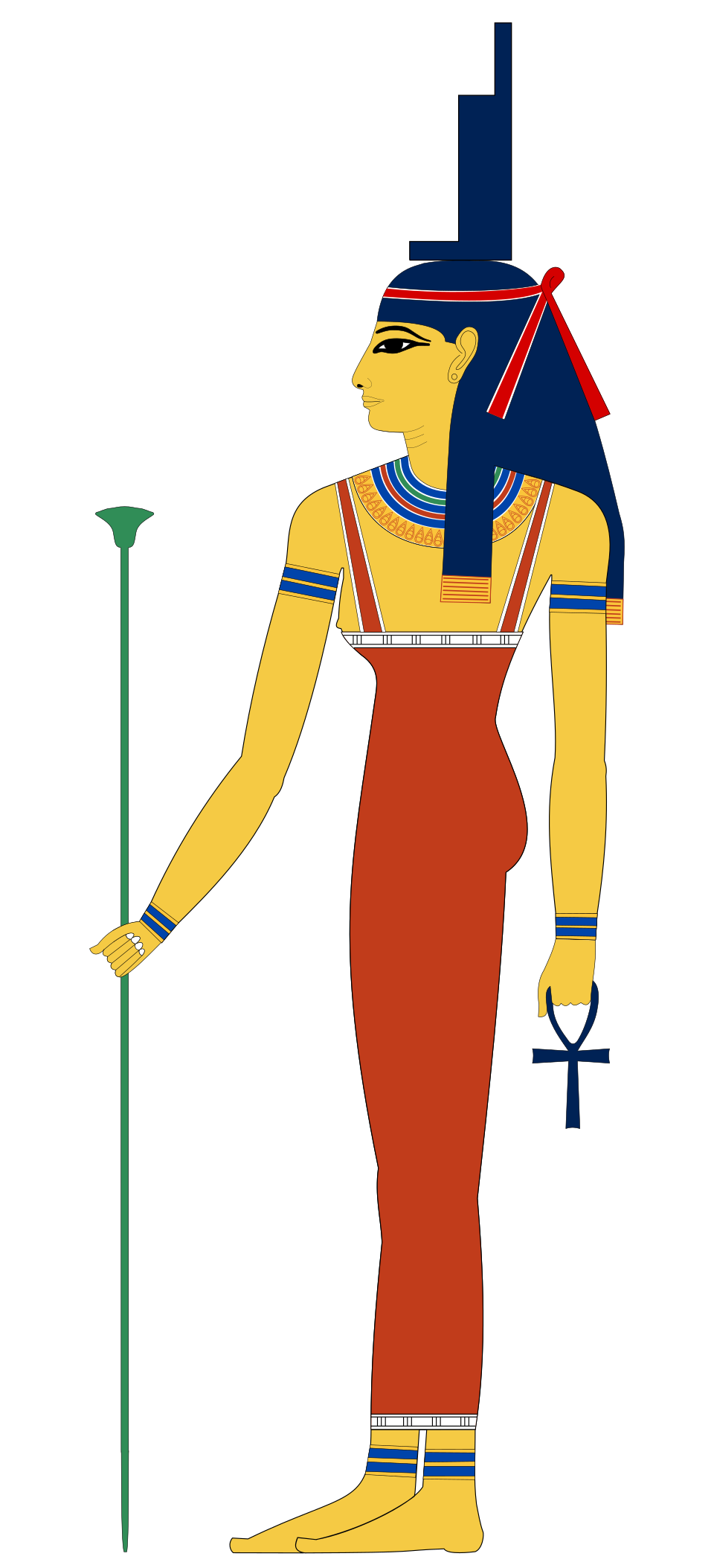
| — | — | The searcher, in the form that travelled: she recovers the body, and when it is scattered she recovers the pieces and buries each where it was found. Plutarch's Isis is already the goddess of the Mediterranean mystery cult rather than the Egyptian one, and it is his version the Roman world worshipped. | |
| — | — | Given a story at last, and by a Greek. Plutarch has her deceive Osiris into fathering Anubis on her, and makes her the desert and the barren land to Isis' cultivated ground — an allegorical scheme with no Egyptian warrant that nonetheless supplies the parentage most later reference works repeat. | |
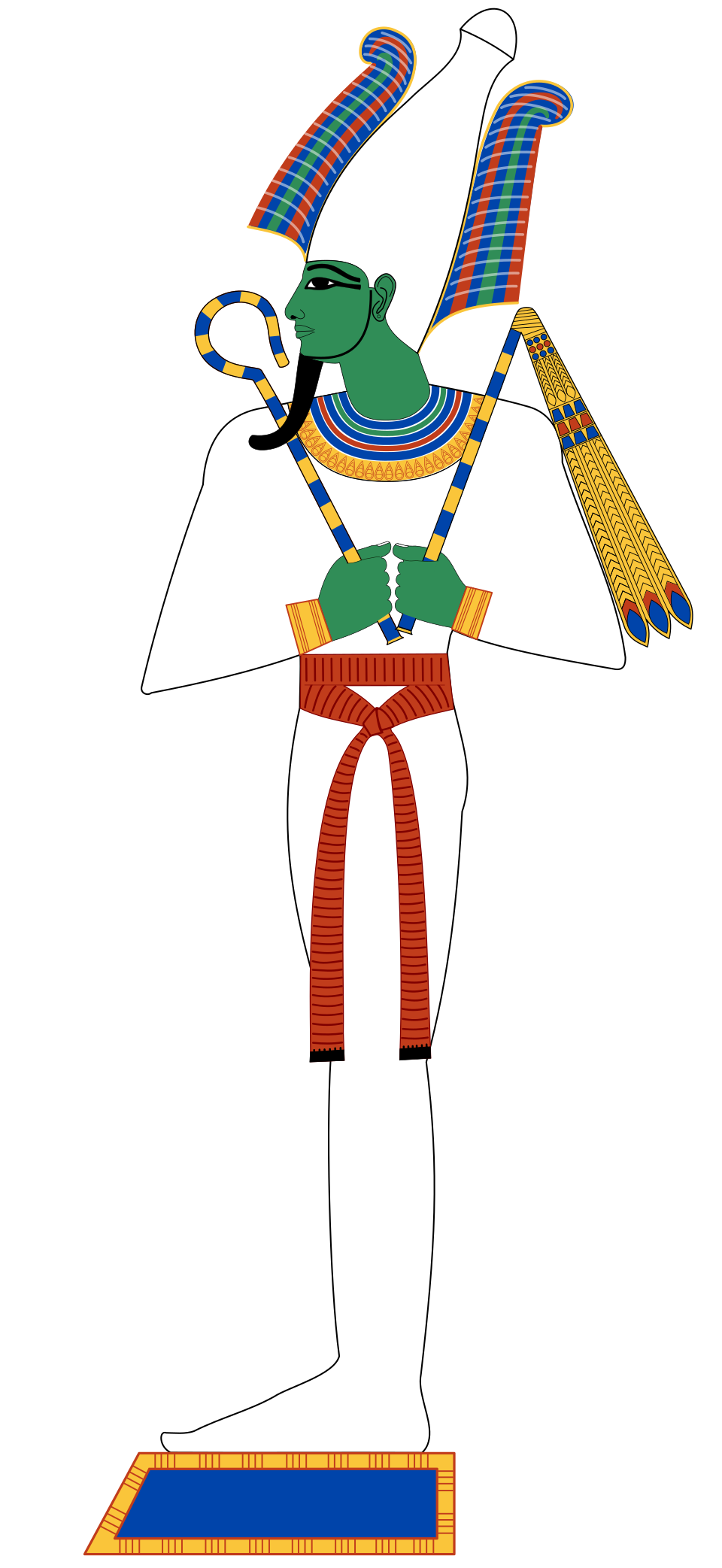
| — | — | The only continuous ancient narrative of the myth in existence: the chest measured to fit him, the sealing, the river, the tree at Byblos, the dismemberment into fourteen parts. No Egyptian text tells it end to end, so everything that reads like the standard story is being read from a Greek treatise written some two thousand years after the Pyramid Texts. | |
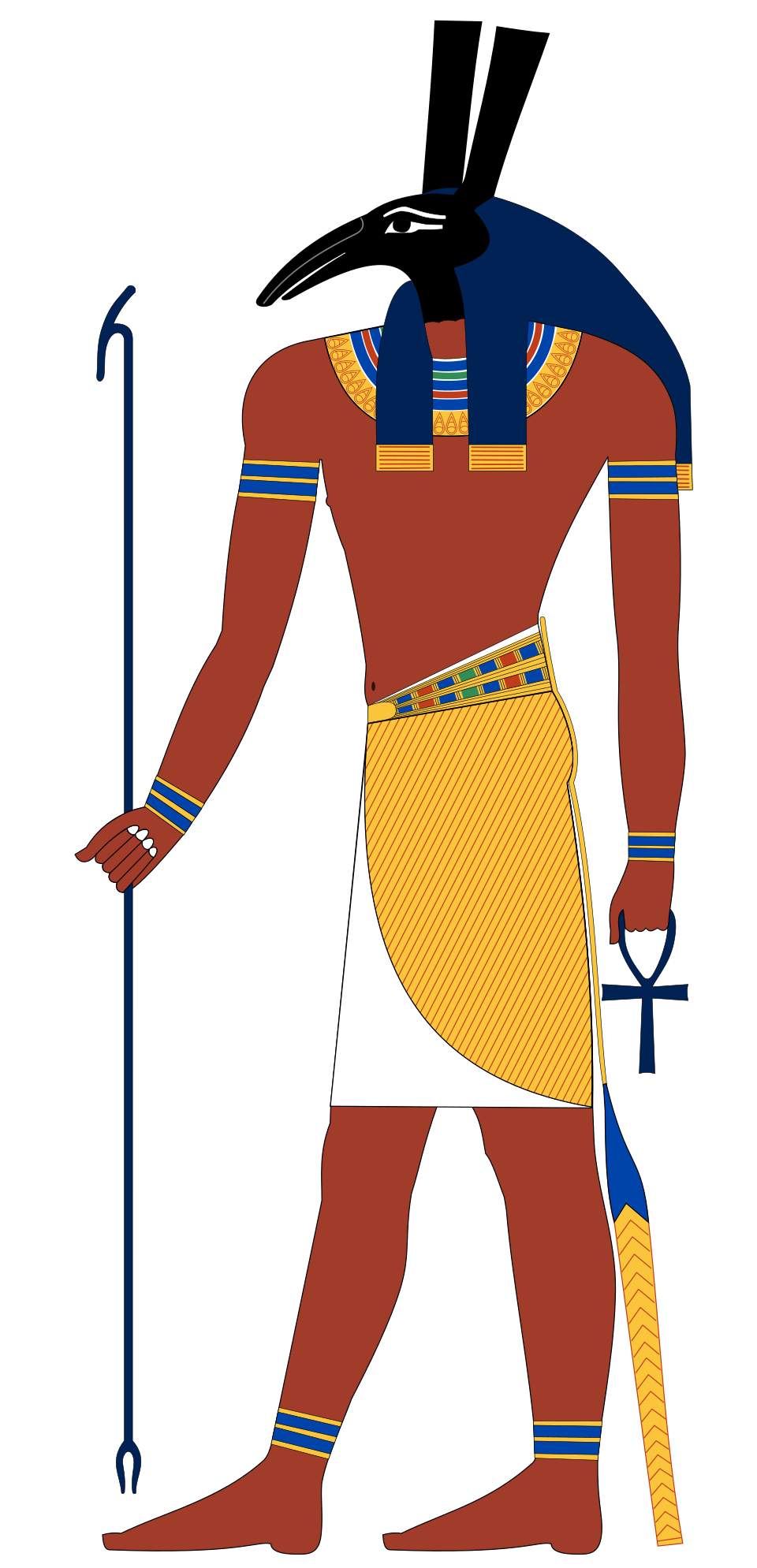 Typhon = Set | — | — | The hinge of this figure's whole afterlife. Plutarch gives Set the name of the Greek monster and reads him as the principle of destruction in a dualist scheme learned from Persian material, which no Egyptian text supports — Set is an adversary there, not an evil. The reading is what Europe inherited, and it is why an Egyptian god was available to be recruited into demonology at all. |