Deity · Egyptian · c. 3000 BCE
Anubis
Also called Inpu, Anpu · also recorded as 𓇋𓈖𓊪𓃣, 𓇋𓈖𓊪𓁢 (per Wikidata)
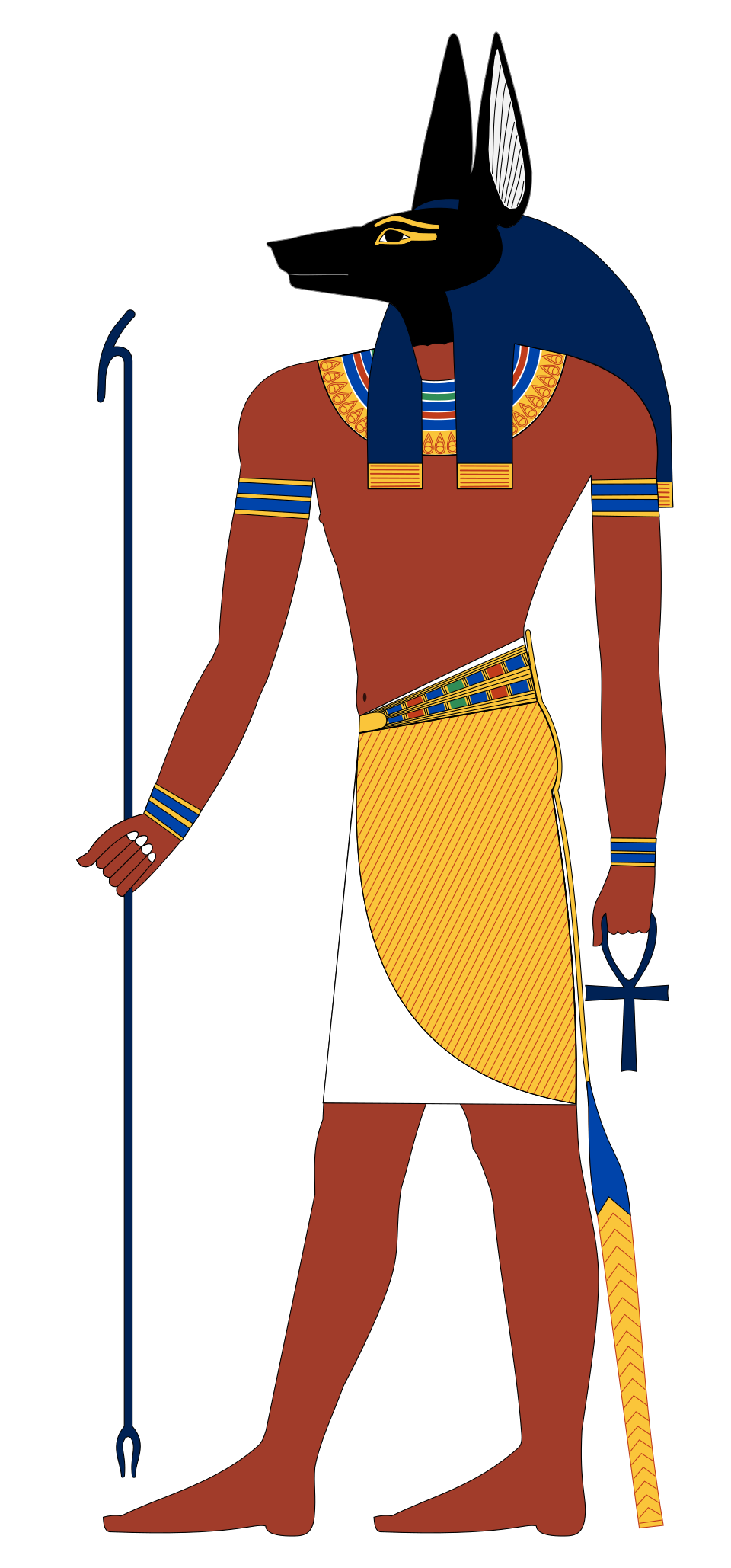
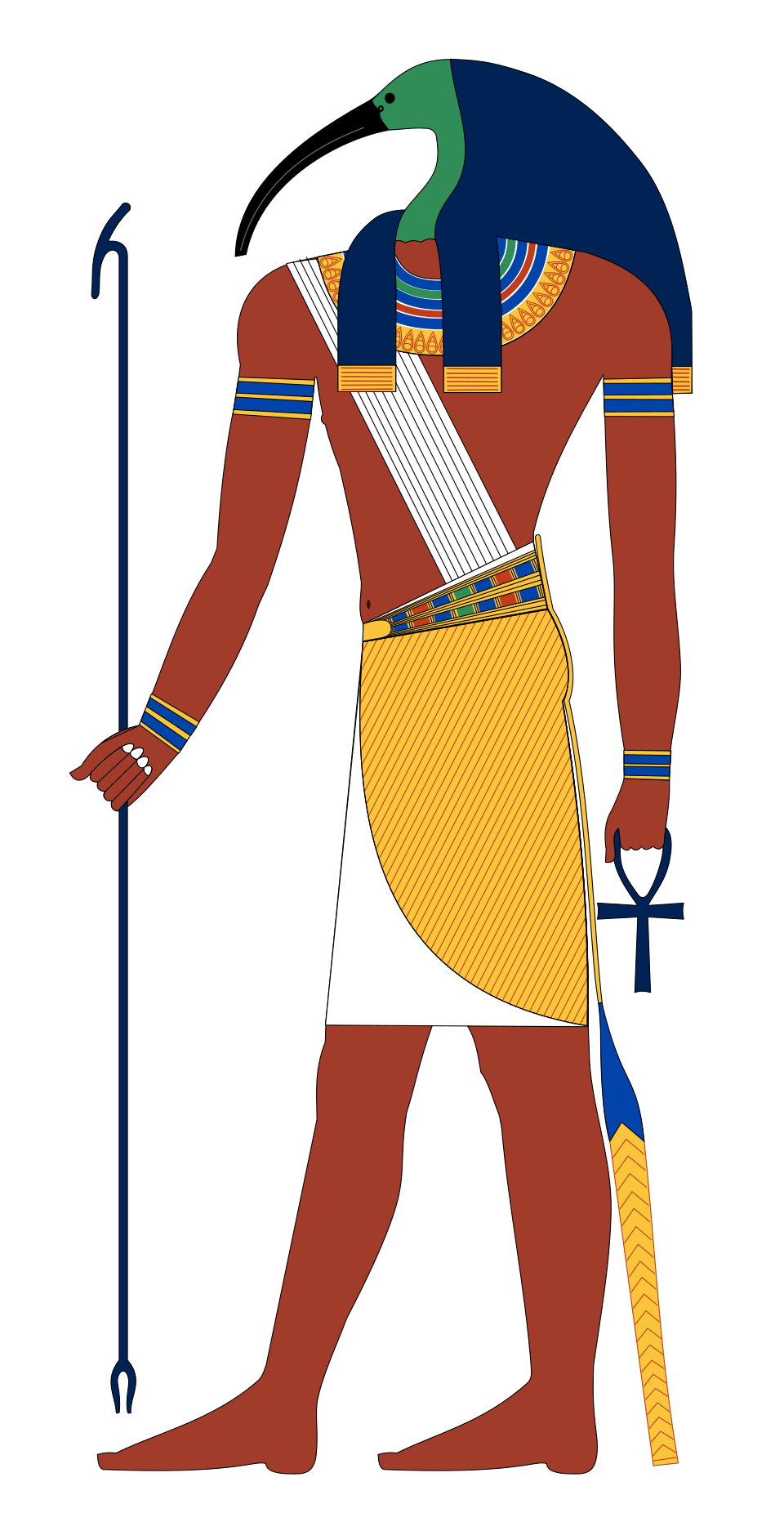
Embalmer and psychopomp, who leads the dead to the scales — the office Western tradition eventually gives to Michael and to Azrael.
Deep source base
The dominant funerary god of the oldest layer, before Osiris takes the role over — the Pyramid Texts have him presiding over the burial and over the desert edge where the cemeteries are, and the later material demotes him to Osiris' assistant at the scales. That demotion is only visible because the corpus now holds both ends. He is the god of the process rather than of the destination: the embalming, the wrapping, the weighing, all of it technical work with a jackal-headed figure attending. Plutarch, reading him for a Greek audience, makes him the son of Osiris and Nephthys and explains the dog as the thing that keeps watch and can see in the dark.
Identity
Where does the name come from?
Where it was actually worshipped
Cynopolis, the dog city of the seventeenth nome; and the Anubieion at Saqqara, with its catacombs of mummified dogs.
A figure with temples and a figure that only ever existed on a page are different kinds of thing, and the difference is easy to lose once both are entries in a list.
At a glance
Vitals
Vitals
Also known as
- First attested
- The Pyramid Texts · c. 2350–2100 BCE
- Rank
- Guide of the Dead
- Pantheon
- Egyptian
- Order
- Egyptian pantheon
- Base of operations
- Cynopolis, the dog city of the seventeenth nome; and the Anubieion at Saqqara, with its catacombs of mummified dogs.
- Era
- c. 3000 BCE
- Traditions
- Egyptian
Traits
- Domain
- Embalming, the passage of the dead, the scales
- Traditional form
- Jackal-headed, or a recumbent black jackal
Stats
Known connections
Identified with
1 site
Where was it worshipped?
Attested cult sites, located against the Pleiades gazetteer of the ancient world where it reaches and against Wikidata everywhere else. An absence here is not evidence that no cult existed: a good number of figures never had one, and the entry above says so where that is the case.
now el-Qeis
The dog city of the seventeenth nome, Anubis's own. Not the Delta Kynopolis.
28.479, 30.783 · Pleiades 736949
3 attributed
What is it said to do?
Where these powers cluster
The 3 offices attributed to Anubis, grouped by kind. Segment width is the share of powers falling in each category.
A bar dominated by one colour means a specialist; an even spread means a figure the sources credit with almost anything.
- martial2
- transformation1
martial
- Guards & Wardsno text cited
- Executes Judgmentno text cited
transformation
1 mark
Which marks is it attached to?
A mark a figure carries and a mark used against a figure are opposite claims, so each link says which it is.
3 texts
Which texts say so?
When these texts were written
Each dot is one of the 3 texts that names Anubis, placed at that text's approximate date.
A wide spread means the figure was carried across many centuries and traditions; a tight cluster means a single period produced the whole record.
3 texts spanning roughly 2,450 years
The dominant funerary god of the oldest layer, before Osiris takes over the role — the counter of hearts, the one who presides over the burial and over the desert edge where the cemeteries are. Later material demotes him to Osiris' assistant, and the demotion is only visible if the earlier text is in the corpus.
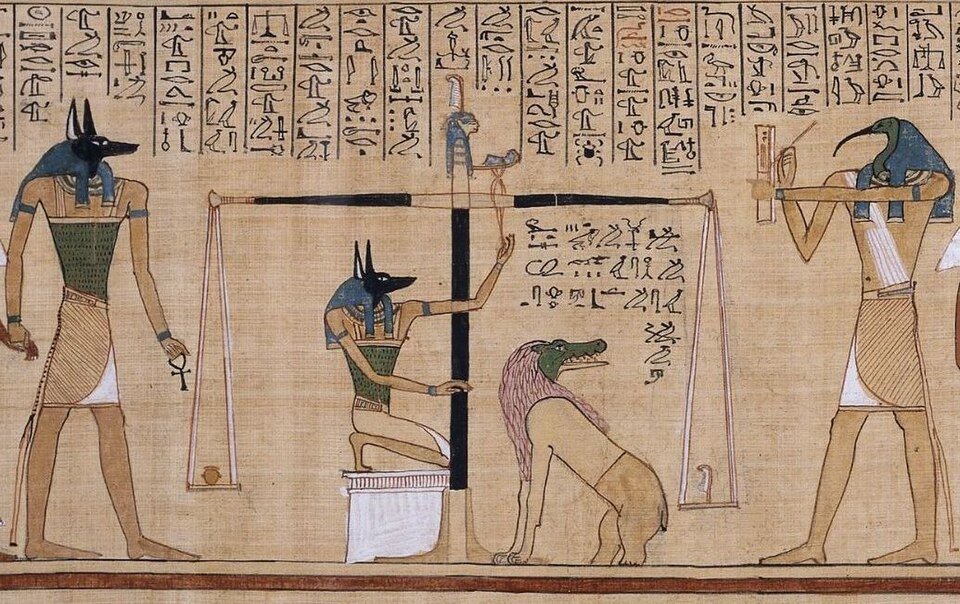
Conducts the deceased to judgment and adjusts the balance.
The son of Osiris and Nephthys, raised by Isis and made her guide and guard — Plutarch reads the dog as the figure that keeps watch and can see in the dark. The genealogy is his; the association with what escorts the dead is old, and this is the form of it the West kept.
Connections
What is it connected to?
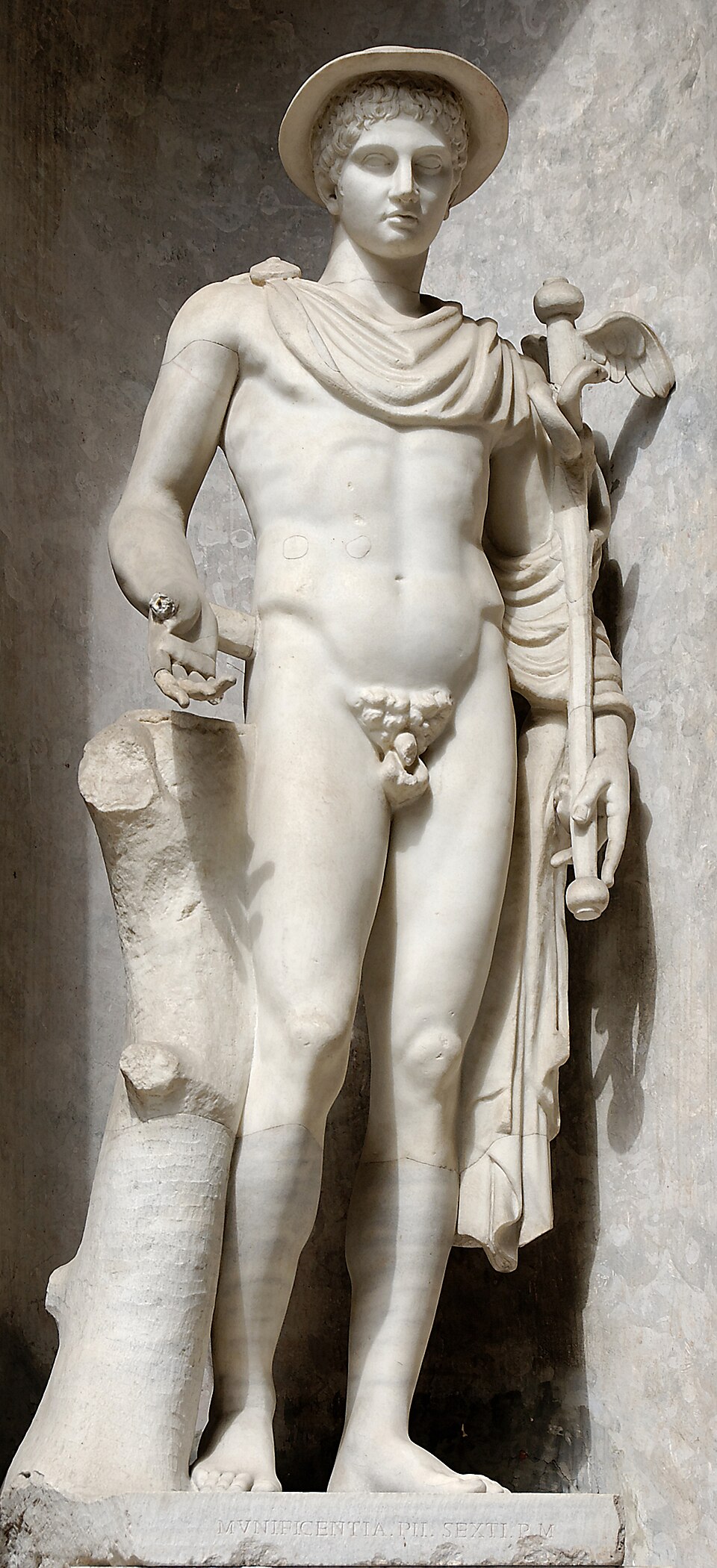
Identified with Hermes
Fused outright in Roman Egypt as Hermanubis.
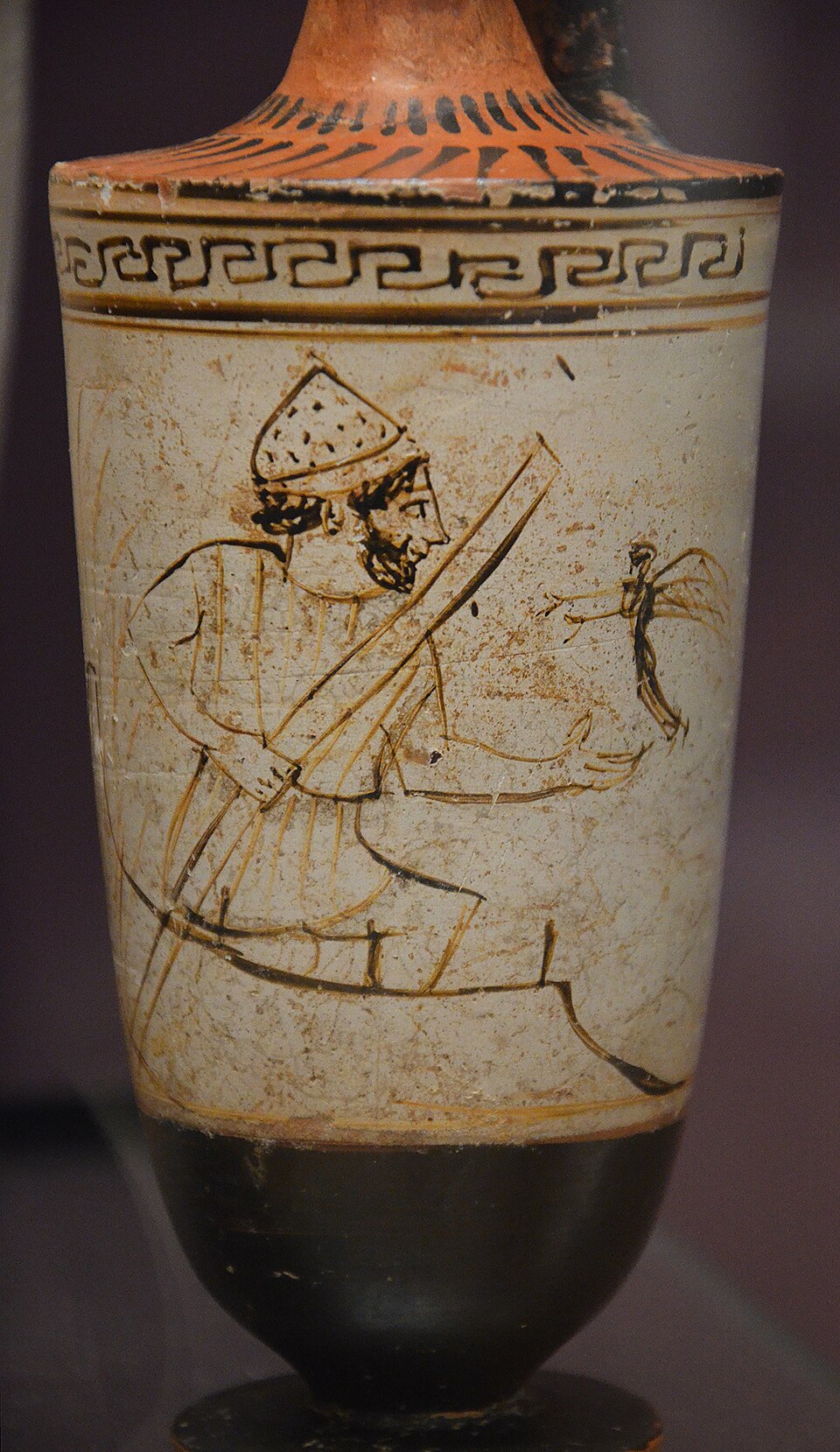
Identified with Charon
Conductors of the dead, though Charon takes a fare and Anubis does not.
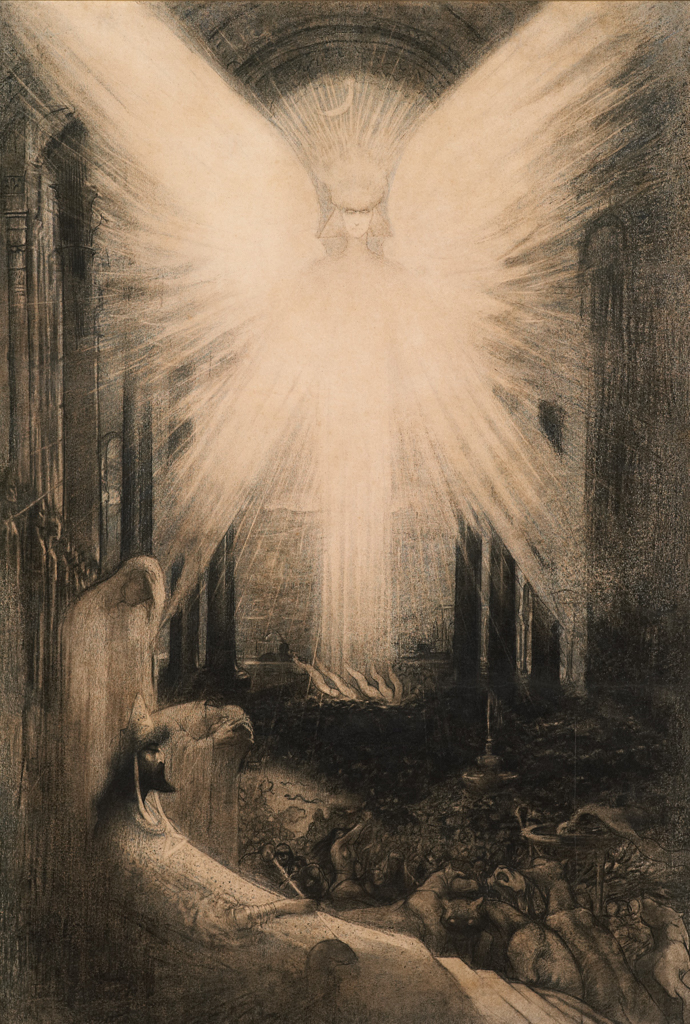
Identified with Azrael
Psychopomp and weigher of the dead.
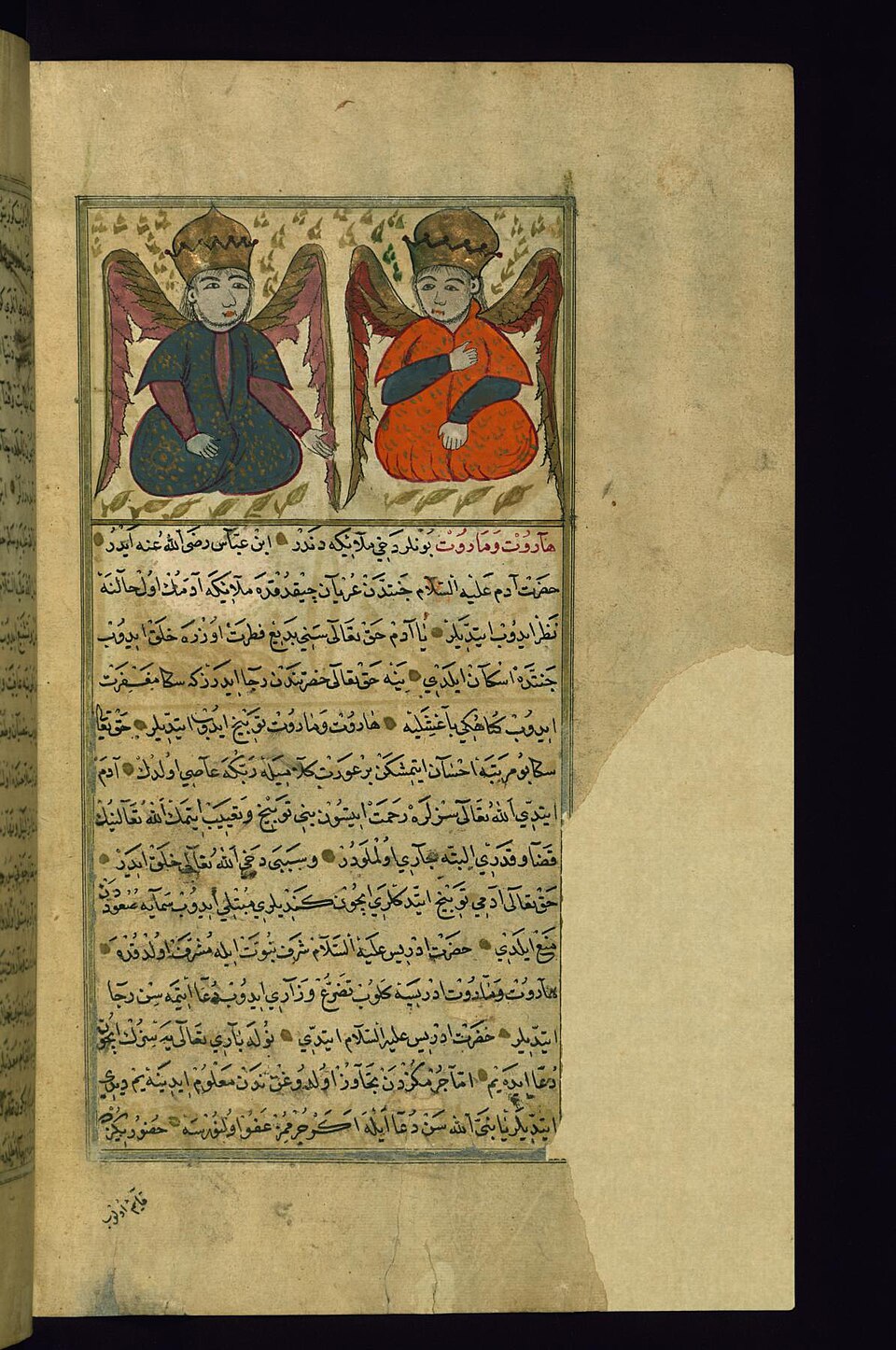
Identified with Munkar and Nakir
Interrogation and weighing at the threshold of death.
Identified with Wepwawet
Both jackal guides of the dead, and repeatedly confused — Wepwawet is grey, Anubis black.
Placement
Where does it sit in the hierarchies?
Answered from the sources
Common questions
Which texts mention Anubis?
Is Anubis the same as Hermes?
What rank is Anubis?
How else is Anubis spelled?
What is Anubis said to do?
How old is Anubis?
Nearest in the corpus
If Anubis is what you came for, these are next
Chosen by proximity rather than by popularity: the same pantheon first, then the same rank, then the same kind of figure.
Khepri
The Morning Sun · Egyptian
The sun at dawn, in the form of a scarab beetle rolling it up over the horizon — one of the three daily aspects of the sun, and a pun on the word for coming into being.
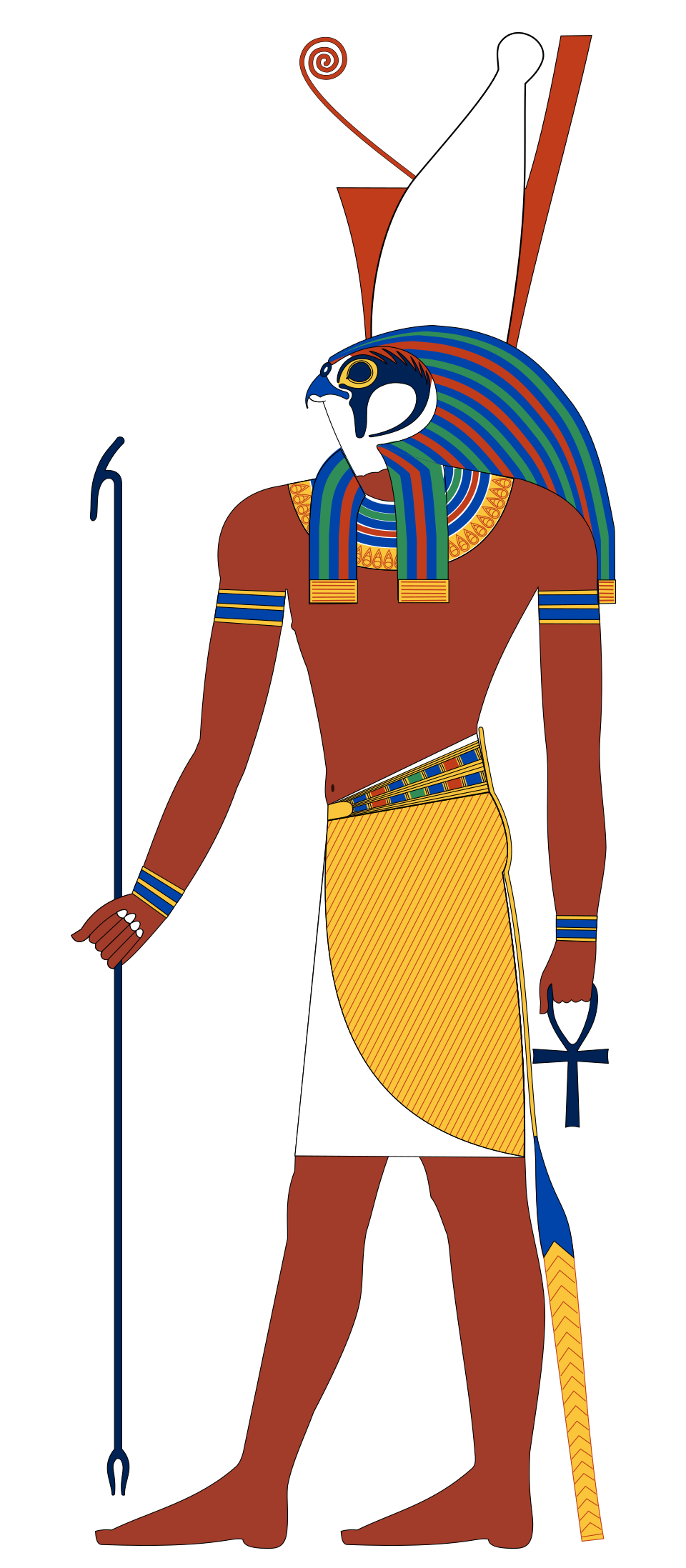
Horus
Falcon King · Egyptian
Son of Osiris, who contends eighty years with Set for the throne. Every living pharaoh was understood to be his incarnation.
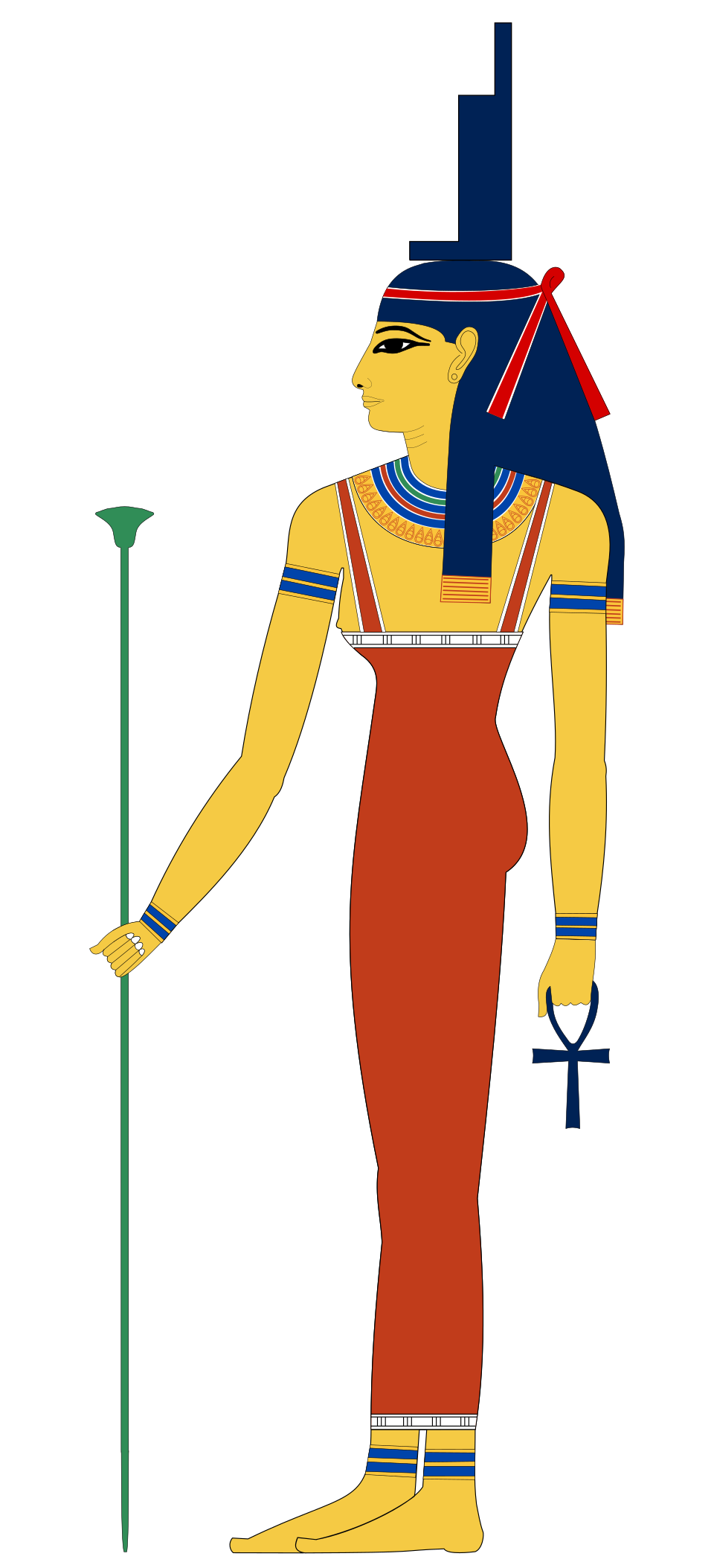
Isis
Great of Magic · Egyptian
The great magician who reassembles Osiris and tricks Ra into surrendering his secret name. Her cult eventually reached as far as Roman Britain.
Nephthys
Lady of the House · Egyptian
Set's wife who sides with her sister Isis against him, and mourns Osiris at the head of the bier.
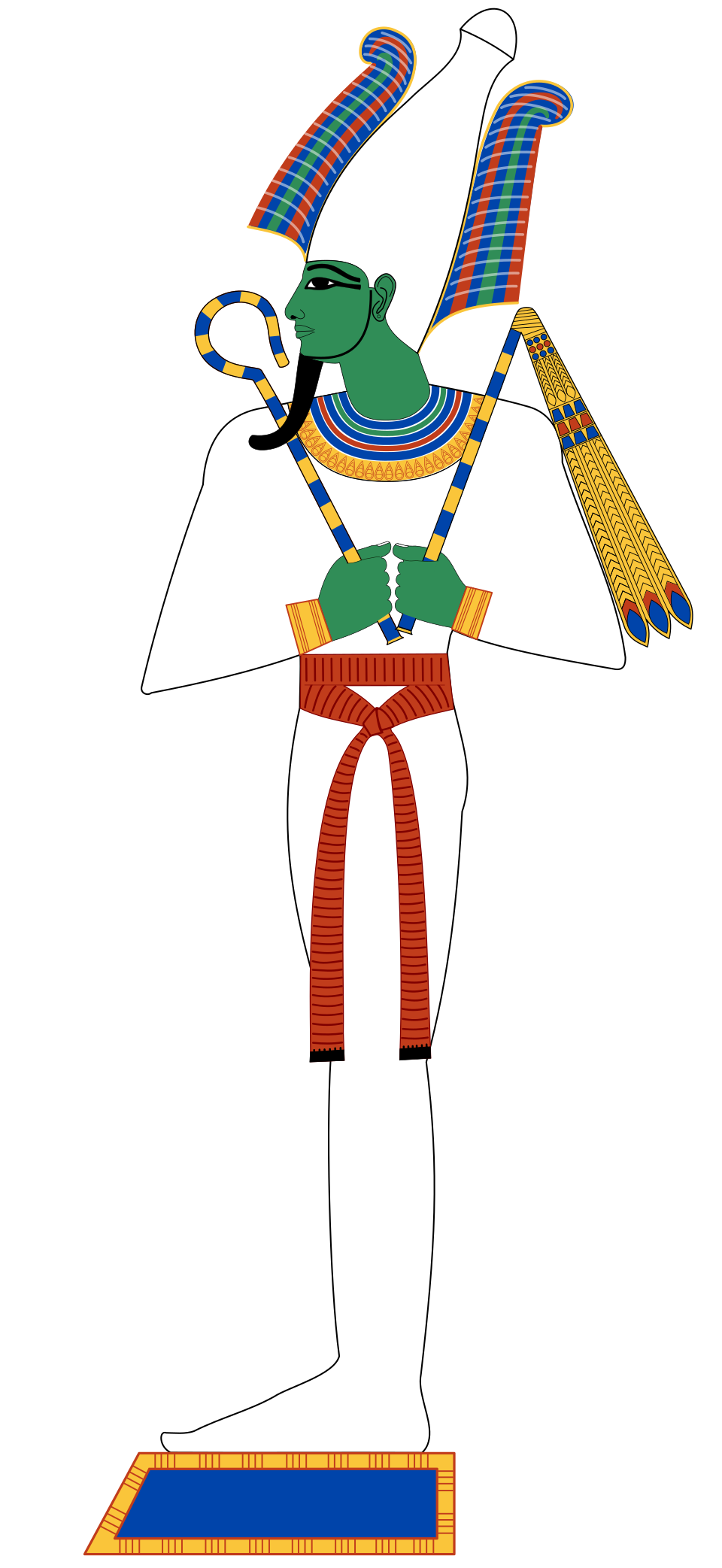
Osiris
Lord of the Dead · Egyptian
Murdered by Set, reassembled by Isis, and installed as judge of the dead. He is the earliest fully developed dying-and-rising sovereign we have.
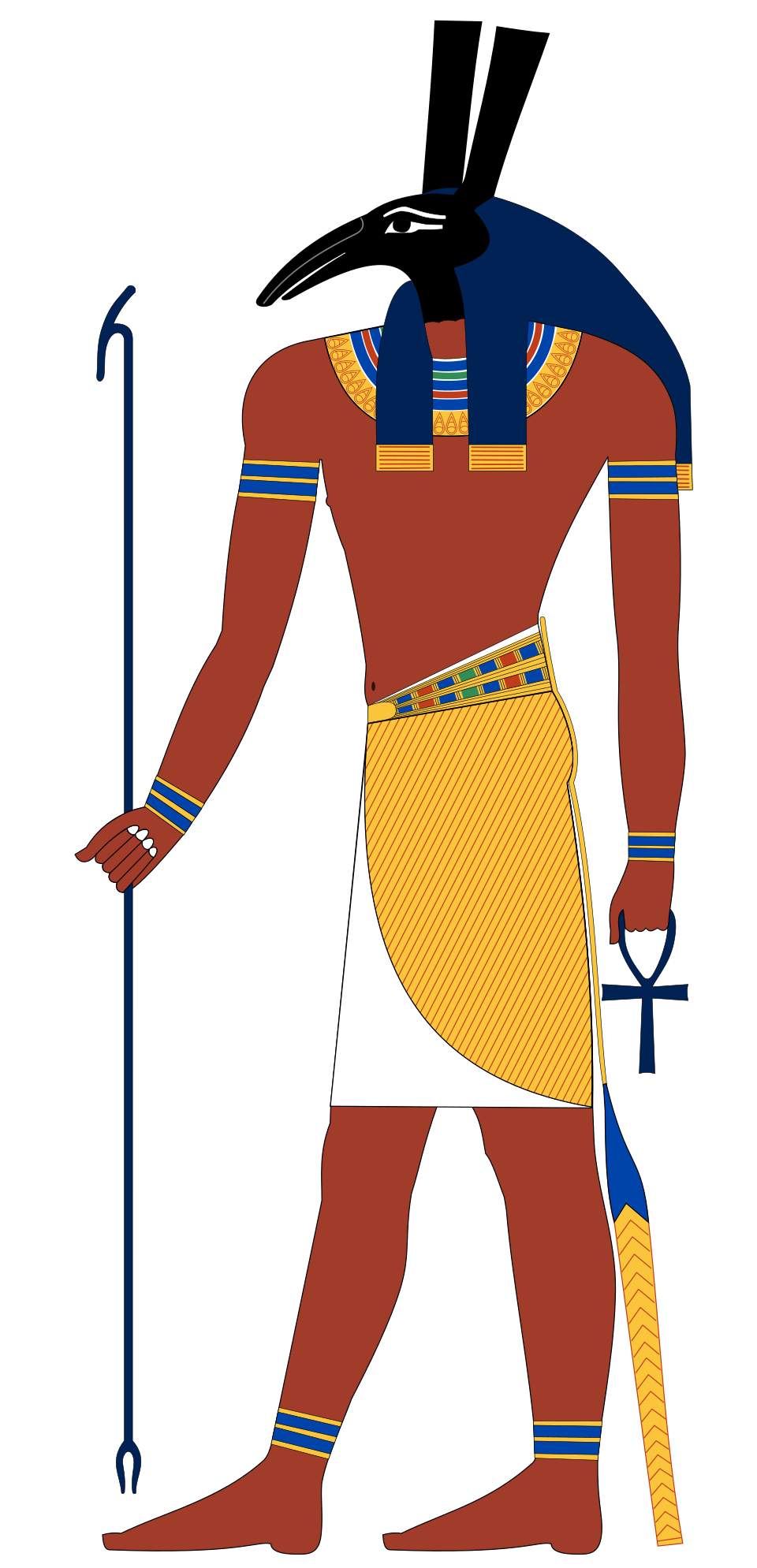
Set
God of Storms and Disorder · Egyptian
Murderer of Osiris and defender of the sun-barque — a god who was worshipped as a royal patron for two millennia before being recast as the enemy.
The books behind Anubis
Every claim on this profile is attributed to one of these. They are public domain, listed oldest first, and each links to a full text where one is freely available.
The Pyramid Texts
Anonymous; carved for the kings and queens of the Fifth and Sixth Dynasties · c. 2350–2100 BCE · Old Egyptian
Read The Pyramid Texts in full ↗The Egyptian Book of the Dead
Anonymous; tr. E. A. Wallis Budge · c. 1550 BCE onward · Egyptian
Read The Egyptian Book of the Dead in full ↗Cover: Public domain · Hunefer · Wikimedia file page
On Isis and Osiris (De Iside et Osiride)
Plutarch of Chaeronea; tr. from the Moralia · c. 100 CE · Ancient Greek
Read On Isis and Osiris (De Iside et Osiride) in full ↗
Corpus last revised 29 August 2026. A reference site’s credibility rests on being maintained, so this is the date the sourced records last changed — not the date the page was rebuilt.