Angelic · Islamic angels · c. 650 CE
Munkar and Nakir
Also called Munkar wa Nakīr, Nakīr wa Munkar, Nakīr and Munkar (per Wikidata)
The two who question the newly buried on their faith — the whole of judgment compressed into three questions in the grave.
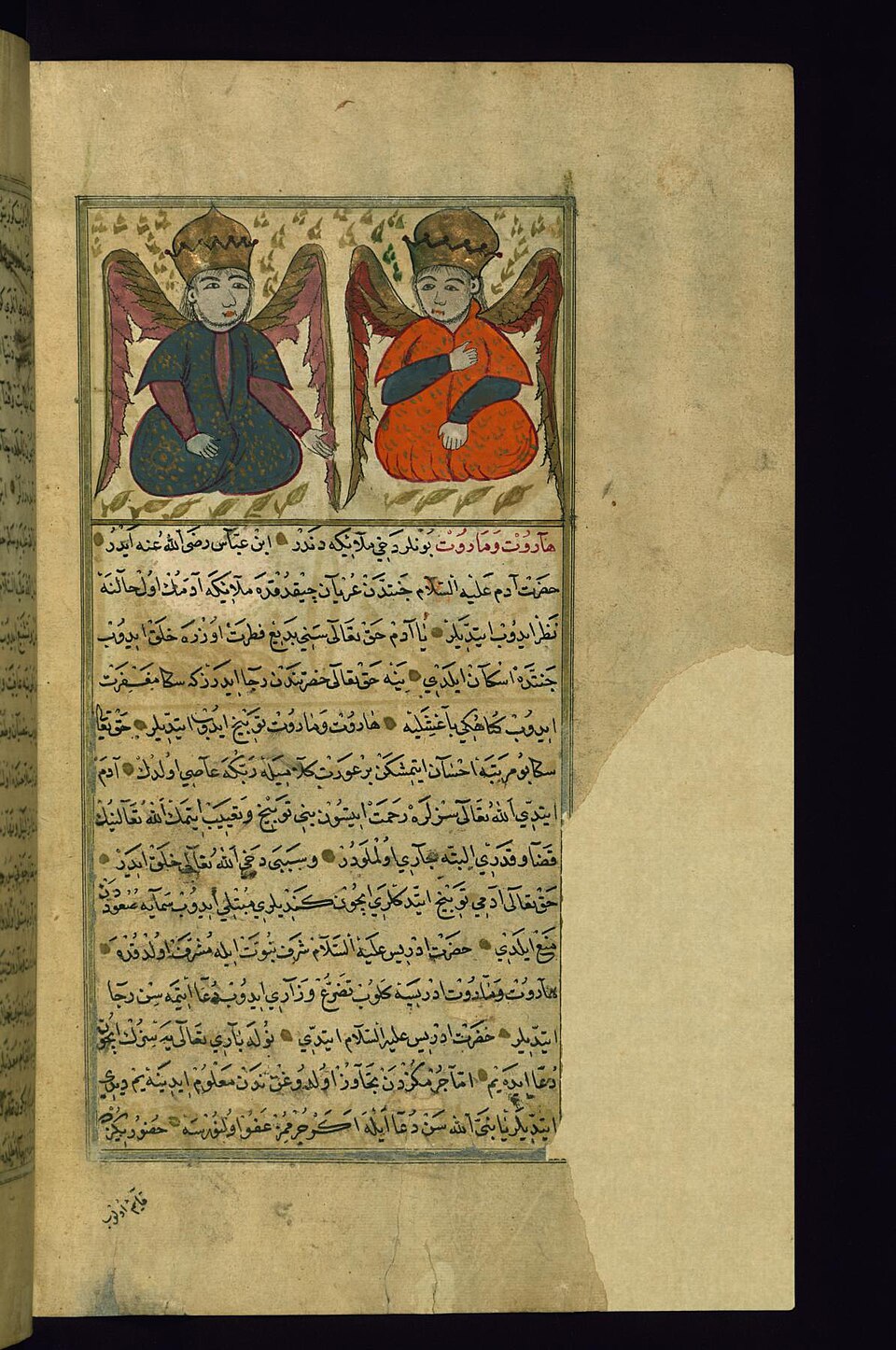
Single lineage
Judgment compressed into three questions and a place: the newly buried are questioned about their Lord, their religion and their prophet, and the answers determine the state of the grave until the resurrection. It is an interrogation rather than a weighing, and what is being tested is what a person can still say when everything else has been taken away. The corpus files them beside the Egyptian scales and the Chinese courts deliberately — three traditions with a formal procedure for the dead, differing on whether the decisive thing is a heart, a record, or an answer.
Identity
Where does the name come from?
Where it was actually worshipped
None. They come to the grave rather than being visited in one.
A figure with temples and a figure that only ever existed on a page are different kinds of thing, and the difference is easy to lose once both are entries in a list.
At a glance
Vitals
Vitals
Also known as
- First attested
- Qur'an & Hadith · 7th c. CE onward
- Named there as
- Munkar and Nakīr
- Rank
- Questioners of the Grave
- Order
- Islamic angels
- Base of operations
- None. They come to the grave rather than being visited in one.
- Era
- c. 650 CE
- Traditions
- Islamic
- Placed in
- The Offices of the Mala'ika
Traits
- Domain
- Interrogation of the newly dead
- Traditional form
- Two dark figures with blue eyes
Stats
Known connections
Identified with
3 attributed
What is it said to do?
Where these powers cluster
The 3 offices attributed to Munkar and Nakir, grouped by kind. Segment width is the share of powers falling in each category.
A bar dominated by one colour means a specialist; an even spread means a figure the sources credit with almost anything.
- martial1
- malefic1
- knowledge1
martial
malefic
knowledge
1 texts
Which texts say so?
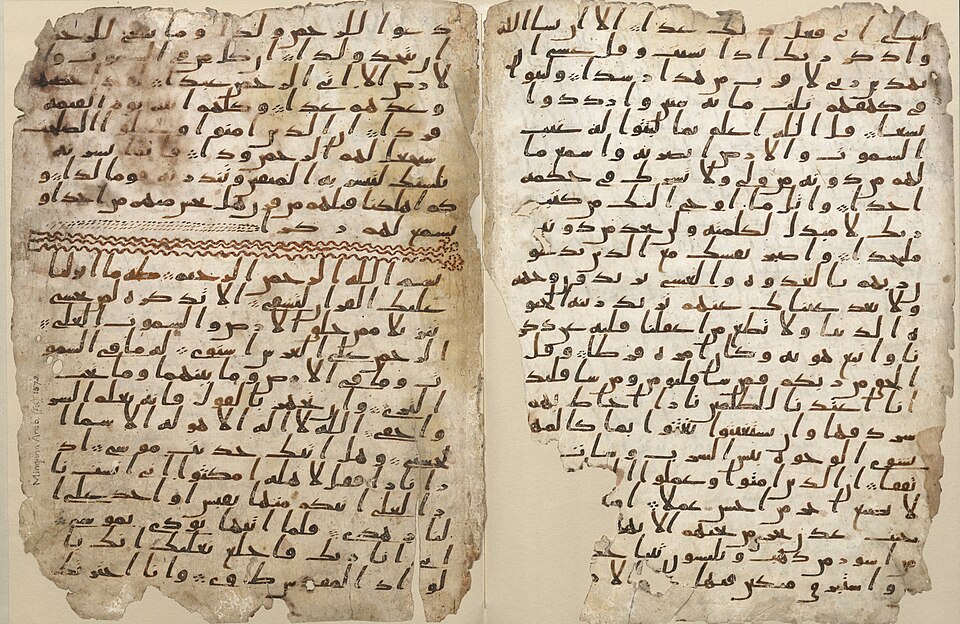
Question the dead on their Lord, their religion and their prophet; the answers determine the state of the grave until resurrection.
Connections
What is it connected to?
Placement
Where does it sit in the hierarchies?
Answered from the sources
Common questions
Which texts mention Munkar and Nakir?
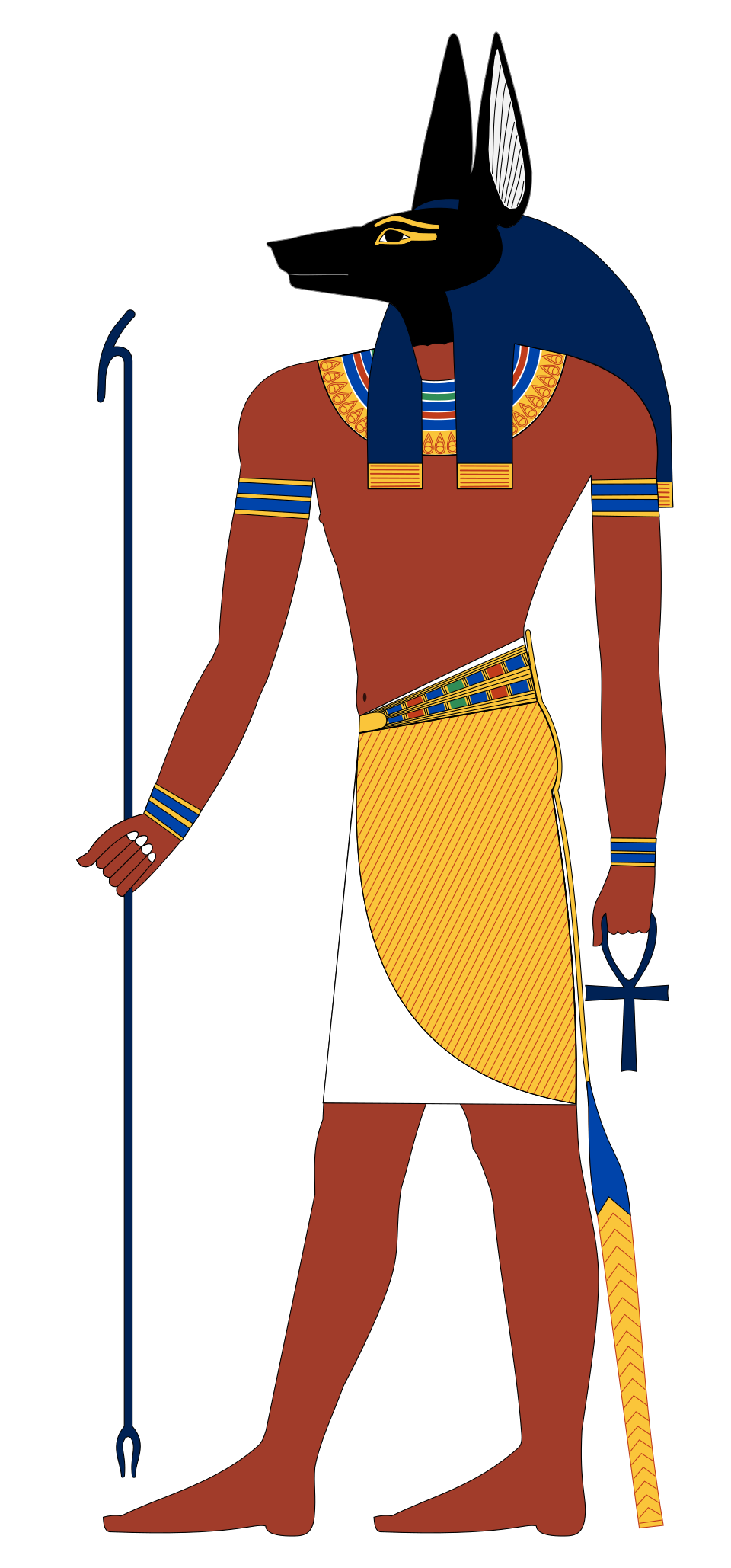
Is Munkar and Nakir the same as Anubis?
What rank is Munkar and Nakir?
How else is Munkar and Nakir spelled?
What is Munkar and Nakir said to do?
How old is Munkar and Nakir?
Nearest in the corpus
If Munkar and Nakir is what you came for, these are next
Chosen by proximity rather than by popularity: the same pantheon first, then the same rank, then the same kind of figure.
Cherubim
Second Choir · First Sphere
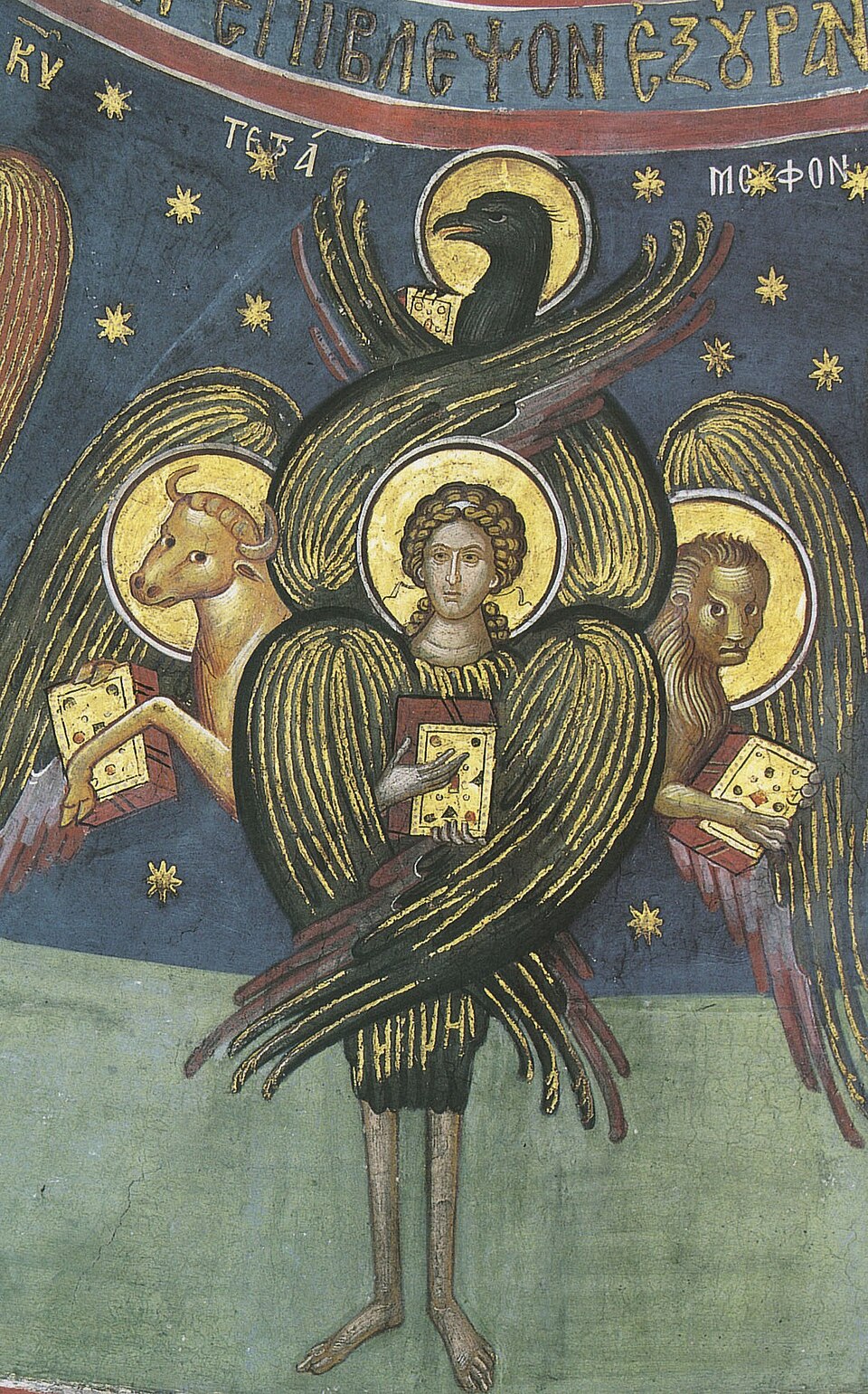
Guardians of thresholds and bearers of the throne — four-faced in Ezekiel, flanking the mercy seat in Exodus, and nothing at all like the winged infants of later art.
Dominions
Fourth Choir · Second Sphere
The administrative choir: they regulate the duties of lower angels and never act directly on the created world.
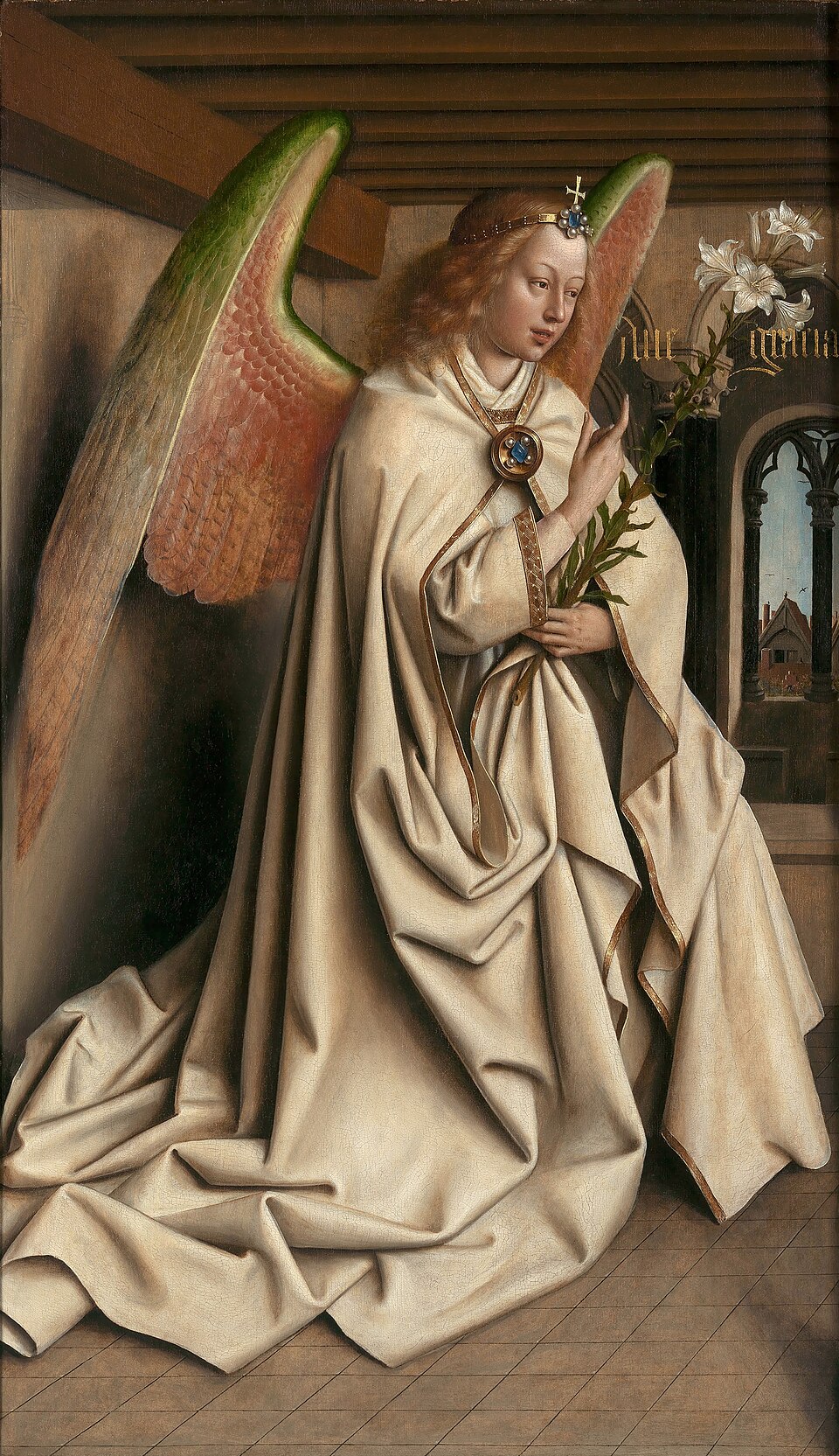
Gabriel
Archangel · Archangels / Chief Princes
The messenger. The angel who explains Daniel's visions, announces two births in Luke, and in Islam delivers the entire Qur'an.
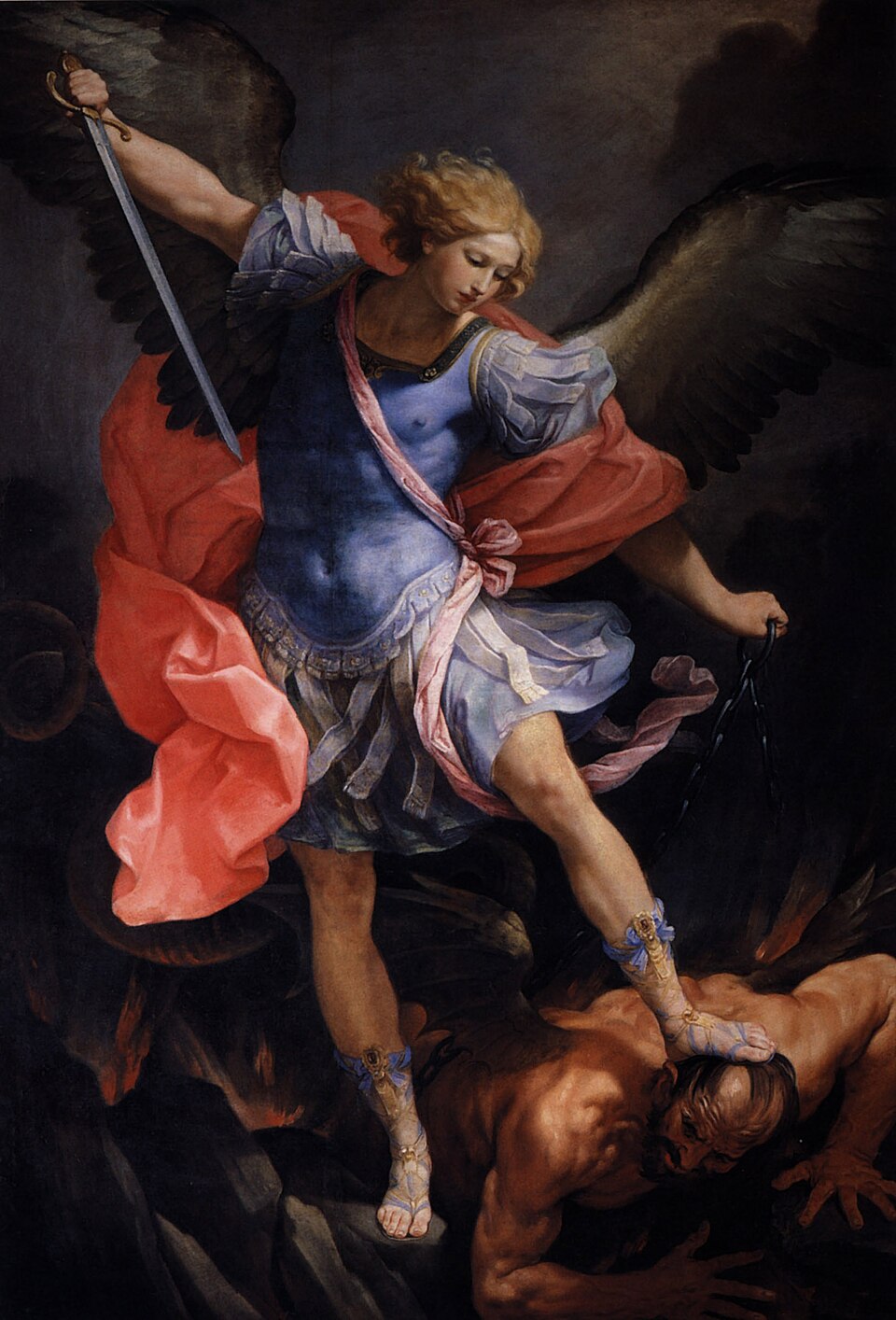
Michael
Archangel · Archangels / Chief Princes
The warring archangel: prince of Israel in Daniel, captain of the host in Revelation, and the only angel the New Testament calls an archangel outright.
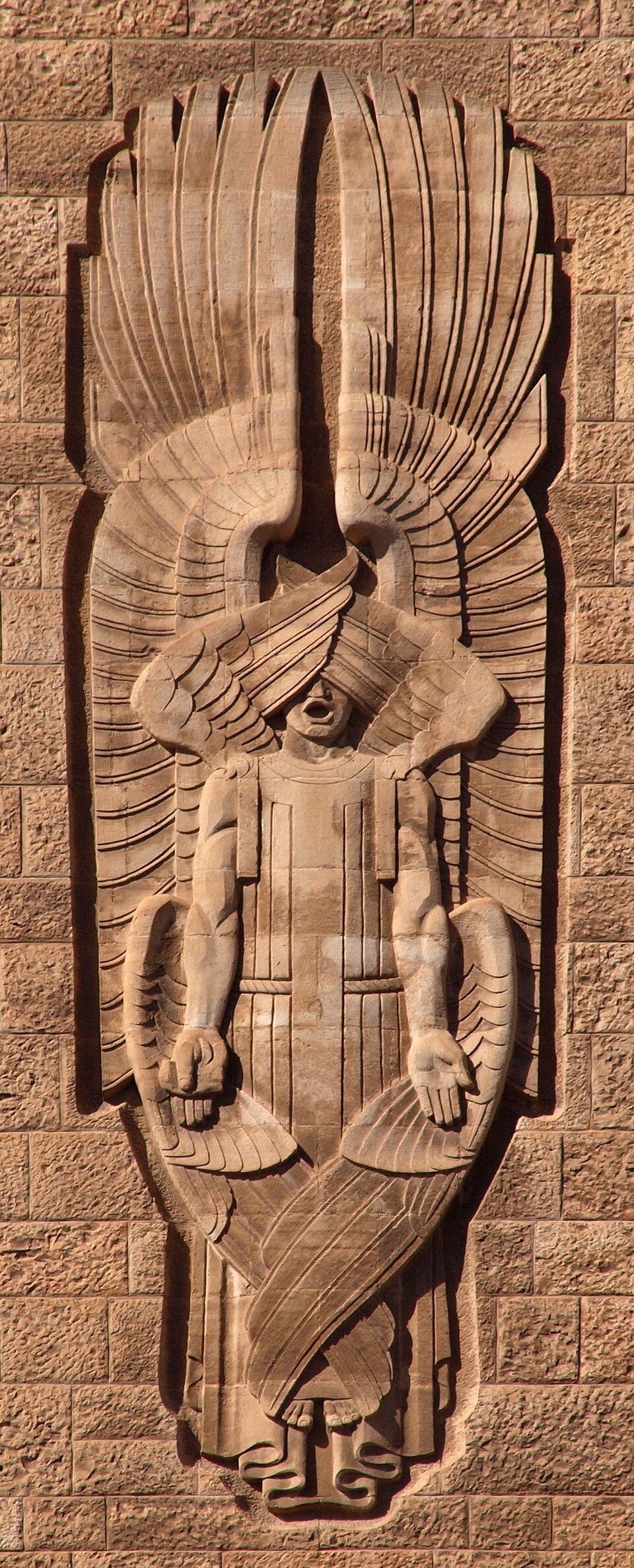
Seraphim
First Choir · First Sphere
Six-winged and burning, they attend the throne directly and sing the trisagion. Their name is the Hebrew verb 'to burn'.
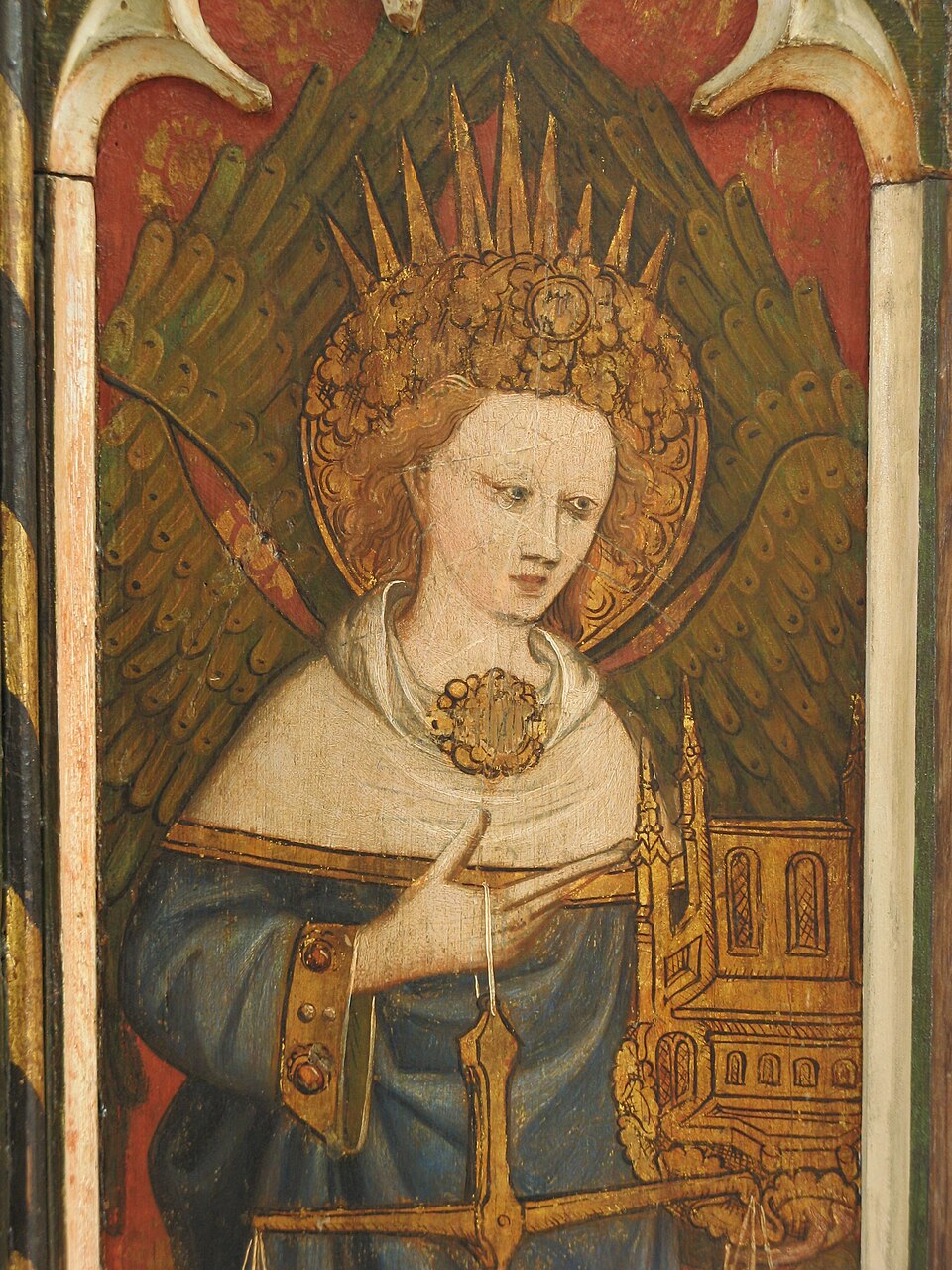
Thrones
Third Choir · First Sphere
The wheels of the chariot — rings of fire studded with eyes, on which divine justice is said to be seated.
The book behind Munkar and Nakir
Every claim on this profile is attributed to one of these. It is public domain, listed oldest first, and each links to a full text where one is freely available.
Qur'an & Hadith
Various · 7th c. CE onward · Arabic
Read Qur'an & Hadith in full ↗Cover: Public domain · AnonymousUnknown author · Wikimedia file page
Corpus last revised 29 August 2026. A reference site’s credibility rests on being maintained, so this is the date the sourced records last changed — not the date the page was rebuilt.