Tradition
Islamic
Qur'anic and hadith accounts of the mala'ika and the jinn.
What is the Islamic tradition?
Qur'anic angelology is deliberately austere. Angels are named sparingly, they have no independent will, and the text is emphatic that they are servants rather than intermediaries to be petitioned — a position taken in explicit contrast to the practices of the surrounding religious landscape.
The jinn are the genuinely distinctive contribution, and they do not map onto the Christian or Jewish categories at all. They are a third order of created being alongside humans and angels: mortal, morally free, capable of belief or unbelief, and pre-Islamic in origin. Iblis is a jinn in the Qur'anic account, which is a materially different claim from the fallen-angel narrative that Christian tradition inherited from Enoch.
The hadith literature and later folk tradition elaborate considerably, and much of what circulates online as Islamic demonology comes from there rather than from the Qur'an. This site keeps the two apart, because the difference between what a scripture says and what a tradition later built on it is the difference this whole corpus exists to record.
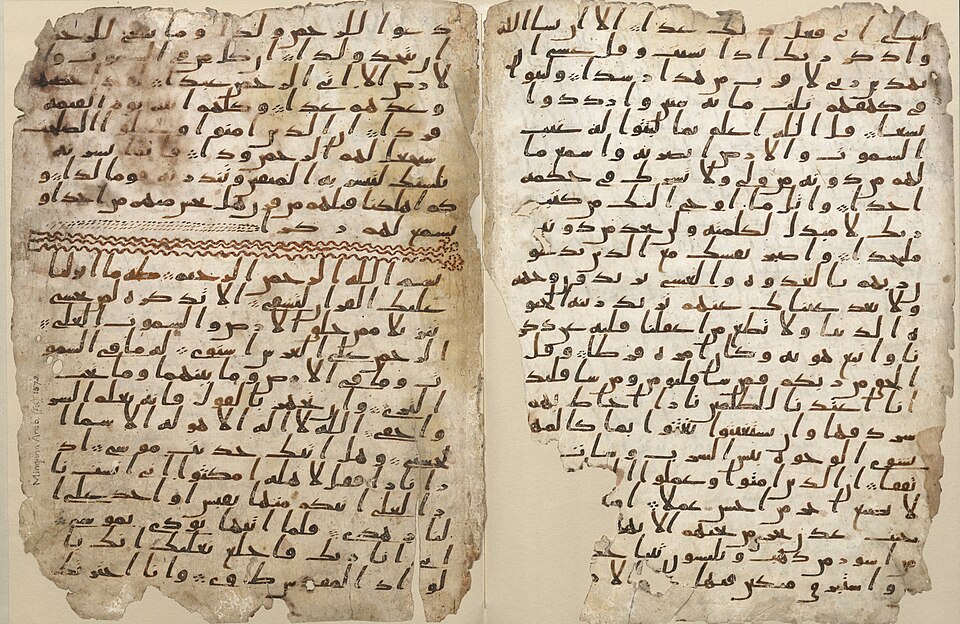
Which texts does this tradition rest on?
Which marks belong to it?
Oldest first. A mark used by several traditions appears on each of their pages — which is the point: the shapes crossed these boundaries far more easily than the names did.
The Nazar
glass form from c. 1500 BCE
Blue glass with a white and black eye at its centre, worn on the theory that a look can be sent back.
The Seal of Solomon
c. 100–300 CE
A signet ring, not a shape. The Testament of Solomon makes it the instrument by which every demon in the book is compelled to give its name.
The Brass Vessel
story attested from c. 300 CE
The container the legend says Solomon sealed the spirits into, thrown into a lake and opened by Babylonians who expected treasure. It is where the Ars Goetia says its seventy-two came from.
Āyat al-Kursī
7th century CE
One verse, recited at night and inscribed on doorways and pendants, and named in hadith as what keeps a guard over you until morning.
The Hamsa
medieval, on much older roots
An open hand against the evil eye, claimed in nearly identical form by Jewish, Muslim and Christian communities across the same geography.
The Hexagram
protective use from c. 1200 CE
Two interlocked triangles that were ornament almost everywhere before they were a Jewish emblem anywhere — and a spirit-binding seal in between.
The Crescent and Star
as an Islamic emblem from c. 1450
Nothing to do with the Qur'an and everything to do with Constantinople — a Byzantine city emblem inherited by the empire that took the city.
Who is filed under Islamic?
Ordered by attestation score — how early and how independent the texts that name each figure are, rather than how famous the figure has since become.
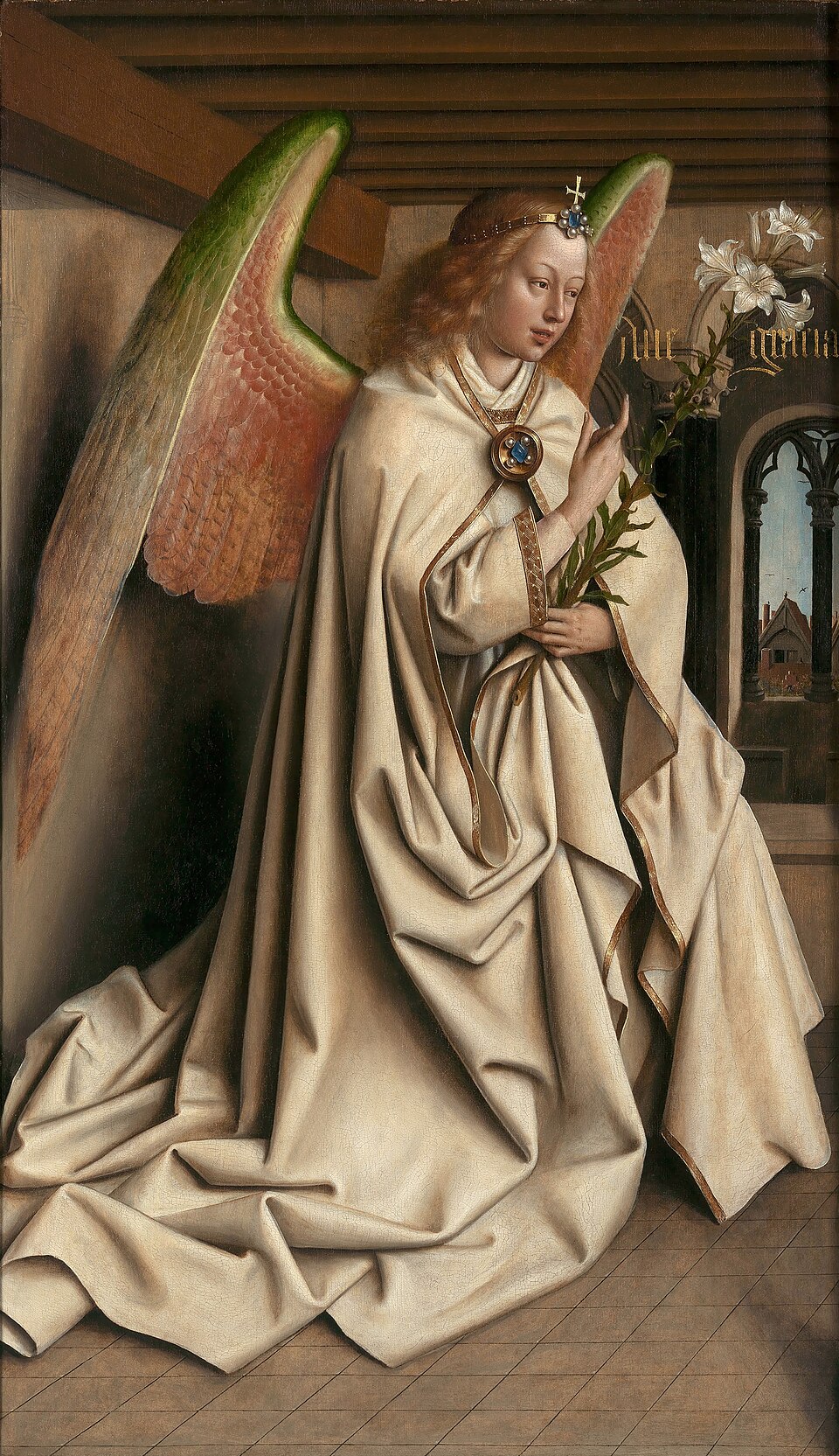
Gabriel
Archangel · Archangels / Chief Princes
The messenger. The angel who explains Daniel's visions, announces two births in Luke, and in Islam delivers the entire Qur'an.
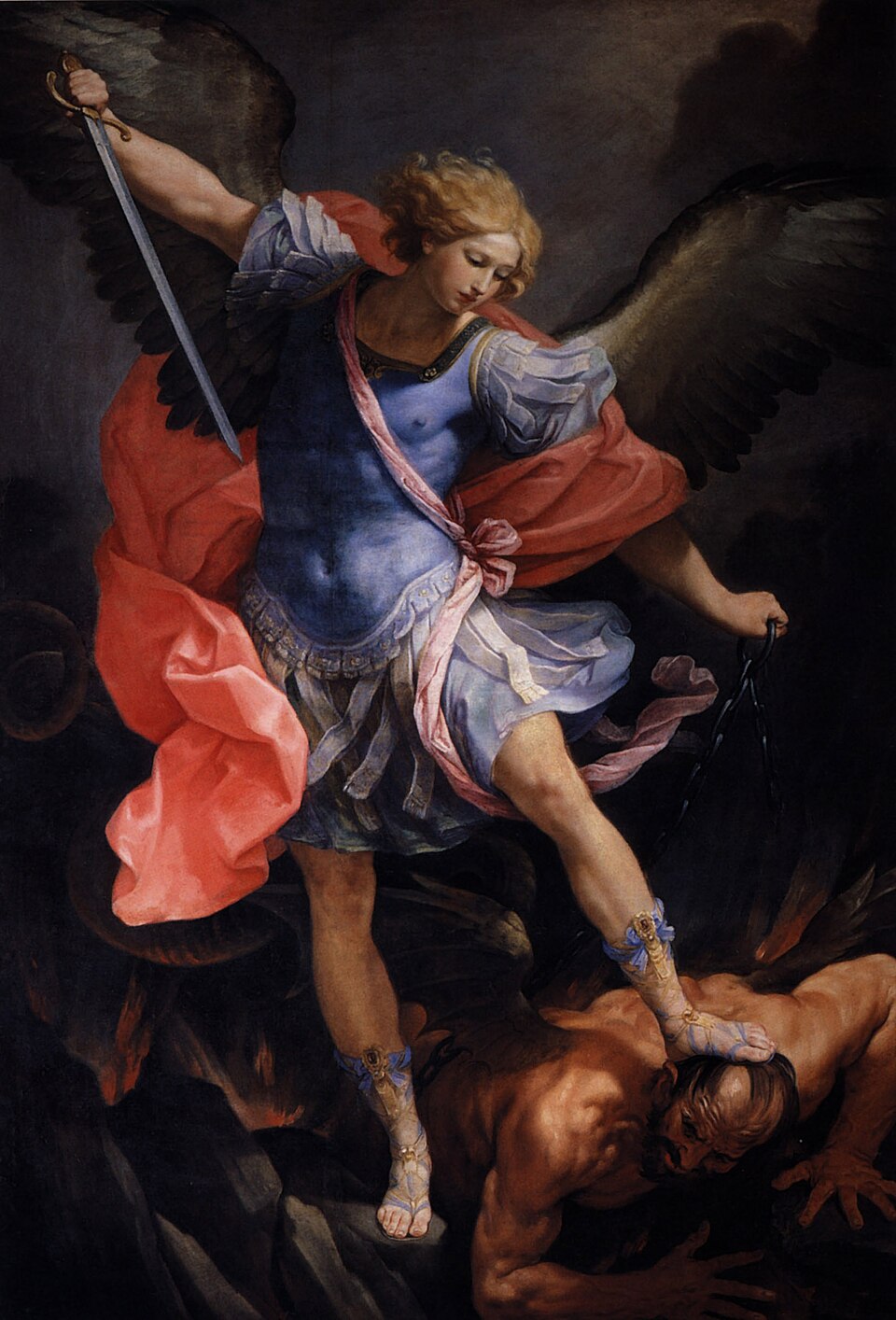
Michael
Archangel · Archangels / Chief Princes
The warring archangel: prince of Israel in Daniel, captain of the host in Revelation, and the only angel the New Testament calls an archangel outright.
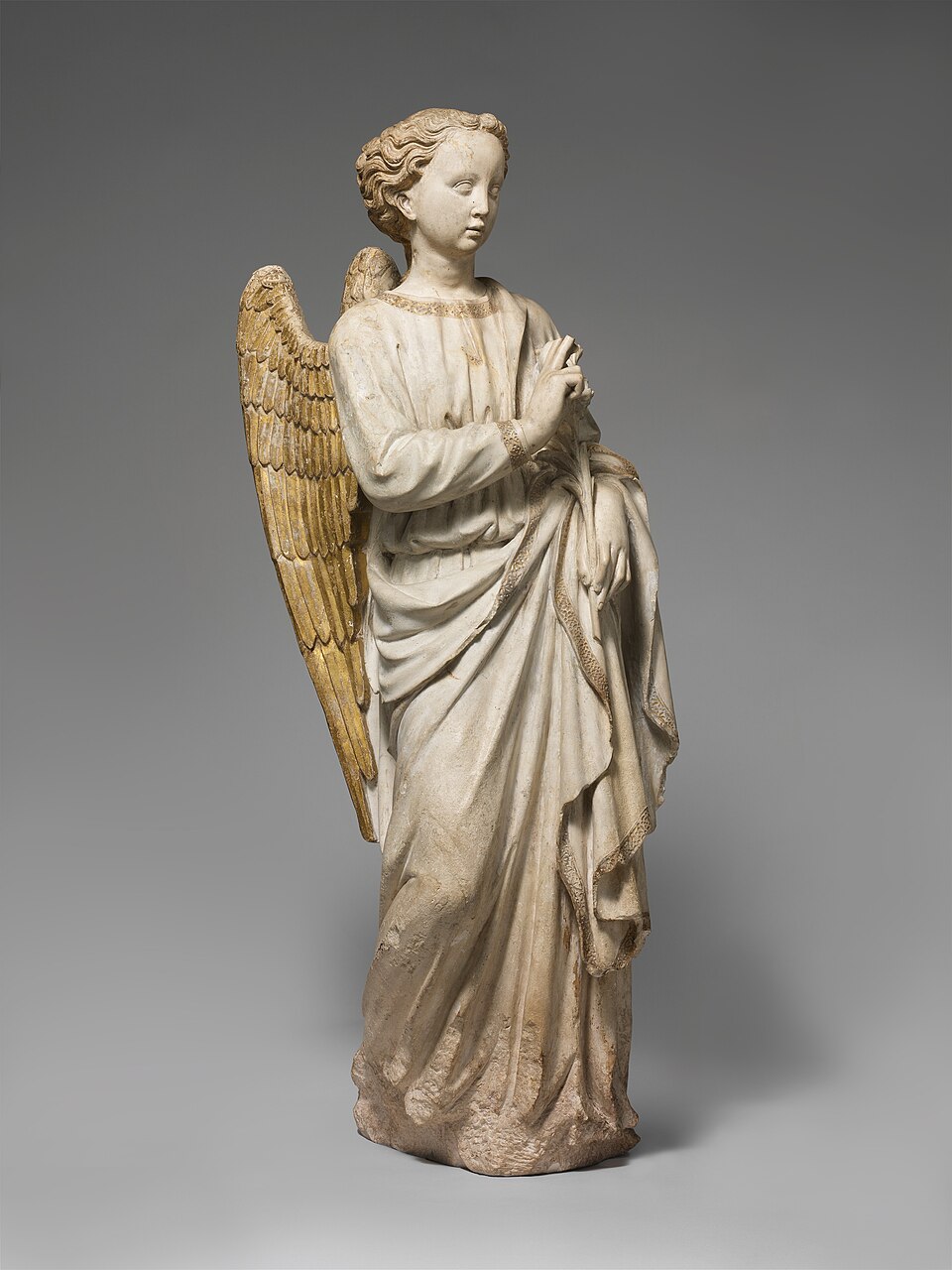
Angels
Ninth Choir · Third Sphere
The ninth and closest of the angelic choirs: the ordinary messengers who deal with individual people, and the only rank most human accounts ever describe meeting.
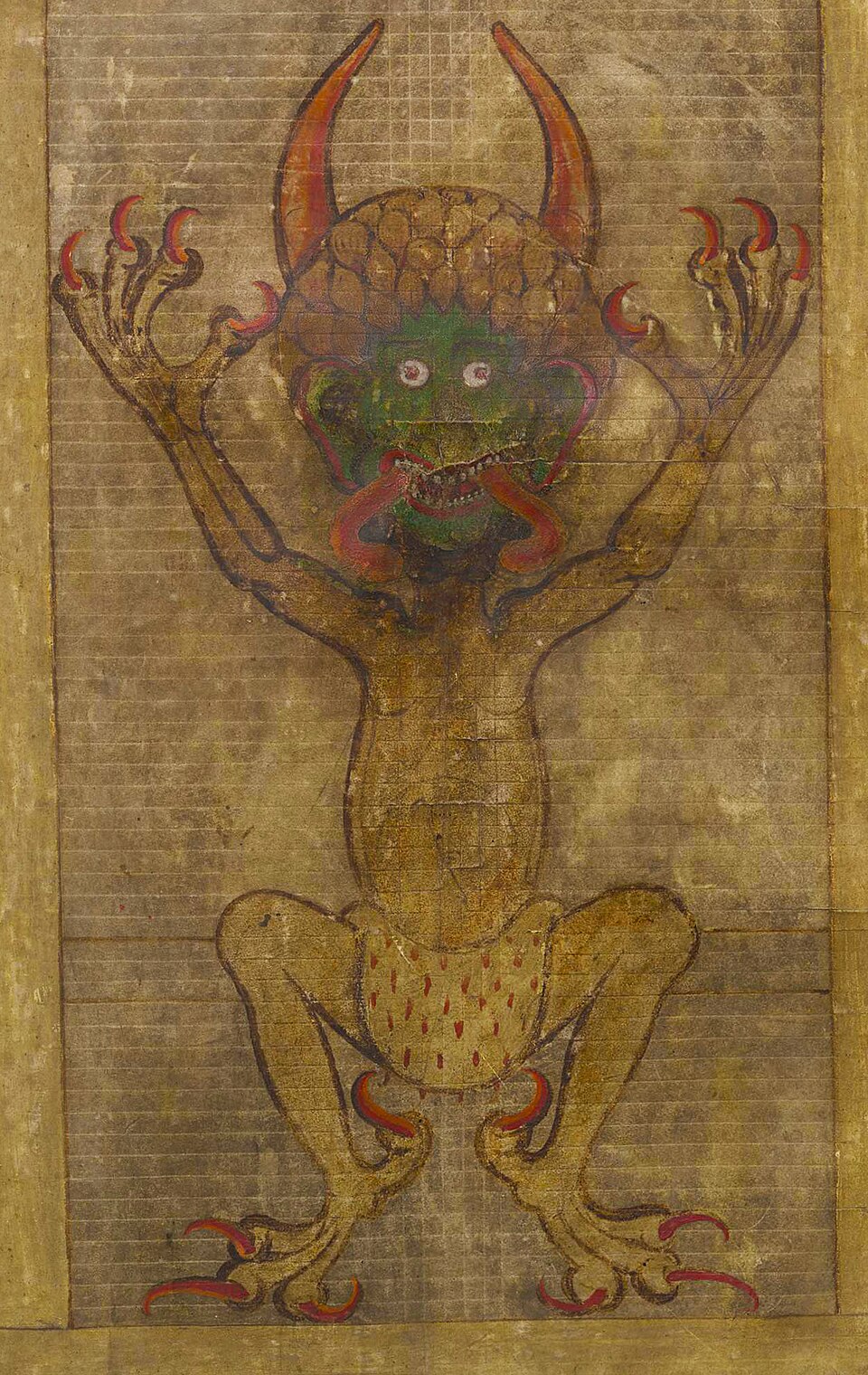
Satan
Adversary · Infernal Court
Not originally a name but an office — 'the accuser'. In Job he is a member of the divine court doing his job; only later does he become the enemy.
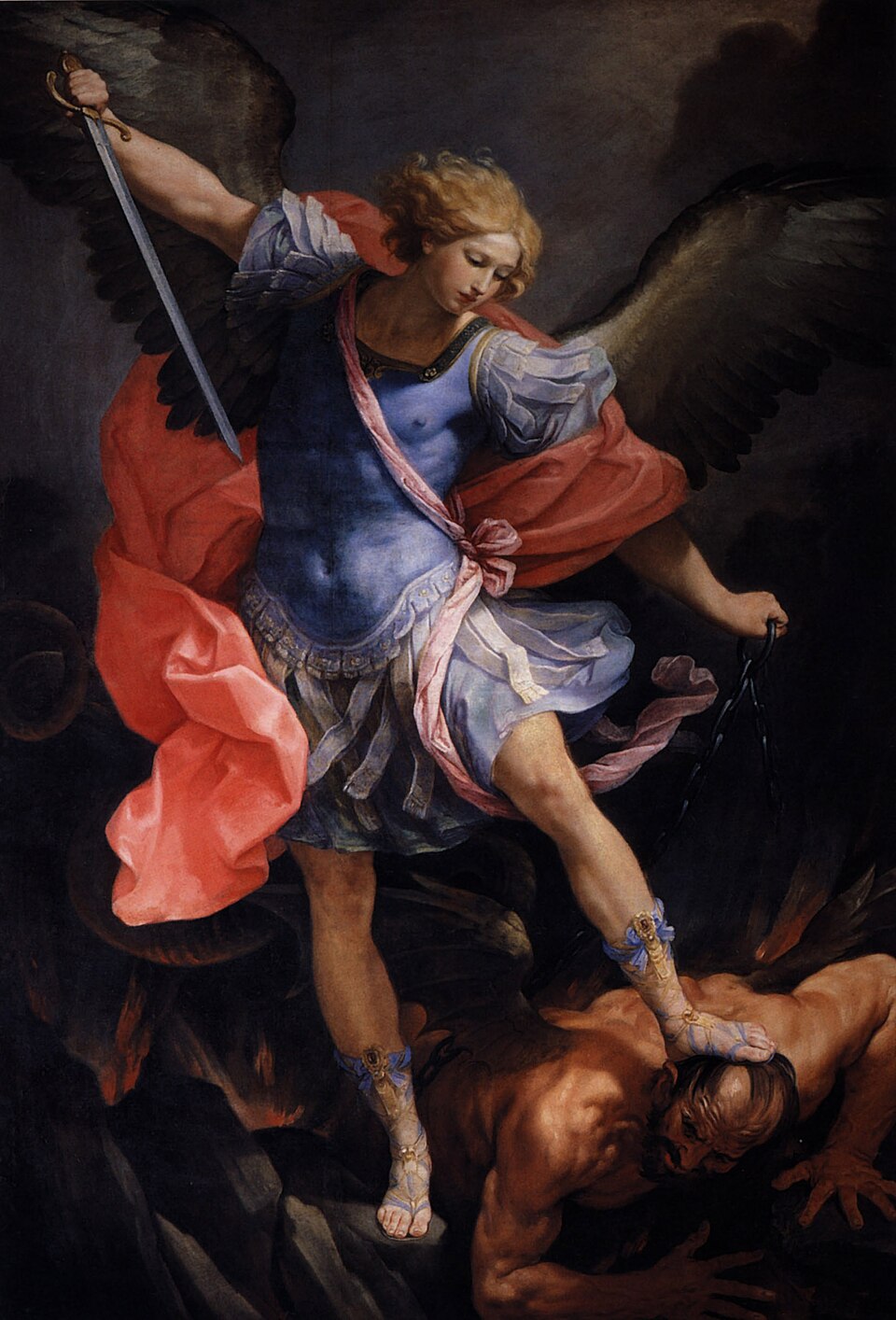
Archangels
Eighth Choir · Third Sphere
The eighth choir — which produces the tradition's sharpest inconsistency, since Michael is called an archangel yet commands the entire host.
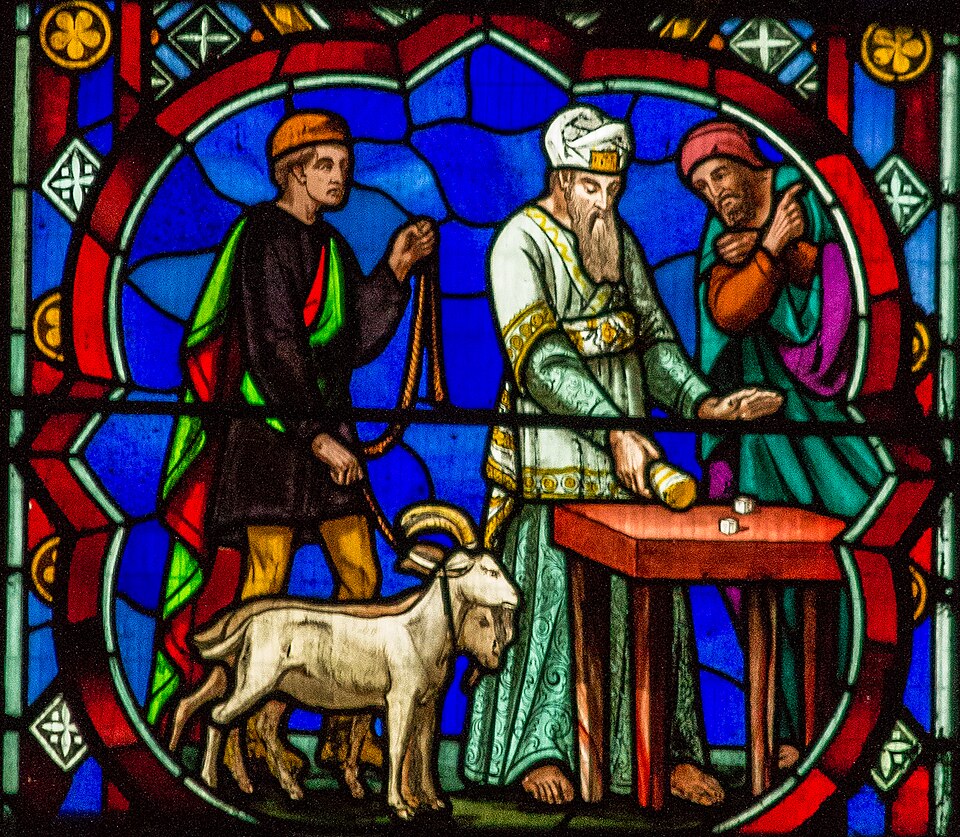
Azazel
Chief Watcher · The Watchers
The scapegoat's destination in Leviticus, and the Watcher who taught weapons and cosmetics in 1 Enoch. Translators cannot even agree whether the word is a name, a place or an abstraction.
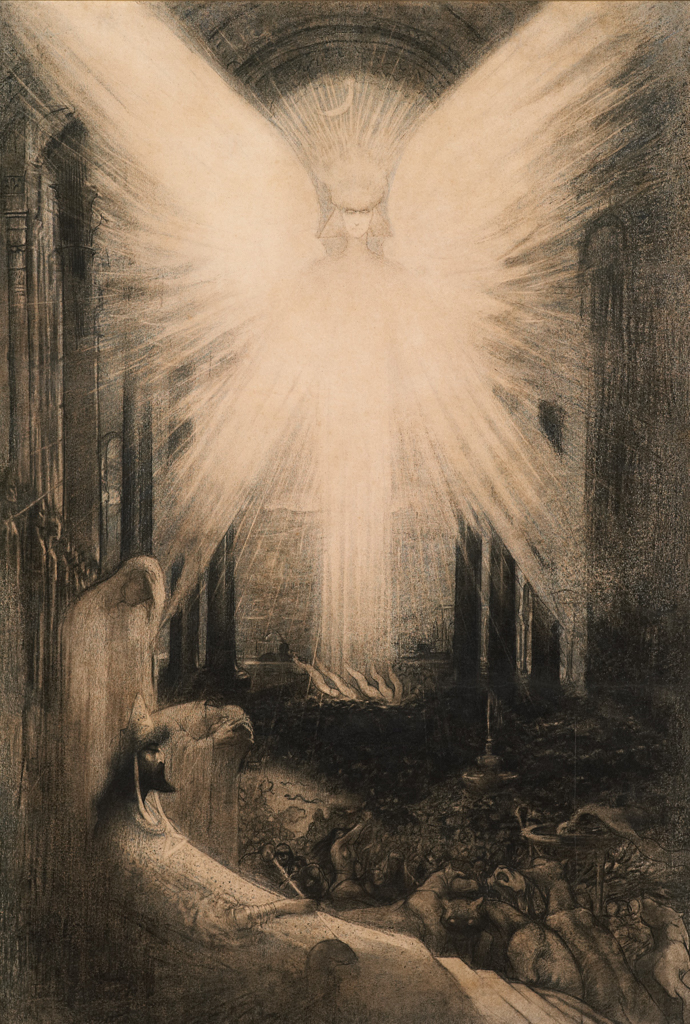
Azrael
Archangel · Archangels
The angel of death, who separates the soul from the body. Named as an office in the Qur'an and by personal name only in later tradition.
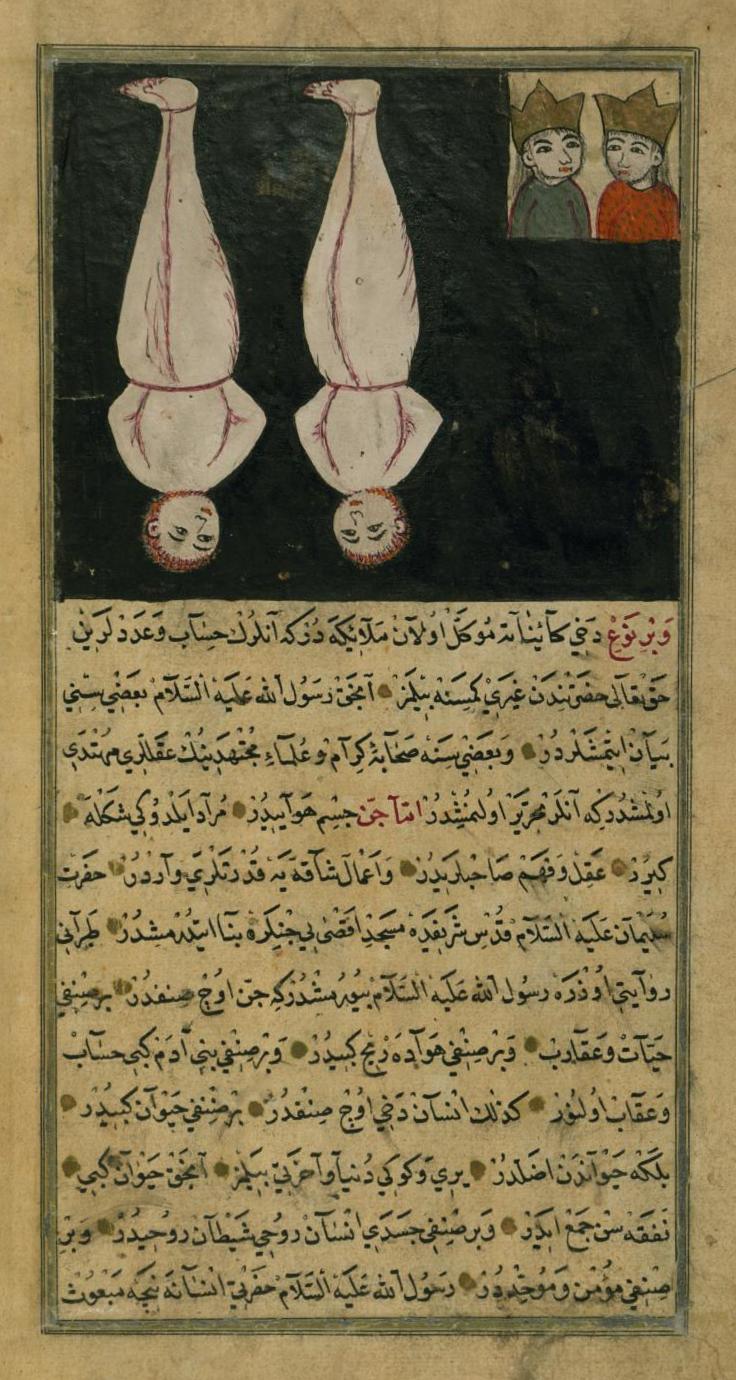
Harut and Marut
Angels of Babylon · Islamic angels
Two angels sent to Babylon, who teach magic and warn as they do it that they are a trial. Angels who cause harm take some accommodating in Islamic theology.
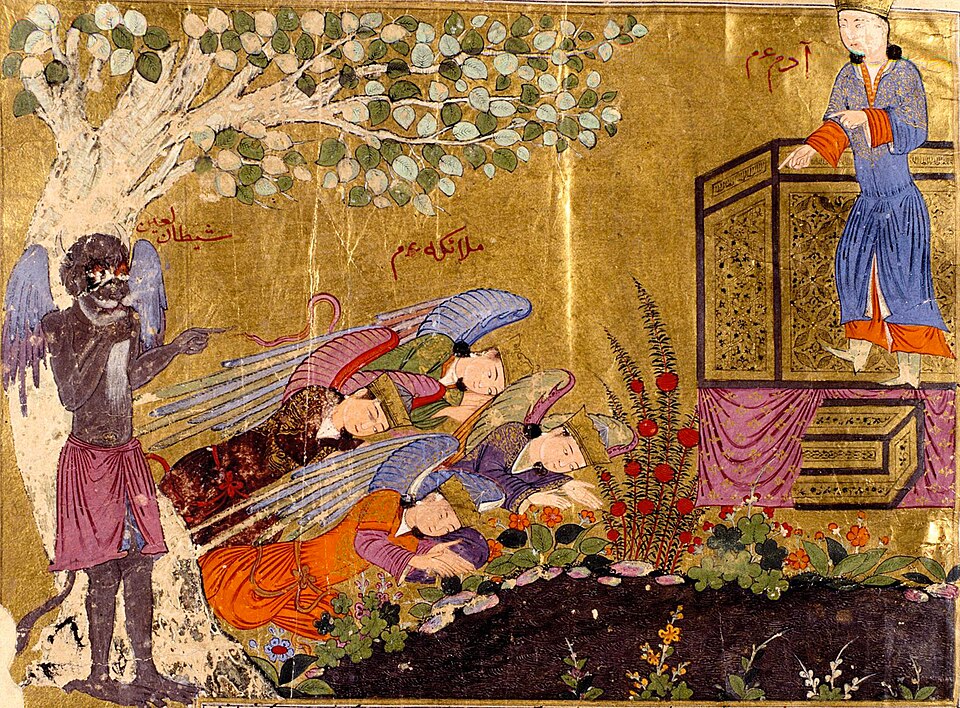
Iblis
Chief of the Shayatin · Jinn
The one who refused to bow to Adam. The Qur'an is specific that he was of the jinn rather than the angels, a distinction Western retellings almost always erase.
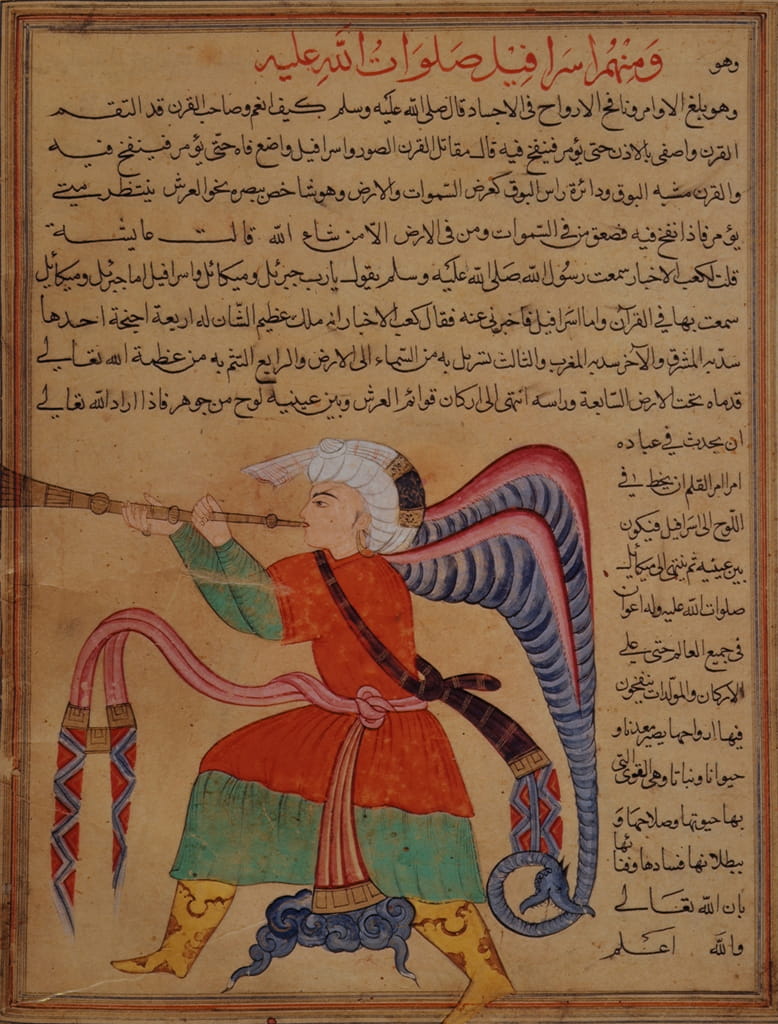
Israfil
Archangel · Archangels
The angel of the trumpet, who will sound the blast that ends the world and the second that raises the dead.
Kiraman Katibin
Recording Angels · Islamic angels
Two angels of Islamic tradition, one at each shoulder, writing down everything a person does. Theirs is the register produced at judgment.
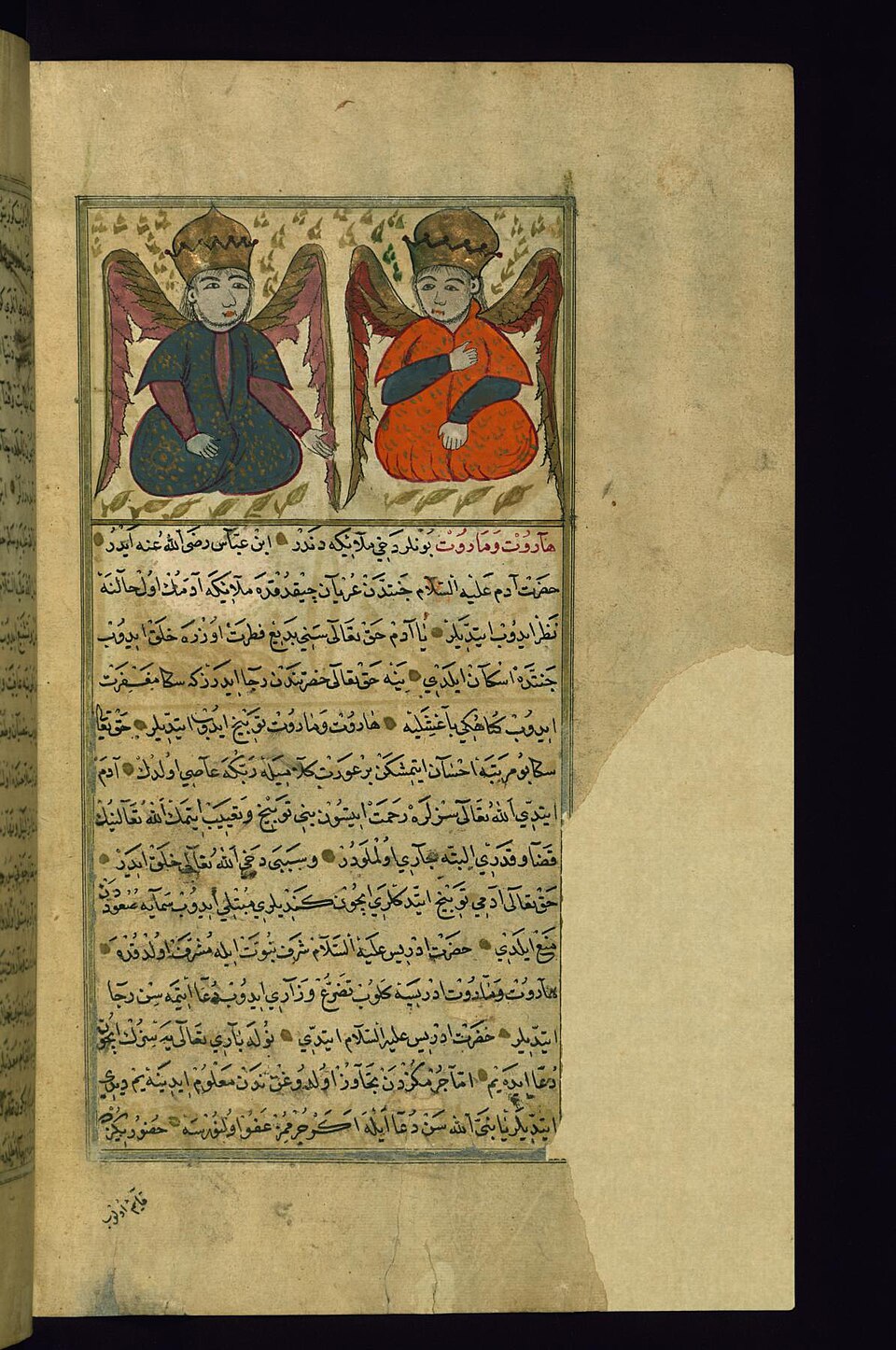
Munkar and Nakir
Questioners of the Grave · Islamic angels
The two who question the newly buried on their faith — the whole of judgment compressed into three questions in the grave.
The Ghul
Class of Jinn · Jinn
Desert jinn that lure travellers off the road and prey on the dead. English took the word 'ghoul' from them.
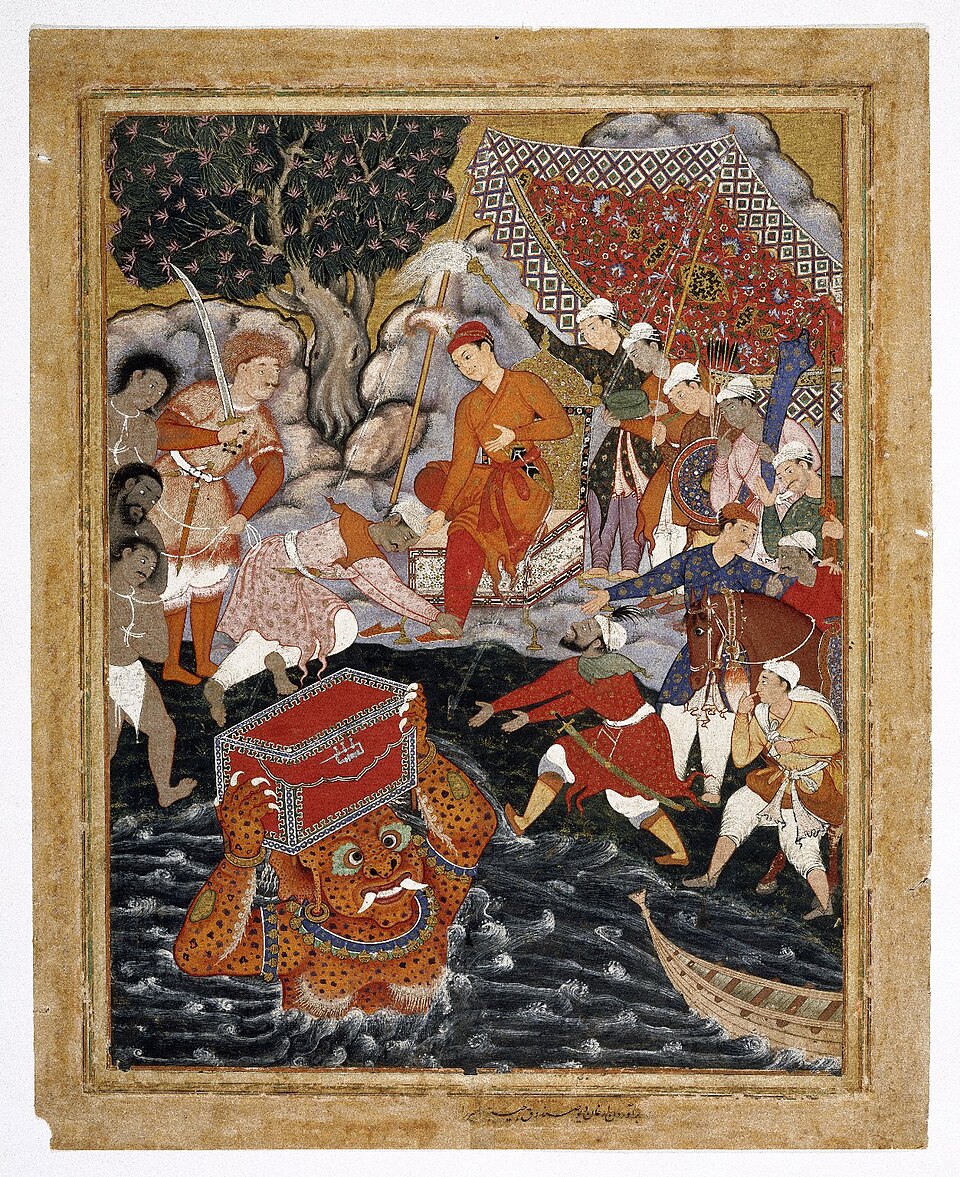
The Ifrit
Class of Jinn · Jinn
A powerful class of jinn — and jinn, crucially, have free will, so an ifrit may be Muslim, hostile, or neither.
The Qarin
Companion Spirit · Night-oppression
The Arabic companion-spirit assigned to every person, named in the Qur'an as the associate who prompts and who at the judgment disowns the one it prompted — and the one figure in this cluster that never leaves.