Demonic · Night-oppression · c. 650 CE
Night spirit — the sources' own term: Akkadian lilû, lilītu, ardat lilî; Latin incubus; Arabic qarin
The Qarin
Also called Qareen, Qarina
The Arabic companion-spirit assigned to every person, named in the Qur'an as the associate who prompts and who at the judgment disowns the one it prompted — and the one figure in this cluster that never leaves.
Single lineage
Where the other night-spirits here arrive and depart, the qarin is permanent and issued with the person. The Qur'an has it speak at the judgment to deny responsibility for what its charge did, which makes it a witness rather than an assailant, and the hadith material adds the detail the tradition has argued about ever since: that the Prophet had one and that it submitted, which implies the relationship can be changed. The corpus carries it in the night-oppression cluster because that is where the comparison is useful, and with a caution — this is an internal Islamic category about temptation and accountability, and reading it as a nightmare figure would be importing a European frame it does not have.
Identity
Where does the name come from?
What the name means
Arabic *qarīn*, a companion or one joined to another — the same root as the ordinary word for an associate, applied to a being nobody meets.
At a glance
Vitals
Vitals
Also known as
- First attested
- Qur'an & Hadith · 7th c. CE onward
- Named there as
- qarin
- Rank
- Companion Spirit
- Order
- Night-oppression
- Era
- c. 650 CE
- Traditions
- Islamic
Traits
- Domain
- The constant companion, prompting, the whisper attributed to a jinn
- Traditional form
- None; the point of the figure is that it is not seen
Stats
2 attributed
What is it said to do?
Where these powers cluster
The 2 offices attributed to The Qarin, grouped by kind. Segment width is the share of powers falling in each category.
A bar dominated by one colour means a specialist; an even spread means a figure the sources credit with almost anything.
- malefic1
- knowledge1
malefic
knowledge
1 texts
Which texts say so?
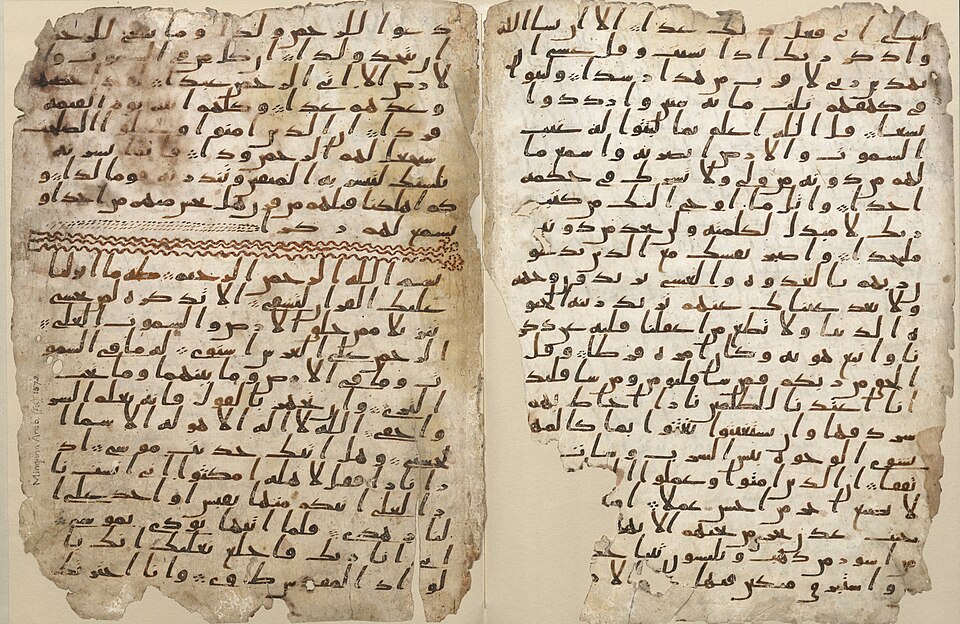
The associate assigned to a person, who prompts and who at the judgment says it did not compel; in the hadith material the Prophet's own is said to have submitted. The corpus holds the Qur'an and the hadith collections as one source row, so this figure reads as resting on a single text when it rests on two bodies of material — a limitation of the seeding rather than of the evidence.
Connections
What is it connected to?
No relationship to another figure in this corpus is recorded in the texts cited above. Where an edge exists here it is because a source states it, so an empty section means the sources are silent rather than that the connection is unknown.
Answered from the sources
Common questions
Which texts mention The Qarin?
What rank is The Qarin?
How else is The Qarin spelled?
What is The Qarin said to do?
How old is The Qarin?
Nearest in the corpus
If The Qarin is what you came for, these are next
Chosen by proximity rather than by popularity: the same pantheon first, then the same rank, then the same kind of figure.
Asherah
Mother of the Gods · Deliverance tradition
Consort of El at Ugarit and mother of the gods, whose cult objects stood in the Jerusalem temple itself for long stretches — and who disappears from English Bibles behind the word 'grove'.
Azazel
Chief Watcher · The Watchers
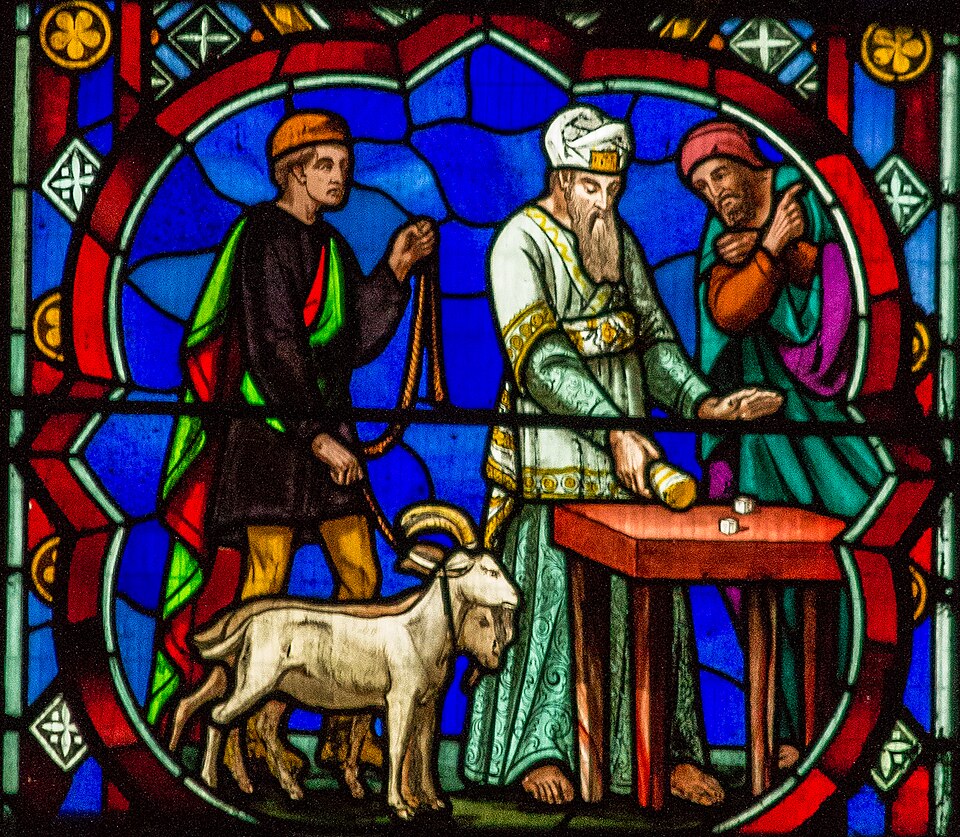
The scapegoat's destination in Leviticus, and the Watcher who taught weapons and cosmetics in 1 Enoch. Translators cannot even agree whether the word is a name, a place or an abstraction.
The Etemmu
The Dead Who Return · Mesopotamian
The Mesopotamian ghost of a person, and a problem of neglect rather than of malice: the etemmu that troubles the living is usually a spirit nobody buried and nobody remembers.
Abaddon
Angel of the Abyss · Infernal Court
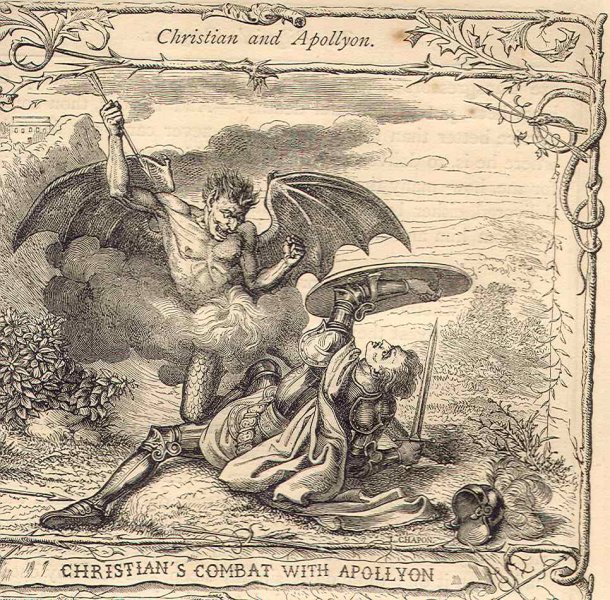
A place-name in the Hebrew Bible — 'destruction', a synonym for the grave — that Revelation personifies as the king of the locusts of the pit.
Behemoth
Beast of the Land · Infernal Court
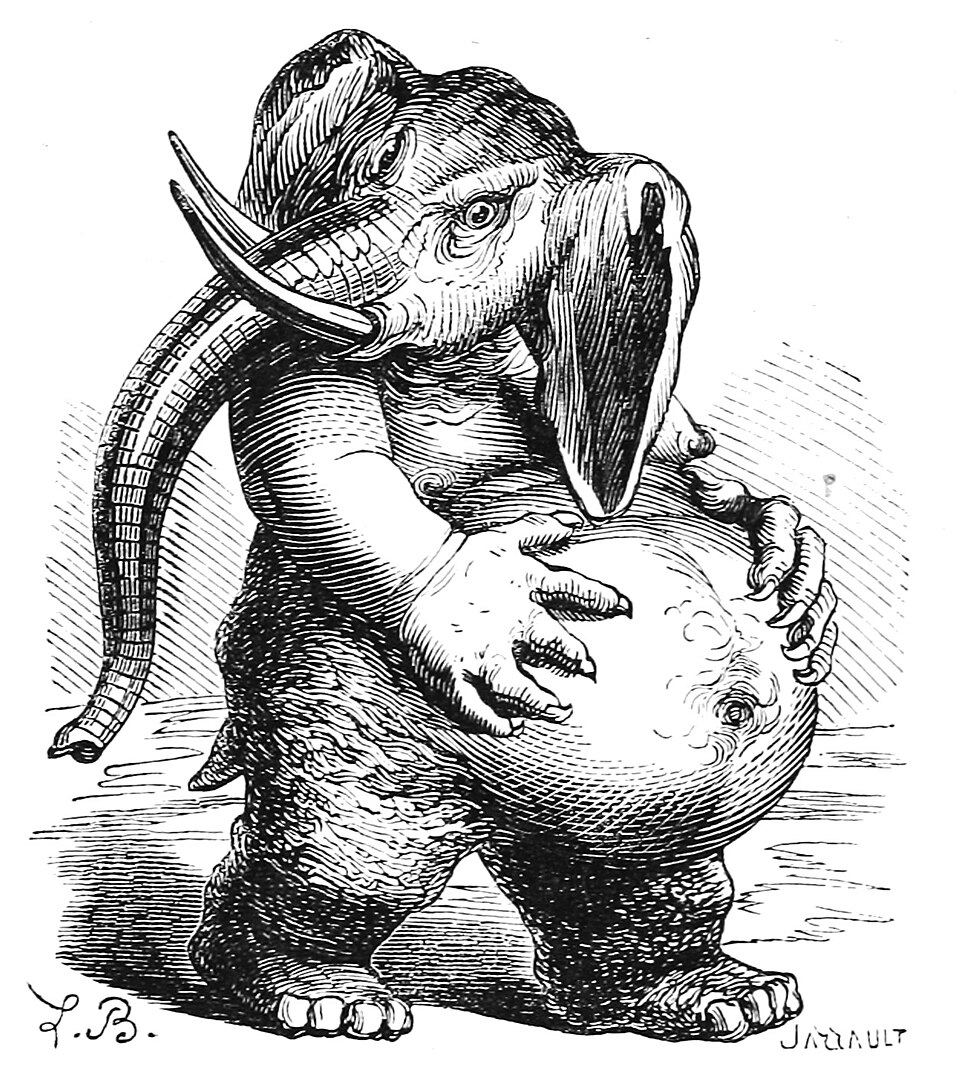
Job's land-beast, paired with Leviathan — presented there as a creature of God, not an enemy of him.
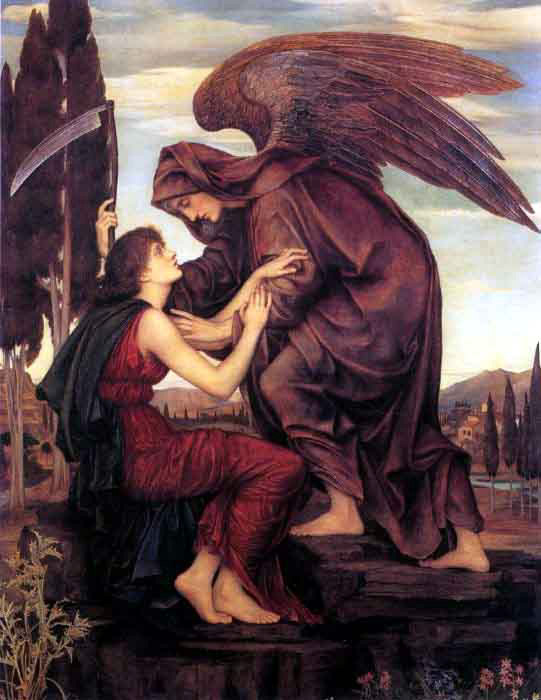
Samael
Prince of Accusers · Chief Princes
Both an archangel and an adversary. Jewish tradition makes him the accusing angel, the angel of death and the guardian prince of Rome; all three are offices he was assigned, not verdicts on his character.
The book behind The Qarin
Every claim on this profile is attributed to one of these. It is public domain, listed oldest first, and each links to a full text where one is freely available.
Qur'an & Hadith
Various · 7th c. CE onward · Arabic
Read Qur'an & Hadith in full ↗Cover: Public domain · AnonymousUnknown author · Wikimedia file page
Corpus last revised 29 August 2026. A reference site’s credibility rests on being maintained, so this is the date the sourced records last changed — not the date the page was rebuilt.