Demonic · Infernal Court · c. 400 BCE
Behemoth
Job's land-beast, paired with Leviathan — presented there as a creature of God, not an enemy of him.
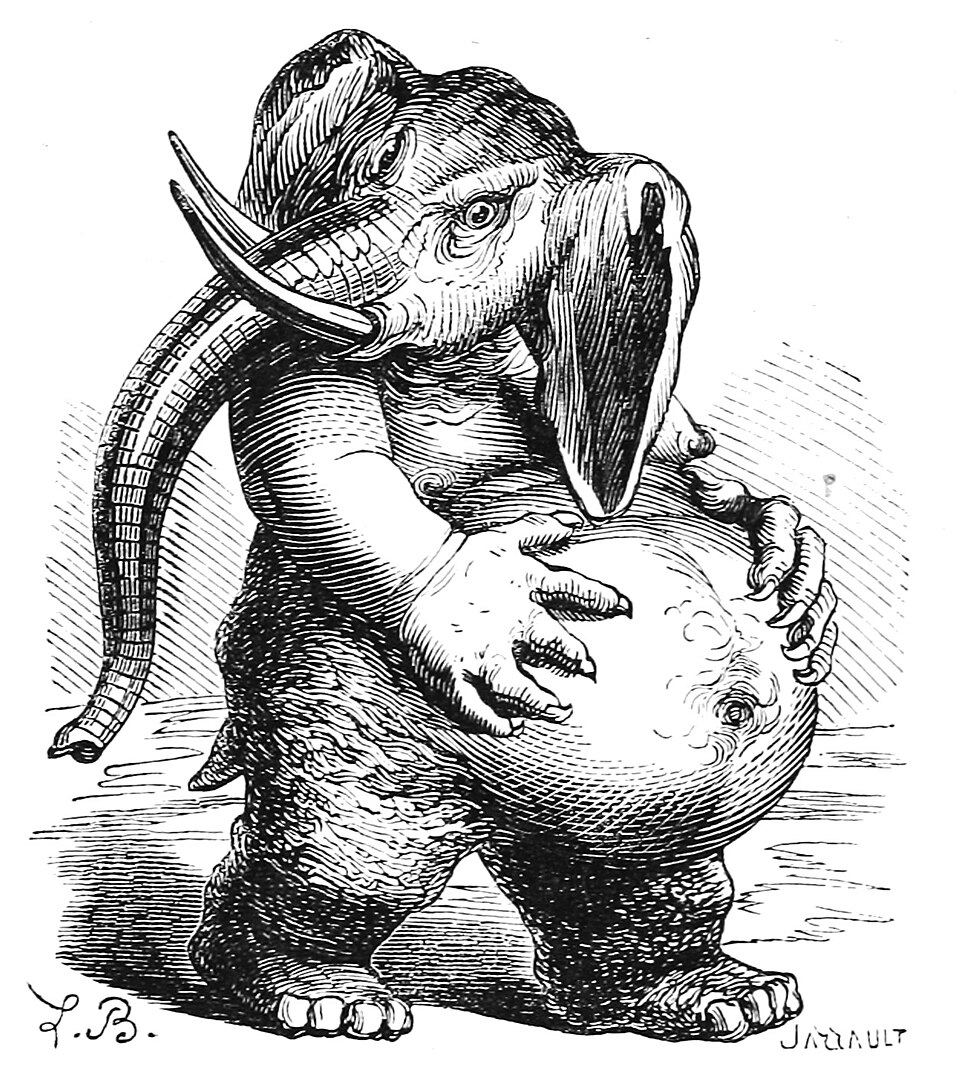
Narrow source base
Job 40 describes Behemoth at length: he eats grass like an ox, his strength is in his loins, his bones are like tubes of bronze, he lies under the lotus. The point of the passage is that God made him and can approach him while Job cannot. Later apocalyptic literature pairs Behemoth and Leviathan as the land and sea monsters reserved for the feast of the righteous at the end, and Christian demonology afterwards makes Behemoth a demon of gluttony — a reading Job gives no support to.
Identity
Where does the name come from?
What the name means
Hebrew *behemot*, and the joke of it is that the word is ordinary. BDB (1906) files *behemah* as the everyday noun for a beast or head of cattle, the animal a farmer owns, occurring well over a hundred times; *behemot* is simply its plural. Klein marks the Job 40:15 occurrence as a hapax in the sense used there, which is the usual reading: a plural of magnitude rather than of number, so the name means something like the beast to end beasts. Nothing in the word is monstrous. The monster is what Job does with the grammar.
Where it was actually worshipped
None. Job's other beast, and paired with Leviathan at the same eventual meal.
A figure with temples and a figure that only ever existed on a page are different kinds of thing, and the difference is easy to lose once both are entries in a list.
At a glance
Vitals
Vitals
- First attested
- Hebrew Bible & Deuterocanon · c. 900–100 BCE
- Rank
- Beast of the Land
- Order
- Infernal Court
- Base of operations
- None. Job's other beast, and paired with Leviathan at the same eventual meal.
- Era
- c. 400 BCE
- Traditions
- Christian, Jewish, Folk & Demonological
Traits
- Domain
- The land, brute strength, gluttony
- Traditional form
- A vast beast; described in Job with a tail like a cedar
Stats
2 attributed
What is it said to do?
Where these powers cluster
The 2 offices attributed to Behemoth, grouped by kind. Segment width is the share of powers falling in each category.
A bar dominated by one colour means a specialist; an even spread means a figure the sources credit with almost anything.
- malefic1
- material1
2 texts
Which texts say so, and where do they disagree?
When these texts were written
Each dot is one of the 2 texts that names Behemoth, placed at that text's approximate date.
A wide spread means the figure was carried across many centuries and traditions; a tight cluster means a single period produced the whole record.
2 texts spanning roughly 2,263 years
Where the texts differ
- Name: given as Behemoth, Béhémoth
- Rank: given as Creature of God; Demon of gluttony
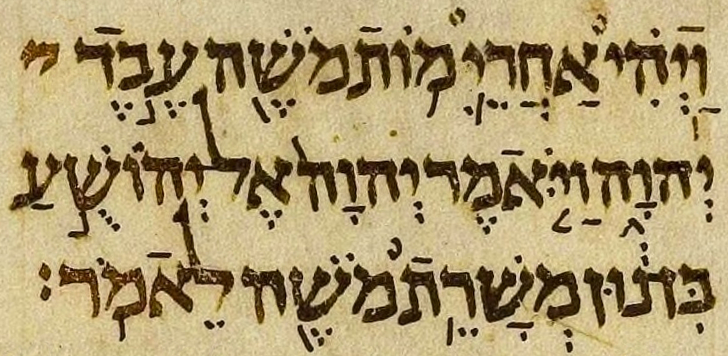
Presented as the chief of God's works, beyond human mastery.
“Behold now behemoth, which I made with thee.”
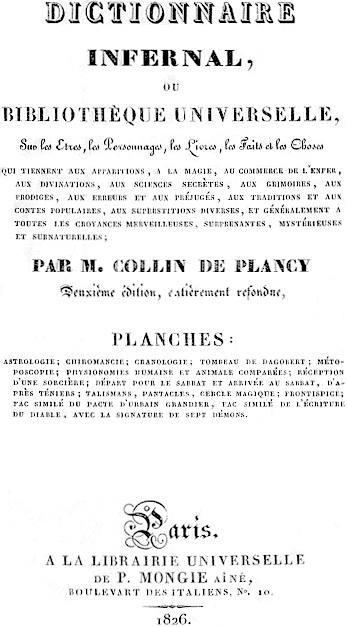
Recast as the grand cupbearer and demon of the belly.
“Béhémoth, démon lourd et stupide, malgré ses dignités. Sa force est dans ses reins ; ses domaines sont la gourmandise et les plaisirs du ventre.”Behemoth, a heavy and stupid demon for all his dignities. His strength is in his loins; his domains are gluttony and the pleasures of the belly. — translated for ColossiansOne
Connections
What is it connected to?
No relationship to another figure in this corpus is recorded in the texts cited above. Where an edge exists here it is because a source states it, so an empty section means the sources are silent rather than that the connection is unknown.
Answered from the sources
Common questions
Which texts mention Behemoth?
What rank is Behemoth?
How else is Behemoth spelled?
What is Behemoth said to do?
How old is Behemoth?
Nearest in the corpus
If Behemoth is what you came for, these are next
Chosen by proximity rather than by popularity: the same pantheon first, then the same rank, then the same kind of figure.
Asherah
Mother of the Gods · Deliverance tradition
Consort of El at Ugarit and mother of the gods, whose cult objects stood in the Jerusalem temple itself for long stretches — and who disappears from English Bibles behind the word 'grove'.
Azazel
Chief Watcher · The Watchers
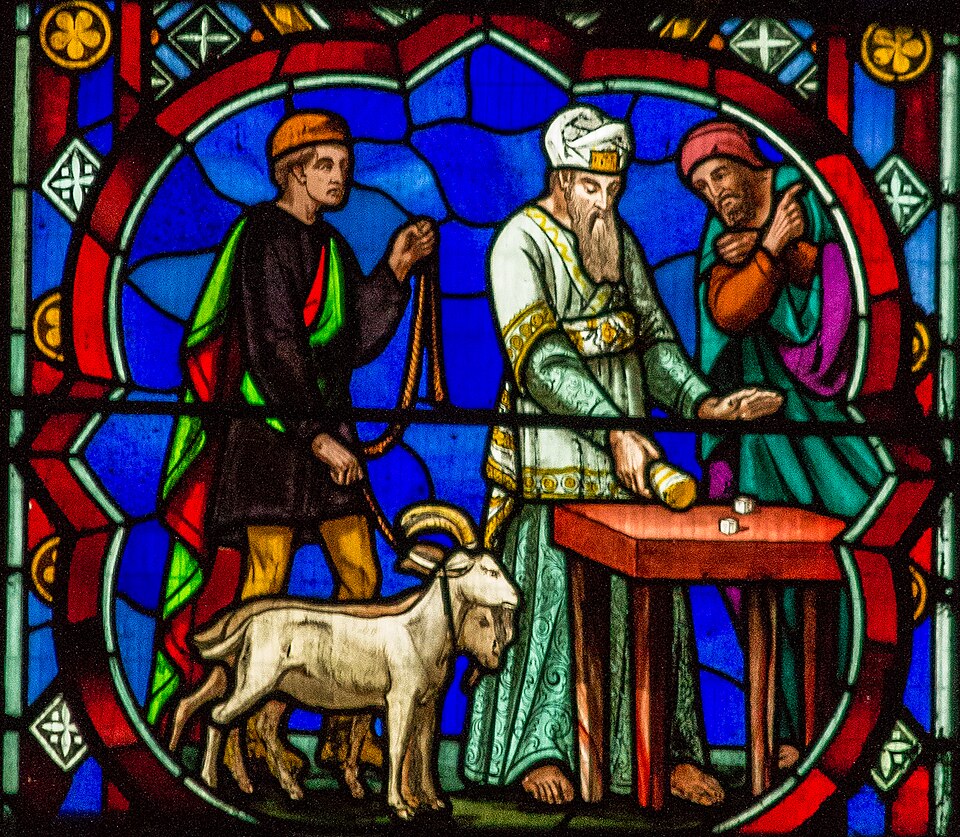
The scapegoat's destination in Leviticus, and the Watcher who taught weapons and cosmetics in 1 Enoch. Translators cannot even agree whether the word is a name, a place or an abstraction.
The Etemmu
The Dead Who Return · Mesopotamian
The Mesopotamian ghost of a person, and a problem of neglect rather than of malice: the etemmu that troubles the living is usually a spirit nobody buried and nobody remembers.
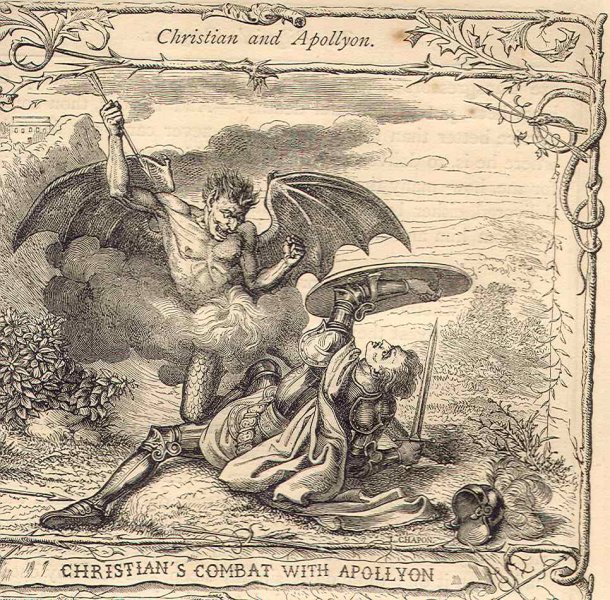
Abaddon
Angel of the Abyss · Infernal Court
A place-name in the Hebrew Bible — 'destruction', a synonym for the grave — that Revelation personifies as the king of the locusts of the pit.
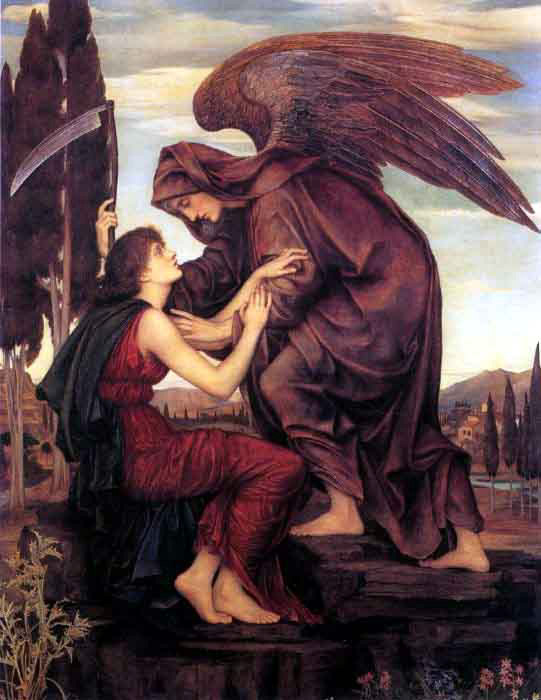
Samael
Prince of Accusers · Chief Princes
Both an archangel and an adversary. Jewish tradition makes him the accusing angel, the angel of death and the guardian prince of Rome; all three are offices he was assigned, not verdicts on his character.
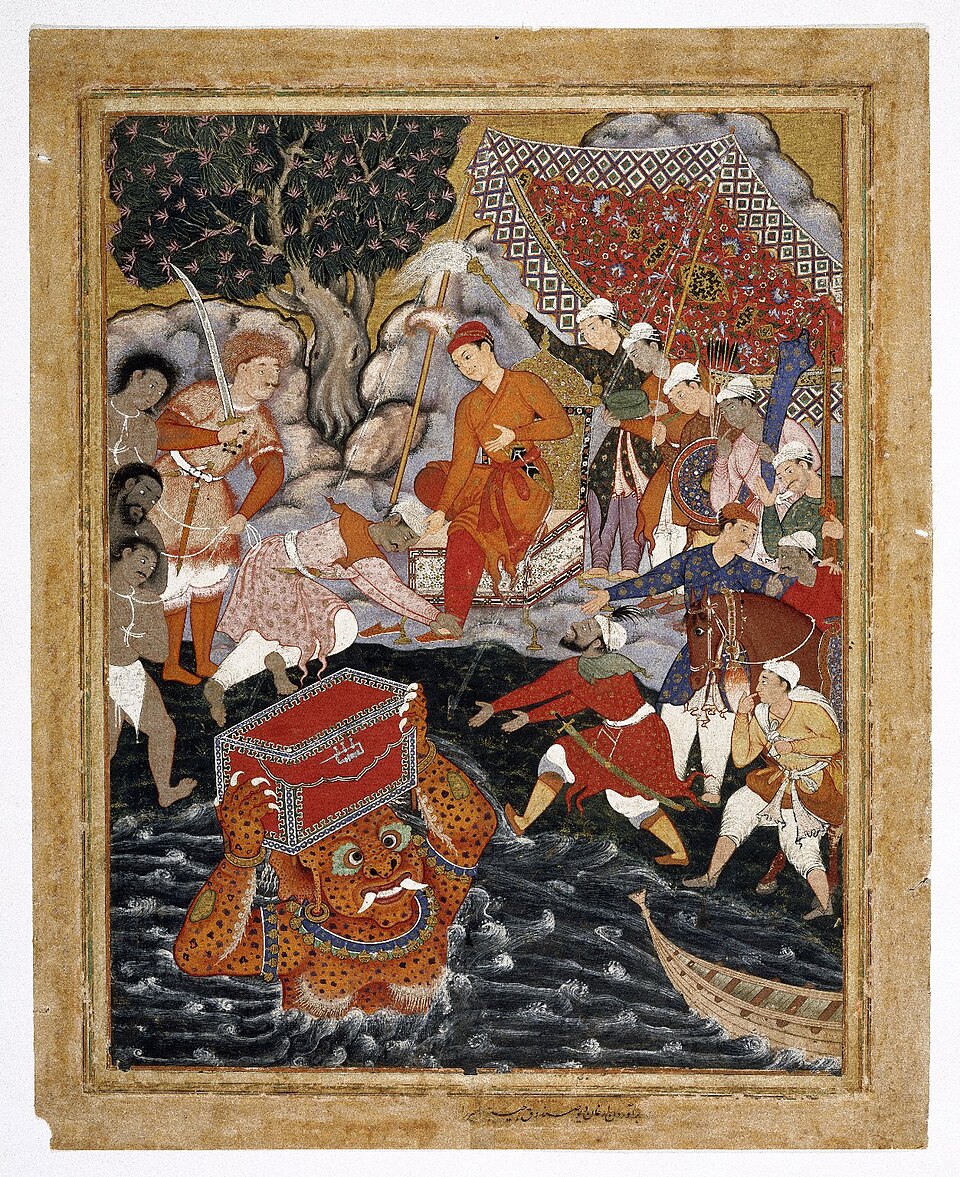
The Ifrit
Class of Jinn · Jinn
A powerful class of jinn — and jinn, crucially, have free will, so an ifrit may be Muslim, hostile, or neither.
The books behind Behemoth
Every claim on this profile is attributed to one of these. They are public domain, listed oldest first, and each links to a full text where one is freely available.
Hebrew Bible & Deuterocanon
Various · c. 900–100 BCE · Hebrew, Aramaic, Greek
Read Hebrew Bible & Deuterocanon in full ↗Cover: Public domain · see en:Aleppo Codex; scanned by · Wikimedia file page
Dictionnaire Infernal
Jacques Collin de Plancy · 1818; illustrated ed. 1863 · French
Read Dictionnaire Infernal in full ↗Cover: Public domain · Collin de Plancy · Wikimedia file page
Corpus last revised 29 August 2026. A reference site’s credibility rests on being maintained, so this is the date the sourced records last changed — not the date the page was rebuilt.