Demonic · Jinn · c. 650 CE
The Ifrit
Also called 'Ifrīt, Afreet · also recorded as efreet, efrite, ifreet, afrite, afrit, afarit (per Wikidata)
A powerful class of jinn — and jinn, crucially, have free will, so an ifrit may be Muslim, hostile, or neither.
Single lineage
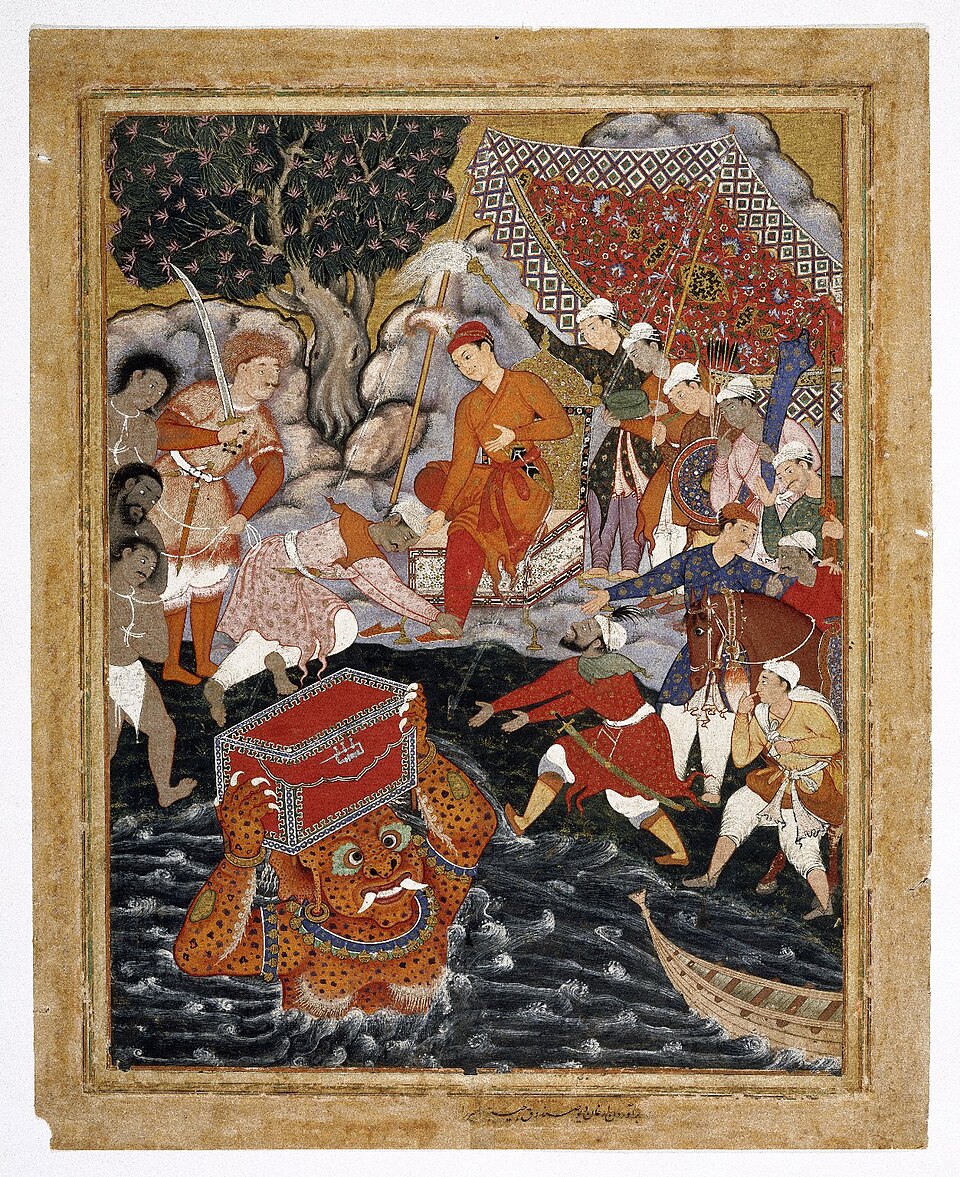
Jinn are a third order of created beings alongside angels and humans, made of smokeless fire, mortal, capable of belief and unbelief, and subject to judgment like people. Sura 72 records a group of them converting after overhearing the Qur'an. An ifrit is a strong jinni, not a demon by definition; the ifrit in the Sulayman narrative offers to fetch the throne of Sheba in the service of a prophet.
Identity
Where does the name come from?
Where it was actually worshipped
None. A class of jinn; the folklore places them in ruins and abandoned houses, which is where you avoid rather than where you go.
A figure with temples and a figure that only ever existed on a page are different kinds of thing, and the difference is easy to lose once both are entries in a list.
At a glance
Vitals
Vitals
Also known as
- First attested
- Qur'an & Hadith · 7th c. CE onward
- Named there as
- 'Ifrīt
- Rank
- Class of Jinn
- Order
- Jinn
- Base of operations
- None. A class of jinn; the folklore places them in ruins and abandoned houses, which is where you avoid rather than where you go.
- Era
- c. 650 CE
- Traditions
- Islamic
- Placed in
- The Offices of the Mala'ika
Traits
- Domain
- Strength, cunning, the ruins and the underworld
- Traditional form
- Of smokeless fire; shape variable
4 attributed
What is it said to do?
Where these powers cluster
The 4 offices attributed to The Ifrit, grouped by kind. Segment width is the share of powers falling in each category.
A bar dominated by one colour means a specialist; an even spread means a figure the sources credit with almost anything.
- material1
- martial1
- transformation2
1 mark
Which marks is it attached to?
A mark a figure carries and a mark used against a figure are opposite claims, so each link says which it is.
1 texts
Which texts say so?
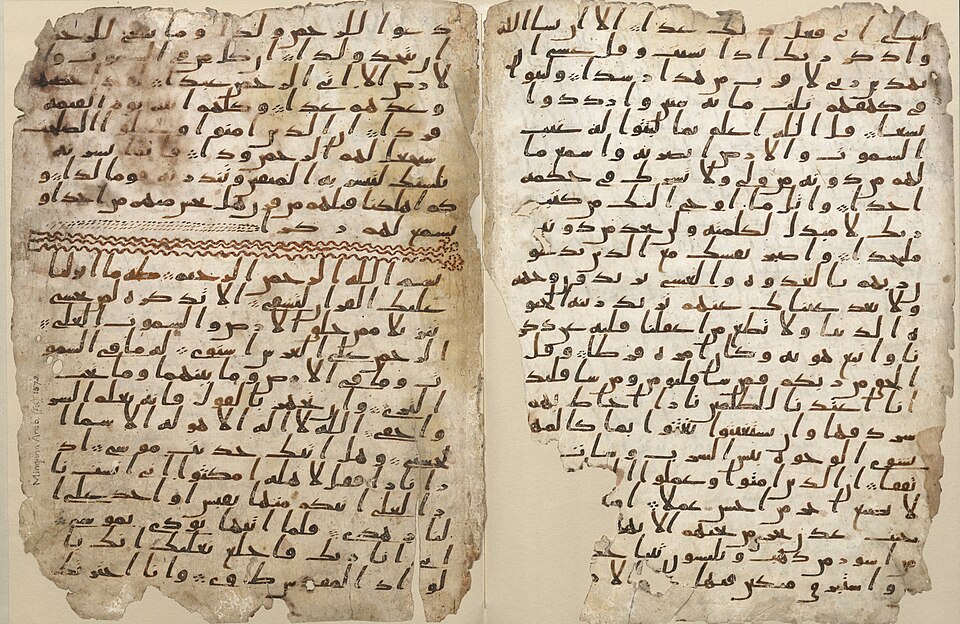
An ifrit of the jinn offers Sulayman the throne of Sheba before he can rise from his place.
Connections
What is it connected to?
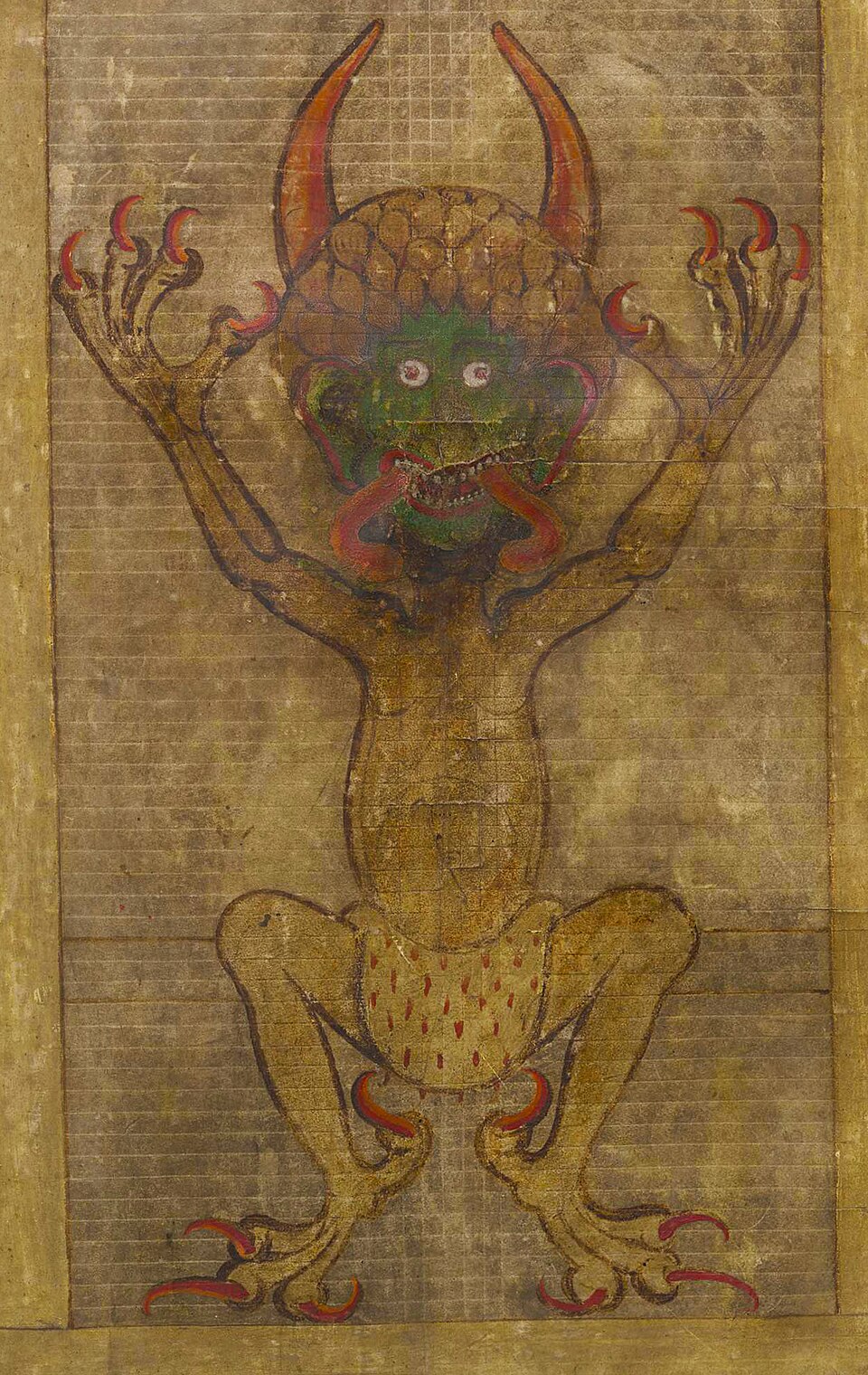
Identified with Satan
A class of jinn read as diabolical by non-Islamic commentators. Recorded by Wikidata (P460); not asserted by a text this corpus carries.
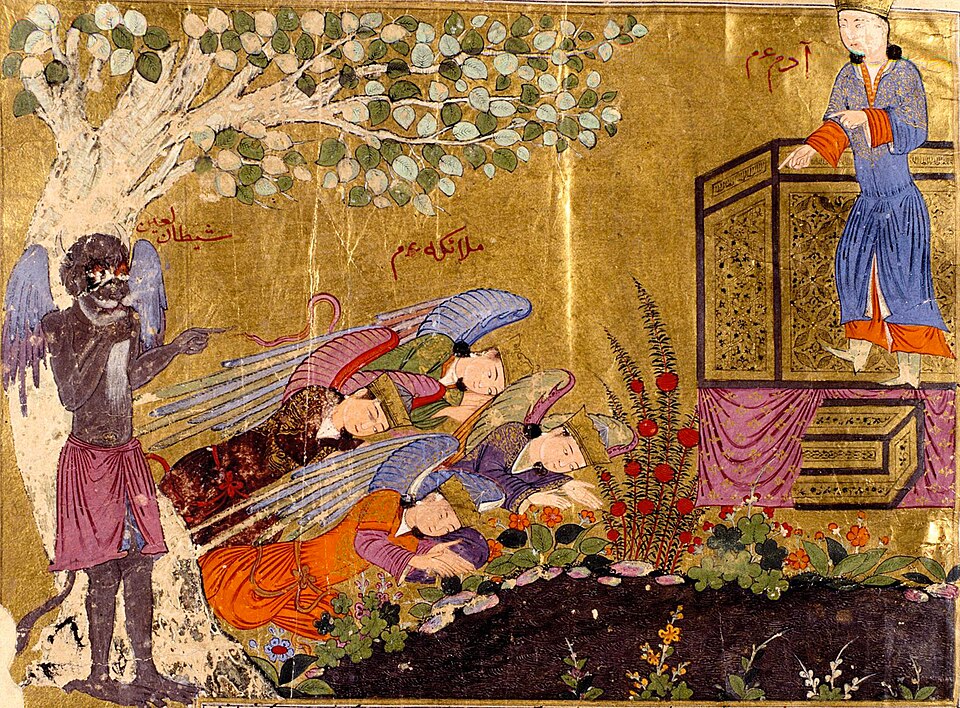
Serves Iblis
Loosely — jinn have free will, and an ifrit may equally serve a prophet.
Identified with Iblis
Iblis is counted among the jinn, of which the ifrit are a kind. Recorded by Wikidata (P460); not asserted by a text this corpus carries.
Placement
Where does it sit in the hierarchies?
Answered from the sources
Common questions
Which texts mention The Ifrit?
Is The Ifrit the same as Satan?
What rank is The Ifrit?
How else is The Ifrit spelled?
What is The Ifrit said to do?
How old is The Ifrit?
Nearest in the corpus
If The Ifrit is what you came for, these are next
Chosen by proximity rather than by popularity: the same pantheon first, then the same rank, then the same kind of figure.
The Ghul
Class of Jinn · Jinn
Desert jinn that lure travellers off the road and prey on the dead. English took the word 'ghoul' from them.
Asherah
Mother of the Gods · Deliverance tradition
Consort of El at Ugarit and mother of the gods, whose cult objects stood in the Jerusalem temple itself for long stretches — and who disappears from English Bibles behind the word 'grove'.
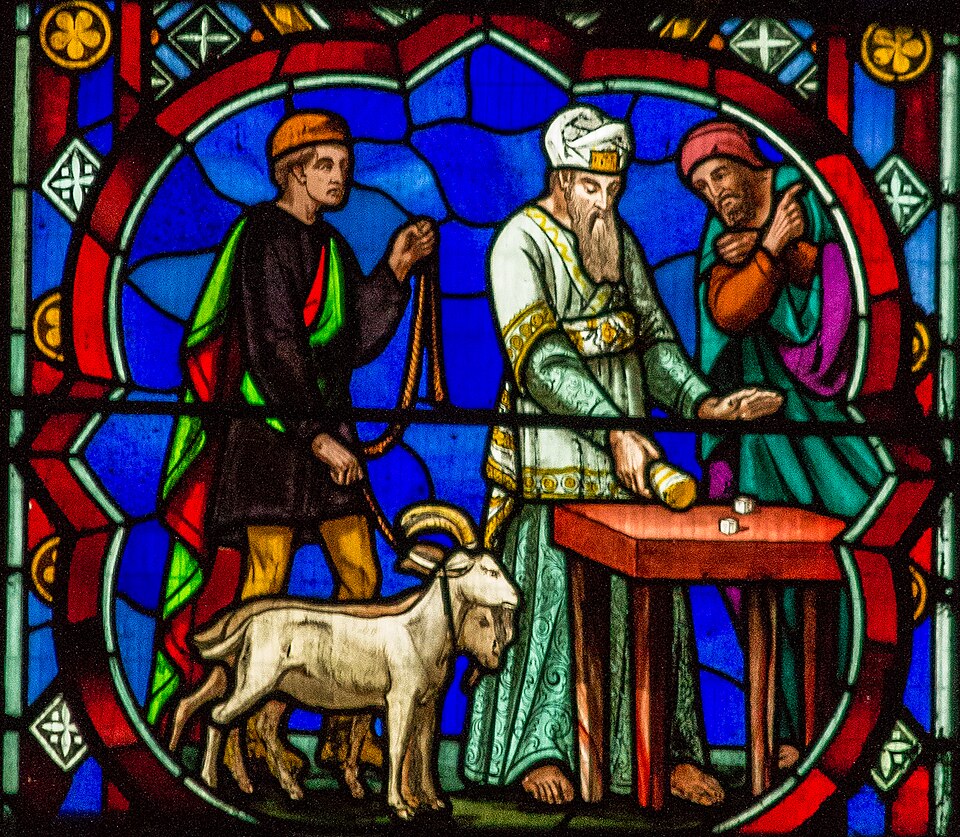
Azazel
Chief Watcher · The Watchers
The scapegoat's destination in Leviticus, and the Watcher who taught weapons and cosmetics in 1 Enoch. Translators cannot even agree whether the word is a name, a place or an abstraction.
The Etemmu
The Dead Who Return · Mesopotamian
The Mesopotamian ghost of a person, and a problem of neglect rather than of malice: the etemmu that troubles the living is usually a spirit nobody buried and nobody remembers.
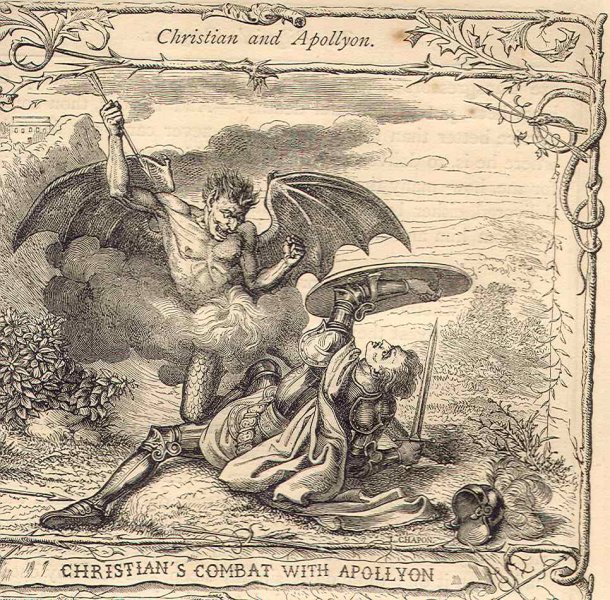
Abaddon
Angel of the Abyss · Infernal Court
A place-name in the Hebrew Bible — 'destruction', a synonym for the grave — that Revelation personifies as the king of the locusts of the pit.
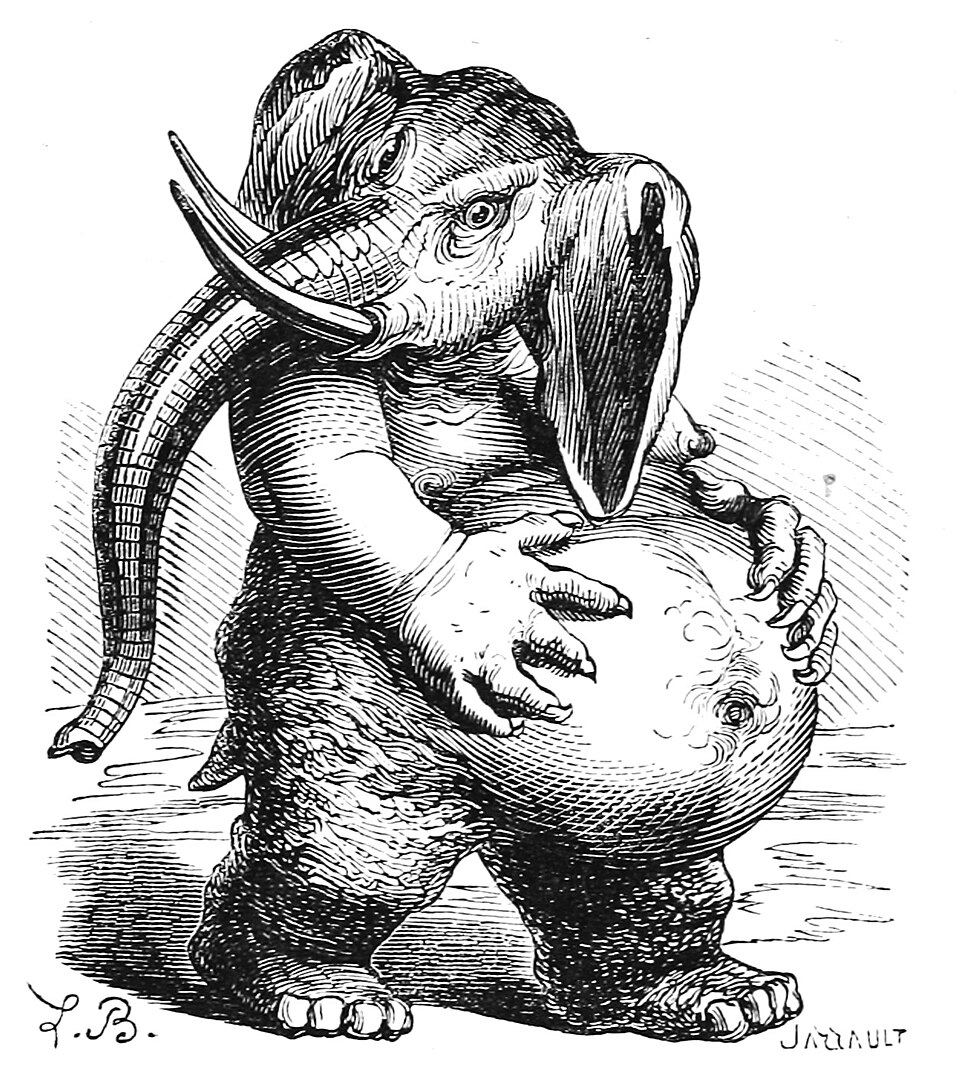
Behemoth
Beast of the Land · Infernal Court
Job's land-beast, paired with Leviathan — presented there as a creature of God, not an enemy of him.
The book behind The Ifrit
Every claim on this profile is attributed to one of these. It is public domain, listed oldest first, and each links to a full text where one is freely available.
Qur'an & Hadith
Various · 7th c. CE onward · Arabic
Read Qur'an & Hadith in full ↗Cover: Public domain · AnonymousUnknown author · Wikimedia file page
Corpus last revised 29 August 2026. A reference site’s credibility rests on being maintained, so this is the date the sourced records last changed — not the date the page was rebuilt.