Demonic · Jinn · c. 650 CE
Iblis
Also called Ibless, Abu Murrah, Ash-Shaytan · also recorded as Eblis, Shaitan, إبليس (per Wikidata)
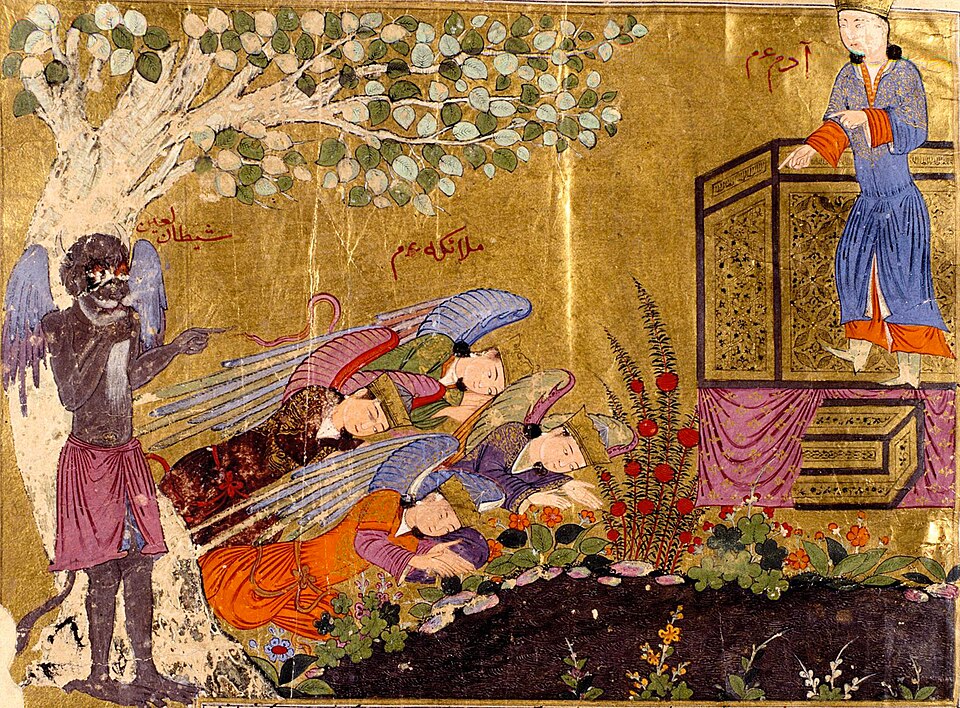
The one who refused to bow to Adam. The Qur'an is specific that he was of the jinn rather than the angels, a distinction Western retellings almost always erase.
Single lineage
The Qur'anic account is precise: God commands the angels to prostrate before Adam, and all do so except Iblis, 'he was of the jinn and he departed from the command of his Lord.' His refusal is an argument from substance — he was made of smokeless fire, Adam of clay, and he judges fire superior. He is granted respite until the appointed day and permission to tempt. Because angels in Islamic theology lack the will to disobey, Iblis's category matters enormously: his fall is possible precisely because he is not an angel. Christian retellings that treat him as simply the Muslim Satan lose the point of the story.
Identity
Where does the name come from?
Where it was actually worshipped
None. Refusing to bow is his defining act, and nothing in Islam is built for him.
A figure with temples and a figure that only ever existed on a page are different kinds of thing, and the difference is easy to lose once both are entries in a list.
At a glance
Vitals
Vitals
Also known as
- First attested
- Qur'an & Hadith · 7th c. CE onward
- Rank
- Chief of the Shayatin
- Order
- Jinn
- Base of operations
- None. Refusing to bow is his defining act, and nothing in Islam is built for him.
- Era
- c. 650 CE
- Traditions
- Islamic
- Placed in
- The Offices of the Mala'ika
Traits
- Domain
- Pride, temptation, whispering
- Substance
- Smokeless fire
- Traditional form
- Unspecified; of the jinn rather than the angels
3 attributed
What is it said to do?
Where these powers cluster
The 3 offices attributed to Iblis, grouped by kind. Segment width is the share of powers falling in each category.
A bar dominated by one colour means a specialist; an even spread means a figure the sources credit with almost anything.
- social1
- martial1
- malefic1
1 mark
Which marks is it attached to?
A mark a figure carries and a mark used against a figure are opposite claims, so each link says which it is.
1 texts
Which texts say so?
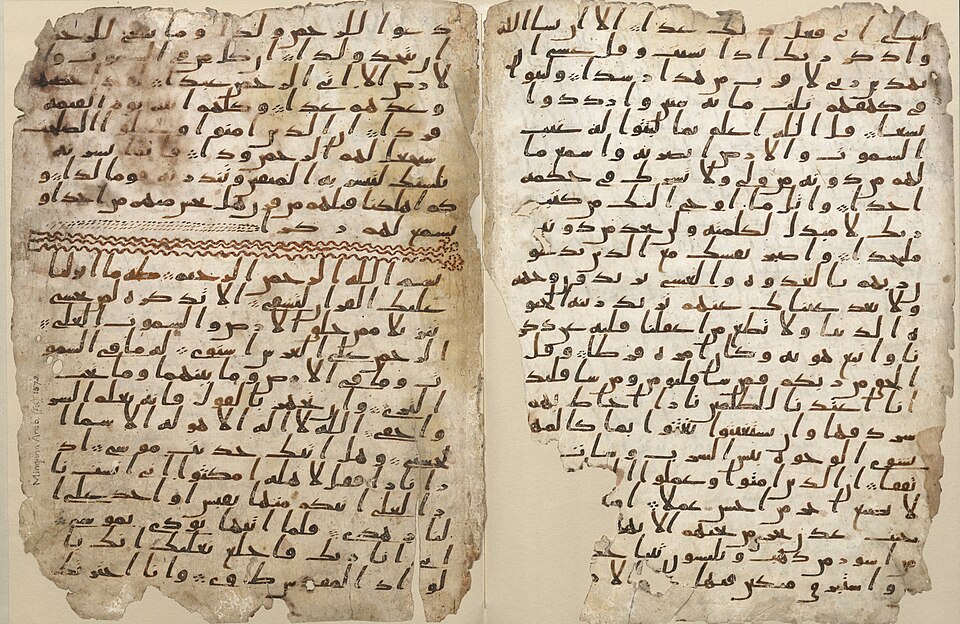
Refuses the prostration, is granted respite until the Day, and is permitted to tempt the descendants of Adam.
“He was of the jinn and departed from the command of his Lord.”
Connections
What is it connected to?
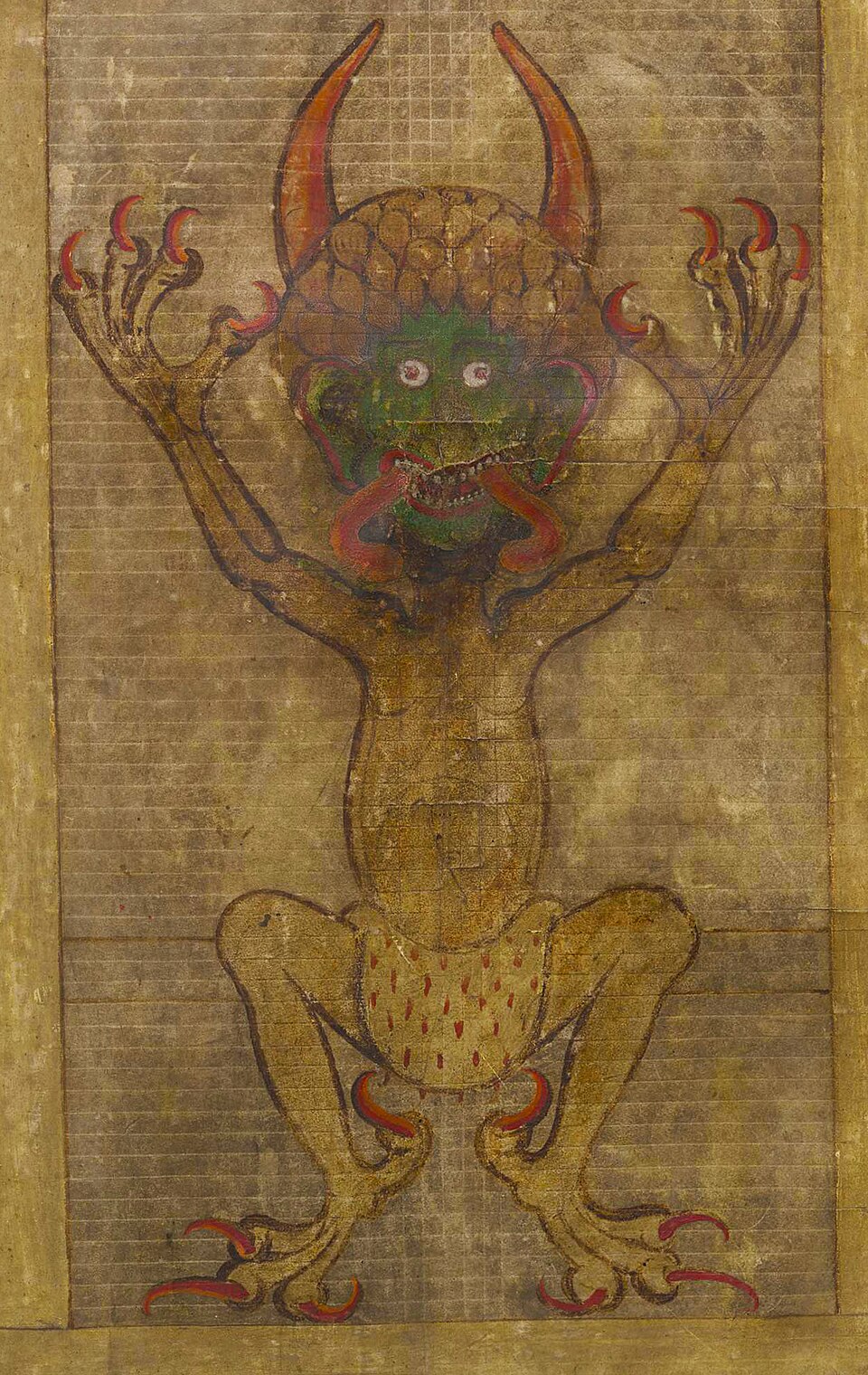
Identified with Satan
With a decisive difference: Iblis is of the jinn, and so is capable of disobedience.
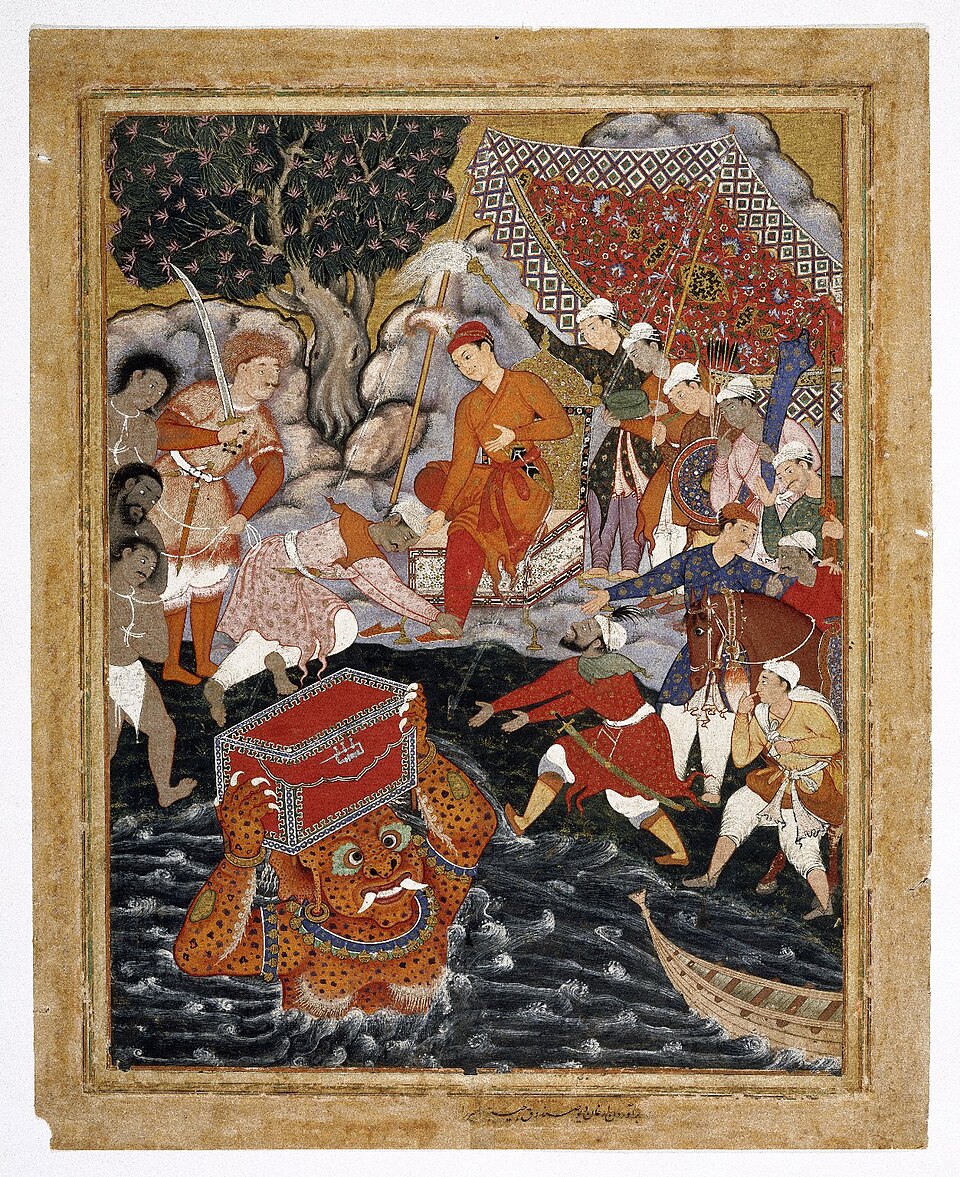
Identified with The Ifrit
Iblis is counted among the jinn, of which the ifrit are a kind. Recorded by Wikidata (P460); not asserted by a text this corpus carries.
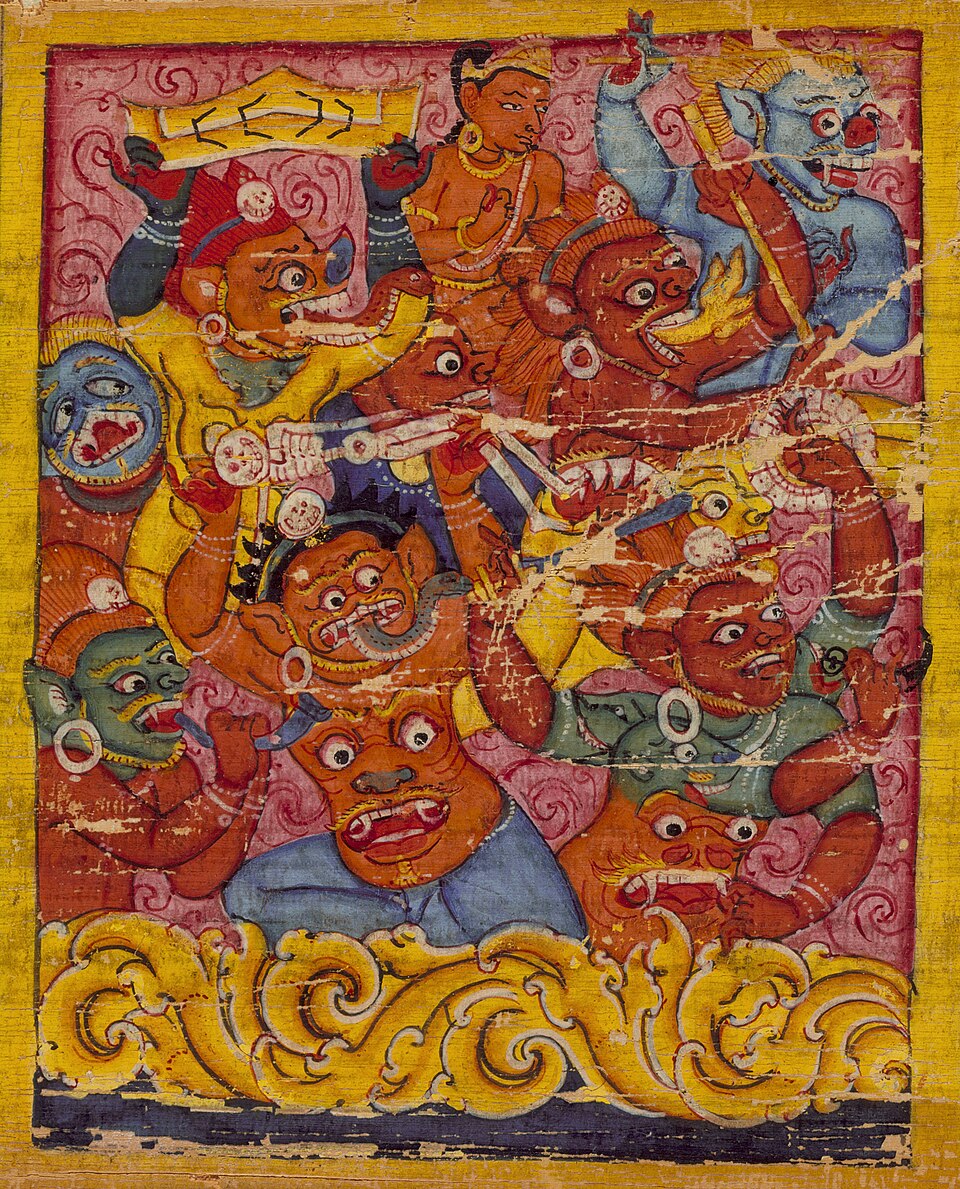
Identified with Mara
Tempters who are permitted to operate rather than opposed as rival powers.
Served by The Ifrit
Loosely — jinn have free will, and an ifrit may equally serve a prophet.
Placement
Where does it sit in the hierarchies?
Answered from the sources
Common questions
Which texts mention Iblis?
Is Iblis the same as Satan?
What rank is Iblis?
How else is Iblis spelled?
What is Iblis said to do?
How old is Iblis?
Nearest in the corpus
If Iblis is what you came for, these are next
Chosen by proximity rather than by popularity: the same pantheon first, then the same rank, then the same kind of figure.
Satan
Adversary · Infernal Court
Not originally a name but an office — 'the accuser'. In Job he is a member of the divine court doing his job; only later does he become the enemy.
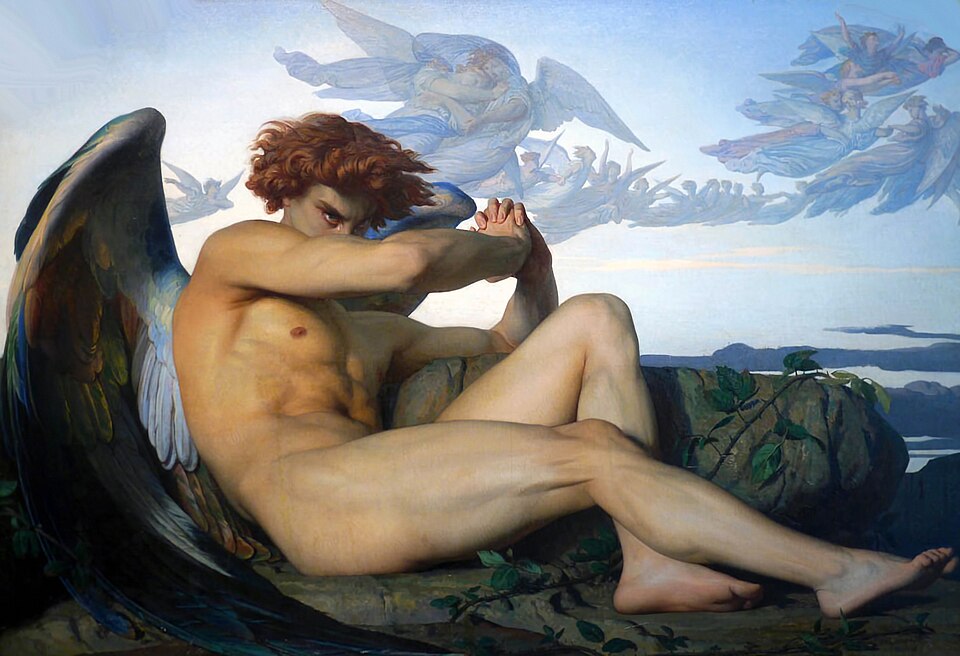
Lucifer
Emperor · Infernal Court
The morning star of Isaiah 14. Christian tradition reads the phrase as the devil's own name; the passage itself makes no such claim.
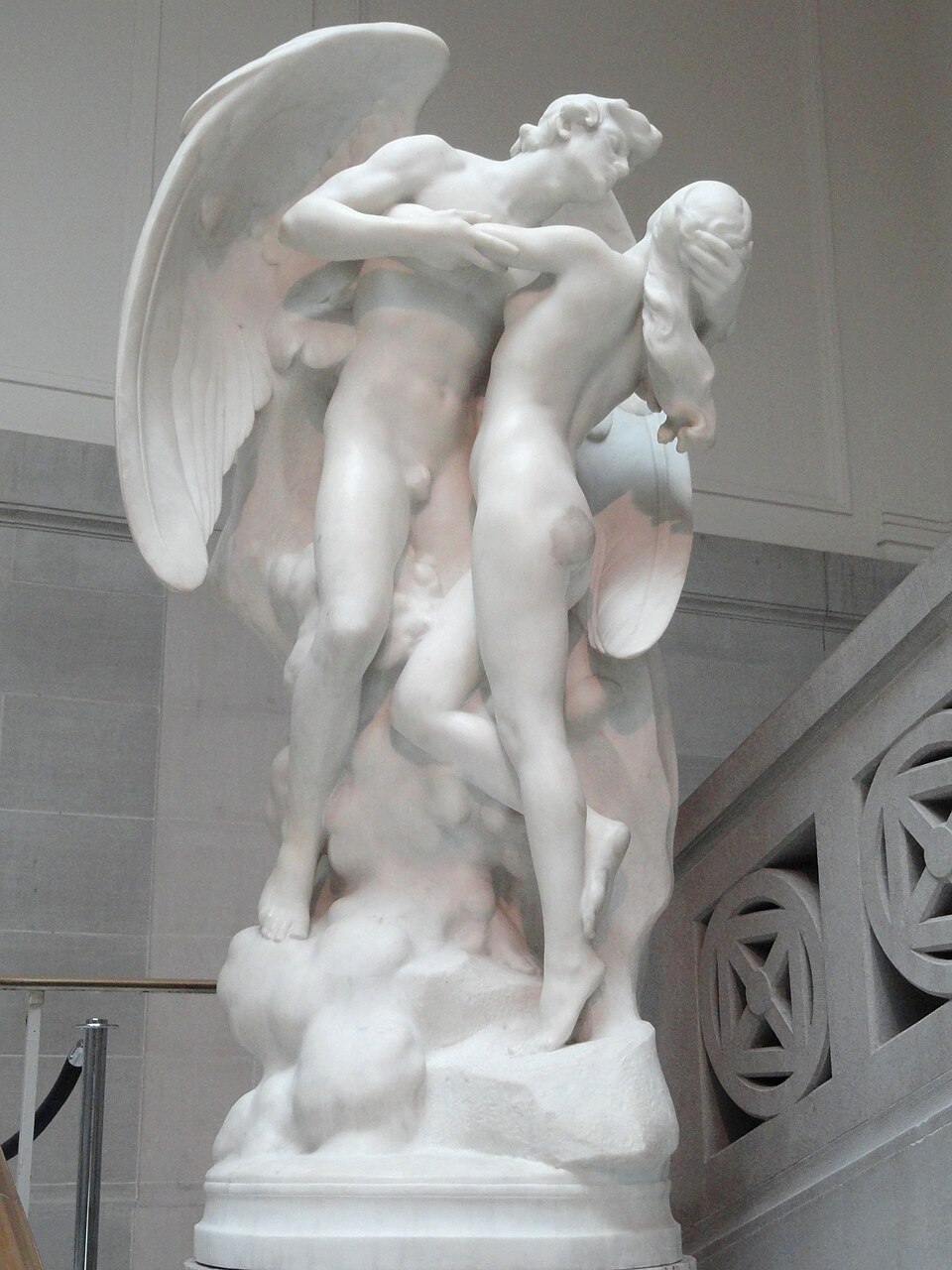
Semjaza
Leader of the Watchers · The Watchers
The Watcher who proposed the descent and bound the other two hundred to it by mutual oath on Mount Hermon.
The book behind Iblis
Every claim on this profile is attributed to one of these. It is public domain, listed oldest first, and each links to a full text where one is freely available.
Qur'an & Hadith
Various · 7th c. CE onward · Arabic
Read Qur'an & Hadith in full ↗Cover: Public domain · AnonymousUnknown author · Wikimedia file page
Corpus last revised 29 August 2026. A reference site’s credibility rests on being maintained, so this is the date the sourced records last changed — not the date the page was rebuilt.