Demonic · Infernal Court · c. 400 BCE
Lucifer
Also called Lucifer Rofocale, Helel ben Shachar, The Light-Bearer, Morning Star · also recorded as The shining one, Light-Bringer, Eôsphoros, Helel, Heosphoros, Eosphoros, Hêlēl (per Wikidata)
The morning star of Isaiah 14. Christian tradition reads the phrase as the devil's own name; the passage itself makes no such claim.
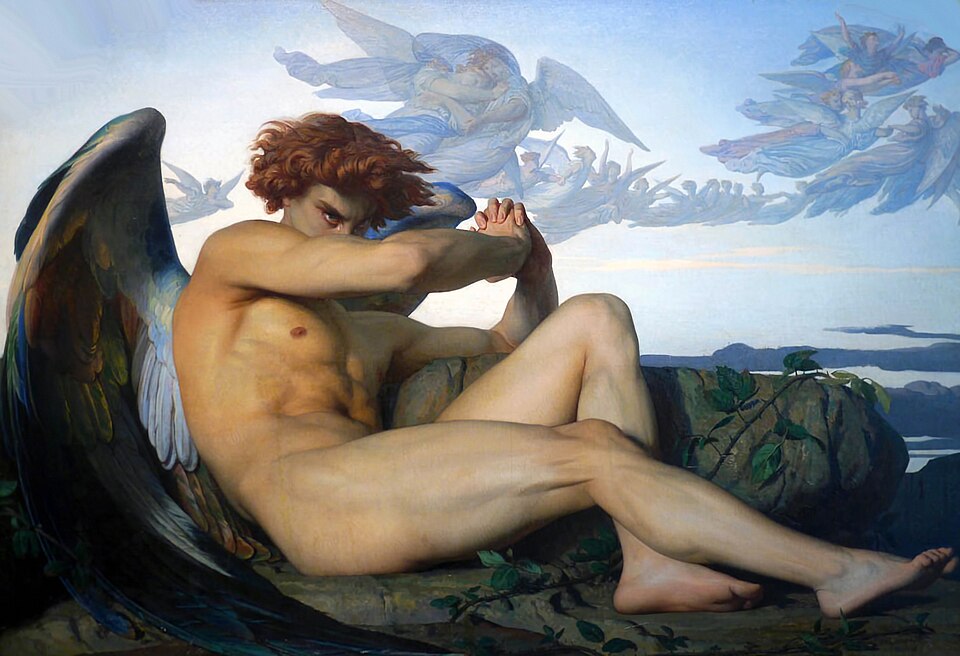
Deep source base
Isaiah 14 is a taunt-song against the king of Babylon: 'How art thou fallen from heaven, O Lucifer, son of the morning.' The Hebrew is *helel ben shachar*, 'shining one, son of dawn', a mythological figure of a star that rises and is quenched. Jerome rendered it *lucifer*, the Latin word for the planet Venus, and Origen and later Christian writers read the passage as an account of Satan's fall. That reading is now so dominant that the original political context is invisible to most readers. In the grimoire tradition Lucifer becomes a distinct officer of hell rather than its ruler — the *Grand Grimoire* makes him emperor over Beelzebub and Astaroth, which is a different structure from Milton's.
Identity
Where does the name come from?
What the name means
Latin *lucifer*, 'light-bearer' — Jerome's rendering of Hebrew *helel ben shachar*, 'shining one, son of dawn'. It is the ordinary Latin word for the planet Venus as morning star, and is used of Christ at 2 Peter 1:19.
Where it was actually worshipped
None. A reading of a passage, not a cult.
A figure with temples and a figure that only ever existed on a page are different kinds of thing, and the difference is easy to lose once both are entries in a list.
At a glance
Vitals
Vitals
Also known as
- First attested
- Hebrew Bible & Deuterocanon · c. 900–100 BCE
- Rank
- Emperor
- Order
- Infernal Court
- Base of operations
- None. A reading of a passage, not a cult.
- Era
- c. 400 BCE
- Traditions
- Christian, Jewish, Folk & Demonological
Traits
- Domain
- Pride, light, rebellion, the east
- Element
- Air
- Traditional form
- A beautiful angel, or a child-faced figure with wings
- Metal of its planet (Agrippa, 1533)
- Silver and brass — “Amongst Metals, Silver, and Brass, both yellow, and red.” (I.28)
- Planet
- Venus
- Capital sin (Binsfeld, 1589)
- Pride — The first sin in every ordering, and the one the fall narratives turn on.
4 attributed
What is it said to do?
Where these powers cluster
The 4 offices attributed to Lucifer, grouped by kind. Segment width is the share of powers falling in each category.
A bar dominated by one colour means a specialist; an even spread means a figure the sources credit with almost anything.
- social1
- martial1
- transformation1
- malefic1
1 mark
Which marks is it attached to?
A mark a figure carries and a mark used against a figure are opposite claims, so each link says which it is.
6 texts
Which texts say so, and where do they disagree?
When these texts were written
Each dot is one of the 6 texts that names Lucifer, placed at that text's approximate date.
A wide spread means the figure was carried across many centuries and traditions; a tight cluster means a single period produced the whole record.
6 texts spanning roughly 2,313 years
Where the texts differ
- Name: given as Lucifer, Satan (formerly Lucifer)
- Rank: given as King of Babylon; Archangel ruined; Chief of the false gods; Emperor
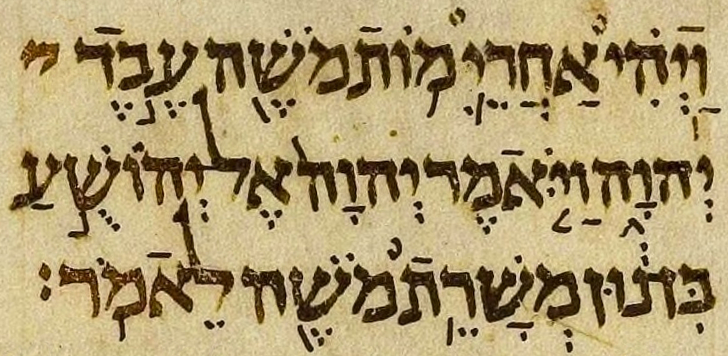
The taunt-song's subject is a human king; the identification with Satan is a later Christian reading.
“How art thou fallen from heaven, O Lucifer, son of the morning!”
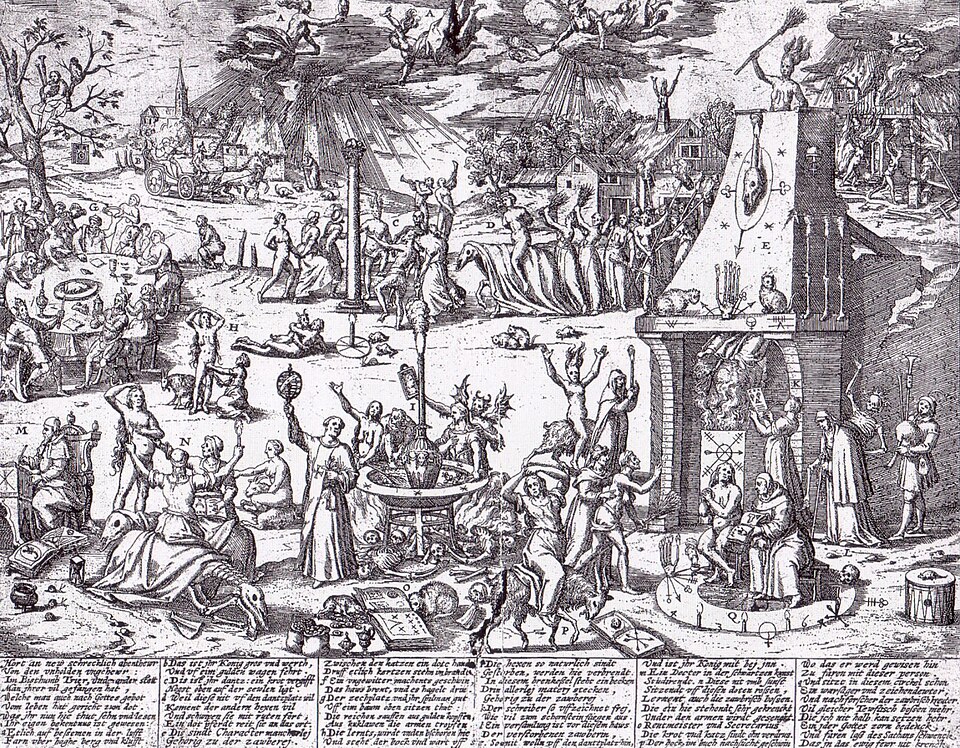
Named as the demon of pride in Binsfeld's assignment of one spirit to each capital sin.
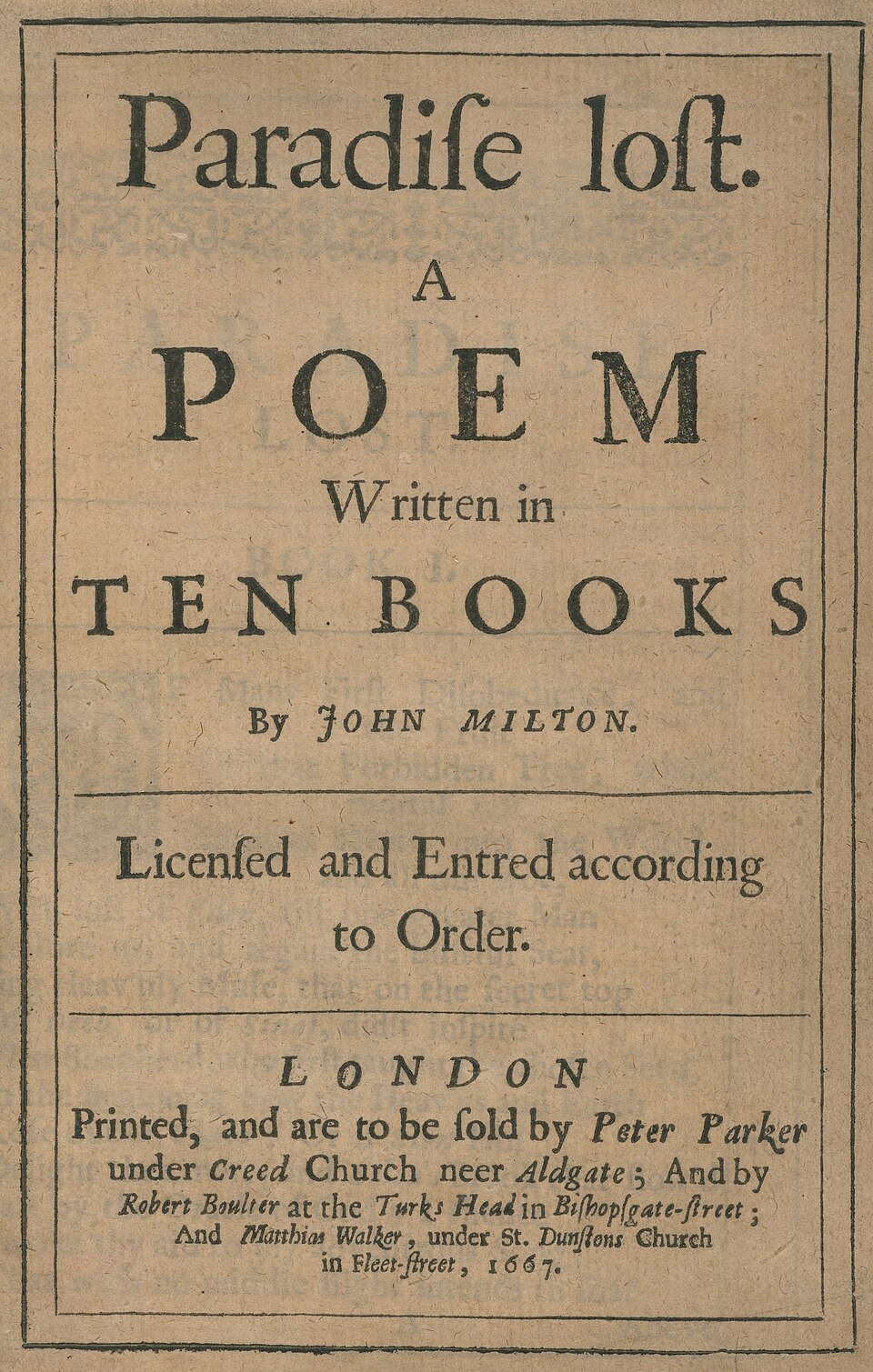
Milton merges Lucifer and Satan into one character and makes the merged figure the sole sovereign of hell.
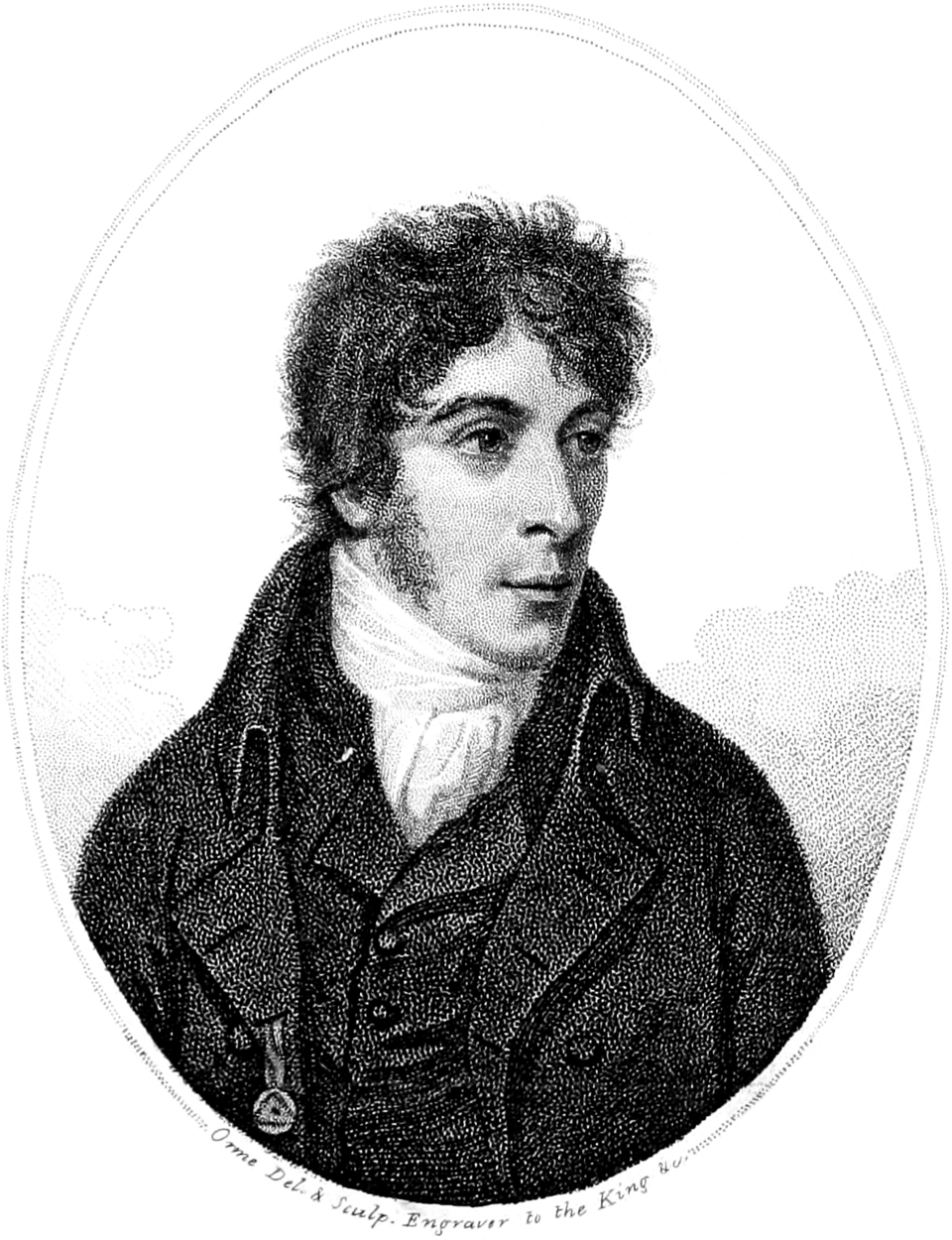
Heads Barrett's first infernal order, opposed to the seraphim.
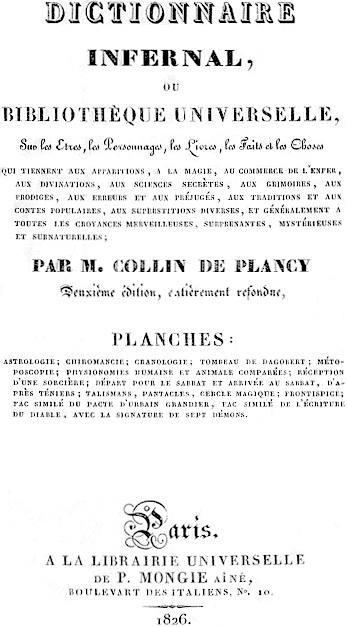
Named emperor of hell, ranked above Beelzebub as prince and Astaroth as grand duke.
“Lucifer, nom de l’esprit qui préside à l’orient, selon l’opinion des magiciens. Lucifer était évoqué le lundi, dans un cercle au milieu duquel était son nom.”Lucifer, name of the spirit who presides over the east, in the opinion of the magicians. Lucifer was summoned on a Monday, within a circle in the middle of which stood his name. — translated for ColossiansOne

“The name Lucifer originally denotes the planet Venus, emphasizing its brilliance. The Vulgate employs the word also for "the light of the morning" (Job 11:17), "the signs of the zodiac" (Job 38:32), and "the aurora" (Psalm 109:3).”
Connections
What is it connected to?

Commands Beelzebub
Emperor over prince in the Dictionnaire Infernal's court.
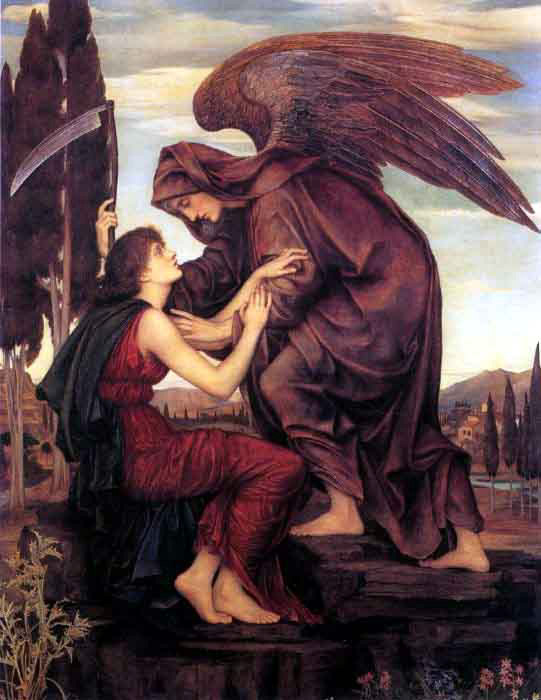
Identified with Samael
Identified in later Jewish and Christian demonology, not in the texts either name comes from. Recorded by Wikidata (P460); not asserted by a text this corpus carries.
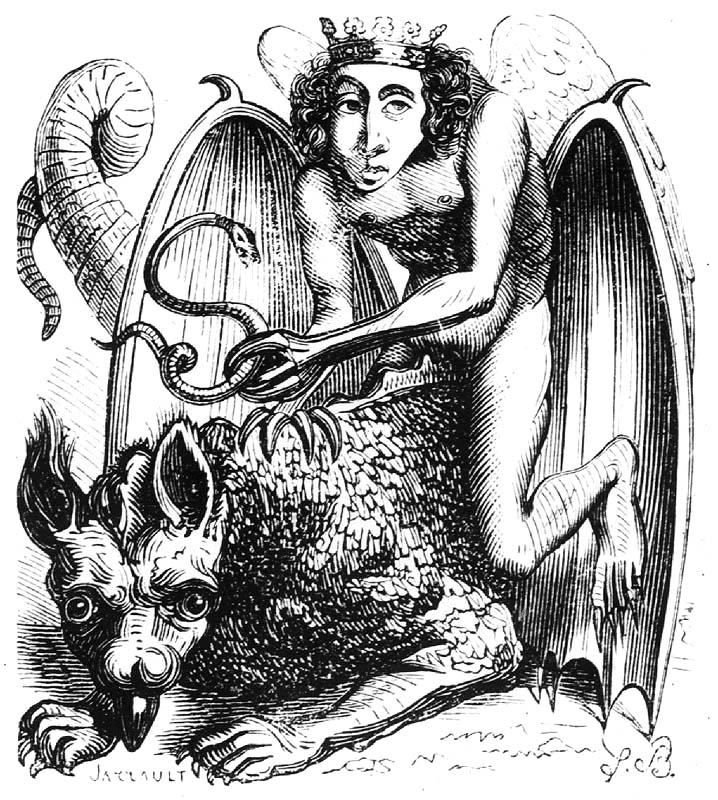
Commands Astaroth
Emperor over grand duke.
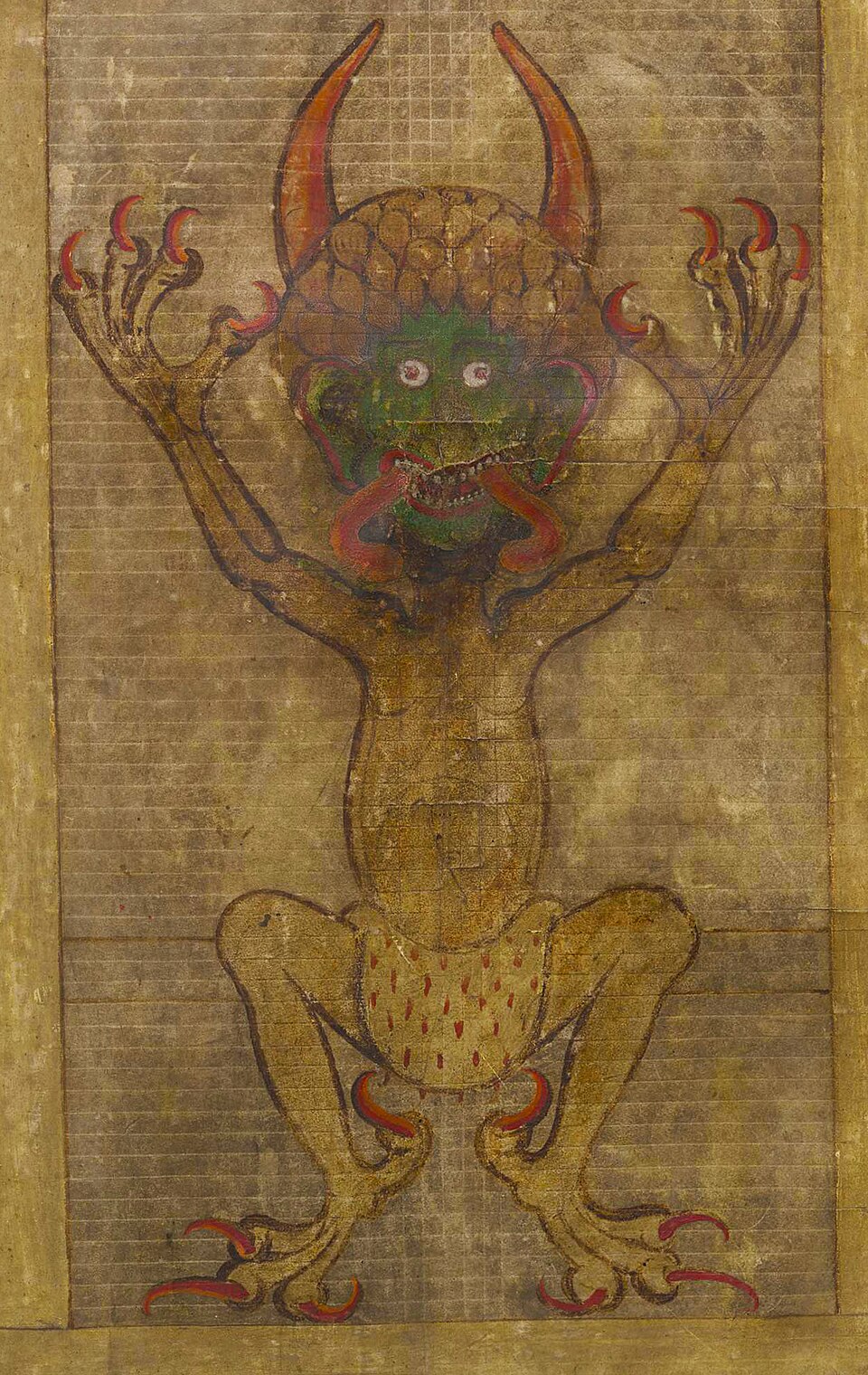
Identified with Satan
Fused by Christian tradition, though Isaiah 14 and Job describe unrelated figures.
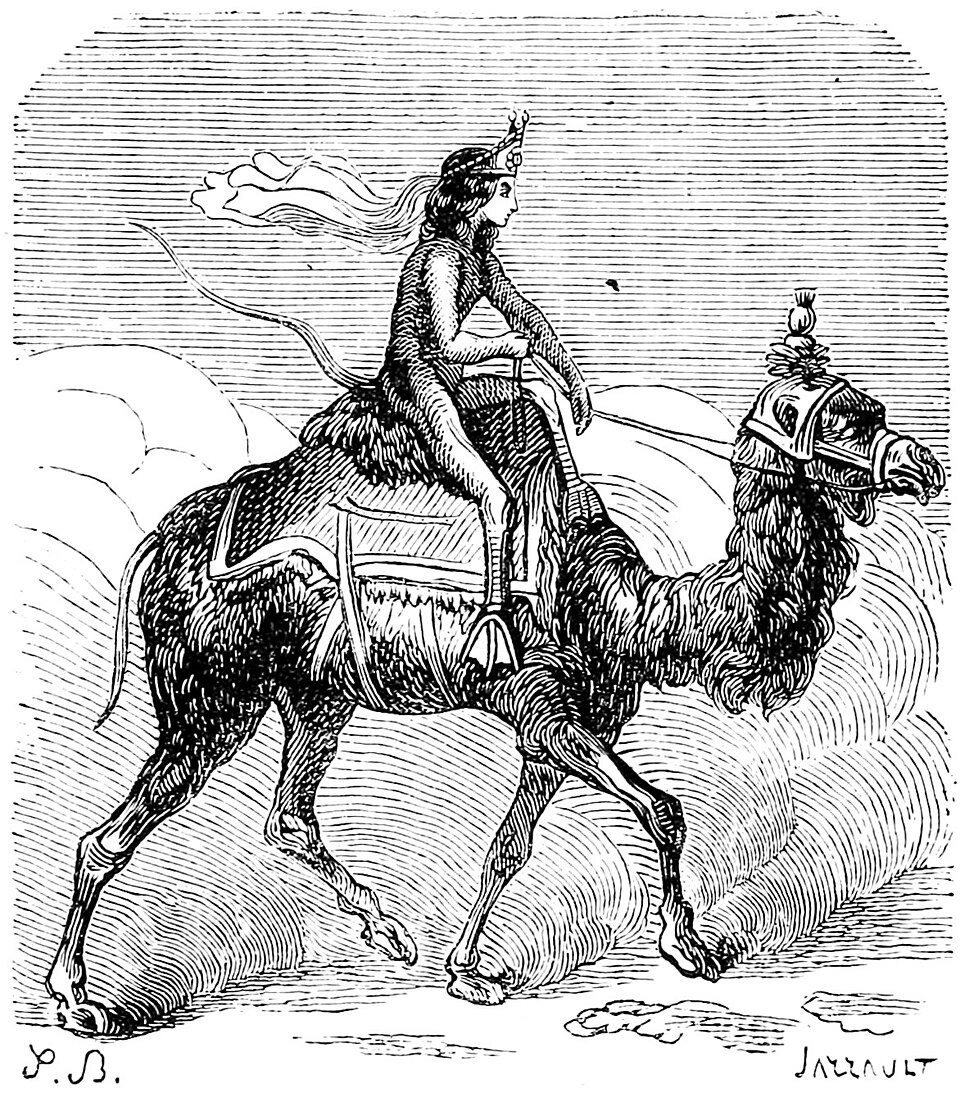
Served by Paimon
The Goetia calls him the most obedient to Lucifer of the four kings.

Served by Belial
Said to have been created next after Lucifer.
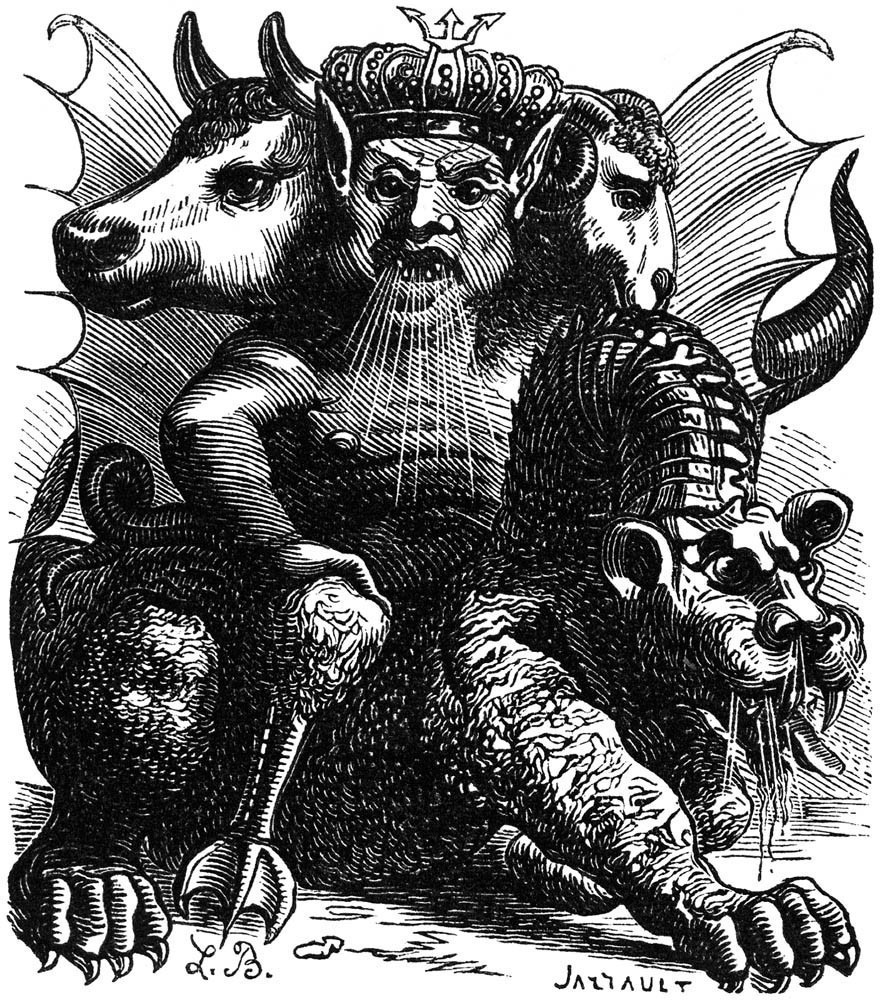
Served by Asmoday
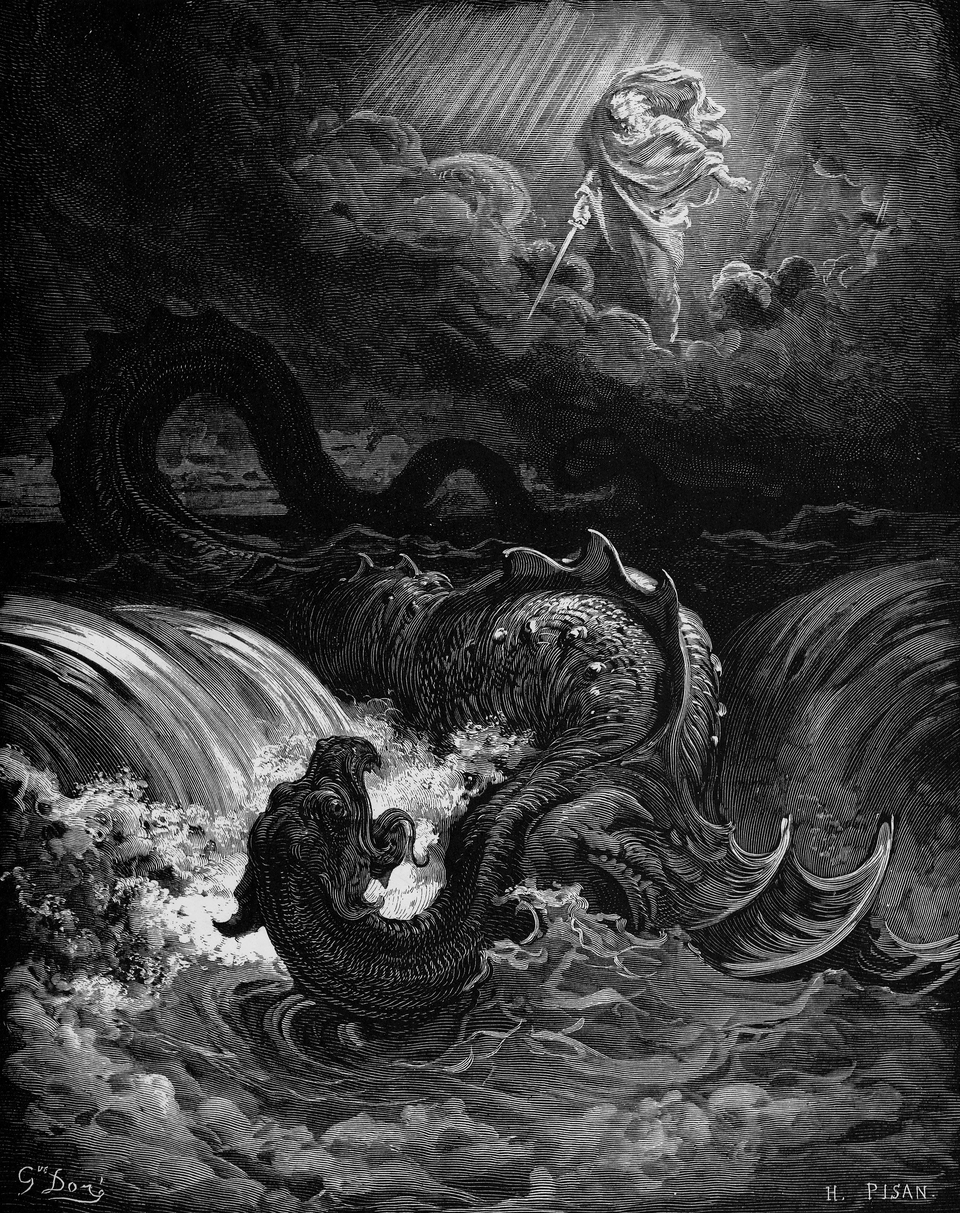
Served by Leviathan
Grand admiral of the infernal court.
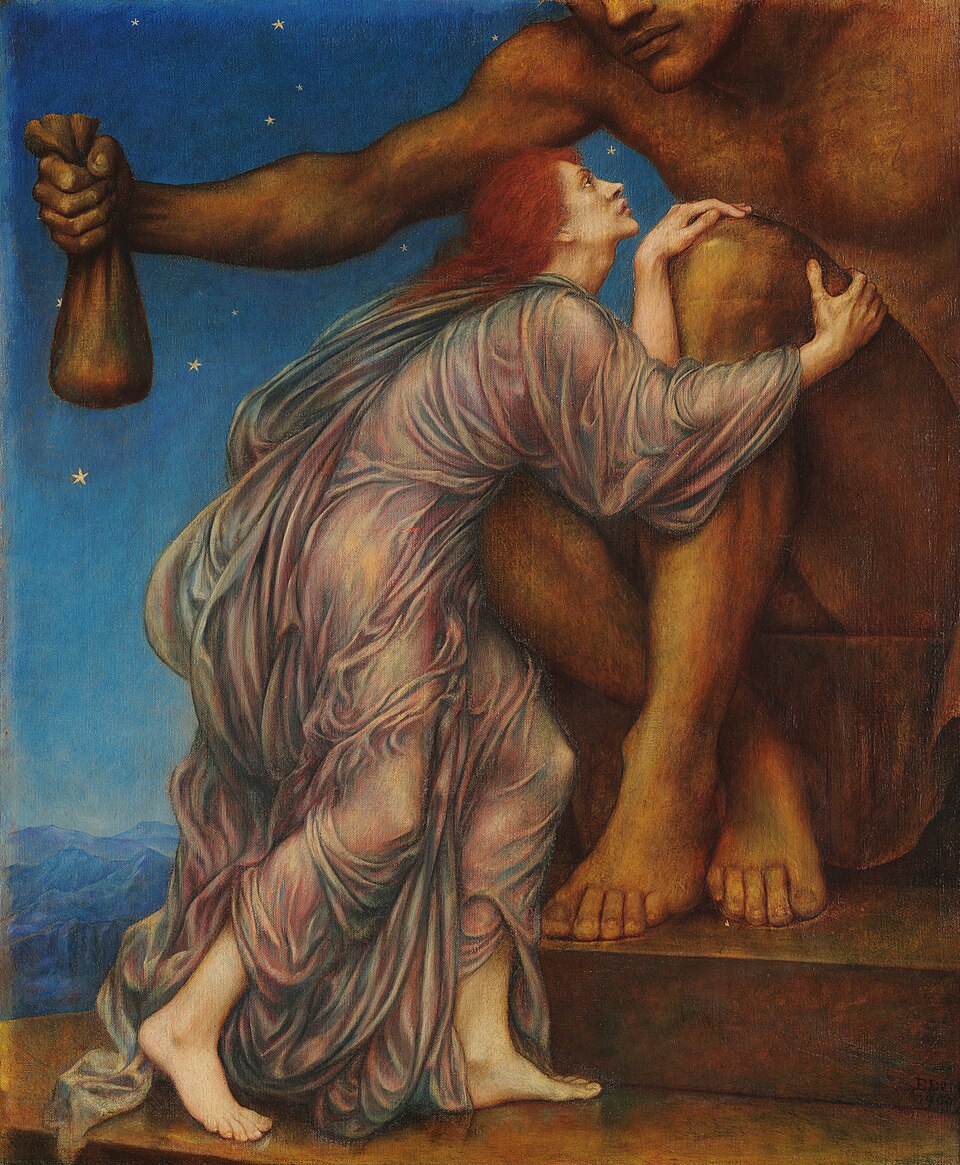
Served by Mammon
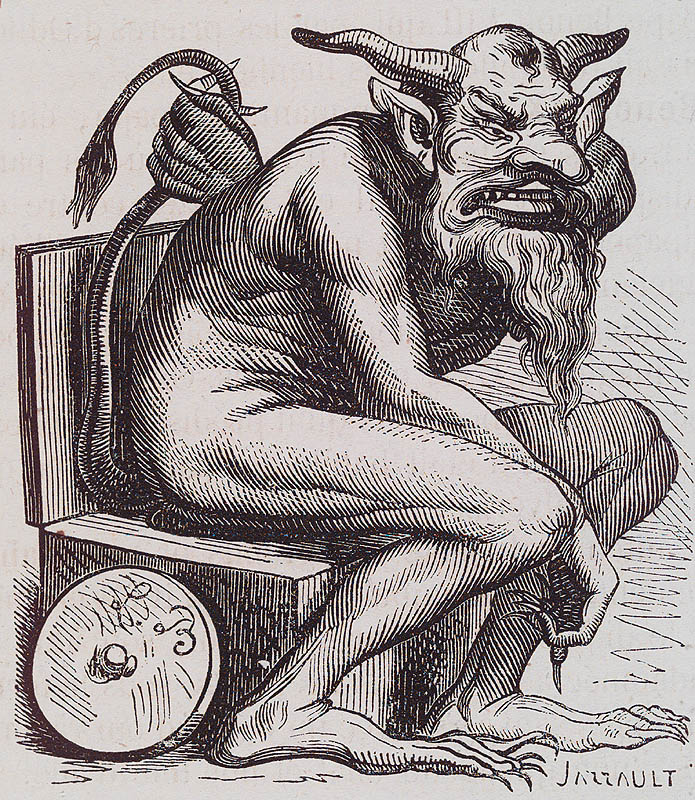
Served by Belphegor
Served by Moloch
Placement
Where does it sit in the hierarchies?
The Nine Infernal Orders
1. False Gods
Headed by Lucifer. Opposed to the Seraphim.
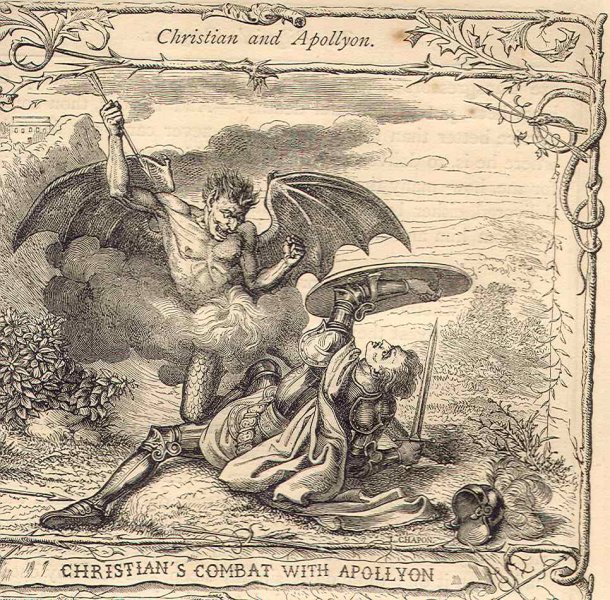
The Infernal Court
The Crown → Lucifer
Emperor.
The Seven Princes and the Deadly Sins
Pride
The first sin in every ordering, and the one the fall narratives turn on.
Afterwards
What did later readers make of it?
Milton fixed the popular picture more firmly than any theologian: eloquent, wounded and sympathetic. The nineteenth century took the sympathy further than Milton intended, and the Romantic Lucifer — rebel against tyranny — is now at least as familiar as the biblical one.
Kept in its own section on purpose. Everything above is what the cited texts say; this is what was built on top of them afterwards, and blending the two is how most popular demonology goes wrong.
Answered from the sources
Common questions
Which texts mention Lucifer?
Is Lucifer the same as Samael?
What rank is Lucifer?
How else is Lucifer spelled?
What is Lucifer said to do?
How old is Lucifer?
Nearest in the corpus
If Lucifer is what you came for, these are next
Chosen by proximity rather than by popularity: the same pantheon first, then the same rank, then the same kind of figure.
Satan
Adversary · Infernal Court
Not originally a name but an office — 'the accuser'. In Job he is a member of the divine court doing his job; only later does he become the enemy.
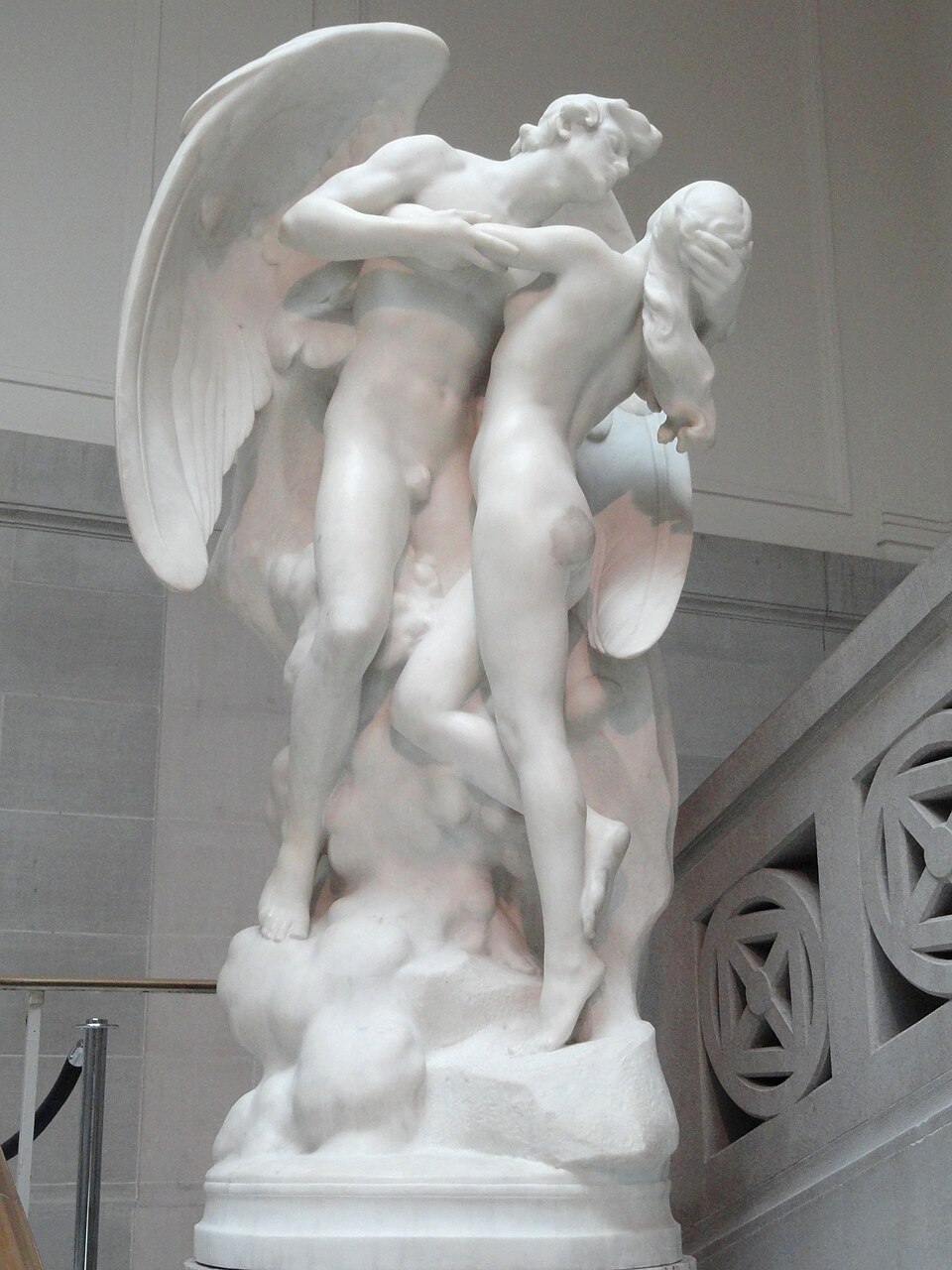
Semjaza
Leader of the Watchers · The Watchers
The Watcher who proposed the descent and bound the other two hundred to it by mutual oath on Mount Hermon.
Iblis
Chief of the Shayatin · Jinn
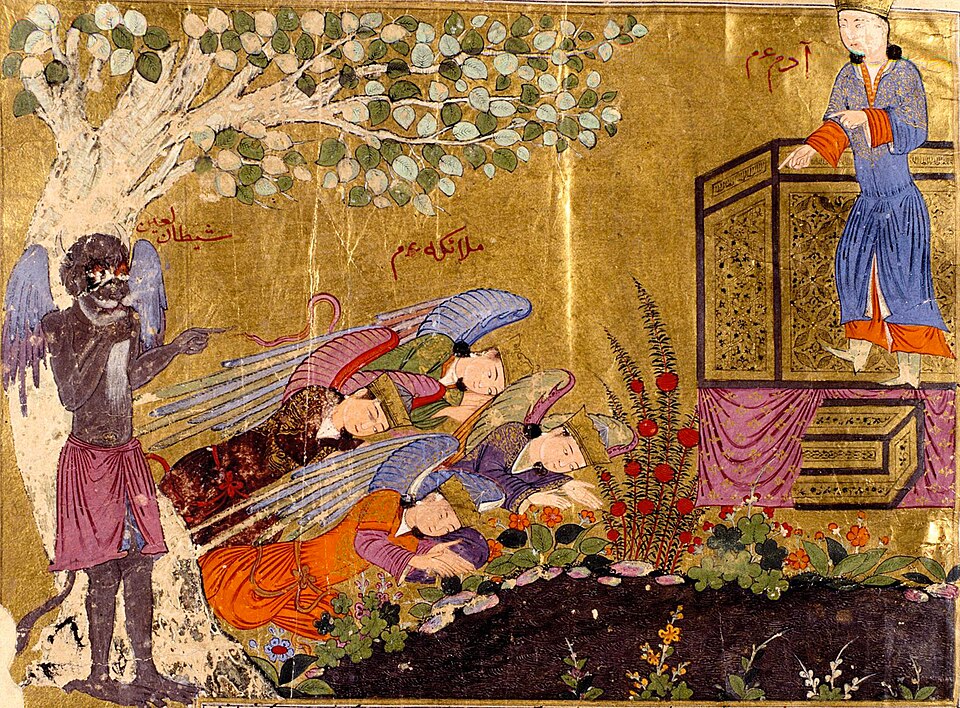
The one who refused to bow to Adam. The Qur'an is specific that he was of the jinn rather than the angels, a distinction Western retellings almost always erase.
The books behind Lucifer
Every claim on this profile is attributed to one of these. They are public domain, listed oldest first, and each links to a full text where one is freely available.
Hebrew Bible & Deuterocanon
Various · c. 900–100 BCE · Hebrew, Aramaic, Greek
Read Hebrew Bible & Deuterocanon in full ↗Cover: Public domain · see en:Aleppo Codex; scanned by · Wikimedia file page
Tractatus de Confessionibus Maleficorum et Sagarum
Peter Binsfeld · 1589 · Latin
Read Tractatus de Confessionibus Maleficorum et Sagarum in full ↗Cover: Public domain · Unknown author · Wikimedia file page
Paradise Lost
John Milton · 1667 · English
Read Paradise Lost in full ↗Cover: Public domain · John Milton · Wikimedia file page
The Magus, or Celestial Intelligencer
Francis Barrett · 1801 · English
Read The Magus, or Celestial Intelligencer in full ↗Cover: Public domain · Unknown author · Wikimedia file page
Dictionnaire Infernal
Jacques Collin de Plancy · 1818; illustrated ed. 1863 · French
Read Dictionnaire Infernal in full ↗Cover: Public domain · Collin de Plancy · Wikimedia file page
The Catholic Encyclopedia (1913)
Various; ed. Charles Herbermann · 1913 · English
Read The Catholic Encyclopedia (1913) in full ↗Cover: Public domain · Herbermann, Charles George, 1840-1916 · Wikimedia file page
Corpus last revised 29 August 2026. A reference site’s credibility rests on being maintained, so this is the date the sourced records last changed — not the date the page was rebuilt.