Demonic · Infernal Court · c. 400 BCE
Belphegor
Also called Baal-Peor, Belfagor
The Moabite Baal of Peor, reassigned by demonology as the demon of sloth and of ingenious inventions. A god turned into a joke about laziness.
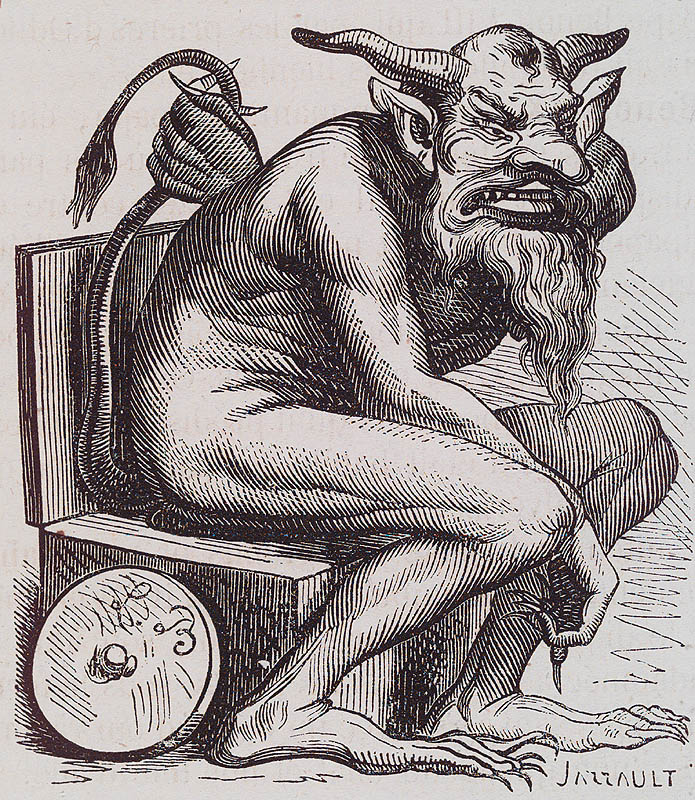
Well sourced
Numbers 25 records Israel joining itself to Baal-Peor, a Moabite deity worshipped at that place. Christian demonology inherited the name and reassigned it: Belphegor becomes the demon of sloth in the seven-sins scheme, but with a strange twist — he tempts by suggesting ingenious inventions that promise wealth without labour. Machiavelli's novella *Belfagor arcidiavolo* sends him to earth to determine whether wives really are as unbearable as the damned claim; he concludes that they are.
Identity
Where does the name come from?
Where it was actually worshipped
Behind him is Baal-Peor, the god of Numbers 25 worshipped on a mountain in Moab that has never been firmly located.
A figure with temples and a figure that only ever existed on a page are different kinds of thing, and the difference is easy to lose once both are entries in a list.
At a glance
Vitals
Vitals
Also known as
- First attested
- Hebrew Bible & Deuterocanon · c. 900–100 BCE
- Named there as
- Baal-peor
- Rank
- Prince
- Order
- Infernal Court
- Base of operations
- Behind him is Baal-Peor, the god of Numbers 25 worshipped on a mountain in Moab that has never been firmly located.
- Era
- c. 400 BCE
- Traditions
- Jewish, Folk & Demonological
Traits
- Domain
- Sloth, invention, discovery of wealth without labour
- Capital sin (Binsfeld, 1589)
- Sloth — With the twist that he tempts through ingenious inventions promising wealth without labour.
Stats
Known connections
Chain of command
3 attributed
What is it said to do?
Where these powers cluster
The 3 offices attributed to Belphegor, grouped by kind. Segment width is the share of powers falling in each category.
A bar dominated by one colour means a specialist; an even spread means a figure the sources credit with almost anything.
- knowledge1
- material1
- malefic1
3 texts
Which texts say so, and where do they disagree?
When these texts were written
Each dot is one of the 3 texts that names Belphegor, placed at that text's approximate date.
A wide spread means the figure was carried across many centuries and traditions; a tight cluster means a single period produced the whole record.
3 texts spanning roughly 2,263 years
Where the texts differ
- Name: given as Baal-peor, Belphegor, Belphégor
- Rank: given as Moabite deity; Demon of discoveries and inventions
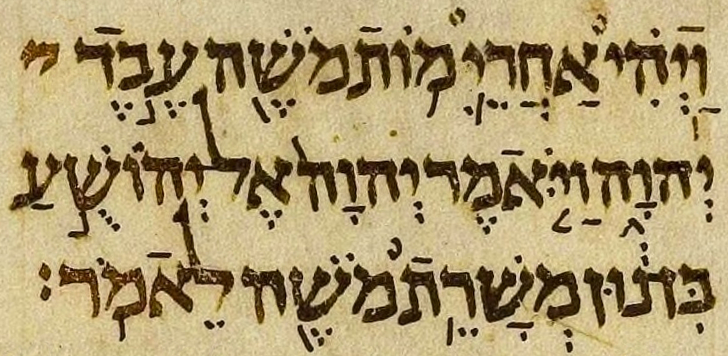
The god to whom Israel joined itself at Shittim.
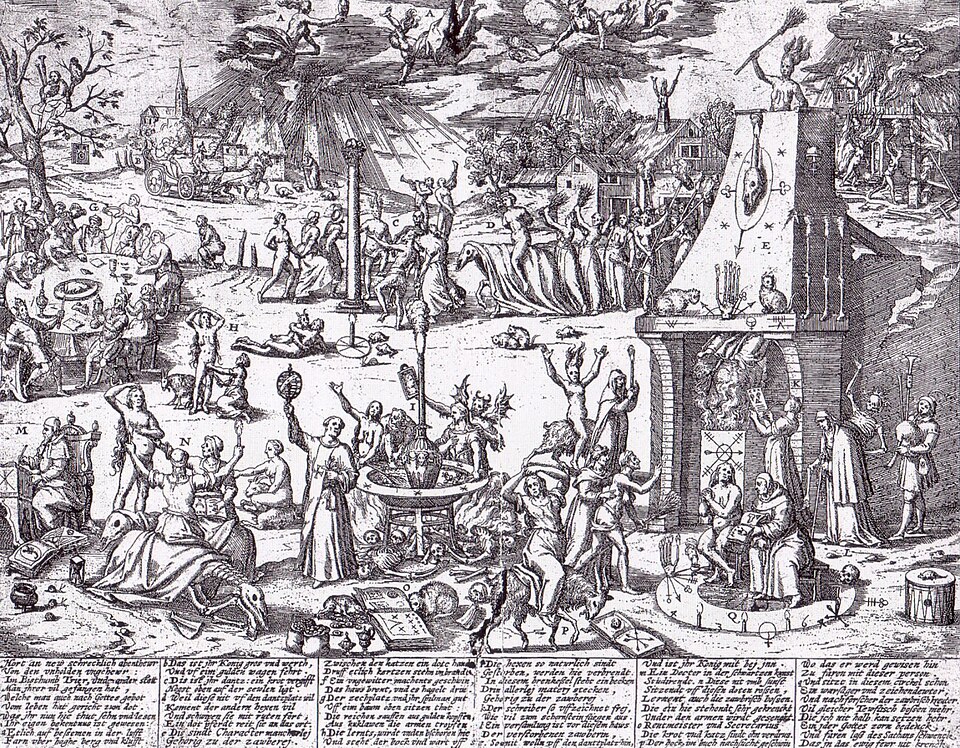
Named as the demon of sloth in Binsfeld's assignment of one spirit to each capital sin.
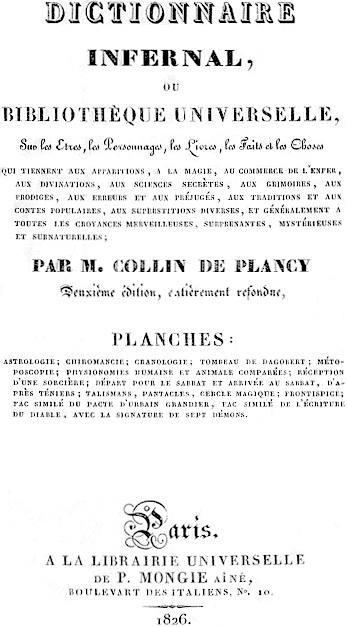
Tempts by ingenious invention and the promise of riches; ambassador of hell to France.
“Belphégor, démon des découvertes et des inventions ingénieuses. Il prend souvent un corps de jeune femme.”Belphegor, demon of discoveries and of ingenious inventions. He often takes the body of a young woman. — translated for ColossiansOne
Connections
What is it connected to?
Placement
Where does it sit in the hierarchies?
The Infernal Court
Great Officers → Belphegor
Ambassador to France.

The Seven Princes and the Deadly Sins
Sloth
With the twist that he tempts through ingenious inventions promising wealth without labour.

Answered from the sources
Common questions
Which texts mention Belphegor?
What rank is Belphegor?
How else is Belphegor spelled?
What is Belphegor said to do?
How old is Belphegor?
Nearest in the corpus
If Belphegor is what you came for, these are next
Chosen by proximity rather than by popularity: the same pantheon first, then the same rank, then the same kind of figure.
Beelzebub
Prince · Infernal Court
'Lord of the Flies' — a Philistine god of Ekron whose name was almost certainly deformed as a Hebrew insult, then inherited by Christian demonology as the second power of hell.
Moloch
Prince · Infernal Court
The deity of the Tophet child sacrifices in Kings and Jeremiah — or, on a long-running scholarly reading, the name of the sacrifice itself rather than a god.
Mammon
Prince · Infernal Court
Wealth personified. The gospels use the word for money itself; demonology turned the metaphor into an officer of hell.
Orobas
Prince · Goetic Spirit
Singled out in the Goetia as faithful and honest — he does not tempt or deceive, and he defends the operator against the other spirits, which no other entry promises. He discourses on divinity and the creation of the world.
Sitri
Prince · Goetic Spirit
A griffin-winged leopard's head that resolves into a very beautiful man. His single office is compulsion in desire, running in both directions, and the Goetia is explicit that it extends to making its objects strip.
Stolas
Prince · Goetic Spirit
His teaching is narrow and exact — astronomy, and the properties of herbs and precious stones — with none of the wars, treasures or transformations that crowd the entries around him. He comes as a mighty raven, then a man.
The books behind Belphegor
Every claim on this profile is attributed to one of these. They are public domain, listed oldest first, and each links to a full text where one is freely available.
Hebrew Bible & Deuterocanon
Various · c. 900–100 BCE · Hebrew, Aramaic, Greek
Read Hebrew Bible & Deuterocanon in full ↗Cover: Public domain · see en:Aleppo Codex; scanned by · Wikimedia file page
Tractatus de Confessionibus Maleficorum et Sagarum
Peter Binsfeld · 1589 · Latin
Read Tractatus de Confessionibus Maleficorum et Sagarum in full ↗Cover: Public domain · Unknown author · Wikimedia file page
Dictionnaire Infernal
Jacques Collin de Plancy · 1818; illustrated ed. 1863 · French
Read Dictionnaire Infernal in full ↗Cover: Public domain · Collin de Plancy · Wikimedia file page
Corpus last revised 29 August 2026. A reference site’s credibility rests on being maintained, so this is the date the sourced records last changed — not the date the page was rebuilt.