Tradition
Jewish
Tanakh, Talmudic and merkavah material, and the Kabbalistic orders.
What is the Jewish tradition?
The Jewish material on this site spans nearly two thousand years and does not speak with one voice. The oldest layers of the Hebrew Bible have almost no angelology at all — messengers appear, but they are functions rather than persons, and they are not named. Names arrive in the exilic and post-exilic books, at exactly the point of sustained contact with Persian religion, and the timing is one of the strongest arguments in the record that Jewish angelology has a Persian debt.
The apocrypha and the merkavah literature are where the elaboration happens: ranked hosts, princes over nations, angels with departments. Much of what later Christian writers systematise into choirs is first worked out in detail here, in commentary on Ezekiel's vision of the divine chariot.
The Talmudic material is different again — closer to folk practice than to systematic theology, concerned with what a demon does at a crossroads at night rather than where it sits in a hierarchy. Reading the three layers as one system, which popular demonology routinely does, produces a coherence that none of them has on its own.
Which texts does this tradition rest on?
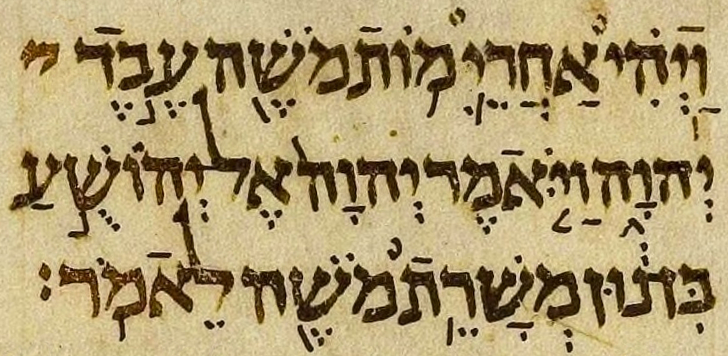
Hebrew Bible & Deuterocanon
Various · c. 900–100 BCE
The base layer: the cherubim of Genesis and Ezekiel, the seraphim of Isaiah, the named messengers of Daniel, and Raphael in Tobit.
57 entries contributed
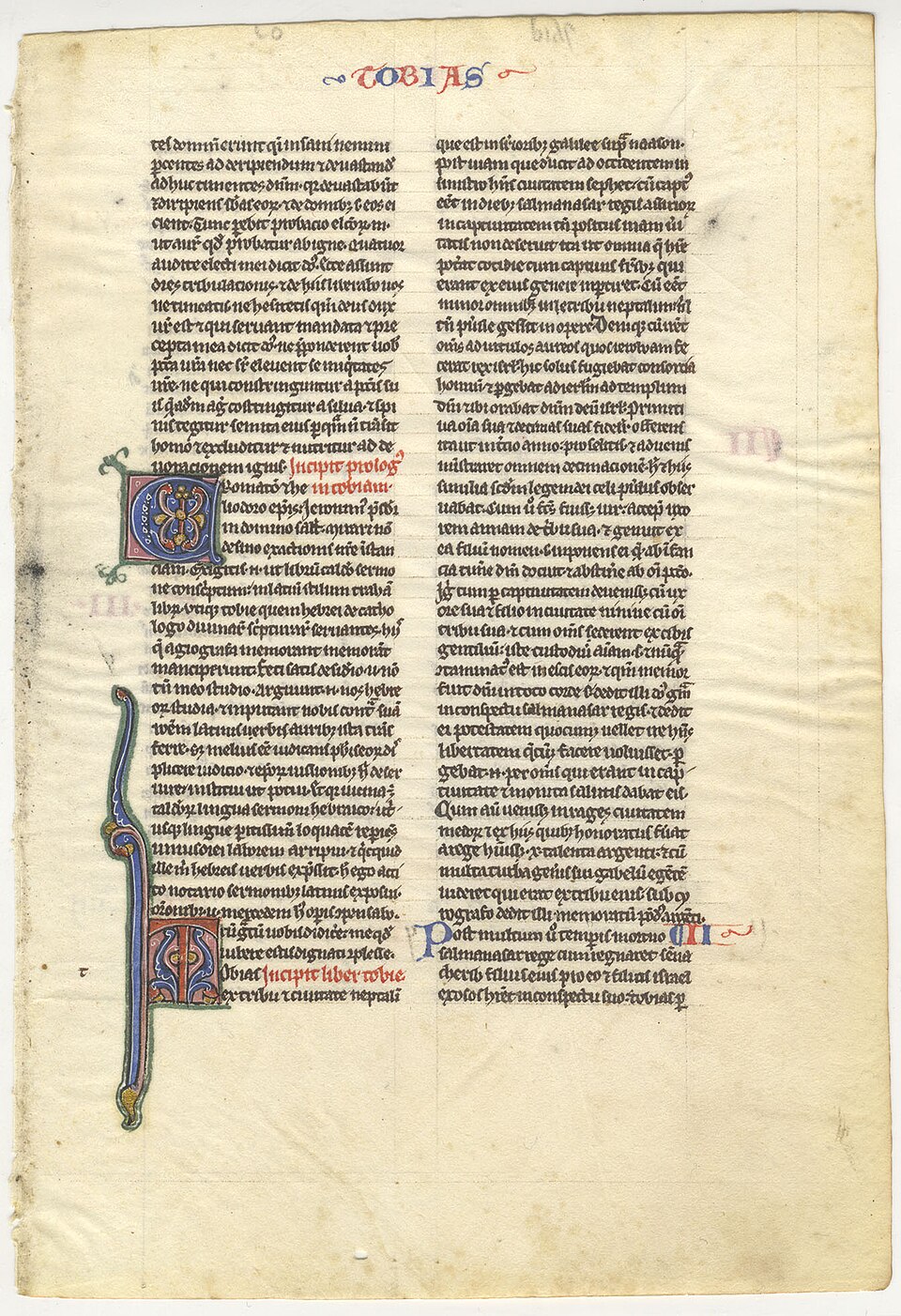
The Book of Tobit
Anonymous · c. 225–175 BCE
Deuterocanonical, and the earliest text to give a demon a name, a motive and a documented countermeasure: Asmodeus kills seven husbands, and Raphael tells Tobias exactly which parts of a fish to burn. The direct ancestor of the Testament of Solomon's interrogation format.
3 entries contributed
Antiquities of the Jews
Flavius Josephus; trans. William Whiston, 1737 · c. 93 CE
A Jewish history written for a Roman readership, and the place where several figures acquire the biographies most people think are biblical. Nimrod is the clearest case: Genesis gives him six verses and no crime, and the tyrant who builds the tower in defiance of God is here.
3 entries contributed
2 Esdras (4 Ezra)
Anonymous; the Jewish apocalypse with later Christian additions · c. 100 CE, with 2nd-c. additions
Seven visions given to Ezra after the fall of Jerusalem, and an argument rather than a revelation: Ezra presses the question of why the wicked prosper and is answered mostly by being told the question is beyond him. It matters here because the angel who does the answering is Uriel, whose name appears in no book of the Hebrew Bible and in no book Rome or the Reformers received as canonical — the fourth archangel of popular reckoning enters through this door.
1 entries contributed
Mishneh Torah, Yesodei ha-Torah
Moses Maimonides · c. 1180
Maimonides' ten ranks of angels, headed by the Chayot ha-Kodesh. A deliberately different ordering from the Dionysian one.
9 entries contributed
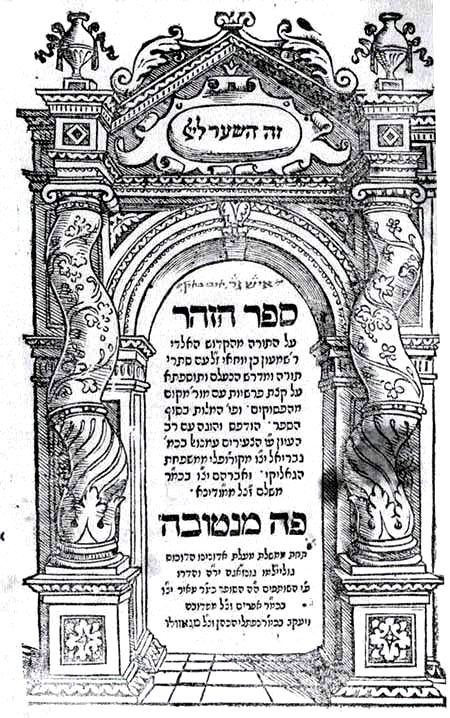
The Zohar & Kabbalistic Literature
Attributed to Shimon bar Yochai; likely Moses de León · c. 1280
The central work of Kabbalah, and the source of the qliphoth — the ten 'shells' that mirror the sefirot, giving the Jewish mystical tradition its own structured demonology.
0 entries contributed
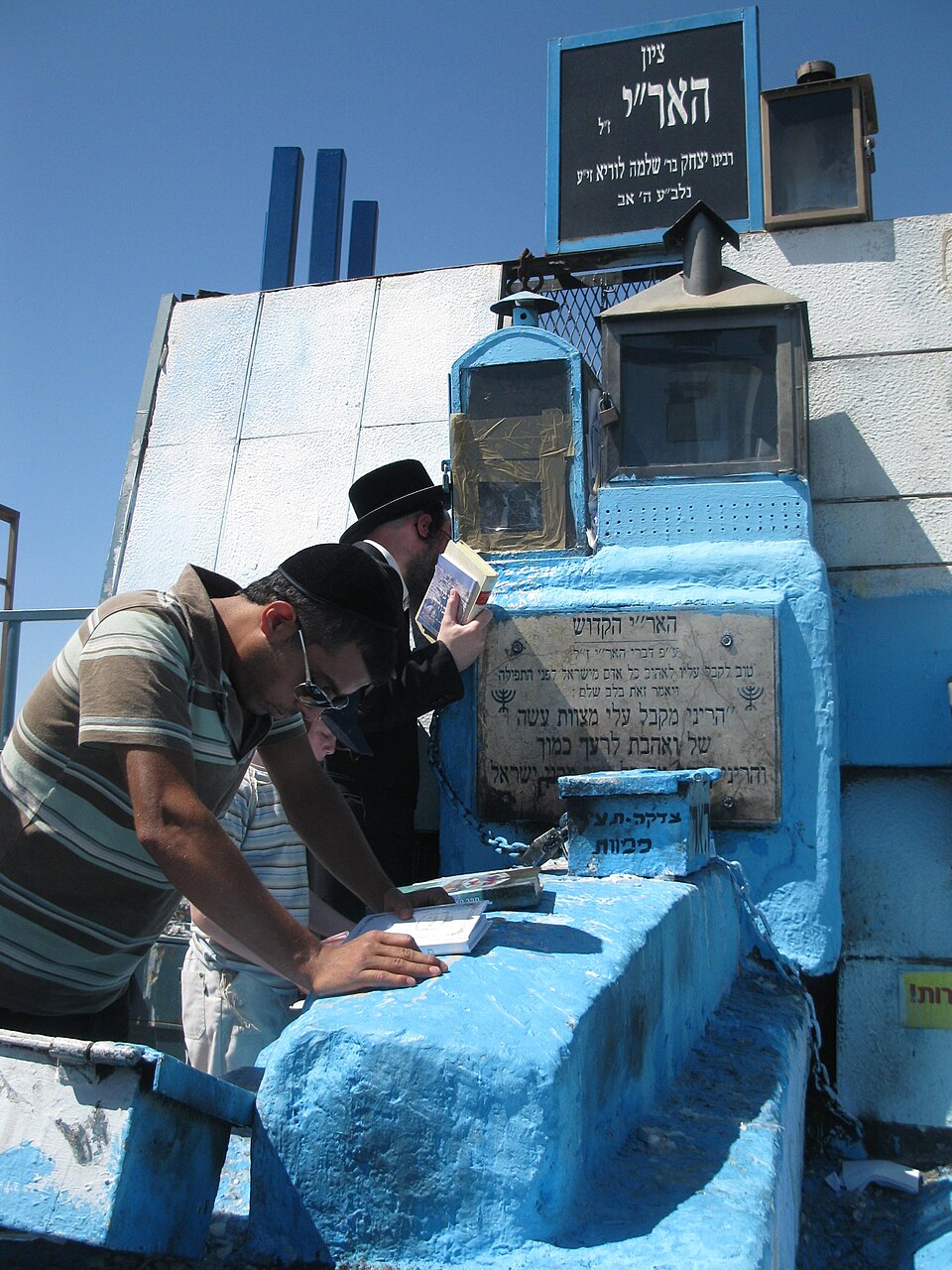
Etz Chaim & Lurianic Kabbalah
Isaac Luria, recorded by Chaim Vital · 16th c.
Luria's system of the shattering of the vessels and the shells that formed from the fragments. The qliphoth as a ranked structure belong here rather than to the Zohar, which is three centuries earlier and does not set them out this way.
1 entries contributed
Which marks belong to it?
Oldest first. A mark used by several traditions appears on each of their pages — which is the point: the shapes crossed these boundaries far more easily than the names did.
The Standing Stone
from c. 3000 BCE
An upright unworked stone marking a place where something happened — the oldest kind of monument, and one the Bible both erects and forbids.
The Bull
from c. 3000 BCE
The standard way of saying a god is strong — and, at Sinai and at Bethel, the standard way of getting it wrong.
The Asherah Pole
attested c. 1200–600 BCE
A wooden pole or stylised tree beside an altar, mentioned about forty times in the Hebrew Bible and almost always in the course of ordering its destruction.
The Tetragrammaton
attested from c. 840 BCE
Four letters that stopped being pronounced and became, in consequence, the most powerful thing you could write on a piece of equipment.
The Bronze Serpent
Numbers 21; destroyed c. 715 BCE
A healing standard that stood in the Temple for centuries until a reforming king smashed it — the Hebrew Bible's own account of a symbol going wrong.
The Menorah
described c. 500 BCE; carved 81 CE
A seven-branched lampstand specified to the almond blossom in Exodus, and carved on a Roman arch as loot.
The Mezuzah
attested at Qumran, c. 100 BCE
A rolled parchment in a case on a doorpost, containing the verses that instruct you to put it there.
The Number of the Beast
c. 95 CE
A number given in Revelation as a puzzle with a stated solution method — 'let him that hath understanding count' — and now the single most recognisable mark in the whole subject.
The Seal of Solomon
c. 100–300 CE
A signet ring, not a shape. The Testament of Solomon makes it the instrument by which every demon in the book is compelled to give its name.
The Brass Vessel
story attested from c. 300 CE
The container the legend says Solomon sealed the spirits into, thrown into a lake and opened by Babylonians who expected treasure. It is where the Ars Goetia says its seventy-two came from.
The Lilith Amulet
from c. 500 CE
Hung over a birthing bed, naming three angels — a ward that works by holding a demon to something she agreed to.
The Incantation Bowl
c. 400–700 CE
A plain clay bowl with writing spiralling inward across the inside, buried upside down under the floor of a house. Around two thousand survive, and they name demons by name.
The Hamsa
medieval, on much older roots
An open hand against the evil eye, claimed in nearly identical form by Jewish, Muslim and Christian communities across the same geography.
The Seventy-Two-Letter Name
developed c. 200–1300 CE
Seventy-two three-letter names extracted from three verses of Exodus — and the reason the number seventy-two keeps appearing on both sides of this corpus.
AGLA
from c. 1200
An acronym, not a word: Atah Gibor Le-olam Adonai, 'Thou art mighty forever, Lord', compressed to four letters and written on almost everything.
The Hexagram
protective use from c. 1200 CE
Two interlocked triangles that were ornament almost everywhere before they were a Jewish emblem anywhere — and a spirit-binding seal in between.
The Lamen
from c. 1400
The one piece of Solomonic equipment worn rather than drawn: a disc at the breast carrying the divine names, and the operator's own credential rather than the spirit's.
The Tree of Life
diagram form from c. 1500
Ten spheres on twenty-two paths. The doctrine is medieval; the diagram everyone draws is early modern and printed.
The Celestial Alphabets
printed 1531
Three alphabets Agrippa prints for writing the names of angels — Hebrew letters redrawn with rings at the joints, so that a script becomes a set of sigils.
Characters Derived from Names
1533
A rule rather than a picture: plot the spirit's name on a numbered grid, and the line you trace is its sigil.
The Planetary Pentacles
c. 1500–1600
Forty-four engraved discs, seven planets, one purpose each — the Key of Solomon's answer to what the Testament left undrawn.
Who is filed under Jewish?
Ordered by attestation score — how early and how independent the texts that name each figure are, rather than how famous the figure has since become.
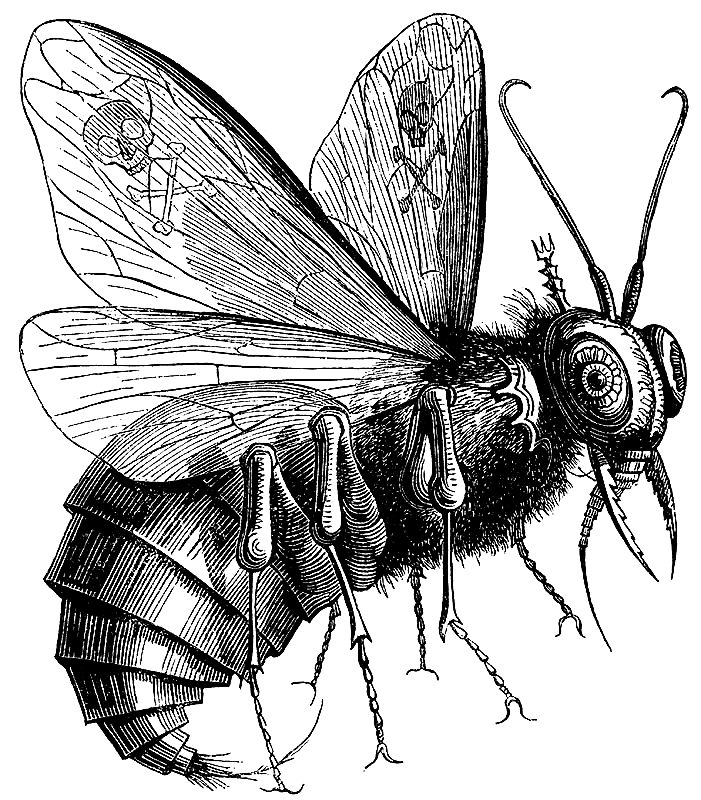
Beelzebub
Prince · Infernal Court
'Lord of the Flies' — a Philistine god of Ekron whose name was almost certainly deformed as a Hebrew insult, then inherited by Christian demonology as the second power of hell.
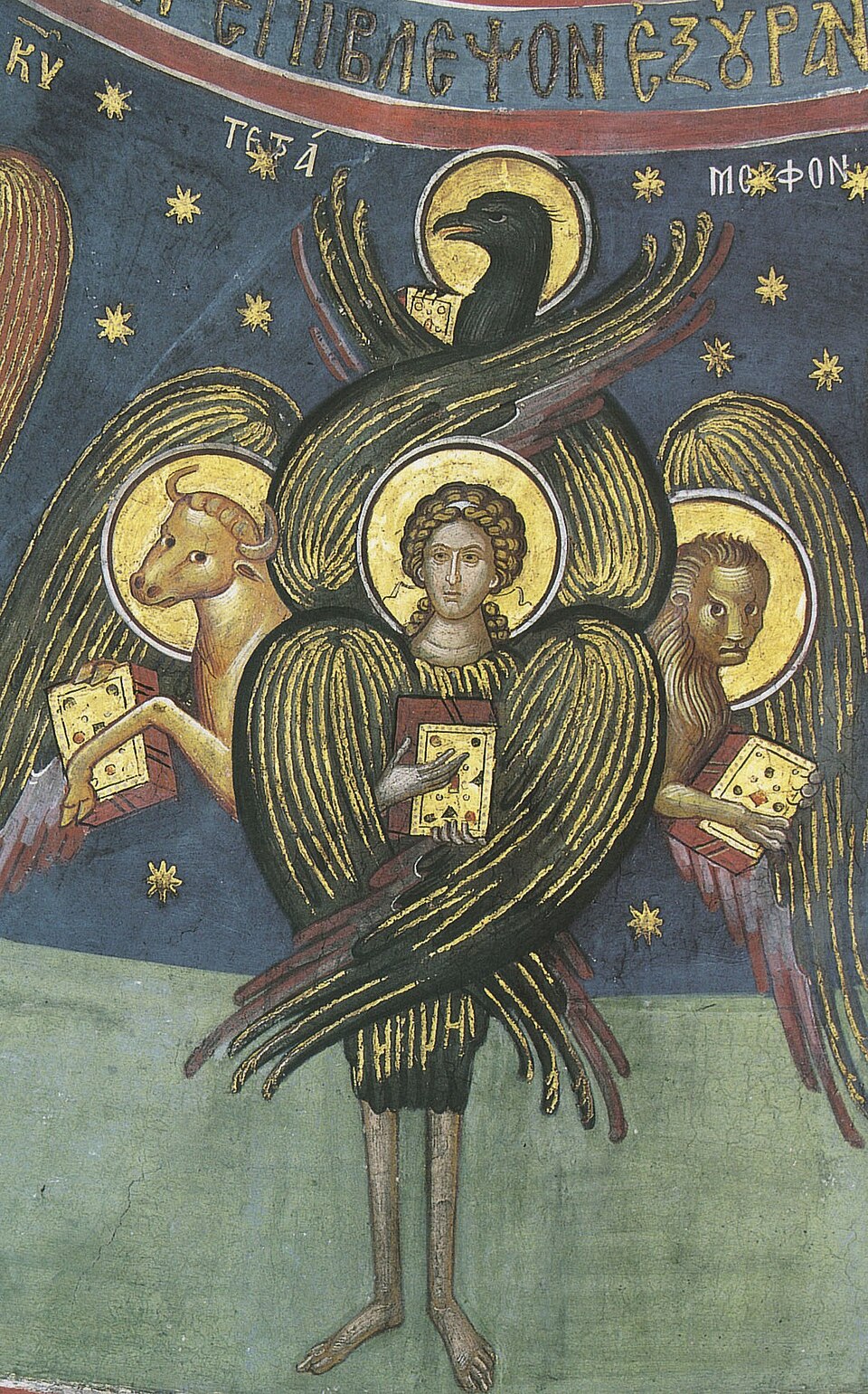
Cherubim
Second Choir · First Sphere
Guardians of thresholds and bearers of the throne — four-faced in Ezekiel, flanking the mercy seat in Exodus, and nothing at all like the winged infants of later art.
Dominions
Fourth Choir · Second Sphere
The administrative choir: they regulate the duties of lower angels and never act directly on the created world.
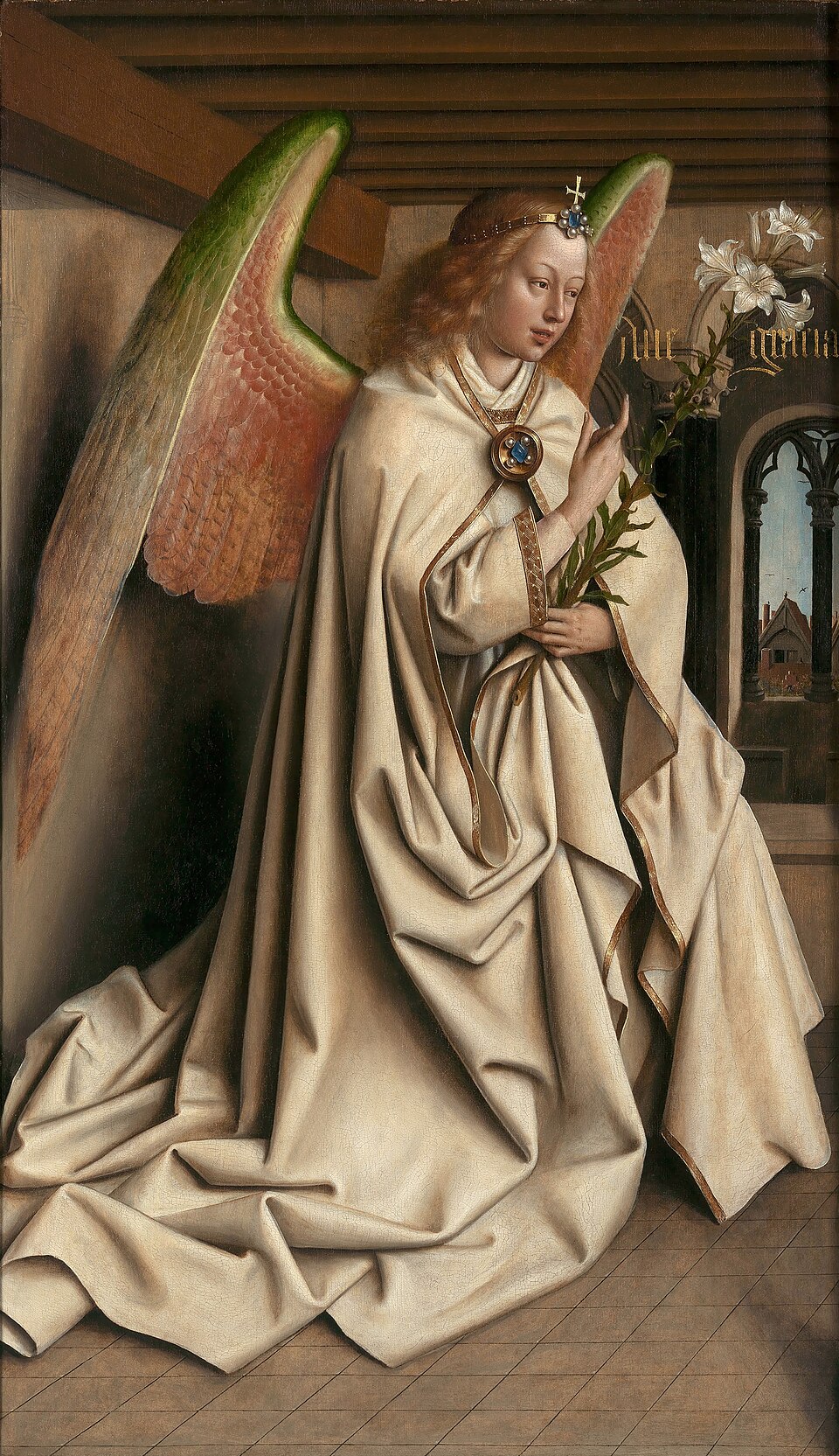
Gabriel
Archangel · Archangels / Chief Princes
The messenger. The angel who explains Daniel's visions, announces two births in Luke, and in Islam delivers the entire Qur'an.
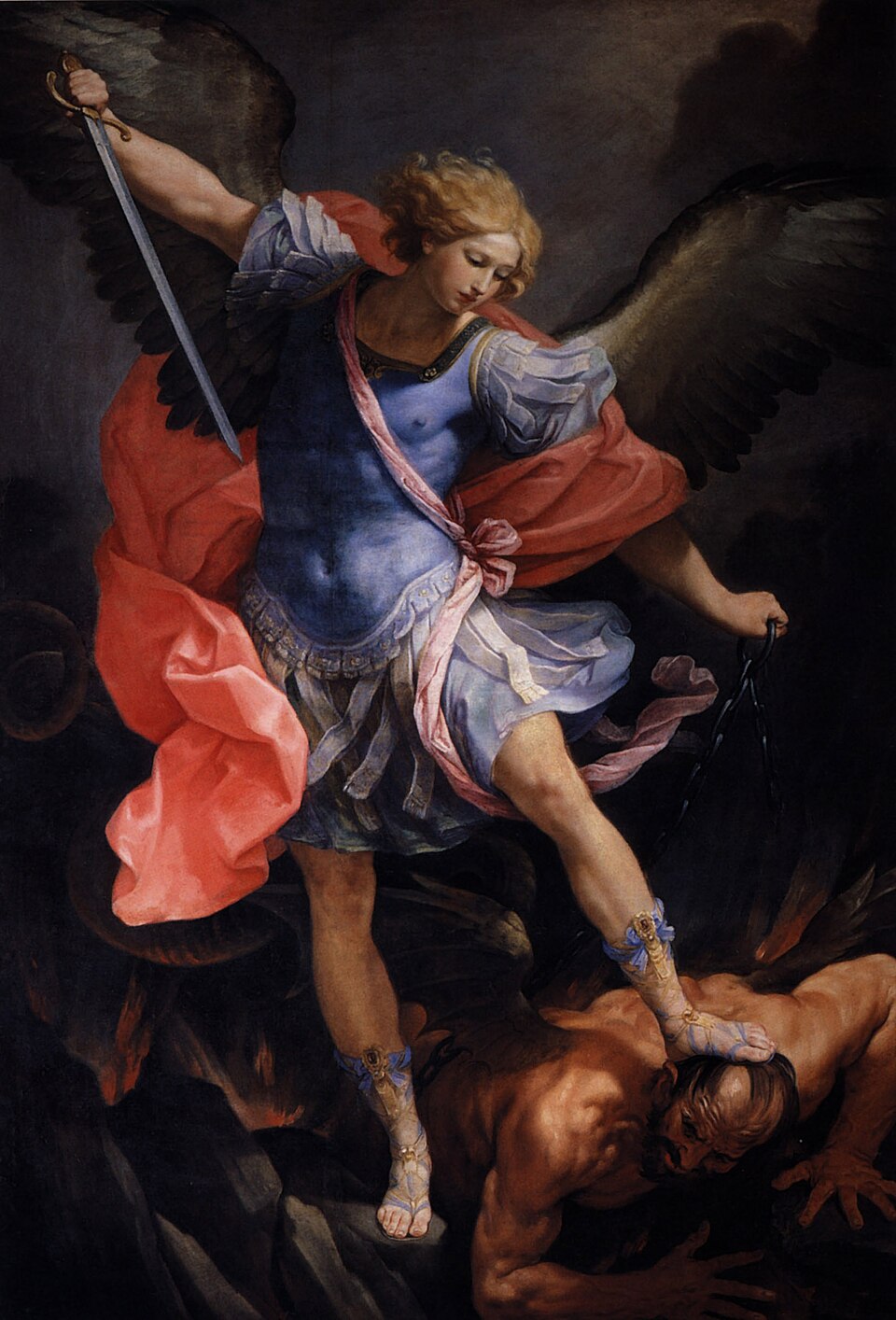
Michael
Archangel · Archangels / Chief Princes
The warring archangel: prince of Israel in Daniel, captain of the host in Revelation, and the only angel the New Testament calls an archangel outright.
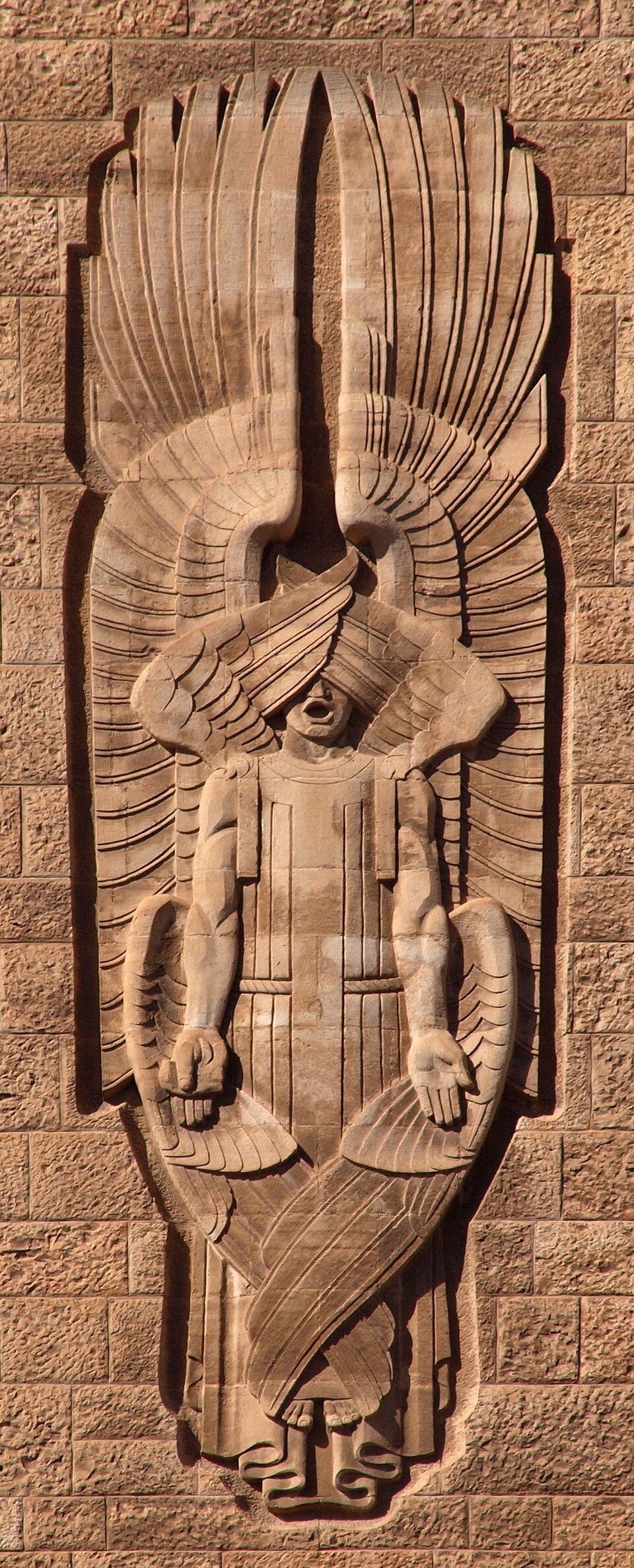
Seraphim
First Choir · First Sphere
Six-winged and burning, they attend the throne directly and sing the trisagion. Their name is the Hebrew verb 'to burn'.
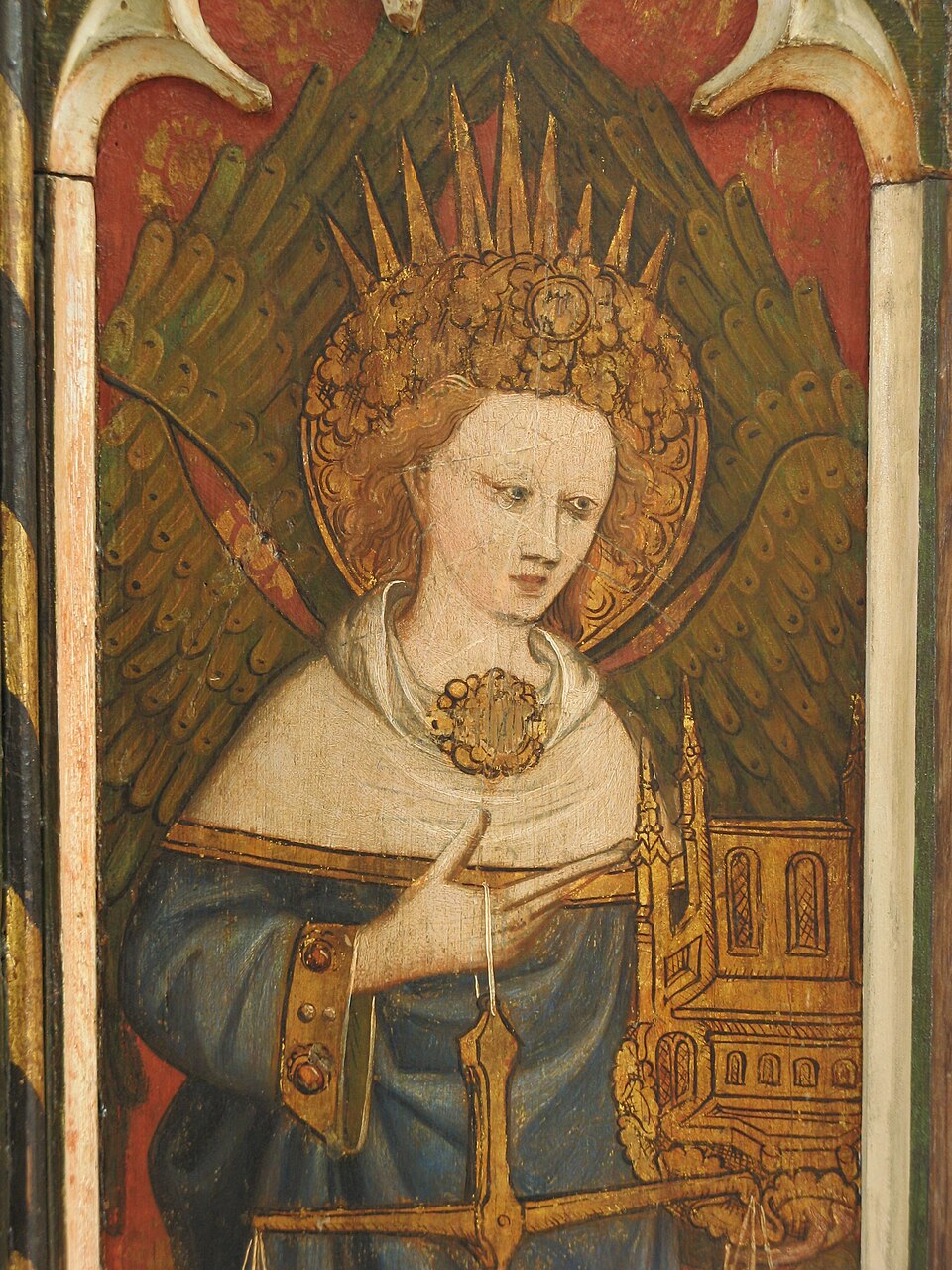
Thrones
Third Choir · First Sphere
The wheels of the chariot — rings of fire studded with eyes, on which divine justice is said to be seated.
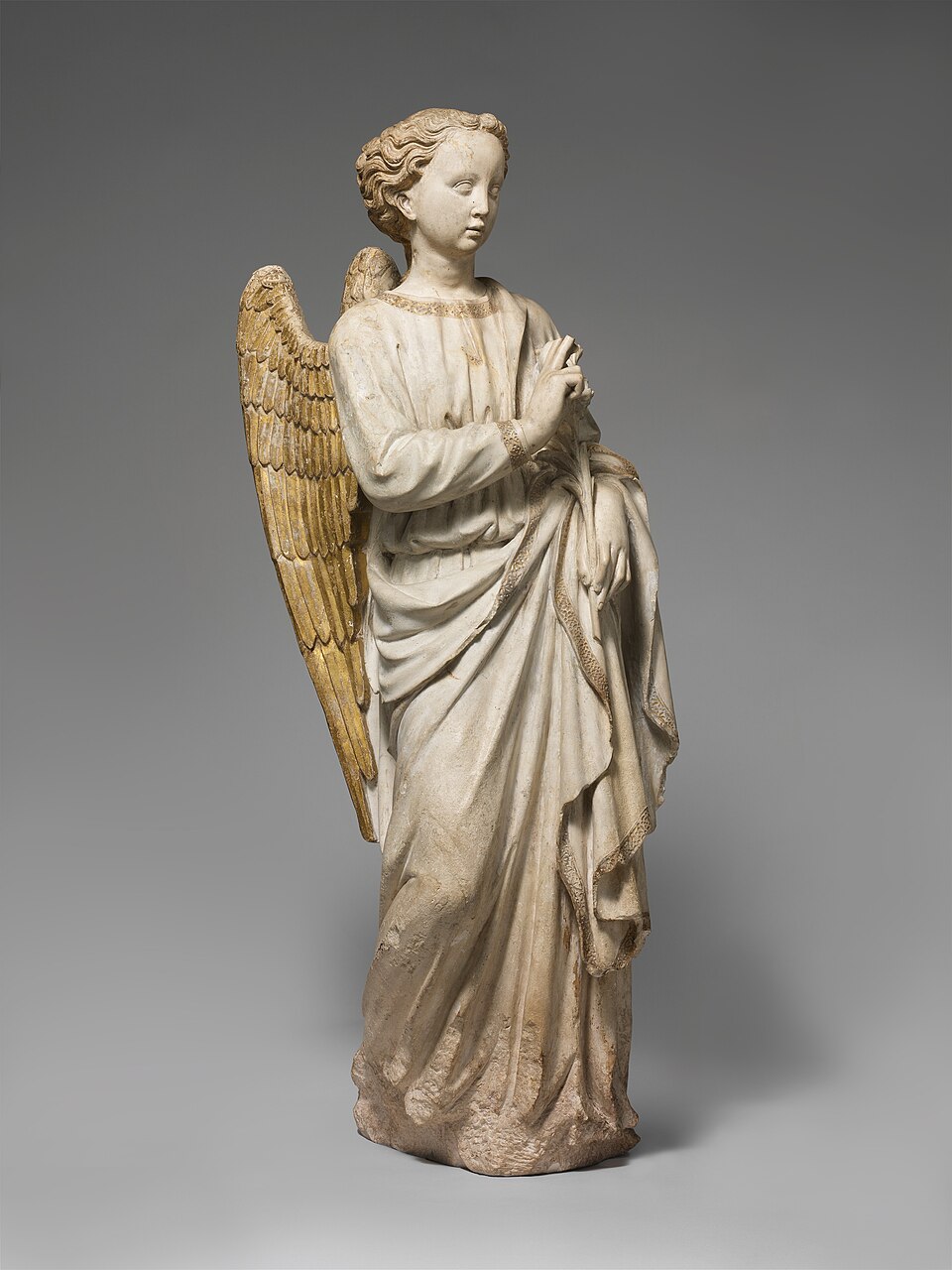
Angels
Ninth Choir · Third Sphere
The ninth and closest of the angelic choirs: the ordinary messengers who deal with individual people, and the only rank most human accounts ever describe meeting.
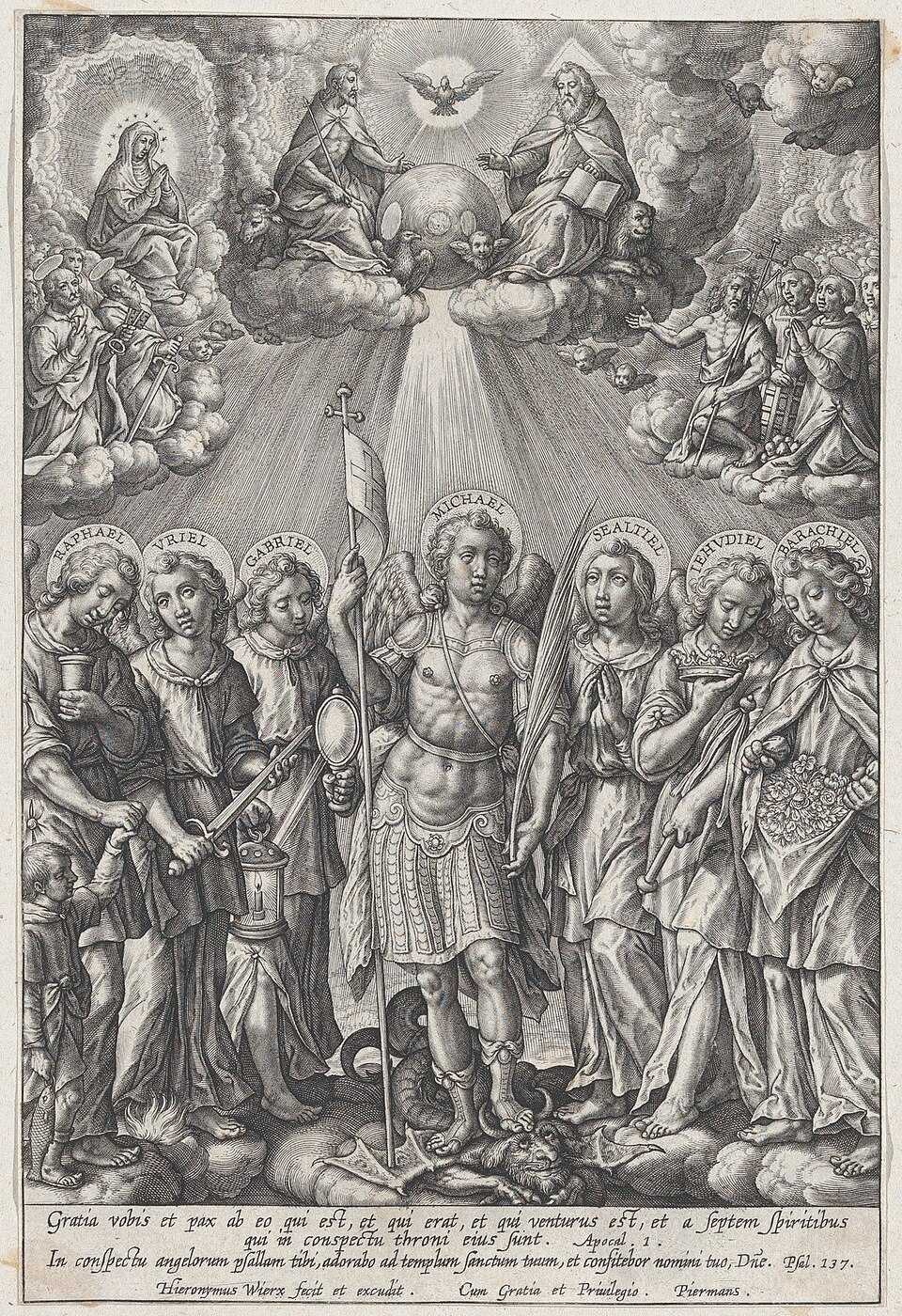
Principalities
Seventh Choir · Third Sphere
Guardians of nations, cities and institutions — an angelic choir that operates at the scale of peoples rather than persons.
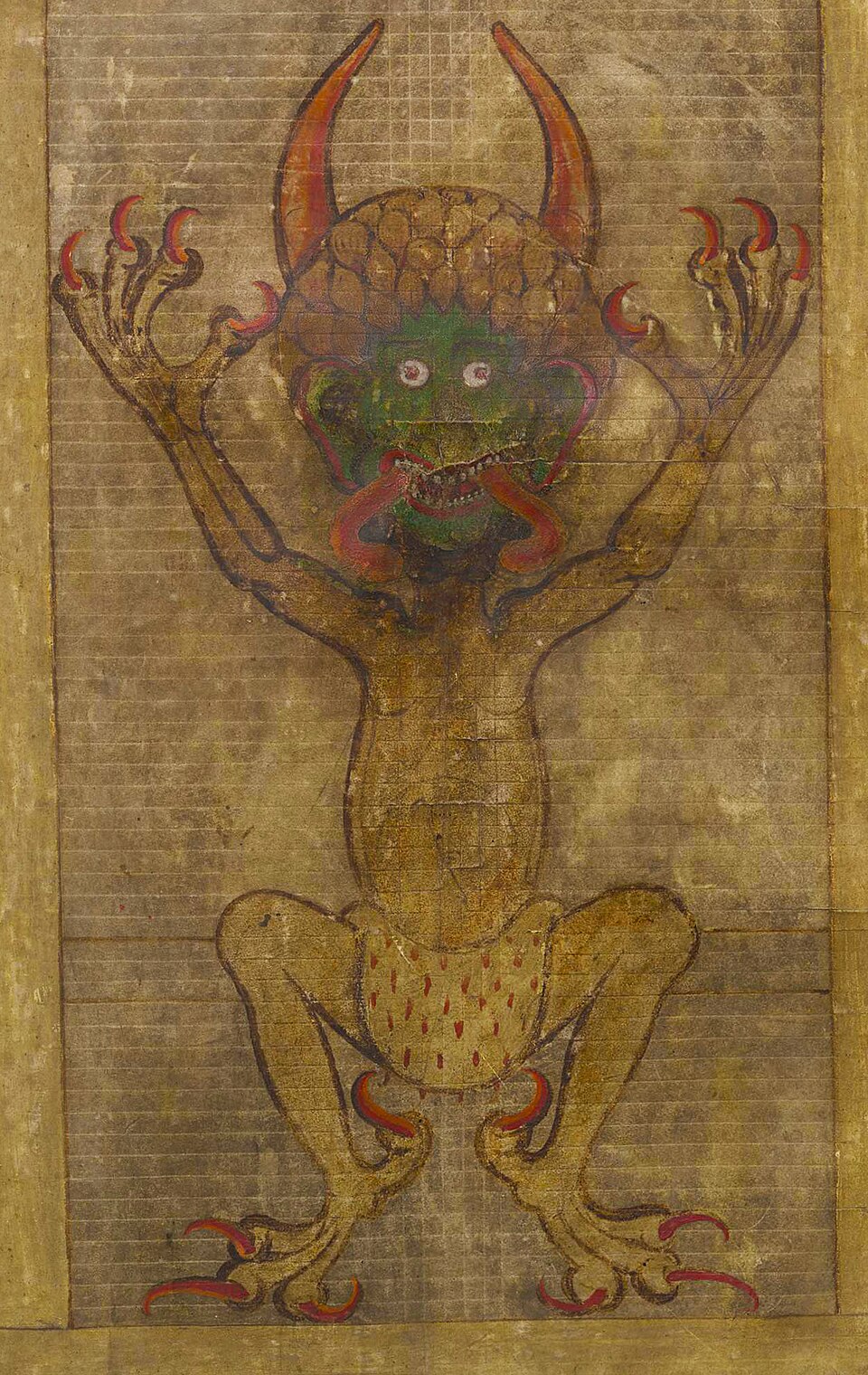
Satan
Adversary · Infernal Court
Not originally a name but an office — 'the accuser'. In Job he is a member of the divine court doing his job; only later does he become the enemy.
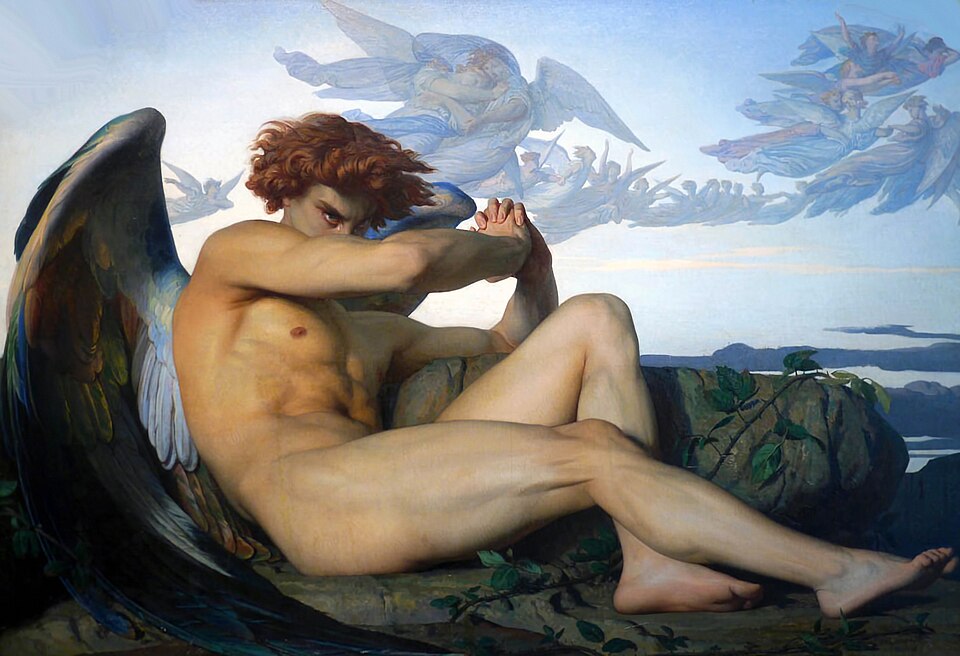
Lucifer
Emperor · Infernal Court
The morning star of Isaiah 14. Christian tradition reads the phrase as the devil's own name; the passage itself makes no such claim.
The Nephilim
Offspring of the Sons of God
The offspring of the sons of God and the daughters of men, given two verses in Genesis and a full history in 1 Enoch — the corpus's clearest case of a silence in scripture being filled in elsewhere.
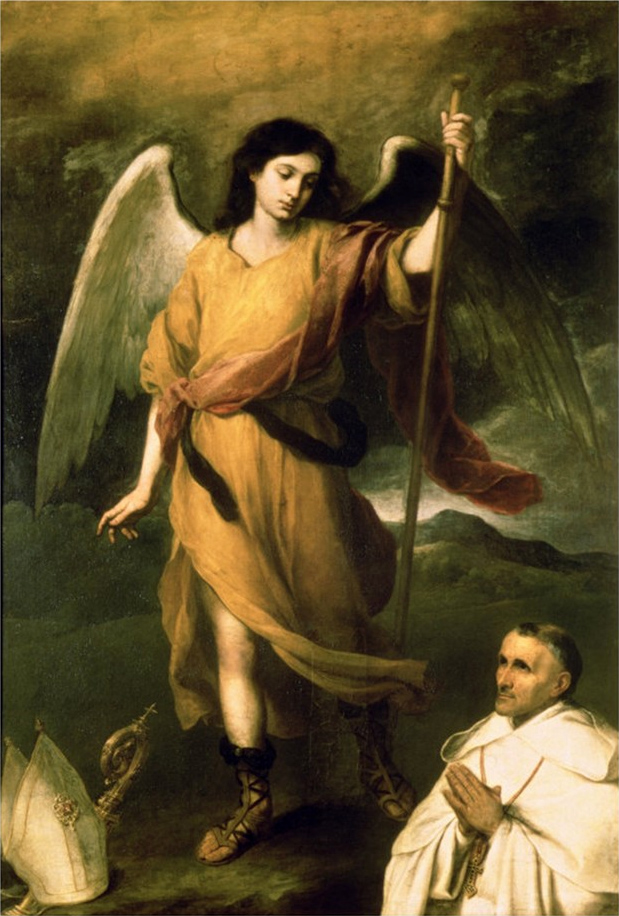
Raphael
Archangel · Archangels / Chief Princes
The healer, whose name means 'God heals'. He spends the Book of Tobit disguised as a human travelling companion, which makes it the longest sustained portrait of an angel anywhere in the biblical corpus.
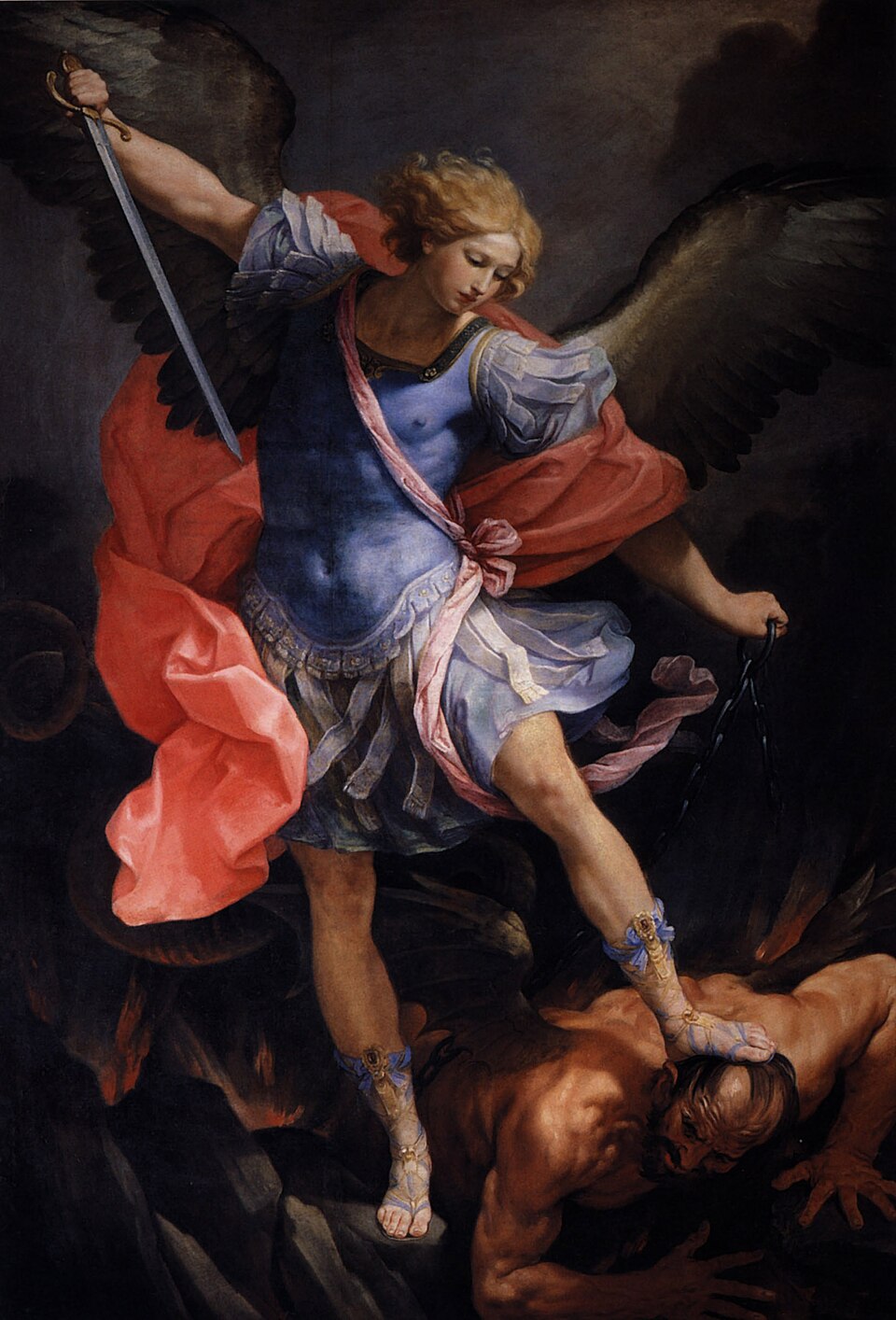
Archangels
Eighth Choir · Third Sphere
The eighth choir — which produces the tradition's sharpest inconsistency, since Michael is called an archangel yet commands the entire host.
Moloch
Prince · Infernal Court
The deity of the Tophet child sacrifices in Kings and Jeremiah — or, on a long-running scholarly reading, the name of the sacrifice itself rather than a god.
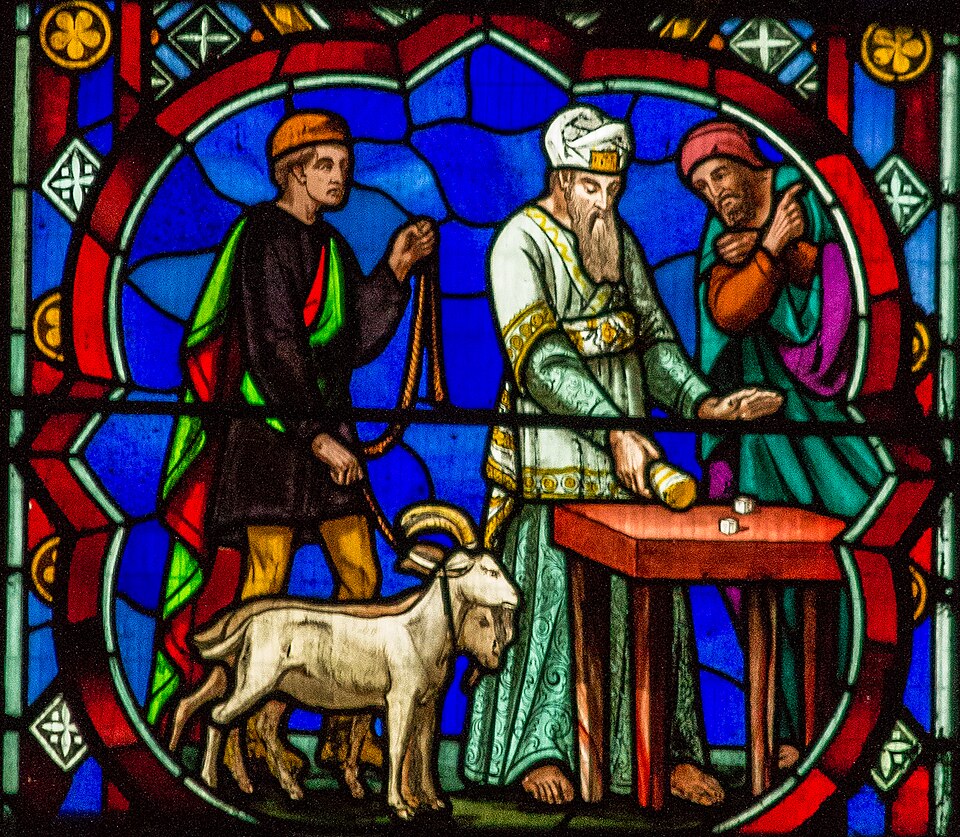
Azazel
Chief Watcher · The Watchers
The scapegoat's destination in Leviticus, and the Watcher who taught weapons and cosmetics in 1 Enoch. Translators cannot even agree whether the word is a name, a place or an abstraction.
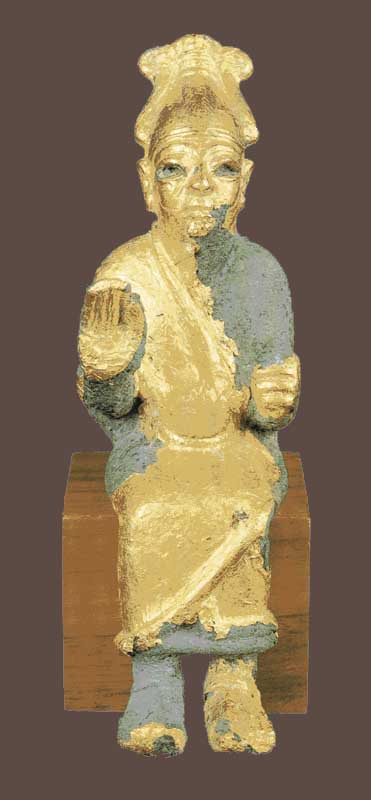
El
Father of the Gods · Canaanite
The aged high god who presides over the assembly at Ugarit — and whose name is one of the Hebrew Bible's own words for God.
The Rephaim
A People, and the Dead
One word doing two jobs: a people east of the Jordan, and the shades of the dead — a double sense the Ugaritic texts already carry centuries before the Hebrew ones.
The Sons of God
The Assembly · The Divine Council
The plural divine beings who make up God's council in the Hebrew Bible — present at creation, attending audiences, allotted the nations, and in one psalm sentenced to death for judging unjustly.
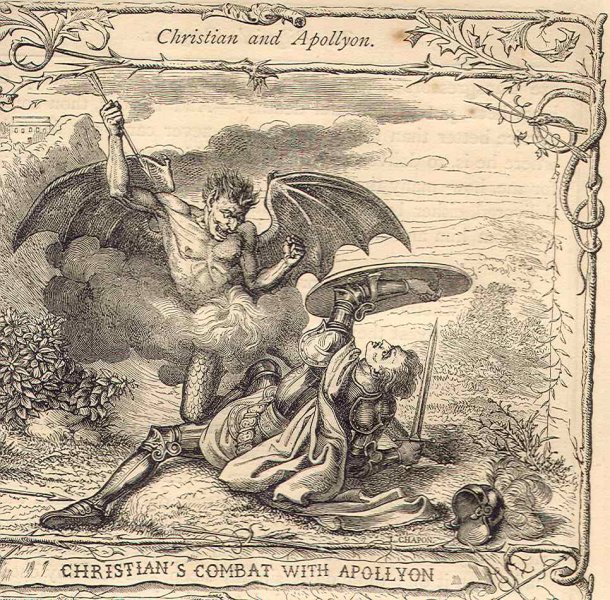
Abaddon
Angel of the Abyss · Infernal Court
A place-name in the Hebrew Bible — 'destruction', a synonym for the grave — that Revelation personifies as the king of the locusts of the pit.
Gehenna
The Valley Outside the Walls · Hebrew and Christian cosmology
A real valley outside Jerusalem, remembered as the site of child sacrifice and deliberately defiled, whose name became the New Testament's word for final ruin.
Goliath
Champion of Gath
The Philistine champion of 1 Samuel 17, and the best-known giant in any of these texts — whose height the manuscripts do not agree on, and whose death the Hebrew Bible reports twice with two different killers.
Jezebel
Queen of Israel · Canaanite
A Phoenician princess married to Ahab, who backed Baal and Asherah against the prophets of Israel. Revelation later borrows her name for a rival teacher, and it has been a label rather than a person ever since.
Nimrod
The First Mighty One
The first man the Bible calls mighty on the earth, founder of Babel, Erech and Akkad — a king in Genesis and nothing worse, who becomes a tyrant everywhere afterwards.
Og of Bashan
The Last of the Rephaim
A king east of the Jordan, described as the last remnant of the Rephaim, and evidenced in his own text by a piece of furniture — an iron bedstead nine cubits long, on display at Rabbah.
The Seven Who Stand
The Seven · Archangels / Chief Princes
The seven who present the prayers of the saints — a group named as a body in Tobit and Revelation before any list of individual names settled.
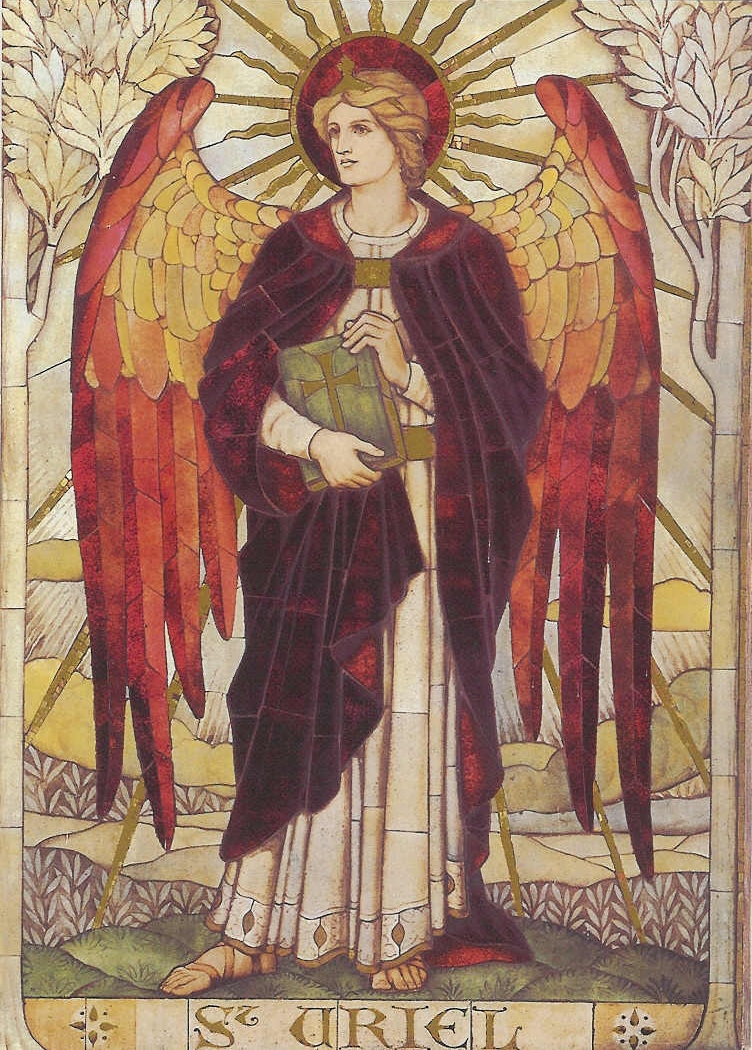
Uriel
Archangel · Archangels / Chief Princes
'Fire of God' — the archangel of the fourth seat, never named in the canonical Bible, and formally struck from the approved list by a Roman synod in 745.
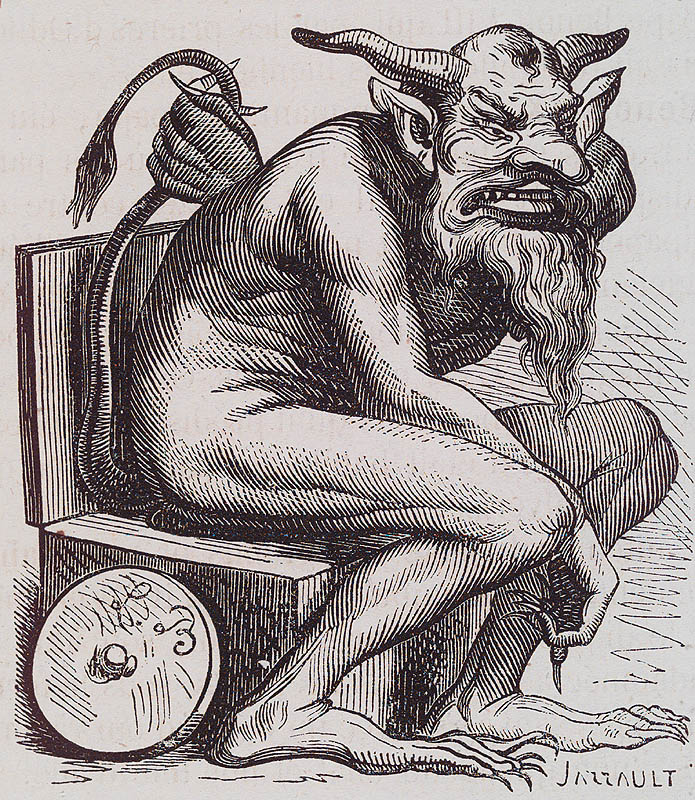
Belphegor
Prince · Infernal Court
The Moabite Baal of Peor, reassigned by demonology as the demon of sloth and of ingenious inventions. A god turned into a joke about laziness.
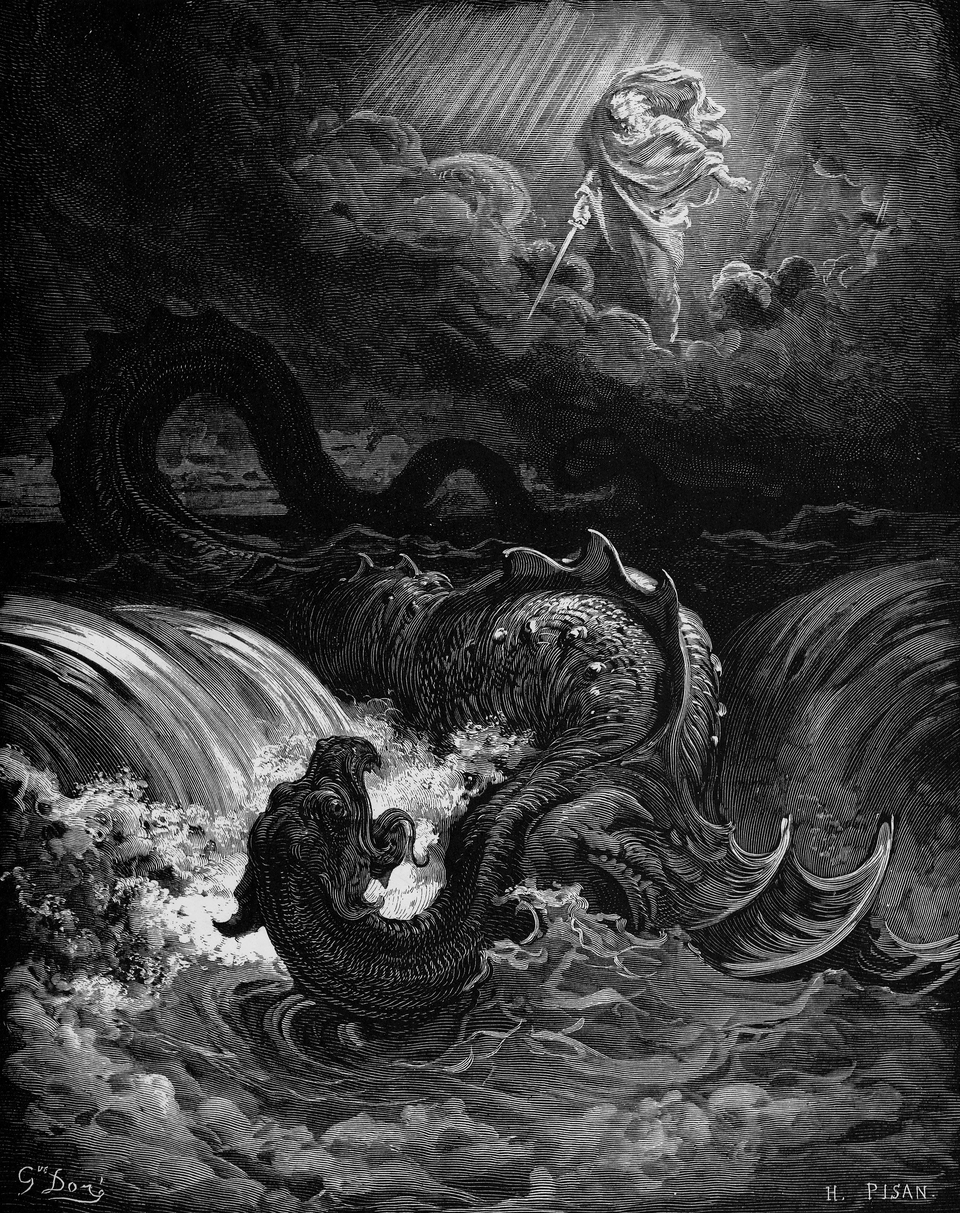
Leviathan
Grand Admiral · Infernal Court
The sea-dragon of Job and Isaiah, drawn from Canaanite chaos myth, and later assigned the sin of envy and the office of admiral of hell.
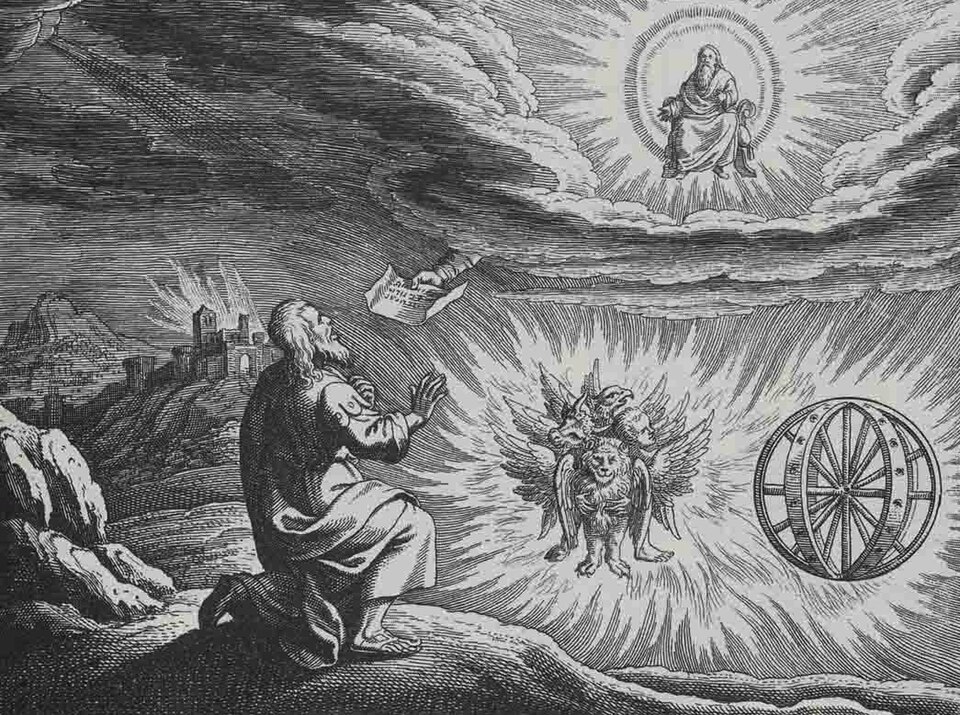
Chayot ha-Kodesh
First Rank (Maimonidean) · Maimonidean orders
The highest rank in Maimonides' ten-fold scheme — the living creatures of Ezekiel's chariot, placed where the Dionysian system puts the seraphim.
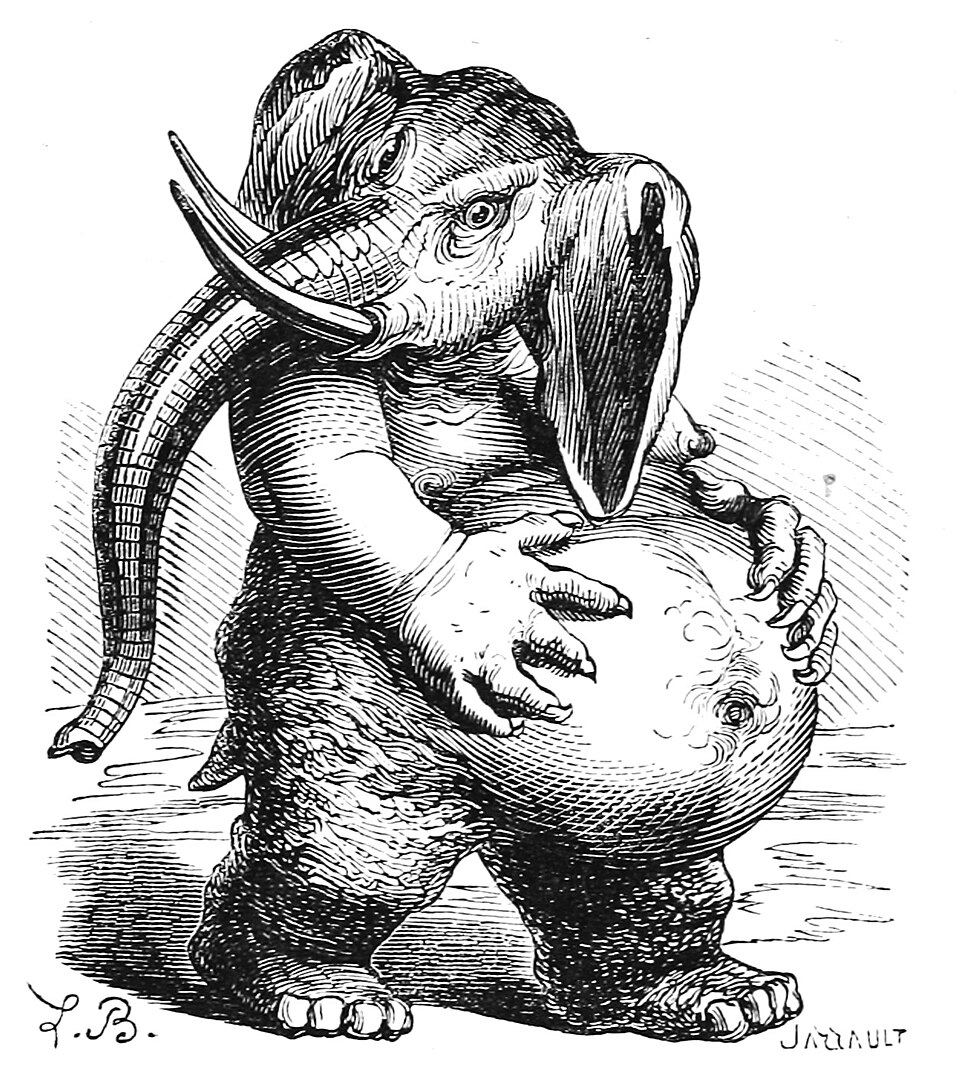
Behemoth
Beast of the Land · Infernal Court
Job's land-beast, paired with Leviathan — presented there as a creature of God, not an enemy of him.
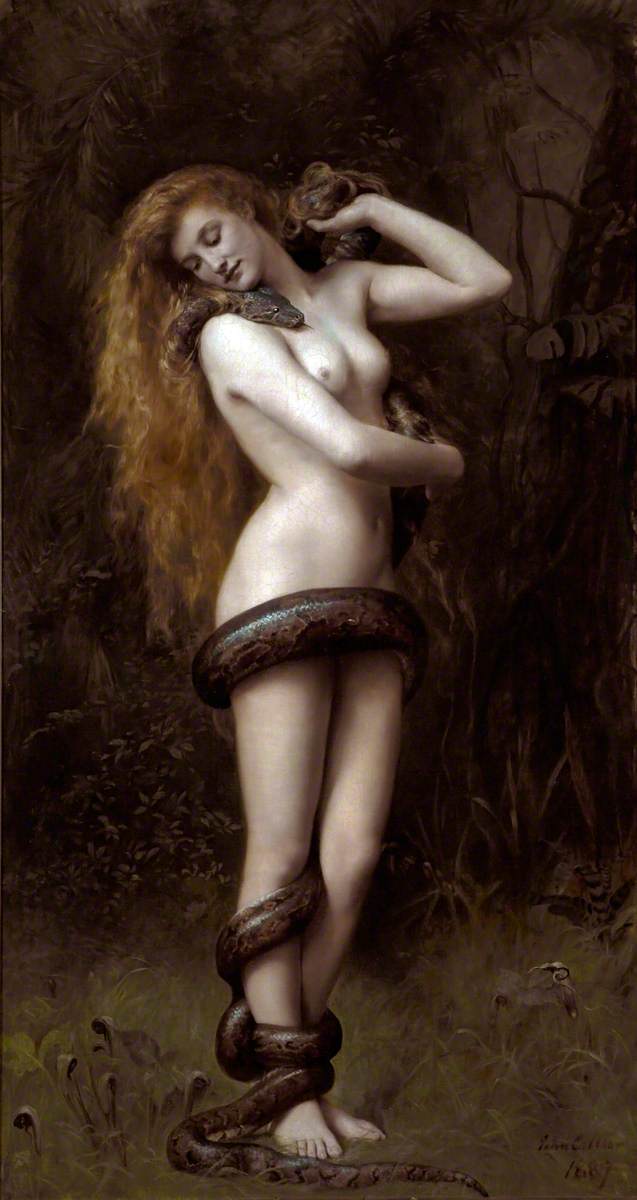
Lilith
Queen · Infernal Court
A night-demon of Mesopotamian ancestry. The famous story that she was Adam's first wife comes from a satirical medieval text and has no basis in Genesis at all.
Ananel
Chief of Ten · The Watchers
Of the thirteen chiefs of tens, his is the only name that reaches English in a single form — the rest arrive with two spellings or three. What does not arrive at all is any account of what he did after the descent.
Arakiba
Chief of Ten · The Watchers
Stands second among the leaders, immediately after Semjaza, and the text never returns to him. His name travels worse than any other Watcher's: Arâkîba where Charles translates the Ethiopic, Urakabarameel in the witnesses behind the Greek — barely recognisable as the same word.
Armaros
Chief of Ten · The Watchers
Taught how to break enchantments — the counter-spell to Semjaza's spell, and the only Watcher whose art is purely defensive.
Batarel
Chief of Ten · The Watchers
Batârêl in Charles, Batraal in the lists that reached English through Greek. Under either spelling he swears the oath on Hermon and does nothing further that the text records.
Danel
Chief of Ten · The Watchers
Three unrelated figures carry this name — a Ugaritic king, the biblical prophet, and this Watcher — and only the coincidence connects them. 1 Enoch records his oath and nothing he taught.
Ezeqeel
Chief of Ten · The Watchers
Meteorology is on the charge sheet. He taught men to read the clouds, and 1 Enoch files that beside metalwork and astrology as one of the crimes that brought the flood.
Jomjael
Chief of Ten · The Watchers
His entire biography as a Watcher is one act: binding himself by the oath on Hermon in 1 Enoch alongside the other chiefs. Yomiel is what the name becomes once the diacritics are dropped, and it is no better attested than the original.
Raguel
Archangel · Archangels / Chief Princes
The archangel who takes vengeance on the world of the lights — and one of those condemned by name at the Roman synod of 745.
Rameel
Chief of Ten · The Watchers
Shares a name with Remiel, one of the holy archangels — a collision 1 Enoch keeps apart and later lists do not, which is how the same figure ends up filed on both sides of the rebellion.
Remiel
Archangel · Archangels / Chief Princes
Set over those who rise — the archangel of the resurrection and of true visions.
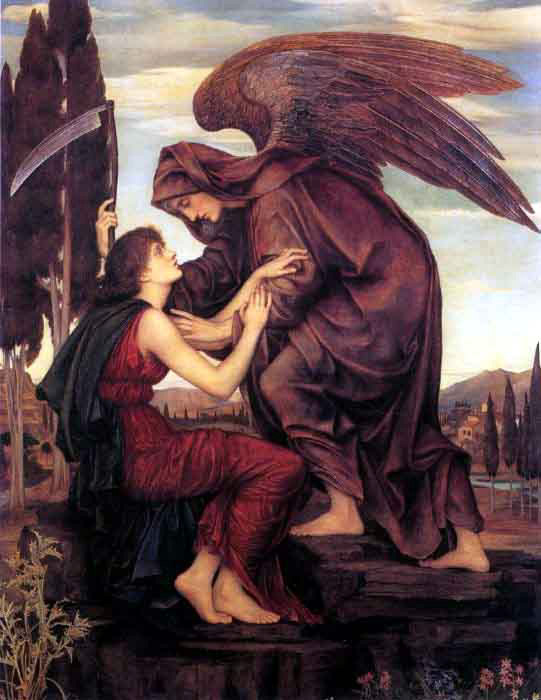
Samael
Prince of Accusers · Chief Princes
Both an archangel and an adversary. Jewish tradition makes him the accusing angel, the angel of death and the guardian prince of Rome; all three are offices he was assigned, not verdicts on his character.
Samsapeel
Chief of Ten · The Watchers
Holds the sun's share of a three-way division of the sky, with Sariel on the moon and Kokabel on the stars. What 1 Enoch condemns is not what the signs foretold but that he explained them at all.
Sariel
Archangel · Archangels / Chief Princes
One of the seven archangels of 1 Enoch, set over the spirits who sin against the spirit. Canonical scripture never names him.
Satarel
Chief of Ten · The Watchers
Only nine of the leaders named in 1 Enoch 6:7 are given a teaching in chapter 8, and he is not among the nine. He is recorded as Satarêl and as Sartael, and silent under both.
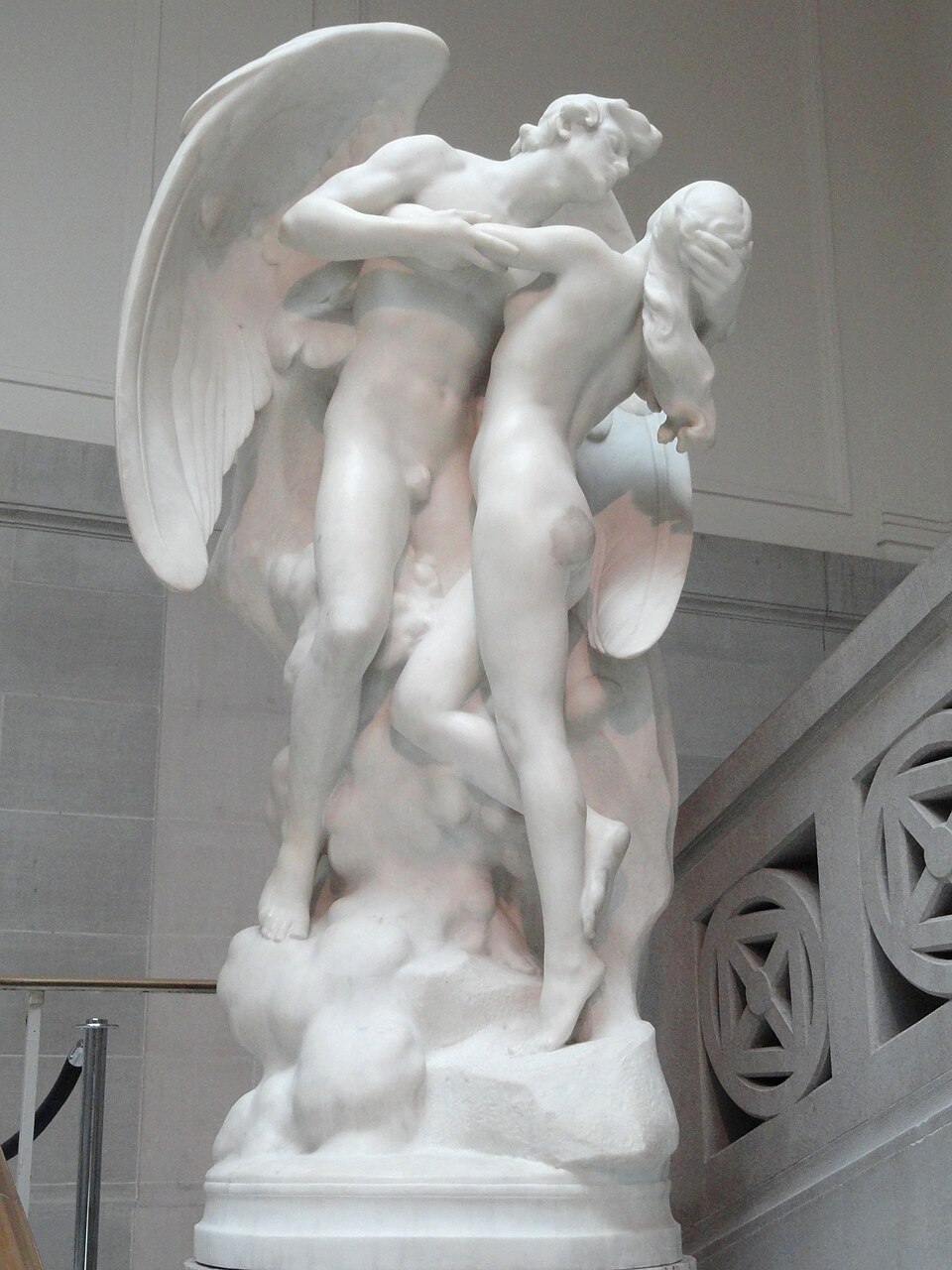
Semjaza
Leader of the Watchers · The Watchers
The Watcher who proposed the descent and bound the other two hundred to it by mutual oath on Mount Hermon.
Sheol
The Grave · Hebrew cosmology
The Hebrew underworld: a silent, dusty place where everybody goes, righteous and wicked alike, and where nobody praises God. Not hell, and not a punishment.
Tamiel
Chief of Ten · The Watchers
Later tradition made him a teacher of astronomy. 1 Enoch does not: it gives him an oath, a rank over ten of the two hundred, and no art at all. The astronomy is an inheritance from somewhere else.
The Anakim
A People of Great Stature
A people of Hebron whom the scouts of the Hebrew Bible report as impossibly tall and identify with the Nephilim — inside the very report the text goes on to call false.
The Sons of Rapha
Four Champions of Gath
Four Philistine champions the Hebrew Bible says were born to the rapha in Gath — the giant's household, killed one by one in a short appendix at the end of 2 Samuel.
Turel
Chief of Ten · The Watchers
No teaching, no punishment, no later appearance: of the Watchers named in 1 Enoch he is among the emptiest entries. He binds himself by the oath and leaves the narrative there — the fate of most of the twenty, and of none of the ones anybody remembers.
Zaqiel
Chief of Ten · The Watchers
The two forms his name reaches English in, Zaqîêl and Sathiel, have almost nothing in common but the ending — the -el that marks him as one of God's, and that survives in these names long after everything else about them has been lost. Neither form is given a teaching.
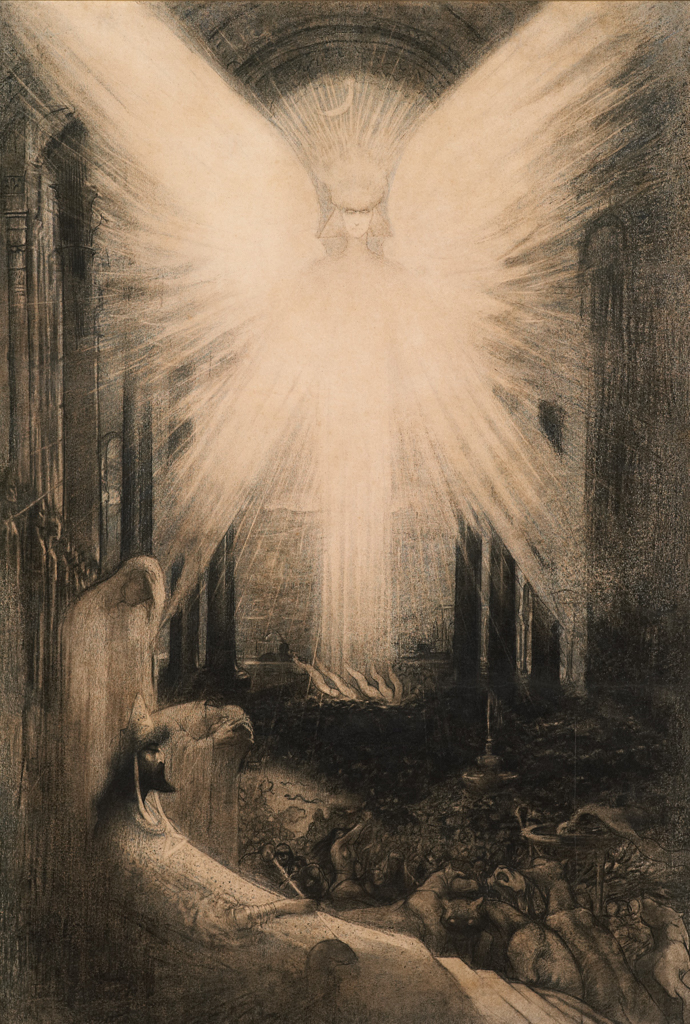
Azrael
Archangel · Archangels
The angel of death, who separates the soul from the body. Named as an office in the Qur'an and by personal name only in later tradition.
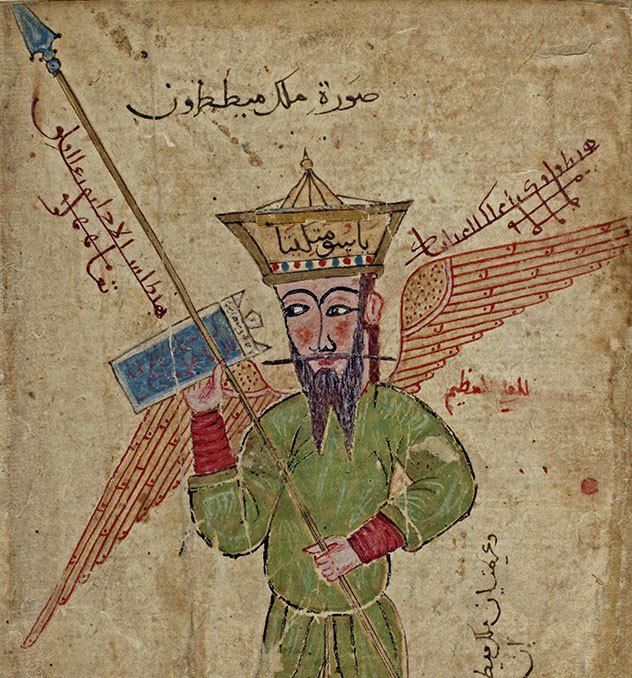
Metatron
Prince of the Presence · Above the choirs
The scribe-angel of the merkavah texts. 3 Enoch identifies him as Enoch himself, taken up and remade: the one being in the tradition promoted from human to highest angel.
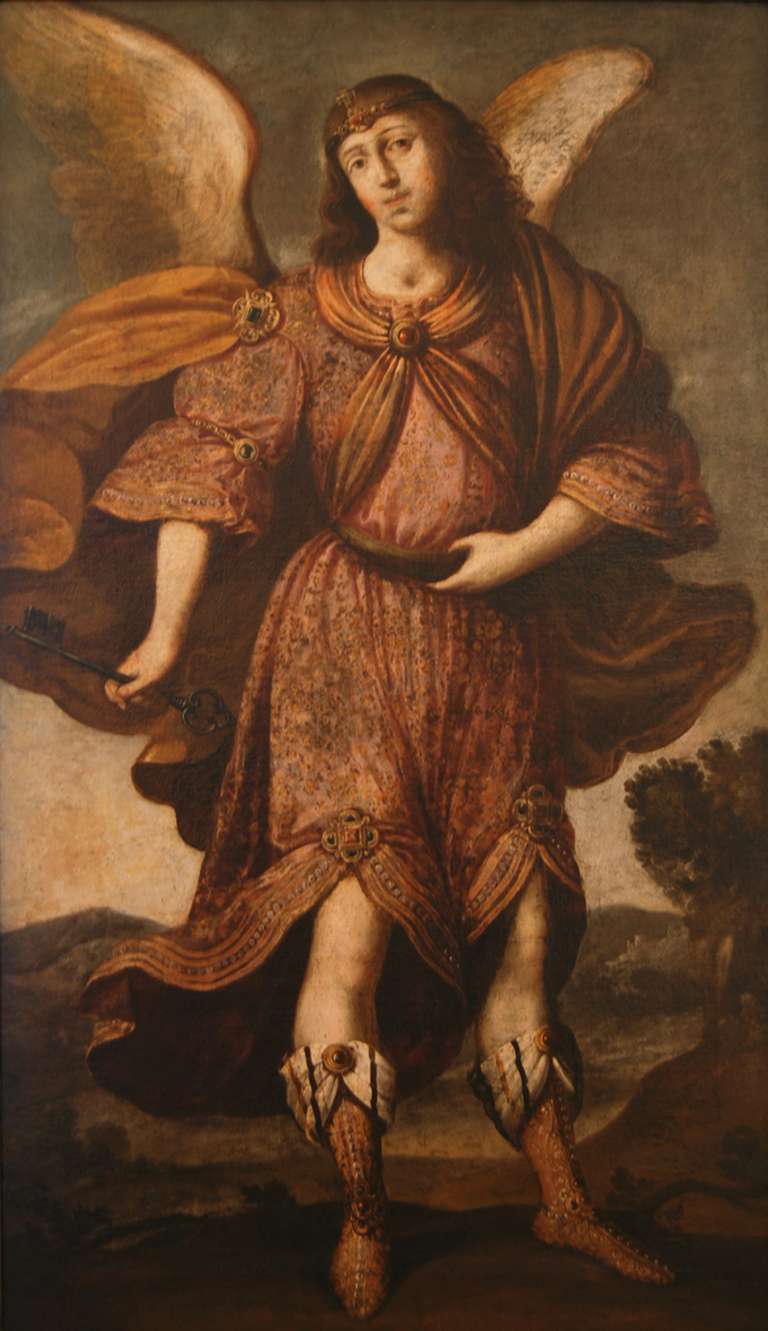
Raziel
Archangel · Above the choirs
Keeper of divine secrets. The book of all knowledge he is said to have given Adam is the archetype every later grimoire is imitating.
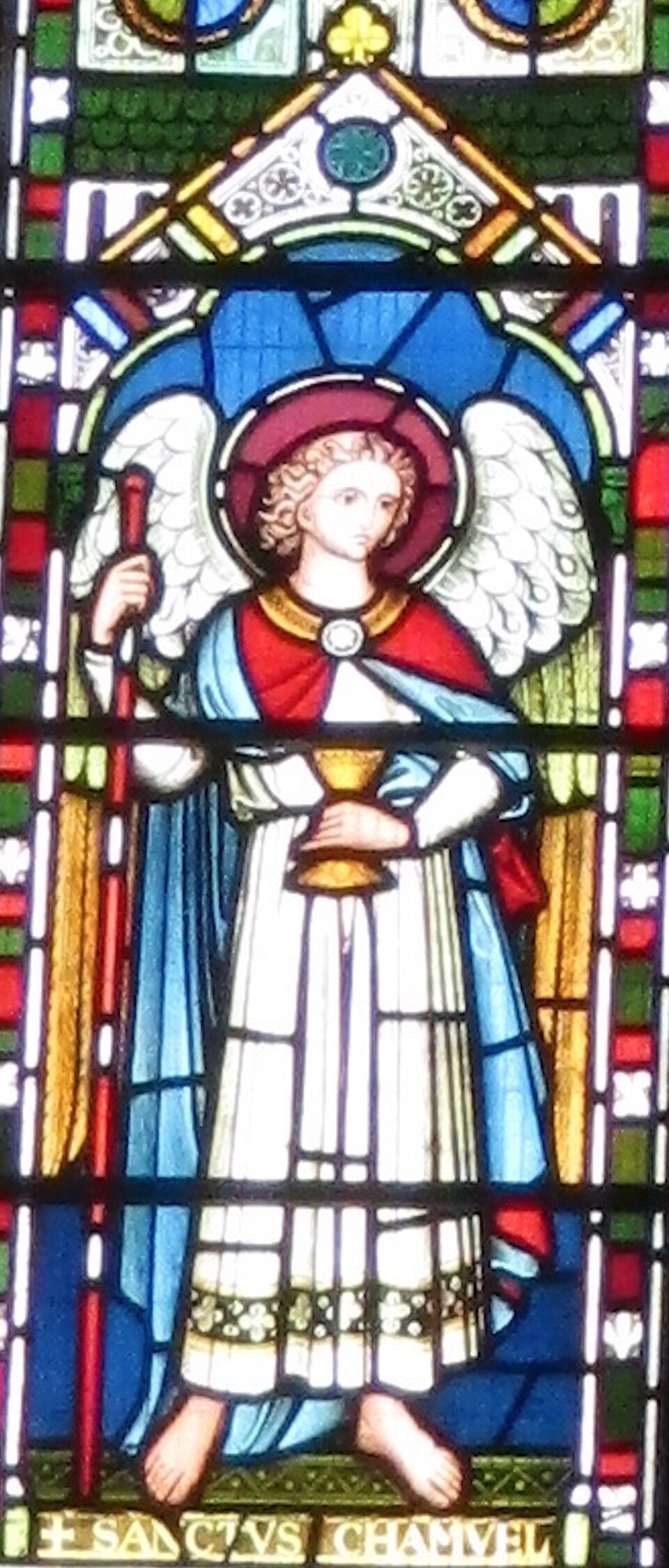
Camael
Archangel · Kabbalistic orders
Angel of the sefirah of severity, whose name is close enough to Samael's that the two are repeatedly confused in the sources.
The Qliphoth
Ten Shells · Kabbalistic orders
Ten 'shells' mirroring the ten sefirot — a demonology built as the exact structural negative of the divine order.