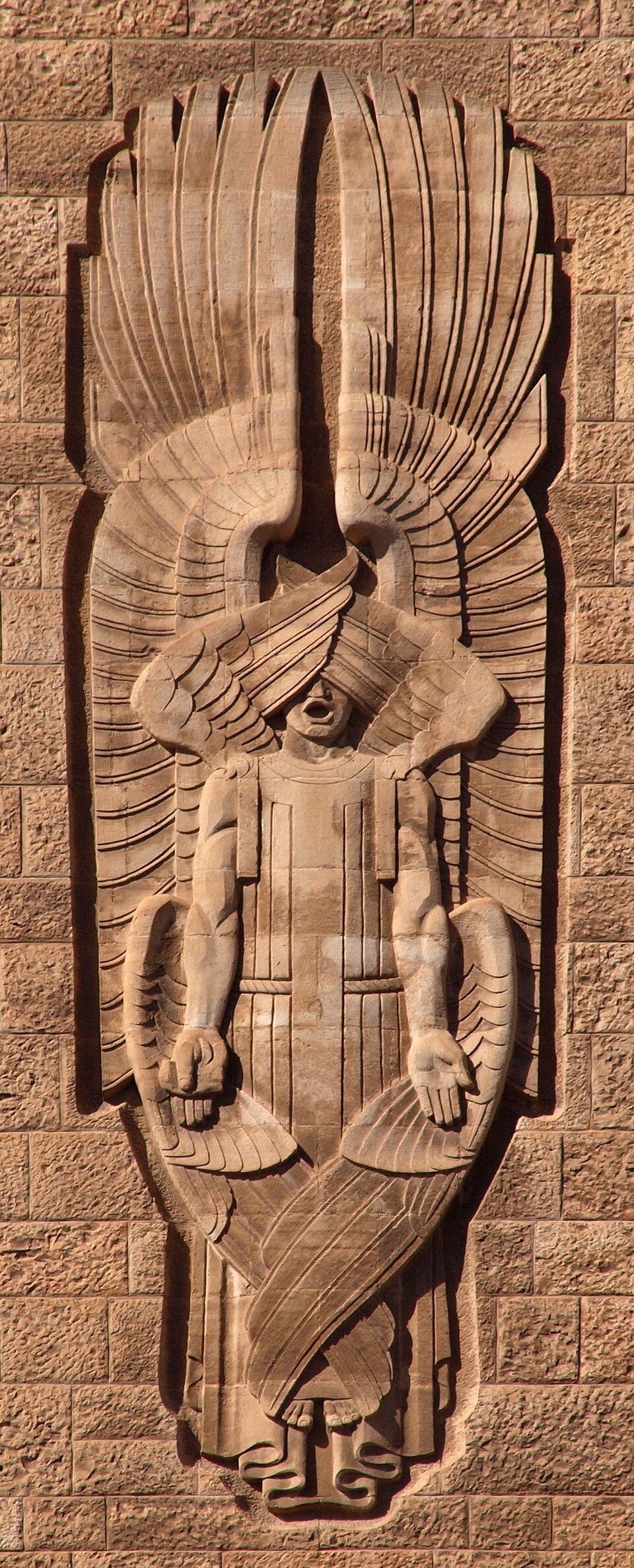
Jewish · Hebrew · c. 1180
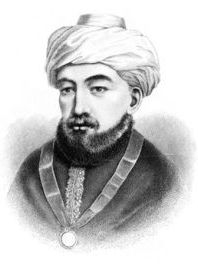
Mishneh Torah, Yesodei ha-Torah
Moses Maimonides
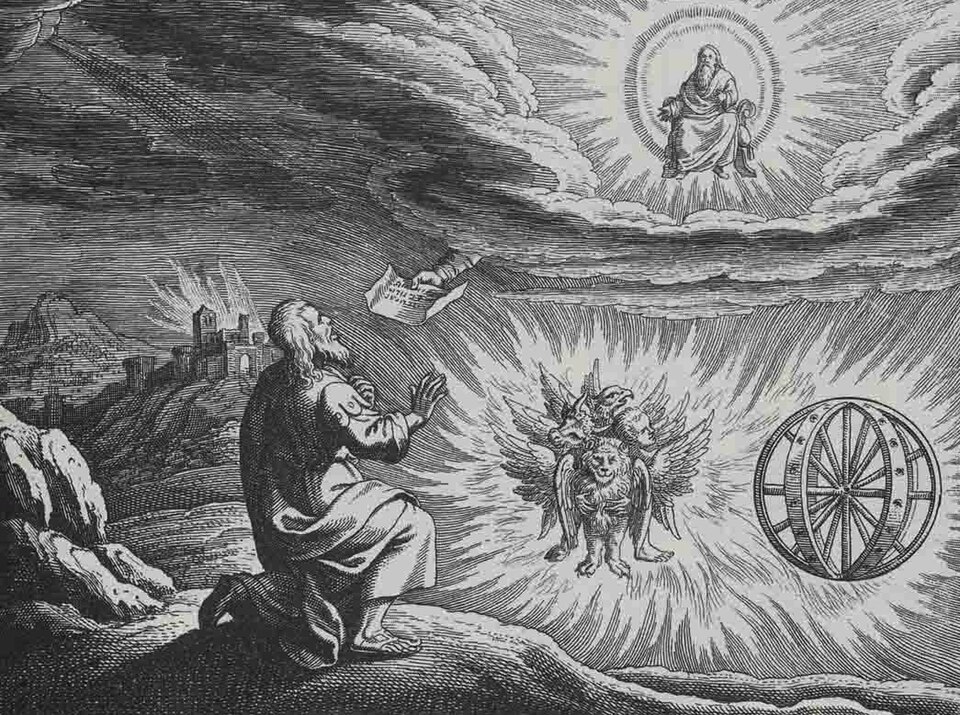
Maimonides' ten ranks of angels, headed by the Chayot ha-Kodesh. A deliberately different ordering from the Dionysian one.
Read Mishneh Torah, Yesodei ha-Torah in full at the linked edition →Hierarchies from this text
What this text attests · 9
| Name here | Rank given | # | Powers described |
|---|---|---|---|
| Not ranked | — | Maimonides' ten-rank scheme conspicuously omits him, part of a broader rationalist trimming of merkavah material. | |
| — | — | Absent from Maimonides' ranks; belongs to the mystical rather than the philosophical stream. | |
| — | — | Absent from the rationalist ten ranks; belongs to the midrashic and mystical streams. | |
| First of ten ranks | 1 | The highest of the created intellects, nearest to apprehension of the Creator. | |
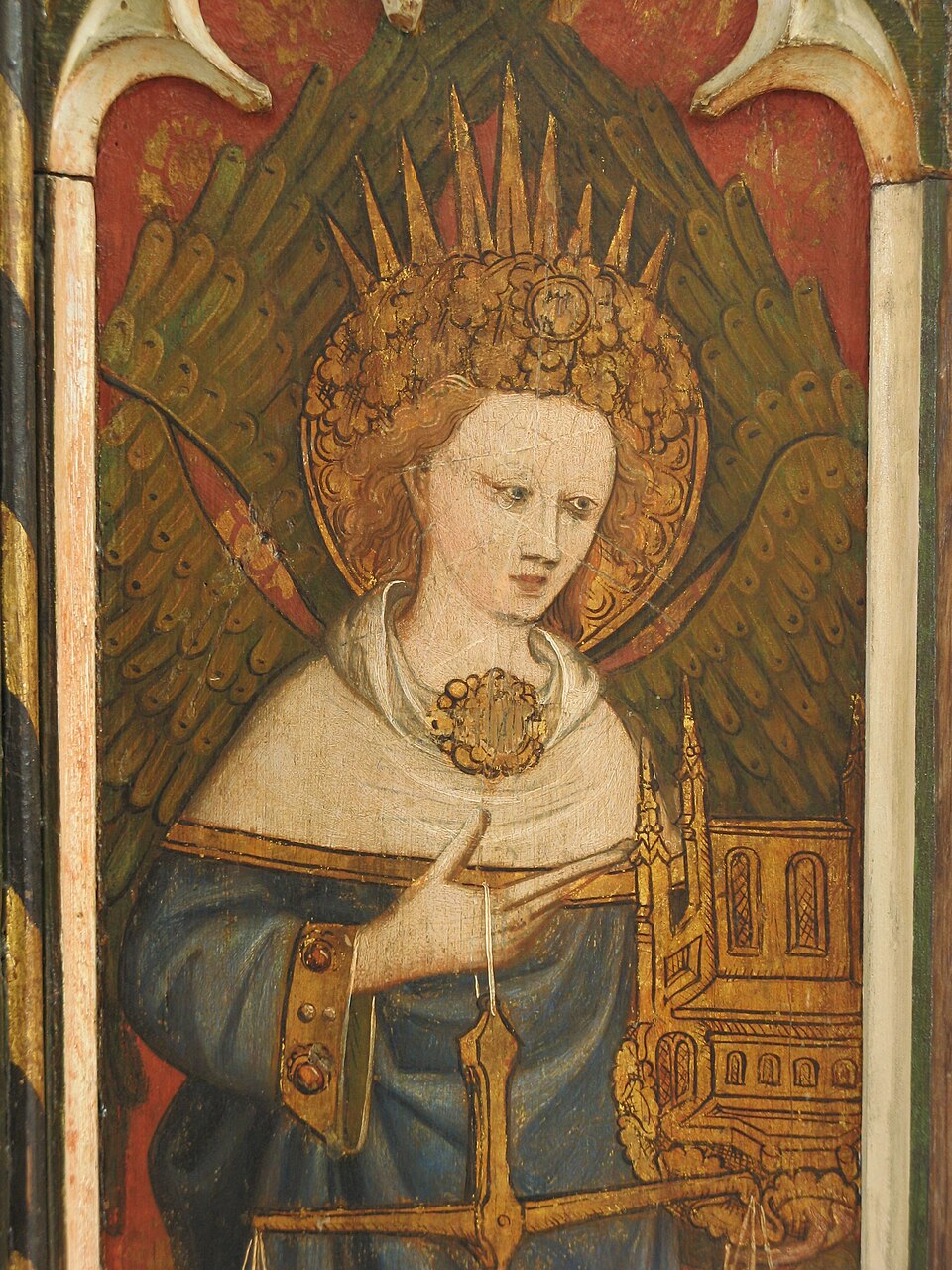 Ophanim = Thrones | Second of ten ranks | 2 | Second only to the Chayot ha-Kodesh. |
Hashmallim = Dominions | Fourth of ten ranks | 4 | |
| Fifth of ten ranks | 5 | Placed mid-table, a demotion of four places against the Dionysian order. | |
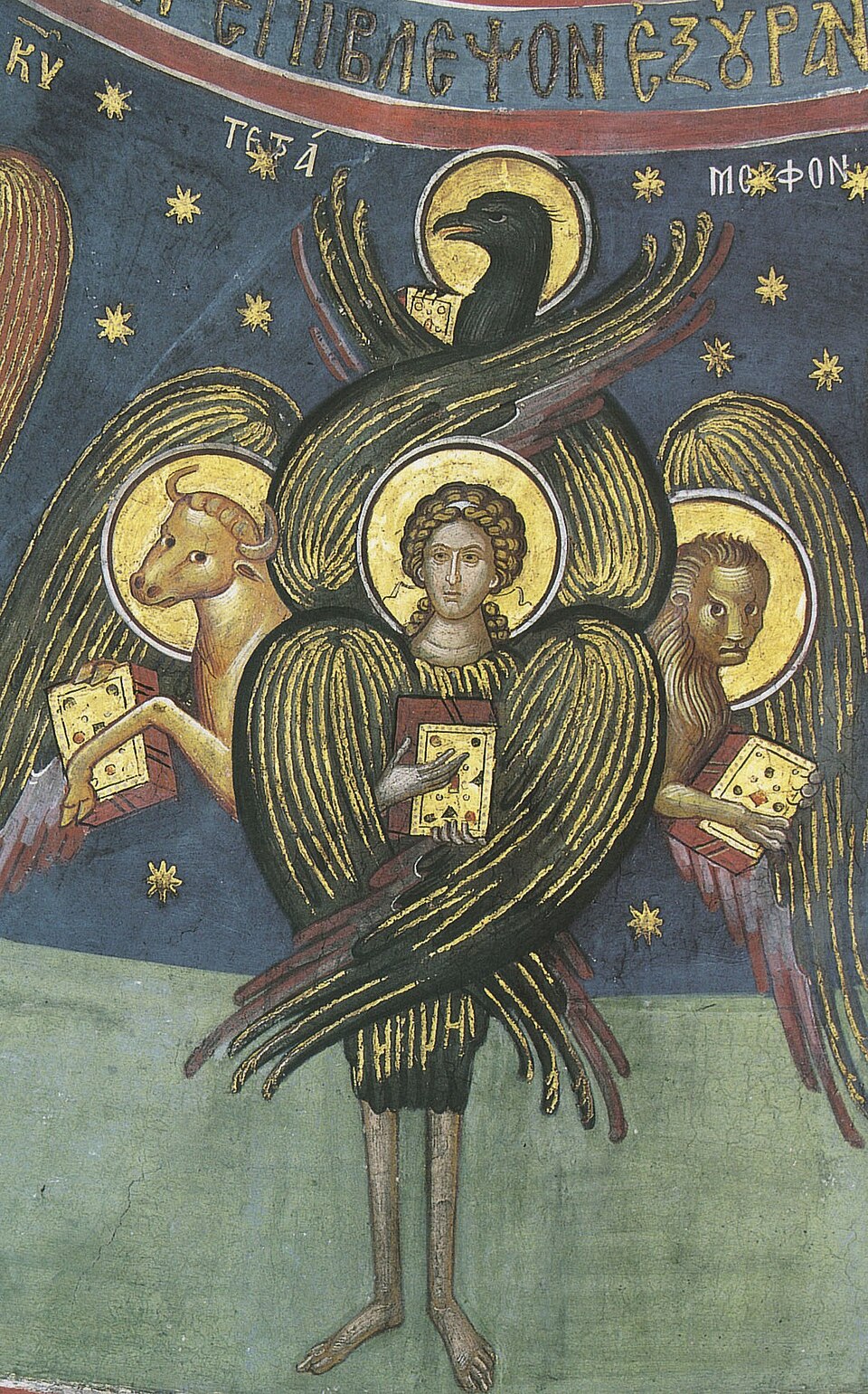 Kerubim = Cherubim | Ninth of ten ranks | 9 | Maimonides places them near the bottom of his ten ranks, inverting the Dionysian order. |
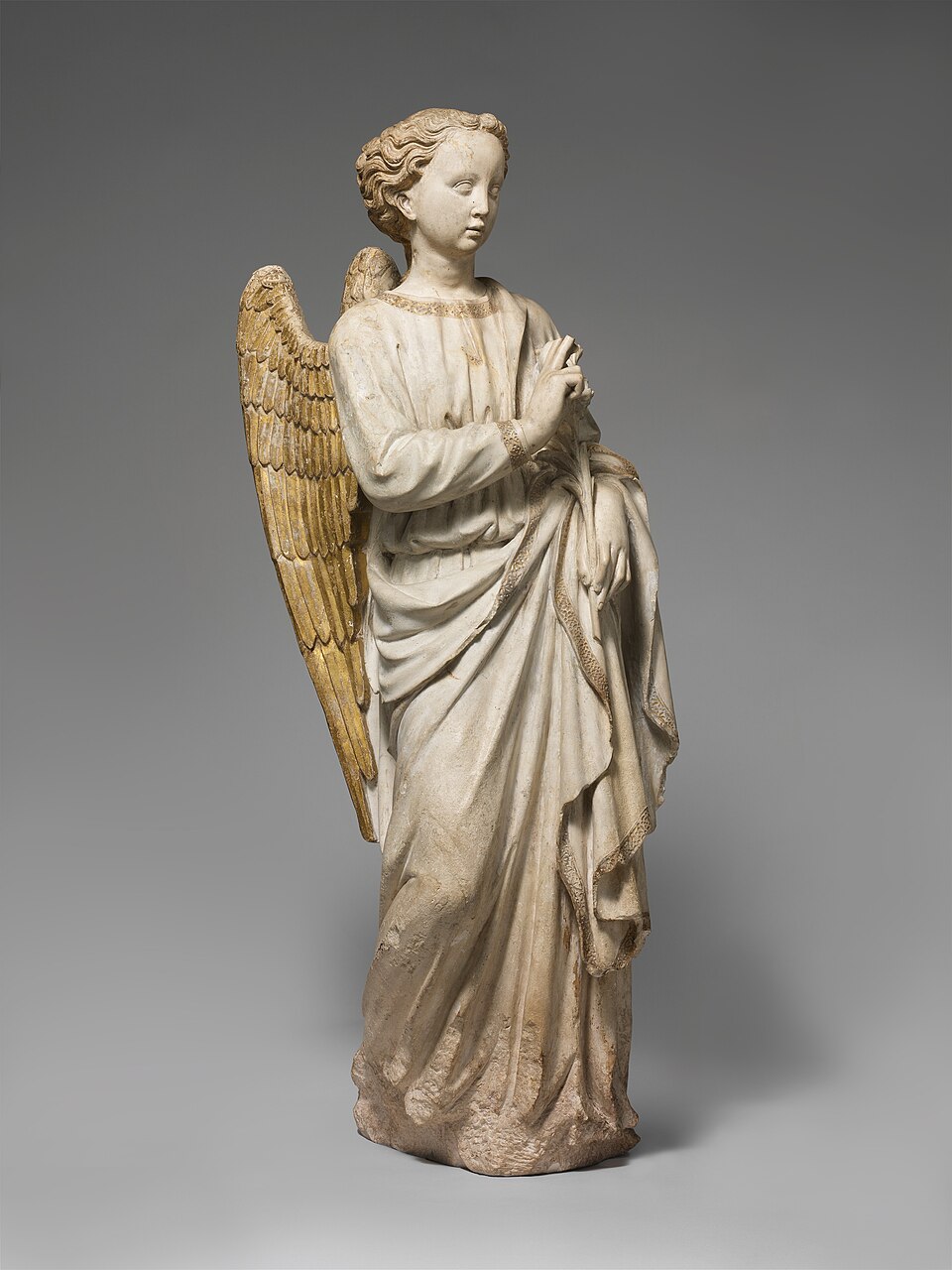 Ishim = Angels | Tenth of ten ranks | 10 | The rank that speaks with prophets and appears in visions. |