Demonic · Infernal Court · c. 400 BCE
Moloch
Also called Molech, Milcom, Molek · also recorded as Malcam, מלך (per Wikidata)
The deity of the Tophet child sacrifices in Kings and Jeremiah — or, on a long-running scholarly reading, the name of the sacrifice itself rather than a god.
Well sourced
The biblical texts condemn 'passing children through the fire to Molech'. Whether Molech is a god's name, a title (*melek*, king, with the vowels of *bosheth*, shame), or a technical term for a type of offering has been argued for over a century without resolution. The demonological tradition took the first reading without hesitation, and the image of a bronze bull-headed idol with a furnace in its belly — which comes from later classical descriptions of Carthaginian rites, not from the Bible — became fixed. Milton gives him the opening speech in the council at Pandemonium, arguing for open war.
Identity
Where does the name come from?
What the name means
Hebrew *molek*. Klein (1987) derives it from *melek*, king, given the vowels of *boshet*, shame, to show Israel's horror of the practice — a title deliberately mispronounced, which is the same device this corpus records at Beelzebub, where *zebul*, prince, becomes *zebub*, flies. On Klein's account the name as it stands in the Hebrew Bible is not what anyone called the god. It is what his enemies called him after the vowels were changed.
Where it was actually worshipped
None as a demon. Behind him is the Ammonite and Canaanite god of Judges and Kings, and behind that possibly a term for the offering itself rather than a god at all.
A figure with temples and a figure that only ever existed on a page are different kinds of thing, and the difference is easy to lose once both are entries in a list.
At a glance
Vitals
Vitals
Also known as
- First attested
- Hebrew Bible & Deuterocanon · c. 900–100 BCE
- Named there as
- Molech
- Rank
- Prince
- Order
- Infernal Court
- Base of operations
- None as a demon. Behind him is the Ammonite and Canaanite god of Judges and Kings, and behind that possibly a term for the offering itself rather than a god at all.
- Era
- c. 400 BCE
- Traditions
- Christian, Jewish, Folk & Demonological
- Placed in
- The Infernal Court
Traits
- Domain
- Sacrifice, fire, mothers and children
- Element
- Fire
- Traditional form
- Bull-headed bronze idol with a furnace within
Stats
Known connections
3 attributed
What is it said to do?
Where these powers cluster
The 3 offices attributed to Moloch, grouped by kind. Segment width is the share of powers falling in each category.
A bar dominated by one colour means a specialist; an even spread means a figure the sources credit with almost anything.
- martial1
- malefic2
martial
- Grants Victory in WarParadise Lost
Argues for open war in the infernal council.
malefic
- Burns & SlaysHebrew Bible & Deuterocanon
- Tormentsno text cited
1 mark
Which marks is it attached to?
A mark a figure carries and a mark used against a figure are opposite claims, so each link says which it is.
4 texts
Which texts say so, and where do they disagree?
When these texts were written
Each dot is one of the 4 texts that names Moloch, placed at that text's approximate date.
A wide spread means the figure was carried across many centuries and traditions; a tight cluster means a single period produced the whole record.
4 texts spanning roughly 2,313 years
Where the texts differ
- Name: given as Molech, Moloch
- Rank: given as Deity or rite — disputed; Sceptred king; Prince of the land of tears
Receives children passed through the fire at Tophet in the valley of Hinnom.
First to speak in the council, urging immediate and open war on heaven.
“Moloch, prince du pays des larmes, membre du conseil infernal. Il était adoré par les Ammonites sous la figure d’une statue de bronze assise dans un trône de même métal, ayant une tête de veau surmontée d’une couronne royale.”Moloch, prince of the land of tears, member of the infernal council. He was worshipped by the Ammonites in the form of a bronze statue seated on a throne of the same metal, having the head of a calf surmounted by a royal crown. — translated for ColossiansOne

“A divinity worshipped by the idolatrous Israelites. The Hebrew pointing Molech does not represent the original pronunciation of the name, any more than the Greek vocalization Moloch found in the LXX and in the Acts (vii, 43).”
Connections
What is it connected to?

Serves Lucifer
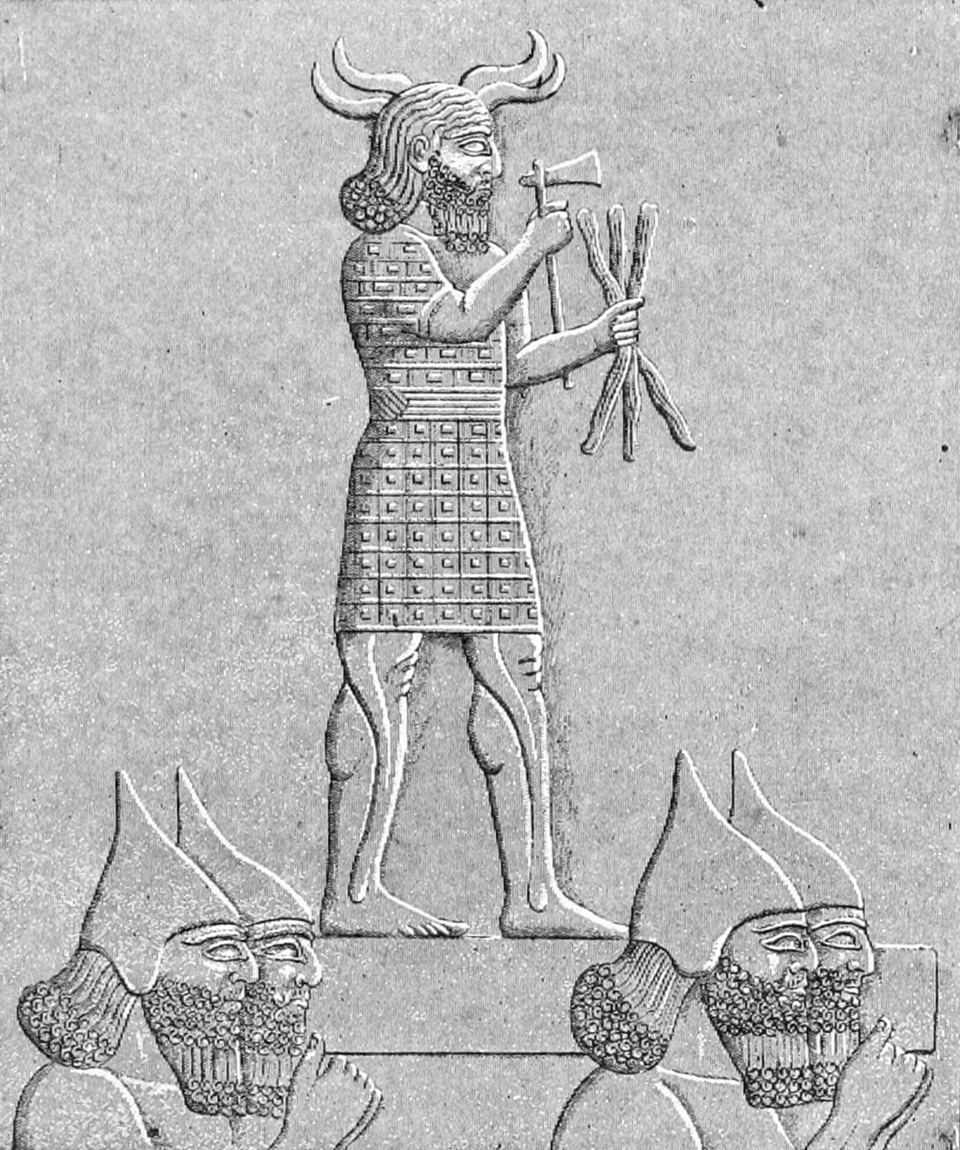
Identified with Baal Hadad
Baal Hammon at Carthage is the likely referent of the classical child-sacrifice accounts.
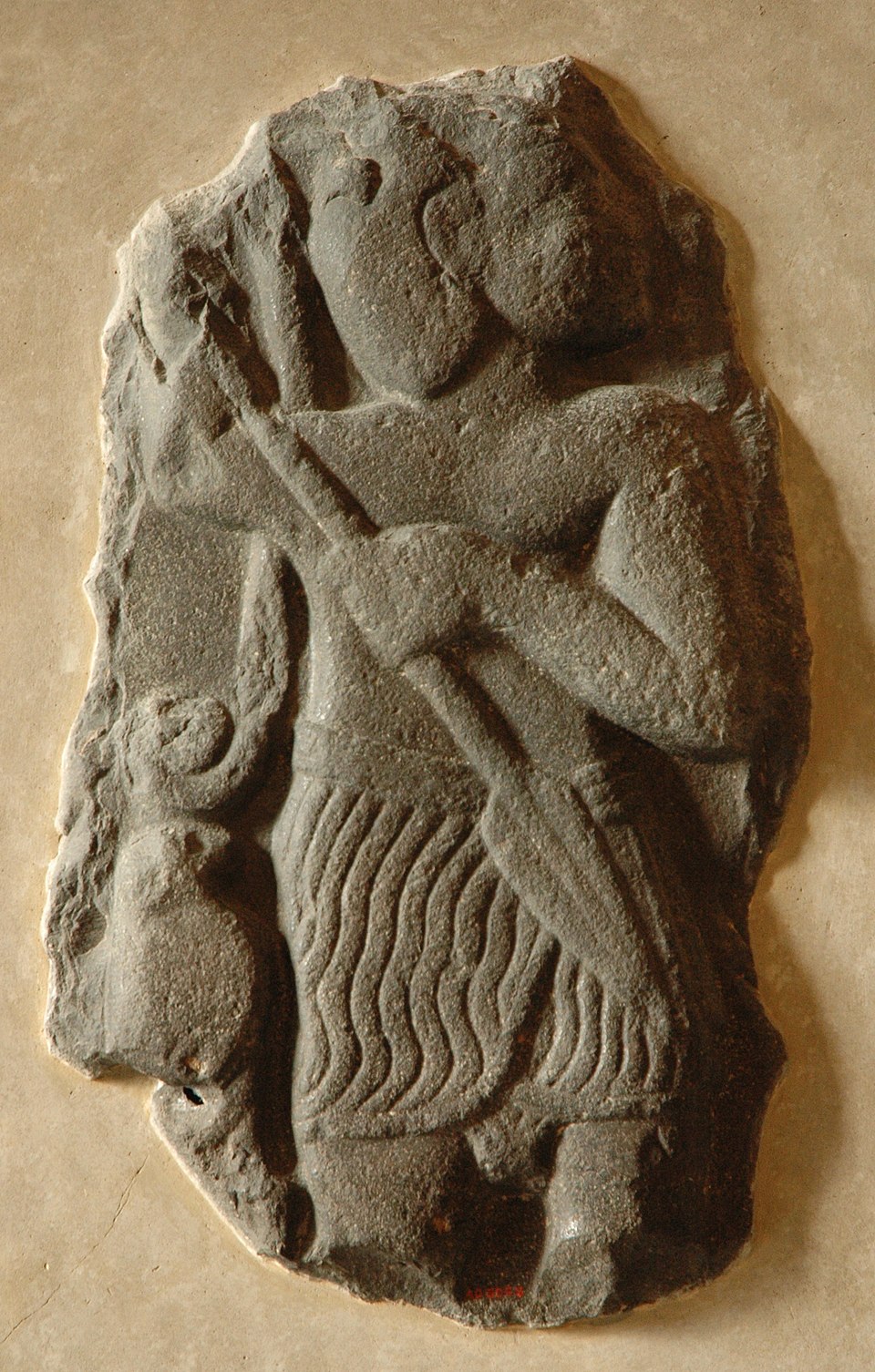
Identified with Chemosh
National gods of the Ammonites and Moabites, repeatedly conflated in the biblical text itself.
Opposed by Gehenna
The valley takes its reputation from the offerings made there, which the Hebrew Bible attributes to the cult of Moloch and which Josiah's reform was aimed at ending.
Placement
Where does it sit in the hierarchies?

Afterwards
What did later readers make of it?
The name became a word for any system that consumes the people inside it, and two texts did most of that work: Fritz Lang's Metropolis, where the factory becomes a devouring mouth on screen in 1927, and Ginsberg's Howl in 1956, whose central section is a litany of the word applied to buildings, money, armies and governments. That usage has almost nothing to do with the Hebrew Bible's Molech and everything to do with the sentence that mentions him, and it is now the dominant sense of the name in English.
Kept in its own section on purpose. Everything above is what the cited texts say; this is what was built on top of them afterwards, and blending the two is how most popular demonology goes wrong.
Answered from the sources
Common questions
Which texts mention Moloch?
Is Moloch the same as Baal Hadad?
What rank is Moloch?
How else is Moloch spelled?
What is Moloch said to do?
How old is Moloch?
Nearest in the corpus
If Moloch is what you came for, these are next
Chosen by proximity rather than by popularity: the same pantheon first, then the same rank, then the same kind of figure.
Beelzebub
Prince · Infernal Court
'Lord of the Flies' — a Philistine god of Ekron whose name was almost certainly deformed as a Hebrew insult, then inherited by Christian demonology as the second power of hell.
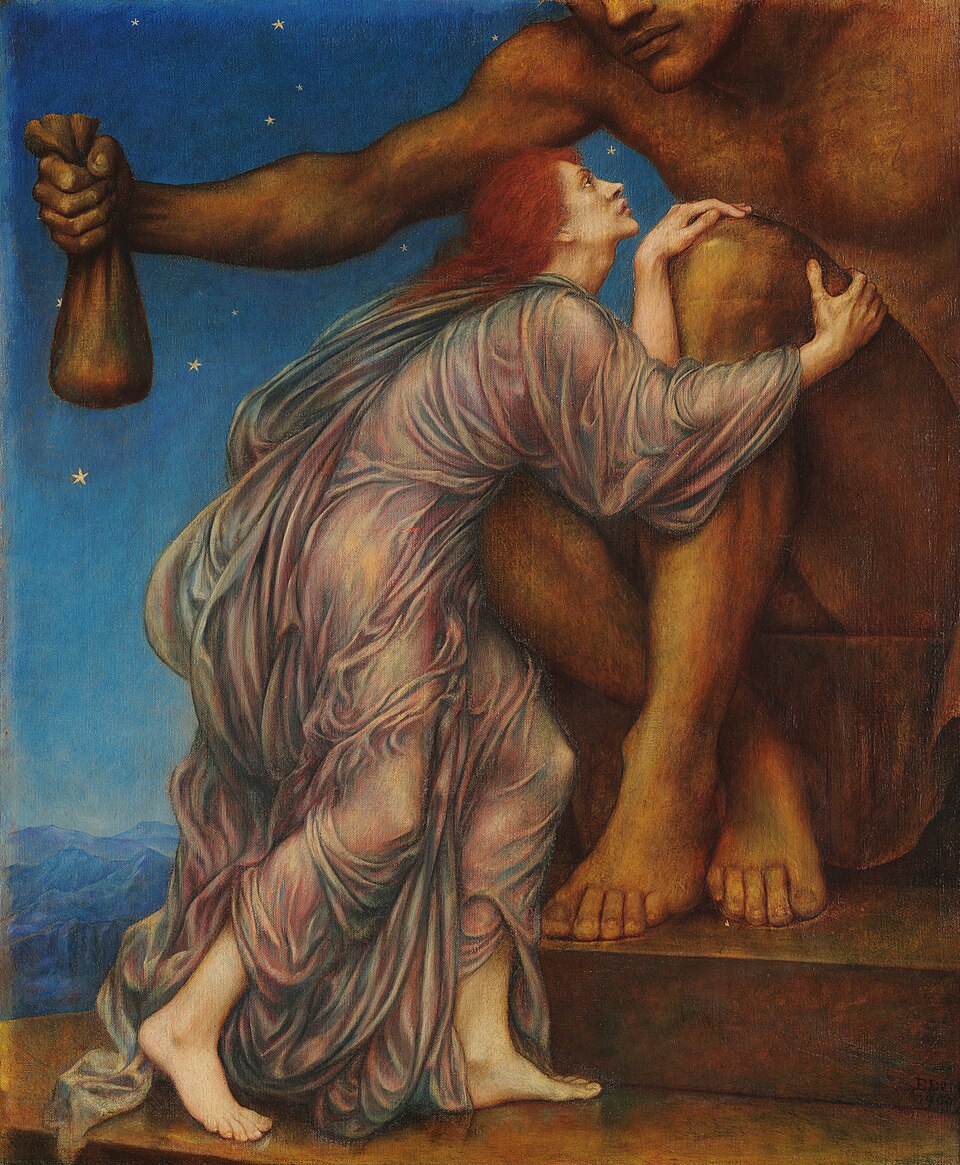
Mammon
Prince · Infernal Court
Wealth personified. The gospels use the word for money itself; demonology turned the metaphor into an officer of hell.
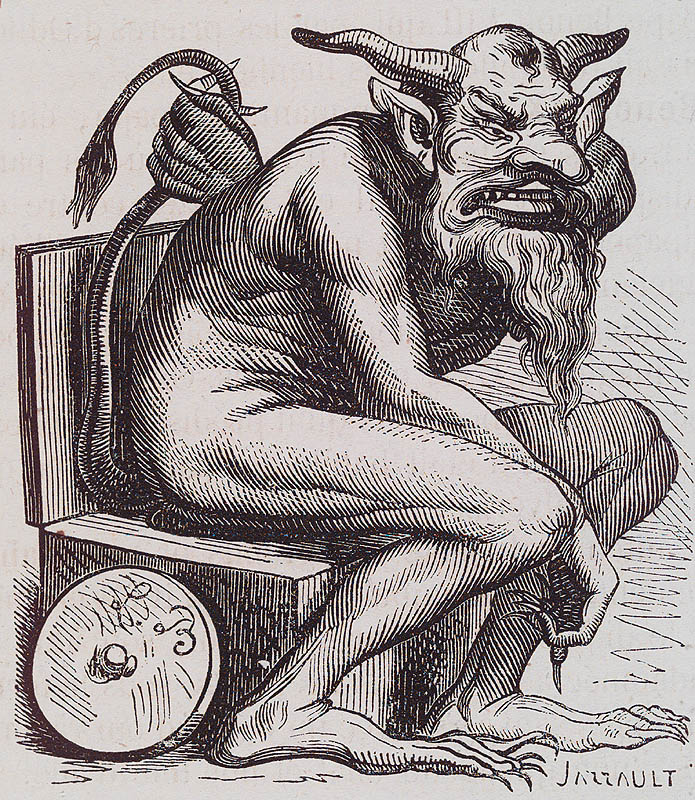
Belphegor
Prince · Infernal Court
The Moabite Baal of Peor, reassigned by demonology as the demon of sloth and of ingenious inventions. A god turned into a joke about laziness.

Orobas
Prince · Goetic Spirit
Singled out in the Goetia as faithful and honest — he does not tempt or deceive, and he defends the operator against the other spirits, which no other entry promises. He discourses on divinity and the creation of the world.
Sitri
Prince · Goetic Spirit
A griffin-winged leopard's head that resolves into a very beautiful man. His single office is compulsion in desire, running in both directions, and the Goetia is explicit that it extends to making its objects strip.
Stolas
Prince · Goetic Spirit
His teaching is narrow and exact — astronomy, and the properties of herbs and precious stones — with none of the wars, treasures or transformations that crowd the entries around him. He comes as a mighty raven, then a man.
The books behind Moloch
Every claim on this profile is attributed to one of these. They are public domain, listed oldest first, and each links to a full text where one is freely available.
Hebrew Bible & Deuterocanon
Various · c. 900–100 BCE · Hebrew, Aramaic, Greek
Read Hebrew Bible & Deuterocanon in full ↗Cover: Public domain · see en:Aleppo Codex; scanned by · Wikimedia file page
Paradise Lost
John Milton · 1667 · English
Read Paradise Lost in full ↗Cover: Public domain · John Milton · Wikimedia file page
Dictionnaire Infernal
Jacques Collin de Plancy · 1818; illustrated ed. 1863 · French
Read Dictionnaire Infernal in full ↗Cover: Public domain · Collin de Plancy · Wikimedia file page
The Catholic Encyclopedia (1913)
Various; ed. Charles Herbermann · 1913 · English
Read The Catholic Encyclopedia (1913) in full ↗Cover: Public domain · Herbermann, Charles George, 1840-1916 · Wikimedia file page
Corpus last revised 29 August 2026. A reference site’s credibility rests on being maintained, so this is the date the sourced records last changed — not the date the page was rebuilt.