protective · from c. 3000 BCE
The Bull
The standard way of saying a god is strong — and, at Sinai and at Bethel, the standard way of getting it wrong.
What the sources claim for it
Strength and generative power, and — in its intended use — a platform for a god who is not depicted.
History
Where does the Bull come from?
Bull iconography for a storm or high god is universal in the Bronze Age Levant. El is called Bull in the Ugaritic texts; Baal is depicted with a bull; Egypt maintained the Apis bull as a living animal at Memphis. The bull is not usually the god — it is the pedestal the invisible god stands on, or the animal that expresses his strength.
That distinction is exactly what the golden calf narrative attacks. Aaron's calf at Sinai and Jeroboam's calves at Bethel and Dan are presented as apostasy, and the words used of them are the words used of the god who brought Israel out of Egypt. Whether the makers thought they were making an idol or a pedestal is a question the text does not entertain.
3 figures
Who is it attached to?
Figures who carry it
An attribute rather than a signature — held, worn or associated in the texts and the images.
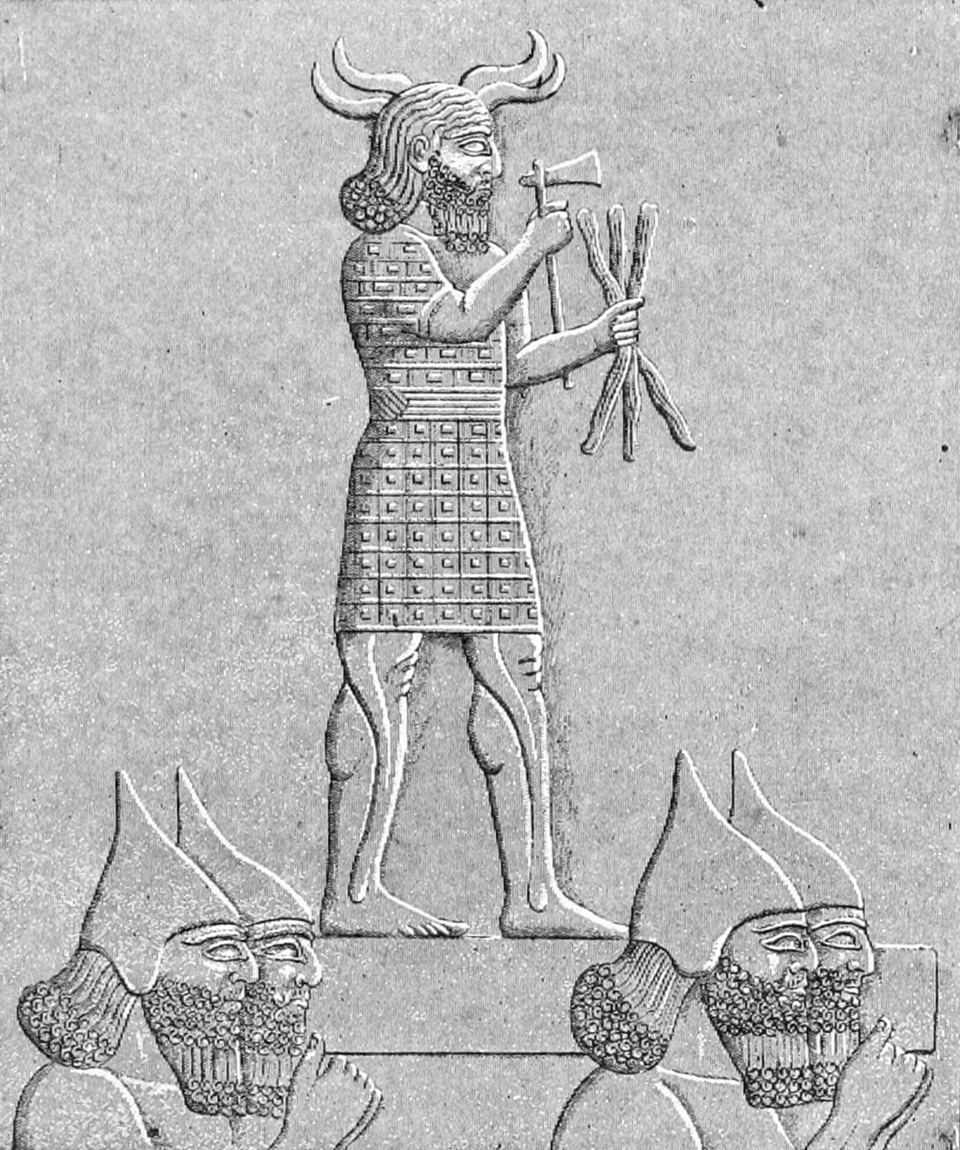
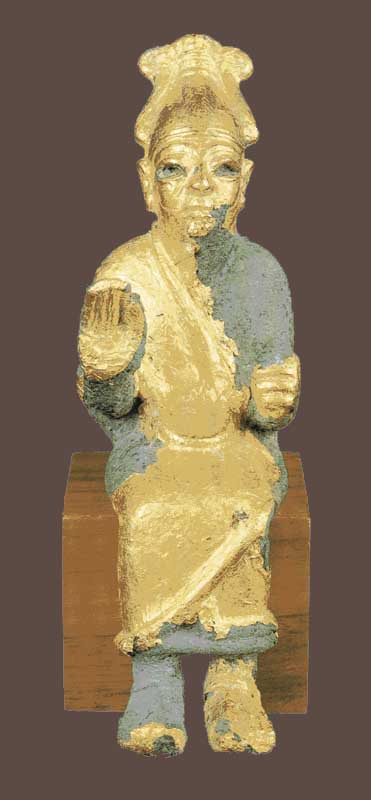
Figures it is used against
The mark is aimed at them. A ward names its target, which makes these the sharpest attributions on the page.
Afterwards
What did it turn into?
'Golden calf' has become the general English idiom for a false object of devotion, which is a fair summary of the biblical verdict and a poor summary of what the object was in Canaanite practice.
Which texts describe it?
Oldest first, with what each one does with the mark. A mark described in a Bronze Age incantation and a mark first drawn in a seventeenth-century manuscript are different kinds of claim, whatever the shape has in common.
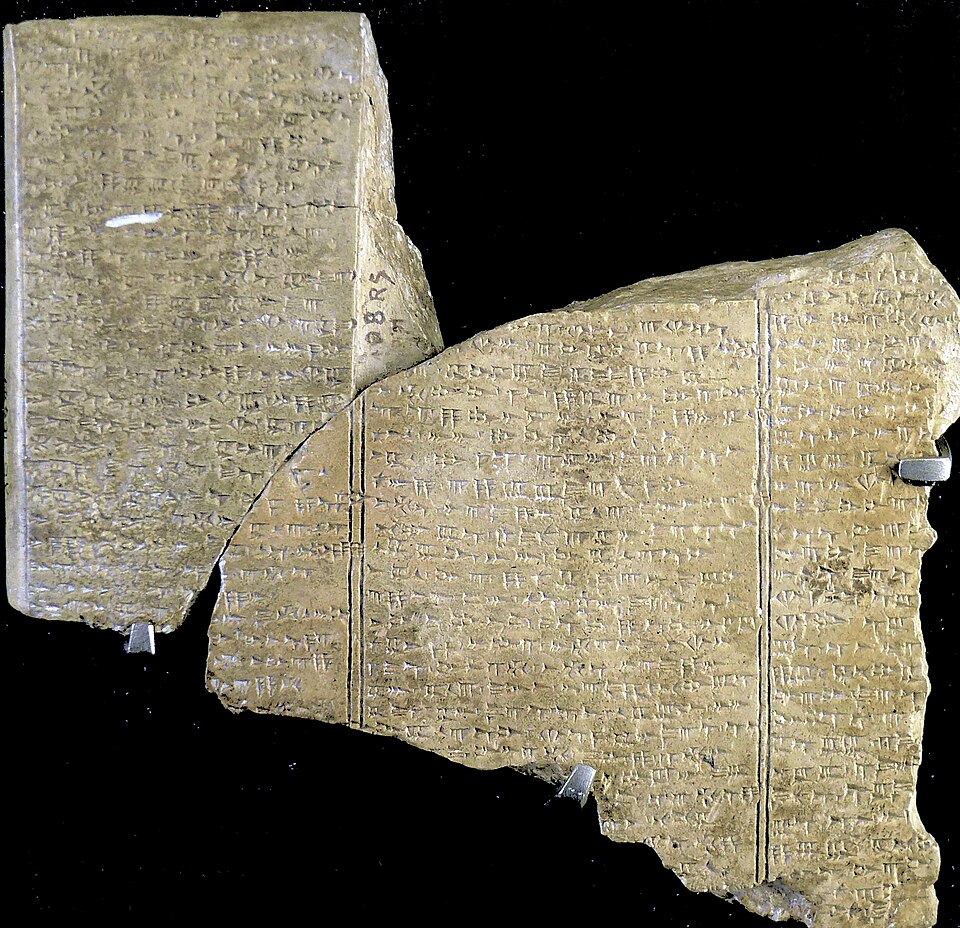
The Baal Cycle (Ugaritic Tablets)
Anonymous; recovered at Ras Shamra · c. 1400-1200 BCE · Ugaritic
El is titled Bull; Baal's strength is expressed in the same animal.
Read The Baal Cycle (Ugaritic Tablets) in full ↗Cover: CC BY-SA 3.0 · Unknown artist · Wikimedia file page
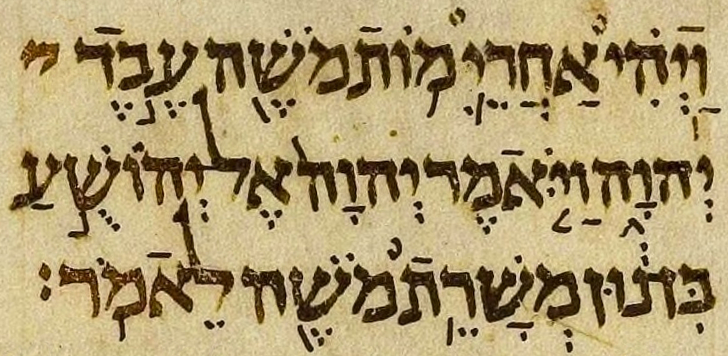
Hebrew Bible & Deuterocanon
Various · c. 900–100 BCE · Hebrew, Aramaic, Greek
The calf at Sinai and Jeroboam's calves at Bethel and Dan.
Read Hebrew Bible & Deuterocanon in full ↗Cover: Public domain · see en:Aleppo Codex; scanned by · Wikimedia file page
Nearby
Related marks
The Standing Stone
An upright unworked stone marking a place where something happened — the oldest kind of monument, and one the Bible both erects and forbids.
The Asherah Pole
A wooden pole or stylised tree beside an altar, mentioned about forty times in the Hebrew Bible and almost always in the course of ordering its destruction.
The Ankh
The sign for 'life', held to the nose of a king by a god. Not an amulet first — a hieroglyph that got carried into three dimensions.
The Djed Pillar
A four-tiered column meaning stability, later read as the backbone of Osiris and raised upright at festival as a resurrection.
The Was Sceptre
A straight staff with a forked foot and an animal head — and the animal, on the best reading, is Set's.
The Uraeus
A cobra rearing at the front of a crown, understood as the eye of the sun placed where it can spit at whatever approaches the wearer's face.