Canaanite & Ugaritic · Ugaritic · c. 1400-1200 BCE
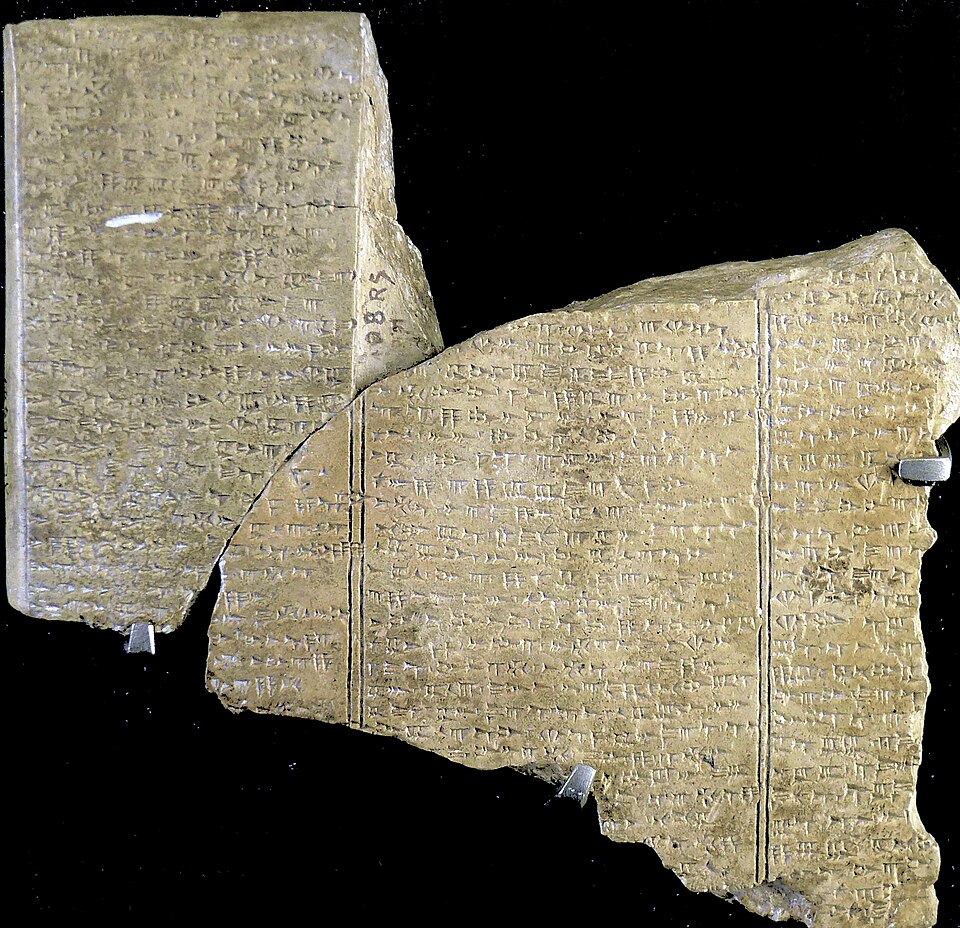
The Baal Cycle (Ugaritic Tablets)
Anonymous; recovered at Ras Shamra
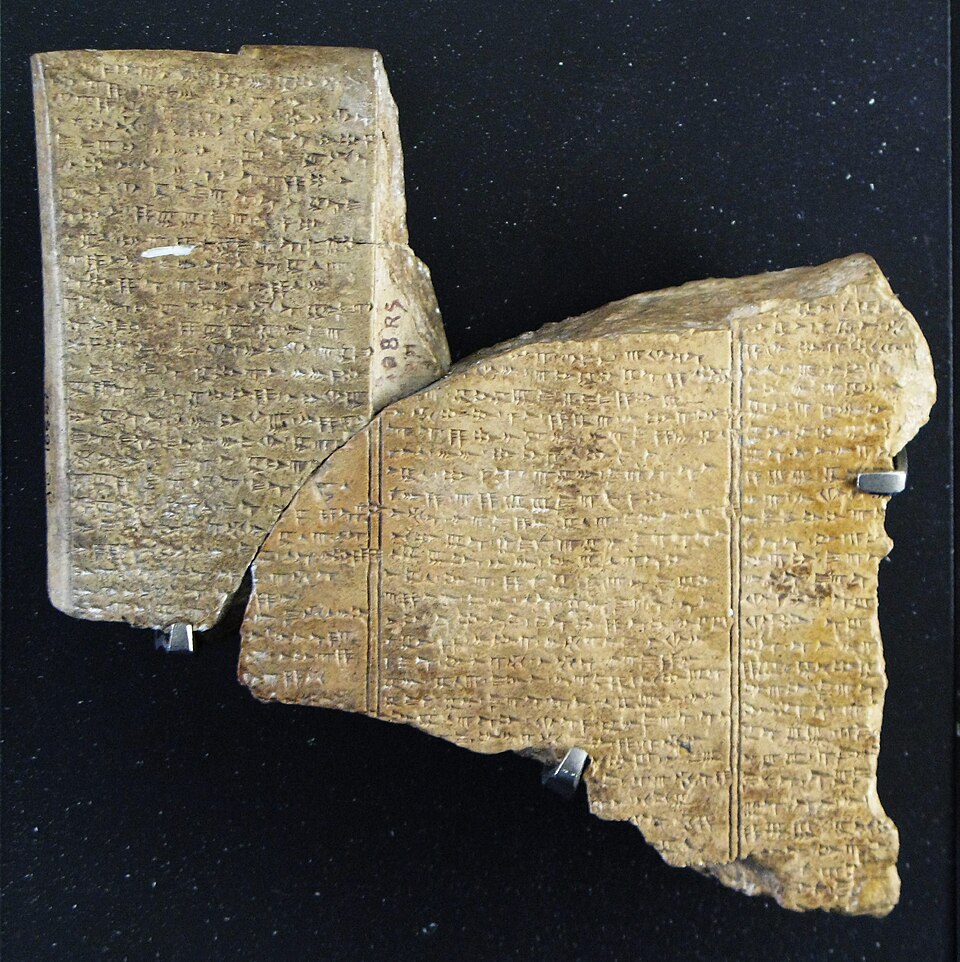
Recovered in 1929, and immediately decisive: it shows that Baal, Athtart, Lotan and Mot were functioning deities of a living religion, not the inventions of biblical polemic. Most of the West's demon-names begin here.
Read The Baal Cycle (Ugaritic Tablets) in full at the linked edition →What this text attests · 11
| Name here | Rank given | # | Powers described |
|---|---|---|---|
| Virgin Anat | — | Slaughters in the valley, recovers Baal's body, and destroys Mot by winnowing, grinding and sowing him. | |
Athirat = Asherah | Lady Athirat of the Sea | — | Consort of El and mother of the gods; her intercession with El is what secures Baal permission to build his palace. |
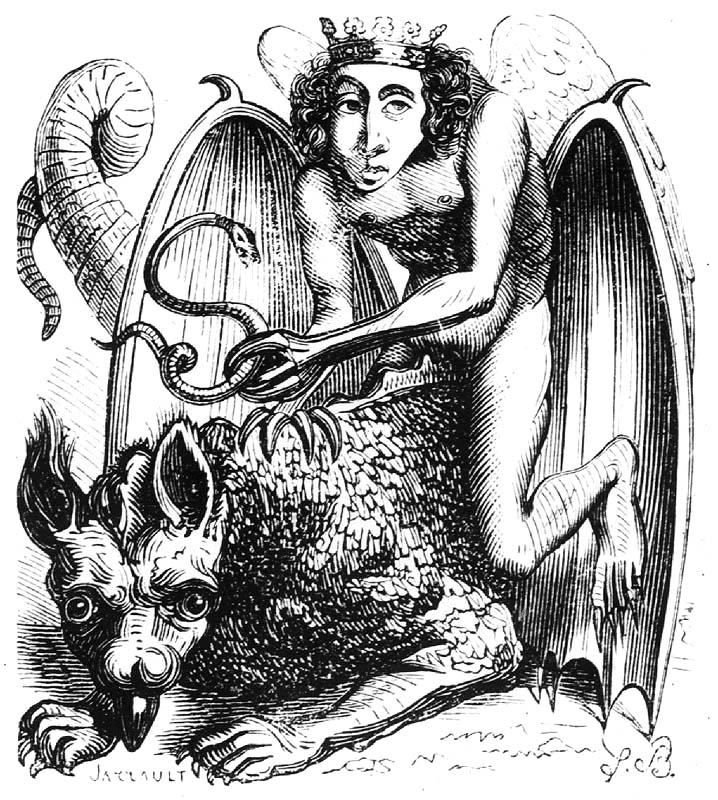 Athtart = Astaroth | Goddess of love and war | — | A major deity of the Ugaritic pantheon, three millennia before the Goetia makes her a male duke. |
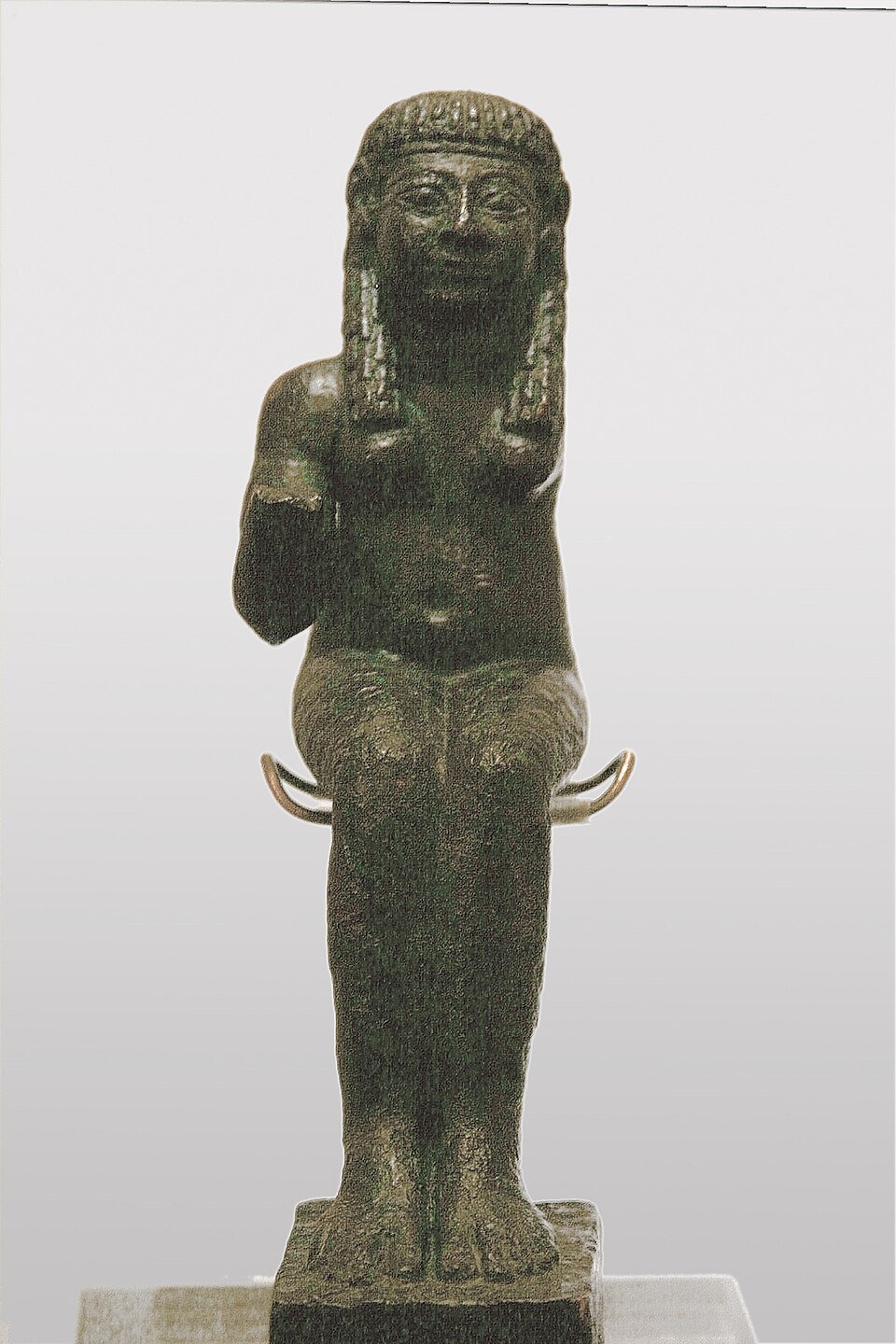 Athtart = Astarte | Goddess | — | Aids Baal against Yam; a goddess of the hunt and of battle. |
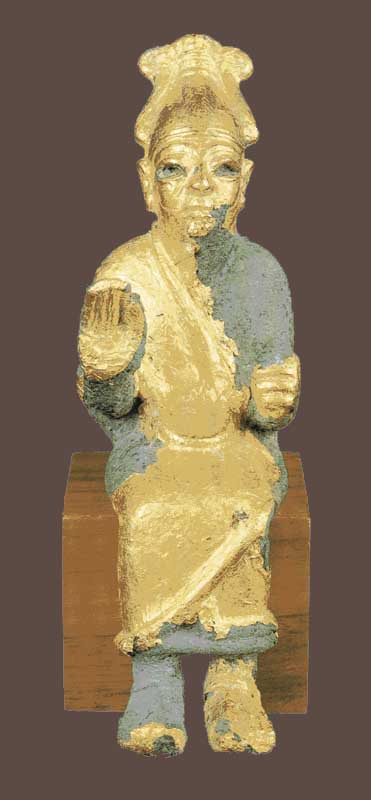
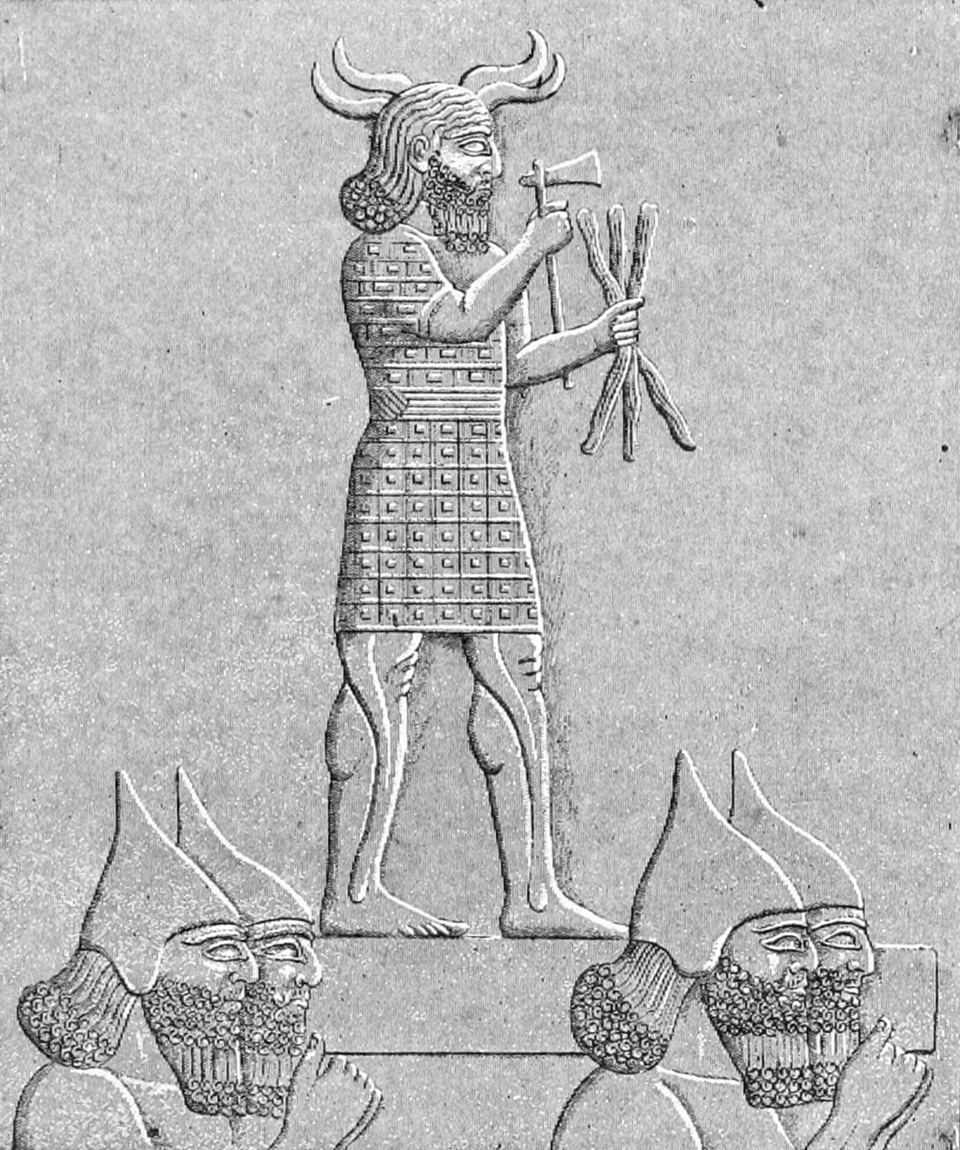 Ba'lu / Haddu = Baal Hadad | Prince, lord of the earth | — | Defeats Yam the Sea, builds his palace, is swallowed by Mot and returns; gives the rains. |
| Father of years, creator of creatures | — | Presides over the divine assembly and must approve Baal's palace. | |
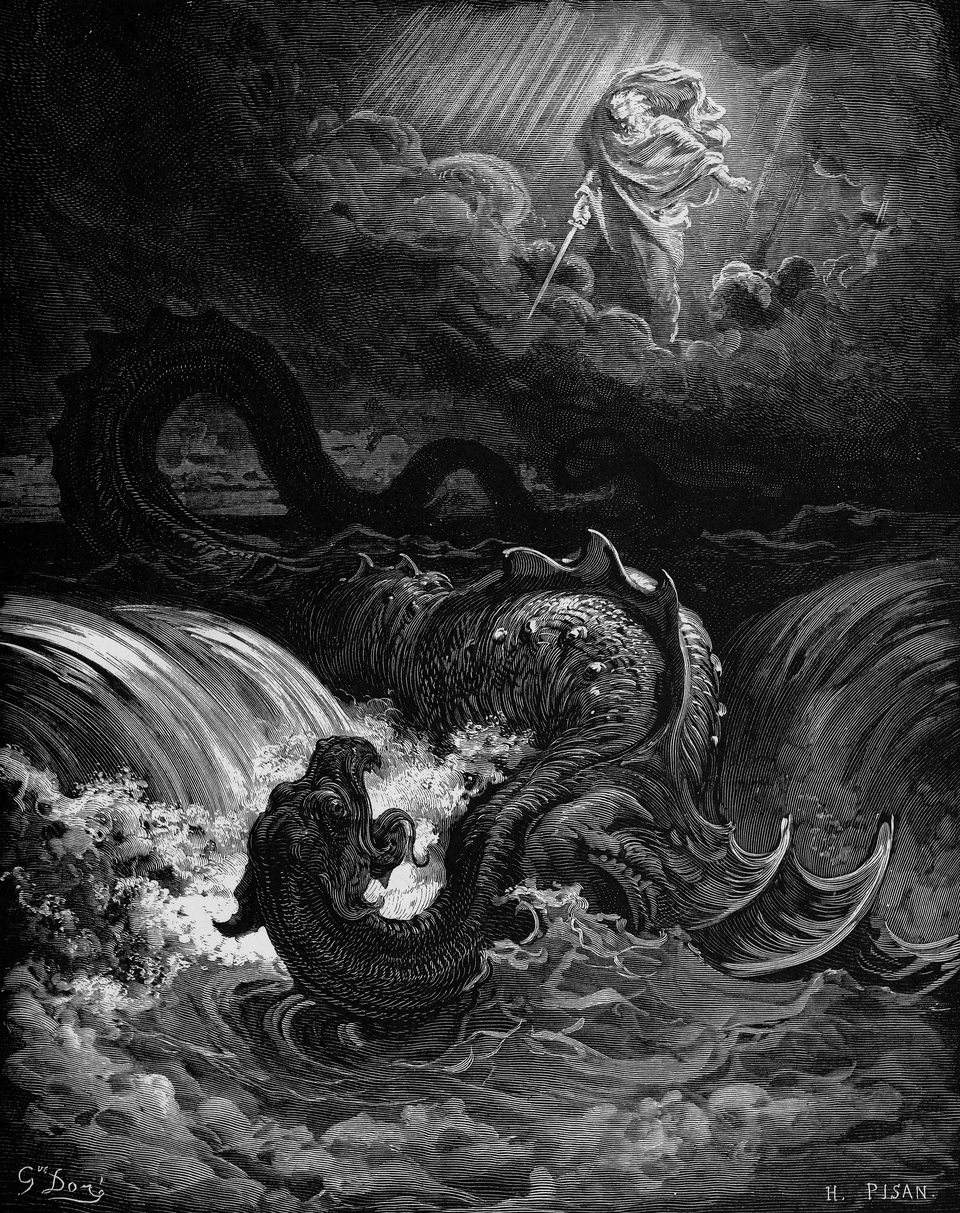 Litan = Lotan | The fleeing serpent | — | Slain by Baal or by Anat. |
| Beloved of El | — | Swallows Baal and brings drought; is defeated by Anat, who winnows and grinds him. | |
| God of pestilence | — | Attested in the Ugaritic texts and widely across the Levant and Egypt. | |
| Prince Sea, Judge River | — | Demands Baal as his servant from the assembly of El; is struck down by the clubs Yagrush and Ayamur. | |
rpum = The Rephaim | The assembly of the honoured dead | — | The Ugaritic texts know an assembly of ancestral and royal dead who are summoned and feasted, which is the sense standing behind the Hebrew word's second use. |
What does it actually say?
The passages themselves, as this text gives them. Read them against what the other texts here say about the same figures — that comparison is the point.
“Our king is Mightiest Baal, our judge, and there is none above him.”
“The fleeing serpent, the twisting serpent, the mighty one with seven heads.”