Deity · Canaanite · c. 1400 BCE
Yam
Also called Yamm, Judge Nahar · also recorded as Judge of the River, Ym, ṯpṭ nhr (per Wikidata)
The Sea as a rival claimant to kingship, put down by Baal with two named clubs. It is the Ugaritic version of Marduk against Tiamat.
Well sourced
Yam is not a monster in the Ugaritic texts but a claimant. He comes before the assembly of El with a legal demand that Baal be handed over as his servant, and El concedes it; Baal's answer is the craftsman-god's two named clubs, Yagrush the chaser and Ayamur the driver, and the second one puts the Sea down. What matters for this corpus is how much of that survives in scripture without the god's name attached. Psalm 74 divides the sea and breaks the heads of the dragons in it, Isaiah 51 sets the drying of the sea beside the cutting of Rahab, and Job 7 has a man ask whether he is the Sea, that a watch should be set over him — a question with no force unless the Sea is the kind of thing that needs watching.
Identity
Where does the name come from?
Where it was actually worshipped
No temple of his own. Ugaritic offering lists do include him, which is worth noting — the Sea is placated as well as fought — but he is never housed.
A figure with temples and a figure that only ever existed on a page are different kinds of thing, and the difference is easy to lose once both are entries in a list.
At a glance
Vitals
Vitals
Also known as
- First attested
- The Baal Cycle (Ugaritic Tablets) · c. 1400-1200 BCE
- Rank
- The Sea
- Pantheon
- Canaanite
- Order
- Canaanite pantheon
- Base of operations
- No temple of his own. Ugaritic offering lists do include him, which is worth noting — the Sea is placated as well as fought — but he is never housed.
- Era
- c. 1400 BCE
- Traditions
- Canaanite & Ugaritic
Traits
- Domain
- The sea, chaos, rival kingship
- Traditional form
- The sea itself; addressed as a prince
Stats
Known connections
2 attributed
What is it said to do?
Where these powers cluster
The 2 offices attributed to Yam, grouped by kind. Segment width is the share of powers falling in each category.
A bar dominated by one colour means a specialist; an even spread means a figure the sources credit with almost anything.
- martial1
- malefic1
2 texts
Which texts say so, and where do they disagree?
When these texts were written
Each dot is one of the 2 texts that names Yam, placed at that text's approximate date.
A wide spread means the figure was carried across many centuries and traditions; a tight cluster means a single period produced the whole record.
2 texts spanning roughly 900 years
Where the texts differ
- Name: given as Yam, Yam (the Sea)
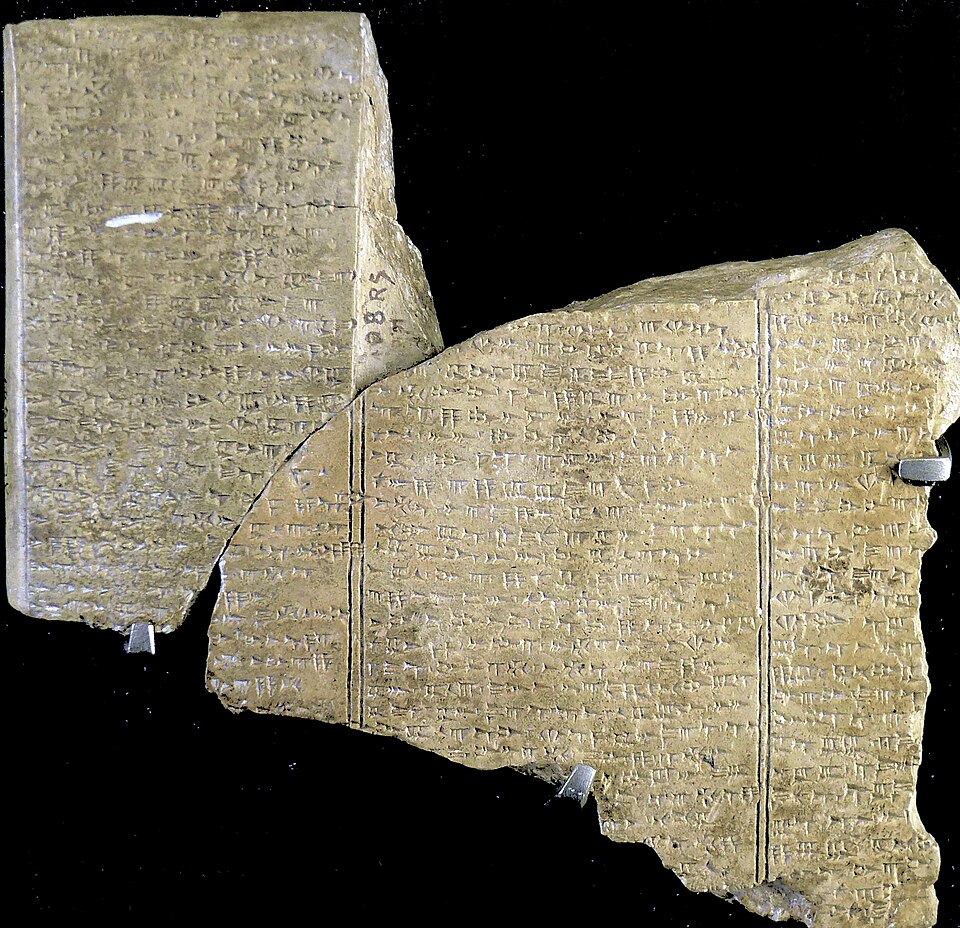
Demands Baal as his servant from the assembly of El; is struck down by the clubs Yagrush and Ayamur.
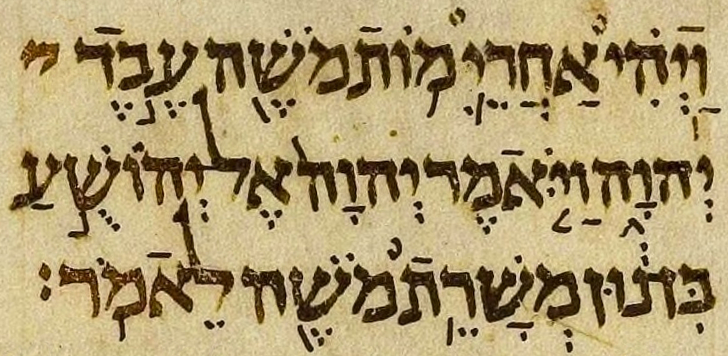
The sea as an adversary that had to be defeated before order held. Psalm 74:13 divides the sea and breaks the heads of the dragons in it; Isaiah 51:9-10 sets the drying of the sea beside the cutting of Rahab; Job 7:12 has a man ask whether he is the Sea, that a guard should be set over him — a question with no force unless the Sea is the sort of thing that needs guarding.
Connections
What is it connected to?
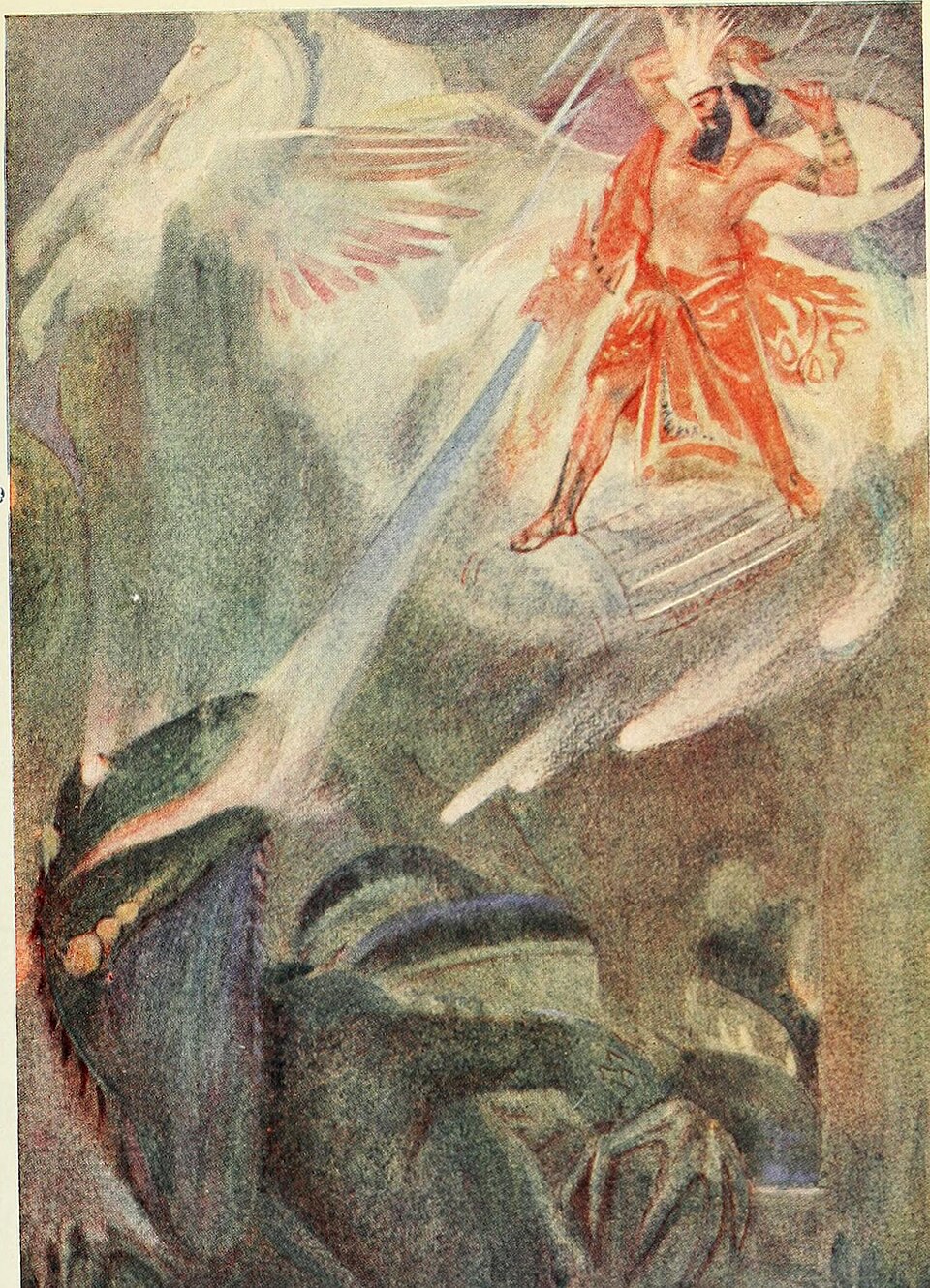
Identified with Tiamat
The Sea as a defeated claimant, in West and East Semitic forms.
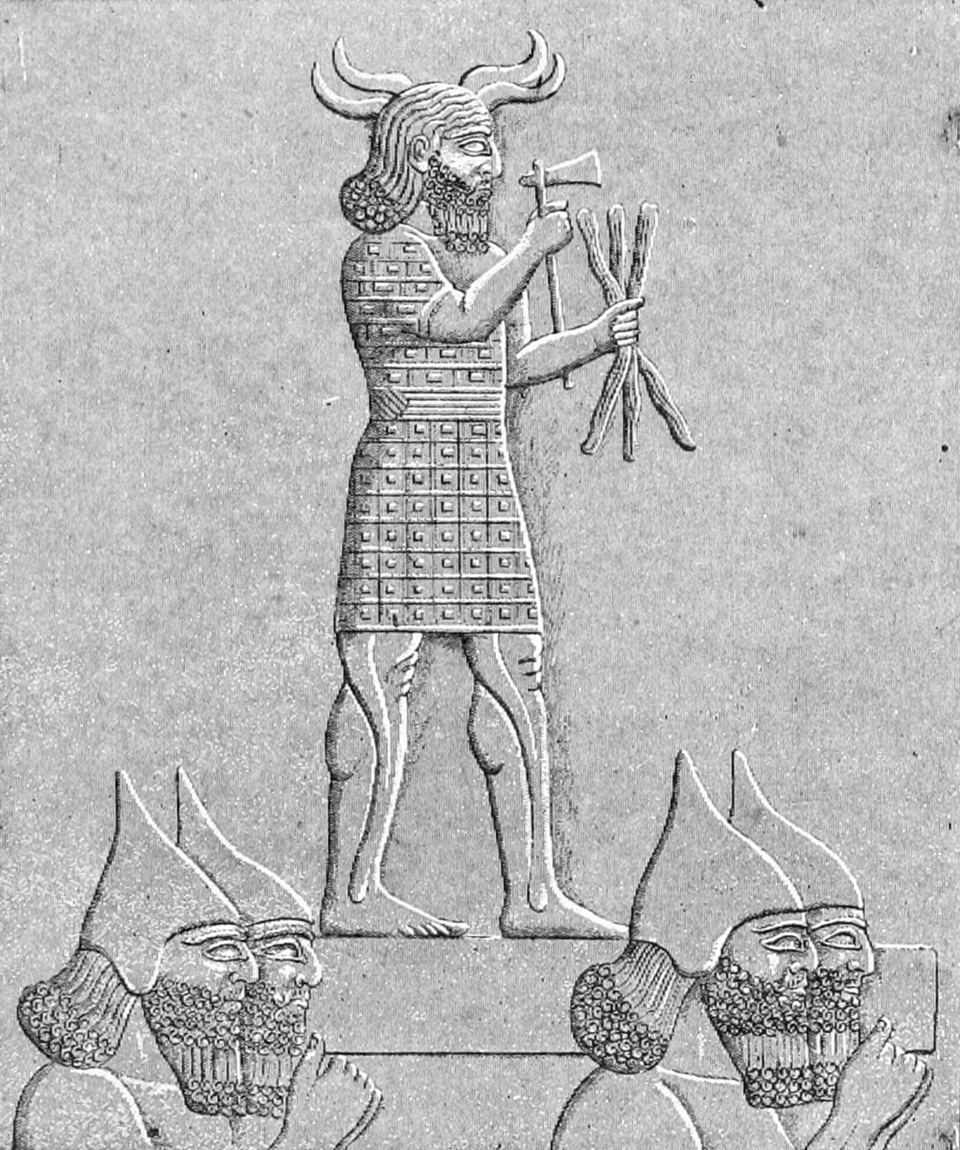
Opposed by Baal Hadad
Struck down with the clubs Yagrush and Ayamur.
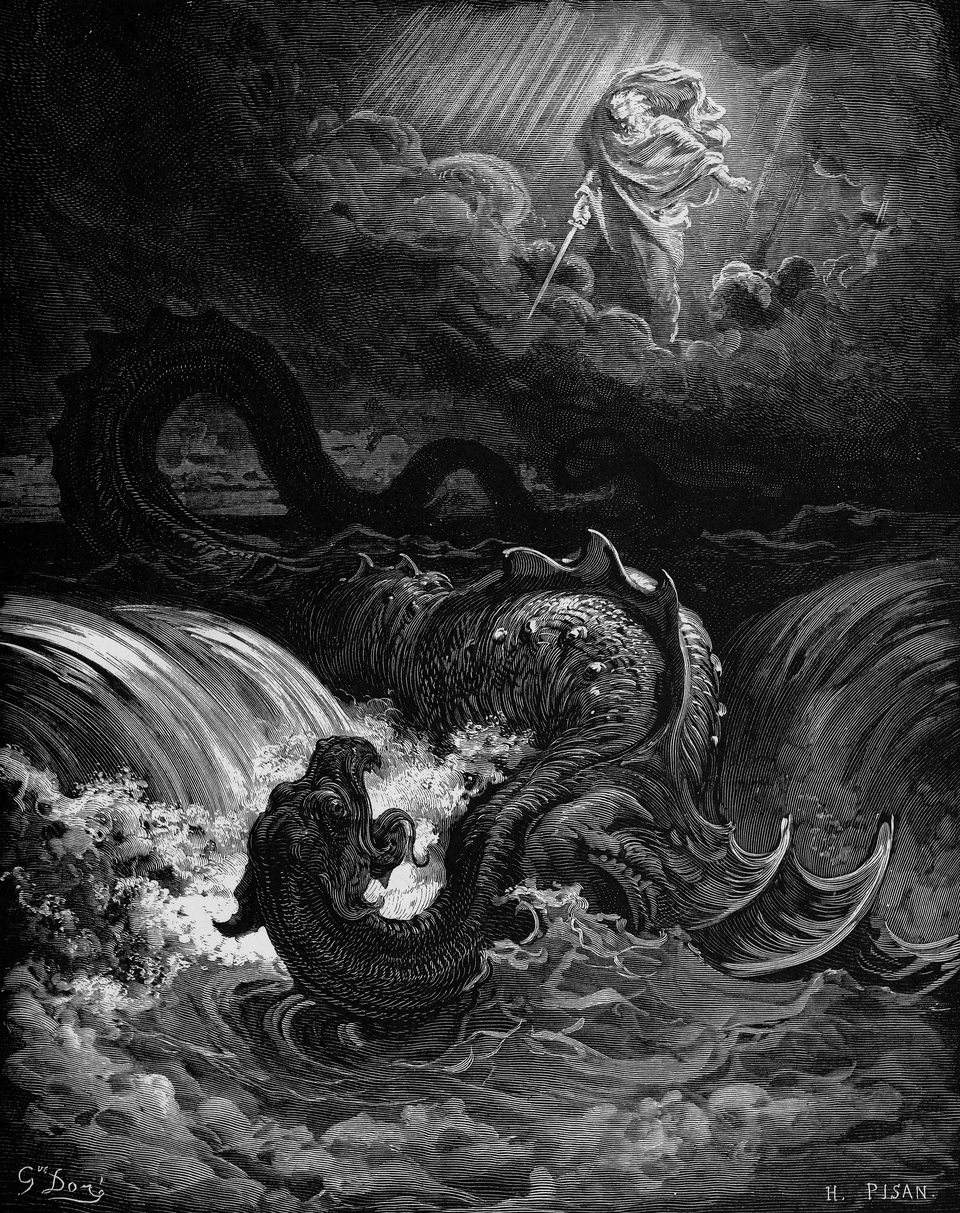
Served by Lotan
Lotan is the serpent associated with Prince Sea in the Ugaritic texts.
Identified with Sobek
The water as a power both feared and needed.
Identified with Poseidon
The sea as a god, in the Greek and the Ugaritic. Recorded by Wikidata (P460); not asserted by a text this corpus carries.
Answered from the sources
Common questions
Which texts mention Yam?
Is Yam the same as Tiamat?
What rank is Yam?
How else is Yam spelled?
What is Yam said to do?
How old is Yam?
Nearest in the corpus
If Yam is what you came for, these are next
Chosen by proximity rather than by popularity: the same pantheon first, then the same rank, then the same kind of figure.
Anat
Warrior Goddess · Canaanite
Baal's sister and avenger. She grinds Death himself to pieces and sows him in a field, which makes her the most violent figure in the Ugaritic corpus.
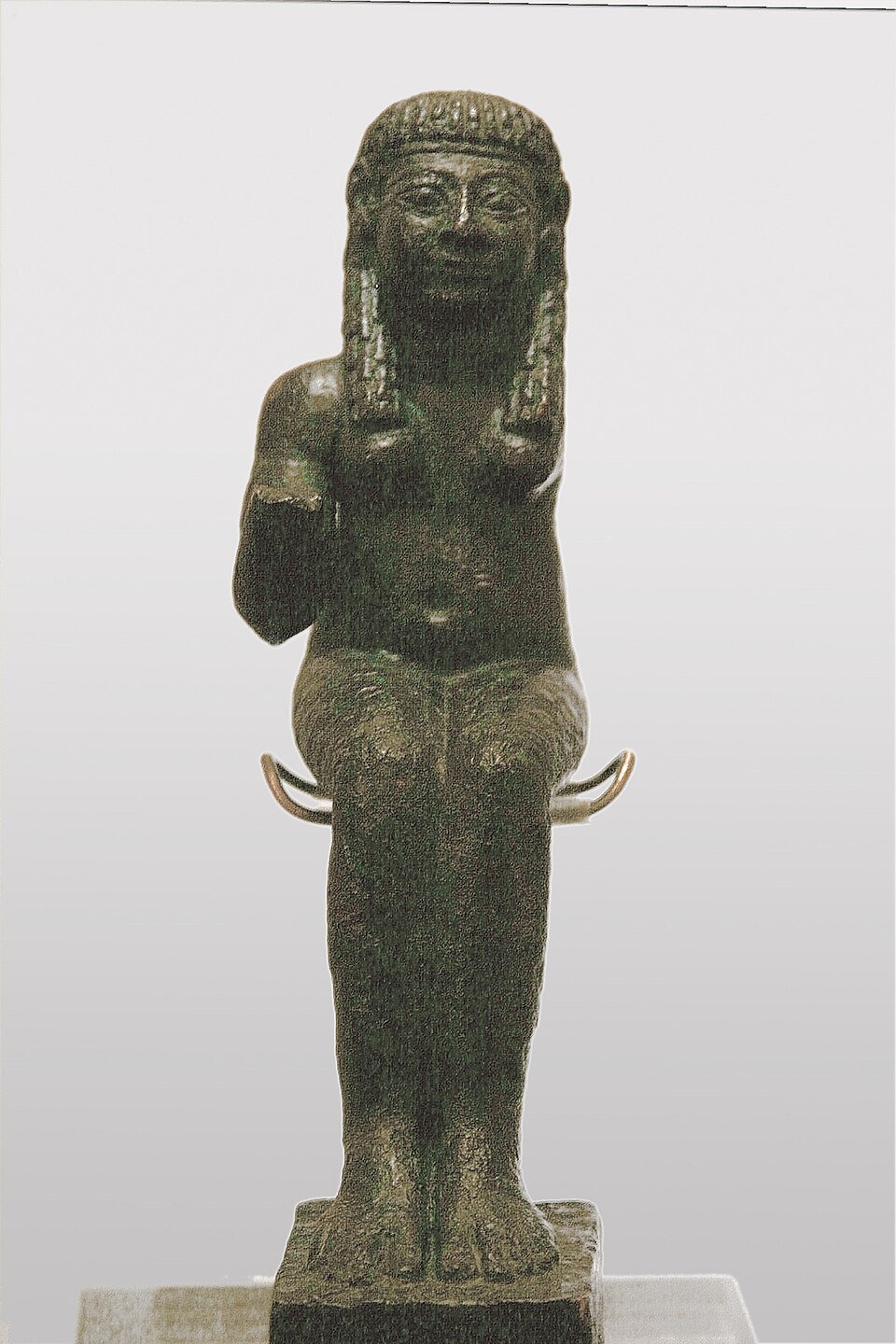
Astarte
Goddess of Love and War · Canaanite
The West Semitic goddess of love and war, cognate with Ishtar — and the direct ancestor of the Goetic duke Astaroth, who kept the name and lost the gender.
Baal Hadad
Storm God · Canaanite
The Canaanite storm and fertility god who defeats Sea and Death — and whose title, *baal* ('lord'), the Hebrew Bible turns into a generic term for false gods.
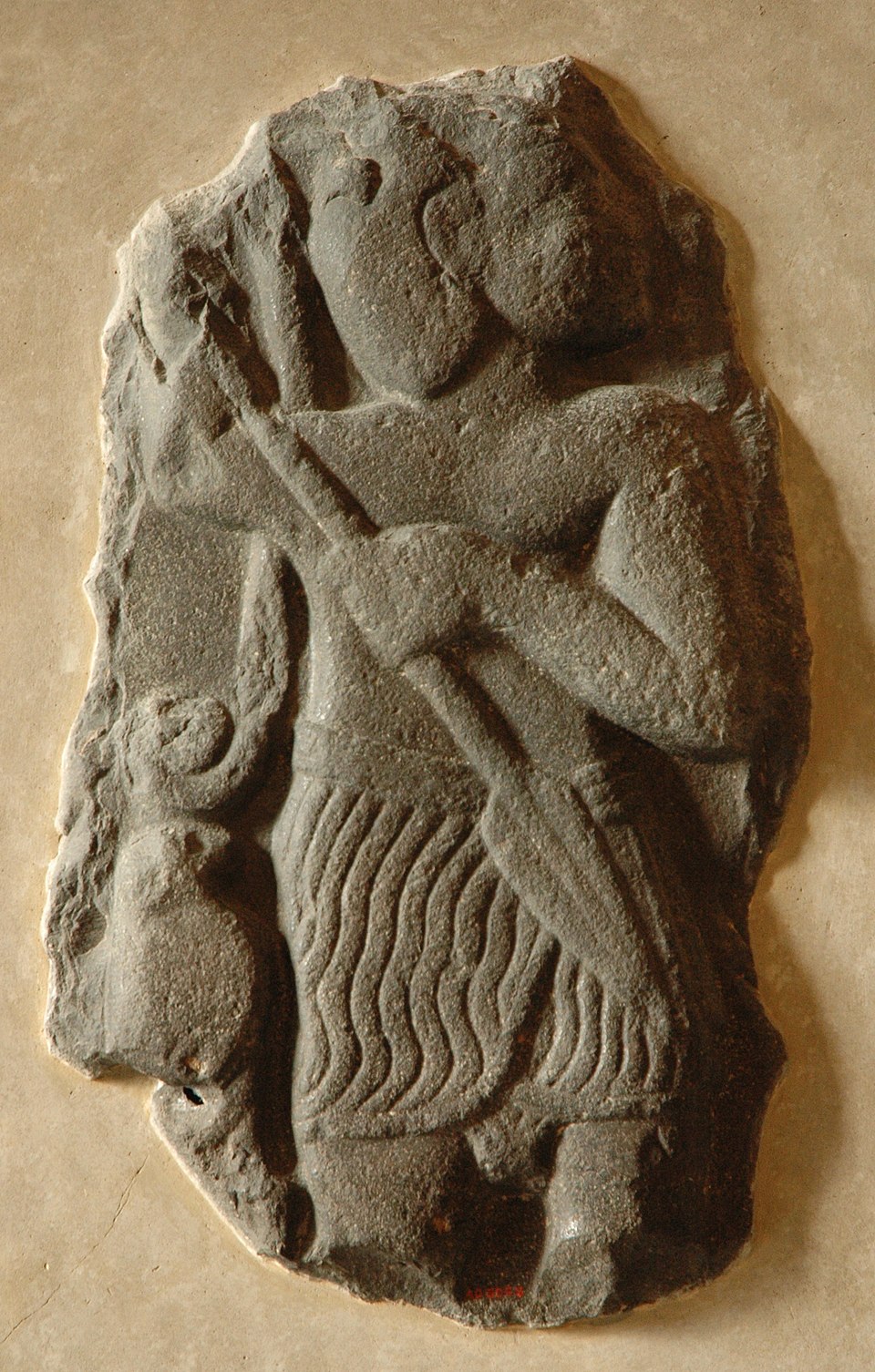
Chemosh
God of Moab · Canaanite
National god of Moab, known from the Bible and from the Mesha Stele — where a Moabite king describes his own history in language almost identical to Israel's.
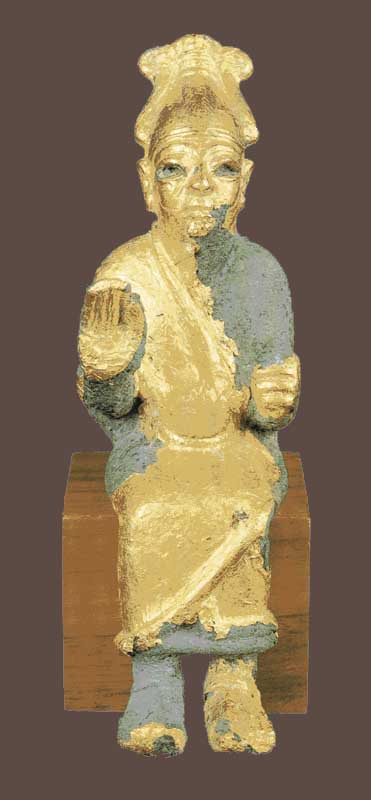
El
Father of the Gods · Canaanite
The aged high god who presides over the assembly at Ugarit — and whose name is one of the Hebrew Bible's own words for God.
Lotan
Chaos Serpent · Canaanite
The seven-headed sea-serpent slain in the Baal Cycle, described in language Isaiah reuses almost verbatim for Leviathan.
The books behind Yam
Every claim on this profile is attributed to one of these. They are public domain, listed oldest first, and each links to a full text where one is freely available.
The Baal Cycle (Ugaritic Tablets)
Anonymous; recovered at Ras Shamra · c. 1400-1200 BCE · Ugaritic
Read The Baal Cycle (Ugaritic Tablets) in full ↗Cover: CC BY-SA 3.0 · Unknown artist · Wikimedia file page
Hebrew Bible & Deuterocanon
Various · c. 900–100 BCE · Hebrew, Aramaic, Greek
Read Hebrew Bible & Deuterocanon in full ↗Cover: Public domain · see en:Aleppo Codex; scanned by · Wikimedia file page
Corpus last revised 29 August 2026. A reference site’s credibility rests on being maintained, so this is the date the sourced records last changed — not the date the page was rebuilt.