Tradition
Canaanite & Ugaritic
The West Semitic pantheon — El, Baal, Anat, Athtart — from which the Hebrew Bible's polemic borrows most of its demon-names.
What is the Canaanite & Ugaritic tradition?
The Ugaritic tablets recovered at Ras Shamra from 1929 are the most consequential archaeological find on this site, because they turned a polemical caricature back into a religion. Before them, Baal and Athtart and Mot were known almost entirely from the Hebrew Bible's attacks on them. After them, they are attested gods of a functioning West Semitic pantheon with their own myths, their own theology and their own conflicts.
That changes how the biblical material reads. The Hebrew Bible is not inventing these names, and the demonisation is visible as a process rather than assumed as a starting point: a storm god with temples becomes a title of contempt, a goddess of love and war becomes a duke of hell with the gender changed and the vowels of the word for "shame" inserted into her name.
Most of the West's demon-names begin here. Reading the Canaanite hub against the Solomonic one is the fastest way to see how much of medieval demonology is Bronze Age religion with the labels changed.
Which texts does this tradition rest on?
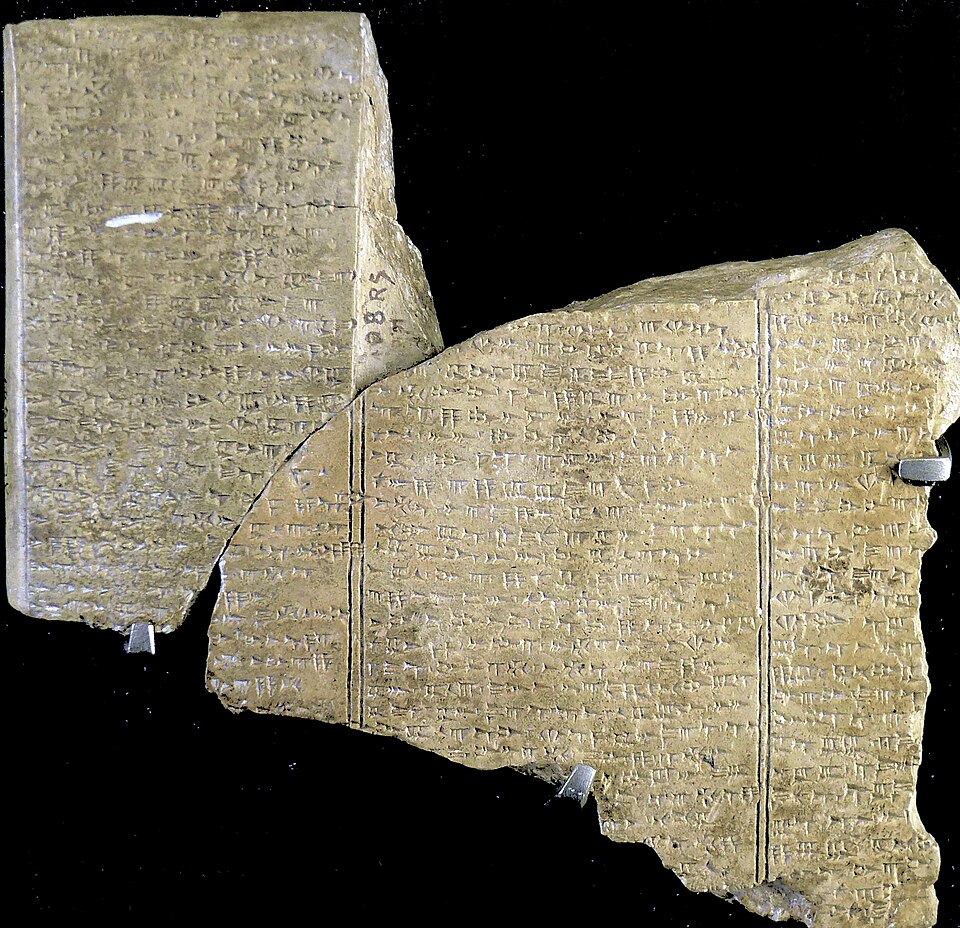
The Baal Cycle (Ugaritic Tablets)
Anonymous; recovered at Ras Shamra · c. 1400-1200 BCE
Recovered in 1929, and immediately decisive: it shows that Baal, Athtart, Lotan and Mot were functioning deities of a living religion, not the inventions of biblical polemic. Most of the West's demon-names begin here.
11 entries contributed
The Mesha Stele (the Moabite Stone)
Mesha, king of Moab · c. 840 BCE
A king's own account of a war the Hebrew Bible also records, from the losing side of that account. Chemosh appears throughout as the god who was angry with his land, gave victory, and commanded the slaughter — the same theology of defeat and favour the biblical writers use, in the mouth of the enemy. It carries the earliest mention of the god of Israel outside the Bible.
1 entries contributed
Which marks belong to it?
Oldest first. A mark used by several traditions appears on each of their pages — which is the point: the shapes crossed these boundaries far more easily than the names did.
The Standing Stone
from c. 3000 BCE
An upright unworked stone marking a place where something happened — the oldest kind of monument, and one the Bible both erects and forbids.
The Bull
from c. 3000 BCE
The standard way of saying a god is strong — and, at Sinai and at Bethel, the standard way of getting it wrong.
The Asherah Pole
attested c. 1200–600 BCE
A wooden pole or stylised tree beside an altar, mentioned about forty times in the Hebrew Bible and almost always in the course of ordering its destruction.
The Sign of Tanit
c. 500–146 BCE
A triangle, a bar and a disc — a schematic figure with raised arms, cut into thousands of Punic stelae and mosaics across the western Mediterranean.
Who is filed under Canaanite & Ugaritic?
Ordered by attestation score — how early and how independent the texts that name each figure are, rather than how famous the figure has since become.
Anat
Warrior Goddess · Canaanite
Baal's sister and avenger. She grinds Death himself to pieces and sows him in a field, which makes her the most violent figure in the Ugaritic corpus.
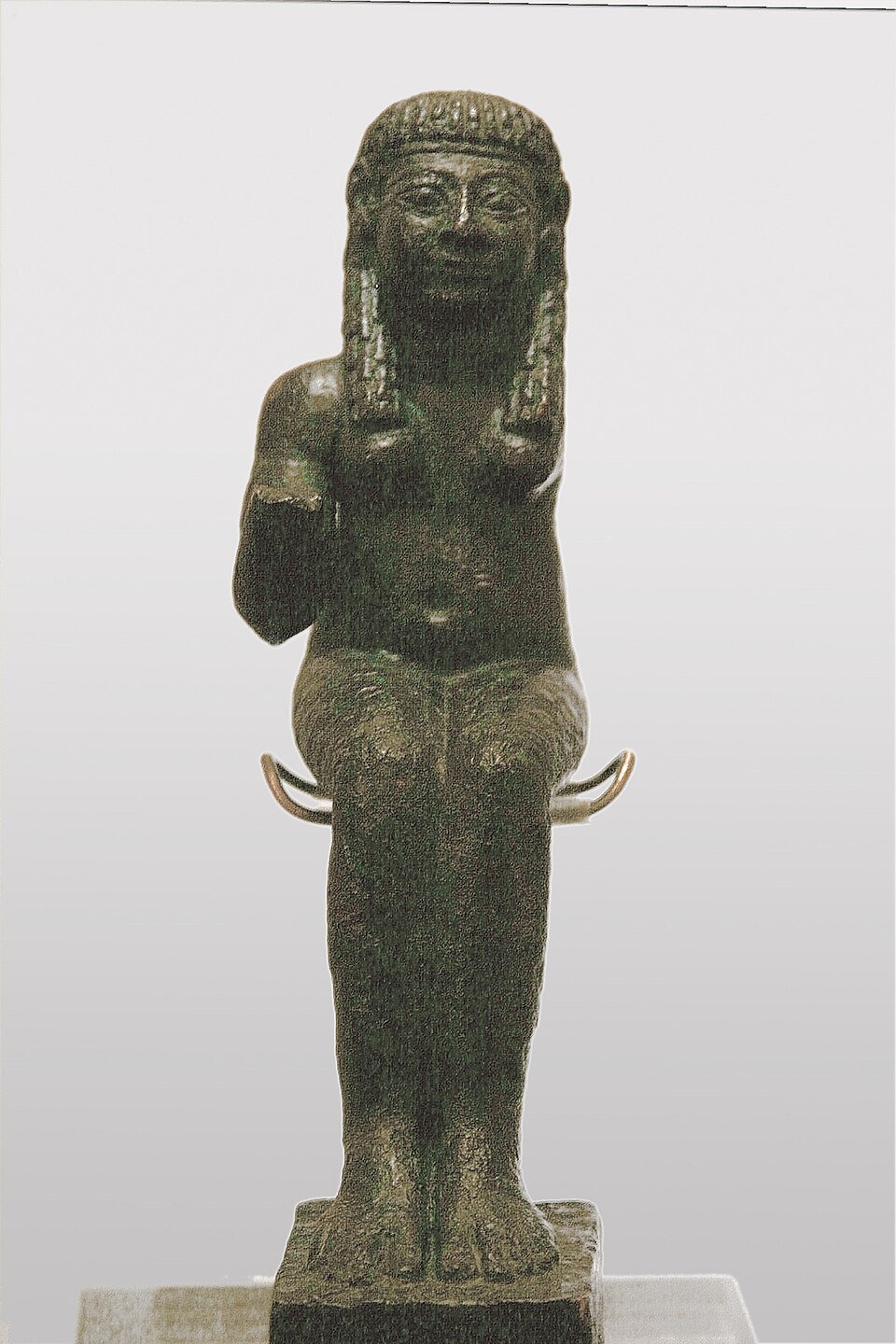
Astarte
Goddess of Love and War · Canaanite
The West Semitic goddess of love and war, cognate with Ishtar — and the direct ancestor of the Goetic duke Astaroth, who kept the name and lost the gender.
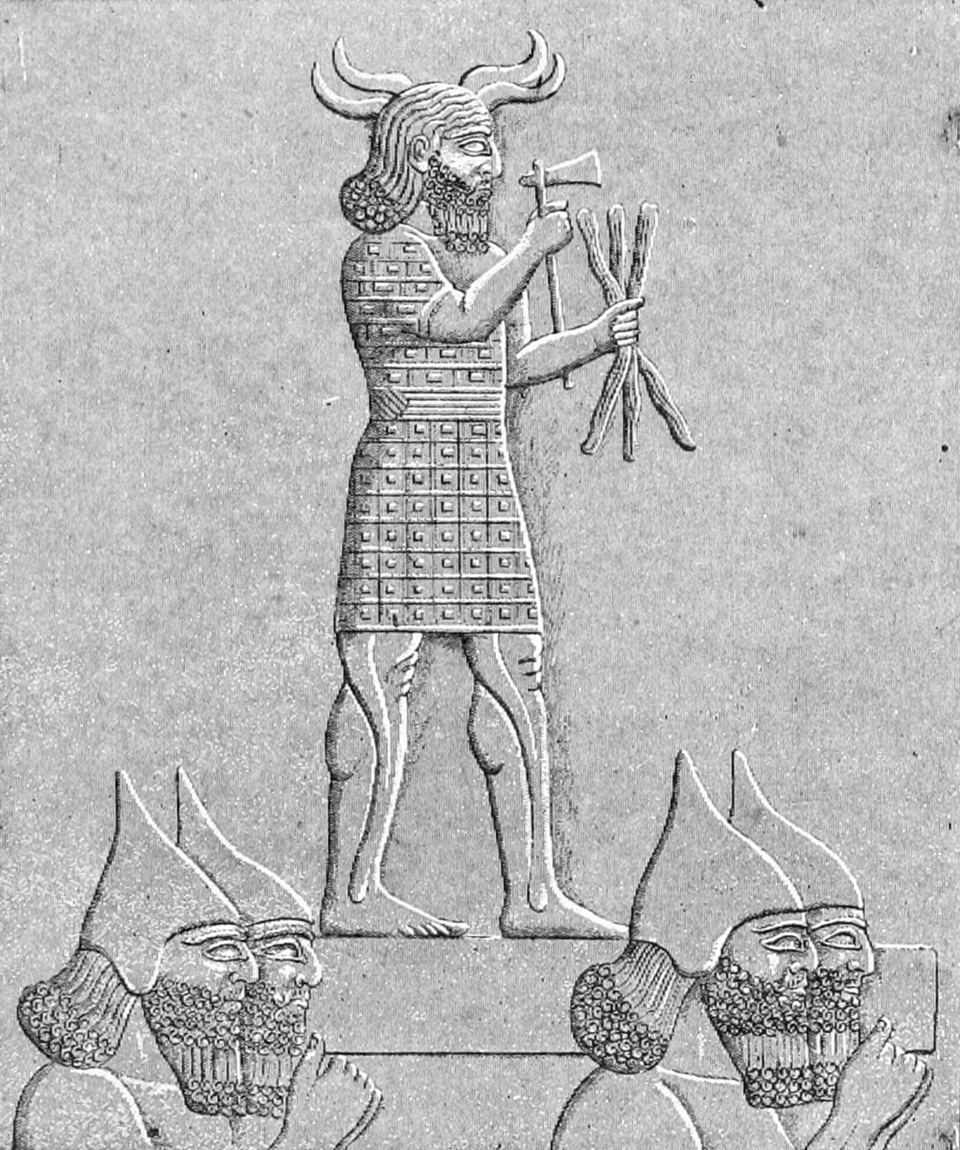
Baal Hadad
Storm God · Canaanite
The Canaanite storm and fertility god who defeats Sea and Death — and whose title, *baal* ('lord'), the Hebrew Bible turns into a generic term for false gods.
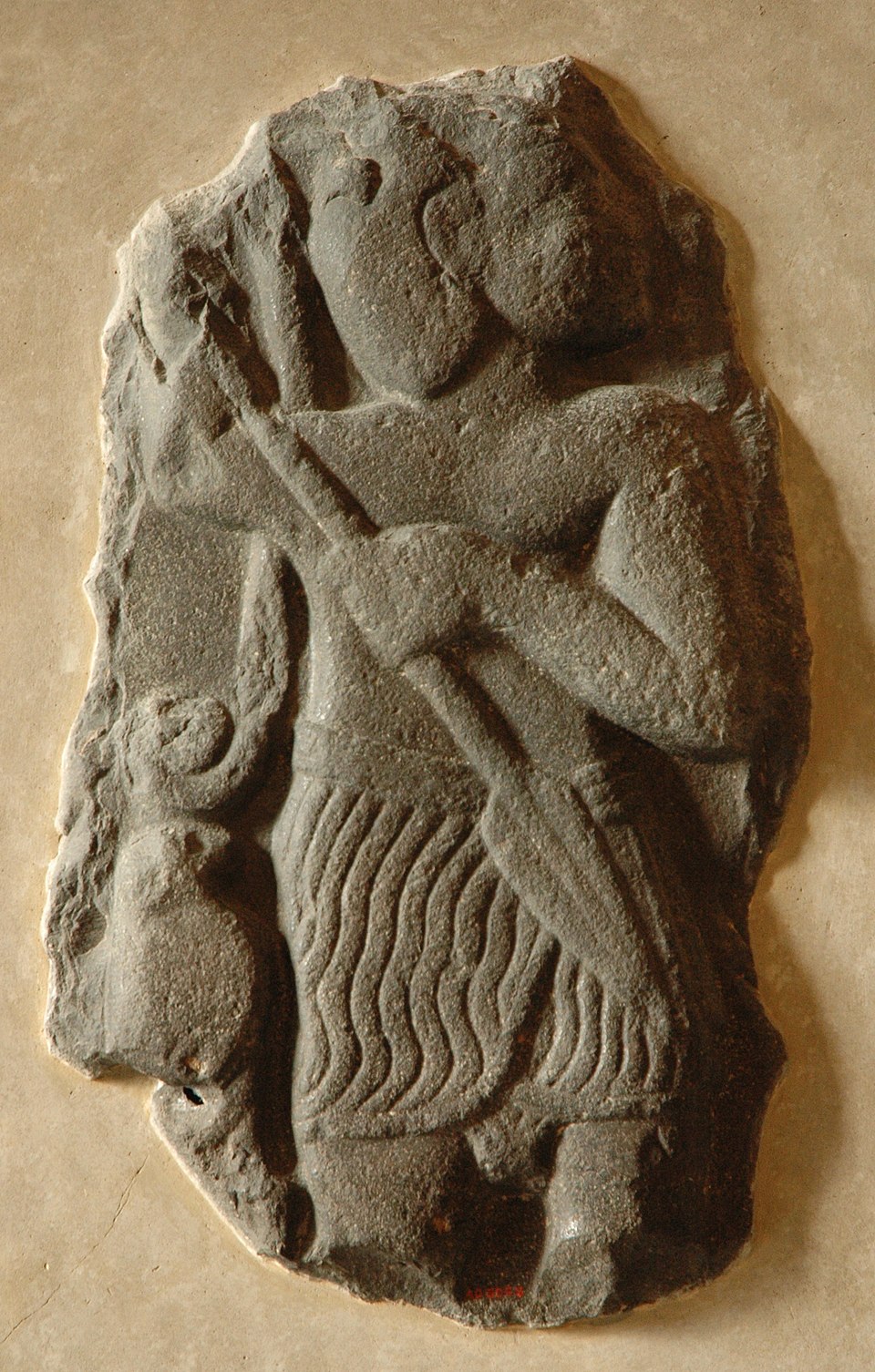
Chemosh
God of Moab · Canaanite
National god of Moab, known from the Bible and from the Mesha Stele — where a Moabite king describes his own history in language almost identical to Israel's.
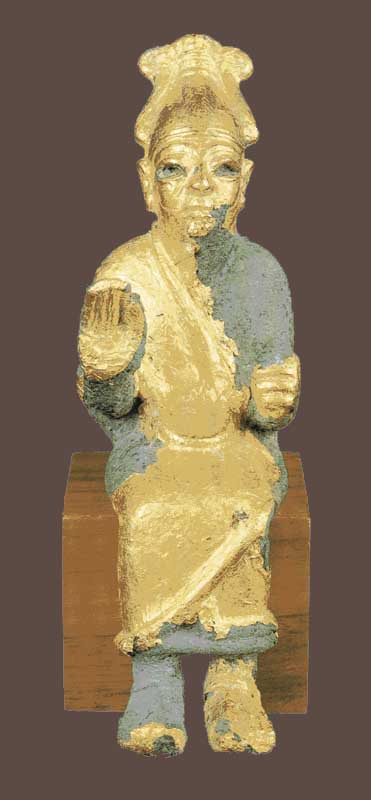
El
Father of the Gods · Canaanite
The aged high god who presides over the assembly at Ugarit — and whose name is one of the Hebrew Bible's own words for God.
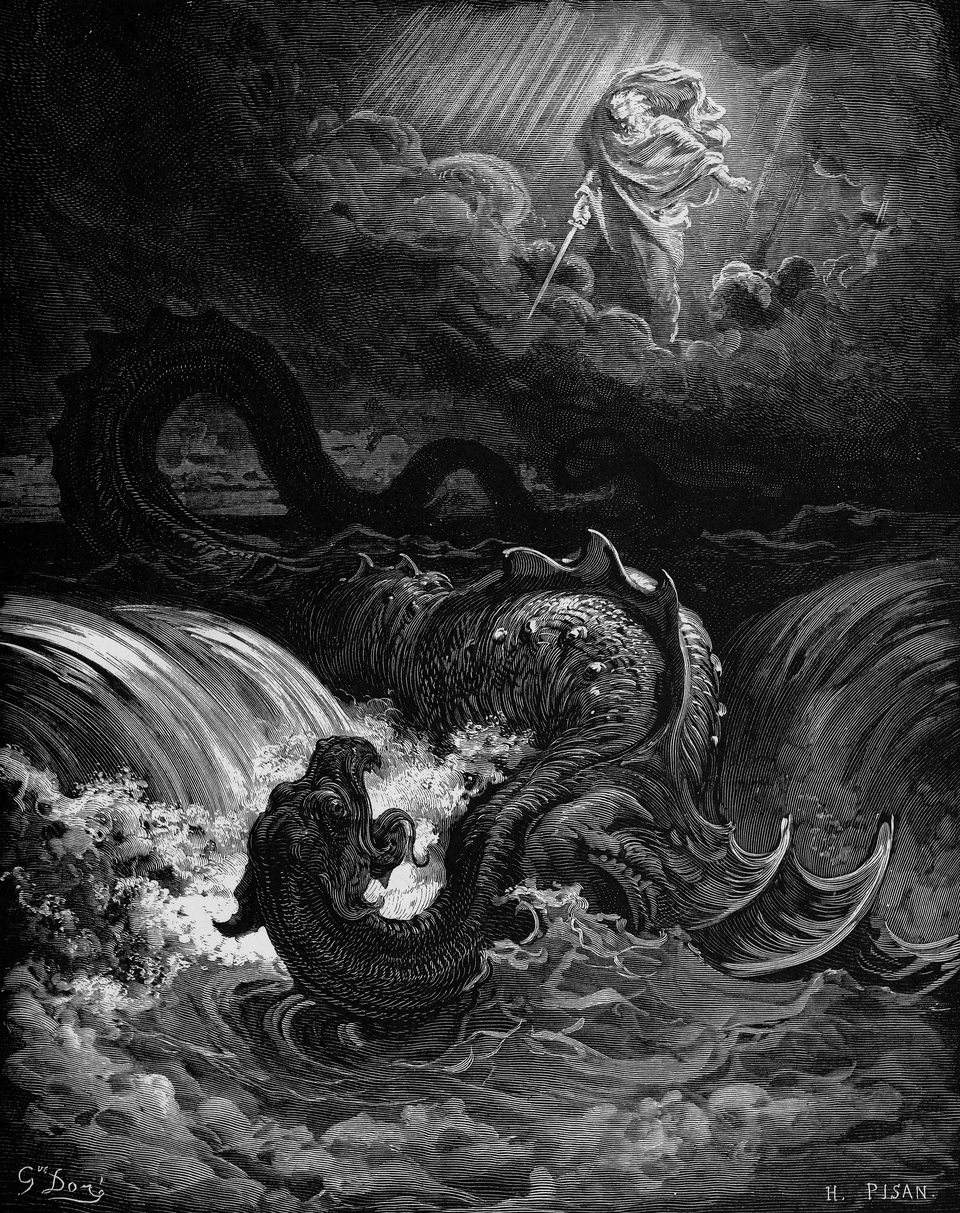
Lotan
Chaos Serpent · Canaanite
The seven-headed sea-serpent slain in the Baal Cycle, described in language Isaiah reuses almost verbatim for Leviathan.
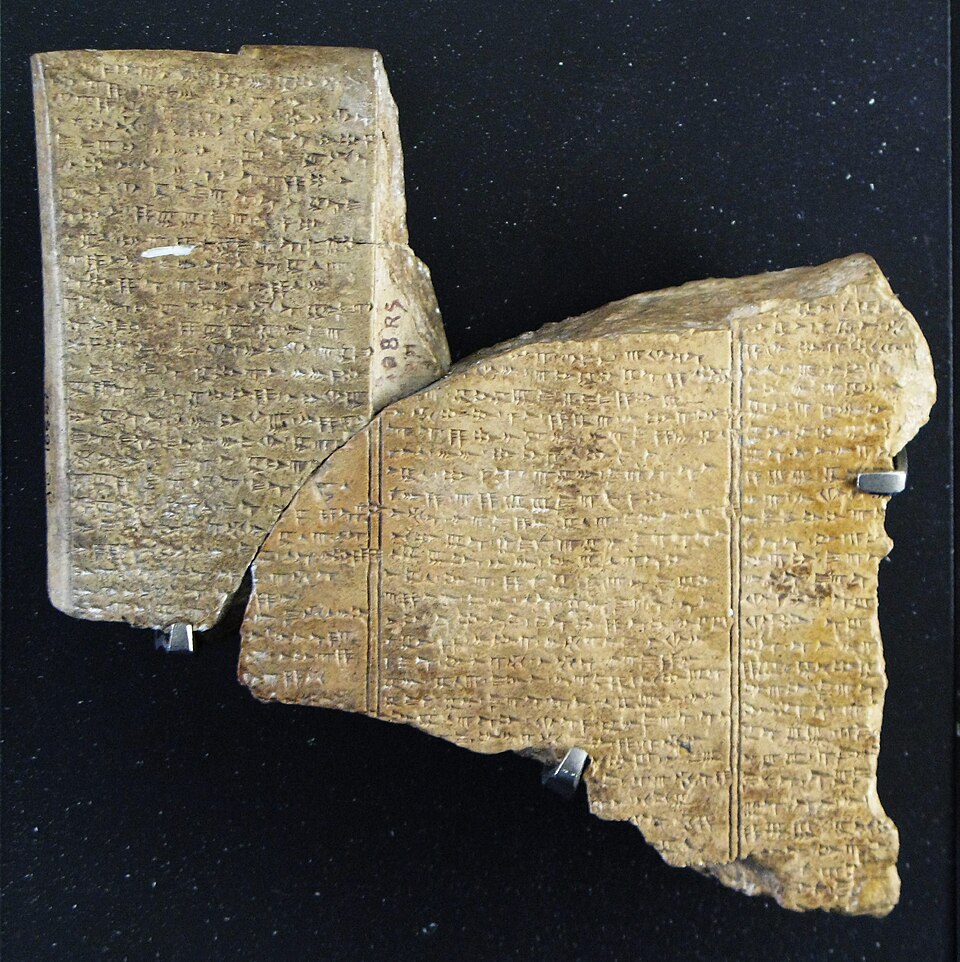
Mot
God of Death · Canaanite
Death itself as a god, with a throat wide enough to swallow Baal. The later mouth-of-hell is this image, several cultures downstream.
Resheph
God of Plague · Canaanite
Plague-god of the Levant, whose name survives in the Hebrew Bible as a common noun for pestilence and burning fever.
The Rephaim
A People, and the Dead
One word doing two jobs: a people east of the Jordan, and the shades of the dead — a double sense the Ugaritic texts already carry centuries before the Hebrew ones.
The Sons of God
The Assembly · The Divine Council
The plural divine beings who make up God's council in the Hebrew Bible — present at creation, attending audiences, allotted the nations, and in one psalm sentenced to death for judging unjustly.
Yam
The Sea · Canaanite
The Sea as a rival claimant to kingship, put down by Baal with two named clubs. It is the Ugaritic version of Marduk against Tiamat.
Jezebel
Queen of Israel · Canaanite
A Phoenician princess married to Ahab, who backed Baal and Asherah against the prophets of Israel. Revelation later borrows her name for a rival teacher, and it has been a label rather than a person ever since.
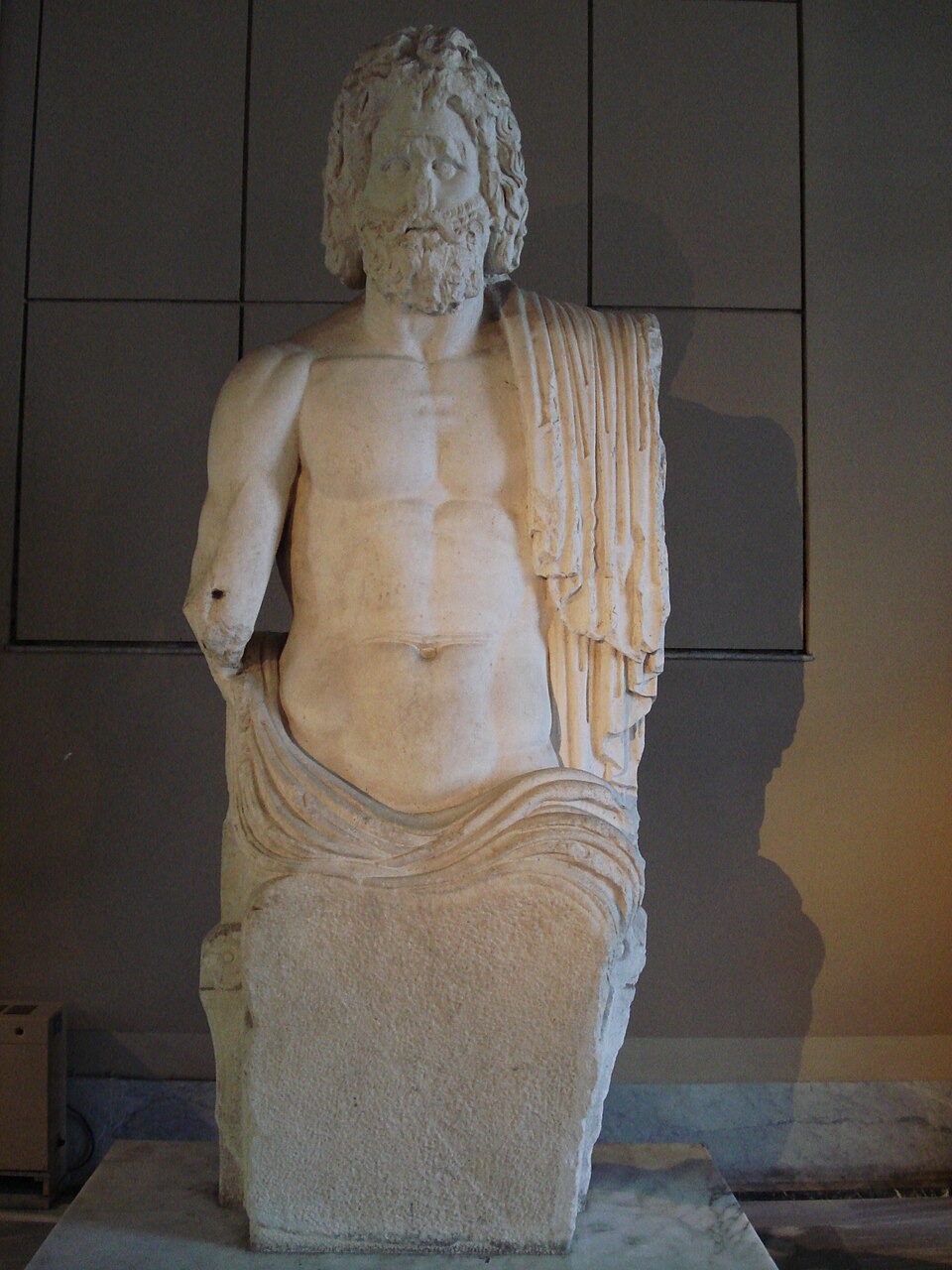
Dagon
Grain God · Canaanite
A major grain deity of Syria and Philistia. A Hebrew pun on *dag*, 'fish', turned him into a fish-god in medieval illustration, and de Plancy finished the job by making him a demon.
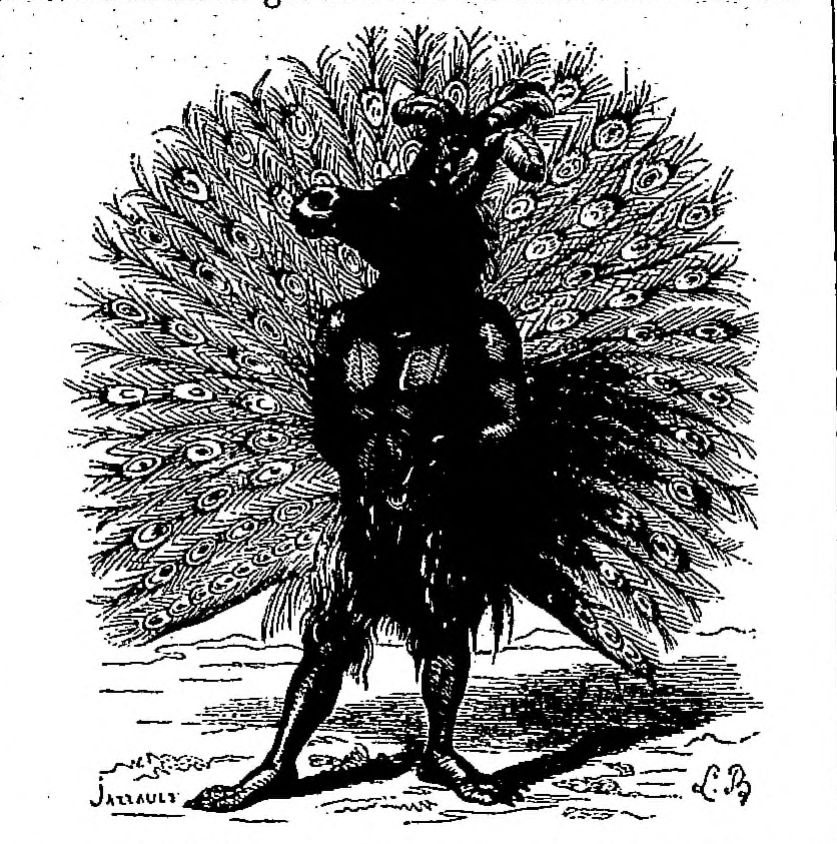
Adramelech
Chancellor · Infernal Court
A god of Sepharvaim who received child sacrifice, promoted by early-modern demonology to chancellor of hell.
Baalberith
Secretary of Hell · Infernal Court
'Lord of the covenant', a god of Shechem — reassigned by demonologists as the notary who countersigns infernal pacts.
Rimmon
Ambassador to Russia · Infernal Court
The Aramean storm god Naaman bowed to in 2 Kings, given a diplomatic posting by nineteenth-century demonology.