Angelic · The Divine Council · c. 900 BCE
The Sons of God
Also called Bene ha-Elohim, Bene Elim, Bene Elyon, The Divine Council, The Host of Heaven
The plural divine beings who make up God's council in the Hebrew Bible — present at creation, attending audiences, allotted the nations, and in one psalm sentenced to death for judging unjustly.
Well sourced
A recurring assumption runs under a number of Hebrew Bible passages: God is not alone. There is a court, its members are called the sons of God, and the texts mention it the way they mention a throne room — as a familiar arrangement needing no explanation.
They shout for joy when the foundations of the earth are laid. They present themselves before the LORD at intervals, and in Job the accuser comes among them, which places the satan inside the council rather than outside it. In Deuteronomy 32 the nations are divided according to their number, a reading the Dead Sea Scrolls and the Septuagint support where the later Masoretic text reads "sons of Israel" instead — one of the most consequential textual variants in the Hebrew Bible. And in Psalm 82 God stands in the divine assembly, accuses its members of judging unjustly and favouring the wicked, tells them "you are gods, all of you sons of the Most High", and sentences them to die like men.
Genesis 6 is the passage that made them famous and the one they are least characteristic in: the sons of God take wives from the daughters of men, and the Nephilim follow. Four verses, no names, no explanation. The vast structure of Watcher mythology in 1 Enoch — two hundred of them, a leader, an oath on Hermon, forbidden teachings, judgment — is built on those four verses and adds almost everything about them anyone can recite.
The interest for this corpus is what the council implies about the world the texts came out of. Ugaritic literature has an assembly of gods under El, with the same vocabulary and the same shape, three centuries earlier and a few hundred miles north. The Hebrew Bible keeps the furniture and changes what sits at the head of it.
Identity
Where does the name come from?
What the name means
Hebrew bene ha-elohim, 'sons of the gods' or 'sons of God' — a Semitic idiom in which 'sons of' marks membership of a class rather than descent, so the phrase means something closer to 'divine beings' than to offspring.
Where it was actually worshipped
No site of its own. Angels are venerated in the liturgy — a feast day, a dedication, a name in a prayer — rather than housed at a place the way a god is.
A figure with temples and a figure that only ever existed on a page are different kinds of thing, and the difference is easy to lose once both are entries in a list.
At a glance
Vitals
Vitals
Also known as
- First attested
- Hebrew Bible & Deuterocanon · c. 900–100 BCE
- Named there as
- The sons of God
- Rank
- The Assembly
- Order
- The Divine Council
- Base of operations
- No site of its own. Angels are venerated in the liturgy — a feast day, a dedication, a name in a prayer — rather than housed at a place the way a god is.
- Era
- c. 900 BCE
- Traditions
- Christian, Jewish, Canaanite & Ugaritic
Traits
- Domain
- Attendance on God, the governance of nations, judgment
- Traditional form
- Unspecified. No text describes them; they are only ever a group
- Principal passages
- Genesis 6:2-4, Job 1:6 and 38:7, Psalm 82, Deuteronomy 32:8-9
2 texts
Which texts say so, and where do they disagree?
When these texts were written
Each dot is one of the 2 texts that names The Sons of God, placed at that text's approximate date.
A wide spread means the figure was carried across many centuries and traditions; a tight cluster means a single period produced the whole record.
2 texts spanning roughly 200 years
Where the texts differ
- Name: given as The sons of God, The Watchers
- Rank: given as The divine assembly; Those who descended
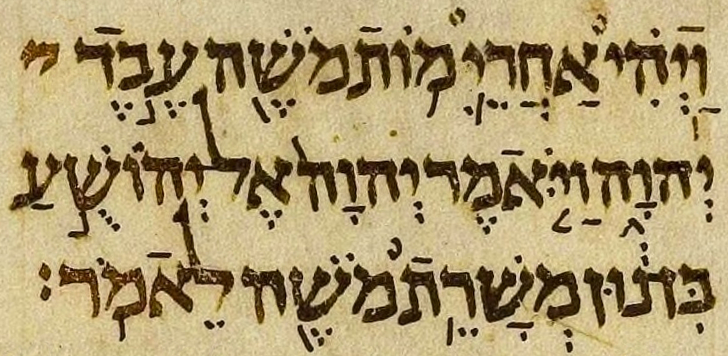
Shout at the founding of the earth; present themselves before the LORD with the accuser among them; receive the nations as their allotment in Deuteronomy 32:8-9 on the Qumran and Septuagint reading; are called gods and sons of the Most High in Psalm 82 and sentenced to die like men. In Genesis 6 some take wives among humans and the Nephilim follow.
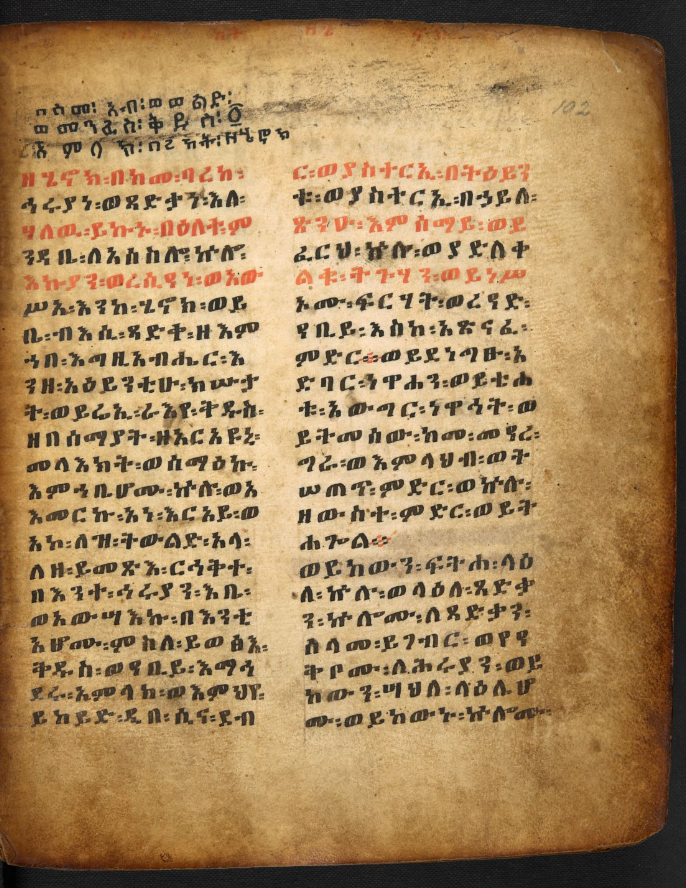
1 Enoch expands the four verses of Genesis 6 into a full narrative: two hundred beings bound by oath on Mount Hermon, a named leadership, forbidden teachings given to humanity, and a judgment. Nearly everything commonly attributed to the sons of God comes from here rather than from Genesis.
Connections
What is it connected to?
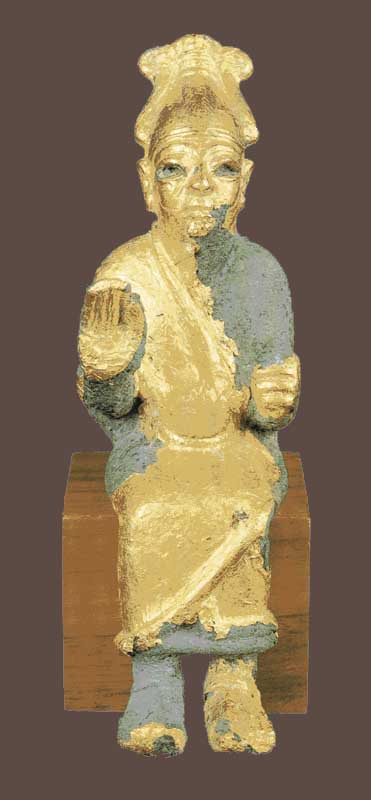
Derived from El
The assembly of El in Ugaritic literature has the same vocabulary and the same shape three centuries earlier; the Hebrew council keeps the structure and changes who presides.
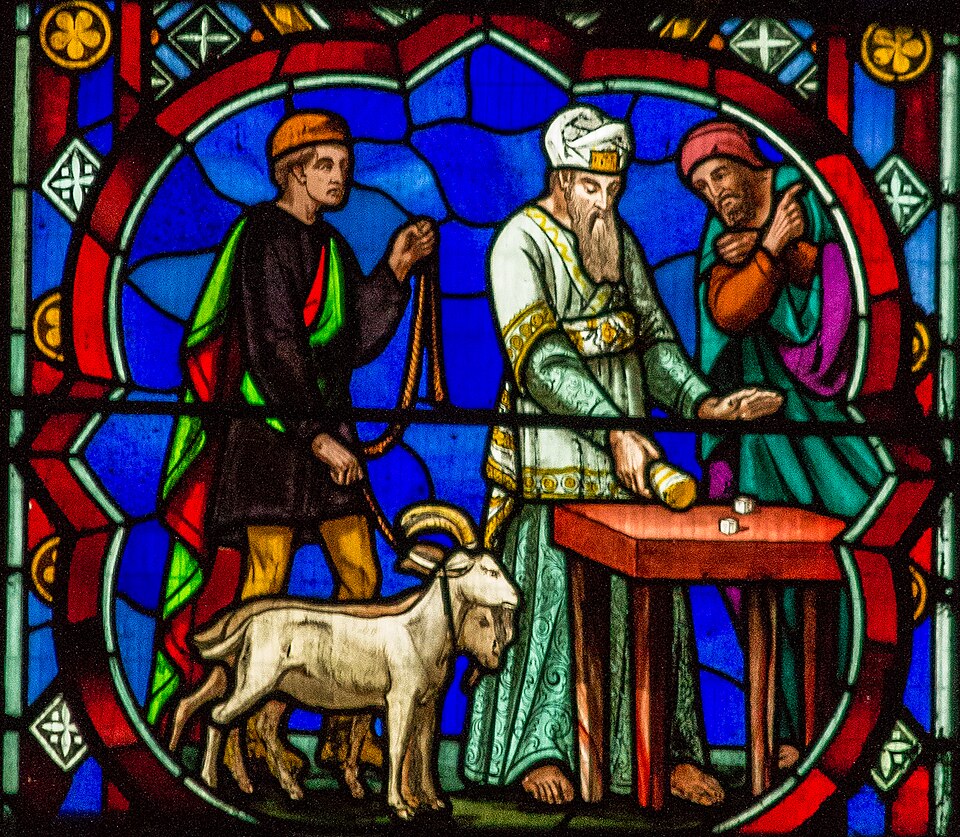
Identified with Azazel
1 Enoch's Watchers are an expansion of the sons of God of Genesis 6, and Azazel is among their leadership there.
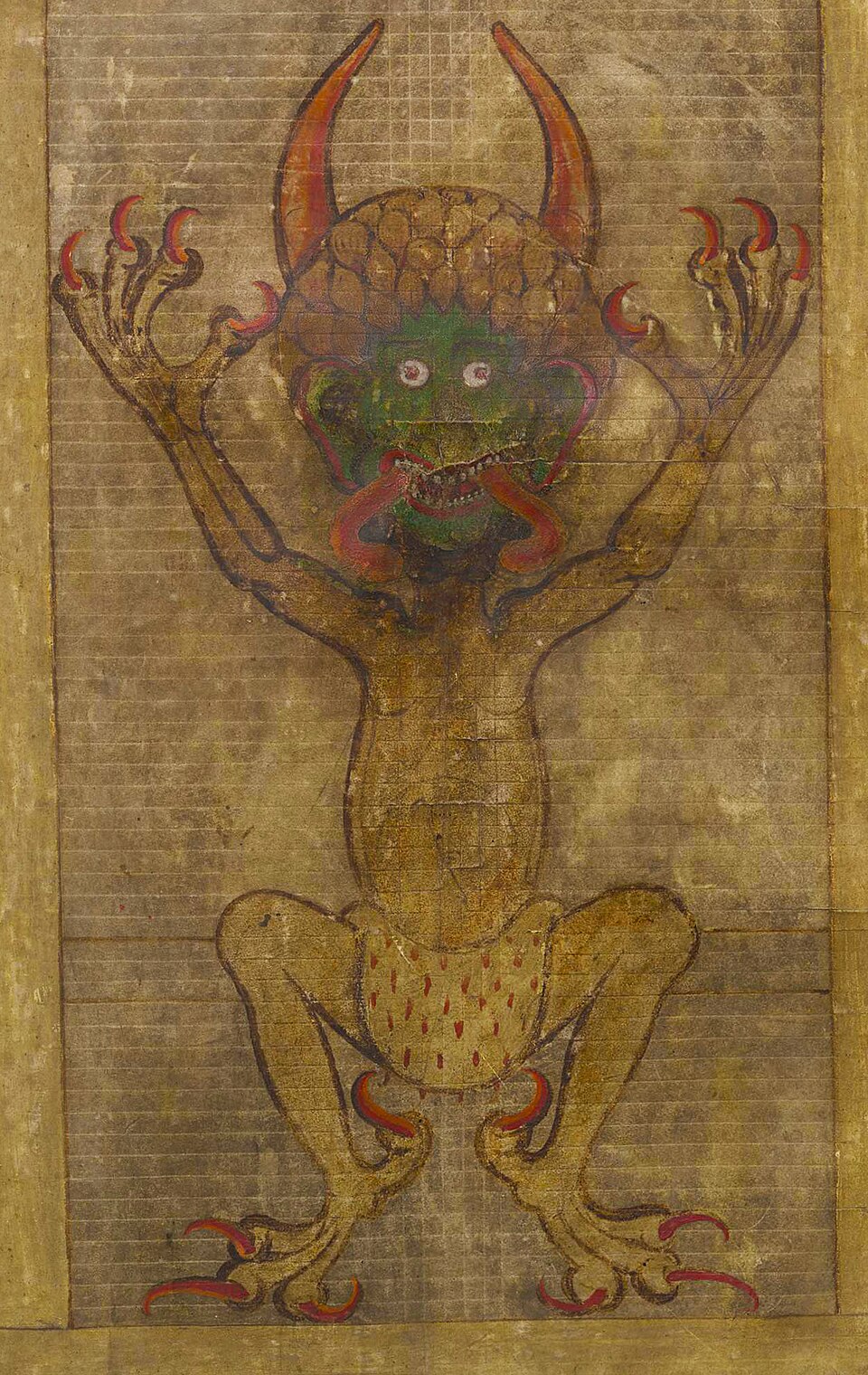
Served by Satan
In Job the accuser comes among the sons of God when they present themselves, which places him inside the council and under its head rather than opposed to it.
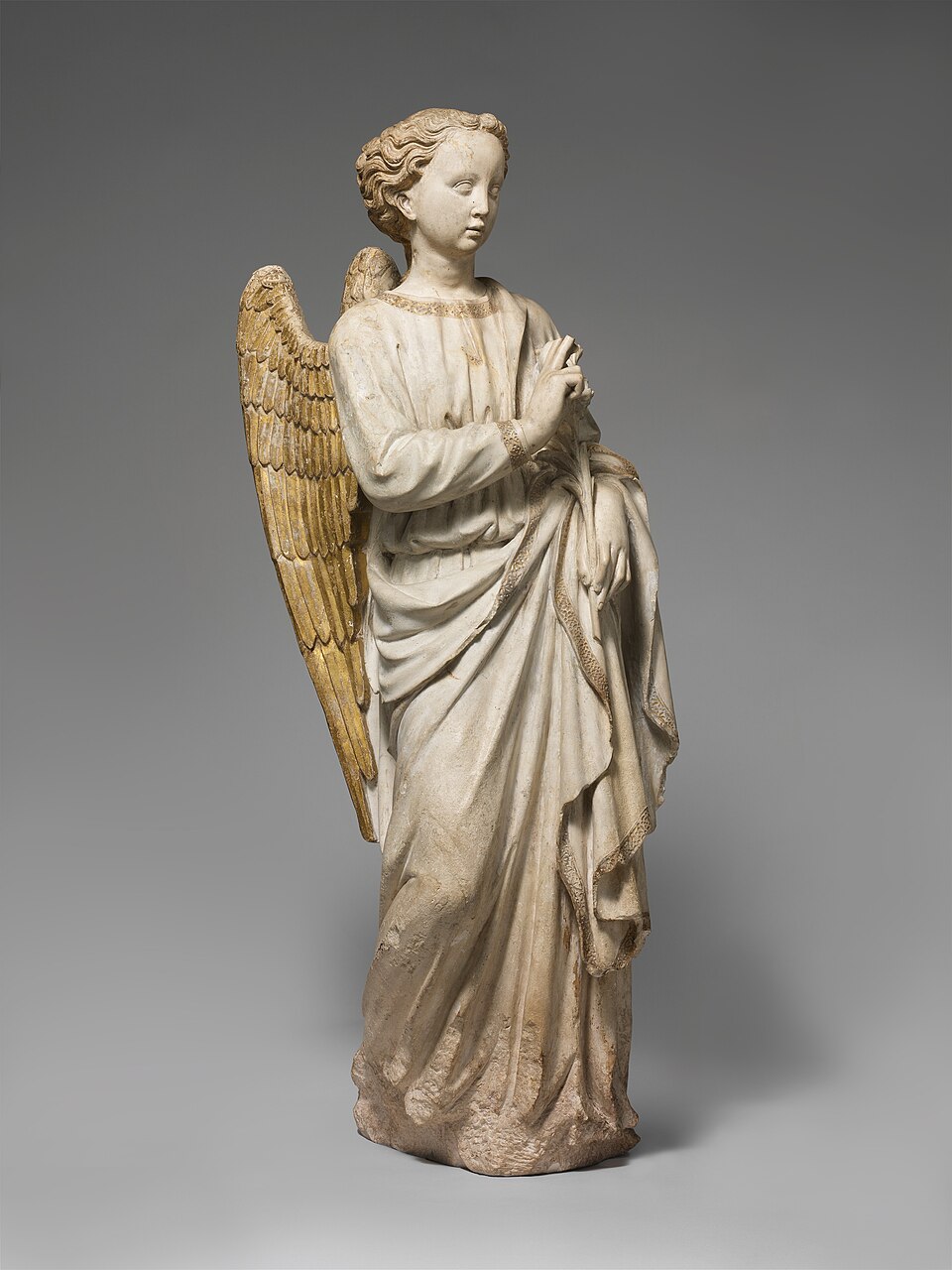
Identified with Angels
The commonest later reading, and the one that turns a council of divine beings into a heavenly civil service. Recorded because the tradition makes it, not because the Hebrew text requires it.
Afterwards
What did later readers make of it?
Read in three incompatible ways for two thousand years, and the choice is never neutral. As angels, which flattens the council into a heavenly civil service. As human rulers or the line of Seth, which removes the divine beings from the text entirely and is the reading most later Christian commentary prefers. Or as what the words say — a plurality of divine beings, subordinate and judged, which is the reading Ugaritic parallels support and which modern scholarship has largely returned to.
Kept in its own section on purpose. Everything above is what the cited texts say; this is what was built on top of them afterwards, and blending the two is how most popular demonology goes wrong.
Answered from the sources
Common questions
Which texts mention The Sons of God?
Is The Sons of God the same as El?
What rank is The Sons of God?
How else is The Sons of God spelled?
How old is The Sons of God?
Nearest in the corpus
If The Sons of God is what you came for, these are next
Chosen by proximity rather than by popularity: the same pantheon first, then the same rank, then the same kind of figure.
The books behind The Sons of God
Every claim on this profile is attributed to one of these. They are public domain, listed oldest first, and each links to a full text where one is freely available.
Hebrew Bible & Deuterocanon
Various · c. 900–100 BCE · Hebrew, Aramaic, Greek
Read Hebrew Bible & Deuterocanon in full ↗Cover: Public domain · see en:Aleppo Codex; scanned by · Wikimedia file page
1 Enoch (The Book of Enoch)
Anonymous; tr. R. H. Charles · c. 300–100 BCE · Ge'ez (from Aramaic)
Read 1 Enoch (The Book of Enoch) in full ↗Cover: Public domain · Wikimedia file page
Corpus last revised 29 August 2026. A reference site’s credibility rests on being maintained, so this is the date the sourced records last changed — not the date the page was rebuilt.