Demonic · Infernal Court · c. 400 BCE
Satan
Also called ha-Satan, The Adversary, Shaitan, The Devil · also recorded as Satanas, Shaytan, Sam Hill, Lord of This World (per Wikidata)
Not originally a name but an office — 'the accuser'. In Job he is a member of the divine court doing his job; only later does he become the enemy.
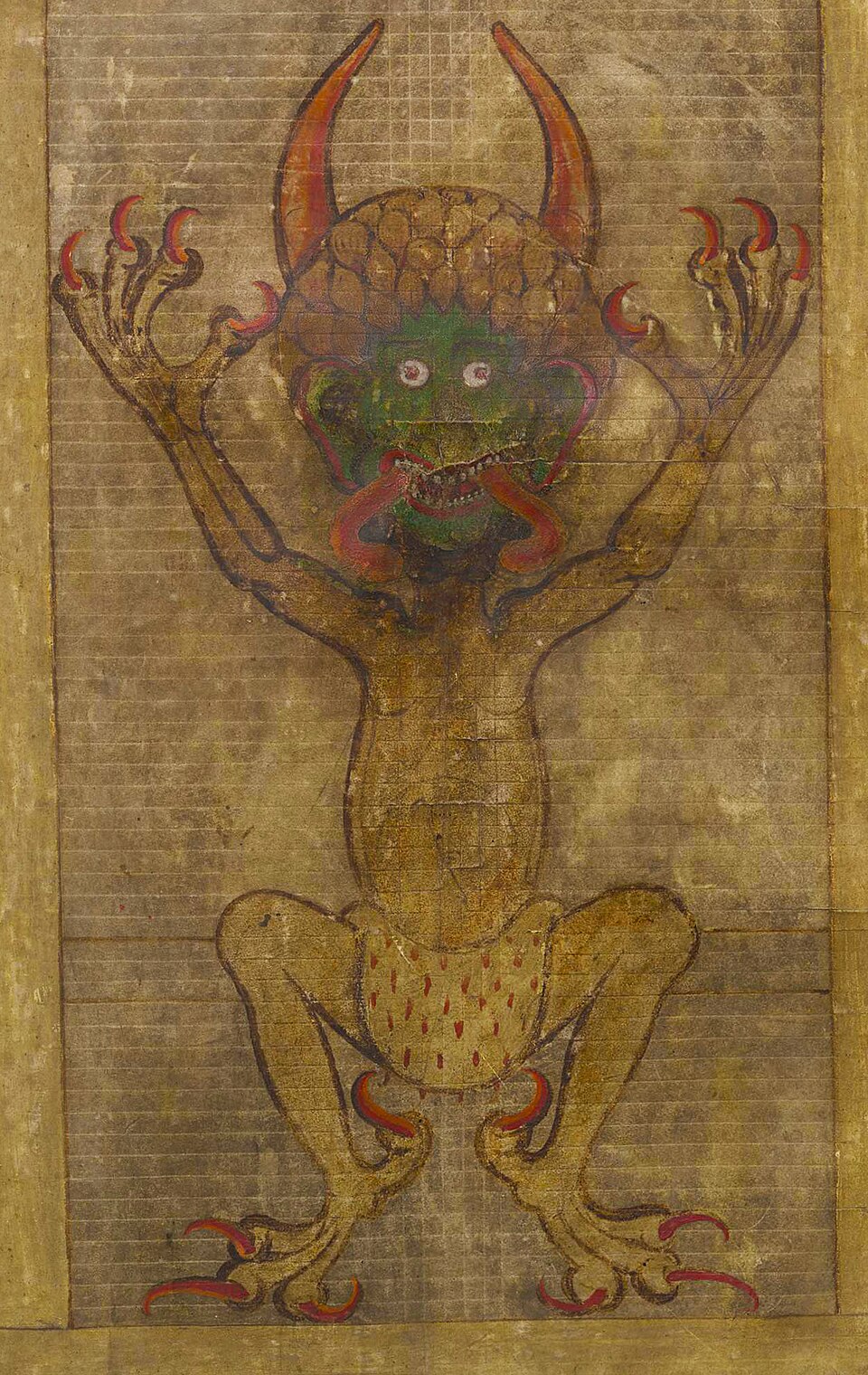
Deep source base
In Job, *ha-satan* takes the definite article: he is 'the accuser', a prosecutor in the heavenly council who acts with explicit divine permission. In Zechariah he stands to accuse the high priest. By the intertestamental period, under Persian dualist influence, the office has hardened into a personal enemy with a kingdom, and the New Testament treats him as the ruler of this world. Christian tradition then retroactively merged him with the serpent of Genesis, the Lucifer of Isaiah, and the dragon of Revelation — four separate figures from four separate texts.
Identity
Where does the name come from?
What the name means
Hebrew *satan*, which BDB (1906) glosses first as adversary rather than accuser — a role anyone can hold. The angel who blocks Balaam is a satan to him, and so are Solomon's human enemies in 1 Kings. With the article, *ha-satan*, it is the superhuman adversary of Job and Zechariah, and still a title. BDB puts the shift to a proper name at 1 Chronicles 21:1, noting that the verse retells 2 Samuel 24:1 and sets Satan where the older account had the anger of the LORD — the same incident with the agent renamed.
Where it was actually worshipped
None.
A figure with temples and a figure that only ever existed on a page are different kinds of thing, and the difference is easy to lose once both are entries in a list.
At a glance
Vitals
Vitals
Also known as
- First attested
- Hebrew Bible & Deuterocanon · c. 900–100 BCE
- Named there as
- ha-Satan
- Rank
- Adversary
- Order
- Infernal Court
- Era
- c. 400 BCE
- Traditions
- Christian, Jewish, Islamic
Traits
- Domain
- Accusation, temptation, opposition
- Traditional form
- Serpent, dragon, or an angel of light
- Capital sin (Binsfeld, 1589)
- Wrath — Binsfeld keeps Satan and Lucifer as separate officers, which most later writers do not.
Stats
Known connections
Chain of command
Opposed by
5 attributed
What is it said to do?
Where these powers cluster
The 5 offices attributed to Satan, grouped by kind. Segment width is the share of powers falling in each category.
A bar dominated by one colour means a specialist; an even spread means a figure the sources credit with almost anything.
- martial1
- malefic3
- knowledge1
martial
malefic
knowledge
- Records DeedsHebrew Bible & Deuterocanon
The accuser's office is fundamentally forensic.
5 texts
Which texts say so, and where do they disagree?
When these texts were written
Each dot is one of the 5 texts that names Satan, placed at that text's approximate date.
A wide spread means the figure was carried across many centuries and traditions; a tight cluster means a single period produced the whole record.
5 texts spanning roughly 2,313 years
Where the texts differ
- Name: given as ha-Satan, Satan, Shaitan, Devil
- Rank: given as The accuser; Prince of this world; The whisperer
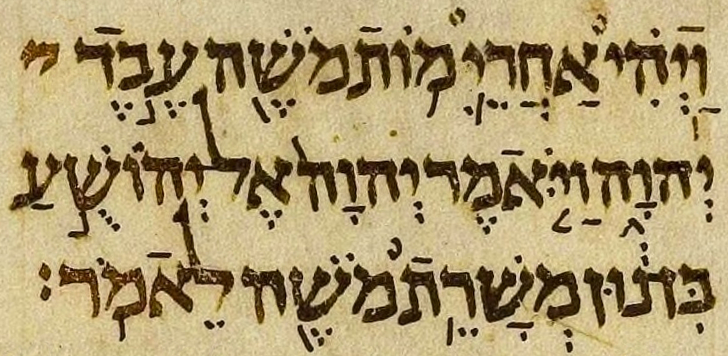
Presents himself among the sons of God and is granted permission to test Job.
“The sons of God came to present themselves before the LORD, and Satan came also.”
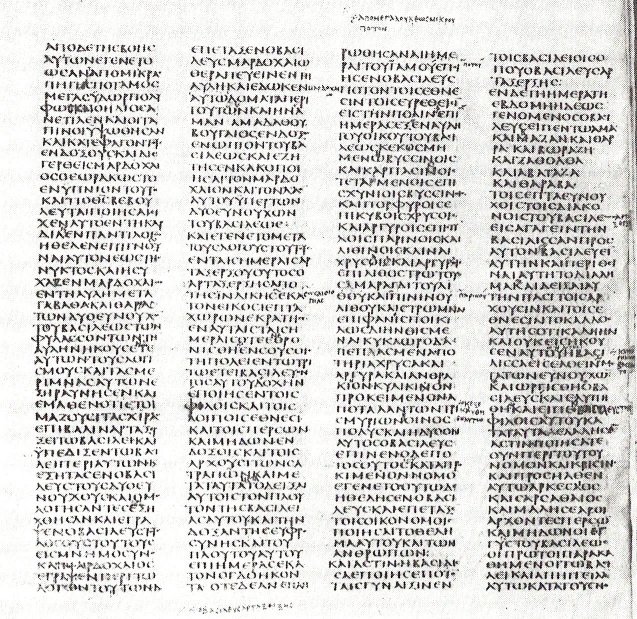
Tempts in the wilderness, is cast down as lightning, and is bound in Revelation.
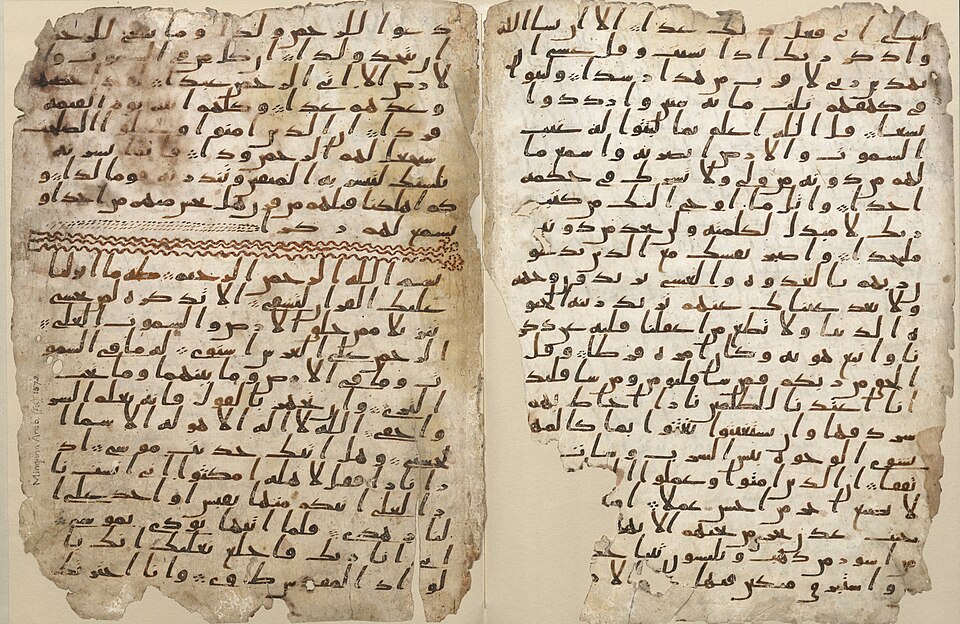
A category as much as an individual; whispers in the breasts of humankind.
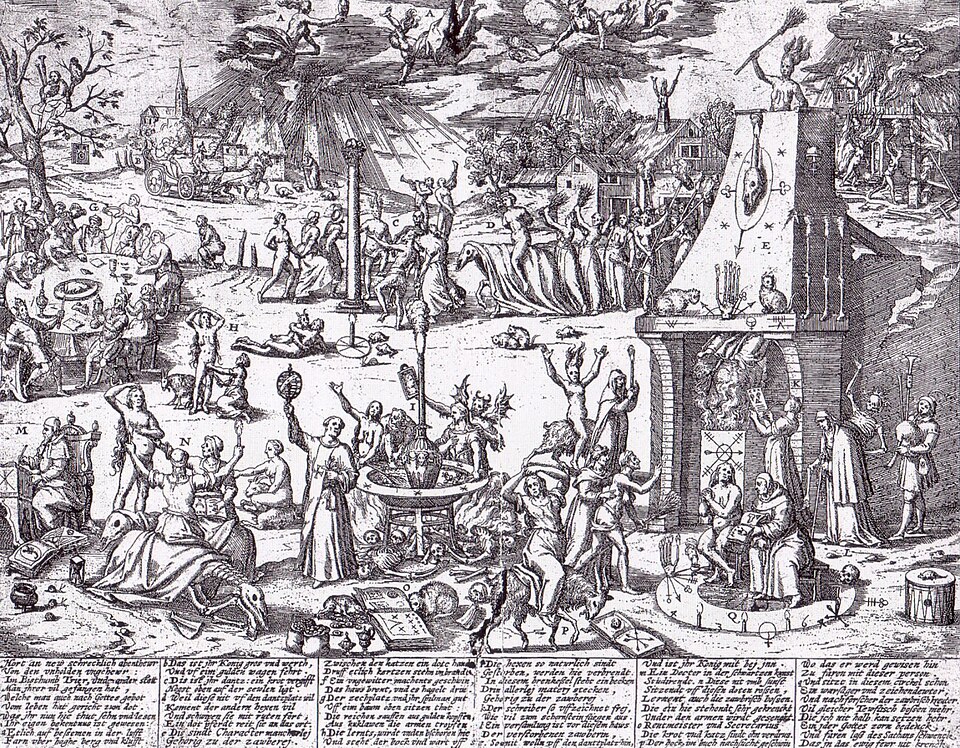
Named as the demon of wrath in Binsfeld's assignment of one spirit to each capital sin.
“The name commonly given to the fallen angels, who are also known as demons (see DEMONOLOGY).”
Connections
What is it connected to?
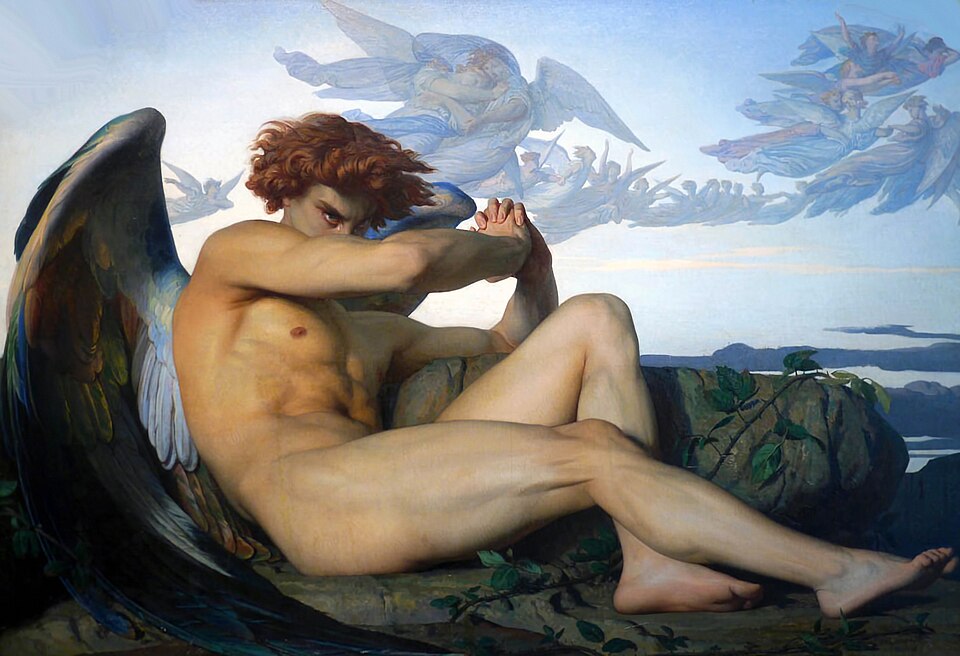
Identified with Lucifer
Fused by Christian tradition, though Isaiah 14 and Job describe unrelated figures.
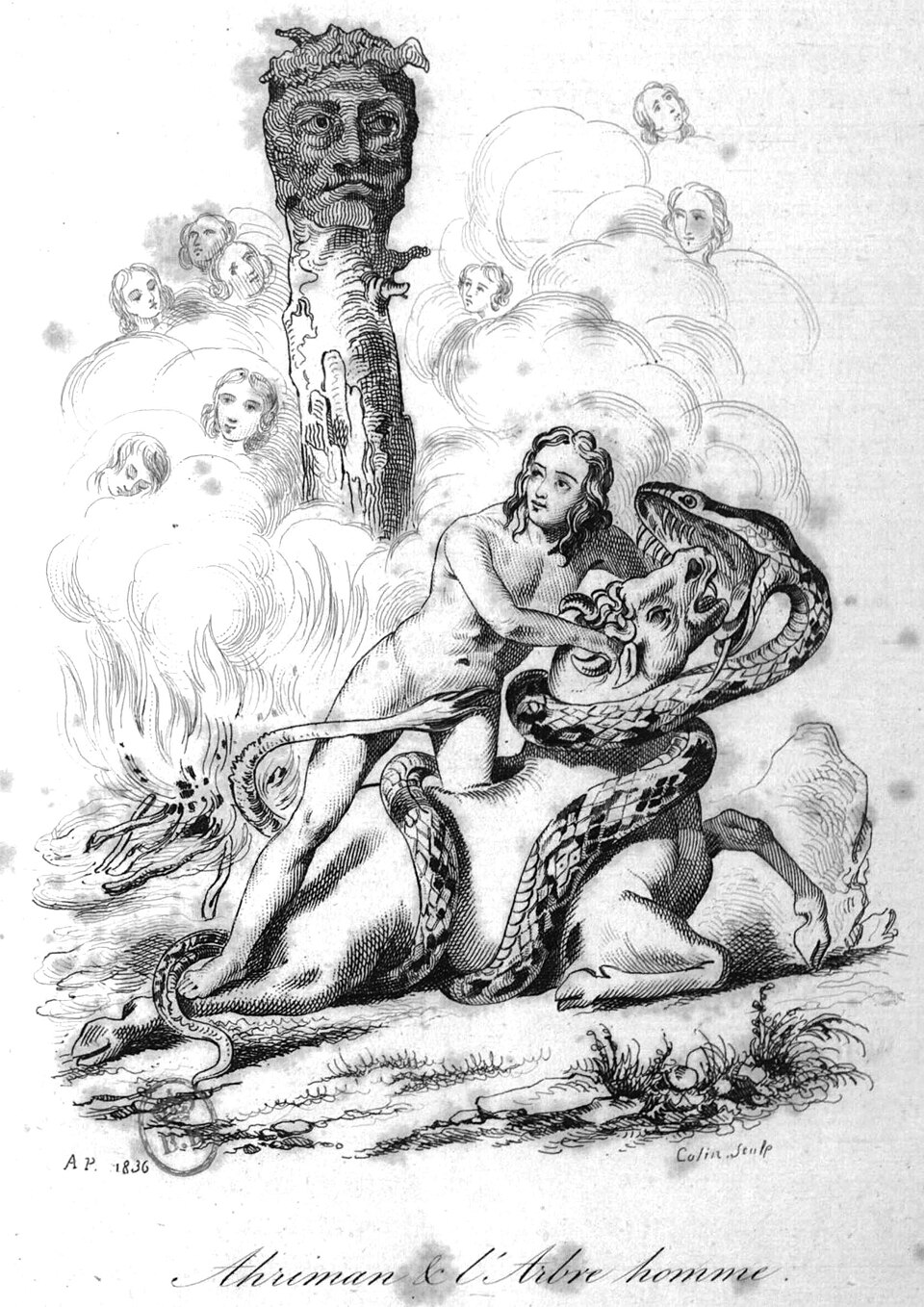
Derived from Angra Mainyu
Structural rather than lexical: the organised adversary with an army and a final judgment.

Derived from Veles
The Slavic devil absorbs Veles: his name and attributes pass directly onto the devil in folk usage after Christianisation. One of the best-documented conversions anywhere.
Serves The Sons of God
In Job the accuser comes among the sons of God when they present themselves, which places him inside the council and under its head rather than opposed to it.
Identified with Loki
A demonisation caught in progress under Christian redaction.
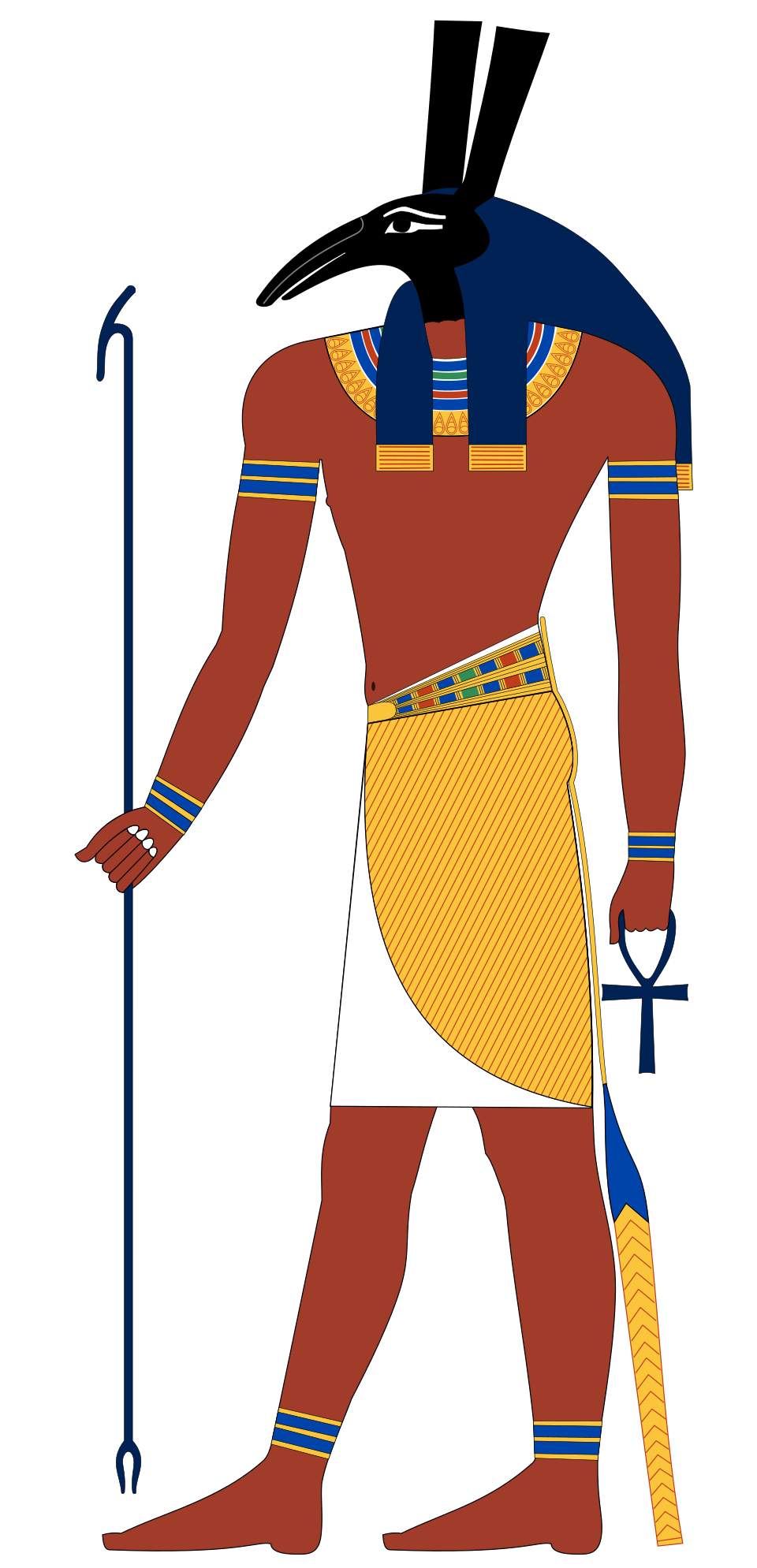
Identified with Set
A legitimate god for two millennia, then simply the enemy — the same trajectory, far better documented.
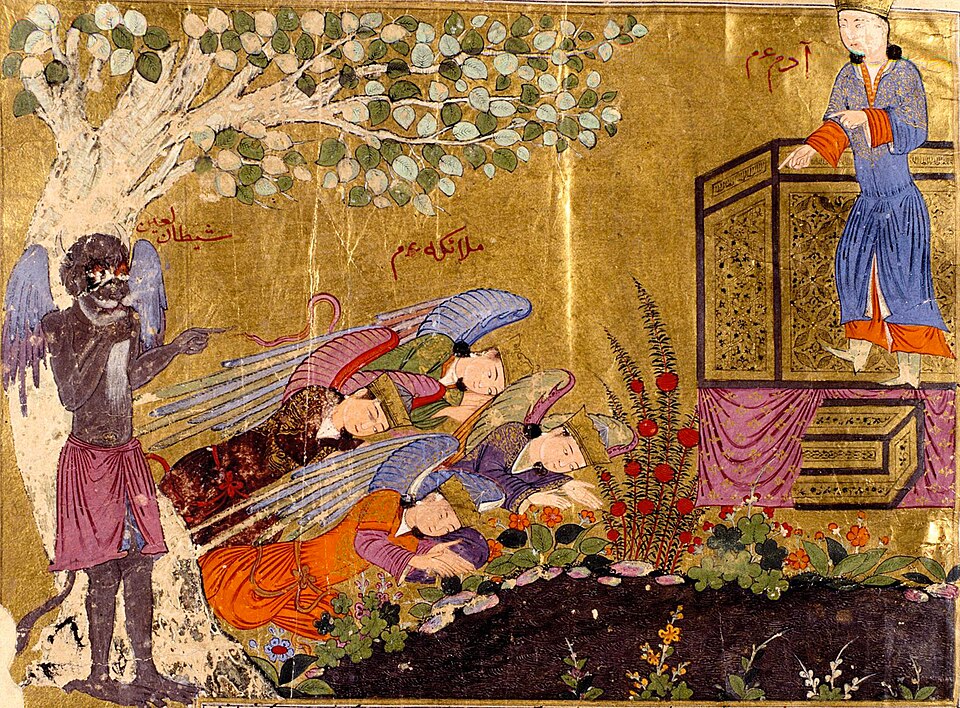
Identified with Iblis
With a decisive difference: Iblis is of the jinn, and so is capable of disobedience.
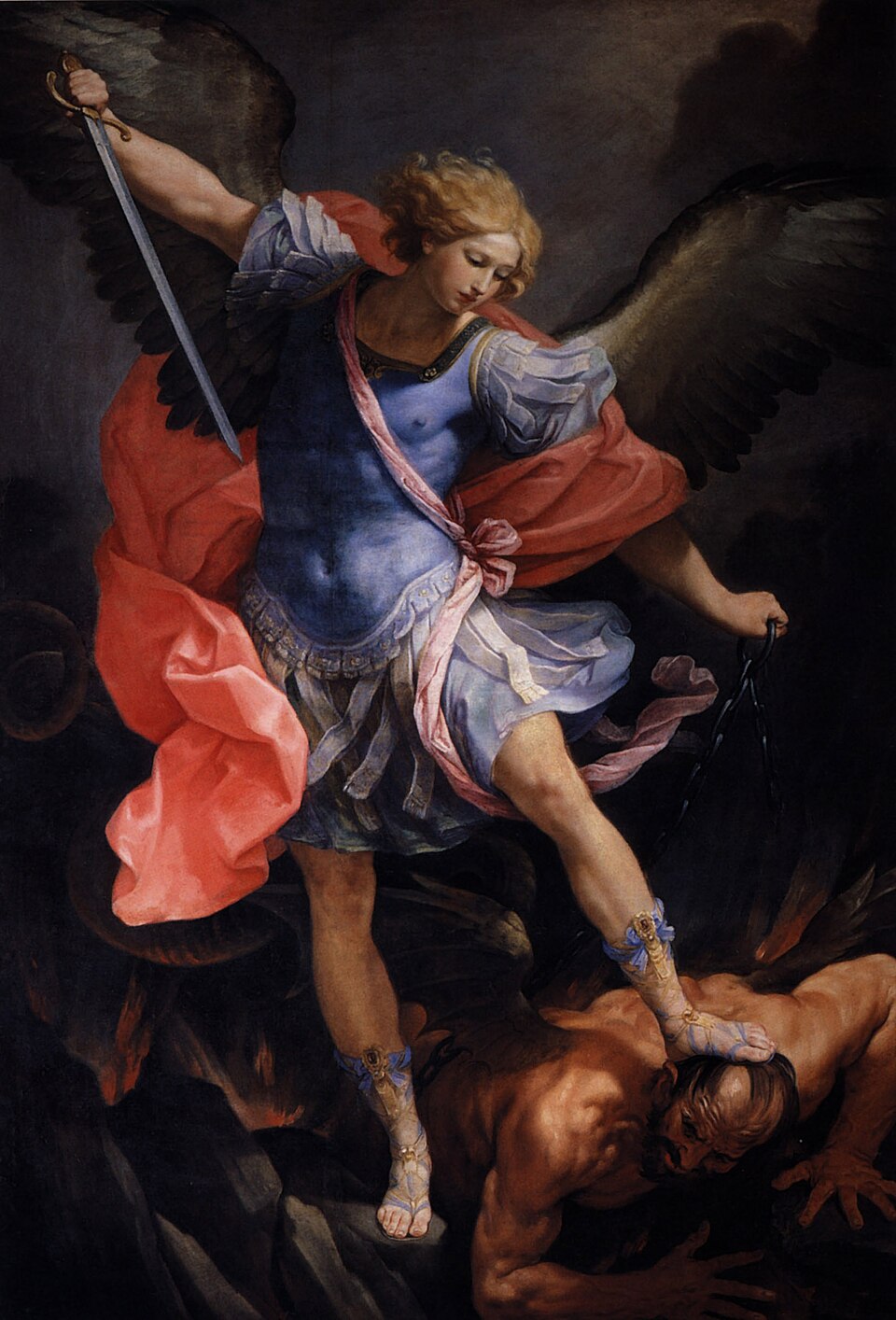
Thwarted by Michael
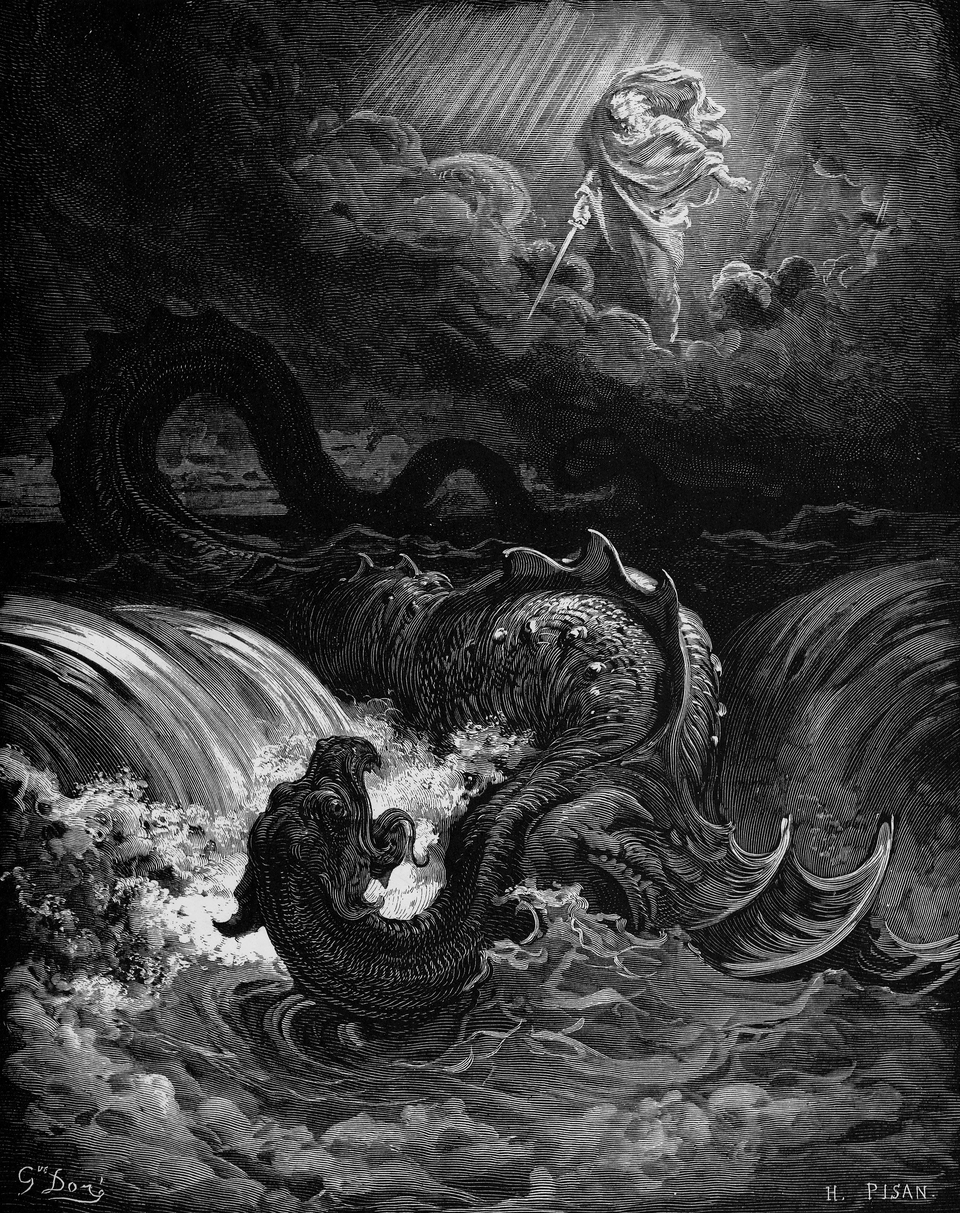
Revelation 12: Michael and his angels fight the dragon. Jude has him dispute with the devil over the body of Moses without daring a railing accusation.
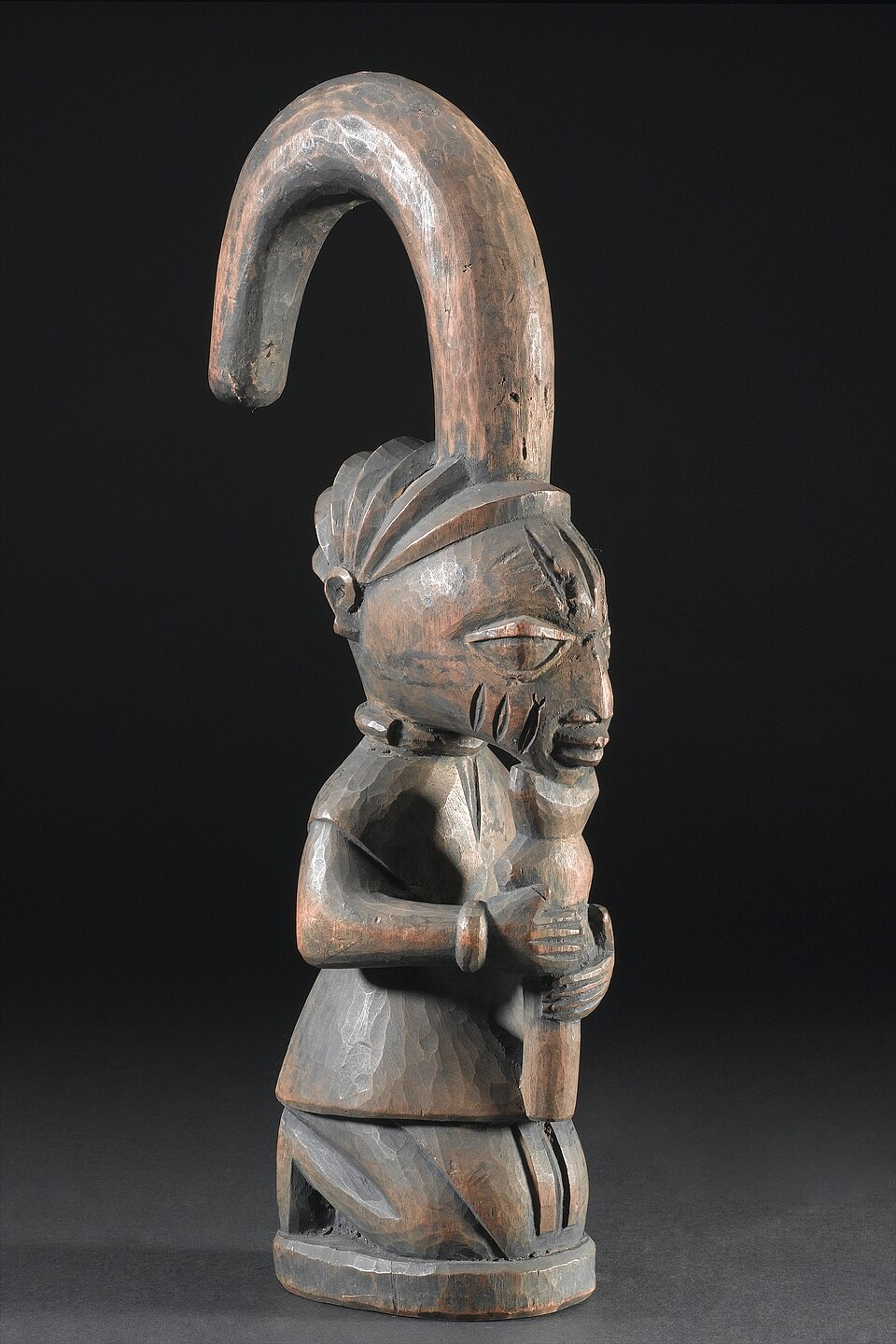
Opposed by Eshu
Recorded here to mark a false equation: missionaries identified Eshu with the devil, and the identification is a colonial imposition rather than a Yoruba claim.
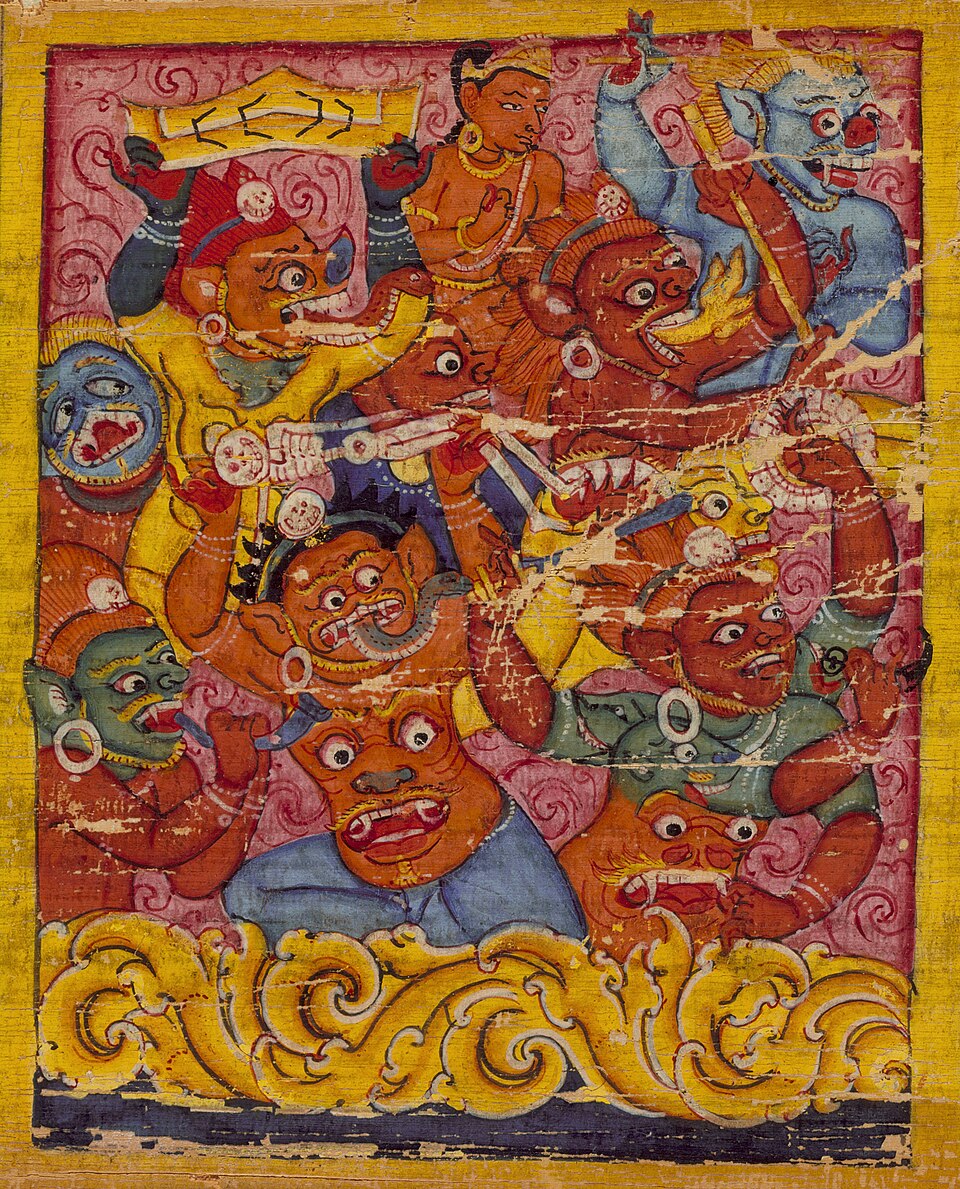
Identified with Mara
Tempts at the decisive moment and commands an army — but is glossed throughout as craving rather than as a being.
Served by Legion
Identified with The Lying Spirit
Both act by permission in their own texts — Job's accuser and Micaiah's spirit are the same theological shape.
Identified with The Prince of the Power of the Air
Generally read as Satan, though Ephesians does not say so.

Identified with Belial
Belial is a common noun for worthlessness before it is a person; the equation is Christian. Recorded by Wikidata (P460); not asserted by a text this corpus carries.
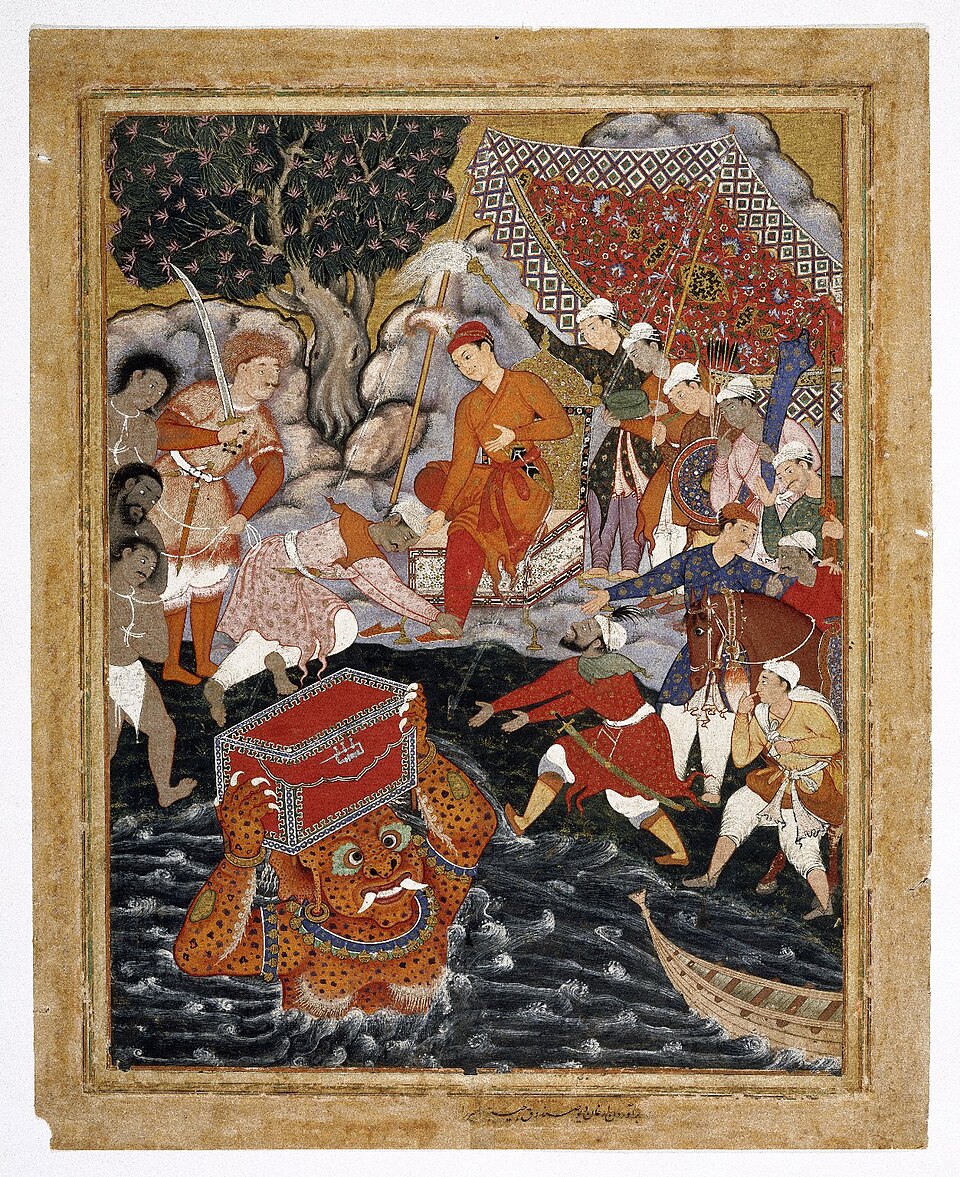
Identified with The Ifrit
A class of jinn read as diabolical by non-Islamic commentators. Recorded by Wikidata (P460); not asserted by a text this corpus carries.
Identified with The Ghul
As above, and about the commentators rather than the sources. Recorded by Wikidata (P460); not asserted by a text this corpus carries.
Placement
Where does it sit in the hierarchies?
The Nine Infernal Orders
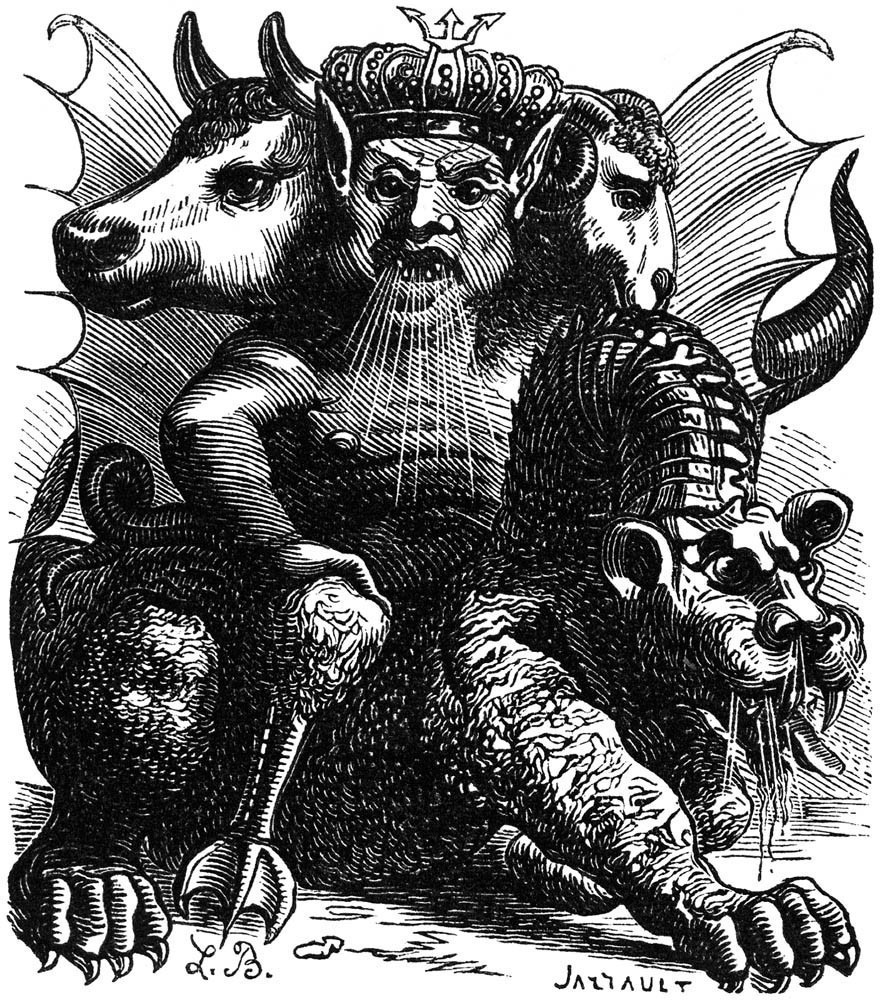
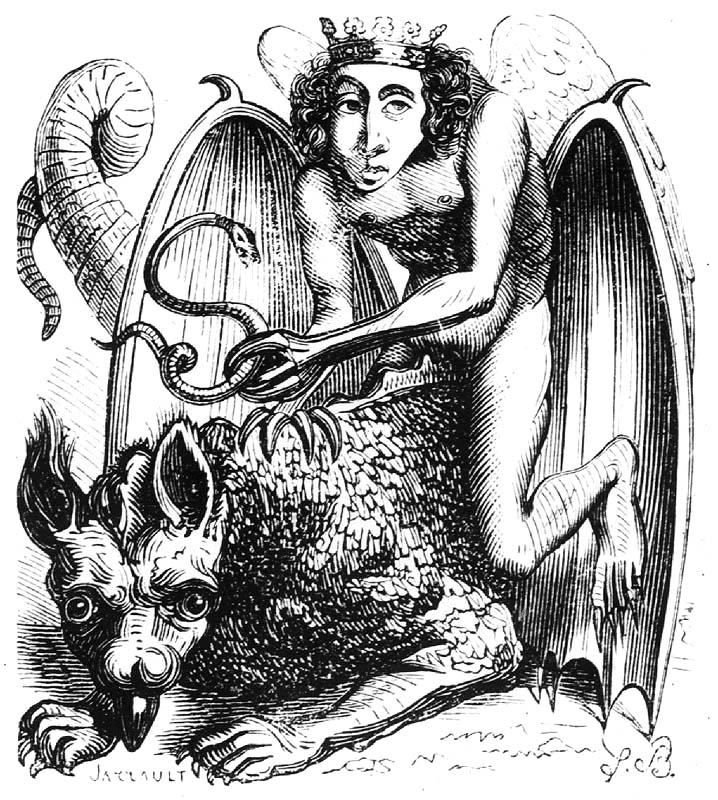
5. Jugglers
Headed by Satan. Opposed to the Virtues.
The Seven Princes and the Deadly Sins
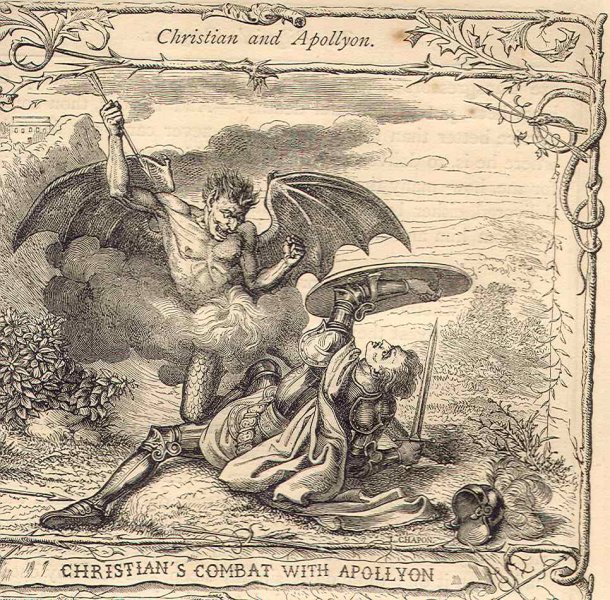
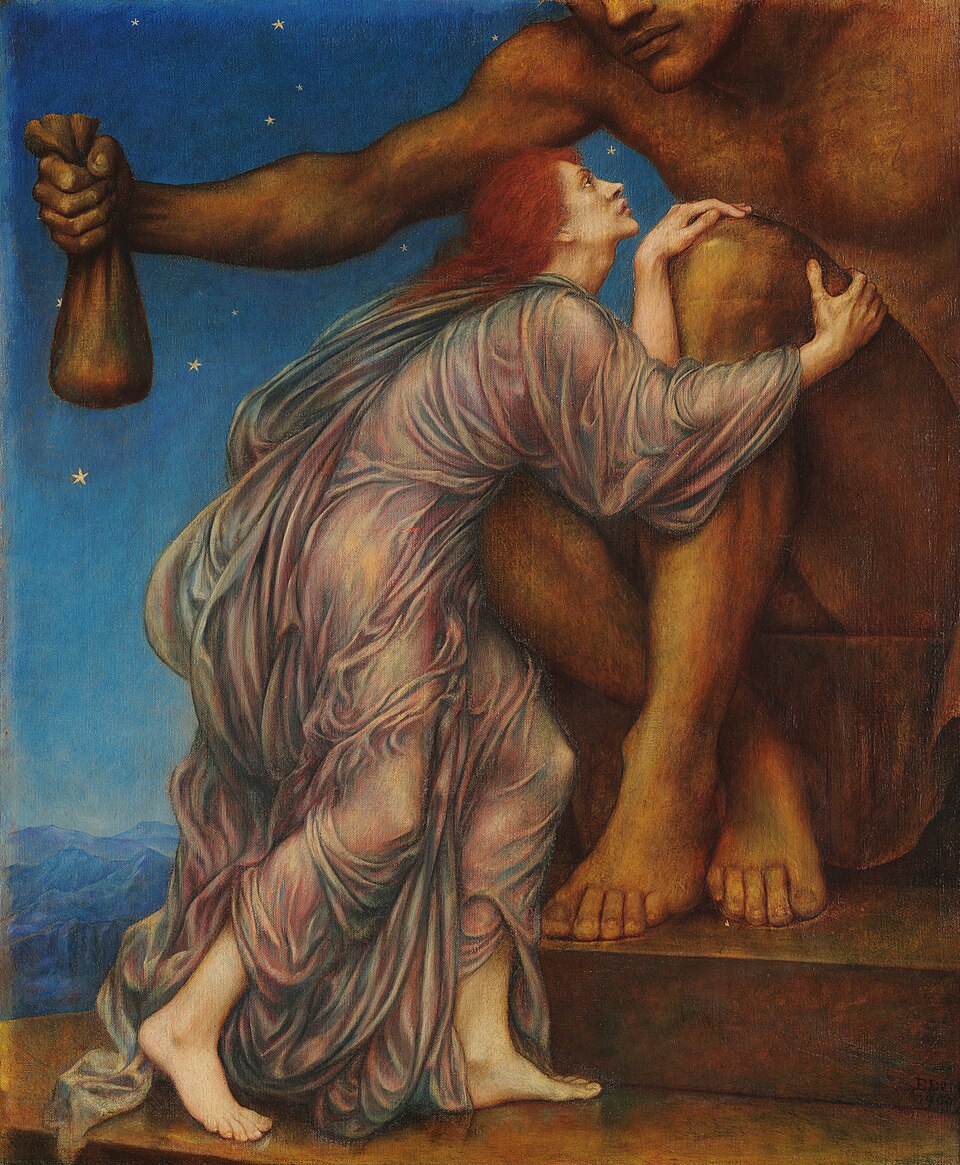
Wrath
Binsfeld keeps Satan and Lucifer as separate officers, which most later writers do not.
Afterwards
What did later readers make of it?
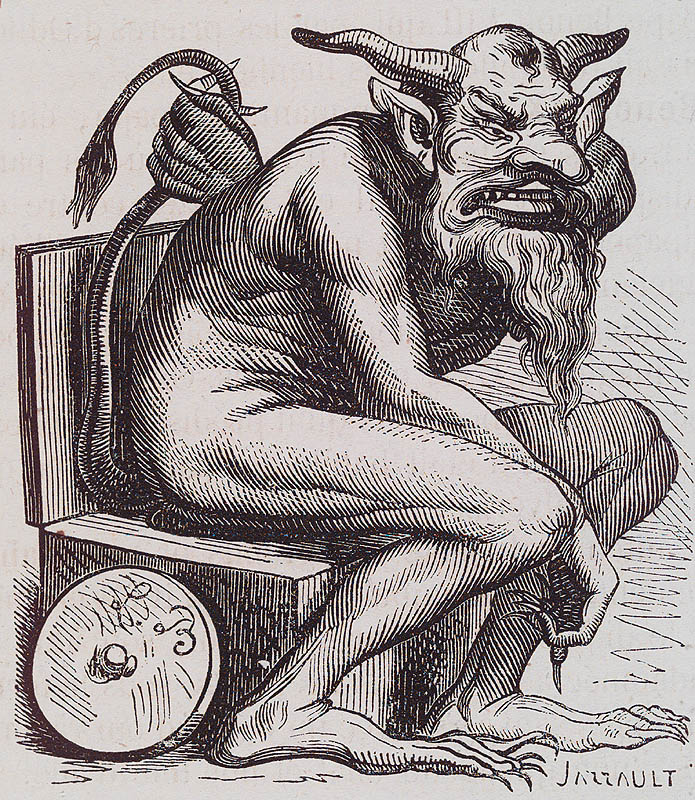
The horns, hooves and pitchfork are inherited from Pan and the classical satyrs by way of medieval art, not from any text. Modern Satanism is largely non-theistic and uses the figure as a symbol of dissent rather than an object of worship.
Kept in its own section on purpose. Everything above is what the cited texts say; this is what was built on top of them afterwards, and blending the two is how most popular demonology goes wrong.
Answered from the sources
Common questions
Which texts mention Satan?
Is Satan the same as Lucifer?
What rank is Satan?
How else is Satan spelled?
What is Satan said to do?
How old is Satan?
Nearest in the corpus
If Satan is what you came for, these are next
Chosen by proximity rather than by popularity: the same pantheon first, then the same rank, then the same kind of figure.
Lucifer
Emperor · Infernal Court
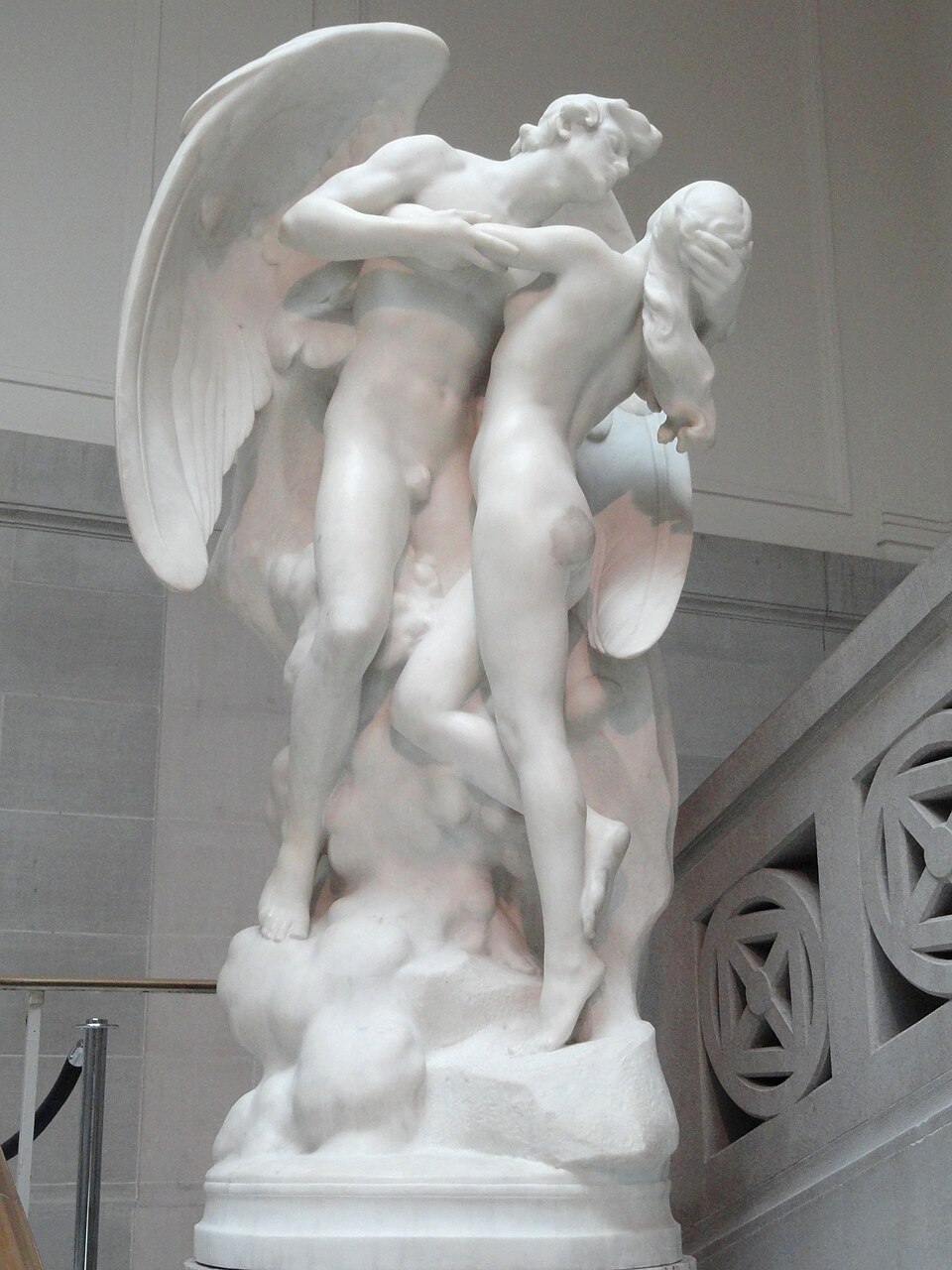
The morning star of Isaiah 14. Christian tradition reads the phrase as the devil's own name; the passage itself makes no such claim.
Semjaza
Leader of the Watchers · The Watchers
The Watcher who proposed the descent and bound the other two hundred to it by mutual oath on Mount Hermon.
Iblis
Chief of the Shayatin · Jinn
The one who refused to bow to Adam. The Qur'an is specific that he was of the jinn rather than the angels, a distinction Western retellings almost always erase.
The books behind Satan
Every claim on this profile is attributed to one of these. They are public domain, listed oldest first, and each links to a full text where one is freely available.
Hebrew Bible & Deuterocanon
Various · c. 900–100 BCE · Hebrew, Aramaic, Greek
Read Hebrew Bible & Deuterocanon in full ↗Cover: Public domain · see en:Aleppo Codex; scanned by · Wikimedia file page
New Testament
Various · c. 50–110 CE · Koine Greek
Read New Testament in full ↗Cover: Public domain · Wikimedia file page
Qur'an & Hadith
Various · 7th c. CE onward · Arabic
Read Qur'an & Hadith in full ↗Cover: Public domain · AnonymousUnknown author · Wikimedia file page
Tractatus de Confessionibus Maleficorum et Sagarum
Peter Binsfeld · 1589 · Latin
Read Tractatus de Confessionibus Maleficorum et Sagarum in full ↗Cover: Public domain · Unknown author · Wikimedia file page
The Catholic Encyclopedia (1913)
Various; ed. Charles Herbermann · 1913 · English
Read The Catholic Encyclopedia (1913) in full ↗Cover: Public domain · Herbermann, Charles George, 1840-1916 · Wikimedia file page
Corpus last revised 29 August 2026. A reference site’s credibility rests on being maintained, so this is the date the sourced records last changed — not the date the page was rebuilt.