Deity · Buddhist · c. 100 BCE
Mara
Also called Varsavarti, Namuci, Kāmadhāturāja, Kṛṣṇa, Piṣuna, Pāpīyān, Pramādabandhu, Māra, Antaka (per Wikidata)
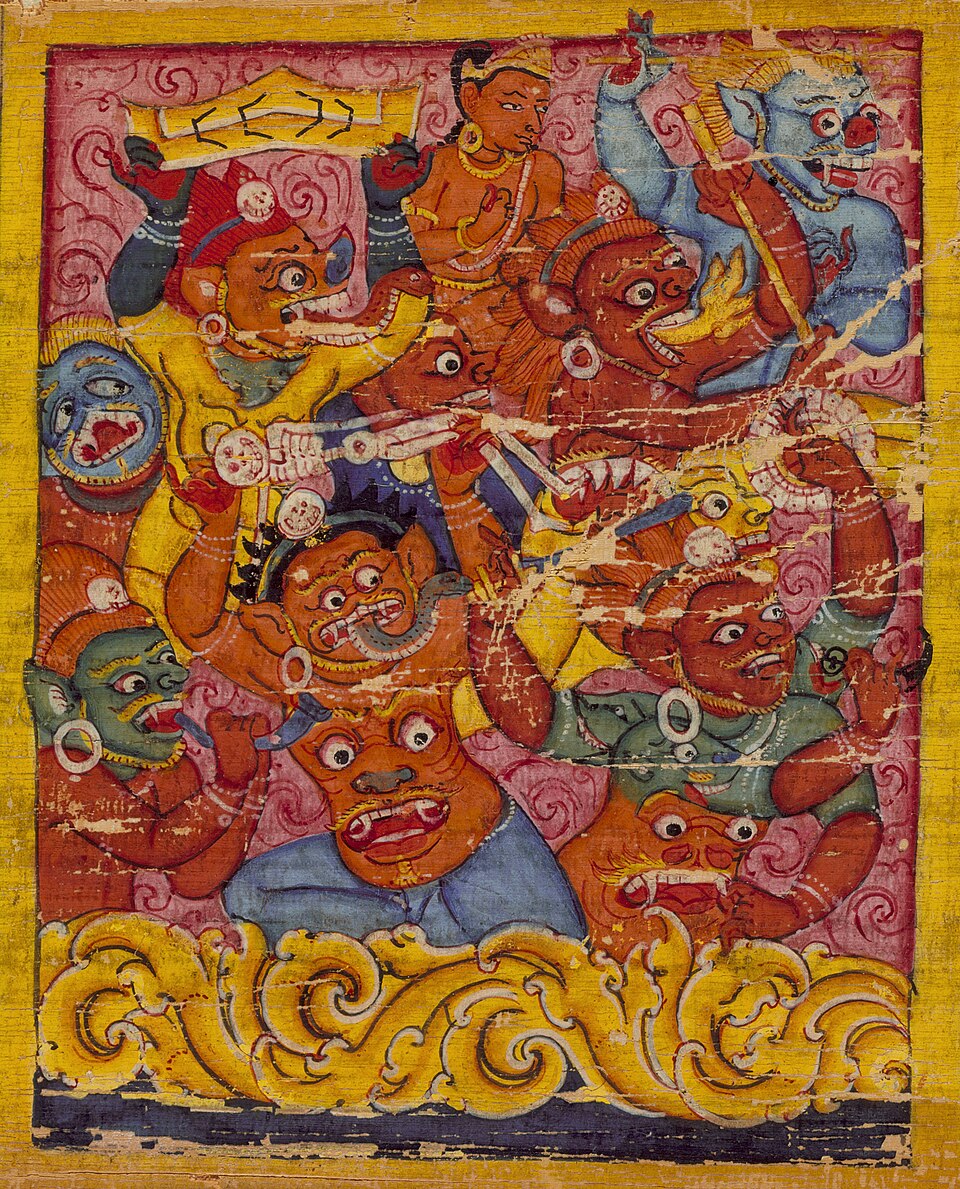
He assaults the Buddha under the Bodhi tree, first with armies and then with his daughters. The canon keeps glossing him as craving itself rather than as a being.
Well sourced
He tempts, he commands an army, and he attacks at the decisive moment, which makes him the closest structural parallel to Satan outside the Abrahamic tradition. The differences are where it gets interesting. But the canon persistently identifies him with mental states: the 'armies of Mara' are enumerated as sense-desire, discontent, hunger and thirst, craving, sloth, fear, doubt, and hypocrisy. He is defeated by recognition rather than by force, and once seen clearly he simply departs — 'Mara, I see you.' The tradition holds the mythological and psychological readings simultaneously without treating either as the debunking of the other.
Identity
Where does the name come from?
What the name means
Sanskrit and Pali *māra*, 'death' or 'the one who kills', from the root *mṛ*, to die. The same root as Latin *mors*.
Where it was actually worshipped
None; a figure to be recognised, not propitiated.
A figure with temples and a figure that only ever existed on a page are different kinds of thing, and the difference is easy to lose once both are entries in a list.
At a glance
Vitals
Vitals
Also known as
- First attested
- The Pali Canon · c. 100 BCE, from oral tradition
- Rank
- The Tempter
- Pantheon
- Buddhist
- Order
- Buddhist pantheon
- Base of operations
- None; a figure to be recognised, not propitiated.
- Era
- c. 100 BCE
- Traditions
- Buddhist
Traits
- Domain
- Craving, distraction, fear of death, the pull of the sensory world
- Traditional form
- A deva with an army of terrors and of daughters
4 attributed
What is it said to do?
Where these powers cluster
The 4 offices attributed to Mara, grouped by kind. Segment width is the share of powers falling in each category.
A bar dominated by one colour means a specialist; an even spread means a figure the sources credit with almost anything.
- martial1
- transformation1
- malefic2
martial
transformation
malefic
2 marks
Which marks is it attached to?
A mark a figure carries and a mark used against a figure are opposite claims, so each link says which it is.
2 texts
Which texts say so?
When these texts were written
Each dot is one of the 2 texts that names Mara, placed at that text's approximate date.
A wide spread means the figure was carried across many centuries and traditions; a tight cluster means a single period produced the whole record.
2 texts spanning roughly 350 years
Assails the Buddha with storms and armies and then with his daughters Craving, Aversion and Passion; is dismissed by being named.
“I see you, Mara.”
The assault under the tree in full: an army, then his daughters, then the challenge that no one can testify for the man sitting there — answered when the earth is called as witness. Every temptation in this corpus is resisted by refusal or expelled by force. This one is settled by evidence, which is a different theory of what a tempter is.
Connections
What is it connected to?
Afterwards
What did later readers make of it?
The Buddhist tradition has never settled whether he is a being or a state of mind, and mostly declines to choose — which is a more sophisticated position than the question usually gets in Western demonology.
Kept in its own section on purpose. Everything above is what the cited texts say; this is what was built on top of them afterwards, and blending the two is how most popular demonology goes wrong.
Answered from the sources
Common questions
Which texts mention Mara?
Is Mara the same as Satan?
What rank is Mara?
How else is Mara spelled?
What is Mara said to do?
How old is Mara?
Nearest in the corpus
If Mara is what you came for, these are next
Chosen by proximity rather than by popularity: the same pantheon first, then the same rank, then the same kind of figure.
The Naga
Serpent Powers · Buddhist
The serpent powers of the Buddhist material — rain-bringers and treasure-keepers who shelter the Buddha under their hoods rather than opposing him, which is what a dragon does almost nowhere else in this corpus.
The Preta
Class of Beings · Buddhist
Beings with enormous stomachs and throats too narrow to swallow. Not a species of demon: a condition you can be reborn into, and eventually leave.
The Yakkha
Class of Spirits · Buddhist
A Buddhist class of spirits that are neither good nor evil by nature — tree-dwellers and gate-keepers who can eat travellers or take refuge in the Buddha, and frequently do the second after threatening the first.
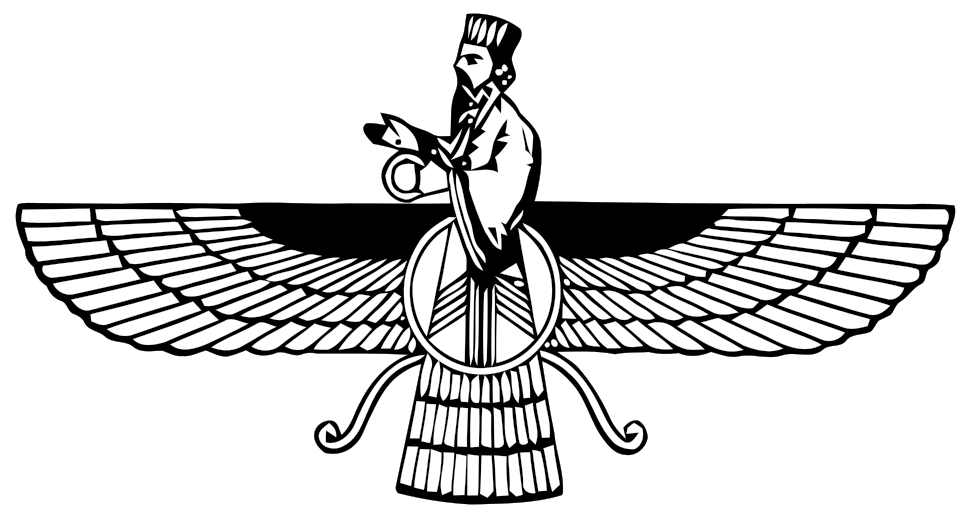
Aeshma
Daeva of Wrath · Persian
The demon of wrath and of the bloody club. He also supplies the most defensible etymology for Asmodeus: *Aeshma-daeva* to *Ashmedai* to *Asmodeus*.
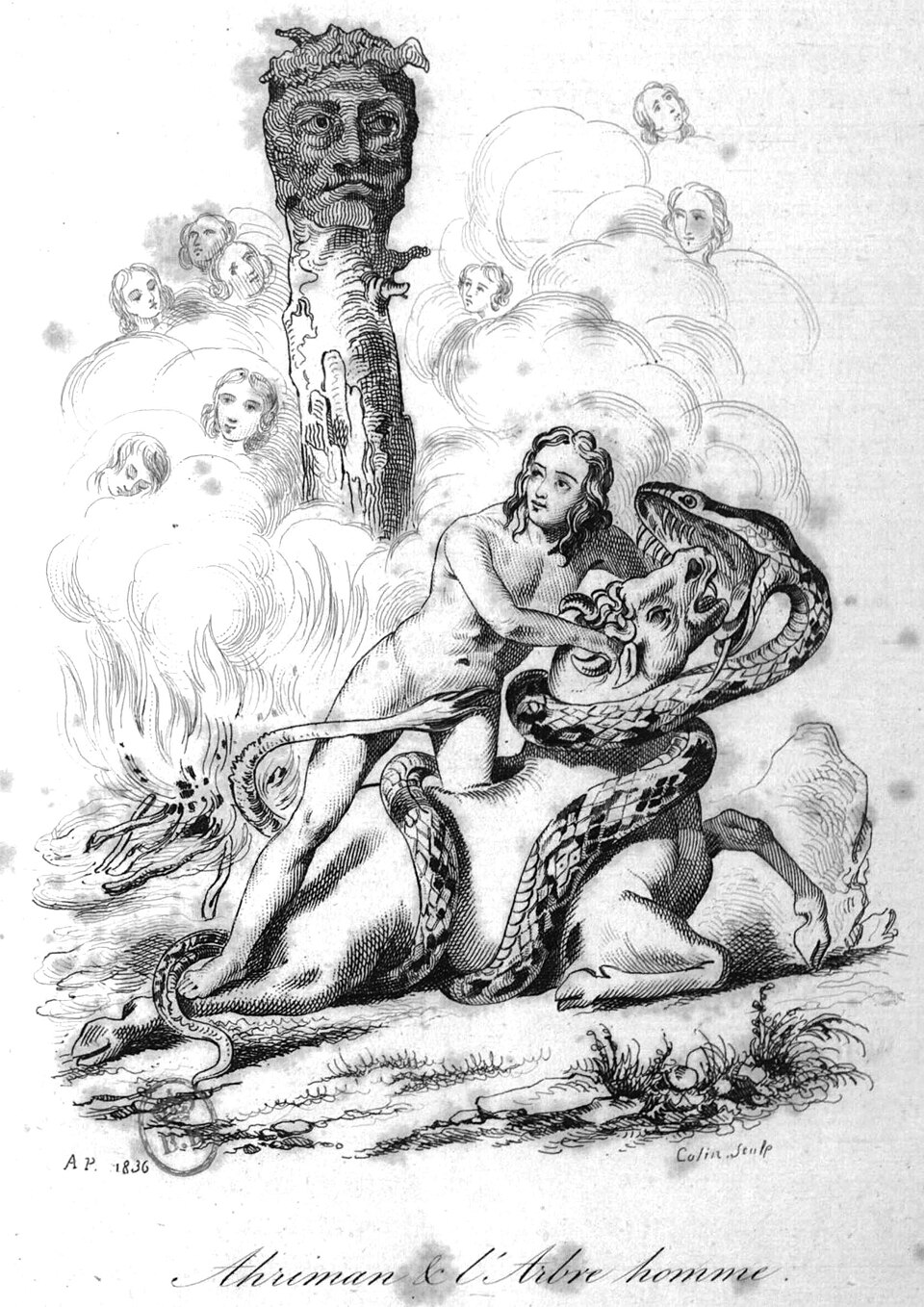
Angra Mainyu
The Destructive Spirit · Persian
The hostile principle, with his own army of daevas — the first fully developed adversary in the record, and the likely structural template for Satan.
Zahhak
The Serpent King · Persian
The three-headed serpent of the Avesta, who becomes in the Shahnameh a tyrant with snakes on his shoulders fed on human brains, chained beneath a mountain until the end.
The books behind Mara
Every claim on this profile is attributed to one of these. They are public domain, listed oldest first, and each links to a full text where one is freely available.
The Pali Canon
Anonymous; attributed to the Buddha and his disciples · c. 100 BCE, from oral tradition · Pali
Read The Pali Canon in full ↗Cover: CC0 · Faredoka · Wikimedia file page
The Lalitavistara Sutra
Anonymous; Mahayana compilation · c. 200–300 CE, from older material · Sanskrit
Read The Lalitavistara Sutra in full ↗
Corpus last revised 29 August 2026. A reference site’s credibility rests on being maintained, so this is the date the sourced records last changed — not the date the page was rebuilt.