Deity · Buddhist · c. 100 BCE
The Naga
Also called Nāga, Serpent Kings
The serpent powers of the Buddhist material — rain-bringers and treasure-keepers who shelter the Buddha under their hoods rather than opposing him, which is what a dragon does almost nowhere else in this corpus.
Well sourced
Mucalinda coils around the seated Buddha for seven days and spreads his hood against a storm. That single image does more comparative work than any argument: the serpent at the tree, in the tradition this site spends most of its time on, is the adversary. Here it is the shelter. The nagas are also credited with keeping texts until the world is ready for them, which makes a serpent the custodian of scripture rather than the thing that corrupts it. The corpus carries them as the strongest available counter-example to treating the dragon as a universal symbol of evil.
Identity
Where does the name come from?
Where it was actually worshipped
Serpent shrines across South and Southeast Asia, and the Mucalinda pond at Bodh Gaya
A figure with temples and a figure that only ever existed on a page are different kinds of thing, and the difference is easy to lose once both are entries in a list.
At a glance
Vitals
Vitals
Also known as
- First attested
- The Pali Canon · c. 100 BCE, from oral tradition
- Named there as
- Naga
- Rank
- Serpent Powers
- Pantheon
- Buddhist
- Order
- Buddhist pantheon
- Base of operations
- Serpent shrines across South and Southeast Asia, and the Mucalinda pond at Bodh Gaya
- Era
- c. 100 BCE
- Traditions
- Buddhist
Traits
- Domain
- Water, rain, treasure and the guarding of texts
- Traditional form
- Great serpents; in some accounts able to take human shape
Stats
4 attributed
What is it said to do?
Where these powers cluster
The 4 offices attributed to The Naga, grouped by kind. Segment width is the share of powers falling in each category.
A bar dominated by one colour means a specialist; an even spread means a figure the sources credit with almost anything.
- divination1
- martial1
- transformation1
- material1
divination
martial
transformation
material
2 texts
Which texts say so, and where do they disagree?
When these texts were written
Each dot is one of the 2 texts that names The Naga, placed at that text's approximate date.
A wide spread means the figure was carried across many centuries and traditions; a tight cluster means a single period produced the whole record.
2 texts spanning roughly 350 years
Where the texts differ
- Name: given as Naga, Nagas
- Rank: given as Serpent kings; Attendants at the awakening
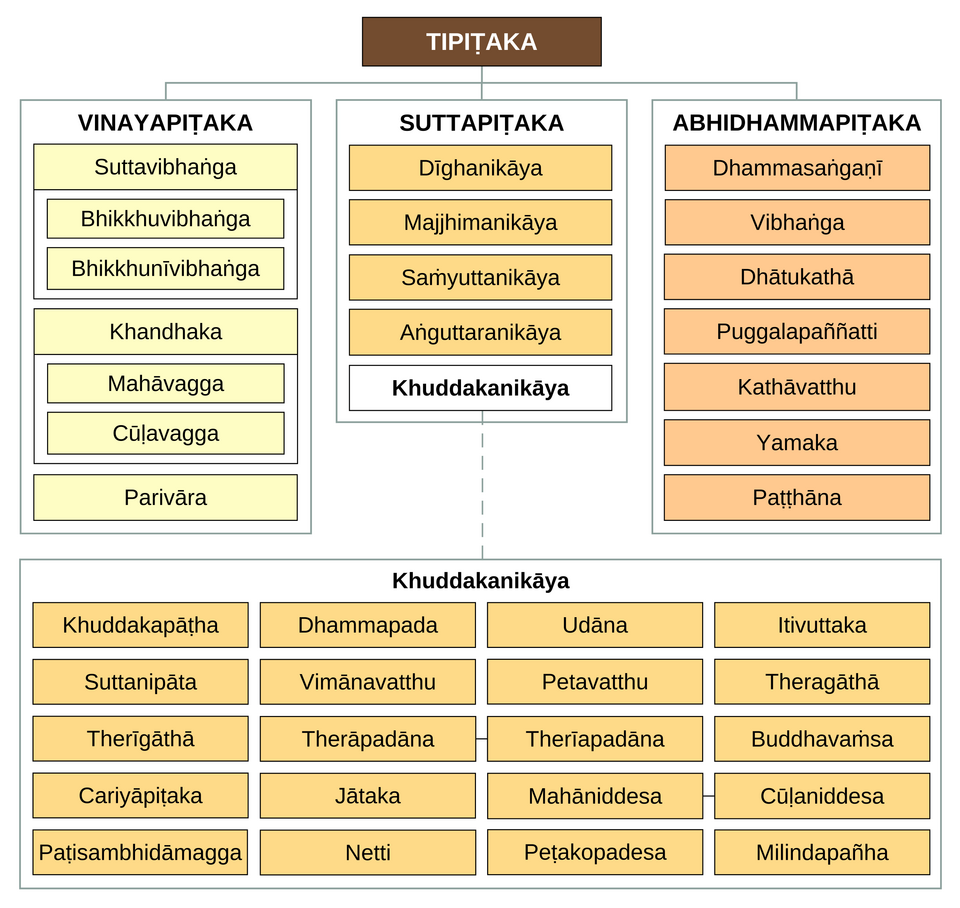
Mucalinda shelters the Buddha under his hood through seven days of rain; nagas appear elsewhere as beings capable of taking the precepts.
Present in the assemblies around the Bodhi seat and the birth, honouring the event rather than contesting it — the serpent on the side of the one under the tree.
Connections
What is it connected to?
No relationship to another figure in this corpus is recorded in the texts cited above. Where an edge exists here it is because a source states it, so an empty section means the sources are silent rather than that the connection is unknown.
Afterwards
What did later readers make of it?
Alive rather than antiquarian: naga balustrades run up the stairs of temples across Thailand, Cambodia and Laos, the serpent-hood canopy is standard in Buddhist statuary, and the naga remains a live element of local practice concerning rivers and rain rather than a literary survival. In India the association with water sources, snakes and fertility keeps a parallel life in village shrines. Of everything in this corpus's Buddhist material, this is the category with the largest continuing physical presence.
Kept in its own section on purpose. Everything above is what the cited texts say; this is what was built on top of them afterwards, and blending the two is how most popular demonology goes wrong.
Answered from the sources
Common questions
Which texts mention The Naga?
What rank is The Naga?
How else is The Naga spelled?
What is The Naga said to do?
How old is The Naga?
Nearest in the corpus
If The Naga is what you came for, these are next
Chosen by proximity rather than by popularity: the same pantheon first, then the same rank, then the same kind of figure.
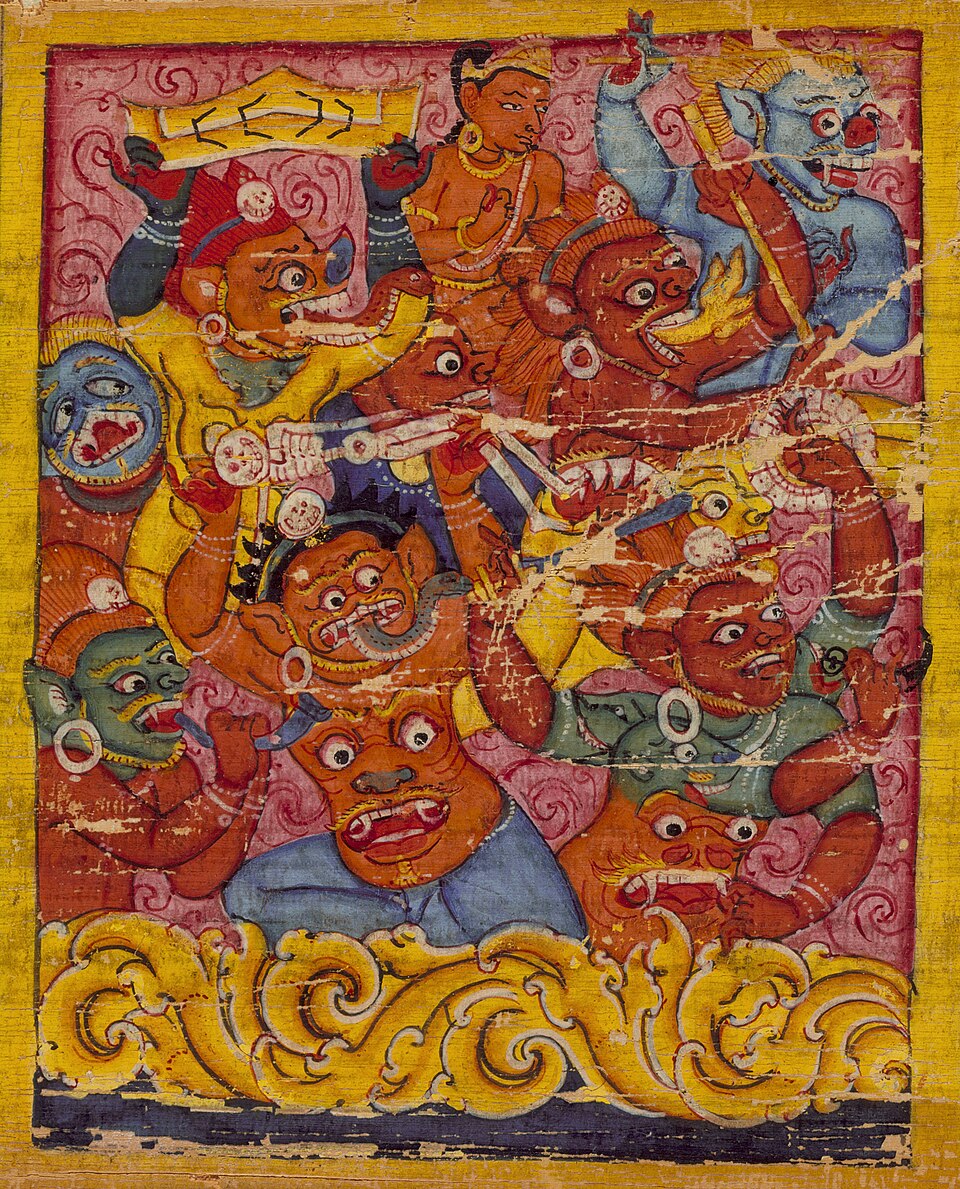
Mara
The Tempter · Buddhist
He assaults the Buddha under the Bodhi tree, first with armies and then with his daughters. The canon keeps glossing him as craving itself rather than as a being.
The Preta
Class of Beings · Buddhist
Beings with enormous stomachs and throats too narrow to swallow. Not a species of demon: a condition you can be reborn into, and eventually leave.
The Yakkha
Class of Spirits · Buddhist
A Buddhist class of spirits that are neither good nor evil by nature — tree-dwellers and gate-keepers who can eat travellers or take refuge in the Buddha, and frequently do the second after threatening the first.
Artemis
Mistress of Animals · Greek
Huntress and protector of the young, whose Ephesian cult statue looks nothing like her and whose temple gave the ancient world one of its most durable protective formulas.
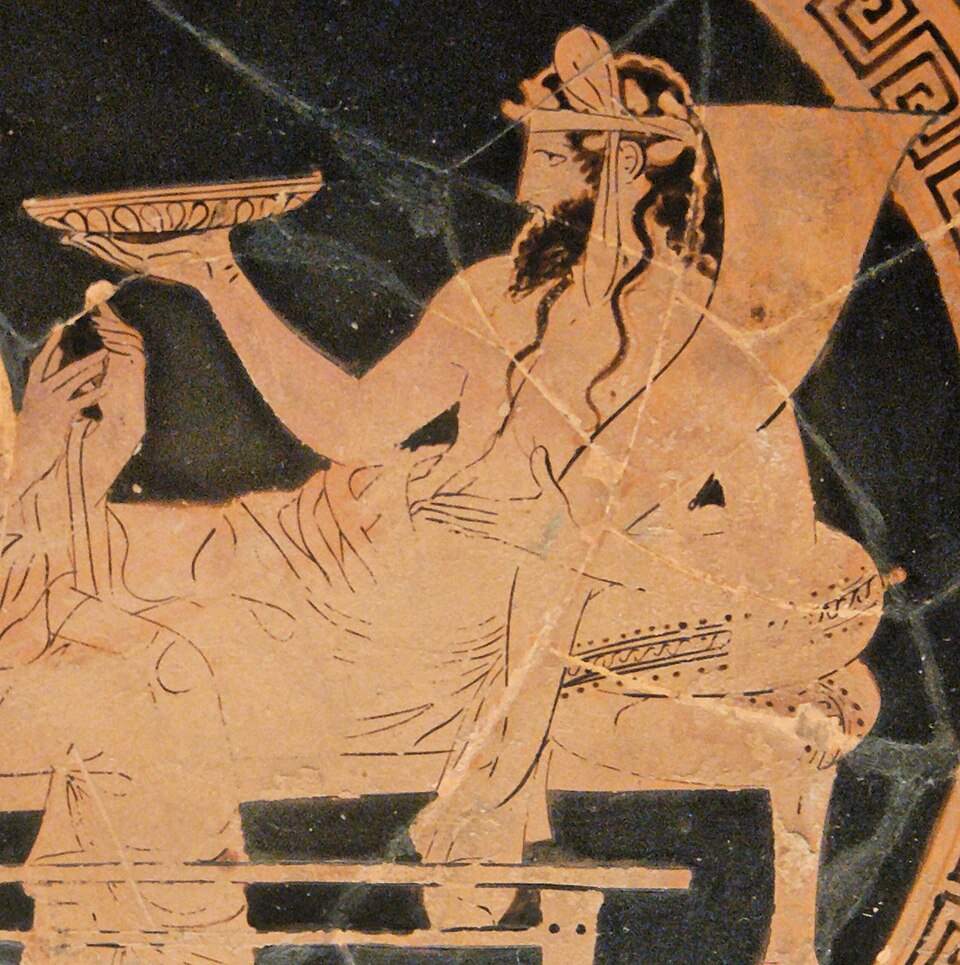
Hades
Lord of the Underworld · Greek
Ruler of the dead by lot rather than by punishment — a god of the underworld who is not evil, a distinction Christian cosmology cannot express.
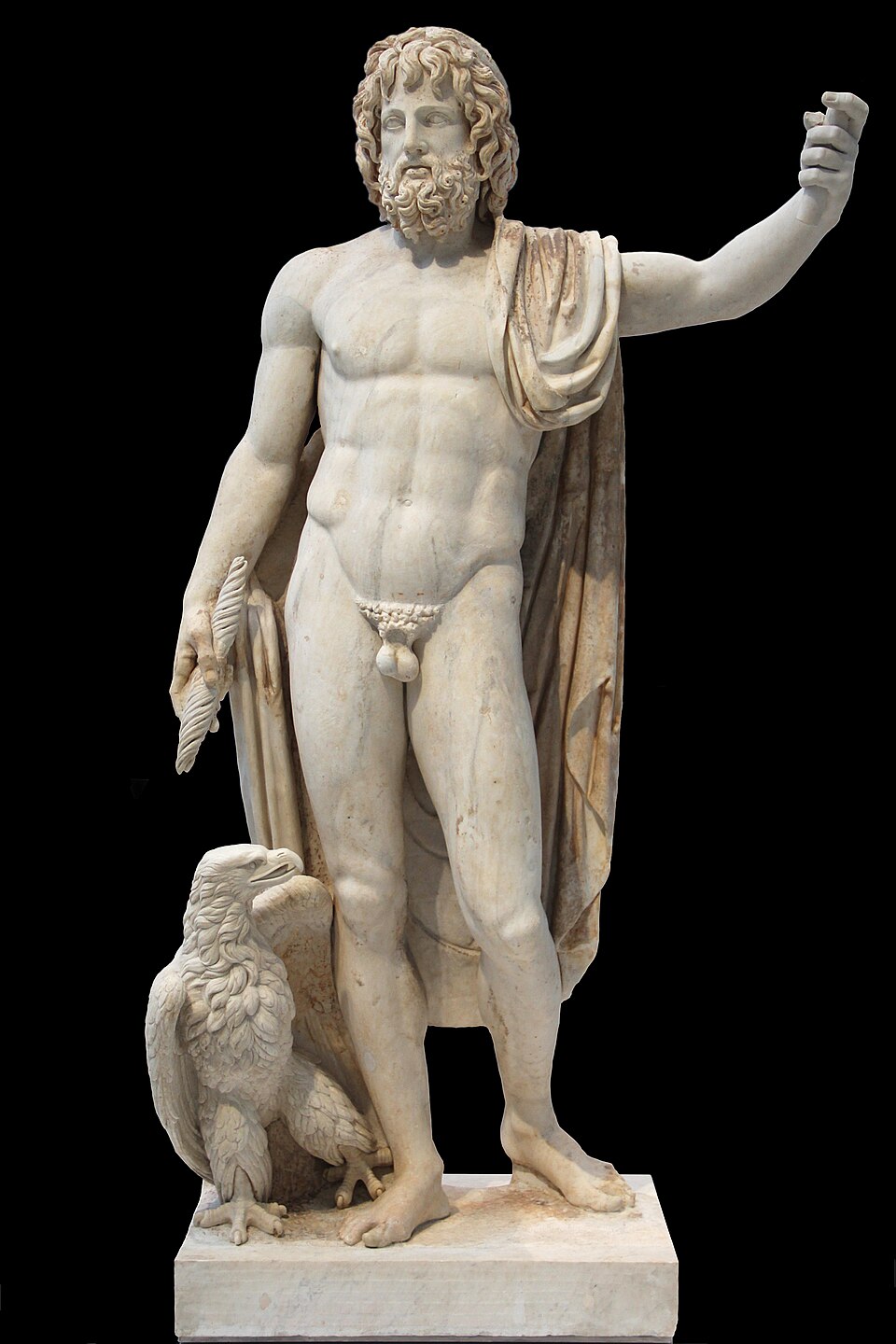
Jupiter
King of the Gods · Roman
Sky-father and state god of Rome, identified with Zeus by the *interpretatio romana* — the ancient world's official policy of treating foreign gods as one's own under different names.
The books behind The Naga
Every claim on this profile is attributed to one of these. They are public domain, listed oldest first, and each links to a full text where one is freely available.
The Pali Canon
Anonymous; attributed to the Buddha and his disciples · c. 100 BCE, from oral tradition · Pali
Read The Pali Canon in full ↗Cover: CC0 · Faredoka · Wikimedia file page
The Lalitavistara Sutra
Anonymous; Mahayana compilation · c. 200–300 CE, from older material · Sanskrit
Read The Lalitavistara Sutra in full ↗
Corpus last revised 29 August 2026. A reference site’s credibility rests on being maintained, so this is the date the sourced records last changed — not the date the page was rebuilt.